
South America
Argentine government closes anti-discrimination agency
LGBTQ activists have sharply criticized President Javier Milei’s decision

Argentine President Javier Milei’s government has officially closed the National Institute Against Discrimination, Xenophobia and Racism (INADI).
INADI, created in 1995, was a key player in the promotion and protection of human rights in Argentina, offering support and resources to people affected by discrimination based on gender identity, sexual orientation, race, and other characteristics.
Officials announced INADI’s closure on Tuesday during a press conference. Milei’s government has presented the move as part of a reform to streamline public administration and restructure human rights policies.
“One of President Milei’s ideals is the reduction of the state and the elimination of everything that does not generate a benefit for Argentines,” presidential spokesman Manuel Adorni said in February when he announced INADI’s closure. “The decision was made to move forward in the dismantling of different institutes that effectively serve absolutely no purpose or are big boxes of politics or places to generate militant employment and the first of them is going to be INADI.”
The international community, including human rights organizations and LGBTQ activist groups, have expressed strong concern.
INADI has played a crucial role in the implementation of progressive laws in Argentina, such as the Gender Identity Law and marriage equality. Its dissolution raises questions about the continuity of these efforts.
“It is extremely serious, especially because we are in a moment in Argentina, not only because of the local context, but also the global context of a growth, an increase in anti-Semitism, racism, violence, xenophobia, LGBTphobia,” gay Congressman Esteban Paulón told the Washington Blade.
Paulón added Tuesday marked “three months since a triple femicide that occurred in the city of Buenos Aires with three lesbian women who were set on fire by a person who attacked them.”
“INADI was acting in many cases as an auxiliary of justice, with opinions that although they were not binding, they were a great support for the judicial instances,” he said.
Alba Rueda is a transgender woman who was Argentina’s Special Representative on Sexual Orientation and Gender Identity under former President Alberto Fernández’s government. Rueda resigned last November ahead of Milei’s inauguration.
Milei’s government earlier this year closed the Women, Gender and Diversity Ministry, under which Rueda worked.
“The closure of Women, Gender and Diversity Ministry, the closure of the special representation on sexual orientation and gender identity, the position of the Foreign Ministry’s position in the OAS (Organization of American States) to reaffirm conversion therapies, and INADI’s closure is one of the situations that comes to institutionally break public policies that protect the most excluded sectors of Argentina,” Rueda told the Blade.
“The closing of INADI is a very, very serious situation,” she added.
Activists are calling on the government to clarify how it will guarantee queer rights in the future and whether it will create alternative mechanisms to address discrimination complaints.
Santiaga D’Ambrosio, an LGBTQ activist who is a member of the country’s Socialist Workers’ Party, told the Blade “the closure of INADI is an adjustment that endorses discrimination, not only towards sexual diversity, but also towards so many other oppressed, violated or persecuted sectors, such as workers in struggle, migrants, people with disabilities.”
“INADI, in fact, has played a progressive role in the face of discrimination due to political and union persecution in different workers’ conflicts, against dismissals and for the recognition of union privileges in workplaces,” added D’Ambrosio.
D’Ambrosio, at the same time, said INADI’s closure deepens the economic and social crisis through which the Latin American country is going.
“Behind the closure of an agency, there are layoffs and uncertainty among its workers and their families,” said D’Ambrosio, noting layoffs have also taken place at Aerolíneas Argentinas, the country’s national airlines, and other companies. “Meanwhile, the enormous tax benefits for national and foreign businessmen remain untouched.”
D’Ambrosio added LGBTQ Argentines and other marginalized groups have to “self-organize independently from all governments who don’t really care about our lives.”
“We have to debate in our workplaces and study … how to conquer and strengthen our claims in the streets,” said D’Ambrosio.



Brazil
VIDEO: Interview with executive director of VoteLGBT (Institute for Full Citizenship) in Brazil
Second round of presidential election taking place on Sunday
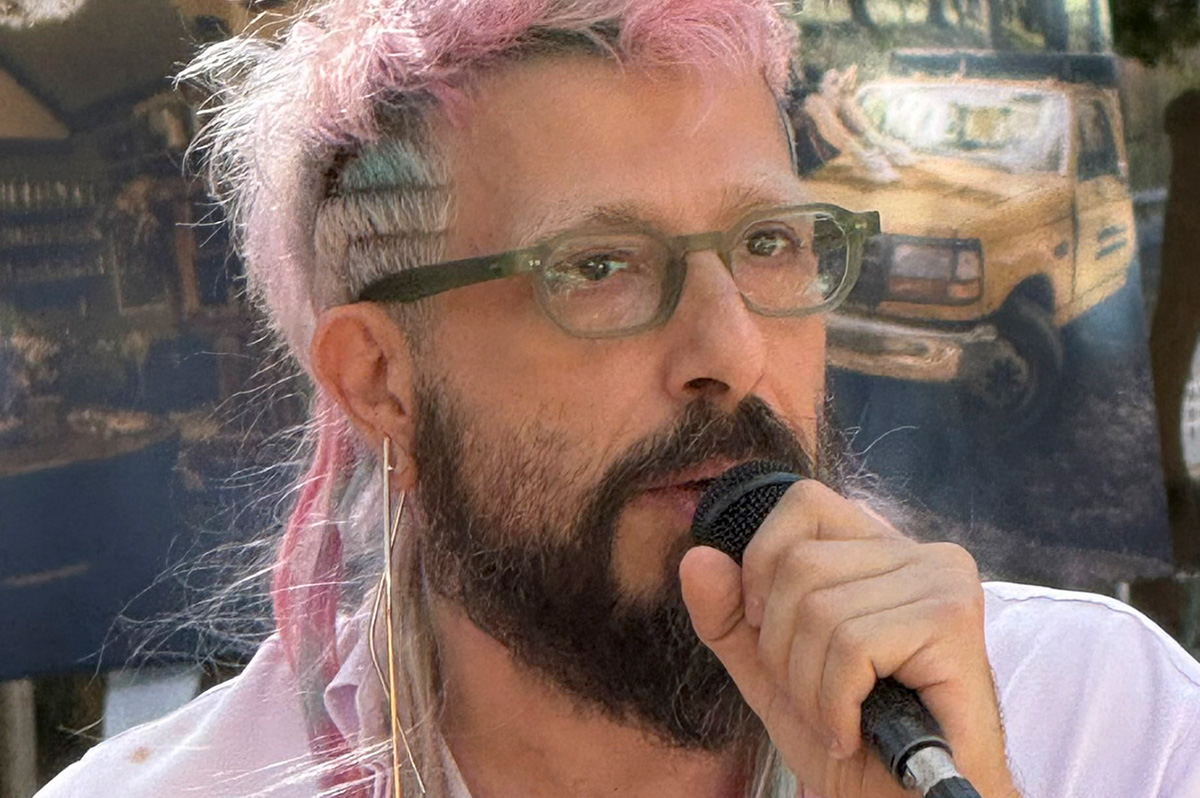
The Los Angeles Blade on Monday spoke with Gui Molhallem, the executive director of VoteLGBT (Institute for Full Citizenship), a group that seeks to increase LGBTQ+ and intersex representation in Brazilian politics.
Molhallem pointed out 35 LGBTQ+ candidates won their respective races in the Oct. 4 election. They include Natal Municipal Councilwoman Thabatta Pimenta, a member of the Green Party who became the first transgender woman from northeast Brazil elected to represent Rio Grande do Norte state in the country’s Chamber of Deputies.
Congresswoman Erika Hilton, a travesti member of the leftist Socialism and Liberty (PSOL) party on Oct. 4 won re-election with nearly 1.6 million votes, the most any female member of Congress has received in Brazilian history. Guilherme Cortes, a bisexual PSOL member from São Paulo state, and Rick Azevedo, a gay PSOL member from Rio de Janeiro state, are among the candidates who won their respective Chamber of Deputies races.

Samanda de Lula, a lesbian member of the leftist Workers’ Party, will represent Rio Grande do Norte in the Brazilian Senate.
Molhallem pointed out there will be 14 openly LGBTQ+ members of Congress once the candidates who won their races on Oct. 4 take office in February. This number is the highest of any country in the Americas.
President Luiz Inácio Lula da Silva will face off against Sen. Flávio Bolsonaro in the second round of the presidential election on Sunday after neither man received at least 50 percent of the vote on Oct. 4.

Lula, who leads the Workers’ Party, in 2022 defeated Bolsonaro’s father, then-President Jair Bolsonaro, in that year’s presidential election.
The Brazilian Supreme Court last year sentenced Jair Bolsonaro — who repeatedly targeted LGBTQ+ Brazilians and other groups while in office — to more than 27 years in prison for his role in an attempted coup that saw thousands of his supporters storm the Congress, presidential palace, and the Supreme Court itself on Jan. 8, 2023. Jair Bolsonaro is currently serving his sentence at his home in Brasília, the country’s capital, because of his poor health.
His son has pledged to pardon him if he becomes the country’s next president.
(Video by Michael K. Lavers for the Washington Blade)
Brazil
Transgender woman elected to Brazilian Chamber of Deputies
Thabatta Pimenta is first trans person from northeast Brazil elected to Congress
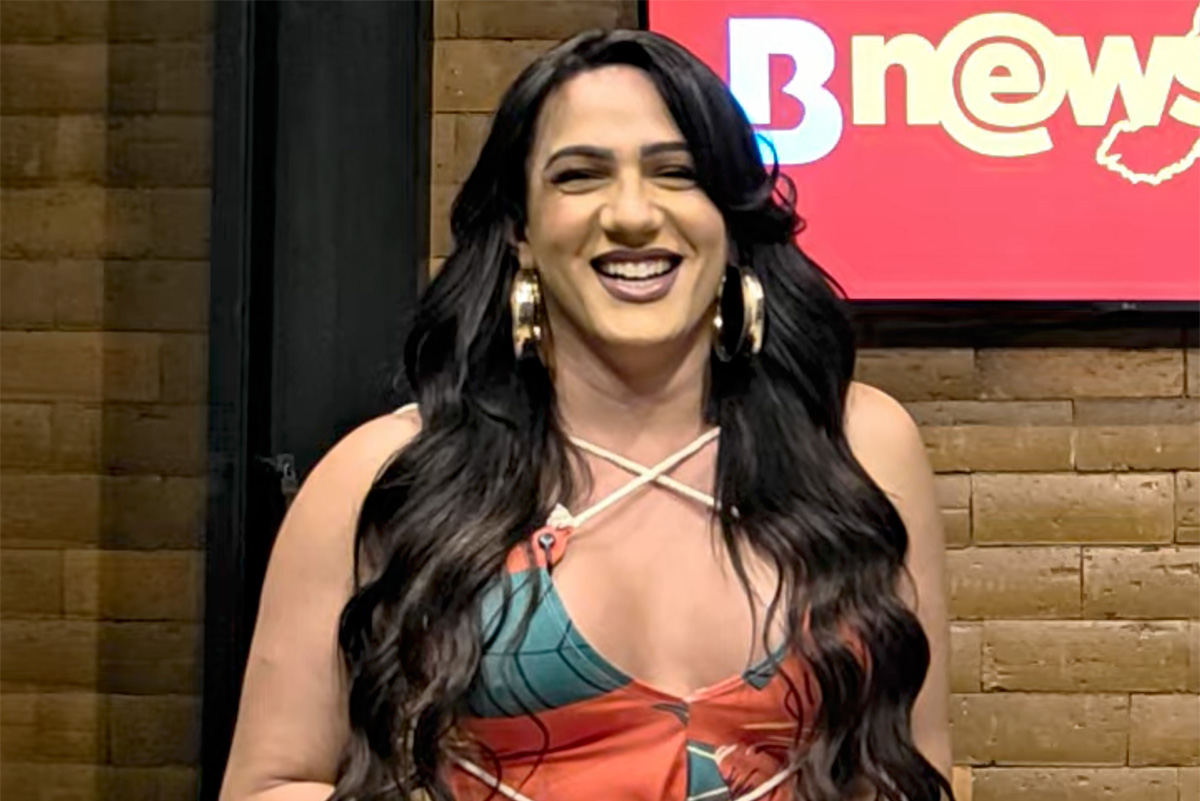
SÃO PAULO — Voters in Brazil’s Rio Grande do Norte state on Sunday elected a transgender woman to the country’s Chamber of Deputies.
Natal Municipal Councilwoman Thabatta Pimenta, who is a member of the Green Party, won with 92,743 votes. She is the first trans woman from northeast Brazil elected to the country’s Congress.
Pimenta became emotional when she was speaking to her supporters after she won. Her brother Ryan, who has cerebral palsy, was by her side.
“This victory belongs to the people of Rio Grande do Norte,” she said. “It is a victory built from the ground up … the people themselves rose up, and you saw the result: today they elected the first female travesti federal deputy from northeast Brazil.”
Pimenta will join Erika Hilton, a travesti member of the leftist Socialism and Liberty (PSOL) party who was a sex worker before her election to the São Paulo Municipal Council, and Duda Salabert, a trans woman and fellow PSOL member from Minas Gerais state, in the Chamber of Deputies.
Hilton on Sunday won re-election with 1,596,472 votes, the most any female member of Congress has received in Brazilian history. Dudabert also won re-election with 215,192 votes.
“Thank you Minas Gerais,” said Dudabert on social media after she won re-election.
❤️ REELEITA!!! Obrigada Minas Gerais! Com muito trabalho, aumentamos nossa votação! Muito orgulho em ser, pela segunda eleição consecutiva, a terceira candidatura mais votada de Minas Gerais para o cargo de deputada federal. E mostramos novamente que é possível fazer uma campanha “lixo zero”- sem imprimir santinhos, bandeiras ou adesivos. Muito feliz! Obrigada Minas ! Obrigada Brasil
— Duda Salabert 5️⃣0️⃣5️⃣0️⃣ (@DudaSalabert) October 5, 2026
Five openly bisexual Chamber of Deputies candidates also won their races on Sunday.
• Guilherme Cortez, a PSOL member in São Paulo state
• Dandara Tonatzin, a member of President Luiz Inácio Lula da Silva’s Workers’ Party in Minas Gerais
• Anielle Franco, a Workers’ Party member in Rio de Janeiro state
• Maria Marighella, a Workers’ Party member in Bahia state
• Giovana Mondardo, a Brazilian Communist Party member in Santa Catalina state
Fabio Félix, a gay PSOL member of the Chamber of Deputies who represents the Federal District in which Brasília, the country’s capital, is located won re-election with 224,224 votes. Rick Azevedo, a gay PSOL member from Rio de Janeiro state, won his Chamber of Deputies race.
Daiana Santos, a lesbian Brazilian Communist Party member who represents Rio Grande do Sul state in the Chamber of Deputies, won re-election with 114,315 votes.
Two lesbian women won their Chamber of Deputies campaigns.
• Rosa Amorin, a Workers’ Party member from Pernambuco state
• Bella Gonçalves, a Workers’ Party member from Minas Gerais who is a member of the Belo Horizonte Municipal Council
Samanda de Lula, a lesbian Workers’ Party member, will represent Rio Grande do Norte in the Brazilian Senate.
Rio de Janeiro Municipal Councilwoman Mônica Benício, who is a PSOL member, came up short in her bid for the Senate. Her then-partner, Rio de Janeiro Municipal Councilwoman Marielle Franco, and her driver, Anderson Gomes, were assassinated on March 14, 2018.
Fabiano Contarato, a gay senator from Espíritu Santo who is a member of the Workers’ Party, also lost his re-election bid.
“I receive the election results with respect and serenity,” he said on social media. “The popular will is sovereign, and democracy must always be respected.”
Jean Wyllys is a gay former member of the Chamber of Deputies who previously represented Rio de Janeiro state. He resigned in 2019 and fled Brazil after he received death threats. Wyllys this year ran to represent São Paulo state in the Chamber of Deputies, but he did not win his race.
VoteLGBT, an organization that seeks to increase LGBTQ+ representation in Brazilian politics, noted 529 openly LGBTQ+ candidates ran in the election. The group on Sunday more than 30 of them won their races across the country.
Natasha Ferreira, a Workers’ Party member, became the first travesti elected to public office in Rio Grande do Sul when she won a seat in the state’s Legislative Assembly. Voters in other states across the country also elected more than 20 LGBTQ candidates to their respective Legislative Assemblies.
• Keka Bagno, a bisexual PSOL member, was elected to the Federal District Legislative Chamber
• Açucena, a lesbian Workers’ Party member, was elected to the Espíritu Santo Legislative Assembly
• Fabricio Rosa, a gay Workers’ Party member, was elected to the Goiás Legislative Assembly
• Iza Lourença, a bisexual PSOL member, was elected to the Minas Gerais Legislative Assembly
• Tiago Botelho, a gay Workers’ Party member, was elected to the Minas Gerais Legislative Assembly
• Flávio Brasileiro, a gay Workers’ Party member, was elected to the Paraíba Legislative Assembly
• Dani Balbi, a trans Brazilian Communist Party member, was elected to the Rio de Janeiro Legislative Assembly
• Verônica Lima, a lesbian Workers’ Party member, was elected to the Rio de Janeiro Legislative Assembly
• Dani Monteiro, a bisexual PSOL member, was elected to the Rio de Janeiro Legislative Assembly
• Jean Volpato, a gay Workers’ Party member, was elected to the Santa Catarina Legislative Assembly
• Linda Brasil, a trans PSOL member, was elected to the Sergipe Legislative Assembly
• Sofia Favero, a trans PSOL member, was elected to the São Paulo Legislative Assembly
• Paula Nunes dos Santos, a bisexual PSOL member, was elected to the São Paulo Legislative Assembly
• Ediane Maria, a bisexual PSOL member, was elected to the São Paulo Legislative Assembly
• Monica das Pretas, a bisexual PSOL member, was elected to the São Paulo Legislative Assembly
• Duda Hidalgo, a bisexual Workers’ Party member, was elected to the São Paulo Legislative Assembly
• Rodrigo Mar, a bisexual Workers’ Party member, was elected to the São Paulo Legislative Assembly
• Thainara Faria, a bisexual Workers’ Party member, was elected to the São Paulo Legislative Assembly
• Keit Lima, a bisexual PSOL member, was elected to the São Paulo Legislative Assembly
Lula and Sen. Flávio Bolsonaro, whose father is former President Jair Bolsonaro, will face off in the presidential election’s second round on Oct. 25.
Brazil
Lula, Flávio Bolsonaro to face off in second round of Brazilian presidential election
Neither man received at least 50 percent of the vote on Sunday
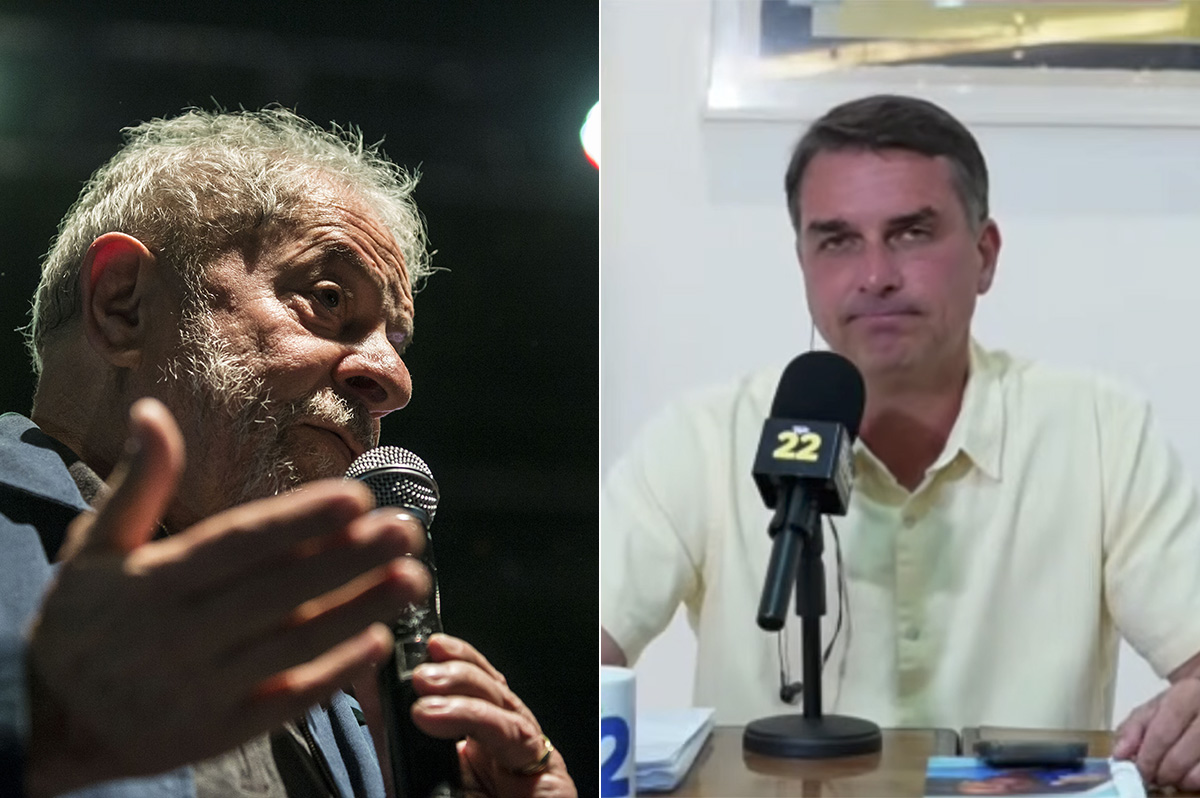
SÃO PAULO — President Luiz Inácio Lula da Silva will face off against Sen. Flávio Bolsonaro in the second round of Brazil’s presidential election on Oct. 25 after neither man received more than 50 percent of the vote in the first round that took place on Sunday.
Bolsonaro was ahead of Lula by a 47.03-45.16 percent margin with 100 percent of the vote counted.
Lula in 2022 defeated Bolsonaro’s father, then-President Jair Bolsonaro, in that year’s presidential election.
The Brazilian Supreme Court last year sentenced Bolsonaro — who repeatedly targeted LGBTQ+ Brazilians and other groups while in office — to more than 27 years in prison for his role in an attempted coup that saw thousands of his supporters storm the Congress, presidential palace, and the Supreme Court itself on Jan. 8, 2023. Bolsonaro is currently serving his sentence at his home in Brasília, the country’s capital, because of his poor health. His son has pledged to pardon him if he becomes the country’s next president.
Lula, who leads Brazil’s leftist Workers’ Party, was Brazil’s president from 2003-2010.
Sergio Moro, a judge who Jair Bolsonaro later tapped as his government’s Justice and Public Security Minister, in 2017 sentenced Lula to 9 1/2 years in prison after his conviction on money laundering and corruption charges that stemmed from Operation Car Wash.
The Supreme Court in November 2019 ordered Lula’s release.
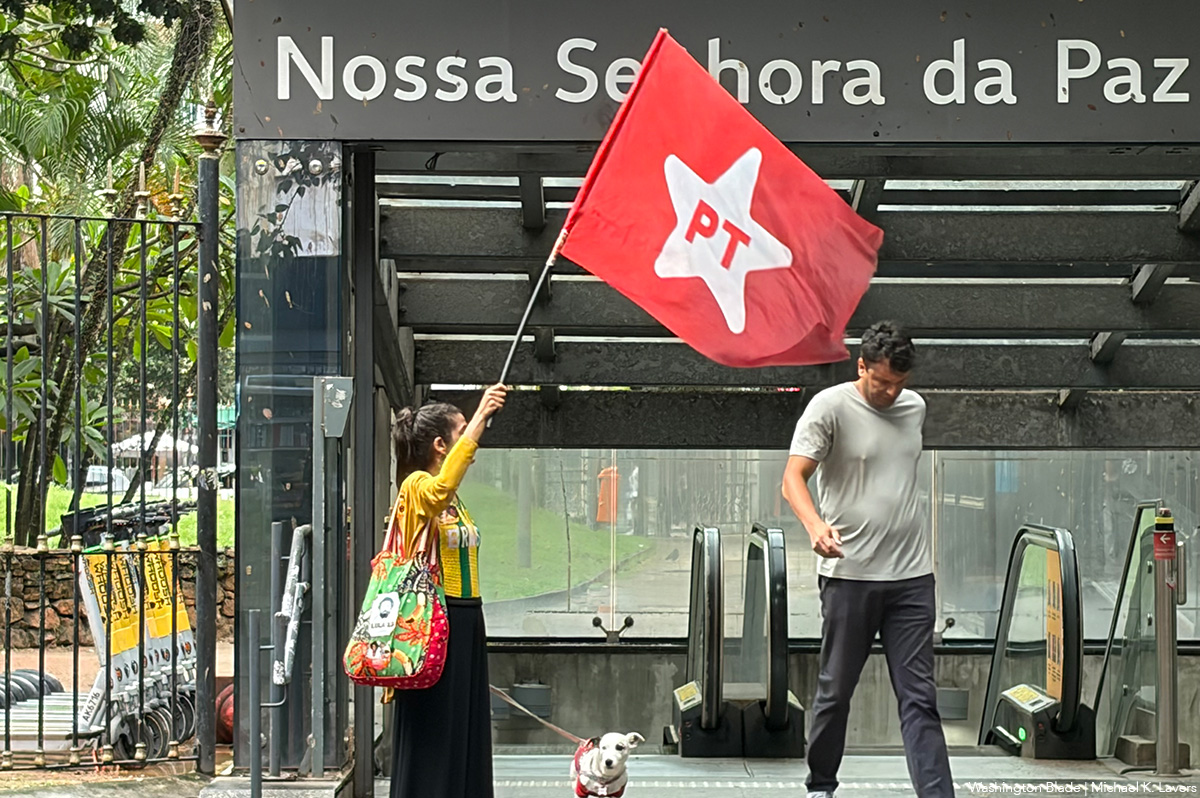
VoteLGBT, an organization that seeks to increase LGBTQ+ representation in Brazilian politics, noted 529 openly LGBTQ+ candidates ran in this year’s election. More than 100 of them are either transgender or travesti.
The Los Angeles Blade will cover the results of these races when they become available.
Brazil
529 openly LGBTQ+ candidates running in Brazilian election
Lula running against Jair Bolsonaro’s son in presidential contest
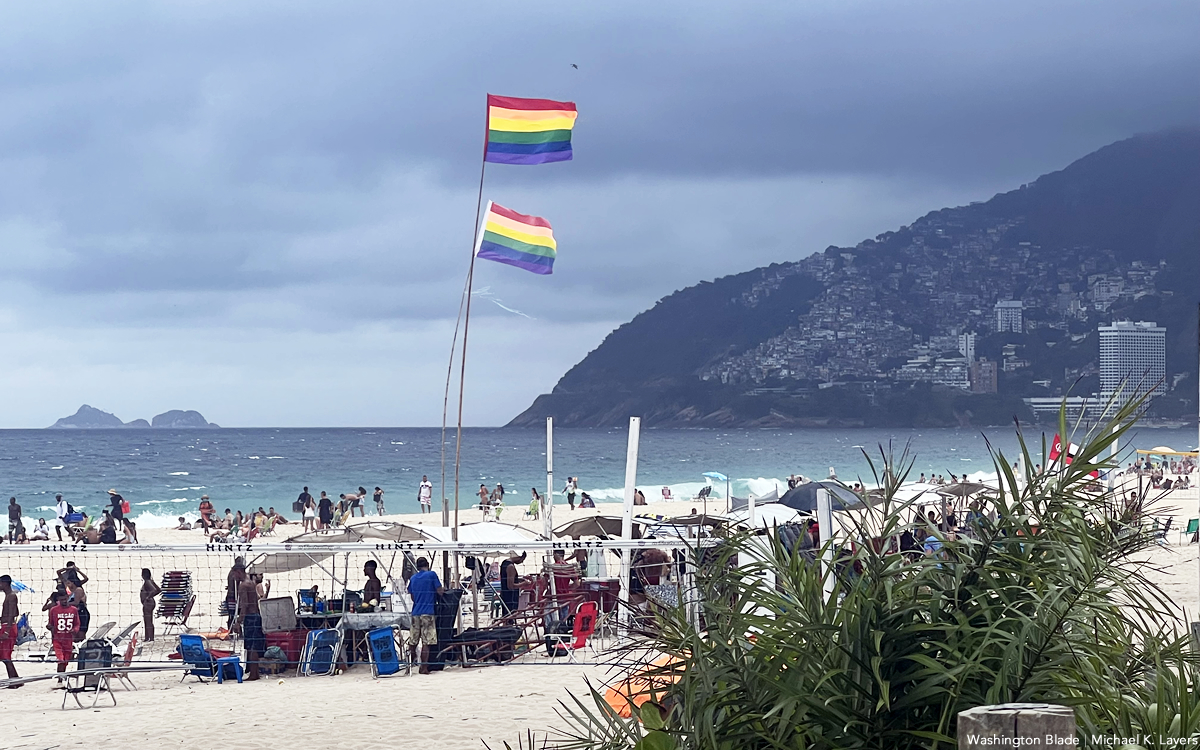
Editor’s note: International News Editor Michael K. Lavers will be on assignment in Brazil through Oct. 6.
SÃO PAULO — 529 openly LGBTQ+ candidates are running for in the Brazilian election that will take place on Sunday.
VoteLGBT, an organization that seeks to increase LGBTQ+ representation in Brazilian politics, notes 109 of these candidates are either transgender or travesti. They include Congresswomen Erika Hilton and Duda Salabert, who made history in 2022 as the first travesti and first trans women respectively to win seats in the Brazilian Congress.
Hilton, a member of the leftist Socialism and Liberty Party, known by the acronym PSOL, is a former sex worker who was a member of the São Paulo Municipal Council before her election to Congress. She currently chairs the Chamber of Deputies’ Women’s Rights Commission.
The Chamber of Deputies is Congress’s lower house.
Salabert, who is also a member of PSOL, represents Minas Gerais state in the Chamber of Deputies. Both she and Hilton in 2025 sharply criticized the Trump-Vance administration after it listed their gender as “male” on American visas that would have allowed them to travel to the U.S.

Benny Briolly is a travesti woman and member of President Luiz Inácio Lula da Silva’s Workers’ Party who is running to represent Rio de Janeiro state in the Chamber of Deputies. Thabatta Pimenta is a trans woman of mixed ethnicity who is running to represent Rio Grande do Norte state in the Chamber of Deputies as a member of the Green Party.
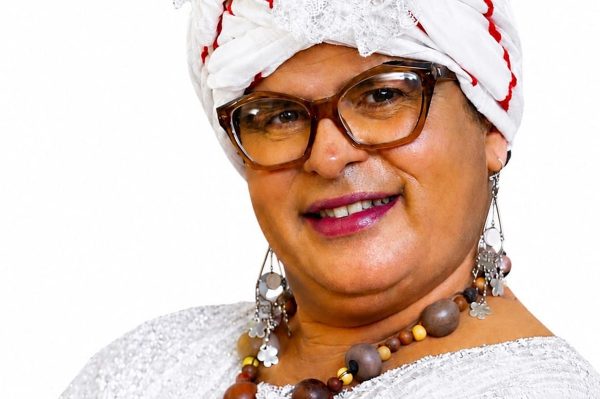
Nicolas is a trans masculine bisexual man from Pará state who is part of the Banca Transformer, a “collective candidature” for the Chamber of Deputies that VoteLGBT notes is “100 percent trans and lead by a trans masculine person.” Mãe Kaká Garcia is a gay travesti woman of African descent who is running to represent Mato Grosso state in the Chamber of Deputies as a member of PSOL.
“My bid for Congress stems from my life story and the need to bring voices that have historically been marginalized into the political arena,” Garcia told the Los Angeles Blade.
“I am a Black travesti woman and a leader within the African-derived religious community, with a background in work, entrepreneurship, and community activism in Mato Grosso,” she added. “I am intimately familiar with the challenges faced by the LGBTQIA+ community, the Black population, women, and terreiro communities.”
Garcia added she is running because she believes “these spaces must also be occupied by people who live these realities.”
“I want issues such as combating violence against trans people, racism, religious intolerance, protections for women, LGBTQIA+ rights, and social policies to be treated as permanent public policies,” she said.
Associaçao Nacional de Travestis e Transexuais (National Association of Travestis and Transsexuals) President Bruna Benavides in a statement to the Blade praised all of the trans and travesti candidates.
“For ANTRA, the strength of trans and travesti candidacies lies in what our representatives already demonstrate through their work in office — acting beyond the LGBTQIA+ agenda in areas such as education, health, labor, human rights, culture, the environment, public safety, and the fight against inequality,” she said. “The presence of trans people is already a reality, and democracy needs them in politics — not merely as representatives of an identity, but as agents capable of shaping initiatives that benefit society as a whole.”
“Politics will only be truly transformed when it incorporates the perspectives and experiences of those historically excluded from centers of power — people who have nonetheless envisioned a nation where everyone can be free and live with dignity and security,” she added.
The Blade also spoke with other openly gay, lesbian, and bisexual candidates.
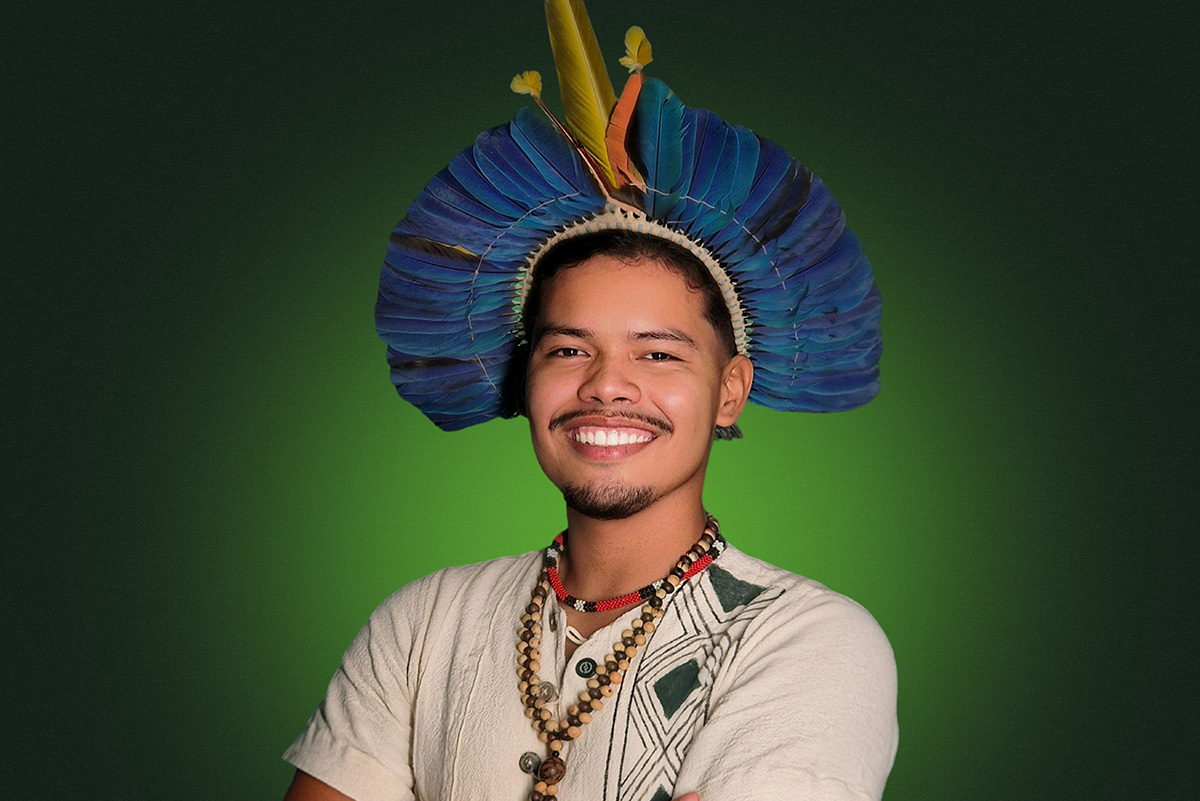
Uédem Lima is a bisexual, Makuxi Indigenous man who is running to represent Roraima state in the Chamber of Deputies as a member of the centrist Brazilian Democratic Movement.
“I am 23-years-old, a Makuxi Indigenous man, and bisexual,” he told the Blade. “I come from a reality where young people, Indigenous people, and LGBTQ+ individuals often still face difficulties in occupying spaces where decisions are made.”
“My candidacy is also a way to show that these spaces can — and must — be occupied by people who know these realities firsthand,” added Lima.
He told the Blade that education, health, climate justice, and Indigenous rights are among the top issues on which he will work in Congress if elected. Lima added his life in Roraima state, which borders Venezuela and Guyana in northern Brazil, and his identity will further shape his tenure.
“I know what it is like to grow up in Roraima, experience the shifts between the interior and the capital, and forge my path while carrying multiple identities,” he said. “I do not want to separate these parts of who I am. They are part of my story and also help explain why I chose to enter politics.”
Former Congressman Jean de Wyllys, who is the first openly gay man elected to the Brazilian Congress, resigned in 2019 and fled the country after he received death threats that he claimed came from supporters of then-President Jair Bolsonaro. De Wyllys at the time of his resignation represented Rio de Janeiro state and had just been elected for a third term.
De Wyllys has returned to Brazil and is running to represent São Paulo state in the Chamber of Deputies as a member of the Workers’ Party.
“My decision to return to present myself as a candidate is linked to the public responsibility with respect to this year’s elections, the most important for the future of Latin America in the last two decades,” he told the Blade. “Everyone knows that not just our region, but the whole world is a stage for a clash between two projects: one led by Donald Trump and his far-right (supporters) internationally that is neofascist, neocolonial, and neofeudalistic, and the other spearheaded by China that advocates for multipolarity, nations’ sovereignty, and global cooperation to overcome challenges, such as the climate crisis and possible pandemics.”
“As someone who enjoys national popularity and international connections, and having served two highly productive terms regarding human rights and cultural diversity, I could not ignore the electorate’s calls to participate in this global contest — and not merely as an intellectual and artist,” added de Wyllys.
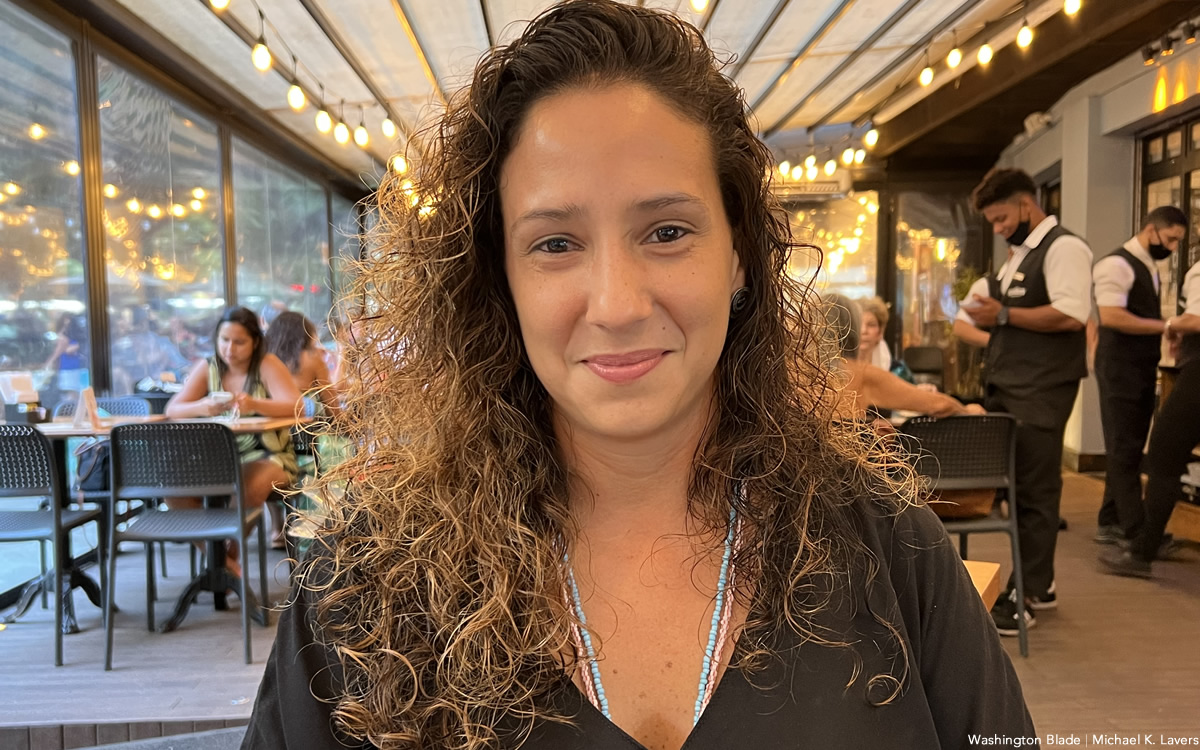
Mônica Benício is a Rio de Janeiro Municipal Councilwoman who is running for the Brazilian Senate as a PSOL member.
Her widow, Rio de Janeiro Municipal Councilwoman Marielle Franco, and her driver, Anderson Gomes, were murdered on March 14, 2018. One of the two former police officers later convicted lived in the same condominium complex in the city’s exclusive Barra da Tijuca neighborhood in which Bolsonaro lived at the time. (Bolsonaro was not president when the murders took place, and strongly denied media reports that suggested one of the suspects visited his home before Franco and Gomes were killed.)
Franco was also friends with De Wyllys and a political ally.
“After Marielle’s assassination, the LGBTQIAPN+ (lesbian, gay, bisexual, transgender/transsexual/travesti/, queer, intersex, asexual, pansexual, nonbinary) community was one of the networks that embraced me and gave me the strength to carry on,” Benício told the Blade on Tuesday. “My Senate candidacy stems from this very commitment: to transform that affection and collective strength into a voice, protection, and rights within Congress.”
Benício stressed the LGBTQ+ and intersex community “needs to occupy more decision-making spaces.”
“I want to reach the Senate so that our rights, families, and lives are represented where laws are made,” she said.
Lula is running for a second consecutive term.
He defeated Bolsonaro in the second round of the 2022 presidential election.
The Brazilian Supreme Court last year sentenced Bolsonaro — who repeatedly targeted LGBTQ+ Brazilians and other groups while in office — to more than 27 years in prison for his role in an attempted coup that saw thousands of his supporters storm the Congress, presidential palace, and the Supreme Court itself on Jan. 8, 2023. Bolsonaro is currently serving his sentence at his home in Brasília, the country’s capital, because of his poor health.
Lula main challenger in this year’s presidential election is Bolsonaro’s son, Sen. Flávio Bolsonaro.
A second round will take place on Oct. 25 if no candidate receives at least 50 percent of the vote.
Colombia
Colombia withdraws from Equal Rights Coalition
International LGBTQ+ group ‘not a priority’ for country’s new government
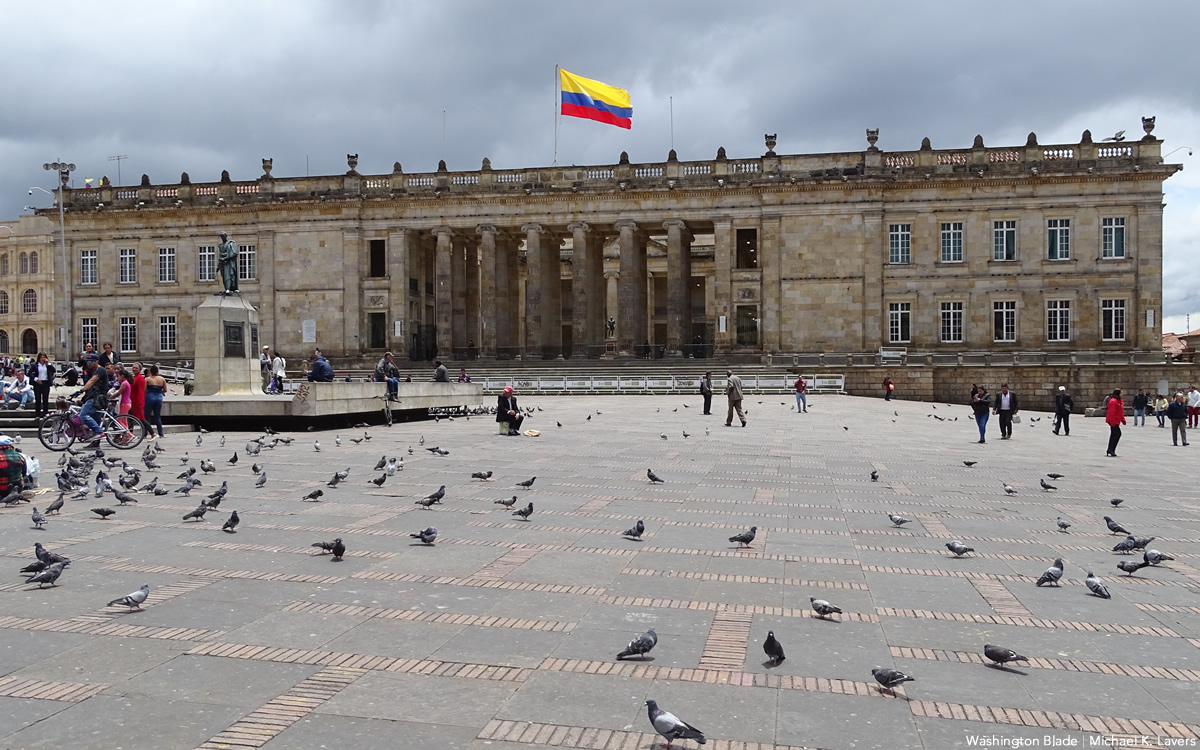
Colombia last week withdrew from a coalition of more than 40 countries that pledges to champion LGBTQ+ and intersex rights.
The Bogotá Post, an English-language news website in the Colombian capital, reported the country officially withdrew from the Equal Rights Coalition on Sept. 17.
The Equal Rights Coalition formed in 2016.
The group’s current members are Albania, Argentina, Australia, Austria, Belgium, Brazil, Canada, Cabo Verde, Chile, Costa Rica, Cyprus, the Czech Republic, Denmark, Ecuador, Estonia, Finland, France, Germany, Greece, Iceland, Ireland, Israel, Italy, Lithuania, Luxembourg, Malta, Mexico, Montenegro, Netherlands, New Zealand, North Macedonia, Norway, Portugal, Serbia, Slovenia, Spain, Sweden, Switzerland, Thailand, Ukraine, the U.K., and Uruguay. Civil society organizations from Colombia and dozens of other countries, including the U.S., work with the Equal Rights Coalition.
Colombia had co-chaired the group alongside Spain.
The decision to withdraw from the Equal Rights Coalition took place less than two months after far-right Colombian President Abelardo de la Espriella took office.
El Páis, a Spanish newspaper, reported Colombian Vice Minister for Consular and Migration Affairs Pedro Agustín Roa said the Equal Rights Coalition “is not a priority” for his government and the country’s participation in it was “something from a previous government.”
Caribe Afirmativo is a Colombian LGBTQ+ advocacy group that works with the Equal Rights Coalition. Wilson Castañeda, its director, criticized his country’s withdrawal from it.
Ecuador
Caso Karlina: Una sentencia histórica contra las terapias de «conversión»
Karlina Quiroz, una mujer trans de Chone, fue internada contra su voluntad
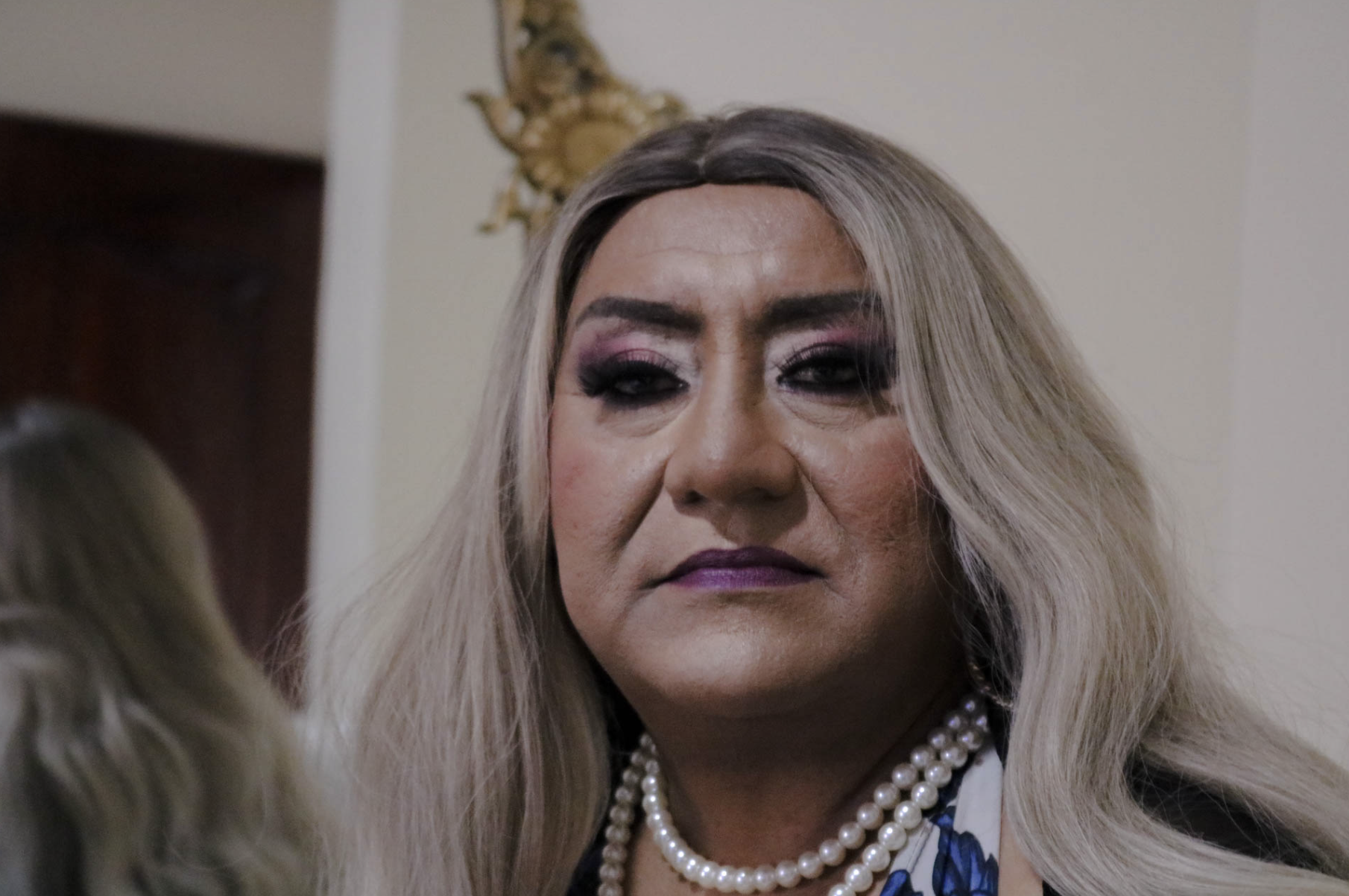
La última vez que Karlina Quiroz, una mujer trans de 57 años, salió sola a la calle en Chone, terminó encerrada contra su voluntad en un centro de rehabilitación donde intentaron “corregir” su identidad de género mediante humillaciones, amenazas y agresiones.
Han pasado cinco años desde ese episodio, ocurrido en 2021; y el 11 de septiembre de 2026 Karlina por fin obtuvo justicia.
La Fiscalía informó, el 14 de septiembre, que el Tribunal de Garantías Penales de Chone sentenció a seis personas por actos de odio contra Karlina, al ser víctima de violencia basada en su identidad de género.
Entre los seis sentenciados están sus dos hermanos, que —según la denuncia de Karlina— ordenaron su encierro a este centro.
El caso de Karlina refleja el odio y la violencia hacia personas trans en Ecuador y vuelve a poner bajo la lupa la existencia de centros conocidos como clínicas de “deshomosexualización” o espacios de “terapias de conversión”.
De acuerdo con la denuncia presentada por Karlina, en julio de 2021 fue interceptada por varios hombres y trasladada contra su voluntad a un centro para el tratamiento de adicciones ubicado en Chone, Manabí, en la vía a Pedernales. Allí permaneció retenida y sometida a tratos degradantes, violencia psicológica y agresiones físicas.
Según su testimonio, durante el encierro recibió insultos relacionados con su identidad de género y amenazas orientadas a “modificarla”.
Karlina denunció, además, que esta no habría sido la primera vez. Según su relato, en 2019 permaneció aproximadamente tres meses internada de manera forzada en otro centro de rehabilitación, también ubicado en la vía a Pedernales, en Chone. Durante ese período habría sido sometida a dinámicas similares de aislamiento, control y presiones dirigidas a modificar su identidad y expresión de género.
Según información de la Fiscalía, en septiembre de 2021, como parte de las diligencias investigativas, se allanó el centro clandestino en Chone. Allí se recabaron indicios relacionados con el internamiento forzoso de Karlina durante tres meses.
Con esos y otros elementos de convicción obtenidos durante la investigación, la Fiscalía inició un proceso penal contra las seis personas, quienes fueron luego llamadas a juicio.
El proceso, explicó Karlina, incluyó los dos casos: el de 2019 y 2021. “El crimen se investigó desde que comenzó la primera gota de sangre”, señaló Karlina, en alusión a la violencia física que sufrió en su primer encierro.
De los seis sentenciados, tres fueron condenados como autores directos a cuatro años de pena privativa de libertad. Se trata de los dos hermanos de Karlina y un sobrino, por ordenar su encierro al centro de adicciones.
Los otros tres recibieron una pena de dos años, como cómplices.
De acuerdo con Karlina, uno de ellos es el director del primer centro al que fue ingresada contra su voluntad en 2019 por tres meses, y los otros dos son quienes la interceptaron la segunda ocasión, en julio de 2021, para llevarla al centro. Ella los señala como “capturadores” de las personas que son recluidas en los centros.
“Cuando recibí la noticia (el viernes 11 de septiembre durante la audiencia de juzgamiento) no podía creerlo. Las piernas me temblaron y las lágrimas se me salieron. Estoy tranquila y satisfecha”, señaló Karlina en una llamada telefónica.
Para Pedro Gutiérrez, abogado especialista en derechos humanos, la sentencia es importante no solo por reconocer un delito de odio, sino también por las características de los hechos: el ingreso (por orden de sus hermanos) a un centro de “deshomosexualización” en el que se cometen actos de tortura y violencia física.
Durante la audiencia, constó el testimonio de Karlina. La Fiscalía también presentó el informe de reconocimiento del lugar de los hechos, la inspección ocular técnica, el levantamiento de evidencias y los testimonios de personas que confirmaron que los actos de violencia por perjuicio hacia su identidad de género fueron ejecutados de manera reiterada por los ahora sentenciados.
El caso volvió a poner la atención sobre las llamadas terapias de conversión en Ecuador, prácticas ampliamente cuestionadas por organismos internacionales de derechos humanos y señaladas como formas de tortura o violencia psicológica. Aunque el Estado ecuatoriano ha realizado operativos y clausuras de algunos centros en los últimos años, organizaciones sociales sostienen que estos espacios continúan funcionando de manera clandestina o bajo otras denominaciones.
La legislación ecuatoriana penaliza los actos de tortura con la intención de modificar la orientación sexual o identidad de género, pero no existe una sanción contra los centros que ofrecen las denominadas terapias de conversión.
En 2020, la Asamblea aprobó el Código Orgánico de Salud y una de sus disposiciones fue prohibir expresamente este tipo de terapias, pero fue vetado totalmente por el expresidente Lenín Moreno en medio de una campaña de sectores antiderechos.
La sentencia también dispuso, como reparación integral a favor de Karlina, tratamiento psicológico e indemnizaciones por daños materiales e inmateriales.
Gutiérrez considera que la reparación para Karlina es limitada, pues -por ejemplo- no hay llamados de atención al Ministerio de Salud o disculpas públicas a la víctima.
“Mi nombre es Ariel Karlina Zambrano, soy una mujer trans de Chone, Manabí. Desde niña supe que quería ser mujer, quería ser bonita, libre. Pero mi familia nunca lo aceptó. Mis hermanos y mi padre, profundamente machistas, me maltrataban constantemente”, contó Karlina en un testimonio en 2025 que recogió el Comité Permanente por la Defensa de los Derechos Humanos (CDH).
Para activistas y defensores de derechos humanos, el caso de Karlina evidencia además un patrón de violencia que suele permanecer oculto dentro de círculos familiares, religiosos y comunitarios. En muchos casos, explican, los internamientos forzados son promovidos bajo la idea de “corregir” orientaciones sexuales o identidades de género consideradas inaceptables.
Karlina intentó vivir en Chone, creyendo que con la denuncia y las medidas cautelares estaba a salvo, pero su hermano le pagaba a personas para que la acosaran, según su relato. Por ello, tuvo que esconderse por meses.
Las personas trans en Ecuador enfrentan altos niveles de discriminación, violencia y exclusión social, especialmente fuera de las grandes ciudades. Según la Encuesta Nacional sobre las Condiciones de Vida de la Población LGBTI+ del INEC, el 53,5 por ciento de las personas LGBTQ+ mayores de 18 años en el país ha sufrido algún tipo de discriminación o violencia a lo largo de su vida, siendo el entorno familiar uno de los principales espacios de agresión.
En materia de violencia letal, organizaciones como Asociación Silueta X y el Observatorio Runa Sipiy documentaron 30 asesinatos de personas LGBTQ+ y transfemicidios en Ecuador durante 2025. De esos casos, alrededor del 70 por ciento corresponden a mujeres trans, lo que las posiciona como el grupo más expuesto a crímenes de odio y violencia extrema.
Diversas organizaciones de derechos humanos han advertido además sobre la persistencia de centros de “deshomosexualización” o internamientos forzosos, prácticas denunciadas desde hace más de una década en Ecuador pese a prohibiciones estatales y operativos de control insuficientes.
El caso de Karlina pone a prueba algo más grande que una sentencia individual: si Ecuador está dispuesto o no a reconocer que estas prácticas siguen existiendo y que la violencia contra personas LGBTQ+ continúa ocurriendo, muchas veces con la complicidad o el silencio de sus propios entornos familiares.
“Con mi caso, debe quedar un precedente. Debemos luchar contra el odio que podemos encontrarlo dentro de nuestras propias familias. Por nuestra libertad y derechos, debemos luchar”, indicó Karlina.
Brazil
US official protested at 2026 International AIDS Conference
White House funding cuts have adversely impacted global HIV/AIDS fight
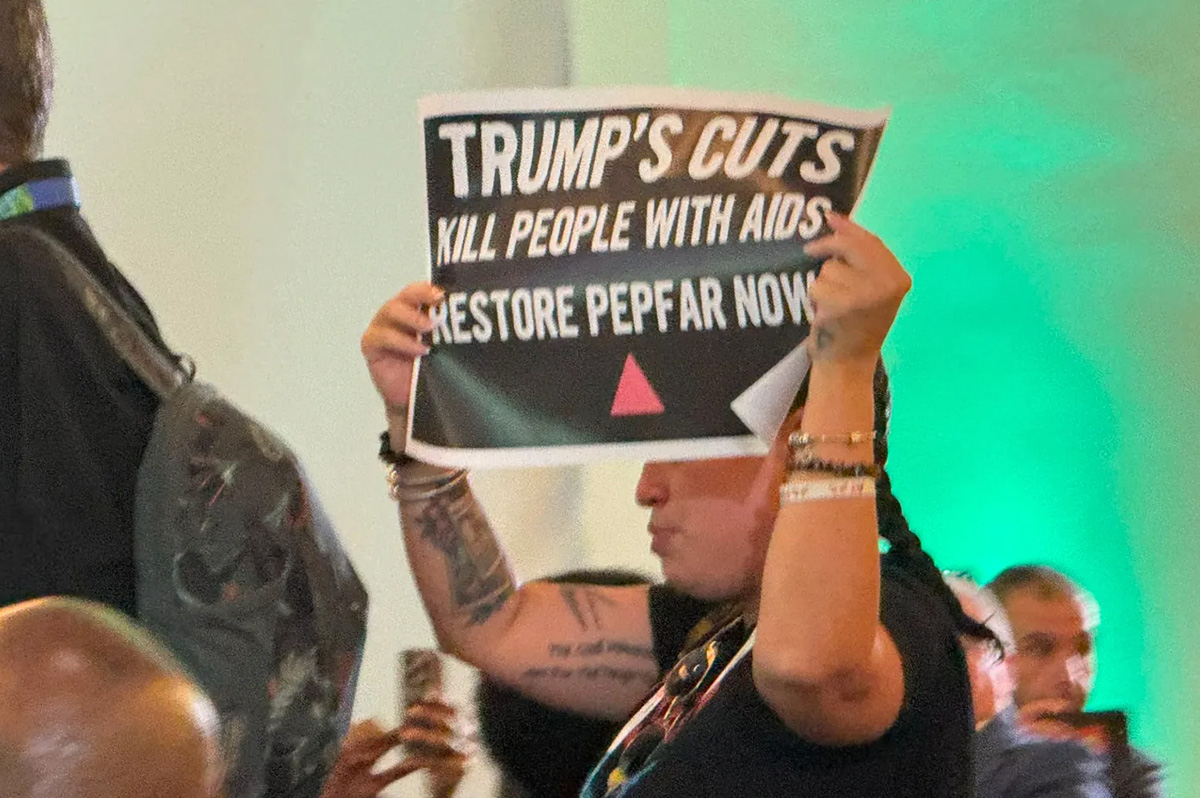
HIV/AIDS activists on Sunday protested a Trump-Vance administration official at the 2026 International AIDS Conference in Rio de Janeiro.
Health GAP Executive Director Asia Russell and others disrupted U.S. Global AIDS Coordinator Jeff Graham, who is leading the Trump-Vance administration’s AIDS 2026 delegation, as he spoke. They were protesting the Trump-Vance administration’s cuts to U.S. foreign aid that they maintain have had a devasting impact on the global HIV/AIDS fight.
“The U.S. government has stolen HIV treatment from 77,163 HIV positive children, slashed PrEP enrollment by 42 percent, closed 1,700 PEPFAR HIV treatment sites, decimated programs led by and for key populations, implementers report slashing condom programming by 93 percent, and so much more,” said Russell in a Bluesky post that contained pictures of her and other activists on stage at AIDS 2026.
The US government has stolen HIV treatment from 77,163 HIV positive children, slashed PrEP enrolment by 42%, closed 1700 PEPFAR HIV treatment sites, decimated programs led by and for key populations, implementers report slashing condom programming by 93% and so much more
— Asia Russell (@asia-ilse.bsky.social) July 26, 2026 at 2:26 PM
Secretary of State Marco Rubio shortly after the Trump-Vance administration took office issued a waiver that allowed PEPFAR and other “life-saving humanitarian assistance” programs to continue to operate during a freeze on nearly all U.S. foreign aid spending. HIV/AIDS service providers around the world with whom the Washington Blade has spoken say PEPFAR cuts and the loss of funding from the U.S. Agency for International Development, which officially closed on July 1, 2025, has severely impacted their work.
The International AIDS Society in a press release it issued last week noted PEPFAR “has saved more than 26 million lives” since President George W. Bush implemented it in 2003, “and changed the trajectory of the HIV pandemic.” The group also said PEPFAR “was a a success under the first Trump administration, with major progress toward the 95-95-95 goals.”
The UNAIDS’s 95-95-95 goals are 95 percent of people with HIV knowing their status, 95 percent of people with HIV having access to antiretroviral therapy, and 95 percent of those receiving ART having suppressed viral loads by 2030.
“Since the start of the second Trump administration, however, it has undergone major disruptions,” added the International AIDS Society.
“No one has to accept being lied to by this administration, particularly not the scientists and communities and activists who know the best what is at stake and what is actually happening,” said Russell on Bluesky.
many many people stood up and applauded during our protest, and thanked us afterward.
No one has to accept being lied to by this administration, particularly not the scientists and communities and activists who know the best what is at stake and what is actually happening
— Asia Russell (@asia-ilse.bsky.social) July 26, 2026 at 2:45 PM
AIDS 2026 will end on Friday.
Brazil
2026 International AIDS Conference to take place in Rio
US funding cuts have significantly impacted global HIV/AIDS fight
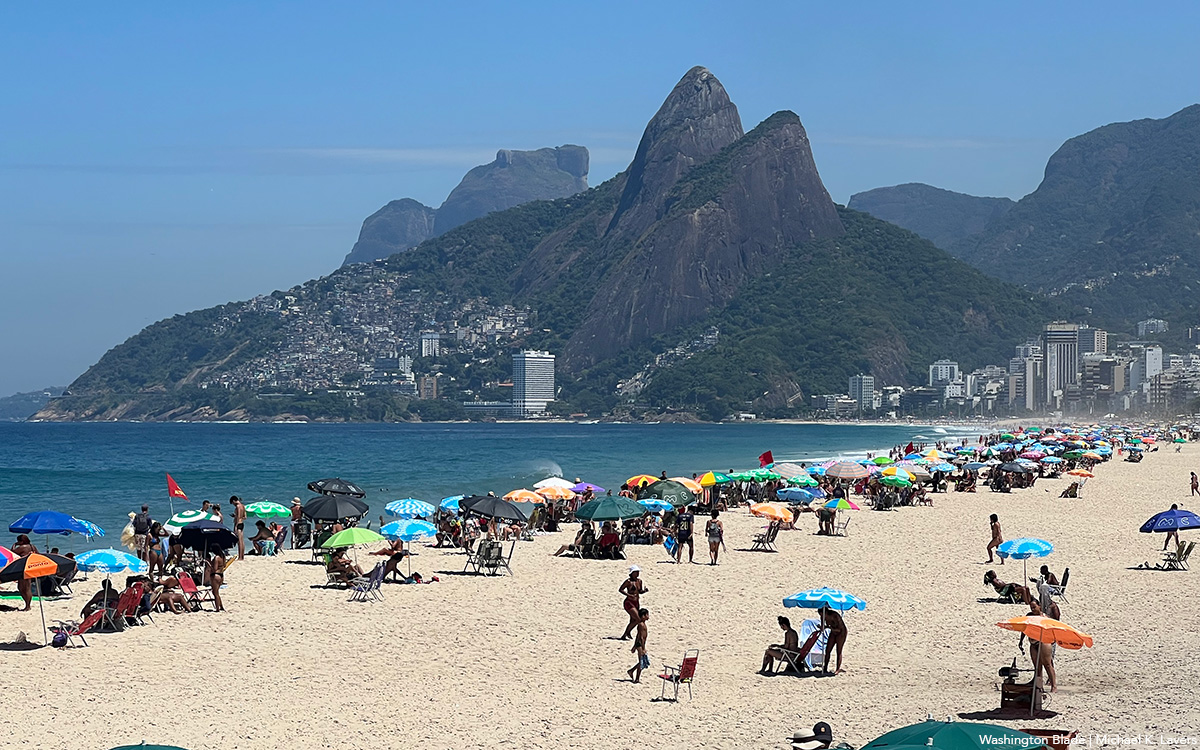
The 2026 International AIDS Conference will take place next week in Rio de Janeiro.
Francisco Ruiz, the former director of the White House Office of National AIDS Policy, and UNAIDS Executive Director Winnie Byanyima are among those scheduled to speak at the conference that will take place in the Brazilian city from July 26-31. Other scheduled speakers include Spanish Health Secretary Javier Padilla, World Health Organization Director-General Tedros Adhanom Ghebreyesus, South African Deputy Health Minister Mathume Joseph “Joe” Phaahla, and Alexus D’Marco of the United Caribbean Trans Network.
The International AIDS Society-organized AIDS 2026’s theme is “Rethink. Rebuild. Rise.”
AIDS 2026 will take place against the backdrop of U.S. funding cuts that have significantly impacted the global HIV/AIDS fight.
Secretary of State Marco Rubio shortly after the Trump-Vance administration took office issued a waiver that allowed PEPFAR and other “life-saving humanitarian assistance” programs to continue to operate during a freeze on nearly all U.S. foreign aid spending. HIV/AIDS service providers around the world with whom the Los Angeles Blade has spoken say PEPFAR cuts and the loss of funding from the U.S. Agency for International Development, which officially closed on July 1, 2025, has severely impacted their work.
The International AIDS Society in a press release it issued on Tuesday noted PEPFAR “has saved more than 26 million lives” since President George W. Bush implemented it in 2003, “and changed the trajectory of the HIV pandemic.”
“PEPFAR was a success under the first Trump administration, with major progress toward the 95-95-95 goals,” it said.
The UNAIDS’s 95-95-95 goals are 95 percent of people with HIV knowing their status, 95 percent of people with HIV having access to antiretroviral therapy, and 95 percent of those receiving ART having suppressed viral loads by 2030.
“Since the start of the second Trump administration, however, it has undergone major disruptions,” added the International AIDS Society.
Eswatini is among the African countries that have received doses of lenacapavir, a groundbreaking HIV prevention drug that users inject twice a year, through PEPFAR since the Trump-Vance administration took office.
The White House last month announced it will end PEPFAR funding for South Africa.
President Ronald Reagan in 1985 implemented the global gag rule, also known as the “Mexico City” policy, that banned U.S. foreign aid for groups that support abortion and/or offer abortion-related services. The Trump-Vance administration earlier this year expanded the prohibition to include groups that promote “gender ideology” and support gender-affirming care and diversity, equity, and inclusion programs.
The International AIDS Society in its press release notes 52 percent of “all implementing partners had at least once terminated award,” while 77 percent of them “had been asked to restrict their work to comply with an additional U.S. policy.” The International AIDS Society notes 1,010 public health facilities, 325 “access points” and 126 “drop-in centers” around the world have closed because of U.S. funding cuts.
“Science is moving fast, giving us more powerful HIV prevention and treatment tools. But these advances cannot save lives if they never reach the people who need them,” said International AIDS Society President Beatriz Grinsztejn, who co-chairs AIDS 2026 and is the director of Rio de Janeiro’s Evandro Chagas National Institute of Infection Diseases’ HIV/AIDS Clinical Research Unit. “That requires robust, stable financing and steadfast political commitment.”
Venezuela
Advocacy groups join Venezuela earthquake relief efforts
Back-to-back quakes on June 24 killed more than 4,500 people
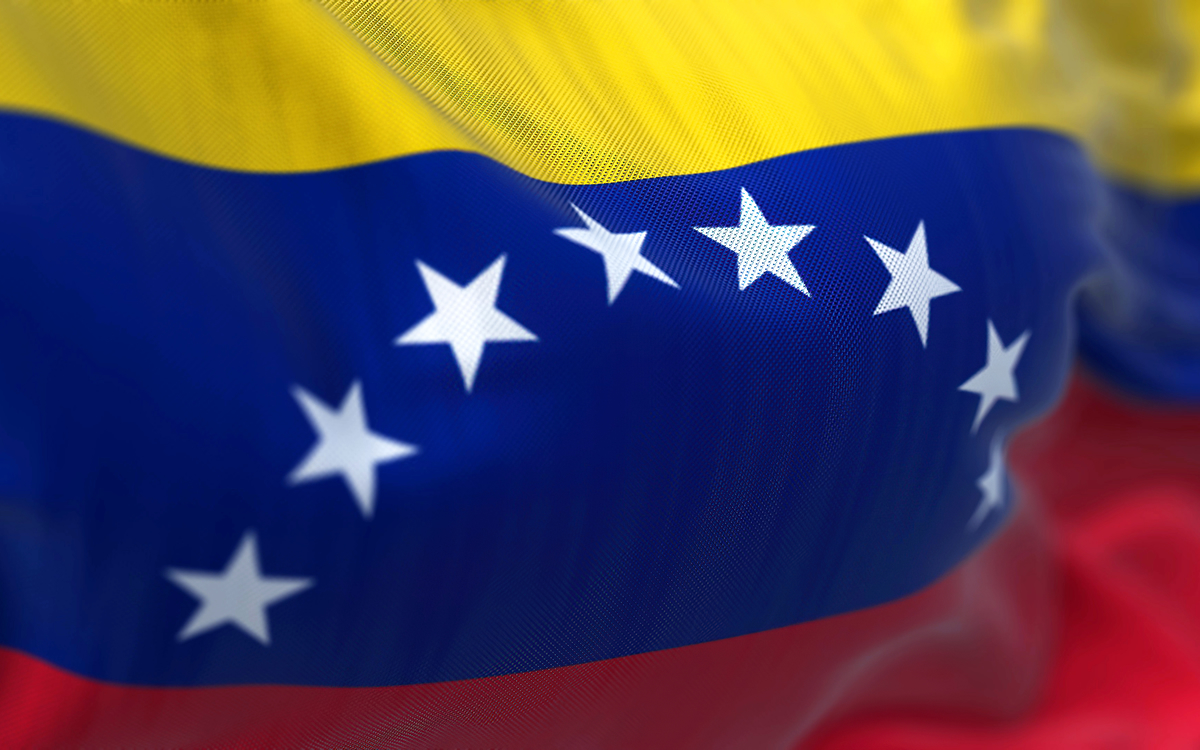
Advocacy groups have joined the relief efforts in Venezuela after two back-to-back earthquakes devastated large swaths of the country on June 24.
The magnitude 7.2 and 7.5 earthquakes caused widespread damage in Caracas, the Venezuelan capital, and elsewhere in the country.
Officials in the South American country say the earthquakes killed more than 4,500 people and left more than 16,000 others injured. La Guaira state on Venezuela’s Caribbean coast in which the country’s main international airport is located is one of the hardest hit areas.
Yonatan Matheus, a Venezuelan LGBTQ+ rights activist who currently lives in the U.S., was born and raised in La Guaira.
He wrote on his website that relatives and close friends who still live in the state have lost their homes. Matheus in his post that the Los Angeles Blade published on Monday also said the earthquakes killed two gay men he knew.
“Their names reminded me that behind every statistic lie stories, personal bonds, and life plans,” he wrote. “They also made me think of all those people whose lives and deaths are unlikely to make headlines — especially those who lived on the margins for years, with little visibility and without full recognition of their dignity.”
“They reminded me that emergencies never affect everyone equally,” added Matheus. “Those already facing greater vulnerability often bear an even heavier burden during the recovery process.”
The earthquakes struck less than six months after American forces seized then-Venezuelan President Nicolás Maduro and his wife, Cilia Flores, at their home in Caracas during an overnight operation.
Maduro and Flores on Jan. 5 pleaded not guilty to federal drug charges in New York. The Venezuelan National Assembly the day before swore in Delcy Rodríguez, who was Maduro’s vice president, as the country’s acting president.
Hugo Chávez died in 2013, and Maduro succeeded him as Venezuela’s president. Subsequent economic and political crises prompted millions of Venezuelans to leave the country.
Rodríguez has faced criticism over the Venezuelan government’s response to the earthquakes.
AIDS Healthcare Foundation Latin America Bureau Chief Patricia Campos in a message she sent to Michael Weinstein, the group’s president, on June 29 described the government’s response as “uncoordinated, poor, and delayed, influenced by political interests.”
“The number of fatalities continues to rise, and many shelters have been set up in public spaces to help those in need,” said Campos. “Hospitals and morgues are working tirelessly beyond their capacity, demonstrating the community’s resilience. Fortunately, international rescue teams have arrived, offering much-needed assistance to recover those still trapped in the debris.”
AHF has clinics in Cúcuta, a Colombian city that is a few miles from the country’s border with Venezuela, and elsewhere in Colombia.
Campos told Weinstein that AHF Colombia “has been communicating with” more than half of the 1,080 “of our patients in care who live in Venezuela.” Campos also noted AHF relief supplies arrived in Venezuela with the 11/13 Foundation, another NGO, and they had been distributed.

New York-based AID FOR AIDS International, an HIV/AIDS service organization that works in Venezuela, has launched an earthquake relief fund.
The Venezuela Earthquake Emergency Relief Fund has thus far raised $55,893.39. It hopes to raise $250,000.
“All donations will go directly to our network of local partners on the ground in Venezuela, who are working to assess the most urgent needs and provide emergency support to affected communities — including but not limited to medicines, food, water, and shelter,” says AID FOR AIDS International.
The group adds “the scale of destruction is the greatest challenge.”
“La Guaira has been catastrophically damaged, and Caracas continues to deteriorate — with looting, businesses closing due to insecurity, widespread power outages, and hospitals overwhelmed with injured patients but critically lacking supplies,” it says. “Reaching affected communities quickly and safely is not easy under these conditions.”
“Our challenge is immediacy,” added AID FOR AIDS International, which is working with its colleagues in Venezuela and students at the country’s Universidad Central de Venezuela who are part of the relief efforts. “Through the strategic partnerships we have already established with trusted organizations on the ground in Venezuela, we are positioned to mobilize resources directly and efficiently, ensuring that every dollar reaches the families in the affected areas.”
Other groups, such as Venezolanos en Barranquilla, which is based in the Colombian city of Barranquilla, have also joined the relief effort.
Barranquilla Vice President Juan Carlos Viloria in an interview with the Washington Post accused the Venezuelan government of “systematic negligence” by restricting “access to the most affected zones.” Venezolanos en Barranquilla nevertheless continues to work with the Catholic Church and other NGOs to mobilize rescue workers and to facilitate the distribution of food, water, generators, and other items in La Guaira and Caracas.
“Despite this situation, we are continuing to do everything for our people,” Viloria told the Blade last week.
Noticias en Español
Un terremoto también se vive desde el exilio
Yonatan Matheus se nació en La Guaira, la zona venezolana más afectada por los sismos
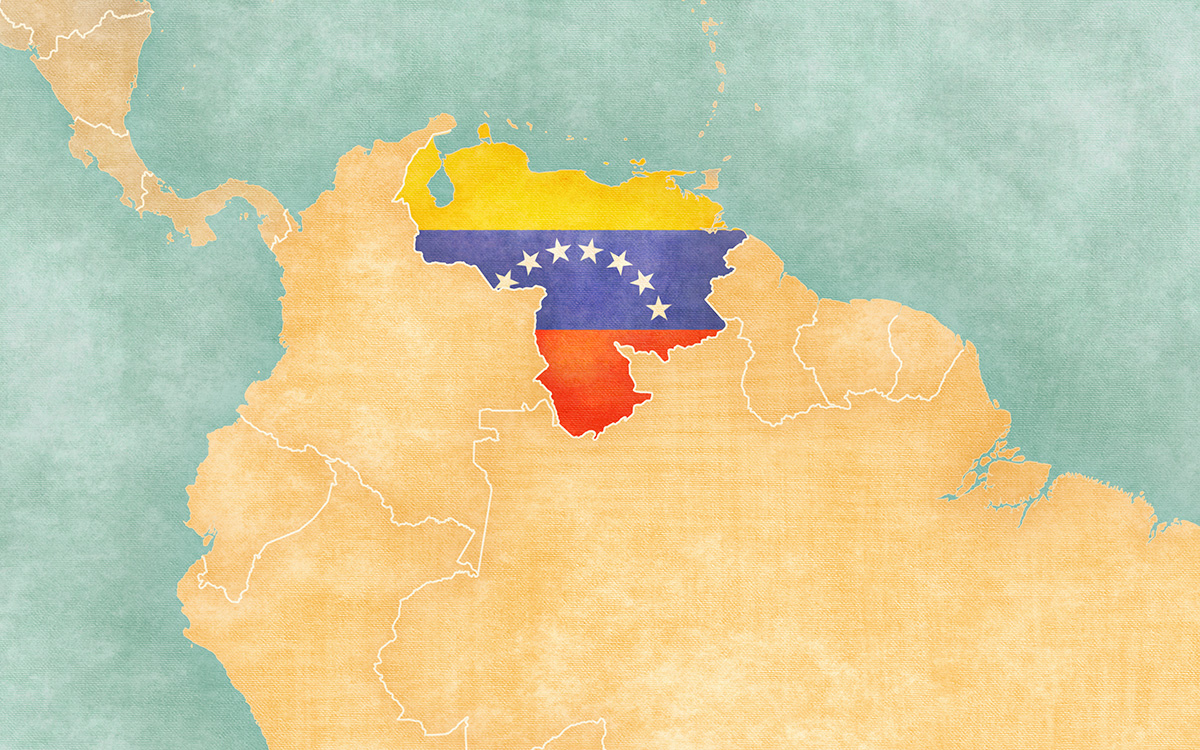
El 24 de junio de 2026, dos terremotos sacudieron Venezuela y alteraron la vida de miles de personas en cuestión de segundos. Para gran parte del mundo fue una noticia que ocupó titulares durante algunos días. Para quienes nacimos allí, el tiempo pareció detenerse. Antes de pensar en la magnitud del sismo o en el número de viviendas afectadas, hubo una pregunta que desplazó cualquier otra: ¿estarán bien quienes amo?
Los desastres naturales no solo transforman los territorios; también modifican la manera en que quienes vivimos en el exilio nos relacionamos con el lugar al que seguimos llamando hogar. La distancia no reduce el dolor ni la preocupación por quienes permanecen allí. Cada llamada sin responder, cada fotografía y cada mensaje recuerdan que existen vínculos que sobreviven a las fronteras, al tiempo y a la propia migración.
Lo primero que hice fue llamar a mi familia en La Guaira. Durante esos minutos comprendí, una vez más, que también existen terremotos que se sienten desde el exilio. La incertidumbre crece con cada llamada que no entra y con cada mensaje que permanece sin respuesta.
Cuando finalmente logré comunicarme, confirmé que familiares y personas cercanas habían perdido sus hogares, que distintas zonas de La Guaira enfrentaban graves afectaciones y que comunidades como Carayaca, El Junko y otros sectores del oeste del estado también sufrían las consecuencias de los terremotos. Aunque algunas de estas localidades registraron daños estructurales de menor magnitud que las zonas más devastadas, sus habitantes también vieron alterada su vida cotidiana por la interrupción de servicios, las dificultades de acceso y la profunda interdependencia social, económica y comunitaria que caracteriza a La Guaira.
Algunos miembros de mi comunidad también habían fallecido. Entre ellos estaban dos hombres gays a quienes conocía. Sus nombres me recordaron que detrás de cada cifra existen historias, afectos y proyectos de vida. También me hicieron pensar en todas aquellas personas cuyas vidas y muertes difícilmente ocuparán un titular, especialmente quienes durante años vivieron en los márgenes, con escasa visibilidad y sin el pleno reconocimiento de su dignidad. Me recordaron, además, que las emergencias nunca afectan a todas las personas por igual y que quienes ya enfrentaban mayores condiciones de vulnerabilidad suelen soportar una carga aún más pesada durante la recuperación.
El país del que uno sale nunca desaparece
Nací y crecí en La Guaira. Allí permanecen buena parte de mi historia, mi familia, mis amistades y una comunidad que sigue formando parte de quien soy. Hace diez años tuve que salir de Venezuela y solicitar asilo en Estados Unidos como consecuencia de la persecución que enfrenté por ser un hombre gay y defensor de derechos humanos. Con el tiempo comprendí que el exilio no consiste únicamente en cambiar de país. También significa aprender a vivir con la certeza de que una parte de nosotros permanecerá siempre en el lugar del que tuvimos que partir.
Cada celebración familiar, cada crisis y cada tragedia confirman que seguimos perteneciendo a ese territorio. Las personas refugiadas y migrantes no dejamos de vivir las emergencias de nuestros países de origen; simplemente las vivimos de otra manera. Mientras otras personas pueden desplazarse para abrazar a sus familias o participar directamente en las labores de ayuda, quienes estamos lejos intentamos acompañar desde la incertidumbre, con la impotencia de saber que el corazón permanece donde el cuerpo ya no puede estar.
Quizá esa sea una de las dimensiones menos visibles del desplazamiento forzado. Vivimos las tragedias de nuestro país a la distancia, con menos posibilidades de actuar físicamente, pero con el mismo dolor y con un profundo sentido de responsabilidad hacia las personas y los lugares que siguen formando parte de nuestra historia.
Cuando una casa representa toda una vida
Después de una emergencia suele repetirse una frase bien intencionada: “Lo importante es que todos están vivos; lo material se recupera.” Aunque busca transmitir esperanza, también puede invisibilizar una realidad profundamente humana. En Venezuela, una vivienda rara vez representa únicamente una construcción. Es el resultado de años de trabajo, sacrificios compartidos y sueños familiares. En sus paredes también habitan recuerdos, fotografías, documentos y la memoria de quienes la construyeron.
Cuando un terremoto destruye un hogar, también altera el proyecto de vida de una familia. Por eso no basta con volver a levantar edificios. Es necesario crear las condiciones para que las personas recuperen estabilidad, seguridad y la posibilidad de imaginar nuevamente un futuro. Como trabajador social, estoy convencido de que los territorios no vuelven a ponerse de pie únicamente con cemento. También necesitan confianza, organización, apoyo mutuo y espacios donde las personas puedan elaborar el duelo y fortalecer nuevamente sus redes de apoyo.
Ese proceso tampoco ocurre en igualdad de condiciones para todas las personas. Los desastres suelen profundizar desigualdades que ya existían antes de la emergencia. Las personas adultas mayores, la niñez, las personas con discapacidad, quienes viven con enfermedades crónicas o con VIH y muchas personas LGBTQ+, especialmente aquellas que enfrentan pobreza, discriminación o redes de apoyo limitadas, suelen encontrar mayores obstáculos para acceder a servicios, restablecer sus medios de vida o volver a sentirse seguras. Una respuesta verdaderamente humanitaria no consiste únicamente en llegar primero; consiste en asegurar que nadie quede atrás cuando comienza el largo camino para reconstruir su vida.
Cuando la emergencia deja de ser noticia
Las primeras horas después de un desastre suelen despertar lo mejor de una sociedad. Vecinas y vecinos organizan rescates, personas voluntarias distribuyen alimentos, equipos de salud trabajan sin descanso y miles de ciudadanos, dentro y fuera del país, buscan la manera de ayudar. Esa movilización espontánea representa uno de los recursos más valiosos frente a cualquier crisis y demuestra que, incluso en contextos de profunda polarización, la vida humana sigue siendo capaz de convocar encuentros.
Sin embargo, para quienes sobrevivieron, el verdadero desafío apenas comienza cuando la emergencia deja de ocupar los titulares. Mientras los medios dirigen su atención hacia otras noticias y las donaciones disminuyen, miles de familias siguen intentando recuperar sus hogares, restablecer sus medios de vida y reorganizar una cotidianidad profundamente alterada. La crisis termina mucho antes para la opinión pública que para quienes continúan enfrentando sus consecuencias.
En la acción humanitaria suele describirse un fenómeno conocido como fatiga de la compasión. En términos generales, hace referencia a la disminución progresiva de la atención pública y de parte de la movilización solidaria conforme una crisis deja de ocupar el centro de la conversación. No significa que desaparezca la voluntad de ayudar, sino que nuevas urgencias desplazan rápidamente a las anteriores. El riesgo es que los territorios afectados queden solos precisamente cuando enfrentan la etapa más compleja de volver a levantarse.
Las principales organizaciones humanitarias recuerdan que reparar edificios constituye sólo una parte del proceso. También es indispensable fortalecer la salud mental, ofrecer apoyo psicosocial, recuperar el tejido comunitario y garantizar que la población participe activamente en las decisiones sobre su propio futuro. Una vivienda puede reconstruirse en algunos meses; recuperar la sensación de seguridad, la confianza o el sentido de pertenencia suele requerir mucho más tiempo.
Esta realidad resulta especialmente importante para quienes ya enfrentan condiciones de vulnerabilidad antes del terremoto. Las personas adultas mayores, la niñez, las personas con discapacidad, quienes viven con VIH y muchas personas LGBTQ+ suelen encontrar mayores barreras para acceder a servicios, mantener sus tratamientos, recuperar sus ingresos o reconstruir sus redes de apoyo. Las emergencias no crean esas desigualdades, pero con frecuencia las hacen más visibles y profundas. Por eso, una recuperación verdaderamente sostenible no consiste únicamente en volver al punto donde estábamos antes del desastre, sino en aprovechar ese proceso para reducir brechas históricas y fortalecer la inclusión.
Como trabajador social, prefiero hablar de una resiliencia consciente. No de una resiliencia que exige fortaleza permanente o invita a ocultar el dolor bajo la idea de que “hay que seguir adelante”, sino de aquella que reconoce las pérdidas, entiende que el duelo necesita tiempo y acepta que pedir ayuda también forma parte del camino. Ninguna comunidad debería sentirse obligada a reconstruirse sola, ni ninguna persona a demostrar que ya superó una tragedia antes de estar preparada para hacerlo.
Permanecer también es una forma de ayudar
El exilio me impidió estar físicamente en La Guaira durante los días posteriores a los terremotos, pero no me impidió asumir la responsabilidad de acompañar desde donde hoy me encuentro. Durante esas semanas utilicé mis plataformas para verificar información antes de compartirla, visibilizar localidades que históricamente han recibido menor atención —como Carayaca, El Junko y otros sectores del oeste del estado— y promover mensajes centrados en las necesidades de la población afectada.
Ese compromiso también dio origen a la serie documental La Guaira: Antes y Después, un esfuerzo por documentar cómo cambiaron distintos espacios y contribuir a que no desaparezcan de la memoria colectiva cuando termine la cobertura periodística. Más que registrar la destrucción, busca recordar que detrás de cada fotografía existen familias que seguirán necesitando apoyo mucho después de que las cámaras se hayan ido.
Creo profundamente que comunicar con responsabilidad también es una forma de acción humanitaria. Verificar antes de publicar, evitar la desinformación y mantener visibles a los territorios históricamente olvidados constituye una manera concreta de acompañar el proceso de recuperación y fortalecer el compromiso colectivo desde la distancia.
La solidaridad que decide quedarse
Los terremotos del 24 de junio de 2026 dejarán cicatrices visibles en edificios, carreteras y viviendas. Otras permanecerán en silencio, acompañando a familias que deberán reconstruir no solo sus hogares, sino también su sensación de seguridad, sus proyectos de vida y la confianza en el futuro.
Como venezolano, guaireño, refugiado y defensor de derechos humanos, esta experiencia reforzó una convicción que ha guiado buena parte de mi trabajo: las personas deben permanecer en el centro de cualquier respuesta humanitaria. Ninguna diferencia política, institucional o ideológica debería ser más importante que proteger la vida, aliviar el sufrimiento y garantizar que quienes enfrentan mayores condiciones de vulnerabilidad reciban el acompañamiento que necesitan para volver a empezar con dignidad.
Los terremotos dejan de sentirse cuando la tierra deja de temblar. El olvido comienza cuando dejamos de mirar. Entre una cosa y otra existe un largo camino que exige memoria, compromiso sostenido y la decisión colectiva de no abandonar a quienes siguen intentando levantarse cuando el resto del mundo ya ha seguido adelante. Porque una sociedad no termina de recuperarse cuando reconstruye sus edificios; lo hace cuando todas las personas tienen la oportunidad de volver a vivir con seguridad, esperanza y la certeza de que nadie quedó atrás.
Yonatan Matheus (He/Him/Él) es defensor de derechos humanos LGBTQ+ y trabajador social y activista. Trabaja en la intersección entre Migración, Justicia Social y respuesta al VIH.
Este comentario salió en el sitio web de Yonatan el 6 de julio.

Actor Kal Penn on the real lesson of ‘Trust Me, I’m a Doctor’

40 years later, AFI Fest continues to offer a robust selection of queer and international films

Supreme Court blocks White House anti-trans prison policy

How anti-trans backlash to James Talarico spread like wildfire

Those dreadful ballot propositions are important

Making waves in the desert: How Brad Fuhr and KGAY keep the Coachella Valley connected

Meet the voice of Palm Springs: an interview with KGAY 103.1’s John Taylor

From ‘La Bola Negra’ to ‘Coward,’ here are this award season’s must-watch queer films

Fortune Feimster has always taken representation through comedy seriously

Key Midterm Election races as SoCal joins No Kings ‘Vote Early’ rallies on Saturday
-
 Palm Springs4 days ago
Making waves in the desert: How Brad Fuhr and KGAY keep the Coachella Valley connected
-
 Palm Springs3 days ago
Meet the voice of Palm Springs: an interview with KGAY 103.1’s John Taylor
-
 Movies4 days ago
From ‘La Bola Negra’ to ‘Coward,’ here are this award season’s must-watch queer films
-
 a&e features3 days ago
Fortune Feimster has always taken representation through comedy seriously
-
 Commentary5 days ago
Key Midterm Election races as SoCal joins No Kings ‘Vote Early’ rallies on Saturday
-

 Dance5 days ago
‘Male Aesthetic’ challenges conventional tropes of masculinity through dance at Nickerson-Rossi Dance Company
-
 Puerto Rico3 days ago
Annual National Trans Visibility March takes place in Puerto Rico
-
 Brazil2 days ago
VIDEO: Interview with executive director of VoteLGBT (Institute for Full Citizenship) in Brazil
-

 Federal Government2 days ago
EXCLUSIVE: Democrats seek answers on EEOC settlement affecting LGBTQ+ workers
-

 Palm Springs3 days ago
A quick visitor’s guide to Palm Springs before the winter