
Books
David Stern’s ‘Elevator Boy’ is a visceral deep dive into Weho’s queer past, but serves as inspiration for its future
In today’s political and social climate, well-told stories like Stern’s are imperative for the queer community to understand what kind of trailblazing energy we come from, and what we can do to overcome.
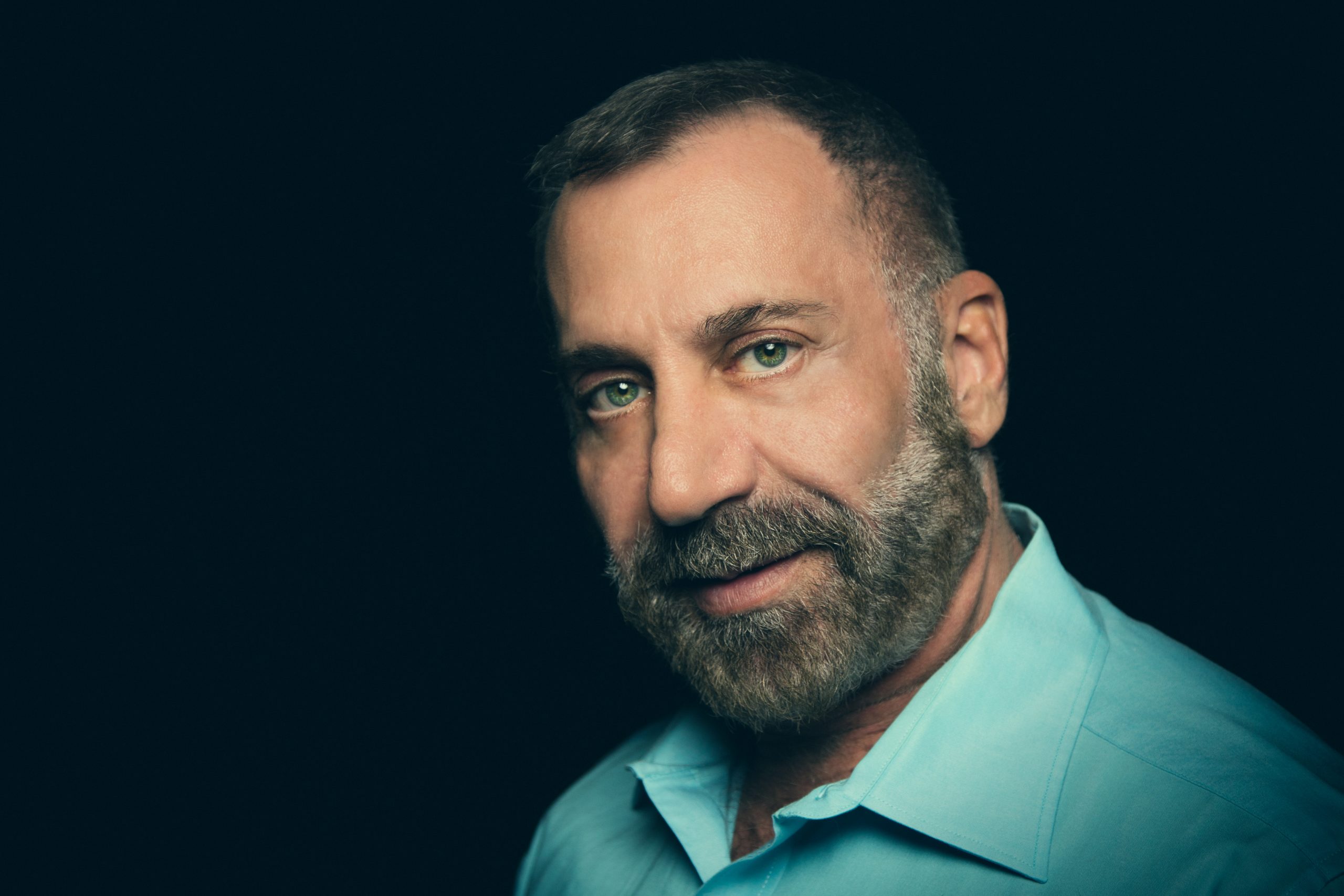
There was a time when every gay man in West Hollywood was walking around with either a copy of Frontiers or In Magazine, held tightly in hand. Not only did they feature a bevy of hot guys, but they also included queer celebrity interviews, hot topics, and a weekly photo diary of the community that every socialite thirsted to appear in. Beyond serving as queer pop culture’s pre-tech answer to social media, they were also brands that united a community that continued to lose members to the AIDS epidemic. Looking back, they weren’t just glossy magazines; they served as part of the glue that kept Los Angeles’ queer community together.
Much of the publications’ success was due to David Stern, who went from top salesperson to co-owner of both magazines. There wasn’t anyone in town who didn’t know Stern. He brought business sense and sincerity to the company and knew how to be the life of the party. He helped the magazines, and in turn, the community, thrive.
It’s hard to envision that version of David Stern as the young boy who showed up on Hollywood Boulevard, as a runaway, with literally no clothes or money to call his own. This young boy was running away from a volatile and abusive household where his sexuality served as his undoing; he was running away from the PTSD he acquired when his father fell down an elevator shaft to his death when Stern was just 15 years old. By the grace of a drag queen, perseverance, and the queer community that, when times get tough, can support its own.
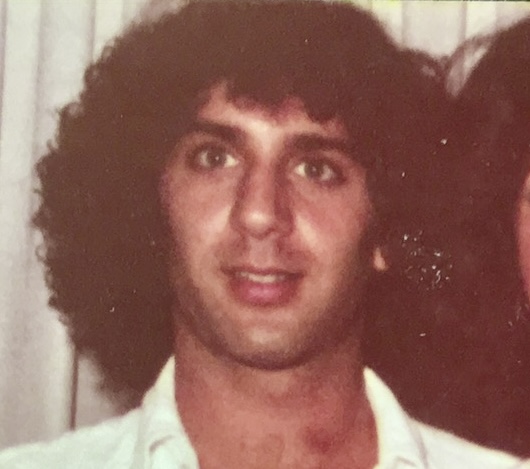
Elevator Boy, as told from an intimate and very naked point of view, tells the story of how he overcame a tumultuous past to become the man who ran a media empire. The story is not a bed of roses, and his rise to success was not without even more cuts and bruises. Stern does not shy away from the details here as he dives deep into his past. Drugs, sex, AIDS, friendship, and an unhealthy relationship with his mother all play roles in this tale.
Stern does not stop his story with his success. He is not afraid to tell the whole truth, and nothing but the truth, and shoves a spotlight into the seedy and illegal practices that were happening at his publications, unbeknownst to him. The empire was taken away from him, and eventually crumbled. Despite the challenges that Stern has faced throughout his entire life, the novel is not doom and gloom. There is a strong spirit here, a queer joy, that describes how our queer courage and perseverance will get us through. Our real family is made up of those whom we choose, who have been there for us unconditionally. This book is an inspiration. We can get through anything.
Stern started Elevator Boy over ten years ago, when he walked away from the Frontiers empire. It took that long for him to be able to face his past and put it down in words. The pain, the joy, the good, the bad, it is all here. What a moving and truly intimate life share that not only tells a compelling personal story of survival, perseverance, and hope, but also shares a slice of gay history that all generations should be exposed to.
In today’s political and social climate, well-told stories like Stern’s are imperative for the queer community to understand what kind of trailblazing energy we come from, and what we can do to overcome.
We had the opportunity to talk with Stern about it all. He did not hold back.
What was the final inspiration to tell your story?
I want to use my story to raise awareness that the rate of homelessness for LGBTQ youth is the same today as it was in the mid-70s, when I ran away from home and ended up on the streets. That rate is 120% higher than their heterosexual peers in the same age bracket.
Why is now the time and not before?
It’s been a little over a decade since my career came to an abrupt halt after 26 years of serving the community with my publications, Frontiers and IN Los Angeles magazines. Plus, I recently turned 65. If not now, when?
Your story is one of complete resilience. To what do you attribute your insistence on overcoming all your many challenges?
Thank you for acknowledging that. Since every chapter is a song title, I will refer you to it. “I Didn’t Know My Own Strength” by our dearly departed diva, Whitney Houston. (chapter 18) She sings my feelings with such passion. When I was younger, I would say, sheer defiance. As I’ve grown older, I would say that having tenacity and believing that everything happens for a reason are important. Try to learn, and in my case, re-learn the lessons from the journey.
What do you want our current younger queer generation to understand most about the era you came out in?
I would say the common thread of the teen runaways of the ’70s and the AIDS survivors of the ’80s and ’90s is how the LGBTQ community came together and took care of their own. From Sugar Love, the transgender hooker who rescued me on Hollywood Blvd at 16, to all the lesbians who stepped up to take care of their dying brothers in the face of AIDS. It was a community bonded in survival.
The AIDS epidemic plays a big part in your life. What comes to mind when reflecting on that time?
Since I think lyrically, I’ll say, “I’m Still Here” in E-flat, written by Stephen Sondheim. Now to be serious… AIDS taught me everything I know about life after death and how to communicate with those on the other side of the veil. It reinforced the lesson I learned the day my dad fell down the elevator shaft: life can change on a dime, and take nothing for granted.
It must have been bittersweet visiting your past. How did you mentally get through the writing process and rehashing difficult parts of your life?
This was a ten-year writing process. It started with me being so depressed that I couldn’t function. I’d morphed back into feeling like a worthless, homeless teen instead of a successful publisher. I began writing about that time period, which is the first chapter of my book, Hollywood Nights. From there, I wrote down songs that gave me a sense of memory, and I listened to them as I danced around my house, remembering while I laughed and cried at the absurdity of my life.
I will say that writing what became the second and third chapters of the book about my attempt at suicide sent me into two years of EMDR therapy to help with processing the memories. PTSD has created some interesting survival skills I was not aware I had.
Forgiveness can be difficult for many of us queer folk. Your relationship with your mother was tumultuous, to say the least. How did you get to a point of forgiveness, and why was that so important?
I think a bigger question is, how did my mother get to a point of forgiveness with me? I caused her so much grief when I was growing up. When I got sober at age 27 and turned my life around, our relationship had room to grow into a beautiful friendship because I was showing up as a functioning human being and not a raging drug addict.
The areas of forgiveness that have been more challenging for me are with my former business partners. I return to a very simple philosophy. I don’t know what life lessons they were meant to learn through our shared experience. I can only ask, what lessons am I supposed to learn? In the end, it comes down to forgiving myself most of all.
Loss also plays a big part in your book. What is your message to those who have dealt with great loss in the queer community?
Everybody grieves differently. Be kind and gentle with yourself and others. I can feel the presence from the other side; some can’t or don’t believe that. To them, I say, find comfort in remembering their smile, the quirky things done by the departed that make you laugh, and cherish the time you had.
Was it hard to leave West Hollywood and start a new chapter of your life?
Surprisingly, no. My husband and I met in Palm Springs nearly 20 years ago, so moving to the “scene of the crime” was a beautiful full-circle moment for us.
What do you miss most about West Hollywood of yesteryear?
My own youth. A thriving print media with trusted journalists on the ground vetting and telling our stories, and the infamous West Hollywood Athletic Club.
What is the mission of your book?
To bring hope, uplift, and heal, while preserving an era of LGBTQ history.
What do you want audiences to walk away with most?
If I can overcome all the obstacles in my life, you can rise above yours, too!
You also dive into a controversial and tumultuous time in queer print media in SoCal. You catalog your rise and fall in the industry and the corruption that took place. Why was it so important to come out and tell the story?
There is an effort underway to erase our history. I have always provided platforms for the voices of the LGBTQ+ community. We will not be erased. I will not be erased. Our history is important, so I’m setting the record straight. Frontiers Media was a pioneer for the LGBTQ community. I am just walking in my shoes again. Pioneering the power of LGBTQ+ voices, and that voice starts with me.
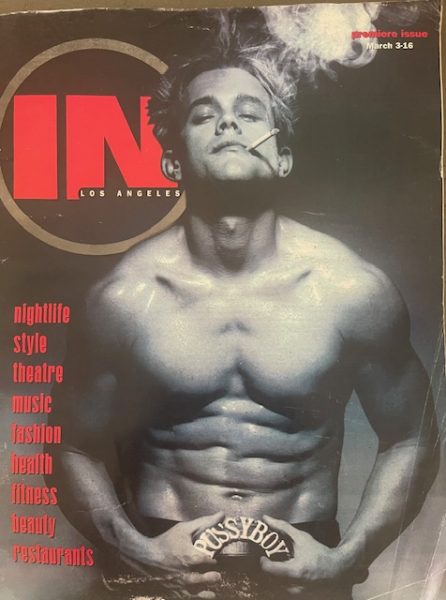
You saw the evolution of queer media and were a part of it. What is your current take on queer media – what is it getting right, what is it missing?
Regarding queer media, I’ve been out of the loop for a decade, but I will share my thoughts on the state of media in general. The following is the Preface of my book:
TODAY, AMERICA IS FACING A MEDIA CRISIS. It began in the 1980s when AIDS, ignored by the mainstream press and government, was raging on. Congress eliminated the Fairness Doctrine that opened a Pandora’s box, allowing the news media to turn into a tool for brainwashing. A functional, modern society needs courageous, trusted journalists on the ground to verify stories and report facts. Trusted news sources are shrinking as the media landscape becomes increasingly fragmented. Future generations will be trapped in this tower of babble, never distinguishing fact from fiction as the hope for freedom and justice fades. Society must find its way back to the earnest quest for truth. In the mid-1970s, at age sixteen, tragedy, fear, denial, and wild abandon turned my world upside down. I ran away from the newly developing suburbs of St. Louis. The parks and back alleys of the U.S. were home to over a million runaway youths. Sexual liberation defined the era. Compared to their heterosexual peers, the homelessness rate among LGBTQ+ youth was 120% higher. This ratio remains unchanged today. Elevator Boy is set in a time when news didn’t drown in the chaos of alternative facts, and meaningless opinions weren’t passed off as truth. Our anti-hero struggles with PTSD from childhood trauma, while society suffers from the same ailment caused by electronic information overload. Sound bites disguised as news are short-circuiting the system. Recognizing the illness is half the battle. Let the healing begin.
How does it feel to now have your life completely out in the open? There’s no going back.
It is completely freeing and healing.
What is your message to the younger queer generation?
Be kind to each other, and remember that Snapchat, TikTok, Instagram, or whatever, are not news sources. Learn how to vet facts.
David is currently working on his next book, a volume of poetry titled “The World of Rhyme and Reason.”
Elevator Boy – An Otherworldly Memoir is available on Amazon, Barnes & Noble, or wherever books are sold.

Books
Through the blaze: Author Deborah Samuel talks about survival, healing, and ‘Grace Through Fire’
In her latest book, Deborah Samuel shares her trauma, family tragedy, healing, and her well-earned resilience
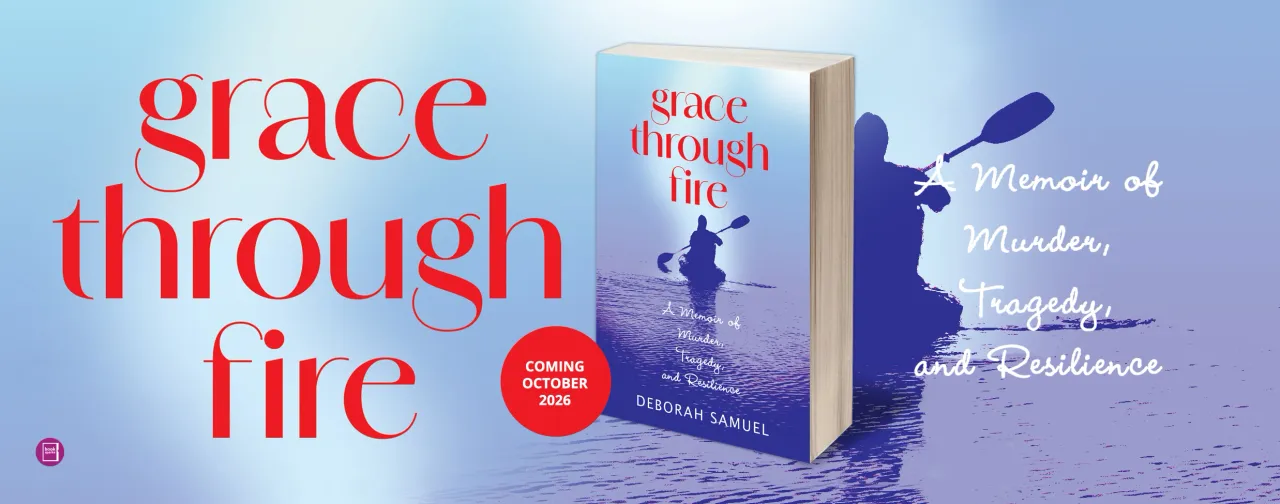
There are some stories that are harder to share, not because they are difficult to recall but because we recall them all too well. In Grace Through Fire, author Deborah Samuel revisits one of the more painful times in her life: the horrific murder of her father at the hands of her mother nearly 18 years ago, and the uninvited media attention that ensued. Her book is more than just recounting a deep tragedy. It is an insightful look into what happens in one’s life after the media buzz fades and we are forced to continue writing our own stories.
Pulling from years of journaling and reflection, Samuel recounts these chapters of her past with active honesty while examining her own choices, battles, and growth. What surfaces is a story of trauma, resilience, love, and the refusal to allow the absolute worst moments from our pasts to determine the trajectory of our ongoing stories. In our interview, Samuel talks about why she now felt ready to share her story, how confronting it also allowed for healing, and what she’d hope readers might take away from her journey.
Your new memoir, Grace Through Fire, starts off with a significantly difficult family crisis involving your mother and father and the media attention that ensued. What felt right about sharing this story now?
We are approaching the 18th anniversary of my father’s murder by my mother, and I finally felt it was time.
It took me many years to be ready to tell this story. There is no way I could have written this book ten years ago. About three years ago, I began thinking seriously about documenting my life as it actually happened—not only because I didn’t want to forget what happened, but because I wanted to acknowledge that I survived it and made it to the other side.
More importantly, I began to believe my story might help someone else look at their own life through a wider lens. Life has many seasons and many chapters. One or two terrible chapters do not have to determine how the rest of your story is written.
I had hundreds and hundreds of pages of journals, so when I began reconstructing scenes, conversations, and experiences, so much of it was there—including the painful details. Going back through those journals was difficult, but they allowed me to tell the story honestly.
What led you to understanding your story as one involving trauma, love, and perseverance, and how did the creation of this project play in your healing process?
The most powerful moment came when I recorded the audiobook and had to read the entire memoir aloud. Hearing myself speak those words made me realize, without a shadow of a doubt, how much personal work I had done.
I could see that I had made a conscious choice not to remain a victim—not to become bitter or allow the terrible things that happened to define the rest of my life.
I am proud that I told the story authentically. I did not leave out the ugly parts, including the parts about myself. I had to look honestly at my own decisions, failures, growth, and responsibility.
Writing Grace Through Fire made me stronger because I stopped running from the story and faced it. I can now look back at that woman with compassion while also recognizing how far I have come.
Your relationship with your wife, Susan, is a significant part of your story. What role did this partnership—and her love—play in the navigation of caregiving while dealing with your own family crisis?
This is one of the most complicated and painful parts of my story.
I never wanted to leave Susan. At one time, I believed I would stay with her for the rest of my life. But circumstances beyond either of our control changed our lives dramatically, and eventually I had to accept that what we had was broken beyond my ability to repair it.
Leaving was not about a lack of love. It was about survival.
I reached a point where I understood I couldn’t fix everything that had happened, and I couldn’t save everyone I loved. The only person I could finally take responsibility for saving was myself.
I believe deeply that if I had stayed, I would not be here today. That realization was devastating, but it ultimately gave me permission to choose life.
So many who have yet to experience it often see caregiving as a noble act of love when, in reality, it often involves feelings of resentment, fear, and financial strain. What do you wish more folks understood about the less glamorous realities of caregiving?
Caregiving is incredibly complex. We often romanticize it as a beautiful, selfless expression of love—and it can be—but there is another side we don’t talk about enough.
It can exhaust you mentally, spiritually, physically, emotionally, and financially. You can love someone deeply and still feel angry, resentful, frightened, trapped, or completely depleted. Those feelings do not mean the love isn’t real.
My memoir goes deeply into this because I lived it. Caregiving affected virtually every part of my life. There were moments of tenderness and extraordinary love, but there were also moments when I lost myself.
I hope we can have more honest conversations about what caregiving actually asks of people—and recognize that caregivers need care, too.
How did your experience growing up in Arkansas influence your comprehension of “womanhood,” and, eventually, what it means to exist as a queer woman?
Growing up in the South and later becoming a gay teacher presented challenges that are difficult to explain unless you lived through that period.
I was teaching before many of the legal protections and social changes LGBTQ+ people have today, and I learned very quickly that my marriage and family were not always going to be treated the same as everyone else’s.
In the memoir, I describe what happened when my spouse became critically injured while we were living in a state that did not recognize our marriage. My employer also did not recognize my marriage, and after 14 years of service, I was initially denied the sick leave I needed to care for my spouse and had to take leave without pay.
Eventually, I went before the school board and challenged the policy. The district ultimately changed it, but it became a very public and stressful fight during an already devastating period of my life.
Those experiences profoundly shaped my understanding of womanhood, equality, marriage, and what it means to stand up for your family when the institutions around you do not yet recognize it.
What does it mean to you to share a queer Southern story? Are there some complexities about Southern life that you hope to impart on your readers?
This is a complicated question because the South is complicated. I have tremendous love for Arkansas. I spent much of my life there, built a career there, and still have people there whom I love deeply. Northwest Arkansas has also changed enormously over the past 20 years.
At the same time, growing up gay in the South was incredibly challenging. Sometimes, simply being myself came with consequences, both personally and professionally.
For years, I dreamed about living in California and experiencing a life where I could feel more open and less guarded. Even today, when I return to Arkansas with my wife, there are moments when I am conscious of whether it feels safe to hold her hand walking down the street. That awareness never completely leaves you.
I hope my story shows both sides—the affection I have for where I came from and the reality of what it was like to grow up gay there during a very different time.
How has your own personal definition of “family” changed or evolved over your life as you moved through these experiences?
My definition of family has expanded tremendously.
I remain very close to my sister, Laura, in Arkansas, but I have also created completely new roots in Santa Barbara with my wife, Kelsey. I converted to Judaism, found a spiritual home, and began building what I consider a chosen family of friends, colleagues, and people who share our core values.
When everything fell apart in my forties, I did not have that kind of spiritual community around me. I have often wondered whether things might have felt different if I had had a spiritual family to lean on. Finding that in California has been incredibly meaningful.
At 58, I am also much more intentional about the people I allow into my life. My wife and I have a small circle of wonderful friends. We value relationships that are healthy, sober, supportive, and aligned with the way we want to live. Age gives you the opportunity to make some choices more wisely. I certainly have.
One key component of your book is generational trauma. When did you first recognize patterns within your own family that extended beyond the individual, and what was it like to confront or unpack these patterns for you?
Generational trauma takes a long time to recognize because when you are living inside a family system, so much of what happens simply feels normal. You often do not understand the patterns until you have enough distance to look back and ask, “Where did this begin?” That became an important part of my healing.
I became deeply interested in understanding trauma and how experiences can remain buried within us long after the events themselves are over. I have worked with professionals who helped me address PTSD, long-buried trauma, unconscious guilt, and patterns I did not realize were still influencing my life.
I have also spent considerable time studying personal growth and changing the way I think about my future. The biggest revelation was realizing that understanding where your patterns came from doesn’t mean you have to keep them. You can honor what happened, forgive where you can, and still decide the cycle ends with you.
Your journey also involves sobriety. How did entering sobriety impact the way that you processed the past? Did it allow you to envision a different version of your future?
Sobriety changed everything because, for the first time, I could see my life clearly enough to make some very difficult decisions.
Wine had begun ruining my life. I was a high-functioning alcoholic, and drinking allowed me to postpone confronting things that were simply too painful to face. When I became sober, I could no longer hide from myself.
Sobriety also changed some of my relationships. I lost friends along the way because not everyone understood or fit into the life I was trying to build. That was painful, but I eventually came to understand that everyone has their own journey.
I can look back now with gratitude for the good years and good memories without believing that every person or every habit from my past has to accompany me into my future.
I forgave myself. I forgave others. And I gave myself permission to begin a new chapter. I allowed myself an adult timeout for two years when I first moved to CA and truly composted the best parts of me to plant the garden I wanted to grow in. Healthy and strong!
You eventually found yourself aboard a boat in Santa Barbara. What does this move from the South to the California coast mean for you personally?
I dreamed about living on a boat in Santa Barbara Harbor for 25 years.
For nearly 20 years, I kept a photograph of myself in a red kayak on my desk at work. Whenever life became incredibly difficult, I looked at that picture and imagined another life. I visualized what it might feel like to someday live on the water.
Four years ago, I finally made that dream real.
Today, my wife and I live aboard a 1973 Grand Banks yacht in Santa Barbara Harbor with our black cat. I absolutely love the lifestyle.
There is something incredibly peaceful about sleeping on a boat every night. For me, the ocean’s movement feels almost like being held. The water brings me a sense of harmony, safety, and peace that is hard to describe.
Every morning, I sit on the stern with my coffee and say my prayers of gratitude. I look around and think about everything it took to get here. I am proud of how far I have come.
For me, that boat represents much more than a place to live. It represents a second chance at life and love—and the realization of a dream I held onto during some of my darkest years.
After reading Grace Through Fire, what is one thing, if nothing else, that you hope stays with your readers as they navigate their own lives, wherever or whoever they may be?
May the journey begin within you. I have written those words again and again because they capture what I hope readers ultimately take away from Grace Through Fire.
My story is my story. Readers will have completely different circumstances, losses, wounds, and dreams. I don’t expect anyone to follow my path.
I hope that somewhere in these pages, a reader finds one small nugget of inspiration that makes them look inward and ask, “What is possible for me now?”
You cannot rewrite the chapters that have already happened. But you can decide what you want to do with the pages that remain. That journey begins within you.
Books
In ‘The Lost Brontë,’ a complicated lie can lead to danger
New book features sweetly romantic girl-meets-girl twist
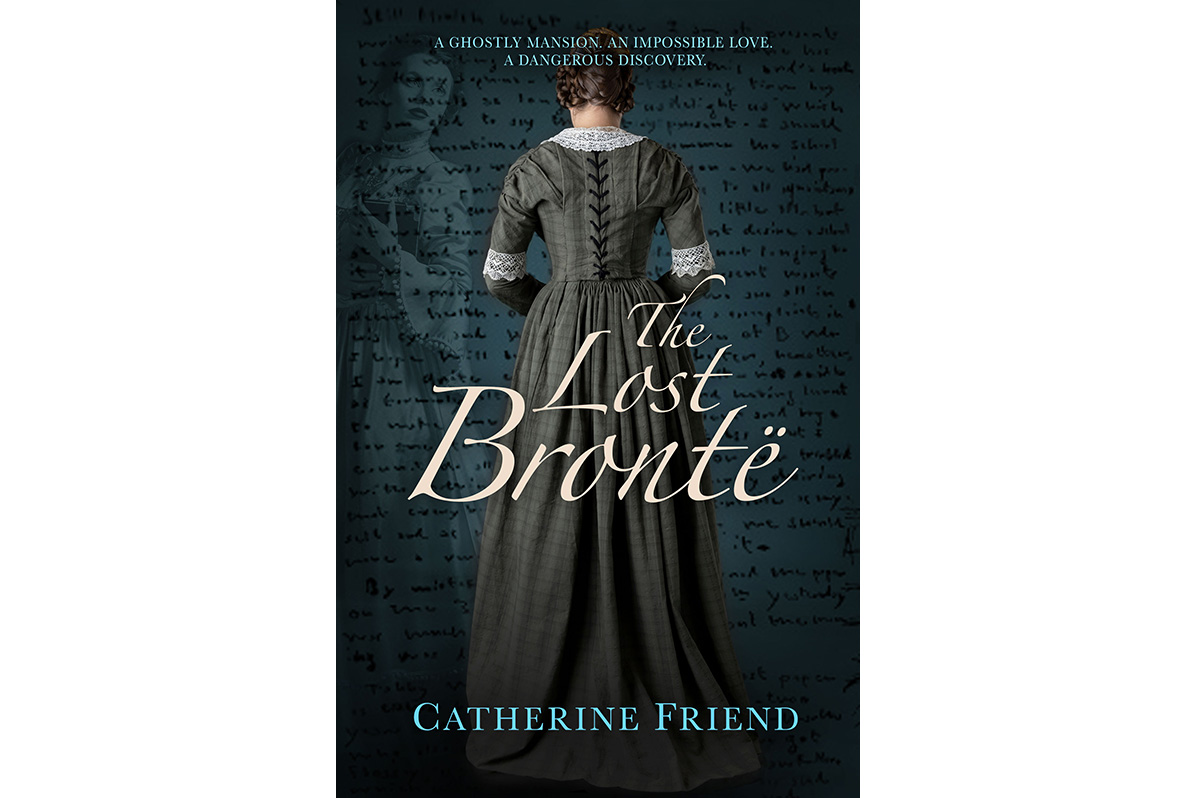
‘The Lost Brontë’
By Catherine Friend
c.2026, Bywater Books
$22.95/335 pages
Mom always said to tell the truth.
One lie leads to another and another and you have to remember them all until pretty soon, you’re caught. Fibs are hard, mistruths are messy, even little white social lies can destroy trust. Worst of all, as in the new novel, “The Lost Brontë” by Catherine Friend, a complicated lie can lead to danger.

Though Lilianne Loxley was very young when she lost her parents, she understood that her uncle didn’t really want her. As time passed, though, Lily made herself useful to Uncle, writing and signing letters for him and she became a good companion, helping him with his collection of Brontë memorabilia. Uncle was a keen enthusiast.
She had no idea that his obsession was out of control and he was deeply in arrears. The day Lily learned of his debt was the day she learned that he’d agreed to send her to his debtor’s home to work off the money owed.
It was so sudden. One minute, Lily was at Loxley House, happy and loved by Uncle’s staff … and five hours later, she was at Crag Thorn Manor, home of Lord Bexton, who informed her that she’d be working on his ledgers – work that seemed routine, but Lily tackled it.
Uncle always did say she was headstrong.
But would headstrong be enough to survive, when she was restricted from most of the Manor, when she was forced to dine with Brexton and his slimy friend, or – the worst! – when Brexton told Lily that her next task was to forge a letter from Emily Brontë? And then an entire manuscript?
Lily struggled to do what was right. She had to get Uncle out of debt but this last order horrified her. Did she dare refuse Brexton’s orders and commit a crime? It was unthinkable!
The only brightness in the whole situation was Wren, the ladies’ maid assigned to Lily’s room. Wren was adorable with freckles and the sweetest smile. But with everything else happening at Crag Thorn Manner, could Lily act upon her feelings?
This time of year, you may come to crave dark, spooky stories, and “The Last Brontë” fits those needs perfectly with its Gothic deliciousness. Think: Daphne du Maurier-type, stormy-night squirms with a dangerously chaste, sweetly romantic girl-meets-girl twist for fun.
If it’s been awhile since you’ve read a Gothic novel, you’re in for a nice reminder of why you love them here. You can almost tick off the must-haves: a novel like this is nothing without a foreboding stone manor with damp walls; stone steps to a dank basement; a mysterious portrait; and a nearby bog, and author Catherine Friend gives readers every one of them. You’d be disappointed if there was no ghost, wouldn’t you? Ha. You can practically feel the cold blow through the attic, right? Yeah, it’s that kind of book.
If you’re a fan of the Brontës, you’ll like this novel. If you love Gothic mysteries or Victorian romances, ditto. “The Lost Brontë” is good, no lie.
The Blade may receive commissions from qualifying purchases made via this post.
Books
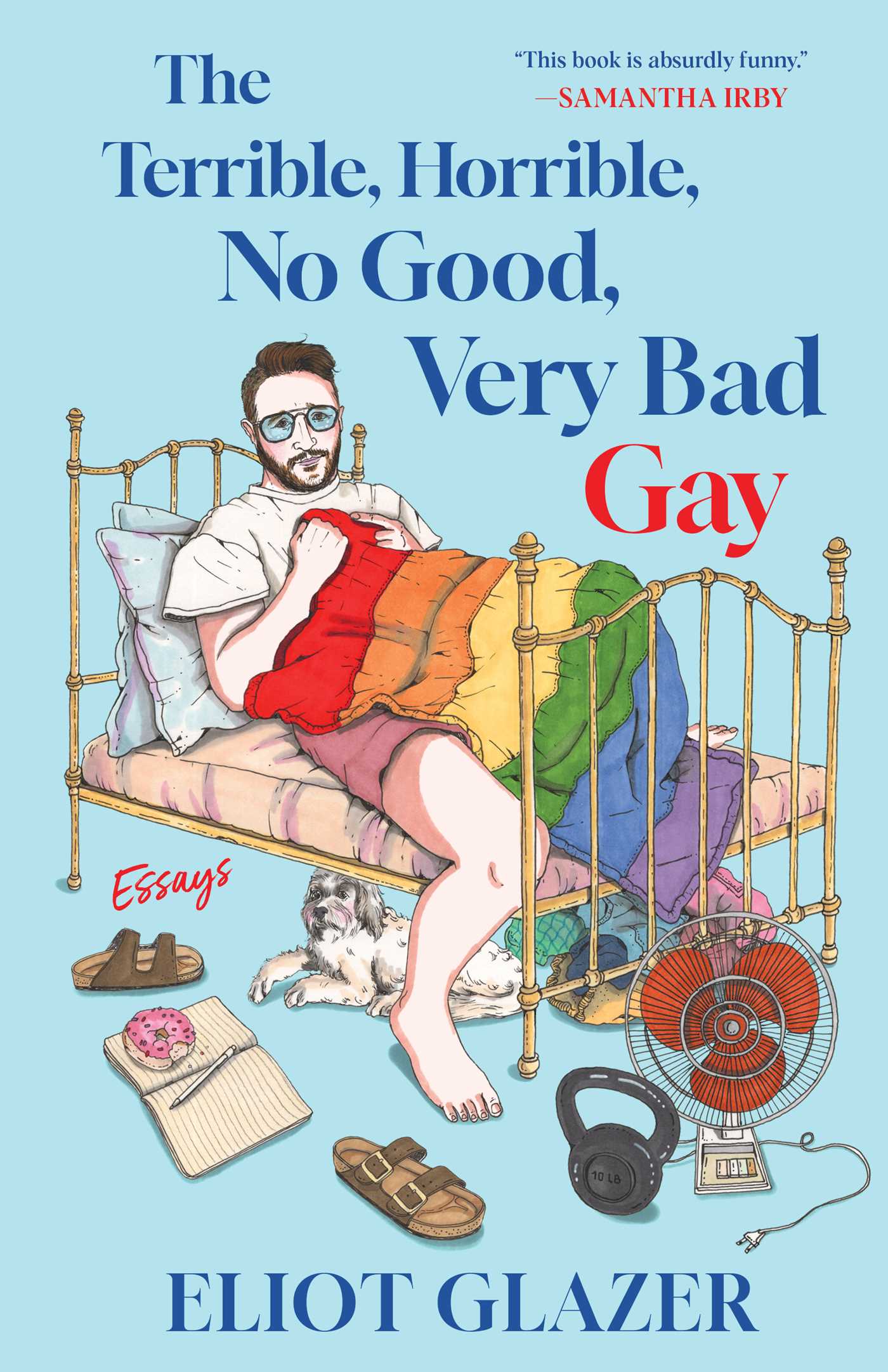
Eliot Glazer’s new book an engaging collection of essays
From growing up gay to turning down ‘Queer Eye’
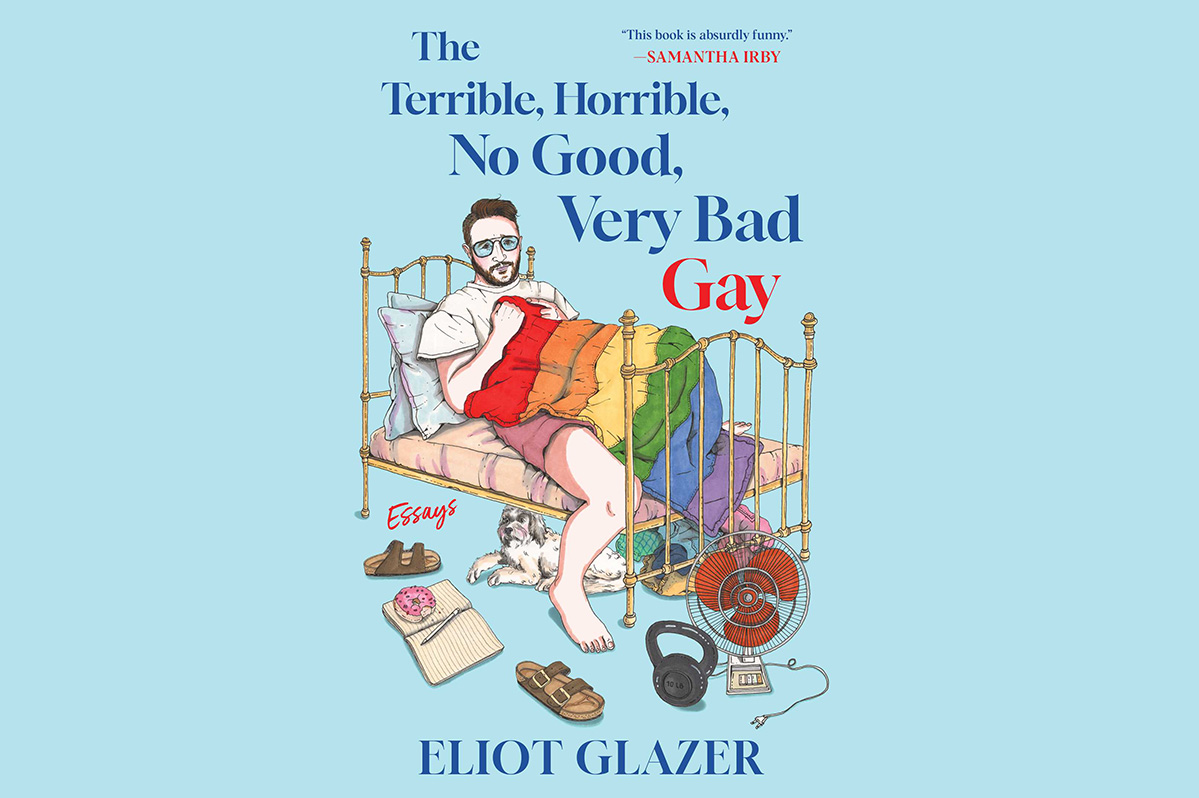
“The Terrible, Horrible, No Good, Very Bad Gay: Essays”
By Eliot Glazer
c.2026, Gallery Books
$28.99/240 pages
You try and you try.
Once, twice, you go back at that thorny issue, the dream you have, the punchline that’s not hitting quite right. Sometimes, time is all you need to make it better, or a new approach, or a second look. And then there are days when you actually get things right, as in “The Terrible, Horrible, No Good, Very Bad Gay” by Eliot Glazer, and it’s all good.
Throughout his life, Eliot Glazer has made mistakes. And it’s OK, everybody trips and falls now and then. In his case, though, he’s perfectly willing to document his failures, foibles, and whoopsies in this book.
He writes of his mother, Sandi, “a Queens-born balabosta” who wouldn’t tolerate laziness in herself or Glazer. He found work as soon as he was legally able to do so, and he had many jobs throughout high school. He was a gardener, ice cream scooper, camp counselor, golf caddy, chocolatier, telemarketer, and video store clerk. The one that fit him best, however, was working at Talbots, a department store for older women, where he found his people.
Even with all those jobs, he was a theater kid in his time off, little though it was. Back then, he was just a boy growing up on Long Island but swagger was important, so swagger he did. He still appreciates a good Broadway show, even the silliest ones.
Glazer says that he had just recently come out when gayness exploded on TV with “Will & Grace” and “Queer Eye for the Straight Guy,” with which he was obsessed. It helped him feel not othered, he says. Producers of the reboot asked him to be a second-generation Eye, but Glazer turned them down, though he thinks he’d have been good at it.
The show helped him with love of décor. His unexpected advisory skills came naturally, through age and wisdom and learning that wild partying isn’t really so much fun.
As for finding love, well, that’s a long, boy-meets-boy-meets-boy story…
So you’re looking for something to easily pick up and put down, something that speaks to your inner impatience? You’ll find that in “The Terrible, Horrible, No Good, Very Bad Gay,” a book that’s practically meant for you to skip around and you don’t have to read everything.
Essays can be like that, which is nice, even refreshing. Author Eliot Glazer is entertaining enough to make things work, engaging enough to keep it moving, and funny enough to make you want more of what he has to say. He’s open with his life and, despite his fame, his writing isn’t lofty; you can expect stories that’ll make you snort and ones with spice, but also some surprisingly tender moments that soften this book in a way that’s just right.
Readers who want a quick, mostly light book to finish will find something appealing in this collection of essays. If you don’t mind a bit of non-linearity and you need a laugh, “The Terrible, Horrible, No Good, Very Bad Gay.” is worth a try.
The Blade may receive commissions from qualifying purchases made via this post.
Books
Dolly Parton biography puts her hardships into context
‘Ain’t Nobody’s Fool’ a highly researched tome not to be missed
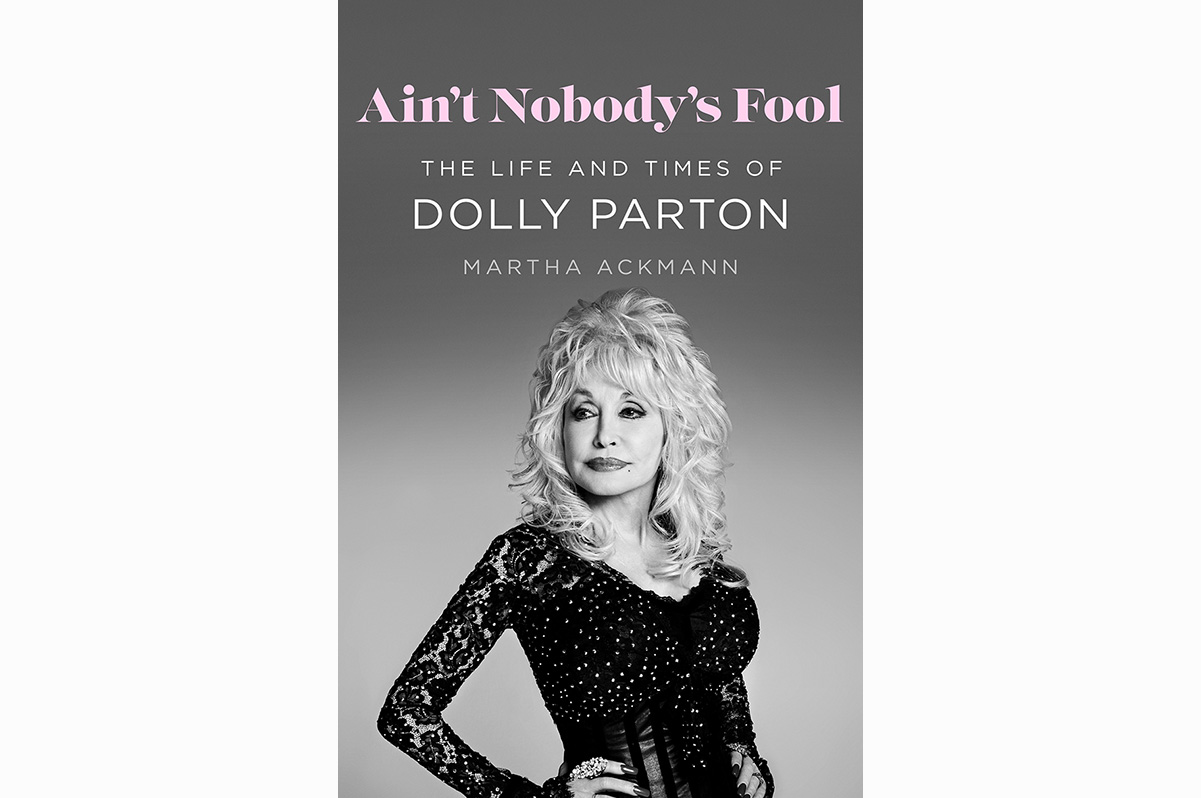
‘Ain’t Nobody’s Fool: The Life and Times of Dolly Parton’
By Martha Ackmann
c.2026, St. Martin’s Press
$30/304 pages
Not too bright.
That’s what people once thought about you. Your language didn’t conform, you had your own sense of style, and you were ignorant about modern things and places and foods. But you were no dummy. You were different, and you had a secret: as in the new biography, “Ain’t Nobody’s Fool: The Life and Times of Dolly Parton” by Martha Ackmann, you knew exactly where you were going.
When Avie Lee Owens and Lee Parton first married, they had the very basics: “two knives, two forks, two spoons, a skillet, a butcher knife, and an old iron kettle.” He was 17; she was 15. Babies came quick. The fourth one was named Dolly, after two great-aunts.
Almost from the time she could walk, Dolly sang. Before she was old enough to attend school, she wrote poetry, and she’d begun to notice rhythms and beats she could make with her fingers. As a schoolchild, she created her own musical instruments out of scraps, and she was eager to perform whenever anyone asked her – and they asked often, because Dolly Parton was a nice girl, and her sense of humor conveyed a warmth that drew people in.
Growing up in the Tennessee mountains, Parton was independent, shunning marriage and child-raising, instead focusing on a dream of being a star. By the time she was in high school, she’d had a regular gig on local television but she recognized that there were few opportunities for fame in the mountains, so she left for Nashville the day after high school graduation, with the snickers of naysayers ringing in her ears.
She stayed with an aunt and uncle there, and she beat the streets, dined on grocery store samples to get by, and missed her family and friends. And they worried about her, but they knew nothing would derail her plans. They knew Dolly would be fine.
As a friend said, “’She had her head on pretty good.’”
Chances are that if you’ve listened to music any time in the last 60 years, you’ve heard Dolly Parton through her words or her music or both. Now you need to learn more about her, and “Ain’t Nobody’s Fool” is where to do it.
Here’s a biography that grabs you on the first page with the tiniest bit of family tree, but not so much that you get bored with it. Author Martha Ackmann writes about Dolly Parton’s early life, putting hardships and experiences in context, both personally and historically. There are name-drops, but not overly so, as Ackmann takes you through Parton’s career, her heartbreaks, her marriage, and her years with Porter Wagoner, in detail but not dramatically embellished or outrageously told. It’s a biography that’s just right, sourced well and written with a fresh take that, like its subject, tells a good story.
Fans, of course, will want this highly researched book but music lovers of any age or type will eat it up. That means you, so use up that Christmas gift certificate. “Ain’t Nobody’s Fool” just shines.
The Blade may receive commissions from qualifying purchases made via this post.
Books
New book examines fashionista Audrey Smaltz’s fabulous life
‘Every Inch a Lady’ reveals finding true love with another woman
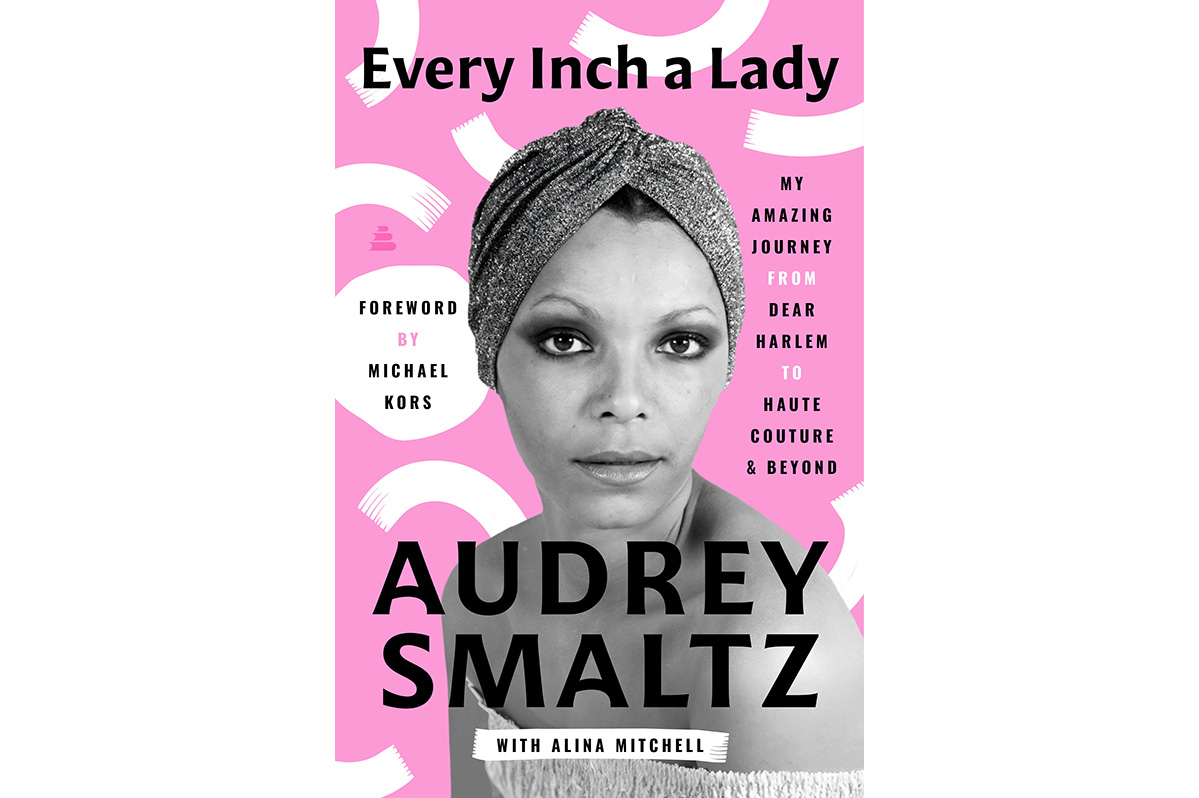
‘Every Inch a Lady’
By Audrey Smaltz with Alina Mitchell
c.2026, Amistad
$27.99/256 pages
Snaps, zippers, buttons, ties.
Toss that garment on, pull it up, wrap it around, you know what you like and how to wear it. The color is perfect for your skin tone, the fabric enhances your form. Yep, you always look your best and, as in the new book “Every Inch a Lady” by Audrey Smaltz (with Alina Mitchell), that best is fabulous.
”Born, bred, toasted, buttered, jellied, and honeyed in Harlem” in 1937, Audrey Smaltz was a force to be reckoned with almost from the time she could walk. Her parents imbued confidence in her, they nurtured her creativity and sent her to charm school, but they never allowed her to create a stir.
“That,” says Smaltz, “is not what ladies did.”
By the time she was a teenager, Smaltz was modeling for New York City designers. Shortly thereafter, she started working for a married man with whom she had an affair, and whom she loved very much. She broke up with him, attended college, worked a series of jobs that taught her about fashion and jobs that didn’t seem to fit her. An ill-fated marriage took her to Chicago where she ultimately landed a position that sent her to work in Ebony magazine’s New York office.
Working at Ebony was a career-changer, in a way. Smaltz was able to travel the world and learn more about fashion, but she didn’t exactly get along with her boss.
Finally, seizing an opportunity, Smaltz decided to launch her own company, Audrey Smaltz, Inc., a “fashion production business,” but she couldn’t get any designers to take a chance on her. Undaunted, she reorganized, re-branded, hit the streets, and knocked on doors until she finally found one client, which led to many others.
Through it all, her personal life was a whirlwind. She dated “more men than you can shake a book at,” settling down occasionally, briefly. Fashion had always been her first love, but she accidentally found real love, “the love of a woman,” at a leadership course.
There’s an old saying that writers need to add lots of “color” into their stories. Read a little of “Every Inch a Lady,” and you’ll notice immediately that author Audrey Smaltz (with Alina Mitchell) quite literally takes that to heart by mentioning nearly every color of the spectrum here. Hmm.
That oddity aside, Smaltz is a wonderfully lively storyteller, speaking with the energy of a woman much younger to the heart of anyone who loves fashion. That glee extends to collectors of vintage clothing, who will be delighted to read about the industry long ago and the way things worked then. Smaltz says she experienced racism, which is not unusual for pre-Civil Rights America, but doors were surprisingly closed for other reasons that will astound anyone who’s savvy about the fashion industry, even today.
There’s quite a bit of name-dropping in this book but most of it belongs in the anecdotes, so you likely won’t mind. If you’re a fashionista, too, find “Every Inch a Lady,” and snap it up.
The Blade may receive commissions from qualifying purchases made via this post.
Books
Exploring Renée Richards’s life through lens of a trans author
Surprises await in new book about pioneering tennis star
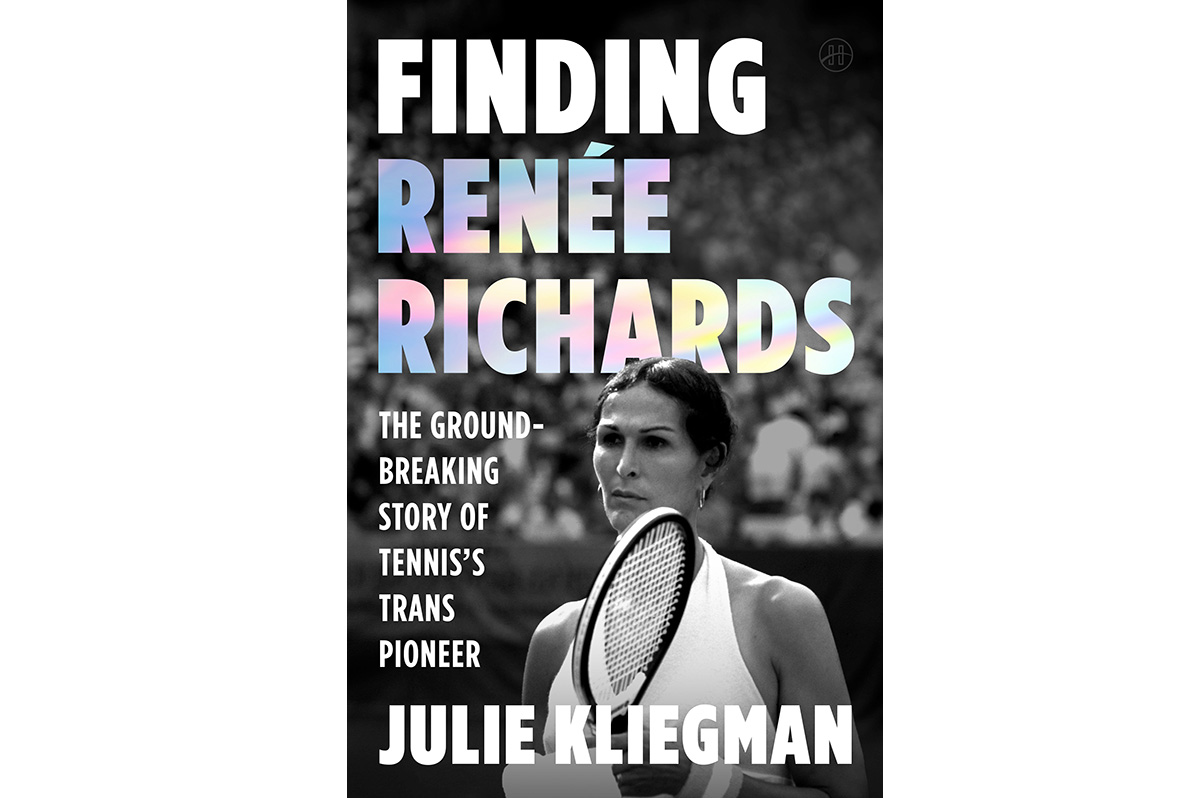
‘Finding Renée Richards’
By Julie Kliegman
c.2026, HarperOne
$28.99/272 pages
Come on in, the water’s fine.
Wade into it up to your ankles, your calves, your waist, you’ll be OK. You’ll adjust to the waves that swirl around you so come on, dive in, it’s all good. As in the new book “Finding Renée Richards” by Julie Kliegman, that goes for swimming, and for controversy.
Assigned to do a story on books written by trans tennis great Renée Richards, Julie Kleigman read the books and became “transfixed by a woman who had fought so hard to simply live as who she had long known she was….”. Their editor had figured that, as a nonbinary and trans individual, Kleigman would have “something incisive to say…” in an article. Instead, once they met and began interviewing Richards, Kliegman was left frustrated.
Born in the late summer of 1934, Richard Henry Raskind seemed to have arrived with a tennis racket in his hand. His mother was a psychiatrist; his father was an orthopedic surgeon who hoped “Dick” would follow his footsteps but Raskind was drawn instead to ophthalmology and tennis. He was also irresistibly drawn to wearing women’s clothing.
His sister knew of this pull and Raskind eventually came out to both parents, but few others on the tennis circuit were aware. When Raskind visited his hometown of New York City, however, he enjoyed furtively going out in women’s clothing but he also tried to squash the desire; in the meantime, he fell in love, married, fathered a son, and eventually learned that it was possible to become the woman he knew he really was.
To continue playing tennis professionally was a bonus.
And right there were the disagreements Kleigman had with Richards.
Richards, “To this day… [makes] a point of describing herself as a woman, period,” says Kleigman, but she firmly acknowledged Richard, almost as a separate individual, insisting that Kleigman use “him/his” pronouns when describing her earlier life.
And as for tennis and trans women’s participation in the sport, Richards had something even more frustrating to say.
Take that as a fair warning: you might be equally surprised at what author Julie Kliegman uncovered in “Finding Renée Richards,” and you may be truly gobsmacked by reading opinions from other women about the topic of trans women in sports.
That’s the main, huge point of interest in this fascinating book; the other is Richards’s life as seen through the lens of a trans individual. Kleigman’s wrestling with the 90-year-old Richards’ firmly dug-in heels is, in itself, worth your time as a study of highly varying viewpoints. That Kleigman and Richards have both lived at least a part of trans history is somewhat of a key to understanding how this book unfolds, as Kleigman offers up Richards’s tale. Readers who are able to read between the lines will be riveted.
If you’re a sports fan and you have opinions, you must read this book – and that goes double if it’s tennis you love. Also check out “Finding Renée Richards” if you just want a raucously good and very fine read.
The Blade may receive commissions from qualifying purchases made via this post.
Books
Bros + romance + fantasy = ‘Bromantasy.’
New book a romp full of humor, dragons, kings, and adventure
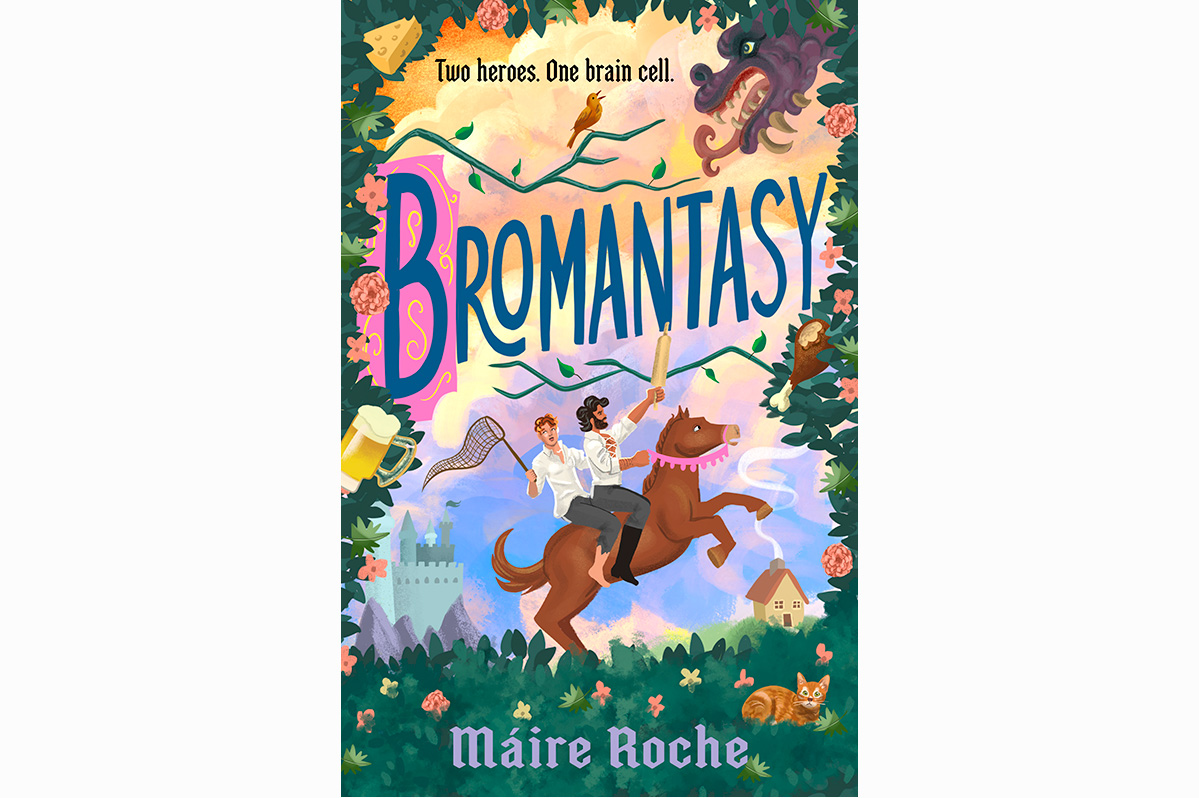
‘Bromantasy’
By Maire Roche
c.2026, G.P. Putnam’s Sons
$20/339 pages
“Danger” just happens to be your middle name.
Any fray, any tussle, anytime anybody needs help, they count on you to step in and save the day. You’re brave, smart and strategic, kind to old people, children, and small animals and, as in the new book “Bromantasy” by Maire Roche, dragons.
Of all the things there were to do – preserving food, keeping house for himself and his best friend Morningthall “Mo” Elmthorn, advanced skincare, and drinking at the local tavern down the road – the one thing Juniper O’Reilly couldn’t resist was a good brawl. It happened so often that Juniper honestly looked forward to it, though Mo wasn’t a fan.
Mo was more grown-up, calm, thoughtful, able, and Juniper loved him for it. He loved Mo, in fact, since they were little boys. He loved Mo in ways that they didn’t talk about, so they kept a wall between their bedrooms in their cottage.
Except for that one time.
They didn’t talk about that, either.
Instead, as they did often, on a warm fall night, Juniper and Mo went to the tavern, where mead was served and they could learn about the king’s weekly quests. There, Juniper could also find a good brawl, which is how he and Mo accidentally got into trouble: Juniper trounced one of the king’s men and was forced into a quest.
He didn’t want to fight dragons and he felt bad that Mo had been dragged along. He felt even worse leaving their farm, sleeping on the ground, wearing the same clothes every day, and not having enough skincare product along. A campfire added to the problem. A roving, lying prince, also in search of dragons, didn’t help. And though a quest was no place for a child, Juniper and Mo found a frightened little girl they had no choice but to protect.
A child with strange eyes, sharp teeth, and fire on her breath.
“And just like that, Juniper and Mo had a dragon.”
Bros + romance + fantasy = “Bromantasy.” It also could equal one of two other things: a romp full of humor, dragons, kings, princes, and adventure.
Or it could equal a whole lot of eye-rolling.
It’s a fact that this book is funny, in the way that a 1980s high school comedy movie is funny – meaning that it’s dippy, giddy, and very caricaturish but you’ll laugh quite often. The story contains everything you want in a fantasy romance (a “romantasy”), including human-like alternate species, a life-changing journey, and plenty of nudge-nudge-wink skirting around the attraction the two main characters have for one another. It’s a decent story, convoluted in just the right way. Purely, it’s an escape.
So why wouldn’t you want to read it? See above, and depending on your favorite reading genre. High-brow literature, this ain’t.
For the right reader, “Bromantasy” is a decent-enough vacation read, something not too taxing or hard on the brain. It’s for novel lovers, dragon hunters, king’s questers, princes, and romantics. For everyone else, this tale is just middling.
The Blade may receive commissions from qualifying purchases made via this post.
Books
Something’s off about Dad. When is it time to step in?
‘When Memory Fades’ can help when families face dementia

‘When Memory Fades’
By Nathaniel Chin, MD
c.2026, St. Martin’s Essentials
$30/422 pages
Mom called you in a panic the other day.
She’d lost her keys and by the time you arrived to help, she’d found them. In the refrigerator.
These kinds of things keep happening, not often but often enough, and you don’t know quite what to worry about. But in the new book “When Memory Fades” by Nathaniel Chin, MD, you’ll learn about the journey ahead, for both of you.
You can’t remember why you walked into a room. You got lost last week, going to the bank. Popular wisdom says that things like that are normal as we age, but Chin says that’s not true – although the answer may not be a worst-case scenario, either. Yes, memory problems could just be signs of stress, dehydration, or lack of sleep – or is it time to see a doctor?
Chin says maybe, yes.
He was working his way through medical residency when his father, a geriatrician in Madison, Wisc., was diagnosed with Alzheimer’s. Chin, now a geriatrician, was blindsided, but that diagnosis also changed his life.
Here, he writes about the brain, and how Alzheimer’s and dementia are diagnosed, explaining that dementia has many faces and, depending on a doctor’s evaluation, memory problems might be slowed or improved. He shares his father’s illness with readers, but he also writes about his mother, a steadfast, steady caretaker.
Her story reminds reader-guardians to care for themselves, too.
Know how to talk the talk, so that you can have “a more productive” conversation with your doctor. Understand that there’s nothing “normal” about dementia or Alzheimer’s. Know the statistics – African Americans are affected with dementia twice as much as whites – and know how to lower your risks. Learn here what questions to ask, how to break the news to everyone, and any legal matters that will be important soon. And know how to tend to you.
Says Chin, “The best action you can take is to educate yourself… The more you understand, the better equipped you are to make sound judgments.”
Something’s off about Dad, just a lot of little things that don’t add up. When is it time to step in? “When Memory Fades” can help you decide.
Wise, wide-spread, comprehensive, and compassionately helpful, this is a book you can read and then take it to the doctor with your loved one. It’s a book that makes sense when nothing else does, and its biggest feature is that it smoothly transitions from easy-to-grasp science and charts, to gentle coaching for caregivers. Author Nathaniel Chin, MD writes with storytelling, humility, grace, and experience from both sides of the Alzheimer’s/dementia issue, and his words are reassuring but also urgent. Learn, but don’t wait, he says. Know how to safeguard yourself. See your doctor, and don’t fear testing. Watch for signs of depression. And never, ever stop asking for help.
Read those last seven words, and find “When Memory Fades” now. It’s a book to have on your shelf, whether you’re 45 or 95 because, as you’ll see, dementia happens and knowledge is key.
Books
New book chronicles gay man’s life in hippie commune
Vietnam War-era tale a serious, sexy, joyous memoir
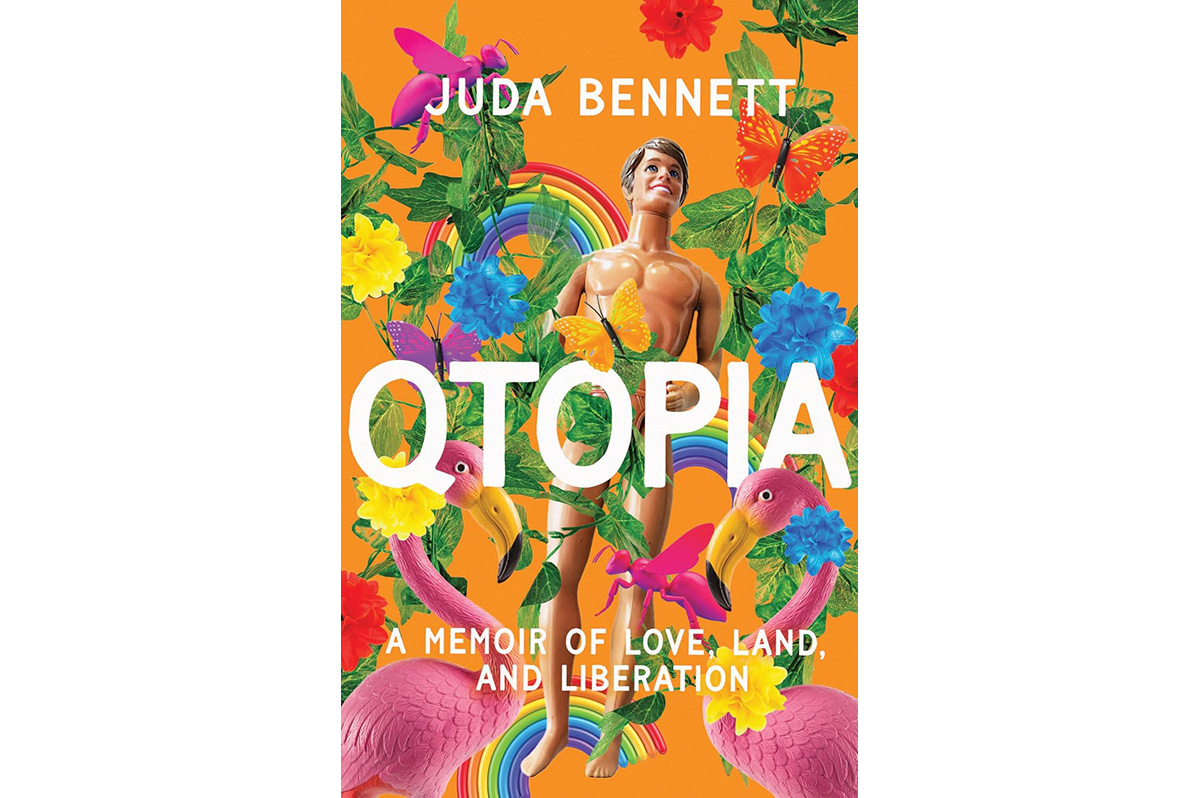
‘Qtopia: A Memoir of Love, Land and Liberation’
2026, University of Wisconsin Press
By Juda Bennett
Duffel packed, the new high school graduate could not fall asleep. “On the night before my departure, I stared at the duffel bag as if it were a body bag. We lived close to Dover, where the dead from Vietnam were shipped.”
It is 1971, and Charles was leaving home to join a hippie commune in rural Virginia. “I kept imagining bodies fitting into the bag and popping out in the middle of the night,” Juda Bennett writes in his memoir, “Qtopia: A Memoir of Love, Land and Liberation.” During Bennett’s high school years from 1968-1971 some 35,000 U.S. soldiers were killed in the Vietnam War, the vast majority processed at Dover Air Force Base.
Young Bennett was clueless about what lay ahead but he had a commune’s brochure in his pocket, certain his destiny was not in the military. “My father was a walking recruitment center, and my mother could have worked for the USO. Uncle Sam and the Andrews Sisters had nothing on them.” Inspired to find his way out of suburban Wilmington, Del., he boarded a Greyhound bus to Lexington, Va., and communes yet unknown. “Qtopia” is a serious, sexy and joyous memoir about a young man who knows he’s different in search of chosen family and, over coming decades, his own queer Utopia.
“We are leaving; you don’t need us,” was the popular refrain in the day from the Crosby, Stills & Nash song “Wooden Ships.” Communards like young Charles (going by the moniker C.B. with a full beard covering his handsome, androgynous features) were living it. How far this is from urban queer stories of the ‘70s. For this reason alone, it is marvelous reading about hot naked hippies farming together in the country, living and loving in secluded teepees when everything seemed possible. Novels like “Drop City” by T.C. Boyle (2003) and “Arcadia” (2012) by Lauren Groff set in hippie communes had no gay characters, only free-love for straights. When C.B.’s parents arrive to visit his back-to-the-land commune North Mountain bearing gifts like the orange powder Tang and Frosted Flakes, he “maintained” as the saying went. “It was a great time for visitors to see how hard we had worked—fields of sorghum swaying in the breeze, acres of vegetables in neat rows with beans, tomatoes and peppers hanging down….I was still thin as a matchstick, but I was a strong and muscular matchstick,” he tells the story of his development. By contrast, he had considered suicide before leaving home; this memoir fills in the pain, too.
There are times when C.B.’s voice as a teen communard with a secret is so authentic and rich, it is like reading fictional stories of American innocents on journeys of their own like J.D. Salinger’s character Holden Caulfield or Demon Copperhead from rural Virginia by Barbara Kingsolver. He tells us there was this guy Mark at North Mountain who had been pressuring him to sleep on the mattress next to his. C.B. was known as the only gay at North Mountain. One of the hippie women warned him Mark is “a square, the biggest downer.” Stepping out of the memoir, C.B. directly addresses the reader about the Mark issue, “I don’t want to write about Mark anymore because he’s not important to my story, and I didn’t even like him.” Got it. Hitchhiking with C.B. is like that, too.
“I got my best ride of the whole hike from a truck driver named TJ….If an eighteen wheeler…is willing to stop for you, it is because the driver wants something from you…I will forever remember this trucker as the most beautiful man I could have had sex with if I weren’t so innocent.”
North Mountain required the hippies work one week a month in Richmond to earn cash for the commune. For C.B., this translated into seven communards living in one small apartment on this cultish mission. It was in a Richmond park where he meets a stranger who would sexually abuse him over a month until C.B. ends it. Furious, the man threatens to shut down the commune if he does not obey. In a state of panic, C.B. attempts suicide by overdosing on every pill he can get his hands on. The memoir takes the reader through the author’s horror by deepening the shadows. What was the specific nature of the abuse? How did this stranger have credible power to threaten the commune? Entitled “What It’s Like to Die,” the chapter is a skillfully told, expressionistic turning point from an innocent’s hell to salvation at the intentional queer Lavender Hill commune in Central New York. C.B. desperately needed to “find my people.”
He’s a resilient young man after living in three communes by the time he hit San Francisco. His two gay neighbors on Ashbury Street—Crow and Moonsnake—pressure him to get a new “hippie name.” Walking home from Golden Gate Park he zeroes in on a passing streetcar, “North Judah.” Goodbye “Charles,” Judah will be his new hippie name. Crow and Moonsnake, approve: “If that’s what the Universe called out to you.” If you remember the Sixties…
“Too often,” Bennett writes, “we think of dropouts as withdrawing from life, but in truth, I think they are in a heightened state of seeking their rightful path and purpose. Nothing stays the same.” Juda Bennett remains a believer to this day, “Always putting my faith in my journey to Utopia”.
(Charles Francis is president of the Mattachine Society of Washington, D.C., and author of “Archive Activism: Memoir of a ‘Uniquely Nasty’ Journey.”)
Books
Eliot Glazer is a ‘Terrible, Horrible, No Good, Very Bad Gay’
The author discusses his new book and what it means to be a bad gay today.
Eliot Glazer is a self-proclaimed ‘very bad gay guy.’ It’s a title the man wears with pride; he got his start writing for hit shows like The Boys and New Girl, imbuing every series with the dry, constantly dark humor that has come to define him as a creator. It’s a style of comedy that he carried into his career as a comedian, with the past few years seeing Glazer alternate between writing on hit shows and making audiences laugh through his stand-up. He uses each platform to hilariously describe his many mistakes, commenting on the chaotic gay community while emphasizing how bad he is at fitting in with the rest of his homosexual species.
While his many fans have heard Glazer speak about this, these observations are often packaged through TV writing or punchlines, rarely getting to the heart of what it means to feel like you’re bad at being yourself. His audience has never gotten the chance to know the moments that forged Eliot as a ‘bad gay’ and what he truly means with this label — until now.
In his new book, The Terrible, Horrible, No Good, Very Bad Gay, Eliot Glazer writes a collection of essays that show a side audiences have never seen before. In his own words, it is “a documentation of gay failures” and a “catalog of wrongs and misses,” a vulnerable exposé on the artist that audiences have loved for years. He humorously describes the lessons that built him and the moments that left him feeling distanced from his own community. And, throughout all the laughs (and occasional tears), Glazer makes readers question if maybe they’re a ‘bad gay’ too — and would that really be such a bad thing?
“[Comedy] is the only language that I speak,” laughed Glazer, as he discussed what made him pursue a career in the genre. “Clearly it’s a defense mechanism…but I also feel like it’s the only way I can communicate with other people.” And he certainly does communicate; each of the book’s essays provides an almost too-relatable anecdote from the man’s life. Whether it’s almost getting outed by a ruthless high school drama teacher or dealing with ‘demon twinks’ on Fire Island, Eliot’s exploits will resonate with most gay men who grew up in the closet and have dabbled in their city’s local nightlife.
Yet while funny, readers may be shocked at the amount of vulnerability that Glazer offers within each page. Readers quickly learn that his self-prescribed status as a ‘bad gay’ comes from a lack of easy connection with the other gay men around him. Living in larger cities means that he is constantly thrust into loud parties, drug-fueled exchanges, and otherwise boisterous outings that those around him seem to love. He emphasizes that he in no way judges that lifestyle, but that he’s never felt at ease in these bombastic settings, causing the anxiety in these essays…as well as some of the funniest jokes. Because, as Glazer explains, “I just kind of have to find a way to joke about it to keep it from being more uncomfortable than it might already be…it’s just a way to survive.”
In the humor, Glazer offers an uncomfortably relatable image of queer anxiety. He recounts moments most would try to forget, like one heartbreaking scene where of being so nervous about being judged at a party that he suffers a panic attack and never even goes in, leaving before anyone even has the chance to judge him. Eliot expressed how uncomfortable it was to transcribe moments like this — a far cry from his usual comedic writing — but knew that it was because they were so uncomfortable that he had to include them in his book.
“The more vulnerable you are, the more you connect to people, the more they relate to you,” he said. “I like the idea of reaching other queer people and gay men who don’t necessarily feel the opportunity to share that sense of social anxiety or whatever feelings might bring shame to them, because I do feel like we as a community self-impose a level of pressure that I’m just yearning to break through.”
It’s an unfortunate truth of many gay circles; in the age of social media, countless groups in society have become fixated on appearing perfect, with many gay men desperately evading any chance of appearing ‘cringe’ to their judgmental peers. This is not everyone, of course, but it’s an issue pervasive enough that countless men just like Glazer feel uncomfortable being their genuine selves in gay spaces, not even finding the freedom of authenticity within their own community.
Glazer has faced this issue all his life, but through each essay of The Terrible, Horrible, No Good, Very Bad Gay, readers watch as the man comes to love himself beyond some pre-set image he’s been told to fit into. It’s a realization that only came from years of self-work, time that Eliot hopes to spare readers by being so vulnerable and inviting them into his own journey through his writing.
Eliot lives in Los Angeles and is actually hosting a discussion of the book at BookSoup — moderated by renowned Drag Queen and LA local, Trixie Mattel —on Tuesday, August 11th. He raved about how excited he was, and how he hopes this event will help connect him with anyone else who thinks they’re a ‘bad gay,’ saying, “I want other people to feel the comfort to acknowledge what makes them feel awkward or weird in the world…I do really hope, very selfishly, that I can meet other people who need to express and have catharsis in just also being like me too, me too.”
And that is the core message of The Terrible, Horrible, No Good, Very Bad Gay: there is no wrong way to be queer. Eliot Glazer invites you to laugh at his many fumbles while reminding you that if you connect with him, that doesn’t mean you’re wrong! Rather, it means you’re not alone. And that for however isolated you may ever feel in the queer community, there are always people like Eliot out there, ready to relate to all of your mishaps and show you you’re not a ‘bad gay’ — you’re just a different kind of queer.

‘Male Aesthetic’ challenges conventional tropes of masculinity through dance at Nickerson-Rossi Dance Company

Key Midterm Election races as SoCal joins No Kings ‘Vote Early’ rallies on Saturday

Here’s your Palm Springs look at the weekend: Oct 16-18, 2026

Trans woman says Kyle Brazeal used anti-trans slur, threw purse at her in 2024

How Orville Peck healed his inner child through ‘Street Fighter (2026)’
Trans woman says Kyle Brazeal used anti-trans slur, threw purse at her in 2024

‘Governments that attack LGBTQ+ rights learn from each other’

Hungarian lawmakers approve bill to remove anti-LGBTQ+ provisions from ‘child protection’ law

JD Vance takes swipe at James Talarico’s sexuality during Texas rally

‘Come Out for the Games’ gets Los Angeles excited for the 2028 Olympics
-
 California2 days ago
Trans woman says Kyle Brazeal used anti-trans slur, threw purse at her in 2024
-
 Turkey5 days ago
‘Governments that attack LGBTQ+ rights learn from each other’
-
 Hungary4 days ago
Hungarian lawmakers approve bill to remove anti-LGBTQ+ provisions from ‘child protection’ law
-
 Politics4 days ago
JD Vance takes swipe at James Talarico’s sexuality during Texas rally
-
 Sports4 days ago
‘Come Out for the Games’ gets Los Angeles excited for the 2028 Olympics
-
 a&e features5 days ago
Exposing the realities of influencer culture with Bran Flakezz
-

 Politics4 days ago
Ahead of the midterms, Meta has paid at least 29 anti-LGBTQ+ accounts for their posts
-

 Politics3 days ago
Victory Institute to honor Nancy Pelosi at D.C. conference
-

 Features3 days ago
Lu Corporan on designing the darkroom
-
 Palm Springs2 days ago
Here’s your Palm Springs look at the weekend: Oct 16-18, 2026