
Movies
The 25 greatest queer movies of the 21st century so far
‘Moonlight,’ ‘Brokeback,’ ‘Carol,’ among highlights
There’s something about a calendar milestone that seems to demand the making of lists.
Whether it’s a list of resolutions for the future or a list of high points for the past, we are happy to oblige – so as we move past the first quarter of our current century, here’s our list of the top 25 queer films since the end of the last one, listed in order of their release, and chosen through a blended consideration of overall critical consensus, cultural impact, and yes, individual tastes.
Our favorites might not be the same as yours, because taste is always subjective, so look at this as an inspiration to celebrate yours by making a list of your own.
Hedwig and the Angry Inch (2001)
John Cameron Mitchell’s screen adaptation of his own genderqueer musical about a third-rate rock singer with a botched sex-change made his jubilantly rebellious off-Broadway hit accessible to uncountable queer audiences for whom its comically-tortured pseudo-autobiographical tale of empowerment through rebellious self-expression felt like “being seen,” and the rest is history.
Mulholland Drive (2021)
Late revered auteur David Lynch’s neo-noir Hollywood mystery – delivered in his famously incomprehensible style – is also a film that strongly centers a same-sex love affair between naive Hollywood-hopeful actress (Naomi Watts) and the darker, more worldly woman (Laura Herring) with whom she becomes entangled. While their relationship may transmute throughout Lynch’s hallucinatory narrative, it remains the unequivocal emotional core of the film.
Bad Education (2004)
Renowned queer Spanish filmmaker Pedro Almodóvar scored a career high point with this boldly imaginative cinematic melodrama in which a gay film director (Fele Martínez) is reunited with a friend and lover (Gael García Bernal) from boarding school, who has written a script based on the story of their youthful relationship. A breathtaking exploration of a story’s evolution through many retellings – and of cinema’s power to illuminate the human truth behind it.
Brokeback Mountain (2005)
What can we say that hasn’t already been said? Ang Lee’s exquisitely heart-rending adaptation of Anne Proulx’s tale of two cowboys in love smashed open doors for queer storytelling in “mainstream” cinema and perfectly captured the agony of impossible longing that so many people in the rainbow community know all too well. Heath Ledger and Jake Gyllenhaal will forever be the litmus test for true allyship, thanks to their fearless commitment to the validity of a love that simply can’t be “quit.”
Shortbus (2006)
John Cameron Mitchell makes a second appearance on our list for directing this controversial, groundbreaking dramedy featuring intertwined love stories – queer and otherwise – around an underground Manhattan “salon” hosted by Justin Vivian Bond. Featuring explicit scenes of un-simulated sex in a gently satirical commentary on the struggle to connect in a post-millennial world, it pushed boundaries while also validating an open view toward sexuality, relationships, and identity itself.
Pariah (2011)
Dee Rees’s drama about a Black lesbian teen (Adepero Oduye) coming to terms with her identity was a landmark of representation, amplifying both the struggle of queer people facing homophobia from within their own community and the self-empowerment that comes with embracing who you are.
Weekend (2011)
Gay British filmmaker Andrew Haigh made an impressive breakthrough with this romance about two gay Londoners (Tom Cullen and Chris New) who fall in love during a one-night stand, filmed with a mix of scripted structure and improvised performance to capture an eminently relatable queer portrait of the kind of fleeting connection that stays with us for a lifetime.
Stranger by the Lake (2013)
This erotic thriller from French filmmaker Alain Guiraudie channels Hitchcock at his most perverse for its story of a “cruiser” at a nude gay lakeside beach (Pierre Deladonchamps) who becomes infatuated with a man who may or may not be a serial murderer (Christophe Paou). Scary, sexy, and utterly hypnotic, there’s a reason it’s frequently named as one of the best queer horror films of all time.
Carol (2015)
Iconic queer filmmaker Todd Haynes has scored several hits this century, but most impactful of all is his adaptation of Patricia Highsmith’s midcentury lesbian romance between a married woman (Cate Blanchett) and a shopgirl (Rooney Mara), which breaks radical ground by imagining the possibility of a happy ending for queer love in an era that represses it.
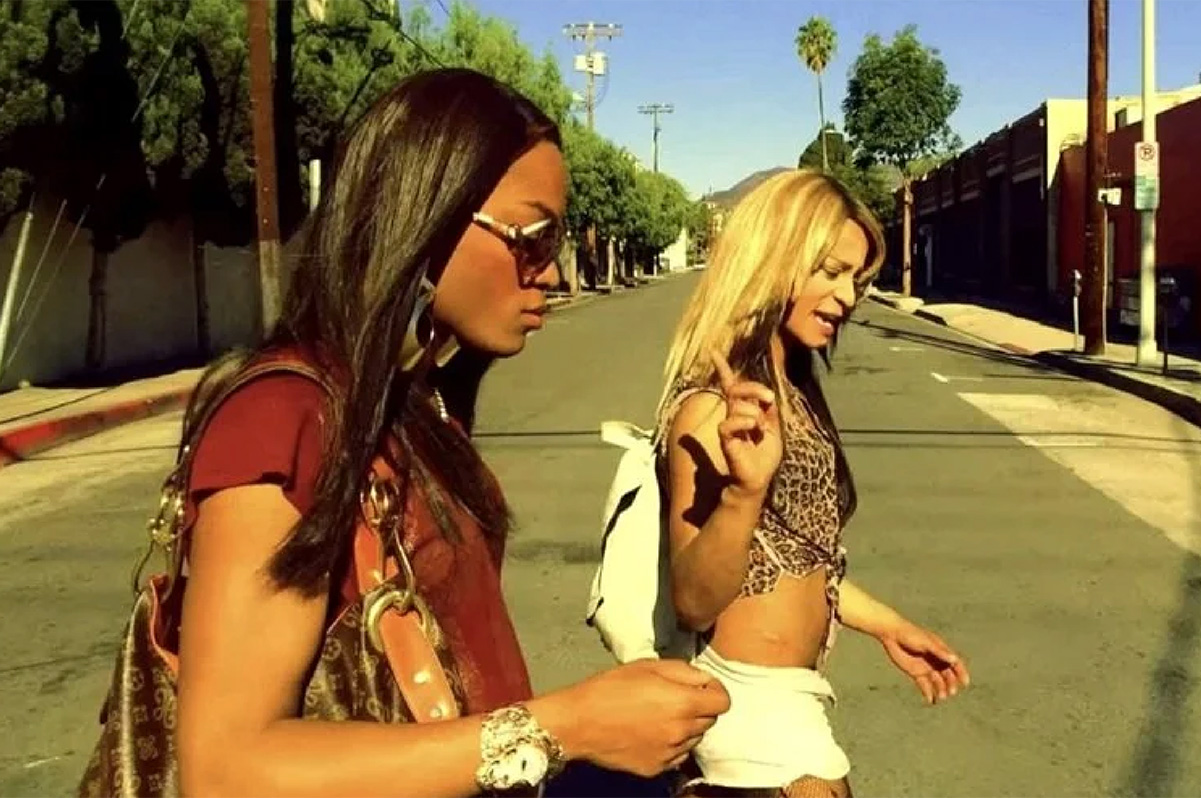
Tangerine (2015)
Future “Anora” Oscar-winner Sean Baker made his breakthrough with this gritty, iPhone-filmed dramedy about two trans sex workers on an all-night quest in the streets of Hollywood. Shot on iconic location and boasting the raw authenticity of real-life trans performers Kitana Kiki Rodriguez and Mya Taylor, each of whom knew the “streetlife” of the movie firsthand, it represented a huge advancement in the way trans stories were depicted onscreen while revolutionizing the independent film scene with its DIY audacity.
Moonlight (2016)
Barry Jenkins’ adaptation of Tarell McCraney’s play about a closeted young Black man growing up in the crack-blighted projects of Miami became a landmark of queer cinema by winning the Best Picture Oscar, but its real accomplishment lies in its three-act depiction of coming to terms with queer sexuality in an environment of social disadvantage, entrenched homophobia, and limited opportunity for escape. An unequivocal masterpiece.
BPM (Beats per Minute) (2017)
French filmmaker Robin Campanello crafted this urgently contemporary historical drama about AIDS activism of the 1990s, based on his own real-life experiences as a member of the Parisian chapter of ACT UP, and the result is a thrilling portrait of shared community commitment – and heartbreak – that feels like the most powerful documentary you’ve ever seen.
Call Me by Your Name (2017)
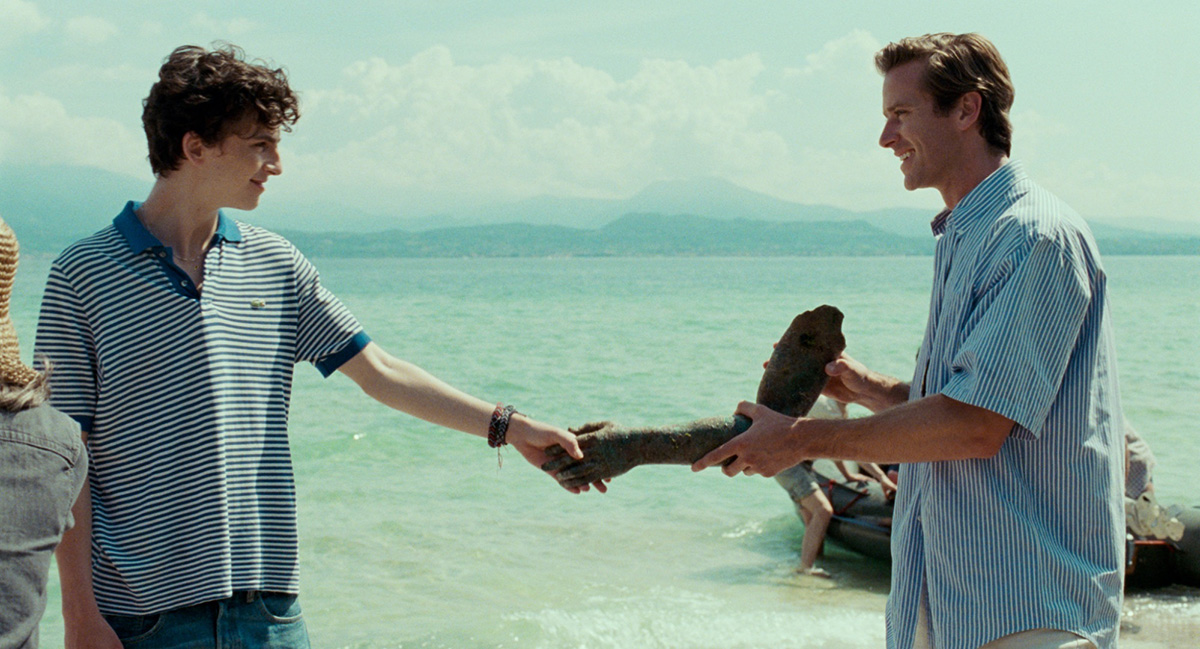
Luca Guadagnino’s coming-of-age romance between a teen boy (an incandescent Timothée Chalamet) and his father’s grad student assistant (Armie Hammer) in Tuscany of the early 1980s may have sparked some controversy over the supposed inappropriateness of the age gap between its onscreen lovers and later revelations about Hammer’s real-life inclinations, but this James Ivory-scripted distillation of the pangs of first queer love transcends all that to become an irresistibly potent masterwork – and touchstone – that gives eloquent voice to both a sense of queer longing and a spirit of pastoral bliss that we all know will always be too good to last.
God’s Own Country (2017)
Often (and perhaps unfairly) characterized as a sort of companion piece to “Brokeback Mountain,” this first directorial effort by UK filmmaker Francis Lee depicts a romance between a young sheep farmer (Josh O’Connor) and the Romanian immigrant worker (Alec Secăreanu) he hires to help him after his father is sidelined by a stroke. In this case, however, the obstacles to their union come from internalized homophobia, not from outside judgments, and the trope of an unhappy ending for queer lovers is – tentatively, at least – rejected for a palpable sense of hope. It’s a small shift, perhaps, but the impact is huge.
The Favourite (2018)
Greek absurdist filmmaker Yorgos Lanthomos won accolades for this historical drama about lesbian power struggles in the 18th-century court of Britain’s Queen Anne (Oscar-winner Olivia Colman), who plays two would-be mistresses (Emma Stone and Rachel Weisz) against each other in a Machiavellian competition for royal favor and the power that goes with it. Consistently appalling and frequently grotesque in its portrait of weaponized proximity to power, it’s as uncomfortably funny as it is radically feminist in its portrayal of forced female enmity in a society still governed by masculine standards, even when a woman holds the dominant position.
Portrait of a Lady on Fire (2018)
This French historical drama from Céline Sciamma might seem at first glance as if it were merely another iteration of the period lesbian romance that has become almost a cliche, but it transcends the tropes to assert a message of feminist rebellion against the male-dominated societal norms – magnified by its 18th century setting – which would dismiss and devalue the inner experience of women, and leaves us all wanting to see “The Patriarchy” burned to the ground.
Neptune Frost (2021)
In this singularly genre-defying musical romance from Saul Williams and Anisia Uzeyman, magical Afrofuturist realism collides with dystopian tech-driven sci-fi for a story of romance between an intersex refugee from Burundi (Cheryl Isheja/ Elvis Ngabo) and a rebellious coltan miner (Bertrand “Kaya Free” Ninteretse), blending elements of cosmic spirituality with brutally oppressive political reality to create a visually striking modern-day myth, rooted in African tradition, that incorporates the struggle for queer identity into a larger battle against suppression and domination by a shadowy over-class concerned only with power and profit. Palpably weird and unrepentantly radical, it speaks – and sings – truth to power in a way that most modern films could simply never imagine.
Everything Everywhere All at Once (2022)
This multi-Oscar-winning surprise hit from the filmmaking team known collectively as “The Daniels” (Kwan and Schwienert are their real-life surnames) might be a brilliantly absurdist action comedy about a war for the fate of the multiverse, but it’s built around the struggle of an Asian-American mother (Michelle Yeoh) to reconcile her strained relationship with her queer daughter (Stephanie Hsu) and come to terms with her disillusionment over her devoted but seemingly incompetent husband (Ke Huy Quan) – all while negotiating her tax returns with a no-nonsense IRS agent (Jamie Lee Curtis) who may have been her lesbian lover in another reality. It might take a collective effort from dozens of alternative timelines, but the fight is definitely worth it, in the end.
Fire Island (2022)
Director Andrew Ahn teamed with writer/star Joel Kim Booster for this modernized gay adaptation of “Pride and Prejudice” in which Jane Austen’s 19th-century social commentary is reframed in the world of queer culture, highlighting the class differences between economic and social status and amplifying the experience of queer Asian-American males in the predominantly white-centric queer heirarchy of the contemporary age. It sounds like a stretch, but it’s a more authentically heartfelt – and unapologetically intelligent – queer romcom than the much-touted “Bros,” which debuted the same year to a dishearteningly meager box office take.
Tar (2022)
Acclaimed Kubrick protege Mike Field’s third movie is this ethically challenging drama starring Cate Blanchett as a renowned lesbian conductor targeted by “cancel culture” over her history of predatory sexual misconduct. An alternately bemusing and horrifying portrait of toxic behavior and a world more interested in passing judgment than addressing inequities, it’s an uncompromisingly detached cautionary tale about female power in a world still governed by patriarchal standards, with Blanchett’s flawless performance as the glue that holds it all together.
All of Us Strangers (2023) Andrew Haigh makes a second appearance on our list as writer/director of this haunting adaptation of a novel by Japanese author Taichi Yamada, in which a lonely screenwriter (Andrew Scott) revisits his childhood home to commune with his long-dead parents (Jamie Bell, Claire Foy) while navigating a tentative new relationship with a melancholy neighbor (Paul Mescal) in his strangely deserted apartment building. Part ghost story, part melancholy romance, and all about the exploration of queer isolation and lingering childhood trauma, it’s an unexpectedly uplifting love story with supernatural overtones that render it into the stuff of mystical poetry. An essential queer classic, right out of the box.
I Saw the TV Glow (2024)
As queer cinema continues to struggle with the challenge of bringing trans stories to the big screen in the face of political pushback from transphobic culture warriors, filmmaker Jane Schoenbrun has bravely pushed forward, and this – her second feature – achieves full-on cinematic greatness, delivering a trans allegory in the shape of a disquieting horror movie about former teen schoolmates (Justice Smith and Jack Haven) haunted by phantom memories of a favorite TV show from their past. Capped with a final sequence that drives home the despair of living a life of pretense against your own inner truth, it’s a surreal and devastatingly immediate fantasia on themes of gender, sexuality, and conformity, but also an indictment against the outright erasure of trans identity in a world that would rather pretend it never existed in the first place.
Love Lies Bleeding (2024)
Rose Glass’s lesbian neo-noir thriller teams queer icon Kristen Stewart with Katy O’Brien for a twisted love story between the daughter of a small-town crime boss and an aspiring steroid-addled bodybuilder which takes them both on a harrowing road of violence and terrible choices yet keeps us pulling for their union every step of the way. A slice of deliberate B-movie exploitation cinema at its most elevated, it embraces its generic camp to achieve a deeply satisfying spirit of rebellion that leaves us all calling for an end to the patriarchy, right now.
The Visitor (2024)
Underground filmmaker and “queercore” pioneer Bruce La Bruce has a long history of creating brilliant countercultural cinema underneath the mainstream radar, but he finds his way onto our list via his audacious remake of Pier Paolo Pasolini’s “Terorema,” in which a mysterious and sexually fluid stranger destroys a dissolute bourgeois household by seducing each of them – from father and mother to son, daughter, and maid – in turn. Reset into contemporary England and informed by a xenophobic fear of the “other,” it doubles down on Pasolini’s sociopolitical statement while upping the ante with transgressive scenes of un-simulated sex. The result is an unforgettable excursion into radical queer expression that fearlessly exposes the hypocrisies of so-called “straight” society while fostering an “eat the rich” attitude of sexual rebellion that has yet to be matched by any filmmaker working within “the system.”
The History of Sound (2025)
South African filmmaker Oliver Hermanus has made a number of passionate queer films during his career, but this WWI-era romantic drama about two music scholars (Paul Mescal and Josh O’Connor). who fall in love while gathering folk songs in rural New England, surpasses his earlier triumphs by offering up a bittersweet-but-transcendent meditation on the power of music to preserve and immortalize the struggles and hardships of each generation, as humans – queer or otherwise – strive to find happiness in the proscribed limitations of their lives. Yes, it’s tragic; but thanks to the exceptional tenderness between its two stars and the compassion with which Hermanus extends to them, it leaves us with the memory of the good things while offering hope for a future that gives us – at long last – the freedom to be who we are.




Movies
Essential queer horror classics for Halloween
‘Bride of Frankenstein,’ Bowie in ‘The Hunger,’ and more
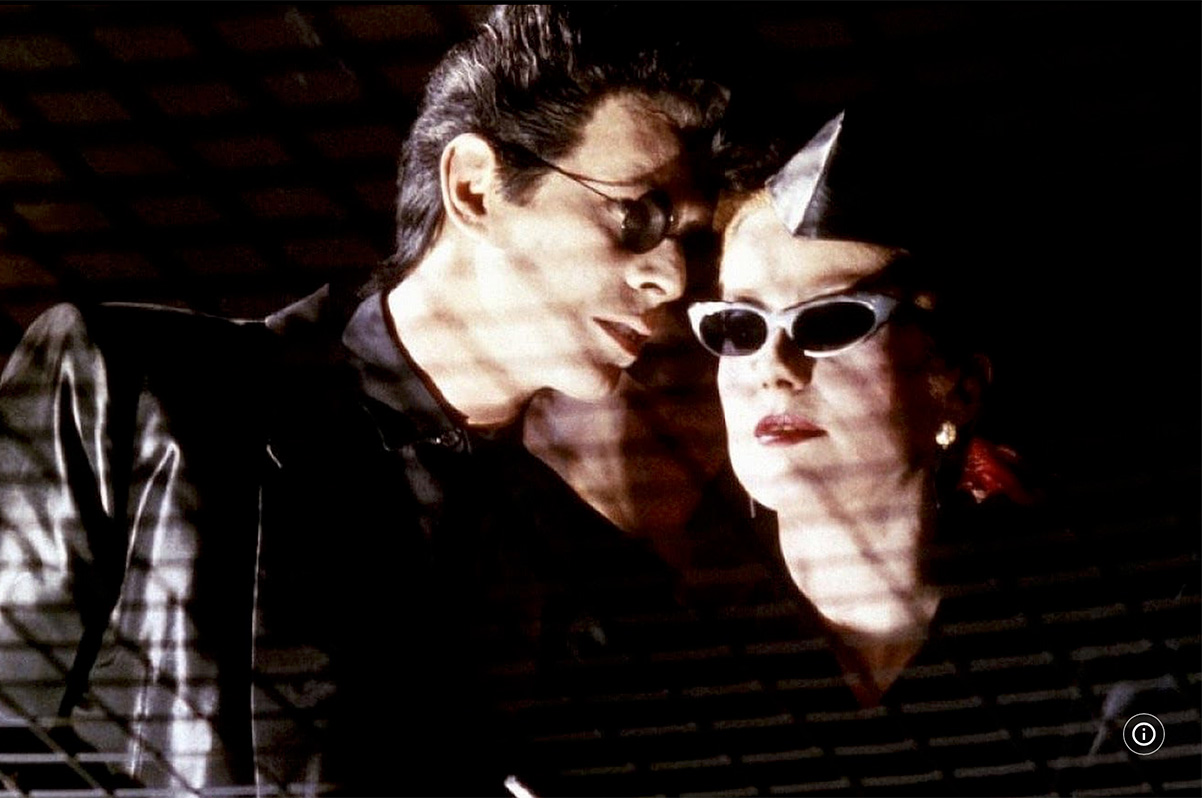
Sure, this spooky season has blessed us with a lot of new horror on TV and at the movies, but when it comes to Halloween, you can never have too much horror to watch. With that in mind, we’ve put together a list of celebrated queer chillers that queer horror fans may know about but might not have seen, especially if you’re part of a younger generation of movie buffs looking to expand your experience with the genre beyond the contemporary crop that has turned the early 2000s into a renaissance of horror cinema.
Bride of Frankenstein (1935)
Yes, we know subtextualized queerness in horror feels like a cop-out in this day and age, but in the early days of Hollywood, it was the only way to sneak it past the censors – and that’s exactly what English expat director James Whale did as a defining force behind the success of Universal Studios’s classic horror “franchise” of the 1930s. More-or-less openly gay with a background in theater, he put those sensibilities to good use on film, and reached his queer pinnacle with “Bride of Frankenstein,” a sequel that expanded on the original with a wicked sense of humor and a “lavender” touch that was obvious to anyone who was in the know.
Skewering “monster movie” tropes and satirizing the conventional mentality of all those angry villagers, Whale also delivered a story of two men – Doctors Frankenstein and Pretorius (Colin Clive and Ernest Thesiger, respectively) – whose clandestine efforts to create a mate for Boris Karloff’s lonely monster read like a gay couple drawn together by “unnatural” obsessions. Thesiger’s unapologetically queer persona would likely dominate the entire film if not for Elsa Lanchester’s turn as the hissing, electrified title character, but the film’s true greatness lies in transforming Karloff’s “monster” into a full-fledged tragic hero, a primal avatar for “otherness” that emerges as the most sympathetic figure on the screen; and while it might not be that “scary” by modern standards, as one of the most boldly transgressive films of the Hollywood “golden era” it still packs a wickedly savage punch.
The Haunting (1963)
Based on Shirley Jackson’s novel of the same name and helmed by veteran director Robert Wise in the wake of his Oscar-winning screen adaptation of “West Side Story,” “The Haunting” is a film that looms large in the history of queer representation in American cinema, simply for the fact that it included an openly lesbian character during a time when anything beyond a subtle implication of non-heterosexual alignment was still very much considered taboo.
The character in question is a psychic named Theodora (Claire Bloom), one of a group of individuals invited by a paranormal researcher (Richard Johnson) to investigate an old New England house, which is reputed to be haunted in the wake of a long string of tragedies that have befallen the family that owns it. Although she’s something of a thorny personality, she’s framed as neither villain not victim, but her presence provides queer overtones that impact the rest of the story, particularly through the growing psychological agitation of its painfully repressed central character (Julie Harris) and the history of the house itself.
A classic “old, dark house” ghost story that deliberately avoids depicting anything definitively supernatural, it focuses instead on psychological tension and the power of suggestion to ramp up scares, which it does quite effectively, utilizing innovative camera and sound techniques to suggest, but never reveal, the dark forces that drive the story. Audiences of the time wanted more concrete thrills, so it was not a major hit; nevertheless, it has been consistently ranked as one of the best horror films of all time – and while it might not offer the blood-curdling terror modern viewers expect, its moody sense of dread and doom is enough to keep you on edge for the duration.
The Hunger (1983)
It’s hard to think of a horror film as openly sexy as this classic from director Tony Scott, which turns Whitley Streiber’s book about an ancient vampire (Catherine Deneuve) in modern New York, who grooms a scientist (Susan Sarandon) to be her new sexual companion for the ages as the old one (David Bowie) begins to rapidly age and decline. Dripping with 1980s cool (it opens with Bauhaus singing “Bela Lugosi’s Dead” in a nightclub) and leaning hard into the open eroticism of a more sexually permissive era, it doesn’t hide its sapphic supernatural love story in the subtext; instead, it gives us one of the steamiest love scenes between two women ever put on film. Critics of the time praised it for its style and its mood, but lamented what they perceived as an ultimately shallow story – but in retrospect, its pervading air of melancholy doom despite the glamorous elegance of its presentation serves as a fitting reminder that an eternal life of meaningless beauty and pleasure might not be as great an idea as we think it is.
Stranger by the Lake (2013)
French filmmaker Alan Giraudie delivers one of the sexiest – and scariest – gay thrillers – of all time – in this tale of a young man (Pierre Deladonchamps) who frequents a lakeside nude beach, which is a popular hook-up spot despite a recent series of unsolved killings in the area. He becomes infatuated with an attractive man (Christophe Paou) he meets there and they connect; later, he witnesses an incident that makes him suspect his new flame might be the murderer – but that doesn’t stop him from continuing to pursue their relationship, despite an increasing likelihood that he might end up as the next victim. It’s an obvious essay on the power of lust to pull us into danger, but it doesn’t moralize; instead it entices us deeper with scenes of graphic un-simulated sex and sparks nostalgic fantasies of a pre-Grindr era when the threat of encountering a serial killer was never enough to keep us away from our favorite cruising spot. Transgressive? Yes, and also terrifying.
We’re All Going to the World’s Fair (2021)
If you’re a horror fan in 2026, it’s likely you’ve already seen trans filmmaker Jane Schoenbrun’s critically lauded “I Saw the TV Glow,” as well as “Teenage Sex and Death and Camp Miasma,” which has emerged as one of the year’s most acclaimed movies so far. You might not, however, be familiar with their first feature film, in which a teenage girl (Anna Cobb), living an isolated life with an abusive single father, finds escape and connection on the internet; she participates in a “viral challenge” that requires her to post a video of herself performing a ritual chant, and then follow up with updates documenting the transformation she goes through as a result. Inspired by Schoenbrun’s own experience navigating the online world while struggling with gender dysphoria and other issues around their identity, it’s an unsettling and disorienting ride that keeps us wondering what will happen next – but the real horror comes from its observations about the way living our lives online can transform us all.
Movies
10 years later, we still can’t shake Barry Jenkins’ ‘Moonlight’
This past weekend, Barry Jenkins’ landmark queer film Moonlight returned to theaters with a remastered 4K edition to celebrate ten years. And it’s a film that hasn’t lost any of its staying power.
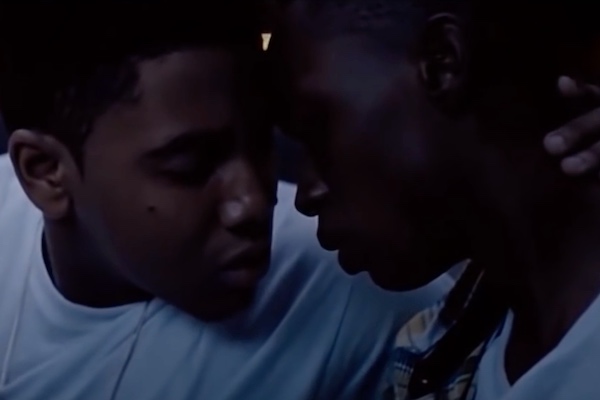
It all started back at the Telluride Film Festival, where Moonlight had its world premiere in 2016, kicking off a successful awards season run. It instantly became the year’s critical darling, and it wound up winning three Academy Awards, including Best Picture, Best Adapted Screenplay (for Jenkins), and Best Supporting Actor (for Mahershala Ali).
But there’s a world where an independently made film like Moonlight, featuring an all-Black cast with mostly unknown actors, and a story exploring how queerness intersects with toxic masculinity and race, gets easily overlooked. The fact that the film won Best Picture on Hollywood’s biggest stage not only cemented its place in film history, but helped the story reach more Black and queer people.
Adapted from Tarell Alvin McCraney’s unproduced, autobiographical play In Moonlight Black Boys Look Blue, Jenkins follows a boy named Chiron, introduced to the audience as Little, over the course of three pivotal moments in his upbringing. Set in Miami, the film tracks Chiron’s days as an outcast struggling to make it through elementary school, to his first sexual encounter with another boy, to his adult days making a living as a drug dealer. Chiron suffocates while living with his abusive, drug-addicted mother (Naomie Harris) and eventually finds refuge and safety in the home of surrogate parents Juan (Ali) and Teresa (Janelle Monáe) as he struggles to reckon with his queerness.
Jenkins’ images instantly became iconic: Juan holding Little in the ocean, a moment reminiscent of a young boy’s baptism; Chiron resting his head on Kevin’s (André Holland) shoulder as the two reconcile their love for one another; Little looking back at the audience as the waves crash.
The film mainly features locals from Miami. One of the smartest choices Jenkins and his casting director, Yesi Ramirez, made when shaping out Chiron’s journey was casting three different actors (Alex Hibbert, Ashton Sanders and Trevante Rhodes) to play the character as he physically comes of age. Jenkins deliberately never had the three actors meet despite portraying the same character — quite the atypical approach to casting.
“I wanted [that decision] to be a comment on the way of the world we live in, and how society has this effect on these young men who grow up in a community like the one depicted in the film,” Jenkins said in a Creative Screenwriting interview in February 2017. “To me, the best way to show that was to illustrate this change in the character, and what happens to the people who are playing him at each stage.”
In the decade since Moonlight’s release, dozens of filmmakers cite Jenkins as one of their biggest influences, including Joe Talbot (The Last Black Man in San Francisco). And you can see his film’s footprints all over Nickel Boys, If I Go Will They Miss Me and Waves, all films that use evocative imagery to tell grounded, Black-led stories.
To date, Moonlight remains the lowest-budget film to ever win Best Picture, made for a mere $1.5 million dollars. It was also the first film that A24, the indie distributor that was still building a name for itself back in 2016, fully financed and produced itself. Moonlight went on to gross over $60 million at the global box office, largely thanks to the Oscars platform.
In our current political and media landscape under the Trump administration, Moonlight has the potential to save even more lives. In the early days depicted in Chiron’s upbringing, he is taught to live with shame, to keep his head down at school. It’s all about survival. But by the end of the film, Chiron reconnects with Kevin and finds himself remembering all the emotions he felt after being touched by a man for the first time. It’s a small step, a small embrace, but a crucial one for Chiron to start coming to terms with himself.
Jenkins still gets emotional when watching scenes back from the film now. Speaking with Vanity Fair at this year’s Telluride Film Festival, where Moonlight screened for its 10th anniversary, Jenkins admitted he was a “crying mess” when revisiting the last 15 minutes of the film earlier in the year.
“Maybe over the next few months I’ll get some more understanding of it, but I think it was just how meaningful it was that we created this thing,” Jenkins said. “It’s not about the film itself, but just how meaningful it was that we actually did it.
In the decade since Moonlight’s release, Jenkins went on to direct another acclaimed film, If Beale Street Could Talk, and recently made Mufasa: The Lion King. He’s set to return to his more independent roots with Be My Baby starring Zendaya, which will also be distributed by A24, and an Alvin Ailey biopic. The Oscar winner continues to mentor emerging filmmakers and writers through the Sundance Labs, visiting colleges around the country to teach what he learned from making his breakout film.
Now that Moonlight is back in theaters, it’s the perfect opportunity for queer and Black people to experience this tender, intimate, nuanced film on the big screen. It’s a modern classic with the potential to continue making people feel seen and embraced for every aspect of their identity.
Movies
‘Scorch Marks’: Brandon Shypkowski and Chris Salvatore play out post-apocalyptic ex drama in new horror film
The two leads talk about the demonic ex issues of their new film
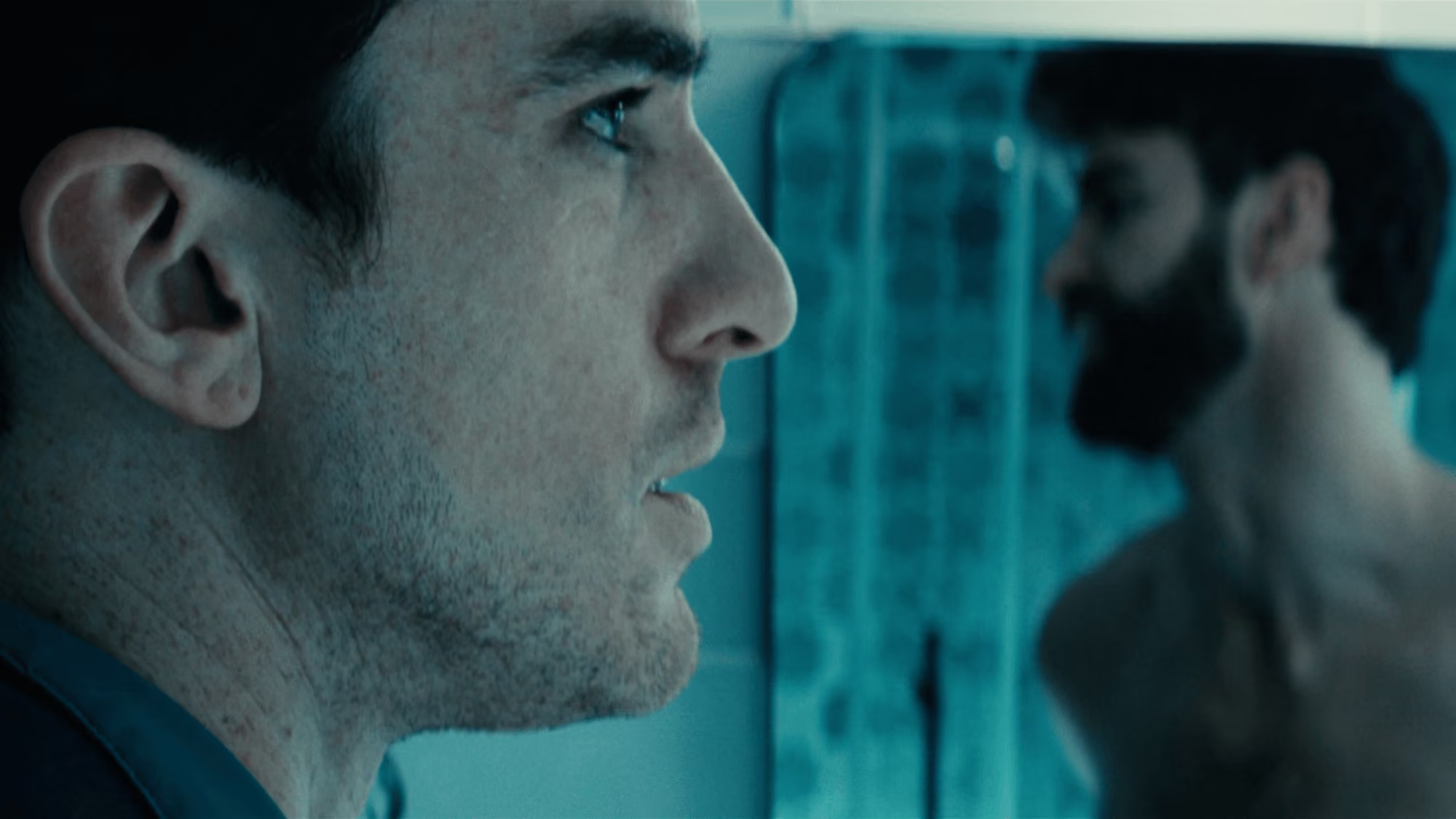
Everyone can feel like their ex is a demon, and the new film Scorch Marks explores just that. Brandon Shypkowski plays Beckett, a man just trying to survive the end of the world while being haunted by a demonic apparition of his abusive ex-husband (Eating Out‘s Chris Salvatore). It’s hard enough trying to survive a cataclysmic event, but it’s worse when dealing with your unresolved relationship issues and a demon infestation.
Set to premiere on Dekkoo, an LGBTQ subscription streaming service, on October 1st, this film also features Peter Stickles (Shortbus), Tiffany Shepis (Star Trek: Picard), and the winner of Season 1 of Dragula, Vander Von Odd.
The two leads took some time to chat about dealing with ex drama, society’s obsession with the apocalypse, and how queer people can save the world.
How would you describe Scorch Marks?
Chris Salvatore: Scorch Marks is like the queer horror Gerald’s Game set against the end of the world, with a haunting ex-lover from a very toxic relationship. At its core, it’s about this very human need to find people who make us feel seen, like we belong, and how that need can become dangerous when love starts to blur into control and isolation.
Brandon Shypkowski: The Notebook, but with more blood. Give or take an apocalypse.
What was it like playing out the end of the world?
Salvatore: Surprisingly fun! Obviously the circumstances in the movie are terrifying, but as an actor it gives you permission to go to these really heightened emotional places.
Shypkowski: It was so much fun. We had a stellar team and steadfast captain in [writer/director] Brendan Haley, so I felt like I could really go for it. And this film came at a really turbulent time in my life, so I poured it all into the film. I keep making the joke that filming Scorch Marks was cheaper than therapy and twice as effective. And, yeah, I’ll stand by that.
Why do you think people are obsessed with apocalyptic movies?
Shypkowski: In this economy? They might as well be documentaries. I kid…sort of. I think people have always been fascinated with the end of days: the rapture, Y2K, the end of the Mayan calendar. I think people have a timeless and maybe morose fascination with the apocalypse.
Salvatore: I think there’s something fascinating about imagining the “What if?” Especially now, when the world feels so wild. Who are you when there are no rules anymore? Who do you become when survival is the only thing that matters?
Chris, how did it feel playing a demonic ex?
Salvatore: Honestly, kind of liberating. Joel is obviously doing some pretty terrible things, but I never wanted to approach him as just “the demonic ex” or the villain. I had to find the part of him that genuinely believes he loves Beckett. I think what makes him disturbing is that love and control exist at the same time. He doesn’t necessarily see himself as the bad guy, which made him much more interesting to play.
You spent much of the film in makeup as a demonic character; what was that like?
Salvatore: It was definitely exciting. It was my first time wearing prosthetics. There were days where I spent a lot of time in the makeup chair before we even started shooting, but it was also really helpful because once I looked in the mirror and saw Joel transforming physically, it immediately helped me get into a different headspace.

So much of this movie hinges on your relationship. What was it like playing a toxic couple?
Shypkowski: Luckily, I had hands down the best scene partner. Chris and I spent a lot of time rehearsing and getting to know each other. We built this trust where I think we both felt free to try things, and that safely let me do my best work. We could really go all in because we cultivated this deep respect for each other. Chris is also insanely talented – that certainly helped. It was just sort of the perfect storm (pun intended), and I consider myself incredibly lucky.
Salvatore: It was intense, but that was also what made it so rewarding. I think toxic relationships are complicated because the person hurting you isn’t necessarily hurting you every second of the day. Sometimes they’re also the person making you feel the most loved or understood. Playing on that contradiction was probably one of the most interesting parts of the film for me.
How much of your real life experiences did you put into your portrayal?
Salvatore: I think you always bring pieces of yourself into a character, even when their circumstances are completely different from your own. You use memories of loving someone, losing someone, hurting someone, screwing up, being too harsh, being too soft. It’s all universal. The light and the darkness in all of us. The pain of shame lies just below Joel’s rough exterior. I think most gay men can relate to that even if it doesn’t turn you into an abusive demonic ex- husband.
Shypkowski: Pretty much the entire emotional life of my character comes from my experience. Obviously, I’ve not lived through the apocalypse haunted by visions of an ancient deity. But I certainly mined every past relationship in my life and used them to build my character. I think that specificity is the only way I can approach these characters. Specificity makes it feel alive and honest, and I can only hope that comes through on screen.
Is there any crazy ex-drama that you brought to the set?
Salvatore: Definitely. One ex in particular has informed this and many works of art in the past. Gotta redeem those trauma miles!
Shypkowski: Oh, I’m sure. And listen, my exes could probably make their own apocalypse films based on me. But I think the nuance of our worst moments in a relationship- the arguing, the bartering, the crying all add to an authentic portrayal of the very toxic relationship in this film.
So the film is set during an apocalyptic event; any thoughts on how the gay community can save the world?
Salvatore: No pressure! I think queer people have always been incredibly good at creating community and chosen family, especially when the world hasn’t necessarily made space for us. There’s something really powerful about that. If there’s anything the gay community can teach the world, maybe it’s that you don’t have to be related to somebody or even completely understand their experience to show up for them. We’ve survived a lot historically because people took care of each other. I think the world could always use more of that.
Shypkowski: Too many to count. Mostly involving infiltration of coffee shops and seizing maritime trade, so…halfway there, I guess. On a serious note, I think it all starts with being kind and embracing every letter in LGBTQIA+. Especially our trans family; they need our support most right now.
Are there any fun behind-the-scenes moments you’d like to share?
Shypkowski: Yes. I’d like to take this opportunity to formally apologize to Nick, our sound guy, for whispering absolutely vile things into the mic in between scenes to see if you could hear me. You could, and I’m sorry.
Salvatore: What’s funny is that we were making this incredibly dark, intense movie, but there was actually so much warmth and laughter behind the scenes. Credit to our director, Brendan Haley, for curating an amazing set. You almost need that when you’re working with material this heavy. Some of my favorite memories are honestly just the moments between takes when everyone would break character, and suddenly we were laughing about something completely ridiculous after filming this emotionally brutal scene. It created a really special atmosphere because I felt incredibly safe with the people I was working with, which allowed me to go much further emotionally when the cameras were rolling.
Why do you think queer people love horror?
Shypkowski: I think there is a lot of crossover between horror films and the experience of otherness. Feeling like you don’t belong or even just having to survive in a world that is unkind is something we all know to some degree. And I can’t speak for all queer people, but most of the queer people I know are well acquainted with themes like grief, shame, isolation – things that show up over and over again in horror.
Salvatore: I think queer people understand what it feels like to be told there’s something about you that exists outside what society considers normal. Horror has always been fascinated with outsiders, transformation, secrecy, identity, and people trying to survive in worlds that don’t always understand them. There’s also something cathartic about horror. It takes fears that can be difficult to talk about and turns them into something physical that you can confront. And honestly, queer people also just have great taste.
You can check out Scorch Marks on Dekkoo starting October 1st.
Movies
‘Thelma and Louise’ remains landmark of unspoken queer rebellion
Celebrating iconic film 35 years after its release
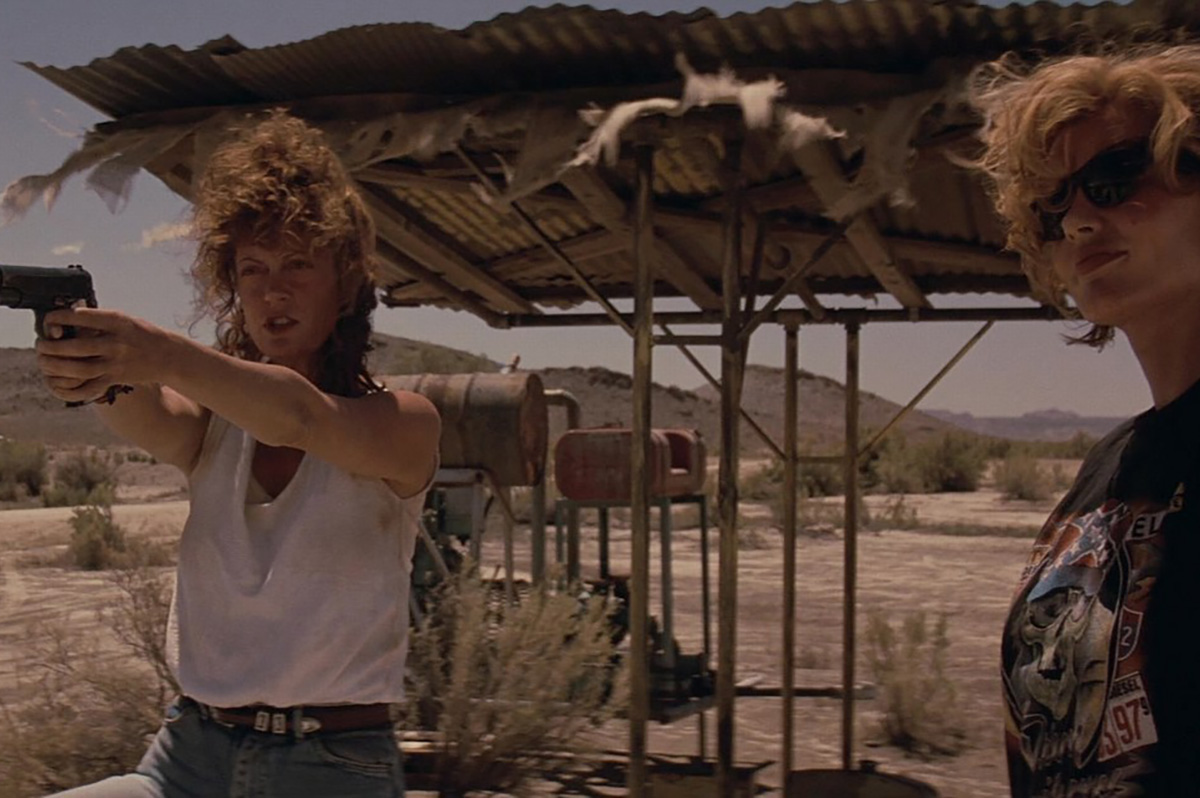
Hard as it is to believe for those who were around when it happened, “Thelma and Louise” celebrates the 35th anniversary of its release this year.
Deeply popular with both critics and audiences at the time, its reputation continues to ride high; it’s a movie that manages to exist within a nexus of intersecting genres – the “buddy picture”, the “crime thriller,” the “action adventure,” the “western,” the “neo-noir” – by blending them seamlessly into a crowd-pleasing wild ride of a story, all while delivering a powerful feminist message of outrage, defiance, and empowerment.
And no, “Thelma and Louise” is not a “queer movie” – but it feels like one.
That’s partly because It exists within another genre, too: “lesbian noir,” which blossomed in its wake with films like “Bound” (1996) and has re-emerged in recent films like “Love Lies Bleeding” (2024) and “Honey, Don’t” (2025) – but that also stretches back across decades into the days of old Hollywood, when coded queer characters were a regular fixture in the seedy film noir classics of their time, never overtly identified as such but obvious to spot for anyone savvy enough to read the subtext. That’s why “Thelma and Louise” resonated (and continues to resonate) with lesbian and bisexual audiences who see themselves reflected in its two lead characters, even if there is nothing queer about their relationship — on the surface at least.
Of course, that can be a sore subject; subtext might seem like a “cop-out” for those who long for more open representation for LGBTQ people on the screen – but it’s everything when it comes to recognizing the queerness of older movies (and a lot of newer ones, too), and just because something is not explicitly stated, that doesn’t mean it’s being hidden. After all, most good stories rely on the transcendent power of nuance, which always relies on subtext to shine through. And if any movie relies upon subtext, “Thelma and Louise” is certainly one of them. In its masterfully crafted narrative of a weekend “girl’s trip” that goes horribly wrong, a lot of the most important information is left unspoken.
Take Thelma (Geena Davis), to start with: a naive young housewife whose husband Darryl (Christopher McDonald) treats her like a possession, she blithely ignores his mediocrity and disregards – or at least, pretends to – his repressive tactics to control her, choosing instead to live in a tenuous illusion of “traditional” marriage dynamics; yet when her bestie Louise (Susan Sarandon) offers her a chance to escape for a weekend, she jumps at it – even if she has to skip the part where she asks his permission.
Louise (Susan Sarandon), a bit older and a lot more worldly, is a waitress who spends her days fending off the insults and advances of her male customers at the diner where she works; she sees Thelma’s situation clearly, and hopes that a temporary respite from Darryl will help her recognize the dead-end reality of her marriage. We understand this immediately, even though a direct word is never said about it, and she’s right, of course. They’ve barely even gotten on the road before Thelma’s longing for attention from someone other than her inadequate husband – a honky-tonk Lothario (Timothy Carhart) she meets in a roadhouse where they stop for drinks on the way out of town – leads to an attempted rape that is only prevented when Louise shoots the predator dead in the parking lot.
That killing is the catalyst that turns them into fugitives; as Louise rightly understands, there’s no evidence of sexual assault, just a dead body and a pair of runaway women, and the letter of the law is not on their side. But in truth, that fatal shot is fired not to save Thelma, who has already been freed from her would-be rapist’s clutches when it happens, but because Louise has traumatic memories – and a chip on her shoulder – over something that “happened in Texas,” years before. We never find out what it was that happened, and we don’t need to; our imaginations tell us all we need to know, just as we know that the killing, while it may have been cold-blooded murder, is a justifiable homicide all the same.
There’s more of that subtextual nuance throughout, from the perversely inspiring motivations of hitchhiking hustler J.D. (Brad Pitt, in the sex-on-a-stick performance that launched him on his trajectory to stardom), who takes advantage of Thelma’s gullibility to rob the heroines even as he teaches her the tactics that will soon sustain them on their fateful ride-or-die fugitive adventure; to the self-serving “chivalry” of Louise’s erstwhile boyfriend (Michael Madsen) when he casts himself as the “martyr” for letting her go. And yes, even to the benignly sublimated patriarchal programming that drives police investigator Hal Slocumb (Harvey Keitel in an uncharacteristically empathetic role) to act as would-be savior to these two “fallen” women, though they want no part of his well-meaning attempts to “rescue” them from the consequences of their choices. And when the two fugitives terrorize a piggish trucker (Marco St. John) before blowing up his big-rig tanker, nobody says – or needs to say – why it feels like the right thing to do; it simply IS the right thing, and we, as the audience, know it. What we have seen up to that point has placed us firmly on Thelma and Louise’s side, and we’re as ready to watch the puerile patriarchy burn as they are.
None of this is spoken aloud, nor is it even alluded to, but it comes through, nonetheless. Chalk it up to the power of Callie Khouri’s Oscar-winning screenplay, which expertly lays this inner narrative as the foundation for everything that happens, and leaves director Ridley Scott to supply the stylish, action-packed visuals.
Thelma and Louise may not be “a couple,” but we can’t help notice as their clothing evolves from frilly-femme to “butch” utilitarianism along the way, nor how their connection to the men in their lives easily dissolves without fanfare. And by the time we reach the movie’s thrilling denouement, when all they have left is their commitment to simply stand up against the things that have kept them feeling incomplete, unfulfilled, and unacceptable, it’s an achingly familiar feeling for any queer viewer who has experienced the same – and let’s face it, that’s probably almost all of us.
We all know what happens, so it’s no spoiler to say that, when they drive off into oblivion in the Grand Canyon, they choose freedom over life itself – and when they head over that cliff, fully embracing their fate as a feminist iteration of the Bonnie and Clyde brand of “noble” outlaws, they seal their fate with a kiss.
At that point, any further explanation would feel like an insult. Their love for each other transcends anything they’ve felt with the inadequate men in their lives, it’s as simple as that, and their triumph is perfectly captured in that final freeze-frame moment, when they drive off the cliff and begin their plunge toward certain death and it feels like joy.
Yet still, we like to think that their car – like Danny Zuko’s at the end of “Grease” – simply flies away with them instead, into the bliss of an endless summer, and you can’t get any queerer than that!
Movies
‘Here the Whole Time’ delivers queer coming-of-age comedy
A feel-good journey toward self-discovery
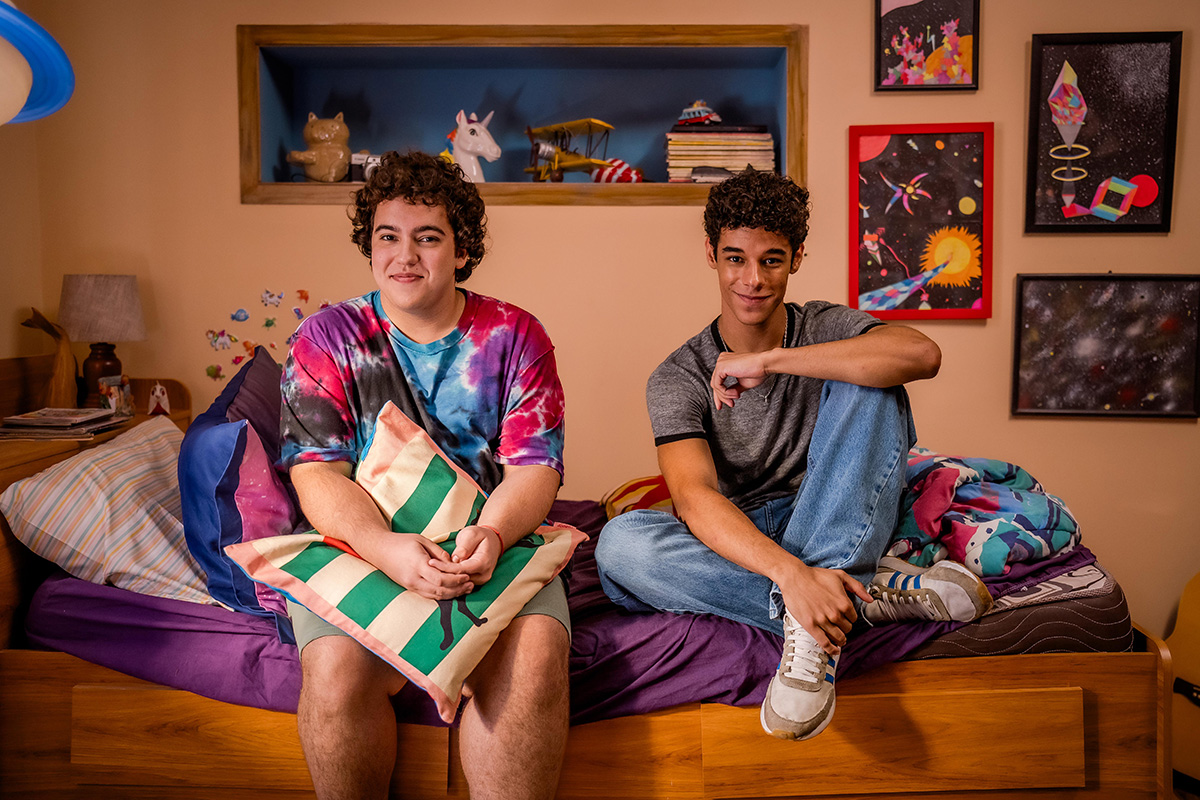
There are a lot of queer coming-of-age movies about how hard coming of age can be when you’re queer – and that’s because, for far too many queer young people, coming of age is a very difficult experience.
Yet as difficult as it may be, imagine how much more so it is for queer kids who are also struggling with other factors that make them a potential target for bullying and social stigma. When your awakening sexuality is complicated by fears and self-esteem issues that can cause you to feel ostracized even by the other queer kids, it’s pretty hard to find a place where you fit in. Unfortunately, there are far fewer movies that address that kind of “double whammy” scenario, and even fewer whose leading characters don’t look like model-perfect “influencers,” complete with chiseled abs, perfect hair, and flawless skin – which makes it all the more welcome when a movie like that actually does come along.
That’s why the arrival on Netflix of “Here the Whole Time” – a Brazilian teen romcom from director Daniel Lieff – feels a bit like a surprise gift.
Its central character – Felipe (Miguel Lallo), a teenager who lives with his single mom Rita (Débora Falabella) – is already out as gay, but that’s not the only reason that his life at school is torturous; as he informs us through his own narration, he’s always been the butt of cruel jokes and public bullying because he’s always been (in his own words) “fat.” He’s teased in the classroom, humiliated in the hallways, and victimized at dodgeball in his gym class; so when his eagerly awaited summer break arrives, he’s looking forward to weeks of freedom in which he never has to interact with anyone except his mother.
His blissful dreams of isolating himself in his room are shattered, however, by a rude awakening in the form of Caio (Diego Lira), a neighbor boy and former childhood friend, whose mother and father have left him to stay with Rita while they are away on a trip. Athletic, handsome, and popular, he’s everything Felipe is not, and despite any previous bond of companionship they may have had, Felipe has no intention of playing the gracious host.
Yet as the days go by, the two boys begin to resuscitate their friendship; rather than being the bully Felipe expects, Caio is mostly respectful and exceedingly polite in trying to negotiate their temporary co-habitation. Forced to spend time together, the two gradually warm to each other, opening the door to a renewed friendship; they begin to “hang out” together, expanding the usually isolated Felipe’s social circle to include Caio’s BFF Beca (Mika Soiero) and her girlfriend Melissa (Bel Moreira) — leading to a revelation that turns his newfound friendly feelings for Caio into something more of a crush.
Is the feeling mutual? Can Felipe set aside his insecurities enough to even find out? We did describe the movie as a “romcom, so you can draw your own conclusions from that, but it’s a wild ride of a story, and half the fun is watching it unfold through each new development, so we won’t give any of those surprises away.
It won’t be a spoiler, however, to discuss the way “Here the Whole Time” undercuts the sentiment of its predictably “sweet” formula with its presentation of Felipe as something of an anti-hero, a strident “rebel with a cause” who disdains and distrusts everyone around him except for his mother and sees his therapy (or at least pretends to) as just an extension of school — complete with the unwanted inconvenience of homework.
He’s also, ironically, something of a bully himself, initially responding to the presence of Caio — who is no happier about their temporary living arrangement than he is — with willful and deliberate contempt, and levying his position as host (or as son of the hostess, at least) to assert his circumstantial power and dominance over an unwanted guest. Of course, we can see all along where it comes from, the habitual offense-as-defense tactic that has helped him survive and gain what little self-confidence he has, but that doesn’t make it any less rude.
Still, we don’t dislike him for it; a lifetime of body-shaming can do that to a person. Besides, it makes the transformation that comes in him — after learning to stand up for others like he stands up for himself, and other valuable life lessons he undergoes along the way — feel much more like an uplift. And if his insecurities win out once in a while (as they do, to dramatic effect, in the film’s penultimate chapters), who can blame him?
Caio, too, is portrayed against expectation. His self-assured swagger, like Felipe’s misanthropic hostility, comes from a young lifetime of self-protective compensation, but it’s just as easy for us to see through, and as the tenderness inside is revealed, he’s a far cry from “popular jock” stereotype that Felipe — and the audience — assume him to be,
It’s the dynamic between these two eminently likable characters that makes the film work, granting each of them their own dovetailing journeys toward self-discovery and allowing the feel-good sentiment of the story to emerge as something authentic, rather than just another trope-driven fantasy.
Much of this is thanks to the two young leads, who fully commit to their roles and strike a winning chemistry that makes us want them both to find their way through the amusing — but no less traumatic — growing pains they experience, both together and apart. They succeed in building an onscreen world in which we can believe, with them, in the possibility of rising above the obstacles thrown in their path, and it leaves us feeling not just uplifted, but maybe even a little joyful.
Kudos also go out to Falabella, whose performance as the quintessential “cool mom” makes her stand out as the film’s adult MVP; likewise, director Leiff handles the material with a superb sense of balance between over-the-top absurdity and quietly joyful moments of truth. In the end, though, it’s screenwriters Ray Tavares and Victor Brandt — adapting from a book by Vitor Martins — that’s truly responsible for crafting a charming coming-of-age story that allows itself to reach for the unlikely happy ending instead of sticking with the tried-and-true bittersweetness that usually arrives to provide an extra dash of unrequited yearning.
Of course, more jaded viewers — especially if they’re adults — might find the overall effect of “Here the Whole Time” less of than convincing. But for most of us — and hopefully it’s target audience, especially — it’s a charming reminder that “coming of age” isn’t just about sex or compromising with disillusionment. More than anything else, it’s about learning to let go of our disappointed assumptions to blossom into the life we truly deserve.
As a refreshingly upbeat entry into a genre that somehow holds a key position in our compromised adult lives, it’s definitely a ride worth taking,
Movies
‘Teenage Sex and Death’ has never been more entertaining
Come for the jump scares, but stay for the tour-de-force filmmaking
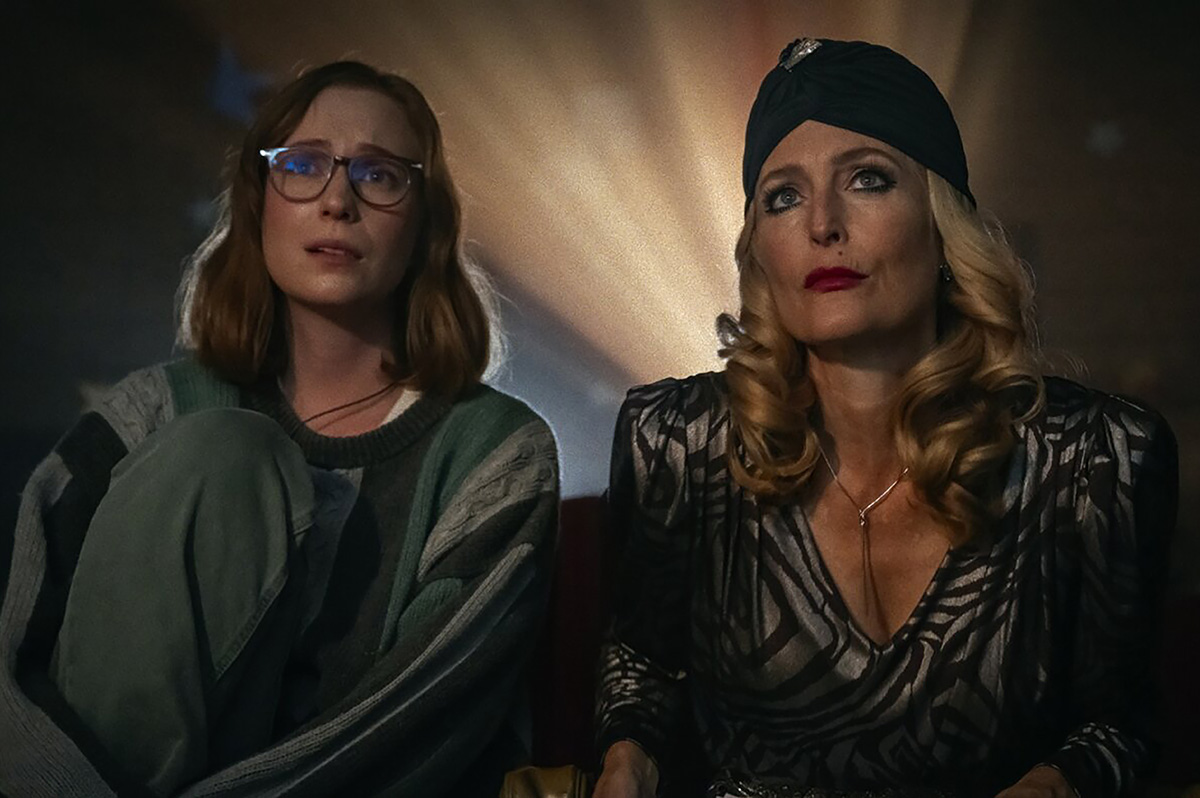
If any movie title can be said to describe exactly what it is going to show us, “Teenage Sex and Death at Camp Miasma” would have to be it – and yet, it doesn’t communicate anything to prepare us for what we are going to see.
For that, you’d have to already be a fan of the creator behind it – transfeminine, non-binary filmmaker Jane Schoenbrun – and the surreal, dysphoric, and meta-formal nature of their previous work.
A horror fan since childhood, Schoenbrun spent their teen years frequenting online message boards for popular horror shows, writing fan fiction, and going to see punk bands in basements; a bachelor’s degree in film from Boston University paved their way into the world of “indie” cinema, and their first directorial effort was an online documentary about the phenomenon of “Slender Man” (look it up), which explored the way media and reality can blend together in the cultural imagination.
That blending has continued to permeate their films: their first feature, “We’re All Going to the World’s Fair,” about a lonely teen who is drawn into a creepy online challenge, tells its story entirely through video clips she and the other participants share online; their second, “I Saw the TV Glow,” is an eerie and devastating tale of two teen friends who form a bond over their shared obsession with a paranormal television show and drift apart when it is cancelled, only to be drawn together again when buried memories of it begin to infiltrate their “real” lives. Both are driven by themes of gender identity, social isolation, queer awakening, and transformation – the stuff that resonates deeply with queer and trans audiences – and Schoenbrun didn’t bury the subtext in the story; instead, the subtext was the story.
With “Camp Miasma,” their third and (thanks to its win of the “Queer Palm” at Cannes) highest profile feature film to date, they carry their creative obsessions forward into a surreal narrative that exists around the border between reality and media-manufactured fantasy, and brings them into the the world of queer adulthood. Even more boldly, perhaps, it’s a comedy (albeit a dark and grisly one), a satire of the movie industry itself – which gives the director plenty of cheekily self-referential opportunities to make this their most “meta” film yet. After all, it’s about a young non-binary director working on a horror film, and you can’t get much more “meta” than that.
The onscreen director who serves as Schoenbrun’s semi-autobiographical avatar is Kris Williams (Hannah Einbinder), who has been tasked by a studio with remaking its classic slasher movie from the 1980s (“Camp Miasma”), in hope of generating an updated reboot of the once-lucrative franchise it spawned. Kris, who loves the original film, hopes to coax the actress who starred as its “final girl” – Billy Presley (Gillian Anderson) – into returning to the screen for the new one, though she has been retired from acting and living as a recluse ever since. Managing to get a meeting with her at her secluded home in the Pacific Northwest, Kris arrives in a snowstorm to discover that Billy now lives in the same abandoned campground where “Camp Miasma” was filmed four decades ago. She also has seemingly developed the unsettling eccentricities of an aging once-famous scream queen who has faded into obscurity and spent decades dwelling in memories of the past.
Despite some initial misgivings (on both sides), the two hit it off, and Billy agrees to help Kris develop her ideas for the reboot. As they work, their shared obsessions around the original film and its horrifying mythos draws them closer together into a more intimate kind of relationship – even as Billy’s unconvincingly “tongue-in-cheek” insistence that the franchise’s iconic killer is a real entity, waiting to be reawakened for the next massacre, begins to creep into Kris’s own psyche.
Ingeniously mixing fan nostalgia for vintage “Friday the 13th”-style slasher films with the Lynchian surrealism of modern horror cinema and the campy-but-transgressive absurdity of a movie that wants us to be “in” on the joke, “Camp Miasma” takes Schoenbrun’s broodingly ironic Gen-Z sensibilities and spins them into something that works on multiple levels. As a horror film, it relies on the familiarity of its tropes and gleefully manipulates our reactions, yet undercuts its own formula to turn it into a blend of parody and homage that somehow elevates the genre by way of its own deconstruction. As a piece of postmodern cinema, it precludes attempts at analysis by transparently analyzing itself as it goes as part of its own self-aware scenario, turning intellectual interpretation into just another trope of its own. As a queer allegory, it nullifies the standard critical interpretations by wearing them jokingly on its sleeve. As a love-letter to cinema, it brims with callbacks to iconic masterworks like “Sunset Boulevard” and “Psycho.” It uses the irresistible darkness of its milieu as a vehicle through which to express a liberating, sex-positive celebration of queer joy, unencumbered at last by a confrontation with the fear, shame, and insecurity forged by social constructs that are so often used to suppress it. It even works as a romance, turning the age gap between its two leads into a bridge that overpasses any notions of conformity and eliminates false sentiment by framing it as a sexy kind of cross-generational mentoring.
At the center of it all is the powerhouse pairing of Einbinder and Anderson, whose dynamic together works so well we never bat an eye over that age gap; they sink their teeth into the material and deliver it with a fearlessness that feels a bit like pure glee, and they give what might just be the two best screen performances of the year.
of the year so far.
There are also some winking cameos, like “Kids in the Hall” alumnus Kevin MacDonald as a local hotel clerk who was once enlisted as a supporting player in the “Camp Miasma” franchise, and veteran character actor Dylan Baker as the facile-minded studio exec who simply wants Kris to create something commercial enough to turn the franchise into a cash cow again. Jack Haven (the trans co-star of “I Saw the TV Glow” opposite Justice Smith) commands our attention as Camp Miasma’s weirdly air-duct-masked slasher – named “Little Death,” a phrase which, translated into the French “La petite morte,” is a euphemism for orgasm, just in case it wasn’t already clear that the movie operates as a psychosexual drama, on top of everything else.
Ultimately, though, it’s Shoenbrun who is the real star; much in the way that Alfred Hitchcock turned his own unique milieu into a kind of star power that eclipsed even the draw of the big name actors who populated his films. They come into their own with “Teenage Sex and Death at Camp Miasma, creating one of the best films of the year so far and cementing their reputation as one of the most excitingly visionary filmmakers of the post-Millennial era.
In other words, come for the blood, gore, and jump scares, but stay for the sublimely entertaining — and entertainingly original — tour-de-force filmmaking that raises this one to the level of pop culture masterpiece.
Movies
Queer team brings girl power to fully baked ‘The Wrong Girls’
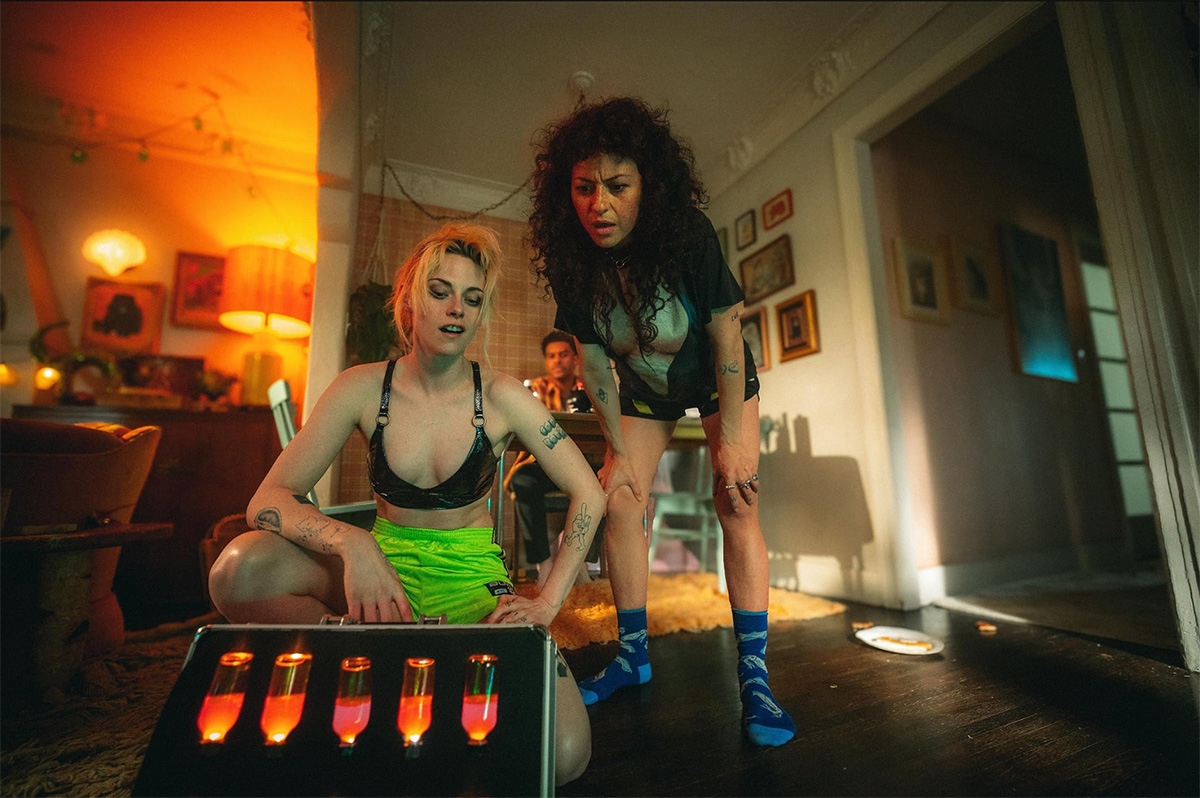
Generally speaking, the “Stoner Comedy” genre is aimed at an audience of “stoners,” and if you’re not one, you probably don’t get the appeal.
If you are, though, you’re likely to enjoy “The Wrong Girls,” the new indie from screenwriter Dylan Meyer in her directorial debut, which began a theatrical release on Aug. 14. The plot is ridiculous, the humor is lowbrow, and you won’t find any substance in it except for the ones that get consumed onscreen – but that’s exactly the reason why it’s pretty much perfect for anybody who loves stoner comedies, and the fact that everyone involved commits to it whole-heartedly might just makes it all the more so.
Starring Kristen Stewart (Meyer’s real-life spouse) opposite Alia Shawkat as a pair of broke, directionless best friends who share an L.A. apartment and spend an impressive amount of effort finding new and elaborate ways of consuming cannabis, it opens with them facing a financial crisis; Frankie (Stewart) is thousands of dollars in debt for a scholarship to Stanford – even though she failed out before graduating – and Molly (Shawkat), who dreams of being a professional chef, channels her creative cooking skills into creating off-the-wall recipes for cannabis-infused snacks. To make matters worse, rent is due, and – as usual – they are short.
Their situation gets a sudden surprise windfall when Frankie (through a freak case of mistaken identity) ends up in possession of a briefcase full of a mysterious liquid they assume is some kind of drug. Thinking they can sell it for rent money, they decide to try it for themselves, first, resulting in a pink-and-bubbly hallucinogenic experience in which they can hear each other’s thoughts (and their cats’ thoughts, too) – an effect that lingers even after the “trip” subsides.
Their plan to sell the substance hits a snag, however, when a cadre of gun-toting Euro-thugs in dark suits show up on the scene trying to get their hands on it. Forced to go on the run, they eventually learn that the substance they took is a top-secret experimental drug, developed by a scientist (Kate McKinnon) researching human consciousness – and that the Europeans work for a dangerous rival who wants the formula for his own nefarious purposes. Can two 20-something stoners successfully elude and overcome a team of international mercenaries on a mission? Probably not, but the superpowers they seem to be developing might improve their chances – if they can figure out how to use them, that is.
Cut from the same cloth as every weed-centric movie farce you’ve ever seen, “The Wrong Girls” leans into most of the genre’s usual formula points, first and foremost of which is that it doubles as a buddy comedy. From Cheech and Chong, through Jay and Silent Bob, to Harold and Kumar, these films have always relied on the goofy chemistry between two friends, and Mayer (who wrote as well as directed) makes a special point of following that blueprint – because it’s also where her film sets itself apart from most of the other examples within a traditionally male-dominated genre by making the buddies female instead.
It’s a simple switch, and it really doesn’t have any significant impact on the general “vibe” of the story; the dynamic is more or less the same familiar back-and-forth banter between two people who have spent years getting high together, and their antics are just as stupid. Even so, in another way, flipping the usual gender of its protagonists makes an essential difference, simply because we’re so accustomed to seeing it the other way around – but women also like to get high, so why shouldn’t we see them doing it in the movies? After all, the now-legendary Comedy Central series “Broad City” (to which “The Wrong Girls” also owes a debt of inspiration) brought a pair of stoner chicks to TV over a decade ago with the epic pairing of Ilana Glazer and Abbi Jacobson, so it’s high time (if you’ll pardon the pun) we see the same on our big screens, too.
There are other twists that spruce up the formula too – a boyfriend (Zack Fox) who sparks girl buddy jealousy by asking Molly to move in with him, the crashing of a party thrown by a corporate douchebag (Tony Hale) and provides a great target for the anti-establishment satire that’s almost obligatory for the genre, and a plot thread about giant squid biochemistry that adds an air of comedic mysticism while tapping into the “cephalopod awareness” trend that has wriggled its way into our cultural discourse around ethical seafood consumption. All of it is written and executed with a cleverness that makes it easy to laugh at all the “dumb” comedy without it feeling too much like a guilty pleasure.
Steward and Shawkat, needless to say, carry the film; they find just the right blend of authentic friendship and “train wreck” energy to make their relationship both wacky and relatable. LaKeith Stanfield brings an admirable seriousness to his role as the guy who delivers the briefcase to the wrong person before becoming a comic foil as he ends up being a reluctant ally; stoner movie veterans Seth Rogan and Kumail Nanjiani amusingly lend their voices to the girls’ two cats; but it’s McKinnon who raises the bar, entering the story late in the game to become the hands-down MVP in a comedy that is only improved by her proven gift for stealing every scene she’s in. It’s worth noting that Geena Davis turns up for a memorable appearance that feels like a nod to that grandmother of all girl-buddy films, “Thelma and Louise.”
It’s also worth mentioning the strong imprint of queer creativity that exudes from “The Wrong Girls,” which casts two queer stars in a queer-written-and-directed comedy that also features several other prominent cast members who are queer (or queer adjacent), despite not having any specifically queer story elements. Maybe it’s the camp sensibility, or the obvious lampooning of overtly toxic heterosexual “types,” or just a general feeling of irreverence and a sharply counter-cultural edge – but somehow, the whole thing comes across as an expression of queer perspective that manages to run circles around the banality that might otherwise easily have turned the movie into an unfunny slog through a territory we’ve all seen plenty of times before.
All that said, it’s important to return to the original point that stoner movies are not necessarily meant for everyone – and fresh as it might feel, “The Wrong Girls” is definitely a stoner movie. There’s a lot of humor (and we mean A LOT) that will fall flat for those who don’t “get it,” and a considerable amount of absurdity and excess which will probably only frustrate viewers without a natural taste for it. Like even the best of the genre, it’s not intended to be deep, or even coherent – it’s all just for the sake of mindless, feel-good fun for those with a taste for it. So be warned by that caveat if you think it applies to you – otherwise,
Movies
‘Maddie’s Secret’ defies campy expectations
An over-the-top, old-school melodrama combined with modern satire
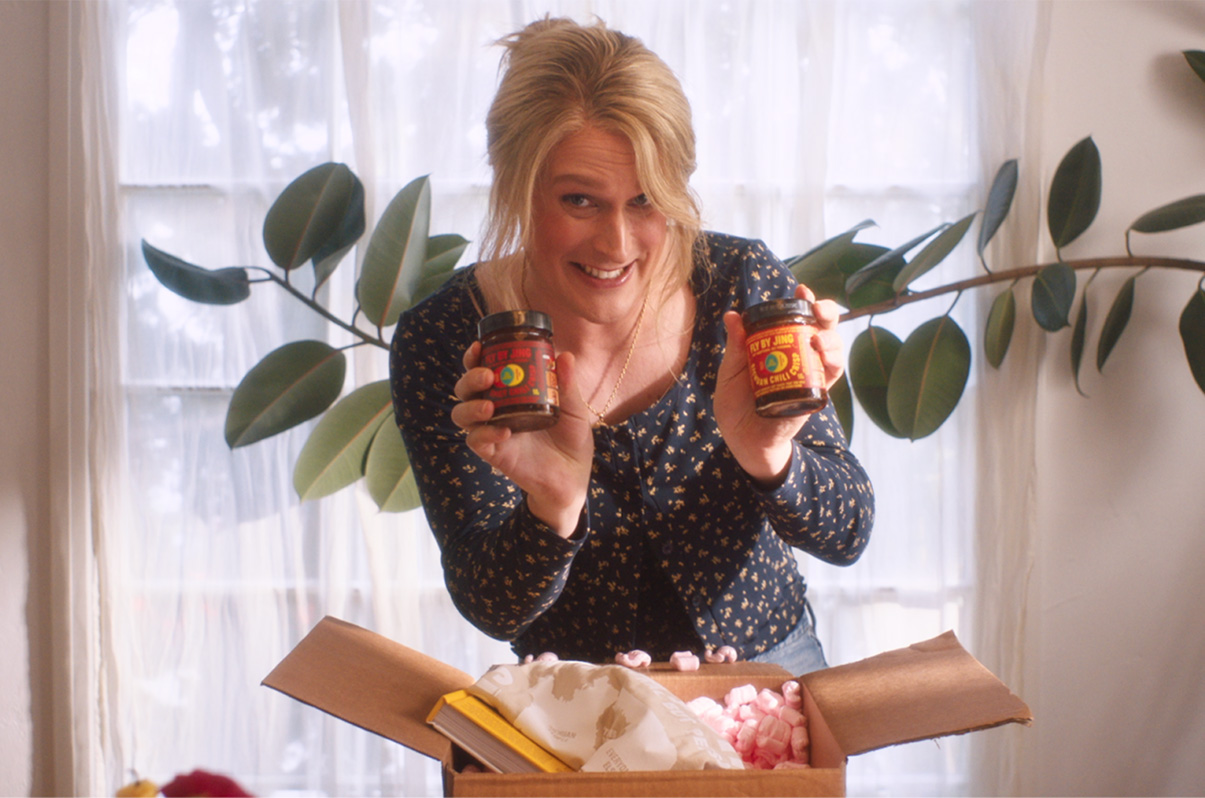
Sometimes, when you think you know what to expect from a movie, it doesn’t match those expectations. What do you do then?
I’m not talking about the unmet expectations of fans, like those who complain that Kubrick’s “The Shining” made sweeping changes from Stephen King’s novel, or start a social media campaign trashing the latest “Star Wars” or “Marvel” film because of a plot twist they don’t like. Those are complaints about content, about a story not going the way it is “supposed” to go.
I’m referring to the expectations we have when we walk into a movie thinking that it’s going to have a particular tone, a specific style, a familiar formula – essentially that it is going to easily fit into a comfortable box, and stay there. What happens when it doesn’t?
That’s the question I found myself asking as I watched “Maddie’s Secret,” the directorial debut from gay actor/comedian John Early, which is now screening in a limited theatrical release. It’s the story of a humble housewife whose doting husband persuades her to turn her love of cooking into a career as a virally popular “food influencer,” only to find that her sudden success triggers traumatic feelings from her childhood; clearly a contemporized hybrid of the melodramatic “woman’s pictures” of Old Hollywood and the “Afterschool Special” style cautionary dramas of ‘70s/’80s TV, it has all the earmarks of being an exercise in “camp” – especially since Early himself stars as Maddie.
To put it plainly, it’s an over-the-top old-school melodrama combined with modern-day satire of online social media fame, with a gay man in a dress playing the lead. What could be campier than that?
And it is campy, make no mistake. Yet at the same time, somehow, it isn’t. From its opening scene (which shows us Maddie as she jogs to her dishwashing job at the headquarters of an LA test kitchen/content studio named “Gourmaybe”), we expect things to get wacky. The ingredients are definitely present for it, like her aggressively butch co-worker/BFF Deena (Kate Berlant), who is clearly nursing a serious “girl crush”; bitchy TikTok star Emily (Claudia O’Doherty), who demeans her and ridicules her ambitions of being a chef; and boss Zach (Connor O’Malley), a womanizing corporate “bro” who enthusiastically embraces all the toxic traits we associate with that description.
As the story opens up beyond her workplace, there are more elements that feel ripe for the kind of histrionic humor we might expect from a film by John Waters, or the stylish old-school parody of Charles Busch, or even the radicalized sexual transgression of Bruce La Bruce: Maddie’s adorably bearish husband Jake (Eric Rahill) could be made into a goofy caricature with a food fetish, and her estranged, abusive mother Beverlee (Kristen Johnston in a deliciously grotesque performance) is easily monstrous enough to be at the campy center of any “hag horror” from the ‘60s.
And when we finally discover her “secret” (spoiler alert: it’s an eating disorder that returns when the pressures of being a popular social media chef bring up old feelings about her relationship with food), it’s easy to imagine a different filmmaker taking the whole thing in a thoroughly savage direction; the potential for tasteless, excessive, and deliberately juvenile comedy might be limitless, in the hands of a director unafraid of being branded “offensive.”
It’s hard not to see all these possibilities on hand as we watch Early’s film – which he also wrote – and (for myself, anyway) hard not to hope they all play out to maximum outrageous effect.
They don’t. Instead, “Maggie’s Secret” does something so unexpected that it feels, at first, like a mistake: it decides to play things straight.
It’s still a comedy, make no mistake, but it’s not the kind of comedy we think it’s going to be. It doesn’t go for over-the-top anarchy; it doesn’t go for the bitch-slapping catfight between rival divas, or for the running parade of filthy double-entendres, or for the absurd “gross-out” humor that might have emerged from its scenes of binge-and-purge overeating. Well, okay, maybe it does go for that last one, a little bit.
What all this comes down to, perhaps, is that the film gets its laughs – and there are quite a lot of them – without making fun of itself or, more importantly, its characters. The comedy here is built into the story; it comes from its send-up of social media influencers, corporate content creation, media tie-ins, and all the other interlocked microcosms of our “new, now, next” digital culture; it comes from the foibles and fumbles of its characters as they pursue their objectives in the story, from the qualities and quirks of their personalities, from their simply being funny because they feel like being funny; and yes, it sometimes comes from the obvious cliches of form that we recognize, the plot formulas and sudden revelations and shocking twists that have emerged time and time again in these kinds of domestic melodramas, but it does so good-naturedly, in a way that feels like laughing “with” the movie than laughing “at” it.
It also never diminishes or ridicules the seriousness of Maddie’s eating disorder, nor the experiences that come for her when she (spoiler alert, again) ends up going into an inpatient facility to be treated for it; though these later scenes come populated with their own set of stereotypical characters, ready to be exploited, the movie may poke gentle fun, but it humanizes them, too, helping build the film toward an emotional climax that leaves us with the kind of satisfying uncertainty we don’t quite expect from a movie like this one.
Most significantly, perhaps, it never gets its laughs out of the fact that Maddie is being played by a man – and it’s this that makes Early’s film feel more profound than we expect it to be. It’s not a “drag” movie, or a cross-dressing comedy, or anything to do with Maddie’s gender at all. She is a woman, presented without exaggeration or irony, and she just happens to be portrayed by a male actor instead of a female one. There’s no joke involved, just an excellent performance.
This is an apt approach, considering that Early cites Waters’ 1974 “Female Trouble” as his inspiration for “Maddie’s Secret.” Though he sets aside the extremes of that classic in favor of nuance and kindness, he takes his cue from its star – the incomparable Divine, who never called himself a drag queen but considered himself an actor playing a part. Early does the same, and it makes his film into a kind of full-circle moment in queer “underground” cinema (if a premiere at the 2025 Toronto International Film Festival, where “Maddie’s Secret” screened to enthusiastic response, can be called “underground”) which pays homage to the legacy of a past icon while picking up the mantle and carrying it in a new – and unexpected – direction.
That’s the thing about expectations: sometimes they are left unfulfilled – and in answer to my own question, as I watched this uniquely winning queer indie gem, what happens just might be something wonderful.
Movies
Greg Araki still wants your sex
Greg Araki may not have been solely responsible for the “New Queer Cinema” movement of the 1990s, but he certainly gave it an edge.
From early low-budget groundbreakers like “The Living End” (1992) through his “Teen Apocalypse Trilogy” (1993-97) and beyond, his films have subverted cinematic tropes with queer characters and themes and co-opted them into his own unique brand of filmic storytelling — extreme, campy, and transgressive – in which his queer characters were usually framed as sexual outlaws, flawed and anti-heroic outsiders who disregard not only sexual conventions, but often the law and the social order itself.
In subsequent decades, he’s continued to bring that same fiercely counter-cultural swagger to a surprisingly diverse array of projects, from the melancholy and critically acclaimed “Mysterious Skin” (2004) to the first-ever Cannes Queer Palm winner “Kaboom” (2010). And though it’s been 12 years since his last feature film release (“White Bird in a Blizzard”), he’s brought his twisted talents under the radar to helm episodes of popular TV shows like “13 Reasons Why,” “Riverdale,” and “Monster: The Jeffrey Dahmer Story.”
Now, he’s back to the big screen with “I Want Your Sex,” a new erotic comedy-thriller that proves he hasn’t lost that edge. In fact, he may have honed it to a sharpness that cuts deeper than ever — and he’s aimed it not only at the moralistic posturing of mainstream attitudes around carnality, but at the thinly veiled high end consumerism that drives the world of avant-garde art.
Structured with a nod to “Sunset Boulevard” – it begins with a shocking “face down in a swimming pool” moment that is then explained in flashback – and flavored with the kind of sexual anarchy that rarely manages to penetrate the cultural mainstream, it’s the quintessentially “L.A.” story of Elliot (Cooper Hoffman), a perennially down on his luck 23-year-old would-be podcaster who manages to land a job as an assistant to multi-media artist Erika Tracy (Olivia Wilde), known as much for her domineering personality as for her highly sexualized (and deliberately provocative) work. At first, he is just one of a small army of fellow assistants tasked with helping prepare for an exhibition of new work at her gallery, which ranges from writing emails and scheduling interviews to chewing gum for a conceptual artwork depicting her vagina; but something about him catches her eye, and he soon finds himself taking on the additional duty of being her sexual plaything.
It’s strictly a business arrangement, of course, and all under cover of an NDA he signed before ever being hired; she needs the sexual outlet to keep her focused on her work, and he – thanks to his unsatisfying relationship with disinterested girlfriend Minerva (Charlie XCX) and his desire to finally pay his share of rent for the apartment he shares with BFF Apple (Chase Sui Wonders) – is happy to be of service. At first, it all feels like a dream come true, as he crosses his own boundaries to become enmeshed in a Dom/sub dynamic with an older woman on whom he’s long had a crush; she’s the Dom, of course, and he soon discovers he has more than just a mild taste for being submissive. But as things progress, he begins to “catch” the feelings he was never allowed to have, while Erika’s manipulation and humiliation of him starts to cross lines that threaten to undermine his tenuous sexual liberation, simultaneously eroding the comfortable relationships that have kept him feeling grounded, if perennially dIsappointed, up until now. Needless to say, things get progressively twisted, and Elliott finds himself ever more haplessly exploited as the story winds back to that “swimming pool moment” with all the inevitability of a train wreck experienced in irresistibly delicious slow motion.
Yes, it’s all deliberately “shocking” in the sense that it takes us places – both sexually and psychosexually – that a lot of audiences might never have thought they’d be expected to go. There’s plenty of nudity, the kinky sex is “explicit” in the sense that we have no doubt about the physical logistics of what’s happening even if we don’t see it, and the overall sense of “ethics” is pretty much “who cares?” In today’s world of “purity politics,” that might actually be the most transgressive thing of all about Araki’s film.
It’s not all just thumb to the nose at 21st century morality, however; nor is it merely a chance to undermine our faith in concepts like “consent” or suggest that inappropriate sexual dynamics in the workplace are anything other than toxic. Erika is most definitely a kind of beautiful monster – all the more because her angle, from the beginning, is all about increasing the value of her “brand” – but to frame her as a villain is missing a crucial point in what is essentially, despite its coy pretense at being a thriller, a coming-of-age story wrapped in a dark and de-romanticized rom-com.
Central to Araki’s story is the oft-cited observation that Gen Z people, having come of age in a time of social isolation in which private indiscretion can frequently lead to public shame, are afraid of sex. Elliot himself discusses this generational trope, yet he exposes himself to betrayal and humiliation anyway – and while that choice may take him down a rocky road, it also takes him on the journey of sexual self-discovery that he’s always wanted to have. Erika facilitates this, however unethically she may go about it, and even makes some discoveries about herself along the way; and despite the fact the journey ends up with police interrogations, tabloid scandal, and reversals of fortune not even she can see coming, the sex itself is never really to blame. After all, it’s only sex.
Maybe that’s the main point of “I Want Your Sex,” if there is one: all the stigma, all the prudish judgments and standards of moral “decency” become absurd in the face of the act itself, which – for most humans, at least – only comes naturally and, when stripped of unnecessary shame, can be a joyful experience, no matter how “kinky” it gets.
In fact, it’s not so much the sexual “deviance” or betrayals that Araki positions as the driving force in his movie, but the pretensions of a commercialized art world in which notoriety, controversy, and even tragedy can boost fame and fortune overnight – something that savvy artists, like Erika (and perhaps Araki himself) understand and exploit without qualm. One can make judgments about that, too, but in the end, isn’t that just part of how capitalism works?
In any case, “I Want Your Sex” doesn’t make judgments about any of it, just observations – with wit, slyness, and a refreshingly sex-positive attitude. Wilde and Hoffman deliver superb performances, as does the entire cast – which, apart from others previously mentioned, includes Mason Gooding as Elliot’s super-gay co-worker, Daveed Diggs as Erika’s haughty business manager, and Margaret Cho and Johnny Knoxville in admirably deadpan roles as a pair of police detectives. Shrewd, sexy, and all in good fun, it might well be the most fun you’ll have at the movies this summer.
Movies
‘Heartstopper Forever’ delivers satisfying conclusion
Beloved queer phenomenon shows us hope can belong to everyone
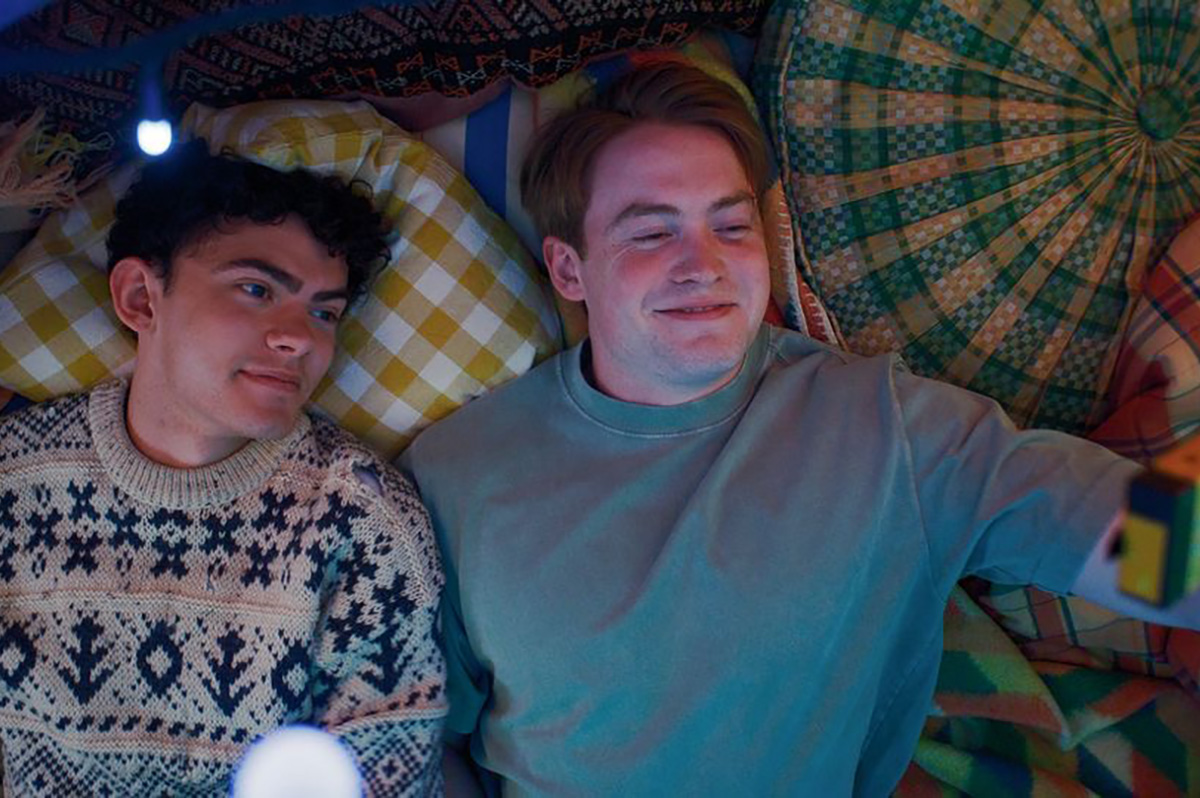
When I wrote my review of the first season of “Heartstopper,” I said that if the series could only be summed up in one word, it would be “adorable.”
After an additional two seasons and a movie length series finale (which began streaming on Netflix July 17), I’m going to make up a new rule and say that I can choose a second word to close things out. By the time I reach the end of my review of “Heartstopper Forever,” in which our adorable Nick and Charlie must face the possibility that their tender young romance may not be able to survive their graduation to college, I hope I’ll have figured which word it would be.
Directed by Wash Westmoreland and written (as always) by Alice Oseman, artist and creator behind the YA webcomic/graphic novel that launched the whole “Heartstopper” phenomenon, this final installment finds a very different Nick and Charlie than we met in those early episodes – yet in many ways they’re still very much the same. Far from the timid and bullied queer lad of the first season, Charlie (Joe Locke) is now boldly out and confident enough to win the election for “head boy” in his final year at school, and Nick (Kit Connor) no longer struggles with being open about his bisexuality; yet as the stress of their impending separation – each to a different college in a different city – begins to become more urgent, both of them fall back on old patterns.
To those of us who have been around long enough to re-examine such a crisis with 20/20 hindsight, that’s bound to strike chords of recognition. To the younger “Heartstopper” fans, however, it’s likely to feel like high drama – exactly as it did for us when we were going through it ourselves. It’s not just Nick and Charlie, either; other characters, like transgender prodigy Elle (Yasmin Finney) and her cis-het boyfriend Tao (William Gao), must also come to terms with the changing dynamics of their relationships. The result is multiple mirrors through which queer teens can see their own experience reflected, which has always been the appeal of “Heartstopper” in the first place. And as it has from the beginning, Oseman’s intent to provide her teen audience with positive perspectives shines through, ensuring that the story’s final chapter lands in a place where hope can belong to everyone.
That doesn’t mean it doesn’t have its share of dark moments – it wouldn’t be “Heartstopper” if it didn’t, would it? Part of the show’s value for its fans, young and old alike, has always come through its various characters’ growing pains; their missteps and misjudgments, their confused emotions, their fumbling efforts at “first times,” their struggles toward self-esteem. All these and more have provided the necessary “weight” to counter the show’s bubbly optimism and keep it from becoming as insubstantial as spun sugar. More importantly, these issues have always been the real core of the story: We love the sweetness of the romance, but the deeper satisfaction comes from watching these young people navigate all their challenges, sometimes alone but more often together, and build a community through the shared experience of working through them.
The final installment, having brought Charlie, Nick, and all the rest to the cusp of young adulthood, brings a suitably more mature level of problems into the mix. Sure, Charlie has grown into the hero he once needed himself, but the uncertainty that emerges between himself and Nick as they ponder their impending separation is enough to spark a relapse of his eating disorder; likewise, Nick may be confident and unguarded about his sexuality and openly proud of being Charlie’s boyfriend, but that doesn’t stop him from slipping back into self-doubt (and bad behavior) when he contemplates the possibility that their love story might be coming to an end. We know they have the “tools” to get back on track, but with everything so up in the air, will they be able to remember how to use them?
So, too, throughout the series, we have seen these kids come to terms with their individual queerness, navigating those personal journeys and learning how to embrace who they are in an environment where, for the most part, they get a lot of support. At the same time, there have been shadows around the edges, encounters and circumstances that remind them (and us) that, outside the protective circle provided by their school and each other, bigotry still exists. In “Heartstopper Forever,” those reminders are still there, and they feel all the more ominous – not just because of the worldwide rise in anti-LGBTQ+ sentiment, though that’s tied to it, but because these bright young things will soon be moving into a larger world where safety and shelter from the hate is not quite so certain.
Still, it’s Nick and Charlie’s story above all else, and naturally the main focus of this finale is on them. There has always been a too-good-to-be-true perfection to their romance, but Locke and Connor are so good at bringing it to life we believe it; here, fittingly for a final chapter, these boys finally face the crossroad that comes with adulthood – the recognition that, one way or another, there will be an ending to their relationship. How they handle that, we won’t spoil; once again, though, this is “Heartstopper,” one can feel sure that Oseman’s characters will work their way through it in the most imperfectly perfect – and emotionally satisfying – way possible.
Deserving of mention: characters like Isaac (Tobie Donovan), Imogen (Rhea Norwood), and Charlie’s sister Tori (Jenny Walser) return to get their fair share of the spotlight, and gay teachers Mr. Ajayi (Fisayo Akinade) and Mr. Farouk (Nima Taleghani) get the chance for a new beginning of their own; and out UK acting legend Derek Jacobi (“I, Claudius”) appears alongside real-life partner Richard Clifford as an elderly couple in a quiet but important scene at the cafe where Charlie works.
With any “franchise” as popular as “Heartstopper,” the task of bringing closure to a story that has emotionally involved so many fans is almost always a thankless one (just ask George Lucas), so there are sure to be some who have objections to the way Oseman brings her beloved story to an end; but it’s her story to end, and in choosing to uphold its sensational (yet sentimental) imagining of the world as it could be, “Heartstopper Forever” doubles down on the idea that we can make it the way that it should be.
That’s why my choice for the second word we can use to sum up “Heartstopper” is “aspirational.” In the relative innocence and un-ironic preciousness of Nick and Charlie’s enduring love story, we can find no excuses; not all of us can keep our first love alive for an entire lifetime (nor, often, should we), but maybe we can learn to follow our hearts as surely and openly as they do.
That’s about as aspirational as any of us can hope to be – but don’t worry: it’s still adorable, too.

Annie Andrews denounces trans athletes after Trump targets her

On Republican Long Island, gay Democrat Chris Gallant bets on public service over politics

Through the blaze: Author Deborah Samuel talks about survival, healing, and ‘Grace Through Fire’

Report: LGBTQ+ exclusion costs Japanese economy billions a year

In ‘The Lost Brontë,’ a complicated lie can lead to danger

Actor Christian Tyler Dorey is a Jack of all trades

ICC unseals arrest warrants for Taliban officials accused of persecuting LGBTQ+ people, women

Here’s your Palm Springs look at the weekend: Oct 9-11, 2026

The new “chosen family”: Suzanne Bangis on building a family through third-party reproduction

Carolyn Weathers: From mild-mannered to kick-ass lesbian activist in the L.A. gay liberation front
-
 a&e features4 days ago
Actor Christian Tyler Dorey is a Jack of all trades
-
 Afghanistan3 days ago
ICC unseals arrest warrants for Taliban officials accused of persecuting LGBTQ+ people, women
-
 Palm Springs3 days ago
Here’s your Palm Springs look at the weekend: Oct 9-11, 2026
-
 Family4 days ago
The new “chosen family”: Suzanne Bangis on building a family through third-party reproduction
-
 Features3 days ago
Carolyn Weathers: From mild-mannered to kick-ass lesbian activist in the L.A. gay liberation front
-
 a&e features3 days ago
Veteran Broadway actor Laura Benanti bares all in her new show ‘Nobody Cares’
-
 LGBTQ+ Youth Mental Health3 days ago
Zaya Wade to be honored by LA LGBT Center with Model of Pride award
-
 Japan5 hours ago
Report: LGBTQ+ exclusion costs Japanese economy billions a year
-
 Books3 hours ago
Through the blaze: Author Deborah Samuel talks about survival, healing, and ‘Grace Through Fire’
-
 Politics2 hours ago
On Republican Long Island, gay Democrat Chris Gallant bets on public service over politics