
Books
Reclaiming and uplifting queer Arab stories: Elias Jahshan unveils his new anthology, ‘This Queer Arab Family’
An intimate conversation with Elias Jahshan on queer Arab identity and storytelling, and celebrating its release tomorrow at the West Hollywood City Council Chambers
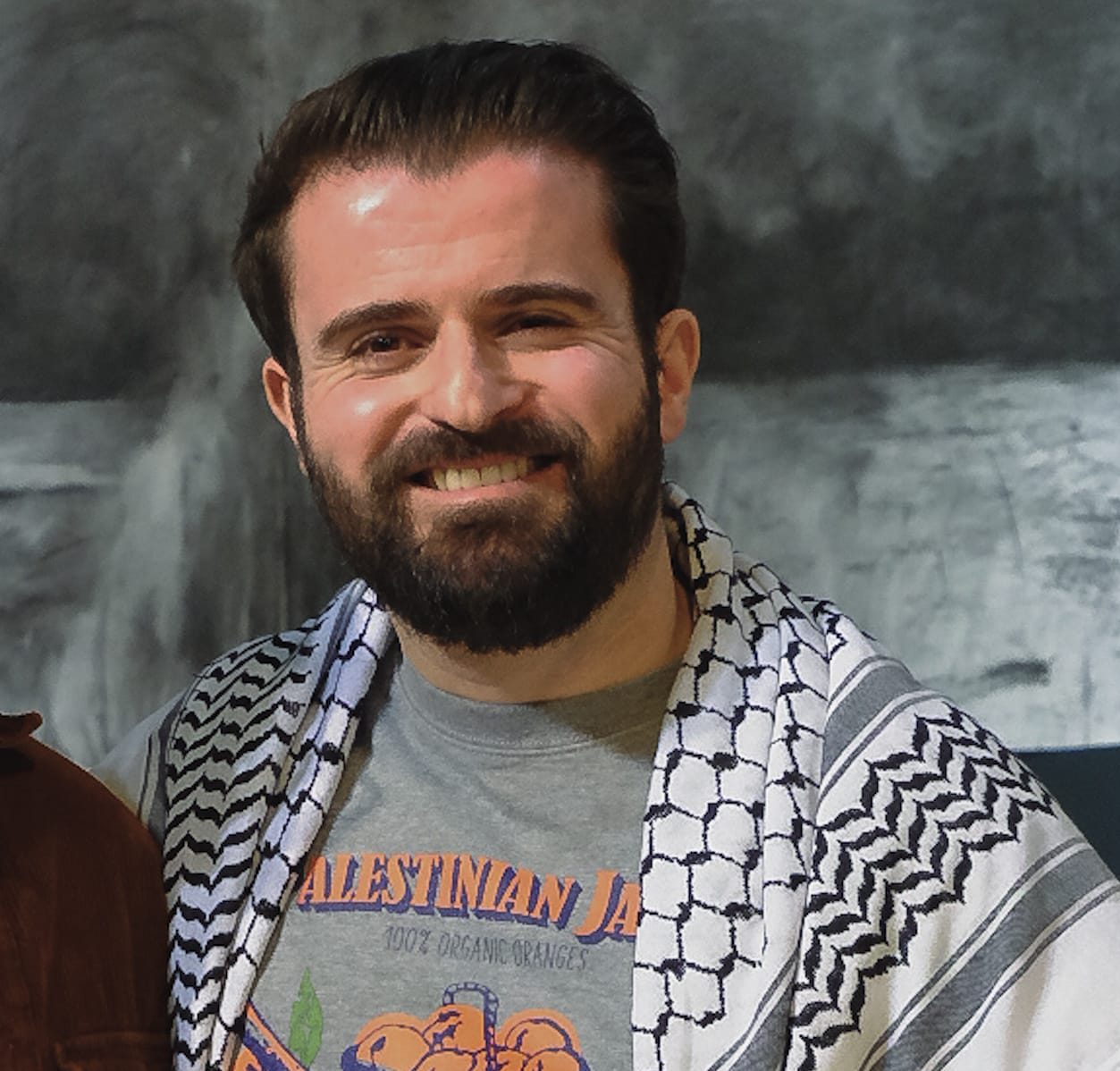
Few editors have reimagined contemporary queer Arab storytelling quite like Elias Jahshan. From the sweeping success of This Arab is Queer to his latest anthology This Queer Arab Family, Jahshan has created the much-needed space for stories that are as politically urgent as they are deeply personal while holding nuance, joy, and community in narratives so often disregarded and disenfranchised by mainstream discourse. Drawing on his background in journalism and his own lived experience across Sydney and London, his work challenges stereotypes while amplifying the voices that are far too often left unheard.
As he celebrates the release of This Queer Arab Family, Jahshan will appear at a special book launch event in WeHo tomorrow, the 15th, at the West Hollywood City Council Chamber, bringing these conversations directly to readers and community members. In this interview, he reflects on identity, home, representation, and the evolving politics of queer Arab life, all while offering insight into both his creative process and the urgent realities shaping his work today.
Elias, your work beautifully blends your Arab and queer identities. When did the idea of expressing these together through storytelling and sharing them with the world first come to you?
In 2019 and the lead-up to the UK’s first lockdown in 2020, I immersed myself in anthologies and contributed to one, Arab, Australian, Other. That experience, combined with my background in journalism, made me wonder if I could publish my own.
I began reflecting on how queer Arabs are represented in the media. Coverage often focused on sensational stories: ISIS atrocities, state crackdowns, or misjudged displays of Western solidarity while overlooking context, local activism, and nuance. Too often, queer Arabs were reduced to stereotypes: victims or “model migrants.”
These reflections led to my first anthology, This Arab is Queer, published in 2022. The response was overwhelming, and I was frequently asked if I’d edit another. I knew it couldn’t be a sequel; it needed a new focus.
Through the connections I built, and my own experiences of isolation during sudden deafness in 2023, I began thinking about how queer Arabs find family and community.
This Queer Arab Family explores those bonds, centering stories of kinship, resilience, and joy. It reclaims the idea of family in Arab cultures and asserts our existence in spaces that often try to erase us; we are family, too.
How has your understanding of “home” evolved across your life and how is this reflected in your work?
On a surface level, home for me is split between Sydney and London. Sydney is where I was born, raised, and began my career, where my family and lifelong friends are, and where much of my coming out took place. London is where I built a new life, where my career grew, my identity as a queer, deaf Arab fully took shape, and where I found community, friendship, and love.
On a deeper level, “home” is more complicated. Australia is shaped by unceded Aboriginal land, while my ancestral homes, Lebanon and Palestine, remain largely out of reach due to legal and political barriers. Visiting them brought a profound, bittersweet sense of belonging.
Living in London, as the child of immigrants, turned immigrant myself, I’m always aware of its colonial history. Yet its diversity and openness have made it feel like home.
These experiences shape my work. They’ve deepened my empathy for other queer immigrants of color and reinforced that we are more than labels, that our histories, identities, and communities all intersect in meaningful ways.
What is one of the more surprising things you’ve learned from one of your contributors when compiling and editing anthologies like This Arab is Queer?
Each of the contributors taught me so many things, I wouldn’t know where to start with this question. The fact that they entrusted me to read and edit their stories – stories which were often deeply personal and vulnerable, mind you – is something I do not take for granted. It made me conscious of ensuring the editing process was done sensitively, to ensure their stories were told on their own terms, yet still legible for a wider audience.
With my more recent book, This Queer Arab Family, I was constantly reminded of how queer Arab joy could be played out through family, kinship, comradeship, or community. It reminded me that despite the hardships many of us face on multiple fronts as queer Arabs, we are still resilient and powerful. No one can ever take that away from us.
How do you navigate or balance the expectations that come along with being a visible queer Arab voice in today’s political climate?
I don’t. LOL. As in, I don’t actively try to “navigate” or “balance” these expectations. I just am. I don’t actively hide anything about myself because I have nothing to be ashamed of whatsoever.
With regards to my visibility, though, this is something that evolved organically. It started when I was thrust into the national media spotlight in Australia as editor of Star Observer. From there, it grew via my social media platforms, the articles I wrote for various publications, and then the two books I now have under my belt that have been put in the hands of readers around the world.
However, I’m very aware that my visibility is only possible because of my privilege. Not just because of the fact I’m a cisgender male who’s had access to university-level education and freedom of movement – and lifestyle – that comes with having an Australian passport, but also because of the love and support I have from my family.
Many queer Arabs do not have the same level of unconditional family support I have, so it’s not something I take for granted, even if it wasn’t an easy path to get to that point for me. But this support and love I am privileged to enjoy – it’s like a superpower. It makes all the racists, homophobes, and online trolls who try to come after me look like utter fools. Let them keep frothing at the mouth with all their useless hate and anger. I have something they don’t have: empathy and love.
Can you share with us one assumption that people have had of you that you’d like to take this moment to correct?
Some people might think I’m being combative or divisive through my choice of words when I critique Western queer communities. But I’m genuinely not. If anything, I care about the community so much that I want it to improve and better itself – and we can only do that if we have an honest conversation about some of the pitfalls that still plague our community. And it’s not just racism, there’s also transphobia, and a complacency from many that we’ve achieved equal rights now that we have same-sex marriage. We might be “equal” on paper, but that doesn’t mean we’re equal in reality. Not to mention our queer brethren in countries where regimes or laws brutally suppress them. The fight is far from over, and we all have to look beyond our borders, or even beyond our bubbles in the cities.
As someone who finds themself at the intersection of queer and Arab identities, how do you view the current global state of human rights, and what is still painfully overlooked?
I don’t think there’s a single answer to this. It makes more sense to look at queer issues through a local lens; what the community faces in Lebanon is vastly different from Saudi Arabia, just as Beirut differs from rural areas, or from diasporic communities in places like Sydney or Dearborn. Social, political, and geographic contexts matter.
Take Palestine, for example. Queer Palestinians are often met with the cliché that Israel is a “safe haven” for LGBTQ+ people. While this may reflect legal differences, it’s reductive. Queer Palestinians are still primarily targeted for being Palestinian, living under occupation and systemic discrimination. For many, liberation from that reality takes precedence.
In contrast, queer communities in places like Egypt may be more focused on immediate safety, minimizing visibility to avoid state surveillance and crackdowns.
These examples only scratch the surface, but they point to a broader need for a decolonial perspective: holding Western powers accountable for colonial laws and ongoing interventions, while also challenging patriarchal norms and homophobia within our own communities.
At the same time, queer activists across the region are already doing vital work. They understand their contexts best and don’t need Western “saviors” imposing solutions. Queer liberation in SWANA cannot simply mirror Western models; assuming so is both naïve and, ultimately, another form of imperialism.
From your perspective, what role can storytelling and literature play in the progress of human rights, particularly for those whose voices are often overlooked?
Storytelling and literature can show readers that we have our own agencies, that we can tell our stories on our own terms. In addition, Arab writers and artists have played a huge role and facilitated change. They help ensure progressive perspectives are heard in an increasingly conservative context, and I don’t just mean religion; one can still be “secular” or non-religious and still be conservative, ergo a bigot. It’s through their work, alongside the work of so many tireless activists and organizers, that we have been able to become more visible, to have our voices and experiences documented and heard. It’s a long process, but these wins should always be celebrated, given the circumstances we are up against.
We also have a growing number of straight Arab allies coming forward to speak for our community, to stand in solidarity with us through their platforms in the media or their artistry and writing. Often it’s subtle, for safety reasons, but we see them and love them for it.
What does it mean to share your work in a city like West Hollywood, with its own deep-rooted queer cultural history and landscape?
It truly is an honor. I am a major history nerd, and to know that my work will be contributing to West Hollywood’s deep-rooted cultural history and landscape in a small way is something that blows my mind. I am so well aware of West Hollywood’s role not just in the USA’s queer liberation movement and history, but also in a global context. It can’t be underestimated, and the younger version of myself growing up in the working-class suburbs of Sydney could never have imagined making it this far.
Do you foresee this event as more of a celebration, a conversation, a call to action, D: all of the above, or something else entirely?
All the above! I am not there to simply preach to the choir; I am also there to start a meaningful, engaging conversation, even if it means some audience members may be confronted with uncomfortable questions or perspectives. As I said earlier, change is never meant to be easy. But this also doesn’t mean we can’t celebrate. We can, and should!
Why do spaces like this upcoming event matter right now, particularly for queer Arab voices as well as other marginalized communities?
To have this platform at West Hollywood cannot be understated. It’s an incredibly unique and powerful way to shed light on and uplift voices from marginalized communities – and to do it in a way that’s engaging and accessible to anyone and everyone. I really hope this moment of cultural and ideas exchange will be a stepping stone that leads to more nuanced discussions and understandings of all marginalized communities – not just queer Arabs.
Looking into the near future, what stories and whose voices do you hope will become more culturally mainstream?
We’re already seeing a shift in that queer people of color are taking center stage in the mainstream – not just in queer circles but also the wider, mainstream society and media. I really do welcome this, and I know it will only keep getting better.
I just hope that as this trend continues, we also don’t lose sight of what’s important – complete and genuine liberation for everyone. Not just equality, but also justice and equity too. And crucially, not just for one group of people at the expense of another. We’re all in this together, and applying basic critical thinking, along with a strong desire to hold elected officials and media outlets accountable, will be key in achieving this. This is essentially a long-winded way of saying sure, representation is great – but it’s not what will save us. Liberation requires complete reforms, or a complete dismantling of the status quo in many aspects of society.
Join us tomorrow to celebrate the launch of This Queer Arab Family with Elias Jahshan and the Los Angeles Blade

Books
Eliot Glazer’s new book an engaging collection of essays
From growing up gay to turning down ‘Queer Eye’
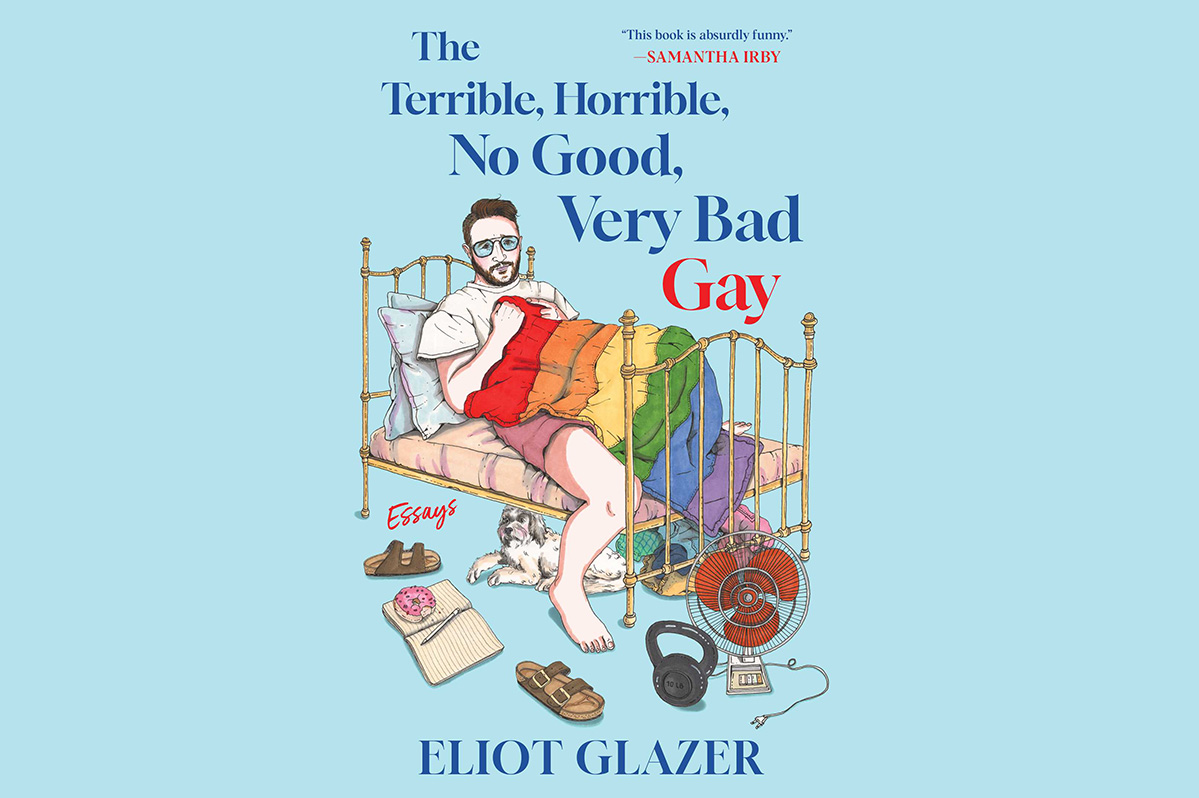
“The Terrible, Horrible, No Good, Very Bad Gay: Essays”
By Eliot Glazer
c.2026, Gallery Books
$28.99/240 pages
You try and you try.
Once, twice, you go back at that thorny issue, the dream you have, the punchline that’s not hitting quite right. Sometimes, time is all you need to make it better, or a new approach, or a second look. And then there are days when you actually get things right, as in “The Terrible, Horrible, No Good, Very Bad Gay” by Eliot Glazer, and it’s all good.

Throughout his life, Eliot Glazer has made mistakes. And it’s OK, everybody trips and falls now and then. In his case, though, he’s perfectly willing to document his failures, foibles, and whoopsies in this book.
He writes of his mother, Sandi, “a Queens-born balabosta” who wouldn’t tolerate laziness in herself or Glazer. He found work as soon as he was legally able to do so, and he had many jobs throughout high school. He was a gardener, ice cream scooper, camp counselor, golf caddy, chocolatier, telemarketer, and video store clerk. The one that fit him best, however, was working at Talbots, a department store for older women, where he found his people.
Even with all those jobs, he was a theater kid in his time off, little though it was. Back then, he was just a boy growing up on Long Island but swagger was important, so swagger he did. He still appreciates a good Broadway show, even the silliest ones.
Glazer says that he had just recently come out when gayness exploded on TV with “Will & Grace” and “Queer Eye for the Straight Guy,” with which he was obsessed. It helped him feel not othered, he says. Producers of the reboot asked him to be a second-generation Eye, but Glazer turned them down, though he thinks he’d have been good at it.
The show helped him with love of décor. His unexpected advisory skills came naturally, through age and wisdom and learning that wild partying isn’t really so much fun.
As for finding love, well, that’s a long, boy-meets-boy-meets-boy story…
So you’re looking for something to easily pick up and put down, something that speaks to your inner impatience? You’ll find that in “The Terrible, Horrible, No Good, Very Bad Gay,” a book that’s practically meant for you to skip around and you don’t have to read everything.
Essays can be like that, which is nice, even refreshing. Author Eliot Glazer is entertaining enough to make things work, engaging enough to keep it moving, and funny enough to make you want more of what he has to say. He’s open with his life and, despite his fame, his writing isn’t lofty; you can expect stories that’ll make you snort and ones with spice, but also some surprisingly tender moments that soften this book in a way that’s just right.
Readers who want a quick, mostly light book to finish will find something appealing in this collection of essays. If you don’t mind a bit of non-linearity and you need a laugh, “The Terrible, Horrible, No Good, Very Bad Gay.” is worth a try.
The Blade may receive commissions from qualifying purchases made via this post.
Books
Dolly Parton biography puts her hardships into context
‘Ain’t Nobody’s Fool’ a highly researched tome not to be missed
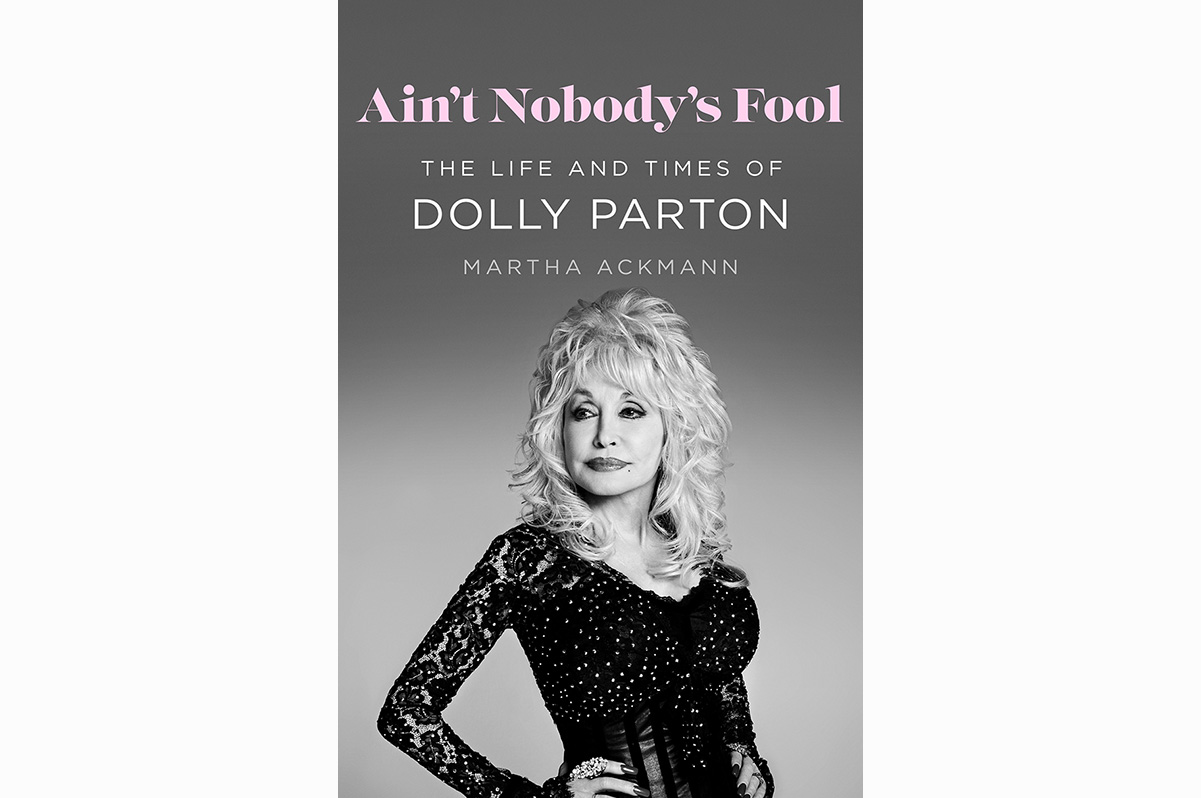
‘Ain’t Nobody’s Fool: The Life and Times of Dolly Parton’
By Martha Ackmann
c.2026, St. Martin’s Press
$30/304 pages
Not too bright.
That’s what people once thought about you. Your language didn’t conform, you had your own sense of style, and you were ignorant about modern things and places and foods. But you were no dummy. You were different, and you had a secret: as in the new biography, “Ain’t Nobody’s Fool: The Life and Times of Dolly Parton” by Martha Ackmann, you knew exactly where you were going.
When Avie Lee Owens and Lee Parton first married, they had the very basics: “two knives, two forks, two spoons, a skillet, a butcher knife, and an old iron kettle.” He was 17; she was 15. Babies came quick. The fourth one was named Dolly, after two great-aunts.
Almost from the time she could walk, Dolly sang. Before she was old enough to attend school, she wrote poetry, and she’d begun to notice rhythms and beats she could make with her fingers. As a schoolchild, she created her own musical instruments out of scraps, and she was eager to perform whenever anyone asked her – and they asked often, because Dolly Parton was a nice girl, and her sense of humor conveyed a warmth that drew people in.
Growing up in the Tennessee mountains, Parton was independent, shunning marriage and child-raising, instead focusing on a dream of being a star. By the time she was in high school, she’d had a regular gig on local television but she recognized that there were few opportunities for fame in the mountains, so she left for Nashville the day after high school graduation, with the snickers of naysayers ringing in her ears.
She stayed with an aunt and uncle there, and she beat the streets, dined on grocery store samples to get by, and missed her family and friends. And they worried about her, but they knew nothing would derail her plans. They knew Dolly would be fine.
As a friend said, “’She had her head on pretty good.’”
Chances are that if you’ve listened to music any time in the last 60 years, you’ve heard Dolly Parton through her words or her music or both. Now you need to learn more about her, and “Ain’t Nobody’s Fool” is where to do it.
Here’s a biography that grabs you on the first page with the tiniest bit of family tree, but not so much that you get bored with it. Author Martha Ackmann writes about Dolly Parton’s early life, putting hardships and experiences in context, both personally and historically. There are name-drops, but not overly so, as Ackmann takes you through Parton’s career, her heartbreaks, her marriage, and her years with Porter Wagoner, in detail but not dramatically embellished or outrageously told. It’s a biography that’s just right, sourced well and written with a fresh take that, like its subject, tells a good story.
Fans, of course, will want this highly researched book but music lovers of any age or type will eat it up. That means you, so use up that Christmas gift certificate. “Ain’t Nobody’s Fool” just shines.
The Blade may receive commissions from qualifying purchases made via this post.
Books
New book examines fashionista Audrey Smaltz’s fabulous life
‘Every Inch a Lady’ reveals finding true love with another woman
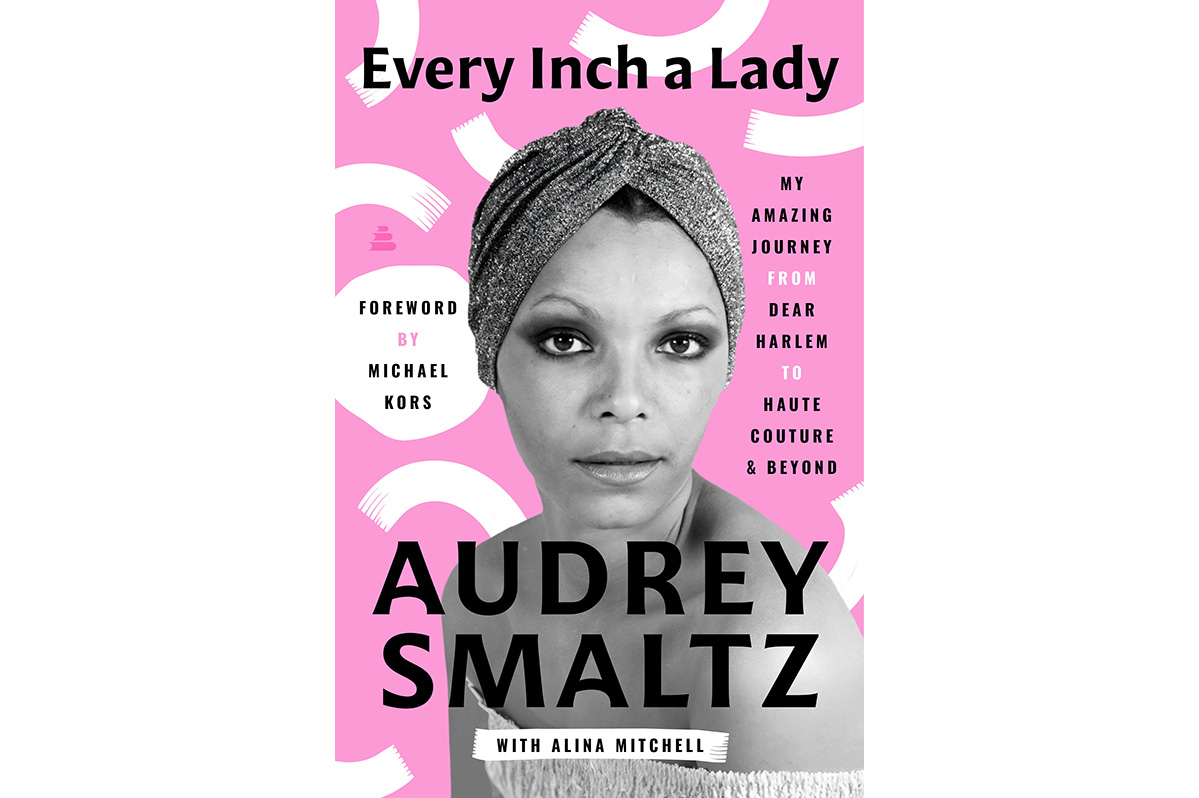
‘Every Inch a Lady’
By Audrey Smaltz with Alina Mitchell
c.2026, Amistad
$27.99/256 pages
Snaps, zippers, buttons, ties.
Toss that garment on, pull it up, wrap it around, you know what you like and how to wear it. The color is perfect for your skin tone, the fabric enhances your form. Yep, you always look your best and, as in the new book “Every Inch a Lady” by Audrey Smaltz (with Alina Mitchell), that best is fabulous.
”Born, bred, toasted, buttered, jellied, and honeyed in Harlem” in 1937, Audrey Smaltz was a force to be reckoned with almost from the time she could walk. Her parents imbued confidence in her, they nurtured her creativity and sent her to charm school, but they never allowed her to create a stir.
“That,” says Smaltz, “is not what ladies did.”
By the time she was a teenager, Smaltz was modeling for New York City designers. Shortly thereafter, she started working for a married man with whom she had an affair, and whom she loved very much. She broke up with him, attended college, worked a series of jobs that taught her about fashion and jobs that didn’t seem to fit her. An ill-fated marriage took her to Chicago where she ultimately landed a position that sent her to work in Ebony magazine’s New York office.
Working at Ebony was a career-changer, in a way. Smaltz was able to travel the world and learn more about fashion, but she didn’t exactly get along with her boss.
Finally, seizing an opportunity, Smaltz decided to launch her own company, Audrey Smaltz, Inc., a “fashion production business,” but she couldn’t get any designers to take a chance on her. Undaunted, she reorganized, re-branded, hit the streets, and knocked on doors until she finally found one client, which led to many others.
Through it all, her personal life was a whirlwind. She dated “more men than you can shake a book at,” settling down occasionally, briefly. Fashion had always been her first love, but she accidentally found real love, “the love of a woman,” at a leadership course.
There’s an old saying that writers need to add lots of “color” into their stories. Read a little of “Every Inch a Lady,” and you’ll notice immediately that author Audrey Smaltz (with Alina Mitchell) quite literally takes that to heart by mentioning nearly every color of the spectrum here. Hmm.
That oddity aside, Smaltz is a wonderfully lively storyteller, speaking with the energy of a woman much younger to the heart of anyone who loves fashion. That glee extends to collectors of vintage clothing, who will be delighted to read about the industry long ago and the way things worked then. Smaltz says she experienced racism, which is not unusual for pre-Civil Rights America, but doors were surprisingly closed for other reasons that will astound anyone who’s savvy about the fashion industry, even today.
There’s quite a bit of name-dropping in this book but most of it belongs in the anecdotes, so you likely won’t mind. If you’re a fashionista, too, find “Every Inch a Lady,” and snap it up.
The Blade may receive commissions from qualifying purchases made via this post.
Books
Exploring Renée Richards’s life through lens of a trans author
Surprises await in new book about pioneering tennis star
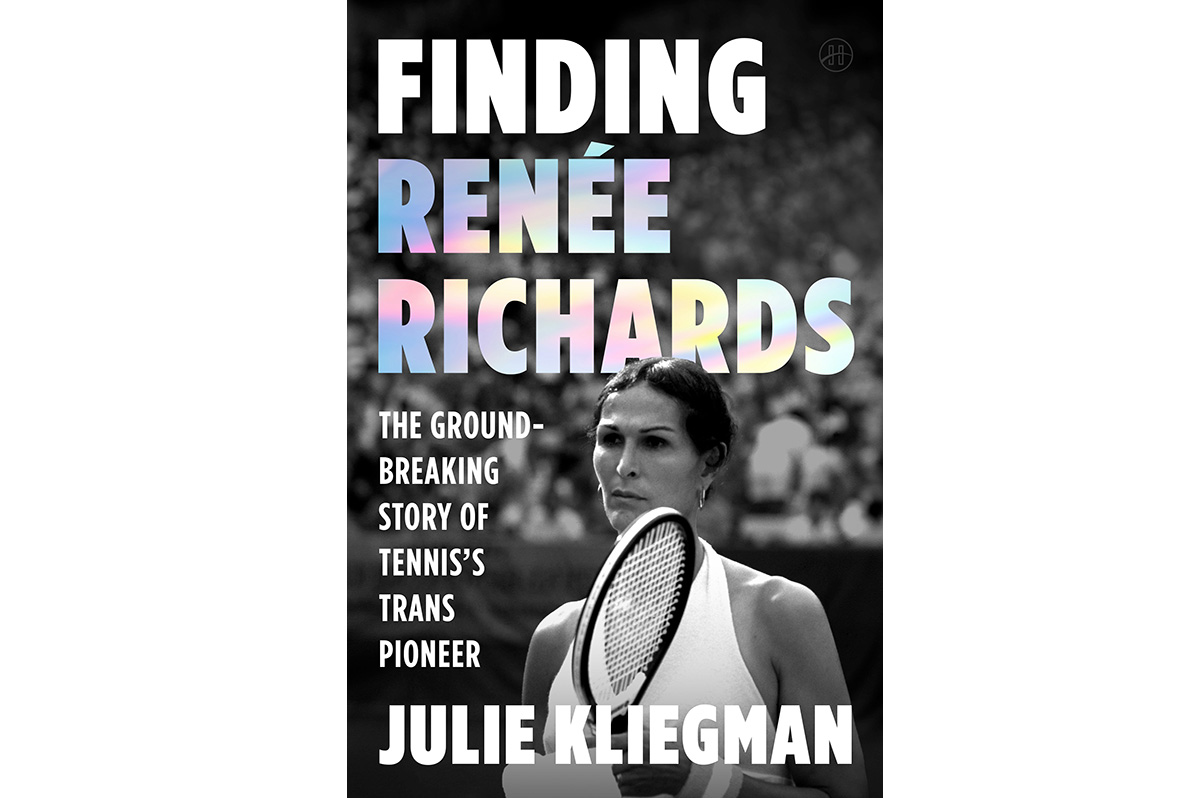
‘Finding Renée Richards’
By Julie Kliegman
c.2026, HarperOne
$28.99/272 pages
Come on in, the water’s fine.
Wade into it up to your ankles, your calves, your waist, you’ll be OK. You’ll adjust to the waves that swirl around you so come on, dive in, it’s all good. As in the new book “Finding Renée Richards” by Julie Kliegman, that goes for swimming, and for controversy.
Assigned to do a story on books written by trans tennis great Renée Richards, Julie Kleigman read the books and became “transfixed by a woman who had fought so hard to simply live as who she had long known she was….”. Their editor had figured that, as a nonbinary and trans individual, Kleigman would have “something incisive to say…” in an article. Instead, once they met and began interviewing Richards, Kliegman was left frustrated.
Born in the late summer of 1934, Richard Henry Raskind seemed to have arrived with a tennis racket in his hand. His mother was a psychiatrist; his father was an orthopedic surgeon who hoped “Dick” would follow his footsteps but Raskind was drawn instead to ophthalmology and tennis. He was also irresistibly drawn to wearing women’s clothing.
His sister knew of this pull and Raskind eventually came out to both parents, but few others on the tennis circuit were aware. When Raskind visited his hometown of New York City, however, he enjoyed furtively going out in women’s clothing but he also tried to squash the desire; in the meantime, he fell in love, married, fathered a son, and eventually learned that it was possible to become the woman he knew he really was.
To continue playing tennis professionally was a bonus.
And right there were the disagreements Kleigman had with Richards.
Richards, “To this day… [makes] a point of describing herself as a woman, period,” says Kleigman, but she firmly acknowledged Richard, almost as a separate individual, insisting that Kleigman use “him/his” pronouns when describing her earlier life.
And as for tennis and trans women’s participation in the sport, Richards had something even more frustrating to say.
Take that as a fair warning: you might be equally surprised at what author Julie Kliegman uncovered in “Finding Renée Richards,” and you may be truly gobsmacked by reading opinions from other women about the topic of trans women in sports.
That’s the main, huge point of interest in this fascinating book; the other is Richards’s life as seen through the lens of a trans individual. Kleigman’s wrestling with the 90-year-old Richards’ firmly dug-in heels is, in itself, worth your time as a study of highly varying viewpoints. That Kleigman and Richards have both lived at least a part of trans history is somewhat of a key to understanding how this book unfolds, as Kleigman offers up Richards’s tale. Readers who are able to read between the lines will be riveted.
If you’re a sports fan and you have opinions, you must read this book – and that goes double if it’s tennis you love. Also check out “Finding Renée Richards” if you just want a raucously good and very fine read.
The Blade may receive commissions from qualifying purchases made via this post.
Books
Bros + romance + fantasy = ‘Bromantasy.’
New book a romp full of humor, dragons, kings, and adventure
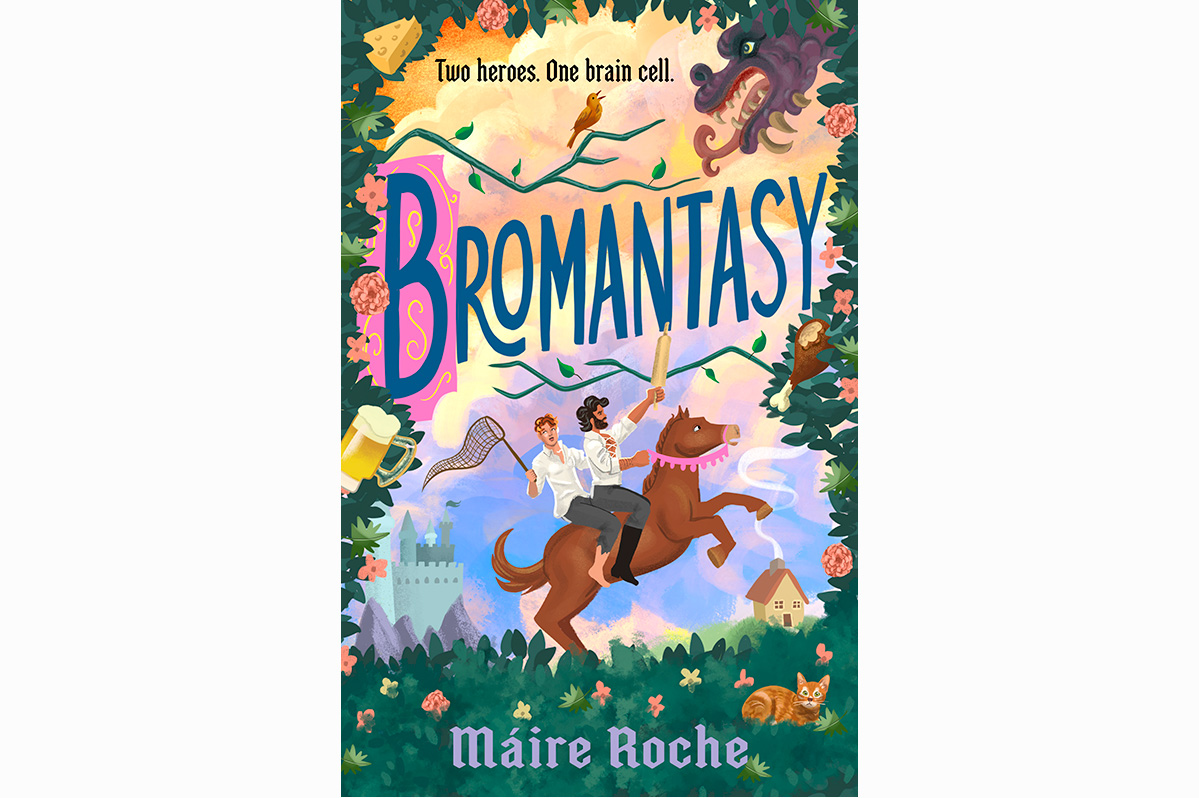
‘Bromantasy’
By Maire Roche
c.2026, G.P. Putnam’s Sons
$20/339 pages
“Danger” just happens to be your middle name.
Any fray, any tussle, anytime anybody needs help, they count on you to step in and save the day. You’re brave, smart and strategic, kind to old people, children, and small animals and, as in the new book “Bromantasy” by Maire Roche, dragons.
Of all the things there were to do – preserving food, keeping house for himself and his best friend Morningthall “Mo” Elmthorn, advanced skincare, and drinking at the local tavern down the road – the one thing Juniper O’Reilly couldn’t resist was a good brawl. It happened so often that Juniper honestly looked forward to it, though Mo wasn’t a fan.
Mo was more grown-up, calm, thoughtful, able, and Juniper loved him for it. He loved Mo, in fact, since they were little boys. He loved Mo in ways that they didn’t talk about, so they kept a wall between their bedrooms in their cottage.
Except for that one time.
They didn’t talk about that, either.
Instead, as they did often, on a warm fall night, Juniper and Mo went to the tavern, where mead was served and they could learn about the king’s weekly quests. There, Juniper could also find a good brawl, which is how he and Mo accidentally got into trouble: Juniper trounced one of the king’s men and was forced into a quest.
He didn’t want to fight dragons and he felt bad that Mo had been dragged along. He felt even worse leaving their farm, sleeping on the ground, wearing the same clothes every day, and not having enough skincare product along. A campfire added to the problem. A roving, lying prince, also in search of dragons, didn’t help. And though a quest was no place for a child, Juniper and Mo found a frightened little girl they had no choice but to protect.
A child with strange eyes, sharp teeth, and fire on her breath.
“And just like that, Juniper and Mo had a dragon.”
Bros + romance + fantasy = “Bromantasy.” It also could equal one of two other things: a romp full of humor, dragons, kings, princes, and adventure.
Or it could equal a whole lot of eye-rolling.
It’s a fact that this book is funny, in the way that a 1980s high school comedy movie is funny – meaning that it’s dippy, giddy, and very caricaturish but you’ll laugh quite often. The story contains everything you want in a fantasy romance (a “romantasy”), including human-like alternate species, a life-changing journey, and plenty of nudge-nudge-wink skirting around the attraction the two main characters have for one another. It’s a decent story, convoluted in just the right way. Purely, it’s an escape.
So why wouldn’t you want to read it? See above, and depending on your favorite reading genre. High-brow literature, this ain’t.
For the right reader, “Bromantasy” is a decent-enough vacation read, something not too taxing or hard on the brain. It’s for novel lovers, dragon hunters, king’s questers, princes, and romantics. For everyone else, this tale is just middling.
The Blade may receive commissions from qualifying purchases made via this post.
Books
Something’s off about Dad. When is it time to step in?
‘When Memory Fades’ can help when families face dementia

‘When Memory Fades’
By Nathaniel Chin, MD
c.2026, St. Martin’s Essentials
$30/422 pages
Mom called you in a panic the other day.
She’d lost her keys and by the time you arrived to help, she’d found them. In the refrigerator.
These kinds of things keep happening, not often but often enough, and you don’t know quite what to worry about. But in the new book “When Memory Fades” by Nathaniel Chin, MD, you’ll learn about the journey ahead, for both of you.
You can’t remember why you walked into a room. You got lost last week, going to the bank. Popular wisdom says that things like that are normal as we age, but Chin says that’s not true – although the answer may not be a worst-case scenario, either. Yes, memory problems could just be signs of stress, dehydration, or lack of sleep – or is it time to see a doctor?
Chin says maybe, yes.
He was working his way through medical residency when his father, a geriatrician in Madison, Wisc., was diagnosed with Alzheimer’s. Chin, now a geriatrician, was blindsided, but that diagnosis also changed his life.
Here, he writes about the brain, and how Alzheimer’s and dementia are diagnosed, explaining that dementia has many faces and, depending on a doctor’s evaluation, memory problems might be slowed or improved. He shares his father’s illness with readers, but he also writes about his mother, a steadfast, steady caretaker.
Her story reminds reader-guardians to care for themselves, too.
Know how to talk the talk, so that you can have “a more productive” conversation with your doctor. Understand that there’s nothing “normal” about dementia or Alzheimer’s. Know the statistics – African Americans are affected with dementia twice as much as whites – and know how to lower your risks. Learn here what questions to ask, how to break the news to everyone, and any legal matters that will be important soon. And know how to tend to you.
Says Chin, “The best action you can take is to educate yourself… The more you understand, the better equipped you are to make sound judgments.”
Something’s off about Dad, just a lot of little things that don’t add up. When is it time to step in? “When Memory Fades” can help you decide.
Wise, wide-spread, comprehensive, and compassionately helpful, this is a book you can read and then take it to the doctor with your loved one. It’s a book that makes sense when nothing else does, and its biggest feature is that it smoothly transitions from easy-to-grasp science and charts, to gentle coaching for caregivers. Author Nathaniel Chin, MD writes with storytelling, humility, grace, and experience from both sides of the Alzheimer’s/dementia issue, and his words are reassuring but also urgent. Learn, but don’t wait, he says. Know how to safeguard yourself. See your doctor, and don’t fear testing. Watch for signs of depression. And never, ever stop asking for help.
Read those last seven words, and find “When Memory Fades” now. It’s a book to have on your shelf, whether you’re 45 or 95 because, as you’ll see, dementia happens and knowledge is key.
Books
New book chronicles gay man’s life in hippie commune
Vietnam War-era tale a serious, sexy, joyous memoir
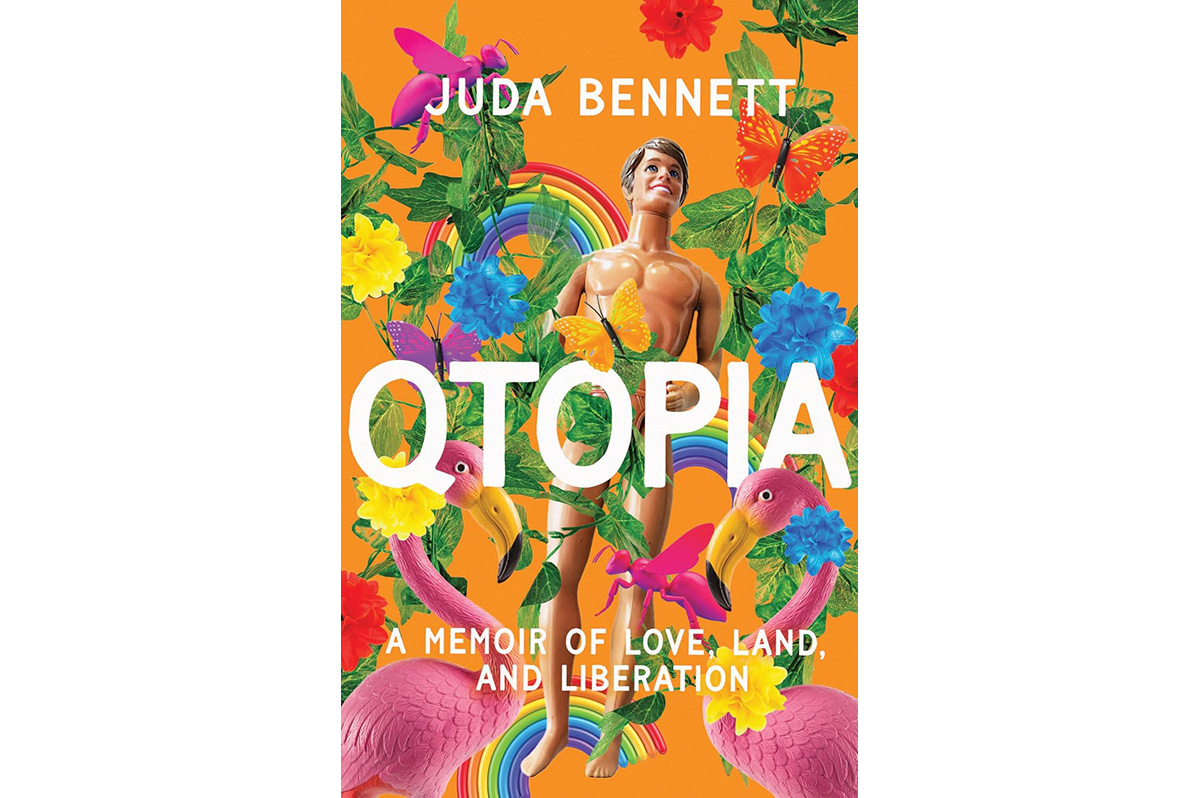
‘Qtopia: A Memoir of Love, Land and Liberation’
2026, University of Wisconsin Press
By Juda Bennett
Duffel packed, the new high school graduate could not fall asleep. “On the night before my departure, I stared at the duffel bag as if it were a body bag. We lived close to Dover, where the dead from Vietnam were shipped.”
It is 1971, and Charles was leaving home to join a hippie commune in rural Virginia. “I kept imagining bodies fitting into the bag and popping out in the middle of the night,” Juda Bennett writes in his memoir, “Qtopia: A Memoir of Love, Land and Liberation.” During Bennett’s high school years from 1968-1971 some 35,000 U.S. soldiers were killed in the Vietnam War, the vast majority processed at Dover Air Force Base.
Young Bennett was clueless about what lay ahead but he had a commune’s brochure in his pocket, certain his destiny was not in the military. “My father was a walking recruitment center, and my mother could have worked for the USO. Uncle Sam and the Andrews Sisters had nothing on them.” Inspired to find his way out of suburban Wilmington, Del., he boarded a Greyhound bus to Lexington, Va., and communes yet unknown. “Qtopia” is a serious, sexy and joyous memoir about a young man who knows he’s different in search of chosen family and, over coming decades, his own queer Utopia.
“We are leaving; you don’t need us,” was the popular refrain in the day from the Crosby, Stills & Nash song “Wooden Ships.” Communards like young Charles (going by the moniker C.B. with a full beard covering his handsome, androgynous features) were living it. How far this is from urban queer stories of the ‘70s. For this reason alone, it is marvelous reading about hot naked hippies farming together in the country, living and loving in secluded teepees when everything seemed possible. Novels like “Drop City” by T.C. Boyle (2003) and “Arcadia” (2012) by Lauren Groff set in hippie communes had no gay characters, only free-love for straights. When C.B.’s parents arrive to visit his back-to-the-land commune North Mountain bearing gifts like the orange powder Tang and Frosted Flakes, he “maintained” as the saying went. “It was a great time for visitors to see how hard we had worked—fields of sorghum swaying in the breeze, acres of vegetables in neat rows with beans, tomatoes and peppers hanging down….I was still thin as a matchstick, but I was a strong and muscular matchstick,” he tells the story of his development. By contrast, he had considered suicide before leaving home; this memoir fills in the pain, too.
There are times when C.B.’s voice as a teen communard with a secret is so authentic and rich, it is like reading fictional stories of American innocents on journeys of their own like J.D. Salinger’s character Holden Caulfield or Demon Copperhead from rural Virginia by Barbara Kingsolver. He tells us there was this guy Mark at North Mountain who had been pressuring him to sleep on the mattress next to his. C.B. was known as the only gay at North Mountain. One of the hippie women warned him Mark is “a square, the biggest downer.” Stepping out of the memoir, C.B. directly addresses the reader about the Mark issue, “I don’t want to write about Mark anymore because he’s not important to my story, and I didn’t even like him.” Got it. Hitchhiking with C.B. is like that, too.
“I got my best ride of the whole hike from a truck driver named TJ….If an eighteen wheeler…is willing to stop for you, it is because the driver wants something from you…I will forever remember this trucker as the most beautiful man I could have had sex with if I weren’t so innocent.”
North Mountain required the hippies work one week a month in Richmond to earn cash for the commune. For C.B., this translated into seven communards living in one small apartment on this cultish mission. It was in a Richmond park where he meets a stranger who would sexually abuse him over a month until C.B. ends it. Furious, the man threatens to shut down the commune if he does not obey. In a state of panic, C.B. attempts suicide by overdosing on every pill he can get his hands on. The memoir takes the reader through the author’s horror by deepening the shadows. What was the specific nature of the abuse? How did this stranger have credible power to threaten the commune? Entitled “What It’s Like to Die,” the chapter is a skillfully told, expressionistic turning point from an innocent’s hell to salvation at the intentional queer Lavender Hill commune in Central New York. C.B. desperately needed to “find my people.”
He’s a resilient young man after living in three communes by the time he hit San Francisco. His two gay neighbors on Ashbury Street—Crow and Moonsnake—pressure him to get a new “hippie name.” Walking home from Golden Gate Park he zeroes in on a passing streetcar, “North Judah.” Goodbye “Charles,” Judah will be his new hippie name. Crow and Moonsnake, approve: “If that’s what the Universe called out to you.” If you remember the Sixties…
“Too often,” Bennett writes, “we think of dropouts as withdrawing from life, but in truth, I think they are in a heightened state of seeking their rightful path and purpose. Nothing stays the same.” Juda Bennett remains a believer to this day, “Always putting my faith in my journey to Utopia”.
(Charles Francis is president of the Mattachine Society of Washington, D.C., and author of “Archive Activism: Memoir of a ‘Uniquely Nasty’ Journey.”)
Books
Eliot Glazer is a ‘Terrible, Horrible, No Good, Very Bad Gay’
The author discusses his new book and what it means to be a bad gay today.
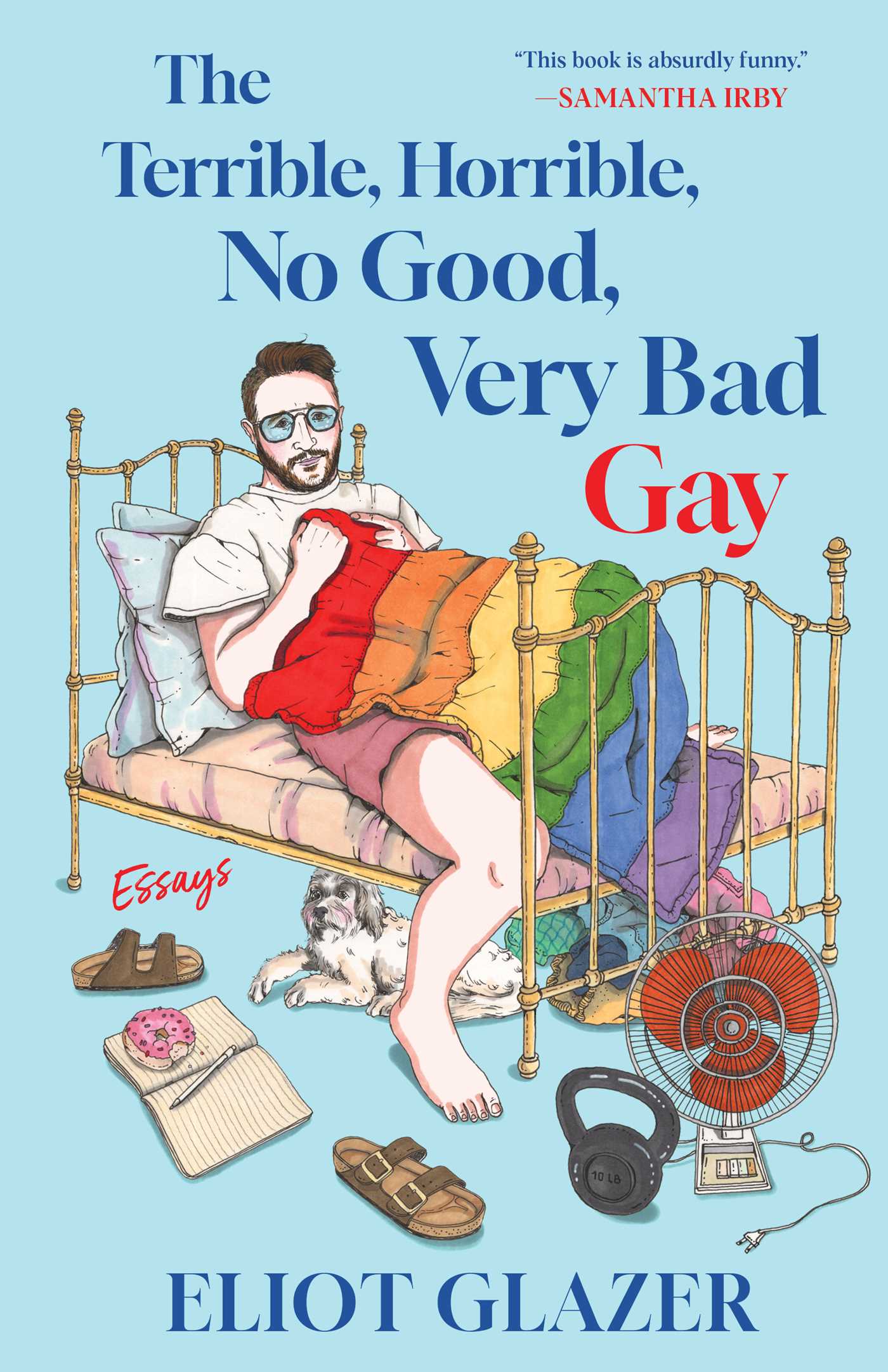
Eliot Glazer is a self-proclaimed ‘very bad gay guy.’ It’s a title the man wears with pride; he got his start writing for hit shows like The Boys and New Girl, imbuing every series with the dry, constantly dark humor that has come to define him as a creator. It’s a style of comedy that he carried into his career as a comedian, with the past few years seeing Glazer alternate between writing on hit shows and making audiences laugh through his stand-up. He uses each platform to hilariously describe his many mistakes, commenting on the chaotic gay community while emphasizing how bad he is at fitting in with the rest of his homosexual species.
While his many fans have heard Glazer speak about this, these observations are often packaged through TV writing or punchlines, rarely getting to the heart of what it means to feel like you’re bad at being yourself. His audience has never gotten the chance to know the moments that forged Eliot as a ‘bad gay’ and what he truly means with this label — until now.
In his new book, The Terrible, Horrible, No Good, Very Bad Gay, Eliot Glazer writes a collection of essays that show a side audiences have never seen before. In his own words, it is “a documentation of gay failures” and a “catalog of wrongs and misses,” a vulnerable exposé on the artist that audiences have loved for years. He humorously describes the lessons that built him and the moments that left him feeling distanced from his own community. And, throughout all the laughs (and occasional tears), Glazer makes readers question if maybe they’re a ‘bad gay’ too — and would that really be such a bad thing?
“[Comedy] is the only language that I speak,” laughed Glazer, as he discussed what made him pursue a career in the genre. “Clearly it’s a defense mechanism…but I also feel like it’s the only way I can communicate with other people.” And he certainly does communicate; each of the book’s essays provides an almost too-relatable anecdote from the man’s life. Whether it’s almost getting outed by a ruthless high school drama teacher or dealing with ‘demon twinks’ on Fire Island, Eliot’s exploits will resonate with most gay men who grew up in the closet and have dabbled in their city’s local nightlife.
Yet while funny, readers may be shocked at the amount of vulnerability that Glazer offers within each page. Readers quickly learn that his self-prescribed status as a ‘bad gay’ comes from a lack of easy connection with the other gay men around him. Living in larger cities means that he is constantly thrust into loud parties, drug-fueled exchanges, and otherwise boisterous outings that those around him seem to love. He emphasizes that he in no way judges that lifestyle, but that he’s never felt at ease in these bombastic settings, causing the anxiety in these essays…as well as some of the funniest jokes. Because, as Glazer explains, “I just kind of have to find a way to joke about it to keep it from being more uncomfortable than it might already be…it’s just a way to survive.”
In the humor, Glazer offers an uncomfortably relatable image of queer anxiety. He recounts moments most would try to forget, like one heartbreaking scene where of being so nervous about being judged at a party that he suffers a panic attack and never even goes in, leaving before anyone even has the chance to judge him. Eliot expressed how uncomfortable it was to transcribe moments like this — a far cry from his usual comedic writing — but knew that it was because they were so uncomfortable that he had to include them in his book.
“The more vulnerable you are, the more you connect to people, the more they relate to you,” he said. “I like the idea of reaching other queer people and gay men who don’t necessarily feel the opportunity to share that sense of social anxiety or whatever feelings might bring shame to them, because I do feel like we as a community self-impose a level of pressure that I’m just yearning to break through.”
It’s an unfortunate truth of many gay circles; in the age of social media, countless groups in society have become fixated on appearing perfect, with many gay men desperately evading any chance of appearing ‘cringe’ to their judgmental peers. This is not everyone, of course, but it’s an issue pervasive enough that countless men just like Glazer feel uncomfortable being their genuine selves in gay spaces, not even finding the freedom of authenticity within their own community.
Glazer has faced this issue all his life, but through each essay of The Terrible, Horrible, No Good, Very Bad Gay, readers watch as the man comes to love himself beyond some pre-set image he’s been told to fit into. It’s a realization that only came from years of self-work, time that Eliot hopes to spare readers by being so vulnerable and inviting them into his own journey through his writing.
Eliot lives in Los Angeles and is actually hosting a discussion of the book at BookSoup — moderated by renowned Drag Queen and LA local, Trixie Mattel —on Tuesday, August 11th. He raved about how excited he was, and how he hopes this event will help connect him with anyone else who thinks they’re a ‘bad gay,’ saying, “I want other people to feel the comfort to acknowledge what makes them feel awkward or weird in the world…I do really hope, very selfishly, that I can meet other people who need to express and have catharsis in just also being like me too, me too.”
And that is the core message of The Terrible, Horrible, No Good, Very Bad Gay: there is no wrong way to be queer. Eliot Glazer invites you to laugh at his many fumbles while reminding you that if you connect with him, that doesn’t mean you’re wrong! Rather, it means you’re not alone. And that for however isolated you may ever feel in the queer community, there are always people like Eliot out there, ready to relate to all of your mishaps and show you you’re not a ‘bad gay’ — you’re just a different kind of queer.
Books
Author Rasheed Newson captures LA queer history in his latest novel
‘There’s Only One Sin in Hollywood’ explores life for closeted Black entertainers
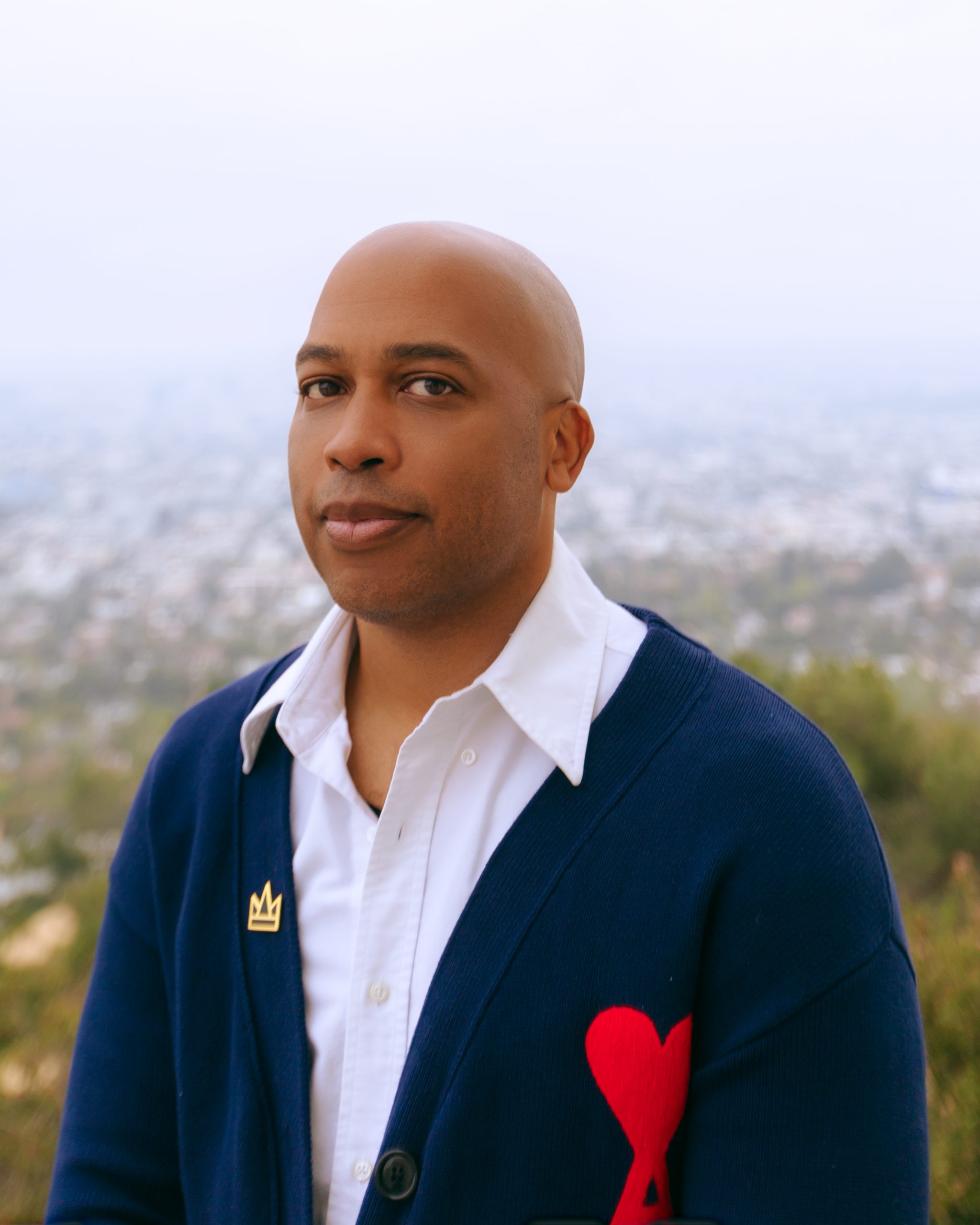
For his second book, local author Rasheed Newson showcases LA queer history, steamy cruising spots of yesteryear, and what it meant to be gay and Black during the golden age of Hollywood.
After a lifelong love of old Hollywood and two decades working in the entertainment industry, “There’s Only One Sin in Hollywood” is a story Newson always wanted to tell. Newson’s writing work includes shows like “Lie to Me,” “Narcos,” “Bel-Air,” and others.
Following the fictional life of backlot fixer Aaron Toissant, Newson’s most recent novel showcases the glimmering facade of what it means to be successful in Hollywood during this time.
The novel’s journey follows Toissant’s life and eventual investigation into the suspicious death of fictional closeted Black actor Xavier C. Barlow. The narrative of their intertwining lives is told through Toissant, where he chronicles their journey for the ONE Archives in Los Angeles.
The novel is set during a pivotal time for the LGBTQ+ rights movement, years before the Stonewall riots and marriage equality, and under the Hays Code era of Hollywood.
The Hays Code governed the U.S. film industry from 1934 to 1968 with a list of restricted topics movies couldn’t include in their subject matter, leading to censorship. During the same time, the Cold War’s Red Scare also contributed to blacklisting and censorship.
These strict guidelines were made after a wave of conservative religious critics threatened to boycott films and values they claimed were “immoral,” according to the 1995 documentary “The Celluloid Closet,” which critiques 100 years of LGBTQ+ depictions in film.
The guidelines were made by a federal motion picture commission, and the code was named after the Republican political operative who helped shape it, Will H. Hays, according to the encyclopedia site Britannica.
A list of things prohibited, according to the film, includes: profanity, sex perversion, open-mouthed kissing, lustful embraces, seduction, rape, abortion, white slavery (which included prostitution and sex trafficking), nudity, and obscenity.
The Hays Code plays a part in the novel, where Aaron witnesses Xavier and other closeted actors do subtle changes to make the film queer-coded to those in the know. This becomes a central plot point in the book, leading readers to the dark side of the industry.
During this time period, it was illegal to be gay or participate in gay sexual acts, and many states had legal restrictions on people wearing opposite gender clothing. It was unsafe and career-ruining to be an out gay person during this period.
Homosexuality wasn’t decriminalized in California until 1975, with the passing of AB 489, according to the California State Archives.
The heightened level of danger and secrecy plays out in the novel as studio leaders do whatever it takes to protect their investment and monetary returns.
“Hollywood has done a very good job of convincing everybody that we’re this town where anything goes, and we just want to tell your story,” Newson said. “We are actually a very cautious, rather conservative business.”
Even today, LGBTQ+ representation and being out in the entertainment space remains an uphill battle.
LGBTQ+ inclusion in film hit a three-year low in 2025, GLAAD’s annual Where We Are in Film study found. This decrease in LGBTQ+ characters disproportionately affects LGBTQ+ characters of color. “Of the 112 LGBTQ characters recorded, 34 (30%) are characters of color, a decrease from the 36% counted the previous year,” according to the report.
Much of the opulence and Hollywood parties featured in the novel are set in the backdrop of real-life Black and queer Hollywood hotspots like the Dunbar Hotel, the Biltmore, Central Avenue, and the Crown Jewel.
Newson called Central Avenue the “heart of Black Hollywood in the 50s and 60s.”
Deed restrictions and discriminatory practices — like redlining — prevented Black families from living in or making a life in any other neighborhoods, according to the LA Conservancy website, leading to a prevalent Black arts scene in Central Avenue.
“I loved writing about the Crown Jewel (Cocktail Room) and how Black queers had a hard time sometimes getting into white gay spaces,” Newson said. “Even in gay spaces, racism is still a problem. Your average gay white man may not have been any more racially evolved than your average straight white man.”
“That there was segregation among queers is something we don’t like to talk about; it sort of just doesn’t come up in your average queer history,” he added.
Police targeting and discriminatory practices played a key part in the later portion of the novel.
Newson highlighted common practices of the time, including raids on suspected gay bars — which police called “fairy dusting,” according to Newson — and entrapment practices where undercover police posed as gay men to then arrest gay men they seduce or were propositioned by.
Black and Latino gay men endured especially harsh treatment from police, and lesbians were also subjected to raids in addition to bogus charges, detentions and beatings during this time, according to Atavist Magazine.
Newson also called out Los Angeles Police Department’s then-chief Bill Parker by name in the novel (via Touissant’s character), highlighting his targeting of gay men during his run as chief from 1950 to 1966.
Newson wrote, “his police force operated like a band of slave catchers. They stalked, entrapped, beat, captured, and sometimes killed their targets. High on their list of enemies were sex perverts — namely, homosexuals.”
Additionally, a pivotal point of the book highlighted the Black Cat Tavern raid in Los Feliz.
Predating the Stonewall riots by two years, the Los Feliz raid took place in 1967 on New Year’s Day and was the site of violent enforcement of anti-homosexuality laws and sentiment during that time.
The peaceful protest that followed a month after was one of the first forms of LGBTQ+ resistance for gay rights in the nation. The still-standing bar, now called The Black Cat, became California’s first LGBTQ+ historical landmark in October 2023.
“It was sort of fun because it rewards you (the reader) for knowing the history, but it doesn’t punish you for not knowing,” Newson said of the inclusion of the raid.
The novel’s local hotspot highlights don’t stop with historical significance.
Filled with a mix of deep, meaningful love connections and steamy one-time hookups, the book also highlights LA’s cruising scene.
Popular cruising spots during this time that Newson wanted to highlight include: Pershing Square, LAX bathrooms, the Subway Terminal Building, Central Library, the Biltmore Hotel’s men’s bar, and Griffith Park.
Newson’s addition of real-life LGBTQ+ history into his fiction writing is not new. His first book, “My Government Means to Kill Me,” did the same while covering a young Black man coming into his identity during the AIDS epidemic in New York.
He is currently working on his third book, based on a Black gay serial killer in San Francisco during the 1970s.
“There’s Only One Sin in Hollywood” is available now anywhere books are sold.
Books
Liza’s book a tale that’s better than most celebrity memoirs
‘Kids, Wait Till You Hear This!’ dishes on marriages, heartbreak
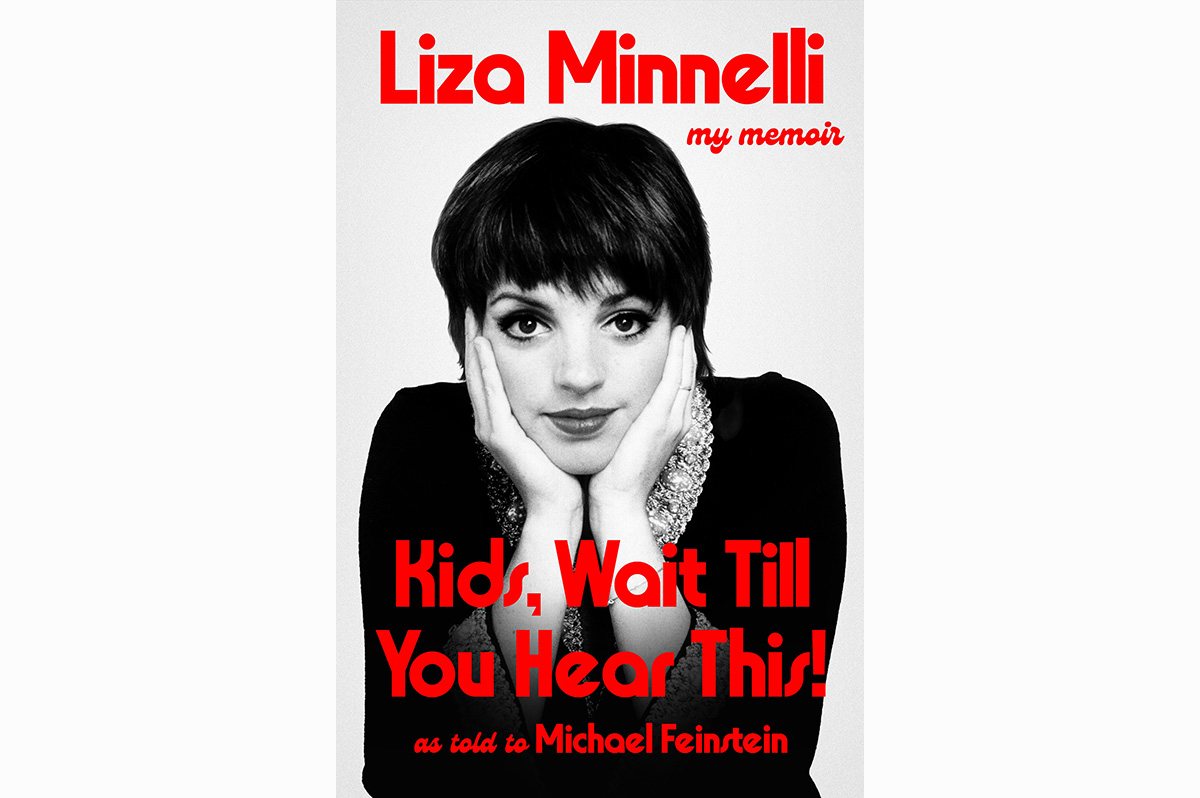
‘Kids, Wait Till You Hear This! My Memoir’
By Liza Minnelli, as told to Michael Feinstein
c.2026, Grand Central
$36/ 421 pages
Twenty feet In front of you, and you can’t see a thing.
Even the closest faces are in shadow – lit, but not quite enough for you to see for sure what the people there are thinking. Still, you can hear them, their gasps, their laughter, and applause. Such is life, on-stage. Now read “Kids, Wait Till You Hear This! My Memoir” by Liza Minnelli, as told to Michael Feinstein, and read about it beyond the spotlight.
Almost from the moment she was born, Liza Minnelli was famous.
It was inevitable: her mother was Judy Garland. Her father was director Vincente Minnelli. Her godparents were Hollywood glitterati, her neighbors were famous, her playmates would be famous someday, too.
But her life wasn’t all starlight and happiness.
She made her stage debut as a toddler. She became her “mother’s caretaker” at age 13.
At 16, she had a growing career of her own – one that her mother tried to stop. But, she says, “In her own way, Mama was wonderful to me. Try understanding – she was my mother, not a movie star…. I knew her as the person who loved me and always would.”
At 19, Minnelli was working, happy, and madly in love with the man who’d become her first husband, and life was wonderful – until she came home one day to find him in their bed with another man. Before they were divorced, she lost her beloved mother, and became “engaged” to two other men simultaneously, neither of which made it to the altar with her.
She married her second husband, the son of one of her mother’s former co-stars, in 1974 but her love affairs and addictions led to a second divorce.
Her third husband was a stage manager.
She doesn’t have much good to say about her fourth, and last, husband.
Overall, she says, “You gotta play the comedy for all it’s worth and leave ‘em laughing. Even when your heart is breaking.”
Are you expecting bluntness, sass, or attitude here? Good, because that’s what you get inside “Kids, Wait Till You Hear This!” It’s strong on honesty and don’t-give-a-flip. It’s wonderfully edited, so it moves fast. It’s eye-opening and funny and a pleasant surprise for a first, and only (so far), memoir.
Even better, author Liza Minnelli (with best friend, Michael Feinstein) is really quite candid and nicely gossipy, starting from the beginning. There are some Hollywood folks, in fact, who are feeling edgy because of what’s inside this book and the secrets spilled. Minnelli and Feinstein seemed to have fun telling her story, and they comfortably lure readers in.
That’s not to say that it’s all a cabaret. Minnelli tells about her addictions and recoveries, her marriages and why she wed two gay men, and the losses she endured, including miscarriages, deaths, and broken relationships. The bad balances well with the good for a tale that’s several notches above most celebrity memoirs. “Kids, Wait Till You Hear This!” is, in fact, a real joy to read, a genuine bright spot.
The Blade may receive commissions from qualifying purchases made via this post.

The new “chosen family”: Suzanne Bangis on building a family through third-party reproduction

Actor Christian Tyler Dorey is a Jack of all trades

Trump uses anti-trans slur against Democratic Senate candidate

Michael Kearns has died six days before his planned return to the Celebration Theatre

‘A disgusting attempt to exploit lesbian intimacy for political attention’: suggestive Steve Hilton ad draws criticism

Lula, Flávio Bolsonaro to face off in second round of Brazilian presidential election

The California Gubernatorial Debate missed getting real

Transgender woman elected to Brazilian Chamber of Deputies

From bullying to bravo: Joey Zauzig talks finding yourself while making people feel seen

Evan Low is not the leader the Victory Fund needs at this moment
-
 Brazil4 days ago
Lula, Flávio Bolsonaro to face off in second round of Brazilian presidential election
-
 Commentary5 days ago
The California Gubernatorial Debate missed getting real
-
 Brazil4 days ago
Transgender woman elected to Brazilian Chamber of Deputies
-
 a&e features5 days ago
From bullying to bravo: Joey Zauzig talks finding yourself while making people feel seen
-
 Opinions4 days ago
Evan Low is not the leader the Victory Fund needs at this moment
-
 History4 days ago
Preserving the past: Robert Kesten on Stonewall & storytelling; LA Blade joins at the Abbey, Tuesday, October 6th at 6 pm
-
 Television5 days ago
Engrossing ‘Tip Toe’ delivers tension and an ominous warning
-
 opinions3 days ago
The facts about Victory Fund’s investigation and the path forward
-
 Georgia3 days ago
In Ga., 2 trans candidates believe voters are ready for them
-
 Books5 days ago
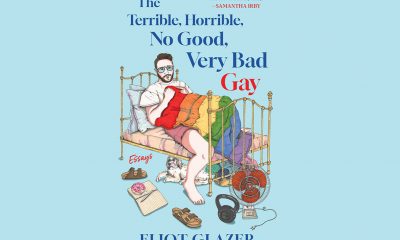
Eliot Glazer’s new book an engaging collection of essays