
a&e features
‘The Golden Girls’ writer Stan Zimmerman reflects on 40th anniversary, coming out, and working with Roseanne Barr
Zimmerman co-wrote the infamous Season 6 Roseanne episode Don’t Ask, Don’t Tell, which prompted controversy at ABC simply for featuring a same-sex kiss
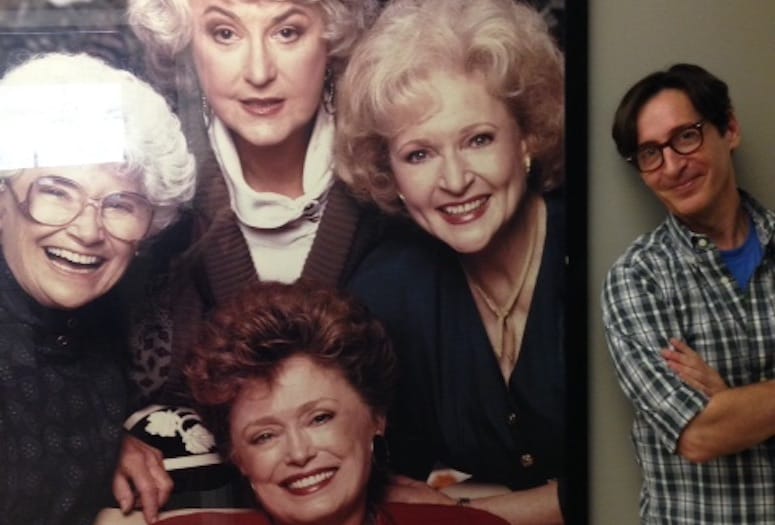
The Golden Girls, one of the most beloved sitcoms of all time, quickly resonated with the LGBTQ+ community due to its stars Betty White, Estelle Getty, Rue McClanahan, and Bea Arthur. But in 1985, when Season 1 began airing, the environment surrounding the making of the show wasn’t so supportive for its gay writers, who started on staff without being out to their co-workers. Stan Zimmerman and his writing partner, James Berg, decided to open up in a local paper.
“Our representatives thought it was a bad idea, but it was a relief for us to finally come out,” Zimmerman tells The Blade. “It’s hard to go to work and be yourself, especially in a job where you have to open your heart and mind and be open to talking about things that you were going through to then create episodes around. Imagine going to work, and you can’t divulge anything. How can you really bring your best talents to the table?”
Starting out the new year, Zimmerman reflects on the show’s 40th anniversary and continued impact. The Blade spoke with Zimmerman about his experience coming out while working on Season 1 of The Golden Girls, dining with Estelle Getty, and writing on Roseanne — notably the Season 6 episode Don’t Ask, Don’t Tell that featured a kiss between two women and prompted outrage from the network. (This interview has been edited and condensed.)
As people have celebrated The Golden Girls turning 40 in 2025, what’s on your mind as you look back?
Of course, tons of memories. But talking about the 40th anniversary, when going into a career, I just wanted a job. And then pretty early on, I landed on the first season of The Golden Girls, and that was more than a job — it changed my life. At the time, you don’t think you’re gonna be talking about it forty years from now, especially when you’re super young like I was. You just want to be able to buy food and pay for living. Then you see that show go through so many renaissances and see new audiences come to it. You know, that first wave was, “Wait, you’re too young to have watched the show. How do you know about it?” And then these waves kept coming and coming. But I feel like right now, this is the biggest wave ever. The show is more popular today than it was back then, and you just see so many generations of people enjoying it and so many age groups. I’ve been involved in television for a long time, and luckily, been involved in a number of big hit shows, yet the thought that one show could attract young kids all the way to older people is pretty wild. With most shows, you only aim for a certain demo.
I have luckily heard so many beautiful stories, especially of LGBTQ+ members sharing their Golden Girls viewings with grandparents. It was such a great way to bond and laugh, and also touch upon a lot of subjects that you probably would not bring up at the dinner table. You’re laughing with them, or you’re seeing characters come out of the closet, and you’re watching these older characters in the show work through them, realizing how important these family members and friends are in their lives.
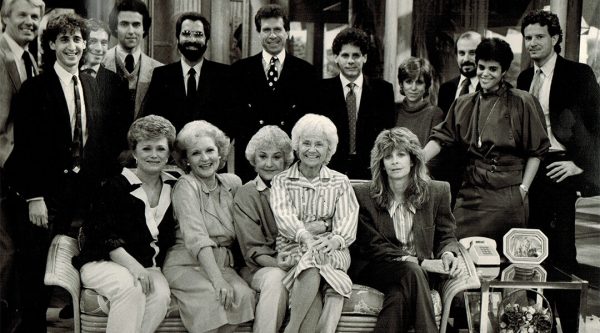
The path to getting into a writers’ room back in 1985 must’ve been so different than what it’s like starting out now. How did you get your foot in the door with a staff job on The Golden Girls?
It’s so funny that you would use the phrase “Foot in the door.” My grandmother must be speaking through you because she always said to me, “Just get your foot through the door, Stanley!” This was after Golden Girls, and I said, “I think my foot’s in the door, I’m trying to shove the rest of my body in.” Obviously, when I started out, there were nights that were just four sitcoms in a row on one network. And for many years, we would have multiple offers to go on a TV series. Now, we’re lucky if there are two or three comedies. There were just more places for us to learn. I’ve always said that Golden Girls was like our college writing 101 classes — how do you write a TV comedy? We were also doing 22-24 episodes a season, so that repetition of learning structure was so fundamental to my growth as a TV writer. Today, writers are lucky if they do six episodes a season. We did a sitcom that we created called Rita Rocks. We did 40 episodes. Then, it was two seasons, and it was OK, a middling success. But if you did 40 episodes of a show now, that would be huge.
You see a few shows now, like Abbott Elementary, that have big season orders and return yearly. But now everything’s a limited series, six or eight episodes. You just don’t get to spend as much time with the characters, which is part of what we love about TV.
And as a writer, we love it because you really get to explore all the different facets of characters and paint them into corners and see how they get out of it. That was really exciting. But also the flip side of that is that at the end of the season, you were exhausted. You had a table read on Monday, and you were filming it on Friday, come hell or high water. You stayed as late as it took.
I gave up a lot of my personal life to work on TV shows. Sometimes, as we get older, we question what could have been, but I loved every moment of it, even the ones that were a little more challenging, like being on Roseanne and dealing with her, and delving into so many interesting storylines. Especially the lesbian kiss episode, which we wrote.
People think of Golden Girls as a very progressive show with a big queer audience, yet, especially in that first season, I know being gay was taboo in the industry. When do you think studio execs started realizing how much the show was resonating with queer people?
I remember going through West Hollywood on a Saturday night when the show was on, and there’d be nobody on the street because they were all in the bars, watching the show on monitors. And I will have to admit, occasionally, I would drop the Golden Girls credit to see if I could get a free martini — that might have worked here and there. But years later, I’d go to gay bars and still see clips of my shows or just meet LGBTQ+ people who knew every word of the scripts. That was really fascinating that it resonated with the audience so much.
And I got to know Estelle Getty, who played Harvey Fierstein’s mother on Broadway in Torch Song Trilogy. She was very friendly with the gay community and would invite me out to dinner, and I got very excited. There’d be 20 gay men, all actors from different companies of Torch Song. She just felt very comfortable being in the company of a gay man.
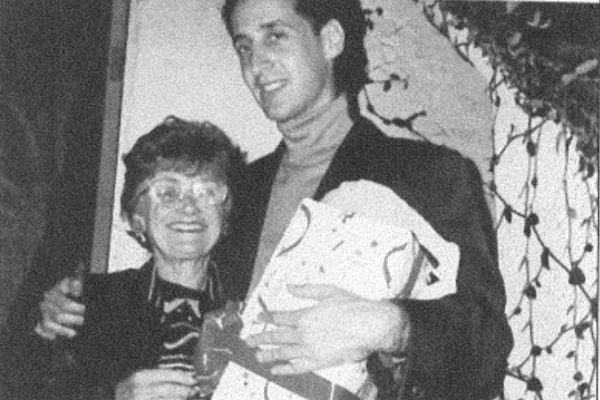
After you came out as gay in the ‘80s, there was a lot of press attention. What was your experience with that?
Back then, it was a big deal if you came out. Obviously, we weren’t household names or actors whose faces were on cameras — those people had to come out on magazine covers. Many of my friends who were actors who were gay or lesbian had to come out in their own way, or else a lot of the tabloids were going to out them anyway. So we got to pick when we wanted to come out, and it was an article in a local paper.
It was a relief, but then for a while, it just opened up the discussions to those writers’ rooms, who were mostly male writers. They just had a zillion questions, all day long. They’d be asking us gay questions, and we’d be like, “Can we write the show and not talk about something gay?” Or we would be at Paramount in an office, and there’d be a window, and a beautiful girl would walk by. The writers would go, “Nothing?” and we’re like, “No.” And then when a hot guy walked by, we’d go to them, “Nothing?” So it got some lively discussions going in the room, which was cool that we got to share that and open up a lot of minds and hearts. Then, turning to a show like Roseanne, Tom Arnold would be running up and down the halls yelling, “Where are my gay guys?” — meaning James Berg and me. And we just kept thinking, “Oh, my God, you can’t say that out loud.” Today, there’d obviously be a lawsuit if you said that.
I wanted to ask you about Roseanne, specifically the Don’t Ask, Don’t Tell episode in Season 6. The network threatened not to air the episode. What was your experience writing that episode and then facing the industry’s reaction?
We knew it would be an interesting episode because Roseanne Barr, on the show and in real life back then, was very open and liberal. So we thought about what story we could give her where we questioned that. If she got kissed by a woman, was she comfortable with that? How did people in her life react? We had no idea that the network would balk at that because it was just a nanosecond of a kiss. ABC flat out said, “We’re not going to let you film it.” Why? What did they think would happen?
You look at the parallels to today. Why do we not want drag queens reading children’s books to kids? Back then, were they afraid that if they saw two women kiss that every woman would turn into a lesbian? It’s so preposterous when you really think about it. We watched a lot of straight entertainment growing up. Did we turn out straight? It’s really about changing their minds and getting people to wake up to what the reality is. There always was and always will be LGBTQ+ people in our society. The sooner we embrace that, I think our society can start to move forward.
You talked about your experience in the writers’ room on The Golden Girls. What was your experience writing on Roseanne, and how was it different?
Golden Girls was terrifying because it was a small writers’ room, but we knew we were writing for four of the best actresses on TV of all time. So there was that pressure. And when the ratings started exploding, I think NBC and the producers knew that they had a piece of gold they had to hold on to. So they were very careful to make sure that every word that went down on set was brilliant. With Roseanne, she had 21 writers on staff, so Tom Arnold and Roseanne Barr, who were married at the time, would bring in their stand-up comedy friends like Norm Macdonald, who had not written for TV at all. We kind of had to teach them how to write for television. Some of those rooms were very intimidating because they were stand-up comedy people who just opened their mouths and were [naturally] funny.
Some rooms I felt really comfortable in and could talk. In other rooms, I just felt so quiet and afraid to speak. Then there was a lot of dysfunction on set when we would have to go down there. Roseanne Barr just created this work environment of fear because we were told, “If she sees the whites of your eyes, you might get fired. So just stand behind the tallest person.” Then, of course, we go and write this lesbian kiss episode. She wanted to know who the hell wrote that, and suddenly, we were thrown at her. But luckily, she just loved it and fought for it. Tom and her got it on ABC, and I will always be thankful to them for that, no matter what her politics are now.
Earlier, we talked about fewer comedies airing on TV in this changing landscape. Across the years you’ve worked in comedy, what have you noticed about the evolution of the sitcom and why there are so few today?
There’s more opportunity in streaming to have really interesting comedies. It’s old now, but I really like a show like Girls by Lena Dunham. But as far as network television, they completely dropped the ball. They got so nervous about offending anybody or taking chances that they became so safe and stale with regurgitated jokes. I would watch or attempt to watch new sitcoms, and it felt like they were using the same writers, and the writers were using the same jokes, and the set-ups for the shows were just the same. When they saw audiences fleeing to streaming, they should’ve taken that opportunity and trusted writers of all ages. There’s no way to predict whether a show is going to be a hit or not — you can do all the testing.
Networks were and are still very afraid of any LGBTQ+ content. We wrote a show on spec called Skirtchasers about a father and his lesbian daughter who both chased women and cheated on those women. Everybody loved the script and had never heard anything like it before, but we were told, “We already have our one gay show this season.”
In recent memory, what are some queer shows or films that you think have done an excellent job with representation? Or just any queer creators or writers you’ve been impressed by.
Actually, last night I watched that Heated Rivalry. It is so freakin’ hot, and it’s so subtle and interesting. I kept thinking I’d be bored, but I just like the pace of it. The actors are good, and it’s obviously very sexy. Then you have the gay sensibility for something like The Gilded Age, which is not a comedy, but I just love the cast. It’s the straightest gayest cast ever! It’s a Broadway wet dream. The show is also produced and directed by Michael Engler, a very good friend of mine who I went to NYU with. I asked him to direct the first play I wrote. I’m so proud watching that show and seeing the twists and turns it’s taking. The White Lotus is a phenomenon on its own, so I do love that. Hacks is really fun — I mean, anything Jean Smart does. We were lucky to have her in the first Brady Bunch Movie.
You mentioned your first play, and most recently, you’ve been working in theater and doing advocacy work. What inspired that?
Especially after COVID, I just love the idea of being in the theater with live people having this experience that is so unique to that one performance — it will never, ever be the same. Luckily, my TV career has enabled me to be able to go off and do theater. I created the play Right Before I Go, which is my suicide awareness play, using real suicide notes and also telling the story of a very close friend of mine who died by suicide 15 years ago. I’ve been traveling the United States with it, and made my off-Broadway acting and playwriting debut this past September, which was Suicide Prevention Month. It had a lot of queer actors in it: Wilson Cruz, Maulik Pancholy, Danny Pintauro, and then gay icons like Wendy Malik from Hot in Cleveland and Christine Taylor from The Brady Bunch Movie. That was really impactful, and I feel needed. In New York, audiences kept saying during our talkback that there’s no other theater like this that gives you a safe space to watch a show like this and then talk about it with a local mental health professional on stage.
When you get involved in projects, it takes so much of your life. I want to go out and either make people laugh, cry, but be moved. And that’s very exciting to sit in the theater and realize they’re having these emotions because of something that I created.



a&e features
It’s time to get ‘Delulu’ with Ryan Lu
The hit podcast host breaks down the manifesting mindset that got him to where he is
Even in a city filled with different takes on spirituality like Los Angeles, it is still hotly debated whether manifestation actually works. But no matter which side of the argument you fall on, it’s undeniable that manifesting truly does help the people who commit to the practice, with many folks crediting it as vital in their journey towards self-fulfillment.
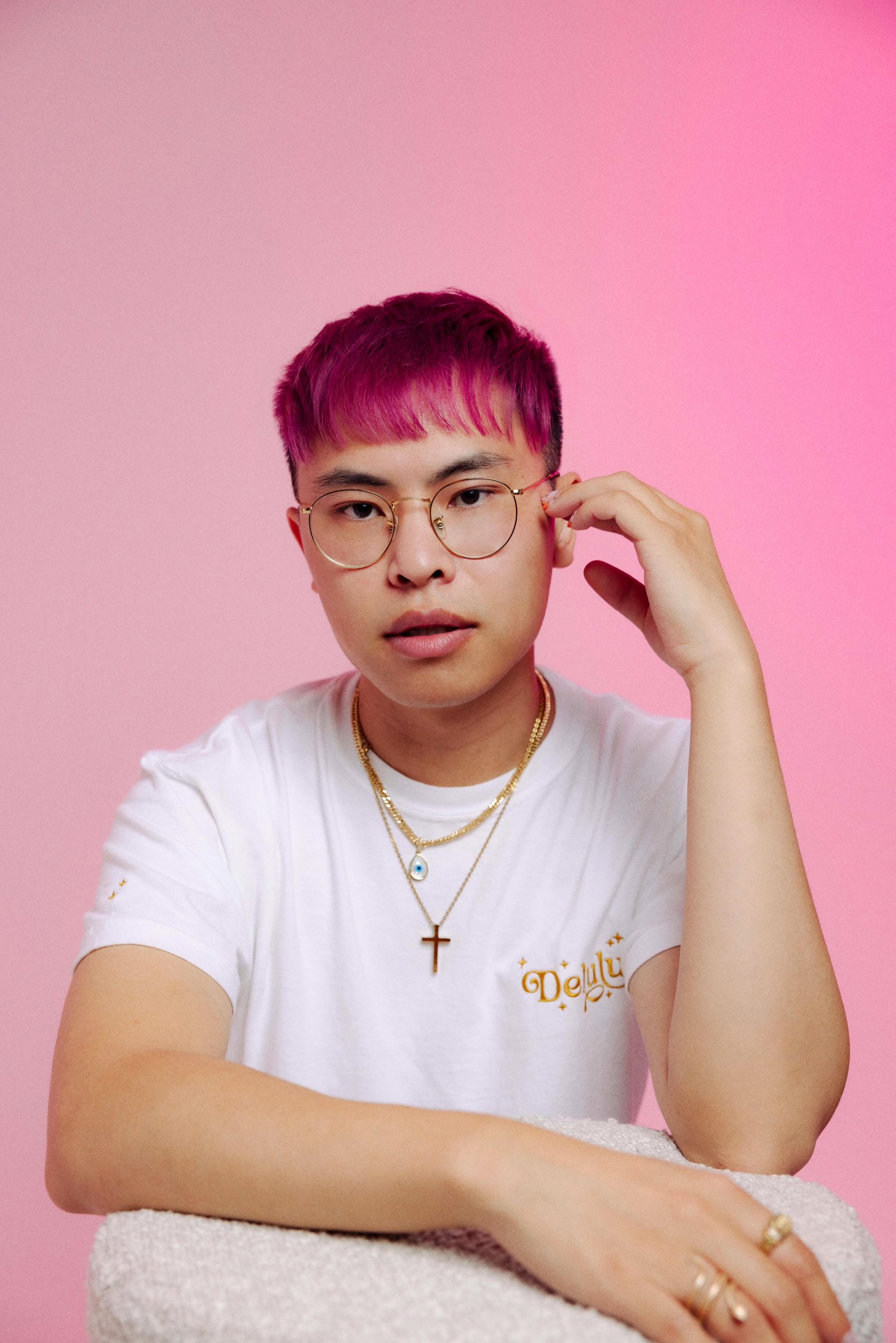
These success stories believe that manifestation is one of the best ways to truly go after your dreams. And few Angelinos are better evidence of that than the host of the hit podcast Delulu with Ryan Lu, Ryan Lu.
Ryan always yearned for a life in the spotlight. Speaking with the Los Angeles Blade, he explained, “I pretty much spent my entire adolescence dreaming of LA and Hollywood, but I wasn’t a Nepo baby; I didn’t have any connections…I didn’t know anything.” So, despite his dreams of fame, Ryan pursued a more ‘practical’ path, studying psychology at Cal State Fullerton before finding work as a teacher. He’s immensely thankful for the many skills these experiences taught him, but always recognized that they weren’t the correct life paths for him. He wasn’t ready to give up on his early dreams of stardom! That’s why, the moment one of his TikToks went viral, he quit his job, packed up everything he had, and moved to New York City.
It was a decision that everyone around him (understandably) called risky. But for Ryan, it was the easiest choice he’d ever made, stressing, “There was no other option for me — genuinely. It was either I do this, or I die.”
It took many more months of creating online to find his niche, with the man learning that his steadily growing audience appreciated hearing about the spiritual techniques that guided his life. As he began opening up about these online, Ryan’s fanbase grew, with the creator’s follower count now sitting at more than 1.5 million online users across Instagram and TikTok.
It was because of this newfound success that Ryan launched his podcast Delulu with Ryan Lu in 2025. The chart-topping series features him sitting down with guests like Vivian Wilson and Willam, LGBTQ+ stars who speak with the host about the manifestation practices that helped them get where they are today. It’s been an immensely affirming project for Lu, with the man not only being grateful for the chance to speak with such astounding individuals, but also to bring the helpful art of manifestation to thousands of new listeners with each episode.
The podcast host has spent the past few years thrilled over these major successes. And he emphasized that, throughout it all…he was completely, utterly terrified.
“Wherever I am in my career right now, and whatever I’ve established, I’m still so scared…because, like, I don’t know what the f*ck I’m doing!” Laughed Ryan, opening up about the harrowing experience of betting on yourself. “But it is a lot of delusion, and it’s a lot of the manifestation and affirming that not only is it gonna work out, but that it’s going to work out exactly how it needs to. I remind myself it’s gonna work out better than I’m expecting, and I think that gave me a lot of reassurance making that jump.”
Ryan Lu has used manifestation to achieve many of the lofty goals he’s had since childhood — but how exactly does he define the practice? He views manifesting as: “Speaking what you want into existence, but also knowing what you want already exists.”
“It’s already yours, and it’s as easy as claiming it. You’ll see my videos where I say to just claim it — and that’s genuinely the truth of the matter. There’s a reason you want it. There’s a reason this desire exists in you,” he continued. “So, I think manifestation is just creating the existence that you want for yourself, and also knowing that you’re already living in it.”
He understands that, while this has helped him achieve his goals, claiming your dream life is much easier said than done for many LGBTQ+ individuals today. That the chaos of modern life doesn’t leave us much time to focus on the dreams that society often tells us are destined to fail.
But Ryan reminds everyone that manifesting is not some bombastic affair that requires a bunch of time and theatrics. “Just start by speaking nicely to yourself,” he stressed. “It doesn’t have to be a long practice — maybe spend 30 seconds to a minute. Then start by manifesting small things, and believe that those small things [are possible]…and you work with the fear. We don’t try to erase the fear, because fear is a human emotion, and it’s very natural. And it’s okay to feel it, but you work with it, and you don’t let it stop you. Because, really, nothing could stop you except yourself. But you’re not even gonna let yourself stop yourself, either.”
And so, Ryan Lu encourages everyone to take a minute each day to be kind to themselves, and to remember that the dreams they’ve always wanted actually do exist in the world and are just waiting for you to grab them. Whether you believe in manifestation or not, it’s an affirming, inspiring way of pursuing your goals. And, to the delight of both him and his millions of followers, it’s a practice that has helped Ryan Lu become the person his younger self always wanted to be.
a&e features
How Georgia Oakley brought queer representation into ‘Sense and Sensibility’
The LGBTQ+ director speaks about modernizing Jane Austen for a diverse audience
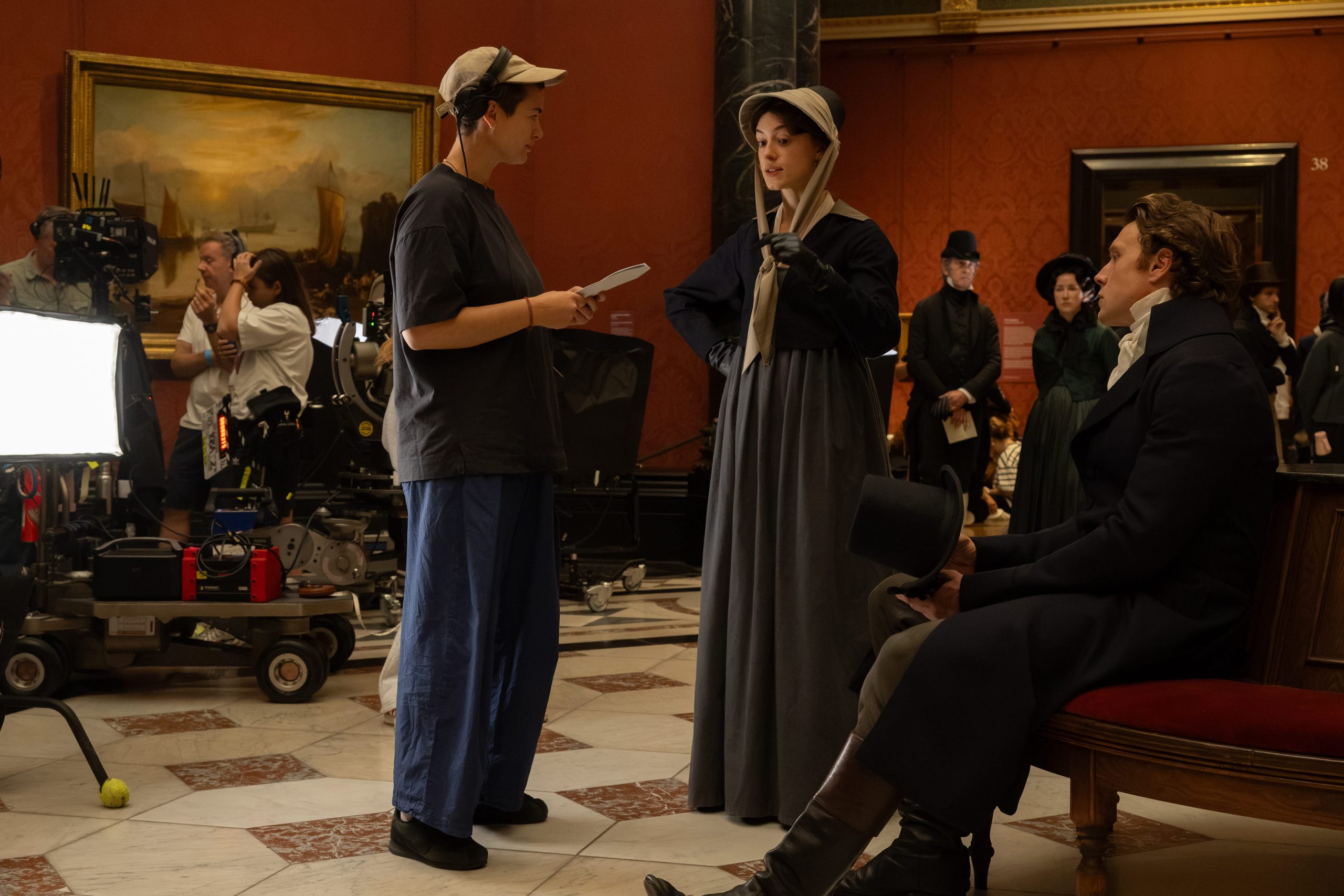
Sense and Sensibility hit theaters in October 2026, yet another star-studded adaptation from the works of renowned romance author Jane Austen.
Many people walked into the theater expecting your usual Austen fare. Whether it be Persuasion or Pride and Prejudice, almost every cinematic retelling of the writer’s works offers a deeply dramatic, relatively conventional image of love during the Regency era. And, in many ways, Sense and Sensibility is just that; the film focuses on sisters Elinor (Daisy Edgar-Jones) and Marianne (Esmé Creed-Miles) as they struggle through harsh social constructs while yearning for their true loves. But viewers may be shocked to learn that this romance is only one part of the complex narrative this adaptation is telling. The 2026 Sense and Sensibility touches on themes of feminism and consent, and it’s grounded in a deep exploration of these sisters’ bond rather than just the men who occupy their lives. The movie is being applauded as a wonderfully modern approach to this historic story, which is all thanks to the accomplished queer director at its helm, Georgia Oakley.
LGBTQ+ film aficionados will know Oakley from her previous film, Blue Jean, which follows a lesbian teacher in the 1980s hiding her identity in fear of persecution. This blatantly queer piece is a far cry from the heteronormative Sense and Sensibility, but when speaking to the LA Blade, Oakley emphasized that this project was the perfect follow-up to her previous work. “Although the films are very different, both explore the pressures society places on people and how those pressures shape our private lives,” she explained. “What really excited me about Austen was how contemporary her understanding of women’s lives feels. We tend to think of Sense and Sensibility as a love story, but beneath that is a much more radical examination of the economic and social structures that determine what women can expect from life.”
Through Oakley’s interpretation, audiences see the deeply misogynistic economic and romantic customs that routinely disenfranchise our protagonists. Whether it be convoluted laws booting them from their home or a male-favoring society leaving each sister emotionally destitute, the film interrogates practices that other adaptations begrudgingly accept. It refuses to cast Elinor as ‘Sense’ and Marianne as ‘Sensibility,’ but rather spotlights the valid ways each woman chooses to survive these unjust systems. “I wasn’t interested in updating Austen because I thought she needed it,” Georgia stressed. “I wanted to make this film because she already understood something that remains remarkably contemporary: the gap between the life a young woman wants and the life society makes materially accessible to her.”
While this is definitely a more feminist approach, queer audience members may still be turned off by the utter lack of LGBTQ+ representation in the story. But, as Georgia Oakley’s role as director shows, while this Sense and Sensibility doesn’t feature queerness in its text, it more than makes up for it with its team.
Not only is the jovial mentor Miss Jennings played by renowned lesbian actress Fiona Shaw, but Sense and Sensibility makes history as one of the first Austen adaptations to cast a nonbinary performer with musician Eliot Sumner, who plays the steely Mr. Palmer. Georgia raved about their performance in the film, saying, “Casting always begins with finding the right person for the role. We saw lots of people for Mr. Palmer, and Eliot was the standout.”
“I also loved the idea of making a gentle nod to the fact that queerness existed in the 1790s, just as it does now,” she continued. “We can sometimes imagine the past as a much more homogeneous place than it actually was, but queer people have always been part of the fabric of society, even if history hasn’t always made space for their stories. I hope having Eliot in this world allows LGBTQ+ audiences to feel that sense of belonging, without their presence needing to be explained or justified.”
All of this not only makes 2026’s Sense and Sensibility a thoroughly feminist version of this classic story, but a shockingly queer one as well. Not just because of the many LGBTQ+ creatives who made it possible (although that certainly doesn’t hurt). But because it showcases two young women mistreated by society who take their lives — romantic and otherwise — into their own hands, an autonomy that is too often missing from period pieces like this. It’s a radically welcome addition to the expansive universe of Austen adaptations. And it’s because of this change that Georgia Oakley created not only a beautiful love story, but a nuanced tale of claiming your place in the world that any audience member can see themselves in.
While some may be feeling a bit of comic book movie fatigue with the MCU and DC films, there’s still a startling lack of LGBTQ representation. While comics and graphic novels have a bit more representation, there has been a need for more queer folks with superpowers, magical abilities, and sci-fi adventures. Enter: Prism Comics.
Prism Comics is a nonprofit championing LGBTQIA+ representation in comic books, graphic novels, and popular media. They uplift creators, highlight queer comic book writers and artists, and even offer grants. They run Q Con, a queer comic mini convention that partners with City of West Hollywood. Their latest Q Con featured 100 LGBTQIA+ comic creators, artists, and cosplayers and over 1400 attendees of all ages. The 6th Annual Q Con is set for Spring 2027.
They’re expanding into live social events with the Prism Comics Rainbow Book Club.
This book club brings together anyone under the rainbow umbrella who likes comic books and graphic novels. Each month they’ll highlight a work penned by a queer author or highlighting queer character(s). The monthly events will be held at Moby’s Coffee and Tea Company.
Ted Abenheim, the President of Prism Comics, and Emma Schulman, the mastermind behind the idea and the book club’s coordinator, took some time to preview their plans for this exciting new social group and what’s going on in the world of comics.
What can you tell me about the Rainbow Book Club?
ES: The Book club is a space for everyone who wants to read more books with LGBTQ characters or/and authors. Specifically, graphic novels or comics. Each month, the group will vote on a book that we will then read in the following month. We will then meet up at Moby’s Coffee & Tea Co to discuss the book. Through this club, we will be continuing Prism’s mission of creating a welcoming, safe, and collaborative environment for comic book readers and creators.
TA: Emma came to us as a volunteer, offering to start and run the book club for Prism Comics.
What was your goal in creating this opportunity for queer people to connect?
TA: Acceptance of LGBTQIA+ comics and comics creators has come a long way since I joined Prism over twenty years ago. But as you know, the community is facing a huge backlash of discrimination, hate, and book banning. Our main goal is for the Book Club to be fun and social, but it’s also one more way to fight the backlash, to show power in community. I also want to give a big thank you to Moby’s Coffee and Tea Company in North Hollywood for being a generous ally and letting us hold our monthly meetings at their very cool coffee house.
ES: I am a writer, and I love being able to share stories with others. For me, hosting this event is another way of being able to do that. I wanted to create a space for people to connect with comics and graphic novels that are LGBTQ centered. I think having space where LGBTQ books are being centered is especially important with the rise of book bans and the growing attack on our community.
Why do you think LGBTQ people are drawn to comic books/graphic novels?
ES: I think comics have been a way for us to express our identities freely. From the X-men to Harley Queen and Poison Ivy, comics have been a way for us to express who we are without a mask. Pun intended.
TA: I think almost everyone is drawn to comics and graphic novels because they’re a very accessible medium. People are attracted to comics for the art and the stories, and they like seeing themselves included in those stories. Years ago, we didn’t see many queer characters and stories in comics, and now we do. Now there are lots of LGBTQIA+ graphic novels (especially for young adults), mainstream comics with mainstream queer characters, publishers celebrating Pride Month, and the growing number of webcomics that can appeal to more diverse and intersectional queer readers – transgender, bisexual, ace, gender queer, and people of different races and backgrounds.
What are some pivotal queer comic book storylines our readers should check out?
TA: I’d recommend the pioneering works of Howard Cruse (Stuck Rubber Baby) and Alison Bechdel (Fun Home). Rupert Kinnard created the first ongoing gay/lesbian-identified African-American comic-strip characters, and his comics were recently collected in a beautiful book called Ooops…I Just Catharted! Fifty Years of Cathartic Comics. No Straight Lines: Four Decades of Queer Comics is both an anthology and the terrific documentary made by Vivian Kleiman and Justin Hall. Jeff Krell (Jayson Comics) and Diane DiMassa, whose 90’s alternative comic Hothead Paisan: Homicidal Lesbian Terrorist was finally republished last year. And Roberta Gregory, whose great underground comics were just collected as well.
ES: Tillie Walden (Charity and Sylvia) is someone to look out for. Ted said almost everyone that I was going to say.
Who are some LGBTQ authors or books to keep an eye out for?
TA: There are so many amazing creators in the newer and upcoming generations – Mariko Tamaki (This One Summer, This Place Kills Me), ND Stevenson (Nimona), Lee Knox Ostertag (The Witch Boy, The Deep Dark), Jen Wang (The Prince and The Dressmaker, Ash’s Cabin), Maia Kobabe (Gender Queer), Alice Oseman (Heartstopper), Tillie Walden (Charity and Sylvia), and the comics of Sina Grace, Nicole Maines, Josh Trujillo, Steve Orlando, Vita Ayala, Tini Howard, Stephanie Williams and so many more. Even though we’re facing more discrimination and hate than I’ve seen in decades, there are still terrific new queer comics and graphic novels coming out every month.
ES: Kieron Micheal Gilles run of Doctor Aphra is one I always recommend, especially if you’re a fan of the enemies-to-lovers arc. You also don’t have to be a huge Star Wars fan to enjoy it. I know I mentioned Charity and Sylvia already, but I think that’s a great book, especially in terms of showing how queer people have always been here and have always found ways to build meaningful lives. The Long Lived King, coming out later this month, is a graphic novel sequel to the TV show The Owl House written by the show’s creator Dana Terrace.
Anything from comic book culture media you are super excited about?
ES: I think comics are having a really special moment right now, and I think because so many LGBTQ people are drawn to comics, it will allow for there to be more representation not only in comics but in other mediums as well. I also think that because of the independent nature of comics I think it’s going to continue to be a medium that will allow us to fight against censorship and to fight against the people who want to erase our community.
TA: I was very excited about the explosion of queer YA graphic novels and the introduction of major queer characters in mainstream comics in the last decade: Tim Drake (Robin), Jon Kent, Wiccan and Hulkling, the many characters in the X-Men universe, Dreamer, Alan Scott (Green Lantern), Kevin Keller in Archie Comics, and others. But the pendulum is swinging back in the other direction with the erasure of DEI. I am excited to see publishers still supporting queer creators and queer comics and graphic novels in the face of erasure. That keeps me going… plus the fact that there are more books out there for pre-teen LGBTQIA+ readers that we can offer to the increasing numbers of parents and families who come to our booths.
What inspired Prism Comics?
TA: Prism was founded by a group of dedicated comics fans in an organization called The Gay League, which is still going strong today as a website and on social media as an online community group. They wanted to start an official nonprofit 501c3 to support queer comics readers, exhibit at conventions, and foster upcoming queer comics creators. So Prism Comics was founded in 2003 with a booth at San Diego Comic-Con. I discovered Prism at Comic-Con in 2005 and was thrilled to find a community of other queer people into comics. I’ve been involved with Prism ever since, helping with the booth at San Diego Comic-Con for years and then as President in the last decade. With Prism Comics, I can fulfill both my love of comics and be of service to the community.
Anything exciting coming from Prism?
TA: We’re exhibiting at six comic conventions around California through the end of the year and gearing up for 2027 when we plan to exhibit at over a dozen and a half comic conventions. Our main Southern California shows are WonderCon Anaheim, Los Angeles Comic Con, Comic Con Revolution in Ontario, San Diego Comic-Con, and our very own Q Con, LGBTQIA+ comic convention in West Hollywood.
Meetings of the Rainbow Book Club will be held the 2nd Sunday of each month from 2 to 4 pm starting October 11th. To register or for information, please visit https://forms.gle/72AozDqHKG8GufMs5 or prismcomics.org.
a&e features
A ‘Heaux’-le New Church: Brandon Kyle Goodman brings a queer spiritual experience to the stage
Heaux Church creates a queer inclusive community for Heauxs of all kinds
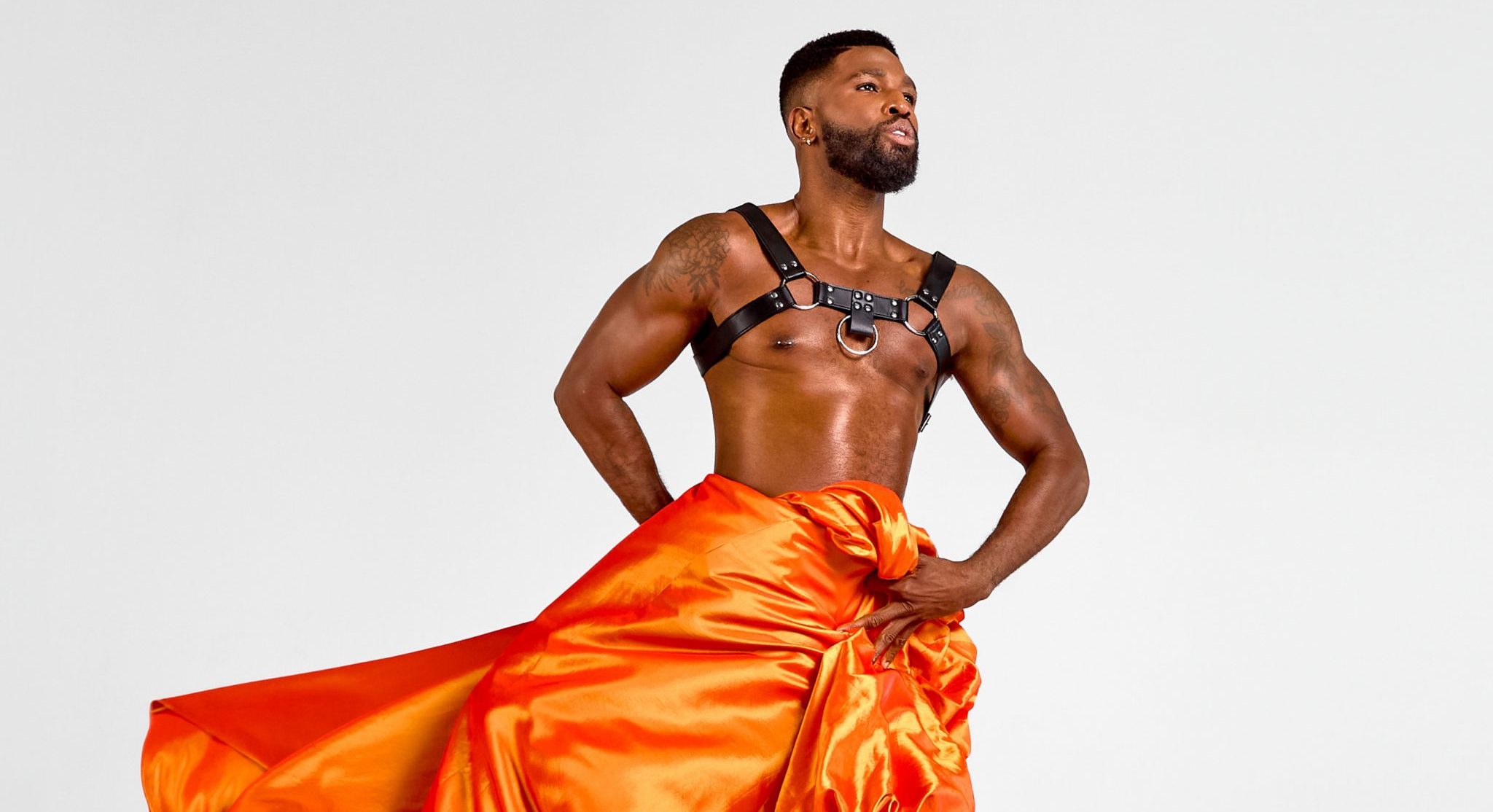
A wise black elder once said, “Black stockings. White shoes shouldn’t be allowed in the church.” While Kennedy Davenport’s comment about drag fashion was a joke, you cannot deny the connection between black culture and the church. However, for queer black folks, that means a fundamental part of your culture gets cut off because of the homophobic stance of many Christian believers.
Brandon Kyle Goodman, a self-professed pastor’s kid, wants to change that with their new show. Heaux Church. It’s a wild and irreverent show that creates a space for black queer folks to have their own ministry. The show focuses on inclusivity, celebrating positive views on sex combined with Goodman’s keen eye on culture and where we’re going. There is even a kiki where the audience can chat with Lena Waithe, Darnell L. Moore, and Kid Fury.
Goodman is a bit of a culture vulture who has made a name for themself with expansive creativity and an eye for pop culture. Goodman is a writer and performer who is best known for
Netflix’s smash hit and Emmy-nominated animated comedy series, Big Mouth, and its spin-off, Human Resources. Goodman was a writer and even appeared as Walter the Love Bug. With credits including Amazon’s Modern Love, Hulu’s Plus One, Netflix’s Feel the Beat, and ABC’s Abbott Elementary, Goodman has become a part of the pop culture they tackle with their humorous hot takes.
In 2024, Goodman launched their podcast, Tell Me Something Messy! with the iHeart network. On the show, celebrity guests and experts divulge their messy stories to help shuck off shame and celebrate their individuality. Goodman also joined E! News for RE!CAP co-hosting chats about Hollywood’s biggest nights.
Goodman is even an author with their first book, You Gotta Be You, released in 2022. From a viral Instagram personality to a well-established member of the pop culture they comment on, Goodman is now bringing their view on sex and spirituality, with an intersectional space for people of all races, genders, and sexual identities to connect in a ministry of fabulosity.
Goodman took some time to chat with The Blade about Heaux Church, creativity, and their goals for lifting our spirits.
Congratulations on Heaux Church. Can you tell me about the show?
Thank you! Heaux Church is part comedy show, part revival, part group therapy with better lighting. I remind everyone that I’m not a pastor, but I am a pastor’s kid, and I’ve set out to build a new kind of church. One that celebrates who we are as sexual beings and leaves shame at the door. I think it’s important to note that my definition of a heaux has nothing to do with body count.
A heaux is someone committed to their own liberation, and other people’s, by getting curious about their relationship to sex. Curiosity, communication, and compassion are a heaux’s tenets. We’re at The Elysian Theater in LA, November 5 through 8, directed by Lisa Owaki Bierman. Every night ends with a talkback we’re calling Kiki @ Curtain, and our moderators are Darnell L. Moore, Kid Fury, and Lena Waithe.
What was the creative process like for you?
Honestly? It started with Instagram and my podcast. Messy Mondays and Tell Me Something Messy are just people telling me things they’d never say at Thanksgiving. They’re my big ol’ confession booth. But honey, I wanted a sanctuary. A room where a whole group of people could exhale at the same time. We did it first in New York, and that run taught me what the show is, and what it isn’t.
For LA, I’ve been in rehearsals with Lisa, tightening every moment. The whole thing runs on something I call disruptive curiosity: intentionally asking questions that interrupt personal habits, generational cycles, and internal narratives to live a liberated life. I say the embarrassing thing first, out loud, so the room knows it’s safe to be human. And also, there are puppets, beautifully designed and operated by Greg Corbino. I’ll let you meet them in person, because their names aren’t printable in every publication. But they are my favorite brain babies.
Who would be some members of the Heaux Church (real or imaginary)?
Our Evangelists are real, and they’re already spreading the word: Cynthia Erivo, Ismael Cruz Córdova, Nina Parker, Cree Summer, Laci Mosley, Eric Williams, Ryan Mitchell, LA Pride, and LA Black Pride. That’s an iconic group! As for the fantasy congregation: James Baldwin and Maya Angelou are our co-pastors. I’ma say Samantha Jones runs the usher board, and nobody gets seated without a fabulous outfit. I’m putting Prince on the organ. Megan Thee Stallion leads the choir! Mister Rogers, Pee-wee Herman, Dr. Ruth, and Wendy Williams are on the board of directors.
Is there a side of you we get with Heaux Church we may not have before?
The facilitator and party host. Most people know me from the internet or a podcast, but to be IRL, creating a safe and rambunctious experience for real bodies, minds, and hearts in a shared space, is a different undertaking. It’s one I love and take a lot of pride in. No matter what, a live show is always gonna hit different.
Not to get too serious, but what are some of your spiritual beliefs?
I believe curiosity is a spiritual practice. Asking “Why do I feel this way?” instead of “What’s wrong with me?” has done more for me than any rulebook. I believe my body isn’t a problem to solve. I believe in my ancestors. My grandmother was born in 1919 in L’Anse Noire, a tiny village in Toco, Trinidad, and I feel her with me all the time. She was open-minded at a time when that cost something. And yes, I check my transits. But I also worship at the altar of music, art, stage, and food. Watching Whitney Houston belt a ten-minute medley that ends with “I Have Nothing” is healing.
What was it like having Lena Waithe associated with the show?
Transformative. To have someone like her believe so fiercely in your work is deeply encouraging. Listen, this industry is a tough one, and when you’re an artist who exists at the margins, the climb is that much harder. You can’t do it without help. Without support. Lena is support personified. She is the definition of it. She rolls up her sleeves and gets into the trenches. She hustles with me, as a partner, to get this show in front of audiences.
We’ve been going a hundred for the last few weeks, so there hasn’t been a lot of time for me to stop and really reflect on it. But it makes me emotional. To have someone not just like me or believe in me, but actually lift me up. It’s transformative. It keeps my heart open and my fire burning. It holds my faith. She’s also doing our Kiki at Curtain talkback on November 7, so come see the deacon in person.
You mentioned your podcast, Tell Me Something Messy, who are some of your favorite guests?
Asking me to pick favorite guests is difficult, because I listened to advice I got from Casey Wilson of Bitch Sesh. She said, “Only interview the people you want to interview.” Game changer. I only interview my favorite people, whether I know them personally or I’m a fan. It makes going to work a thrill, because even on my most exhausted or depressive days, I know I’m gonna spend 90 minutes with someone I actually think is dope. And doing that makes it hard to pick. But because he’s been on the show I think five times now, my bestie Devere Rogers is one of my faves! Go see him in Passing Strange at the Pasadena Playhouse.
Can you tell our readers something messy?
I got divorced, and I just started talking about it publicly. It was amicable, and I’m allowing myself to be curious about who I am and who I’m becoming without a relationship like that. It’s been fascinating to be by myself again after eleven years.
You worked on Human Resources and Big Mouth. What was that experience like as a writer and performer?
Imagine a room full of grown adults trying to remember exactly how humiliating it felt to be thirteen. That’s the job. And it was the best training I could’ve asked for, because it taught me shame is funny once you say it out loud. Being in the writers’ room and in the booth was a gift. As a writer, you’re building the joke. As a performer, you get to find the heart under it. Getting to do both on the same show taught me my voice is worth something on the page and on the mic.
You played Walter the Love Bug. Would you say you’re more of a love bug or a heaux?
Here’s the secret: it’s the same job. Both are about paying attention to what people actually want and helping them ask for it. Walter just has wings. I have a pulpit. Love bug by day, HEAUX by divine appointment.
You write a lot about dating and relationships. What’s the one thing queer men and AMAB folks are not getting?
Of course, it’s hard to say definitively what the group is getting wrong. But I think culturally, a lot of us are not talking about STIs without shame or a fear of moral failing. I don’t know anyone who wants to get one, but nobody wants to get the flu either. But it happens, and people should be able to take care of it and navigate it without feeling that they failed morally, that they’re “dirty.” Get tested, get treated, and move on.
What is your current queer culture obsession?
Dominique Morgan and Monroe Alise. I literally cannot get enough of their content. Funny, smart, witty, stunning, honest. I’m very obsessed. Also, I Swear We’re Friends, a digital series created by one of my faves, Dewayne Perkins, and Devere is one of the stars. I literally think it’s a perfect show. Go watch it.
You’ve had a very illustrious career. What are some goals or projects you’d love to do?
I still want to write my own TV show. I have some ideas that I’d like to express in that medium, on my terms. I would also love for Heaux Church to travel and pop up wherever people need it. I’m also relaunching Tell Me Something Messy independently through my company. The big goal is ownership. I want to build things I own and bring my community into the room with me.
Do you have a celebrity or pop culture crush of the moment?
Honestly, like everyone else right now, mine is Owen Thiele. I love a tall, funny hottie…respectfully. ‘Cuz I think he’s in a relationship. So, very respectfully.
You can visit the Heaux Church at The Elysian Theater (in partnership with Celebration Theatre) November 5 through 8 and stick around for the kiki afterwards.
a&e features
From the bedroom to Broadway: Sterling Tull and the many faces of ‘Rocky Horror’
Makeup designer stays true to the characters in ‘Rocky Horror’ while giving them her own eclectic style
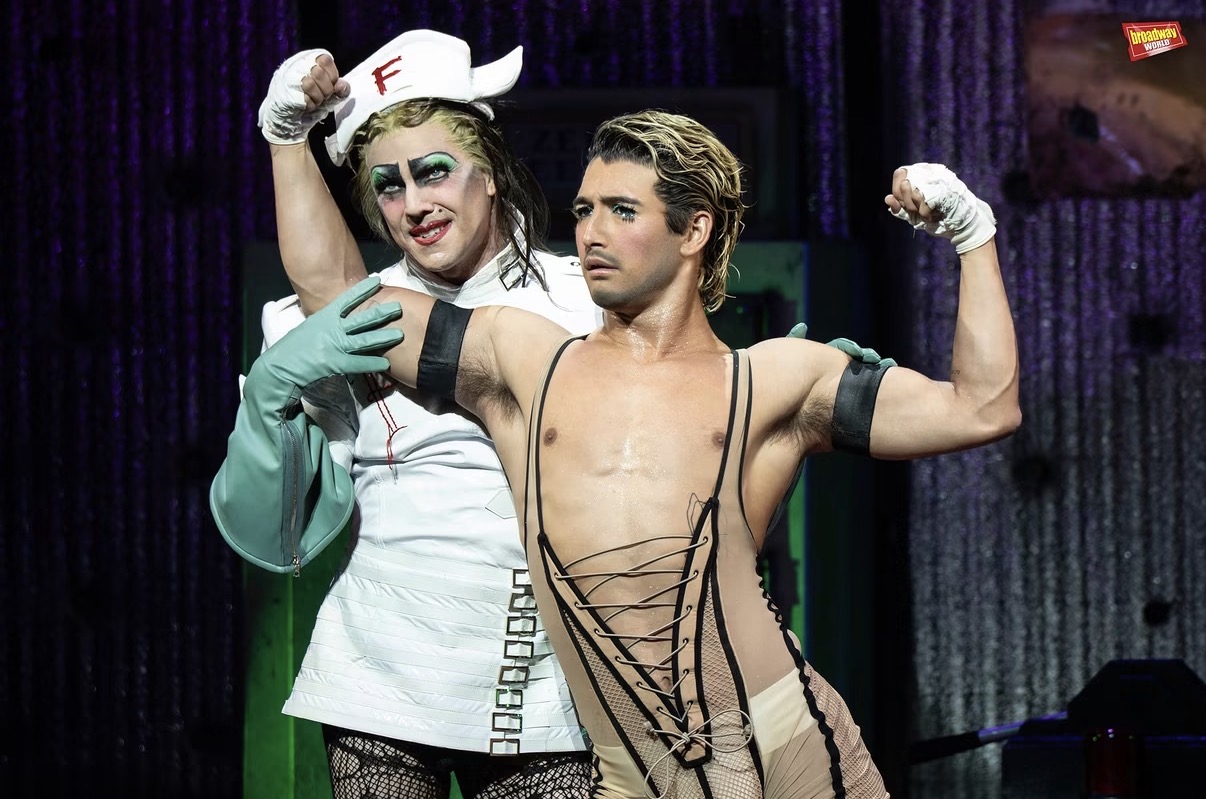
NEW YORK – Before Sterling Tull was creating the makeup for Rocky Horror Broadway Revival, its mad scientist, Dr. Frank-N-Furter, was watching over her bedroom from a poster on the wall. Purchased by her mother, the poster hung there from the time Tull was 13 until she was 18, offering a glimpse into a world where self-expression was something to celebrate.
Now, as makeup designer and makeup artist for the Broadway show, Tull, a queer transgender artist, brings that world to life eight shows a week. “Sometimes it doesn’t feel real,” Tull tells the Blade. “I would’ve killed for this job, and I know many others would have too, so I feel very very lucky and blessed.”
The opportunity arrived in a fittingly theatrical fashion: on Halloween night. Tony-nominated costume designer David Reynoso reached out to interview Tull for the production. Given the incredible opportunity, Tull rightfully couldn’t believe what she was reading. “I thought the email was fake at first, ” she explained. “It turns out it wasn’t!”
From there, things fell into place. The email led to an interview, and the interview led to a job, giving Tull the opportunity to translate a deeply personal attachment into an artistic vision. Long before joining the production, she had found something in Rocky Horror that extended beyond its eclectic style and audacious characters: a community in which she could recognize herself.
“Over the years, I grew into the culture of Rocky Horror and felt safe in the community,” Tull tells the Blade. “It let me understand that I wasn’t so different, and that, as a little Mormon kid, I could be myself.”
That commitment to being herself now informs the faces audiences encounter onstage. Her challenge was to preserve the characters’ immediate recognizability while allowing for her artistic spin. Familiarity offers the starting point – Tull uses makeup to make it her own. “I wanted to honor the source material and what fans are expecting from a production of this size with huge audacious makeup looks that capture Club Kid New York culture, New Romantics, English trad goth, and 1970’s Studio 54 sleaze,” she tells the Blade.
The designs took shape through collaboration with Reynoso, hair designer Albee Alvarado, director Sam Pinkleton, and associate makeup designer Vee Sadiku, whom Tull affectionately calls her “best friend” and “work wife.” Yet even with that support, sharing her vision came with its own uncertainty. Tull explains, “I would say the scariest part is just hoping that both your collaborators and fans like what you’re creating.”
Behind the performance, however, is time, precision, and a practice shaped by attention to detail. Tull works at the theater six days a week, applying makeup to actors in a way that would be difficult for any makeup artist. She tells the Blade, “The makeup is incredibly ephemeral and applied in a time span that would challenge any makeup artist.”
None of Tull’s work is about ego or adding another credit to her resume. It is about honoring a performance and creating a moment for people to come together, laugh, and enjoy themselves. She respects all those involved, especially the actors who bring the show to life. “It is so important to respect where the actors are every day while honoring the integrity of the work,” Tull says.
Ultimately, the show will end, and the makeup will come off. The next performance will bring another round at the makeup table. Yet that temporary nature gives Tull’s work an intimacy: the world that once helped a young Rocky Horror fan feel welcome is now something she helps bring to life for others, one face at a time.
Follow Sterling on IG: @SterlingTullNYC.
a&e features
A Parvesh perspective: Actor Parvesh Cheena talks his roles in ‘Wives’
The actor talks about his new play, being South Asian in Hollywood, and the future
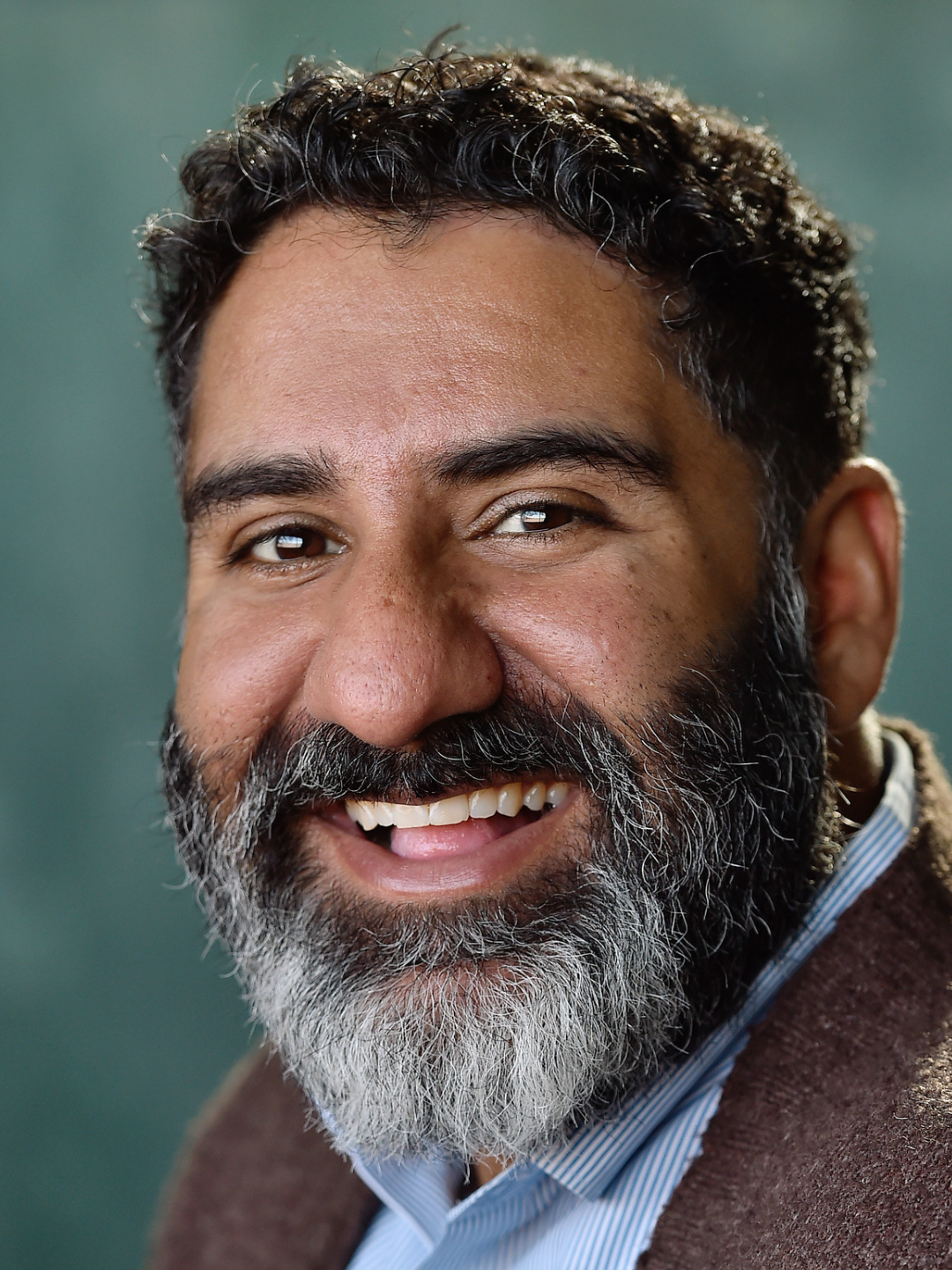
When you see Parvesh Cheena, there is a 90% chance you’ll recognize him from something. You may have seen him on the new Frasier, My Crazy Ex-Girlfriend, or in co-star roles he’s had in sitcoms and movies. Or you might recognize his voice from countless cartoons and animated series. He’s gearing up to play multiple roles in the new play, Wives.
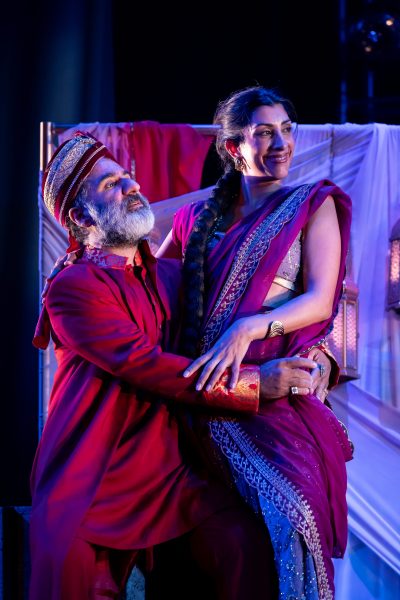
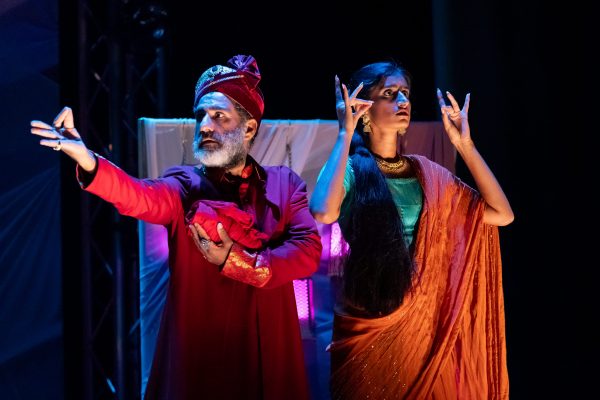
Wives features a primarily South Asian cast and travels from 16th-century France to 1920s India and 1960s Idaho to highlight the perspective and experiences of women who’ve changed history but are often overlooked. Cheena plays the token Man and lends his comedic sensibilities to multiple roles.
Directed by Hypokrit Live Arts NYC co-founder Arpita Mukherjee, this comedy comes at an interesting political moment with South Asian American women making history in both parties, Nithya Raman in the 2026 mayoral race. This play launches the 61st mainstage season East West Players (EWP), the nation’s largest and longest-running Asian American
Theater. It’s penned by prolific playwright Jaclyn Backhaus and co-founder of the New York City arts company Fresh Ground Pepper.
Cheena has been a face of AAPI visibility. He starred in Outsourced, a mostly South Asian sitcom that paved the way for shows like Never Have I Ever and Deli Boys. He’s played both stereotypical South Asian characters and people who just happen to be of South Asian descent.
The animated actor with a quick wit and gregarious nature took time to chat with the Blade about his hot takes on Hollywood, being South Asian and gay, and his excitement about his new play.
What can you tell me about Wives?
Wives is a wonderful work of theatre and storytelling by Jaclyn Backhaus about four different eras from the perspective of the wives and not the men. Ugh, men. Amirite?
How would you describe your character(s) in Wives?
I’m going to be playing four different characters. A French King, A Prince of Jaipur, A grandfather, and Ernest Hemingway. You know…my usual typecast parts. Le sigh. This is like my 11th time playing Ernie Hemingway. I get it, I get it. I have a beard. And Hemingway and I are both from the western suburbs of Chicago. I don’t fight my fate. Big Ern is going to be my one-man touring show for the dinner theatre circuit in my 70s.
How does it feel being in a primarily Asian cast?
It always feels correct to be in a primarily Asian cast. My people are from Asia. Big continent. Big personalities. Big hearts.
You have a robust television resume. Are you enjoying being on the stage?
I’m of the age where you started in theatre. You interned at theatres. You worked box office at theatres. You start theatre companies with friends from college. It’s home. When I moved from Chicago to LA, that’s when I started improv and sketch because it was harder to commit to theatre or not have an understudy when I was in my 20s. Improv/Sketch at least still gave you the chance to perform on stage for folks.
Wait a minute… Why do I enjoy it? It’s scary. I’m always still kinda scared. We put ourselves in scary situations. What to do? I know, admit my need for validation by strangers in public spaces. Are we still talking about theatre?
There was a time when there was a fair amount of South Asian representation in Hollywood; you were in a primarily South Asian sitcom, Outsourced. Do you feel like representation has gotten better or worse? Has it been harder or easier to find roles?
It’s always better today for representation than it was yesterday, and tomorrow will be even better. I see so many shows featuring younger South Asian talent, and that is a joy, and it brings me so much pride, too.
We also have brown folks writing and producing and greenlighting these projects. Yes, there is pushback as political winds blow. Hello Paramountskydancewarnerbros after all, but we are still gaining more representation, not less. And it might not be through legacy media holding onto antiquated views of whose stories get told.
For me, I work. I always want to work more. Friends hire me and want to keep working with me, and for that, I am always grateful. Grateful to help tell their stories and also for the continued chance to make healthcare. Another sigh…we can’t even get a single-payer health care option out of California and NY’s state legislatures? What are we doing? Healthcare tied to work? That’s just a worry for everyone.
I often wonder if they were going to do Outsourced now, would they even hire an American-born guy like me, of Indian descent or cast from India proper? We were playing people born and raised in India but clearly filmed here at Radford Studios.
We sometimes have a hyper-accurate need for casting these days, which is making some jobs harder for those of us with a complicated background. Pre-Partition, my Sikh family lived in Lahore, now in present-day Pakistan, but because of the British’s first Brexit during the devastating Partition of India in August 1947, my Mom’s Punjabi Sikh family is one of the millions affected by these acts of colonizers. They, along with millions of people, left their home in Lahore for what is now India’s side of Punjab. Now, we are considered Indian. But we are also Punjabi. The state we are from, the state split in two by the Brits. A Pakistani Punjab and an Indian Punjab. A country for Muslims, a country for Hindus. The Sikhs got lost without a home of their own. Yay…my glossed-over and probably inaccurate version of history.
So, I bring this up because I am still not allowed to be seen for some parts that are of Pakistani descent. Or certain Punjabi parts. Or certain religious roles. Which is just silly to me as a brown atheist with ties to all of these lands. The subcontinent was all one land, one country before the English. Some of us South Asians are being separated from access to roles by gatekeepers who don’t even know the cultural history and heritage. But I digress. I am already on the first of many tangents.
You’ve been in a lot of animation. How have you enjoyed that experience? Any highlights?
Well, the exact opposite of a live stage. I love how I can be gentle, sing quietly, whisper into that microphone in my voice booth closet thing or at a professional shop. I like that you can give a multitude of takes and let the powers that be pick and choose. I like that people of color can also be Transformers and rocks and clouds and ferrets, too. And when you have to sing, it is always easier with just a few people around than in front of a live audience. Again, my fears.
I’ll always be proud of my work as Blades on Transformers: RescueBots for Nicole Dubuc and Brian Hohlfeld and as Couch on the podcast Melon’s House Party for Duke Doyle and Matt Sax. The creator/writers, the people in the recording booth, and the directors behind the plexiglass are some of the loveliest folks I’ve gotten to work with. Animation folks tend to be so kind in my experience. Everyone has that little sense of play and joy that we get to do this art form.
You’ve said in an interview, “White people were allowed to be gay, in a sense, or be queer as an identifier. People see our color and ethnicity first before our sexuality.” Do you think that’s changed for the better or the worse?
Still the same. At least more folks know what intersectionality is now. At least, I hope they do. A white, rich cis gay man may, just may, have more privilege and opportunity than a disabled non-binary immigrant. Folks are learning. But for the identity politics world, I get to be on a bunch of panels due to my own intersectionality. I can be on Asian, South Asian, Gay, and Gay Asian, and Gay South Asian panels. I think I might have missed a few configurations but I am also available for podcasts. I talk a lot, and my friends are busy with their kids.
What do you wish the gay community understood about the unique challenges/life of being both gay and South Asian?
I already mentioned intersectionality. My personal challenges really stem from a lot of the brownphobia/Islamaphobia/Sikhphobia that has continued in this country since the 9/11 attacks. After the Cold War and the USSR’s bust (Pre-Putin), the 2001 attacks and the subsequent surveillance state response only intensified the xenophobia of many Americans. To see the racism ratcheted up these past few years of Israel’s genocide of Palestinians is nothing new to me. I saw it during college in 2001, the ridiculous Iraq War in 2003, and now 2023 to 2026 and we are in another stupid war.
So, for any of us who are… human beings living in America, it’s already been a tumultuous 10 years since Trump first got in. Add in all the added weight of children of immigrants being told to “go back to your own country” by descendants of white colonizers is just…tiring. Oh, and that’s before any homophobic or transphobic attacks. Uneducated and fearful people who own a lot of guns really make life tricky at times here in America.
Hmm. I keep thinking about this. There was just a young influencer, Mad Sandhu, who was just shot and killed in Punjab. The area of India my family is from. Thinking of this out and fabulous makeup artist who was shot and killed on the street. It’s a reminder that threats to our community are worldwide. It’s easy to forget when we live here.
What is your favorite role you’ve played?
I dunno. I don’t center myself in the work. This is my attempt at a non-vain answer. I dunno. You tell me. What do you like of my work? I think I answered it a bit with Blades and Couch in the V.O. world. On camera. Gupta in Outsourced was a joy, as was being a part of the film Sometimes I Think About Dying.
What part of queer culture or general gay representation are you currently obsessed with?
I have accepted that RuPaul’s Drag Race/World of Wonder, with every foreign iteration, is just my version of sports at this point. I remember asking friends why they still watched college football or teams that weren’t their hometown. Now I get it.
It’s just something to have on, wind down to. And I watch most of them, and Drag Race podcast recap shows, too, like Bussy Queen. I have a few friends where drag is pretty much the only thing we talk about. Just finished Latina Royale, now Drag Race Philippines Season 4’s first episode is what I fell asleep to last night. I’m old. I have to split up the episodes. Mabuhay!
You were on My Crazy Ex-Girlfriend; is there any chance of you reprising your role? Anything you can share?
Are they doing a reboot? I should text Rachel. You know Rachel Bloom? Let me pick up that name I just dropped. She’s on Broadway right now. Um…we ran into each other at the Hollywood Bowl, and she’s really nice. (Wait. So. Is there a reboot? Do you know something I don’t? Jane. Jane!)
Now read what you just read again, but as Lisa Kudrow’s Valerie Cherish. Seriously. I know nothing. Lovely people all around.
Given your fairly long IMDB profile, what role would you still love to play? Any dream projects you’d love to tackle?
I’d like to get cast in a role in a show that goes to a second season. Wait. This is my dream project: Medicare for All
I’m sorry. I’m not trying to be an ass, but I have played convenience store owners and terrorists and roles where they changed my co-star/one scene part into an Indian guy with an accent. I’m just grateful to play more nuanced roles on stage. But I’m also not waiting to play Falstaff or Oedipus or any other old European “classics” anymore. If it happens, wonderful, but they aren’t the dream role I’m pining for. The great roles and projects for South Asian people are being written as we speak by folks like Jasmine Sharma and Madhuri Shekar. I’m just happy to be working on new plays like Wives.
I think I chase work not by the part but by who I want to work, collaborate, and spend weeks with. I wanted to work with our director Arpita Mukherjee again after a lovely time previously, and so many friends love Jaclyn’s work and saw Wives in NYC. I do want to keep working with women and queer folks, too. The majority of our crew and creatives are queer folks, women, and people of color. That’s the current dream. Did I mention we all need healthcare in this country?
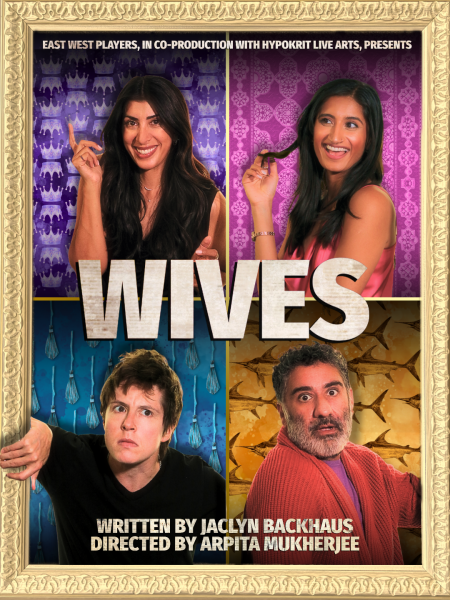
You can catch Parvesh in Wives from October 8, 2026 – November 1, 2026 at the David Henry Hwang Theater in the Union Center for the Arts, 120 Judge John Aiso Street, Los Angeles, CA 90012, in historic Little Tokyo. Tickets here.
a&e features
Actor Kal Penn on the real lesson of ‘Trust Me, I’m a Doctor’
The gay actor speaks about his newest role and the true cost of fame
The death of Anna Nicole Smith has been portrayed for decades by the very entertainment industry that led to her downfall. This tale of manipulation and institutional incompetence continues to be a warning, with Smith showing what happens when people see you as a product rather than a person. Countless films have chronicled her life and death, repeating the same heartbreaking beats while recycling the usual messages — but Trust Me, I’m a Doctor, tries something different.
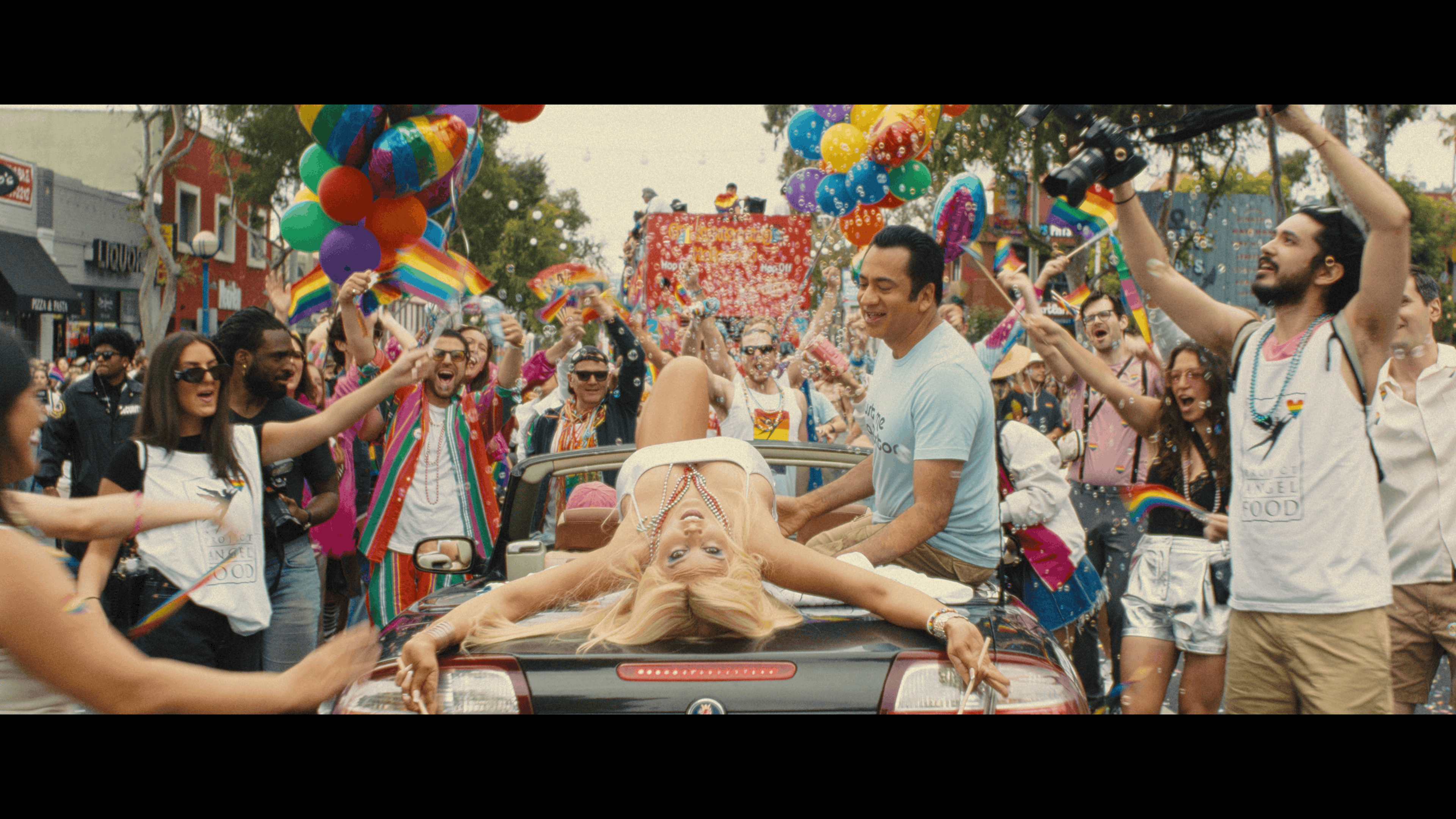
Directed by Thane Economou, the film is based on the real autobiography of Sandeep Kapoor, the doctor who prescribed Smith a heavy dosage of sedatives throughout the last few years of her life (which allegedly played a part in her death). Trust Me, I’m a Doctor looks at the larger system of spectacle that guides not only our entertainment but our legal system. It travels from intense Los Angeles courtrooms to the streets of West Hollywood in its focus on this man, who is played amazingly in the film by gay actor Kal Penn.
“I think the thing that really drew me to the character [of Sandeep] is: he’s a doctor who’s really vulnerable,” said Penn, speaking to the LA Blade about the role. “He’s deeply insecure at times where…he makes a lot of bad decisions. There’s equal parts cockiness and insecurity that I thought would be really interesting to delve into as a character.”
Most people know Penn for his famous Harold and Kumar series; this comedy trilogy sees him as a stoner getting into random misadventures with his best friend. But while he became known for playing this slacker, Kal’s real life is the complete opposite, with the man working across film and TV while also serving within the Obama administration’s Office of Public Engagement. The past few decades have seen him pursue both film and advocacy, but it wasn’t until his memoir You Can’t Be Serious that he officially came out to the world by announcing his longtime boyfriend.
This wild combination of real-life experience meant Kal was very drawn to the central role in Trust Me, I’m a Doctor, explaining, “Sandeep says, ‘I’m just a private person living a private, quiet life,’ — but then he makes 10 decisions that counter that, where it’s clear that he loves attention, that he really enjoys being in the company of Anna Nicole because of her celebrity and her status!” Kal’s own experiences with the pitfalls of fame informed his role in the story, as audiences watch the initially quiet doctor attend the WeHo pride parade with Smith, begin supplying her with a questionable amount of drugs, and eventually face the Medical Board of California in court.
Somehow, Trust Me, I’m a Doctor still manages to imbue this harrowing legal battle with a startling amount of dark humor, with Penn explaining, “I certainly don’t want to make light of somebody’s tragic death, but Dr. Kapoor has a self-deprecating humor. There’s a dark comedy aspect of his stuff that I think audiences would enjoy.” It’s a comedy that quickly becomes vital to the film as viewers learn its true message: the entertainment industry can be so, so ridiculous.
As Kal emphasized, this isn’t delivered at the expense of how heartbreaking Anna Nicole’s final months were. In fact, the film offers many shockingly heartbreaking scenes as viewers learn just how terribly she was treated by people like her shady lawyer and irresponsible psychiatrist. But through Sandeep’s view — both when Smith was alive and in the ensuing case — audiences learn how even the most serious of issues can be sensationalized to a horrible degree.
It displays how judges, lawyers, and even potential governors used Smith’s death as a way to gain attention, with many targeting Sandeep as a ploy to garner the ‘audience’s’ approval. That’s not to say that Sandeep is treated as some war-torn hero — the film harshly critiques his many jaw-dropping mistakes. But it shows how people will so often skew reality if it means getting the kind of attention that led to Anna Nicole’s death.
Kal has seen this unfortunate phenomenon throughout his long career (both on the entertainment and the political side). For himself, and for anyone who hopes to make it in this industry someday, Kal advised, “Take pride in your job, and love what you do, but…when there’s more of a focus on you and what you do, talk to a friend who doesn’t do what you do for a living. Just remind yourself that…that you aren’t sh*t basically, you know?”
The man laughed at that, with his wry advice mirroring the dark humor of Trust Me, I’m a Doctor. He stressed that above all else, he hopes people enjoy the film as a great adaptation. But with its main themes, he also hopes that it helps educate people more about the terrible things that led to Anna Nicole Smith’s death — and how they can watch out for them in their own lives.
a&e features
Fortune Feimster has always taken representation through comedy seriously
Feimster is bringing her latest comedy tour to the United Theater in Los Angeles on November 7
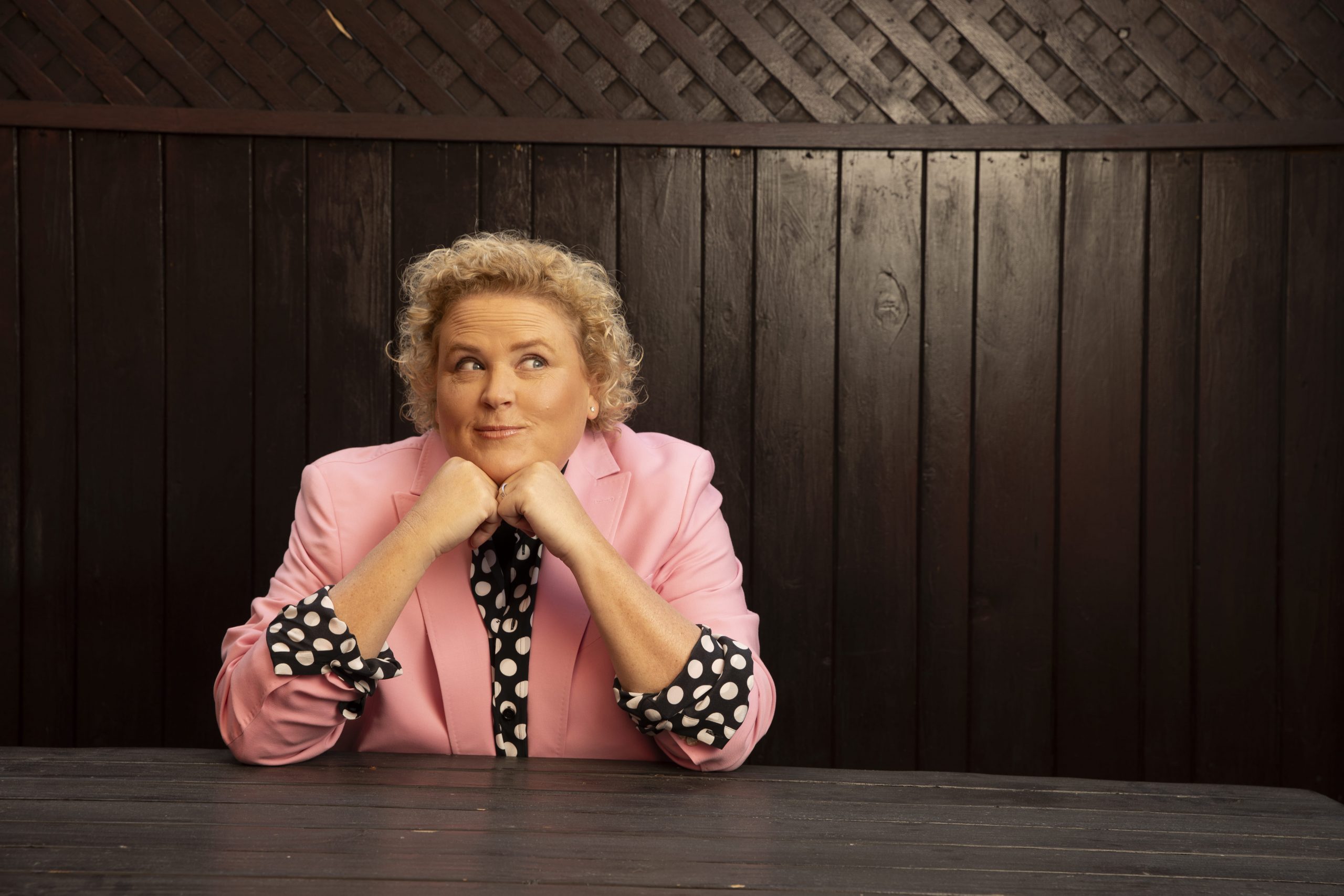
After spending months away from friends and family (outside of a hometown visit to North Carolina), Fortune Feimster is in the final stretch of her latest tour, Takin’ Care of Biscuits. And it’s only fitting to bring it home to Los Angeles, the city that provided the queer stand-up comic her first live audience two decades ago.
“Every hour that I put out is very much a reflection of my life at that period of time and what I’m going through; there’s a lot of changes in my personal life, from my Mom to my marriage, so I don’t shy away from those things,” Feimster tells The Blade. “But I’m also not a serious ‘comic,’ so I still find levity in those life experiences.”
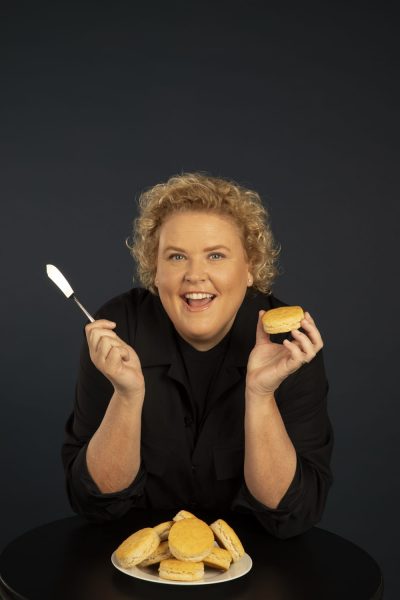
In the Takin’ Care of Biscuits tour, which is coming to the United Theater in Los Angeles on Saturday, November 7, Feimster explores some of these big changes in life, from coming out of a 10-year relationship to her Mom being diagnosed with cancer — all through the lens of confessional, feel-good style comedy, of course.
Long before voicing a lovable beaver in Zootopia 2 or starring in The Mindy Project, Feimster got her start back in 2007 at The Comedy Store, which she describes as “bro-y.” Everything changed, though, when she discovered a local show at Akbar, run by a gay comedian named Bruce Daniels. “The queer comedy community embracing me and giving me a platform was a huge part of my foundation,” she says.
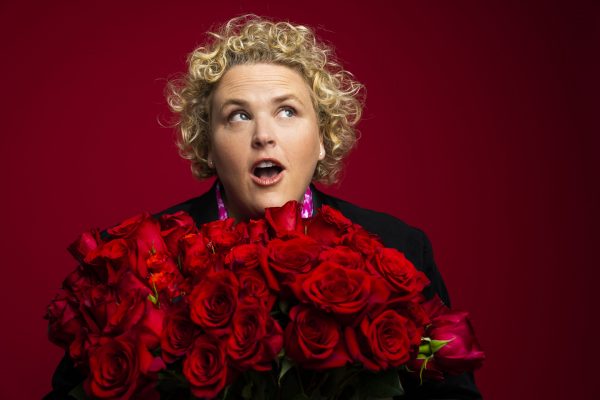
As part of her comedy, Feimster will sometimes dig up hate tweets and comments and incorporate them as part of her act (at least in the past, when she says she had “more time” to look at social media). In her 2022 special Good Fortune, the audience roars in laughter when she reads a comment calling her a “taco-licking lesbian.”
“Sometimes it’s hard to deal with some of the hateful comments, but this particular one, I was turning his comment on its head in that he referred to me as these awful things, but he did refer to my partner at the time as my wife, which meant he was recognizing my marriage!” Feimster says. “That was a huge step because guys like him, people like him, do not want me to have that right to begin with.”
As a comedian who speaks openly about sex and sexuality, Feimster has “always” taken the representation she provides “very seriously” when she steps on stage in front of an audience.
“Anytime we get to tell our stories and be on platforms like Netflix, it’s big. People from all over the world see these specials, and hopefully they see something in you they resonate with,” she says. “And then on the silly side of this, I also have some fun jokes that I tease my fellow lesbians about, which people are really enjoying. You’ve got to not take yourself too seriously.”
Outside of stand-up comedy, Feimster co-hosts the podcast Handsome, which won a GLAAD award in 2026, with Tig Notaro and Mae Martin. That has “broadened” the comedian’s horizons in the different generations of queer fans each host draws in. She also recently co-starred in Netflix’s The Hawk, holding her own alongside Will Ferrell and Molly Shannon. In addition, Feimster has been chosen as the 2026 National Grand Marshal for Palm Springs Pride, timely for her Palm Springs appearance at the Plaza Theatre on November 8th.
“Things are getting harder; this is the time to be more visible,” Feimster says. “And that’s what I try to do — just be a visible, out comedian who is not trying to shy away from being who I am.”
Feimster’s tour comes to Santa Barbara on Oct 24th, Los Angeles Nov 7th, and Palm Springs Nov 8th; get your tickets here.
a&e features
How Orville Peck healed his inner child through ‘Street Fighter (2026)’
The famous singer discusses this new role and what it means to him as an LGBTQ+ artist
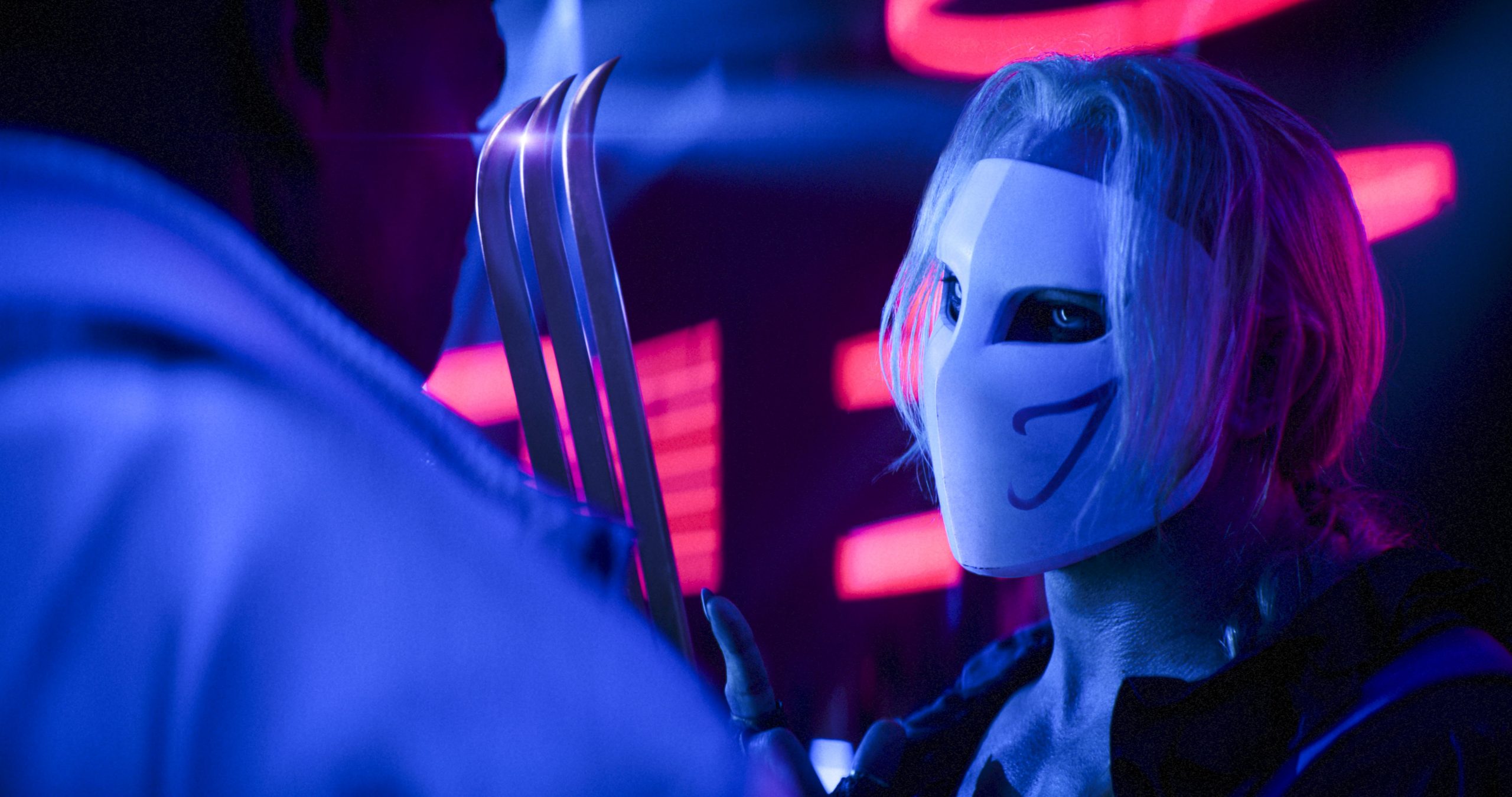
When asked to think about Orville Peck, most people would immediately remember the man’s music, his time on Broadway, his many scintillating photoshoots or, of course, the ornate masks he wears throughout it all.
Most wouldn’t, at least before a few months ago, think about the long-lasting video game franchise, Street Fighter.
This historic fighting game doesn’t instantly mesh with the image that Orville has spent years developing. The country singer has garnered national acclaim through his four albums, sultry and often somber affairs that have earned him numerous awards and thousands of fans. Along with his voice, new listeners are intrigued by his masks; Peck always wears a face covering to protect his privacy and embody a distinctly queer flair in his work. These are only removed for very special occasions — such as his renowned turn as the Emcee in a Broadway revival of Cabaret — with even his recent centerfold in the sexy magazine Playgirl seeing Orville bare everything except his face.
The musician does all of this while being proudly gay, serving as one of the most notable queer celebrities we have today. This, combined with his dynamic career, has earned Peck legions of supporters, each one excited about whatever new project he decides to do next. And they were all completely shocked in early 2026 when Orville announced just what that project would be: starring in Kitao Sakurai’s live-action adaptation of the classic video game, Street Fighter.
“They didn’t know I grew up playing this game, so it was so cool!” Peck raved as he discussed the film with the Los Angeles Blade. For the less digitally-minded of us, Street Fighter is an immensely popular gaming franchise, with this decades-spanning series offering dozens of games filled with colorful characters players can fight as. The cast for this latest adaptation dropped earlier this year and included stars like Jason Momoa, David Dastmalchian, Callina Liang — and, of course, Orville Peck.
“Fighting games probably draw a lot of queer people in [because] you can choose which character speaks to you, and they belong there,” Orville explained. “They don’t have to prove themselves…they belong, and you can connect in that way, since maybe you didn’t belong or [feel] included,” Orville admitted that it’s a connection he’s experienced himself; the man spent many hours of his childhood playing Street Fighter with his brothers. And one of his favorite characters was Vega, the bullfighting, gorgeous assassin obsessed with his own appearance (and slashing his opponents to ribbons).
It’s why there was no question Orville would take on the role when it was first offered to him. This may seem like an easy choice for many viewers — both Peck and Vega wear a mask — but the singer stressed that his link to the character went far beyond just the physical. “Vega did carry this kind of queer-coded energy that queer fans of Street Fighter have always picked up on and related to. And I was encouraged to not stray away from that — they wanted that to be included.”
Vega serves as the loyal henchman of Street Fighter’s main villain, M. Bison, with the claw-wielding fighter filling his screen time with snarky humor, great action scenes, and a distaste for wearing a shirt. But Vega also serves as a vital contrast in the film by punctuating the hypermasculinity of the men around him. He shows that queerness and strength can go hand-in-hand, with Orville finding it so affirming to bring out that universal truth through his performance.
It was something that he enjoyed not only for his adult self, but for the younger version who loved nothing more than playing Street Fighter with his brothers, saying, “Being a little queer kid…I definitely did not feel at times that I was going to be welcomed into some things in life, right? Getting to be the only openly gay man in this film with a bunch of very heterosexual gentlemen running around, and then having my place next to them? I think that would be really encouraging and healing to little Orville, for sure.”
Orville went on about his amazing co-stars — he warmly referred to Callina Liang, who plays Chun-Li in the film, as ‘my sister’ — and the countless joys this role brought him. When asked whether he would return for a possible sequel, he emphasized, “We’re all so close as a cast now. Everybody loves and supports each other so much. I would 100% do it again, of course.” It’s a promising message for many queer viewers absolutely loving his turn as Vega, and it signals an uplifting development for the man himself.
Orville Peck’s entire career is dedicated to utmost authenticity, showing your truest self in a way that feels genuine and recognizing what that truth brings to yourself and others. In a movie filled with nonstop fighting and campy chaos, he still managed to channel that into every second of his time onscreen. And whether it be as Vega or whatever role he decides to take next, it’s a vital message that this musician — and, he will remind you now, actor — will always work hard to make the center of his work.
a&e features
Exposing the realities of influencer culture with Bran Flakezz
This LA-based creator uses his massive fanbase to create a better industry for all
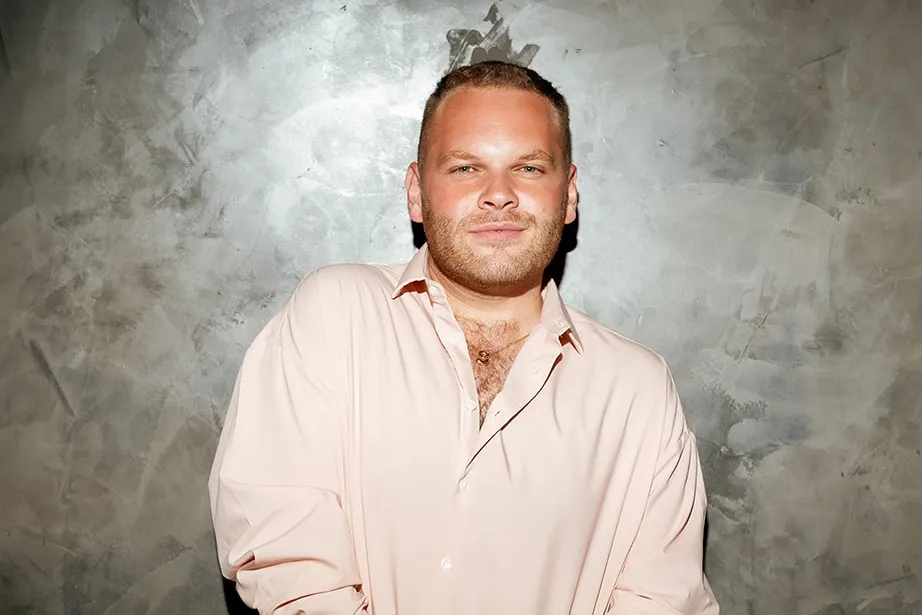
Being an influencer seems like the easiest job in the world…to the people who aren’t actually doing it.
It’s a belief that has been completely debunked in recent years, especially for diverse creators; biased algorithms have made it hard for LGBTQ+ and people-of-color to gain fame online. And even if you didn’t have strings of code fighting against your success, many creators have spoken about the tireless aspects of this job that online audiences rarely get to see. The eighteen-hour work days, the predatory brand partnerships, and the immense mental stress that comes from relying on others’ opinion of you to make rent that month.
For a majority of the successful folks we see online today, their onscreen joy is built on years of hard work and tireless determination. It’s a part of this industry that doesn’t get enough spotlight, and it’s one that Bran Flakezz is committed to showing his many followers every single day.
When he sat down with the Los Angeles Blade, Bran wanted to make one thing very clear: he absolutely loves his job. He detailed his early career after graduating with a degree in fashion merchandising — shoutout Elle Woods — where he went through the gamut of internships, part-time work, and official positions with various large brands. It was working with these jobs’ social media teams that he learned the ins and outs of online fame, skills that proved vital in 2021 when he decided to quit his role and commit to creating content full-time.
“It just feels so great to be in control, to have creative freedom and make my own goals,” said Bran when describing the many things he loves about his career. “Being my own boss is incredible — making my own schedule, and building a team around me of people that contribute to my success.” It’s a love that shows in his content; Bran first gained attention online by offering an unfiltered look into his daily (and often very chaotic) life as a gay man. It’s why his many fans — more than 1.5 million across TikTok and Instagram — feel like they know the LA-based creator, with each new follower learning about everything from Bran’s obsession with Bratz dolls to his thoughts on the latest season of Big Brother.
Bran has happily welcomed audiences into his wild life over the past few years. But though the man’s main goal is always to bring joy through his content, he also knows it’s important to educate users about the issues he and his fellow creators face today. He does this mainly through TikTok; Flakezz regularly posts videos speaking about things like the intensity of his daily work schedule and how much money people can actually make posting online (it’s a lot less than you’d think). “I never want to sound ungrateful for any of this,” Bran emphasized. “But there are prices to all of it.”
“We’re told that people’s opinions of you are not your business — but when you’re creating a business around people enjoying your content, people’s opinions of you literally become your business!” He stressed. “Your brain is always spinning [with tasks] and you have to stay consistent on all platforms, especially now more than ever, when there’s just so much saturation and competition.” It’s why Bran works so tirelessly across his many social channels and always offers a wide array of content — because he knows that in this fast-paced influencer economy, one day of rest could undo months of hard work.
Funnily enough, Flakezz did clarify that the homophobic comments he constantly receives don’t bother him much, saying, “Everything that you can say to me online, I heard the 6th grade bullies say to me on the recess yard.” But while he can easily tune out the internet trolls, his experience with large brand partnerships — one of the key ways influencers make money — has shown him how this industry still grapples with homophobia. “Sometimes I’ll see campaigns for brands, and I’ll feel like, ‘Oh, was I a token? Was I selected because they needed me to cross off on their list that they got one gay creator?’ There’s been opportunities I say no to, and I see another gay creator get the opportunity — so they were completely profiling us as LGBT influencers.”
While it is amazing that brands want to spotlight LGBTQ+ creators, Bran shows how this kind of ‘we only need one to look woke’ mentality both limits opportunities for queer influencers and reduces them to nothing more than their sexual or gender identity. This reveals how shallow this type of inclusivity truly is, and why creators like Bran are fighting to remedy this mindset so that brands create ample chances for diverse influencers who respect who they truly are.
Fans have been overwhelmingly supportive of Bran’s openness around these topics, appreciating his transparency in an industry often built on misinformation. Flakezz has been immensely grateful in turn, explaining, “I never wanted to come across as ungrateful or complaining about such a privileged life that I get to live, but…I really wanted to approach the conversation in a way of education. Because I know so many people out there want to do this career — and it’s an amazing career — but here are some of the things that people don’t always tell you.”
Through his feed, Bran offers a welcoming mix of queer humor and informed knowledge, helping his followers unwind after a long day while ensuring that they leave each scroll session with more knowledge than they had before. It’s an uplifting approach that helps improve the influencer industry for all. And it’s one that Bran Flakezz hopes to embody throughout the rest of what is shaping up to be his very bright, very long career.

Articles of impeachment filed against Hegseth

Stephen Post wins final seat on WeHo City Council

Botswana’s marriage equality case and the politics of family values

Epic ‘La bola negra’ delivers powerful romance for the ages

Stephen Miller, key architect of anti-LGBTQ+ policies, named White House chief of staff

Byers, Krieger win seats on WeHo City Council; race for third too close to call

Nithya Raman wins Los Angeles mayoral election, ousting Karen Bass

LGBTQ+ elected officials, activists around the world welcome U.S. election results

Escritora trans venezolana reivindica una fe sin exclusiones ante la visita del papa a Sudamérica
Stephen Miller, key architect of anti-LGBTQ+ policies, named White House chief of staff
-
 News5 days ago
Byers, Krieger win seats on WeHo City Council; race for third too close to call
-
 California5 days ago
Nithya Raman wins Los Angeles mayoral election, ousting Karen Bass
-
 World4 days ago
LGBTQ+ elected officials, activists around the world welcome U.S. election results
-
 Noticias en Español4 days ago
Escritora trans venezolana reivindica una fe sin exclusiones ante la visita del papa a Sudamérica
-
 White House3 days ago
Stephen Miller, key architect of anti-LGBTQ+ policies, named White House chief of staff
-
 Botswana19 hours ago
Botswana’s marriage equality case and the politics of family values
-
 California15 hours ago
Stephen Post wins final seat on WeHo City Council
-
 Movies2 days ago
Epic ‘La bola negra’ delivers powerful romance for the ages
-
 Pentagon7 hours ago
Articles of impeachment filed against Hegseth