New Zealand
New Zealand blood donation rules shift
One-size-fits-all assumptions about gay, bi, and takatāpui men to end
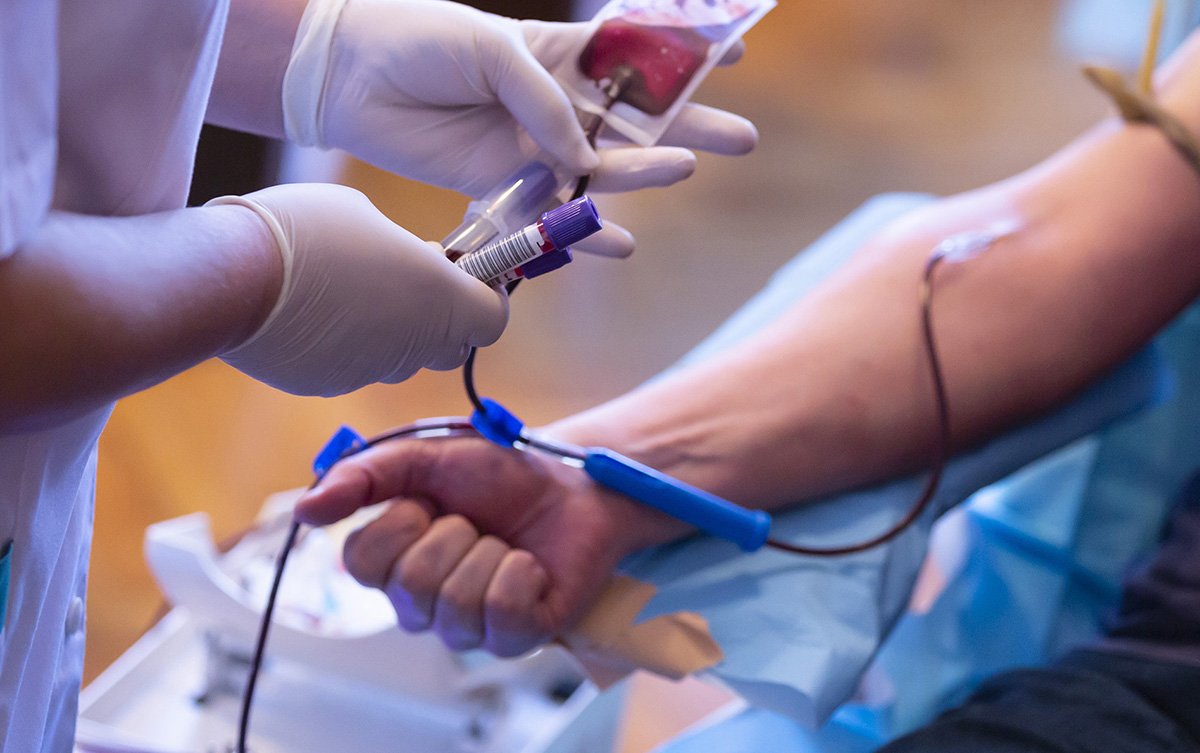
More gay, bi, and takatāpui men in Aotearoa may soon be able to donate blood, with New Zealand Blood Service changing its sexual activity screening rules in a move that shifts the focus away from sexuality and on to specific recent behavior.
For many queer people, the change represents a move away from treating all men who have sex with men as a single risk category. Instead, all donors will be asked the same questions about new or multiple sexual partners in the past three months, and whether they have had anal sex with those partners.
Under the new approach, donors who have had anal sex with a new or multiple partners in the past three months will still face a three-month deferral. But those who have not — and who meet all other eligibility criteria — will be able to donate. Donors will also be asked whether they have had gonorrhea or any other sexually transmitted infection in the past three months, with a three-month wait applying after treatment and recovery.
That change could open the door for some gay, bisexual, takatāpui and other men who have sex with men who were previously excluded from giving blood. In particular, men who have had anal sex with only one partner in the past three months, where that sexual contact has been ongoing for longer than three months, may now be eligible to donate, including those in long-term single-partner relationships.
For years, blood donation rules have been experienced not just as a public health measure, but as a blunt and often stigmatizing signal that queer men were viewed differently from everyone else. This change suggests a more nuanced approach, one that looks at what people do, rather than who they are, based on findings from the Sex and Prevention of Transmission Study (SPOTS) and international evidence supporting behavior-based screening.
New Zealand Blood Service says the new model will maintain the safety of the blood supply while making donation more inclusive.
Still, the new rules are not a complete removal of the restrictions, and some will see them as progress rather than full equity. The three-month deferral remains in place for donors who have had anal sex with a new or multiple partners, even if they are taking PrEP or using condoms. New Zealand Blood Service says that while PrEP is highly effective for HIV prevention, it can mask low levels of HIV during testing, and condoms are not considered completely fail-safe.








Here’s your Palm Springs look at Labor Day Weekend: Sep 4-7, 2026

ANIMAL LA bridges the gay bar and the queer underground

Pentagon expands testosterone screening as trans troops face hormone therapy restrictions

Swiss government backs nationwide conversion therapy ban

Defying convention (and physics): ‘Speedball’ Mike Bailey on identity and inclusion in pro-wrestling

Poland begins to legally recognize same-sex marriages from other countries

From the desk of Equality California: End of August top political news for California’s LGBTQ

HRC president campaigns for Chris Pappas in NH

Shooting outside gay bar in Ariz. leaves three dead

Fitness for beginners: The start of a new journey
-
 Poland5 days ago
Poland begins to legally recognize same-sex marriages from other countries
-
 Politics5 days ago
From the desk of Equality California: End of August top political news for California’s LGBTQ
-
 Congress5 days ago
HRC president campaigns for Chris Pappas in NH
-
Arizona4 days ago
Shooting outside gay bar in Ariz. leaves three dead
-
 Fitness5 days ago
Fitness for beginners: The start of a new journey
-

 Celebrity News2 days ago
Gloria Steinem dies at 92
-

 Bulgaria3 days ago
Top Bulgarian court rules government must legally recognize trans people
-

 Fitness3 days ago
Naked Warrior Yoga is fighting to stay in the heart of West Hollywood
-

 Leather community3 days ago
Leather and legacy: Hector S. Quintana-Smith’s journey to West Hollywood Leather 2026 and beyond
-

 France4 days ago
Prominent French activist attacked outside Paris bar