China
China’s top court acknowledges anti-LGBTQ+ discrimination
Postgraduate student petitioned for legal clarification
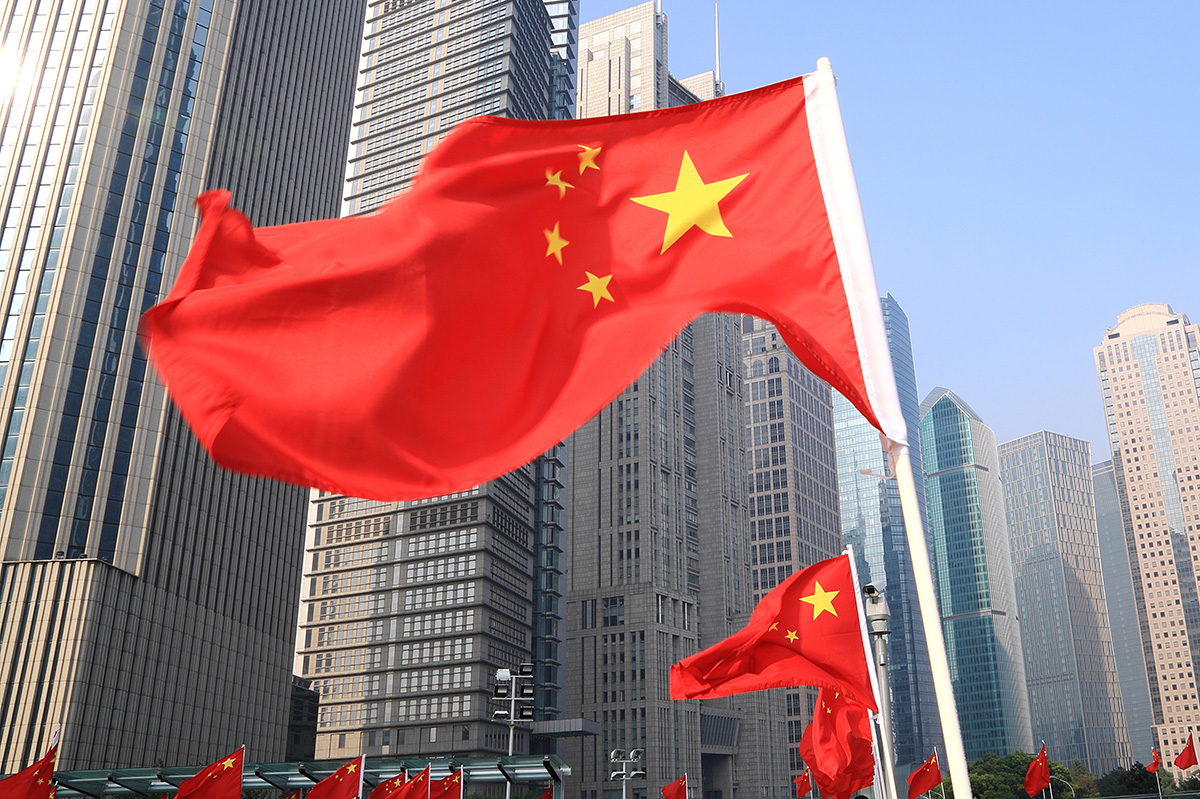
China’s Supreme People’s Court on May 8 issued a rare response to a petition involving LGBTQ+ discrimination.
In a surprising response; it discussed sexual orientation, gender identity, and gender expression. The response also mentioned workplace discrimination, public humiliation, and school bullying, language considered uncommon from China’s legal system.
The response stemmed from a proposal submitted by a postgraduate student in Qingdao through China’s xinfang petition system on March 25, urging the court to establish clearer judicial standards against discrimination based on sexual orientation and gender identity. Six weeks later, the Supreme People’s Court Research Office issued a written reply.
The Research Office is an internal legal and policy body within the Supreme People’s Court. It studies legal issues, drafts judicial guidance, and responds to legal inquiries submitted through official channels. Its responses do not carry the same legal weight as a judicial interpretation or court ruling.
“The opinions and suggestions you raised are of great value,” reads a translated version of the Supreme People’s Court Research Office response. “In order to thoroughly implement the Constitution, Civil Code, Employment Promotion Law and other legal provisions, and effectively protect citizens’ personality rights from infringement, the Supreme People’s Court has guided local courts at all levels to handle a number of related cases, and through typical cases and other forms has clarified adjudication rules.”
The response stated that courts may determine public insults, defamation and, discriminatory conduct targeting sexual orientation, gender identity and gender expression as infringement of personality rights. It also said employers treating individuals differently in hiring, employment, transfer or dismissal based on those characteristics could face employment discrimination claims. Schools could also bear legal responsibility for improper discipline or bullying involving students based on sexual orientation, gender identity and gender expression, according to the response.
“It’s not a systematic change from the authorities recognizing LGBTQ rights,” said Renn Hao, an LGBTQ+ activist in China. “However, it’s an informal statement from the Supreme Court. According to a scholar researching LGBTQ legal cases in China, courts are recognizing more cases involving LGBTQ discrimination and same-sex partners through their verdicts.”
China decriminalized consensual same-sex sexual relations in 1997 and removed homosexuality from the country’s list of mental disorders four years later. Chinese law, however, does not recognize same-sex relationships.
Public advocacy involving LGBTQ+ issues also remains tightly controlled. Authorities in recent years have continued restricting community organizing, public events, and online expression involving sexual minorities.
Discussions involving LGBTQ+ issues are also frequently censored on Chinese social media platforms.
Activists and advocacy groups say Chinese authorities in recent years have removed online content, shut down LGBTQ+ student group accounts and restricted public discussion involving sexual minority issues. After the Supreme People’s Court response began circulating online, related posts and articles were also removed from some Chinese platforms.
“It may still be too early to fully assess the long-term impact, as this development has only just happened and the situation is still unfolding,” said Xiaogang Wei, a Beijing-based LGBTQ+ rights activist, filmmaker, and founder of the China Rainbow Collective Foundation. “Although the reply is not legally binding, it represents a rare form of institutional acknowledgment of SOGIE-related discrimination in China. For Chinese LGBTQ people and advocates, this could become a meaningful reference point for future legal advocacy, public communication, and community awareness.”
Wei said the rapid removal of related posts and articles limited the development’s broader public impact and underscored how fragile LGBTQ+ visibility remains in China.
“This is why we believe it is important to continue sharing verified information and ensuring that this development is not erased from public understanding,” Wei said.
Chinese courts in recent years have also heard a number of LGBTQ+-related employment discrimination cases, despite the absence of explicit nationwide protections based on sexual orientation or gender identity. In one notable case, the Supreme People’s Court in 2018 formally recognized “equal employment rights disputes” as a legal cause of action, allowing some discrimination-related cases to proceed through the courts.
Chinese courts have previously handled several LGBTQ+-related disputes involving employment discrimination, custody, and so-called conversion therapy. In 2024, a Beijing court drew attention after recognizing visitation rights for a child involving a same sex couple, a decision activists described as a milestone for LGBTQ+ families in China.







‘Star Trek: Strange New Worlds’ star Celia Rose Gooding breaks down that finale time travel twist

Colombia withdraws from Equal Rights Coalition

Caso Karlina: Una sentencia histórica contra las terapias de «conversión»

‘Embracing your identity can be a form of resistance’: Councilmember Byers highlights Bisexual Awareness Week

Dutch prime minister visits Stonewall Inn

UN human rights chief sounds alarm over ‘comprehensive onslaught’ against LGBTQ+ rights

United States Conference on HIV/AIDS grapples with federal budget cuts

Long-time DignityUSA executive director announces retirement

From the desk of Equality California: the latest political news for CA and beyond as we head into the midterms

For lesbian victims of domestic violence, competent care is scare
-
 United Nations2 days ago
UN human rights chief sounds alarm over ‘comprehensive onslaught’ against LGBTQ+ rights
-
 AIDS and HIV2 days ago
United States Conference on HIV/AIDS grapples with federal budget cuts
-
 National3 days ago
Long-time DignityUSA executive director announces retirement
-
 Politics4 days ago
From the desk of Equality California: the latest political news for CA and beyond as we head into the midterms
-
 National2 days ago
For lesbian victims of domestic violence, competent care is scare
-

 Movies4 days ago
‘Scorch Marks’: Brandon Shypkowski and Chris Salvatore play out post-apocalyptic ex drama in new horror film
-

 Theater4 days ago
Actor Ben Ubiñas is a whole different ‘Creed’
-

 Arts & Entertainment2 days ago
‘Dolly Day’ officially made holiday in California: Rainbow District plans to celebrate
-

 Fiji1 day ago
Spike in HIV cases prompts Fiji to declare national emergency
-

 Celebrity News1 day ago
Clavicular charged in alleged rape of teenage influencer