Local
Kyrsten Sinema taking her shot at the US Senate (Video)
Bisexual Arizona Democrat also says #NoNRAMoney
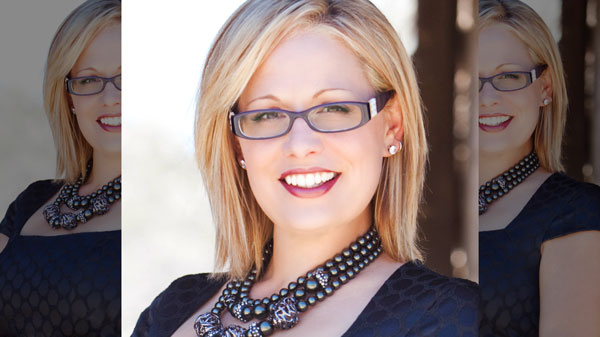
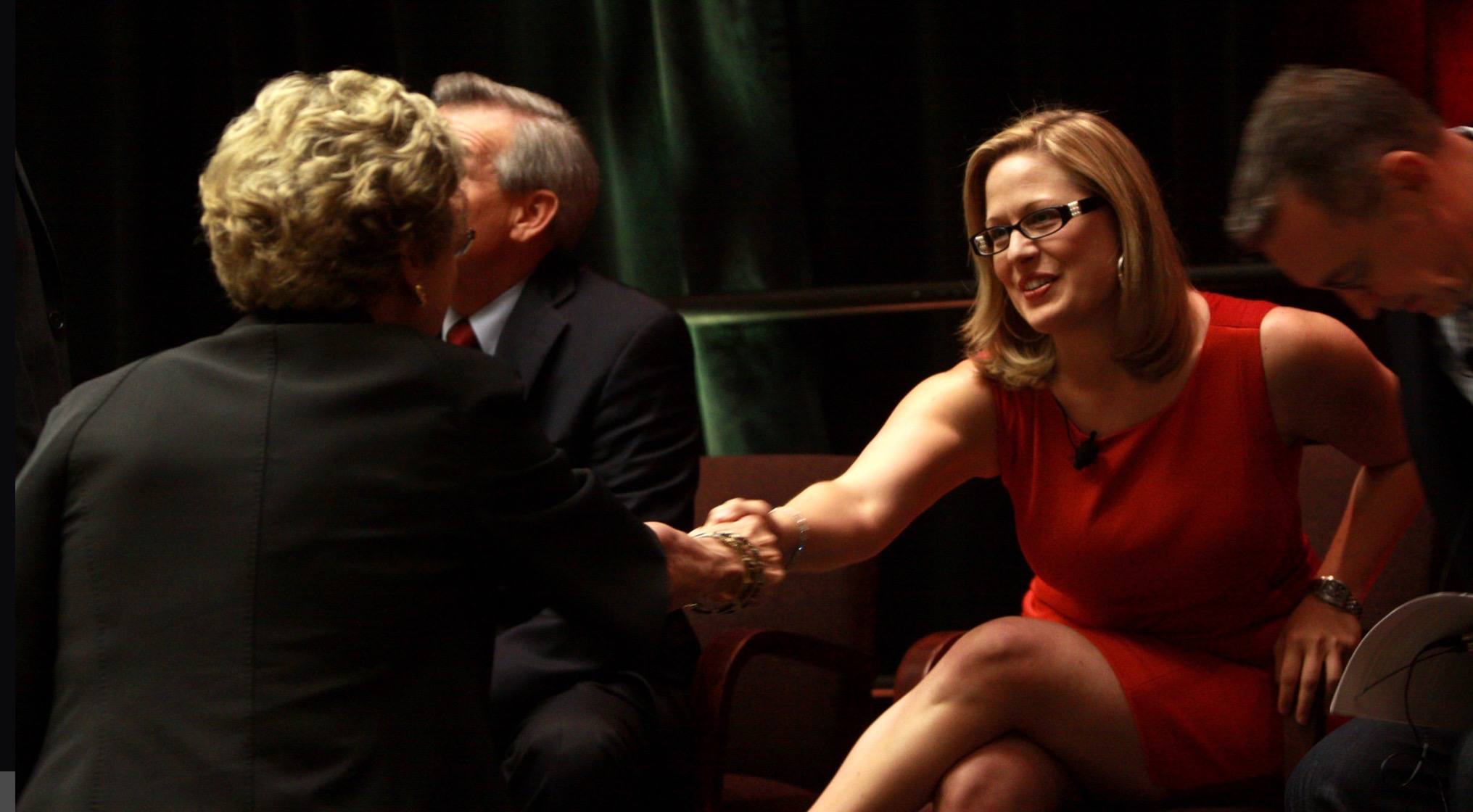
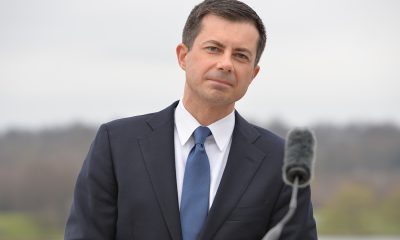
United States House of Representatives member Kyrsten Sinema of Arizona.
Born eight days after the Bicentennial celebration of the American Revolution, Arizona native Kyrsten Sinema has a strong streak of Western independence laced with an old fashioned belief in the value of hard work. In many ways, she is the personification of the American Dream—from struggling with childhood poverty and homelessness to achieving a law degree, a Ph.D and a seat in Congress—a dream the centrist Democrat hopes will inspire red state voters to support her shot at the US Senate.
Sinema’s Bicentennial birth ripples through to today, echoing Lin-Manuel Miranda’s famous “Hamilton” song: “Hey yo, I’m just like my country/ I’m young, scrappy and hungry/ And I’m not throwing away my shot!”
“Growing up, we were like every other working family until my dad lost his job and we lost our home. We ended up living in an abandoned gas station for nearly three years. But I worked hard, got an education, and got my shot at the American dream. I’m focused on making sure every Arizonan gets his or her shot just like I did,” Sinema told the Los Angeles Blade.
Sinema is speaking at the Human Rights Campaign gala on Saturday, March 10.
HRC has endorsed Sinema in her 2018 race to replace retiring Arizona Republican Sen. Jeff Flake. The three-term congress member says being the only out bisexual in Congress has not been an issue.
“When I talk with Arizonans, it’s the last thing on their minds. Arizonans want to talk about protecting our health care and jobs,” she says.
Sinema was ahead of Flake in the polls before he resigned, squeezed out by primary threats from right wingers. Democrats are thrilled by what’s shaping up to be a three-way slug-fest in the GOP primary: former state Sen. Kelli Ward was endorsed last year by Steve Bannon; former anti-immigration Sheriff Joe Arpaio, who was pardoned by President Trump after his conviction for criminal contempt; and establishment favorite Rep. Martha McSally, who is expected to run to the right to compete with her populist rivals.
“This is one of our best opportunities to flip a seat from red to blue, and a must-win race with high stakes for working families,” says Emily’s List in their endorsement of Sinema.
“Sinema has won her House races by increasingly significant margins in a Republican-leaning district, and many Democrats both in Arizona and Washington, D.C., think she has the profile and moderate record to win over voters in a state that has long been decidedly red but is trending closer and closer to the middle,” Real Clear Politics reported last January.
If she wins, Sinema would be the first Arizona Democrat elected to the US Senate since 1988 and could be key to re-taking the Senate. “Democrats face a daunting map, and have to defend 25 seats – 10 in states Donald Trump won – to Republicans’ eight. The GOP holds a slender 51-49 majority, but opportunities for Democrats to pick up seats are few and far between. Any path to gaining control runs through Arizona,” adds Real Clear Politics.
But it won’t be easy. Even Flake had planned his line of attack, painting Sinema as “too liberal’ for Arizona. “From her time working on Ralph Nader’s campaign to the state legislature to Congress, Kyrsten Sinema has always been out of touch with Arizona and she’ll do anything to hide her progressive record,” a campaign spokesman, Will Allison, said in a statement, according to the New York Times.
Her opponents will likely drudge up Sinema’s record on LGBT equality, as well. While in the Arizona House of Representatives, Sinema co-chaired Arizona Together, the statewide campaign that defeated a 2006 measure that would have banned recognition of civil unions and same sex marriage in the state.
In 2008, as Californian LGBTs were unsuccessfully fighting the anti-gay marriage Prop 8, Sinema led the crushing fight against a similar initiative, Prop 102, that was also approved by voters.
But Sinema’s evolution from Green Party progressive in 2000 to a Blue Dog Democratic member of the fervently bipartisan Problem Solvers Caucus (out Rep. Jared Polis is also a member) has caused concern among some progressive Democrats.
“A lot of people are not happy with her,” Mike Johnson, head of Arizona’s chapter of Indivisible, told RealClearPolitics. “They don’t feel that she’s progressive enough. That she’s been too much of a centrist.”
In particular, Johnson and others were disappointed that Sinema did not join with other Democrats to shut down the government as leverage to get a DACA solution. “Why not vote no for it as a symbolic show that you’re standing for Dreamers and DACA reform? They’re asking, ‘Where is she?’” Johnson said.
“We don’t care if you’re a Democrat. We won’t forget that you left our Dreamers out in the cold,” the Maricopa County Democratic Party tweeted.
But Sinema takes being a “problem solver” seriously—which doesn’t include shutting down the government: “partisan games are dangerous and irresponsible,” she said.
Sinema has a history of supporting DREAMers, from sponsoring a bill in the state Legislature in 2006 urging passage of the DREAM Act to employing DREAMer Erika Andiola—a Mexican-born national leader in the immigrant rights movement and recognized advocate of the DREAM Act who mobilized a protest to stop her mother’s deportation—as her director of outreach.
But Sinema also voted to “punish” sanctuary cities in 2015.
More recently, last February 28, however, Sinema called on Congress to act on the DREAMers—to protect “Arizona’s over 57,000 Dreamers, their families, and the state’s economy.”
“It’s time to put party aside to protect our border and stand up for Arizona families,” Sinema said in a statement. “This bipartisan legislation keeps Arizonans safe, protects our state’s economy, and allows Dreamers to continue living in the only country they’ve ever known. The Supreme Court’s action isn’t the solution that Arizonans deserve, which is why I’m calling on Congressional leaders to bring the USA Act up for a vote without delay.”
Progressive state Democrats are also concerned by a tracking report from Nate Silver’s FiveThirtyEight indicating that Sinema votes in line with Trump’s position 54.7% of the time.
“This isn’t a matter of one party being right and the other being wrong,” Sinema tells the LA Blade. “If we allow our basic values to become just another political football, we’ll all lose. If President Trump is willing to work together to stand up for Arizonans, I’ll work with him. We’ve done this when it comes to standing up for veterans. If he pursues policies that undermine Arizona families, I’ll stand up to him, like when we stopped his effort to take away our access to health care. My guiding principle is always doing what’s right for Arizona.”
It may be this desire to solve problems that explains her strategic political evolution from Green to purple.
“I learned early on that you get more things done when you’re willing to work together,” Sinema says. “The problem with Washington is that people don’t listen to those who have different points of view so they never find the common ground needed to really solve problems. When you actually talk with people and work across the aisle, it’s amazing how much you can accomplish. That’s how I was able to reach across the aisle to pass a law that helps our veterans get better health care. That kind of pragmatism is how we get things done in Arizona.”
And it’s that kind of pragmatism that will most likely have Democrats voting for her in November.
“I think at the end of the day, even the folks that are critics of Kyrsten are going to say: Is she going to be better than Joe Arpaio or Martha McSally?” said D.J. Quinlan, a former executive director of the state party, to Real Clear Politics. “It’s a simple calculation.”
What most Democrats—especially young activist—will be happy to hear is that Sinema is with them on common sense gun control and agrees with the #NoNRAMoney pledge.
“I have never taken money from the NRA and will not,” Sinema tells the LA Blade.
Here’s Sinema’s announcement video:


California
Grand marshals announced for 2026 Greater Palm Springs Pride
Palm Springs has announced the grand marshals for this year’s event and the theme: “Be Included.”
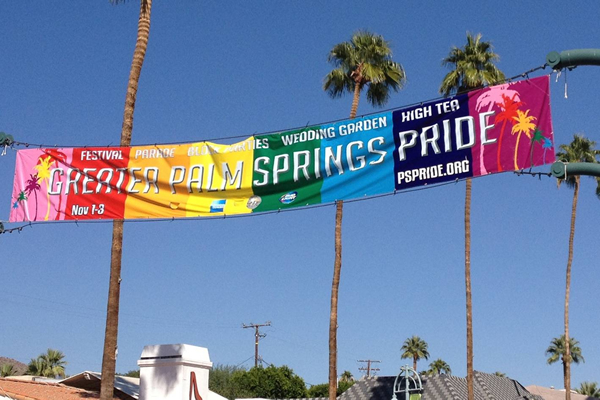
Palm Springs is celebrating its 40th anniversary of Pride and has announced the grand marshals for this year’s event. The annual Palm Springs Pride Parade will take place on Sunday, November 8, 2026, with the theme “Be Included.”
The grand marshals for this year were selected for their contributions to uplifting LGBTQ community and efforts to expand equality.
Comedian, writer, and actor Fortune Feimster was named the National Grand Marshal for the parade. Feimster is widely known for her stand-up specials and will be performing her special, Fortune Feimster: Takin’ Care of Biscuits (Encore), at the Plaza Theater on November 8th at 8:00 pm. Her extensive acting career includes starring roles in Netflix’s hit series The Hawk alongside Will Ferrell and Molly Shannon, FUBAR with Arnold Schwarzenegger, The Mindy Project, and feature films like Barb and Star Go to Vista Del Mar and Apple’s The Dink. She is also a co-host of the award-winning podcast Handsome and co-host of SiriusXM’s What A Joke Radio.
Actor and singer Cheyenne Jackson will serve as the Celebrity Grand Marshal. Jackson is known for his acclaimed work across stage, screen, and concert hall, being recognized for his work in Broadway productions, earning an Emmy nomination for Julie and the Phantoms and a Grammy nomination for the cast recording of West Side Story. He was seen on Broadway in productions such as XANADU, Into the Woods, All Shook Up, and Finian’s Rainbow. On screen, he’s had prominent roles in American Horror Story, 30 Rock, Glee, The Morning Show, and Julie and the Phantoms. Jackson will perform live in Palm Springs on Sunday, November 8, at 6:00 PM at the McCallum Theatre.
Dottie DuBois, also known as Marshal Percy, was named Pride Royalty for Life to honor the legacy of Les Dames Du Soleil, a drag troupe from the Coachella Valley that raised over two million dollars for DAP Health.
Gary Moline will receive the Community Service Award in celebration of his twenty-plus years of work with the Pride Bands Alliance and extensive civic engagement. Moline served as Artistic Director, board member, and national delegate to the Pride Bands Alliance. His extensive community work includes serving on the Greater Palm Springs Pride Board, the Desert Business Association, and as a California State Council Member of the Rail Passengers Association.
The pride parade will begin at 10:00 am on November 8, starting at Palm Canyon Drive at Tachevah and marching to the official entrance of the Pride Festival. The parade is free and open to the public.
For more information regarding the 40th Anniversary Celebration of Pride in Palm Springs, parade route updates, and festival schedules, please visit pspride.org.
Caleb Kaufman is a California Local News Fellow placed with the Los Angeles Blade. The California Local News Fellowship is a state-funded initiative to support and strengthen local news reporting. Learn more about it at fellowships.journalism.berkeley.edu/cafellows.
Palm Springs
Here’s your Palm Springs look at the weekend: Sep 11-13, 2026
DO THE RIGHT THING had its most recent recognition ceremony this week at the Palm Springs Police Training Center. Missing was former chief Andy Mills who had helped bring prominence to this nonprofit which recognizes and rewards school-age youth for good behavior.
It was touching to see the kids and hear the stories of their accomplishments, overcoming adversity ranging from learning disabilities to family issues. From a four-year-old to a 20-year-old, each had their moment in the spotlight, surrounded by family, their teachers and school administrators, elected officials, and our police.
Chief Mills’ lasting legacy will be his fostering trust between the youth and local law enforcement. Mills noted that early on, some children were afraid to participate in the program because they feared that interacting with the police could lead to their parents being taken away. Under his leadership and community-focused approach, those relationships changed, and the youth learned to trust the officers. As he departed Palm Springs last week, he strongly urged us to continue on with DO THE RIGHT THING.
Chief Mills also fostered that trust in our LGBTQ+ community during his tenure. Where a former police chief conducted sting operations in Warm Sands, Chief Mills would take to social media to remind men not to cruise in the wash nearby.
He transformed the department to be true allies of ours, and it showed immediately as Chief Kyle Stjerne directed his officers to show up on Arenas after a shooting at a gay bar in Tucson. The social media posts showed officers chatting with patrons at Streetbar. That simple act made all the difference in the world to us.
KESQ quoted Stjerne on how he plans to lead: “My mother taught us very early that actions speak louder than words. So I’m not going to tell you about all the great things the Palm Springs Police Department is going to do for this city and these people moving forward. We’re going to prove it to you, we’re going to show you every single day. That is my commitment.”
Doing the right thing is something we should all aspire to, even if we don’t get an award for it.
Brad Fuhr, your K-Gay Desert Guide
Here’s what’s ahead in sunny Palm Springs!
KGAY BIG SPLASH Pool Party
We’re baaaack! The KGAY BIG SPLASH Pool Party returns Friday, September 11 from 7–10 pm at the Palm Springs Surf Club, bringing nighttime Lazy River access, River Island fun, beats by DJ Galaxy, poolside cocktails, giveaways, and a pre‑party Happy Hour from 5–7 pm. All proceeds support your station KGAY 103.1! Get tickets
New Player Clinics – Palm Springs Gay Softball League

The Palm Springs Gay Softball League hosts New Player Clinics on Saturday–Sunday, September 12–13 at Big League Dreams in Cathedral City, with sessions beginning at 9 am both days. Participants only need to attend one clinic, making it easy for newcomers—whether seasoned players or total beginners—to get involved. Open to anyone over 18, the clinics offer a fun, welcoming introduction to the fall season and encourage players to register in advance and bring gloves, good shoes, and water. More info
SPACEPLAY

SPACEPLAY brings together three dynamic artists for a multi‑day showcase running Thursday–Sunday, September 10–13 at Impell Gallery. Featuring painter/mixed‑media artist James O’Keefe, painter/ceramicist/sculptor Mary Jeys, and ceramicist Eduardo Lerma, the exhibition highlights creative voices from the high desert and beyond. The schedule includes the Lofts Art District Art Walk on Thursday, September 10 from 4–7 pm, a General Reception on Saturday, September 12 from 2–6 pm, and Closing Day on Sunday, September 13 from 2–4 pm. More info
Greater Palm Springs Spa Month

Greater Palm Springs Spa Month unfolds across the Greater Palm Springs Area all month long, celebrating National Self‑Care Awareness Month with exclusive wellness experiences throughout all nine resort cities. This featured promotion invites guests to slow down, breathe deeply, and embrace self‑care their way—whether through a mineral spring soak, a rejuvenating facial, a deeply relaxing massage, a sound bath under the desert sky, or a full day dedicated entirely to restoration. Participating resort spas, day spas, and hot springs spas offer limited‑time treatments and special packages all September, making it easy to explore, book, and enjoy your perfect wellness escape. More info
“Weird Al” Yankovic – Bigger & Weirder 2026 Tour

“Weird Al” Yankovic brings his Bigger & Weirder 2026 Tour to Acrisure Arena on Sunday, September 13 at 7:30 pm, delivering a full‑production multimedia spectacle packed with iconic parodies and fan‑favorite deep cuts. Joined by his longtime band and four new players, Al’s super‑sized show blends sharp musical comedy with high‑energy performance. From “Eat It” to “White & Nerdy,” this Grammy‑winning legend offers an outrageous night of entertainment for fans across generations. More info
Purple Room Weekend Entertainment

The Purple Room Supper Club has reopened after an A/C failure made it too hot to handle! It sets the stage for a standout weekend of music and entertainment Friday–Sunday, September 11–13, with a spotlight on two powerhouse evenings to start things off. Brenna Whitaker and Michael Orland headline Friday, September 11, offering an intimate blend of beloved classics, heartfelt ballads, and selections from Brenna’s album Reverie, all elevated by Michael’s signature piano artistry. On Saturday, September 12, Scot Bruce channels the early years of Elvis Presley with uncanny resemblance, signature vocals, and a high‑energy band that brings rock ’n’ roll’s formative era to life. The weekend wraps on Sunday, September 13, when The Judy Show! delivers hysterical comedy, Golden Age glamour, and Michael Holmes’ razor‑sharp parodies of Judy Garland and Hollywood’s greatest icons. More info
Billy L’Amour & The Love Notes – Apocalipstick

Billy L’Amour & The Love Notes take over Spirit Animal at Hotel Zoso on Friday, September 11 from 7–9 pm, delivering Apocalipstick—a glamorous cabaret filled with live vocals, comedy, storytelling, and theatrical flair. Joined by special guest Todd Mackofsky, Billy blends vintage Las Vegas inspiration with Parisian revue style for a night of fabulous chaos, with a live band, spectacular costumes, and two cocktails included with every ticket. More info
Films in the Gardens – The Hidden Life of Trees (2020)

Films in the Gardens: The Hidden Life of Trees screens at Sunnylands on Friday, September 11 at 7:30 pm, part of the Roots & Reveries outdoor film series presented with the Palm Springs International Film Society. Inspired by Curating Canopy: Trees at Sunnylands, this week’s program explores how trees communicate and support one another, guided by forester Peter Wohlleben. Gates open at 6 pm, inviting guests to arrive early, bring a blanket, and enjoy a cinematic night under the stars. More info
Hitchcock Retrospective – Strangers on a Train

Camelot Theatres at the Palm Springs Cultural Center presents Strangers on a Train (1951) on Friday, September 11 from 7–10 pm, a sinister Hitchcock thriller where a chance encounter spirals into obsession and danger. Starring Farley Granger and Robert Walker, the film transforms everyday settings—trains, tennis courts, amusement parks—into stages for escalating tension and psychological intrigue. More info
Voyage – Celebrating the Music of Journey

Voyage rocks The Show at Agua Caliente Casino Resort Spa on Friday, September 11 from 8–11 pm. Fronted by vocalist Pedro Espada, whose tone channels Steve Perry, the band delivers blistering guitar solos, lush keyboards, and soaring harmonies that recreate Journey’s iconic sound. With hits like “Faithfully,” “Open Arms,” and “Don’t Stop Believin’,” Voyage transports audiences back to the height of arena‑rock glory. More info
Brothers of the Desert Members & Allies Lunch

The Brothers of the Desert host their Members & Allies Lunch on Saturday, September 12 from 12:30–2 pm at Mark’s Burgers in Cathedral City. Both members and allies are welcome for this casual community gathering, with attendees encouraged to RSVP before September 11. It’s a friendly midday meetup designed to connect, socialize, and enjoy good company. More info
Whitney Cummings – Big Baby Tour

Whitney Cummings brings her Big Baby Tour to the Palm Springs Plaza Theatre on Saturday, September 12 at 7 pm, showcasing her bold, observational humor and sharp cultural commentary. Known for stand‑up specials across Netflix, Max, and Comedy Central, Whitney blends personal stories with fearless wit, diving into single‑mom life, personal growth, and the comedy of owning your mistakes. More info
The Power of Participation — Turn Up. Turn Out.

The Mizell Center hosts a free, one‑hour civic engagement event on Sunday, September 13, inviting the community to come together for The Power of Participation: Turn Up. Turn Out. Presented by Voices Reclaimed, this nonpartisan gathering begins with voter registration at 1:30 pm, followed by a 2–3 pm program featuring uplifting music, community voices, and practical ways to get involved. Speakers include Lauren Mayer, Lisa Middleton, Chris Jackson, and Becki Robinson, with Joe Smith as emcee. The event encourages attendees to show up for one another through voting, volunteering, mentoring, and meaningful connection. Advance registration encouraged at UMCPS.org.
Burgers, Boys & Brews – Sunday BBQ

The Social Cafe & Lounge heats up Sunday afternoon with Burgers, Boys & Brews on Sunday, September 13 from 2:30–4:30 pm. This weekly backyard‑style cookout features fresh‑grilled burgers, hot dogs, sides, bottomless mimosas, bottomless draft beer, and live male entertainment. It’s an all‑inclusive brunch atmosphere where guests can eat, drink, and enjoy the lively weekend vibe. More info
Bylines Film Series – Citizen Kane

The Palm Springs Cultural Center screens Citizen Kane on Sunday, September 13 from 3–5:30 pm, presented as part of the Bylines, Broadcasts & the Big Screen Film Series. Often hailed as the greatest film ever made, Orson Welles’ masterpiece follows journalist attempts to decode Charles Foster Kane’s final word—“Rosebud”—through a groundbreaking narrative structure and deep‑focus cinematography. The series, hosted by the Coachella Valley Journalism Foundation, includes introductions and post‑film discussions exploring journalism’s cultural impact. More info
- Bootlegger Tiki Preview Cocktail Menu Tours • Guests can explore an iconic mid-century home with Brandon and Dexter during daytime architectural tours on Friday–Sunday from 11 am–6 pm at The Shag House, or attend the Preview Cocktail Menu Party, with live hula on Saturday from 6–8 pm benefiting Pinups 4 Cancer. Both experiences offer exclusive preview tastings of new Volume 19 cocktails.
- Cinema Couture: Movie Trivia • Participants can test their film knowledge, win prizes, and enjoy drag performances alongside movie showtune sing-alongs on Saturday from 7–8:30 pm at Festival Theaters Palm Springs. Presented by TRASH, this friendly competition promises a fierce and fun night for movie lovers.
- Night Swim • DJs spin live music at the ultimate after-hours pool party on Saturday from 6–10 pm at Palm Springs Surf Club.
- Unbuttoned: A Boylesque Social Experience • Michael Silas blends energetic dance, storytelling, and sharp comedy into a bold, intimate performance on Saturday from 7–8:30 pm at The Social Cafe & Lounge.
- Dance Ranch / Country Dance Saturdays • Rob Ollander-Krane teaches a beginner two-step lesson during a lively night of country western dancing on Saturday from 7–9:30 pm at Step by Step Dance Studio.
- Island Fest • J Boog headlines a tropical celebration featuring live music, cultural entertainment, and hula dancers on Saturday from 8–11 pm at The Show at Agua Caliente Casino Resort Spa.
- Headgames: A Tribute to Foreigner • Headgames captures driving guitars, powerful vocals, and unforgettable hooks on Saturday from 8–11 pm at Agua Caliente Casino Cathedral City.
- NSFW: New Season of Work • Russ White, T. Young, Merick Reed, Don Fisher, and Terrence Payne showcase exciting contemporary pieces at a special exhibition celebrating the opening of the local art season at Rubine Red Gallery through September 30.
- A Queer Arcana: Art, Magic, and Spirit • An intergenerational group of artists explores how mysticism and alternative spiritual practices have shaped LGBTQ+ struggles for liberation from Thursday–Sunday at Palm Springs Art Museum through October 18. The works reflect diverse traditions as celebrated by theorist Gloria Anzaldúa.
Palm Springs
Here’s your Palm Springs look at Labor Day Weekend: Sep 4-7, 2026
Anita Bryant was waging war on our LGBTQ+ community in Dade County back in 1977 when Gloria Steinem came to Miami to help our cause. Throughout her 90 plus years, the feminist became a supporter of our causes, becoming one of the early supporters of the Human Rights Campaign.
Her death this week reminds us that we have allies in many corners of the world. Her views were sometimes controversial — and misunderstood — especially on transgender issues.
In a 2013 essay for The Advocate, she explained her views from 1977 which became a flashpoint to the trans community when she questioned whether society sometimes pressured people to change themselves rather than confront prejudice.
So now I want to be unequivocal in my words: I believe that transgender people, including those who have transitioned, are living out real, authentic lives. Those lives should be celebrated, not questioned.- – Gloria Steinem
And like Dolly Parton, Steinem stood up to criticism from her ‘fans and followers’ for supporting LGBTQ+ rights. She said that lesbians were “the most vulnerable group of women”. She advocated for ENDA, the Employment Non-Discrimination Act, to include sexual orientation and gender identity.
She didn’t live to see her memoir released – it’s due out September 22nd. But the stories contained in those chapters will illuminate a life well-lived and the document the many struggles that transpired in her lifetime. Her impact on social justice will live on.
In a Instagram post announcing her death, her family wrote, “Gloria has given the world with the hope they have ripple effects for generations to come. Gloria often quoted the adage: “The flap of a butterfly’s wing can change the weather hundreds of miles away.” Fitting that the symbol for our trans community is the butterfly and that Gloria’s flap has had a lasting impact across the entire LGBTQ+ community.
Brad Fuhr, your K-Gay Desert Guide
Here’s what’s ahead in sunny Palm Springs!
Greater Palm Springs Spa Month

Greater Palm Springs Spa Month unfolds across the Greater Palm Springs Area all month long, celebrating National Self‑Care Awareness Month with exclusive wellness experiences throughout all nine resort cities. This featured promotion invites guests to slow down, breathe deeply, and embrace self‑care their way—whether through a mineral spring soak, a rejuvenating facial, a deeply relaxing massage, a sound bath under the desert sky, or a full day dedicated entirely to restoration. Participating resort spas, day spas, and hot springs spas offer limited‑time treatments and special packages all September, making it easy to explore, book, and enjoy your perfect wellness escape. More info
Palm Springs Women’s Jazz Festival / 2026 Blues at the Woodstock

The Palm Springs Women’s Jazz Festival / 2026 Blues at the Woodstock takes the stage at Hotel Zoso on Friday, September 4 from 6:30–9 pm, kicking off a featured Labor Day weekend of powerhouse blues performances. The evening stars Miriah Avila, Kimberly Nichole, and Dr. Gail Jhonson’s Blues All‑Stars, celebrating independent female artists with bold voices and unforgettable musicianship. The festival continues through September 6 with concerts, Q&As, exhibitions, and more. Check our event listing for more details: More info
Burgers, Boys & Brews Sunday BBQ
Burgers, Boys & Brews Sunday BBQ fires up The Social Cafe & Lounge on Sunday, September 6 from 2:30–5 pm, serving grilled burgers, hot dogs, bottomless mimosas, bottomless draft beer, and a hot male performance show. This backyard‑style brunch party blends great food, cold drinks, music, and high‑energy entertainment for a new Sunday tradition. More info
Get Tix Now: KGAY BIG SPLASH Pool Party

Next weekend is about to make a BIG SPLASH — so here’s your early heads‑up! The KGAY BIG SPLASH Pool Party returns Friday, Sept. 11 from 7–10 pm at the Palm Springs Surf Club, bringing nighttime Lazy River access, River Island fun, beats by DJ Galaxy, poolside cocktails, giveaways, and a pre‑party Happy Hour from 5–7 pm. All proceeds support your station KGAY 103.1! Get tickets
P!nk Tribute Night

Get ready for a high-energy concert experience with PInk Tribute Night at The Social Cafe & Lounge on Friday, September 4 at 7 pm. After three consecutive sold-out seasons captivating audiences in Puerto Vallarta and the Bay Area, the sensational Eva makes her highly anticipated Palm Springs debut as part of the venue’s First Fridays live performance series. Channeling P!nk’s raw energy, Eva doesn’t just impersonate one of pop music’s most iconic performers—she delivers a full, unforgettable concert experience up close. More info
The Purple Room Season Opening Weekend

Purple Room Palm Springs heats up Labor Day weekend with David Burnham headlining Friday–Saturday, September 4–5, performing Burnham Sings Bublé at 8 pm (dinner at 6 pm). His brand‑new show celebrates the greatest hits of multi‑Grammy winner Michael Bublé with contemporary swing and powerhouse vocals. On Sunday, September 6, The Judy Show! returns as Michael Holmes brings his beloved madcap classic back to the stage. More info
NSFW – New Season of Work

NSFW – New Season of Work launches a month-long season-opening exhibition at Rubine Red Gallery through September 30. Featuring new work by Russ White, T. Young, Merick Reed, Don Fisher, and Terrence Payne, this showcase celebrates the start of the 2026–2027 Palm Springs Art Season with fresh perspectives and dynamic contemporary art from five standout creators. More info
The Temptations

The Temptations perform at The Show on Friday, September 4 at 8 pm, bringing their iconic harmonies, signature choreography, and decades of chart‑topping hits to the stage. With classics like “My Girl,” “Get Ready,” and “Papa Was a Rolling Stone,” this legendary group continues to captivate audiences with stories and songs spanning generations. More info
WET + WILD | Rump & Bass

Presented by Eagle Cathedral City, WET + WILD: Rump & Bass ignites Labor Day Weekend with a two‑part, high‑energy celebration at The Sonoran. Friday’s WILD event on September 4 from 9 pm–2 am unleashes a late‑night dance party featuring Circle Jerk and the Palm Springs debut of NYC DJ duo MA’AM, delivering thick basslines and a wild crowd vibe. The weekend continues Sunday, September 6 from 2–7 pm with WET, a sun‑soaked pool party soundtracked by Marc Kelly and Bryan Hughes. More info
Unbuttoned, A Boylesque Social Experience

Unbuttoned, A Boylesque Social Experience brings the electrifying talent of Michael Silas to The Social Cafe & Lounge on Saturday, September 5 from 7 pm–8:30 pm. Silas blends dance, storytelling, and sharp comedic flair into an intimate boylesque evening shaped by decades of global performance experience. More info
ABBA L.A. – A Tribute to ABBA

ABBA L.A. lights up Agua Caliente Casino Cathedral City on Saturday, September 5 at 8 pm, celebrating the disco‑era magic of ABBA with favorites like “Dancing Queen,” “Mamma Mia,” “Take a Chance on Me,” and “Waterloo.” Expect soaring harmonies, glittering pop nostalgia, and a dance‑floor‑ready night. More info
The Great Backstage Blowout Sale

The Great Backstage Blowout Sale takes over Indio Performing Arts Center on Saturday–Sunday, September 5–6 from 8 am–4 pm, offering two huge days of indoor bargain hunting to benefit Desert TheatreWorks. Shoppers can explore costumes, props, set pieces, lighting and sound equipment, furniture, clothing, electronics, and more—many with real stage history. Every purchase supports DTW’s nonprofit mission, youth programming, and upcoming DTW Thrift Shop opening later this fall. More info
A Luncheon with Nancy Kerrigan

A Luncheon with Nancy Kerrigan invites guests to Agua Caliente Casino Resort Spa Rancho Mirage on Saturday, September 5 from 11 am–1:30 pm for an elegant fundraising celebration hosted by The Desert Figure Skating Club. The event features a live on‑stage interview with Nancy Kerrigan, moderated by Olympian Randy Gardner, plus a book signing and silent auction supporting the club’s programs. More info
Drag Me To The Movies

Drag Me To The Movies screens four beloved drag‑themed classics at The Palm Springs Plaza Theatre on Saturday–Sunday, September 5–6 with showtimes at 2 pm, 7 pm, and 7:30 pm. Audiences can enjoy The Adventures of Priscilla, Queen of the Desert, The Birdcage, To Wong Foo, Thanks for Everything! Julie Newmar, and Cabaret, celebrating resilience, self‑expression, and queer cinematic history all weekend long. More info
Tramway Holiday Hours + Maintenance Closure

The Palm Springs Aerial Tramway is offering extended Labor Day Weekend hours, making it an ideal last chance to ride before the annual maintenance closure on September 8. From September 5–7, trams start at 8 am each day, with late evening departures — last tram up at 9 pm and down at 10:30 pm on Saturday and Sunday, and last tram up at 8 pm and down at 9:30 pm on Monday. It’s a perfect time to enjoy cool mountain air, scenic hikes, or dining at Peaks Restaurant and Pines Café before the Tram temporarily shuts down.
- Singin’ & Swingin’ • Performers Tod Macofsky and Kari Kirkland celebrate jazz, swing, and timeless standards with a live band on Friday from 7–7:30 pm at Agua Caliente Casino Palm Springs.
- The Music of The Eagles • Tribute band Boys of Summer kicks off Labor Day weekend with a celebration of the Eagles’ timeless catalog of rock classics on Friday from 8–11 pm at Agua Caliente Casino Cathedral City.
- CCBC Pool Party Labor Day Weekend • Holiday celebrants can jump into the pool and enjoy a holiday gathering on Saturday from 12–4 pm at CCBC Resort, inviting friends and visitors to kick back and socialize during the festive Labor Day weekend.
- Night Swim at Palm Springs Surf Club • Lively DJs spin music for an after-hours pool party under the lights on Saturday from 6–10 pm at The Palm Springs Surf Club. Guests can swim in the Island Pool, float down the Lazy River, and enjoy cocktails at the Island Bar during this 21+ event.
- Dance Ranch / Country Dance Saturdays • Dance Ranch Palm Springs hosts a welcoming night of country western dancing on Saturday from 7–9:30 pm at Step by Step Dance Studio. Instructors Rob Ollander-Krane and Kyle Young will teach lessons in shadow and line dancing for dancers of all levels.
- The Rack Pack: Weekly Men’s (Chinese) Mahjong Meet-Up • The Rack Pack invites men of all skill levels to a relaxed afternoon of Chinese Mahjong on Sunday from 4–6 pm at ACE Hotel & Swim Club.
- A Queer Arcana: Art, Magic, and Spirit • Explore how magic, spirituality, and esoteric knowledge have shaped queer art and culture Thursday–Sunday at the Palm Springs Art Museum. The exhibition features works reflecting occultism, witchcraft, and mysticism to highlight alternative spiritual practices in LGBTQ+ liberation struggles.
California
San Francisco, long a queer safe haven, remains competitive for homebuyers
AI boom has boosted market as housing shortages continue
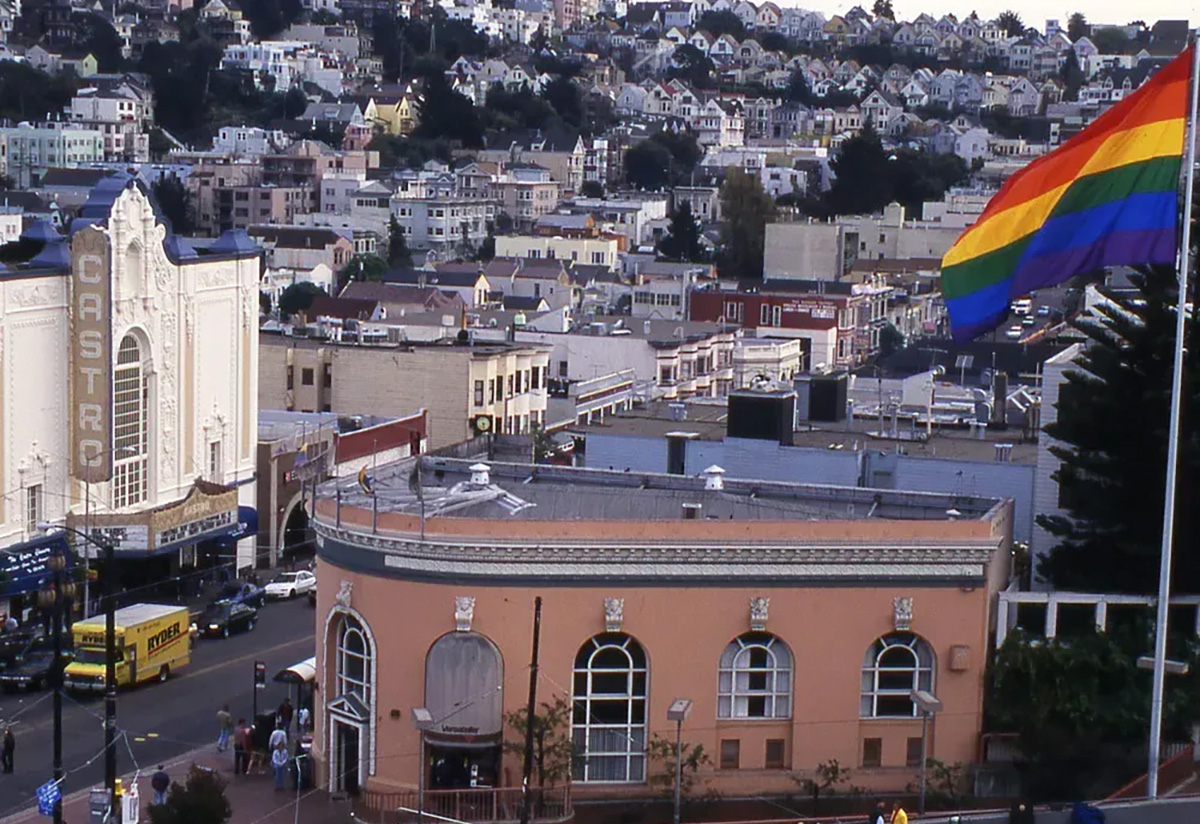
LGBTQ people have a variety of housing options when they’re lucky enough to be able to afford property. In San Francisco – long considered a safe haven for the queer community – individual needs have to be weighed both against the city’s chronic housing shortage and a competitive but often lucrative job market.
After a lull of several years, the city’s real estate market has heated up in recent months, driven by the city’s economic recovery post-COVID lockdowns and the artificial intelligence boom.
For Rick Page, 68, and Anthony Farace, 57, both gay men, the job market was a top reason to move back to the city after they’d left the Bay Area five years ago.
Page said the couple had left behind a “huge home in a town called Oakhurst, on the way to Yosemite.” When moving back to San Francisco they wanted to balance suburban and downtown vibes, Farace said, leading them to settle in Diamond Heights, a tiny neighborhood built atop three hills above Noe Valley, that has suburban sensibilities but isn’t too far from downtown.
“In the summer it’s a little foggy but it’s nicer up here the rest of the time, and where it felt like you aren’t downtown where it’s just concrete and buildings,” Farace said.
Added Page, “It sounds goofy, but if there’s a tsunami, it won’t get all the way up here.”
Page said that in the spring the couple initially bought a relatively small studio in Diamond Heights. But they found that it didn’t meet their needs and purchased a second studio unit nearby that did. They closed on the larger condo unit in October.
“It just didn’t have any kind of patio or outdoor thing for the dog,” Page said of their first studio, “so we saw something upgraded with a kitchen redone, nice hardwood floors, a fireplace, a sunny patio, so it was much nicer. We bought that one, now we have to figure out what to do with the first one.”
The first unit was $450,000 and the second $520,000, they stated.
The couple also mentioned a lack of some of the downtown, South of Market, and Mission District street disorder that garnered negative headlines in the past several years. The couple also noted that Diamond Heights is more affordable than traditionally high-priced Russian Hill, which is closer to downtown.
Nevertheless, “The employment, the social life is better” in San Francisco, Page added.
Federal data shows many LGBTQ people want to own a home.
Fannie Mae, the government sponsored enterprise that buys home loans, does have some LGBT data, according to research from 2023 that was published in 2024. The data is the result of sexual orientation and gender identity identifiers in the National Housing Survey. It did not ask about queer representation.
According to the report, 8.6% of respondents identified as lesbian, gay, bisexual, and transgender – similar to the U.S. Census Bureau’s Household Pulse Survey. The survey included responses from a weighted total of 12,363 people 18 years and older, with a weighted total of 1,059 identifying as LGBT.
The research found the LGBT homeownership rate to be 46%, which is much lower than the overall U.S. homeownership rate of 65%.
The latest available data from The Urban Institute reveals that the homeownership rate for individuals identifying as LGBTQ+ stands at 51%, in contrast to 71% for those who identify as both straight and cisgender. According to the U.S. Census Bureau, at least 1.3 million same-sex couples reside in the U.S., meaning a significant number of LGBTQ people in this country do not own their own homes.
In San Francisco, the Diamond Heights neighborhood is just a half-hour walk from the Castro, and even shorter on the bus.
Charlie Mader is a gay man who has been a Realtor in San Francisco for “just under 25 years,” with a particular emphasis on Diamond Heights, the Castro, and Noe Valley. He said that while many LGBTQ people want to live relatively close to a queer neighborhood, such as the Castro, “It’s not like it used to be.”
Even in spite of a recent backlash to LGBTQ equality in the mid-2020s, leading to a number of federal policies largely targeting transgender and gender-nonconforming people, Mader said that since marriage equality, “You hear ‘There’s no need for us to live together in a gay ghetto,’ and we’re interspersed throughout the community and the country.”
Marriage equality became legal in California in June 2013, two years before the U.S. Supreme Court made same-sex unions legal nationwide in 2015.
Mader said marriage equality helped incentivize more LGBTQ home-buying due to an old Clinton administration tax law that gave married couples favorable tax incentives versus single homebuyers.
But even within the City-by-the-Bay, the distinction between neighborhoods is not as stark.
“I hear the Mission is just as gay as the Castro is, and the food is better,” Mader said. “I can’t argue with that.”
Angel Carney, a lesbian Realtor, has also been in the Castro area for decades. She said the threshold of home ownership there has risen dramatically.
“When I first started,” which was in 2002, she said, “I had teachers, I had nurses, I had a doctor … It was diverse in terms of who was buying. Everybody had a way to get into the market.”
Now, “with tech, they blew out everybody,” she added, saying first-time homebuyers are sometimes competing with tech employees making six-figure salaries from their early 20s due to their economic opportunities.
Carney said that even so, “It’s mostly a two-income household who’s buying in the Castro,” largely people in their 30s.
“LGBTQ is more of a rarity,” she added. “I’ve seen more non-LGBTQ, I would say, couples buying in the Castro.”
One reason is because while it is such an iconic epicenter of the LGBTQ community, it is “definitely a transit hub, and it’s geographically central, so if you work on the Peninsula, you go over Diamond Street and you’re on [Highway] 280. You can get to BART, to the airport, it definitely is transit centric for work, for traveling, if you’re a tech worker.”
Understanding that unhoused people are often part of San Francisco neighborhoods such as the Castro is also a factor, Mader said.
“Because gays are so tolerant, it draws a magnet for people who you know are distressed and so you see more antisocial behavior, begging on the street, people just getting high because they know they can get away with it,” he said. That can impact people’s desire to buy a forever home in one neighborhood or another.
Indeed, the Castro has experienced fewer open-air drug scenes than other parts of the city, such as Sixth Street or the Civic Center Plaza, which are both near the downtown core. Such activity has, however, remained a persistent complaint of Castro merchants. In early December, Sophie Marie, a legislative aide to gay Board of Supervisors President Rafael Mandelman, who represents the neighborhood as District 8 supervisor, noted that “a lot” of unhoused people have recently moved into the Castro as they leave South of Market and Civic Center amid an increase in law enforcement activity and attention from city government there.
The Castro is among those neighborhoods seeing building height limits increased as a result of Mayor Daniel Lurie’s family zoning plan that, after much rancor, passed the Board of Supervisors for the final time on December 9. The plan is intended to increase the city’s housing stock to meet state housing goals.
San Francisco’s median home sale price rose nearly 6% to $1.85 million, its highest amount since 2022, earlier this year, as the San Francisco Standard reported.
Mader said that nonetheless, “There are empty condos everywhere for sale,” and that market is down 20% from its peak.
“Right now I’m selling for $625,000 – I’ve sold for $100,000 more than that,” Mader noted.
Carney agreed that condos are very available right now.
“If you’re thinking about entering the market, think about condos,” she advised. “When interest rates go down, prices will go up, so get in now on a condo. People say they’re waiting for the market to drop – well, the market dropped on condos. Those are a great buy right now.”
The Fannie Mae data showed that homeownership aspirations are high among LGBT consumers, with 83% saying they “would like to buy at some point” or “continue to own,” the report stated. This share is comparable to non-LGBT consumers, the report stated. LGBT consumers also believe there are more obstacles to owning a home than their non-LGBT peers.
Those obstacles include that over 70% of LGBT respondents said it was difficult to get a home mortgage today, compared to only 55% of non-LGBT respondents, according to the research. LGBT consumers were more concerned about closing costs, credit score or history, current debt, and insufficient income for monthly payments.
The Federal Reserve on December 10 lowered interest rates for the third time this year. The recent reduction was by a quarter of a percentage point, as the New York Times reported. The new range is between 3.25% to 3.75%. But CNBC noted that mortgage rates may remain higher because they are less impacted by the Fed. The average rate for a 30-year, fixed-rate mortgage is currently about 6.35%, the network reported December 10.
Nationally, the real estate market is dealing with the same uncertainty as the rest of the economy, now almost one year into President Donald Trump’s second term.
“Everyone is afraid of another Trump recession,” Mader said. “People are not buying houses especially in places like Florida, where they’re having all kinds of issues with insurance.”
Florida is the nation’s most expensive state for home insurance due to natural disasters like hurricanes.
California is also experiencing insurance issues, particularly in areas prone to wildfires, as the San Francisco Chronicle reported. Most of the Bay Area is not as affected as other parts of the state, though insurance premiums are rising for home insurance.
Not everyone wants to live in a big city.
Mark Kliem, who’s part of the LGBTQ Real Estate Alliance, focuses on the North Bay, encompassing Solano, Napa, and Sonoma counties.
“Consumers can contact the alliance no matter where they live and connect with the nearest LGBTQ agent close to their area whether they are buyers or sellers,” Kliem, who is gay, said.
Kliem lives in the Solano County city of Vallejo, where the real estate market took a dive during the Great Recession.
“A lot of investors swooped in and bought up as many of those places as they could, so there was a lot of investing in property through that, and a lot of flippers,” he said, referring to people who buy a property, fix it up, and then sell it for a profit.
Now, the area is one of the country’s hottest real estate markets, he said, because it’s near San Francisco, has warmer weather and is more affordable long-term.
“It’s a good place location wise – we’re on a bay, we have a ferry service to downtown San Francisco. We don’t have BART, so it’s a little problematic to get to the nearest BART, but our weather gets even warmer, less fog, than Oakland. Throughout the year, it’s a five-degree difference from San Francisco.”
Ultimately, the Golden State and the Bay Area in particular are poised to remain competitive for buyers of all sexual orientations and gender identity – despite the fact that that leads to so many barriers to entry. Gay Realtor Anthony Waite, 30, explained why.
“A lot of people who moved to Austin, Texas [during the COVID pandemic lockdowns] said there’s not a lot to do,” Waite said. “In San Francisco, you could find something to do every single corner every hour, day and night. Texas doesn’t offer that.”
(Editor’s note: This article was originally published by the Bay Area Reporter and is part of a national initiative exploring how geography, policy, and local conditions influence access to opportunity. Find more stories at economicopportunitylab.com .)
Palm Springs
Here’s Your Palm Springs Weekend: Aug 28th – 20th, 2026 by LA Blade x Gay Desert Guide
Dolly’s death hit everyone hard. The tributes continue to pour in. What was it about this lil’ old country gal that made her universally loved and respected?
Loved because she was love. It was unconditional and provided the Christian right some things to reflect on about their beliefs regarding our LGBTQ+ community that Dolly flipped on their proverbial heads.
Josh Helfgott wrote in his Facebook tribute: “In 2023, as Tennessee lawmakers pushed through a stack of anti-trans laws and tried to ban drag performances in public, Parton said trans people cannot help being trans ‘any more than I can help being Dolly Parton. I just want everybody to be treated good,’ she said. To the Christians who came after her for it, she had already answered: ‘If you’re the fine Christian that you think you are, why are you judging people? That’s God’s job.'”
I’d forgotten about her Imagination Library. It has mailed more than 310 million free books to children. She created the project for her father, Robert Lee Parton, who could neither read or write. When I heard the audio that was sent to each child, it brought a tear to my eye. The book lady wasn’t a country superstar, she was a human being concerned about the education of other humans.
Don’t think you were the first to think why this 80 year old was taken from us. The contrast between dirt poor Dolly and silver spoon Donald couldn’t be greater. Dolly should have been president. She had the business acumen, the temperament and the wisdom that would have served our country well.
In 2009, Dolly Parton spoke to 60 Minutes’ Morley Safer about how being underestimated helped her gain respect in business. “I look like a woman, but I think like a man,” the country music star said. “And in this world of business that has helped me a lot. Because by the time they think that I don’t know what’s going on, I done got the money and gone.”
It’s a cute quote, but Dolly was principled and wouldn’t have us in a constant mode of retribution and retaliation. But here we are. Dolly Parton has left the earth at age 80. She believes she was going to heaven to be with her maker. But she didn’t push those beliefs on others.
Our KGAY DJ Galaxy put together a wonderful tribute hour on Wednesday’s Retro Lunch show. We’ll repeat it Sunday at 1 pm during the KGAY Retro Sunday Brunch. I hope you’ll take a listen. Dolly Parton’s music will make you grin one minute, and bring you to tears the next. Shedding tears for a life well lived is a good thing. Remembering her legacy and following in her footsteps is something for each of us to aspire to.
Brad Fuhr, your K-Gay Desert Guide
Here’s what’s ahead in sunny Palm Springs!


Pool Party for a Cause: Tiki Night
Pool Party for a Cause: Tiki Night splashes into Palm Springs Surf Club on Friday, August 28 from 7–10 pm, serving tropical vibes with a purpose. Expect a lively night of summer energy, refreshing drinks, and great company, all soundtracked by a poolside set from DJ Galaxy. With a festive Tiki theme and plenty of room to dance, it’s the perfect way to enjoy a warm desert night while supporting the Palm Springs Animal Shelter — all proceeds benefit their lifesaving work. More info
Summer Moon Dance Party

Celebrate the season’s final full moon at the Summer Moon Dance Party at Palm Springs Art Museum on Friday, August 28 from 7–10 pm. This after‑hours adventure blends live DJs, immersive art, cocktails, and performances inspired by release, renewal, and lunar energy. Featured DJ BROWNSKINHAZEL brings an electrifying mix of Baile Funk, Vogue Beats, Techno, Reggaeton, and club sounds rooted in LA’s queer underground. VIP guests can choose a mystical add‑on — an aura portrait or tarot reading — while artist Yulissa Mendoza debuts a one‑night‑only installation. Temporary tattoos by Cesar Omar Garcia round out the fun. More info
6th Annual Dogust Birthday Bash + Bingo

The 6th Annual DOGust Birthday Bash + Bingo brings tail‑wagging fun to the Kimpton Rowan Hotel on Saturday, August 29 from 11 am–1 pm. Dog lovers and their pups can celebrate together with bingo, games, prizes, and a cheerful community atmosphere. It’s a playful midday event designed for furry friends of all ages, offering a chance to socialize while supporting Animal Samaritans’ mission to save lives and find loving homes for pets across the Coachella Valley. More info
Final Day to Nominate : Best of Coachella Valley

CV Independent’s Best of Coachella Valley 2026–2027 nomination round is just about to close, and now’s the moment to spotlight the local voices, stations, and personalities you love most. Nominations determine who advances to the final ballot, so every vote truly counts. Our contenders this year include KGAY 103.1, Sunny 106.5, and MeTV FM 92.1 for Best Radio Station; John Taylor, E.J. Tyler, Patrick Evans, and Chris Shebel for Best Local Radio Personality; and our powerhouse DJ trio — DJ Galaxy, DJ Eric Ornelas, and MODGIRL — for Best Local DJ. Nominations are open through Friday, August 28, so cast your picks and lift your favorites into the spotlight! Nominate Today
The Fixx with The Plimsouls

The Fixx take the stage at The Show at Agua Caliente Casino Rancho Mirage on Saturday, August 29 from 8–10:30 pm, delivering a night of sleek, synth‑driven modern rock. Fans can expect iconic hits like “One Thing Leads to Another,” “Red Skies,” “Saved by Zero,” and “Are We Ourselves?” Special guests The Plimsouls bring their power‑pop sound, including the timeless favorite “A Million Miles Away.” More info

Superfuzz Saturday Nights at CCBC
Superfuzz Saturday Nights returns to CCBC Resort on Saturday, August 29 from 8 pm–midnight, offering an all‑vinyl DJ experience under the stars. Guests can dance poolside to classic vinyl sets from top DJs while enjoying CCBC’s signature resort atmosphere. With drinks from Runway Bar and a lively summer crowd, it’s a relaxed, music‑driven night perfect for friends and fun. More info
A Disco Affair

Music lovers can lose themselves in the rhythm during A Disco Affair at The Saguaro Palm Springs on Friday, August 28 from 8 pm–12 am. This monthly vinyl listening and dance party celebrates the iconic sounds that shaped underground dance culture, featuring an incredible hand-mixed blend of disco, boogie, Italo, funk, synth rarities, and left-field club records. Inspired by the legendary early 1980s spirit of The Loft and Paradise Garage, the night offers a welcoming dance floor centered on openness and discovery. More info
Lesbian & Queer Women’s Tea Dance & Pool Party

The Lesbian & Queer Women’s Tea Dance & Pool Party brings a festive afternoon to Arrive Hotel on Sunday, August 30 from 2–6 pm. Expect dancing, swimming, sunshine, and community vibes as lesbians and queer women gather for a splashy social event. With a welcoming crowd and a relaxed poolside setting, it’s an easygoing way to close out the weekend and connect with friends old and new. More info
- Amigos CV • Latino men gather for a peer-led support group discussing health, masculinity, and cultural identity on Friday from 6–8 pm at The LGBTQ Community Center of the Desert.
- Gretchen Wilson • Country star Gretchen Wilson brings her gorgeously rough-edged rock-and-roll spirit to the stage on Friday from 8–11 pm at The Show at Agua Caliente Casino Resort Spa.
- InBody Retro • Older adults will get moving with a fun, low-impact workout on Saturday from 10:45–11:45 am at The LGBTQ Community Center of the Desert. This dance-based fitness program is thoughtfully designed for adults in their 50s, 60s, 70s, and older.
- Night Swim at Palm Springs Surf Club • Attendees will enjoy the ultimate after-hours pool party with live DJs and specialty cocktails under the lights on Saturday from 6–10 pm at the Palm Springs Surf Club. Guests can swim in the pool or float down the lazy river.
- Dance Ranch / Country Dance Saturdays • Dance Ranch hosts an exciting night of country western dancing, including two-step, waltz, and line dancing, on Saturday from 7–9:30 pm at Step by Step Dance Studio. Instructor Kyle Young will lead attendees in a Champagne Promise line dance lesson.
- A Dustyland Fairytale – A Tribute to The Killers • Celebrate the anthemic sound, driving guitars, and synth-rock energy of The Killers on Saturday from 8–11 pm at Agua Caliente Casino Cathedral City. Fans will hear live performances of iconic favorites like “Mr. Brightside” and “Somebody Told Me.”
- Selena Tribute • The Selena tribute band Anything for Salinas performs a high-energy live concert for The Desert Hot Springs “Desert Nights on the BLVD” concert series on Saturday from 6–10 pm at Desert Hot Springs City Hall.
- Desert Sound Sessions at Kimpton Rowan Palm Springs • DEN Meditation partners to launch a wellness series promoting deep relaxation and mindfulness on Sunday from 9:45–11 am at the Kimpton Rowan Palm Springs Hotel. Each session begins with tea and community gathering before settling into a guided sound journey.
- Kinky Boots – The Musical • The dazzling movie musical Kinky Boots comes to the screen direct from the London stage on Sunday from 7–10 pm at the Palm Springs Plaza Theatre. This fabulously sassy show features songs by pop icon Cyndi Lauper, direction by Jerry Mitchell, and a book by Harvey Fierstein.
- A Queer Arcana: Art, Magic, and Spirit • An intergenerational group of artists explores how magic, spirituality, and esoteric knowledge have shaped queer art and culture; Thursday–Sunday at Palm Springs Art Museum.
Palm Springs
Here’s Your Palm Springs Weekend: Aug 21 – 23, 2026 by LA Blade x Gay Desert Guide
NationalRadioDay blew up on social media this year. Thursday’s annual event was celebrated on the airwaves across America as well as locally.
Those of us who have been on the air each have a unique story about how the radio bug “bit” us. Reading Facebook posts and comments from my friends who I share this vocation with has been a great trip down memory lane.
Palm Springs was a robust radio market where Eric Ornelas cut his teeth doing a mix show after school. Valerie Kattz, now with Animal Samaritans, showed dozens of photos from her days at various frequencies around the local radio dial – including 103.1 when it was “EZ”. Patrick Evans got his start in radio before the weather bug bit him. John Taylor started on the East Coast.
Chris Shebel, our program director, posted a fun “Flintstones” AI-generated image broadcasting “Live from CAVE 17”. It seems like that long ago since we met.
Chris and I first crossed paths in a college town with a couple of legendary radio stations: WSPT and WXYQ in Stevens Point, Wisconsin. In radio it was all about upward mobility — you likely started in your hometown, then graduated to larger markets until you (hopefully) hit the jackpot working in a top 10 market like Los Angeles or Chicago. Many times a job lasted only a year. U-Haul was your constant companion.
Chris had catapulted over many of his peers going from Stevens Point to Columbus, Ohio. But then, WLS in Chicago discovered him and Chris was on his way to the big time. His first day on the air, we took a portable AM radio outside our studios. It was winter and snow was falling as we tuned in WLS to hear Chris on the air for the first time. We were so proud, a little envious and hoping that his good fortune would rub off!
Chis came back to Stevens Point for gatherings and that’s where we got to know each other. Except, we didn’t know each other’s secret: We were both closeted gay men in an industry where being out meant losing your career. That’s where I’ll leave this story for today, but there’s much more to share about how Chris singlehandedly helped bring radio “out of the closet.”
Brad Fuhr, your K-Gay Desert Guide
Here’s what’s ahead in sunny Palm Springs!
Tramway Getaway

The Palm Springs Aerial Tramway is an unbeatable way to escape the valley’s intense heat this weekend, with refreshing mountain temperatures hovering around 70 degrees at the Mountain Station. Enjoy the world’s largest rotating tram car as it glides over the cliffs of Chino Canyon, delivering spectacular views on the ten‑minute ascent to 8,516 feet. Once at the top, visitors can explore restaurants, observation decks, a natural history museum, documentary theaters, a gift shop, and miles of hiking trails. It’s also an ideal time to visit before the Tramway’s annual preventative maintenance closure begins on Tuesday, September 8, expected to last about a month. August features First Responders Days, offering free admission and a special gift for qualified first responders, plus 25% off regular fares for up to four guests. More info
Lulu Celebrates 15 Years

Lulu California Bistro marks a major milestone this August as it celebrates 15 years at the heart of downtown Palm Springs. Since opening on August 22, 2011, Lulu has become a community anchor — welcoming more than 4 million guests, supporting hundreds of local hospitality professionals, and shaping the city’s dining and social scene with its colorful, inclusive spirit. Guests can also enjoy a sweet treat during the “birthday” weekend: free cotton candy with any meal from August 21–23. Founded by Jerry and the late Barbara Keller, Lulu’s legacy is rooted in bold vision, philanthropy, and unwavering love for Palm Springs. More info
Out On The Mountain 2026

Experience thrilling rides and spectacular drag performances at Out On The Mountain 2026 on Friday, August 21 from 6 pm–12 am at Six Flags Magic Mountain. This private, all-ages party brings together over 5,000 members of the LGBTQ+ community and allies. Enjoy performances by April Carrión and Jessica Wild while supporting Southern California LGBTQ organizations. The park is closed to the general public during event hours, and regular season passes are not accepted. Tickets must be purchased online in advance, with VIP options available. More info
Silent Disco – Battle of the DJs

Dance to your own beat at the Silent Disco – Battle of the DJs on Friday, August 21 at 9 pm at The Palm Springs Surf Club. This exciting night of dancing allows you to switch between DJ Lady Pink and a Surprise DJ with the flip of a switch on your wireless headphones. Grab your headphones, hit the dance floor, and enjoy a unique evening of music under the stars. More info
The Desert Modernist: An Art Showcase

Celebrate local artistic talent at The Desert Modernist: An Art Showcase on Friday, August 21 from 4–7 pm at Senior Helpers. This generational exhibition brings together Coachella Valley artists, blending iconic Mid-Century Modern aesthetics with bold contemporary acrylics and sweeping desert landscapes. You can enjoy stunning artwork, light refreshments, and community spirit while supporting local guest artists such as Ray Clearwater, A Todd Jones, Ron Slack, and Juan Jose Espinosa. The exhibition is completely free and open to all. More info
Pet Star 2027 Photo Contest

Furry, feathered, and scaly companions across the Coachella Valley can shine in the spotlight during the annual Pet Star 2027 Photo Contest running now through September 30. This fundraiser by Greater Palm Springs Animal Allies invites pet owners to submit photos for a $25 fee in five categories to support Palm Springs Animal Shelter, Desert Wildlife Center, and Desert Community Animal Center. Entrants can submit multiple pets and rally votes for $1 each, with a five-vote minimum. The top vote-getter becomes the 2027 Pet Star Champion on the calendar cover, while other top-ranking pets are featured inside. Supporters can preorder calendars or reserve special dates for $20. More info
The Wizard of Oz

Experience the classic story The Wizard of Oz at Palm Springs Plaza Theatre with a special screening on Friday, August 22 at 7 pm. The Friday screening features an exclusive introduction and audience Q&A with special guest Vanessa O’Neil, granddaughter of Judy Garland and daughter of Lorna Luft and Jake Hooker. More info

Queer Eyes Cinema Club
The Queer Eyes Cinema Club screens its August pick, Diamantino (2018), on Saturday, August 22 from 4–6:30 pm at Festival Theaters. Hosted by The LGBTQ Community Center of the Desert, this monthly meetup brings LGBTQ+ films to the big screen, offering intersectional stories across race, ethnicity, and culture. After the movie, attendees can hang back for an open discussion and share reflections. The series is led by film analyst and scholar Esther Schwartz. More info
Pat Benatar & Neil Giraldo

The legendary rock duo Pat Benatar & Neil Giraldo will bring their iconic sound to the stage of The Show at Agua Caliente Casino Resort Spa on Saturday, August 22 at 8 pm. This Rock & Roll Hall of Fame partnership has shaped the landscape of music for decades, producing timeless hits such as “Love Is A Battlefield” and “Heartbreaker.” With four consecutive Grammy Awards and over 36 million records sold worldwide, their staggering vocals and trailblazing guitar artistry continue to captivate audiences. More info
Coachella Valley Classical Voices

Enjoy an afternoon of inspiring opera and Broadway selections as the Coachella Valley Classical Voices group performs on Sunday, August 23 from 3–4:30 pm at Palm Springs Plaza Theatre. Under the artistic direction of Doug Nagel, this talented lineup of local singers will present beautiful musical selections by renowned composers like Puccini, Verdi, Sondheim, and Schwartz. It is a fantastic opportunity to experience local classical music and vocal talent live on stage. More info
Nominations Round Open: Best of Coachella Valley
CV Independent’s Best of Coachella Valley 2026–2027 nomination round is officially open, and now’s the moment to spotlight the local voices, stations, and personalities you love most. This early round determines who advances to the final ballot, so every nomination truly counts. Our contenders this year include KGAY 103.1, Sunny 106.5, and MeTV FM 92.1 for Best Radio Station; John Taylor, E.J. Tyler, Patrick Evans, and Chris Shebel for Best Local Radio Personality; and our powerhouse DJ trio — DJ Galaxy, DJ Eric Ornelas, and MODGIRL — for Best Local DJ. Nominations are open through Friday, August 28, so cast your picks and lift your favorites into the spotlight! Nominate Today

- A Queer Arcana: Art, Magic, and Spirit • Palm Springs Art Museum hosts an intergenerational group of artists exploring how magic, spirituality, and esoteric knowledge shaped queer culture, open Thursday–Sunday and the show runs through October 18.
- George Perez Comedy Show! • Comedian George Perez will deliver a night of real stories, big laughs, and nonstop energy at Agua Caliente Casino Palm Springs on Friday at 7 pm.
- Victor Vasquez Comedy Show • Stand-up favorite Victor Vasquez will deliver nonstop laughs with his quick wit and sharp storytelling at Spotlight 29 Casino on Friday from 8–9:30 pm.
- Lee Hyun Woo • Audiences will experience a spectacular performance as South Korean singer Lee Hyun Woo takes the stage at The Show at Agua Caliente Casino Resort Spa on Friday from 8–11 pm.
- Welcoming Yoga • Participants of all experience levels will experience a safe, slow basic practice led by facilitator Marci Stonehedge at The LGBTQ Community Center of the Desert on Saturday from 4–5:15 pm.
- Night Swim • Partygoers will experience the ultimate after-hours pool party featuring live DJs, cocktails at the Island Bar, and access to the iconic Island Pool and Lazy River under the lights at The Palm Springs Surf Club on Saturday from 6–10 pm.
- Dance Ranch / Country Dance Saturdays • Dancers of all levels are welcome to enjoy country western dancing, including two-step, waltz, and line dances. This week features a “Choosin Texas” line dance lesson with Andrew Jimenez. Located at Step by Step Dance Studio on Saturday from 7–9:30 pm.
- A Tribute to Lynyrd Skynyrd • Southern rock fans will experience the raw energy and triple-guitar attack of classics like “Sweet Home Alabama” and “Free Bird” by tribute band Skynyrd & Frynds at Agua Caliente Casino Cathedral City on Saturday from 8–11 pm.
- The Rack Pack: Weekly Men’s (Chinese) Mahjong Meet-Up • Men of all experience levels enjoy a relaxed afternoon of friendly Chinese Mahjong, good company, and great vibes with The Rack Pack. This weekly group meets at ACE Hotel & Swim Club on Sunday from 4–6 pm.
Palm Springs
Here’s Your Palm Springs Weekend: Aug 14th – 16th, 2026 by LA Blade x Gay Desert Guide
“Photographs & Memories” was a Jim Croce song I remember from the 1970s. As a teen, I had wide music tastes ranging from hard rock to soft rock, show tunes to the Jesus Christ Superstar soundtrack.
That Croce song stayed with me as it explores looking back at old relationships through old photographs. I was too young at the time to have any of those memories rattling around my brain. But this week, I was living that song – searching for photos of me and my classmates ahead of my 50th class reunion.
I found something else I wasn’t expecting: pictures of lost loves from the days when we still took our film into the local drugstore or photomat. My high school sweetheart – a woman – and me at prom. A man I met at a gay bar in Battle Creek and had an early fling at our cabin. The flight attendant in Cincinnati when we traveled to Denver together. A former co-worker turned girlfriend who has since passed. My partner of seven years in Chicago. And many photos of those men and women for which there was a spark but not a flame.
“Photographs and memories
All that’s left I have of you
Memories of forgotten times
And the love we used to know…”
— Jim Croce
Like Jim Croce in that song, I rely on those frozen visual moments to relive the past. The brain tries to fill in the gaps and remember the sequence: How we first met. The good times. And ultimately the break up.
My high school sweetheart won’t be at this year’s reunion, but we had a heartfelt talk at our 40th about me being gay and not able to be out. She cried thinking how difficult it must have been for me. But I assured her that in my youth I was still figuring it all out. While my crushes were boys, I truly did care about her.
We’re expecting over 100 people from my Hastings High School Class of 1976. Only a handful are known to me as LGBTQ. One, who became a good friend, is a lesbian whose mother was best friends with my grandmother. Her older sister and my mom were besties, and now we’re the third generation to share a close bond. Only in a much different way as LGBTQ friends.
The photos I bring back to share will be those of my classmates and the times we spent exploring our youth. But those I will always cherish are, as Jim Croce wrote, “the love(s) we used to know”.
Brad Fuhr, your K-Gay Desert Guide
Here’s what’s ahead in sunny Palm Springs!
Big Bear Romp

Escape to the mountains for Big Bear Romp in Big Bear Lake, running Thursday–Sunday, August 13–16. This multi-day festival features a Friday pool party, vendor fair, luau lunch, and the Beefwitch Underwear Party. On Saturday, attendees can enjoy the Bear Soup pool party and Romp in the Dark, while Sunday wraps up the fun with drag bingo and the Last Splash pool party. All-weekend amenities include access to a game room, hot tub, and restaurant. More info
Lake Arrowhead LGBTQ+ Pride Festival

The Lake Arrowhead LGBTQ+ Pride Festival is held at Waterfront Park in Lake Arrowhead Village on Saturday, August 15. This all-inclusive, family-friendly gathering features the 2026 Pride Boat Parade and decorating contest, themed “Pride Through The Decades.” Not a boat owner? You can purchase tickets for the Arrowhead Queen Booze Cruise departing at 10 am or 11 am. Be sure to visit the main stage from 12–3 pm for spectacular drag shows and live music performances from beloved local talent. The festival also offers free activities for kids like face painting, balloon artists, and a craft station. More info
Area 29 Galactic Gathering

The 3rd Annual Area 29 Galactic Gathering lands in 29 Palms for a weekend of cosmic fun on Friday, Saturday and Sunday, August 14–16. Friday’s Otherworldly Evening at Corner 62 features theremin sensation Rocky Angel, PO Box Outerspace, Smell of Space, and Alien Autopsy for a night of interstellar sound and spectacle. On Saturday, Alien Probe features live music, space comedy, and stargazing guided by JT Astronomy Adventures — catch the dazzling Perseid Meteor Shower lighting up the desert sky! The celebration wraps Sunday with Space Jam at the Historic Plaza, a glow dance party featuring a Daft Punk tribute set by DJ MMB and live mural art by JoshR.
Clear The Shelters

Find a new four-legged companion at the Clear The Shelters adoption event at the Palm Springs Animal Shelter, running Saturday–Sunday, August 15–16 from 10 am–5 pm. Enjoy a KGAY Out and About live broadcast on-site with Brad Fuhr on Saturday from 10 am–noon. This is a wonderful opportunity to adopt dogs, cats, puppies, and kittens with adoption fees fully sponsored by the Marco Colantonio Real Estate Group. The shelter is currently full, and your support helps make room for more animals in need. Come meet your new best friend and help save lives. More info
Saguaro Drag Brunch

Experience a dazzling morning of glamour and performance at the Saguaro Drag Brunch at Saffron Restaurant and Lounge on Saturday, August 15 at 11 am. During this special weekend pop-up, fabulous host Envi joins co-stars Gemini Sexton, Nebuer Styles, Mariah C. Carrie, and Jazmyn Simone to deliver an unforgettable show. Guests can enjoy delicious Persian cuisine alongside spectacular drag performances and plenty of Palm Springs sparkle. Be sure to reserve a table in advance. More info
Superfuzz Saturday Nights
Superfuzz Saturday Nights returns to CCBC Resort for an evening of poolside entertainment on Saturday, August 15 from 8 pm–12 am. The event features all-vinyl DJs spinning classic sets under the stars, surrounded by the venue’s iconic pool and resort atmosphere. Guests are invited to bring their friends, enjoy the good vibes, and grab a drink from the Runway Bar. Superfuzz Saturday also returns on Saturday, August 29. More info
80’s Music Festival

Travel back in time with the incredible 80’s Music Festival at The Show at Agua Caliente Casino Resort Spa on Saturday, August 15 from 8–11 pm. This electrifying concert lineup includes Strangelove, delivering a career-spanning, pitch-perfect tribute to Depeche Mode. Relive the magic of iconic hits with The Cured performing their spectacular tribute to The Cure. In addition, international tribute act Temptation will bring the house down with faithful, high-energy renditions of beloved tracks by New Order. This is a must-attend show for every 1980s music fan. More info
Taste of Summer / Rancho Mirage

Taste of Summer / Rancho Mirage moves into its final week, running through August 16 — and the fun goes even further with the Passport Game. The annual program invites residents and visitors to explore specials, cool treats, and flavorful experiences while supporting restaurants and local nonprofits. Wristbands unlock exclusive offers throughout the season, and your official passport turns the whole adventure into a delicious scavenger hunt across thirty participating restaurants. More info
Comedian Jessica Kirson

Prepare for an evening of side-splitting laughter with Jessica Kirson at the Plaza Theatre, performing Friday–Saturday, August 14–15 at 7 pm. This hilarious and dynamic lesbian comedian is renowned for her energetic performances, relatable humor, and unique blend of wit and charm. She captivates audiences by sharing personal stories and observations that resonate with everyone. More info
Splash House Weekend 2

The desert’s ultimate summer escape returns August 14–16 for Splash House Weekend 2, taking over The Saguaro, Renaissance Palm Springs, and Hilton Palm Springs. This poolside festival brings a fresh wave of energy with headliners Alison Wonderland, D.O.D, OMNOM, Prospa, Riordan, Tiga, and Whethan, plus dozens of rising acts spinning across three resorts. When the sun goes down, the party continues After Hours at the Palm Springs Air Museum, featuring Gorgon City, Jackie Hollander, SCRIPT, and TOBEHONEST. More info
Edgar Allan Poe Speakeasy

The Edgar Allan Poe Speakeasy invites guests into a darkly elegant world of gothic suspense at Agua Caliente Casino Palm Springs on Friday, August 14 with seating times at 6 pm, 8 pm, and 10 pm. This captivating ninety-minute immersive experience brings four of Poe’s most iconic tales to life through dramatic retelling by expert historians. Attendees can savor a curated tasting menu of four themed cocktails, including the Pale Blue Eye and the Cocktail of Red Death, which perfectly mirror the shadowy mood of each story. Tickets for this theatrical touring event are selling fast, so be sure to secure a spot. More info
Nominations Round Open: Best of Coachella Valley
CV Independent’s Best of Coachella Valley 2026–2027 nomination round is officially open, and now’s the moment to spotlight the local voices, stations, and personalities you love most. This early round determines who advances to the final ballot, so every nomination truly counts. Our contenders this year include KGAY 103.1, Sunny 106.5, and MeTV FM 92.1 for Best Radio Station; John Taylor, E.J. Tyler, Patrick Evans, and Chris Shebel for Best Local Radio Personality; and our powerhouse DJ trio — DJ Galaxy, DJ Eric Ornelas, and MODGIRL — for Best Local DJ. Nominations are open through Friday, August 28, so cast your picks and lift your favorites into the spotlight! Nominate Today
- Dwight Yoakam comes to The Show at Agua Caliente Casino Resort Spa on Friday at 7 pm, bringing the power, grit, and artistry of his voice to the stage.
- Chingo Bling Comedy Show • Legendary comedian and rapper Chingo Bling brings his bold comedy style to Spotlight 29 Casino on Friday from 8–9:30 pm. Known for cultural satire, his performance promises an honest, wildly entertaining night of storytelling about Latino family life.
- Welcoming Yoga at The Center • Facilitator Marci Stonehedge leads a non-judgmental slow basic practice at the LGBTQ Community Center of the Desert on Saturday from 4–5:15 pm.
- Night Swim at Palm Springs Surf Club • Poolside cocktails and live DJs set the mood on Saturday from 6–10 pm with after-hours access to the iconic pool and lazy river under the twinkling lights.
- Dance Ranch / Country Dance Saturdays • Two-step, waltz, and swing enthusiasts can gather on Saturday from 7–9:30 pm at Step by Step Dance Studio. This welcoming evening features a Whiskey River line dance lesson taught by Andrew Jimenez, followed by a fun social dance for the LGBTQ+ community and its friends.
- Ozzmania – Tribute to Ozzy Osbourne and Black Sabbath • Rock fans can celebrate the legacy of heavy metal on Saturday from 8–11 pm at Agua Caliente Casino Cathedral City. Tribute band Ozzmania honors Ozzy Osbourne and Black Sabbath by performing iconic Sabbath favorites, including “War Pigs” and “Crazy Train”.
- From Struggle to Strength • Offering an invitation to shift perspective, this meditation course runs on Sunday from 10–11:30 am at Dharmachakra Kadampa Buddhist Center.
- The Rack Pack: Weekly Men’s (Chinese) Mahjong Meet-Up • Open to players of all experience levels, a relaxed afternoon of Chinese Mahjong awaits on Sunday from 4–6 pm at ACE Hotel & Swim Club.
- A Queer Arcana: Art, Magic, and Spirit • Exploring mystical practices at Palm Springs Art Museum, this exhibition open Thursday–Sunday through October 18 showcases works of various spiritual traditions. These artistic creations highlight how magic has shaped LGBTQ+ struggles, drawing on Chicana poet Gloria Anzaldúa‘s view of spirituality as survival.
West Hollywood
The City of West Hollywood celebrates 100 years of Route 66
WeHo commemorates the queer possibility that this route represents
What is the true significance of Route 66?
Aside from some hit songs and the Disney movie Cars, many Angelinos may not see the value of this road beyond its exceptional length. It’s often forgotten that for thousands of people throughout American history — especially queer people — Route 66 offered a way forward. A way to leave behind their drab day-to-day and follow their dreams, with this highway carrying them across the country into a whole new world of unchecked possibility. And as Route 66 eventually takes travelers into the heart of West Hollywood by means of Santa Monica Boulevard, it served as a path to freedom for people who saw the city as a place where they could truly be themselves.
Whether it’s folks from the 1950s searching for community or it’s Chappell Roan longing for her ‘Pink Pony Club,’ Route 66 has a long queer legacy of carrying hopeful LGBTQ+ people to the Pride that this city promises us all. It represents a beautiful history of LGBTQ+ exploration, one that will be celebrated in full force on Sunday, August 16, 2026 at the West Hollywood Route 66 Centennial Celebration.
Hosted at Plummer Park, the Centennial provides a celebration of ‘travel, connection, and cultural exchange’ through a whole day of family-friendly activities. It’s only one of the countless festivals happening across the country for this landmark anniversary. But while there may be other celebrations, WeHo stands out by using this historic date to honor what this world-famous route has meant to LGBTQ+ travelers across history. According to Rebecca Ehemann, City of West Hollywood Arts Manager, “People still see West Hollywood as a place where creativity, community, and reinvention thrive – the same things that brought travelers west on Route 66 for generations.”
“It’s a reminder that the spirit of travel and possibility is still alive,” Rebecca continued, describing why the city decided to host such a big celebration. “It’s a simple, bold way to mark the neighborhood and to visually celebrate how central the LGBTQ community is to the city…and [how] people from across the country continue to find their way to West Hollywood with that same sense of hope and excitement.” It’s a vibrancy that Rebecca and her team hope to spotlight through the event, though one aspect intends to really showcase how intertwined Route 66 is with this city’s queer history: the art.
Along with transforming a portion of Santa Monica Boulevard into a colorful corridor filled with the work of LA-based artists, the City will also be unveiling a special Route 66 sign that captures the significance this route has had for WeHo residents past and present. It’s currently being crafted by local artist Sküt, who explained, “This project is my way of giving something back while celebrating West Hollywood’s legacy as a trailblazing city, a sanctuary for the LGBTQ+ community, and an important destination along Historic Route 66.”
Known for combining bursting colors with modern technology, Sküt promises a reimagining of the Route 66 sign people know, with this new piece being unveiled at the midpoint of the Centennial Celebration. While the artist has remixed this classic signage through their work before, they’re promising something totally new with this piece, saying, “Up close, the design reveals subtle details that add depth, along with thoughtful color references that honor our community’s progress.”
“Route 66 is woven into Weho’s history, even if many people don’t immediately make that connection,” Sküt emphasized. “What better way to celebrate its journey from Chicago to the Pacific than by marking this milestone with public art that reflects West Hollywood’s singular identity.” It’s a sentiment that Rebecca wholeheartedly agreed with, affirming, “Through the new Route 66-themed artwork commissions, custom “WeHo 66” signage, car show, Charles Phoenix event, and the Summer Sounds concert, we’re honoring both the nostalgia of the road and the creative spirit that defines West Hollywood.”
The Route 66 Centennial Celebrations spotlight this vital piece of queer history that not enough people recognize today. For people across the country, this route represents the path towards Pride that they cannot wait to embark on.
And even though it looks very different today than when it was made 100 years ago, Route 66 has always served as a way for travellers to chase their dreams. This is especially true for the queer explorers who traversed it throughout history, and in 2026, we honor them and the road they used at the Route 66 Centennial Celebration.
The Route 66 Centennial Celebration is a free event that takes place on Sunday, August 16, 2026, from 10 a.m. to 2 p.m. at Plummer Park, located at 7377 Santa Monica Boulevard, with the City of West Hollywood’s end-of-season Summer Sounds free outdoor concert series following afterward from 4 p.m. to 6:30 p.m.
Palm Springs
Here’s Your Palm Springs Weekend: Aug 7 – 9, 2026 by LA Blade x Gay Desert Guide
Los Angeles was an amazing experience for me. Arriving in 2005, I was hired to manage the sales and operations for KTLK, the progressive talk station owned by Clear Channel (Now IHeartMedia). During my tenure, I was introduced to a number of organizations whom we helped promote and market with our airwaves.
One of those was GMCLA, the Gay Men’s Chorus of Los Angeles. Having met then-Executive Director Hywel Sims, we struck a friendship, and I was invited to join the board of directors a year later. It was one of the most rewarding experiences of my public service life.
GMCLA traveled to Amsterdam last week for the just-concluded World Pride celebration. I received their “love letters from Europe” email yesterday with photos that made me long to have been there and experience the moments.
Not only did they perform at the world-famous Concertgebouw, GMCLA was one of eight choruses performing in the “Queer Voices Unite” Choral Festival. Along the way, they did street corner (and canal corner) pop-ups.
Music has a universal healing power. Choruses like GMCLA and PSGMC bring audiences together for celebration and healing, but it does so much more for those who lend their voices and talents to share with the world.
My time leading the GMCLA board of directors were most rewarding when I sat in the audience and watched the magic happen. My eyes always teared up, but then I’d have moments of pure joy as a counterpoint.
The fact that GMCLA was able to go “across the pond” for this and other performances shows that our visibility as LGBTQ+ citizens is important and needed. The chorus continues their tour this weekend in London. And oh, how I wish I was there to experience it. But I take great pride in knowing that I had a small hand in their ongoing mission to expose new communities to their message of equality around the world.
Brad Fuhr, your K-Gay Desert Guide
Here’s what’s ahead in sunny Palm Springs!
Splash House Weekend 1

The desert’s ultimate summer escape arrives with Splash House held at The Saguaro, Renaissance Palm Springs, and Hilton Palm Springs from Friday–Sunday, August 7–9. This poolside music festival features a high-energy lineup headlined by Foster the People, KETTAMA, Layton Giordani, and The Chainsmokers. Guests will enjoy daytime sets, curated lounges, and signature resort experiences. Late-night shows at the Palm Springs Air Museum keep the momentum going after the sun sets. The party continues for Weekend 2 with a whole new lineup from Aug 14–16. More info
Premiere Screenings of Some Kind of Wonderful

The LGBTQ+ drama series Some Kind of Wonderful makes its debut with an exclusive premiere screening of Episodes 1 & 2 on Saturday, August 8 at Mary Pickford Theater in Cathedral City. Set against the vibrant backdrop of Palm Springs, the show follows best friends Sam, Steve, and Tony as they trade Los Angeles for desert life—only to discover a world of romance, reinvention, and unexpected connection. Join the cast and creators for two screenings (4:30 pm and 7 pm), Q&A sessions, and a lively reception with lite bites and a no‑host bar. Your ticket helps support the completion of season one and future LGBTQ+ stories that matter. More info
Neon Nostalgic – 80’s Music Television

Fans can travel back to the golden age of music television with Neon Nostalgic Presents – 80’s Music Television at The Show at Agua Caliente Casino Resort Spa on Friday, August 7 at 8 pm. This live performance features Neon Nostalgic syncing their music in real time with original music videos from artists like Prince and U2. Original MTV VJs Mark Goodman and Alan Hunter host the evening, sharing inside stories from the decade that shaped pop culture. It is a full-sensory rewind to an iconic era. More info
Nominations Round Open: Best of Coachella Valley
CV Independent’s Best of Coachella Valley 2026–2027 nomination round is officially open, and now’s the moment to spotlight the local voices, stations, and personalities you love most. This early round determines who advances to the final ballot, so every nomination truly counts. Our contenders this year include KGAY 103.1, Sunny 106.5, and MeTV FM 92.1 for Best Radio Station; John Taylor, E.J. Tyler, Patrick Evans, and Chris Shebel for Best Local Radio Personality; and our powerhouse DJ trio — DJ Galaxy, DJ Eric Ornelas, and MODGIRL — for Best Local DJ. Nominations are open through Friday, August 28, so cast your picks and lift your favorites into the spotlight! Nominate Today
Lionel Richie and Earth, Wind & Fire

Legendary artists Lionel Richie and Earth, Wind & Fire take the stage at Acrisure Arena on Saturday, August 8 at 7:30 pm. As part of the Sing A Song All Night Long Tour, the performance promises a powerful blend of soul, pop, and funk that spans generations. More info
Billy L’Amour and the Love Notes

A night of vintage romance and soulful music awaits at Billy L’Amour and the Love Notes hosted by Agua Caliente Casino Palm Springs on Friday, August 7 from 7–8:30 pm. This week’s “Ladies Night” theme celebrates the stories and songs of strong women, featuring guest star Keisha D alongside Billy. Backed by the live band The Love Notes, the performance delivers a high-energy cabaret atmosphere with show-stopping vocals and dazzling costumes. More info
Taste of Summer / Rancho Mirage
Taste of Summer / Rancho Mirage is underway, running through August 16 — and now, the fun goes even further with the Passport Game. The annual program invites residents and visitors to explore specials, cool treats, and flavorful experiences while supporting restaurants and local nonprofits. Wristbands unlock exclusive offers throughout the season, and your official passport turns the whole adventure into a delicious scavenger hunt across thirty participating restaurants. More info
Gipsy Kings Featuring Nicolas Reyes

Global rhythms fill the air when Gipsy Kings Featuring Nicolas Reyes performs at The Show at Agua Caliente Casino Resort Spa on Saturday, August 8 at 8 pm. Co-founder and lead singer Nicolas Reyes leads the group in a celebration of world-renowned flamenco, rumba, and Latin music. The Grammy Award-winning sound has sold over 14 million albums worldwide, making the group an international phenomenon. More info
Night Swim

An ultimate after-hours pool party takes place during Night Swim at The Palm Springs Surf Club on Saturday, August 8 from 6–10 pm. The evening features live DJs and cocktails served at the Island Bar under the night lights. Attendees have access to the iconic Island Pool and Lazy River for a unique nocturnal swimming experience. 21+ over only. More info
Star Party at the Monument

Enjoy a cosmic adventure during the Star Party at the Monument at the Santa Rosa & San Jacinto Mountains National Monument Visitor Center on Saturday, August 8 from 8–10 pm. The Astronomical Society of the Desert leads this twice-monthly gathering to showcase the spectacular desert sky after sunset. Guests can participate in guided “sky tours” and look through telescopes and binoculars for close-up views of planets, stars, and other celestial wonders. Experts are on hand to provide insights into the galaxy, making it an educational and fun experience for all ages. It’s a great way to support Friends of the Desert Mountains while marveling at the night sky. More info
Indio Second Saturdays Millennial Night

Music lovers can relive their favorite throwback hits during Indio Second Saturdays Millennial Night at Center Stage on Saturday, August 8 from 7–9 pm. This free, all-ages concert features the high-energy band Y2K2K performing a curated set list of millennial-era favorites. Part of a monthly community gathering in Downtown Indio, the evening offers a sensory feast with live music, mouthwatering food vendors, and family entertainment. More info
ALSO THIS WEEK
- A Queer Arcana: Art, Magic, and Spirit • This art exhibition brings together an intergenerational group of artists exploring how magic and esoteric knowledge shaped queer culture. Palm Springs Art Museum is open Thursday–Sunday.
- Palm Springs Certified Farmers’ Market • This indoor market features local produce and goods from various vendors during the summer months while staying cool inside the Palm Springs Pavilion, Saturday from 8 am–1 pm.
- Welcoming Yoga at The Center • Facilitator Marci Stonehedge leads a non-judgmental, slow basic practice focused on increasing circulation and improving flexibility, Saturday from 4–5:15 pm at The LGBTQ Community Center of the Desert.
- Dance Ranch / Country Dance Saturdays • Featuring a Do Si Do line dance lesson by Kyle Young, this country western dance group welcomes all levels. The evening includes two-step, waltz, shadow, and swing dancing on Saturday from 7–9:30 pm at Step by Step Dance Studio.
- Don’t Look Back – The Boston Experience • Don’t Look Back brings Boston’s soaring vocals and arena-sized sound to the stage. The performance features favorites including “More Than a Feeling,” “Peace of Mind,” and “Foreplay/Long Time,” capturing the band’s legendary layered guitar sound, Saturday at 8 pm at Agua Caliente Casino Cathedral City.
- From Struggle to Strength • This meditation course explores how to respond to life’s challenges with patience and clarity. The session focuses on Using Difficulties to Grow, helping participants cultivate compassion and transform stressful situations into stepping stones, Sunday from 10–11:30 am at Dharmachakra Kadampa Buddhist Center.
- The Rack Pack: Weekly Men’s (Chinese) Mahjong Meet-Up • The Rack Pack hosts a weekly relaxed afternoon of Chinese Mahjong for men of all experience levels, Sunday from 4–6 pm at ACE Hotel & Swim Club.
Palm Springs
Here’s Your Palm Springs Weekend: Jul 31-Aug 2, 2026 by LA Blade x Gay Desert Guide
“Seasons of Love,” the masterful song from Rent sings “Five thousand twenty-five thousand six hundred minutes” to describe the value of a year in human life. It’s a moving song that to this day brings me to tears when I hear it.
It will be 2,628,000 minutes that I’ve owned KGAY. So as I reflect on five years of operating KGAY Palm Springs, it’s with a combination of nostalgia, pride and determination.
August 1 is the actual date that I took over from the previous owners who had tried – unsuccessfully – to build a non-profit model around radio and podcasting. I was brought on along with other community members to make it happen. After less than a year managing the station and being on the board of directors, me and our staff including John Taylor, Shann Carr and Chris Shebel walked out en masse just prior to Pride. We went to Streetbar to day drink and lick our wounds.
I continued to operate GayDesertGuide, as it had been my passion project prior to KGAY. Shann, John and I created the #ILoveGayPalmSprings podcast – over 100 episodes worth that we are finally uploading to YouTube this summer for posterity. Then, COVID struck. As the virus waned and lockdown came to an end, one of the owners with whom I had a good relationship offered the station to me for purchase. I took over August 1, 2021. A few years later, we leased a signal at 92.1 to expand our reach into the east valley.
In the ensuing years, I’ve successfully combined the entities and was able to purchase our former competitor, Channel Q, and move KGAY to that stronger signal at 103.1. Then, 106.5 FM became Sunny 106.5 at Christmastime.
So as we reach the five year mark today, I have an announcement: Starting Monday, we’ll bring back KMEE MeTV FM music at 92.1. That’s the format of Timeless and Memorable music from the 60s and 70s with a little bit of 50s and 80s thrown in for good measure. (I’m having my proverbial tubes tied and calling quits on birthing any more radio stations, I’ve promised myself!)
So five years on from the rebirth of KGAY, I’ve taken on another “project” by giving life to all the great oldies music of my youth. The format was popular when we had it on 103.1. So now, 92.1 MeTV FM will debut Monday morning when you wake up.
And while I still do a radio show each Saturday on Sunny 106.5, my “first born” is my favorite child. Yes, they are all pretty and I’m proud of each of our radio stations. But KGAY will remain my crowning achievement in life. It’s means so much to me that KGAY means so much to you. And with this platform, Gay Desert Guide, it’s been a great way to help promote our beautiful Coachella Valley and inform our LGBTQ+ community.
As always, I thank you for supporting all of our entities, whether as an advertisers, a non-profit partner or a patron. Here’s to many more years ahead!
Brad Fuhr, your K-Gay Desert Guide
Here’s what’s up ahead in sunny Palm Springs!
Dancing with the Stars Con 2026

The inaugural Dancing with the Stars Con 2026 brings the glitter and excitement of the ballroom to Acrisure Arena for the ultimate fan convention and live show from Friday–Sunday, July 31–August 2. Fans can enjoy live dance performances, interactive panels, and photo experiences featuring beloved pros and Mirrorball champions like Val Chmerkovskiy, Jenna Johnson, and Joey Graziadei. Legendary judges Carrie Ann Inaba and Bruno Tonioli are also scheduled to appear. The three-day celebration invites fans to immerse themselves in the world of the hit television series with Q&A sessions, exclusive merchandise, and unique exhibits. More info
Superfuzz Saturday Nights
Superfuzz Saturday Nights returns to CCBC Resort for an evening of poolside entertainment on Saturday, August 1 from 8 pm–12 am. The event features all-vinyl DJs spinning classic sets under the stars, surrounded by the venue’s iconic pool and resort atmosphere. Guests are invited to bring their friends, enjoy the good vibes, and grab a drink from the Runway Bar. Mark your calendar also for upcoming Superfuzz Saturdays: August 15 & 19. More info
Lesbian & Queer Women Tea Dance and Pool Party

The Lesbian & Queer Women Tea Dance and Pool Party brings a full day of community, music, and sun‑soaked celebration to Arrive Hotel on Sunday, August 2 at 3 pm. This lively gathering features high‑energy beats from DJ Ay‑Lex Song, inviting guests to dance, float, mingle, and cool off in the pool. It’s a welcoming space for queer women and friends to connect, splash, and share an unforgettable poolside experience. Bring your crew, bring your best energy, and dive into a celebration made for community joy. More info
Night Swim at Palm Springs Surf Club

Cool off under the desert stars at Night Swim, the ultimate after‑hours pool party happening every Saturday from 6–10 pm at The Palm Springs Surf Club. Dive into the Island Pool and Lazy River, sip cocktails at the Island Bar, and dance to a new DJ every week. It’s a high‑energy, 21+ event where the lights shimmer off the water and the beats keep the night alive. Bring your towel, your crew, and your best summer vibe — this is Palm Springs nightlife at its most refreshing. More info
MJ The Tribute

MJ The Tribute – A Tribute To Michael Jackson takes the stage at Agua Caliente Casino Cathedral City on Saturday, August 1 at 8 pm. This electrifying performance celebrates the music, movement, and showmanship of Michael Jackson through a professional live production. Experience signature choreography and iconic costumes while hearing timeless hits including “Billie Jean,” “Beat It,” and “Thriller.” More info
Taste of Summer / Rancho Mirage
Taste of Summer / Rancho Mirage is underway, running through August 16 — and now, the fun goes even further with the Passport Game. The annual program invites residents and visitors to explore specials, cool treats, and flavorful experiences while supporting restaurants and local nonprofits. Wristbands unlock exclusive offers throughout the season, and your official passport turns the whole adventure into a delicious scavenger hunt across thirty participating restaurants. Whether you’re competing with friends, planning weekly outings, or savoring a few standout stops, the Passport Game makes summer dining more playful, more social, and even more rewarding. More info
Modernism Week October Ticket Sales Open

Modernism Week October is just a couple months away — and tickets go on sale Saturday, August 1 at 12 pm. With more than 50 events running October 15–18, this year’s lineup is one of the most exciting yet, blending fan‑favorite tours with brand‑new experiences that spotlight midcentury architecture, design, dining, and nightlife across Palm Springs. Expect curated dinners, nighttime socials, exclusive home tours, immersive performances, and even a first‑ever Modernism Week–produced excursion to the Palm Springs Aerial Tramway. Many events are free or low‑cost, and the most popular tours sell out fast. More info
Jake Owen

Country music superstar Jake Owen a night of country music to The Show at Agua Caliente Casino Resort Spa on Friday, July 31 at 8 pm. The chart-topping artist and ACM award winner takes the stage is known for his laid-back style and signature hits like “Barefoot Blue Jean Night” and “Beachin’.” Owen has achieved ten No. 1 singles and earned multiple gold and platinum records and amassed over 2.5 billion on-demand streams in the U.S. alone. More info
International Classical Concerts

The acclaimed Latsos Piano Duo headlines International Classical Concerts at the Palm Springs Plaza Theatre. This magical musical event takes place Sunday, August 2 from 7–10 pm. The husband and wife team will perform an eclectic program of piano duets, including works by Schubert, Mendelssohn, and Kapustin. The performance also features compositions by local resident Joe Giarrusso, performed by renowned cellist John Walz. Attendees will enjoy a sophisticated program that spans from famous fantasies to fiery and virtuosic sinfoniettas in a historic venue. More info
ALSO THIS WEEKEND
- Exotica Tribute to Dizzy Gillespie • Bandleader Skip Heller and his Voodoo 5 perform a tropical jazz tribute featuring the sultry vocals of Lena Marie Cardinale on Friday from 7–8:30 pm at Agua Caliente Casino Palm Springs.
- Jessica Rosas Comedy Show • Comedian Jessica Rosas takes the stage for a 90-minute performance of sharp, sassy stand-up on Friday from 8–9:30 pm at Spotlight 29 Casino.
- Palm Springs Certified Farmers’ Market • This weekly market is indoors during the summer season to offer a climate-controlled environment for local shoppers, bringing together regional vendors to celebrate fresh food and local products on Saturday from 8 am–1 pm at Palm Springs Pavilion.
- Welcoming Yoga at The Center • Facilitator Marci Stonehedge leads this non-intimidating, slow basic practice designed to increase circulation and improve flexibility. Open to all skill levels, the non-judgmental class focuses on gentle stress for connective tissues on Saturday from 4–5:15 pm at The LGBTQ Community Center of the Desert.
- Annual Back-to-School Backpack Drive & Resource Fair • The City of Palm Springs Department of Parks & Recreation helps students prepare for a successful school year with this free community event. Registered attendees receive free backpacks, supplies, resource fair access, swim center passes, and limited haircuts on Saturday from 11 am–3 pm at Palm Springs Leisure Center.
- Kings of Chaos • “Rock’s Greatest Supergroup” performs a live musical set during this special engagement at the Show in Rancho Mirage on Saturday from 8–10:30 pm. Featuring Richie Sambora (Bon Jovi), Kevin Cronin (REO Speedwagon), Matt Sorum (Guns ‘N’ Roses), and more.
- Dance Ranch / Country Dance Saturdays • This country western dance event features a line dance lesson with Andrew Jimenez and a request hour. Serving the LGBTQ+ community, the group hosts a night of waltz, two-step, and swing dancing for all levels on Saturday from 6–9:30 pm at Step by Step Dance Studio.
- The Rack Pack: Weekly Men’s (Chinese) Mahjong Meet-Up • Men of all experience levels are invited to join this relaxed weekly gathering for friendly games of Chinese Mahjong on Sunday from 4–6 pm. The meet-up emphasizes social connection and good vibes, with participants encouraged to enjoy food and drinks at ACE Hotel & Swim Club.
- A Queer Arcana: Art, Magic, and Spirit • This exhibition features an intergenerational group of artists exploring how magic and esoteric knowledge have shaped queer culture. Drawing on the mystical meaning of “arcana,” the works highlight alternative spiritual practices as paths of survival and liberation within the LGBTQ+ community. Thursday–Sunday at Palm Springs Art Museum through October 18.

Jeremy Moss looks to bring LGBTQ+ advocacy from Lansing to Capitol Hill

‘There are resources available’: Justin Todd talks LGBTQ addiction treatment and recovery

More than 150 people detained outside Istanbul courthouse

Advocate, Out parent company adds Trump supporter to board, prompting outrage

Gov. Newsom could make history for local news outlets nationwide

Indonesia’s top Muslim clerical body proposes criminalizing LGBTQ+ people, advocacy

Fashion icon Bob Mackie dead at 87

L.A. DJs Heidi Lawden and FLABBERGAST call for resistance in ‘Children of the Revolution’

Why 9/11 is so personal

The 78th Annual Emmy Awards recapped
-
 India2 days ago
Indonesia’s top Muslim clerical body proposes criminalizing LGBTQ+ people, advocacy
-
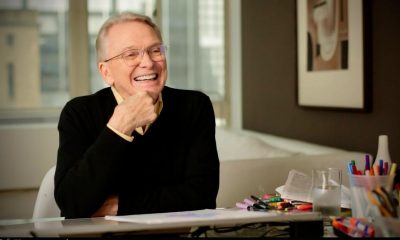 Celebrity News3 days ago
Fashion icon Bob Mackie dead at 87
-
 Music & Concerts2 days ago
L.A. DJs Heidi Lawden and FLABBERGAST call for resistance in ‘Children of the Revolution’
-
 Commentary5 days ago
Why 9/11 is so personal
-
 EMMYS2 days ago
The 78th Annual Emmy Awards recapped
-
California2 days ago
Grand marshals announced for 2026 Greater Palm Springs Pride
-
 Turkey3 days ago
Dozens detained after Turkish authorities raid LGBTQ groups, businesses
-
 a&e features4 days ago
Cameron Esposito will make you laugh (and cry) on ‘King of Drag’ season 2
-
 Hungary3 days ago
New Hungarian government to scrap anti-LGBTQ+ adoption law
-
 Books3 days ago
Dolly Parton biography puts her hardships into context