
Arts & Entertainment
Ellen DeGeneres says she received a bomb threat after coming out
The talk show host was also ‘blindsided’ by sitcom cancellation
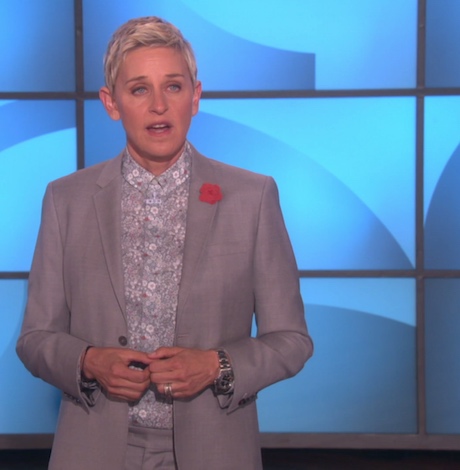
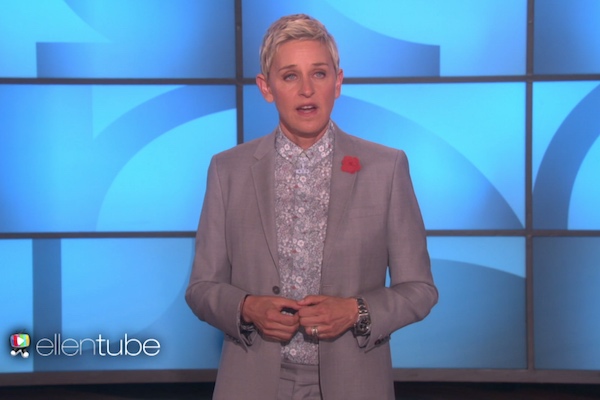
Ellen DeGeneres (Screenshot via YouTube)
Ellen DeGeneres was celebrated by many during her historic coming out in 1997 but now the talk show host is opening up about the hardships she faced.
In a new interview with Ad Week, DeGeneres reveals she received death threats including a bomb threat.
“When I came out, I had death threats and there was a bomb threat, but they misjudged the time of the taping,” DeGeneres says. “We had already finished, and thank God.”
DeGeneres came out on the cover of Time in 1997 followed by her character coming out on her sitcom “Ellen.” The sitcom was canceled one year later.
She says she never thought the moment would lead to the show’s cancellation.
“I knew there would be people that didn’t like it, but I didn’t realize my show would be canceled,” she says. “I just thought, ‘It’s going to be interesting.’ “
“The last season we did was a great season, and unfortunately nobody saw it because it was not advertised. It was purposely not advertised by ABC and Disney because they just wanted to hold their hands up to advertisers and say we’re not promoting it, we’re not doing this. And I get it. It’s a business, and I understand that. And so everybody had their reasons, and unfortunately, I was just blindsided,” she went on.



Movies
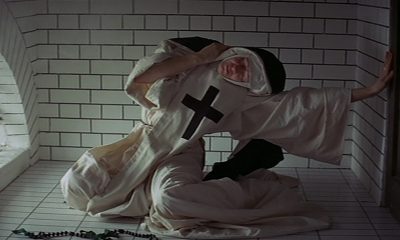
With exquisite 4K restoration, ‘The Devils’ finally gets its due
The only devils are those who want to ‘Make France Catholic Again’
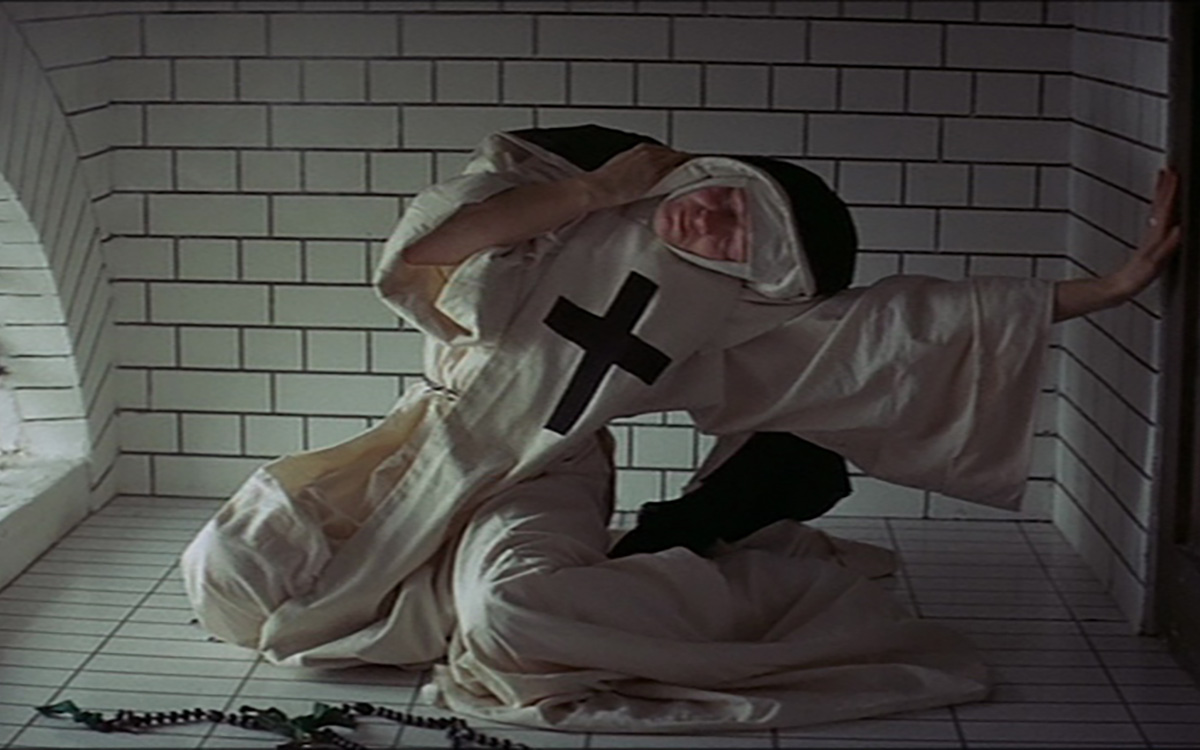
It’s rare for a movie that was made over a half-century before to somehow become one of the most anticipated film releases of the year, but thanks to Ken Russell’s “The Devils,” we know that it does happen.
It’s true that Russell’s legendarily controversial 1971 period horror drama might not be a familiar title to most mainstream movie-goers these days, but to the cinephile crowd, it’s something approaching the Holy Grail. The dramatization of a real-life 1634 incident that took place in the French city of Loudun, it crossed boundaries and broke taboos with its depictions of grotesque violence, unfettered nudity, and “blasphemous” imagery – so much so that objections from UK censors led Warner Bros. (which had financed the British production of the film) to remove several of its most provocative scenes before release. Though Russell was riding the wave of a successful career that had resulted in worldwide renown, he was given no say in the matter, and the edited version – which was still widely banned in parts of the UK and other countries, and released in the U.S. with even further cuts – was lambasted by most critics as over-the-top, sensationalized, or even “obscene.”
Even so, there were many critics and viewers alike who recognized the daring vision behind all that on-screen depravity; through the years, calls for the un-edited “director’s cut” of the film began to grow as various other truncated versions continued to circulate, gaining new fans with each new generation of movie buffs. Russell himself, before his death in 2011, created a restored print of the version he had intended, but Warner Bros. refused to allow its distribution.
Now, the seemingly repentant studio – under the auspices of its newly branded Warner Clockwork label – has finally come around, and “The Devils” has returned with a newly restored 4K cut (created directly from the film’s original camera negatives) that not only rejuvenates its visuals – such as the brilliance of the visual design, dominated by the oppressively white architecture of Loudun as designed by future pioneering queer filmmaker Derek Jarman – but restores the material that was cut; it reveals the brilliance of a film that had, until now, felt disjointed despite its obvious promise – and the timing could not be more perfect, because it’s also a film that feels perfect for our time.
Full of superb performances and an immersive sense of period oppression, it tells the story of Urbain Grandier (played by Oliver Reed, here at the peak of his brooding-but-charismatic appeal after a series of high-profile hits), a high-ranking local priest who, as de facto leader of his town, stood up against the French government – then controlled by an alliance between aristocratic royalty and the powerful church – in its ongoing effort to purge the kingdom of Protestants and restore Catholic rule over France during the Huguenot Wars of the 17th century. Proud, rational, and heretical in his beliefs (especially around sex), Grandier is widely known for his affairs with noblewomen of the town, and rumors of his beauty and sexual prowess spread even into the cloistered halls of the town’s convent, where the Mother Superior, hunchbacked Sister Jeanne (Vanessa Redgrave), is overwhelmed with lustful thoughts about him. Consumed by jealousy when she learns of his secret (and technically illegal) marriage to another woman, she accuses him of making a pact with the Devil and causing the demonic possession of herself and many of her nuns – a claim which puts him in the crosshairs of his political enemies in the larger world, where ambitious Cardinal Richelieu (Christopher Logue) has dreams of imposing Catholic rule over France by consolidating the church with the government of frivolous King Louis XIII (Graham Armitage). Determined to stand firm with his conscience against the accusations against him, Grandier endures a “show trial” that becomes more public spectacle than justice, with the supposedly possessed nuns (and other opportunistic denizens of the town) indulging in orgiastic demonstrations of their afflictions before the court. Ultimately convicted and sentenced to be burned at the stake, he becomes (spoiler alert) a martyr for enlightenment in the most horrific way imaginable, and his young bride (Gemma Jones) is left to wander the macabre no-man’s land wrought by Theocratic Nationalism on her own as the final credits role.
It’s a pretty bleak picture, and that bleakness has nothing to do with the excesses we’ve seen before it — the performative histrionics of the possessed nuns or the feverish sexually repressed fantasies of Sister Jeanne, or even the callous brutality of the ruling authority – personified not only by Armitage’s brilliantly vapid Louis XIII, a fey and foppish hedonist who opens the film with a macabrely campy ballet depicting the birth of Venus (played by himself), but by the “enforcers” tasked with carrying out his will, like Dudley Sutton’s callously officious Baron de Laubardemont and Michael Gothard’s gleefully sadistic chief “witch hunter,” Father Pierre Barre, who might easily be a popular conservative influencer on TikTok today.
Nor does the film’s sense of ominous dread come from the trappings of excess and occultism that surround Grandier’s ordeal. Yes, the imagery is outrageous, and aggressively in-your-face; there are scenes of explicit nudity, and orgiastic sex, of rape, torture, the ravages of disease and sickening violence, all delivered with a blood-drenched relish that feels shocking even today, and it all culminates in a horrific finale that’s sure to leave you with nightmares for at least a few days afterward; the real horror comes from recognizing the patterns at work as Grandier attempts to protect his town and preserve its independence from the forces of theocratic autocracy, because at this point they have become all too shockingly familiar.
It’s a frank depiction of political corruption, a candid examination of the tactics of fascism (yes, THAT word) in a true story that takes place centuries before the term was ever coined. It explores the ease with which mass hysteria can be created among the ignorant, brainwashed, and attention-starved, and the cruelty of mankind upon itself under the flimsy pretense of ideology, all in the bald-faced pursuit of power and control. In 2026, all of that feels much more disturbing than any of the supposed “supernatural” horrors of which Grandier is accused. In the end, the only devils in “The Devils” are the human ones who want to “Make France Catholic Again.”
Theater
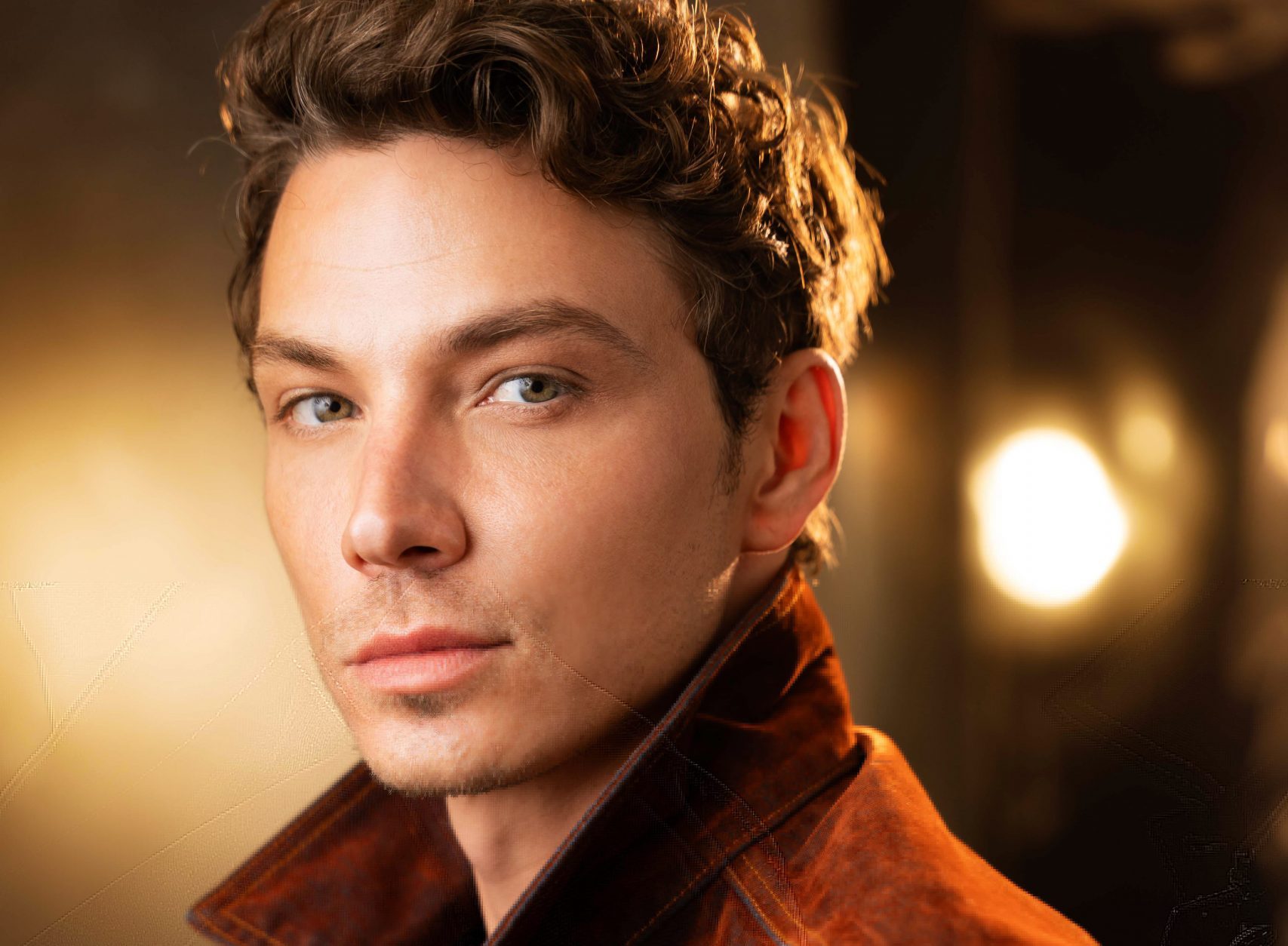
‘WOOF’ worthy: Christopher Schellenger shares the unique challenges of playing a dog
The actor discusses his new play WOOF!, pup culture, and his time on America’s Next Top Model
Everyone is familiar with Andrew Lloyd Webber’s Cats. Whether you know all the lyrics to “Memory,” or have seen Dame Judy Dench and Taylor Swift in the critically panned movie version, we know after decades that cats work in theater, but what about dogs?
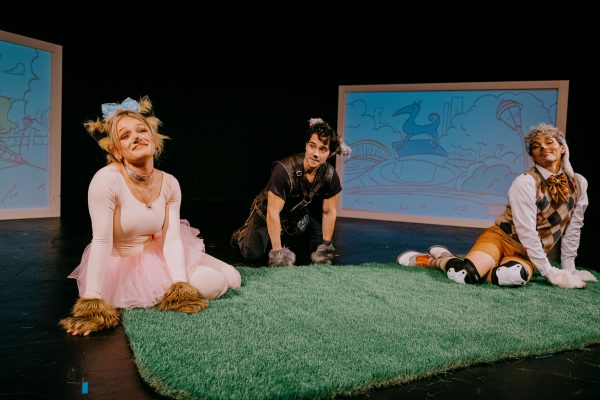
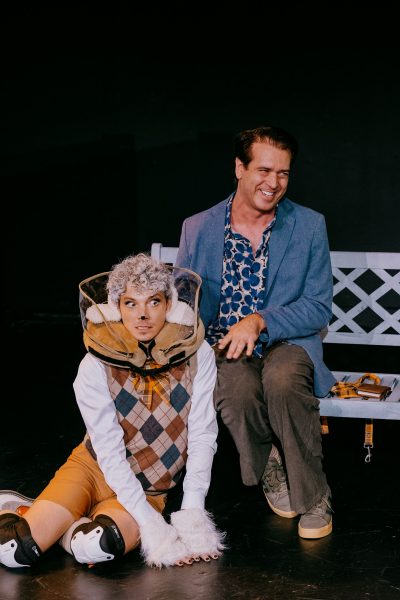
Theater gets the canine treatment in Odyssey Theatre’s new play WOOF!. This is a revived version of last winter’s critically acclaimed comedy Go Play. Actor Christopher Schellenger returns to the stage as Zeus.
The play tackles the drama and intricacies of the lives of three dogs who meet at their local neighborhood dog park. Schellenger is the only cast member to reprise his role in this new iteration.
It’s not surprising considering Schellenger is a triple threat. He’s a singer, actor, and visual artist and a member of the faculty at Margie Haber Studio. So maybe make that a quadruple threat.
The young actor whose credits include HBO’s Hacks, the comedy Idiotka, and Lindsey Lohan’s porn-adjacent drama The Canyons was thrilled to chat with the Blade about his role, his career, which includes a stint with Tyra on America’s Next Top Model, and his current cultural obsessions.
What can you tell us about WOOF!?
WOOF! is a comedy about 3 dogs and their owners. The dogs? They’ve got this world all figured out. The humans? Eh..
It’s an inside look into what our four-legged friends are thinking when their humans aren’t aware- how they take care of us. Additionally, into the lives of the humans who think they’re the ones taking care of the dogs. In the end, we all need and deserve love!
It’s a follow-up to Go Play? How is it different?
The incomparable Barra Grant has reworked the original Go Play! into WOOF! With a whole new cast, aside from myself. WOOF is more exploratory into the dreams of the dogs and their relationships to their owners. We have upgraded our set design and present a whole new ending to boot!
How does it feel coming back?
It’s been incredible to gel with this new cast and find a different vibe within the same character! I feel energized by the audience and their love of dogs!
How would you describe your character, Zeus the Poodle?
Zeus, “King of the Gods,” is a show poodle who won Westminster. Zeus isn’t afraid to tell it like it is, keep civility and educate fellow canines on the ways of the humans and often their shortcomings. Zeus is non-binary, uses they/them pronouns, and is staunchly opposed to bigotry. We have a lot in common, actually!
What’s it like playing a dog?
It has been quite the acting challenge! I’m even “singing” as a dog! The body and behavior is a big part of acting. This role has me looking at the world from a whole new perspective… up and on all fours.
Having played a dog two times, what are your thoughts on the pup community in kink culture?
I just know they must have strong knees and ankles! Performing on all fours is a challenge I commend anyone on!
What are some of your dream acting roles?
I’m dreaming of playing a historic figure like River Phoenix or James Dean. Anyone really. I love to really sink my teeth into a role and “become” that person. I had the opportunity to play the great Robert Mapplethorpe, and it was such an honor to step into those shoes. I also love comedy; a queer sitcom would be ideal. Call me!
Are you actually a dog person?
Absolutely. I am a lover of all animals! I have 2 dogs: Minnie- a Chorkie (Chihuahua/Yorkie) and Looie a ChiPin (Chihuahua/Miniature Pinscher) both of them rescues. They truly are the light of my life!
Anything about your character that has stayed with you?
Zeus’s bravery- facing adversity with a proud chest and a wag of the tail.
In 2013, you were on America’s Next Top Model. Did you feel vindicated or seen by the documentaries that have come out?
I was! The documentaries were definitely interesting and I feel there are even more stories that weren’t told. Tyra fought for me early on, and I won’t forget that. I have to remember; it’s a TV show about a modeling competition not a modeling competition that’s televised. Within that context, I played a role that I’m proud of. Do I wish it could’ve been different (and even won)? Absolutely.
Any funny memories from ANTM you’d like to share?
I was trying to hula-hoop in the living room in front of everyone to no avail. On the last try, it stayed up, and everyone cheered! I was like, “Oh yeah, I got this finally!” When there’s a tap on my shoulder. I turn around, and Tyra Banks is right there behind me! I was startled and flew across the floor. There’s even a GIF of it.
What is your current queer-culture obsession?
Drag. I’ve been doing drag since I could choose the right pump for my mom’s cobalt blue shift dress. Currently I’m obsessed with Lushious Massacr! I love the way she’s using her humor and talent to inspire, educate, and gag the dolls! In these times, I choose to lean into my queerness and embrace our rich LGBTQIA+ culture. We aren’t going anywhere.
What are your favorite things to do in LA?
I love the ocean! I’m a water baby, I grew up on the water. I could swim and body surf all day!! I also love the WeHo Halloween Carnaval- I plan for months to show up and show out!
You just might spot Schellenger at West Hollywood’s Halloween carnival but you can catch him in WOOF! Saturdays at 2pm and 7pm and Sundays at 2pm from October 3 to November 8 at Odyssey Theatre, 2055 S. Sepulveda Blvd. , Los Angeles, CA 90025.
Tickets are now on sale at OdysseyTheatre.com
a&e features
A Parvesh perspective: Actor Parvesh Cheena talks his roles in ‘Wives’
The actor talks about his new play, being South Asian in Hollywood, and the future
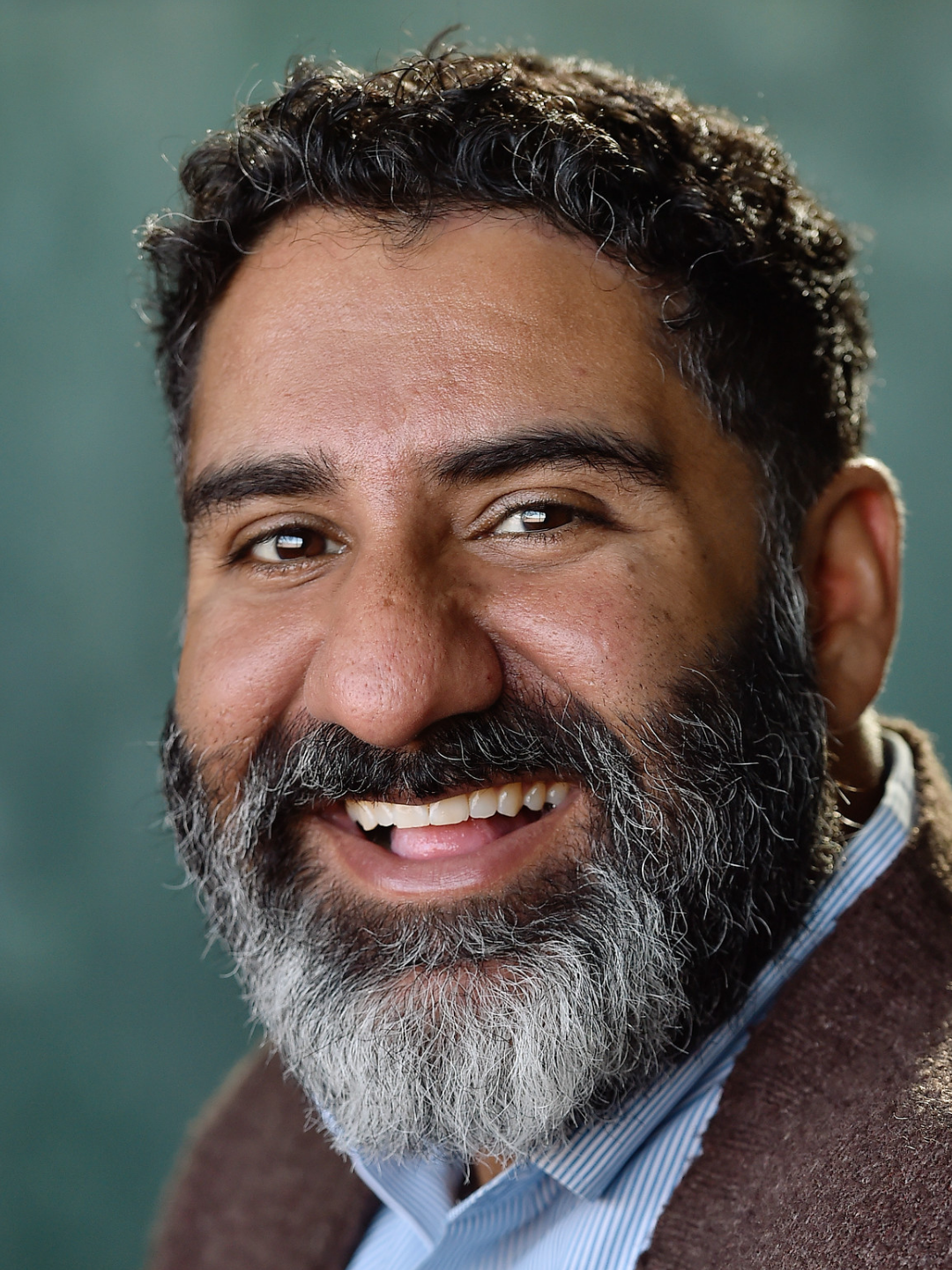
When you see Parvesh Cheena, there is a 90% chance you’ll recognize him from something. You may have seen him on the new Frasier, My Crazy Ex-Girlfriend, or in co-star roles he’s had in sitcoms and movies. Or you might recognize his voice from countless cartoons and animated series. He’s gearing up to play multiple roles in the new play, Wives.
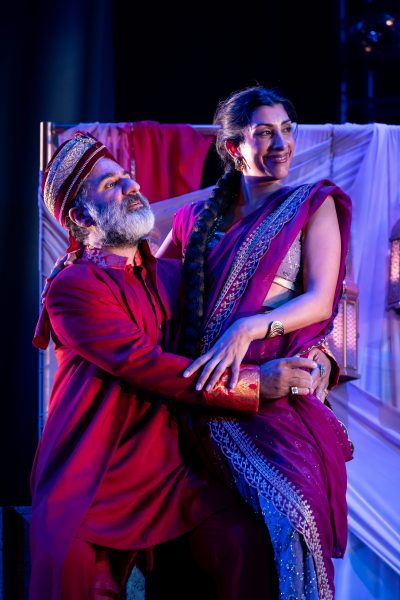
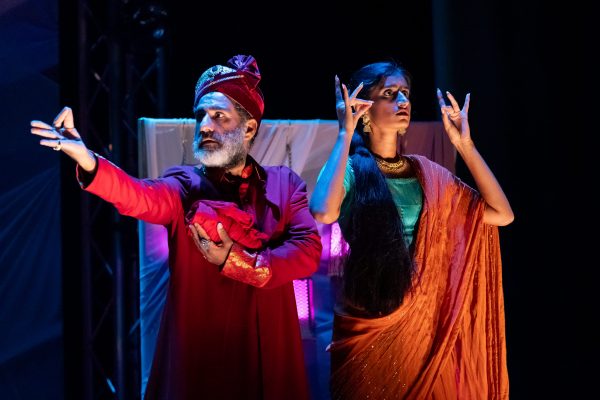
Wives features a primarily South Asian cast and travels from 16th-century France to 1920s India and 1960s Idaho to highlight the perspective and experiences of women who’ve changed history but are often overlooked. Cheena plays the token Man and lends his comedic sensibilities to multiple roles.
Directed by Hypokrit Live Arts NYC co-founder Arpita Mukherjee, this comedy comes at an interesting political moment with South Asian American women making history in both parties, Nithya Raman in the 2026 mayoral race. This play launches the 61st mainstage season East West Players (EWP), the nation’s largest and longest-running Asian American
Theater. It’s penned by prolific playwright Jaclyn Backhaus and co-founder of the New York City arts company Fresh Ground Pepper.
Cheena has been a face of AAPI visibility. He starred in Outsourced, a mostly South Asian sitcom that paved the way for shows like Never Have I Ever and Deli Boys. He’s played both stereotypical South Asian characters and people who just happen to be of South Asian descent.
The animated actor with a quick wit and gregarious nature took time to chat with the Blade about his hot takes on Hollywood, being South Asian and gay, and his excitement about his new play.
What can you tell me about Wives?
Wives is a wonderful work of theatre and storytelling by Jaclyn Backhaus about four different eras from the perspective of the wives and not the men. Ugh, men. Amirite?
How would you describe your character(s) in Wives?
I’m going to be playing four different characters. A French King, A Prince of Jaipur, A grandfather, and Ernest Hemingway. You know…my usual typecast parts. Le sigh. This is like my 11th time playing Ernie Hemingway. I get it, I get it. I have a beard. And Hemingway and I are both from the western suburbs of Chicago. I don’t fight my fate. Big Ern is going to be my one-man touring show for the dinner theatre circuit in my 70s.
How does it feel being in a primarily Asian cast?
It always feels correct to be in a primarily Asian cast. My people are from Asia. Big continent. Big personalities. Big hearts.
You have a robust television resume. Are you enjoying being on the stage?
I’m of the age where you started in theatre. You interned at theatres. You worked box office at theatres. You start theatre companies with friends from college. It’s home. When I moved from Chicago to LA, that’s when I started improv and sketch because it was harder to commit to theatre or not have an understudy when I was in my 20s. Improv/Sketch at least still gave you the chance to perform on stage for folks.
Wait a minute… Why do I enjoy it? It’s scary. I’m always still kinda scared. We put ourselves in scary situations. What to do? I know, admit my need for validation by strangers in public spaces. Are we still talking about theatre?
There was a time when there was a fair amount of South Asian representation in Hollywood; you were in a primarily South Asian sitcom, Outsourced. Do you feel like representation has gotten better or worse? Has it been harder or easier to find roles?
It’s always better today for representation than it was yesterday, and tomorrow will be even better. I see so many shows featuring younger South Asian talent, and that is a joy, and it brings me so much pride, too.
We also have brown folks writing and producing and greenlighting these projects. Yes, there is pushback as political winds blow. Hello Paramountskydancewarnerbros after all, but we are still gaining more representation, not less. And it might not be through legacy media holding onto antiquated views of whose stories get told.
For me, I work. I always want to work more. Friends hire me and want to keep working with me, and for that, I am always grateful. Grateful to help tell their stories and also for the continued chance to make healthcare. Another sigh…we can’t even get a single-payer health care option out of California and NY’s state legislatures? What are we doing? Healthcare tied to work? That’s just a worry for everyone.
I often wonder if they were going to do Outsourced now, would they even hire an American-born guy like me, of Indian descent or cast from India proper? We were playing people born and raised in India but clearly filmed here at Radford Studios.
We sometimes have a hyper-accurate need for casting these days, which is making some jobs harder for those of us with a complicated background. Pre-Partition, my Sikh family lived in Lahore, now in present-day Pakistan, but because of the British’s first Brexit during the devastating Partition of India in August 1947, my Mom’s Punjabi Sikh family is one of the millions affected by these acts of colonizers. They, along with millions of people, left their home in Lahore for what is now India’s side of Punjab. Now, we are considered Indian. But we are also Punjabi. The state we are from, the state split in two by the Brits. A Pakistani Punjab and an Indian Punjab. A country for Muslims, a country for Hindus. The Sikhs got lost without a home of their own. Yay…my glossed-over and probably inaccurate version of history.
So, I bring this up because I am still not allowed to be seen for some parts that are of Pakistani descent. Or certain Punjabi parts. Or certain religious roles. Which is just silly to me as a brown atheist with ties to all of these lands. The subcontinent was all one land, one country before the English. Some of us South Asians are being separated from access to roles by gatekeepers who don’t even know the cultural history and heritage. But I digress. I am already on the first of many tangents.
You’ve been in a lot of animation. How have you enjoyed that experience? Any highlights?
Well, the exact opposite of a live stage. I love how I can be gentle, sing quietly, whisper into that microphone in my voice booth closet thing or at a professional shop. I like that you can give a multitude of takes and let the powers that be pick and choose. I like that people of color can also be Transformers and rocks and clouds and ferrets, too. And when you have to sing, it is always easier with just a few people around than in front of a live audience. Again, my fears.
I’ll always be proud of my work as Blades on Transformers: RescueBots for Nicole Dubuc and Brian Hohlfeld and as Couch on the podcast Melon’s House Party for Duke Doyle and Matt Sax. The creator/writers, the people in the recording booth, and the directors behind the plexiglass are some of the loveliest folks I’ve gotten to work with. Animation folks tend to be so kind in my experience. Everyone has that little sense of play and joy that we get to do this art form.
You’ve said in an interview, “White people were allowed to be gay, in a sense, or be queer as an identifier. People see our color and ethnicity first before our sexuality.” Do you think that’s changed for the better or the worse?
Still the same. At least more folks know what intersectionality is now. At least, I hope they do. A white, rich cis gay man may, just may, have more privilege and opportunity than a disabled non-binary immigrant. Folks are learning. But for the identity politics world, I get to be on a bunch of panels due to my own intersectionality. I can be on Asian, South Asian, Gay, and Gay Asian, and Gay South Asian panels. I think I might have missed a few configurations but I am also available for podcasts. I talk a lot, and my friends are busy with their kids.
What do you wish the gay community understood about the unique challenges/life of being both gay and South Asian?
I already mentioned intersectionality. My personal challenges really stem from a lot of the brownphobia/Islamaphobia/Sikhphobia that has continued in this country since the 9/11 attacks. After the Cold War and the USSR’s bust (Pre-Putin), the 2001 attacks and the subsequent surveillance state response only intensified the xenophobia of many Americans. To see the racism ratcheted up these past few years of Israel’s genocide of Palestinians is nothing new to me. I saw it during college in 2001, the ridiculous Iraq War in 2003, and now 2023 to 2026 and we are in another stupid war.
So, for any of us who are… human beings living in America, it’s already been a tumultuous 10 years since Trump first got in. Add in all the added weight of children of immigrants being told to “go back to your own country” by descendants of white colonizers is just…tiring. Oh, and that’s before any homophobic or transphobic attacks. Uneducated and fearful people who own a lot of guns really make life tricky at times here in America.
Hmm. I keep thinking about this. There was just a young influencer, Mad Sandhu, who was just shot and killed in Punjab. The area of India my family is from. Thinking of this out and fabulous makeup artist who was shot and killed on the street. It’s a reminder that threats to our community are worldwide. It’s easy to forget when we live here.
What is your favorite role you’ve played?
I dunno. I don’t center myself in the work. This is my attempt at a non-vain answer. I dunno. You tell me. What do you like of my work? I think I answered it a bit with Blades and Couch in the V.O. world. On camera. Gupta in Outsourced was a joy, as was being a part of the film Sometimes I Think About Dying.
What part of queer culture or general gay representation are you currently obsessed with?
I have accepted that RuPaul’s Drag Race/World of Wonder, with every foreign iteration, is just my version of sports at this point. I remember asking friends why they still watched college football or teams that weren’t their hometown. Now I get it.
It’s just something to have on, wind down to. And I watch most of them, and Drag Race podcast recap shows, too, like Bussy Queen. I have a few friends where drag is pretty much the only thing we talk about. Just finished Latina Royale, now Drag Race Philippines Season 4’s first episode is what I fell asleep to last night. I’m old. I have to split up the episodes. Mabuhay!
You were on My Crazy Ex-Girlfriend; is there any chance of you reprising your role? Anything you can share?
Are they doing a reboot? I should text Rachel. You know Rachel Bloom? Let me pick up that name I just dropped. She’s on Broadway right now. Um…we ran into each other at the Hollywood Bowl, and she’s really nice. (Wait. So. Is there a reboot? Do you know something I don’t? Jane. Jane!)
Now read what you just read again, but as Lisa Kudrow’s Valerie Cherish. Seriously. I know nothing. Lovely people all around.
Given your fairly long IMDB profile, what role would you still love to play? Any dream projects you’d love to tackle?
I’d like to get cast in a role in a show that goes to a second season. Wait. This is my dream project: Medicare for All
I’m sorry. I’m not trying to be an ass, but I have played convenience store owners and terrorists and roles where they changed my co-star/one scene part into an Indian guy with an accent. I’m just grateful to play more nuanced roles on stage. But I’m also not waiting to play Falstaff or Oedipus or any other old European “classics” anymore. If it happens, wonderful, but they aren’t the dream role I’m pining for. The great roles and projects for South Asian people are being written as we speak by folks like Jasmine Sharma and Madhuri Shekar. I’m just happy to be working on new plays like Wives.
I think I chase work not by the part but by who I want to work, collaborate, and spend weeks with. I wanted to work with our director Arpita Mukherjee again after a lovely time previously, and so many friends love Jaclyn’s work and saw Wives in NYC. I do want to keep working with women and queer folks, too. The majority of our crew and creatives are queer folks, women, and people of color. That’s the current dream. Did I mention we all need healthcare in this country?
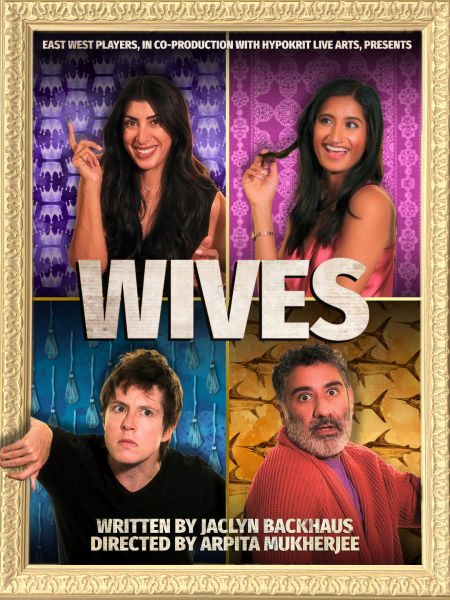
You can catch Parvesh in Wives from October 8, 2026 – November 1, 2026 at the David Henry Hwang Theater in the Union Center for the Arts, 120 Judge John Aiso Street, Los Angeles, CA 90012, in historic Little Tokyo. Tickets here.
a&e features
Actor Kal Penn on the real lesson of ‘Trust Me, I’m a Doctor’
The gay actor speaks about his newest role and the true cost of fame
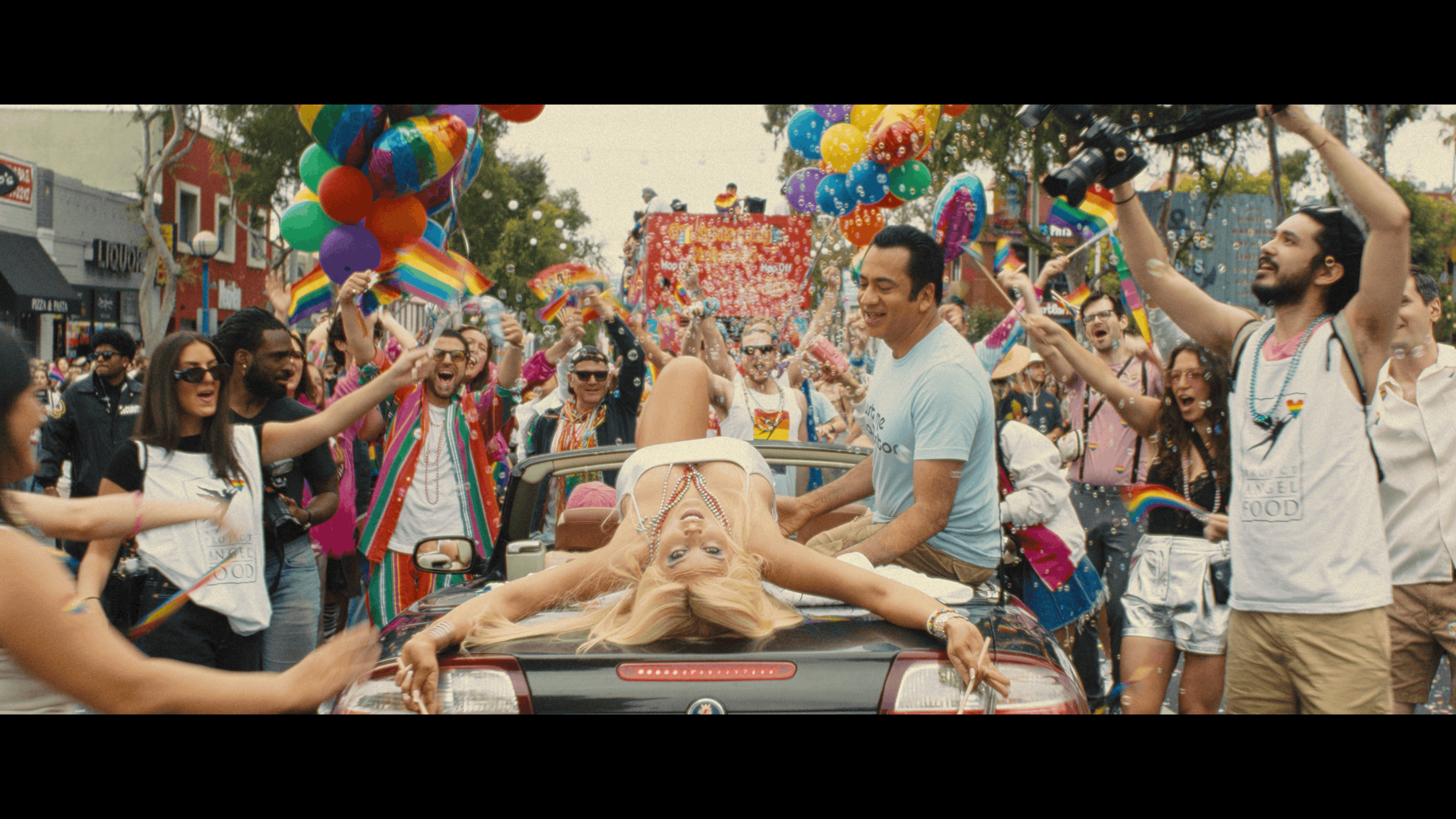
The death of Anna Nicole Smith has been portrayed for decades by the very entertainment industry that led to her downfall. This tale of manipulation and institutional incompetence continues to be a warning, with Smith showing what happens when people see you as a product rather than a person. Countless films have chronicled her life and death, repeating the same heartbreaking beats while recycling the usual messages — but Trust Me, I’m a Doctor, tries something different.
Directed by Thane Economou, the film is based on the real autobiography of Sandeep Kapoor, the doctor who prescribed Smith a heavy dosage of sedatives throughout the last few years of her life (which allegedly played a part in her death). Trust Me, I’m a Doctor looks at the larger system of spectacle that guides not only our entertainment but our legal system. It travels from intense Los Angeles courtrooms to the streets of West Hollywood in its focus on this man, who is played amazingly in the film by gay actor Kal Penn.
“I think the thing that really drew me to the character [of Sandeep] is: he’s a doctor who’s really vulnerable,” said Penn, speaking to the LA Blade about the role. “He’s deeply insecure at times where…he makes a lot of bad decisions. There’s equal parts cockiness and insecurity that I thought would be really interesting to delve into as a character.”
Most people know Penn for his famous Harold and Kumar series; this comedy trilogy sees him as a stoner getting into random misadventures with his best friend. But while he became known for playing this slacker, Kal’s real life is the complete opposite, with the man working across film and TV while also serving within the Obama administration’s Office of Public Engagement. The past few decades have seen him pursue both film and advocacy, but it wasn’t until his memoir You Can’t Be Serious that he officially came out to the world by announcing his longtime boyfriend.
This wild combination of real-life experience meant Kal was very drawn to the central role in Trust Me, I’m a Doctor, explaining, “Sandeep says, ‘I’m just a private person living a private, quiet life,’ — but then he makes 10 decisions that counter that, where it’s clear that he loves attention, that he really enjoys being in the company of Anna Nicole because of her celebrity and her status!” Kal’s own experiences with the pitfalls of fame informed his role in the story, as audiences watch the initially quiet doctor attend the WeHo pride parade with Smith, begin supplying her with a questionable amount of drugs, and eventually face the Medical Board of California in court.
Somehow, Trust Me, I’m a Doctor still manages to imbue this harrowing legal battle with a startling amount of dark humor, with Penn explaining, “I certainly don’t want to make light of somebody’s tragic death, but Dr. Kapoor has a self-deprecating humor. There’s a dark comedy aspect of his stuff that I think audiences would enjoy.” It’s a comedy that quickly becomes vital to the film as viewers learn its true message: the entertainment industry can be so, so ridiculous.
As Kal emphasized, this isn’t delivered at the expense of how heartbreaking Anna Nicole’s final months were. In fact, the film offers many shockingly heartbreaking scenes as viewers learn just how terribly she was treated by people like her shady lawyer and irresponsible psychiatrist. But through Sandeep’s view — both when Smith was alive and in the ensuing case — audiences learn how even the most serious of issues can be sensationalized to a horrible degree.
It displays how judges, lawyers, and even potential governors used Smith’s death as a way to gain attention, with many targeting Sandeep as a ploy to garner the ‘audience’s’ approval. That’s not to say that Sandeep is treated as some war-torn hero — the film harshly critiques his many jaw-dropping mistakes. But it shows how people will so often skew reality if it means getting the kind of attention that led to Anna Nicole’s death.
Kal has seen this unfortunate phenomenon throughout his long career (both on the entertainment and the political side). For himself, and for anyone who hopes to make it in this industry someday, Kal advised, “Take pride in your job, and love what you do, but…when there’s more of a focus on you and what you do, talk to a friend who doesn’t do what you do for a living. Just remind yourself that…that you aren’t sh*t basically, you know?”
The man laughed at that, with his wry advice mirroring the dark humor of Trust Me, I’m a Doctor. He stressed that above all else, he hopes people enjoy the film as a great adaptation. But with its main themes, he also hopes that it helps educate people more about the terrible things that led to Anna Nicole Smith’s death — and how they can watch out for them in their own lives.
Movies
40 years later, AFI Fest continues to offer a robust selection of queer and international films
This year’s line-up includes ‘Elsinore,’ ‘The Man I Love’ and ‘A Long Winter’

As AFI Fest celebrates its 40th anniversary, the Los Angeles-based festival is gearing up for another star-studded event. But behind the red carpet galas, receptions and talent that draw eyeballs to the historic TCL Chinese Theatre this time of year, the real heart of the festival is its robust selection of queer and international cinema.
Running Oct. 21-25, this year’s line-up includes Elsinore, The Man I Love, Prosecution, Mouse, Clarissa, Bitter Christmas, Tangles, Elephants in the Fog, Iván & Hadoum, Flesh and Fuel and A Long Winter, among others. Many of the filmmakers and talent behind these projects will also be in attendance for post-screening Q&As, including Ira Sachs, Sophie Okonedo and Leah Nelson.
For feature films programmer Anna Li, who identifies as lesbian, offering a diverse line-up is an extra personal mission. “I remember the first film I watched that made me feel seen, made me feel like I wasn’t alone as a baby gay,” she says. “As queer people, we all have that memory; if any of these films that we program can change someone’s mind or opinion, or change the way they think about themselves or others or their family, or someone has that baby gay life-changing moment of eureka, that’s a job well done by us. That’s why we do what we do.”
Notably, the festival has the North American premiere of Céline Sciamma’s new film Tutti Frutti, a mid-length documentary that explores the Portrait of a Lady on Fire filmmaker’s aspirations after stepping back from the spotlight. “It’s really a major new work and direction for the director,” Li says.
The seasonal staffers at AFI Fest come together in May, right after the Cannes Film Festival, to start screening films and planning the line-up. Over the years, the festival has become a go-to stop for Oscar hopefuls, especially international films that wind up making the best international feature film shortlist.
“That’s something that we definitely care very deeply about and keep in mind when we’re programming our titles,” Li says, with this year’s international line-up featuring awards-hopefuls All of a Sudden, Gentle Monster, Possible Love, Everytime and La Gradiva. “We try to play everything that most people want to see, from looking at Berlin, Cannes or TIFF; they’ve compiled their list of films that they want to watch. We want to make sure they get the chance.”
Li points out that AFI Fest has partnered with queer-specific L.A. festivals like Outfest in years past. But she also sees the value of a broader, less defined festival in today’s media landscape.
“It’s important for a festival like AFI Fest that is more generalized and not specialized to still have such a great showing of queer films, films about marginalized people. Obviously, specialized LGBTQ+ film festivals or those with other focuses are so important for the community,” Li says. “Queer films are not just for queer people; it’s universal, and it’s intersectional.”
Television
New ‘Carrie’ attempts to reinvent a classic for new generation
A tone that’s less horror than social commentary
The books of Stephen King have had a rocky relationship with the movies.
Adaptations of the horror icon’s work have had an impressive track record on both big screen and small, earning success and critical acclaim across five decades. Some films based on his work – like “Misery,” “Stand by Me,” “The Shawshank Redemption,” and this year’s earlier “The Long Walk” – have reached the level of “prestige” cinema, earning award glory and finding their way onto critics’ “Best of the Year” lists. Many others, though, have landed at the opposite end of the spectrum, like “Children of the Corn,” “Maximum Overdrive,” and “The Dark Tower,” all of which are frequently featured in “Worst of All Time” lists instead.
There’s also King’s own vocal criticism of adaptations he doesn’t like, most famously around Stanley Kubrick’s 1980 film of “The Shining,” which has come to be hailed as a cinematic masterpiece but continues to be a sore spot for the author himself over the alterations Kubrick made to his book; his dissatisfaction with that project led directly to his own creation of a miniseries of the novel, which remained faithful to his original storyline. In the years since, other King novels have made it to television; some, like “The Stand,” have benefitted from the nuance made possible by long-form storytelling; others have suffered from a lack of it.
Despite the hit-or-miss history of Stephen King on the screen, however, he has always remained popular, and is now arguably more so than ever. This is why we have a new adaptation of his debut novel – “Carrie,” published in 1974 – streaming on Amazon Prime; and though King himself served as one of its executive producers, his fans may not entirely love what has been done with it.
Developed and spearheaded by Mike Flanagan – himself a popular horror creator, responsible not only for previous King adaptations (“Gerald’s Game,” “Doctor Sleep,” and “The Life of Chuck,” among others) and a string of successful Netflix series (“The Haunting of Hill House,” “The Haunting of Bly Manor,” and “Midnight Mass”), it updates and expands the original novel considerably. It’s still centered on its title character, whose reclusive upbringing combines with her growing telekinetic abilities (along with the torments she endures from her domineering mother and her schoolmates) to trigger a horrific catastrophe at her high school prom, but it allows the scope to widen for a deeper look into the “backstories” of other characters, as well as invoking themes around certain social issues – online bullying, dysfunctional family relationships, school violence, conspiracy theories, exploitation of tragedy by the media – which have become exacerbated in the 50 years since King wrote the book.
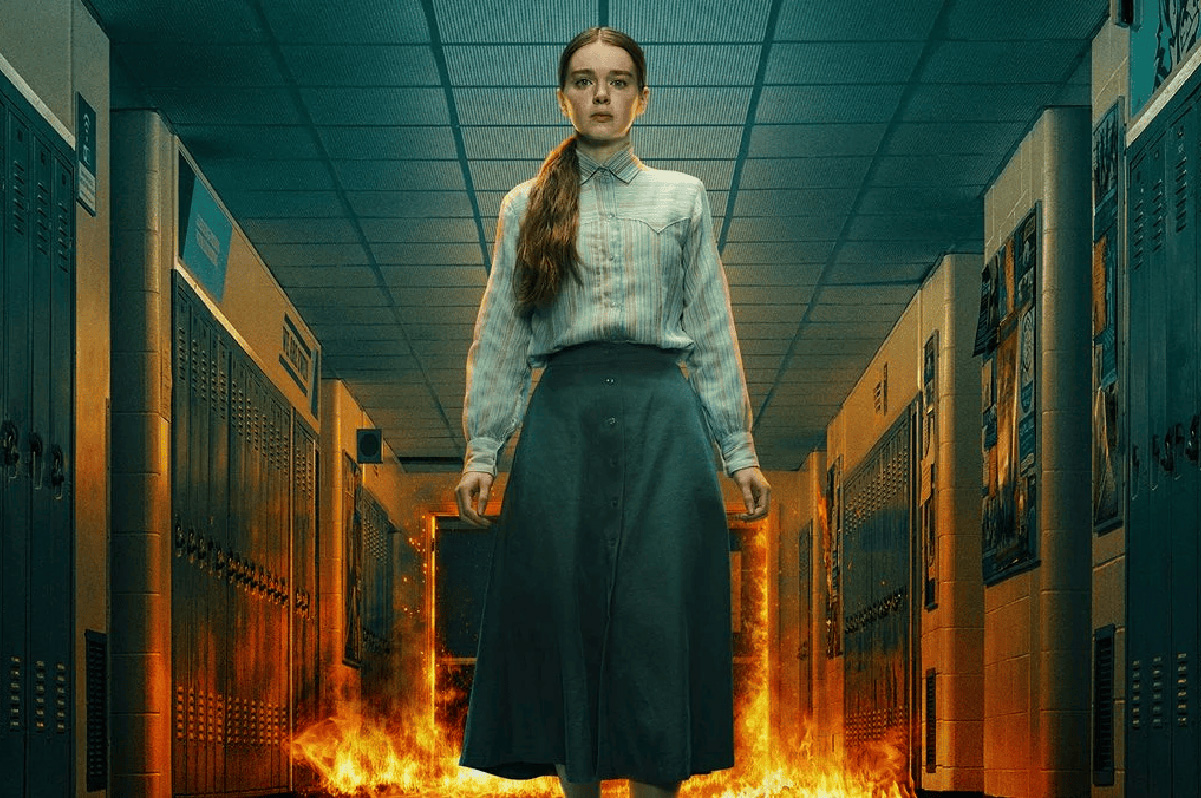
In this re-crafted version, Carrie White (Summer H. Howell) and her mother Margaret (Samantha Sloyan) have been secluded from the outside world for years, their existence kept secret until the “accidental” death of her father (Tahmoh Pennikett) leads to their discovery. Forced to participate in society, Carrie is enrolled in the local high school, while Margaret takes a job at the local big-box store. For her part, Carrie is eager enough to explore beyond the confines of home, but she quickly becomes the target of “mean girl” ringleader Chris (Alison Thornton) who seems bent on making her life miserable. There are others who offer more sympathetic treatment – new friend Sue (Siena Agudong) and her boyfriend Tommy (Joel Oulette), gym teacher Rita (Amber Midthunder), guidance counselor Mr. Moron (Tim Bagley), and others – but her struggle to fit in is not made any easier by her mother’s continued interference in her school life.
Of course, we all know what happens. Even for those who never read the original book, Brian DePalma’s 1976 screen version, starring Sissy Spacek as Carrie and Piper Laurie as her monstrous mother, is a pop culture touchstone for anyone who grew up with it, and it remains one of the few King screen adaptations to remain controversy-free in terms of appreciation by fans and critics alike. There’s no need to worry about spoiling the ending – even Flanagan’s series opens with news coverage of the “Black Prom’s” aftermath, so the story is essentially a flashback from the very beginning.
Yet “Carrie” is, as King originally wrote it, a streamlined and compelling tale that expertly and relentlessly builds suspense through the single-minded simplicity of its narrative. It’s an exercise in watching the dominos lined up methodically before the climax of seeing them all fall down in a spectacular catharsis of gore, devastation, and yes, horror. That’s the whole point – and that’s also why Flanagan’s expanded framework becomes a bit of a problem by the series’ midpoint.
In weaving new storylines around the oppressively isolated narrative of Carrie’s experience – extended explorations of toxic teen behavior, romantic relationships between various other characters, and even the inclusion of a subplot involving witch-hunters and a cult – this new vision of the story offers a depth that is absent from the original book and movie, giving us insight that humanizes and even invites sympathy for figures we would not otherwise have felt deserve it; it incorporates larger themes about society, politics, and all the other divisive issues that trickle down into the way we treat each other in private. These things might make this “Carrie” feel like a bigger story, but they make for a tone that’s less “horror” than social commentary; and frankly, with the out-of-control behavior of high schoolers dominating so much screentime, it sometimes feels like we’ve accidentally tuned into an episode of “Euphoria” by mistake.
That’s not to say Flanagan’s “Carrie” isn’t a worthwhile watch. He brings to it the same inclusive, compassionate generosity of spirit – highlighting feminist themes, incorporating queer characters, honing in on the power of kindness in a world of cruelty – that he brought to his previous adaptations of vintage horror tales. He even gives Margaret White, so hateful in King’s book and so operatically deranged in DePalma’s film, the benefit of the doubt, focusing on the motherly love and protection that drives her abusive behavior to help us understand that this is her tragedy, too.
Many viewers will surely appreciate these efforts; many others, who might prefer the operatically deranged Margaret White of the original to the softened version offered here, will not. For those who go in hoping to relive the thrills of the original, who both want and need the over-the-top American gothic horror they know, Flanagan’s changes might be a few steps too far – and while the original story’s terse and streamlined narrative doesn’t give us time to examine the fine points, keeping us locked with Carrie into her private hell, this one gives us room to reflect, diffusing the tension and denying us the satisfaction of the clear-cut horror fantasy we expect.
Even so, with excellent performances and production values all around, it’s a grade-A binge-watch that makes us appreciate the high-tone camp of DePalma’s version – and King’s original novel – with renewed fondness. Besides, it’s Halloween, so how can you resist?
a&e features
Fortune Feimster has always taken representation through comedy seriously
Feimster is bringing her latest comedy tour to the United Theater in Los Angeles on November 7
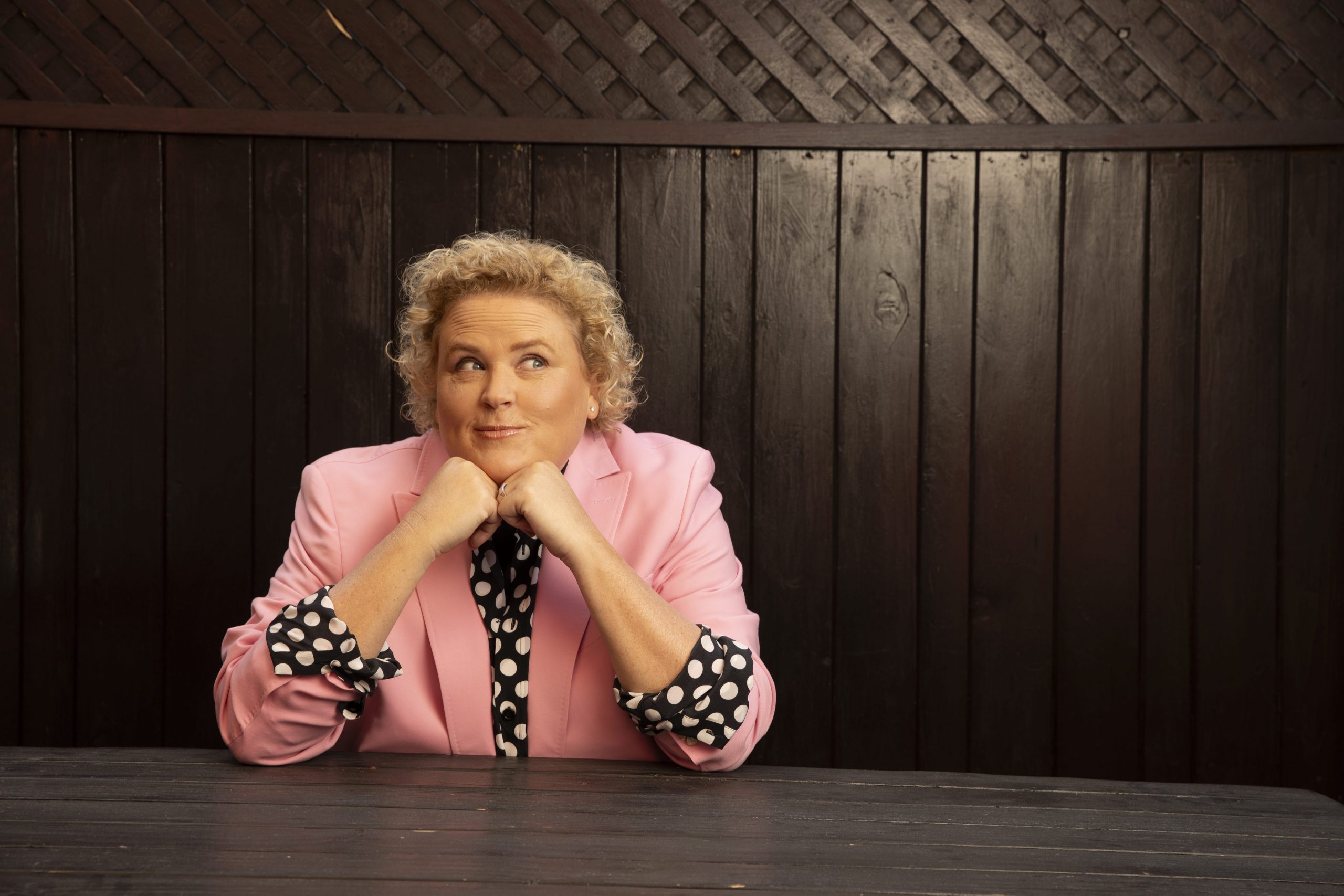
After spending months away from friends and family (outside of a hometown visit to North Carolina), Fortune Feimster is in the final stretch of her latest tour, Takin’ Care of Biscuits. And it’s only fitting to bring it home to Los Angeles, the city that provided the queer stand-up comic her first live audience two decades ago.
“Every hour that I put out is very much a reflection of my life at that period of time and what I’m going through; there’s a lot of changes in my personal life, from my Mom to my marriage, so I don’t shy away from those things,” Feimster tells The Blade. “But I’m also not a serious ‘comic,’ so I still find levity in those life experiences.”
In the Takin’ Care of Biscuits tour, which is coming to the United Theater in Los Angeles on Saturday, November 7, Feimster explores some of these big changes in life, from coming out of a 10-year relationship to her Mom being diagnosed with cancer — all through the lens of confessional, feel-good style comedy, of course.
Long before voicing a lovable beaver in Zootopia 2 or starring in The Mindy Project, Feimster got her start back in 2007 at The Comedy Store, which she describes as “bro-y.” Everything changed, though, when she discovered a local show at Akbar, run by a gay comedian named Bruce Daniels. “The queer comedy community embracing me and giving me a platform was a huge part of my foundation,” she says.
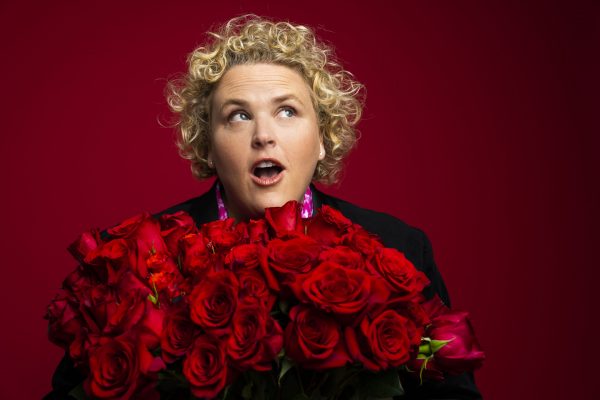
As part of her comedy, Feimster will sometimes dig up hate tweets and comments and incorporate them as part of her act (at least in the past, when she says she had “more time” to look at social media). In her 2022 special Good Fortune, the audience roars in laughter when she reads a comment calling her a “taco-licking lesbian.”
“Sometimes it’s hard to deal with some of the hateful comments, but this particular one, I was turning his comment on its head in that he referred to me as these awful things, but he did refer to my partner at the time as my wife, which meant he was recognizing my marriage!” Feimster says. “That was a huge step because guys like him, people like him, do not want me to have that right to begin with.”
As a comedian who speaks openly about sex and sexuality, Feimster has “always” taken the representation she provides “very seriously” when she steps on stage in front of an audience.
“Anytime we get to tell our stories and be on platforms like Netflix, it’s big. People from all over the world see these specials, and hopefully they see something in you they resonate with,” she says. “And then on the silly side of this, I also have some fun jokes that I tease my fellow lesbians about, which people are really enjoying. You’ve got to not take yourself too seriously.”
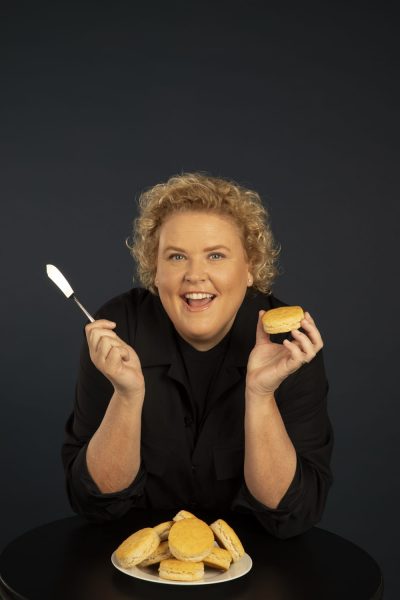
Outside of stand-up comedy, Feimster co-hosts the podcast Handsome, which won a GLAAD award in 2026, with Tig Notaro and Mae Martin. That has “broadened” the comedian’s horizons in the different generations of queer fans each host draws in. She also recently co-starred in Netflix’s The Hawk, holding her own alongside Will Ferrell and Molly Shannon. In addition, Feimster has been chosen as the 2026 National Grand Marshal for Palm Springs Pride, timely for her Palm Springs appearance at the Plaza Theatre on November 8th.
“Things are getting harder; this is the time to be more visible,” Feimster says. “And that’s what I try to do — just be a visible, out comedian who is not trying to shy away from being who I am.”
Feimster’s tour comes to Santa Barbara on Oct 24th, Los Angeles Nov 7th, and Palm Springs Nov 8th; get your tickets here.
Movies
From ‘La Bola Negra’ to ‘Coward,’ here are this award season’s must-watch queer films
Los Javis, Andrew Scott and Jordan Firstman are already in the Oscar conversation
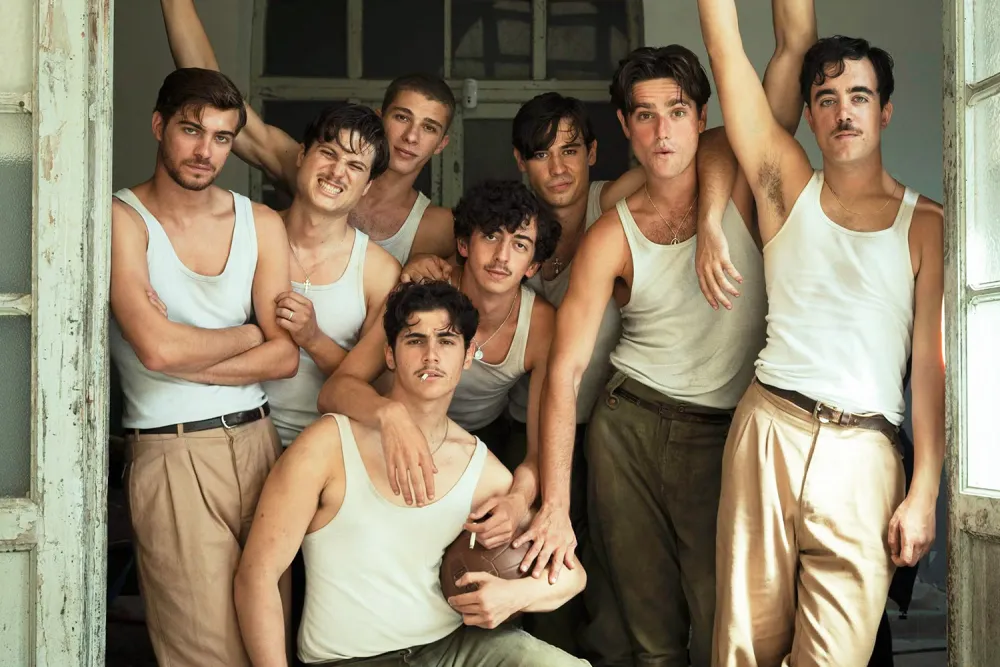
At this year’s Cannes Film Festival, multiple queer directors cemented their projects as ones to watch this awards season. From La Bola Negra to Club Kid to Coward, 2026 is poised to be a breakthrough year for queer cinema.
La Bola Negra, directed by former Drag Race judges Javier Ambrossi and Javier Calvo — collectively known as Los Javis — was the breakout film at Cannes, tying for the best director prize with Paweł Pawlikowski and most recently winning the coveted TIFF People’s Choice Award. The ambitious, decades-spanning historical drama starts in 1930s Spain and ends in 2017, connecting the lives of three men as they confront their identity during fractured points in history. Based on the raves the film has received from critics and audiences, it’ll likely be one of the biggest contenders for the Best Picture Oscar, with performances from Penélope Cruz, Glenn Close, Julio Torres, Guitarricadelafuente and Lola Dueñas. It will release in theaters Oct. 16 and drop on Netflix Dec. 2.
Jordan Firstman made the unexpected leap from internet personality to breakthrough filmmaker with his directorial debut Club Kid, which he also stars in. The film follows a leader in New York’s club scene (Firstman) who discovers he has a 10-year-old son (Reggie Absolom) who he never knew about, completely throwing his life’s priorities into disarray. The film features Cara Delevingne and was shot by The Invite cinematographer Adam Newport-Berra. A24 is set to release the film in theaters on Nov. 6.
Four years after Close scored a best international feature nomination, director Lukas Dhont is back in the awards race with his historical drama Coward, which won the best actor prize at Cannes (shared jointly by leads Emmanuel Macchia and Valentin Campagne). Set in the midst of World War I, the film follows a young Belgian soldier (Macchia) who starts a secret love affair and joins a theater troupe to bring joy and entertainment to his fellow soldiers. MUBI is set to release the film in theaters on Dec. 25.
The animated film Tangles also made a splash at Cannes. Directed by Leah Nelson and led by a voice cast featuring Julia Louis-Dreyfus, Bryan Cranston, Beanie Feldstein, Seth Rogen, Sarah Silverman and Bowen Yang, the film follows an activist living in ‘90s San Francisco who returns to her conservative hometown after her mom gets diagnosed with Alzheimer’s. Independent Film Company is set to release the film in select theaters before the end of the year, with a wider theatrical expansion in early 2027.
While Elsinore didn’t premiere at Cannes, the tearjerker has been making the rounds at fall festivals and recently won the TIFF International People’s Choice Award. Andrew Scott plays Ian Charleson, the actor known for starring in 1981’s Chariots of Fire, as he gives his final performance in a London rendition of Hamlet before dying of AIDS. The film also stars Oscar-winner Olivia Colman and Heartstopper star Joe Locke. Focus Features is set to release the film in theaters on Nov. 20.
Although his new film doesn’t have U.S. distribution quite yet, it’s worth calling out Ira Sachs’ The Man I Love, which stars Oscar-winner Rami Malek and recently had its Canadian premiere in Toronto. The musical film is set in ‘80s New York, a time period that Sachs returns to frequently in his work, following Malek as a performance artist taking on a new role while grappling with his AIDS diagnosis. The cast is rounded out by Rebecca Hall, Ebon Moss-Bachrach, Tom Sturridge and Luther Ford.
After last year saw noticeably few queer actors and directors in the Oscar conversation, this year’s awards race is already shaping up to bring a slew of exciting, new queer stories to audiences. Other queer films to look out for include A Long Winter from Andrew Haigh, Clarissa, and La Gradiva.
Dance
‘Male Aesthetic’ challenges conventional tropes of masculinity through dance at Nickerson-Rossi Dance Company
The Nov. 4 performance at the Palm Springs Art Museum will help local boys access free dance training
COACHELLA VALLEY –
Michael Nickerson-Rossi was studying film and design at Modesto Junior College when a class assignment brought him to film a dance concert. His mother had died of cancer when he was 17, and he had lost his father a few years later. But behind the camera, watching the dancers give movement to emotions he knew so well, Nickerson-Rossi found both his calling and a way to express what he had been feeling.
“Everything that I saw was everything that I felt,” he recalled.
The choreography of Kim T. Davis and Lori Bryhni, who would become his mentors, inspired him to begin dancing. That discovery eventually led him to establish Nickerson-Rossi Dance in 2011. Through the company’s upcoming performance, Male Aesthetic, he hopes to help men and boys discover their own possibilities for expression, opening a door much like the one that first drew him to dance.
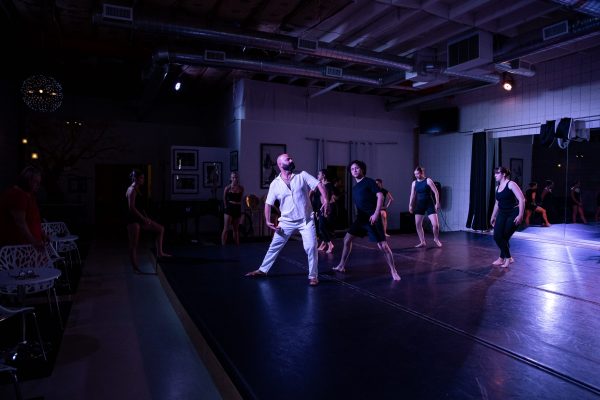
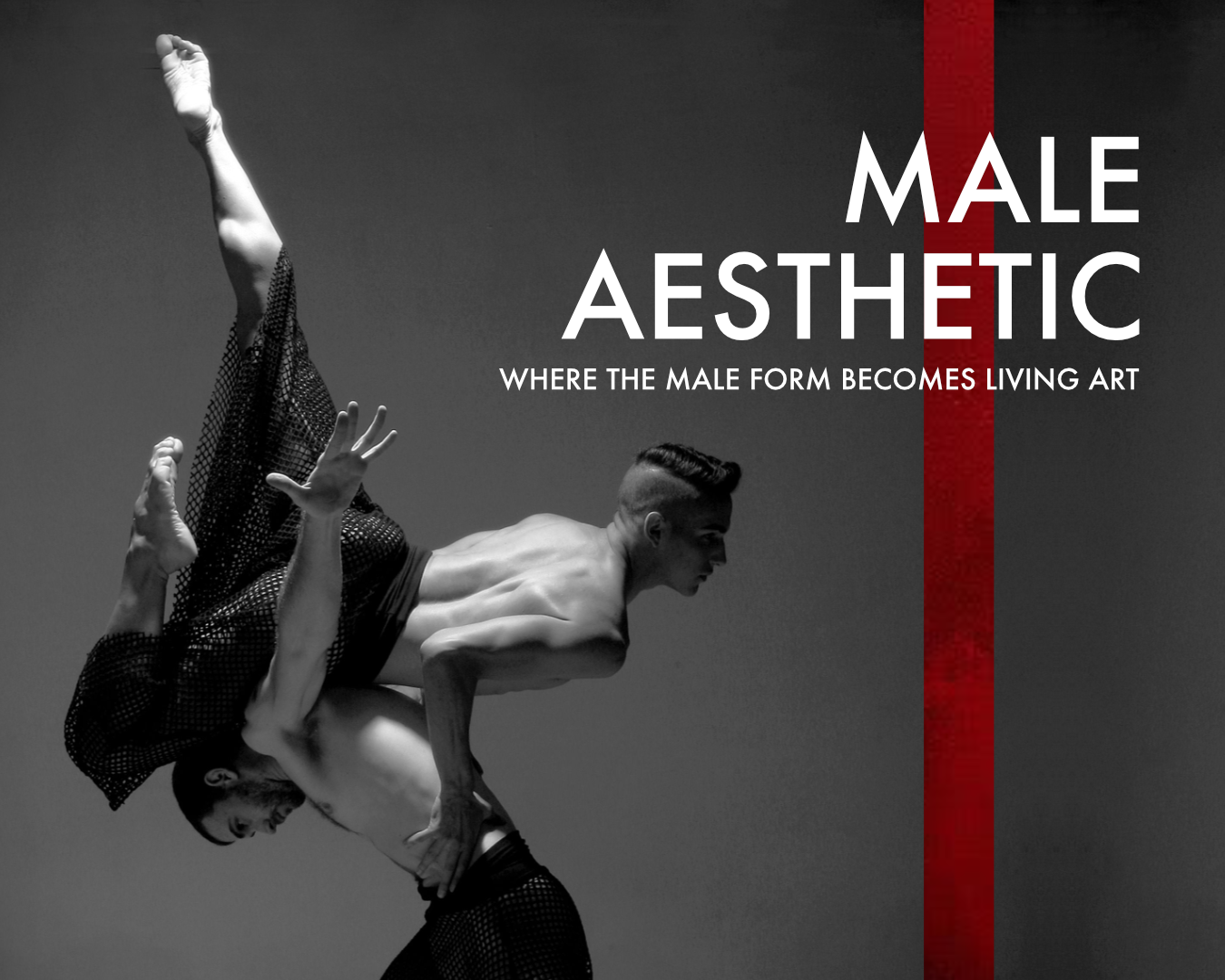
On Nov. 4, Nickerson-Rossi Dance will join Desert Peeps and young men from Idyllwild Arts Academy at the Palm Springs Art Museum for a one-night-only performance that brings together contemporary, street and classical dance with visual art. Through themes of strength, beauty, and vulnerability, the program challenges conventional expectations of masculinity and expands the ways men and boys can express themselves.
“Rather than presenting masculinity as something rigid or singular, Male Aesthetic explores vulnerability, sensuality, tenderness, athleticism, and emotional expression as equally powerful aspects of the male experience,” Nickerson-Rossi told the Blade.
For the company’s founder and artistic director, “choreography plays with ideas of power and softness, tension and release, individuality and connection.” In the process, Nickerson-Rossi states that: “Male Aesthetic asks the audience to consider who gets to define masculinity–and what becomes possible when men are given permission to move, feel, and express themselves without having to conform to a particular image of what a man should be.”
All proceeds will fund BOYS DANCE! scholarships at Palm Springs Dance Academy. Since launching in 2023, the initiative has provided free training to more than 50 local boys in the Coachella Valley.
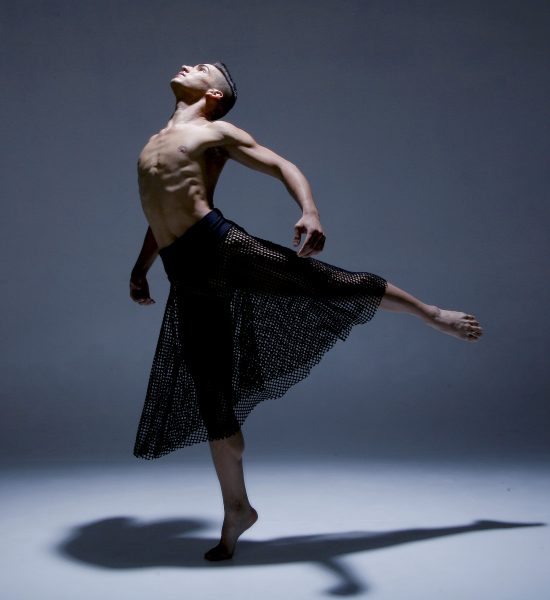
For executive director and principal dancer Chad Allen Ortiz, the mission to make dance accessible grows out of his own scholarship-supported training. As a teenager, Ortiz struggled with finding community and was stressed about potential college finances. However, dance gave him a community, a way to express himself, and eventually a career.
That opportunity also demanded substantial commitment:
“The exchange for training at no cost came with the expectation that I would commit multiple days and weekends to classes, rehearsals, and full classical productions of Don Quixote, Beauty and the Beast, Cinderella, Alice in Wonderland, and, of course, The Nutcracker,” Ortiz told the Blade. “As a male dancer, I was carrying multiple roles.”
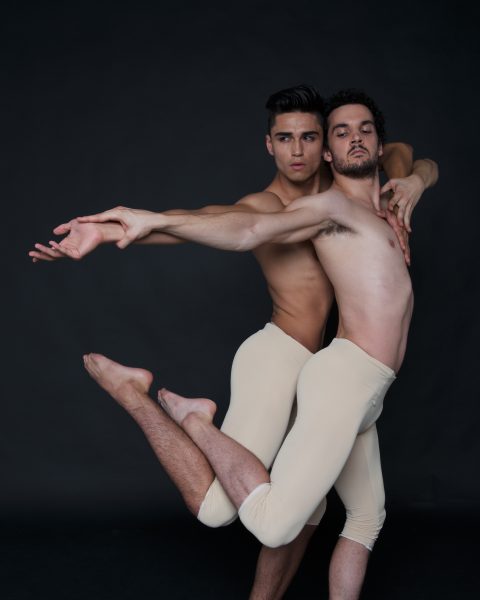
Alongside those demands came a growing sense of what dance could become in his life. His school brought in young professionals to perform leading roles, giving Ortiz many individuals to look up to and a glimpse of the artist he could become. Today, he wants students in the Coachella Valley to find that same inspiration as they train in the spaces where the company’s professional dancers work.
Access to the dance studio, however, requires more than paying for classes – it requires showing up. Ortiz said that perceptions of dance can limit whether boys consider stepping into the studio.
“Dance can sometimes be viewed primarily as entertainment or something adjacent to sports rather than as a serious artistic discipline, a form of training, or even a viable profession,” he told the Blade.
For queer boys, expectations about masculinity can add another source of pressure. Ortiz said the program embraces the LGBTQ+ community while challenging the assumption that an interest in dance indicates a boy’s sexual orientation. “One of the biggest stigmas we want to break is the idea that dance is ‘for gay boys,’” Ortiz explains, “Dance gives young people an opportunity to explore strength, softness, athleticism, creativity, discipline, vulnerability, masculinity, and femininity without requiring them to put a label on any of it.”
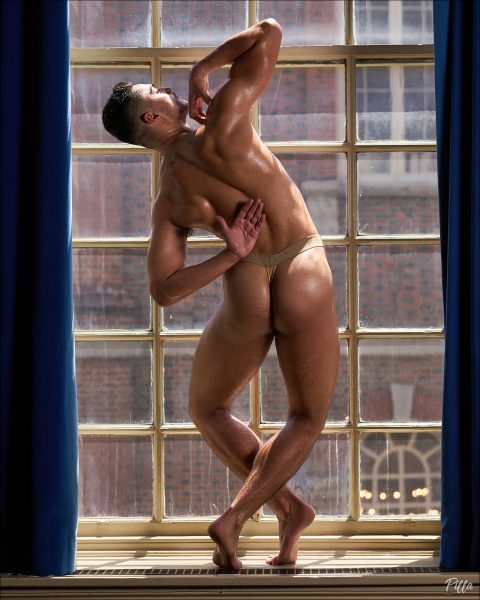
One student, now in third grade, has been dancing with the organization since kindergarten. He also loves robotics and engineering. To Ortiz, those interests show how much room a child should have to grow. “They’re both parts of who he is,” he said.
Most BOYS DANCE! participants are still elementary-school-aged, and Ortiz is careful about measuring the young program’s impact when the program itself is only three years old. But he finds excitement in boys branching out from hip-hop into jazz and modern classes, exploring movements they might once have thought were off-limits.
That willingness to try something new is also what Nickerson-Rossi hopes the performance will encourage.
“I hope audiences leave seeing more possibilities for how men can express themselves, and that young boys watching feel free to find their own.”
Male Aesthetic takes place Nov. 4 from 7–8:30 p.m. at the Palm Springs Art Museum.
Buy your tickets here.
a&e features
How Orville Peck healed his inner child through ‘Street Fighter (2026)’
The famous singer discusses this new role and what it means to him as an LGBTQ+ artist
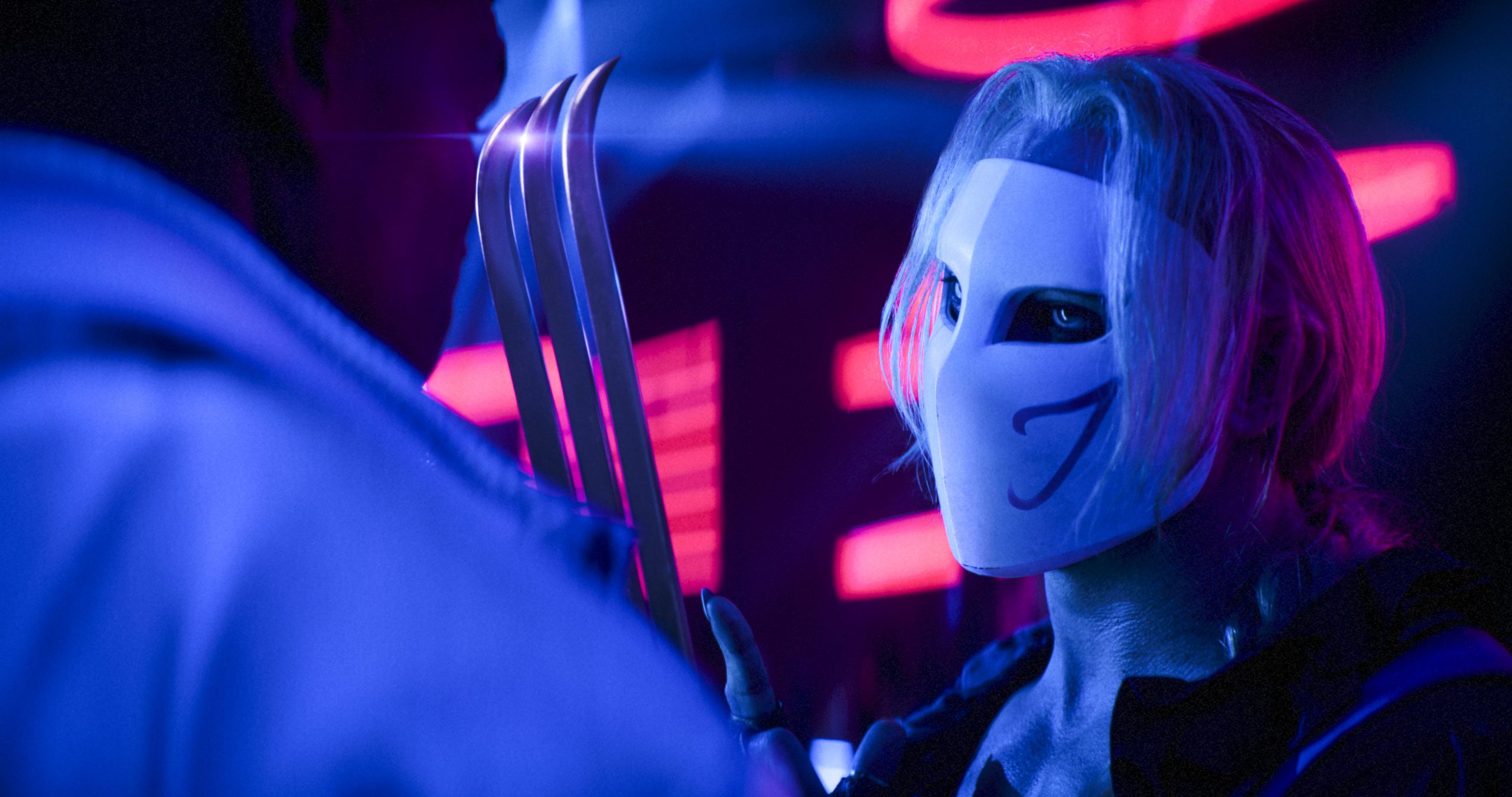
When asked to think about Orville Peck, most people would immediately remember the man’s music, his time on Broadway, his many scintillating photoshoots or, of course, the ornate masks he wears throughout it all.
Most wouldn’t, at least before a few months ago, think about the long-lasting video game franchise, Street Fighter.
This historic fighting game doesn’t instantly mesh with the image that Orville has spent years developing. The country singer has garnered national acclaim through his four albums, sultry and often somber affairs that have earned him numerous awards and thousands of fans. Along with his voice, new listeners are intrigued by his masks; Peck always wears a face covering to protect his privacy and embody a distinctly queer flair in his work. These are only removed for very special occasions — such as his renowned turn as the Emcee in a Broadway revival of Cabaret — with even his recent centerfold in the sexy magazine Playgirl seeing Orville bare everything except his face.
The musician does all of this while being proudly gay, serving as one of the most notable queer celebrities we have today. This, combined with his dynamic career, has earned Peck legions of supporters, each one excited about whatever new project he decides to do next. And they were all completely shocked in early 2026 when Orville announced just what that project would be: starring in Kitao Sakurai’s live-action adaptation of the classic video game, Street Fighter.
“They didn’t know I grew up playing this game, so it was so cool!” Peck raved as he discussed the film with the Los Angeles Blade. For the less digitally-minded of us, Street Fighter is an immensely popular gaming franchise, with this decades-spanning series offering dozens of games filled with colorful characters players can fight as. The cast for this latest adaptation dropped earlier this year and included stars like Jason Momoa, David Dastmalchian, Callina Liang — and, of course, Orville Peck.
“Fighting games probably draw a lot of queer people in [because] you can choose which character speaks to you, and they belong there,” Orville explained. “They don’t have to prove themselves…they belong, and you can connect in that way, since maybe you didn’t belong or [feel] included,” Orville admitted that it’s a connection he’s experienced himself; the man spent many hours of his childhood playing Street Fighter with his brothers. And one of his favorite characters was Vega, the bullfighting, gorgeous assassin obsessed with his own appearance (and slashing his opponents to ribbons).
It’s why there was no question Orville would take on the role when it was first offered to him. This may seem like an easy choice for many viewers — both Peck and Vega wear a mask — but the singer stressed that his link to the character went far beyond just the physical. “Vega did carry this kind of queer-coded energy that queer fans of Street Fighter have always picked up on and related to. And I was encouraged to not stray away from that — they wanted that to be included.”
Vega serves as the loyal henchman of Street Fighter’s main villain, M. Bison, with the claw-wielding fighter filling his screen time with snarky humor, great action scenes, and a distaste for wearing a shirt. But Vega also serves as a vital contrast in the film by punctuating the hypermasculinity of the men around him. He shows that queerness and strength can go hand-in-hand, with Orville finding it so affirming to bring out that universal truth through his performance.
It was something that he enjoyed not only for his adult self, but for the younger version who loved nothing more than playing Street Fighter with his brothers, saying, “Being a little queer kid…I definitely did not feel at times that I was going to be welcomed into some things in life, right? Getting to be the only openly gay man in this film with a bunch of very heterosexual gentlemen running around, and then having my place next to them? I think that would be really encouraging and healing to little Orville, for sure.”
Orville went on about his amazing co-stars — he warmly referred to Callina Liang, who plays Chun-Li in the film, as ‘my sister’ — and the countless joys this role brought him. When asked whether he would return for a possible sequel, he emphasized, “We’re all so close as a cast now. Everybody loves and supports each other so much. I would 100% do it again, of course.” It’s a promising message for many queer viewers absolutely loving his turn as Vega, and it signals an uplifting development for the man himself.
Orville Peck’s entire career is dedicated to utmost authenticity, showing your truest self in a way that feels genuine and recognizing what that truth brings to yourself and others. In a movie filled with nonstop fighting and campy chaos, he still managed to channel that into every second of his time onscreen. And whether it be as Vega or whatever role he decides to take next, it’s a vital message that this musician — and, he will remind you now, actor — will always work hard to make the center of his work.

Lula defeats Flávio Bolsonaro in second round of Brazilian presidential election

LGBTQ+ pioneer Rev. Troy Perry to young people: ‘Don’t be afraid’

With exquisite 4K restoration, ‘The Devils’ finally gets its due

Drag queens go from Send Noodz straight to the polls
Immunology gave HIV survivors the chance to grow old, Proposition 38 is the next step

Here’s your Palm Springs look at the weekend: Oct 23 – 25, 2026

New Zealand High Court strikes down puberty blocker ban

Allegations involving Ric Grenell raise questions about pay-for-play in White House

A Parvesh perspective: Actor Parvesh Cheena talks his roles in ‘Wives’

Latin queer and trans history along the U.S.- Mexico border on display at UC Riverside event
-
 Palm Springs4 days ago
Here’s your Palm Springs look at the weekend: Oct 23 – 25, 2026
-
 New Zealand5 days ago
New Zealand High Court strikes down puberty blocker ban
-
 White House4 days ago
Allegations involving Ric Grenell raise questions about pay-for-play in White House
-
 a&e features4 days ago
A Parvesh perspective: Actor Parvesh Cheena talks his roles in ‘Wives’
-
 Transgender4 days ago
Latin queer and trans history along the U.S.- Mexico border on display at UC Riverside event
-
 opinions3 days ago
Common Sense Isn’t Political
-
 Theater3 days ago
‘WOOF’ worthy: Christopher Schellenger shares the unique challenges of playing a dog
-
Commentary3 days ago
Immunology gave HIV survivors the chance to grow old, Proposition 38 is the next step
-
 Features1 day ago
LGBTQ+ pioneer Rev. Troy Perry to young people: ‘Don’t be afraid’
-
 Movies2 days ago
With exquisite 4K restoration, ‘The Devils’ finally gets its due