
World
Out in the World: LGBTQ+ news from Europe & Asia
LGBTQ+ stories from around the globe including South Korea, Japan, Hungary, the Vatican & the United Kingdom, focusing on events that matter
SOUTH KOREA

SEOCHO-GU, Seoul, South Korea – This past week on Oct. 27, the second highest court in South Korea upheld an earlier ruling for the fourth time, the Military Criminal Act, that criminalizes same-sex relations in the military.
The Constitutional Court of South Korea, in a five-to-four vote, ruled that article 92-6 of the military criminal act was constitutional. Justices in their ruling stated that same-sex activities might undermine discipline and harm the combat capabilities of the military. Same-sex activities between civilians however, is not a crime.
Article 92-6 of the Military Criminal Act (“Article 92-6”) provides that a person who commits anal intercourse or any other indecent act with “a military person” shall be punished by imprisonment for not more than two years.
Human rights activists have noted that The Korean military has invoked Article 92-6 to punish sexual acts between male servicemen with sentences of up to two years in prison — regardless of whether the acts were consensual or whether they happened within or outside of military facilities.
Several of South Korea’s allies including the United States and the United Kingdom have repealed provisions similar to Article 92-6 of the Military Act of South Korea in order to align with international obligations to protect against the discrimination of LGBTQ+ people.
The Executive Director of the Center for Military Human Rights Korea, which provides legal assistance to soldiers including those accused of breaking the anti-sodomy law, Lim Tae-hoon said the decision was “absurd, illogical, regressive and driven by prejudice.
“While the world has been making progress in abolishing discrimination against minorities over the past 20 years, the minds of the judges have not advanced even a single step,” he added.
Lim Tae-hoon pointed out that: “this law can be abused at any time to harass many sexual minority soldiers due to their sexual orientation. In addition, among the constitutional appeal cases supported by the Military Sexual Violence Counseling Center affiliated with the Military Human Rights Center, there is one case in which the military prosecutors believed the words of the perpetrator of same-sex sexual violence and suspended indictment by claiming that the sexual intercourse was consensual with the victim.
“The perpetrator was sentenced to three years in prison by the final ruling of the Supreme Court and is currently serving his sentence. Constitutional Court judges argue that the law of indecent assault should remain in place to protect victims of same-sex sexual violence in the military, but in reality, it is being abused as a means of imprisoning and punishing victims. Without understanding how the world works or how the law operates, they were caught up in prejudice and stubbornness and made regressive decisions.”
JAPAN
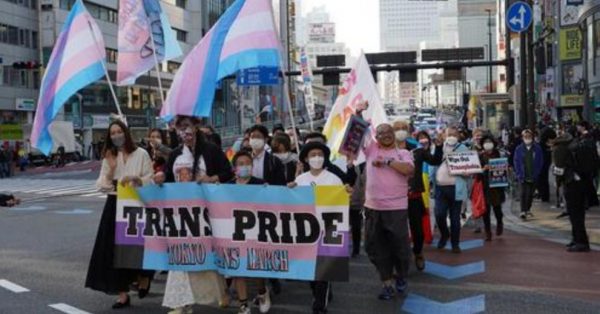
(Screenshot from video by Tsubasa Setoguchi)
HAYABUSACHO-CHIYODA, Japan – Last week on October 25, Japan’s highest court ruled in an unanimous decision that the country’s law mandating sterilization surgery for transgender people as a requirement for legal gender recognition was unconstitutional.
In the ruling, the 15 justices wrote: “Being forced to undergo sterilization surgery… constitutes a significant constraint on freedom from invasive procedures” in violation of the Japanese Constitution.
Kanae Doi, the Human Rights Watch Japanese Director noted that since 2004, transgender people in Japan who want to legally change their gender must appeal to a family court. Under the Gender Identity Disorder Special Cases Act, applicants must undergo a psychiatric evaluation, be surgically sterilized, and “have a physical form that is endowed with genitalia that closely resemble the physical form of an alternative gender.” They also must be single and without children who are younger than 18.
In May 2023, the Supreme Court ruled in favor of the right of a trans woman government employee to use the restrooms in accordance with her gender identity. In November 2022, the government in Japan’s Kanagawa prefecture awarded another transgender woman workplace compensation after recognizing her depression was the result of harassment she faced from her supervisor.
Earlier this month, a local family court ruled in favor of a transgender man – Gen Suzuki- who requested to have his gender legally changed without undergoing the surgery, the BBC reported.
The family court judge, Takehiro Sekiguchi, said the current law violated Article 13 of the Constitution that stipulates all people shall be respected as individuals.
According to the Japanese government’s statistics, the sexual minorities (LGBTQ+) make up for 3 to 8% of the population and that at most, the statistics estimate that around 0.7% of the population is transgender.
They are an overwhelming minority. The overwhelming majority of people do not know about trans people, and various prejudices are widespread.
The “LGBT Understanding Promotion Act,” which was passed by the Diet in June 2023, includes the sentence “We will take care to ensure that all citizens can live their lives with peace of mind,” but according to Japanese transgender activist Aya Nishida, the background to this is “If you say you are a woman at heart, you are a man. This is because some people have discriminatory views such as, “If transgender people’s human rights are recognized, women’s human rights will be threatened.”
Aya Nishida provides training on the human rights of transgender people to local governments, about issues surrounding transgender people.
While the Supreme Court has ruled against the sterilization requirement, it has asked a lower court to review the requirement to have “genitalia that closely resemble the physical form of an alternative gender.”
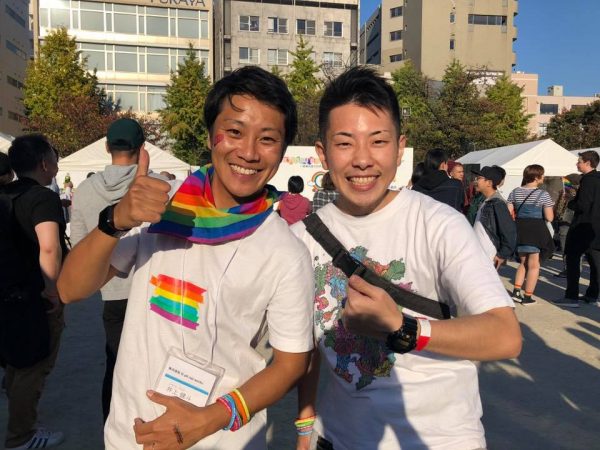
TOKYO, Japan – As of October 1, 26 local governments in at least 12 prefectures across the country have enacted ordinances that codifies the prohibition of “outing,” which is the act of disclosing a person’s sexual orientation or gender identity without their consent.
According to a study conducted by the Research Institute of Local Government in Tokyo, these efforts highlights that some municipalities have made to protect the human rights of LGBTQ+ people since passage of The Act to Promote Understanding of LGBT and Other Sexual Minorities by The National Diet of Japan [Parliament] this past June. That does not explicitly prohibit acts such as outing.
According to human rights groups and LGBTQ advocacy organizations, Outing constitutes a serious human rights violation, and it was was defined as a form of abuse of power in the guidelines for legislation.
The Kyodo News reported that in July this year, it was disclosed that a man had been deemed eligible for compensation from his employer by a Tokyo labor office last year after his boss revealed he was gay without his consent, but the current law is limited in scope to the workplace.
The harmful consequences of outing hit the national consciousness in 2015, when a graduate student of Hitotsubashi University in Tokyo died after plunging from a school building in an apparent suicide after being outed as homosexual.
In the wake of that incident, the city of Kunitachi, which hosts the university, became the first local government to enforce an ordinance banning the outing of LGBT individuals in April 2018.
In a statement to media outlets in Japan, Yuichi Kamiya, the Executive Director of the LGBT Law Federation said:
“Outing is considered harassment and must be prevented in the workplace, but there are no laws in place for other settings such as schools and medical care, so it is difficult to know what constitutes it and what specific details are required. There is still not widespread understanding of how to respond.
“It is important to clearly state the prohibition in ordinances, and it can also lead to public awareness, prevention, and relief in the event of damage. The more discriminatory the environment surrounding the person concerned, the greater the impact of outing. Further awareness is needed in each field to prevent further damage. When someone comes out, the first thing you should do is ask them who they can talk about and how much they can talk about. If you have any concerns, please consult with a specialist who respects confidentiality obligations.”
Currently, none of the ordinances passed across Japan have criminal law penalties.
HUNGARY
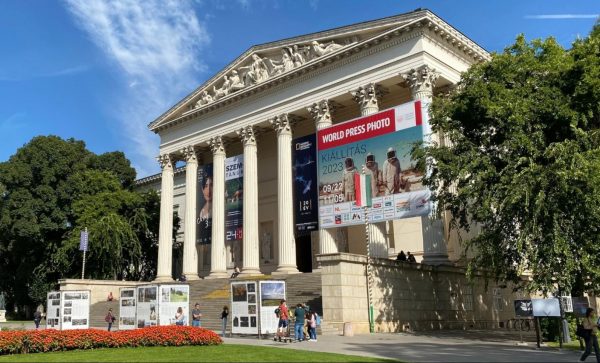
BUDAPEST, Hungary – The far-right anti-LGBTQ+ government of Hungarian Prime Minister Viktor Mihály Orbán has banned children under the age of 18 from visiting the World Press Photo exhibition Hungarian National Museum in the capital city, citing LGBTQ+ content in some of the photos.
Since taking power, Orbán and his ruling party have waged an unceasing campaign to restrict the rights of LGBTQ+ Hungarians. In July of 2021, the government passed a law that bans the promotion of homosexuality and sex-reassignment surgery to minors in the country.
This past summer Hungary’s second-largest bookstore chain was fined for violating the 2021 law that limits the access of minors to books, media content and advertisements that “promotes or portrays” the so-called “divergence from self-identity corresponding to sex at birth, sex change or homosexuality.”
The chain was fined for selling copies of British author Alice Oseman’s LGBTQ+ graphic novel series ‘Heartstopper,’ a global phenomena due to the runaway hit Netflix show based on her books in the series.
According to the interpretation of the Háttér Society, a Hungarian organization focused on LGBTQ+ rights, a parent could break the law solely by buying a child a young adult novel that features an LGBTQ+ character.
Reuters reported that this past Saturday, the museum stopped selling tickets for the photo exhibition for youngsters after the far-right Mi Hazank/Our Homeland party had initiated a government inquiry, the party said.
“Based on the initiative of Mi Hazank, youngsters under 18 cannot visit the exhibition at the National Museum as it violates the child protection law,” the far-right party told state news agency MTI. The new rule was posted on the museum’s website later on Saturday.
Neither the museum nor the Mi Hazank Party responded to requests for comment.
THE VATICAN
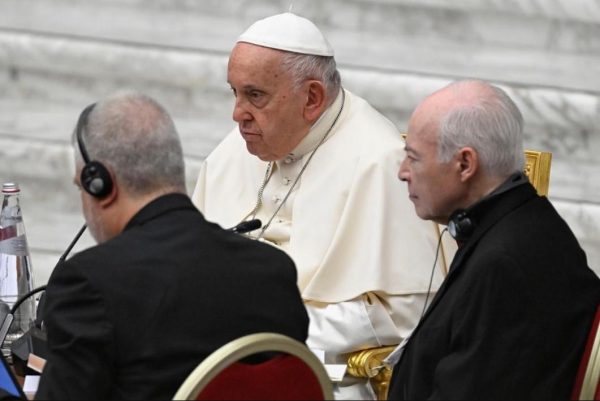
(Photo Credit: Holy See Press Office)
VATICAN CITY – The month long conference held in the Paul VI Hall at the Vatican regarding the future of the world-wide Roman Catholic Church ended on Saturday, without a clear course of action for the church on the issues of ordaining women as deacons or the treatment and care for its LGBTQ members.
The gathering, known as a Synod of Bishops, followed an unprecedented two-year canvassing of rank-and-file Catholics. The 365 synod participants included 300 bishops along with lay men and about 50 women who were mostly lay people, Reuters reported.
At the synod, the pope gave women and lay people a vote on Church affairs for the first time. The participants meet for a final session in a year, then the pope will write a document on issues facing the Church.
A 41-page report, approved and published Saturday at the close of the conference, called for the results of earlier papal and theological commissions on women deacons to be presented for further consideration at the next assembly of the Synod of Bishops, to be held in October 2024.
The report, titled “A synodal church in mission,” did not take a stand on LGBT issues despite discussion beforehand that the synod might call on the Church to be more welcoming to the LGBT community Reuters reported.
During a press briefing after the publication of the final report, Cardinal Mario Grech, who heads the Vatican’s synod office, on a question regarding LGBTQ Catholics, said that the assembly felt a need to “respect everyone’s pace.” He added: “It doesn’t mean if your voice is stronger it will prevail.”
Jesuit Fr. James Martin, a popular spiritual author and editor of the LGBTQ Catholic publication Outreach who took part in the synod as a voting member, told the National Catholic Reporter he was “disappointed but not surprised” by the result for LGBTQ Catholics.
“There were widely diverging views on the topic,” said Martin. “I wish, however, that some of those discussions, which were frank and open, had been captured in the final synthesis.”
UNITED KINGDOM
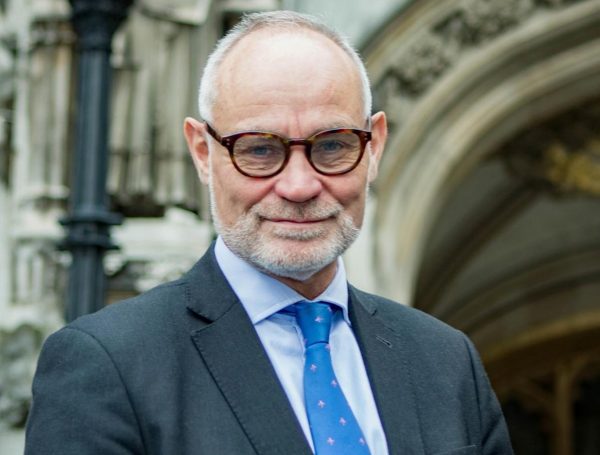
HORLEY, Surrey, England – Crispin Blunt, the openly gay Tory [Conservative] Member of Parliament for Reigate was arrested in connection with an allegation of rape and possession of a controlled substance earlier this month at his home in Horley by the Surrey Police.
Blunt, served for two years as a justice minister and two years as chair of the Foreign Affairs Committee in Commons, publicly came out as gay in 2010, announcing that he had separated from his wife and was “coming to terms with his homosexuality.”
British media outlet The Telegraph reported Blunt claimed in a statement that Surrey Police had begun an investigation three weeks ago when he reported “concerns over extortion”. The Conservative Party confirmed on Thursday night the 63-year-old has been stripped of the party designation, effectively meaning he has been expelled from the Conservative Party. He will now sit in the House of Commons in Parliament as an Independent member.
Former Conservative minister Crispin Blunt has confirmed he was the MP who was arrested by Surrey Police on suspicion of rape and the possession of controlled substances.
— BBC Breakfast (@BBCBreakfast) October 27, 2023
Political correspondent Ione Wells had more details on #BBCBreakfasthttps://t.co/sYvPTkW8eF pic.twitter.com/6W1Ia4eXT1
Taking to X, formerly Twitter, Blunt posted a statement saying, “The fact of the arrest requires a formal notification of the speaker and then my chief whip.
“I have now been interviewed twice in connection with this incident, the first time three weeks ago, when I initially reported my concern over extortion. The second time was earlier this morning under caution following arrest.
“The arrest was unnecessary as I remain ready to cooperate fully with the investigation that I am confident will end without charge,” Blunt continued. “I do not intend to say anything further on this matter until the police have completed their inquiries,” he added.
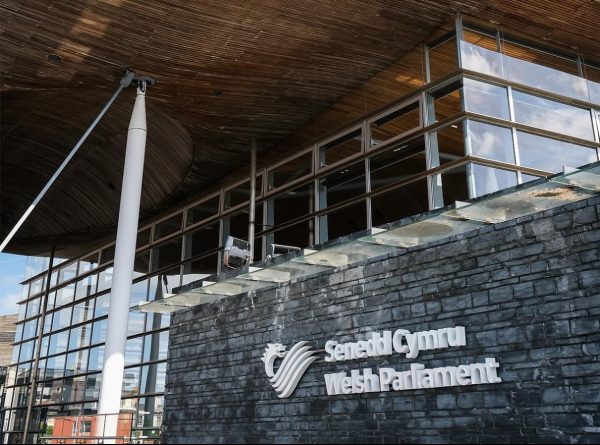
CARDIFF, Wales – The Welsh Government appears to be setting itself on a potential collision course with the UK Government of Prime Minister Rishi Sunak after the leak of a draft of the Welsh government’s Gender Quotas Bill Sunday evening, which would allow people to self-identify their gender when standing as candidates for the Senedd/Welsh Parliament.
The Telegraph reported that the bill proposes plans for a gender-balanced Senedd by having set equal quotas for male and female political candidates. Under this draft bill, the definition of a woman will be updated, so that the female quota of party candidates running for office may include transgender women.
The definition further stated that transgender meant “a person who is proposing to undergo, is undergoing or has undergone a process (or part of a process) for the purpose of reassigning [their] sex to female by changing physiological or other attributes of sex.”
Reaction from transphobic opponents included an outspoken Gender Critical leader, Cathy Larkman, from Women’s Rights Network Wales, who said in an emailed statement:
We know from bitter experience that Welsh Government is not listening to the concerns of women in Wales. We, along with other groups, have been shut out time and again. Unfortunately, the reasons for this are now apparent.
“The government is now intent on driving a highly contested ideological agenda and this is clearly their first step. It is astonishing that the government is spending public funds and using a Gender Quotas Bill to promote an agenda which undermines the rights of half the population of Wales.
“It is shameful that they are high-jacking legislation that should benefit women and increase female participation in political life, to embed a toxic and misogynistic ideology. We believe that the intention of the Welsh Government is to introduce gender self-identification and put it on a statutory footing.
“We believe this is the first step towards a full self-ID bill which would have serious implications for women and girls in particular as it would impact on single-sex services and spaces such as changing rooms, intimate care, hospital wards and domestic violence services.
“It is unforgivable that the First Minister and his Government, aided and abetted by Plaid Cymru, [political party] intend to betray the women of Wales in this underhand way.”
PinkNewsUK noted that this bill echoes a similar plan put forward by the Scottish government in January that would have made it easier for people to legally change their gender, which was sadly blocked by the UK government.
The leak has had a mixed response from the public. While the trans community and its advocates are pleased with the progressive step forward, anti-trans hate groups and so-called women’s rights groups are up in arms.
Commenting on the leaked bill, a spokesperson for the Welsh Government told The Telegraph that it did not represent the latest version of the Gender Quotas Bill, though they did not say whether that had to do with the redefinition of women.
“Our proposed model for quotas is designed to maximize the chances of achieving a Senedd comprised of at least 50 per cent women. Work is ongoing on the Bill,” said the spokesperson.
The first minister of Wales, Mark Drakeford has been a longtime defender of transgender rights, and has repeatedly shared his pro-trans beliefs in the Senedd PinkNewsUK also reported.
Additional reporting by The Kyodo News, The BBC, Reuters, Agence France-Presse, The Telegraph, and PinkNewsUK


Hungary
Hungarian lawmakers approve bill to remove anti-LGBTQ+ provisions from ‘child protection’ law
Prime Minister Peter Magyar’s government took office in May
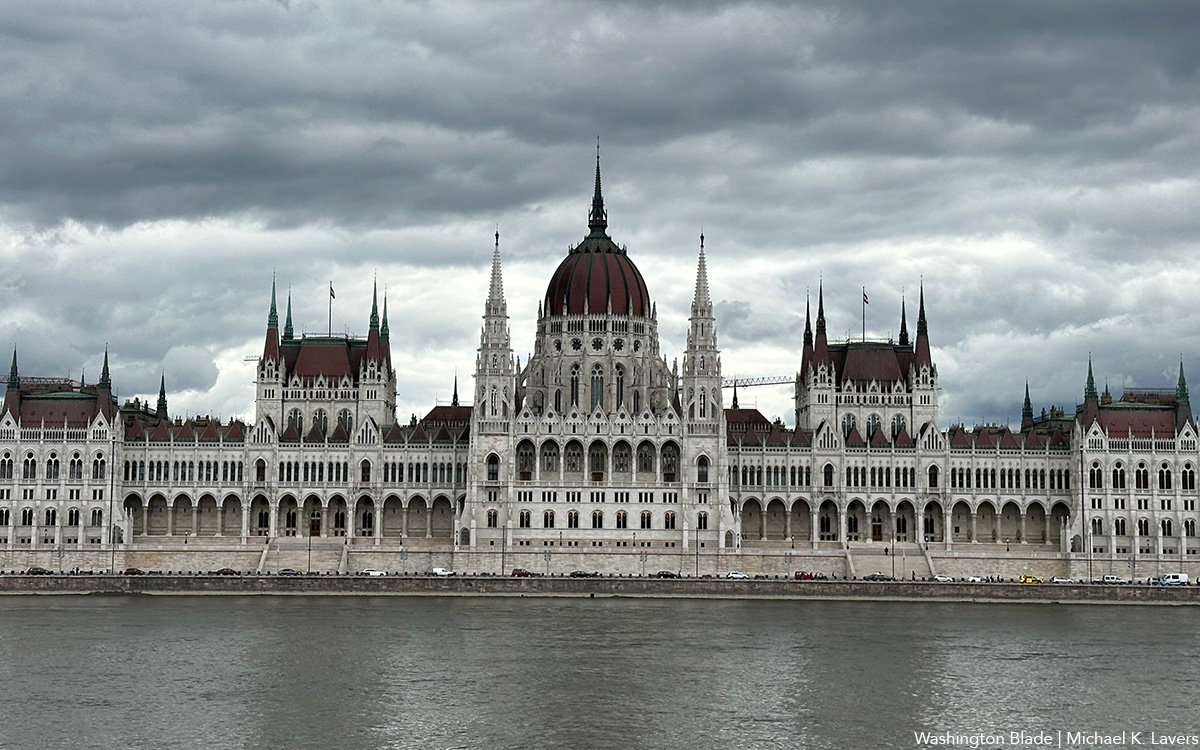
Hungarian lawmakers on Tuesday by a 139-51 vote margin approved a bill that would remove anti-LGBTQ+ provisions from a 2021 “child protection” law the country’s former prime minister championed.
“It shall be forbidden to make accessible to persons who have not attained the age of 18 years advertisement that depicts sexuality in a gratuitous manner or that propagates or portrays divergence from self-identity corresponding to sex at birth, sex change or homosexuality,” reads Act LXXIX of 2021 that MPs approved in 2021.
The European Commission in 2022 challenged the law. Sixteen EU countries eventually joined the lawsuit against it.
Then-Prime Minister Viktor Orbán’s government defended the law. The EU’s top court, the EU Court of Justice, earlier this year struck it down. The BBC reported the EU after Tuesday’s vote released €4.2 billion ($4.67 billion) in funds it froze while Orbán’s government was in office.
“We are very happy that this got adopted,” Tamás Dombos of the Háttér Society, a Hungarian LGBTQ+ rights group, told the BBC. “We’ve been fighting this so-called child protection law for five years. There have been problems with the bill submitted to parliament, but most of those problems have been fixed.”
Péter Magyar became the country’s prime minister in May after his center-right Tisza party defeated Orbán’s Fidesz-KDNP coalition in elections that took place on April 12.
The new Hungarian government in June allowed the annual Budapest Pride march to take place in the country’s capital without restrictions — MPs in 2025 passed a bill that banned Pride events, and amended the Hungarian constitution to prohibit public LGBTQ+ events.
Magyar last month announced his government would amend a law that essentially bans same-sex couples from adopting children.
Turkey
‘Governments that attack LGBTQ+ rights learn from each other’
Turkish authorities on Sept. 12 launched anti-LGBTQ+ ‘My Family Is Safe’ campaign
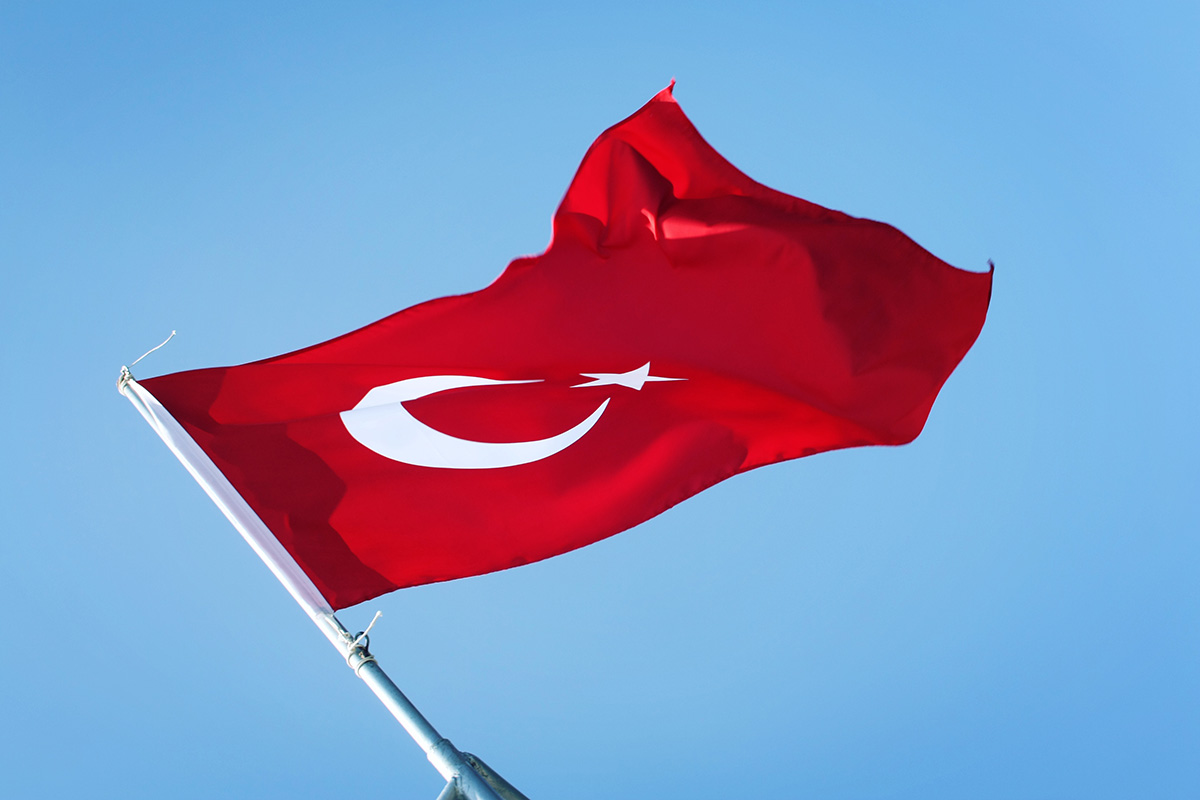
Sept. 12 is a solemn day for the people of Turkey. It is the anniversary of the 1980 coup d’état — when members of the National Security Council, along with the armed forces, dissolved the Turkish parliament, arrested hundreds of thousands of people, and entered a three-year period of martial law.
On Sept 12, the 46th anniversary of the 1980 coup, the country faced another wave of arrests; this time they targeted the LGBTQ+ community. The government launched the national “My Family Is Safe” campaign, which triggered mass raids and arrests of LGBTQ+ organization leaders, advocates, academics, and sexual health treatment centers for people with HIV. (These include EU-funded organizations launched by the Turkish government in 2005.) Since the nation has seen a decline in birthrate and a swelling economic crisis, this has allowed authoritarian President Recep Tayyip Erdoğan and conservatives in Turkey to use the LGBTQ+ community as the ideal scapegoat.
“This is the cruelest part. It was Erdoğan’s own party that made it easier to found NGOs in 2005 as an EU accession process, and that is how many LGBTI+ groups came to be officially registered.” Ali Yildiz, a linguistics graduate student at the University of Cologne in Germany, told the Los Angeles Blade. “Everything was legal, transparent and official. Now those same registrations are being used as arrest lists. The state is basically punishing those who trusted it. It sounds very much like the Nazis. They also used member lists of associations to persecute them later.”
Yildiz has witnessed the oppression of the Turkish government firsthand: in 2024, he moved to Germany. As one of the board members of a grassroots NGO that focuses on sexual health, Yildiz was at risk of arrest and prosecution.
As part of the “My Family Is Safe” operation on Sept. 12, police raided Yildiz’s family’s former home to find him.
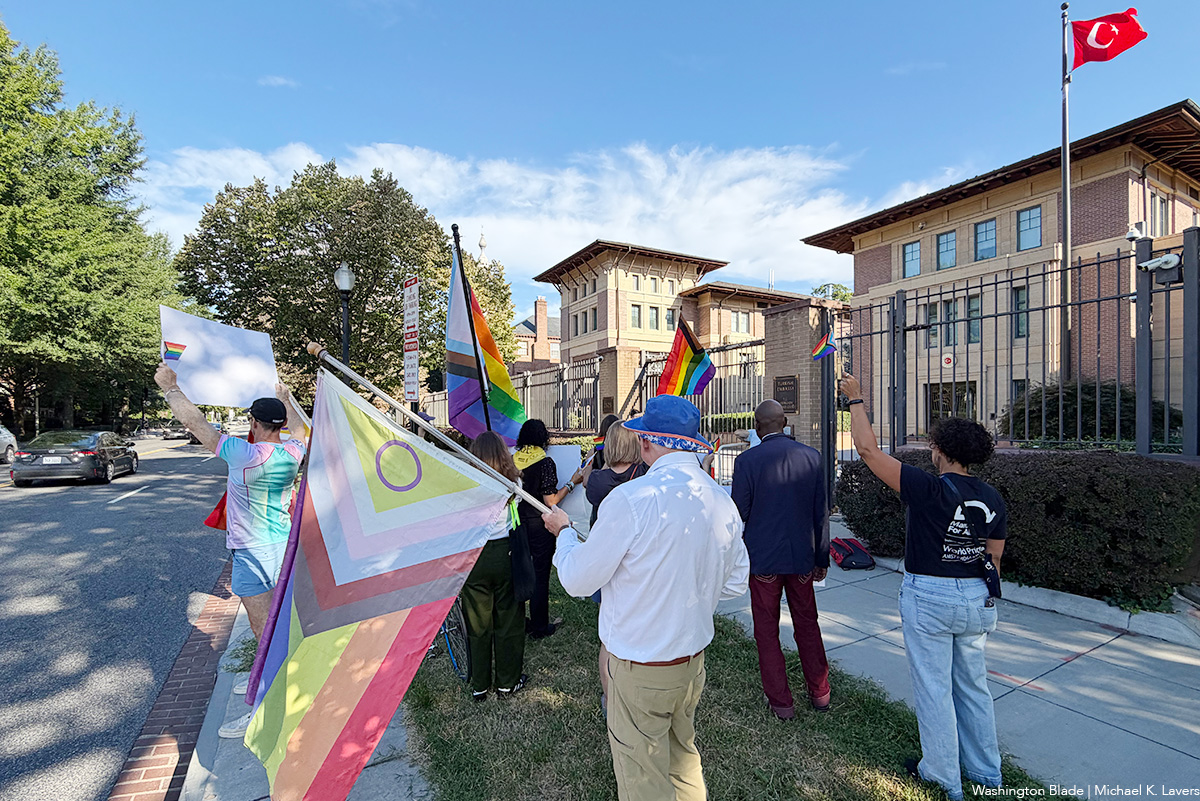
In the aftermath of these raids in Turkey’s major cities, protestors have gathered at Turkish embassies across Europe and the U.S.
A critical discourse has also emerged as a response to the crackdown across international queer media: how should the West cover oppressive regimes abroad?
“From what I see, the Western reading of Turkey’s crackdown on LGBTI+ people usually goes: it’s a conservative, Muslim country, so this is what you’d expect. I believe that framing is incomplete, and it lets the people responsible off the hook. The Erdoğan regime is also heavily relying on this contextualization,” said Yildiz. “The government is not simply reacting to existing conservatism but is actively shaping it. Look at how operations are presented: raids on LGBTI+ organizations and activists come packaged with claims about drugs, obscenity, sex work, or organized crime on other groups in the news. The evil strategy is to link LGBTI+ people with criminality in the public mind.”
The LGBTQ+ community is not the only group that has been under the weight of oppression. Political opponents and descendants whom Erdoğan deems criminals are also charged with treason.
Istanbul Mayor Ekrem İmamoğlu, who is the leading candidate for the upcoming 2028 presidential elections for the opposition center-left Republican People’s Party, was arrested on terrorism charges in 2024. On the same day, he was nominated as the CHP’s presidential candidate.
For a while, X served as a platform to express discontent with the government, but that changed recently when Elon Musk blocked nearly 500 accounts in Turkey. The Turkish government also banned Grok after the AI system responded to a user’s question about Erdoğan, which government leaders found offensive.
The visibility of these pages has decreased. With a VPN, citizens can still access the pages because they were banned only in Turkey, not internationally.
Discontent with the government is increasing, but so is government oppression.
Not only have LGBTQ+ pages been shut down, but many journalists and academics have also had their pages banned.
The Blade spoke to an anonymous academic living in Ankara, the Turkish capital, who said Erdoğan, U.S. President Donald Trump, and other authoritarian leaders are constantly learning from each other.
“These anti LGBTQ+ policies are being created in the name of preserving traditional family values and are not only a threat to Türkiye,” they said. “It is also a global issue that threatens people everywhere. It should be perceived as an international problem. That is why we LGBTQ+ people need to act in solidarity internationally.”
Because of the compounding human rights crisis happening simultaneously around the globe, visibility has been advocates in Turkey’s main challenge.
Since 2022 there have been a series of crackdowns against opposition parties, academics, labor unions, student organizations, journalist and advocates. Another anonymous academic in Istanbul told the Blade that after the 2022 crackdown, “people were intimidated, and most people did not feel encouraged to organize.”
In the weeks following this recent crackdown, discontent with the Erdoğan government has increased along with inflation and unemployment, not helped by the war in Iran.
“Our leaders do not say anything about the financial crisis,” said the Istanbul academic.
High inflation, high unemployment rates, many factories, and businesses have left Türkiye and transferred their businesses to other countries. And because of the timing of these recent crackdowns, during this financial crisis, many people haven’t been paying attention.
Though for many queer and transgender Turks, post-Sept. 12 life has been radically different.
“I stopped doing drag in order to protect myself, and many queer performance artist friends of mine have also given up this part of their lives,” said one source who asked the Blade to remain anonymous.
“Everybody is not scared, but they simply bring their fear with them to the march and march courageously, because they believe they are on the right side of history,” they added. “However, I think it is important that people in Turkey are not represented only through their experiences of victimization. There should also be spaces where artists, activists, journalists, and other queer people can express themselves in their own words.”
The justification for this crackdown has been preserving “traditional family and conservative values.” The Turkish government has persecuted these offenses with raids, trials, and arrests that have gone beyond just the LGBTQ+ community. It targeted last year musicians, performers, and artists whom they deemed obscene or offensive.
In September 2025, the K-pop-inspired girl band Manifest was investigated for three months. Footage from their shows was banned from the internet, and the remainder of their tour was canceled. All seven members of the group faced 3 1/2 months prison sentences before the charges were ultimately dropped.
“I believe there is no pride for only some of us. Governments that attack LGBTQ+ rights learn from each other.” Yildiz tells the Blade, “Erdoğan borrows from Putin’s playbook, and parts of the Western right eagerly adopt the same rhetoric. This is a call for our community to see how important international solidarity is. People show up every single year for the Pride March, even though they know the police are going to attack. What I see in our community is pure courage.”
Japan
Report: LGBTQ+ exclusion costs Japanese economy billions a year
Open for Business findings coincide with marriage equality fight
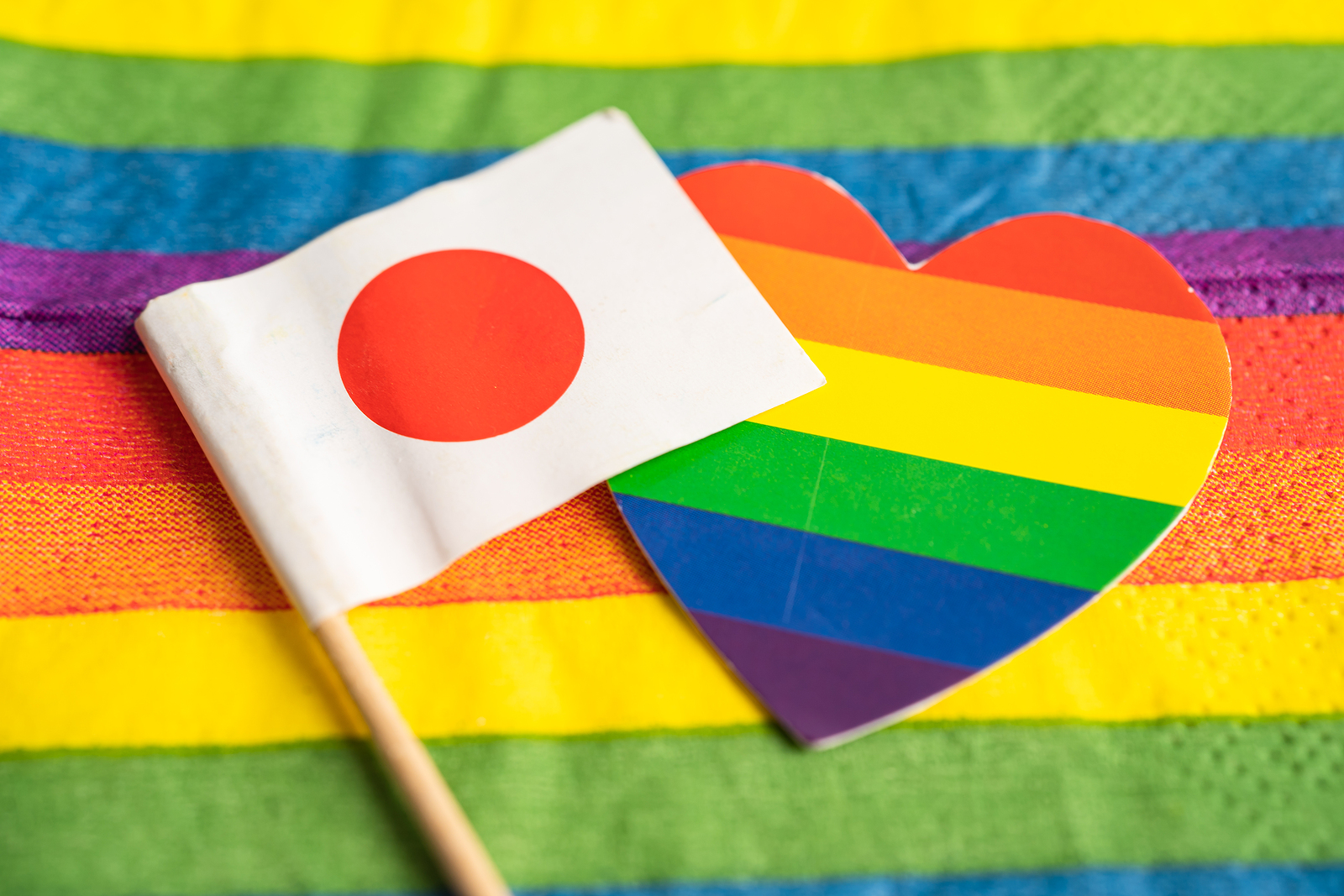
LGBTQ+ exclusion may be costing Japan as much as ¥16.42 trillion ($10.35 billion) annually, according to a new report by Open for Business, which argues that greater inclusion could help address the economic pressures facing a country with a shrinking population and workforce.
Japan’s population is projected to decline from 126.15 million in 2020 to about 87 million by 2070, according to the National Institute of Population and Social Security Research. As the country confronts a shrinking workforce; the economic stakes of retaining talent, improving productivity, and ensuring that LGBTQ+ people can participate fully in the economy are becoming increasingly significant.
Open for Business estimates that the costs extend beyond lost earnings.
The organization attributes between $25.1 billion to $75.1 billion annually to the excess economic burden associated with depression, suicide and self-harm, cardiovascular disease and HIV/AIDS, and another $12.2 billion to $26.2 billion to lost earnings linked to the LGBTQ+ wage gap.
A 2026 survey by Dentsu Japan, the Japanese arm of global advertising and public relations company Dentsu Group, found that 10.6 percent of respondents aged 20-59 identified as LGBTQ+, up from 9.7 percent in 2023. The survey polled 46,658 people living in Japan.
The report argues that Japan already has the foundations for greater LGBTQ+ inclusion; pointing to public support, corporate leadership, and growing legal momentum. Progress on these fronts, it says, could reduce the economic costs of exclusion, strengthen workforce participation and help Japan remain competitive.
“For Japan, LGBTQ inclusion is not simply a question of fairness. It is part of the country’s economic resilience,” the report states.
Japan does not legally recognize same-sex marriages at the national level, but partnership systems have spread across local governments. As of 2024, municipalities operating such systems covered nearly 93 percent of Japan’s population. The certificates can help couples access certain services, but they do not carry the same legal status as marriage, including in areas such as inheritance and medical decision-making.
The absence of marriage recognition can leave same-sex couples facing uncertainty over hospital access, medical decisions, and survivor benefits. It can also complicate employers’ decisions about spousal health coverage, relocation assistance and family leave, particularly when policies depend on a marriage recognized under Japanese law.
Japan’s PRIDE Index, administered by the nonprofit Work with Pride since 2016, evaluates corporate initiatives related to LGBTQ+ employees across five categories, awarding Bronze, Silver or Gold ratings. In 2025, 931 companies headquartered in Japan were assessed, with 80 percent receiving the highest, Gold rating.
Despite progress in corporate inclusion, workplace practices remain uneven.
A 2026 workplace white paper by Nijiiro Diversity found that 55 percent of surveyed employees reported no concrete LGBTQ+ measures at their workplaces. A separate 2025 survey found that 30 percent of professionals had experienced workplace discrimination or bias based on sexual orientation, while 27 percent reported bias based on gender identity. Only about one-third said they felt comfortable disclosing their sexual orientation or gender identity at work.
The report also points to disparities in HIV and STI outcomes.
Men who have sex with men accounted for an estimated 82 percent of newly diagnosed HIV cases in Japan, according to the report. In a separate study at a Japanese gender-affirming clinic, researchers screened 275 transgender and gender-diverse patients and found that 6.2 percent tested positive for HIV or another sexually transmitted infection. All were asymptomatic when tested.
The report also estimates substantial losses from the LGBTQ+ wage gap.
It puts Japan’s total earned income at about $1.81 trillion, of which LGBTQ+ workers account for an estimated $175 billion, or 9.7 percent. Applying a wage gap of 7 to 15 percent, a range the report says is supported by OECD analysis, yields an estimated $12.3 billion to $26.3 billion in lost wages annually. Japanese research cited in the report also points to economic disparities among transgender workers, who are disproportionately represented in non-regular employment and lower-income groups.
“Public attitudes and many leading companies have moved considerably, but national frameworks and everyday workplace experience have not yet caught up. That creates both a challenge and an opportunity,” said Open for Business CEO Ken Janssens. “Japan’s population is projected to fall from roughly 125 million in 2020 to fewer than 87 million by 2070, while its working-age population is already contracting. The country ranks 14th globally for talent appeal but 55th for talent readiness, according to the report. In that context, Japan simply does not have talent to waste. Every worker who is less healthy, less productive, pushed into lower-paid work or unable to participate fully because of discrimination represents a cost that becomes harder to absorb as the labour force shrinks.”
Janssens further told the Los Angeles Blade that the report’s ultimate message is that LGBTQ+ inclusion is a question of fairness, but in Japan, it is increasingly a question of economic resilience as well. The foundations for further progress are already there. The challenge now is to convert visible corporate leadership and social momentum into consistent practice and clearer protections.
Akira Nishiyama, a spokesperson for the Japan Alliance for LGBT Legislation, told the Blade that Japan’s business sector has pushed for stronger legal protections for sexual and gender minorities.
In 2017, the Japan Business Federation, known as Keidanren, announced a policy calling for nondiscrimination based on sexual orientation and gender identity. Its chairperson also stressed the importance of legislation explicitly prohibiting such discrimination in 2023.
Nishiyama added Japan’s laws addressing workplace power harassment cover harassment based on sexual orientation and gender identity, outing someone without their consent, and forcing or pressuring someone to disclose or conceal their identity. Employers and local governments are required to take measures to prevent such harassment.
“While such legal frameworks and social momentum continue to advance, a law prohibiting discrimination based on SOGI has still not been enacted,” said Nishiyama. “In other words, legal measures to address discriminatory treatment, such as discriminatory hiring refusals, unreasonable transfers, and coerced resignations, are still insufficient. When legislations are needed to bridge this gap, I believe that initiatives promoted by the business sectors as well as the issuance of clear policies aimed at prohibiting discrimination, will serve as one of the major driving forces in this effort.”
Makiko Terahara, co-representative and leader of the business collaboration team at Marriage for All Japan, told the Blade that the figures are estimates and that the report does not claim legal reform alone would eliminate the economic losses.
“But the connection is real. Without marriage, same-sex couples have no spousal status for inheritance, tax, social security or medical decision-making. Without anti-discrimination legislation, employees have no clear legal remedy. This insecurity drives the concealment, stress and wage gaps that the report quantifies. So yes, I believe stronger legal protections would have a measurable impact on health, retention and Japan’s ability to attract talent,” she said.
Terahara also noted to the Blade the report cites a study finding that living in a municipality with a partnership system was not associated with better mental health. She said symbolic recognition without legal rights is not enough.
“The report confirms that Japanese society and business are already ahead of national law,” said Terahara. “Public opinion and leading companies have moved, and the remaining gap is in legislation. The report shows that marriage equality is not only a human rights issue but also an economic one, and that the cost of inaction is being paid now.”
The Open for Business report can be read here.
Afghanistan
ICC unseals arrest warrants for Taliban officials accused of persecuting LGBTQ+ people, women
‘For LGBTIQ+ people, this matters enormously.’
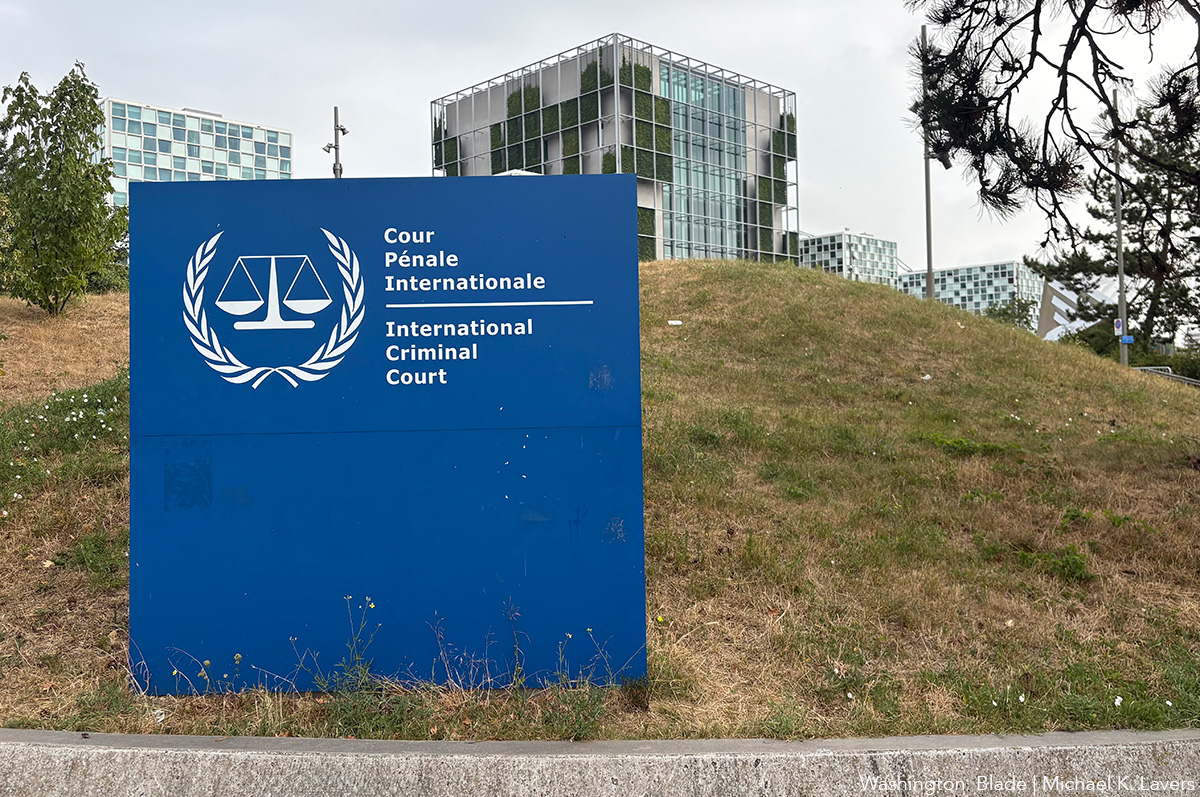
The International Criminal Court this week unsealed arrest warrants for four Taliban officials in Afghanistan accused of targeting LGBTQ+ people, women, and others who defy the group’s strict gender norms.
The warrants the ICC unsealed on Oct. 5 are for Hibatullah Akhundzada, the Taliban’s supreme leader, and Chief Justice Abdul Hakim Haqqani. The ICC also unsealed warrants for Education Minister Habibullah Agda and Higher Education Minister Neda Mohammad Nadim.
The ICC last year announced warrants for Akhundzada and Haqqani, as the Washington Blade previously reported.
“In the warrants of arrest, the (Pre-Trial) Chamber (II), in line with current developments in international law, found that the definition of ‘gender’ in the Rome Statute necessitates an interpretation that goes beyond a purely biological conception of sex,” reads the ICC’s Oct. 5 announcement. “It considered that it requires acknowledging the socially constructed roles, behaviors, expectations, and hierarchies traditionally associated with individuals on the basis of their sex. The Chamber considered that these societal constructs, commonly referred to as ‘gender norms,’ form part of the contextual lens through which acts amounting to gender-based persecution under article 7(1)(h) must be assessed.”
“It found that there are reasonable grounds to believe that the four suspects are criminally responsible for having ordered, induced or solicited the crime against humanity of persecution, under article 7(1)(h) of the Rome Statute, on gender grounds against girls, women, and other persons non-conforming with the Taliban’s policy on gender, gender identity or expression; and on political grounds against persons perceived as ‘allies of girls and women,’” it adds. “These crimes are believed to have been committed on the territory of Afghanistan since the Taliban seized power on Aug. 15, 2021, and have continued until at least Jan. 20, 2025.”
The Rome Statute established the ICC, which is in the Dutch city of The Hague, in 2002 after 60 countries ratified it.
The U.S. is among the countries that do not recognize the ICC. Secretary of State Marco Rubio on Friday announced U.S. sanctions against the ICC, which he described as a “rogue court.”
Then-ICC Chief Prosecutor Karim Khan in January 2025 announced a request for warrants against Taliban officials over their treatment of women and other groups since they regained control of Afghanistan in 2021. It marked the first time the ICC specifically named LGBTQ+ people as victims in a gender persecution case before it.
A report that Outright International released in 2023 notes Taliban officials have systematically targeted LGBTQ+ people — especially gay men and transgender women.
Taliban officials have subjected them to physical and sexual assault as well as arbitrary detention. The Outright International report also notes Taliban authorities have carried out public floggings for alleged same-sex sexual relations, and have collected intelligence on LGBTQ+ activists and community members.
Artemis Akbary, executive director of the Afghanistan LGBTIQ Organization, on Oct. 5 described the additional arrest warrants as “huge.”
“For LGBTIQ+ people, this matters enormously,” he said. “It strengthens the understanding that gender persecution can also capture persecution based on non-conformity with imposed gender roles, identities, and expressions.”
“This is an important development for accountability in Afghanistan, and potentially far beyond it,” added Akbary.
Central America
Alianza para la Inclusión fortalece la defensa de derechos LGBTQ+ en Centroamérica
Se implementa el proyecto en Guatemala, El Salvador y Honduras
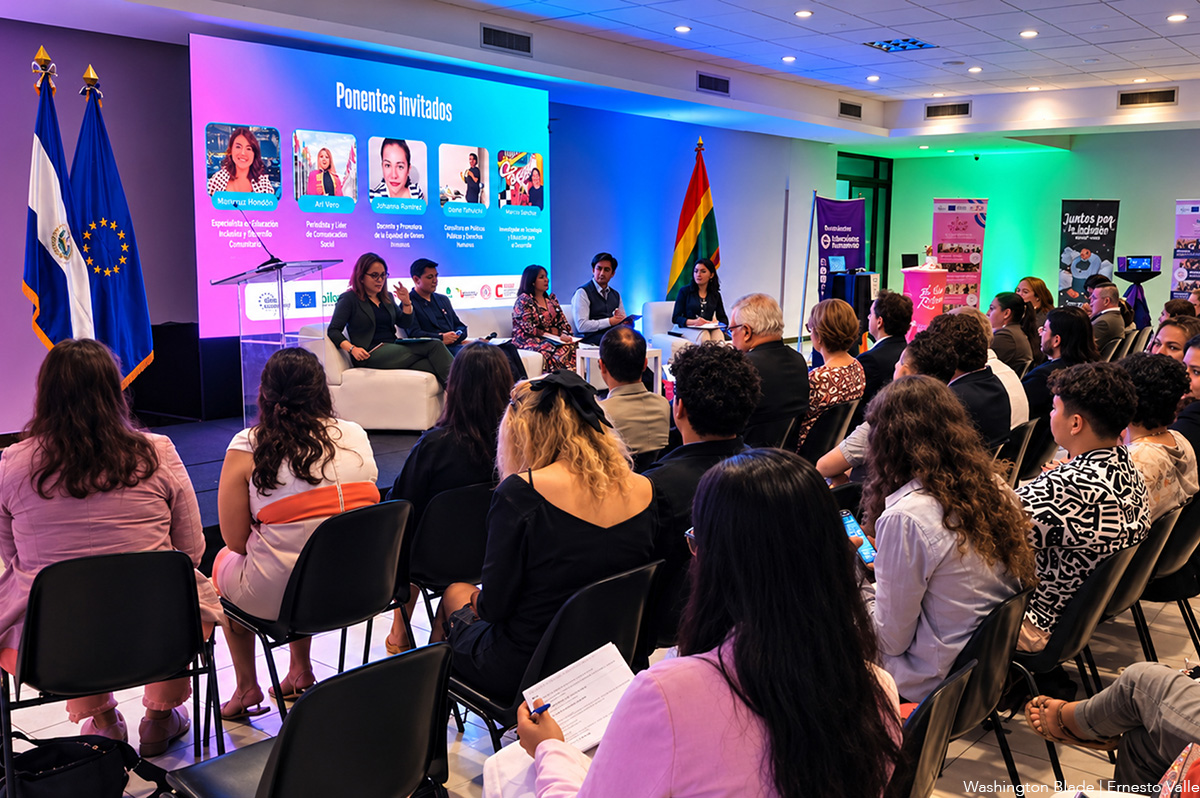
Promover, proteger y defender los derechos humanos de las personas LGBTQ+ en Centroamérica es el propósito del proyecto “Alianza para la Inclusión: hacia la promoción de derechos LGBTIQ+ en Centroamérica”, una iniciativa subvencionada por la Unión Europea, Global Gateway, Oikos Cooperação e Desenvolvimento y Camões — Instituto da Cooperação e da Língua, que articula esfuerzos en Guatemala, El Salvador y Honduras.
El proyecto, cuya implementación se desarrolla entre 2025 y 2028, busca fortalecer a organizaciones, liderazgos comunitarios y redes regionales frente a contextos marcados por la discriminación, la violencia y la reducción del espacio cívico.
A través de procesos de formación, atención integral, protección, fortalecimiento organizativo, incidencia y articulación regional, la iniciativa procura generar condiciones más seguras y dignas para que las personas LGBTQ+ puedan ejercer plenamente sus derechos.
Formación y fortalecimiento de liderazgos
Durante los primeros 18 meses de ejecución, el proyecto ha desarrollado acciones de formación y acompañamiento, otorgado subvenciones a colectivos comunitarios, impulsado estrategias de seguridad integral y respaldado procesos regionales de articulación e incidencia.
Uno de los resultados reportados es la participación de 489 personas LGBTQ+ de Guatemala, El Salvador y Honduras en procesos formativos relacionados con la desnaturalización de la violencia, organización e incidencia. Asimismo, 41 personas líderes LGBTQ+ de El Salvador y Guatemala fortalecieron sus capacidades para la formulación de proyectos.
Para Pedro Campos, coordinador de Oikos — Cooperação e Desenvolvimento en El Salvador, estos procesos tienen una dimensión que trasciende lo técnico.
“Desde hoy estamos cada día más convencidas y convencidos de que la gestión de proyectos más que técnica o administrativa es esencialmente humana. Nunca debemos olvidar que la persona en toda su diversidad es el centro de nuestro quehacer. Y si un día la empatía y el amor nos abandonan, habremos perdido la esencia de nuestro trabajo”.
La formación también ha significado una oportunidad para fortalecer liderazgos comunitarios. Josh Hernández, persona no binaria y codirectore de Espacios Seguros El Salvador, destaca el impacto que tuvo su participación.
“Esta experiencia me ha fortalecido como activista y como parte de una organización comunitaria, y me ha permitido ampliar mi visión y soñar con nuevas actividades que contribuyan a construir una cultura de paz en nuestra sociedad salvadoreña”, comenta Hernández.
Atención integral para personas LGBTQ+ en situación de vulnerabilidad
En El Salvador, uno de los componentes del proyecto se ha enfocado en brindar atención integral a personas que enfrentan situaciones de violencia, discriminación o vulnerabilidad.
A través de COMCAVIS TRANS, el proyecto permitió atender a 128 personas, mediante servicios psicosociales, legales y de resguardo temporal en su albergue.
La atención incluyó orientación para activar mecanismos de denuncia y medidas de protección, además de contención emocional, manejo de crisis y acompañamiento para la estabilización de condiciones básicas.
La experiencia también se ha extendido a Honduras. Loren López, directora ejecutiva de la Asociación de Mujeres Lesbianas y Bisexuales LITOS, resaltó el valor de generar espacios seguros para mujeres lesbianas, bisexuales y personas LTBQ (lesbianas, trans, bisexuales y queer).
“Me quedo con la satisfacción de haber contribuido a crear espacios donde una mujer LTBQ+ pueda sentirse segura, escuchada y reconocida, sin tener que esconder quién es. Esta experiencia fortaleció a LITOS y nos dejó nuevas herramientas y posibilidades para seguir trabajando por los derechos y la eliminación de la discriminación”, agrega López.
La seguridad integral como herramienta de protección
En contextos donde quienes defienden derechos pueden enfrentar diferentes tipos de riesgos, el proyecto ha incorporado la seguridad integral como un componente fundamental.
Durante 2026, 140 personas LGBTQ+ pertenecientes a seis organizaciones participaron en procesos de formación sobre seguridad integral, abordando dimensiones físicas, digitales y emocionales.
Como resultado, seis organizaciones elaboraron y consolidaron sus propios planes de seguridad integral, incorporando medidas de prevención y respuesta ante riesgos físicos y digitales, con especial énfasis en la protección de información sensible, el uso seguro de plataformas digitales y la gestión de incidentes en entornos virtuales.
Incidencia para transformar políticas y garantizar derechos
La iniciativa también ha acompañado procesos de incidencia y litigio estratégico en Guatemala.
La Asociación LAMBDA, junto con la Comisión Presidencial por la Paz y los Derechos Humanos (COPADEH), acompañó una consulta nacional con personas LGBTQ+ para contribuir a la elaboración de una Estrategia Nacional para las personas LGBTQ+, cuyo proceso se encontraba en elaboración y cuya aprobación se esperaba para finales de 2026.
Asimismo, en julio de 2026 fue presentada ante la Corte Constitucional de Guatemala una acción de inconstitucionalidad como parte de una estrategia nacional de litigio estratégico orientada a la aprobación del matrimonio igualitario. Al cierre de la actualización de resultados de este año, el proceso permanecía pendiente de resolución.
El acompañamiento jurídico también ha permitido apoyar procesos individuales relacionados con el reconocimiento de la identidad.
Uno de estos casos es el de Paula Escobar, mujer trans guatemalteca acompañada por LAMBDA en el proceso de cambio de nombre en sus documentos de identidad.
“Ha sido el paso más grande de mi vida, pues me libró de momentos incómodos y de dar explicaciones para ser reconocida como la mujer que soy”.
De acuerdo con el testimonio, la organización se encargó de la gestión legal y aproximadamente seis meses después obtuvo una respuesta favorable.
Redes regionales para ampliar el alcance de la defensa de derechos
La articulación regional constituye otro de los componentes del proyecto. La iniciativa ha apoyado a redes latinoamericanas que buscan fortalecer y posicionar el trabajo de organizaciones LGBTQ+.
Entre ellas se encuentra la Alianza Centroamericana y del Caribe de Hombres Trans, que articula organizaciones y personas transmasculinas de Guatemala, El Salvador, Honduras, Costa Rica y Panamá.
Durante su primer año, ALICAHT desarrolló su Plan Estratégico y Reglamento Interno 2025-2030, además de su identidad gráfica y sitio web.
Otro proceso regional respaldado fue el III Congreso Regional de CORPORA en Libertad, realizado en Guatemala en diciembre de 2025. El encuentro reunió esfuerzos orientados a fortalecer la defensa, promoción y garantía de los derechos humanos de las personas LGBTQ+ privadas y exprivadas de libertad en América Latina y el Caribe.
El espacio permitió fortalecer la articulación regional y compartir experiencias y estrategias frente a los desafíos que enfrentan las personas LGBTQ+ dentro y fuera de los sistemas penitenciarios.
Ari Vera, fundadora de CORPORA, ha destacado la importancia del trabajo en red como una herramienta para generar transformaciones y fortalecer las capacidades colectivas.
Inclusión más allá de las palabras
Durante el Foro “El Impacto de Incluir”, uno de los planteamientos centrales fue que la inclusión requiere transformaciones concretas y no únicamente el uso de conceptos o siglas.
Jason García, técnico PMA de Monitoreo, Evaluación y Aprendizaje para Oikos El Salvador, señaló una de las barreras que persisten en los proyectos. “Una de las barreras en los proyectos es que son binarios y no se reconocen las otras identidades”.
Desde esta perspectiva, un proyecto inclusivo no se limita a utilizar la palabra inclusión o incorporar las siglas LGBTQ+, sino que requiere revisar prácticas, metodologías, mecanismos de participación y formas de reconocer la diversidad.
Como parte de este proceso también se preparó una guía práctica que sistematiza instrumentos y mecanismos del Sistema Internacional de Derechos Humanos, destacando su importancia histórica en la ampliación y protección de derechos.
La compilación fue presentada en la X Conferencia de la Red ILGA LAC y en el 18º Encuentro de la Red Centroamericana de Intercambio Académico en Derechos Internacionales, realizado en la Universidad de El Salvador.
Cooperación centrada en las personas
Los resultados alcanzados durante los primeros 18 meses reflejan una estrategia que combina formación, atención directa, protección, fortalecimiento institucional, incidencia y construcción de redes.
Para la Unión Europea, colocar a las personas en el centro constituye un elemento fundamental de la cooperación. Duccio Bandini, embajador de la Unión Europea en El Salvador, expresó “Desde la Unión Europea seguiremos apostando para una cooperación que pone en el centro a las personas. Porque el verdadero impacto de influir se mide en vidas transformadas, en derechos conquistados y en sociedades que celebran con orgullo su diversidad”.
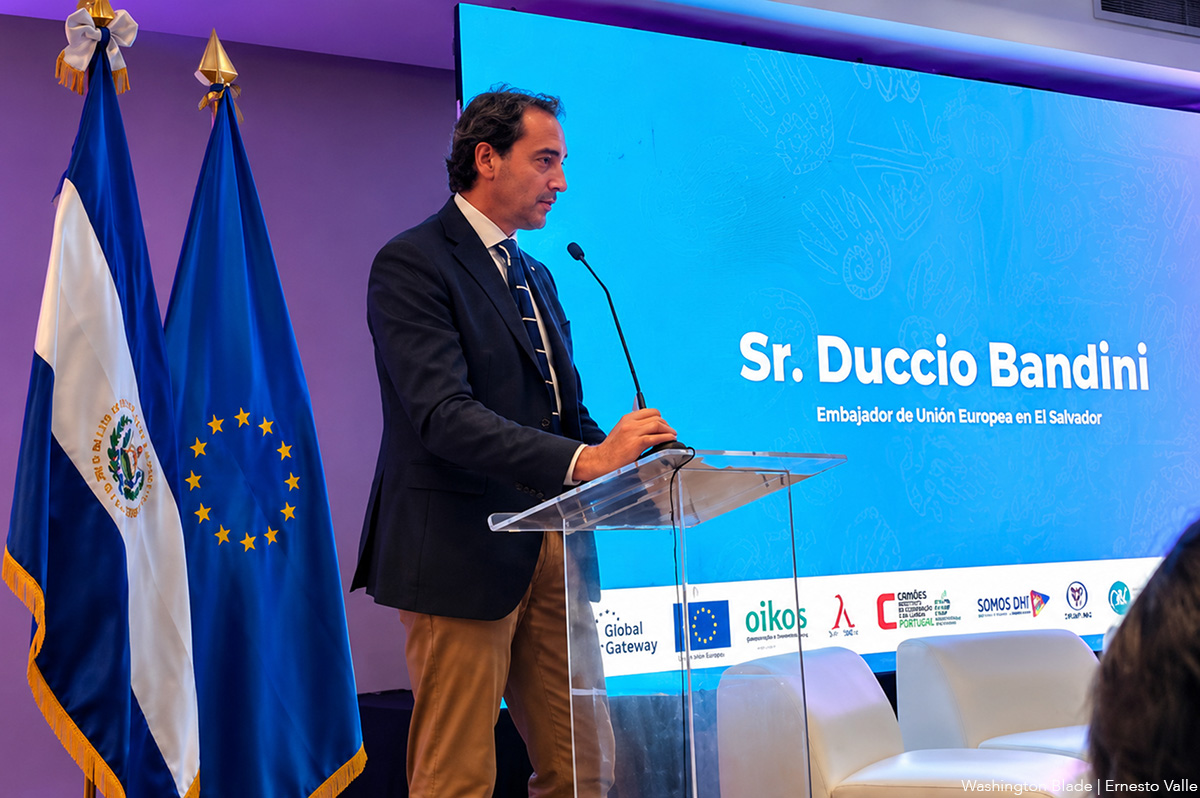
Con una implementación prevista hasta 2028, la Alianza para la Inclusión continúa articulando organizaciones nacionales y redes latinoamericanas para fortalecer capacidades y generar herramientas que permitan a las personas y organizaciones LGBTQ+ enfrentar los desafíos de sus contextos y avanzar en la promoción, protección y defensa de los derechos humanos.
Más allá de las cifras y los productos alcanzados, el proyecto coloca en el centro una premisa: la inclusión se construye cuando las personas pueden participar, organizarse, defender sus derechos y vivir su identidad con dignidad y seguridad.
Brazil
Transgender woman elected to Brazilian Chamber of Deputies
Thabatta Pimenta is first trans person from northeast Brazil elected to Congress

SÃO PAULO — Voters in Brazil’s Rio Grande do Norte state on Sunday elected a transgender woman to the country’s Chamber of Deputies.
Natal Municipal Councilwoman Thabatta Pimenta, who is a member of the Green Party, won with 92,743 votes. She is the first trans woman from northeast Brazil elected to the country’s Congress.
Pimenta became emotional when she was speaking to her supporters after she won. Her brother Ryan, who has cerebral palsy, was by her side.
“This victory belongs to the people of Rio Grande do Norte,” she said. “It is a victory built from the ground up … the people themselves rose up, and you saw the result: today they elected the first female travesti federal deputy from northeast Brazil.”
Pimenta will join Erika Hilton, a travesti member of the leftist Socialism and Liberty (PSOL) party who was a sex worker before her election to the São Paulo Municipal Council, and Duda Salabert, a trans woman and fellow PSOL member from Minas Gerais state, in the Chamber of Deputies.
Hilton on Sunday won re-election with 1,596,472 votes, the most any female member of Congress has received in Brazilian history. Dudabert also won re-election with 215,192 votes.
“Thank you Minas Gerais,” said Dudabert on social media after she won re-election.
❤️ REELEITA!!! Obrigada Minas Gerais! Com muito trabalho, aumentamos nossa votação! Muito orgulho em ser, pela segunda eleição consecutiva, a terceira candidatura mais votada de Minas Gerais para o cargo de deputada federal. E mostramos novamente que é possível fazer uma campanha “lixo zero”- sem imprimir santinhos, bandeiras ou adesivos. Muito feliz! Obrigada Minas ! Obrigada Brasil
— Duda Salabert 5️⃣0️⃣5️⃣0️⃣ (@DudaSalabert) October 5, 2026
Five openly bisexual Chamber of Deputies candidates also won their races on Sunday.
• Guilherme Cortez, a PSOL member in São Paulo state
• Dandara Tonatzin, a member of President Luiz Inácio Lula da Silva’s Workers’ Party in Minas Gerais
• Anielle Franco, a Workers’ Party member in Rio de Janeiro state
• Maria Marighella, a Workers’ Party member in Bahia state
• Giovana Mondardo, a Brazilian Communist Party member in Santa Catalina state
Fabio Félix, a gay PSOL member of the Chamber of Deputies who represents the Federal District in which Brasília, the country’s capital, is located won re-election with 224,224 votes. Rick Azevedo, a gay PSOL member from Rio de Janeiro state, won his Chamber of Deputies race.
Daiana Santos, a lesbian Brazilian Communist Party member who represents Rio Grande do Sul state in the Chamber of Deputies, won re-election with 114,315 votes.
Two lesbian women won their Chamber of Deputies campaigns.
• Rosa Amorin, a Workers’ Party member from Pernambuco state
• Bella Gonçalves, a Workers’ Party member from Minas Gerais who is a member of the Belo Horizonte Municipal Council
Samanda de Lula, a lesbian Workers’ Party member, will represent Rio Grande do Norte in the Brazilian Senate.
Rio de Janeiro Municipal Councilwoman Mônica Benício, who is a PSOL member, came up short in her bid for the Senate. Her then-partner, Rio de Janeiro Municipal Councilwoman Marielle Franco, and her driver, Anderson Gomes, were assassinated on March 14, 2018.
Fabiano Contarato, a gay senator from Espíritu Santo who is a member of the Workers’ Party, also lost his re-election bid.
“I receive the election results with respect and serenity,” he said on social media. “The popular will is sovereign, and democracy must always be respected.”
Jean Wyllys is a gay former member of the Chamber of Deputies who previously represented Rio de Janeiro state. He resigned in 2019 and fled Brazil after he received death threats. Wyllys this year ran to represent São Paulo state in the Chamber of Deputies, but he did not win his race.
VoteLGBT, an organization that seeks to increase LGBTQ+ representation in Brazilian politics, noted 529 openly LGBTQ+ candidates ran in the election. The group on Sunday more than 30 of them won their races across the country.
Natasha Ferreira, a Workers’ Party member, became the first travesti elected to public office in Rio Grande do Sul when she won a seat in the state’s Legislative Assembly. Voters in other states across the country also elected more than 20 LGBTQ candidates to their respective Legislative Assemblies.
• Keka Bagno, a bisexual PSOL member, was elected to the Federal District Legislative Chamber
• Açucena, a lesbian Workers’ Party member, was elected to the Espíritu Santo Legislative Assembly
• Fabricio Rosa, a gay Workers’ Party member, was elected to the Goiás Legislative Assembly
• Iza Lourença, a bisexual PSOL member, was elected to the Minas Gerais Legislative Assembly
• Tiago Botelho, a gay Workers’ Party member, was elected to the Minas Gerais Legislative Assembly
• Flávio Brasileiro, a gay Workers’ Party member, was elected to the Paraíba Legislative Assembly
• Dani Balbi, a trans Brazilian Communist Party member, was elected to the Rio de Janeiro Legislative Assembly
• Verônica Lima, a lesbian Workers’ Party member, was elected to the Rio de Janeiro Legislative Assembly
• Dani Monteiro, a bisexual PSOL member, was elected to the Rio de Janeiro Legislative Assembly
• Jean Volpato, a gay Workers’ Party member, was elected to the Santa Catarina Legislative Assembly
• Linda Brasil, a trans PSOL member, was elected to the Sergipe Legislative Assembly
• Sofia Favero, a trans PSOL member, was elected to the São Paulo Legislative Assembly
• Paula Nunes dos Santos, a bisexual PSOL member, was elected to the São Paulo Legislative Assembly
• Ediane Maria, a bisexual PSOL member, was elected to the São Paulo Legislative Assembly
• Monica das Pretas, a bisexual PSOL member, was elected to the São Paulo Legislative Assembly
• Duda Hidalgo, a bisexual Workers’ Party member, was elected to the São Paulo Legislative Assembly
• Rodrigo Mar, a bisexual Workers’ Party member, was elected to the São Paulo Legislative Assembly
• Thainara Faria, a bisexual Workers’ Party member, was elected to the São Paulo Legislative Assembly
• Keit Lima, a bisexual PSOL member, was elected to the São Paulo Legislative Assembly
Lula and Sen. Flávio Bolsonaro, whose father is former President Jair Bolsonaro, will face off in the presidential election’s second round on Oct. 25.
Brazil
Lula, Flávio Bolsonaro to face off in second round of Brazilian presidential election
Neither man received at least 50 percent of the vote on Sunday
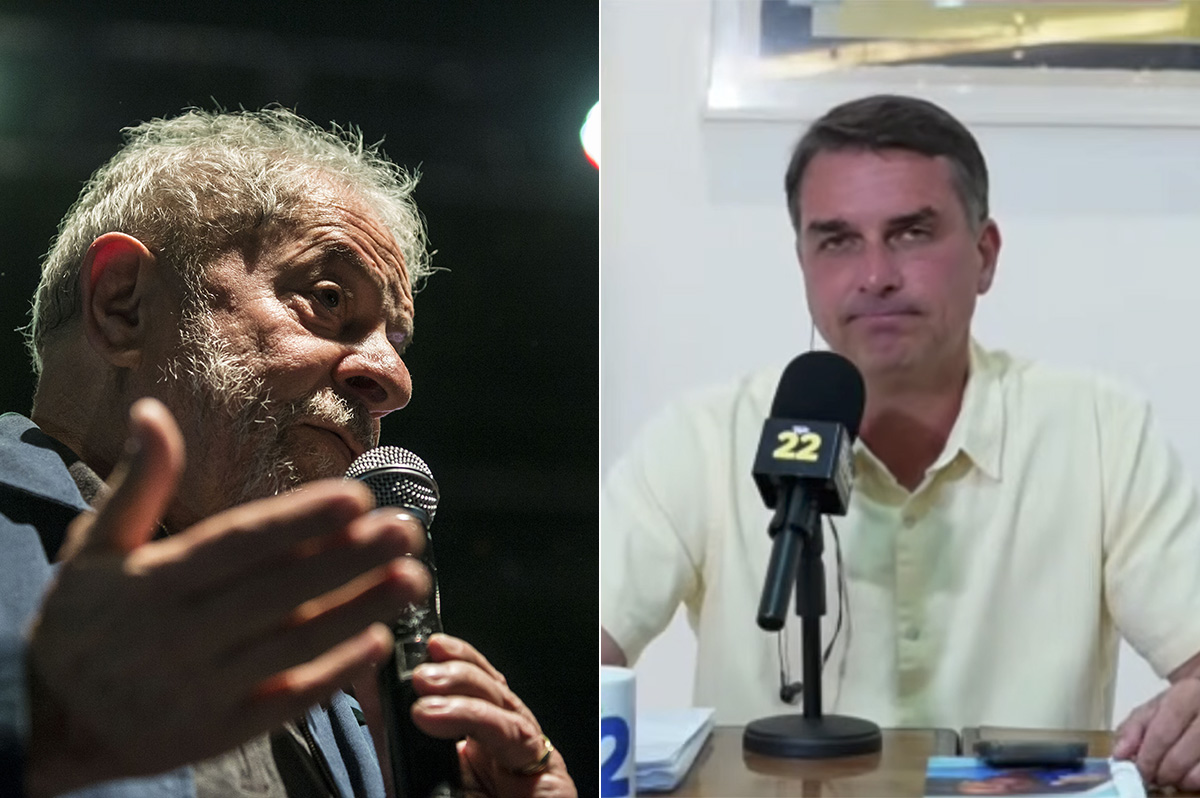
SÃO PAULO — President Luiz Inácio Lula da Silva will face off against Sen. Flávio Bolsonaro in the second round of Brazil’s presidential election on Oct. 25 after neither man received more than 50 percent of the vote in the first round that took place on Sunday.
Bolsonaro was ahead of Lula by a 47.03-45.16 percent margin with 100 percent of the vote counted.
Lula in 2022 defeated Bolsonaro’s father, then-President Jair Bolsonaro, in that year’s presidential election.
The Brazilian Supreme Court last year sentenced Bolsonaro — who repeatedly targeted LGBTQ+ Brazilians and other groups while in office — to more than 27 years in prison for his role in an attempted coup that saw thousands of his supporters storm the Congress, presidential palace, and the Supreme Court itself on Jan. 8, 2023. Bolsonaro is currently serving his sentence at his home in Brasília, the country’s capital, because of his poor health. His son has pledged to pardon him if he becomes the country’s next president.
Lula, who leads Brazil’s leftist Workers’ Party, was Brazil’s president from 2003-2010.
Sergio Moro, a judge who Jair Bolsonaro later tapped as his government’s Justice and Public Security Minister, in 2017 sentenced Lula to 9 1/2 years in prison after his conviction on money laundering and corruption charges that stemmed from Operation Car Wash.
The Supreme Court in November 2019 ordered Lula’s release.
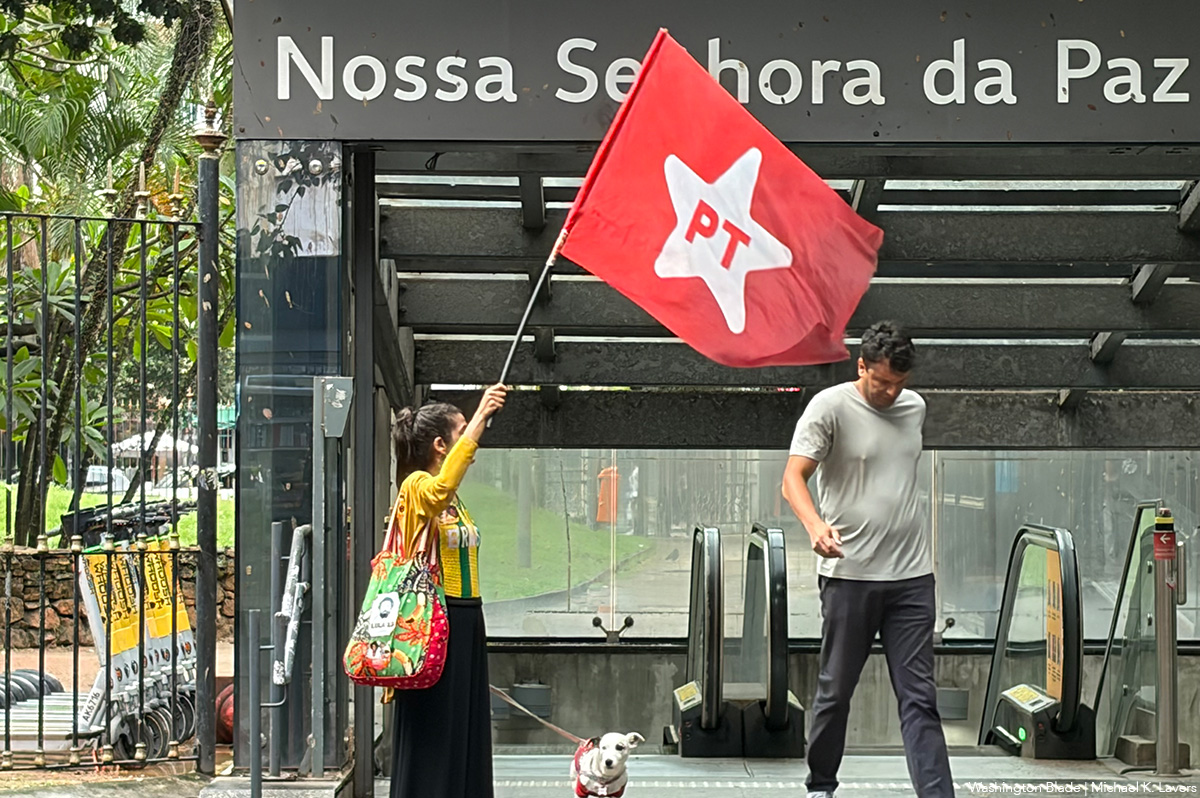
VoteLGBT, an organization that seeks to increase LGBTQ+ representation in Brazilian politics, noted 529 openly LGBTQ+ candidates ran in this year’s election. More than 100 of them are either transgender or travesti.
The Los Angeles Blade will cover the results of these races when they become available.
Turkey
House Democrats urge White House to confront Turkish government over anti-LGBTQ+ crackdown
More than 60 lawmakers signed letter to Secretary of State Marco Rubio
More than 60 House Democrats on Thursday called upon the Trump-Vance administration to confront the Turkish government over its anti-LGBTQ+ crackdown.
Turkish authorities last month detained dozens of people during raids that targeted the country’s LGBTQ+ community, advocacy groups, and HIV/AIDS service organizations. Journalists were among those taken into custody outside an Istanbul courthouse on Sept. 15 during a protest against the raids that are part of the government’s “My Family Is Safe” campaign.
Council for Global Equality is among the groups that organized a protest outside the Turkish Embassy in D.C. on Sept. 18.
View on Threads
U.N. High Commissioner for Human Rights Volker Türk on Sept. 21 during a U.N. LGBTI Core Group event that took place on the sidelines of the U.N. General Assembly specifically referenced Turkey.
The Core Group is a group of U.N. member states that have pledged to support LGBTQ+ and intersex rights.
The U.S. withdrew from the Core Group after the Trump-Vance administration took office. The White House has not publicly commented on Turkey’s anti-LGBTQ+ crackdown.
“These developments warrant an urgent diplomatic response from the United States to protect the rights of freedom of expression, association, and assembly for all Turkish citizens, regardless of their sexual orientation or gender identity,” reads the letter the lawmakers sent to Secretary of State Marco Rubio. “We therefore urge you to use all available channels to raise these concerns directly with the Turkish government; press for the immediate release of those arrested and detained for their legitimate human rights activities; and ensure that the U.S. Embassy in Ankara closely monitors related judicial proceedings.”
“We further urge the Department to press Turkish authorities to cease efforts to criminalize LGBTQI+ organizations and advocacy and to affirm the right of all people to peacefully assemble,” it adds.
Arizona Congresswoman Yassamin Ansari and U.S. Rep. Dina Titus (D-Nev.) spearheaded the letter. House Speaker Emerita Nancy Pelosi (D-Calif.); House Foreign Affairs Ranking Member Gregory Meeks (D-N.Y.); Del. Eleanor Holmes Norton (D-D.C.); Delaware Congresswoman Sarah McBride, and U.S. Rep. Mark Takano (D-Calif.), who chairs the Congressional Equality Caucus, are among the 65 House Democrats who signed the letter.
“The United States must be a leader in defending human rights and what is happening in Turkey demands an urgent diplomatic response. It’s absolutely appalling to see LGBTQI+ people and the organizations that stand up for their rights be targeted by the (President Recep Tayyip) Erdogan regime,” said Ansari in a press release. “I stand proudly with the LGBTQI+ community here and abroad and will continue to fight for their right to live openly, freely, and without fear, anywhere and everywhere.”
The press release notes the Human Rights Campaign, the Council for Global Equality, and the Planned Parenthood Federation of America support the letter.
“Turkey’s attacks on its LGBTQI+ community are a disturbing reminder that the fight for equality and human rights does not stop at our borders. No one should be silenced or detained for simply being who they are or peacefully demanding dignity and freedom,” said HRC Government Affairs Senior Director Jennifer Pike Bailey. “We are grateful to Representatives Ansari and Titus for recognizing that the fight for LGBTQI+ equality is global and that, even amid the many challenges facing our community here at home, we cannot turn our backs on LGBTQI+ people facing persecution abroad.”
A State Department spokesperson on Friday told the Washington Blade that “as a matter of policy, we do not comment on congressional correspondence.”
Serbia
Ana Brnabić becomes world’s first openly lesbian head of state
Former Serbian prime minister succeeded President Aleksandar Vučić on Monday
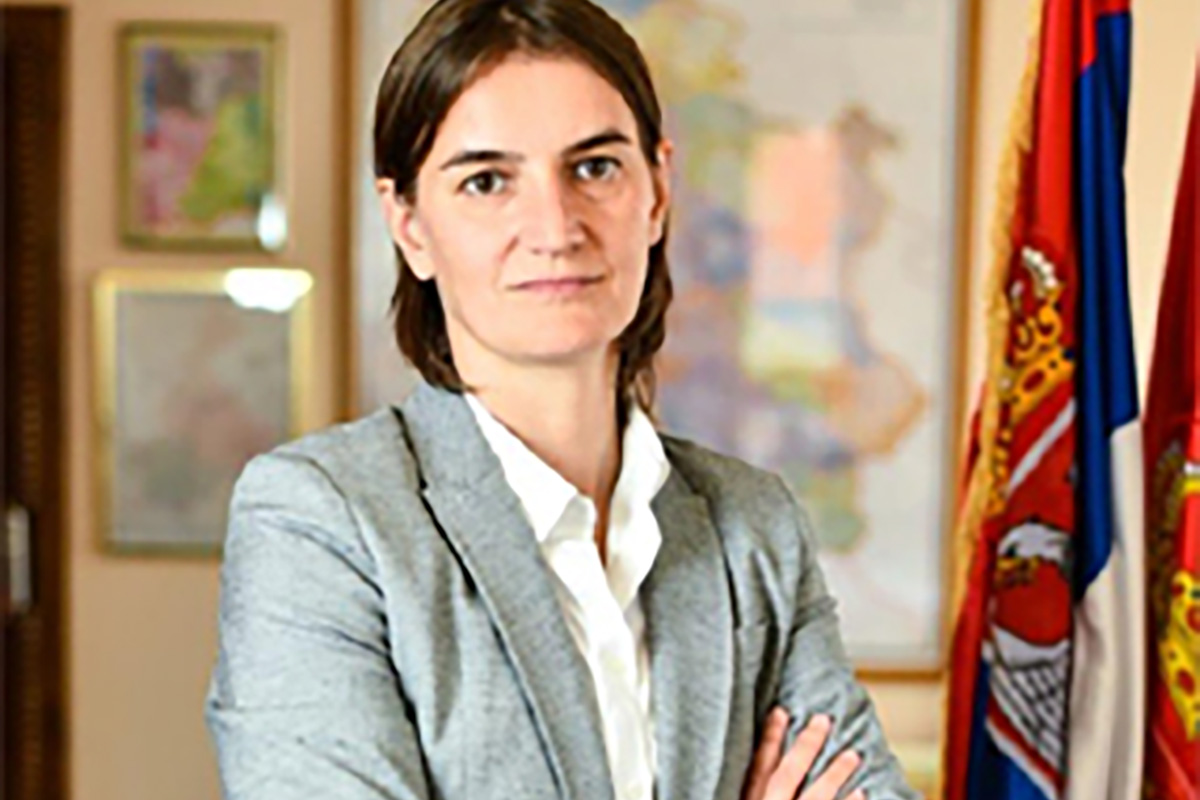
Ana Brnabić on Monday became the world’s first openly lesbian head of state after Serbian President Aleksandar Vučić resigned.
Brnabić was the country’s prime minister from 2017-2024. She was most recently the president of the Serbian National Assembly.
Vučić resigned ahead of parliamentary elections that will take place on Oct. 25. Media reports indicate Vučić could become Serbia’s next prime minister if his Serbian Progressive Party can successfully form a new government. Brnabić until then will be the country’s acting president.
Former Irish Prime Minister Leo Varadkar, who became his country’s first openly gay head of government in 2017, praised Brnabić.
“Congratulations to Ana Brnabić on becoming the world’s first lesbian head of state (president of Serbia),” said Varadkar on social media. “She visited while in her previous office and is a friend of Ireland.”
Congratulations to Ana Brnabic on becoming the world's first lesbian head of state (President of Serbia). She visited while in her previous office and is a friend of Ireland. 12 countries have now had gay or lesbian head of state/government. So far, all in Europe – the… https://t.co/TBpmeeEs9I
— Leo Varadkar (@LeoVaradkar) September 29, 2026
Former Icelandic Prime Minister Jóhanna Sigurðardóttir in 2009 became the world’s first openly lesbian head of government. Former San Marino Captain Regent Paolo Rondelli in 2022 became the world’s first openly gay head of state.
Andorran Prime Minister Xavier Espot Zamora, Dutch Prime Minister Rob Jetten, and Latvian President Edgars Rinkēvičs are openly gay. Former Luxembourgish Prime Minister Xavier Bettel, former French Prime Minister Gabriel Attal, and former Belgian Prime Minister Elio Di Rupo are also gay.
Varadkar was Ireland’s prime minister from 2017-2020 and again from 2022-2024.
Brazil
529 openly LGBTQ+ candidates running in Brazilian election
Lula running against Jair Bolsonaro’s son in presidential contest
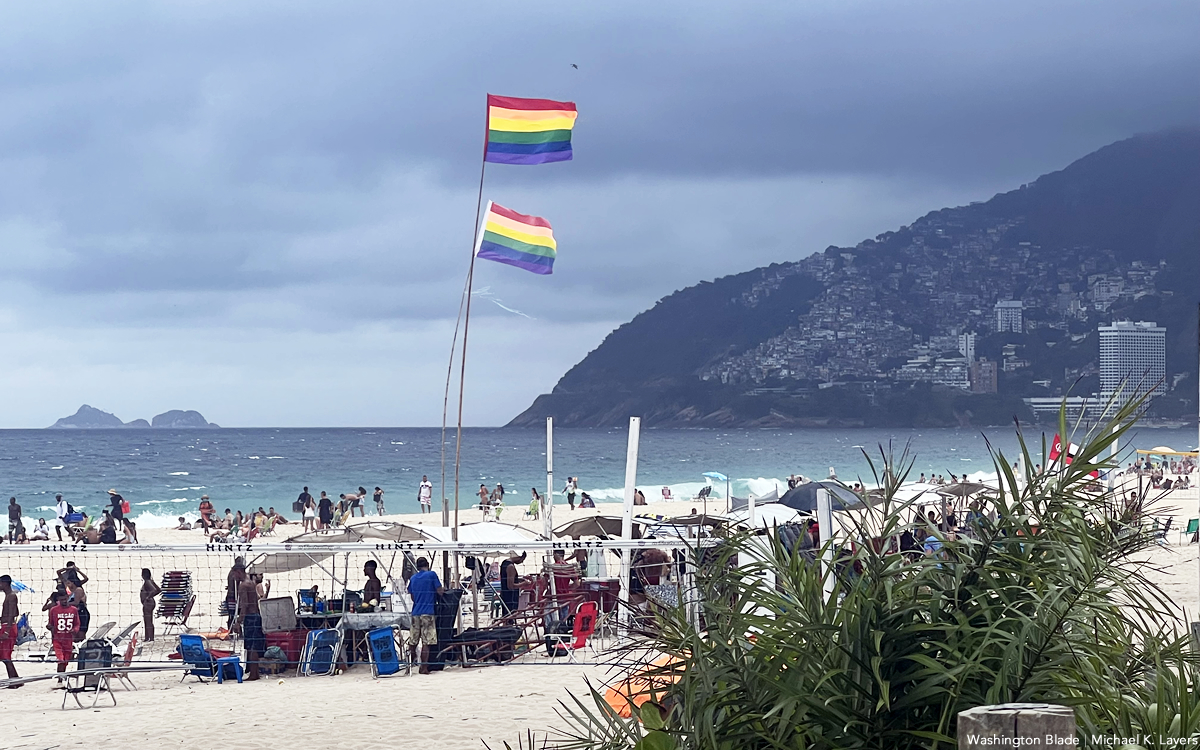
Editor’s note: International News Editor Michael K. Lavers will be on assignment in Brazil through Oct. 6.
SÃO PAULO — 529 openly LGBTQ+ candidates are running for in the Brazilian election that will take place on Sunday.
VoteLGBT, an organization that seeks to increase LGBTQ+ representation in Brazilian politics, notes 109 of these candidates are either transgender or travesti. They include Congresswomen Erika Hilton and Duda Salabert, who made history in 2022 as the first travesti and first trans women respectively to win seats in the Brazilian Congress.
Hilton, a member of the leftist Socialism and Liberty Party, known by the acronym PSOL, is a former sex worker who was a member of the São Paulo Municipal Council before her election to Congress. She currently chairs the Chamber of Deputies’ Women’s Rights Commission.
The Chamber of Deputies is Congress’s lower house.
Salabert, who is also a member of PSOL, represents Minas Gerais state in the Chamber of Deputies. Both she and Hilton in 2025 sharply criticized the Trump-Vance administration after it listed their gender as “male” on American visas that would have allowed them to travel to the U.S.

Benny Briolly is a travesti woman and member of President Luiz Inácio Lula da Silva’s Workers’ Party who is running to represent Rio de Janeiro state in the Chamber of Deputies. Thabatta Pimenta is a trans woman of mixed ethnicity who is running to represent Rio Grande do Norte state in the Chamber of Deputies as a member of the Green Party.
Nicolas is a trans masculine bisexual man from Pará state who is part of the Banca Transformer, a “collective candidature” for the Chamber of Deputies that VoteLGBT notes is “100 percent trans and lead by a trans masculine person.” Mãe Kaká Garcia is a gay travesti woman of African descent who is running to represent Mato Grosso state in the Chamber of Deputies as a member of PSOL.
“My bid for Congress stems from my life story and the need to bring voices that have historically been marginalized into the political arena,” Garcia told the Los Angeles Blade.
“I am a Black travesti woman and a leader within the African-derived religious community, with a background in work, entrepreneurship, and community activism in Mato Grosso,” she added. “I am intimately familiar with the challenges faced by the LGBTQIA+ community, the Black population, women, and terreiro communities.”
Garcia added she is running because she believes “these spaces must also be occupied by people who live these realities.”
“I want issues such as combating violence against trans people, racism, religious intolerance, protections for women, LGBTQIA+ rights, and social policies to be treated as permanent public policies,” she said.
Associaçao Nacional de Travestis e Transexuais (National Association of Travestis and Transsexuals) President Bruna Benavides in a statement to the Blade praised all of the trans and travesti candidates.
“For ANTRA, the strength of trans and travesti candidacies lies in what our representatives already demonstrate through their work in office — acting beyond the LGBTQIA+ agenda in areas such as education, health, labor, human rights, culture, the environment, public safety, and the fight against inequality,” she said. “The presence of trans people is already a reality, and democracy needs them in politics — not merely as representatives of an identity, but as agents capable of shaping initiatives that benefit society as a whole.”
“Politics will only be truly transformed when it incorporates the perspectives and experiences of those historically excluded from centers of power — people who have nonetheless envisioned a nation where everyone can be free and live with dignity and security,” she added.
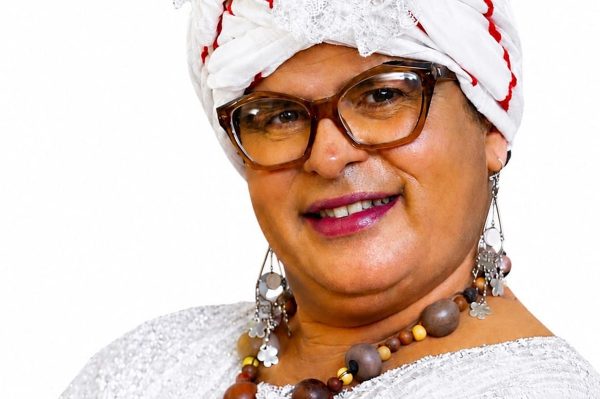
The Blade also spoke with other openly gay, lesbian, and bisexual candidates.
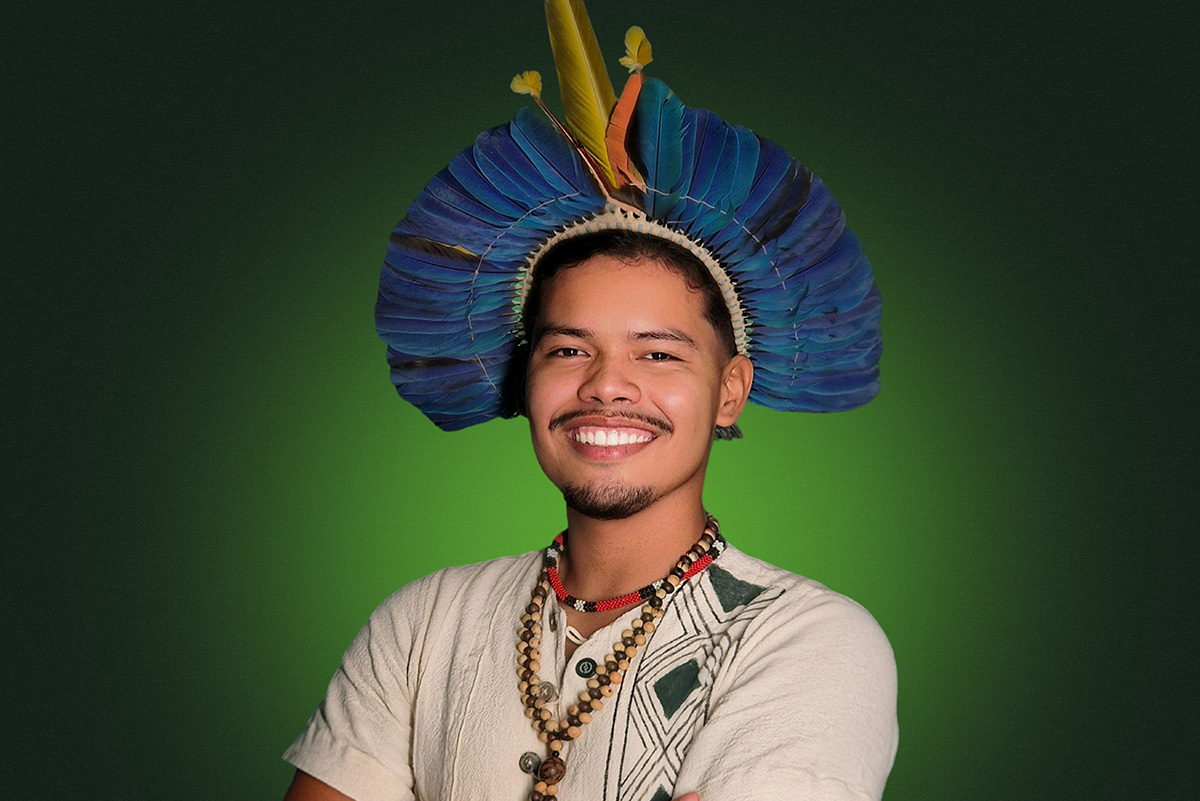
Uédem Lima is a bisexual, Makuxi Indigenous man who is running to represent Roraima state in the Chamber of Deputies as a member of the centrist Brazilian Democratic Movement.
“I am 23-years-old, a Makuxi Indigenous man, and bisexual,” he told the Blade. “I come from a reality where young people, Indigenous people, and LGBTQ+ individuals often still face difficulties in occupying spaces where decisions are made.”
“My candidacy is also a way to show that these spaces can — and must — be occupied by people who know these realities firsthand,” added Lima.
He told the Blade that education, health, climate justice, and Indigenous rights are among the top issues on which he will work in Congress if elected. Lima added his life in Roraima state, which borders Venezuela and Guyana in northern Brazil, and his identity will further shape his tenure.
“I know what it is like to grow up in Roraima, experience the shifts between the interior and the capital, and forge my path while carrying multiple identities,” he said. “I do not want to separate these parts of who I am. They are part of my story and also help explain why I chose to enter politics.”
Former Congressman Jean de Wyllys, who is the first openly gay man elected to the Brazilian Congress, resigned in 2019 and fled the country after he received death threats that he claimed came from supporters of then-President Jair Bolsonaro. De Wyllys at the time of his resignation represented Rio de Janeiro state and had just been elected for a third term.
De Wyllys has returned to Brazil and is running to represent São Paulo state in the Chamber of Deputies as a member of the Workers’ Party.
“My decision to return to present myself as a candidate is linked to the public responsibility with respect to this year’s elections, the most important for the future of Latin America in the last two decades,” he told the Blade. “Everyone knows that not just our region, but the whole world is a stage for a clash between two projects: one led by Donald Trump and his far-right (supporters) internationally that is neofascist, neocolonial, and neofeudalistic, and the other spearheaded by China that advocates for multipolarity, nations’ sovereignty, and global cooperation to overcome challenges, such as the climate crisis and possible pandemics.”
“As someone who enjoys national popularity and international connections, and having served two highly productive terms regarding human rights and cultural diversity, I could not ignore the electorate’s calls to participate in this global contest — and not merely as an intellectual and artist,” added de Wyllys.
Mônica Benício is a Rio de Janeiro Municipal Councilwoman who is running for the Brazilian Senate as a PSOL member.
Her widow, Rio de Janeiro Municipal Councilwoman Marielle Franco, and her driver, Anderson Gomes, were murdered on March 14, 2018. One of the two former police officers later convicted lived in the same condominium complex in the city’s exclusive Barra da Tijuca neighborhood in which Bolsonaro lived at the time. (Bolsonaro was not president when the murders took place, and strongly denied media reports that suggested one of the suspects visited his home before Franco and Gomes were killed.)
Franco was also friends with De Wyllys and a political ally.
“After Marielle’s assassination, the LGBTQIAPN+ (lesbian, gay, bisexual, transgender/transsexual/travesti/, queer, intersex, asexual, pansexual, nonbinary) community was one of the networks that embraced me and gave me the strength to carry on,” Benício told the Blade on Tuesday. “My Senate candidacy stems from this very commitment: to transform that affection and collective strength into a voice, protection, and rights within Congress.”
Benício stressed the LGBTQ+ and intersex community “needs to occupy more decision-making spaces.”
“I want to reach the Senate so that our rights, families, and lives are represented where laws are made,” she said.
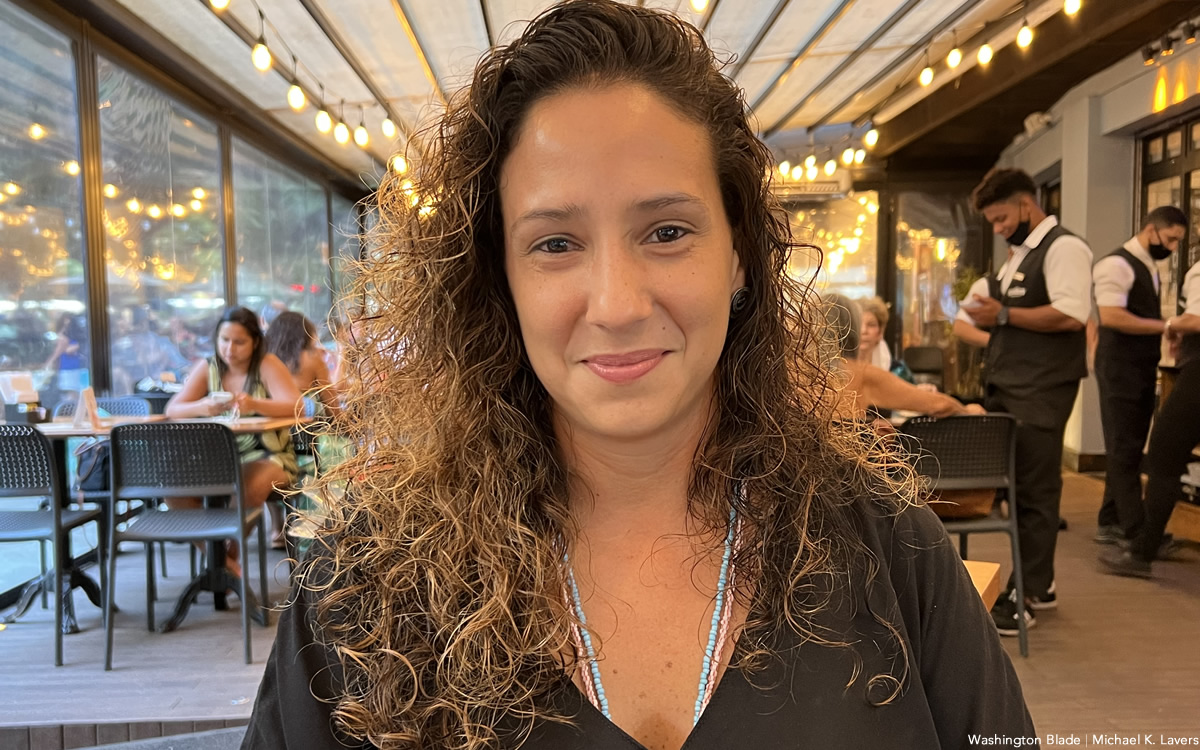
Lula is running for a second consecutive term.
He defeated Bolsonaro in the second round of the 2022 presidential election.
The Brazilian Supreme Court last year sentenced Bolsonaro — who repeatedly targeted LGBTQ+ Brazilians and other groups while in office — to more than 27 years in prison for his role in an attempted coup that saw thousands of his supporters storm the Congress, presidential palace, and the Supreme Court itself on Jan. 8, 2023. Bolsonaro is currently serving his sentence at his home in Brasília, the country’s capital, because of his poor health.
Lula main challenger in this year’s presidential election is Bolsonaro’s son, Sen. Flávio Bolsonaro.
A second round will take place on Oct. 25 if no candidate receives at least 50 percent of the vote.

AIDS Walk Los Angeles takes to the streets in West Hollywood while raising money for HIV/AIDS Care

Annual National Trans Visibility March takes place in Puerto Rico

A quick visitor’s guide to Palm Springs before the winter

New ‘Carrie’ attempts to reinvent a classic for new generation

Fortune Feimster has always taken representation through comedy seriously

Making waves in the desert: How Brad Fuhr and KGAY keep the Coachella Valley connected

Trans woman says Kyle Brazeal used anti-trans slur, threw purse at her in 2024

Victory Institute to honor Nancy Pelosi at D.C. conference

Lu Corporan on designing the darkroom

Here’s your Palm Springs look at the weekend: Oct 16-18, 2026
-
 Palm Springs2 days ago
Making waves in the desert: How Brad Fuhr and KGAY keep the Coachella Valley connected
-
 California4 days ago
Trans woman says Kyle Brazeal used anti-trans slur, threw purse at her in 2024
-
 Politics5 days ago
Victory Institute to honor Nancy Pelosi at D.C. conference
-
 Features5 days ago
Lu Corporan on designing the darkroom
-
 Palm Springs4 days ago
Here’s your Palm Springs look at the weekend: Oct 16-18, 2026
-

 a&e features4 days ago
How Orville Peck healed his inner child through ‘Street Fighter (2026)’
-

 Commentary3 days ago
Key Midterm Election races as SoCal joins No Kings ‘Vote Early’ rallies on Saturday
-
 Palm Springs21 hours ago
Meet the voice of Palm Springs: an interview with KGAY 103.1’s John Taylor
-
 Movies2 days ago
From ‘La Bola Negra’ to ‘Coward,’ here are this award season’s must-watch queer films
-
 Dance3 days ago
‘Male Aesthetic’ challenges conventional tropes of masculinity through dance at Nickerson-Rossi Dance Company