Georgia
Georgian LGBTQ+ rights group forced into exile
Tbilisi Pride now working out of Forbidden Colors’ Brussels office
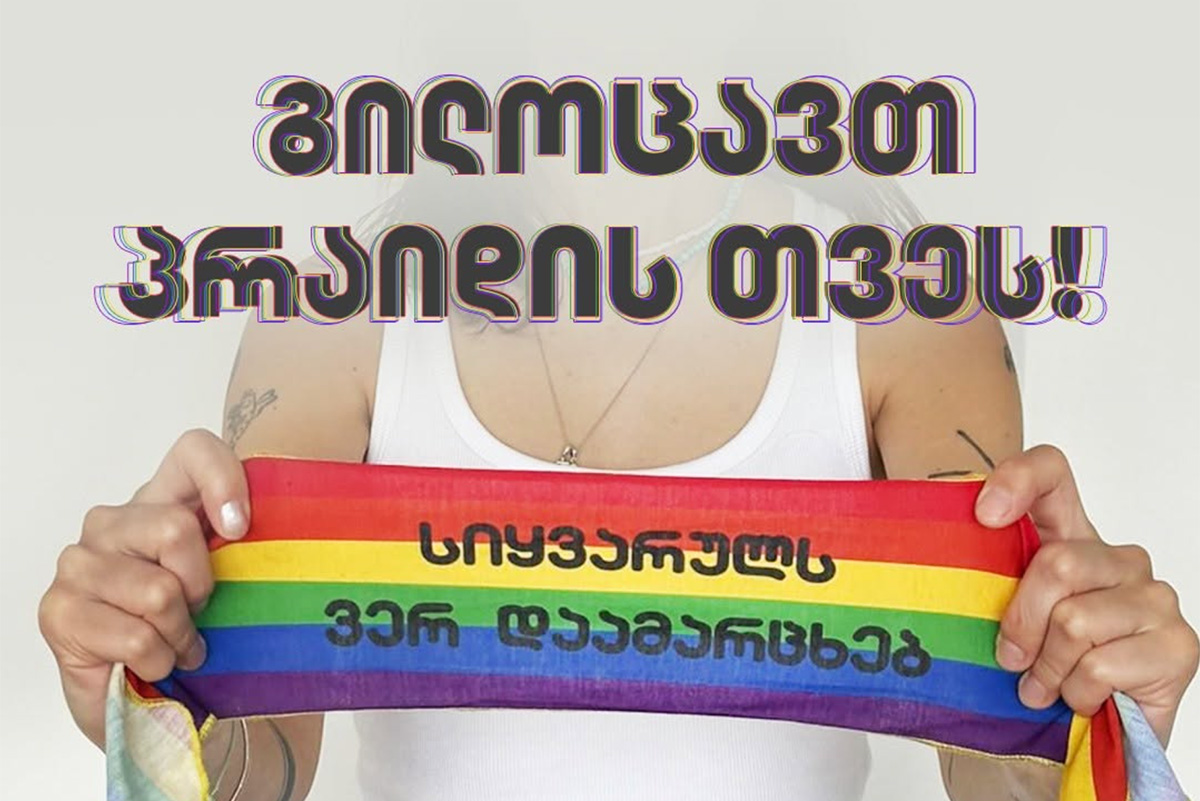
The Georgian government’s anti-LGBTQ+ crackdown and continued threats from far-right groups have forced an advocacy organization to leave the country.
Tbilisi Pride, which had been based in the Georgian capital of Tbilisi, is now working out of the Brussels offices of Forbidden Colors, a European LGBTQ+ advocacy group.
“Forbidden Colors is welcoming Tbilisi Pride into its Brussels office, providing a space from which the Georgian LGBTIQ+ human rights organization can continue its work in exile,” said Forbidden Colors in a Nov. 18 press release. “The move marks a significant strengthening of cooperation between the two organizations, which will join forces to advocate for LGBTIQ+ rights and democracy in Georgia.”
Georgia borders the Black Sea, Turkey, Armenia, and Azerbaijan. The country was part of the Soviet Union until 1991.
The press release notes Tbilisi Pride in 2019, 2021, and 2023 “faced violent intimidation and attacks by far-right groups seeking to prevent Pride celebrations.”
The Washington Blade in 2021 reported a violent mob forced the cancellation of a Pride march that was to have taken place in Tbilisi. Then-Georgian President Salome Zurabishvili in 2023 condemned the anti-LGBTQ+ nationalists who violently disrupted that year’s Tbilisi Pride festival.
“Georgian authorities repeatedly failed to protect organizers and participants, while serious concerns were raised about state complicity and the impunity enjoyed by those responsible,” said Forbidden Colors. “Forbidden Colors worked closely with Tbilisi Pride throughout these years, supporting its struggle for the right to peaceful assembly and equality.”
Forbidden Colors noted Prime Minister Irakli Kobakhidze, who chairs the Georgian Dream party, and his government approved anti-LGBTQ legislation that “effectively” banned Pride marches and “severely” restricted “public expressions of LGBTIQ+ identities.”
“Further restrictions on civil society and foreign funding, including the threat of lengthy prison sentences, have made independent human rights work increasingly dangerous,” said Forbidden Colors.
The group said “escalating government repression” forced Tbilisi Pride to close its offices in May 2025.
“We never wanted to leave Georgia, but the authorities have made it increasingly dangerous to defend our community’s rights,” said Tbilisi Pride Director Tamar Jakeli in the Forbidden Colors press release. “Forbidden Colors has stood alongside us through some of the most difficult moments of our movement’s history.”
“Today, they are opening their doors to us in Brussels so we can continue our fight for equality and democracy in Georgia,” added Jakeli. “Our address has changed, but our mission has not. We carry our Pride with us.”
Both Tbilisi Pride and Forbidden Colors said their advocacy efforts will focus more on European “institutions and governments, ensuring that Georgia’s deteriorating human rights situation remains on the European political agenda. They are also preparing an initiative, Pride in Exile, that will seek to raise international awareness of the plight of LGBTQ+ Georgians.
“We are proud to welcome our longstanding partners and friends from Tbilisi Pride into our Brussels office,” said Forbidden Colors Executive Director Rémy Bonny.
“For years, I have personally witnessed the violence, intimidation and repression they have face,” added Bonny. “The fact that human rights defenders are now forced into exile in a country aspiring to join the European Union should alarm every European decision-maker. The Georgian authorities may have pushed them to close their office in Tbilisi, but they could not silence their voices. Together, we will make sure those voices are heard at the heart of the European Union.”






Georgian LGBTQ+ rights group forced into exile

Qommittee launches first national fundraising campaign

Advocacy groups file amicus brief in third country deportation case

Gifts for the car lovers in your life

Raised to be straight

US votes against LGBTQ+-inclusive UN resolution

Hakeem Jeffries poised to become House speaker

The contradiction of the 2026 midterm election: why we must keep fighting for trans rights

Andrew Scott triumphs again in ‘Elsinore’
Raised to be straight
-
 Commentary5 days ago
US votes against LGBTQ+-inclusive UN resolution
-
 Congress5 days ago
Hakeem Jeffries poised to become House speaker
-
 Commentary4 days ago
The contradiction of the 2026 midterm election: why we must keep fighting for trans rights
-
 Movies4 days ago
Andrew Scott triumphs again in ‘Elsinore’
-
 Books2 days ago
Raised to be straight
-
 Autos2 days ago
Gifts for the car lovers in your life
-
 U.S. Supreme Court22 hours ago
Advocacy groups file amicus brief in third country deportation case
-
 National2 hours ago
Qommittee launches first national fundraising campaign