Local
Is America on a slippery slope to fascism?
The Republican Party ‘has become a threat to liberal democracy,’ says Steve Schmidt
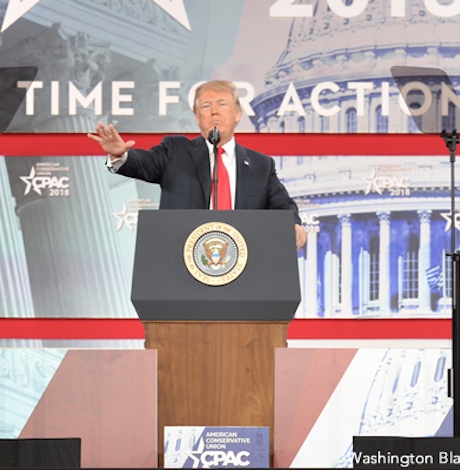
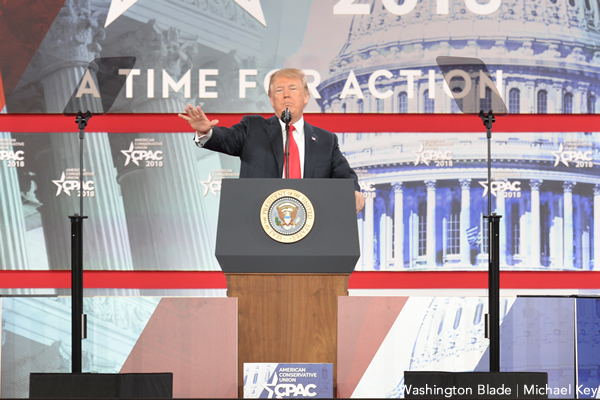
President Donald Trump (Photo by Michael Key)
Out journalist Masha Gessen, an expert on Russian President Vladimir Putin and authoritarianism, pulled no rhetorical punches.
“I don’t think we have fascist rule in this country, but what we have is a fascist leader,” Gessen told MSNBC’s Joy Reid on June 23, referring to President Donald Trump. “We have a nativist, nationalist leader who is devoting all his energy into portraying a group of people as a super dangerous enemy, both sort of subhuman animals, right, ‘infestation,’ and superhuman at the same time because they’re so frightening— because if we don’t protect ourselves, terrible things will happen, we don’t know what kind of catastrophe will befall us,” encapsulating Trump’s use of fear tactics and dehumanizing language about immigrants to rile his base.
“That is fascism,” Gessen said. “Whether we allow fascism to take over this entire country is an open question and none of us knows what’s going to happen. But it is by no means hyperbole to call Trump a fascist.”
Gessen noted how slowly fascism takes hold. “Somebody posted recently the mock cover that The Boston Globe did before Trump’s election to try to scare people that said, ‘Deportations to Begin.’ And we thought it would be so shocking just a year and a half ago—and now we’re in the middle of it,” she said. “Deportations have long since begun and worse than deportations.”
“And soon internment camps,” Reid added as an almost throwaway afterthought.
And then came the internment camps—for children.
But first came the announcement. In March 2017, Trump called for an end to the “catch and release” policy whereby migrants crossing illegally into the US, a misdemeanor, would be freed to stay in the country while awaiting a court hearing. A Department of Homeland Security proposal called for women and children to be separated as a deterrent to mothers.
Implementing the new policy proposal “could create lifelong psychological trauma,” Marielena Hincapie, executive director at the National Immigration Law Center, told Reuters for a March 3, 2017 story. “Especially for children that have just completed a perilous journey from Central America.”
A year later, on April 6, 2018, Attorney General Jeffrey Beauregard Sessions announced a new “zero-tolerance” policy. Lest anyone miss the point, Sessions went to Friendship Park on the border on May 8 and gleefully spelled out the new policy.
“People are not going to caravan or otherwise stampede our border. We need legality and integrity in the system. That’s why the Department of Homeland Security is now referring 100 percent of illegal Southwest Border crossings to the Department of Justice for prosecution. And the Department of Justice will take up those cases,” he said. “If you cross this border unlawfully, then we will prosecute you. It’s that simple. If you smuggle illegal aliens across our border, then we will prosecute you. If you are smuggling a child, then we will prosecute you and that child will be separated from you as required by law.”
The felony criminalization of immigration forced authorities to take a child while the parent was referred for prosecution, which often resulted in deportation without the child. Sessions later declared that asylum would not be granted to anyone fleeing from domestic violence or gangs.
Asked by NPR if separating a child from a mother is “cruel and heartless,” White House Chief of Staff John Kelly said on May 11: “I wouldn’t put it quite that way. The children will be taken care of — put into foster care or whatever. But the big point is they elected to come illegally into the United States and this is a technique that no one hopes will be used extensively or for very long.”
During a May 15 Senate committee hearing, DHS Secretary Kirstjen Nielsen said that families seeking asylum who present themselves at ports of entry stay together. However, DHS later clarified that families may be separated if they can’t prove a custodial relationship or if DHS thinks a child may be at risk, being used by a trafficker to gain entry. In practice, asylum seekers who presented themselves at a point of entry were blocked, forced to find another way into the country, thus making their crossing illegal, with the children removed.
On May 29, the Department of Health and Human Services (HHS) announced a 21 percent surge in one month in unaccompanied children in government detention centers. “Although the government has not disclosed how many children have been separated from their parents as a result of the new measures, [HHS] said Tuesday that it had 10,773 migrant children in its custody, up from 8,886 on April 29,” the Washington Post reported.
More than 100 children under the age of 4 were taken from their mothers, including breast-feeding infants, The New York Times reported, using data provided by HHS’ Office of Refugee Resettlement.
The policy was the last straw for former Republican strategist Steve Schmidt who renounced his membership in the Republican Party, now “fully the party of Trump.”
“This child separation policy is connected to the worst abuses of humanity in our history. It is connected by the same evil that separated families during slavery and dislocated tribes and broke up Native American families,” he said in the thread. “Today the GOP has become a danger to our democracy and values.”
Schmidt also came close to calling Trump a fascist. “Conservatism has become synonymous with obedience to the leader – a leader who says ‘I am the law. I am above the law. I will define what truth is.’ Truth is what the leader says it is, not what we would have recognized months ago as objective truth,” Schmidt told MSNBC. “The last time this happened, it unleashed a tragedy the likes of which the world has never seen. And I think there is a real lack of imagination in this country about how fragile these institutions are and how dangerous a president as unprepared, as authoritarian, as ignorant as he is—the damage he would be able to cause.”
The government tried to control the detention narrative. But reporting by Los Angeles native Jacob Soboroff for MSNBC after touring a facility in McAllen, Texas burst through. He described essentially a prison with “babies sitting by themselves in a cage with other babies.” He said reporters on the tour were asked to smile at the kids because they “feel like animals locked up in cages.” ProPublica released smuggled audio of young children crying for their parents. Reports of “tender-age shelters” and the sight of young people escorted in the dark of night to facilities around the country caused outrage.
Trump said he didn’t like the images and on June 20 signed an executive order that kept in place his “zero-tolerance” policy, but allows families to stay together while the parents are being prosecuted. However, many questions remain: what happens if the parents’ cases are not adjudicated within 20 days, when a federal court settlement requires that children be released from detention?
And while a San Diego judge ordered family reunification within 30 days of separation, the government has apparently not been keeping track of the children, including infants and toddlers who do not know their names. More than 2,300 children are in government custody since the separation policy started in April.
“I miss my mother and when I see those children on the border it rips my heart out,” says Maria (a pseudonym to protect her identity). “She died trying to get me here. She carried me from Honduras, first on a bicycle, then a van, a train, on foot, on bus…We traveled for such a long way, it took months. I remember it. She died in a small town on the side of the road in Mexico trying to get to my brother in California. She was not a criminal. She only wanted to give us both a better life but she didn’t make it. I was only 6 years old.
Maria remembers the good part of the journey. “People don’t understand. For 99 percent of the people, the journey is a highlight of their life, sometimes the only family they have in the world are people they meet along the way. They take care of each other, feed each other, share everything and they look out for the children, even the older boys who travel alone,” she says. “When my mother died people took care of me, they knew what my mother wanted for me and they made it happen.
“It’s not what Trump wants you to think,” she continues. “There were some bad people who took advantage of the good people, but they were not us. Most of the bad people were making money, stealing from the people the journey, making promises they did not keep.”
“I am not a bad hombre and neither was my mother,” she adds. “I was captured but not separated from the woman who told immigration people she was my mother. She took care of me for 2 years and worked everyday to help me find my brother. I still call her mom and she is still in danger of deportation all these years later.”
Maria made that journey in 2003. She was reunited with her brother, who had been adopted by a gay couple in the Palm Springs area and she eventually came out as a lesbian. She is working on getting her citizenship. “I love this country. My brother and I are lucky,” she tells the Los Angeles Blade.
Not everyone is as lucky. Last May, among the caravan of 225 asylum seekers fleeing Honduras, Guatemala, and El Salvador to the Mexican border were more than 20 transgender women. Not all arrived in Tijuana.
“Some of us have been kidnapped, assaulted, and disappeared,” Ivan Mondragon, 30, who organized the transgender group, told the San Diego Union-Tribune. “Some have been forced into sex work. Here in Tijuana, one of our girls was assaulted, someone broke her rib and we haven’t seen her since she posted a video on Facebook after she was beaten.”
“I have friends who don’t have the opportunity to ask for asylum because they are already dead,” Shannel Smith, 28 of Honduras, told the Union-Tribune. She is fleeing gang members who killed her friend.
Roxanna Hernandez, 33, turned herself to ICE in San Diego seeking help—she had AIDS and was also fleeing violence as a trans woman. ICE took her into custody, shuffled her from facility to facility until she died alone on May 25 in New Mexico.
But asylum for LGBT people is not easy to get. Udoka Nweke, a 29-year-old gay Nigerian, has been in Adelanto Detention Center since Dec. 2016. Fleeing his country after being attacked by an anti-gay mob, Nweke’s asylum plea was denied and he attempted suicide. The Black LGBTQ Migrant Project has petitioned for his release on parole so he can access lifesaving medical treatments.
Concern is growing about the psychological and emotional well being of the children now in government detention camps.
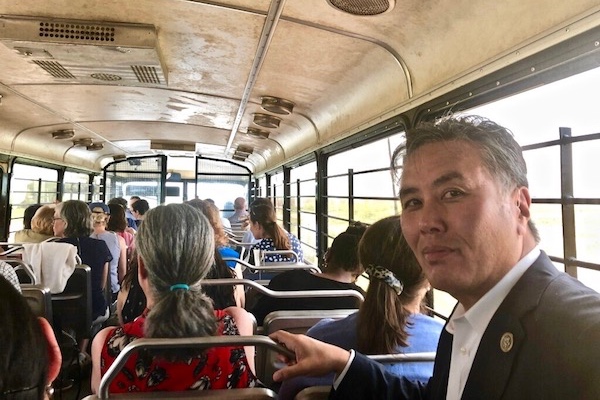
Mark Takano on the bus touring several camp facilities. Photo courtesy Takano’s Office
Out Rep. Mark Takano is among the congressional representatives who travelled to border towns and detention and prisons to see what’s happening. To him, the incarceration and the tent cities dramatically remind him of the Japanese-American internment camps during World War Two.
“I am just taken by how much the history of Japanese-American internment has been made current,” Takano tells the Los Angeles Blade. The fact that the family separation policy has been suspended “only proves that the administration was lying when it said it was law and they were forced to do this.” In fact, ‘the law did not require any of the cruel policies that they were implementing.”
Takano says that when he visited the McAllen, Brownsville and Port Isabel detention centers, he met with about 15 women from Guatemala, Honduras and El Salvador. “None of these women posed a danger to our country. None of these women even came close to images of MS 13, which this president likes to broad brush all immigrants with to justify his policies.”
At Port Isabel, “you see 15 foot high walls and fences topped off with coiled razor wire,” Takano said. “And, of course, that image reminded me of my mother and my father who were two and three years old they went to Heart Mountain in Wyoming and Tule Lake in California. And certainly two and three year olds did not pose a danger to our country. And the executive order that lead to the interment of Japanese-Americans and Japanese immigrants” and Trump’s cruelty policy “were motivated by an extreme political agenda that was also further propagated by a media and a press that repeated the exaggerated claims of politicians….Rounding up and interring all Japanese-Americans was discriminatory.”
The disproportionate response then and now is based on “some vague notion of national security, some vague notion we’re protecting the public. That is simply a fiction and untrue. And it’s causing great suffering,” he says. “This is an immoral policy,” the scapegoating, stigmatization, “the marginalization of a vulnerable minority whose due process rights were not respected.”
“How does this connect to LGBT people?” Takano recalls how during the AIDS crisis in the 1980s, members of Congress called for the tattooing, quarantining, “the interment of LGBT people,” he said. “Medical science certainly negated those outrageous claims. We know that the calls to segregate and round up gays and to confine them was motivated by an anti-gay and homophobic animus.”
“[History] is repeating itself but it has gone to a new low with Donald Trump. When we were incarcerated [in Japanese-American internment camps], our families were intact. My parents were with me,” out actor George Takai told CNN. “But in this case, it’s come to a chilling low where babies are torn away from their mothers and placed in separate internment camps.”
Takai says Trump’s lies and inflammatory rhetoric are similar to what happened to Japanese-Americans in the 1940s. “We were characterized by the government, classified as ‘enemy aliens.’ We were neither,” he said, noting that many young Japanese Americans “rushed to their recruitments centers to volunteer to serve in the US military” right after Pearl Harbor but were denied.
But repeat a lie often enough “and it becomes a reality.” That’s what happened with “enemy aliens,” Takai said, recalling comments from the politically ambitious California Attorney General Earl Warren: “We have no reports of sabotage or spying or fifth column activities by Japanese Americans. And that is ominous because the Japanese are inscrutable. We can’t tell what they’re thinking so it would be prudent to lock them up before they do anything.”
“Taking that stereotype and grotesquely turning it against us—the big lie is happening with Donald Trump now, as well,” said Takai. “They are not murderers, rapists and drug dealers. They are literally fleeing for their lives and to call them infestations is absolutely grotesque.”
LGBT people should be concerned about Trump’s call to do away with immigration judges. “What are we going to do for LGBT people who are fleeing regimes that actually torture and kill them for being gay?,” asks Takano. “They don’t even get a hearing?” This anti-immigrant attitude harms us morally, to have this be done in our names as American citizens.”


Palm Springs
Here’s your Palm Springs look at the weekend: Oct 23 – 25, 2026
Vote Early, Vote Often. That phrase was bandied about from the days of Chicago politics. The catchphrase ironically encourages voting multiple times under the guise of promoting voter participation. It gained widespread popularity in the early 1900s through organized crime led by Al Capone and was always invoked when I lived in the Windy City.
Today, it’s just the opposite. The Trump administration is working hard to suppress the vote ahead of the November midterms in hopes that it will help the Republicans cling to power.
I remember learning civics lessons about the importance of voting in elementary school. We held mock elections to parallel what was happening in real politics.
In high school, I participated in YMCA Youth in Government, where we went to the state capital in Lansing, Michigan, and spent most of a week sitting in chambers, drafting bills, and passing legislation that was important to us.
The trouble is, they didn’t tell us the full story of how the legislature really worked. There were no lobbyists currying favor with us, no large corporations taking us out to dinner or on exotic trips. We learned the pure version, the way our forefathers intended.
That encouraged me to run for mayor of my high school, with my girlfriend as vice-mayor. We lost, but I remained on student council. That’s probably why I’ll never run for mayor again. Scarred for life, lol!
I’m often referred to as the “unofficial mayor of Palm Springs”, an honor I’m pleased to hold. When asked about why I don’t actually run for public office, my answer is always the same: Government moves at a snail’s pace; the court of public opinion moves at internet speed. As the old saying goes, “You can’t win for losing.” The amount of vitriol that our politicians must endure is truly disgusting. Just look at your social media feed and you’ll go down a rabbit hole of half truths, false claims and piling on just for the blood sport of it.
Then there are the campaign ads. Nearly $12 billion is being spent on these ads and most is Super PAC money. This cycle we are seeing some of the worst ever. They bring deeply personal and painful experiences like sexual abuse to damage the credibility of a candidate as in Ohio’s governor’s race.
In less than two weeks, our election will take place. My upbringing taught me to take my responsibility seriously to participate in the democratic process. My hope is that the guardrails put in place by our forefathers will be enough to weather the storm of election tampering we’re seeing this cycle. I’m voting early, but not often…
Brad Fuhr, your K-Gay Desert Guide
Here’s what’s happening in sunny Palm Springs:
10th Annual East Coachella Valley Pride Festival

Gather for an inspiring afternoon of community connection, culture, and equality at the 10th Annual East Coachella Valley Pride Festival. Head to Coachella Library Park & Gardens on Saturday, October 24 from 3–8 pm for a free, family-friendly celebration and health resource fair. The event features live local entertainers, queer art displays, food vendors, and community organizations dedicated to supporting LGBTQ+ youth, families, and allies. Come honor a decade of progress and regional pride in the East Valley! More info
Reel Women’s Film Festival

See inspiring stories of trail-blazing women at Planned Parenthood’s Reel Women’s Film Festival. Gathering cinema lovers at Palm Springs Cultural Center on Sunday, October 25 from 12:30–11 pm, this 13th annual festival benefits Planned Parenthood of the Pacific Southwest. Featured films include The Inquisitor, highlighting congresswoman Barbara Jordan and her longtime partner Nancy Earl, alongside inspiring documentaries telling the powerful journeys of Somali runner Samia Yusuf Omar and Israeli activist Efrat Tilma. More info
62nd Annual Golf Cart Parade

Colorful floats, marching bands, and whimsical decorations roll down El Paseo during the 62nd Annual Golf Cart Parade. Head over to El Paseo Shopping District on Sunday, October 25 to experience this beloved community tradition. Festivities start early at 8 am with a marketplace, food vendors, dance groups, and a dedicated kids zone, followed by the main parade processional at 12 pm. Keep an eye out for KGAY’s Brad Fuhr and John Taylor, taking part in the parade aboard the all-electric OPTIQ from Jessup Cadillac! More info
Best of CV – Final Round Voting Final Day is Friday

CV Independent’s Best of Coachella Valley 2026–2027 final voting round is wrapping up and this is your chance to help crown the winners across the valley’s most‑loved radio stations, personalities, DJs (and many more categories). Thank you for showing us the love already with a strong nomination phase! Our finalists include KGAY 103.1 and Sunny 106.5 for Best Radio Station; John Taylor, E.J. Tyler and Patrick Evans for Best Local Radio Personality; and the dynamic DJ trio — DJ Galaxy, DJ Eric Ornelas, and MODGIRL — for Best Local DJ. Voting continues through Friday, October 23, so cast your vote and help celebrate your favorites in this year’s Best of Coachella Valley! Vote Today
Naked Yoga

Marvel at fine art photography during Naked Yoga, a stunning exhibition featuring thirty rare silver gelatin prints by renowned photographer Michael Childers. This free three-day event runs Friday–Sunday, October 23–25 at Stephen Baumbach Gallery. Opening night on Friday, October 23 from 5–7 pm offers wine and a live Yogi flow demonstration. On Saturday, October 24 from 3–5 pm, enjoy tea, cookies, and conversation with the artists. The showcase concludes Sunday, October 25 from 5–7 pm with a final meditation session. Sales of signed framed prints directly benefit yoga teacher certification scholarships. More info
Perez Art District: 4th Friday Art Walk & “Conversations with the Land” Show

Immerse yourself in Cathedral City’s creative scene during the 4th Friday Art Walk featuring the special “Conversations with the Land” show. Stroll through open working studios at Perez Art District on Friday, October 23 from 4–7 pm to meet talented local artists, watch live demonstrations, and purchase original art directly from creators. This multi-media exhibition features desert-inspired works by twenty local artists exploring nature, highlighted by a special 5 pm performance by the Bird Singers from the Agua Caliente Band of Cahuilla Indians and poetry recitations by Cathedral City Poet Laureate Clare Chu.
REAF House Party PS

Celebrate in grand style at the REAF House Party PS – Pride in Paradise 2. Set for Saturday, October 24 from 5–8 pm at a private address in Andreas Hills, this tropical cocktail party features spectacular live entertainment. Billboard recording artist Debby Holiday performs alongside drag superstar Billy L’Amore, jazz diva Keisha D, the SOS Entertainers dance troupe, and the Desert Studs gogo dancers. KGAY Morning Show host John Taylor is hosting, and KGAY’s own spin master DJ Galaxy provides high-energy music throughout the evening. Don festive tropical or Pride attire to enjoy an unforgettable evening of music, dancing and community celebration surrounded by stunning desert views. More info
This Weekend at the McCallum Theatre

Sensational live stage entertainment fills the lineup this weekend at McCallum Theatre. On Saturday, October 24, the dazzling circus spectacular C!RCA: Duck Pond reimagines Swan Lake with breathtaking acrobatics, humor, and an energetic duck army. Closing out the week on Sunday, October 25 at 2 pm, Broadway favorite Megan Hilty delivers a powerful vocal concert featuring beloved musical hits. More info
This Weekend at The Purple Room

On Friday and Saturday, musical comedy duo Lauren Molina and Nick Cearley strip down to their underwear as The Skivvies for The Rocky Horror Skivvies Show, delivering mash-up arrangements of Richard O’Brien’s cult musical classics. Then on Sunday, celebrated entertainer Michael Holmes takes the stage in The Judy Show! to deliver a hilarious, razor-sharp parody of Judy Garland hosting Hollywood legend guest stars. More info
Dracula: A Comedy of Terrors

Get ready for a hilarious, bloodthirsty night of entertainment as Revolution Stage Company kicks off its fourth season with Dracula: A Comedy of Terrors. Running October 15–31, this fast-paced, 90-minute gender-bending stage farce combines gothic horror with Python-esque humor. The story follows a meek British realtor who takes on a terrifying vampire client whose deep pockets are irresistible and whose attraction to his fiancée is concerning. Our theatre reviewer Stephen Radosh calls the production “A wildly entertaining theatrical experience… a fast-paced, laugh-out-loud comedy.” Read his full review and Get tickets
Cat on a Hot Tin Roof

Cat on a Hot Tin Roof runs October 9–24, presented by THE BENT. Tennessee Williams’ Pulitzer Prize‑winning masterpiece holds deep significance for LGBTQ+ audiences, exploring repressed homosexuality, internalized homophobia, and the destructive nature of the closet. This production highlights the hidden desire between Brick and Skipper, offering a fresh interpretation of Williams’ groundbreaking work. More info
Bound 4K Screening w/ Local Queer Erotic Short ‘Bite the Boot’

Experience a special one-night-only film event as Festival Theaters Palm Springs host a special screening of Bound on Friday, October 23 from 7–9:30 pm. Three years before The Matrix, directors the Wachowskis unleashed their iconic sapphic heist thriller starring Jennifer Tilly and Gina Gershon. This stunning 4K re-release is paired with the high desert queer erotic short film “Bite the Boot” by XilaMonstrr Productions. Attendees can also participate in an exclusive Q&A session with the creators of the short film immediately following the showing. More info
Into the Woods

Fairy tales collide in magical ways as Stephen Sondheim’s award-winning musical masterpiece Into the Woods comes to life outdoors. Running Friday–Sunday, October 23–25 at Rancho Mirage Amphitheatre, this whimsical production features music and lyrics by Stephen Sondheim and a book by James Lapine. The talented cast stars Lizzie Sosa, Jacob Lozano, and Catrina Teruel following a baker and his wife on a quest to reverse a curse. Experience an unforgettable theatrical journey about courage, consequence, and community. More info
Burgers, Boys & Brews Sunday BBQ

Every Sunday from 2:30–4:30 pm, The Social Cafe & Lounge hosts Burgers, Boys & Brews, a backyard‑style cookout featuring fresh‑grilled burgers, hot dogs, sides, bottomless mimosas, bottomless draft beer, and live male entertainment. Come for great music, cold drinks, and a lively crowd ready for a fun, all‑inclusive brunch experience. More info
- Joy’n Us • VR filmmaker Travis Hutchison showcases newly discovered 1970s archives from photographer Frank Diernhammer at Materias Primas, opening Friday. The multimedia exhibition includes vintage prints, 8mm film, and virtual reality honoring Antonio Lopez and Juan Ramos, with proceeds benefiting DAP Health.
- Floating Sound Bath Experience • Guests float in an outdoor saltwater pool for a restorative guided meditation session launching Friday at 6:30 pm at JW Marriott Spa and Resort. The 60-minute experience combines soothing sound frequencies and serene mountain views.
- Life Without Limits Sock Hop Luncheon • United Cerebral Palsy of the Inland Empire hosts a retro 1950s-themed fundraising luncheon on Friday from 11:30 am–1:30 pm at Agua Caliente Casino Resort Spa Rancho Mirage.
- Perez Art District: 4th Friday and 2nd Saturday Art Walk • Local art lovers gather to explore working studios and meet creative talent on Friday from 4–7 pm at Perez Art District. Conversations with the Land • Twenty local artists showcase desert-inspired artworks during a multi-media exhibition during the Art Walk. The event features a special 5 pm performance by the Bird Singers alongside poetry recitations by Clare Chu.
- 38 Special – Milestone • Southern rock band 38 Special performs classic platinum hits and fresh tracks on Friday at 8 pm at The Show at Agua Caliente Casino Resort Spa.
- La Quinta CV Link Day • The City of La Quinta invites residents and visitors for a morning walk or ride on Saturday from 8–10 am at Jefferson Street & Vista Grande. Participants can explore the 40-mile CV Link pathway with free e-bike rentals, water, and snacks.
- Miralon Community Blood Drive • LifeStream and the Miralon community host a lifesaving blood drive on Saturday from 9 am–2 pm at MiraBar. Donors can walk in or schedule appointments to help save lives while receiving a limited-edition Halloween-themed T-shirt while supplies last.
- An Evening at COPA: Where Rhythm Meets Philanthropy • Hanson House Foundation presents a Copacabana-inspired gala dinner on Saturday from 5–10 pm at Palm Springs Air Museum. The evening honors community leaders Dick Shalhoub, Gerald “Jerry” Keller, Linda Evans, Oliver Jack, and Sherman Tam, with special recognition for Dr. Ercoli.
- Atomic Pink Bash • Metropolitan Fashion Week hosts a high-fashion fundraiser supporting earthquake relief on Saturday from 6–10:30 pm at The Velvet Rope. Highlights include a presentation styling breast cancer survivors, runway shows, fine art, vocalists, and a dessert table, with tunes from KGAY’s DJ Galaxy!
- Unbuttoned: A Boylesque Social Experience • Performer Michael Silas, former dancer for Lady Gaga, delivers an intimate boylesque show on Saturday from 7–8:30 pm at The Social Cafe & Lounge.
- Dance Ranch – Country Dance Saturdays • Country western dancers of all skill levels gather for an inclusive dance social on Saturday from 7–9:30 pm at Step by Step Dance Studio. Instructor Rob Ollander-Krane leads a beginner shadow lesson at 7 pm followed by open social dancing.
- Charged Stillness Exhibition • Local artist Tina Roy showcases vivid paintings reflecting the beauty, drama, and delicate ecosystems of the wild desert from through October 29 at Rubine Red Gallery.
California
Nithya Raman makes her case for LGBTQ voters in the race for LA Mayor
The mayoral candidate said she would use ‘every tool that the city has to protect trans Angelenos’
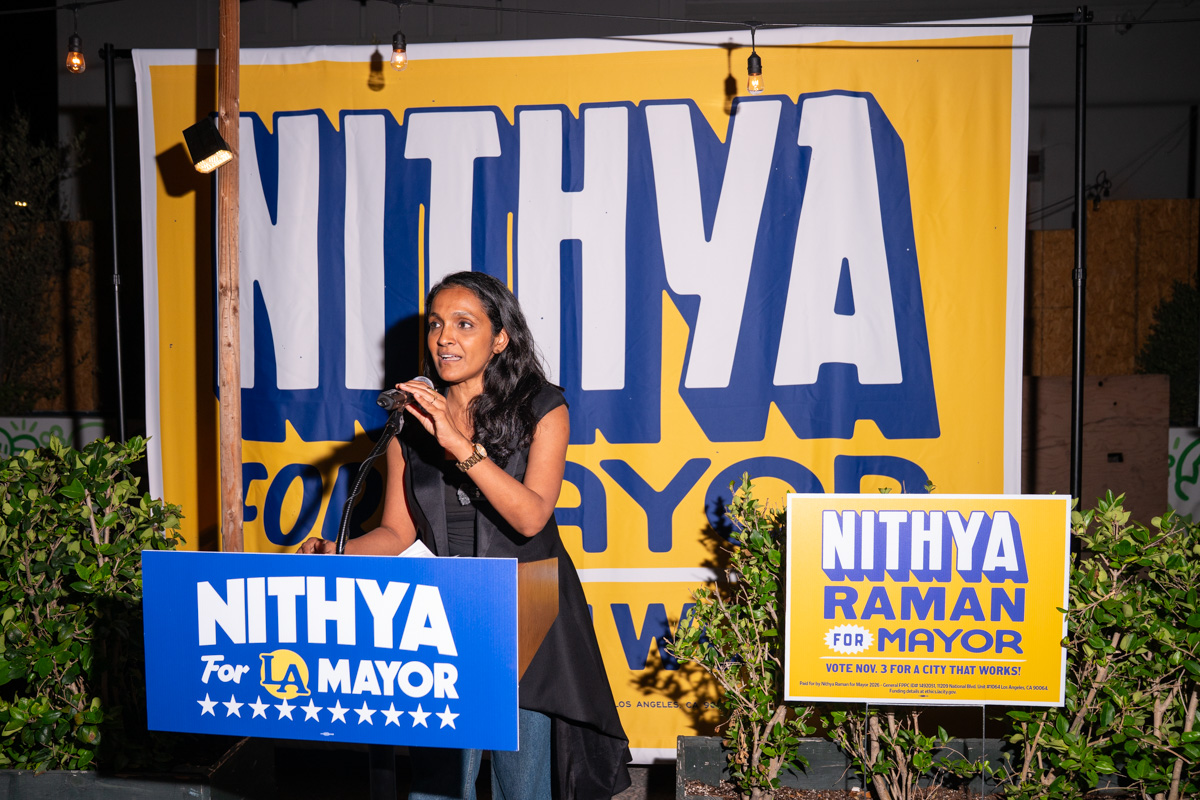
On a cool evening, around a hundred people gathered at the Black Cat’s outdoor seating area in Silverlake. The crowd was full of precisely trimmed mustaches, sleeveless cardigans, and colorful rainbow pins that read “Nithya Raman for Mayor of Los Angeles.”
This was the “Coming out for Nithya” LGBTQ fundraiser for Nithya Raman’s mayoral campaign.
The event which took place on October 8th, was hosted by gay comedian Joel Kim Booster and Pickles the Drag Queen. The pair encouraged the queer audience to support Raman and to donate money to her campaign. The event ended with over $20,000 raised to support Raman according to an organizer of the fundraiser.
Raman is locked in a tight race to become the next mayor of Los Angeles with current incumbent Karen Bass. After coming second in the mayoral primary in August, defeating right-wing provocateur and former reality TV star Spencer Pratt, Raman and Bass advanced to the general election. Since then, current City Councilmember Raman has been steadily gaining in the polls, with most showing her now maintaining a consistent lead over Bass. But the race is far from over, as many of the same polls show a large portion of voters are still undecided. Mayor Bass did not respond to multiple requests to comment on this story.
After an hour of the audience ordering drinks and snacking on appetizers, Raman took the stage. She addressed the audience in an impassioned speech where she invoked the history of the historic Black Cat venue where the event was taking place.
In the early hours of New Year’s Day 1967, undercover police officers raided the gay bar, arresting and beating patrons for kissing people of the same gender as the new year rolled in. The raid left many queer community members badly injured, and others were permanently placed on the sex offender registry. The bar would soon have its liquor license revoked and was forced to close only a few months later.
“Six weeks after the raid, hundreds of people stood right where we are right now on Sunset [Avenue] and peacefully protested,” Raman said in her speech. “In 1967 being seen on that sidewalk could cost you your job, it could cost you your home, it could cost you your family, and they showed up anyways,” she said. “How remarkably brave.”
She then tied the historic oppression of queer people in Los Angeles to contemporary issues, highlighting the Trump-Vance administration’s targeting of transgender people. “Right now, Donald Trump and the people around him are running a coordinated attack on trans people,” she said. Raman remarked on how this targeting of trans people has impacted Los Angeles. “Last year, under pressure from the Federal government, Children’s Hospital Los Angeles shut down the largest clinic for trans youth in the country,” she said, referring to Children’s Hospital Los Angeles’ decision to suspend gender affirming care services.
“As mayor, I will use every tool that the city has to protect trans Angelenos,” Raman said to ecstatic applause from the audience.
After her speech, Raman spoke with the Los Angeles Blade about the specific actions she would take to protect Angelenos from the federal government.
According to Raman, the federal administration is conditioning funding to the city “in ways that undercut some of the values of inclusiveness that we have here,” she said. “Going through the courts is very powerful… I would do more of that. This city has actually not filed as many cases as other cities have.”
Speaking about CHLA’s ending of gender affirming care services, Raman said, “There are other hospitals that have not stepped back from their services as quickly as CHLA did.” If elected as Mayor, Raman said she would “reach out to their board and speak to them about that decision and see how we can push them to do better [for] trans patients,” she said, adding that she doesn’t think “that outreach has happened yet” under Mayor Bass’ administration.
She added that her campaign’s focus on affordability and affordable housing is particularly important for queer people. She said that if elected, she would create “an office of tenant protections” to help renters most vulnerable to being priced out of the city.
“Housing is what makes LA a haven for people,” Raman said. “If you can’t afford to live here, then LA is not a place that is inclusive anymore.”
Caleb Kaufman is a California Local News Fellow placed with the Los Angeles Blade. The California Local News Fellowship is a state-funded initiative to support and strengthen local news reporting. Learn more about it at fellowships.journalism.berkeley.edu/cafellows.
AIDS and HIV
AIDS Walk Los Angeles takes to the streets in West Hollywood while raising money for HIV/AIDS Care
The annual fundraising event was attended by thousands and raised over $850,000
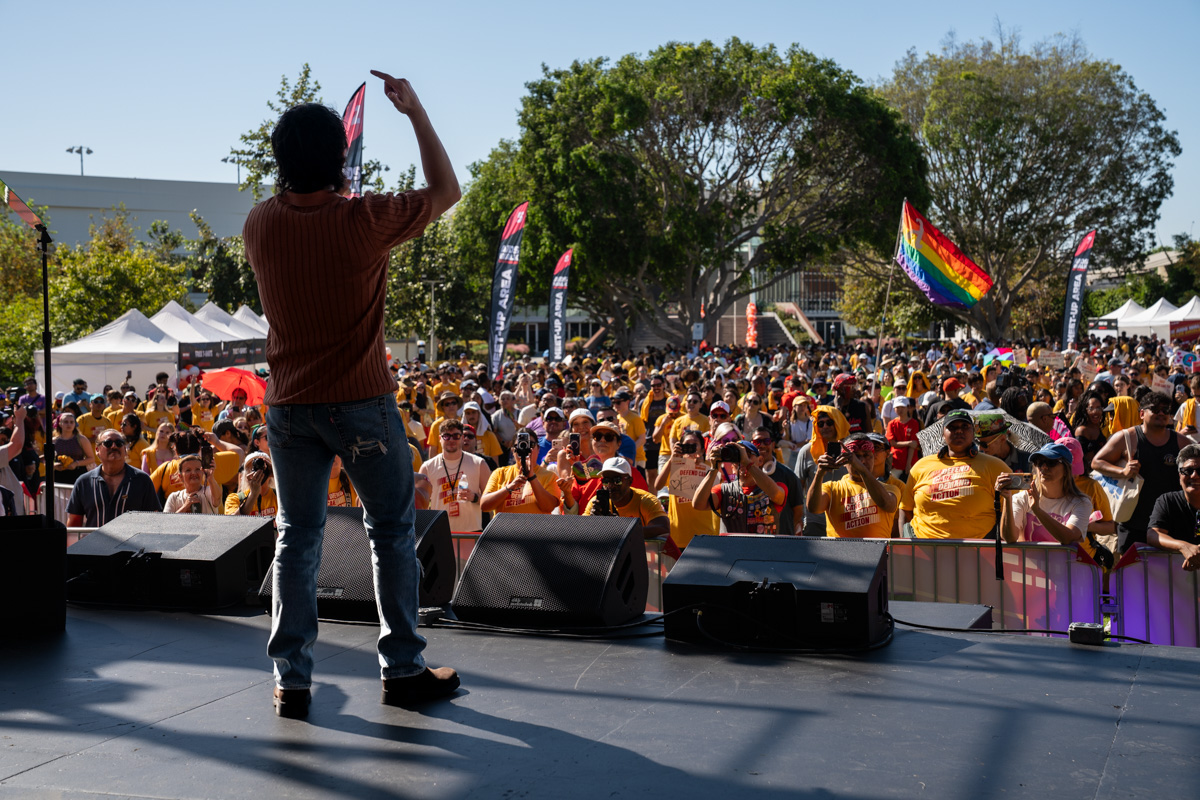
Hundreds of yellow shirts and thousands of people took over the streets of West Hollywood during AIDS Walk Los Angeles on Sunday, October 18th. Organized by APLA Health, the event raised over $850,000 for HIV/AIDS healthcare and prevention. Oakwood School raised the most money of any organization, with over $62,000 in donations.
Before the march began, participants gathered at West Hollywood Park, where speakers addressed the crowd from a large main stage. City officials and celebrity guests spoke before the march began, including Mayor John Heilman, County Supervisor Lindsay Horvath, comedian Joel Kim Booster, and singer David Archuleta.
CEO of APLA Health, Craig E. Thompson, took the stage and addressed the state of HIV and AIDS care in America. He spoke about the first AIDS Walk LA in 1985, which began when there was a “federal administration that stayed silent when thousands of our friends, partners, and neighbors were dying.” “We’ve been there before, and here we are again,” he said, referring to the federal cuts to HIV prevention programs, Medicaid, and more. According to Thompson, Medicare provides more healthcare to more people living with HIV than any other provider.
But despite these federal cuts, Thompson was hopeful for the future of HIV care, drawing on lessons learned early on in the epidemic by the original AIDS activists. “We didn’t wait for permission,” he said. “We showed up, we raised our voices, we walked, and we protected our community.”
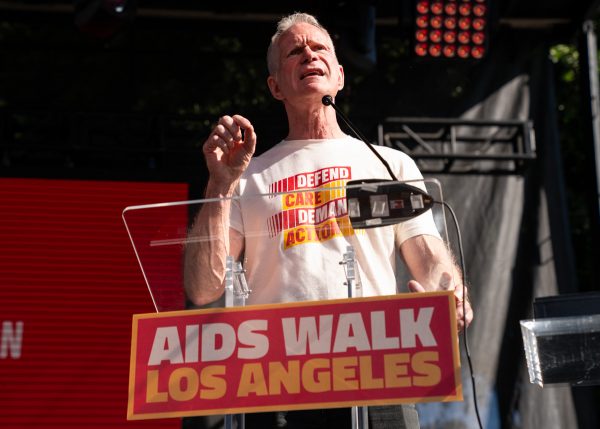
APLA Health CEO Craig E. Thompson speaks at AIDS Walk Los Angeles in West Hollywood Park on Sunday, October 18th, 2026.
Actress Michaela Jaé Rodriguez was honored with the first-ever Voice of Visibility Award for her work fighting stigma around HIV and AIDS. Known for her Golden Globe-winning performance as Blanca Evangelista in Pose, Rodriguez told the crowd that those living with HIV “are not statistics.”
“We are not disposable. Instead we’re daughters. We’re mothers. We’re sisters. We’re brothers. We’re fathers. We’re artists. We’re creators. We’re actors. We’re award winners,” she said to a roaring audience.
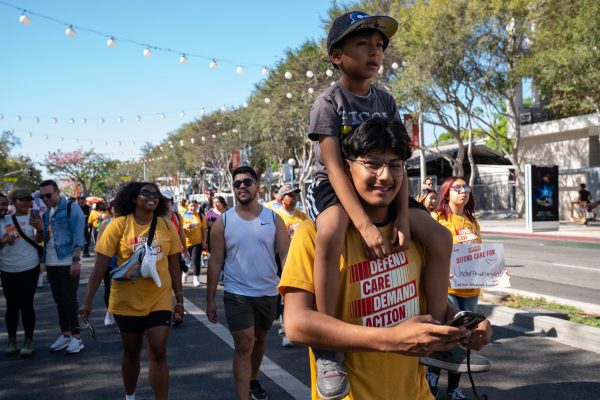
People walk down Santa Monica Boulevard during AIDS Walk Los Angeles on Sunday, October 18th, 2026.
The mood was joyful as the walk began. Many people carried signs with the names of loved ones living with HIV. Multiple musical groups performed, including a drumline, a pep band, and a mariachi group. People laughed, cheered, and danced as they strutted up and down Santa Monica Boulevard.
As the walk looped back to West Hollywood Park, people sat around talking with friends and community members. I walked past the lines for free ice cream and flu shots and wandered over to the AIDS Monument, which opened recently in 2025. Designed by artist Daniel Tobin, the monument is unlike most others. It is abstract, made up of tall and narrow metal poles and marble blocks.
A young tour guide in a baseball cap and chic sunglasses was giving a tour of the monument to a group of about five people. The guide’s name was Jude Schoenfeld, the Director of Public Programs for One Institute. Schoenfeld spoke, and the group walked through the metal beams emerging from the ground. At first, the poles were spread out organically like trees in a forest, but as the group wandered further, they unified into an organized grid towards the far end of the monument. This is where they stopped.
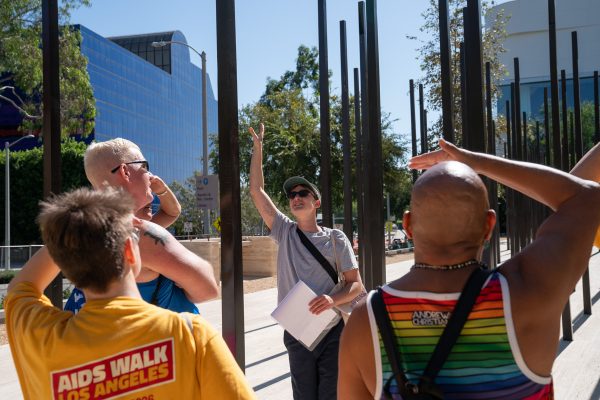
Jude Schoenfeld gives a tour at STORIES: The AIDS Monument after AIDS Walk Los Angeles in West Hollywood Park on Sunday, October 18th, 2026.
Quotes from the gay poets Gil Cuadros and Essex Hemphill were inscribed on a bronze plaque. Schoenfeld read them and remarked on how the artists died so young from complications with AIDS, both passing away in their late thirties. An older member of the tour group interjected, saying that living that long actually felt old for gay men at the time. “No one from that era that was gay expected to live beyond forty. We thought we were all gonna die of AIDS,” he said. “So thirties, that’s a whole life. We lost everybody when they were in their twenties.”
After the tour ended, I asked Schoenfeld what it’s like to give tours to people who lived through the early years of the AIDS epidemic, when you could lose a friend in a few months with hardly any warning. “Oftentimes, it’s emotional for people to be here,” they told me. “The great aspect of the tours is that they become a conversation and a place for folks to share memories.”
“People who’ve been in Los Angeles and West Hollywood for decades have just such a rich understanding of the history here. I’ve learned so much from just talking to folks who come on the tours,” Schoenfeld told me.
As we stood next to the monument with music blasting and kids playing a few hundred feet away, Schoenfeld told me about why they think it’s so important to learn the history of AIDS activism. “It’s never been more important,” they told me. “Especially as we’re seeing threats all around from different institutions that want to take funding away and want to take these resources that we’ve spent so long building.”
“I think this is a really important juncture in history,” they said. “We want this to be a site of continued activism.”
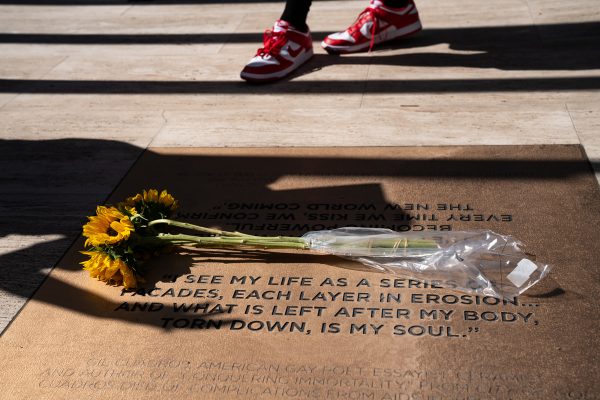
Flowers are laid on a plaque at STORIES: The AIDS Monument in West Hollywood Park on Sunday, October 18th, 2026.
Palm Springs
A quick visitor’s guide to Palm Springs before the winter
Traveler Ed Walks shares his Palm Springs highlights to check out this fall
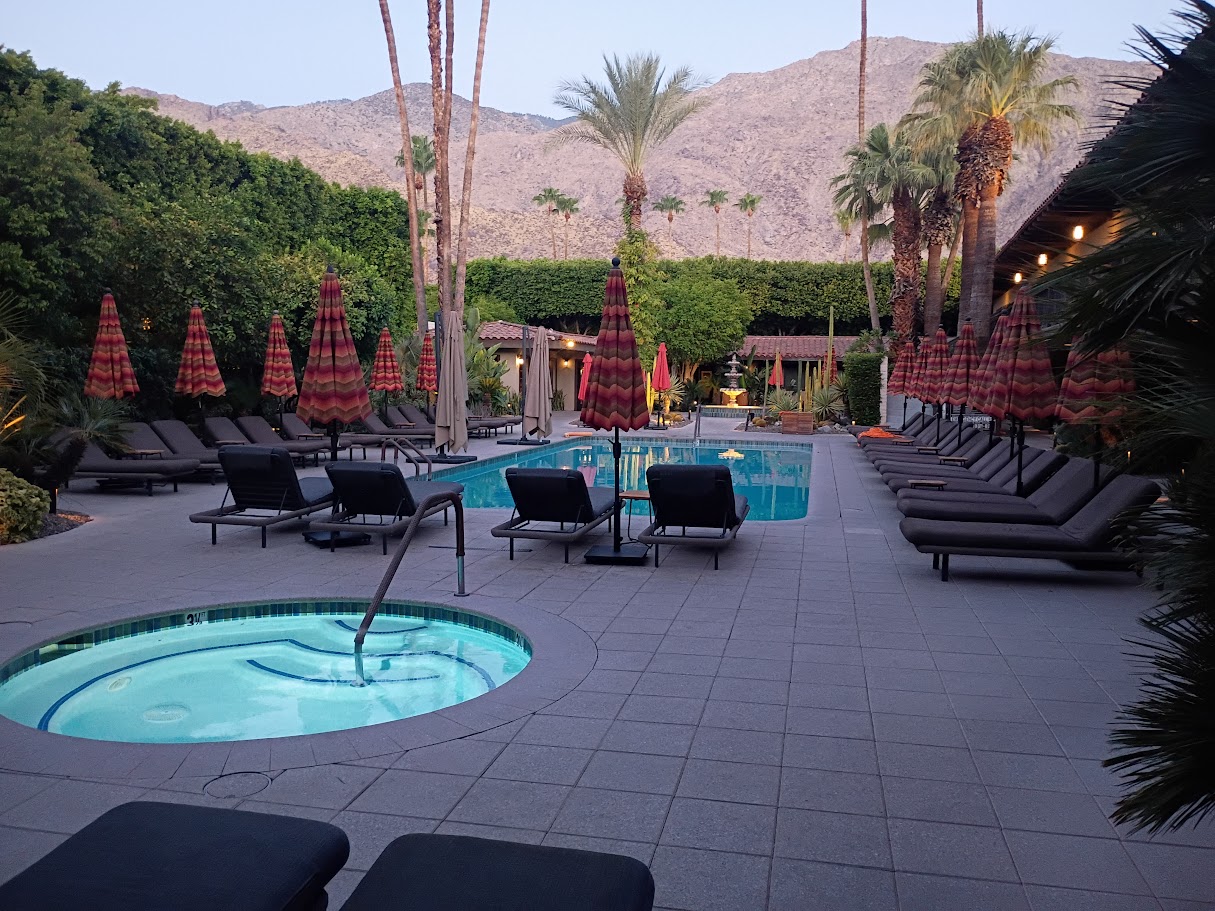
by Ed Walsh
Palm Springs is gearing up for a busy fall highlighted by the 40th anniversary of Pride planned for the weekend of Nov. 6-8th. The Pride festival on Saturday, Nov. 7 is free and the Pride parade steps off on Sunday, Nov. 8. If you can get there early, the Pride block party will be on Arenas road starting at 3 p.m. on Friday, Nov. 6.
Before Pride, women took center stage with The Dinah, which ran this year from Weds, Sept. 30 to Sun., Oct. 4. The Dinah 2026 included headliner Hayley Kiyoko, alongside Da Brat, Sasha Keable, and The Aces.
Leather Pride kicks off the weekend before Pride, Thurs. Oct. 29- Sun., Nov.1. Leather will overlap with Halloween this year. Arenas Road will host its annual Halloween block party on Saturday, Oct. 31, 4 p.m. to 10 p.m.
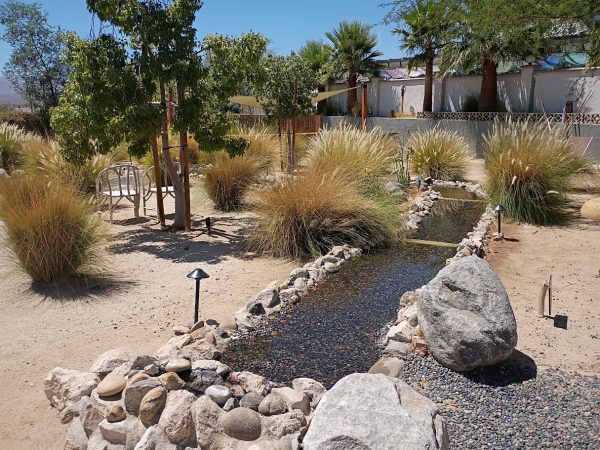
The desert rewards those who can brave the heat in September with the Greater Palm Springs Spa Month. Check out the Greater Palm Springs Website (visitgreaterpalmsprings.com) for the deals. If you have never been to Desert Hot Springs, spa month is a good time to relax in mineral water for which the city is named. Azure Palm Hot Springs Resort & Day Spa Oasis is one of the best with indoor and outdoor mineral baths and famous pebble-lined stream “reflexology” walkway giving you a foot massage and soak.
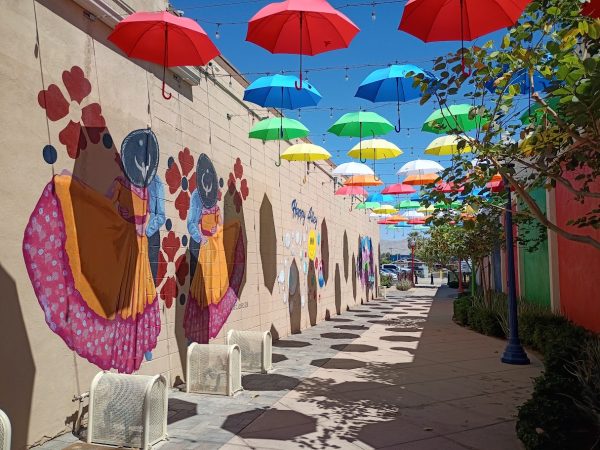
Another good day trip outside Palm Springs city limits is Indio. Its downtown is undergoing a major resurgence, highlighted by its new City Hall and library. Indio unveiled a public art installation last summer in the heart of downtown. The 65- and 75-foot colorful robot-like sculptures called “The Messengers” were first displayed at the Coachella music festival in 2023 and are now permanently on display in Indio. Be sure to check out “The Place.” It is an indoor collective of local, independent, and inspiring artists. Two of those artists are Indio native Adolfo Vasquez and his husband, former LA resident Vincent Sandoval. They run the Chicano Candle company, which includes a candle bar where you can put together a unique scent that inspires you.
Palm Springs has two new queer landmarks put up over the past year. In October, a 65-foot Pride flagpole was installed at the corner of Arenas Road at Indian Canyon Drive, across from the Arenas District. Also in October 2025, the 8-foot-tall multicolored Pride Monument was unveiled at Frances Stevens Park at 500 N. Palm Canyon Drive, about a 15-minute walk from Arenas Road.
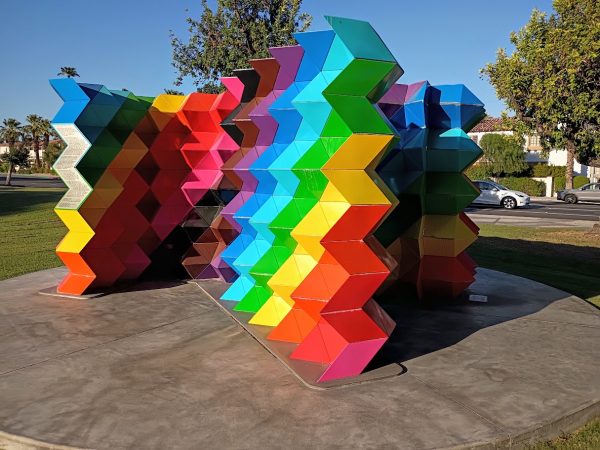
The Greater Palm Springs area has more gay resorts than any other place on the planet. Palm Springs offers 10 gay male resorts in city limits and neighboring Cathedral City has the largest resort in the area, Cathedral City Boys Club (CCBC). Sadly, Palm Springs’ only downtown gay resort, Canyon Club Hotel, closed in December and is being converted into a mainstream property.
All the gay resorts are clothing optional. Most provide free continental breakfast and some throw in a free lunch. The fabulous Santiago resort has the largest pool of any of the gay resorts and like its sister resorts, Twin Palms and Descanso, has a 24-hour free canteen where guests can help themselves to snacks and beverages. All three properties offer a free lunch and are known for pampering guests.
The Triangle Inn is kitty-corner from Santiago and is an historic property in the mid-century modern motif for which Palm Springs is known. It has a well-deserved loyal following.
The other gay resorts are in the Warm Sands neighborhood and include Palm Springs first gay resort, El MIrasol Villas, Casa Oliver, Desert Paradise, Vista Grande, Hacienda Palm Springs and InnDulge. CCBC, Desert Paradise Resort and Casa Oliver are the only gay resorts that offer day passes.
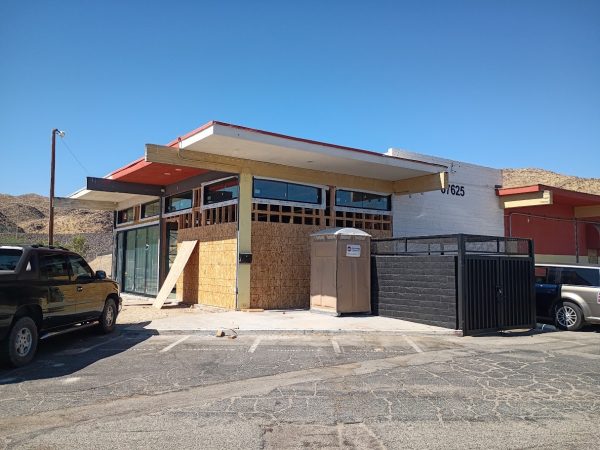
The space occupied by the legendary Barracks bar in Cathedral City will soon be reborn as the Cathedral City Eagle. Major construction has been underway at the property for months and it is scheduled to be open some time in October. Although the address is on E Palm Canyon Drive, it is a little hard to find even with GPS, because it is set back off the street behind the Arco station.
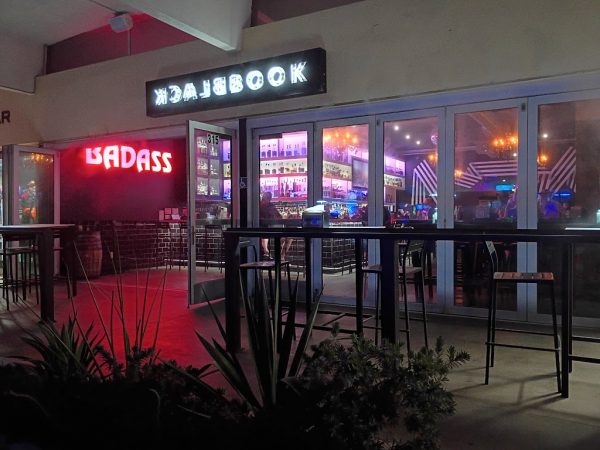
The other two gay bars in Cathedral City are One Eleven, Roost and Runway, which is part of CCBC. The nightlife on Arenas Road has remained stable and on the north end of town, Toucans Tiki Lounge is going strong on Thursdays through Sundays.
If you can get to Palm Springs by October 18, be sure to check out the exhibit “A Queer Arcana” at the Palm Springs Art Museum. The exhibit explores queer art and culture in the 20th and 21st centuries. The museum is free on Thursdays 5 p.m. to 8 p.m. You can combine it with a visit to the Palm Springs Village Fest street fair on Palm Canyon Drive that runs 7 p.m. to 10 p.m.
No visit to Palm Springs would be complete without a visit to the Palm Springs Aerial Tramway. The summit has great hiking trails where you can comfortably hike even in the summer with temperatures as much as 40 degrees cooler than the city.
The Palm Springs restaurant scene doesn’t disappoint. Boozehounds, on the north end of town, across from Toucans, is one of the more unique restaurants in town. They welcome dogs on the expansive patio, and the huge restaurant feels spacious even during the busiest times of the year. Be sure to try the pastrami sandwich.
The other PS mainstays are the fab Trio, the upscale but down-to-earth Eight4Nine, and in the heart of downtown, Lulu’s, Pinocchio’s and the weekend drag brunches at Oscars, which is also famous for its Sunday Tea Dance. If you are looking for a late night bite, check out BlackBook on Arenas Road for casual gourmet bar food.
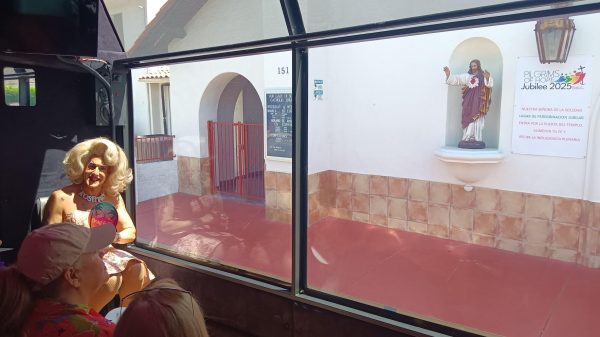
For a uniquely queer overall tour of Palm Springs, check out Drag & Fly Tours, which features stadium-style sideways seating on a bus. A drag queen shows off highlights and history of the city. Red Jeep Tours is another great option if you want to explore the desert’s natural beauty.
If you want to avoid crowds and enjoy lower hotel prices, summer through October is a good time to visit. It’s also slower in the desert in the weeks just after Thanksgiving. Crowds pick up in Christmas week through New Years and then things usually slow down in January until around Valentines Day.
For more information, the Greater Palm Springs official Web site is https://www.visitgreaterpalmsprings.com/
Palm Springs
Meet the voice of Palm Springs: an interview with KGAY 103.1’s John Taylor
KGAY’s John Taylor reflects back on his decades behind the mic, the evolution of broadcasting, and why queer community and connection remain at the heart of his mission.
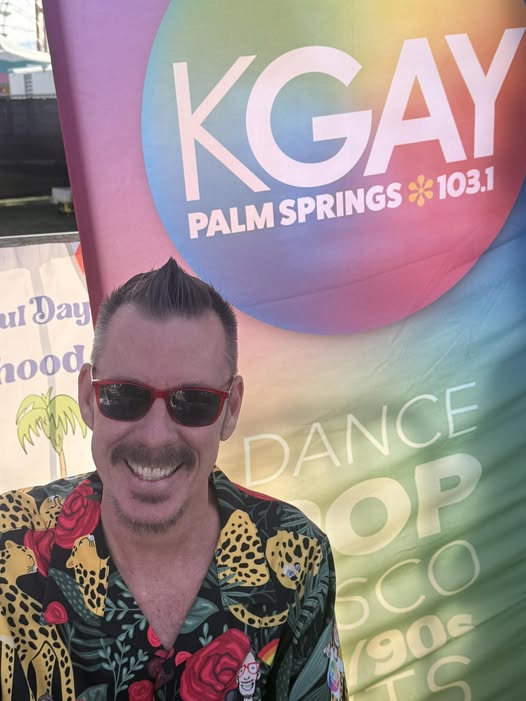
For decades, John Taylor has been a witness to the evolution of the art form that is radio, all while doing his part to help shape it. From his very first taste of broadcasting as a teenager (thank you, Tom Bergeron), to stepping into his role of that lovable voice gracing KGAY 103.1 in Palm Springs, Taylor has seen the industry transformed over the years by corporate consolidation, social media, and the seemingly endless ways folks eat up entertainment today. In this cacophony of captions and quips, one thing remains the same – Taylor’s steadfast belief that quality broadcasting involves connectivity.
Affectionately known as “the voice of Palm Springs,” Taylor continues today, providing the community with warm insights and positivity. Through his weekday morning show on KGAY, Taylor’s voice reaches far past the Coachella Valley to places around the world where simply existing authentically carries consequences. Whether he’s talking on local events, spilling the tea with celebs, or simply bringing some spoken sunshine to your morning, Taylor sees his work as something much larger than banter. In our interview, Taylor takes a beat to look back on his broadcasting journey, the changing and expanding world of media, and how keeping inclusion, community, and warmth at the core of the conversation matters now more than ever.
You have been donned the title of “voice of Palm Springs.” Can you share with our readers what this means to the Palm Springs community and what this means to you on a personal level?
Who “dons” these titles? I guess I’ll take it! Since I have a microphone weekday mornings 6-10 am at KGAY 103.1 Palm Springs, and since we’re a small, tight-knit community, I take the responsibility seriously. I know many of our listeners personally, so I know who I am letting down if I don’t do my best. Through our worldwide streaming at KGAYPalmSprings.com, we’re in earbuds around the planet in places where life isn’t easy for LGBTQ+ people.
We’re heard in Odesa and Kyiv, Ukraine, where Russian drones are pounding the population. We’re aired in Antalya, Turkey, a country that doesn’t allow gay cruises to dock, and where the Erdoğan regime is arresting LGBTQ+ activists. Singapore, a country that just decriminalized sex between men three years ago and does not recognize gay marriage, is listening too. Personally, if I can showcase the sense of community, inclusion, and FUN that typifies gay life in Palm Springs as a beacon of hope to the world, then my work has meaning.
You have a significant and deep history in broadcasting. What was your introduction to the industry, and what kept you in it for so long while witnessing changes in it over the years?
As a teen, a friend, Katya Sousa, saw my interest in radio and took me to see her favorite nighttime DJ, Tom, at WHEB FM in Portsmouth, New Hampshire. Tom put me on the air during his show to read a public service announcement, and a monster was created. “Tom” was Tom Bergeron, who went on to become a familiar face to TV viewers for decades as host of The Hollywood Squares, America’s Funniest Videos, and Dancing With The Stars. Blame Tom Bergeron.
What kept me in it so long? This is it; I don’t dance; I have no other skills. All seriousness aside, I have seen corporate greed and deregulation destroy my beloved industry. Thankfully, KGAY is locally LGBTQ+ owned and operated, and connection to the community is our priority.
While witnessing the rise of social media, podcasts, and so much more, what has been the most significant or undeniable transformation in the industry that you experienced?
For me, social media and podcasts provide more outlets to get the message out. When we interview a celebrity or go to a local event, we cover it on video as well as audio. We get the eyeballs of millions of people, not just the 48,000 earballs of our local radio listeners.
From your experience, what are the makings of great radio?
Passion in what you do is the key. It’s contagious, no matter the medium. As the host on KGAY, you are engaging with listeners who range from longtime valley folks to people experiencing Palm Springs for their first time.
What helps you to decide which stories and topics deserve the mic?
In my opinion, Palm Springs, per capita, has the highest concentration of brilliantly creative people. Telling their stories is fascinating to me. It’s like a lifelong continuing education course. I’m happy to shut up, listen, and learn.
Is there a celeb interview or talk from your career that has stayed with or changed you in any way? If yes, why?
Over the years, I interviewed Joan Rivers many times; I was always gobsmacked by how honest and forthcoming she was. I also got to witness how Joan operated offstage with fans and crew; she was truly a kind and caring person. It’s great when your heroes exceed your expectations in real life.
What is one of the more intriguing things you have learned about someone during an interview that listeners might never have expected or missed altogether?
I always like to zero in on the personal passions of an interview subject. Their spouse, their kids, their pets. The things that bring them joy. When you tap into a person’s passions, they will open up to you. Recently, one celebrity felt so comfortable with me, she spilled the beans on a project that legally couldn’t be announced. I had to edit out the references. I won’t say which celebrity it was. But her name “allegedly” rhymes with Bathy Biffen. I was happy to do it because I love Bathy!
How has Palm Springs changed from the time you first became familiar with the community to the Palm Springs we all know and love today?
Like everything, Palm Springs has gotten more expensive. We’ve seen some wonderful restaurants, bars, and resorts come and go. We’ve seen a drastic reduction in Canadian travellers, due to the idiotic policies of the current administration in Washington. On a truly positive note, I’ve seen a fantastic conversation develop between our LGBTQ+ community and our Palm Springs Police Department. In large part due to the policies and practices of our recently retired Police Chief Andy Mills. Incoming Chief Kyle Stjerne is extremely responsive and is continuing that constructive dialog. As a gay man, I have never felt safer anywhere.
You have seen broadcasting go through times of tremendous change and disruption. What worries you most about the future of radio, and what provides you with hope about its future?
FCC commissioner Brendan Carr’s threats to retaliate against broadcast entities that disagree with the current administration. Free speech is in jeopardy. What gives me hope? Voters turning out in a BLUE TSUNAMI in November.
When folks tune in and hear your voice on KGAY each day, what do you hope they take away with them?
I want them to know they have a friend, they are not alone, and everyone’s welcome in the Gayborhood!
Palm Springs
Making waves in the desert: How Brad Fuhr and KGAY keep the Coachella Valley connected
From building Palm Springs’ queer media scene to pushing back against social media censorship, Brad Fuhr is keeping the desert gay, connected, and on the air
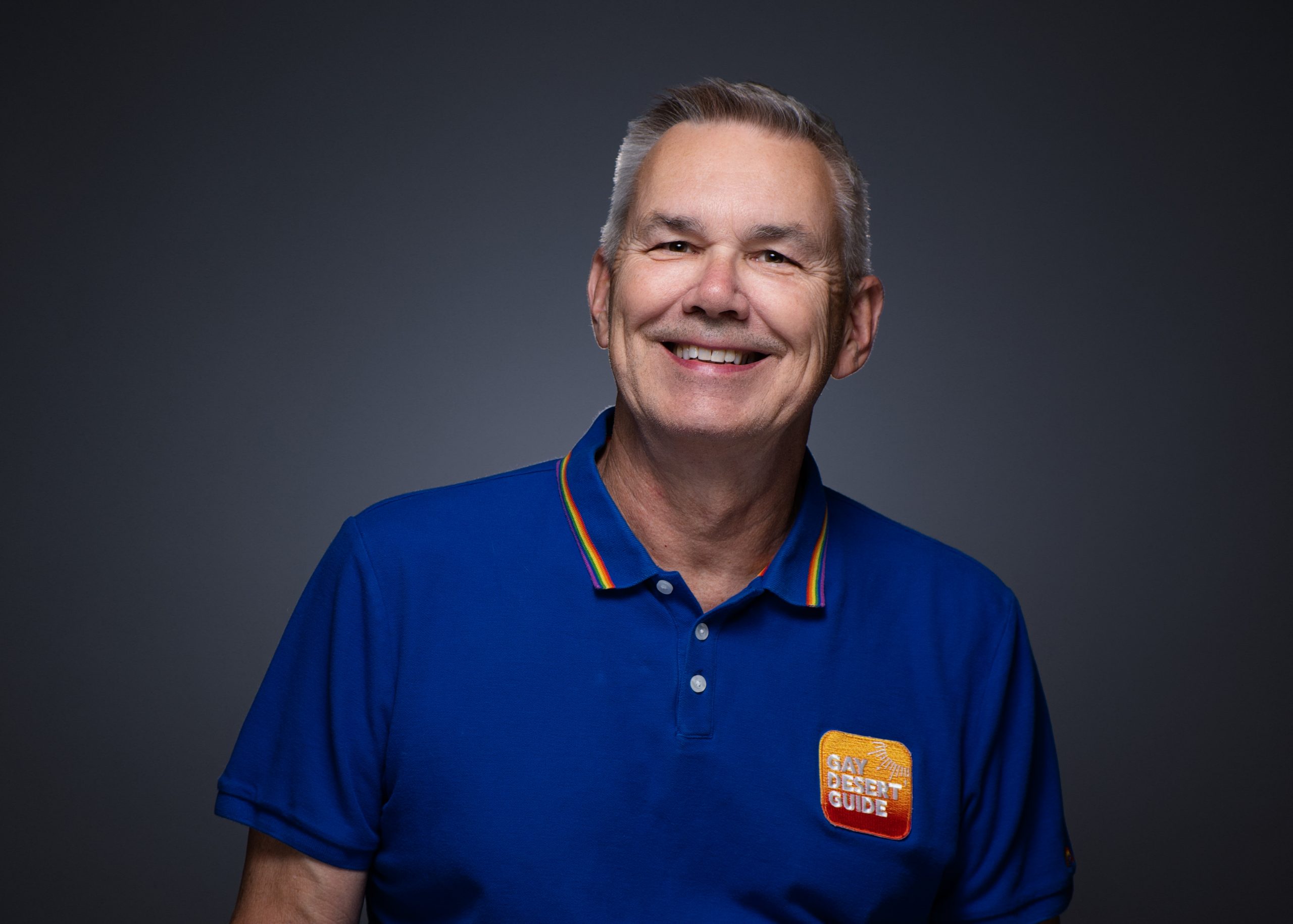
For many years now, Brad Fuhr has been helping LGBTQ+ voices find their frequency, from the radio waves of Chi-town to the evolving entertainment world of Los Angeles, and is now in his Palm Springs chapter. A true veteran of queer media who has spent his career connecting folks through broadcasting and storytelling, Fuhr seized the opportunity to provide the Coachella Valley’s LGBTQ+ community with a comprehensive outlet that goes above and beyond the average tourist brochure. Enter Gay Desert Guide, the digital destination Fuhr launched in 2013 to assist both locals and tourists alike in discovering the people, places, and experiences that make the Palm Springs queer community so very one of a kind.
In his role with KGAY, the LGBTQ+ radio station that made its comeback under his leadership in 2021, Fuhr has helped ensure that queer voices remain part of the local soundtrack. From navigating the seismic shifts in media consumption to taking on the realities of social media censorship, Fuhr has witnessed firsthand how technology can be used to bring communities together, as well as how it can divide them. We talked with Fuhr about fostering queer spaces and what it takes to keep Palm Springs’ vitality in an ever-changing media world.
You have spent decades in broadcasting and media, and now you’ve found yourself a major part of the Palm Springs queer community. What about Palm Springs first compelled you to start a new chapter in this LGBTQ+ desert oasis?
I had been working in LGBTQ media since the 90s in Chicago, where I managed LesBiGay radio and worked for Windy City Times. When I came to Los Angeles, I worked with the progressive talk radio station owned by Clear Channel Radio, then moved over to run Pride Radio, which was their LGBTQ streaming service. So I had a great background that included my years in radio.
After a 2009 downsizing, I went back to work for Emmis Interactive, where we consulted radio stations and print publications on digital strategy. Frontiers Magazine in Los Angeles and Palm Springs Life became clients, and I saw how quickly the media landscape was changing.
Palm Springs Life hired me to consult them in the summer of 2012. I brought the idea of Gay Desert Guide to them – a website focused on the large LGBTQ+ community that lived in and visited Greater Palm Springs. They declined, but said, “If you think it’s a good idea, you should go do it yourself!”
So I took nearly a year to build the site, populate it, and launched it Labor Day weekend 2013.
You also founded the Gay Desert Guide. What was missing in the Coachella Valley that you wanted to provide, and how have you seen it change over the years?
The print publications of the day were either going out of business or were so rudimentary as to not be useful except as “bar rags”. I had watched Frontiers Magazine start to decline as print fell out of favor and websites started being a primary source for discovery. That was true in Palm Springs, where we had some basic LGBT tourist information on the VisitPalmSprings.com site, but it wasn’t deep or broad enough for the amount of information that locals and visitors needed.
Frontiers never covered entertainment or destinations very well, but I knew that’s what people wanted to know about. So I set out to build a comprehensive website that was focused on how people could spend their leisure time. But I built a business directory so that consumers had a place to vet LGBTQ friendly businesses. That helped sustain the site from a revenue standpoint and became a big part of why people visit.
The biggest change has been the popularity of social media and for us to compete for eyeballs on those platforms. We had a huge Twitter/X platform – the #ILoveGay network created by Matt Skallerud and Pink Media. That was driving lots of site traffic until July 4 weekend two years ago when Elon and his people unceremoniously pulled the plug for “community standards violations”. We never got those accounts back.
Recently, Meta stopped allowing us to share content to any groups – obstinately for the same “violation”. Every time one of us shared to any group, we got put in Facebook jail for a longer period of time. We are still fighting it, but so far no luck.
KGAY is undoubtedly a significant voice for the LGBTQ+ community in the area. What was your initial goal for the station? Has this goal evolved over time?
The radio station came out of a nonprofit formed prior to my involvement called Qchella Media. It then recruited community members to be a part of its board of directors. With my experience in radio and my connection to the community, I was hired to be general manager of the station. In fact, I was the one who found the call letters KGAY and helped launch it in 2018. I brought on Chris Shebel as program director, as he had programmed successful dance music stations in Chicago and San Francisco. John Taylor was brought on as morning host, and we hired local DJs to do daily mix shows.
The initial goal of the nonprofit was to use the on-air signal for music and entertainment, and create a podcast platform for longer-form programming and interviews. After less than a year, “creative differences” between the board and station ownership caused us to resign en masse just before Pride 2019.
After the station languished through COVID-19, the owners approached me to purchase the station and keep it in LGBTQ hands. I brought back morning host John Taylor and program director Chris Shebel – we got the band back together and relaunched in July 2021. The station has grown significantly since then, with over 200,000 streaming listeners each month across the globe. Our biggest streaming market is Los Angeles.
On January 1, KGAY moved to 103.1, and I converted our 106.5 frequency to Sunny 106.5, an adult contemporary format which also has appeal in the LGBTQ community.
What are some of the biggest changes you’ve seen in Palm Springs as a whole? What makes the community here distinctive?
Palm Springs is such a unique market and setting in which to do business. We’re very seasonal – just the opposite of a summer vacation spot. So our summers are hot and less busy. But we have 9 splendid months of mostly great weather and opportunities to do so many outdoor activities.
Some of the biggest changes that I have seen include an overall modernization of the city and its infrastructure. Roads have improved, the mix of retail is much better, and we have exciting restaurants and bars that serve a wide swath of the community. We’ve also added new attractions like the Palm Springs surf club and the BMW performance racing track.
The city has become more sophisticated and provides a more elevated experience for tourists. That’s not to say someone on a budget can’t enjoy a quality weekend here; it still is affordable, especially in the shoulder seasons. Hiking trails, nearby Joshua Tree, and the plentiful gay resorts with day passes all make this place special.
As connected as you are in the local business community, what have you learned about doing business in Palm Springs that one could only learn from being involved in it?
I’ve seen so many “business people” come and go. They typically arrive with a splash, but like a shooting star, they flame out and are gone. It’s one of the recurring themes I see here. That’s not to say that someone with an entrepreneurial spirit won’t thrive, but it’s a matter of having humble beginnings and learning the community.
And when you approach it from how you can contribute to the community rather than how much you can take away, people notice and reward you with their patronage. We’ve also become polarized politically. There’s a Facebook group – Gay Men of Palm Springs CA – that is the de facto judge and jury for businesses that are not supportive of our community. That’s not a group to be on the wrong side of. A number of restaurants are purported to be MAGA-owned and have been boycotted by group members, which total over 17,000.
We have a directory on our GayDesertGuide.com website that has vetted local businesses for being supportive of our values, and we will not knowingly take advertising from unfriendly businesses.
Media as a whole has evolved exponentially since the start of your career. What lessons from your early years have remained with you as the industry changes?
In the early 2000s, I worked for a radio company whose CEO challenged us to determine whether the internet was a hobby or a business for our radio stations and magazines. Technology was evolving quickly, and we answered the call by creating engaging websites, loyal listener clubs, and marketing opportunities for the sites.
That resulted in a business unit of the company called Emmis Interactive that I worked for in Chicago at Q-101 radio and at Los Angeles Magazine. I’ve learned to carefully watch where consumer trends are going and to follow those – even at the expense of jettisoning some tried-and-true marketing ways. We’ve had to become much more social media-forward to the point that our Out & About remote broadcasts on KGAY are now video segments shared on our socials and aired on the station simultaneously.
Radio has survived television, podcasts, streaming, and social media. What do you think radio can offer other platforms cannot?
At our heart, we are a local medium with huge reach, and we’re free. No barrier of owning a cell phone or having internet service. More people listen to radio in a given week than use social media. The demographics are certainly different – radio is reaching an increasingly older audience. But that works fine for Palm Springs and for KGAY.
We can paint a picture in the minds of our listeners, and we can give voice to our community members who have a story to tell, a fundraiser that needs help, or a fun show to see in the Coachella Valley. We love having people on the air with us each day. And those interviews are typically also done with video so we can share on our socials.
In your experience, how does local radio impact its local community? Has this role it plays increased or become more significant today as opposed to 20 years ago?
We impact the community by attending vigils for our trans community, leading the Palm Springs Pride parade, and providing marketing support to our non-profits who can’t afford to advertise.
Radio done the right way can be as significant as it was 20 years ago. It’s just that most big corporate radio companies have cut their local on-air talent and their community involvement. I worked for iHeartRadio and was downsized on President Obama’s inauguration day along with over 1,200 others in the company. Those cuts have continued as these companies change focus to podcasting and digital advertising, but forget that the local on-air personality is what engaged people to listen in the first place.
What are some of the more pressing challenges that Palm Springs is facing today that you feel could be better addressed or deserve more attention?
Climate change is affecting us like the rest of the world. From dying Joshua Trees to flooding rains that damage infrastructure, we’re seeing that as a huge issue.
After 20 years of watching Palm Springs change and grow, what is one thing about the city that remains the same?
Palm Springs at its heart remains a small town of 44,000 people, with roughly half made up of LGBTQ+ citizens. I love that about our city – you can walk down the street and see people you know and have developed friendships with. But it feels like a big city when you factor in the 5 million people that pass through our city. So you get the best of both worlds – the small-town feel with big city entertainment, retail, and dining options.
Palm Springs
Here’s your Palm Springs look at the weekend: Oct 16-18, 2026
The sports they are a changin’. With apologies to Bob Dylan (whose concert at Acrisure was disappointing), the phrase describes how our valley is adapting to changing tastes in sports — both in participating and watching.
I’ve been learning about these changing trends and how they will positively affect tourism and our economy. When the LA Lakers announced a new Coachella Valley Lakers team as part of the NBA G League, it brought yet another sport to the area. There will be 24 regular-season home games, with the Acrisure staff doing some quick changes between Firebirds ice and the wooden court for basketball.
This comes at a time when the Firebirds are facing challenges with ticket sales as the current administration raises costs for families on everything from fuel to food. We’re all feeling the pinch and it’s not helping that we pissed off Canadians, too.
On Thursday, Visit Greater Palm Springs brought together many of the region’s biggest sporting events organizers at Acrisure for a dog and pony show. We know well how the BNP Paribas Open brings people and money to the valley, but new this year is the WTA Finals in November. The top 8 women of tennis will start on Pride Sunday, November 8th and be in town through the 15th, with the winner taking away one of the most prestigious trophies in tennis.
Greater Palm Springs used to be known for its golf tournaments. The LPGA Dinah Shore put us on the sports map long before the Indian Wells Tennis Gardens. And lesbians flocked here for a concurrent “The Dinah”. Both have gone through major changes with the golf tournament relocating to Texas and new promoters for The Dinah.
So while golf courses are turning into nature preserves, we are now trying to make the desert into a surfing destination? Counter-intuitive, I know. But the new Palm Desert DSRT Surf will host the ISA World Para Surfing Championship. Who knew?
Then there’s the proliferation of Pickleball, a favorite past time of our former police chief Andy Mills. It’s been growing for both participants and in drawing tournaments here. A major turning point occurred when the USA Pickleball Association (USAPA) partnered with Desert Champions to move the decade-old National Championships tournament to the Indian Wells Tennis Garden, bringing thousands of players and national broadcast attention.
And lest we forget there are the LGBTQ+ specific sports tournaments that come to the valley each year — from tennis to softball and hockey. There’s no doubt that the valley is changing with the times and drawing in new audiences that help contribute to our tourism economy. Game on!
Brad Fuhr, your K-Gay Desert Guide
Palm Springs Pride Equality Walk

Show your pride and support community equality at the Palm Springs Pride Equality Walk on Saturday, October 17. Gathering in the historic Arenas District with an official kickoff at 8:30 am, this inspiring community walk leads participants through downtown Palm Springs before returning to Arenas Road for a festive celebration with music, food, and drinks. The morning will also feature the City of Palm Springs’ proclamation of Palm Springs Desert Winds Day, honoring the Palm Springs Desert Winds Symphonic Band and its 25th Anniversary Season with a free performance by the PSDW Pop Band. The annual walk champions LGBTQ+ visibility and helps keep the upcoming November Pride Festival free and accessible to all. More info

Modernism Week – October

Midcentury architecture and design take center stage as Modernism Week – October returns October 15–18 with an expansive lineup featuring over 50 tours, talks, parties, and design-driven experiences. Highlights of this four-day festival include the Fall Dining Series, Modernism Week After Dark social events, and premier double-decker architectural bus tours. Attendees can also enjoy exclusive home tours, a new Palm Springs Aerial Tramway excursion, and a celebrity homes tour hosted by Bella da Ball. Many activities are free or low-cost, offering midcentury enthusiasts endless opportunities to celebrate iconic desert style at various venues across Palm Springs. More info
Randy Rainbow

Viral satirist and Emmy-nominated comedian Randy Rainbow brings his razor-sharp musical comedy to the McCallum Theatre on Saturday, October 17 at 8 pm and Sunday, October 18 at 7 pm. Performing live, Rainbow skewers current events, pop culture, and politics through glittering Broadway-style song parodies. Known worldwide for his hit web series and best-selling albums featuring collaborations with Marc Shaiman and Alan Menken, his show blends musical theater flair with hilarious stand-up comedy. More info
Center Stage 2026

Celebrate unity and community impact at The Center’s 2026 Center Stage gala on Friday, October 16 from 5:30–10 pm at the Palm Springs Air Museum. This powerful evening supports the essential, life-saving work of the Coachella Valley LGBTQ+ Community Center, with 100% of proceeds directly funding local programs. The event proudly honors the founders of The L-Fund—Betty Berrysmith, Barbara Carpenter, Ruth Debra, Sharon Siegel, and Kate Ullman—with the 2026 Legacy Award for their groundbreaking dedication to empowering cisgender, transgender, and queer lesbians. More info
Casual Concours – Swinging 60s on Route 66

Automotive enthusiasts can admire more than 170 classic automobiles at the 38th annual Casual Concours – Swinging 60s on Route 66 on Saturday, October 17 from 9 am–2 pm. Hosted by Great Autos of Yesteryear at Mission Hills Country Club, this year’s charity car show celebrates iconic 1960s vehicles and the 100th anniversary of Route 66. Guests can view vintage models ranging from the 1930s through the 2000s, enjoy free parking, and purchase lunch at the clubhouse. Proceeds benefit The LGBTQ Community Center of the Desert and Safe Schools Desert Cities. More info
Dracula: A Comedy of Terrors
Get ready for a hilarious, bloodthirsty night of entertainment as Revolution Stage Company kicks off its fourth season with Dracula: A Comedy of Terrors. Running October 15–31, this fast-paced, 90-minute gender-bending stage farce combines gothic horror with Python-esque humor. The story follows a meek British realtor who takes on a terrifying vampire client whose deep pockets are irresistible and whose attraction to his fiancée is concerning. Three women must navigate the chaos to stop the carnage in this dangerously sexy production. More info
Joseph and the Amazing Technicolor Dreamcoat

Joseph and the Amazing Technicolor Dreamcoat runs October 9–18 at Palm Canyon Theatre, bringing Andrew Lloyd Webber and Tim Rice’s beloved musical to life with humor, heart, and choreography. This family‑friendly production celebrates resilience, forgiveness, and the power of dreams through colorful characters and a score that has charmed audiences for decades. More info
Cat on a Hot Tin Roof
Cat on a Hot Tin Roof runs October 9–24, presented by THE BENT. Tennessee Williams’ Pulitzer Prize‑winning masterpiece holds deep significance for LGBTQ+ audiences, exploring repressed homosexuality, internalized homophobia, and the destructive nature of the closet. This production highlights the hidden desire between Brick and Skipper, offering a fresh interpretation of Williams’ groundbreaking work. More info
Desert X Pops Up

Join Desert X for the opening session of the Parker Sessions series on Friday, October 16 from 6:30–8:30 pm at Parker Palm Springs. The evening features board member and contemporary artist Nicholas Galanin in conversation with art collector Nancy Magoon, moderated by Artforum editor Bryan Barcena. Following the discussion, Nicholas Galanin performs live with his indie pop and electronic project, Ya Tseen, blending indigenous perspectives with contemporary soundscapes. Ticket proceeds benefit Desert X’s upcoming 10th anniversary celebration. Optional VIP tickets include an exclusive dinner hosted by leadership. More info
Shoshana Bean

Broadway star and Tony and Grammy Award winner Shoshana Bean graces the stage at McCallum Theatre on Friday, October 16 at 8 pm. Known for powerhouse roles in Broadway hits like Wicked, Hell’s Kitchen, Mr. Saturday Night, and Waitress, she brings her astounding vocal range and chart-topping artistry to Palm Desert. Audiences will be treated to a sensational concert featuring Broadway classics, jazz favorites, and soulful melodies from her Billboard #1 albums. More info
Chris Isaak

Singer, songwriter, and actor Chris Isaak brings his signature blend of rock ’n’ roll, smooth romance, and cinematic style to Rancho Mirage on Friday, October 16 at 8 pm. Performing at The Show at Agua Caliente Casino Resort Spa, the GRAMMY-nominated icon delivers a hit-filled set featuring multi-platinum favorites like “Wicked Game” alongside timeless tracks from his four-decade career. More info
Black Market Trust & Elvis: The Early Years

Enjoy world-class dining and live entertainment from Friday–Sunday, October 16–18 at The Purple Room Supper Club. On Friday and Saturday, October 16–17, vocal jazz quintet Black Market Trust returns with their high-energy blend of American crooner classics and Gypsy jazz guitar. Then on Sunday, October 18, it’s the return of Elvis: The Early Years, featuring Scot Bruce and his award-winning band. More info
No Kings Rally: Vote Early

Make your voice heard at one of five Coachella Valley locations participating in the No Kings – Vote Early! Rally on Saturday, October 17. Community members are invited to gather throughout the morning for peaceful civic engagement and solidarity. Whether you attend at Palm Springs City Hall, Smoketree, Cathedral City Hall, Monterey Avenue and Highway 111 in Palm Desert, or the Indio rally location, there are several opportunities to participate and encourage early voting.
- Palm Springs City Hall: 9 am–Noon
- Palm Springs Smoketree: 9–11 am
- Cathedral City Hall: 9–10:30 am
- Palm Desert (Monterey & Highway 111): 9–10 am
- Indio: 9–10 am
Bea Arthur: The Documentary – “I’ve Done Everything Except Porn”

Discover the remarkable life and career of a television and stage legend during a special encore film screening at the Palm Springs Cultural Center on Saturday, October 17 at 7 pm. Bea Arthur: The Documentary – “I’ve Done Everything Except Porn” features a never-before-seen interview with Bea Arthur herself, offering an intimate self-portrait alongside reflections from famous friends and colleagues. More info
Dolly – The Legacy Tour

Enjoy an evening of sparkling country music, humor, and classic hits when Dolly – The Legacy Tour comes to Rancho Mirage on Saturday, October 17 from 8–10 pm. Taking the stage at The Show at Agua Caliente Casino Resort Spa Rancho Mirage, acclaimed tribute artist Rhonda Medina captures the charm, warmth, and iconic vocals of Dolly Parton. With three decades of professional performance experience, Medina delivers heartfelt renditions of country favorites. Admission to this special tribute performance is completely free with general admission seating available on a first-come, first-served basis. More info
Journey On: Songs of Travel & Self Discovery

Embark on an inspiring musical voyage with Journey On: Songs of Travel & Self Discovery on Sunday, October 18 from 3–4:30 pm at the Palm Springs Cultural Center. Cabaret vocalist Bill Spera hosts an intimate afternoon concert exploring the thrill of new adventures and personal growth through song. He is joined by special guests Kevin Casey, Keith M. Cornell, Mark Duebner, Kim Schroeder Long, and Gene Strange, with musical direction by Chip Prince, Dominique Torres on drums, and Denise Briese on bass. More info
10,000 Maniacs

Legendary alternative rock group 10,000 Maniacs takes the stage on Sunday, October 18 from 7–10 pm for a career-spanning concert at the Palm Springs Plaza Theatre. The band celebrates 45 years of poetic songwriting, lush melodies, and folk-rock classics including “These Are Days,” “Like the Weather,” and “Because the Night.” Lead singer Mary Ramsey performs alongside founding members Jerome Augustyniak, John Lombardo, Dennis Drew, and Steven Gustafson, plus guitarist Ben Medina. More info
Burgers, Boys & Brews Sunday BBQ
Every Sunday from 2:30–4:30 pm, The Social Cafe & Lounge hosts Burgers, Boys & Brews, a backyard‑style cookout featuring fresh‑grilled burgers, hot dogs, sides, bottomless mimosas, bottomless draft beer, and live male entertainment. Come for great music, cold drinks, and a lively crowd ready for a fun, all‑inclusive brunch experience. More info
Native Painting, Ritual and Resilience in the 20th Century

The Agua Caliente Cultural Museum has unveiled A Beauty That Endures, a sweeping new exhibition curated by Tony Abeyta (Diné/Navajo) featuring more than 50 masterworks of 20th‑century American Indian painting. Spanning tribal traditions and artistic lineages shaped by boarding schools and mission institutions, the show highlights the resilience, innovation, and cultural continuity expressed through Native painters across the century. More info
It’s Final Round Voting Time — Best of CV
CV Independent’s Best of Coachella Valley 2026–2027 final voting round is now underway, and this is your chance to help crown the winners across the valley’s most‑loved radio stations, personalities, DJs (and many more categories). Thank you for showing us the love already with a strong nomination phase! Our finalists include KGAY 103.1 and Sunny 106.5 for Best Radio Station; John Taylor, E.J. Tyler and Patrick Evans for Best Local Radio Personality; and the dynamic DJ trio — DJ Galaxy, DJ Eric Ornelas, and MODGIRL — for Best Local DJ. Voting continues through Friday, October 23, so cast your vote and help celebrate your favorites in this year’s Best of Coachella Valley! Vote Today
- Second Annual La Quinta Fall Festival • Families can celebrate autumn with live music, children’s activities, face painting, and local food trucks on Friday from 4:30–8:30 pm at La Quinta Park.
- 1966! Time Capsule – Music Variety Show • Vocalist Tod Macofsky and The Gand Band perform a sing-along musical showcase on Friday from 7–8:30 pm at Spirit Animal at Hotel Zoso.
- Palm Springs Modernism Show • Design lovers and collectors can discover top-tier midcentury furniture, decorative arts, lighting, and contemporary creations from Friday–Sunday at Palm Springs Convention Center.
- Palm Springs Tram Road Challenge • Runners and walkers tackle a 3.7-mile course ascending nearly 2,000 vertical feet on Saturday at Palm Springs Aerial Tramway.
- Medicare Round Table • Insurance broker Charise Karjala leads an educational seminar answering health coverage questions on Saturday from 1–2:30 pm at her office in Palm Desert.
- Unbuttoned: A Boylesque Social Experience • Dancer Michael Silas, former performer for Lady Gaga, presents a bold boylesque show blending dance, storytelling, and comedy on Saturday from 7–8:30 pm at The Social Cafe & Lounge.
- Dance Ranch / Country Dance Saturdays • Dancers can enjoy two-step, waltz, swing, and line dancing on Saturday from 7–9:30 pm at Step by Step Dance Studio. The social evening begins with a Beginner Waltz lesson taught by Alicia Henneck.
- Indio Halloween Trunk or Treat Celebration • Families can celebrate Halloween with trunk-or-treating, bounce houses, face painting, and food trucks on Sunday from 9 am–12 pm at I-10 Auto Mall.
- Sips & Psychics • Guests can enjoy wine or coffee, delicious bites, and personal psychic readings on Sunday from 1–4 pm at Sottovoce Cafe. The fundraiser welcomes pets and supports the Coachella Valley Cat Club and Desert Paws Sanctuary.
- Charged Stillness Exhibition • Local artist Tina Roy showcases vivid paintings reflecting the beauty, drama, and delicate ecosystems of the wild desert from through October 29 at Rubine Red Gallery.
- A Queer Arcana: Art, Magic, and Spirit • An intergenerational group of artists explores esoteric knowledge, witchcraft, and spiritual traditions in a compelling exhibit on view through October 18 at Palm Springs Art Museum.
California
Trans woman says Kyle Brazeal used anti-trans slur, threw purse at her in 2024
WeHo City Council candidate denies he said ‘tranny’ during argument at Gym Bar
A transgender woman claims that West Hollywood City Council candidate Kyle Brazeal called her a “tranny” and threw a purse at her at Gym Bar in 2024.
The Los Angeles Blade spoke with the alleged victim and two people who say they witnessed Brazeal’s actions that night. The Blade has also obtained timestamped video that places Brazeal at Gym Bar that evening and text messages from the following day describing in detail what allegedly occurred on Sunday, Dec. 29, 2024.
Brazeal said in a written statement that “I categorically deny the allegations.” He added that while he was involved in “a disagreement” at Gym Bar that night, that “this incident is being deliberately misrepresented and weaponized for political purposes in the final weeks of this election.” Addressing the transgender community in West Hollywood, Brazeal said, “I will continue to stand with you as a Council member, just as I did before I was a candidate,” citing his donation to a GoFundMe for gender affirming surgery as evidence of his support.
Upon requesting comment, Brazeal referred the Blade to Rolandos Liatsos, his current campaign treasurer and friend of Brazeal’s who was with him at Gym Bar that evening. Liatsos gave his account of the night and said he never witnessed Brazeal use any slurs or throw the purse.
‘Get out of my way, tranny’
On Dec. 29, 2024, Amber says she went to Gym Bar with a group of friends, including Tommy Craven and Rick Turpin. Amber’s real name is not being used to protect her privacy.
The group arrived at Gym Bar around 5 p.m. The evening started out well. “Just being around friends that night was really good,” Amber said. “There was no problem whatsoever.”
Turpin also recalls having fun. “We were having a good time,” he said. Amber came out as trans a few years earlier and was still adjusting to life as an out transgender woman. “It was nice to see [Amber] embracing her transition and … it seemed like she was feeling herself,” Turpin said.
After chatting with her friends for an hour or so, Amber left to use the bathroom. At the time, Gym Bar had only two single-occupancy restrooms, so there was a line of people waiting to use them. After a few minutes, the line advanced and Amber went into an open restroom.
Soon after entering, Amber said she heard knocking on the bathroom door. She yelled, “Hey, there’s someone in here.” A minute later, the knocking began again. It was a “really rude knock,” Amber said. “So, I felt like I needed to rush through. I felt really uncomfortable.”
For Amber, the situation was especially stressful because of her identity. “I’ve had situations in the past as a trans woman where I have been attacked for using the ‘inappropriate restroom,’” she told the Blade.
Flustered, Amber said she quickly left the bathroom, leaving her purse inside. After exiting, she asked the line of people waiting, “Who was knocking?” she said.
“Me,” she said a man replied while looking down at his phone. He then brushed past her and entered the bathroom while saying, “Get out of my way, tranny,” Amber said. She said she later learned the man’s name was Kyle Brazeal.
Amber was stunned. She had faced transphobia before but not at an LGBTQ bar. Not in West Hollywood.
“I was in a full moment of just frustration, anger,” she said. Amber said she slammed her palm on the bathroom door and stormed off, going back to her friends who were still chatting at their table.
Amber’s friends saw she was upset. “I sat down, and my friends knew something was wrong,” she said. Then Amber told her friends she was called a slur.
“They were, like, wait, what?” she said. “Everybody was in fun-drinking mode, so they didn’t understand what had occurred.”
Amber sat watching the bathroom. As soon as Brazeal exited, she walked over to confront him about what he said.
“What did you call me?” Amber loudly asked him.
At this point, Craven and Turpin heard the yelling coming from the restrooms. The two walked toward the commotion to see what was happening. They saw Amber confronting Brazeal by the door to the bathroom. Craven knew Brazeal beforehand from other community spaces they were both involved with. “I could recognize him right away,” he said. Turpin also said he recognized Brazeal.
Amber said that Brazeal took the purse that she left inside the bathroom and threw it at her, saying, “You left your tranny purse in there.” Craven and Turpin both corroborated Amber’s account of the events, saying that they heard Brazeal use the slur and saw him throw the purse at Amber.
After Brazeal threw the purse and used the anti-trans slur, Amber shoved him and the two got into a shouting match, according to Amber. Craven also recalled seeing “shoving” but did not specify who did what. The two were soon separated by security and staff.
Craven quickly called the owners of Gym Bar, Erik Braverman and Jonathan Cottrell, to inform them of what happened. (Cottrell is also currently running for West Hollywood City Council). Craven had known Cottrell and Braverman for years and considered them friends. The owners then told Gym Bar’s general manager about the incident.
Soon, the general manager spoke with Brazeal and “Kyle was asked to leave the bar,” Craven said. Upon being asked to leave, Brazeal began yelling profanities and “used the word ‘tranny’ toward Amber again,” Craven said. Turpin also recalls Brazeal using the slur as he was asked to leave. “He kept saying ‘tranny,’” according to Turpin.
Video footage taken by Tommy Craven shows Kyle Brazeal outside Gym Bar on Dec. 29, 2024. Craven says the video shows Brazeal after he was asked to leave by security.
The incident left Amber shaken. Afterwards, she sat down with her friends, and Craven and Turpin tried to cheer her up by making jokes about the situation. It didn’t improve her spirits.
“She was jarred; it happened at a bar that she considers a safe space,” Craven said. He described Amber as “a very private person” and said that she was satisfied with how Gym Bar handled the situation and did not file any complaints with law enforcement.
Amber said that time constraints also factored into her decision to not speak to the police. She was living in a housing program with an enforced 10 p.m. curfew, meaning she had to leave the bar soon after the incident occurred to get home in time.
Amber took an Uber to go home and did not see Brazeal again.
‘No throwing of the bag, no hate speech or anti-trans stuff’
But according to Rolandos Liatsos, the incident that evening played out very differently. Liatsos said he went to Gym Bar with Brazeal and a few others to celebrate a friend’s birthday. The two have known each other for more than a decade and are good friends. Liatsos is also Brazeal’s campaign treasurer.
According to Liatsos, after hanging out at the bar, Brazeal went to get in line for the bathroom and was on the phone. Once Brazeal entered the bathroom he saw Amber, whom he had never met before, return to a table with her friends. She seemed very upset.
Brazeal soon exited the restroom, carrying the purse Amber had left. Brazeal walked up to the table and attempted to hand the purse back to Amber but was stopped by her friends who moved to stand between them. Then they started arguing and yelling at each other.
But never at any point did Brazeal throw the purse, according to Liatsos. “There [was] no throwing of the bag, no hate speech or anti-trans stuff,” Liatsos said.
He also claims that he did not see anyone get shoved, or the two parties getting physical in any way. “There was no physical contact,” he said.
After the arguing between Brazeal and Amber’s friends, Gym Bar staff asked Brazeal and his friends to leave. “Good, let’s just go, … let’s defuse the situation,” Liatsos recalled thinking. Soon after, he, Brazeal, and their friends left the bar.
Liatsos later learned from Brazeal that he knocked on the bathroom door as Amber was inside, which he believed upset her. “I see this as a situation escalating from knocking at the door, feeling rushed,” and nothing more, Liatsos said.
He said the claims of transphobic and aggressive behavior were not consistent with what he saw that night and contrary to who he knows Brazeal to be. “I’ve known Kyle for so many years and we’ve been out so many times,” Liatsos said. “I’ve never seen him attacking … any individual.”
Aftermath
The next morning, Dec. 30, Craven sent a text message to a group chat that included Jonathan Cottrell describing what happened and naming the alleged perpetrator as “Kyle (seen in video),” referring to the video that shows Kyle Brazeal outside Gym Bar on Dec. 29.
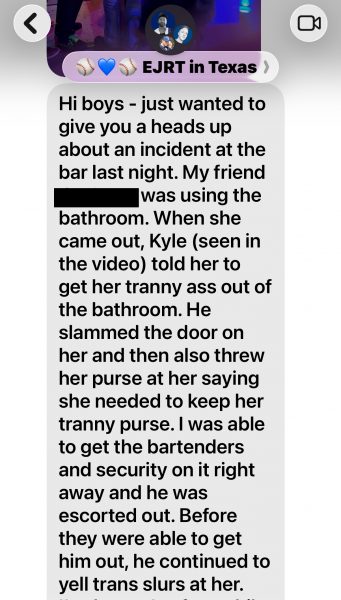
Screenshot of an excerpt of the message sent by Tommy Craven to a group chat with Jonathan Cottrell on Dec, 30, 2024. Identifying details have been redacted.
Braverman and Cottrell told Craven that Brazeal was banned from Gym Bar. However, both Craven and Turpin claim to have seen him at the establishment multiple times after the incident. Cottrell said in a written statement that “it was a temporary ban,” but would not discuss why or when the ban was lifted because Gym Bar “(doesn’t) share internal incident matters.”
This temporary ban is contradictory to a message from Cottrell’s Instagram account that was sent to Amber on Dec. 30, 2024. In it, he states that he would make sure that the “individuals” involved in the incident “don’t ever come back” to Gym Bar.
Screenshot of a message sent by Jonathan Cottrell’s Instagram account to Amber’s account on Dec. 30, 2024. Identifying details have been redacted.
The race for City Council
Brazeal announced his candidacy for City Council in April 2026. Craven heard about his campaign in June. “I was aware it was the same person,” he said, immediately recognizing him as the man who allegedly berated his friend a year and a half ago.
Later that month, Craven reached out to Braverman and Cottrell, who had recently announced his own campaign for City Council, to inform them that Brazeal was the same man from the night. “They were definitely surprised by it,” Craven said.
After being made aware that Brazeal was allegedly the same man from the transphobic incident at their bar, the owners did not state anything publicly, following Amber’s wishes. Cottrell has not mentioned anything on the campaign trail even as he and Brazeal have been endorsed by some of the same organizations like Equality California and Sunset West Alliance.
“At the time of the incident, our staff asked the woman involved whether she wanted us to take any further action, and she said she did not,” Cottrell said in a written statement. “This was never our story to tell. Gym Bar has always been a safe space for everyone in our community, and that will never change.”
Craven and Turpin waited to talk publicly about the incident because they wanted to keep their friend’s experience private.
“Ricky and I thought … something [else] would be said to kind of give light to the kind of person that Kyle is without us having to use our friend’s story,” Craven said. “But now because it’s closer to the election [and] stuff has not come to light, I feel the community would be safer knowing.”
Amber did not hear about Brazeal’s candidacy for City Council until last week, when she was informed by friends that a reporter for the Los Angeles Blade was investigating allegations of a transphobic incident involving him. These days, she splits her time between the Los Angeles area and other parts of the country so she has not been following local politics closely. But when she looked up his campaign, she instantly realized that this was the same man from that night. “I saw the face and pictures … and I made the connection,” she said.
“This is something that I need to address,” she added. She said that it can feel “impossible” as a trans woman to call out people who express bigotry without facing “repercussions.” Brazeal’s bid for City Council motivated Amber’s decision to speak publicly about the incident. “He is seeking a position of power in the city,” she said. “He needs to understand that this is stuff that just doesn’t go away.”
Reflecting on the incident, Amber said she’s still shocked and upset. “I was floored that he would use that word in that bar,” she said. By speaking out, she hopes to heal some of the pain caused by Brazeal’s alleged actions and regain her confidence.
“Words do matter and they do hurt and the T-word [used] toward me hurt,” Amber said. “Now I’m trying to use my words to share my story.”
Caleb Kaufman is a California Local News Fellow placed with the Los Angeles Blade. The California Local News Fellowship is a state-funded initiative to support and strengthen local news reporting. Learn more about it at fellowships.journalism.berkeley.edu/cafellows.
Palm Springs
Here’s your Palm Springs look at the weekend: Oct 9-11, 2026
Somehow I missed the movie Stonewall, which came out in 2015, until this week! It chronicles the Stonewall riots of 1969 and what led up to them. In it, a small-town boy is outed at his high school, ostracized by his family, and escapes to Christopher Street in New York City. There he meets Marsha P. Johnson, and the rest is, as we say, history.
The fictionalized account shows the brutality of the police during that era, the alliances made, and how our community finally had enough. The rage boiled over into the riots. The uprising shattered the culture of silence and shame around being LGBTQ and shifted our movement to loud, public resistance.
The Second National March on Washington in 1987 galvanized those in our community who were protesting the Supreme Court’s 1986 decision to uphold criminal sodomy laws and to bring visibility to the AIDS crisis. Activists unfurled the first AIDS quilts, forcing our nation and the government to see the epidemic on nightly news and in the headlines.
Out of that protest came the first National Coming Out Day in 1988. It has provided many with the courage to do our own version of coming out. I was living “life in a Northern town” in Michigan during that time, turning 30 and still not out to family or friends. My connection to others “like me” was our gay and lesbian radio group called “Friends of Dorothy,” started by KGAY’s Chris Shebel. Each month, Chris mailed a newsletter to us with news of those of us in our closeted society. We knew that being out could mean the end of our careers in radio.
Within a couple of years, I had the courage to come out to my family. I wrote a letter to Mom and Dad, mailed it off, and waited for the consequences. It was time. Instead, I received a phone call with them crying — not with anger or hostility — but with the pain of knowing I held this secret for so long and that I couldn’t tell them. I was very lucky and am grateful that my parents accepted me.
We think that coming out is much easier today. And because of representation in media and LGBTQ role models like politicians and activists, it is. But there are still stories like the young man in Stonewall of rejection and even violence against those who dare to expose their true selves. We celebrate National Coming Out Day this weekend knowing that so many have come before us to help pave the way for a better world.
Brad Fuhr, your K-Gay Desert Guide
Here’s what’s ahead in sunny Palm Springs!
Head Trip Festival

On Saturday & Sunday, October 10 & 11, the Empire Polo Club is the site of Head Trip, an all‑day electronic music festival produced by Goldenvoice. The inaugural lineup features major artists including Calvin Harris, Swedish House Mafia, Fisher + Chris Lake, Dom Dolla b2b Kettama, Peggy Gou b2b Four Tet, and Seth Troxler b2b Ben Sterling. With top‑tier talent and a massive festival setting, Head Trip marks a bold new addition to the desert’s music festival landscape. More info
Joshua Tree Music Festival

The Joshua Tree Music Festival’s Fall Edition runs from Thursday–Sunday, October 8–11, offering four days and nights of live music, movement, mindfulness, and desert magic. Held at Joshua Tree Lake Campground, the festival features artists including Cure for Paranoia, Ácido Pantera, The Breaks, Southern Avenue, Elias Alexander, Jimetta Rose and the VOC, and Future Joy. With three rotating stages, over 100 playshops, Kidsville, visual art, and the Healing Oasis, this community‑centric event delivers a continuous, family‑friendly experience. More info
Pineapple P*rn Disco T‑Dance and Pool Party

The Sonoran Palm Springs turns up the heat on Sunday, October 11 from 1–6 pm with the Pineapple P*rn Disco T‑Dance and Pool Party, a fundraiser supporting Pineapple Support and its mental‑health services for members of the adult industry. Presented by Falcon | NakedSword and Mr. Man, the afternoon brings a soaked disco vibe with beats by MODGIRL and appearances from stars including Ryan Orion, Zac Barrett, Heath Halo, Sean Xavier, Paolo Bruni, and Trenton Ducati. More info
People

In the new exhibit People, Impell Gallery presents four artists—Barbara Griffin, Richard Fox, Karen Stein, and Jody Levinson—each exploring unique interpretations of people through different mediums. The exhibition is open Saturday, October 10 from 2–6 pm with a reception, and Sunday, October 11 from 2–4 pm. Located at The Lofts Art District, the show offers a whimsical and unexpected look at how artists see and portray human subjects. More info
The Purple Room : Anthony Nunziata, The Judy Show!

At the Purple Room, Anthony Nunziata: Romance from Italy to Broadway takes the stage Friday and Saturday, October 9 and 10, with dinner at 6 pm and show at 8 pm. Nunziata blends Italian arias, Broadway drama, jazz standards, and original songs into an inspiring concert filled with soaring vocals and heartfelt storytelling. A classically trained singer and entertainer, he brings humor, emotion, and undeniable charm to every performance. On Sunday, October 11, The Judy Show! lights up the Purple Room with dinner at 5 pm and show at 7 pm. Michael Holmes channels Judy Garland in a high‑camp, comedic musical tribute featuring glamorous costumes, razor‑sharp wit, and surprise appearances from icons like Carol Channing, Mae West, Bette Davis, and more. More info
Cat on a Hot Tin Roof
Cat on a Hot Tin Roof runs October 9–24, presented by THE BENT. Tennessee Williams’ Pulitzer Prize‑winning masterpiece holds deep significance for LGBTQ+ audiences, exploring repressed homosexuality, internalized homophobia, and the destructive nature of the closet. This production highlights the hidden desire between Brick and Skipper, offering a fresh interpretation of Williams’ groundbreaking work. More info
Joseph and the Amazing Technicolor Dreamcoat
Joseph and the Amazing Technicolor Dreamcoat runs October 9–18 at Palm Canyon Theatre, bringing Andrew Lloyd Webber and Tim Rice’s beloved musical to life with humor, heart, and choreography. This family‑friendly production celebrates resilience, forgiveness, and the power of dreams through colorful characters and a score that has charmed audiences for decades. More info
Native Painting, Ritual and Resilience in the 20th Century
The Agua Caliente Cultural Museum has unveiled A Beauty That Endures, a sweeping new exhibition curated by Tony Abeyta (Diné/Navajo) featuring more than 50 masterworks of 20th‑century American Indian painting. Spanning tribal traditions and artistic lineages shaped by boarding schools and mission institutions, the show highlights the resilience, innovation, and cultural continuity expressed through Native painters across the century. Running through May 30, 2027, this landmark exhibition offers a powerful look at ritual, identity, and the enduring influence of Native art in America. More info
Kick Bullying to the Curb Wellness Festival

Boo2Bullying brings its fourth annual Kick Bullying to the Curb Wellness Festival to Palm Springs Power Stadium on Saturday, October 10 from 4–8 pm, a free family event focused on youth wellness, inclusion, and community connection. The afternoon features the Wellness Village, music by DJ ACE BOOM, California Mobile Zoo, KONA ICE, face painting by Rainbow Sparkz Circus, and a performance by the Palm Springs High School Cheer Squad. At 6 pm, the Celebrity Kickball Game takes the field with local leaders, youth groups, and first responders. The festival also includes the Teens Off Your Screens™ Recognition Ceremony honoring James Workman Middle School. More info
Mx. Pineapple Cabaret

The 6th annual Mx. Pineapple Cabaret returns Saturday, October 10 from 7–10 pm at Oscar’s Downtown Palm Springs. Hosted by Sister Roma and Ana Foxxx, with music by Chi Chi LaRue, the night features performances by Brian Justin Crum, Ethylina Canne, Vanity Halston, Pippi Lovestocking, and surprise guests. General admission is free, and proceeds from reserved seating support Pineapple Support, providing free mental‑health services for online adult industry workers—over 70% of whom identify as LGBTQ. More info
Burgers, Boys & Brews Sunday BBQ
Every Sunday at 2:30–4:30 pm, The Social Cafe & Lounge hosts Burgers, Boys & Brews, a backyard‑style cookout featuring fresh‑grilled burgers, hot dogs, sides, bottomless mimosas, bottomless draft beer, and live male entertainment. Come for great music, cold drinks, and a lively crowd ready for a fun, all‑inclusive brunch experience. More info
Books, Films and Then Some

On Sunday, October 11 from 3–7 pm, the Palm Springs Cultural Center presents Books, Films and Then Some, a two‑part event recognizing National Disability Employment Awareness Month and National Dwarfism Advocacy Month. At 3 pm, memoirist Emily Rapp Black joins Corey Roskin for a conversation about her newest book, I Would Die If I Were You, followed by a craft activity. At 6 pm, screenings of Veronica and Buttinskis lead into a panel with Selene Luna, Taryn Manning, John T. Stapleton, and Christophe Zajac‑Denek. More info
The Rocky Horror Picture Show Original Cast Spooktacular

On Sunday, October 11 from 7:30–9:30 pm, Palm Springs Plaza Theatre hosts The Rocky Horror Picture Show (Film) / Original Cast Spooktacular with Nell Campbell. Fans can enjoy a new 4K restoration, live shadow cast, audience participation, and a costume contest. VIP ticket holders meet Nell Campbell—Columbia herself—for photos and autographs, with doors opening at 6 pm. It’s a spirited, interactive celebration of a cult classic. More info
It’s Final Round Voting Time — Best of CV
CV Independent’s Best of Coachella Valley 2026–2027 final voting round is now underway, and this is your chance to help crown the winners across the valley’s most‑loved radio stations, personalities, DJs (and many more categories). Thank you for showing us the love already with a strong nomination phase! Our finalists include KGAY 103.1 and Sunny 106.5 for Best Radio Station; John Taylor, E.J. Tyler and Patrick Evans for Best Local Radio Personality; and the dynamic DJ trio — DJ Galaxy, DJ Eric Ornelas, and MODGIRL — for Best Local DJ. Voting continues through Friday, October 23, so cast your vote and help celebrate your favorites in this year’s Best of Coachella Valley! Vote Today
- Hush-Hush: Vintage Halloween Variety Show of the Highest Class and Caliber • Vocalist Bobbi DeCarlo leads a haunting midcentury revue filled with swing music, comedy, and burlesque on Friday from 7–8:30 pm at Spirit Animal inside Hotel Zoso.
- Billy L’Amour & The Love Notes • This cabaret performance reimagines hits from music icons who died at age 27—Janis Joplin, Jimi Hendrix, and Amy Winehouse—on Friday from 7–9 pm at Spirit Animal inside Hotel Zoso.
- Hitchcock Retrospective: Psycho (1960) • Film lovers can view director Alfred Hitchcock’s cinematic horror masterpiece starring Anthony Perkins, Janet Leigh, and Vera Miles on Friday from 7–10 pm at Palm Springs Cultural Center.
- Brit Floyd – The Moon, The Wall, and Beyond • Musical director Damian Darlington leads this tribute band in replicating Pink Floyd’s soundscapes and laser displays on Friday from 8–11 pm at The Show at Agua Caliente Casino Resort Spa.
- Paint El Paseo Pink • Community supporters unite to raise funds for the Desert Cancer Foundation during an inspirational walk on Saturday at 7:30 am along El Paseo.
- 10th Annual Memorial Ride & Rally • Community members gather to honor fallen officers Lesley Zerebny and Gil Vega with a memorial ceremony and country music tribute on Saturday at 10 am in Downtown Palm Springs Park. The gathering features a police-escorted motorcycle ride, food trucks, and a beer garden.
- Palm Springs Modern Committee Architectural Preservation Awards • Recognize achievements in midcentury desert modernism preservation on Saturday from 6–9 pm at Palm Springs Art Museum.
- Burtonlesque: A Tim Burton Experience • Dance troupe Dirty Little Secrets performs a darkly whimsical burlesque tribute inspired by filmmaker Tim Burton on Saturday from 6–9 pm at Spirit Animal inside Hotel Zoso. Guests will enjoy gothic glamour, campy characters, and dark humor in this adult variety show.
- Unbuttoned: A Boylesque Social Experience • Dancer Michael Silas, former performer for Lady Gaga, presents a bold boylesque performance on Saturday from 7–8:30 pm at The Social Cafe & Lounge.
- Dance Ranch / Country Dance Saturdays • Instructor Rob Ollander-Krane teaches a beginner two-step lesson before open country-western dancing on Saturday from 7–9:30 pm at Step by Step Dance Studio.
- Bylines Film Series: The Insider • The true-story journalism drama screening is followed by a panel discussion on Sunday from 3–5:30 pm at Palm Springs Cultural Center. Presented by the Coachella Valley Journalism Foundation, the film explores whistleblowing and corporate ethics.
- Charged Stillness Exhibition • Local artist Tina Roy showcases vivid paintings reflecting the beauty, drama, and delicate ecosystems of the wild desert from through October 29 at Rubine Red Gallery.
- A Queer Arcana: Art, Magic, and Spirit • An intergenerational group of artists explores esoteric knowledge, witchcraft, and spiritual traditions in a compelling exhibit on view through October 18 at Palm Springs Art Museum.
California
‘A disgusting attempt to exploit lesbian intimacy for political attention’: suggestive Steve Hilton ad draws criticism
Steve Hilton’s newest ad aimed at liberal voters flops with LGBTQ advocates and conservatives, but for different reasons

Two women sit on a bed, a Pride flag hanging behind them. One is nervous; the other tells her to be calm and that she’ll do “all the work.” The music swells. The two hold hands and — fill out a ballot voting for Steve Hilton?
This is the new advertisement from the Hilton Gubernatorial campaign that is drawing rebuke from both sides of the aisle, but for very different reasons.
Jorge Reyes Salinas, the communications director at Equality California, said the ad was an insult to the queer community. “This ad is a disgusting attempt to exploit lesbian intimacy for political attention,” he said. The advertisement plays on media tropes that Salinas says “reduce lesbian and bisexual women… to sexual entertainment,” rather than showing them as well-rounded characters. “Any group of the LGBTQ+ community deserves the same dignity and respect as everyone else,” he said.
The ad is truly hyper-sexualized. It ends with one woman telling the other, “Now lick it.” The two pause and stare before she reveals an envelope to send the ballot, and large text pops up saying, “Just try it!”
Salinas characterized the ad as a desperate attempt to get attention from a candidate who is trailing far behind in the polls in heavily Democratic California. The Democratic Candidate Xavier Becerra, who is endorsed by Equality California, holds a 25-point lead over Hilton according to recent polling by the UC Berkeley Institute of Governmental Studies.
Conservatives have also criticized the ad. Influential evangelical Pastor Jack Hibbs thought the ad was distasteful and said, “lesbianism among college girls and some high school girls that right now is an actual pandemic of social ill.” Republican AG candidate Michael Gates said it undermines “the sanctity of the relationship between parents and their children.” This criticism is rather confusing because although the ad features two relatively young women, they both appear to be adults, not minors.
“The comments from Pastor Jack Hibbs should be criticized because there is nothing wrong with two women being attracted to each other,” Salinas said. “We’re calling out the ad’s stereotypes, while also rejecting the homophobia in the response to it … by other Republicans.”
The backlash from Hilton’s own party and supporters shows that an advertisement full of queer innuendo was ill-considered, considering the national GOP’s attacks on LGBTQ people in recent years. Hilton himself has been campaigning against transgender girls and women competing in school sports and using locker rooms that correspond with their gender identity. This context might be why Hilton’s political base responded to the ad just as poorly as the liberal voters he was attempting to court.
Hilton says the ad is part of a new series rolling out before Election Day, showing stereotypical California liberal archetypes voting for Hilton. He claims these ads are authentically filmed with real actors, as opposed to being A.I. generated, like many of his previous ads. One other advertisement has been released so far by the campaign showing a man at a spiritual retreat also being swayed to vote for Hilton, although it is notably absent of sexual innuendo.
Caleb Kaufman is a California Local News Fellow placed with the Los Angeles Blade. The California Local News Fellowship is a state-funded initiative to support and strengthen local news reporting. Learn more about it at fellowships.journalism.berkeley.edu/cafellows.

Lula defeats Flávio Bolsonaro in second round of Brazilian presidential election

LGBTQ+ pioneer Rev. Troy Perry to young people: ‘Don’t be afraid’

With exquisite 4K restoration, ‘The Devils’ finally gets its due

Drag queens go from Send Noodz straight to the polls
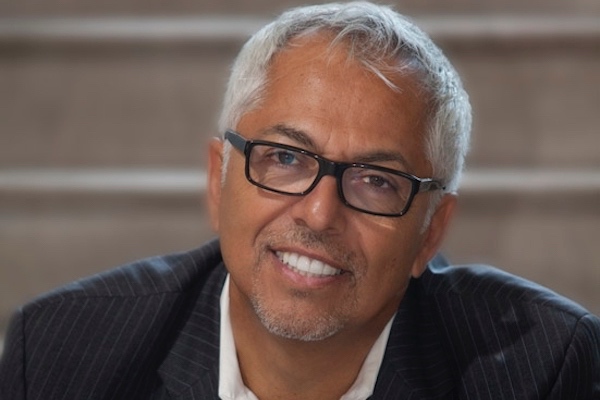
Immunology gave HIV survivors the chance to grow old, Proposition 38 is the next step

Here’s your Palm Springs look at the weekend: Oct 23 – 25, 2026

New Zealand High Court strikes down puberty blocker ban

Allegations involving Ric Grenell raise questions about pay-for-play in White House

A Parvesh perspective: Actor Parvesh Cheena talks his roles in ‘Wives’

Latin queer and trans history along the U.S.- Mexico border on display at UC Riverside event
-
 Palm Springs4 days ago
Here’s your Palm Springs look at the weekend: Oct 23 – 25, 2026
-
 New Zealand5 days ago
New Zealand High Court strikes down puberty blocker ban
-
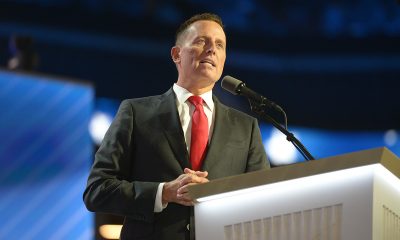 White House5 days ago
Allegations involving Ric Grenell raise questions about pay-for-play in White House
-
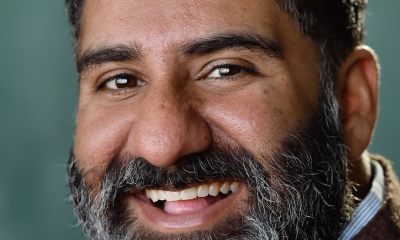 a&e features5 days ago
A Parvesh perspective: Actor Parvesh Cheena talks his roles in ‘Wives’
-
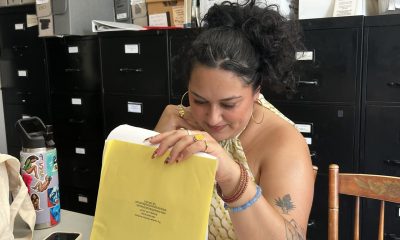 Transgender5 days ago
Latin queer and trans history along the U.S.- Mexico border on display at UC Riverside event
-
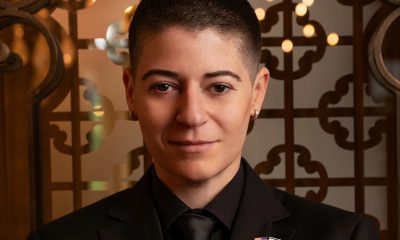
 opinions4 days ago
Common Sense Isn’t Political
-
 Theater4 days ago
‘WOOF’ worthy: Christopher Schellenger shares the unique challenges of playing a dog
-
Commentary4 days ago
Immunology gave HIV survivors the chance to grow old, Proposition 38 is the next step
-
 Features2 days ago
LGBTQ+ pioneer Rev. Troy Perry to young people: ‘Don’t be afraid’
-
 Movies2 days ago
With exquisite 4K restoration, ‘The Devils’ finally gets its due