
Arts & Entertainment
Best of LGBT LA 2019
Your picks for the city’s best in nightlife, food, activism and more
Readers of the Los Angeles Blade began nominating their picks for our 2nd annual Best Of LGBT LA awards in early fall. And after more than 15,000 votes over 40 categories, we can finally reveal the winners, some incredible choices and very special people among them.
The Los Angeles Blade is pleased to salute them and wants to give special thanks for Sean Loeffel of Spoonfed LA and Bar Joe for hosting our winners and helping make our Best Of LGBT LA Awards truly a magnificent honor.
BEST DRAG QUEEN
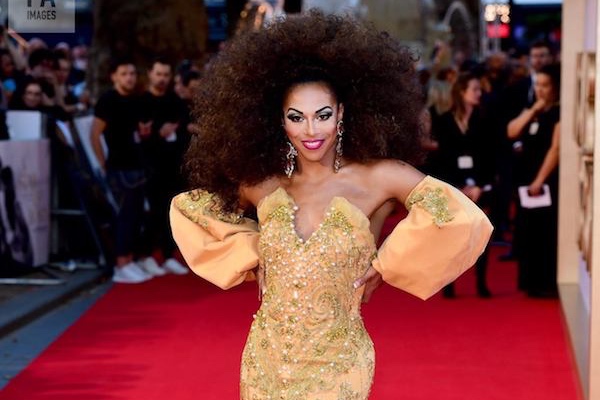
Shangela (Courtesy of Shangela)
The only contestant to compete on three separate seasons of “RuPaul’s Drag Race,” Los Angeles Blade fan favorite Shangela is eternally enshrined in global pop culture amber, as creator of the versatile interjection, “Halleloo.” In music video and solo stage performance, Shangela continues to impress, and is still earning new fans, for her work alongside Lady Gaga, in “A Star Is Born.” Although her name was unjustly absent from the Best Supporting Actress nods during this week’s Academy Award nominations, it’s comforting to note that Shangela has further cemented her status as an eternal All-Star, by slaying her peers and emerging as the winner in this fiercely competitive category.
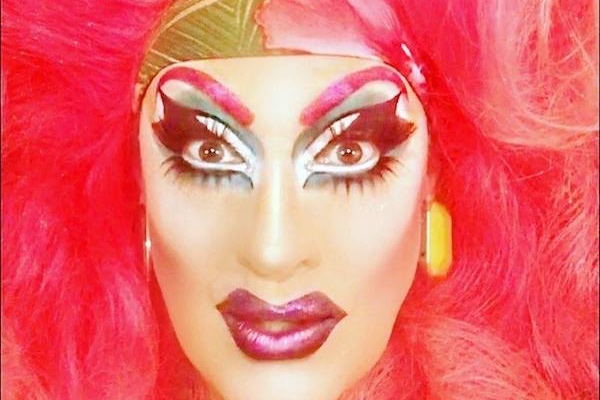
Jackie Beat (Photo courtesy of Jackie Beat)
Being the target of an acidic quip from Jackie Beat is like getting a hickey from Kenickie — it leaves a shameful mark, but can also be worn as a badge of honor. Tell that to our Best Drag Queen winner, Shangela, of whom Beat remarked, “The only thing better than actually winning this award is being named Runner-Up to someone half my age, who is most famous for popping out of a box and yelling, ‘Halleloo!’ What a fucking honor. Just kidding! I love you, Shangela… CONDRAGULATIONS!” When not insulting winners, Beat can be found on stage, in “Golden Girlz Live!” and touring with Sherry Vine, in their “Battle of the Bitches” show.
BEST REAL ESTATE FIRM (Tie)

(Photo courtesy of The Collective Realty)
This hip, 100 percent LGBT-owned boutique real estate firm hosts charity events through the year, whose past beneficiaries have included The Trevor Project. At their West Hollywood and Silver Lake/Echo park offices, buyer and seller expectations are exceeded by a team of fierce negotiators, representing everything from estates to condos. Owner Anthony Vulin assures that all of his mortgage brokers and appraisers are vetted as LGBT friendly, so you can invite them into your home with confidence. The Collective Realty also advocates for LGBT home ownership and nondiscrimination, by lobbying statewide, and in D.C.
(Photo courtesy of Berkshire Hathaway HomeServices California Properties)
Winner: Berkshire Hathaway HomeServices California Properties
Taking you through the home buying or selling experience, and being by your side during life’s greatest moments: That’s the mission and the reward, of those who work at Berkshire Hathaway HomeServices California Properties. “As Realtors, we have the obligation to be culturally competent, to understand the needs of our clients, and to guide them toward wise decisions in their real estate choices,” says president and CEO Mary Lee Blaylock, who also notes, “Working with the LGBT community is a privilege. Our sales associates take pride in their ability to represent the interests of their clients, and to help them navigate the diverse array of communities throughout the Southern California area. We are grateful to have earned your readers’ trust and it is our pleasure to continue to serve all.”
BEST MUSEUM OR ART GALLERY
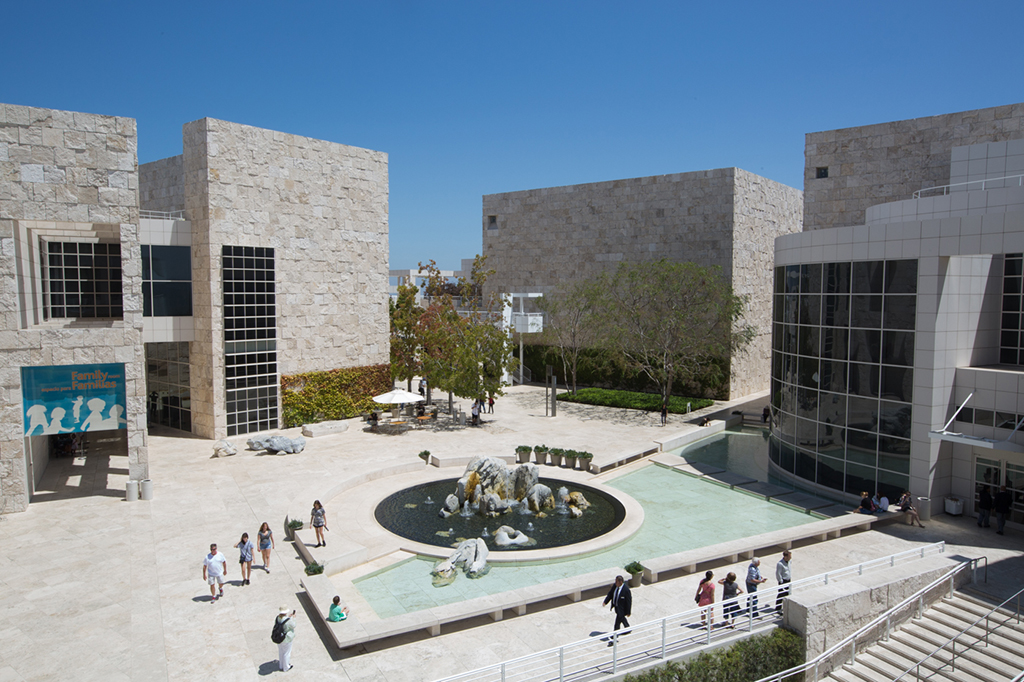
Modern design, beautiful gardens, open spaces, and spectacular views of Los Angeles make Getty Museum a cherished institution. (Image from Getty Museum website)
Winner: The J. Paul Getty Museum
Cultivating a curiosity about, and enjoyment and understanding of, the visual arts is the J. Paul Getty Museum’s mission, one achieved by collecting, conserving, exhibiting, and interpreting works of outstanding quality and historical importance. The Museum is also continually producing exhibitions, publications, scholarly research, public education, and programming in the visual arts. These elements are enhanced by the uniquely evocative architectural and garden settings at the Getty Villa in Malibu, and the Getty Center in Los Angeles, which houses European paintings, drawings, sculpture, illuminated manuscripts, decorative arts and photography.
Since 1965, the Los Angeles County Museum of Art has been devoted to collecting works of art that span both history and geography, mirroring Los Angeles’s rich cultural heritage and uniquely diverse population. Today, LACMA is the largest art museum in the western United States, with a collection of more than 135,000 objects that illuminate 6,000 years of art history, from new and unexpected points of view.
BEST FITNESS OR WORKOUT SPOT
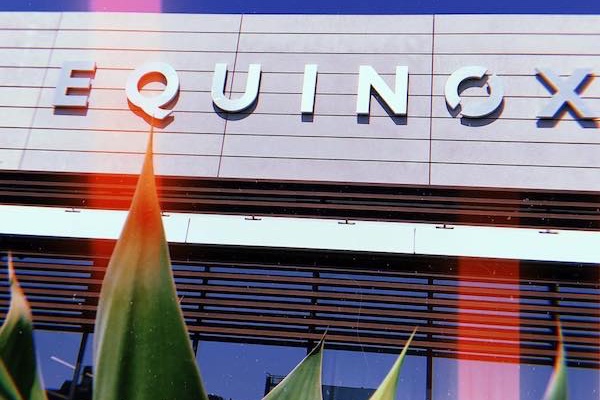
(Photo courtesy of Equinox West Hollywood)
Winner: Equinox West Hollywood
With a design reminiscent of classic local nightclubs of the 1950s and ’60s, high energy meets high drama, at this 35,000-square-foot fitness club. Offering a full complement of classes, trainers, equipment, and amenities that facilitate high-performance living, the iconic West Hollywood location features one of the largest and most luxurious spas Equinox has to offer, along with a Kids’ Club, and rooftop sundeck. “If it’s not fitness,” they say, “It’s not life.”
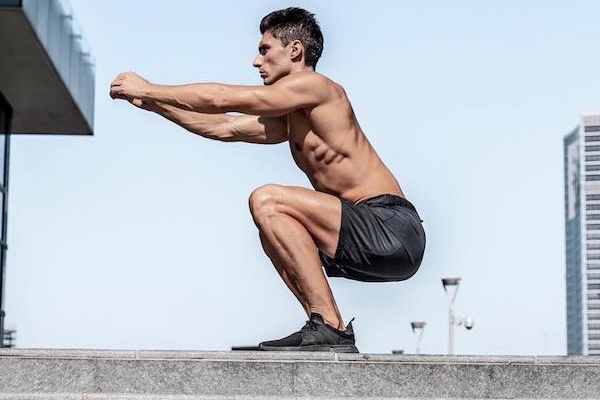
(Photo courtesy of Barry’s Bootcamp)
Known for a workout that’s military-level tough, but administered by instructors more likely to inspire cries of victory than tears of regret, Barry’s is a true local success story. Founded in West Hollywood in 1998, its strength and cardio interval fitness experience provides an immersive, high-intensity, one-hour workout that’s fun and effective.
BEST GROCERY STORE
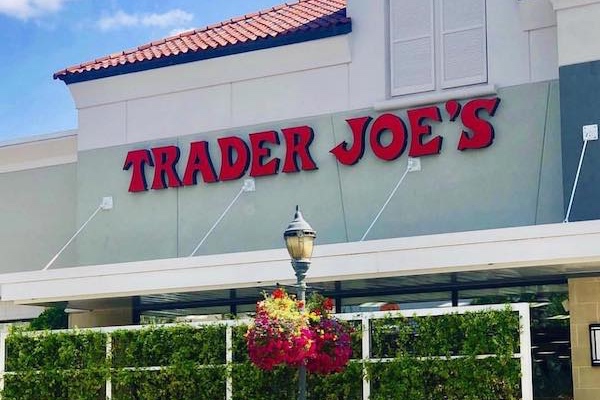
Trader Joe’s (Photo courtesy of Trader Joe’s)
Fast service and friendly faces at the checkout make those long lines at Trader Joe’s well worth the wait — but it’s the tempting free samples and addictive signature products that explain the chain’s loyal following. As for their win in this category, certain elements of the Los Angeles Blade staff wholeheartedly agree with our readers, having succumbed on many occasions to the sweet siren call of those Milk Chocolate Macadamia Nut Laceys Cookies. Not a cookie person? They’ve got a cake or a pie for that.
(Photo courtesty of Gelson’s Market)
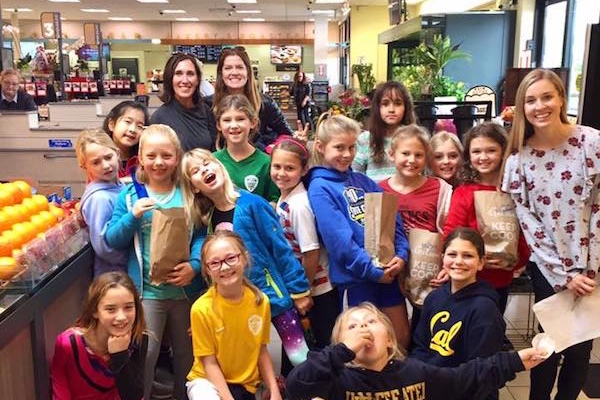
Our readers’ love for Gelson’s is real, although it’s worth noting that Martin Sheen, as fictional character Robert, gives a shout out to the superiority of their rotisserie chicken, in the latest season of “Grace and Frankie.” Granted, he shops in San Diego — but whether it’s the meat, seafood, wine, or deli selections, consistency is a hallmark of this national chain. So, Los Angeles, the compliment applies.
BEST LGBT SPORTS LEAGUE
(Photo courtesy of Gay Varsity League)
California’s largest LGBT Recreational Sports league welcomes and unites all, regardless of sexuality, gender identity or athletic ability. There are no try-outs, and attendance at practices, although certainly encouraged, is not mandatory. Even the dress code is casual. Yes, you’ll look good in VGL Apparel, but rocking your favorite comfortable clothes is not a scandal. Just dress to express, park your offensive language on the sidelines, and leave the nudity where it belongs: at home, or in the lobby of your very liberal workplace. Finally, a sports league that not only gets you moving, it totally gets you!
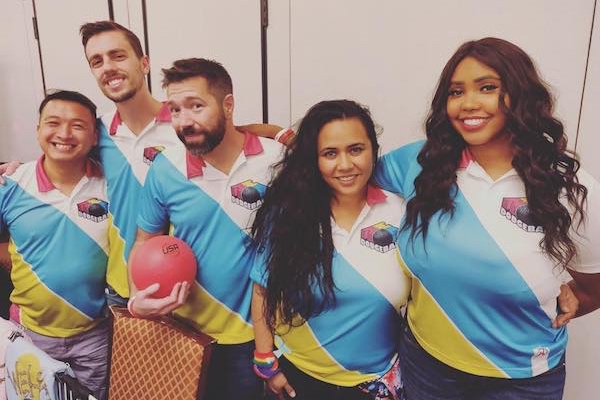
Members of WeHo Dodgeball. (Photo courtesy of WeHo Dodgeball)
Take your gym class trauma and consign it to history. From prom queens to drag queens, you never know who will be on the business end of those soft rubber “no sting” balls that are the humane hallmark of WeHo Dodgeball. Their membership, which numbers in the thousands, is united by a desire to make elimination-based competition fun, party down at GYM Sportsbar after each match-up, and participate in fundraising efforts that benefit local charities.
MOST LGBT-FRIENDLY WORKPLACE
Winner: AIDS Healthcare Foundation
AIDS Healthcare Foundation was started 31 years ago by a handful of friends, who sought to provide AIDS hospice care to predominantly gay men who were being shunned by their employers, landlords, and families. Today, AHF is a $1.5 billion organization serving more than 1 million, 60 thousand patients in 43 countries. “A respect for diversity has been embedded in our DNA since our inception,” says Senior Director of Communications Ged Kenslea, “and that’s reflective in the number of affinity groups we work with, including Impulse United, LOUD, BLACC, FLUX, In The Meantime Men’s Group, and SPARK. In our overseas clinics, we do not import doctors or staff from the U.S. We hire local professionals to manage our sites and facilities, and to treat our patients. So both inside AHF and in our external relations, we listen to, and participate in, the diversity of conversations and life experiences.”
(Photo courtesy of City of West Hollywood)
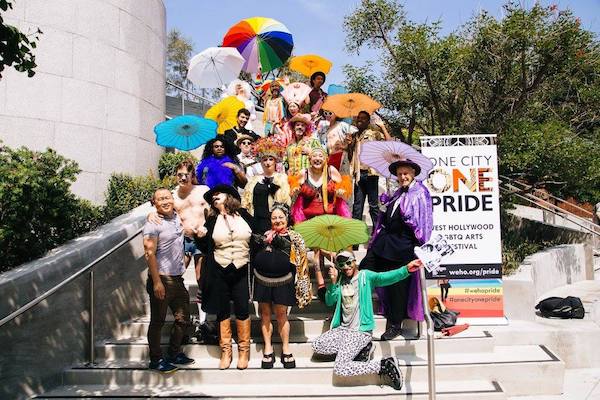
Runner-Up: City of West Hollywood
BEST HAIR SALON
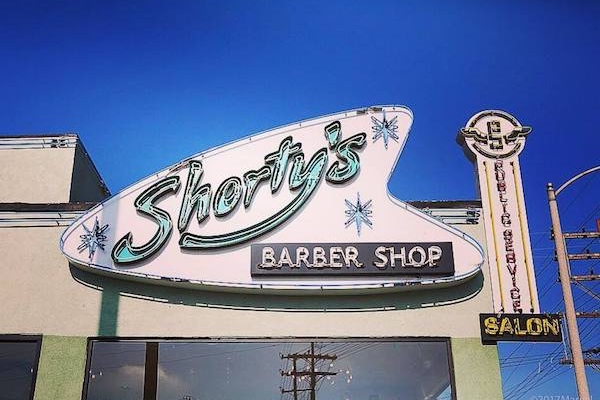
(Photo courtesy of Shorty’s Barber Shop)
Founded by Chris Bair in 1999, with only four chairs, Shorty’s Barber Shop now boasts 26, along with a staff whose diversity mirrors that of the community they love. “When you walk in,” Bair notes, “there’s always somebody you can connect with, who will make you feel comfortable.” And when you walk out with some merch (the styling putty and soy paste are customer favorites), you can feel good about that, too. All of their products are ethically created, and never tested on animals. Besides the perfect cut, Shorty’s also puts a premium on giving back, by working with the likes of Concrete Hero, AIDS Project Los Angeles, and the Los Angeles LGBT Center.
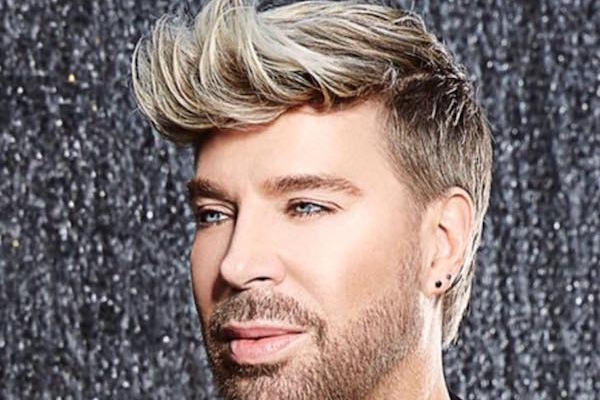
(Photo courtesy of Chaz Dean Studio)
Chaz Dean Studio prides itself on capturing the essence of its clients, by helping them create a look that feels authentic, yet also reveals a side of them that they have never seen. The stylists, all experts at cut and color, are able to achieve your goal without heat or chemical damage. Best of all, the look you walk out the door with will be easily maintained at home.
BEST DANCE PARTY
Winner: Salvation Saturdays at The Abbey
Whether you’re at The Abbey for a liquid pick-me-up, going there to pick somebody up, or just getting picked up (it’s a massively popular Uber and Lyft drop-off/pick-up point), Salvation Saturdays is a must, for anyone cruising their way through Boystown. Dance floor bottle service, go-go dancers who identify as male, female, or somewhere in-between, and beat-keepers hand-picked by resident DJ Dawna Montell whip the welcoming crowd into a fabulous frenzy. A team dedicated to maintaining the multimillion-dollar lighting and sound system make sure the gyrating guest next to you isn’t the only source of quality stimulation.
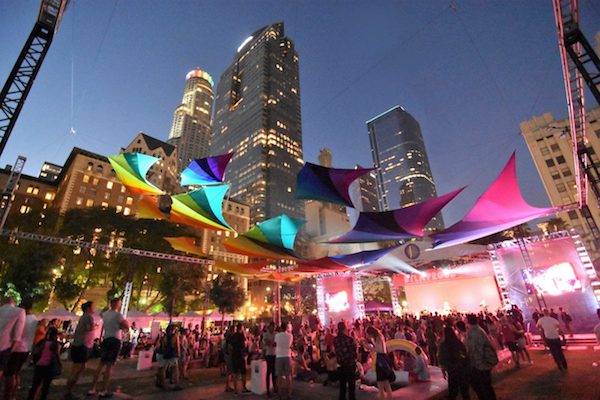
(Photo courtesy of DTLA Proud)
DTLA Proud’s mission is to strengthen and empower the local LGBTQ and ally community in Downtown Los Angeles through visibility, volunteerism, partnerships and events — and what better way to be visible than by getting your groove on, at the festival’s popular pop-up water park? Nightlife promoters were part of the team that founded DTLA Proud, and have worked hard to ensure their DJs are drawn from a diverse lineup of musical styles and identity spectrums.
BEST BARTENDER
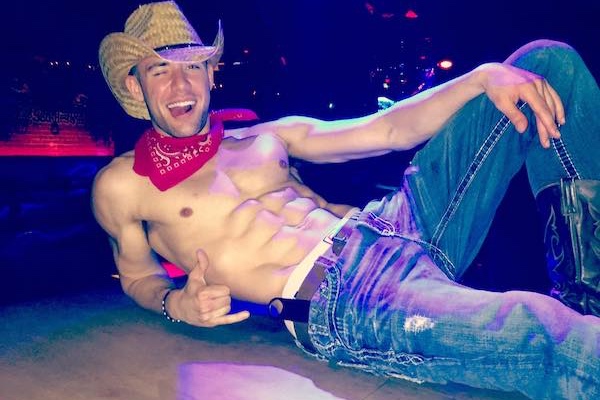
Tyler Booth (Photo courtesy of Booth)
Winner: Tyler Booth
There’s nothing down low about the moves Tyler Booth busts, when he two-steps from behind the bar to entertain the crowd, in full-on “do-si-do” mode. Self-described, and confirmed by our voters, as “an awesome dude,” Booth is an actor whose charm and skills are definitely not the stuff of some fictional role. Buoyed by Flaming Saddles owners Chris Barnes and Jacqui Squatriglia to up country western’s queer quotient, this buff bartender is a tall drink of water, who knows how to authoritatively snap the cap off a brewsky, or mix a cocktail with tender loving care.
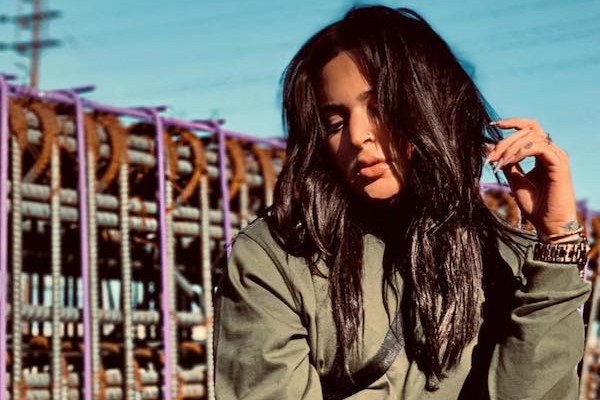
Kimber Bering (Photo courtesy of Bering)
Runner-Up: Kimber Bering
Known for spiking the drinks she serves at The Abbey with words of encouragement that deliver a sense of intoxication all their own, Kimber Bering created some of the menu’s signature cocktails — including, as a tribute to Prince, The Paisley Peach. As local winner of the Stoli Key West Cocktail Classic, she represented LA in 2016, and has gone on to judge that competition. Bering performs around town, and can be found on Spotify, as “Kimber Chronic.”
BEST STRAIGHT ALLY
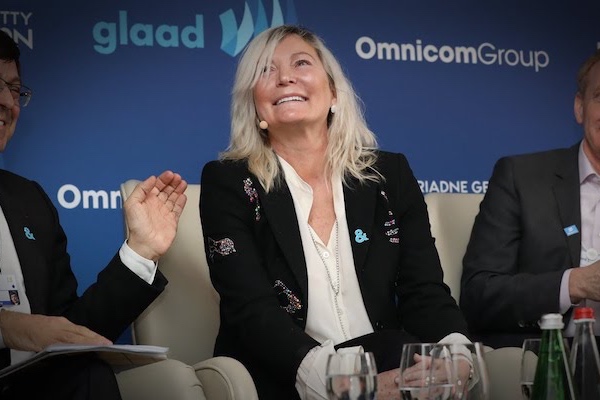
Ariadne Getty (Photo courtesy of Getty)
Winner: Ariadne Getty
Ariadne Getty has described herself as an “introvert” — but her public work paints a different picture, one of a determined, tireless, and engaged activist working to make a better world for her two gay adult children and LGBTQ youth all over the globe. As President and Executive Director of the Ariadne Getty Foundation, last year she pledged $15 million to launch the GLAAD Media Institute, which brings advocacy trainings to national and international LGBTQ organizations. She also pledged $2 million to help build the LA LGBT Center’s Anita May Rosenstein Campus, which will host more than 100 new beds and apartments for LGBTQ youth and seniors. Earlier this week, she made sure LGBTQ issues were center stage, during the World Economic Forum in Davos, Switzerland, an annual meeting of world leaders. The Ariadne Getty Foundation hosted LGBTQ-focused events showcasing global CEOs and LGBTQ activists calling for positive change. She also appeared on several panels, speaking about the urgent need for LGBTQ acceptance. She is a recent addition to the Gay Men’s Chorus of LA board of directors, the recipient of the Los Angeles LGBT Center Vanguard Award, and the namesake of GLAAD’s newly launched Ariadne Getty Ally Award. Getty’s recognition by the Los Angeles Blade as “Best Straight Ally” is proof our readers are anything but reserved, in their appreciation of this introvert’s empowering words and deeds.
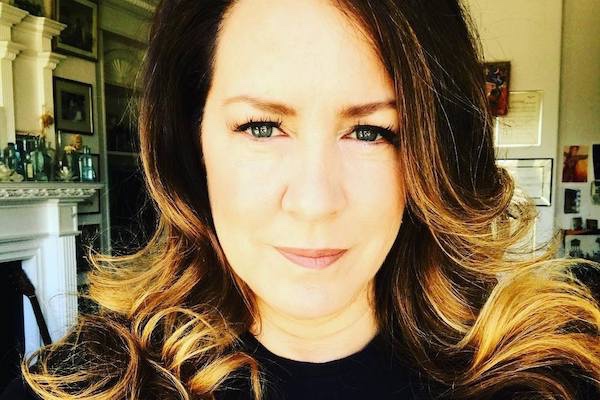
Joely Fisher (Photo courtesy of Fisher)
Runner-Up: Joely Fisher
With great comedic timing and a glint in her eye that makes even the most lavender-leaning guy think fondly of the road not taken, LGBTQs, and anyone high up on the human decency spectrum, admire this awesome ally’s longtime labors on behalf of the community, whether through public declarations of support, personal friendships, or the roles she chooses to accept.
BEST NEIGHBORHOOD BAR
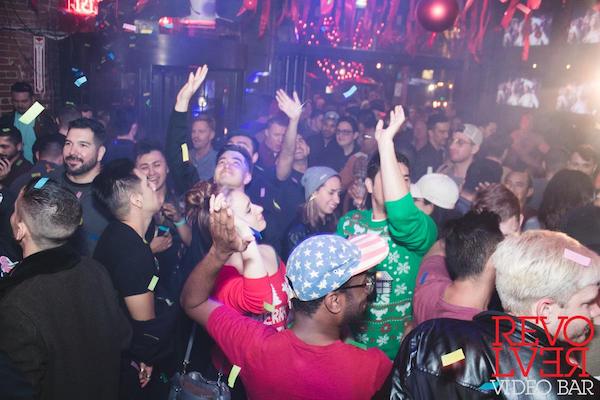
(Photo courtesy of Revolver Video Bar)
Gay-owned and operated, Revolver Video Bar has been a West Hollywood staple worth stampeding to for more than 30 years — and not just because of the buzz created by their $2 tequila and vodka drinks, 3-9 p.m., on Saturdays and Sundays, respectively. Karaoke and drag shows cast their spell on customers, while live DJs and go-go dancers turn up the heat on already smoking-hot cruisers and boozers.
(Photo courtesy of Hamburger Mary’s)
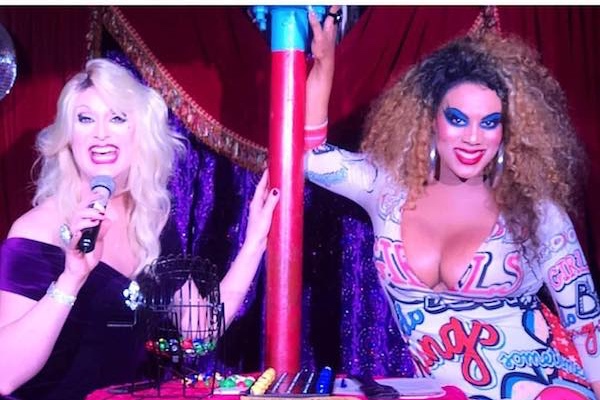
There’s no beef to be had with Hamburger Mary’s WeHo, whose generous menu of drag entertainment makes everything between the buns all more fun to gobble up. And you can feel good about losing your shirt at Drag Queen Bingo: Besides basking in the glory of rotating hosts Roxy Wood, Willam, and Calpernia Addams, all proceeds go to charity.
BEST NON-PROFIT
(Photo courtesy of Project Angel Food)
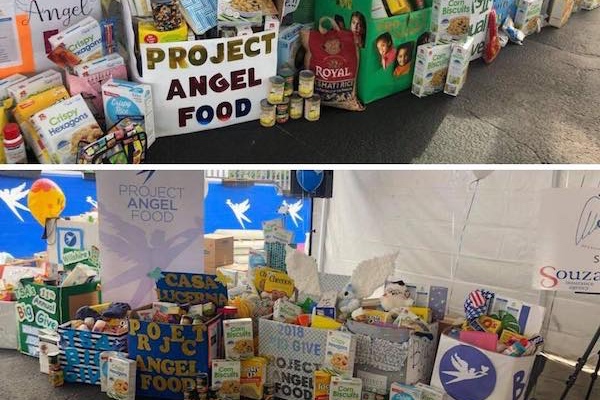
Man cannot live by bread alone — but for those impacted by life-threatening illnesses, the more than 11,000 free meals cooked and delivered every week by Project Angel Food feeds their nutritional needs, while bringing comfort and hope into their homes. In addition to this service, Project Angel Food provides nutritional counseling, to ensure those in Los Angeles County struggling with illness will not be burdened by hunger and malnutrition. “A world where every sick person is fed, nourished, and loved” is their vision, backed by the core values of empathy, integrity, inclusiveness, and joy.
(Photo courtesy of Los Angeles LGBT Center)
Runner-Up: The Los Angeles LGBT Center
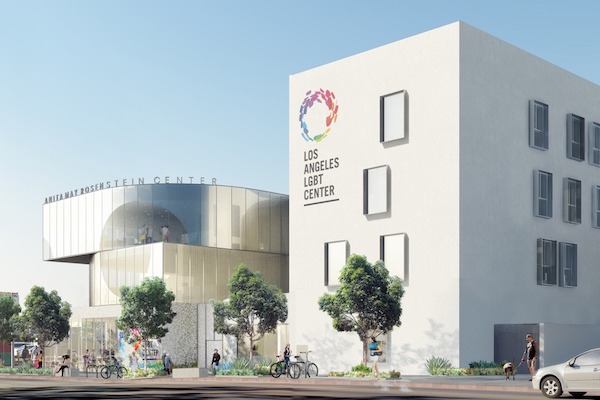
Every year, more than half a million people representing the full diversity of the community access their free or low-cost programs, in the areas of Health, Social Services and Housing, Culture and Education, and Leadership and Advocacy. Looking fit and feeling fierce at age 50, the Center is steadfast in its mission to fight against bigotry, while building a better world, and is always ready to welcome new guests and volunteers — or have you help spread their message of love, by scoring some sweet swag from their online store.
BEST DJ
DJ Morningstar (Photo courtesy of DJ Morningstar)
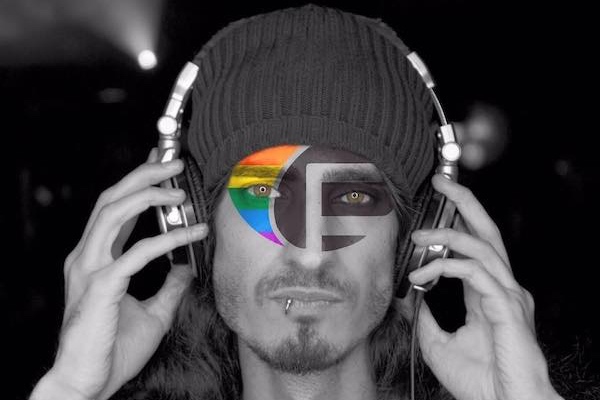
You get back what you give, as demonstrated by the winner in our Best DJ category. Describing the vibe at the LGBT clubs he plays as consistently “fun, freeing, energetic, friendly, and loving,” DJ Morningstar (Kian Amiri) says the gay community “essentially saved my life,” by making him feel valued, and supporting the liberal ideology he embraces. Pride events are among DJ Morningstar’s favorite gigs, and a chance to deliver what the people want: “A big, booming, female voice; powerful soul on top of an energetic dance beat.” The gay community, “is always on the right side of history, no matter the cause,” he says, which allows him to be “unapologetically outspoken” without “worrying about repercussions, as you would at straight, corporate clubs.”
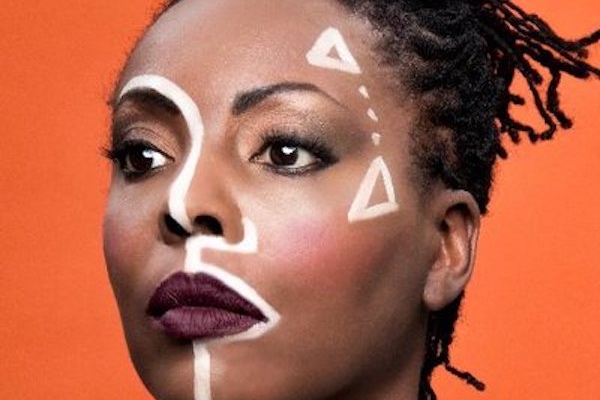
DJ Asha (Photo courtesy of DJ Asha)
“I think these are very special places to DJ,” says DJ Asha, of her work at LGBT venues, including Micky’s and Beaches. “People need a safe space, a place,” she noted, “where they can be free to express themselves, make friends, look for love, hook up, or whatever.” The open-format DJ, who hosted LA Pride six times, is not locked down to a specific genre — so you’ll always hear a variety of sounds, within one set, no matter what crowd she’s playing to.
BEST LGBT RED CARPET EVENT
The world’s largest LGBTQ media advocacy organization, every year at the Beverly Hilton Hotel in Los Angeles holds a dynamic red carpet that draws some of Hollywood’s most iconic celebrities in support of equality. One reader posted, “it rivals the Golden Globes and it’s held in the same room.” J- Lo, Leo, Taylor, Mary J., Britney, Cher, Madonna, just to drop a few names, have posed and mingled with our community, joining with GLAAD to protect all that has been accomplished and to creates a world where everyone can live the life they love.
(Photo courtesy of OUTFEST)
Over the past three decades, OUTFEST has showcased thousands of films from around the world, educated and mentored hundreds of emerging filmmakers and protected more than 20,000 LGBTQ films and videos. The red carpet rocks with glam poses, celebs and future celebs. OUTFEST has become one of Hollywood’s most important film marketplaces.
BEST ALTERNATIVE TRANSPORTATION
(Logo courtesy of Lyft)
We all love a good pick-up app. How about a Lyft? The more politically correct of the two major ride-sharing services, Lyft has 100 percent, 24-hour coverage of Los Angeles and you can be on your way to anywhere in just a few minutes. Just open the app and you’re almost there, whether you need a luxury ride or one to carry the whole gang. Lyft is rated 4.8 out of 5 stars but Los Angeles Blade readers give it 5 stars.

(Logo courtesy of Uber)
Runner-Up: UBER
Uber is everywhere too and when it was first launched it had the feel of a truly luxurious chauffeur service. The shine is still there and many people still prefer it.
BEST PET BUSINESS OR VET
(Photo courtesy of West Hollywood Animal Hospital)
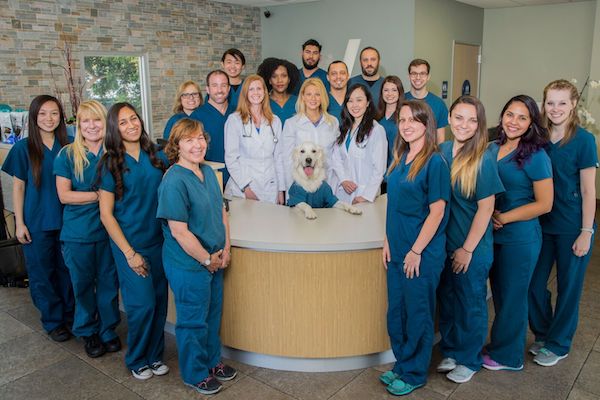
Winner: West Hollywood Animal Hospital
The go-to vet practice of many people in West Hollywood because it offers modern full-service Veterinary services every day. It has a hometown feel; it’s founder Dr. Monica Revel, DVM, was born and raised within one mile of its location and it shows. Pet lovers come from around SOCAL like a return home: “I wouldn’t take Max anywhere else unless it’s an emergency and we live in Laguna where we relocated 4 years ago from Beverly Hills. (9000 N Santa Monica Blvd, West Hollywood, CA 90069)
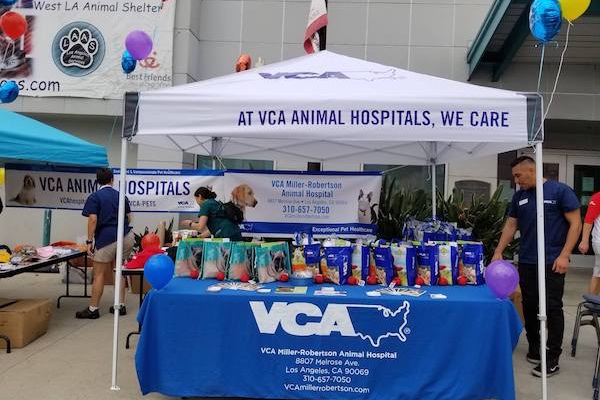
(Photo courtesy of VCA-Miller-Robertson Animal Hospital )
Runner-Up: VCA-Miller-Robertson Animal Hospital
Home to Dr. Mark Nunez, last year’s winner in this category. Full disclosure: Dr. Nunez is the primary care doctor for our publisher’s senior dog, Lilly. “Mark is always fully engaged and he listens without judgment and corrects without scorn,” said one commenter. (8807 Melrose Ave, Los Angeles, CA 90069)
BEST LGBT SOCIAL GROUP (TIE)
Winner: PRIDE RECOVERY LA
Provides addiction treatment for the LGBT community, through LGBT-affirmative therapy, group and individual therapy, and psychiatric care, but it’s their after care and support program that one reader cited as the reason they are a winner: “They are my family,” the reader posted, “I can always go home and know I will be OK.” (8300 Melrose Ave, West Hollywood, CA 90048)
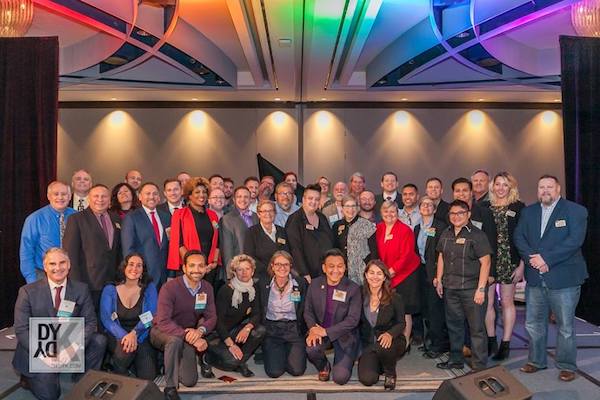
(Photo courtesy of Los Angeles Gay and Lesbian Chamber of Commerce)
Winner: Los Angeles Gay and Lesbian Chamber of Commerce
LAGLCC describes itself as “the premier advocate of the Los Angeles Lesbian, Gay, Bisexual and Transgender business community, representing hundreds of businesses, advancing common business interests, economic growth, and equality in the workplace and society for its LGBTQ members, businesses, and allies by providing educational, networking, and community building opportunities.” The group’s monthly mixer functions are must-attend features of the local social scene.
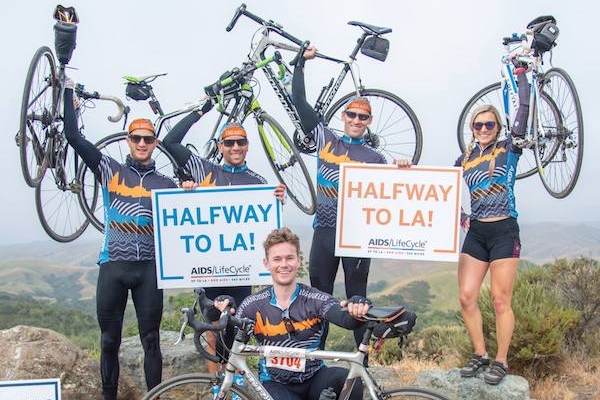
(Photo courtesy of AIDS Lifecycle)
Runner-Up: AIDS LIFECYCLE
For many people the fundraising marketing that precedes the 545-mile San Francisco to Los Angeles bike ride is about much more than AIDS; it’s about family and community at its very best. Not only do you get to pedal forward in life, you get to ask people to pay it forward. AIDS Life Cycle represents our community at its very best.
BEST PLACE TO LIVE
There’s just no place like it. What can we say? A lot, actually. The little town of 39,000 residents remains Los Angeles’ hottest destination for the entertainment industry with its boutique hotels, celebrity-owned restaurants, unparalleled nightlife and shopping and world-renowned events like the HBO Emmy Party, Sir Elton John’s Annual Oscar Party, LA PRIDE and the West Hollywood Halloween Carnaval, the largest Halloween street party in the world. West Hollywood continues to set the standard for progressive, creative individuals on the cutting edge of trends and new ideas, working together as a community in one of the most exciting destinations in the country. And it is home to one of the largest concentrations of LGBT people in the world.
At the other end of the rainbow is Beverly Hills, pot of gold included. It’s an aspirational town for sure and there are more Mazarattis, Rolls Royces and Bentleys sold here than anywhere in the world. It’s quiet, sequestered, manicured and intensely beautiful and the perfect place for wealthy LGBT families. And there are many. It’s where West Hollywood gets its water supply as they are always reminding.
BEST HOTEL
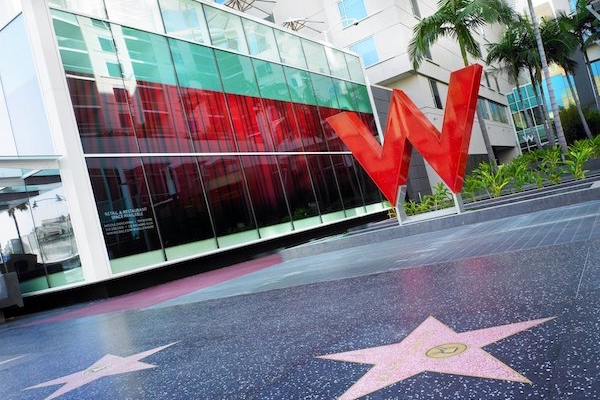
(Photo courtesy of W Hollywood)
Winner: W Hollywood
It seems Los Angeles Blade readers know a thing or two when it comes to family and friends from out of town: they all want to experience Hollywood. It’s perfectly located, giving easy access to Universal, DTLA, Pasadena, all points west. And while you’re family is visiting, you and your friends can visit one of the best pools in town as a bonus. (6250 Hollywood Blvd, Hollywood, CA 90028)
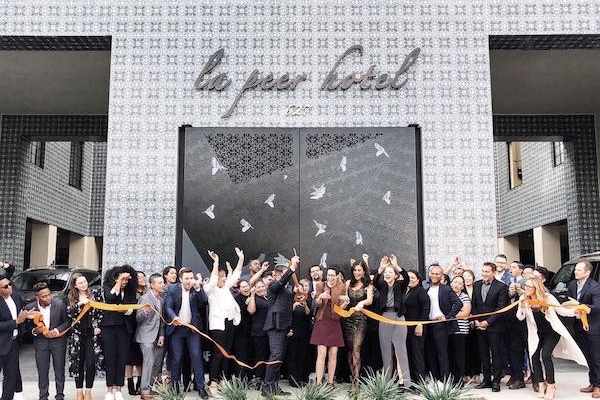
(Photo courtesy of Kimpton La Peer)
Runner-Up: Kimpton La Peer
“Imagine a space where art, music, fashion, poetry, film and architecture intertwine to a cacophony of spatial harmony,” says Icelandic-born, Los Angeles-based cutting edge designer Gulla Jónsdóttir, of the new Kimpton La Peer. Consider it for a weekend staycation for you and your honey. (627 N La Peer Dr, West Hollywood, CA 90069)
BEST DOCTOR/MEDICAL PROVIDER
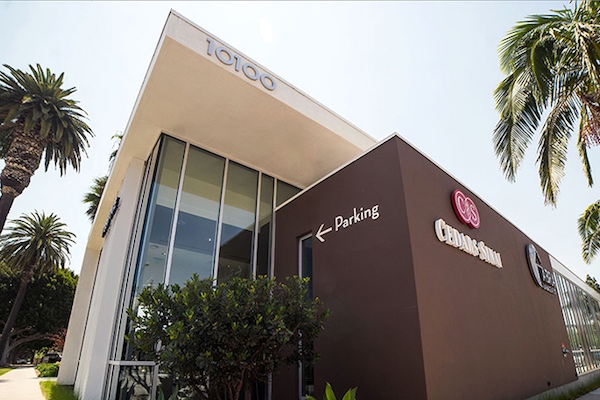
(Photo courtesy of Cedars Sinai)
Winner: Cedars Sinai Urgent Care
One of the world’s best hospitals, not surprisingly, also runs the best Urgent Care locations in the nation. Cedars-Sinai’s urgent care facility in Beverly Hills keeps extended hours seven days a week, providing immediate healthcare needs that are not life-threatening. You’ll walk in and find expedited service from some of the world’s best doctors. (8501 Wilshire Blvd #150, Beverly Hills, CA 90211)
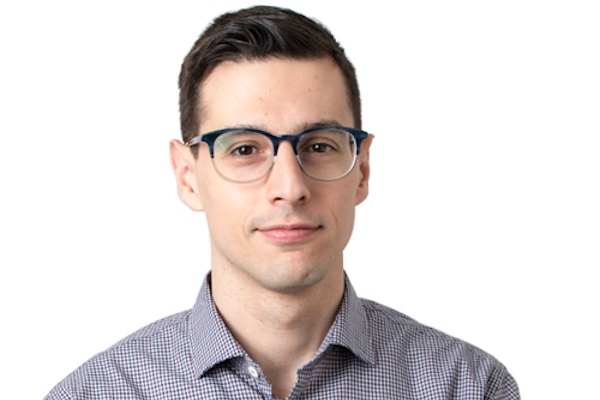
Dr. David Alajajian. (Photo courtesy of Pacific Oaks Medical Group)
Runner-Up: Pacific Oaks Medical Group
One of the earliest responders during the AIDS crisis, Pacific Oaks Medical Group is a leading community provider of medical care to our diverse community. And the group’s recent addition of Dr. David Alajajian is apparently a big hit with our readers. (150 N Robertson Blvd #300, Beverly Hills, CA 90211)
BEST CAR DEALERSHIP
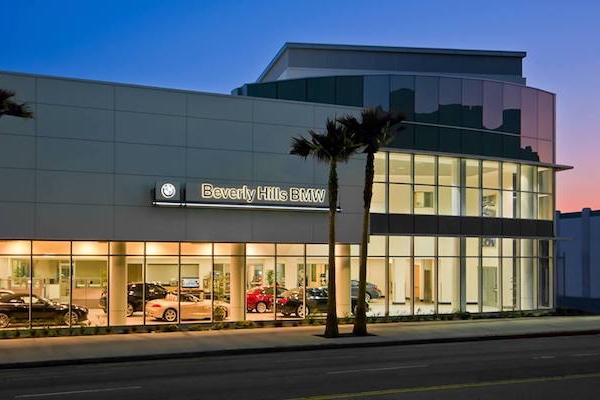
(Photo courtesy of Beverly Hills BMW)
Winner: Beverly Hills BMW
This dealership is located on Wilshire just east of La Brea, displaced from Beverly Hills during construction of the Purple line, but it remains the go-to BMW dealership for many of West Hollywood and Beverly Hills’ BMW owners. The immaculate shop runs like clockwork and there’s never a wait. Last year at SUR, they delivered $200,000 worth of cars and leather jackets to our Best Of awards. Our readers apparently have not forgotten. (5070 Wilshire Blvd, Los Angeles, CA 90036)
Runner-Up: Mercedes Beverly Hills
Mercedes is the most popular luxury brand in the several zip codes surrounding West Hollywood and 9 out of 10 local owners work with Mercedes of Beverly Hills to keep their cars current and in top condition. (9250 Beverly Blvd, Beverly Hills, CA 90210)
BEST PRO LOCAL ATHLETE
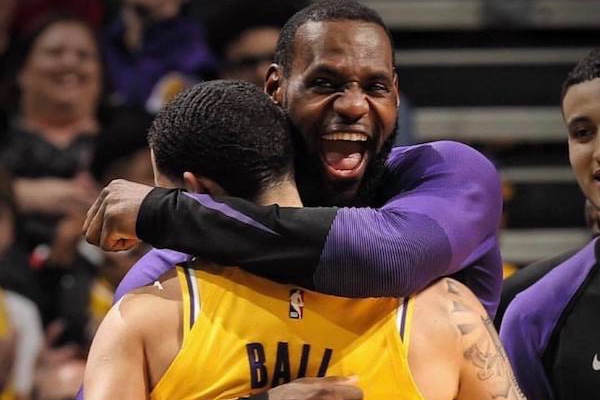
LeBron James. (Photo courtesy of James)
Winner: LeBron James
LeBron and the Lakers are both reader favorites. Our readers were over the moon about his decision to join the ranks of prominent Angeleno sports stars when he moved west from Cleveland. One reader wrote: “LeBron is almost as magic as Magic and I admire him for taking a pioneering stand for people of color and justice.” His solidarity with Colin Kaepernick resonated with our readers as a fitting addition to the ever progressive Lakers, just after the team’s first ever LGBT night.
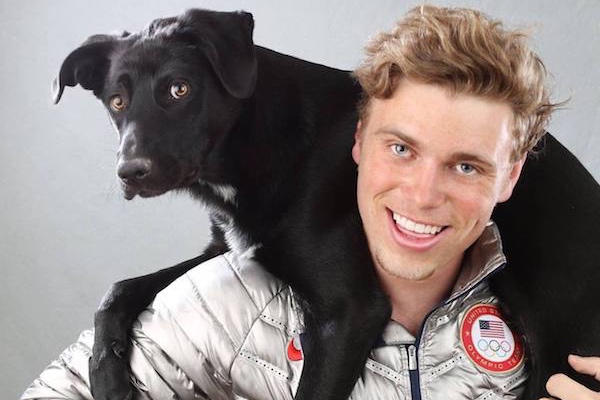
Gus Kenworthy. (Photo courtesy of Kenworthy)
Runner-Up: Gus Kenworthy
Since the Seoul winter games everyone has been in love with Gus and his sexy Instagram and love of dogs. Who wouldn’t want to be loved by Gus? Sorry Adam, we love you too but, hey.
BEST PUBLIC OFFICIAL
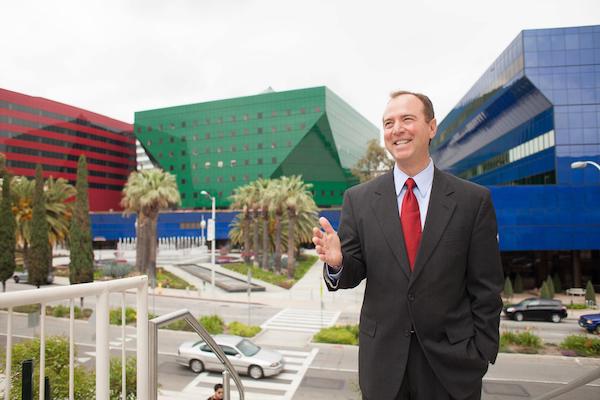
Adam Schiff (Photo courtesy of Schiff)
Winner: Adam Schiff
No congressman has been more consistent in his criticism of Donald Trump than congressman Adam Schiff, the U.S. Representative for California’s 28th congressional district since 2013. With the Dems now in majority control of the House, Shiff wields significant power over the fate of Trump as House Intelligence Committee chairman. On LGBT issues he bats 1,000 and in our estimation he’s a smart man, an avid reader of the Los Angeles Blade’s Karen Ocamb.
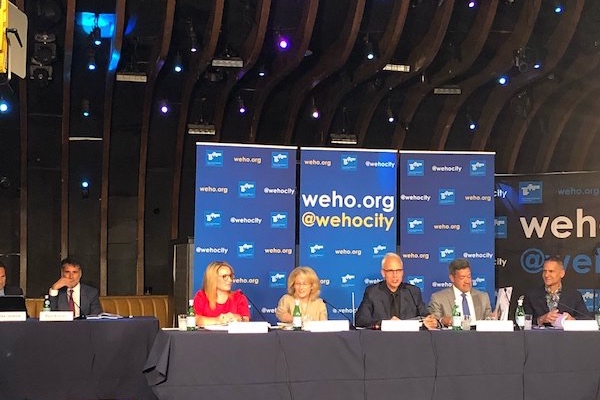
(Photo courtesy of West Hollywood City Council)
Runner-Up: West Hollywood City Council
A uniformly progressive city council comprised of longtime gay rights activists, advocates and allies of the LGBT community. Mayor John Duran, Mayor Pro Tempore John D’Amico and Council members Lindsey Horvath, Lauren Meister and John Heilman are known for fast-acting government responsiveness and well attended, well-run meetings. The city ranks among the best-run local governments in America.
BEST HOUSE OF WORSHIP
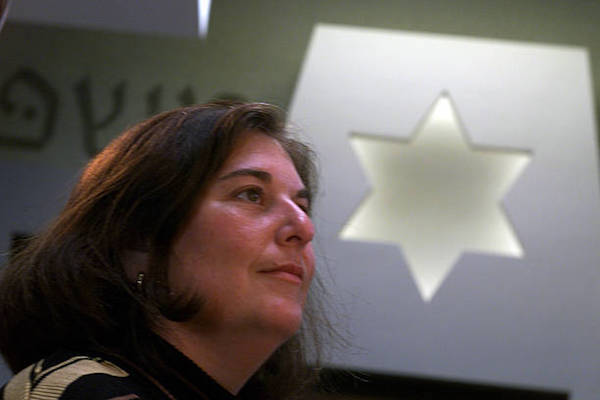
(Photo by Annie Wells/Los Angeles Times via Getty Images. Courtesy of Kol Ami)
Winner: Congregation Kol Ami
Since its founding in 1992, Kol Ami has become an important leader in the Jewish, LGBTQ and West Hollywood communities. Kol Ami’s commitment to progressive spirituality, diversity, inclusion and social justice is celebrated nationwide. It is known for being innovative while remaining rooted in Jewish tradition and practice. Rabi Denise L. Egers broke barriers to create a more inclusive Reform movement that has resulted in more LGBTQ inclusion at Synagogues worldwide. (1200 N La Brea Ave, West Hollywood, CA 90038)
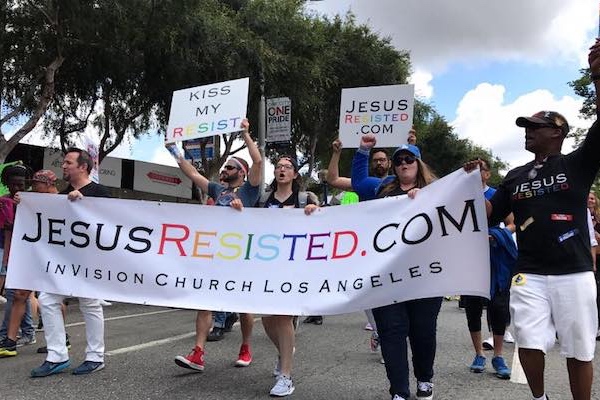
(Photo courtesy of InVision Church)
Runner-Up: InVision Church
Since MCC left West Hollywood about a decade ago, there has been no LGBT specific Christian Church service in the area but that changed when pastor Josh Johnson brought his spirited Invision Church to WeHo. In services held every Sunday at the Sunset Strip’s famed Viper Room, Invision gives the LGBTQ community its own down home, rollicking and near evangelical place of worship. (8852 Sunset Blvd, West Hollywood, CA 90069)
BEST LGBT BUSINESS
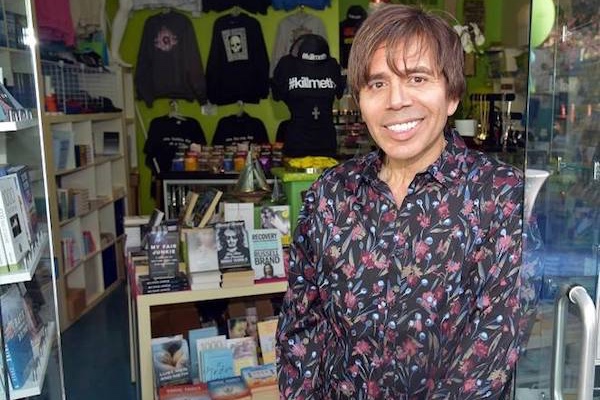
(Photo courtesy of My 12 Step Store)
Winner: My 12 Step Store
RJ is widely considered to be one of the hardest working people in the sobriety community, not above working the register, helping customers select gifts for their loved ones, or packing items he ships out to customers around the world. My 12 Step Store is an exceptional and rare model of service to the LGBTQ community, part community center and part business, selling inspirational and motivational sobriety themed gifts. My 12 Step Stores sober mixers are one of the most popular events on the mix and mingle calendar. (8730 Santa Monica Blvd B, West Hollywood, CA 90069)
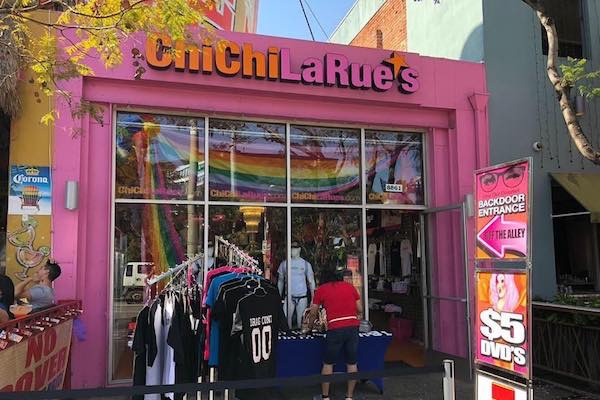
(Photo courtesy of Chi Chi LaRue’s)
From the bright pink exterior to the exclusive state-of-the-art merchandise and apparel inside, Chi Chi LaRue’s stands out, loud and proud, as West Hollywood’s only gay-owned and operated adult boutique. (8861 Santa Monica Blvd, West Hollywood, CA 90069)
BEST COFFEE SHOP
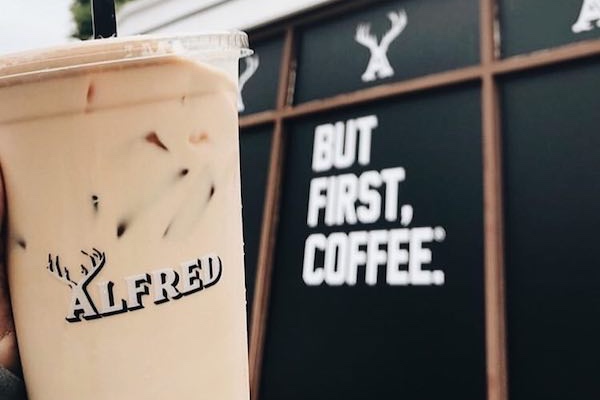
(Photo courtesy of Alfred’s Coffee Melrose Place)
Winner: Alfred’s Coffee Melrose Place
It’s like a very intentional selfie. It’s a little embarrassing how indulgent and fun it is, this coffee shop where everyone is drop dead gorgeous but somehow it’s still all about the coffee. You’ll find it in the heart of LA’s trendiest retail destination, proudly brewing Stumptown Coffee Roasters. (8428 Melrose Place, Los Angeles, CA 90069)
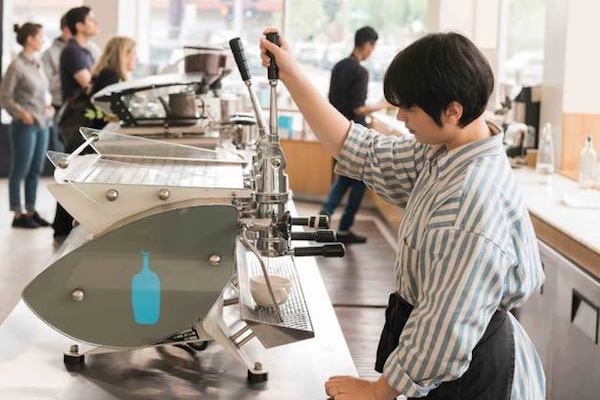
(Photo courtesy of Blue Bottle Coffee)
Runner-Up: Blue Bottle Coffee
They seem to be popping up everywhere, this one part Oakland, one part LA coffee house is not cheap but it is certainly delicious. (8301 Beverly Blvd, Los Angeles, CA 90048)
BEST LOCAL BREWERY
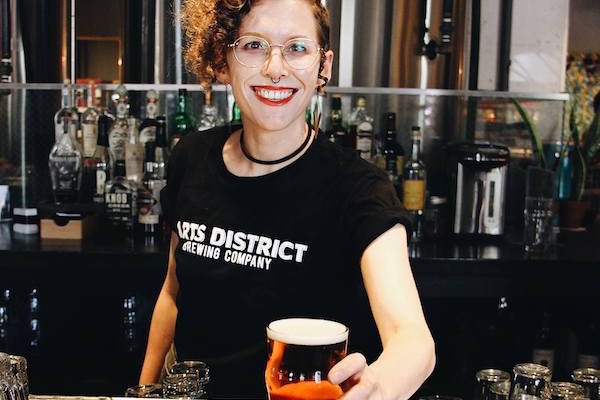
(Photo courtesy of Arts District Brewing Company)
Winner: Arts District Brewing Company
One of Los Angeles’ few craft brewpubs, opened December 2015 in Downtown LA’s historic Arts District. With an on-site, 15-barrel brewhouse capable of producing 3,300 barrels of beer each year, Arts District Brewing Company debuted with nine original beers and now offers 30+ all brewed on-site. Enjoy an entertainment area with a photo booth and multiple classic bar games available, including pinball and Skeeball machines. (828 Traction Ave, Los Angeles, CA 90013)
Runner-Up: Santa Monica Brew Works
Just a group of guys who share a mad love for great beer and the City Of Santa Monica. The brewery’s “Beach Brewed” philosophy is said to embody “the spirit of the world-renowned Santa Monica lifestyle. (1920 Colorado Ave C, Santa Monica, CA 90404)
BEST RESTAURANT
(Photo courtesy of Tortilla Republic)
Winner: Tortilla Republic
It’s Viva Mexico at its very finest. Every bite will have you saying “F*uck Trump and his crazy wall” because the best food in the world comes from our neighbor to the south. It’s a Los Angeles Blade favorite. (616 N Robertson Blvd, West Hollywood, CA 90069)
(Photo courtesy of Bottega Louie)
Runner-Up: Bottega Louie
Get ready WeHo! The Gourmet Market, Patisserie & Café located in downtown Los Angeles will soon open on Santa Monica Boulevard and life will never be the same. (700 S Grand Ave, Los Angeles, CA 90017)
BEST CHEF
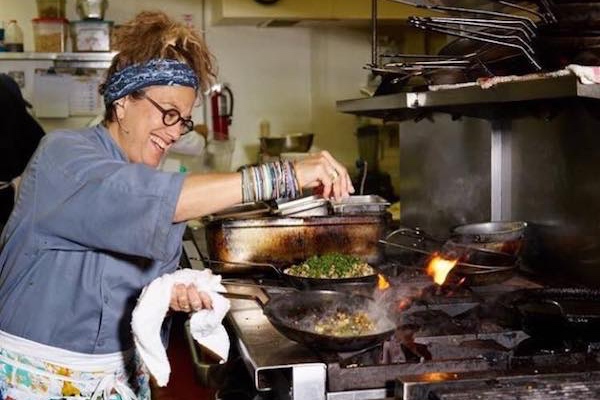
Susan Feniger (Photo courtesy of Feniger)
Winner: Susan Feniger, Border Grill
Iconic culinarian, author, and entrepreneur Feniger has been helping to define the culinary landscape of Los Angeles since 1981. She’s opened a host of successful restaurants, but Border Grill remains her crowning achievement. Opened with co-chef and business partner Mary Sue Milliken in 1985, its modern, street-food-inspired Mexican cuisine has been defining the city’s culinary landscape ever since. As if having an iconic LA eatery and being a celebrity chef weren’t enough to make us love her, Susan is also an out and proud member of the community, currently sitting on the board of the Los Angeles LGBT Center.
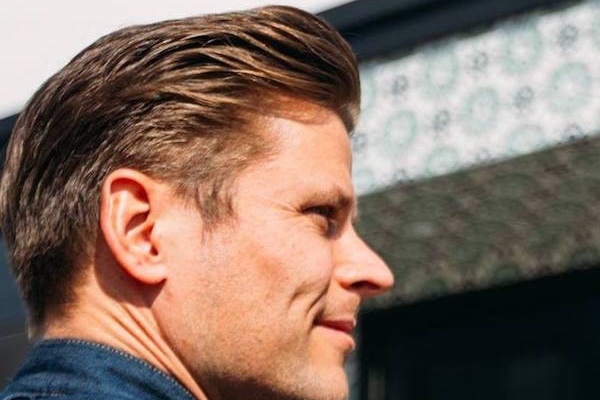
Jon Rollo (Photo courtesy of Rollo)
Runner-up: Jon Rollo, Greenleaf Gourmet Chopshop
Revolutionizing the gourmet fast-casual dining experience the “Commander-in-Leaf” of Greenleaf has always had an appetite for fresh ingredients and living a healthy life – something he embodies with the farm-to-face concept of his restaurant, where he uses local, fresh, natural, organic ingredients to create dishes that are both delicious and wholesome. In his free time, you can find Jon working out at Barry’s Bootcamp, training for a triathlon, and raising his daughter and son with husband, Joey Gonzalez.
BEST LOCAL TV PERSONALITY
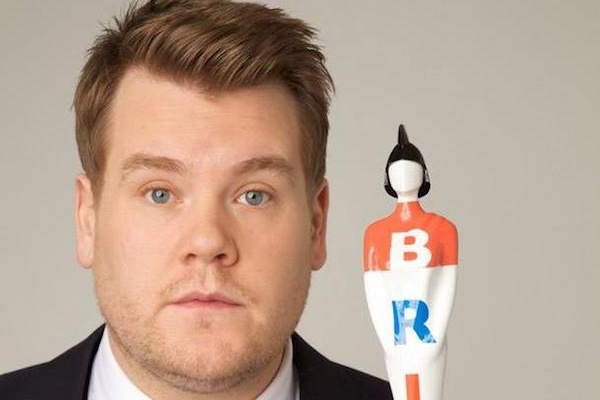
James Corden. (Photo courtesy of Corden)
Winner: James Corden
This Tony-winning actor may be from the other side of the Atlantic, but as the host of “The Late, Late Show,” he’s been regularly taking over the streets of Hollywood to film celebrity flash mobs, musical numbers, and the spectacularly popular “Carpool Karaoke” since 2015 – and that makes him as much an Angeleno as anyone. It’s no wonder we’re proud to lay claim to him; smart, funny, and talented, he’s got a pure love of “show business” that makes his late-night talk show a must-see event for millions. He’s also a strong LGBT ally who uses his public platform to promote LGBT equality – for instance, by performing a song in protest of Trump’s intended trans military ban in 2017.
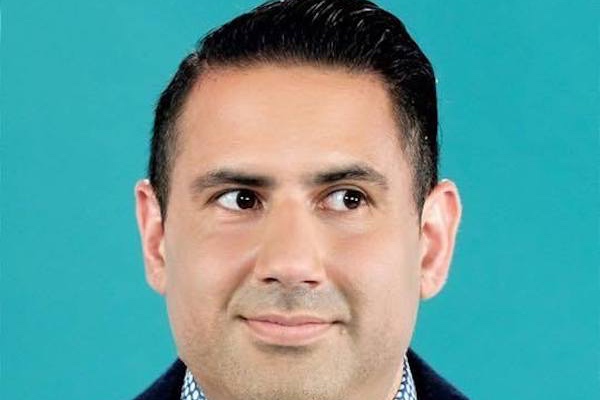
Alexander Rodriguez. (Photo courtesy of Rodriquez)
Runner-up: Alexander Rodriguez
The iHeart radio personality is one-third of the all-gay Latinx panel on “Glitterbomb,” LATV’s explosive pop-culture talk show that offers a queer Latinx perspective on entertainment news. Along with fellow hosts (actor Enrique Sapene and EW senior editor Patrick Gomez), he brings wit, humor, and first-hand experience into the show’s look at Hollywood A-lister life.
BEST MARIJUANA DISPENSARY
(Logo courtesy of MedMen)
Winner: MedMen
Founded in 2010 by Adam Bierman and Andrew Modlin (who are also CEO and president, respectively), this Culver City-based company has grown up to be one of the leaders in the burgeoning legal cannabis industry, dedicated to “writing the book on the modern cannabis industry, from how facilities are designed and constructed to setting the bar on quality and excellence.” They’re also the single largest financial supporter of progressive marijuana laws at local, state, and federal levels. But what’s probably most important to the many satisfied consumers at their elegant boutiques in West Hollywood and Beverly Hills (as well as four other locations in the Los Angeles area) is their philosophy that standards, practices and reputation matter – and the high quality of the product that results from it.
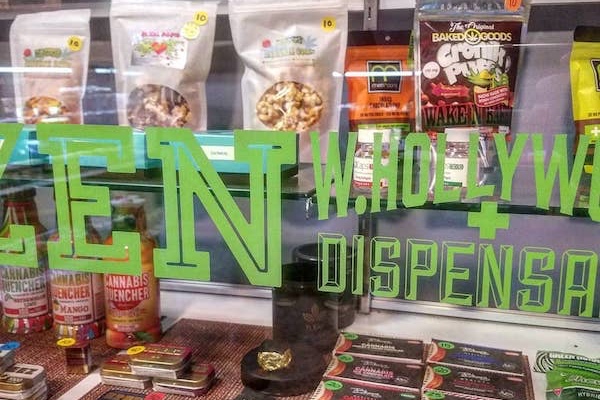
(Photo courtesy of Zen Healing West Hollywood)
Runner-up: Zen Healing West Hollywood
With two locations, this longtime (since 2003) local-fave dispensary scores high Yelp ratings for its outstanding customer service and wide selection. As they say on their website, “Whether you vape, rollup, or use a piece, Zen Healing has a strain for you.”
MOST COMMITTED ACTIVIST
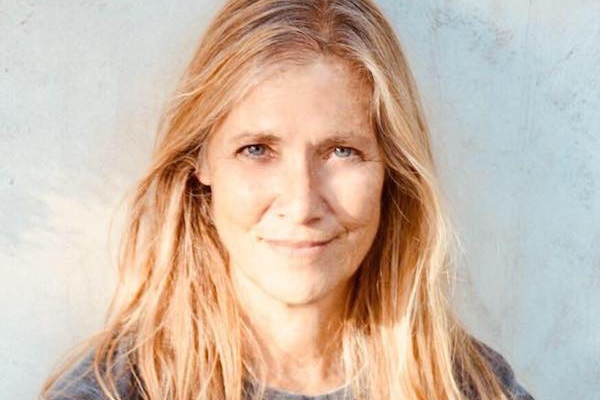
Madonna Cacciatore. (Photo courtesy of Cacciatore)
Winner: Madonna Cacciatore
She moved to LA as an actress, after a regular role on a short-lived TV reboot of “The Fugitive” gave her a taste of Hollywood; but it’s her dedication to another calling that has brought her true prominence in our local community. A longtime LGBT activist, she made a splash in the headlines when the LA Times featured a photo of her holding hands with then-partner (now wife) Robin McWilliams in their cover story on June 26, 2015, when the Obergefell victory made marriage equality the law of the land – but she had already been building her leadership role in the community for years as the director of special events at the Los Angeles LGBT Center. In 2018, she was chosen as the new executive director of Christopher Street West – giving her the opportunity to bring her years of experience to the table as she shepherds the non-profit, which has faced challenges in the last few years, toward the 50th anniversary of LA Pride in 2020.
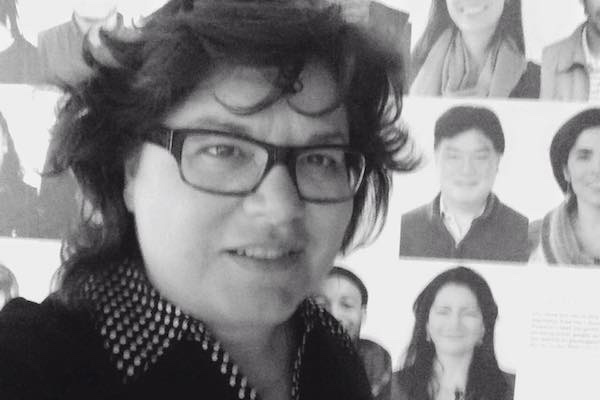
Ari Gutiérrez Arambula. (Photo courtesy of Arambula)
Runner-up: Ari Gutiérrez Arambula
A tireless community leader, Ari is dedicated to increasing support and quality of life for the LGBTQ and gender non-conforming members of the Latinx community and their families – a community for which she has been an advocate for 30 years. She is the founding Advisory Board President of the Latino Equality Alliance, and the co-founder of HONOR PAC, a non-profit organization providing advocacy, leadership development and public education that honors cultural traditions and is accessible to youth and their parents.
BEST LOCAL PRO SPORTS TEAM
Winner: Los Angeles Dodgers
They may have lost the 2018 World Series to the Boston Red Sox, but LA’s “Boys In Blue” will never lose the hearts of the city they’ve called home since 1958. Part of the reason is the team’s determination to connect with the community by embracing diversity. In the words of Erik Braverman, the Dodgers’ vice president for marketing, communications and broadcasting who spoke to the Los Angeles Blade for a 2017 article, “LGBT people are as important to the organization as any other community.” For six consecutive years, the Dodgers have hosted an official LGBT night, and for the past two have made it an official kickoff party for LA Pride.
(Photo courtesy of the Los Angeles Lakers)
Runner-up: Los Angeles Lakers
Just as it is with the Dodgers, love for the Lakers is part of our city’s DNA. In 2018, the basketball organization hosted its own first-ever LGBTQ Pride night, honoring first active openly gay NBA player Jason Collins with the Laces of Unity Award (recognizing individuals in sports who have significantly contributed to the LGBTQ community) and featuring Amanda Palmer, the first female and first openly lesbian referee in NBA history, as the night’s honorary team captain.
BEST HOME FURNISHINGS
(Photo courtesy of Mitchell Gold + Bob Williams)
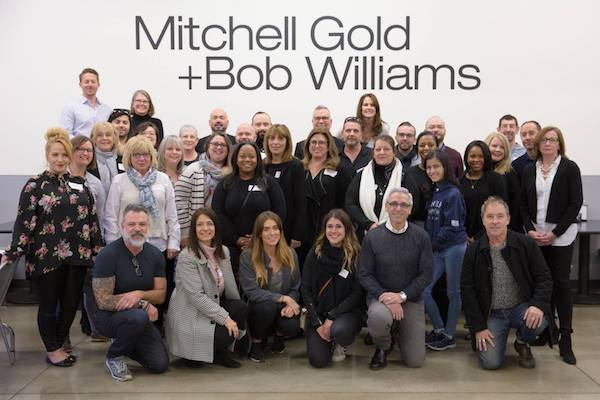
Winner: Mitchell Gold + Bob Williams
Started in North Carolina back in 1989, this elegant furniture company began with the simple idea of providing “comfort for all,” and nearly 30 years later, its signature store in Beverly Hills is a must-visit for any Angeleno with an eye toward decorating their home with stylish and modern home furnishings. In addition, its founders are activists and advocates for the LGBT community – Gold is co-founder of Faith in America, a nonprofit that educates people about the harm religious bigotry causes LGBT Americans that recently merged with the Tyler Clementi Foundation, and has served on the board of HRC for the past seven years, and Williams is known for his philanthropic work for equal rights; together, the men received a Groundbreakers Award from NYC’s Housing Works, dedicated to ending AIDS and homelessness.
(Photo courtesy of Josh Johnson Home)
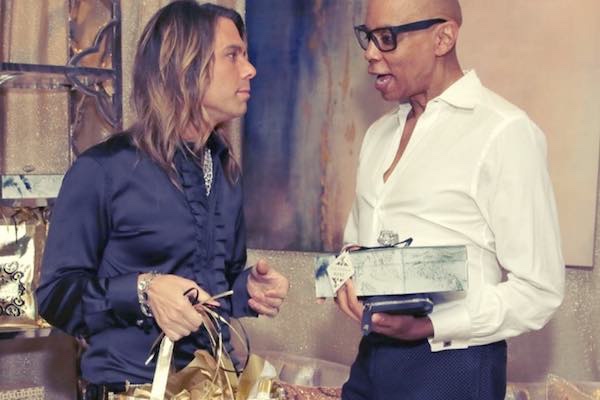
Runner-up: Josh Johnson Home
A Tennessee native who became known as “Sparkle Josh” during his stint in HGTV’s “Design Stars,” this flamboyant celebrity interior designer has a design philosophy of “Livable Luxe,” which he describes as the pairing of affordable elegance with functional practicality, and his status as a celebrity designer has made him a designer to celebrities — or anyone who wants to live like one.
BEST PERFORMING ARTS VENUE
Winner: Walt Disney Concert Hall
This downtown landmark, designed by world-renowned architect Frank Gehry and opened in 2003, is not just part of the Los Angeles Music Center – with its sleek, shining, non-linear design, it’s an icon of urban architecture and a signature LA building, and with its hear-a-pin-drop acoustics, it’s a world-class performance hall. Intended as a gift to the people of Los Angeles by Lillian Disney (widow of Walt), who in 1987 donated $50 million to fund a venue that could serve as a tribute to her late husband’s devotion to the arts and to the city, today it fulfills that purpose by providing a home to the Los Angeles Philharmonic Orchestra and the Los Angeles Master Chorale, as well as by hosting variety of artists and events from around the world.
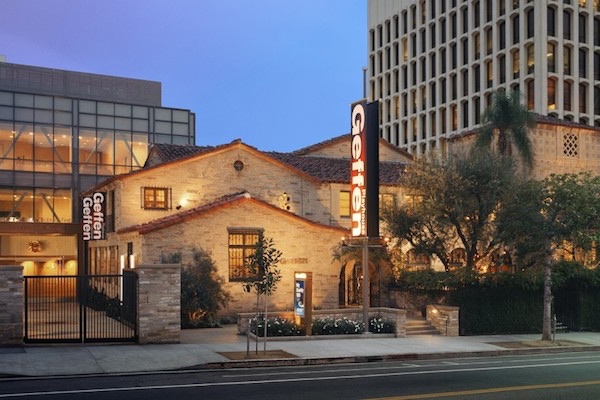
(Photo courtesy of Geffen Playhouse)
Runner-up: Geffen Playhouse
Founded by Gilbert Cates in 1995, and named for its donor, music executive David Geffen, this not-for-profit theater company is housed within a historic 1929 building – one of the first 12 structures built in Westwood Village – that was once the Masonic Affiliates’ Club for students and alumni of UCLA. In its two venues there, the Geffen mounts eight top-quality theatrical productions per season, showcasing both new works and time-honored classics, often performed by familiar actors from film and television – one of the definite perks of living in a movie town.
BEST DAY TRIP
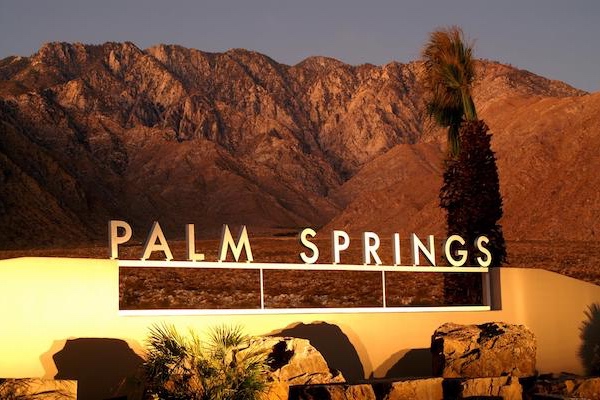
(Photo courtesy of Palm Springs)
Los Angeles’ relationship with its neighbor in the desert goes back to the 1920s, when the town’s growing status as a getaway spot made it appealing to Hollywood’s rich and famous as a quick and easy escape from the rigors of their glamorous everyday lives. It serves much the same purpose today, but it’s grown into an internationally recognized resort destination – which means world-class entertainment, luxurious hotels, and glittering casinos await any Angeleno ready to make the 90-minute drive (OK, only if there’s no traffic) to get there. It’s not just about pampering yourself, though that’s part of the allure; there is also a thriving cultural scene, lots of nightlife, magnificent restaurants, a weekly street festival, and an annual week-long celebration of the Modernist architecture long embraced as a definitive part of the city’s identity. Of course, Palm Springs is something of an LGBT Mecca, too – but odds are good that, if you’re reading this, you already knew that.
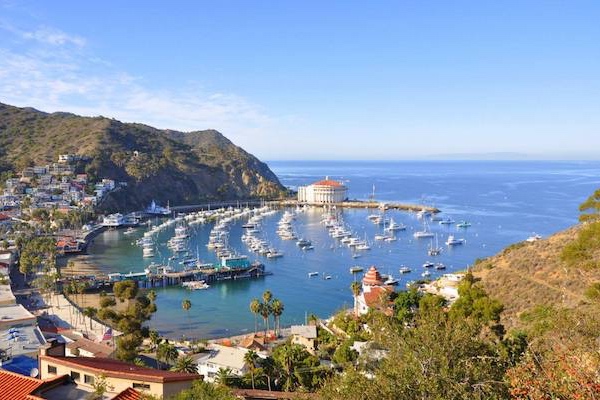
(Photo courtesy of Avalon, Catalina Island)
Runner-up: Avalon, Catalina Island
Located on the southeast end of Santa Catalina Island, Avalon has been a popular destination for visitors since the early 1900s. Like Palm Springs, it has always attracted the glitterati crowd, from film stars to presidents, and is known today for its resorts and casinos – along with the numerous other attractions offered by a picturesque seaside community. Only a short ferry ride away, it’s one of the best opportunities for Angelenos to have a sun-soaked mini-vacation and still be home in time to feed the pets before bedtime.
BEST MOVIE THEATER
Winner: Arclight Hollywood
In a city built by the movies (and those who love them) it’s no surprise that the favorite pick is this landmark multiplex on Sunset, which is home to 15 screens (including the historic Cinerama Dome) that feature state-of-the-art projection and sound technology, and amenities like a gourmet snack bar, no commercials before the show, and – a favorite flourish for convenience-hungry Angelenos – reserved seating that eliminates the need for standing in a long line. On top of all that, Arclight offers an impressive selection of movie offerings, from the biggest entertainment blockbusters to the edgiest indie art films, all in the name of catering to the sophisticated interests of its cinema-loving clientele. As a bonus, moviegoers stand a good chance of seeing some of their favorite stars off the screen as well as on – it’s a popular location for the people who make movies to go and sit in the audience for a change.
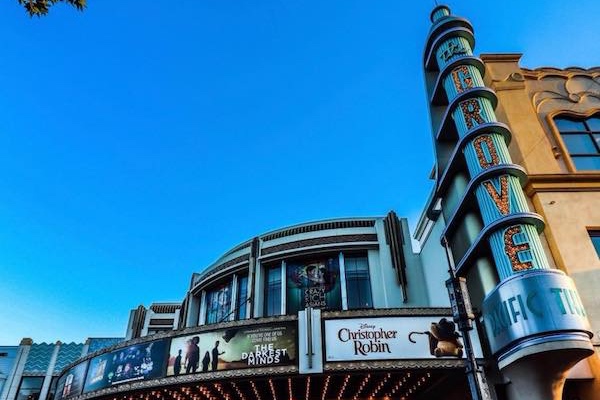
(Photo courtesy of Pacific Theaters at the Grove)
Runner-up: Pacific Theaters at the Grove
Offering its own kind of Hollywood appeal, this elegantly designed multiplex in the heart of one of the city’s most popular malls (adjacent to the historic Farmer’s Market). It’s a haven for film lovers, with its own state-of-the-art auditoriums that feature large screens, surround sound, and luxury stadium seating – and if you want to pair your moviegoing experience with a meal, the Grove location ensures a wide selection of nearby eateries that will be perfect for discussing what you’ve just seen over lunch or dinner.
BEST LIVE MUSIC
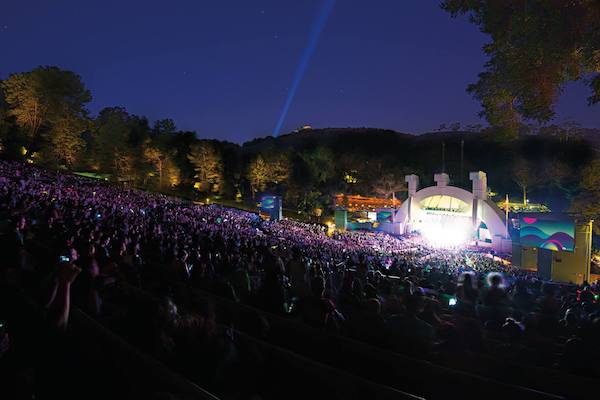
(Photo courtesy of Hollywood Bowl)
Steeped in history — it’s seen the likes of everyone from Billie Holiday to Billy Joel — the Hollywood Bowl reigns, as Southern California’s premier destination for live music. Its iconic concentric-arched band shell is recognized the world over, just as sure as the venue itself is recognized by our readers as the best of the best.
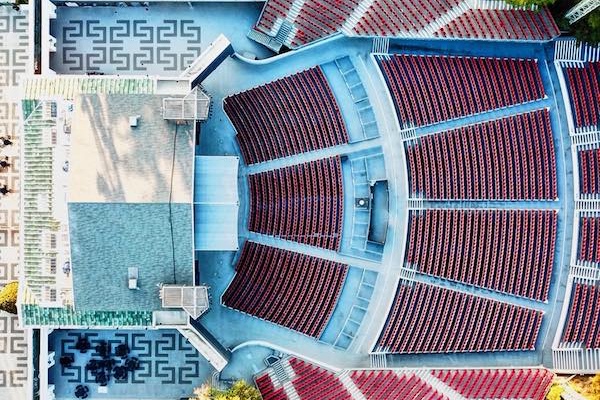
(Photo courtesy of The Greek Theatre)
Located within Griffith Park, the historic Greek Theatre stands as one of the nation’s most beloved and recognized outdoor entertainment destinations. This iconic venue has also served as a site for numerous high school graduations, community events, and backdrops for television shows and motion pictures.


Television
Engrossing ‘Tip Toe’ delivers tension and an ominous warning
A chilling reminder that violent homophobia is on the rise
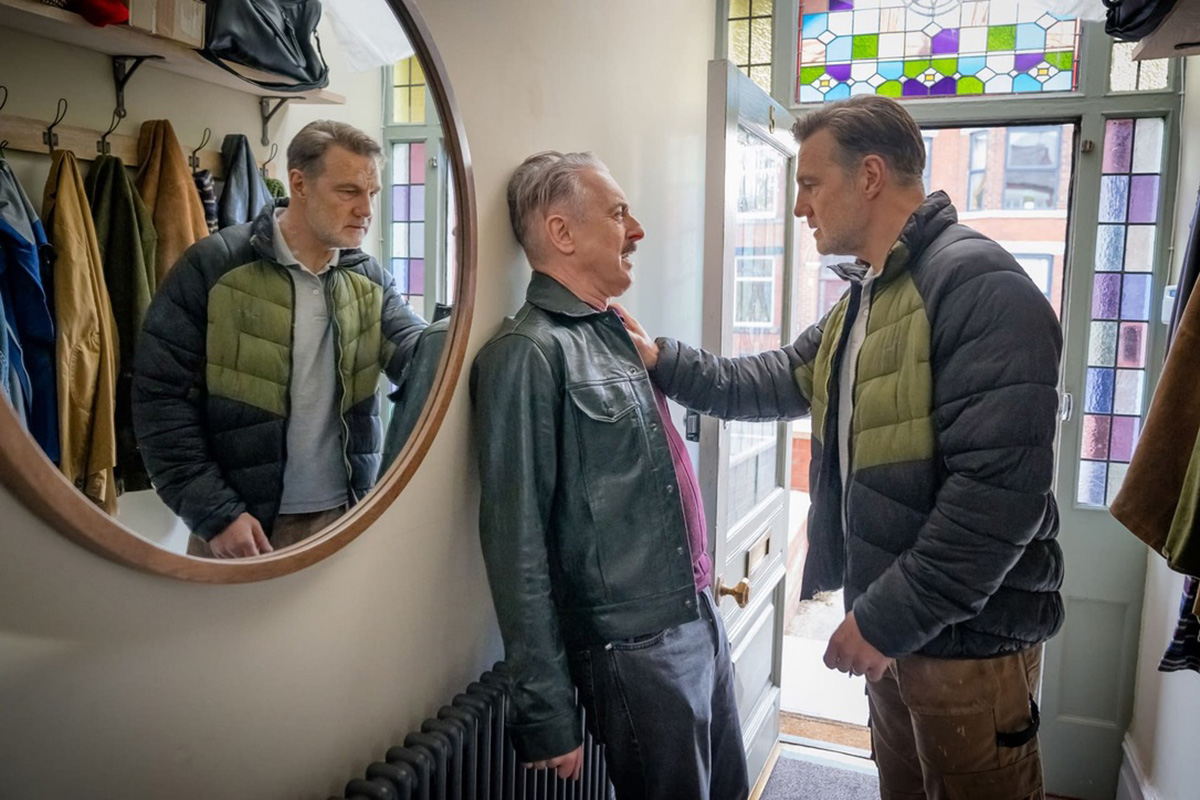
Whenever a new project comes from queer Welsh screenwriter and producer Russell T Davies – who created the original “Queer As Folk” in 1999 before spearheading the revival of the classic BBC sci-fi series “Dr. Who” as head writer and showrunner in the mid-2000s – it generally leaps to the top of every queer “must watch” list, and with good reason.
A genuinely versatile creative force who can move easily between genres without losing the core of humanity that keeps us engaged, he’s particularly known for his unequivocal, unsentimental, and always fearlessly candid narratives about queer life, set within a social context that’s barely tolerant, at best. He has a knack for capturing both the transient beauty and persistent hardships that seem to define our beleaguered community. His most recent such endeavor, 2021’s “It’s a Sin,” took us back to the harrowing years of the AIDS epidemic, following a group of gay young Londoners as the disease – and the societal homophobia that surrounded it – wreaked its merciless havoc, even as they began to break free from their closets and embrace their queer identities; and while it may have broken our hearts, it was also somehow empowering, a tale that reminded us not just of what we lost, but of what we have survived.
His latest miniseries, however, takes place in the here and now, and it offers a markedly bleaker assessment of the state of things.
“Tip Toe,” which appeared on the UK’s Channel 4 last summer, debuts on U.S. screens via the Starz streaming service on Oct. 2, and it lets us know from its first few minutes that things are not going to end well; that’s not a spoiler – it’s a warning, because if you’re looking for a happy ending, you’re not going to find it here.
A tale of resurgent and emboldened homophobia in a modern-day Britain where open hate for the queer community has surged at an alarming rate, it’s the story of two men whose intertwining destinies feel almost like a tragic accident of fate. Leo (Alan Cumming) is a Gen-X AIDS survivor who has become a beloved figure in Manchester’s queer community, the owner of a popular gay bar that has always been a safe space for the queer, trans, and questioning souls who are struggling toward self-acceptance; his next-door neighbor, Clive (David Morrissey), is a working-class electrician with a floundering marriage and two sons who live secret lives he knows nothing about. He’s an old-school “macho man” whose ingrained misogyny and homophobia have grown increasingly unfiltered with the rise of online “culture war” rhetoric; and while there’s a kind of forced “neighborly” friendship between himself and Leo, there’s also a clear-cut line of judgement – on both sides – that gives their interactions a sense of barely concealed hostility.
When Leo is locked out of his apartment after a messy hook-up gone wrong, Clive comes to his rescue, but uses the opportunity to impose himself on Leo’s privacy. He levies the situation into an opportunity for work – an electrical revamp of Leo’s bar, where he makes no secret of his disdain for the queer “lifestyle” – and the tension between them continues to build despite Leo’s best efforts at being polite. The escalation reaches a boiling point when the secrets and lies in his own household lead Clive to suspect Leo of being a sexual predator, turning their precarious relationship into a minefield of hostility and inevitably pushing both men into a confrontation that will end in a shocking act of violence.
It might go without saying that “Tip Toe” is not the kind of show most of us would watch “for fun.” Russell’s script starts the relationship between its two antagonists at the threshold between a simmer and a boil, and shows us the outcome before either of them has even said a word, so it’s mostly impossible to avoid the sense of dread that hangs over everything that comes after. This is not a weakness; instead, aided by Peter Hoar’s masterful direction, it gives the show’s five episodes a slow build of tension that keeps us watching with morbid fascination, like the scene of a horrible road accident we’re forced to drive past in slow motion. We’re allowed to feel some hope along the way – after all, we’ve only had a glimpse of what is to happen, and there are other characters with storylines in which we can become invested along the way – but it’s a kind of grim hope, and it perfectly captures the fearful cultural zeitgeist-of-the-moment that the series is ultimately about.
The characters, too, are richly drawn and layered enough to avoid a simplistic “good guy/bad guy” dynamic. Clive is a brute – arrogant, uncivil, and forcefully antagonistic with a hair trigger that responds to anything or anyone that doesn’t meet his approval – but there’s enough broken humanity underneath all that to allow us to see a glimmer of potential for redemption. Likewise, Leo is mostly good-natured and likable, but he has an arrogance of his own, as well as some bitter resentments (most of them related to his ex-husband Curtis played by Charlie Condou), who left him for a woman), which – more than occasionally – surface to provide him with some ugly moments.
There are others, too; Melba (Paul Rhys), Leo’s gender-bending longtime bestie, who sees the growing danger in the world around them and voices it with the resigned stoicism of a reluctant Cassandra; Steph (Elizabeth Barrington), Leo’s straight friend who is not afraid to let him know when he’s too full of himself; Saul (Joseph Evans), Clive’s 20-something son who has evolved a more tolerant and easy-going outlook than his father, and teenaged George (Jackson Connor), Clive’s other son, whose struggles with his own identity take him on a roller-coaster ride of conflicted emotions; Marie (Pookie Quesnel), the wife who despises Clive but is unable to escape her unhappy existence with him; and Zee (Iz Hekseth), Leo’s employee who is trying to choose a name for herself after coming out as trans – along with a variety of other young, queer supporting players who have found refuge at the bar. All of them are written with depth and nuance, even those who remain more or less in the background, and brought to life through excellent, measured performances.
It is, however, Cumming and Morrissey who give the show its irresistible pull, their complex, bristling characters endowed with a palpable authenticity that makes us forget they are merely actors playing roles. They fully inhabit these two thorny men, creating a dynamic between them that feels like a force of nature, and it’s they who provide the terrible power that keeps us from looking away, no matter how much we might occasionally want to.
That’s a good thing, because “Tip Toe” is less a television event than it is a grim reminder that being “out” may no longer be as safe as we were finally beginning to think it was – and just because the alarm bell is coming from the UK, that doesn’t mean we shouldn’t heed its warning on our side of the Atlantic, too.
Books
Eliot Glazer’s new book an engaging collection of essays
From growing up gay to turning down ‘Queer Eye’
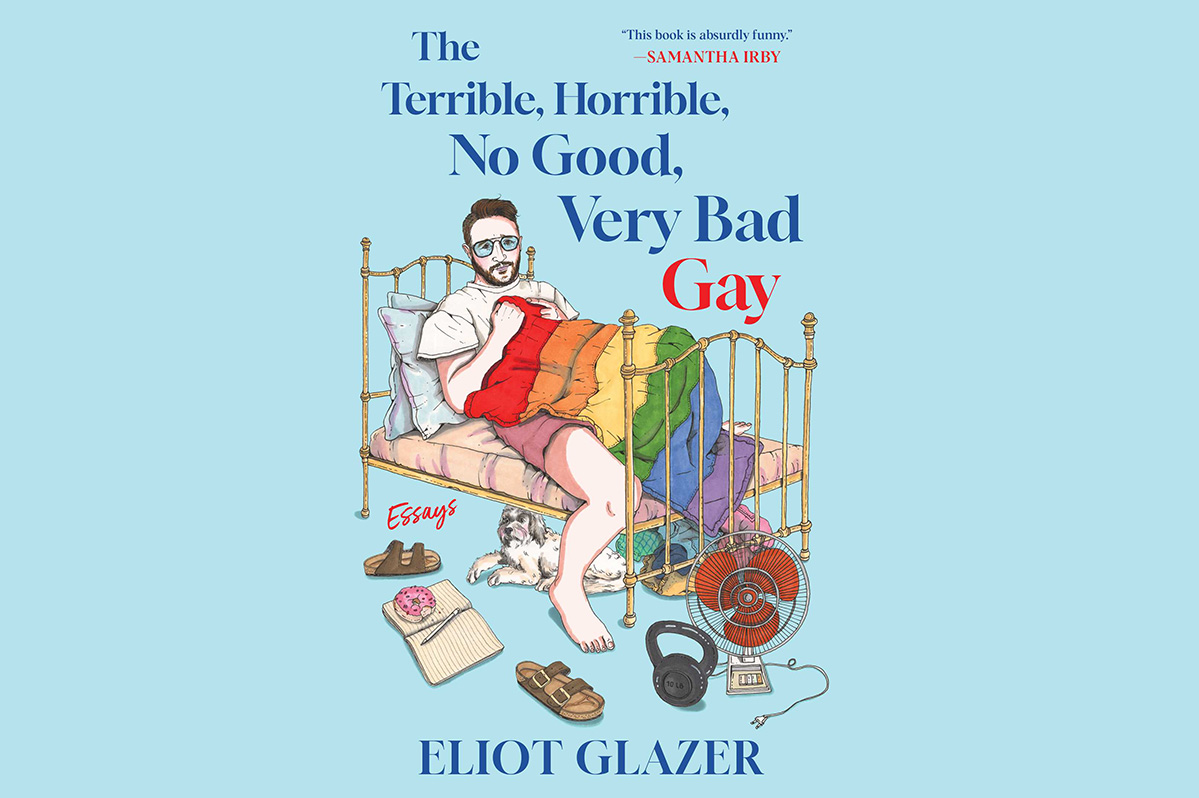
“The Terrible, Horrible, No Good, Very Bad Gay: Essays”
By Eliot Glazer
c.2026, Gallery Books
$28.99/240 pages
You try and you try.
Once, twice, you go back at that thorny issue, the dream you have, the punchline that’s not hitting quite right. Sometimes, time is all you need to make it better, or a new approach, or a second look. And then there are days when you actually get things right, as in “The Terrible, Horrible, No Good, Very Bad Gay” by Eliot Glazer, and it’s all good.

Throughout his life, Eliot Glazer has made mistakes. And it’s OK, everybody trips and falls now and then. In his case, though, he’s perfectly willing to document his failures, foibles, and whoopsies in this book.
He writes of his mother, Sandi, “a Queens-born balabosta” who wouldn’t tolerate laziness in herself or Glazer. He found work as soon as he was legally able to do so, and he had many jobs throughout high school. He was a gardener, ice cream scooper, camp counselor, golf caddy, chocolatier, telemarketer, and video store clerk. The one that fit him best, however, was working at Talbots, a department store for older women, where he found his people.
Even with all those jobs, he was a theater kid in his time off, little though it was. Back then, he was just a boy growing up on Long Island but swagger was important, so swagger he did. He still appreciates a good Broadway show, even the silliest ones.
Glazer says that he had just recently come out when gayness exploded on TV with “Will & Grace” and “Queer Eye for the Straight Guy,” with which he was obsessed. It helped him feel not othered, he says. Producers of the reboot asked him to be a second-generation Eye, but Glazer turned them down, though he thinks he’d have been good at it.
The show helped him with love of décor. His unexpected advisory skills came naturally, through age and wisdom and learning that wild partying isn’t really so much fun.
As for finding love, well, that’s a long, boy-meets-boy-meets-boy story…
So you’re looking for something to easily pick up and put down, something that speaks to your inner impatience? You’ll find that in “The Terrible, Horrible, No Good, Very Bad Gay,” a book that’s practically meant for you to skip around and you don’t have to read everything.
Essays can be like that, which is nice, even refreshing. Author Eliot Glazer is entertaining enough to make things work, engaging enough to keep it moving, and funny enough to make you want more of what he has to say. He’s open with his life and, despite his fame, his writing isn’t lofty; you can expect stories that’ll make you snort and ones with spice, but also some surprisingly tender moments that soften this book in a way that’s just right.
Readers who want a quick, mostly light book to finish will find something appealing in this collection of essays. If you don’t mind a bit of non-linearity and you need a laugh, “The Terrible, Horrible, No Good, Very Bad Gay.” is worth a try.
The Blade may receive commissions from qualifying purchases made via this post.
a&e features
From bullying to bravo: Joey Zauzig talks finding yourself while making people feel seen
Joey Zauzig went from being bullied for being gay to becoming “the internet’s best friend,” and now he’s sharing with us a glimpse into the life lessons and self-love that got him there
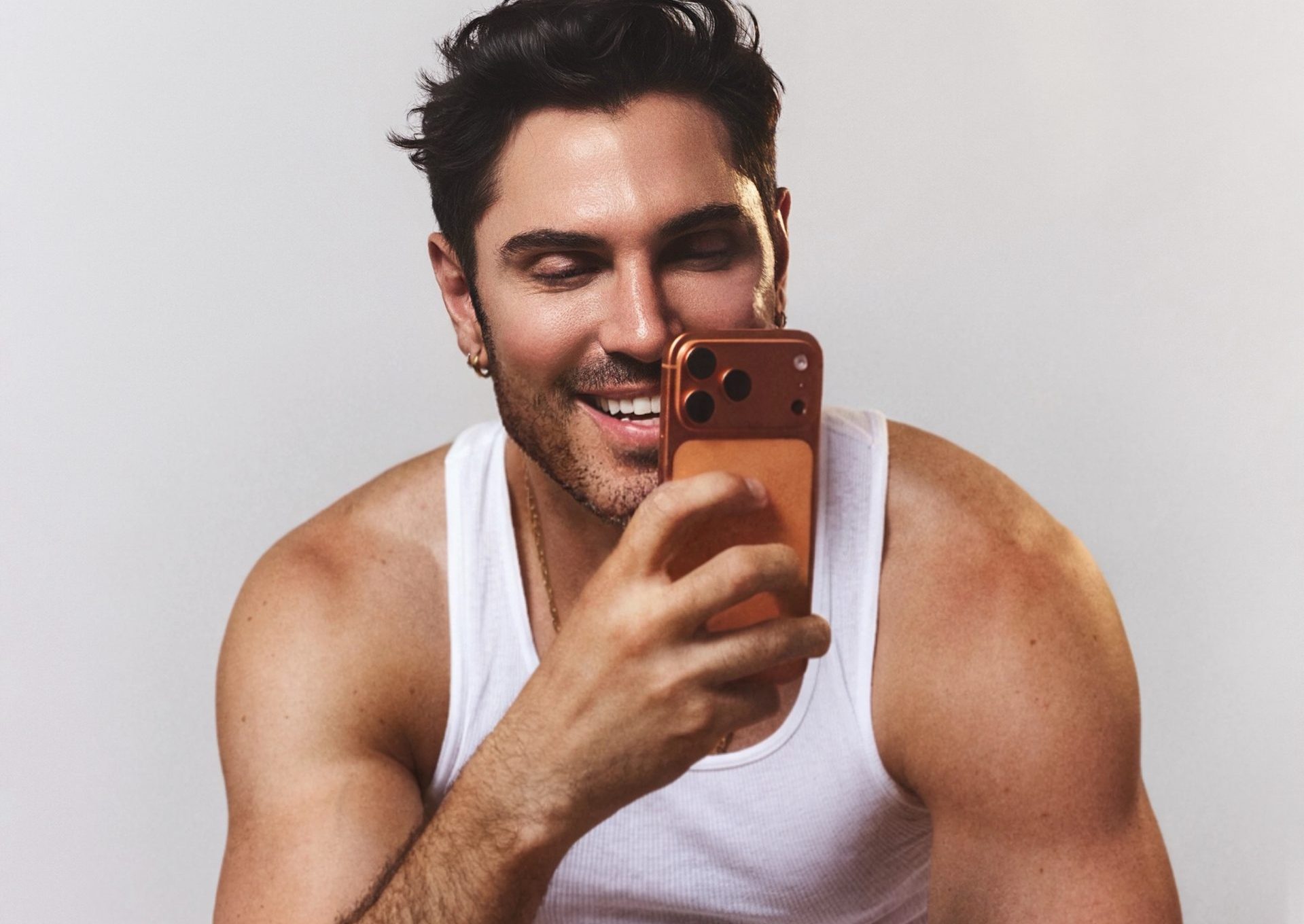
In his career, Joey Zauzig has built a unique space in our online community. Self-branded as “the internet’s best friend,” a title that stuck after an appearance on Good Morning America, Zauzig has created a digital place where humor, food, fashion, and advice all come together. Whether he’s encouraging someone to leave a relationship that no longer serves them, sharing a skinty recipe, or making his audience giggle, Joey has a way of keeping folks engaged. At the core of it all is the idea that showing up as yourself and making others feel less alone can be impactful.
Having experienced bullying for being gay before he was ready to come out, Zauzig understands what it means to search for acceptance and not find it when you need it most. Rather than allowing those experiences to own him, he has transformed them into a commitment to creating the kind of supportive space he wished he had growing up. In our conversation, Zauzig reflects on finding purpose through his platform while staying authentic and continuing to evolve. He also shares his love of food, his dream collab (you’ll have to read to find out), and what folks can look forward to as he takes his next big step with Bravo.
What does that title “the internet’s best friend” mean to you personally, and how did it come about?
It was coined when I was on Good Morning America a few years back and it just stuck. I love giving advice and being a virtual shoulder to lean on for my audience. I hope that people feel like I am a safe space for them when they come to my page and make them feel good and that I’m a friend they can rely on to be there for them.
You were bullied for being gay before you were ready to come out. In hindsight, how did these experiences impact the person and creator that you’ve become?
Those were some really tough periods in my life, but looking back, they shaped so much of who I am today. Going through that helped me develop a stronger sense of who I was and taught me the importance of accepting myself, even when it feels like the world isn’t ready to. I also didn’t have someone I felt I could look up to or turn to during those years. Because of that, I’ve always wanted to create the kind of space I wish I’d had growing up, where people feel safe, supported, and accepted exactly as they are. If sharing my experiences helps even one person feel a little less alone, then those difficult moments have found a greater purpose.
Instead of allowing those painful experiences to overtake your narrative, you’ve built a platform centered on positivity and empowerment. Was there a specific moment when you realized your story could help other folks?
I wouldn’t say there was one moment in time, but overall, as I went through these times, I found myself always wanting to make people feel good and smile. I have been so fortunate to have a platform where I’m able to give that to people, and I can’t wait for it to grow into something even bigger.
What’s the biggest responsibility that comes with being someone that thousands of people genuinely turn to for support?
I think the biggest responsibility has been being intentional with the content I make and finding a balance between putting out content that resonates with people and staying true to myself. I don’t want people to follow me because they think I have life figured out. I want them to feel like they’re hanging out with a friend who’s figuring it out too.
What’s the most meaningful message you’ve ever received from someone whose life was changed by one of your videos?
I receive messages every day, and it truly is the most meaningful part of what I do and makes it worth it. Those messages remind me that content is about so much more than entertainment. You never really know what’s happening on the other side of the screen, and it’s incredible to think that something as simple as making someone laugh, sharing a meal, or being honest about your own experiences can make another person feel seen.
You often encourage people to leave unhealthy relationships and believe in themselves. What’s one piece of advice you wish someone had given you when you were a wee one?
I wish someone had told me that the way people treat you is never a measure of your worth. When you’re young, it’s so easy to think that being rejected, judged, or made to feel like you’re “too much” or “not enough” means there’s something wrong with you. It took me a long time to realize that other people’s opinions are usually a reflection of where they are, not who you are. The right people will never require you to shrink to be loved. They’ll celebrate who you already are.
How do you protect your own mental health while constantly giving emotional support to others online?
I’ve learned that I can’t be there for everyone if I’m not taking care of myself first. I try to set healthy boundaries, spend time with the people I love, and remember that social media isn’t real life. I care deeply about the messages people send me, but I’ve also accepted that I can’t solve every problem. The best thing I can do is show up authentically, offer encouragement, and remind people, including myself, that it’s okay to ask for help and protect your own peace.
Your Skinty recipes have developed a fan base of their own. Where did that idea come from, and what makes a recipe Skinty?
Skinty came from me wanting to enjoy the foods I love while making them the healthiest version possible. I’ve never believed that eating well has to mean giving up the meals you’re craving. To me, a recipe is “Skinty” when it feels balanced. It’s satisfying, packed with flavor, made with better-for-you ingredients where it makes sense, and still feels indulgent enough that you actually want to make it again. That’s always been the goal: healthy without feeling restrictive.
Your content blends humor, fashion, dating, wellness, and food. How do you stay creative while producing content that feels green and not yet seen every day?
I think the biggest thing is that I create from my actual life instead of chasing trends. If something makes me laugh, inspires me, or feels like a conversation I’d have with my friends, that’s usually where the best content comes from. I also don’t put pressure on myself to reinvent the internet every day. I just try to tell familiar stories in my own way. If it feels authentic to me, it’ll feel fresh because no one else has my perspective.
You’ve covered plenty of viral food trends. What’s your humble opinion on folks queuing up for the latest candy-coated culinary creation sweeping TikTok?
I honestly love that food brings people together. If standing in line for the latest viral dessert or trying a crazy new food trend makes someone happy, I’m all for it.
I think the best meals are usually the ones you keep coming back to, not just the ones getting millions of views. I’ll always try the viral spot, but I’m just as excited to find those hidden gems that deserve the same attention. At the end of the day, if it tastes good, brings people together, and creates a fun memory, that’s what really matters.
Social media has blurred the line between creators and their audiences. What’s your take on parasocial relationships, and how do you balance being authentic without feeling like you owe followers access to every part of your life?
I think it’s a really interesting balance. I’m incredibly grateful that people feel connected to me; that’s honestly one of the best parts of what I do. If someone feels like they’re catching up with a friend when they watch my videos, I’ve done my job. At the same time, I’ve learned that authenticity doesn’t mean sharing everything. Some parts of my life are just for me, my family, and the people closest to me. I think it’s possible to be open, honest, and genuine while still having healthy boundaries. The goal has never been to let people into every part of my life. It’s to make people feel seen, entertained, and connected without losing myself in the process.
If you could collab with any celebrity chef or food personality, who would you be stepping into the kitchen with?
Without a doubt, Martha Stewart. She’s an absolute icon. I feel like we’d be the perfect duo; she’d be teaching me the proper way to do everything, and I’d be over there trying to convince her to make a Skinty version of one of her legendary recipes. If I could leave with one hosting tip, one recipe, and maybe an invite to Thanksgiving, I’d consider it a successful day.
Without giving away any surprises of course, what can your followers expect from you over the next year that they haven’t seen before?
Lots of exciting things are coming. You can expect to see me on Bravo, which I’m incredibly excited about. Beyond that, I’m continuing to expand my brand and platform.
Travel
‘(Out) On the Road’ revels and reveals the joys of queer travel
Author Lindsey Danis’s new book empowers LGBTQ people to travel more
When you think of LGBTQ travel, you may think of hard-bodied gays off to Mykonos or Ibiza or queer family unit in some Disney World ad. However, many queer people are traveling. According to travel writer Lindsey Danis, “LGBTQ+ Americans are more than twice as likely as the general population to have valid passports. LGBTQ+ travel market is valued at over $320 billion.”
That being said, all queer people face many of the same concerns when navigating new, potentially homophobic, cultures and environments. Financial feasibility can also keep some LGBTQ people from even considering international expeditions or restorative getaways. Danis hopes to change that with her new book, (Out) On the Road. She confesses, “The main reason I wrote my book is to move the conversation on LGBTQ travel beyond what’s scary and bring in joy.”
“The mindset work is really transformative for queer and trans people who want to travel more but either feel like they can’t afford it or the world isn’t safe for them.” Danis shares. (Out) On the Road collects stories of various queer travelers and invaluable advice to help the wayward queer traveler, whether it’s your first time or you just want some fresh insight into traveling today.
While the growing conservatism sweeping the globe may affect how safe some queer people might feel when traveling, we still deserve the chance to get all the deep benefits of inspiration, joy, and cultural experiences that come with traveling. Part of fighting conservatism is prioritizing and sharing queer joy, which is what Danis highlights with her book.
In Danis’s words, “Queer people operate with a joy deficit, in bodies that carry heightened sensitivity to potential threats. So allowing ourselves to feel more joy and carving out time/space for joy in all its forms is revitalizing for us.” She continues, “Traveling to queer-friendly places is especially important now, given the ongoing erasure of LGBTQ+ rights in many states. Getting out of an unsupportive place and going somewhere, even for a few days, where they can be themselves, is tremendously freeing and empowering. We can embody who we want to be.”
“When I lived in San Francisco, and I’d go to the Castro,” Danish confesses, “I’d always see these starry-eyed gay couples walking around holding hands, and I could tell from their emotion that this was something they did not do back home, that they were quietly careful not to touch in public, but here on vacation they could be themselves.” That moment served as inspiration for the book, she continues, “Ever since, this has stayed with me as a tangible reminder of what queer joy in action looks and feels like, and how important it is to have places we can access that.”
Danis highlights the importance of traveling to better be oneself, adding, “For queer people who aren’t able to be open in their daily lives or who live in unsupportive places, travel offers them an escape and a chance to be themselves, which is healing on so many levels. I’m thinking of the scene in Will & Harper [Will Ferrell’s documentary with trans writer Harper Steele] where Harper is talking about the house she bought in the Eastern Sierras specifically so she could have one place in the world she could be herself.” She continues, “How she first thought she could only be herself behind closed doors, but slowly built the courage to be herself in daily life, and learned to advocate for herself, too, such a lovely model of strength.”
What are some of the valuable experiences in traveling that Danis has found for herself? She shares, “Traveling inspires me. Having new experiences and seeing new things gives me energy; it feeds me, and it inspires me creatively as well. Travel also builds skills and confidence, whether that’s learning a new language or confidently navigating (my weakness).”
She admits, “I caught the travel bug early, after a trip to Egypt and Israel with my YMCA summer camp. It was my first time outside the US, and to be able to see these ancient cultural relics that I’d read about in my history book come alive in front of my eyes, to be in the ancient temples and tombs and riding camels in the desert was incredible.”
While the inspiration of the book is nuanced, the genesis of the book was fairly straightforward. Danis shares, “There was very little information by and for queer travelers, and most of what existed was for cis gay men; I didn’t see myself in that for multiple reasons.” She adds, “Most of the information out there doesn’t even break down the kinds of challenges we can experience at all. Often it takes a cis gay traveler as the/stand-in for the community as a whole. In other words, putting the most privileged part of the queer community as a stand-in for everyone else with less privilege.”
Danis was able to fill that gap by specifically focusing on the LGBTQ community at large, also incorporating the unique travel needs and experiences of queer women and non-binary people: “I thought of this book as all the information I wished I had when I first started traveling – the things I never would’ve known to Google because it would never have occurred to me I needed to.”
Like many LGBTQ people, Danis had an employment history that didn’t always afford her the chance to travel. She shares, “For years I worked multiple jobs that didn’t have any benefits, including vacation days or sick days. I lived paycheck to paycheck, and the idea of taking a vacation was laughable. The norm in the culinary industry where I worked was that when you were ready for a break, you would just quit your job, travel, and get a new one when you came back.” After some time, Danis switched careers and became a writer specializing in food and travel.
Her previous financial limitations helped define who she wanted to include when she wrote this book. She confesses, “While I am now self-employed with the freedom and flexibility to travel, it was a priority to me to speak to the economic realities that keep so many queer and trans folks from feeling like they can afford a vacation, and to redefine what vacation can look like instead of the glossy fantasy splashed all over social media.”
Many of these stories explore different inspirational queer experiences with travel. Danis shares, “In (Out) On the Road, I share the story of an extreme budget traveler who bicycled across the US with a budget of $300. They used Couchsurfing apps, tent camped, and stayed for free in churches and other places. Most people are not going to travel like that truly, but I love this story because it shows that frugal travel is possible when you have the right mindset.”
“(Out) On the Road is full of inspiring examples like that of queer people breaking through limitations or finding greater self-acceptance because of the space that opens up when traveling, and getting a break from daily lives.” Danis adds. So what are some of her favorite stories profiled? “A white female vanlifer, raised in a conservative religious family, who had a lesbian awakening and built the courage to come out, and now is happily partnered. And a South Asian gay man who found freedom from the rigid body ideals in gay culture while exploring Berlin’s nudist scenes, and was able to bring that mindset shift home with him.”
In writing and researching this book, Danis did find some surprises: “I imagined cis gay men had more freedom and were less worried than women, nonbinary and trans people, but this wasn’t always the case. I spoke with 2 gay travel couples; even though they tend to have more privilege and be less at risk moving through the world, their concerns were very similar to mine.”
She adds, “Another surprise, talking to Aisha Shaibu-Lenoir about LGBT travel to Africa, people in the West tend to think of Africa as being dangerous or unwelcoming (or a single country rather than a continent), and while that’s true for some African countries, there are growing pockets of hospitality.” She adds, “I was excited to learn about the work she is doing to educate African hospitality professionals about the queer community, teach them what they need to know to be inclusive and welcoming, and it made me hopeful.”
At its core, (Out) On the Road is a self-love letter inspiring queer people to travel and feel more joy by exploring the world. Danis adds, ” Joy is seeing what’s possible for us, rewriting limiting beliefs, visiting places that are more freeing than where we live – participating in the world as our full selves, without having to hide.” She concludes with an inspirational message, “I like to think of travel as a way to reclaim our power and pleasure – we forget that we have power in where and how we spend our money, but we do.”
(Out) On the Road is available where all books are sold. You can find out more about Lindsey Danis on her website.
Bars & Parties
Lesbian Bar Project co-founder: purity politics could destroy our remaining spaces
Last Ditch’s decision to lift its mask requirement for one night a week has sparked intra-queer controversy
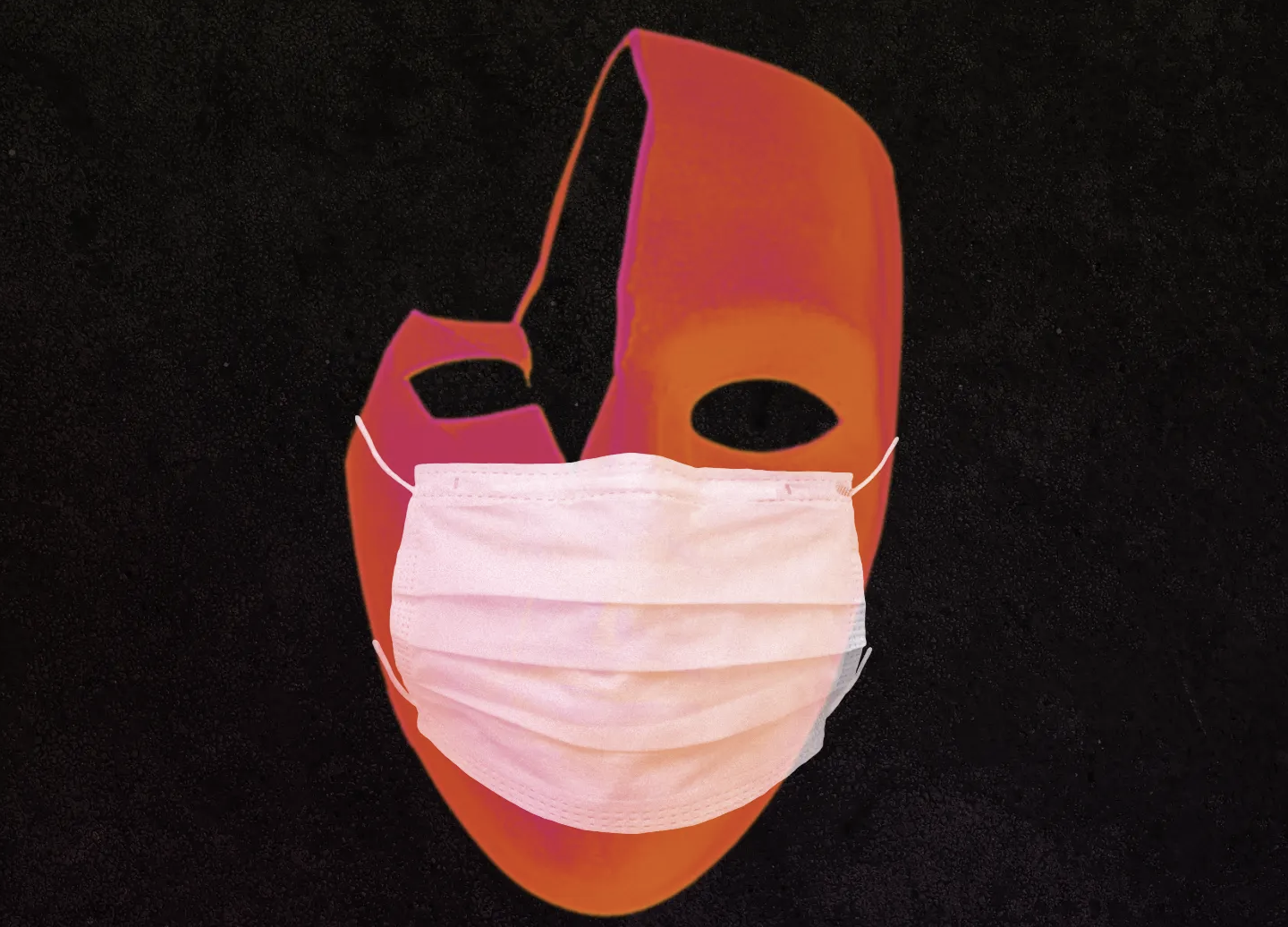
Uncloseted Media published this story on Sept. 29
By ERICA ROSE and THE LESBIAN BAR PROJECT | As a professional lesbian and Massachusetts native, I’ve recently been asked by a lot of folks what I think about the saga unfolding at Last Ditch. The now-viral story, first reported by the Boston Globe, centers on a Western Massachusetts lesbian bar that lifted its mask requirement for one night a week to help drum up business.
The decision ignited an intra-queer controversy that has been feasted on by media outlets across the political spectrum — from the New York Post to LGBTQ Nation — and is even reportedly being eyed for a Hollywood adaptation. Apparently nothing is more entertaining than a bunch of lesbians and queers fighting with each other over KN-95s.
What has been lost in all of the chatter and media coverage is the very real possibility that Last Ditch, which just opened in April 2025, will have to close its doors. The venue’s one remaining founder, Jackie Matellian, revealed in a community Zoom meeting that she’s working four jobs, is now solely responsible for the bar’s $50,000 business loan and is struggling to keep up with the bills. So as we laugh about the controversy’s similarity to a “Portlandia” skit and how one of the bar’s founders left to enroll in clown school, we forget that yet another lesbian bar is facing an existential crisis — and this time the call is coming from inside the house.
In 2020, my friend Elina Street and I created The Lesbian Bar Project, an Emmy-, Webby- and GLAAD Media Award-winning docuseries and initiative that tells the stories of lesbian queer bars around the world. We were moved to act because at the time there were only an estimated 16 lesbian bars in the United States, and the pandemic threatened to bring that number down even further.
There are now more sapphic bars than there were just before the pandemic — about 36 of them in total — but this is down from approximately 200 in 1980. Maybe that doesn’t mean much to you, but for the millions of sapphics living in the U.S., this number is calamitous.
As the world laughs at lesbians and sapphics, I want to take a second and tell you what I feel when I walk into one of these bars, which are all unique and irreplaceable in their own way: I feel seen.
Sometimes I think Cubbyhole in New York City’s West Village neighborhood knew I was gay before I did. When I walked in there for the first time, before I was even out, I was transfixed by the colorful array of tchotchkes hanging from the ceiling and how the women standing next to me were completely unafraid to express their desire for one another. I knew the minute I was ready to come out, I had a home. I also felt the joy of a new couple falling in love at Seattle’s Wildrose, the quiet confidence of a short king lining up her shot at the pool table at Ginger’s in Brooklyn and the kick of cayenne pepper in Julie Mabry’s crawfish at Houston’s Pearl Bar.
Lesbian bars don’t just serve lesbians; they serve queer folks across the spectrum, including bisexual, pansexual and trans people. As Elina and I traveled across the U.S. and Europe and to parts of Latin America to document the bar owners, staff and patrons that make up the ecosystems of these spaces, we also became uniquely acquainted with the factors that threaten their existence: gentrification, wage gaps, sexism, environmental disasters, gun violence, rising insurance premiums and political administrations working to annihilate queer people and their families.
Lesbian bar owners, like all leaders and entrepreneurs, are imperfect. There have been significant issues over the years at lesbian bars: employee harassment, racism, lack of accessibility, sexual assault and transphobia. All bar owners should be held accountable and should listen to their communities to evolve into safer and more equitable spaces. I also acknowledge my privilege: I am able-bodied, white, cis and from a family system that loves me for who I am. Not everyone has that.
Queer people, especially trans and bisexual people, are suffering from disproportionately high levels of depression, and our mental health system isn’t equipped to support them. Immunocompromised people and long COVID are real, and many of my friends are suffering to this day. The people with the least safety net are often the ones for whom a bar closing costs the most. And yet, as we’re seeing with Last Ditch, the queer community often lashes out at each other. It’s also the mainstream media taking the internal conflict and making a mockery out of it, distracting from the real possibility that this bar could close due to financial pressures. A bar that many people loved and needed is facing extinction. Perhaps it’s safer to dissent with one another than with the larger forces trying to eradicate us, but in doing so, we risk destroying the few spaces we have left.
Due to the constraints of purity politics — some in good faith, some not so much — lesbian bar owners, almost all of whom are queer women themselves, are forced to be everything for everyone, similarly to how women are forced to be everything for everyone. By asking these bars to uphold impossible standards — standards very few other third spaces are asked to consider — we all end up losing.
I want to move as a community toward dialogue, compassionate dissent and collaboration to make our spaces better with the goal of keeping them OPEN and thriving, rather than destroying them from the inside with expectations that are arguably unattainable.
While I have your attention — for this fleeting second of the news cycle — may I urge us to spearhead a way to keep these small businesses afloat without attacking our own community along the way? Bar owners are left with an impasse: They want to be community-centered, but they also have to make money to keep their doors open. Sometimes they might make business decisions that don’t work for everyone — and that’s partly because different patrons have different priorities and want different things — but these owners deserve the opportunity for productive dialogue. We have to work with them and with each other to keep our spaces open, to keep them growing.
Lesbian bars raised me into the queer woman I am today. One thing I think about as I reflect on the six years of work we’ve done to document these spaces is that shared, unspoken language I have with a stranger the moment we both walk into one of these bars: the nod, the ease, the not having to explain ourselves. I don’t want to lose that, and neither should you.
Gaming
Free slot tournaments are the casino game Californians can play online right now
California runs the largest tribal casino market in the country, with more than seventy properties generating over nine billion dollars a year, plus licensed card rooms, the state lottery, and a racing calendar that still fills Santa Anita and Del Mar. What it has not had, until the rules were settled this year, is a clear answer on which casino-style games are fine to play from a phone in Los Angeles. As of 2026, that answer exists, and it points to one format.
Free slot tournaments, where entrants spin with contest credits and compete for a place on a leaderboard, fall outside what California law prohibits online. No stake, no payout, nothing to redeem: the two elements the law targets are absent, so the format sits outside the prohibition rather than being expressly permitted by it. For a reader who enjoys slots at Pechanga or Yaamava’ and wants that competitive edge at home, this is the format built for the state’s rules.
What AB 831 Changed for California Players
Assembly Bill 831, signed by Governor Newsom on 11 October 2025 and in force since 1 January, settled the online question. The bill defines a prohibited online sweepstakes game by its dual-currency structure, one coin for play and a second that converts to cash, and then adds a sentence that matters more to a casual player than the rest of the statute: the paragraph does not make unlawful a game that does not award cash prizes or cash equivalents.
That is where free tournaments sit. The best free online slot tournaments give every entrant a fixed number of spins, convert each result into points under a published scoring rule, and rank the field over a day or a week. There is one currency; it exists only inside the contest, and the reward is a standing on the board or free spins on the site itself. Every element of that format sits outside the prohibition the Legislature drew, which is why it has moved from a side feature on operator sites to the main event for California players.
A Regulated Real-Money Market Is Being Built Toward 2028
Real-money online casino, online poker and mobile sports betting have never been offered in California, and the path to them runs through the state’s tribes, who hold gaming exclusivity under their compacts. The California Nations Indian Gaming Association has set November 2028 as the target for a unified tribal initiative covering retail and online sports betting, a timetable the association has publicly supported. The 2022 experience, when tribal and commercial campaigns ran competing measures, is the reason the tribes are building one proposal this time rather than rushing a second attempt.
This November’s ballot is a busy one, and the political stakes heading into the midterms are real for readers of this paper, but gaming is not on it by design. In the meantime, the in-person market carries on at full strength, and the online side has a format that needs no ballot, no compact, and no license to enjoy. Free tournaments of this kind fall outside what current law prohibits, and the 2028 timetable gives the state two full seasons to get the larger framework right.
The Prize Table Tells You Everything About Whether a Tournament Fits California
Because the law turns on cash equivalents, the one thing worth checking before entering any tournament is what the winner receives. Contests that award leaderboard standing, badges or free spins on the site are the California version. Formats offered in other states sometimes pair free entry with a deposit option or pay cash to the top finishers, and those are a different product built for a different rulebook. A quick read of the prize table settles it, and a well-run tournament site puts that information on the entry page rather than in the terms.
The full text of AB 831 is short and worth ten minutes if a site’s terms are unclear. For a Californian who enjoys slots, the practical picture in 2026 is a strong in-person scene, a regulated online market taking shape for 2028, and a free tournament format available today that turns a favorite game into a competition with other players across the country. Help for problem gambling is available around the clock at 1-800-GAMBLER.
a&e features
The trans Handy Ma’am helps where it matters most – at home
Mercury Stardust teaches DIY to empower vulnerable renters and homeowners
With the midterms fast approaching and Donald Trump’s malignant whimsy dictating the American agenda, many of us feel unsafe as scraps of hard economic and political news randomly swirl around our lives like debris in the swelling tornado outside Dorothy’s Wizard of Oz window. What’s happening? Will I get hit? Who can I trust to help me?
But all may not be what it seems. As America faces a reckoning with Trumpism and Trump’s cratering approval ratings, new leaders are emerging, standing in the breach to help reclaim our common humanity.
Anti-trans political spots blight the airwaves, for instance, driven by Elon Musk’s America PAC, “which has dropped $100 million on anti-transgender ads targeting Democrats,” trans columnist Erin Reed writes in her Erin in the Morning Substack.
The ads are proving largely ineffective. “Anti-trans ads may scare Democratic candidates, but among the general public, polls consistently show that voters rank transgender issues among the lowest-priority issues they care about and vote on, with less than 1% of respondents naming ‘wokeness/transgender issues’ as a top issue,” Reed notes.
However, by saturating the airwaves, trans people are constantly bombarded by “hateful messaging” that also hits unsuspecting viewers.
“They paint transgender people as predatory and disgusting to a national audience in a cheap attempt to win votes, and every viewing raises the temperature of the hate and abuse directed at a community that is already a target,” Reeds writes.
While trans people make conscious existential choices every day, many also live fulfilling lives and seek to be of service in unexpected ways and places.
Take the purple state of Wisconsin. Out lesbian Sen. Tammy Baldwin has won 17 general election races since 1986. Out trans candidate Dina Nina Martinez-Rutherford recently won her Democratic primary for a State Assembly seat representing the 76th District in Madison. And TikTok star and New York Times best-selling author Mercury Stardust, an expert in home repair, also lives in Madison with her trans spouse.
“I was a burlesque and drag entertainer, and I was also a maintenance technician for a property management company and for various companies in tropical Madison, Wisconsin,” Stardust says during an interview while on a book tour for her second book, Lost and Found, A Compassionate Guide to Home Repair.
She became well known on the internet for helping strangers learn how to fix their pipes and drywall, helping a lot of renters – which led to her first book, Safe and Sound: A Renter-Friendly Guide to Home Repair.
Stardust now lives in a home in Madison with her “wonderful spouse, Mouse ZZ” to whom she has been married for 10 years. ZZ (Ari) was also born and raised in Wisconsin, went to Cleveland, Ohio, for their undergraduate college degree, and returned home to get their master’s degree at UW-Madison.
“My trans journey is a fairly small part of my entire journey as a content creator, but I have kind of been really public about me raising money for gender-affirming care and helping other trans people access gender-affirming care” through Point of Pride, Stardust says.
The couple came out together a few months after they were married. “We’ve kind of been living that trans T-4-T life ever since.”
Stardust grew up on a rural family farm with lots of cows. She acknowledges that Wisconsin has a strong sense of conservatism and is also “very pro-union, very pro progressive.”
“The whole motto of Wisconsin is ‘forward,’” she says. “It’s a purple state for a reason.”
A burlesque performer for 15 years, she founded the Wisconsin Burlesque Association.
By running “the only weekly drag and burlesque show (Five Star Tease) in all of Wisconsin for five years,” she says, “I was able to find out who I was. And we built a really strong, like-minded community that made it comfortable and safe to be able to come out as who we were.”
They built community by showing up.
“I think that people have an idea of rural America as if it’s only a certain demographic,” Stardust says. “But a lot of people and I grew up queer in rural Wisconsin, in rural places of the world. It doesn’t necessarily have to be where, ‘Oh, wow! I should be afraid to come out because I’m the one of only a million,’ right? That isn’t really the reality, right? There are a lot of people who are queer in those places, and all you have to do in order to make those communities is show up.”
And with confidence, you get to show up as all of who you are. “It’s like being a maintenance technician in those spaces, you know? And there is no joke there. It’s like, this is a real aspect of who I am,” Stardust says, “where I’m gonna show up as who I am and just live my life the way that anyone would, because I’m just a human being. There’s nothing necessarily uniquely special about that. It’s just the fact that I’m also a trans person who happens to be really good at maintenance and is also very good at educating people” on DIY home repairs.
But Mercury Stardust’s big laugh and positive attitude, teaching DIY as The Trans Handy Ma’am, is also quietly empowering, building confidence for vulnerable people that they can fix something and not have to rely on a landlord or strangers. And if the need for maintenance is greater than their capabilities, learning how to pick professional help is important, too.
Practicing self-confidence and showing up safely can also be developed as skills to help build community at this dangerously precarious time when more and more tornadoes, real and imagined, increasingly swirl around us.
The tornadoes are a shared common problem that supersedes petty divisiveness while at the same time elevating and listening to the intersectional experience of those hit the hardest.
Here are some scraps of hard news swirling around in today’s tornadoes, issues we all have to deal with now and whenever Trump crashes.
In the last two years, the Trump administration’s enforcement of Project 2025 has resulted in trans people receiving greater hostile visibility and political scapegoating, in addition to shared cold, hard healthcare issues, food insecurity, housing insecurity, and high home heating and gasoline prices.
Right now, it’s hard to know who’s telling the truth and who’s offering credible ideas and solutions.
Since his first term, Donald Trump’s Orwellian version of truth as “alternative facts” has poisoned the well of discourse and promoted cruelty and division. Journalists were finally forced to call him a liar, question his mental stability and acuity, and peg him as a wannabe dictator.
“We do now live in a country that has an authoritarian leader in charge. We have a consolidating dictatorship in our country,” out MSNBC anchor Rachel Maddow said Monday night, Aug. 4, 2025. “The question is no longer how to prepare for this risk or how to try to avert it, but rather how to fight it now that it is here and in effect.”
Just over a year later, Trump banned broadcast TV press pool coverage from the White House campus while his Justice Department essentially lied for him in court proceedings. Trump launched his own authoritarian-like Trump TV programing to try to control the narrative. On Sept. 24, a Trump-appointed judge issued a temporary restraining order requiring the restoration of press passes.
But with the specific issue of pool coverage still unresolved, the Oval Office meeting between Trump and China’s dictator Xi Jinping was covered by Chinese state media but not covered live by US cameras, with BBC reporters noting, “we’re not sure exactly what they spoke about.” Reminder: at a two-hour private meeting with Russian dictator Vladimir Putin in 2018, Trump told the press that he believed Putin over US Intelligence.
Vice President JD Vance’s announcement of the administration’s intention to remove 760,000 Affordable Care Act enrollees from public healthcare exchanges adds to the five million people who dropped their ACA insurance after Trump and the Republican Congress let premium prices skyrocket. “Give us another chance — or, give us another couple of years to continue to work on the amazing things that we’ve been doing for the past two years,” Vance said on the All In podcast.
Meanwhile, more than 4 million people lost access to critical food aid between last July and April — many of whom are children – because of cuts to the Supplemental Nutrition Assistance Program (SNAP/food stamps), which the White House called “bloated.” More cuts are expected by the end of 2026, NPR reported last month.
Meanwhile, more than 160,000 pounds of raw meat with fake USDA inspection labels were recalled on Sept. 24; the CDC reports that as of September 17, 2026, 3,471 confirmed* measles cases were reported in the United States in 2026; and university scientists think outbreaks of infectious diseases like Ebola, hantavirus, bird flu and COVID-19 are on the rise.
And as Trump’s war of choice in Iran expands throughout the Middle East, home heating oil and gas and diesel prices continue to climb. An estimated 4 million to 5 million households use heating oil for homes during the winter, according to the U.S. Energy Information Administration. Massachusetts is already reporting that for the week of Sept. 21, 2026, the average retail price for heating oil hit $6.15 per gallon. That’s a 74.7% jump compared to last year, or a $6,000 bill compared to previous years of maybe a $3,500 or $4,000 bill.
And what’s going to happen when the nor’easter storms hit the East Coast? California Gov. Gavin Newsom has already declared a state of emergency to prepare for being the epicenter for a predicted “historically intense El Niño,” according to a news release from the governor’s office. There’s a 75% chance this super storm will become the strongest since 1950, according to the latest reliable forecast.
While Trump is bored with the war and calls the affordability crisis a hoax, community grassroots organizations such as Indivisible help produce No Kings protests nationwide, and individuals like Mercury Stardust help empower people to show up as who they are where they live.
Maybe they will also show up and share common ground over a common issue and create a new kind of real equality-based intersectional democracy, a more perfect union, in the process.
This is a cross-post from Karen’s LGBTQ+ Freedom Fighters Substack.
Television
‘Lizzie Borden’ might be the best ‘Monster’ yet
Exquisitely realized, shrewdly written with outstanding performances
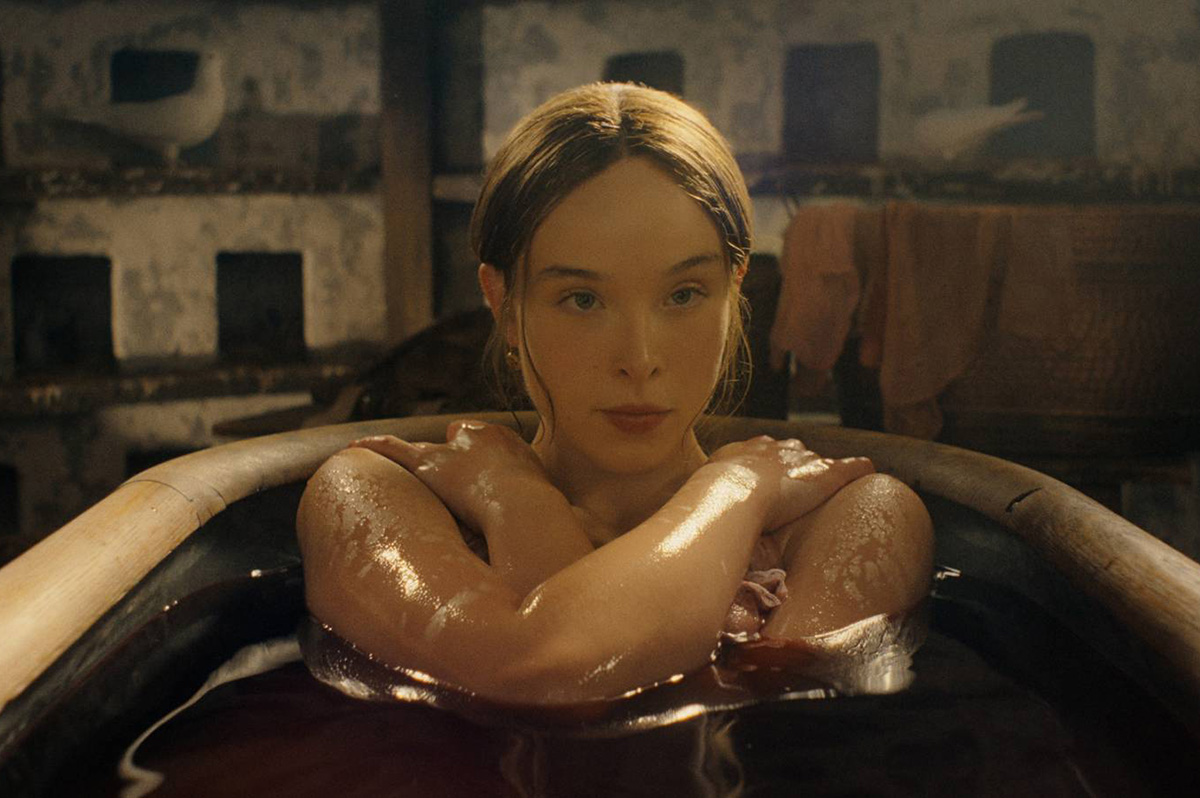
“When the legend becomes fact, print the legend.”
That famously cynical quote from the 1962 Western movie “The Man Who Shot Liberty Valance” could easily have been the mission statement behind the latest season of Ryan Murphy’s controversial anthology series, “Monster,” which retells the story of America’s most famous axe murderer – Lizzie Borden, who, in 1892, “took an axe” to her father and stepmother at their family home in Fall River, Mass.
Except, officially, she didn’t. Borden was acquitted of the killings in a trial that was a national sensation; the crime remained unsolved, and despite rumors and theories that have proliferated over the last century, nobody really knows what actually happened nor who was responsible for it.
Yet in the popular imagination, Lizzie is still remembered as a killer who got away with one of the most notorious murders in American history. Though she walked free and lived a life of wealth and high social position for another three decades after her trial, she never truly escaped the scandal; she would be forever branded as guilty, her alleged crime even immortalized in a children’s schoolyard rhyme, and all but a few die-hard theorists assume, unequivocally, that she was the killer. In other words, the legend of Lizzie Borden, axe-murderer, has “become fact.”
“Monster: The Lizzie Borden Story,” like most other retellings of this gruesome crime saga, “prints” the legend – and indeed, goes even further to canonize her into something like a radical feminist saint.
With Ella Beatty (daughter of Hollywood royalty Warren Beatty and Annette Bening) in the title role, the show frames Lizzie as the repressed and disregarded adult child of wealthy businessman Andrew Borden (Charlie Hunnam) and stepmother Abigail (Rebecca Hall), who married her father after her mother’s death; both of them treat her – and indeed, almost everyone around them – with dismissive cruelty. Andrew is an alcoholic who openly disdains both wife and daughter, while Abigail takes out her own frustration with the marriage on Lizzie, whom she has branded as a “simple” child that she never wanted to have – and a difficult one at that.
The arrival of a new household maid — Bridget Sullivan (Vicki Krieps), who goes by the name “Maggie” — changes Lizzie’s outlook and her destiny. Well-traveled, worldly, and deeply independent, Maggie befriends her and becomes both her companion and mentor, introducing her to new ideas and cultivating her sense of self-worth; they become lovers, their bond deepened by a dissatisfaction with the cultural limits imposed upon them by their status as women. As conditions within the household grow increasingly unbearable, they formulate a gruesome plan which, if they can succeed, will liberate them from the patriarchal subjugation that relegates them to the level of chattel while puffing a pipe full of expensive tobacco.
From there, writer/creator Ian Brennan takes us through an effectively grisly re-enactment of the famous murders and onward through the trial in which Lizzie, ironically benefitting from stereotyped male assumptions about what women are or are not capable of doing, is ultimately acquitted of the gruesome crime she absolutely DID commit. It then follows her – and Bridget – into the aftermath of the scandal, where a kind of imprisonment awaits them both, anyway.
Boldly crafted with cinematic flourish (six episodes were directed by Max Winkler, the two others by Sarah Adina Smith) and continuing the series’ tradition of lavishly depicted violence, one can’t deny that it’s a wild ride. It flaunts its contemporary attitude through fiercely eclectic musical choices in the soundtrack, from the lushly romantic classical tones of its late 19th-century period to ferociously feminist ‘90s punk; it includes graphic sex both tender and aggressive, juxtaposed with scenes of pastoral beauty and genteel refinement; and, as always in Ryan Murphy’s “true story” productions, it plays fast-and-loose with the facts, choosing instead to lean into artistic license in order to expand on the “hotbed” themes woven into the narrative.
In this case, Brennan’s version of Lizzie’s tale mines the historical record to incorporate lesser-known factual details while veering into speculation to fill the blanks elsewhere; it creates incidents that didn’t happen, alters incidents that did, and embellishes what’s known of its characters’ private lives with details that no one could know; and, like other seasons of “Monster” have done, it finds a way to introduce extra real-life killers into the mix – blood-bathing 16th-century Countess Elizabeth Báthory (also played by Krieps) and hitchhiking 20th-century serial murderer Aileen Wournos (Sarah Paulson) – for good measure. The result, of course, is a work of complete fiction.
These are the things that have consistently made “Monster” one of Murphy’s most controversial television franchises. The excesses of gore and brutality, though they might seem gratuitous to some and are certainly hard to watch for many, is arguably justified by the show’s branding as a “horror” series; less easy to write off, however, is the criticism of many detractors that the series spreads false information and perpetuates myths, whether to “push” an agenda or in the name of “artistic interpretation.”
“The Lizzie Borden Story,” consequently, has already been met with such objections – though in today’s political climate, it’s hard to know if they are really about the blending of fact and fiction or the feminist social commentary that runs through the show like a vein of molten lava. Brennan’s vision of Lizzie’s presumed crime casts her as woman suffering from a life of psychological torment by her parents, and Bridget – who has experienced more than her own fair share of mistreatment at the hands of aggressively toxic men – as her savior; the act they concoct and execute together is a radical act of defiant rebellion against an ingrained system of patriarchal domination, and we are set up from the start to be completely on their side.
That radical feminist thread pops up everywhere: through Lizzie’s stepmother (despite her own monstrosity), who is granted a share of empathy for the sake of her own stifled existence; through famous actress Nance O’Neil (Jessica Barden), who steps in to become an ally at a crucial juncture of Lizzie’s trial; even through her estranged sister (Billie Lourd), who sets aside her own doubts to support Lizzie in sisterly solidarity. Brennan even imagines Lizzie as an activist in the fight for women’s suffrage.
Of course, if one is inclined to view “Monster” as a documentary crime series, occupied with discerning facts and providing an objective overview of the case, that’s a perfectly good reason not to watch its latest installment. For those who realize that it is instead a vehicle for artistic expression, a series devoted to finding the kind of truth that transcends facts and challenges viewers to examine the cultural conditions that create these “monsters” in the first place, this might be its best season yet.
Exquisitely realized, shrewdly written, and featuring outstanding performances across the board, it’s not really a crime story, nor really even horror: it’s an exhilarating, satisfying, and thoroughly transgressive fantasia on an American legend that puts the blame for the Borden family murder squarely where it belongs – on the oppressive cruelty that drives otherwise good-hearted women to commit unspeakable acts.
a&e features
Embracing queer exploration with actress Rosslyn Luke
The actress speaks about her coming out journey and making wedding plans with Scarlett Johansson.
For most of history, performers have been forced to hide their queer identity to succeed — Rosslyn Luke is determined to do the exact opposite.
The past few years have been a professional whirlwind for the actress; she just starred in NEON’s Paper Tiger alongside Scarlett Johansson, Adam Driver, and Miles Teller. This comes after almost a decade of Rosslyn making a name for herself in the indie filmmaking world. It’s promising to be the first in a new wave of large-scale features, with Luke being announced alongside Emma Roberts and Leslie Bibb for a new film focused on renowned advocate Hal Donaldson.
It’s been amazing for Luke’s many longtime fans to see the actress finally receive the appreciation she deserves. And, especially for LGBTQ+ film-lovers, it’s so much better when viewers learn she’s doing all of this while being openly, proudly queer.
“Getting the role in Paper Tiger was a dream come true,” raved Luke. “My first day on set, I was sitting at a kitchen table with Scarlett Johansson and Adam Driver — my heart still kind of races when I think about it — and there was very much a feeling of, ‘Oh, I’ve done it.’”
It was a defining success for Rosslyn’s long career, with the actress joking about her first big role: starring in her Washington state elementary’s school’s Christmas play. Little Luke instantly fell in love with the versatility that acting entailed, a passion she still feels in every role today, saying, “I think it’s the exploration…I’m really curious about what makes everyone who they are. I really enjoy research and trying to figure out who my characters are, and all of the humanity that exposes me to. I think that is a huge gift.”
This sense of exploration not only fuels Rosslyn’s love for acting but also helped her realize and embrace her truest self when she came out seven years ago.
“I didn’t come out until I was 30,” the actress reminisced, thinking about the journey it took to understand her sexuality. “And the exploration it took to get there [is] a lot like the exploration I do through roles. I would take characters that weren’t necessarily gay and twist them to have queer backstories. And I think that was…my way of exploring in this safe world as an actor, before bringing it into the real world.”
And since bringing it into the real world, Luke has refused to hide her sexuality. She remembers that moment at the table with Driver and Johansson and how invested each actor was in her upcoming nuptials, with Rosslyn laughing, “It was very present in the room, my queerness. They both asked a gazillion questions — Adam was extremely invested in my engagement and how I was going to do the proposal. Yeah, it was very sweet!”
Luke’s genuine excitement over being able to pursue these large roles as an out queer woman is refreshing within an entertainment industry that still struggles with homophobia. It’s a fact that may shock some viewers; we’ve been lucky to see many queer-centric projects in the last few years. But there is still a great stigma against LGBTQ+ performers and creatives, with these people not only facing immense hurdles, but outright discrimination when trying to get their art made while being open about who they are. These lingering stigmas are ones that Rosslyn knows well and refuses to put up with in this new phase of her career, stating, “It’s such a big part of my identity, being a queer woman. And I feel like every time it’s ignored, it’s kind of… it feels like this huge boulder that I have to go around as I’m talking about myself.”
“As a queer person now, you know, years after coming out, I’ve spent so much time rediscovering who I am. Re-finding bits of myself that I now understand better. And that just brings so much more clarity to each of my performances and each of my characters. Because I feel like the more that I understand myself. the more that I can understand the world around me, and hopefully represent it in a…more accessible way.”
Luke’s deeper understanding and love for her sexuality clearly show in the powerful performances she’s offered in recent years, ones that are gaining her more attention than she’s ever had before. It’s clear that the actress is preparing for a whole new wave of big features like the ones she’s been proud to work on. And Rosslyn knows that not only do these projects mean so much to her, but also to the many viewers who want nothing more than to see an LGBTQ+ person winning today.
To these fans, Rosslyn says, “I hope…I hope they feel seen. I hope that I can present an authentic version of myself as I go out into the world, as I move forward in my career. And I hope that having my performances be respected and grounded in reality will allow other girls to know that they can do whatever they want to do. Even if they’re gay, even if they’re from a small town in Washington where there’s not a lot of representation. You can do it…you can kind of be whatever you want to be.”
And then, after thinking a moment, Rosslyn laughed and added, “You might have to get out of that town, though.”
a&e features
‘Star Trek: Strange New Worlds’ star Celia Rose Gooding breaks down that finale time travel twist
The Season 4 finale gives Gooding the ultimate showcase as a performer
At long last, Celia Rose Gooding can talk about the Star Trek: Strange New Worlds Season 4 finale. And it’s a finale that belongs almost exclusively to her.
In the finale episode, now available to stream on Paramount+, communications officer Nyota Uhura (Gooding) comes face-to-face with an older version of herself.
In order to save Scotty (Martin Quinn), Uhura must uncover a mystery and confront the leader she was always destined to be.
It’s one step closer to Strange New Worlds closing the gap between The Original Series, where fans were first introduced to Uhura through Nichelle Nichols’ iconic performance back in 1966.
“We see them confront each other and love each other in a way that can only breed more self-acceptance, self-understanding and self-actualization, which is what fans have been hungry for this whole time,” Gooding says of Uhura’s interaction between past and future self.
Gooding spoke with The Blade to break down the emotional final episode, why she was hesitant to pay homage to Nichelle Nichols’ beehive hairdo, and her hopes for the future of Black and queer representation on Star Trek amid the Paramount-Warner Bros. merger. This interview has been edited and condensed.
I know you’ve already finished filming the upcoming fifth and final season, so first of all, congratulations! This finale is such an exciting showcase for you. Can you break down this time travel twist and how you approached playing these two different versions of Uhura?
So much of what this episode meant to me was about honoring everything Uhura means — not just to me, but to Trekkies across the world, to people who’ve seen themselves in Uhura, and most importantly to Nichelle Nichols. I didn’t get the opportunity to meet her, although I’m desperate to have had that. But I think there’s something really special and unique about being able to have a conversation with a version of yourself that you no longer recognize in the past, and also a version of yourself that you do not recognize in the future. So much of the conversation between the two Uhuras in the beginning is filled with tension; they’re not super fond of each other just because they are so different. There’s so much growth and separation between their two mentalities. Given the stakes of the episode, Strange New Worlds is hearing things and is called on in a way that she does not understand. And so much of Uhura’s job, as a communications officer, is to understand — especially the things that she’s hearing, the conversations that are going on. When she is detached from that understanding, she’s left floating in this really uncomfortable space. The first thing that she can reach out and grab onto is something that should not be happening; she should not be able to speak to a version of herself that exists in the future. It breaks so many directives; she is breaking a lot of rules about time travel and temporal anomalies.
And then on the flip side, we have TOS [The Original Series] Uhura, who gets back on this mission, and something has gone terribly wrong. That tenacity, that perseverance, that reminiscent characteristic between both of these Uhuras is that they’re not going to give up. I love that in Uhura’s mind, if something doesn’t make sense to her, it’s because something is wrong. And not because she is incapable of understanding what’s happening; it’s that something has happened and it must be corrected. I love the confidence that we see in TOS Uhura of talking to her friends and crewmates and being like, “You aren’t listening to me. You need to listen to me!”
What was the most challenging part of playing these two parts?
The time jump between the two of them. Originally, it was three years, but now in the edit it’s just one. And playing Strange New Worlds Uhura, who knows all of this time has passed but doesn’t know what’s in it that makes her future self so unrecognizable — at first, I was trying really hard to make sense of that tension, trying to establish something. I kept coming up against the obstacle of, “How can I make this make sense?” Even when we only had 16 hours until shooting, I was down to the wire. I had conversations with director Chris Fisher, and he really implored me to not focus so hard on trying to make it make sense; the moment it makes sense is the moment we don’t have a story anymore. So much of the tension and conflict is that we don’t understand how this has happened; these two characters have to make it make sense together, and they do, because they always do! But it was a real challenge as an actor to live in that liminal, unknown, uncharted space and let that discomfort be the fuel for the engine that is the story. Even as I talk about it now, I fear that I’m not making any sense!
Finally, I think fans of Uhura have been so hungry for her to just inch closer and closer and close that gap, and I think while [the Season 4 finale] doesn’t completely close that gap all the way, we see them confront each other and love each other in a way that can only breed more self-acceptance, self-understanding, and self-actualization, which is what fans have been hungry for this whole time.
And you get to pay homage to Nichelle Nichols with that iconic beehive hairdo.
Story-wise, it was important for us to give the audience a way to immediately recognize who was talking because they’re both me, with my face. And it wasn’t just my hair that established the timeline change — it was the lighting, color grading, and everyone else’s different looks and costume changes. But the conversation around that iconic beehive- at first, I was a little resistant. I’m not gonna lie to you. I didn’t love the idea of recreating this iconic hairstyle because I have such admiration for Nichelle Nichols. God, I owe her so much for this era of my career. It is all thanks to her and what she has done, and so it felt like blasphemy, sacrilege. I was like, “I don’t know if this is right, guys; I think some things are just meant to be precious.” And then I saw it on camera, and I was like, “You know what? Maybe there’s a reason why they’re the showrunner, and maybe I should just do my part and let everybody else do their part.” It’s so recognizable, iconic, and immediately present.
I’m just filled with pride. I’ve been holding on to this episode for so long. I’ve been dying to talk about this episode because we shot it a year and four months ago, in June 2025. And I’m just really excited for fans to see it. It was a labor of love. It is an ode to Nichelle, but it’s also an ode to the version of Celia that said yes to playing Uhura because she had no idea what she was fucking in for. She had no idea, and just as Uhura held her hands and said, “You’re doing great,” I just want to hug that version of myself who was so hard on themselves, the same way the Strange New Worlds Uhura is, and just tell her to exhale and be like, “Baby, you got it. The hard part is behind you now. You get to just show up, do your job, and learn the lessons day-by-day.
As we’re celebrating Star Trek’s 60th anniversary this year, it’s been a moment to recognize the show’s diversity and inclusion. There are, naturally, some fears about what the future of the show will look like considering where the industry is going amid the Paramount merger. As a queer person, how do you feel about the potential for the show to continue embracing diversity and perspective?
I know my publicist is holding her breath right now! I am really excited to be surprised about the future of Trek because right now, realistically, there is no Trek in production. We have another season of Starfleet Academy to release, and another season of Strange New Worlds to release, and then it gets quiet for live-action Star Trek. I know there’s a Nickelodeon show coming; there’s a lot of animated Trek happening, but when it comes to Gene Roddenberry’s vision, I don’t know what the future holds. The unknown can mean so many different things, and I am really excited about what I’ve been able to donate to this franchise. I’m so excited about what it means as a dark-skinned, Black queer individual to exist in Trek, to have my vessel that Uhura lives on in, and what it means for me and my community.
I can’t imagine that Strange New Worlds is going to be the last of Trek. I hope that is not the case because Trek has done so much for how people think about the future and how people embrace the future. There is so much positivity and diversity embraced in Trek, and the world is only going to get more diverse, despite what the powers that be want you to believe. We’re not going back, and I am excited for Star Trek to continue to be at the forefront of the stories that are told about how we do not go back, about how we move forward and embrace each other and embrace the unknown, embrace the diversity of opinion and experience. I’m just really excited to be surprised. I want to wake up one day and be like, “I could never have imagined this for Trek!”

Preserving the past: Robert Kesten on Stonewall & storytelling; LA Blade joins at the Abbey, Tuesday, October 6th at 6 pm

Transgender woman elected to Brazilian Chamber of Deputies

Evan Low is not the leader the Victory Fund needs at this moment

Lula, Flávio Bolsonaro to face off in second round of Brazilian presidential election

Engrossing ‘Tip Toe’ delivers tension and an ominous warning

We asked WeHo City Council candidates your most pressing questions

Victory Fund board investigates former staffers’ allegations against CEO Evan Low

The survivors we don’t talk about: October is Domestic Violence Awareness Month

House Democrats urge White House to confront Turkish government over anti-LGBTQ+ crackdown

Renee Good’s family files two federal lawsuits
-
 West Hollywood4 days ago
We asked WeHo City Council candidates your most pressing questions
-
 LGBTQ Non-Profit Organizations4 days ago
Victory Fund board investigates former staffers’ allegations against CEO Evan Low
-
 Features4 days ago
The survivors we don’t talk about: October is Domestic Violence Awareness Month
-
 Turkey4 days ago
House Democrats urge White House to confront Turkish government over anti-LGBTQ+ crackdown
-
 U.S. Federal Courts3 days ago
Renee Good’s family files two federal lawsuits
-
 National3 days ago
988 restores crisis services for LGBTQ+ youth
-
 Brazil15 hours ago
Lula, Flávio Bolsonaro to face off in second round of Brazilian presidential election
-
 Commentary1 day ago
The California Gubernatorial Debate missed getting real
-
 History4 days ago
10 explosions of queer history not to miss at this year’s Circa Festival
-
 a&e features1 day ago
From bullying to bravo: Joey Zauzig talks finding yourself while making people feel seen