Oceania
Cook Islands becomes latest country to decriminalize homosexuality
MPs voted to repeal provision of 1969 law

AVARUA, Cook Islands — Lawmakers in the Cook Islands on Friday approved a bill that decriminalizes consensual same-sex sexual relations in the South Pacific country.
The Cook Islands News reported the Crimes (Sexual Offenses) Amendment Bill 2023 removes a provision of the Crimes Act 1969 that had punished homosexuality with up to five years in prison.
“On behalf of Pride Cook Islands, we congratulate our prime minister and his government for doing the right thing — Love is Love,” Pride Cook Islands President Karla Eggelton told the Cook Islands News after the vote. “Te Iti Tangata, hug the ones you love and now you can tell them they belong. We are one.”
Prime Minister Mark Brown said “it is not the job of government to tell people what their seuality is.”
“We are a people of love and respect,” he said. “Today we have done our job as lawmakers. We have removed a discriminatory and unjust law that goes against our constitution and our values as a nation. We have done what is right and what is just. We are protecting our people.”
UNAIDS Asia Pacific Regional Director Eamonn Murphy also praised the vote.
“Cook Islands’ latest move is part of a wave of global progress around removing laws that harm,” said Murphy in a press release. “It will inspire countries across the Pacific, Asia and the world to follow suit. Decriminalize, save lives.”






New Zealand
New Zealand High Court strikes down puberty blocker ban
Transgender advocacy group challenged government’s 2025 regulations

New Zealand’s High Court on Wednesday struck down regulations that banned new puberty blocker prescriptions for minors.
The Professional Association for Transgender Health Aotearoa Inc. challenged the Health Ministry over the regulations it adopted in 2025.
“The applicant successfully bought a claim for a breach of an obligation to consult under s 105 of the Medicines Act 1981 (Medicines Act),” says a press release that announced Justice Dale La Hood’s ruling. “The applicant was also successful in their claim that the minister unlawfully discriminated against young people with gender incongruence or gender dysphoria on the round of disability contrary to s 19 of the New Zealand Bill of Rights Act 1990 (Bill of Rights). The applicant’s claims that the minister abdicated his decision-making power to Cabinet and acted for an improper purpose were unsuccessful.”
“The court declined to separately determine the applicant’s claims that the minister made material mistakes of fact or that he reached an irrational decision,” added the press release. “The court also declined to determine whether there was discrimination on the basis of sex or whether the decision breached ss 8, 9 and 10 of the Bill of Rights.”
The Professional Association for Transgender Health Aotearoa welcomed the ruling.
“As clinicians, we see clearly the benefits of puberty blockers and the significant impact they have on the lives of young transgender people,” said Elizabeth McElrea, a doctor who is the advocacy group’s vice president, in a press release. “Decisions about this healthcare are best made by patients and their doctors. The removal of this regulation is crucial and puts that decision back in the consult room.”
“This judgment means that as clinicians we can continue to prescribe GnRH agonists in line with best practice and without fear of retribution for doing the right thing,” added McElrea.
Fiji
Spike in HIV cases prompts Fiji to declare national emergency
Country recorded 2,016 new diagnoses in 2025
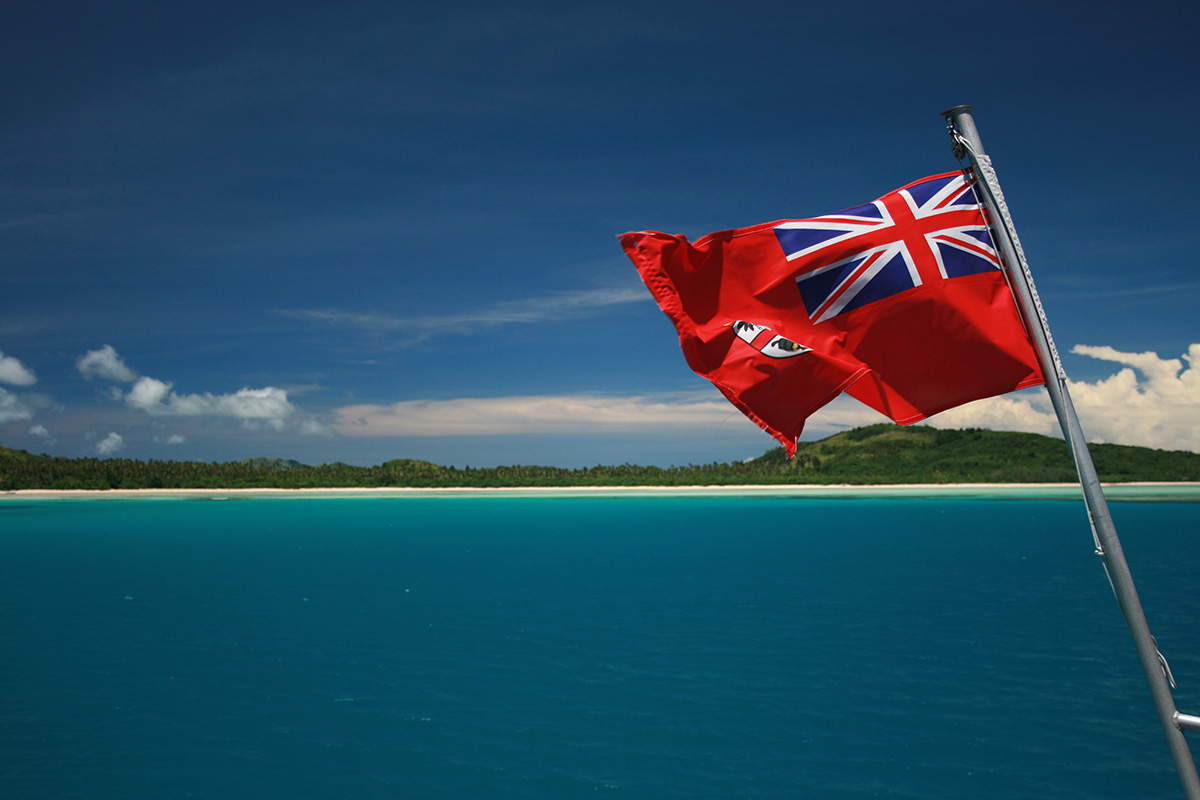
Fiji, a small Pacific island nation, on Sept. 15 declared a national emergency as it confronted one of the sharpest increases in new HIV infections globally.
The surge had been building for years, prompting the government to begin intensifying its response two years before the emergency declaration.
In 2024, the government adopted a four-year HIV Surge Strategy, covering 2024 through 2027, and later put in place a national plan to respond to the outbreak. UNAIDS and the World Health Organization have supported that effort.
The scale of the crisis is stark.
An estimated 9,100 people were living with HIV in Fiji in 2025, according to UNAIDS — a 12-fold increase from 2010. HIV has no cure, but effective treatment can suppress the virus, allowing people living with HIV to live long, healthy lives, and preventing sexual transmission when the virus remains undetectable.
In announcing the emergency, Health and Medical Services Minister Ratu Atonio Lalabalavu said the country recorded 2,016 new HIV diagnoses in 2025, the highest annual total on record. He called the figures a sign of the “seriousness of the epidemic and the urgent, coordinated response our country now needs.”
The crisis is also affecting children.
Save the Children Fiji said this week that a two-month-old baby is currently the youngest patient in the country living with both HIV and tuberculosis. The organization said 59 babies acquired HIV through mother-to-child transmission in 2025, while 67 new HIV cases were recorded among children under 15.
Five years ago, about one in every 167 people in Fiji was estimated to be living with HIV, according to government figures cited by the Associated Press. Since then, Fiji has also emerged as an important transit point in the regional drug trade, with international criminal networks moving narcotics from Latin America and Asia toward markets including Australia and New Zealand. Some of those drugs are also reaching Fiji’s domestic market, where injecting drug use has become an increasingly important route of HIV transmission.
Sexual transmission has continued to fuel the outbreak, with health officials pointing to inconsistent condom use and gaps in HIV testing. Stigma and misinformation have made the problem harder to confront, according to UNAIDS Pacific adviser Renata Ram, who has warned that limited knowledge about HIV can discourage people from seeking testing and care.
In a statement to the Los Angeles Blade, Eamonn Murphy, UNAIDS’ regional director for Asia and the Pacific and Eastern Europe and Central Asia, cautioned against viewing Fiji’s epidemic through the lens of a single behavior or community. Among cases where the mode of transmission is known, he said, more than half are linked to sexual transmission and more than 42 percent to injecting drug use.
“The rise in infections among women and infants also shows that HIV has reached more widely across society,” Murphy said. “What stands out is how quickly the epidemic changed compared with the pace of the response. Access to PrEP and harm reduction remained limited, Fiji did not yet have a needle and syringe programme, and stigma and policy barriers continued to keep some people away from services.”
Murphy noted only 39 percent of people with HIV in Fiji knew their status in 2025, and only 22 percent of them were receiving treatment. He also pointed out a wider system-level problem.
“COVID-19 and the years that followed disrupted services, shifted attention and resources, and left community-led outreach operating below the scale that was increasingly needed,” said Murphy. “The epidemic moved faster than the response.”
Murphy said the immediate challenge is to bring HIV prevention and treatment closer together and make both easier to access at scale. He said PrEP, condoms, testing and harm reduction — including Fiji’s planned needle and syringe program — need to reach people earlier. At the same time, people diagnosed with HIV need a clear path into same-day treatment, care and support that helps them remain in treatment.
The tool at the center of the harm-reduction debate is hardly new.
Needle and syringe programs provide people who inject drugs with sterile equipment, helping them avoid sharing needles and reducing the risk of HIV and other blood-borne infections. Decades of evidence have found that NSPs reduce HIV transmission without increasing drug use, and WHO describes them as a proven and cost-effective public health intervention. Such programs operate in more than 90 countries worldwide. Yet Fiji, even as injecting drug use has become an increasingly important route of HIV transmission, is only now moving toward introducing one.
“Trust is just as important as access,” Murphy told the Blade. “People most affected by HIV are more likely to use services when they are confidential, respectful and connected to organisations they already know. Community groups and peer workers are increasingly part of Fiji’s response, including the rollout of free PrEP, and that closer link with the health system can make a real difference.”
“As UNAIDS has stated, the national crisis declaration is ‘a call for action, not fear,’” he added. “Fiji has the tools to change the trajectory; the priority now is to turn political commitment into rapid, coordinated action that reaches people at scale. The UN Joint Team is working to support the national response.”
Joeli Colati, executive director of Fiji Network Plus, a nongovernmental support and advocacy network established by and for people living with HIV, told the Blade that HIV affects people in ways that extend far beyond their health. Some people are afraid to get tested because they fear being judged or worry that others will discover their HIV status. Others fear the consequences for their families, jobs and relationships, as well as stigma and gossip. For LGBTQ+ people and other vulnerable populations, Colati said, those fears can be even harder to navigate because some already face discrimination. When people do not feel safe, he said, they may avoid testing, treatment and other HIV services.
Fiji does not have a reliable national count of its broader LGBTQ+ population.
UNAIDS estimates that about 16,000 men who have sex with men and transgender people live in the country, though that figure should not be treated as an estimate of the entire LGBTQ+ community.
“We are also seeing a lot of HIV misinformation, especially on social media. This includes people sharing wrong information about how HIV is spread, how it is treated, and what it means to live with HIV,” said Colati. “Another serious concern is the increase in herbal healers claiming they can cure HIV. There is currently no cure for HIV. These claims can be dangerous if they make people stop or delay their HIV treatment. Herbal medicine should never be promoted as a replacement for antiretroviral therapy (ART).”
Colati said HIV peer counselors and NGO outreach workers are helping people at the community level, from supporting those newly diagnosed and helping them stay in care to reaching people who may not visit clinics, providing accurate information and connecting them with testing and treatment. He said people are often more comfortable seeking help from someone who understands what they are going through.
“As someone living with HIV myself for 19 years, I know that a person who is newly diagnosed needs more than medicine. They also need support, correct information and hope. With treatment, people living with HIV can live long and healthy lives,” Colati said. “We also need people to understand undetectable equals untransmittable, or U=U: when a person living with HIV takes treatment and maintains an undetectable viral load, they do not sexually transmit HIV. That is both a prevention message and a powerful message against stigma. Fiji Network Plus, the national network for people living with HIV, reinforced this message in our response to Fiji’s national HIV crisis.”
Asaeli Sinusetaki, acting chief executive of Rainbow Pride Foundation, an LGBTQ+ advocacy group based in Suva, the Fijian capital, in a statement to the Blade said the organization welcomed the government’s declaration because it showed officials now recognized the seriousness of the situation.
“It is unfortunate that it took this long to respond, because the warning signs were always there,” Sinusetaki added.
“For LGBTQ+ people, experiences can differ depending on how comfortable they are accessing services,” Sinusetaki said. “At the same time, LGBTQ+ communities in Fiji have been one of the driving forces behind prevention efforts. Yes, accessing services independently can be a challenge because of fear, particularly stigma and discrimination. But because many LGBTQ people are also part of the Peer Outreach Worker network, they have established trust within their communities and networks to help people access information and services.”
Sinusetaki said access to HIV testing remains a major challenge, with testing unavailable at many local health centers, forcing some people to travel to sexual and reproductive health clinics or hospitals. He said that can be a significant barrier in a country where people often do not seek medical care unless they are already sick, making it unlikely that someone would make a separate trip simply to get an HIV test.
“The emergency has also highlighted that HIV cannot be treated as a stand-alone issue,” said Sinusetaki. “LGBTQ people need access to a broader package of sexual and reproductive health services, STI screening and treatment, mental health and psychosocial support, prevention information, condoms and lubricants, PrEP and PEP and, where relevant, harm-reduction services.”
“For people who receive a positive diagnosis, the challenge does not end with testing,” Sinusetaki added. “We need to ensure that they are linked rapidly to treatment, supported to remain in care and treated with dignity throughout that journey.
The Blade reached out to Lalabalavu multiple times for comment, but did not receive a response.
New Zealand
New Zealand blood donation rules shift
One-size-fits-all assumptions about gay, bi, and takatāpui men to end
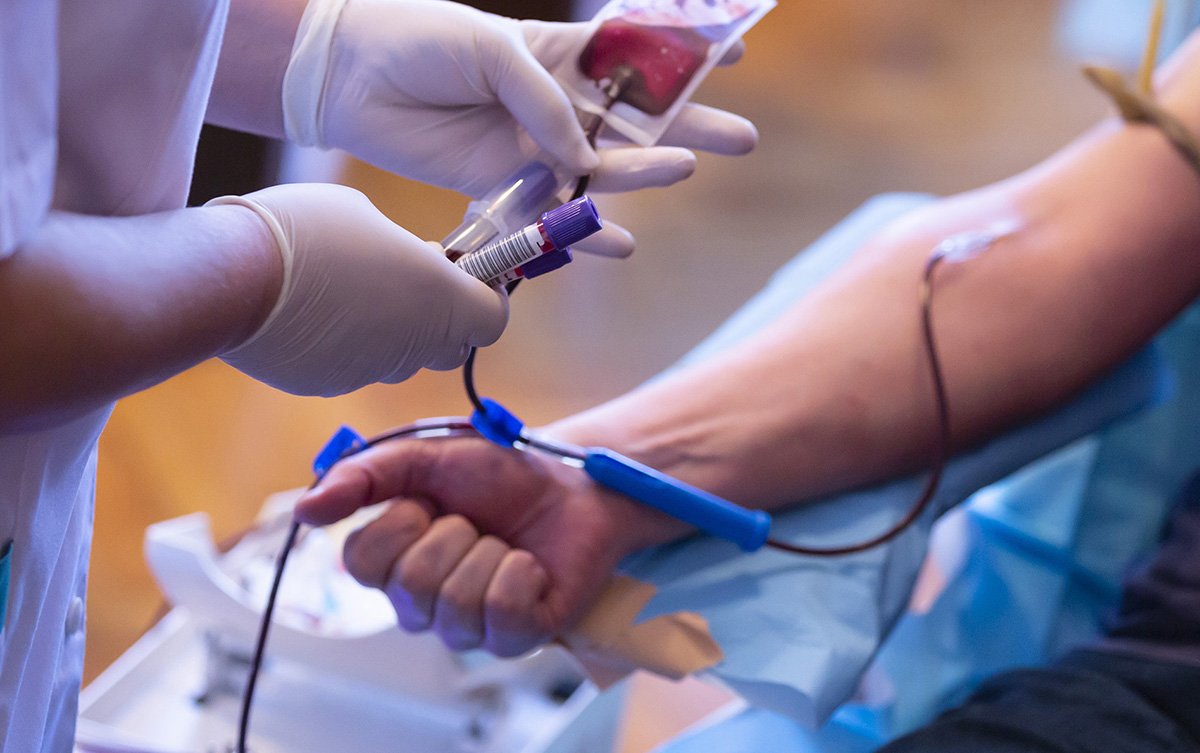
More gay, bi, and takatāpui men in Aotearoa may soon be able to donate blood, with New Zealand Blood Service changing its sexual activity screening rules in a move that shifts the focus away from sexuality and on to specific recent behavior.
For many queer people, the change represents a move away from treating all men who have sex with men as a single risk category. Instead, all donors will be asked the same questions about new or multiple sexual partners in the past three months, and whether they have had anal sex with those partners.
Under the new approach, donors who have had anal sex with a new or multiple partners in the past three months will still face a three-month deferral. But those who have not — and who meet all other eligibility criteria — will be able to donate. Donors will also be asked whether they have had gonorrhea or any other sexually transmitted infection in the past three months, with a three-month wait applying after treatment and recovery.
That change could open the door for some gay, bisexual, takatāpui and other men who have sex with men who were previously excluded from giving blood. In particular, men who have had anal sex with only one partner in the past three months, where that sexual contact has been ongoing for longer than three months, may now be eligible to donate, including those in long-term single-partner relationships.
For years, blood donation rules have been experienced not just as a public health measure, but as a blunt and often stigmatizing signal that queer men were viewed differently from everyone else. This change suggests a more nuanced approach, one that looks at what people do, rather than who they are, based on findings from the Sex and Prevention of Transmission Study (SPOTS) and international evidence supporting behavior-based screening.
New Zealand Blood Service says the new model will maintain the safety of the blood supply while making donation more inclusive.
Still, the new rules are not a complete removal of the restrictions, and some will see them as progress rather than full equity. The three-month deferral remains in place for donors who have had anal sex with a new or multiple partners, even if they are taking PrEP or using condoms. New Zealand Blood Service says that while PrEP is highly effective for HIV prevention, it can mask low levels of HIV during testing, and condoms are not considered completely fail-safe.

Latin queer and trans history along the U.S.- Mexico border on display at UC Riverside event

A Parvesh perspective: Actor Parvesh Cheena talks his roles in ‘Wives’

Allegations involving Ric Grenell raise questions about pay-for-play in White House

New Zealand High Court strikes down puberty blocker ban

Actor Kal Penn on the real lesson of ‘Trust Me, I’m a Doctor’

Making waves in the desert: How Brad Fuhr and KGAY keep the Coachella Valley connected

Meet the voice of Palm Springs: an interview with KGAY 103.1’s John Taylor

Fortune Feimster has always taken representation through comedy seriously

EXCLUSIVE: Democrats seek answers on EEOC settlement affecting LGBTQ+ workers

From ‘La Bola Negra’ to ‘Coward,’ here are this award season’s must-watch queer films
-
 Palm Springs5 days ago
Making waves in the desert: How Brad Fuhr and KGAY keep the Coachella Valley connected
-
 Palm Springs4 days ago
Meet the voice of Palm Springs: an interview with KGAY 103.1’s John Taylor
-
 a&e features4 days ago
Fortune Feimster has always taken representation through comedy seriously
-
 Federal Government3 days ago
EXCLUSIVE: Democrats seek answers on EEOC settlement affecting LGBTQ+ workers
-
 Movies5 days ago
From ‘La Bola Negra’ to ‘Coward,’ here are this award season’s must-watch queer films
-

 Brazil3 days ago
VIDEO: Interview with executive director of VoteLGBT (Institute for Full Citizenship) in Brazil
-

 Palm Springs4 days ago
A quick visitor’s guide to Palm Springs before the winter
-
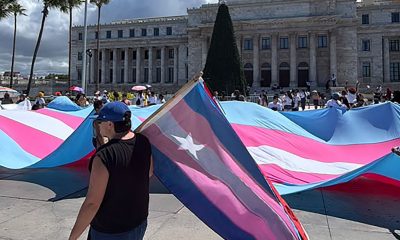
 Puerto Rico4 days ago
Annual National Trans Visibility March takes place in Puerto Rico
-

 AIDS and HIV4 days ago
AIDS Walk Los Angeles takes to the streets in West Hollywood while raising money for HIV/AIDS Care
-

 Television4 days ago
New ‘Carrie’ attempts to reinvent a classic for new generation