West Hollywood
West Hollywood in brief- City government in action this week
WeHo now a Better Cities For Pets™ Certified City for being pet-friendly; Nominations for Disability Service Award Honorees plus more
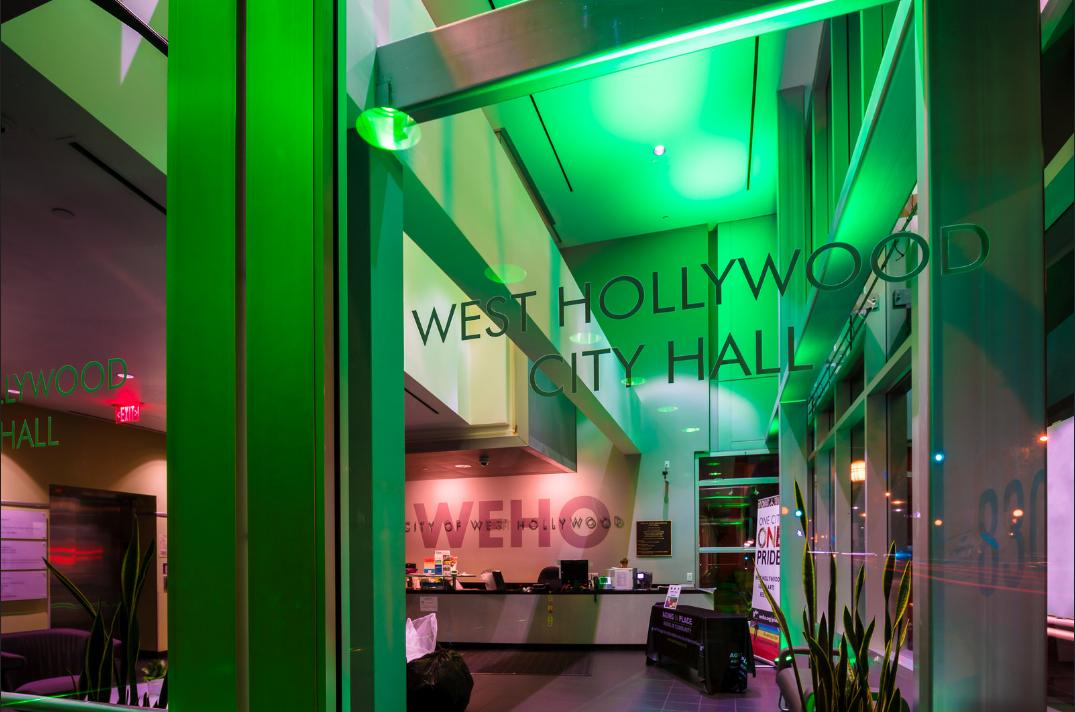
West Hollywood Recognized as a Better Cities For Pets™ Certified City
WEST HOLLYWOOD – The City of West Hollywood has been recognized by Mars Petcare as a Better Cities For Pets™ Certified City for being pet-friendly and for helping to keep people and pets together. The assessment report outlines eight City of West Hollywood strengths, including:
- Partners across the City of West Hollywood are working together to reduce pet homelessness and get more pets in loving homes;
- A local community cat program is humanely reducing overpopulation and keeping cat colonies vaccinated;
- The City of West Hollywood doesn’t have breed bans or other significant restrictions for pet ownership;
- People in the City of West Hollywood have pet-friendly housing options with minimal restrictions or unreasonable fees;
- Local food banks or animal welfare organizations distribute pet food for families in need;
- The City of West Hollywood’s local emergency preparedness plans include accommodations for and communication about pets;
- The City of West Hollywood has pet-friendly green spaces for people and pets to get healthy exercise and connect with each other;
- There are transportation options in the City of West Hollywood for people who need to get around with their pets.
The Better Cities For Pets™ Certified City report also provides inspiration to help make the City of West Hollywood even more pet-friendly in the future including suggestions such as continuing efforts to lead the way on animal welfare and shine a spotlight on pets; continuing its Pet Mayor program; adding signage that makes it easy for pet owners to find pet amenities; making City buildings and facilities pet-friendly to support and demonstrate the benefits of pets at work; and more.
The City of West Hollywood has been on the forefront of the animal rights movement for decades and the City’s commitment to animal rights is one of its legacies. The City has consistently worked to enact leading-edge animal welfare legislation.
In 1989, the West Hollywood City Council passed Resolution 558 making West Hollywood a “Cruelty-Free Zone” for animals. This action was then followed by West Hollywood’s move to secure animal care service policies that included a no-kill policy for stray and abandoned animals.
In 2004, the West Hollywood City Council passed an Ordinance to ban the practice of declawing cats, thereby making West Hollywood the first City in North America to ban this procedure.
In 2008, the City of West Hollywood adopted a Resolution supporting Proposition 2, which led to a statewide standard in the caging of chickens; in 2009, the West Hollywood City Council took a stand against puppy-mills and the sale of dogs in local stores that came from such mills.
The City of West Hollywood’s Ordinance prohibiting the sale of fur established that it is “unlawful to sell, offer for sale, display for sale, import, export, trade, or distribute any fur product by any means anywhere within the City of West Hollywood on or after September 21, 2013.” This Ordinance was approved by the West Hollywood City Council in November 2011 and, in August 2015, the Ordinance was amended.
The City of West Hollywood invites canine members of the community and their humans to sniff out a spot and romp around at the City’s two dog parks at West Hollywood Park. A small dog park and large dog park are located on each side of the park’s basketball courts and each area features expanses of open space with shade trees, small mounds and turf terraces, and water stations. In addition, the City operates the William S. Hart Park and Off-Leash Dog Park located at 8341 De Longpre Avenue.
For more information about Better Cities For Pets™ certification, contact Vyto Adomaitis, the City of West Hollywood’s Neighborhood and Business Safety Manager, at [email protected] or at (323) 848-6531. For people who are Deaf or hard of hearing please call TTY (323) 848-6496.
New Behavioral Health Crisis Response Program to Serve the Community
At its regular meeting on Monday, June 26, 2023, the City Council of the City of West Hollywood unanimously approved the creation of the West Hollywood Care Team, a new behavioral health crisis response program to serve the community. The Care Team is a first-of-its-kind city-county collaboration to enhance community access to crisis support and services.
The City’s Care Team will provide crisis stabilization, safety planning, connection to community resources, and follow-up support. Services will be delivered using an approach based on harm-reduction, trauma-informed, and culturally competent practices. The Care Team will provide mobile response and will ride in unmarked passenger vehicles with no lights or sirens with the aim of providing respectful care to people in crisis. The City expects to launch the Care Team in Fall 2023 with initial operating hours from Monday through Friday, 2 p.m. to 10 p.m. By year two, the goal is to expand Care Team coverage to 24/7/365 service.
“The development and implementation of our new community-based behavioral health response team in West Hollywood is a huge step forward in meeting the needs of community members when they may be experiencing a mental health crisis,” said City of West Hollywood Mayor Sepi Shyne. “The West Hollywood Care Team will bring a whole a new level of sensitivity and a trauma-informed approach that will make our City better poised to respond to needs in way that helps stabilize situations as they occur.”
The City will contract with Sycamores, a nonprofit social service organization with expertise in providing behavioral health programs and services. Sycamores is currently a mobile crisis response contractor for the Los Angeles County Department of Mental Health Alternative Crisis Response (ACR) system. The City will operate the West Hollywood Care Team in collaboration with the regional system to enhance community access to intensive mental health services provided by the Los Angeles County Department of Mental Health when appropriate.
Community members experiencing a behavioral health crisis will be able to call 988 to get support. 988 is the national number for the Suicide and Crisis Helpline. In the Los Angeles region, the 988 call center operator is Didi Hirsch Mental Health Services. Community members utilizing this service will be able to talk to a trained counselor who will assess the mental health crisis and will provide community resources when appropriate. When the counselors on the phone determine that the crisis needs in-person support, the West Hollywood Care Team will be dispatched to respond to the caller’s location to provide services. The West Hollywood community stands to benefit from the immediate availability of crisis counseling via the 988 call center combined with the City’s added capacity to provide in-person service and care when needed.
The investment in the Care Team advances collective priorities outlined in the City’s Community Safety and Well-Being Strategy (CSWB). The CSWB Strategy helps create a safer West Hollywood community by finding ways to better connect the City’s existing social service and law enforcement programs, making it easier for individuals to access vital support and services when needed. The Care Team will also be a secondary responder to West Hollywood Sheriff’s Deputies and LA County Fire personnel. When a community member needs behavioral health services, the Care Team will be requested for on-scene support.
The Care Team program will be overseen by the City’s Human Services Division and will collaborate closely with City-funded social service agencies to support community members’ access to local and regional social services programs.
For more information about the West Hollywood Care Team, please contact Elizabeth Anderson, City of West Hollywood Strategic Initiatives Program Administrator, at (323) 848-6839 or [email protected].
For additional information, please visit www.weho.org/careteam. For people who are Deaf or hard of hearing, please call TTY (323) 848-6496.
Installation of Bus Priority Lanes on N. La Brea Avenue to Begin on Wednesday, July 5
The City of West Hollywood is getting the word out about Metro’s planned installation of new bus priority lanes along N. La Brea Avenue in the City of West Hollywood and the City of Los Angeles. The La Brea Avenue Bus Priority Lanes Project will add bus priority lanes in both directions along N. La Brea Avenue from Sunset Boulevard at the north to Coliseum Street at the south to improve transit travel times during weekday peak hours.
The first phase of the project will be installed between Sunset Boulevard and Olympic Boulevard; an extension south to Coliseum Street is anticipated in the future. Though most of the project is in the City of Los Angeles, the first phase includes three blocks of N. La Brea Avenue in the City of West Hollywood from Romaine Street to Fountain Avenue.
Construction is expected to start on Wednesday, July 5, 2023 and will occur on weekdays (Monday through Friday) between the hours of 9 a.m. and 3:30 p.m. Construction activities are anticipated to last between four and six weeks. Metro’s contractor will remove existing roadway striping, restripe curbside lanes, replace existing signs with new bus lane signs, and install pavement markings for new bus priority lanes. When work begins, temporary lane closures will occur on N. La Brea Avenue, between Sunset Boulevard and S. Orange Drive (south of Olympic Boulevard), as necessary. Parking will be temporarily prohibited during work hours on only one side of the N. La Brea Avenue at a time for construction activity. Temporary signage will offer detour information for pedestrians, cyclists, and motorists.
The City of West Hollywood is coordinating with Metro on the implementation of shared bus/bike lanes that were recommended for this segment of N. La Brea Avenue as part of the City’s Pedestrian and Bicycle Mobility Plan. Within the first phase of the project, including all portions within the City of West Hollywood, new bus lanes will operate on weekdays from 7 a.m. to 9 a.m. and again from 4 p.m. to 7 p.m., replacing the additional general-purpose travel lane that currently becomes available in each direction during peak hours when curbside parking is prohibited.
The goal of the project is to improve speed and reliability for existing transit service on N. La Brea Avenue including Metro’s Line 212 bus service and West Hollywood’s Cityline Commuter service, which provides free rush-hour and Saturday evening service to and from Hollywood & Highland and the Metro B line. Once installed, drivers will be prohibited from driving in the new bus priority lanes during weekday peak hours except when making right-hand turns. The lanes will be enforced by the City’s Parking Enforcement staff, just as existing peak hour no-parking restrictions are today.
Seventy-five percent of bus riders on this corridor do not own cars and use the bus system at least five times per week. Additionally, all routes under consideration for Metro’s future Northern Extension of the Crenshaw/LAX light rail line also include a stop at Santa Monica Boulevard and N. La Brea Avenue, so bus lanes may also one day extend the reach of future rail service.For more details about the La Brea Avenue Bus Priority Lanes Project, please visit Metro’s project website at www.metro.net/labrea or review the Metro project fact sheet.
City of West Hollywood Official City Statement US Supreme Court | 303 Creative LLC v. Elenis
“The US Supreme Court’s conservative majority ruled today that there is a constitutional right to free speech that allows businesses to refuse to provide services for same-sex weddings. The City of West Hollywood expresses profound disappointment in this Supreme Court decision. Equal means equal. There should be no opportunity for our country’s highest court to sideline the dignity and rights of LGBTQ people. We must do better as a nation. In West Hollywood, we embrace a core value of respect and support for all people. Discrimination should never be tolerated. We will continue our tireless fight for full equality for LGBTQ people everywhere.”
City of West Hollywood to Celebrate National Night Out with Events throughout City on Tuesday, August 1
On Tuesday, August 1, 2023, community members throughout the City of West Hollywood will gather on neighborhood streets in a show of unity against crime as the City of West Hollywood once again celebrates the annual National Night Out.
Events such as block parties, barbecues, live entertainment, dancing, and more will take place throughout the City during the evening. Attendance is free. There will be limited street closures during National Night Out; these will occur on Tuesday, August 1, 2023 from 4 p.m. to 9 p.m. A list of events, times, and event locations is being regularly updated on the City of West Hollywood’s website at www.weho.org/nno as the event approaches.
This year marks the 40th Annual National Night Out (NNO), which began in 1984 as an effort to promote involvement in crime prevention activities, law enforcement, community partnerships, and neighborhood camaraderie – and to send a message to criminals that neighborhoods are organized against crime.
Nationwide, more than 35 million people in neighborhoods across the country gather outdoors to celebrate their unity and their successes in the fight against crime. Celebrating National Night Out has been a tradition in West Hollywood since the City’s incorporation.
National Night Out 2023 participants include members of the West Hollywood City Council, Neighborhood Watch groups, the West Hollywood Gateway, and the City of West Hollywood’s Public Safety Commission and Russian-Speaking Advisory Board. Events will be held in coordination with the Los Angeles County Sheriff’s Department, the Los Angeles County Fire Department, and the City of West Hollywood.
For more information, please contact Jessica Anukam, City of West Hollywood Public Safety Specialist, at (323) 848-6436 or at [email protected]
For people who are Deaf or hard of hearing, please call TTY (323) 848-6496.
City to Host Free Document Shredding and Electronic and Hazardous Waste Collection Event
The City of West Hollywood will host a free document shredding, electronic and hazardous household waste collection event for residents and businesses. Community members are invited to bring confidential files and unwanted electronics, including hard drives, and household hazardous waste for shredding and recycling. The hazardous household waste collection is for residents only.
E-waste will be handled by certified electronics recycler, Homeboy Recycling, in a way that protects the planet and keeps data safe while creating jobs for people in the region facing serious barriers to employment. All electronics are accepted, with the exception of large appliances, thermostats, light bulbs, and batteries. For more information call (323) 222-3322. Household hazardous waste collection will be handled by Veolia North America. For more information call Sandy Nunez at (626) 594-2146.
The free event will take place on Saturday, July 22, 2022, from 9 a.m. to 1 p.m. at the Cedars-Sinai Medical Center employee parking lot, located at 355 N. San Vicente Boulevard. This is a drive-through event. All e-waste, hazardous household waste and documents must be in the trunk prior to arrival.
For more information, please contact Matt Magener, Environmental Programs Coordinator, City of West Hollywood, at (323) 848-6894 or at [email protected].
For people who are Deaf or hard of hearing, please call TTY (323) 848-6496.
City Accepting Nominations for Disability Service Award Honorees; Applications Due by August 4
The City of West Hollywood and its Disabilities Advisory Board have opened nominations for the annual Disability Service Awards.
Members of the West Hollywood community are encouraged to nominate in the categories of individuals, businesses, the media, and nonprofit organizations for recognition of work with people living with disabilities, including accessibility issues, attention to Americans with Disabilities Act (ADA) requirements, or advocacy. Please note, current or previous City staff are not eligible to be nominated and no City Advisory Board member or Commissioner who is serving or has served within the prior year can be nominated. For the complete list of the Service Awards Rules and Procedures please click here.
Please submit nominations by 5 p.m. on Friday, August 4, 2023 using this form:
Disability Service Award 2023 – Nomination Form [DOC]
Nominations may be sent via email to [email protected], or mailed to Joyce Britton – West Hollywood City Hall, Human Services Division, 8300 Santa Monica Boulevard, West Hollywood, CA 90069. Be sure to include a contact name and phone number or email address. Award recipients will be chosen at the City’s Disabilities Advisory Board meeting on Wednesday, August 16, 2023 and will be notified shortly thereafter. The awards presentation will be broadcast live on WeHoTV on Wednesday, October 18, 2023 at 6 p.m. as part of the City’s observance of Disability Awareness Month in October.
The awards ceremony will be broadcast live on the on the City’s WeHoTV channels and streams. For details, visit www.weho.org/wehotv. Television broadcasts are available within the City of West Hollywood on Spectrum Cable Channel 10. In addition, programming may be viewed using streaming platforms by searching “WeHoTV” within the search functions of AppleTV, Amazon FireTV, AndroidTV, and Roku services. It will also be available live and for replay at the City’s WeHoTV YouTube channel at www.youtube.com/wehotv.
The City of West Hollywood’s Disabilities Advisory Board was created in 1995 and is comprised of nine members. The Disabilities Advisory Board addresses issues affecting people with disabilities, including ADA compliance, transportation, housing, access to City government, and services for people with disabilities, and makes recommendations to the West Hollywood City Council relative to the adoption of programs, policies, or ordinances of benefit to the constituency. Visit the City’s website for more information: www.weho.org/services/social-services/disability-services/disability-service-awards.For more information, please call the City of West Hollywood’s Human Services Division at (323) 848-6510. For people who are Deaf or hard of hearing please contact [email protected] for more information and to request accommodation.
*************************************************************************************
For more information, please call the City of West Hollywood’s City Council Offices at (323) 848-6460. For people who are Deaf or hard of hearing, please call TTY (323) 848-6496.
For up-to-date information about City of West Hollywood news and events, follow @wehocity on social media, sign-up for news updates at www.weho.org/email, and visit the City’s calendar of meetings and events at www.weho.org/calendar.



West Hollywood
Lesbian cinema, from the archives and beyond, lead this short film festival
This Saturday, the June L. Mazer Lesbian Archives celebrates Lesbian Visibility Week with archival and contemporary sapphic shorts.
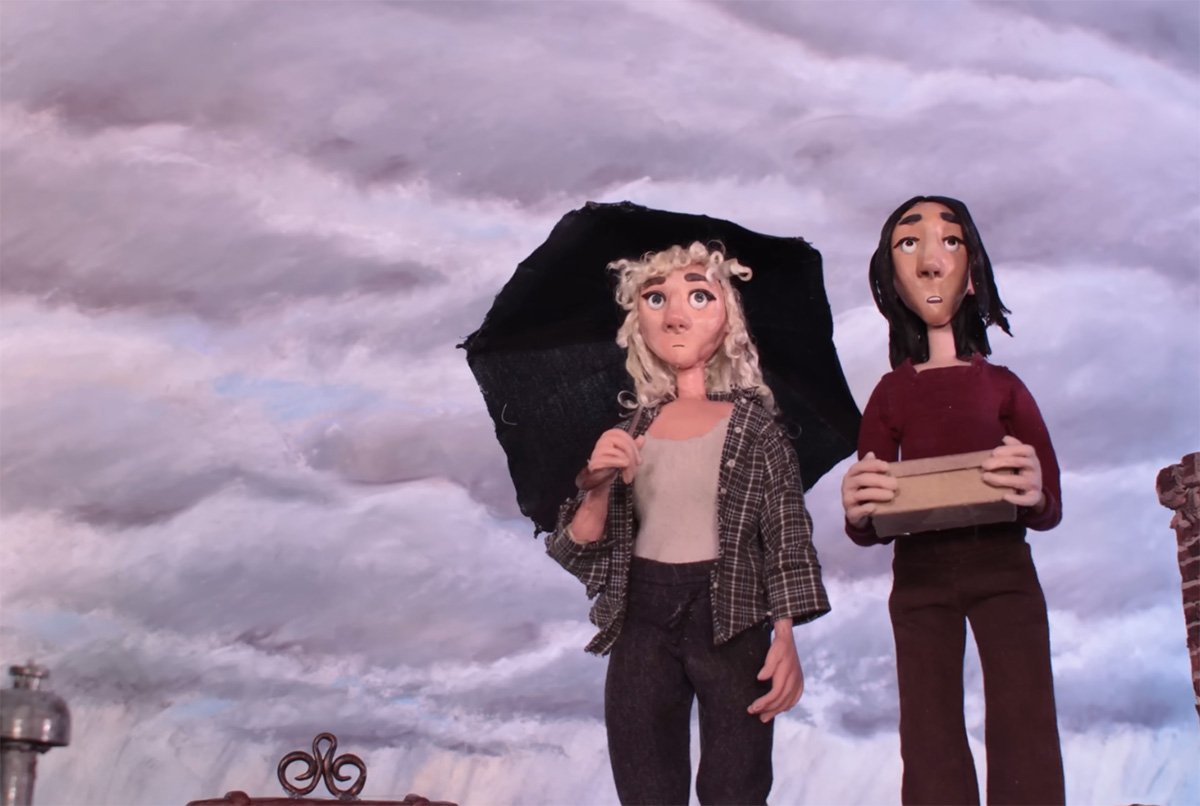
At the June L. Mazer Lesbian Archives in West Hollywood, Alisha Graefe and Kymn Goldstein are rummaging through a treasure trove of unknown lesbian films. Large, neon orange bins sit at their feet, filled to the brim with VHS tapes donated by queer filmmaker Rosser Goodman, who in the late 90s and early 2000s programmed the underground lesbian screening series “Film Fatale.”
Her monthly event provided a safe haven and experimental ground for lesbian film in L.A., shining light on new voices, stories, and perspectives that explored the nuances of living life as a queer woman.
This Saturday, April 25, Graefe and Goldstein are paying homage to Goodman’s legacy with a cinema-centered event of their own: a short film festival that brings together an eclectic, curated mix of archival works and newly submitted pieces from emerging lesbian filmmakers around the world. These works, accompanied by panel discussions, will screen all day in three different blocks at the Pacific Design Center’s Silver Screen Theater.
Like “Film Fatale,” this festival is not just a showcase of resonant, timely art: it’s an opportunity for queer people to intentionally gather, reflect on their history, joy, and resilience, and to soak in spaces that celebrate them.
“The archives are full of history, but every single day we make history,” Goldstein, who is the archive’s executive director, told the Blade. “This festival is an act of creating history. [We’re] bringing people together to celebrate Lesbian Visibility Week and to watch these films. [And] you know what, every week is Lesbian Visibility Week at the archive.”
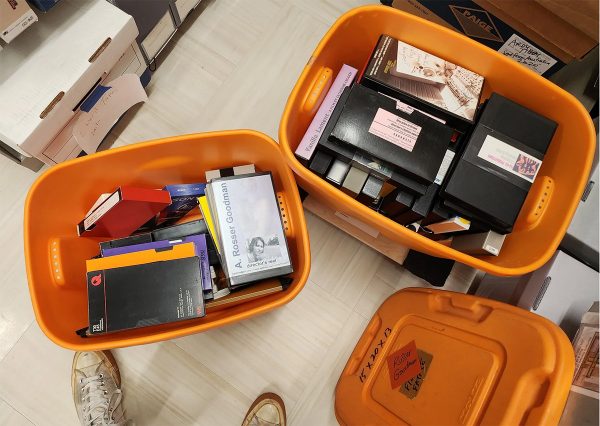
When they were first planning out the film festival together, Goldstein and Graefe — who serves as the Mazer’s full-time archivist — sifted through Goodman’s collection, letting the sounds of static, VCR clicking, and tape-scrubbing fill the room. One of the films they watched, and which will screen at Saturday’s festival, is Goodman’s own 14-minute short, “Life’s a Butch!”: a silent comedy about a woman’s antics to impress her new femme crush with clumsy, masc charm.
It was made over 25 years ago, but its tenderness and whimsy are still palpable today. This, and the other films in the festival, speak to both singular and universal emotions and experiences lesbian, queer, and sapphic people have experienced and will continue to experience across time and space.
This interconnectedness in films, communities, and shared memories between past and present excites Goldstein. “The stories of coming out, of crushes, of losing love…[They] are the same topics and subjects that come up today, especially the political things we’re going through. There’s a continuity across all of it.”
And where there’s continuity, there are clues and maps that pinpoint paths of resistance, dialogue, and survival. When people see their lives, or the lives of others in their communities, reflected on screen and in narratives they can interact with, they are able to draw upon history to craft their own ways forward.
The film festival also offers local community members an entryway into the archive, a longstanding community space that houses journals, photographs, books, films, letters — all tangible materials that people are encouraged to touch and engage with, whether it’s to further their research, spark ideas, or simply be more intimately in conversation with the past.
“There are tons and tons of stories,” Goldstein said, who is focused on maintaining and growing the archive’s collection of ephemera and other personal materials from the community. “It’s living, breathing history in a variety of forms, all hidden in different-sized boxes that you just have to open to see what’s inside.”
To support and learn more about the archive’s upcoming film festival, collections, and other events, visit their website.
Kristie Song is a California Local News Fellow placed with the Los Angeles Blade. The California Local News Fellowship is a state-funded initiative to support and strengthen local news reporting. Learn more about it at fellowships.journalism.berkeley.edu/cafellows.
West Hollywood
John Heilman and Danny Hang will serve as WeHo’s new Mayor and Vice Mayor
Last night, community members and local officials gathered to celebrate new leadership and bid a warm farewell to outgoing Mayor Chelsea Byers.
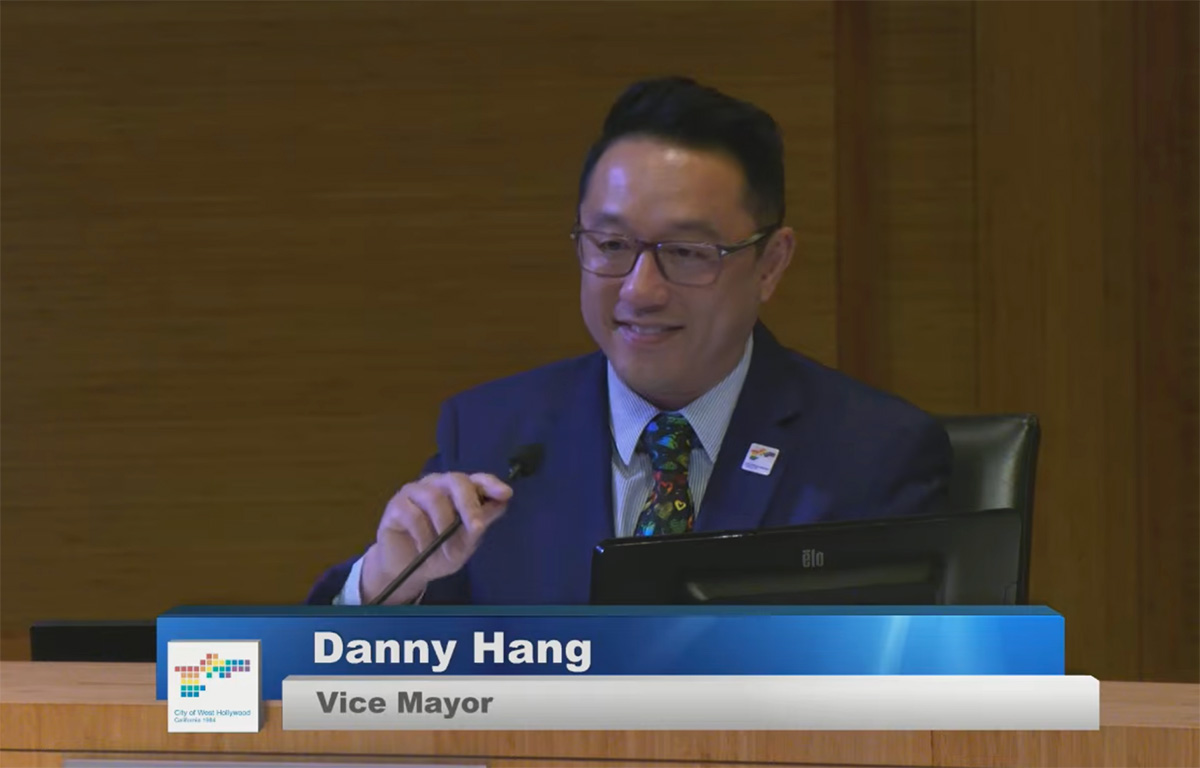
On Jan. 12, West Hollywood residents packed the City’s chambers at 6 p.m. to honor the work of outgoing mayor Chelsea Byers and witness councilmembers John Heilman and Danny Hang take their oath of office as they respectively assume their roles as Mayor and Vice Mayor for 2026.
In her last address as Mayor, Byers spoke about the optimism she holds onto in these unsteady times. To her, West Hollywood is a unique City: one that has become a model for what can be possible in an unjust society. “It’s us against the world. It’s West Hollywood on the stage,” Byers said. “It’s our story to tell, and every single person here contributes in such great ways to that.”
Byers was awarded a plaque on behalf of West Hollywood council members for her outspoken commitment to LGBTQ+ rights, economic justice, housing affordability, and policies that emphasize equity and inclusivity in West Hollywood.
Her leadership remains a bright, guiding light for Mayor Heilman, who was part of West Hollywood’s first city council after the independent city was incorporated in 1984. The spirit of that initial group remains today: queer, progressive, and led for and by the people. Yesterday’s ceremony marked the beginning of Heilman’s ninth time serving as Mayor, as well as his last year on the city council due to term limits.
Now, he leads side-by-side with a self-proclaimed “newcomer,” Danny Hang.
From the 626 to the Westside: Hang’s roots and journey
Hang was born in Monterey Park, a city in the San Gabriel Valley. The region is known for its diverse communities and AAPI-rich culture and history, and Hang recounted to the Blade the deep sense of belonging and comfort he felt growing up there. “I could go to a restaurant, speak Vietnamese or Chinese,” Hang said. “There are people who look like me out there. It is my home away from home.”
After college, he worked at the Social Security Administration, where he helped retirees, disabled people, and those impacted by loss file for Supplemental Security Income (SSI). The work was fulfilling, and he loved feeling that he had a tangible impact on others’ lives: that he could help residents grappling with difficult bureaucratic processes.
This passion grabbed the attention of L.A. County Supervisor Lindsey Horvath, who tapped Hang into serving on West Hollywood’s Disabilities Advisory Board in 2017. Hang eagerly accepted the role, having always been drawn to the vibrant, queer cultural hub. “WeHo was always the land of the unicorn: the land of magic,’ Hang told the Blade. “[This] was a town where I could be open, by myself, and find other people who were also LGBTQ+.”
After serving on the City’s Disabilities Advisory Board and, subsequently, the county’s Business License Commission, Hang noticed a lack of AAPI representation in local leadership. “There aren’t many AAPI people at all in West Hollywood. After I was on the commission, [I thought]: Hey, I think I want to run for city council,” Hang told the Blade.
Creating more inclusive leadership in WeHo
In 2024, Hang was elected to West Hollywood’s city council, becoming the first AAPI councilmember in the City’s 40 year legacy. “I want to see people who look like me in local government, because I want this community to be reflective of the modern-day people who live here. We’re a diverse community, and there’s no reason why we shouldn’t have people of color on the council, as well as more people of color appointed to our boards and commissions.”
Last night, local officials offered encouragement, support, and affirmation to Hang after he took his oath of office. “You’re already making history and certainly making waves across, not just your home region of the San Gabriel Valley, but certainly in California,” said Monterey Park councilmember Henry Lo.
Afterwards, Hang addressed the room, thanking residents, fellow council members and his family. “Standing here as the first AAPI elected to the West Hollywood City Council is deeply meaningful, and I couldn’t have done it without my parents. [They’re] right here in the front row,” Hang said. “My dad was a union worker, who showed me why standing up for workers matters. And my mom worked in a small business, owning a little nail salon in South Pasadena. She taught me what it means to care for others and to keep the community going.”
The year ahead: Heilman calls for residents to unite
Afterwards, Mayor Heilman spoke at length about the upcoming transitional year, the urgency of the current political climate, and ways that community members can step up to support each other. In his last term, he has set his eye on revitalizing the Sunset Strip, stabilizing rent and increasing housing affordability as well as examining the safety of the City’s foundational buildings, including the library and fire station.
He concluded his speech by making an unwavering stance on the “appalling” state of the federal government, stating that every West Hollywood resident must step up together in the face of ongoing federal attacks on the rights of LGBTQ+ people, specifically transgender people, as well as immigrants and other marginalized community members.
“This is a direct attack on our residents. It’s a direct attack on all of us,” Heilman said. “Now is not the time to hide. We need you…Ask what you can do to help people in the community,” he said, galvanizing residents to volunteer for the City’s various social services, nonprofits like Hollywood Food Coalition and Ascencia.
This call for unity and communal bravery echoes Byers’ belief in the courage of the people of West Hollywood. “41 years ago, a group of people defined what government could be,” Byers said. “We’re living the wildest dreams of people decades ago…and we get to be a bridge for that hope for the future. In such a critical moment, it’s truly our responsibility.”
Kristie Song is a California Local News Fellow placed with the Los Angeles Blade. The California Local News Fellowship is a state-funded initiative to support and strengthen local news reporting. Learn more about it at fellowships.journalism.berkeley.edu/cafellows.
West Hollywood
Administration refused to honor World AIDS Day; residents gathered with defiance, grief and love
Yesterday, members of the APLA Health Writers Group read moving stories to a large group of locals gathered at the AIDS monument.
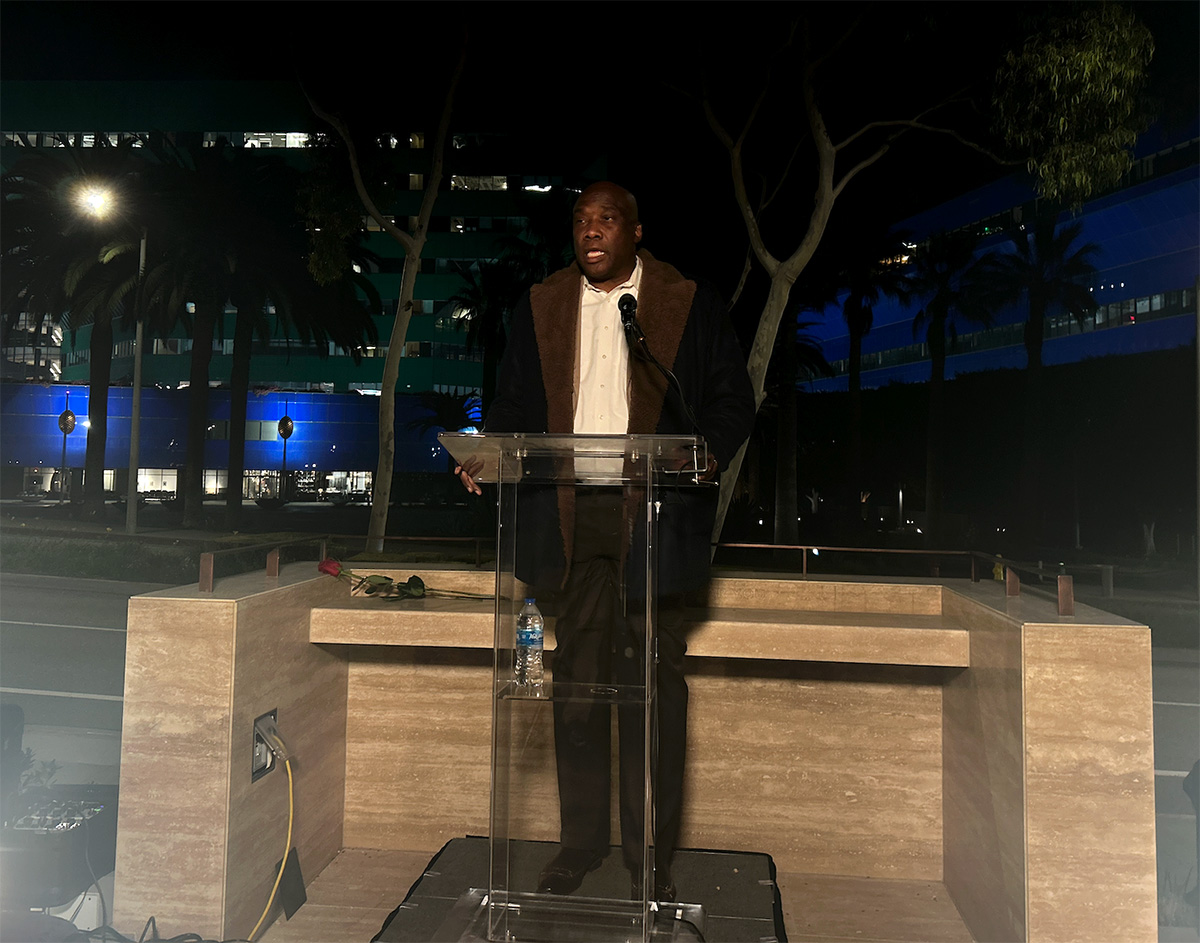
On Monday, the federal administration did not honor World AIDS Day, for the first time since the international awareness day was created in 1988. In addition to significant funding cuts to organizations focusing on HIV preventative treatment and care, the government’s halting of this commemoration perpetuates a dismissive system of inaction against LGBTQ+ people.
And yet, over 50 community members filled the empty spaces of West Hollywood’s AIDS monument yesterday evening, waiting in the night chill as city officials delivered impassioned statements and writers from APLA Health read personal pieces that centered a grief and love for those lost to the epidemic.
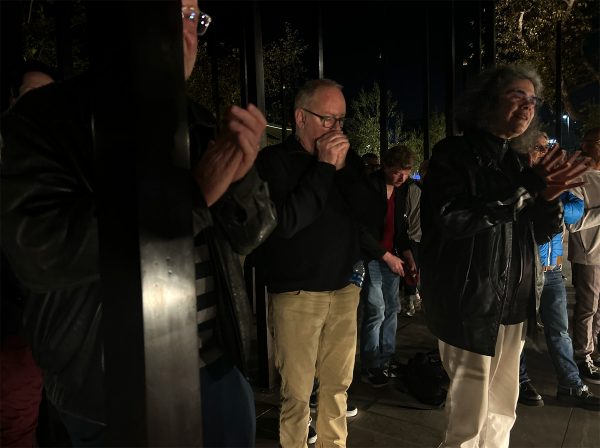
Before the readings began last night, West Hollywood vice mayor John Heilman asked for residents to join him in a righteous rage against administrative apathy. “I want to ask us all to reflect for just a moment about all of the people we lost…I want us to reflect and get angry,” said Heilman. “We have a fucking president who won’t even recognize World AIDS Day.”
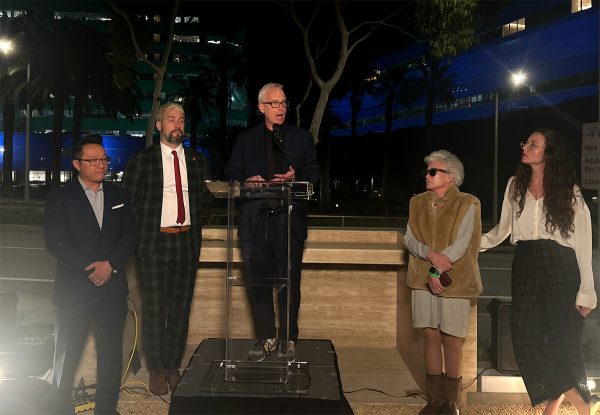
Irwin Rappaport, board chair for STORIES: the AIDS monument, echoed this immense disappointment. “Many of us here tonight lived through the 1980s, so we know what that’s like,” Rappaport said. “We also know that because of that neglect, because of that lack of caring from the federal government, we have to care for one another — and we know how to do that. When we don’t have recognition from others, we know how important it is to preserve our own history, to tell our own stories.”
Through heavy silence, five writers from APLA Health’s writers group stood tall before a podium and shared intimate writings they created about the epidemic and its personal impact on them. The collective was established in 1989 to provide an inclusive, expressive space for HIV-positive writers and allies to work on their writing and learn how to share their stories.
Writer Brian Sonia Wallace, who served as West Hollywood’s poet laureate from 2020 to 2023, has been working with the writers group for the last four years to help them hone and refine their narrative voices as they share their heaviest grief and the depths of their love for the people they lost to HIV and AIDS.
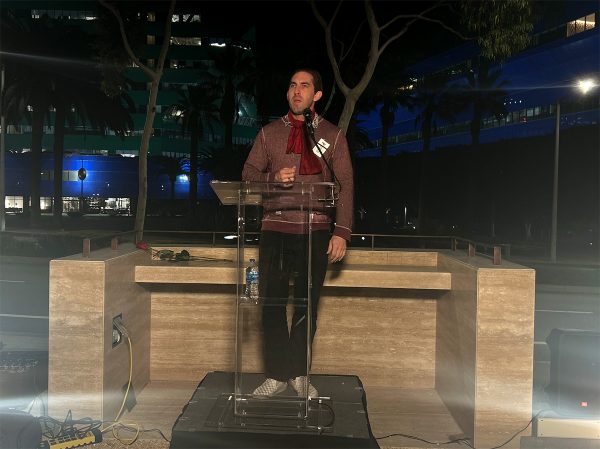
Hank Henderson, one of these writers, read from a diary entry from November 29, 1991. His voice, clear and strong, wavered as he shared about the death of his dear friend Richard. In a piece filled with lush, rich detail, painted clearly with a strong and loving voice, Henderson recounted a memory with Richard during the latter’s last years.
“The Santa Barbara sky is clear blue forever today…Yesterday came and went like a half-remembered dream between snooze alarms,” Henderson recited. “Last year, we walked to the beach. We spent hours there, played frisbee ourselves, brought the dog. Richard even yelled out 30-minute tanning turnover alarms. Yesterday, he took tiny, labored steps back to the car, used my shoulder to keep himself from falling over. Nobody said anything. We just pretend it’s normal.”
Another writer, Austin Nation, shared the story of being told he was HIV-positive at 26 years old. As a young nurse, he remembered the shock of seeing “young, beautiful men” arriving at the hospital covered in “purple, blotchy sores.” When he received his own test results, a paralyzing terror washed over his body. An incredulity followed the fear: why was this happening to him? “I got this thing for what?” Nation spoke. ”For having fun? For making love? And now it’s gonna cost me my life?”
But as he stood before the crowd, now 63 years old, he was met with applause and joy as he stated and repeated: “I’m still here. I’m still here.” The writers, in their grief and loss, have come to a place where they are able to share these stories, empowered and held. “In a world that writes off people with stories like mine,” Nation said. “It’s a hell of a good day to be alive.”
Kristie Song is a California Local News Fellow placed with the Los Angeles Blade. The California Local News Fellowship is a state-funded initiative to support and strengthen local news reporting. Learn more about it at fellowships.journalism.berkeley.edu/cafellows.
West Hollywood
West Hollywood kicks off community-focused programming for World AIDS Day
Since 1988, queer communities have come together on Dec. 1st to honor siblings and allies lost to the AIDS epidemic.
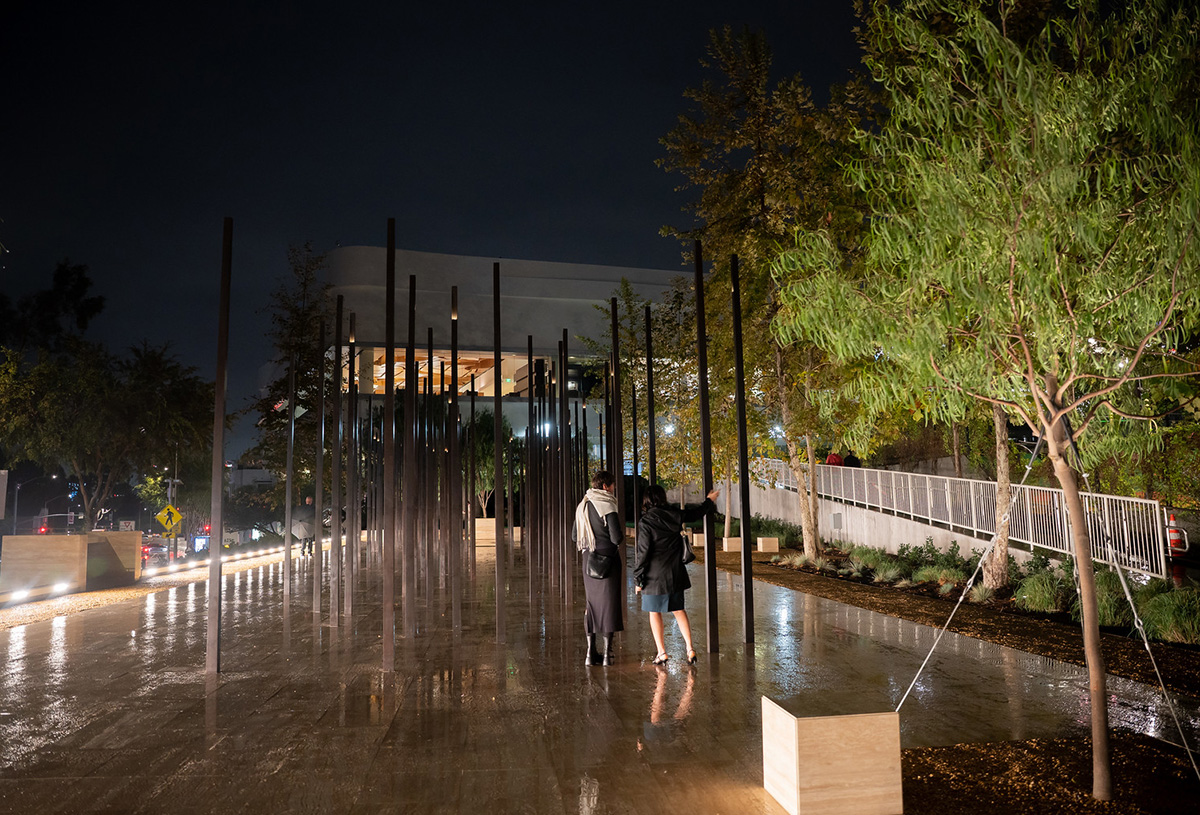
Since 1988, LGBTQ+ communities have come together on Dec. 1st to commemorate queer siblings and allies lost to the AIDS epidemic. This year’s World AIDS Day follows the theme “Overcoming disruption, transforming the AIDS response” and highlights the substantial funding cuts to research, health services, and community initiatives that have prioritized the safety of people with HIV and AIDS. The theme challenges people to think about “radical” ways to organize together and ensure that those who are impacted are able to access the care, treatment, and awareness that they need.
Beginning today, the City of West Hollywood is kicking off programming to recognize the historical transformation that local queer communities experienced during the AIDS epidemic. A panel from the AIDS Memorial Quilt will be available for viewing at the City’s Council Chambers at 625 N. San Vicente Boulevard through Monday, Dec. 15th.
Known as the largest community arts project in history, the Quilt is a powerful memorialization of loved ones who died during the epidemic. Each panel of the Quilt contains a story of remembrance, immortalizing a life cut short during the crisis. The project currently contains over 50,000 panels dedicated to over 110,000 people, all woven together in a 54-ton tapestry piece.
If you’re visiting the panel today, there will be an additional gathering opportunity tonight at the West Hollywood Park for STORIES: the AIDS Monument. From 5:30 to 8:30 p.m., members from the HIV-positive writers collective APLA Health Writers Group will present intimate readings that reflect on their experiences. Community members will be allowed time to wander through the monument and also preview the new Herb Ritts: Allies & Icons exhibition at ONE Gallery after the program. The art show includes striking black and white portraits of activists who stood in alliance with those most impacted during the AIDS epidemic.
Additionally, fresh flowers will be placed on the bronze plaques that line the City’s AIDS Memorial Walk. During the AIDS epidemic, West Hollywood was at the center of a rampant grief and loss that juxtaposed vibrant programming and efforts that boosted healing and fought against stigma and violence. It continues to be a vibrant space that houses various organizations and memorial spots that continue to uphold the revolutionary history and advocacy work that has continued since the epidemic’s beginnings.
Today, West Hollywood is in the process of executing its HIV Zero Strategic Plan, an initiative that began in 2015. Its goals include: expanding healthcare access for people living with HIV and AIDS, reducing the rate of infections, lessening health disparities and inequities for those impacted, and slowing the disease’s progress from advancing to AIDS.
According to West Hollywood mayor Chelsea Byers at a recent Cityhood event, the initiative carries forth the City’s “bold vision” and commitment to ensuring marginalized community members living with HIV do not face the life-threatening discrimination and health barriers that their elders experienced.
To learn more about the City’s programming, read here.
Kristie Song is a California Local News Fellow placed with the Los Angeles Blade. The California Local News Fellowship is a state-funded initiative to support and strengthen local news reporting. Learn more about it at fellowships.journalism.berkeley.edu/cafellows.
West Hollywood
Today, West Hollywood celebrates 41 years of queer cityhood
WeHo’s city officials are trying to preserve the fight for queer safety and rights that began decades before.
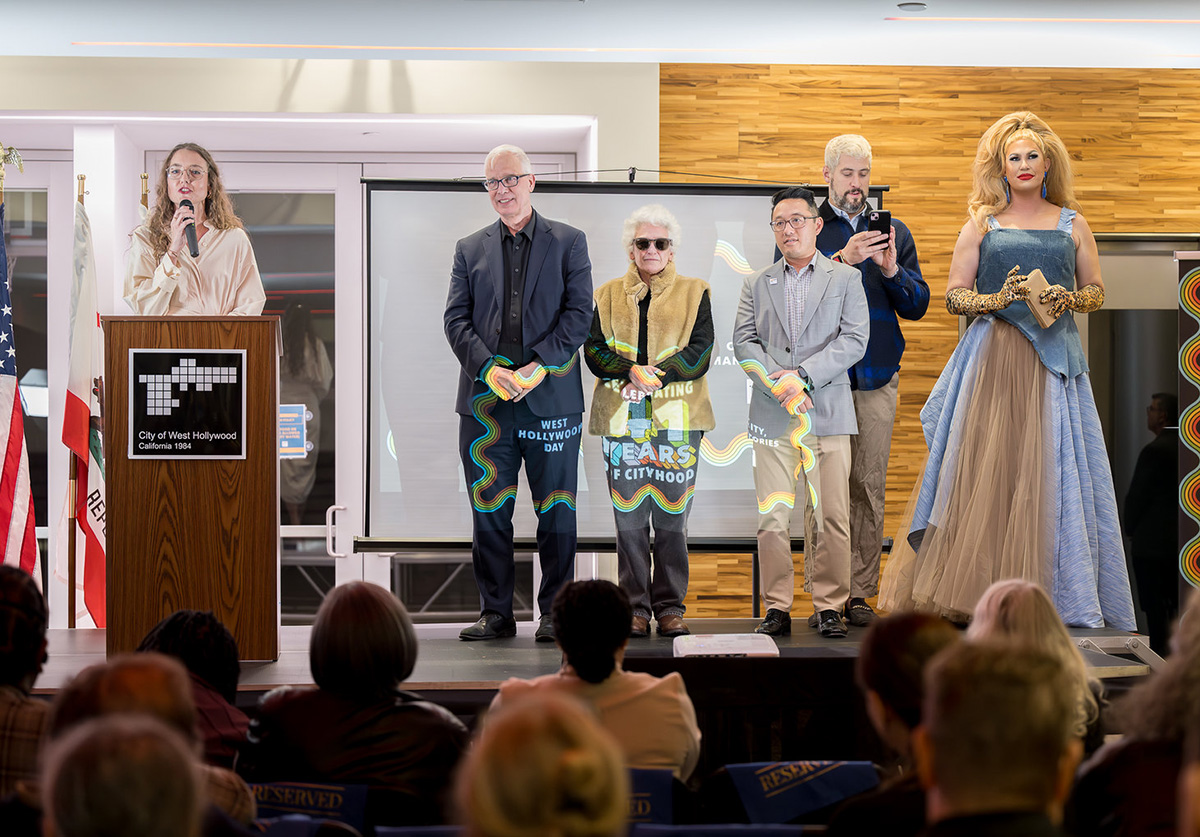
On Nov. 29th, 1984, West Hollywood was incorporated as an independent City, making its sovereignty official and solidifying it further as a sanctuary for LGBTQ+ community members, their stories, and their freedoms. Inspired by other prominent gay neighborhoods like New York’s West Village and San Francisco’s Castro District, West Hollywood was established by local queer advocates and residents. Their first city council was made up of a majority gay governing body — the first in the world, according to the West Hollywood History Center.
This political legacy, and the city’s vibrant and proudly queer history, continues to be preserved. On Monday’s celebratory event, West Hollywood mayor Chelsea Byers announced that the City’s current council “continues to be a majority-LGBTQ+ body,” holding tightly onto a “spirit” that reflects, prioritizes, and fights for Los Angeles’ queer community.
West Hollywood has been through various transformations, cocooning and revitalizing itself through the country’s evolving political and cultural upheavals. It has long been home to a ravishing nightlife that celebrates LGBTQ+ expression, and was a focal point for queer-led liberation and activism in the late 1960s and early 1970s. Trailblazers like Morris Kight led the first gay pride march through West Hollywood’s streets in 1970 and opened the Los Angeles LGBT Center to nourish the City’s robust and blossoming queer communities.
Today, West Hollywood continues to be the place where queer organizers and residents plant roots. Earlier this month, STORIES: the AIDS monument opened up in the City’s park after over a decade of work, shining a light on the legacies of gay activists, artists, historians, and community members who fought to survive as anti-gay stigma led to the erasure of their rights and lives.
As waves of anti-LGBTQ+ hate and violence continue to surge through the country, West Hollywood elected officials aim to continue doing the critical work that began decades before them: the work that protects the ability of queer residents to advocate for themselves, to live with protections and dignity, and to relish in joy. Mayor Byers is inspired by the resilience of the community members who stood together to establish this independent City in 1984. “The people who lived here…wanted a city with strong protections for renters, with progressive policies, and with a local government that would actually reflect and protect the people who call this place home,” said Byers, at the Nov. 24th celebration.
Over 40 years later, these needs have not changed. The way forward? Remembering and fighting for that initial promise and hope. “We are a chorus. We are a tapestry,” said Byers. “We are the product of thousands of people who, for more than four decades, have dared to say: We can build something better here.”
Kristie Song is a California Local News Fellow placed with the Los Angeles Blade. The California Local News Fellowship is a state-funded initiative to support and strengthen local news reporting. Learn more about it at fellowships.journalism.berkeley.edu/cafellows.
West Hollywood
From nickname to reality, the Rainbow District is made official by the City of West Hollywood
The mile along Santa Monica Boulevard from N. Doheny Drive to N. La Cienega Boulevard welcomes residents and visitors to come as they are
Even in today’s political climate, we will not be hidden.
The vibrant stretch on Santa Monica Blvd of over 50 local businesses, representing the full spectrum of LGBTQ+ expression, from N Doheny Dr to N La Cienega, has had the loving nickname of the Rainbow District for decades. Well, now it’s official. From nightlife to restaurants to community organizations, the City of West Hollywood has formally designated the space as such, honoring the neighborhood’s legacy as a safe haven for the queer community and beyond.
In addition to making the name official, the Rainbow District is being launched with a full range of social media, including Instagram, TikTok, and Facebook, keeping the residents and visitors updated on all upcoming events and happenings in the neighborhood.
Long known as a beacon of acceptance, inclusion, and visibility, where everyone is welcome, this iconic mile-long corridor is now formally recognized for what it has always been: a place where people from every walk of life can come together, be themselves, and celebrate the beauty of diversity.
City of West Hollywood Mayor Chelsea Lee Byers states, “For generations, the City of West Hollywood’s Rainbow District has been a place where LGBTQ+ people take their first steps into living openly, where the warm embrace of community is found at every turn, and where the joy of living out, loud, and proud fills the streets. The City’s official designation of the Rainbow District honors both the legacy and the future of this vibrant neighborhood, home to beloved entertainment venues, bars, and restaurants that have long served as cornerstones of LGBTQ+ life. Today, the Rainbow District is more alive than ever, and it will always stand as a beacon of hope, pride, and belonging and as a reminder that everyone deserves a place to celebrate joy, to be seen, and to be supported.”
The Rainbow District officially joins a nationwide list of iconic LGBTQ+ landmarks. West Hollywood will not be hidden amid political backlash and will continue to protect queer spaces, uplift queer voices, and foster a safe and joyful environment for all.
“This designation is not only a celebration, but it also serves as a promise,” said Visit West Hollywood President & CEO Tom Kiely. “A promise to keep LGBTQ+ spaces visible, valued, and vibrant for generations to come. As the Rainbow District continues to evolve, it will remain a place where locals and visitors alike can connect through culture, creativity, and community. The City’s formal designation affirms its significance and highlights The Rainbow District as the ultimate playground for travelers seeking a unique, inclusive, and authentic experience.”
The Rainbow District will be home to upcoming community events that include:
- Winter Market & Ice Skating Rink — December 2025
- Go-Go Dancer Appreciation Day — March 2026
- Harvey Milk Day — May 22, 2026
- WeHo Pride Weekend & the OUTLOUD Music Festival at WeHo Pride — June 5–7, 2026
Follow the Rainbow District on socials to discover local happenings, support small businesses, and be part of a neighborhood that celebrates every person for exactly who they are.
Instagram: @RainbowDistrictWeHo TikTok: @RainbowDistrictWeHo
Facebook: facebook.com/rainbowdistrictweho More Info: visitwesthollywood.com/rainbowdistrict
West Hollywood
West Hollywood’s AIDS Monument preserves the pain and power of people lost to the crisis
STORIES: The AIDS Monument is now available to view at West Hollywood Park, 15 years after its conception.
It was 1985, at the height of the AIDS crisis, when Irwin Rappaport came out as gay. As he came to terms with his identity, he witnessed people around him grow weaker: their faces becoming gaunt, painful lesions developing on their bodies. Five years later, he began volunteering as a young lawyer at the Whitman-Walker Clinic, a community health hotspot in Washington, D.C. that created the first AIDS hotline in the city, opened homes for patients with AIDS, and distributed materials that promoted safe sex.
The work being done at the clinic was instrumental, essential, and deeply painful. “When you see that sickness and experience that death among your friends and people you know, and when you’re writing wills for people who are much too young in ordinary times — it has an impact,” Rappaport told the Blade. “And even though in 1996 we saw life-saving medications come around, you never forget the sense of fear that permeates your life. The sense of loss.”
Determined to honor and share the legacies of people who died from AIDS, Rappaport joined the Foundation for the AIDS Monument (FAM) board to work towards the organization’s goal of creating a physical monument dedicated to memorializing these histories. FAM treasurer Craig Dougherty first conceived of this project in 2010 and, after 15 years, STORIES: The AIDS Monument is now available to the public for viewing.
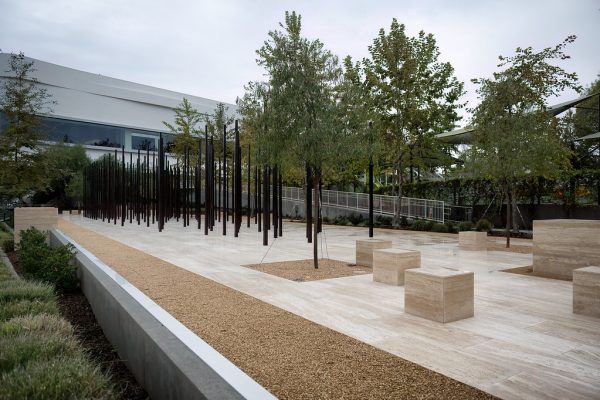
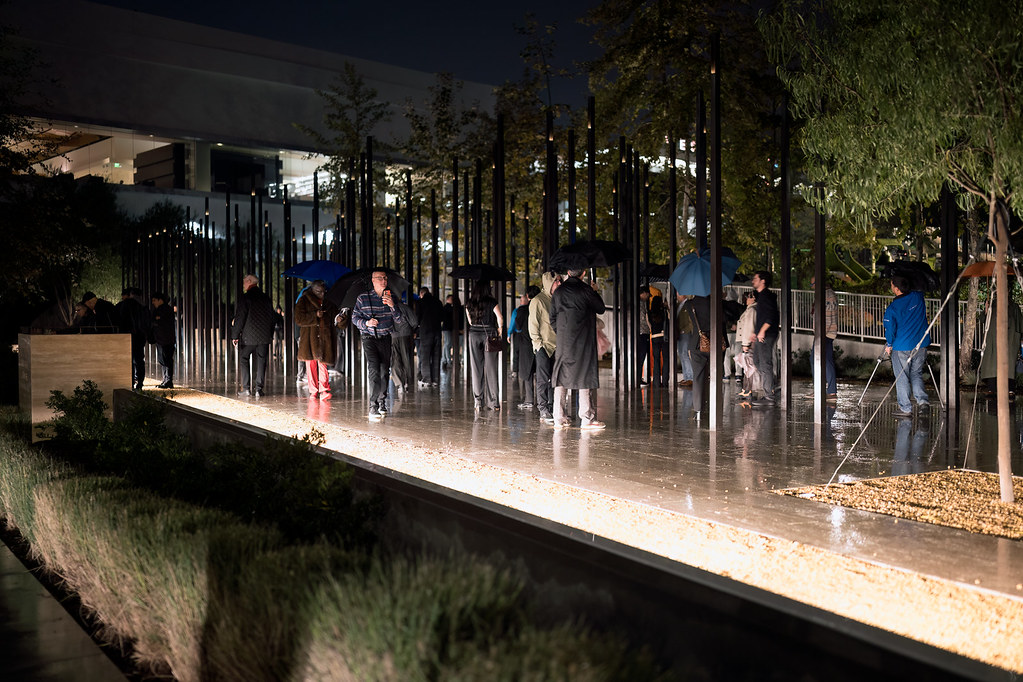
Created in collaboration with the City of West Hollywood, STORIES: The AIDS Monument is composed of 147 vertical bronze pillars known as “traces.” Designed by artist Daniel Tobin, 30 of these traces are engraved with words like: activism, isolation, compassion, and loss, which correlate to the over 125 audio stories collected and archived on the foundation’s website. This multimodal storytelling allows people who come across the monument to engage more intimately with the people represented by these physical pillars.
At nighttime, lights transform the monument into a candlelight vigil, providing a warm glow to a wanderer’s journey through the structure.
When people were able to walk around the traces at Sunday’s grand opening ceremony at the Pacific Design Center, the last remnants of the weekend’s rainstorm created a kind of “spiritual” and reverent atmosphere for those gathering, according to Rappaport. “I think there’s a certain peacefulness and serenity about the design, an opportunity for reflection,” he continued. “For some, it may bring back incredibly painful memories. It might bring back wonderful times with friends who are no longer here. It might remind them of their own caregiving or activism, or the sense of community that they felt in striving with others to get more attention to the disease.”
Now that the monument has been built, FAM has passed the mantle of management and programming to One Institute, a nonprofit that engages community members with queer history through panels, screenings, and other educational initiatives. One Institute plans to host monthly docent tours, art installations, and other special events during various LGBTQ+ national awareness days, including the upcoming World AIDS Day in December.
Rappaport also hopes to do outreach with local schools, so that young students are able to engage with the monument, learn about the people who were affected by the AIDS crisis, and interact with the ripples of transformation that this time period sparked in politics, research, the arts, and within society. “For younger people, I think [this is] an invitation for them to understand how they can organize about issues that they care about,” Rappaport said. “[So] they can see what the HIV and AIDS community did as a model for what they can do to organize and change the world, change culture, change law, change politics, change whatever they think needs to be changed. Because we had no other choice, right?”
West Hollywood
West Hollywood invests $1 million to build LGBTQ+ Olympic hospitality house
Pride House LA/WeHo will be an interactive space for queer athletes and allies to celebrate the 2028 Summer Games together.
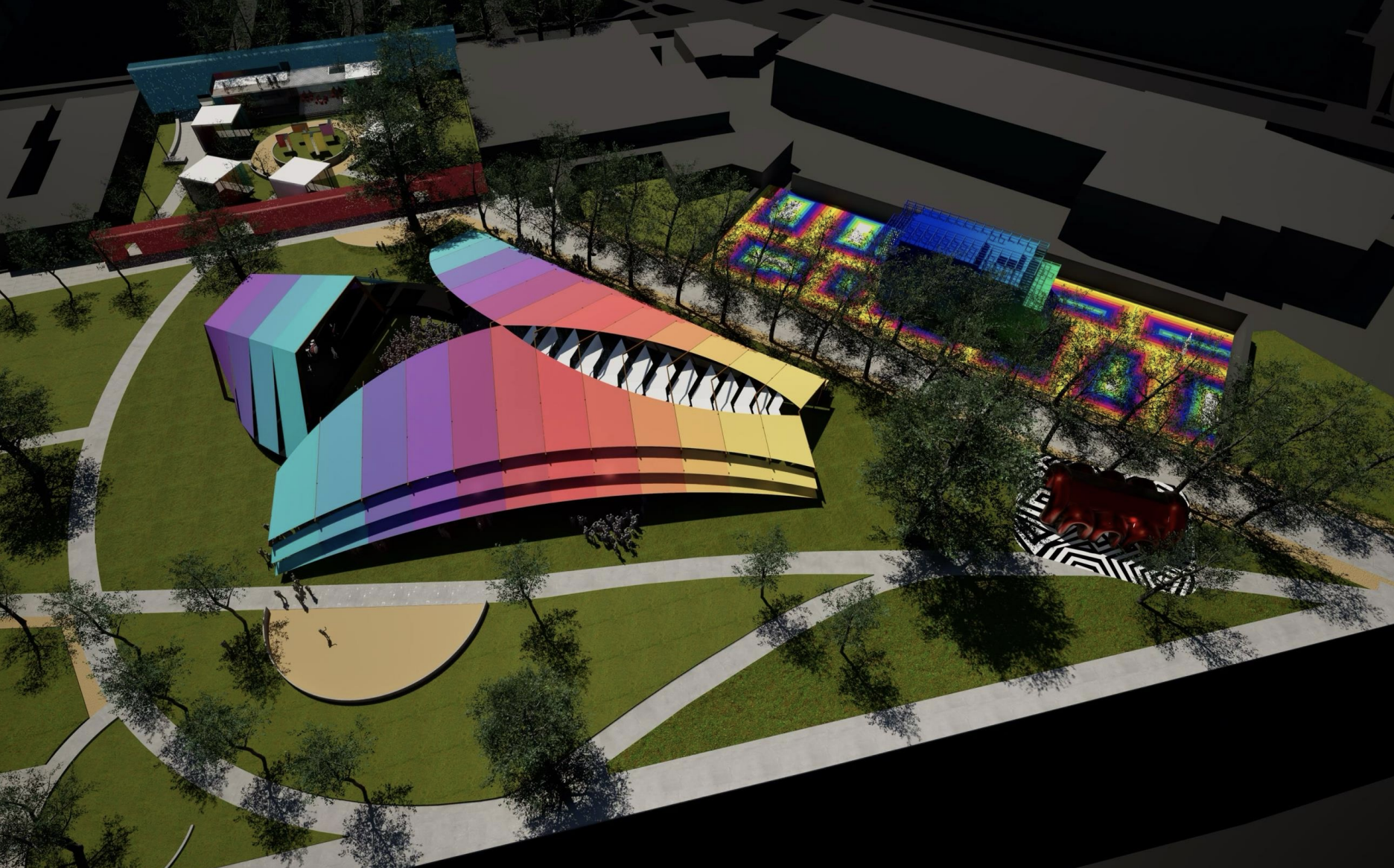
The first-ever Olympic hospitality house began with humble roots in 1992: a tent pitched on the Port of Barcelona for athletes to gather with their families. Since then, they transformed into fixtures of several major sporting events, with hopes of fostering belonging and safety for athletes of various cultural backgrounds.
It wasn’t until 2010 that the first LGBTQ+ hospitality house, the Pride House, appeared during the Winter Olympics in Vancouver. Over the years, its existence and visibility have faced barriers. During the 2014 Sochi Winter Olympic Games in Russia, Pride House International was denied from organizing its safe hub. The rejection was a blow to the visibility and safety that the organization was trying to promote and create for queer athletes. But this didn’t go unnoticed. International fans demonstrated quiet resistance, hosting remote Pride Houses in support of the Olympians who were barred from openly communing and celebrating together.
As Los Angeles prepares to host the Summer Olympics in July 2028, Pride House is coming back stronger than ever. In early October, the West Hollywood city council approved an agreement that would allocate $1 million to sponsor Pride House LA/WeHo as they prepare to build a temporary structure at West Hollywood Park for the 2028 Games. For 17 days, vibrant LGBTQ+ sports programming will fill the park’s grassy knolls.
Pride House LA/WeHo CEO Michael Ferrera detailed at a Nov. 1st Out Athlete Fund fundraising event that the team plans to build a concert stage to seat over 6,000 people. There will also be a museum that will take viewers through 100 years of queer Olympics history, viewing areas for people to watch the games, and a private athlete village for queer Olympians. “The dream of that is — imagine you’re an athlete from a country where you can’t be out,” said Ferrera. “You come here, and you can be safe and sound.”
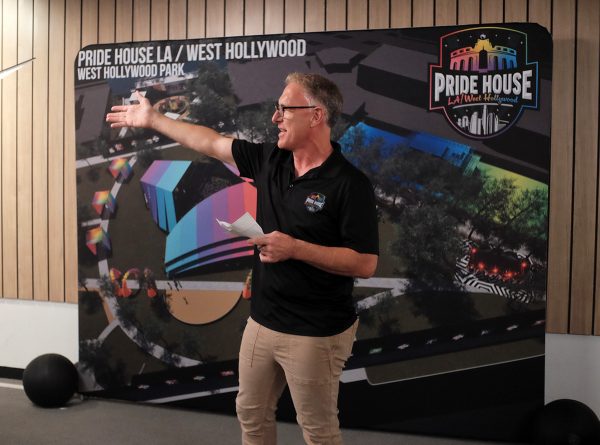
As outlined in the city council agreement and stated by Ferrera, most of the programming will be free and open to the public, and in the heart of a neighborhood that many of the county’s queer residents recognize as their safe haven. “We’re centering this important event in West Hollywood Park where our community has come together for decades in celebration, in protest, to support each other and to live our lives,” Pride House LA/WeHo CEO Michael Ferrera wrote to the Blade. “There is no place that is more representative of inclusion and safe spaces.”
The City of West Hollywood is promoting this inclusion further by asking for local community members to voice their perspectives on the formation of Pride House LA/WeHo at West Hollywood Park. On Monday, a community conversation will take place at Plummer Park to encourage residents to help shape the cultural programming that will take place in the summer of 2028. Another conversation will take place on Nov. 21st at the City’s 40th anniversary of Cityhood event.
“We couldn’t do this without the generosity and partnership of the city of West Hollywood,” Pride House LA/WeHo marketing co-lead Haley Caruso wrote to the Blade. “We are so happy to help bring the Olympic spirit to West Hollywood while also providing the community a safe and entertaining venue to enjoy the Games.”
Head to PrideHouseLAWeho.org for more information
West Hollywood
Drag performers delight Carnaval crowds with demure and daring dances
The Halloween party is one of the most anticipated events for queer Angelenos.
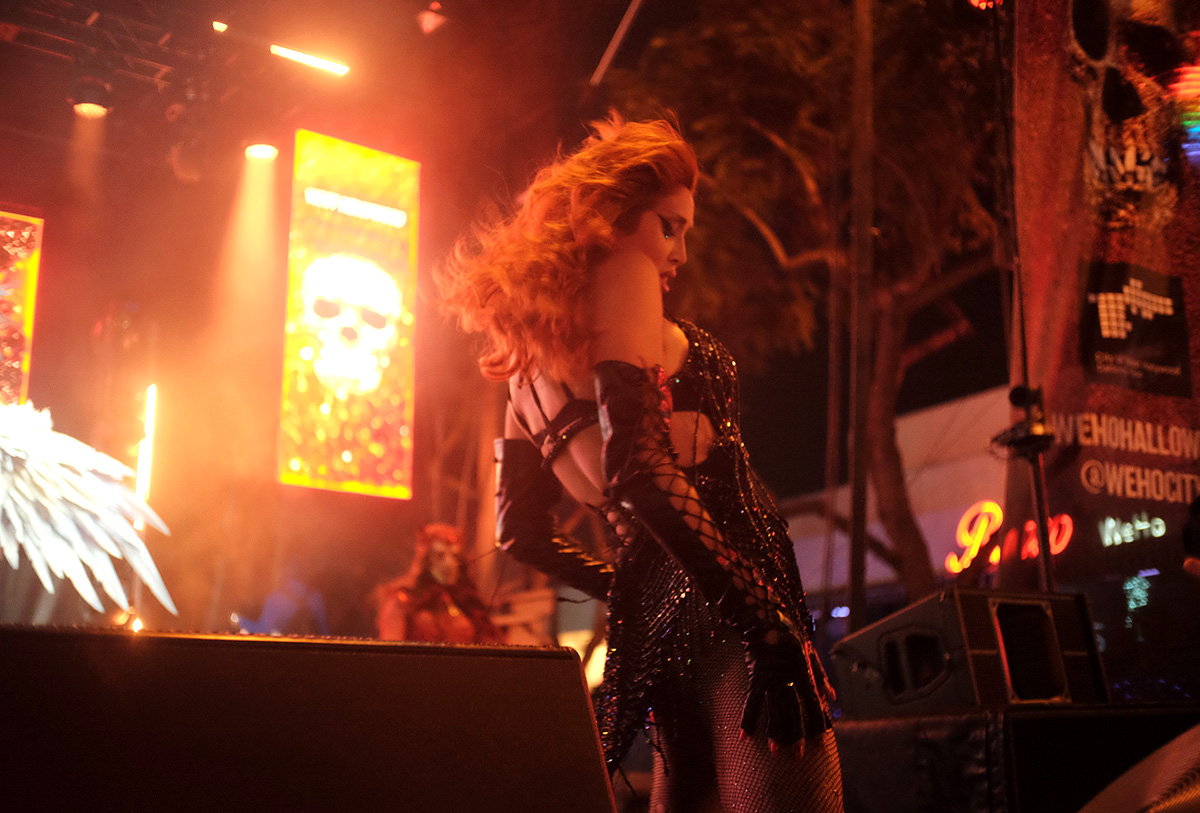
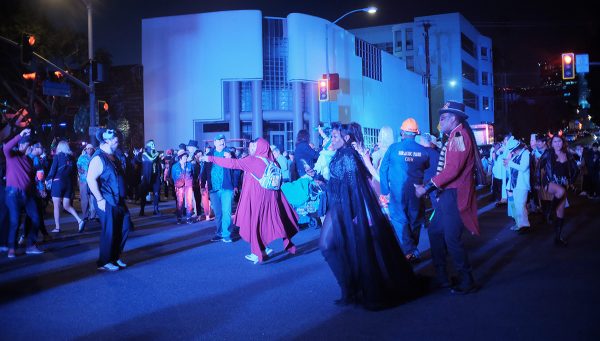
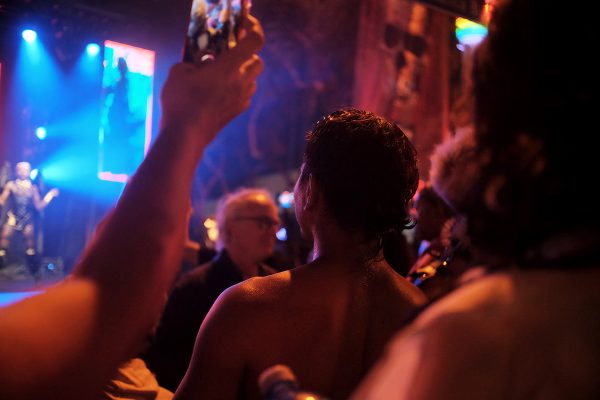
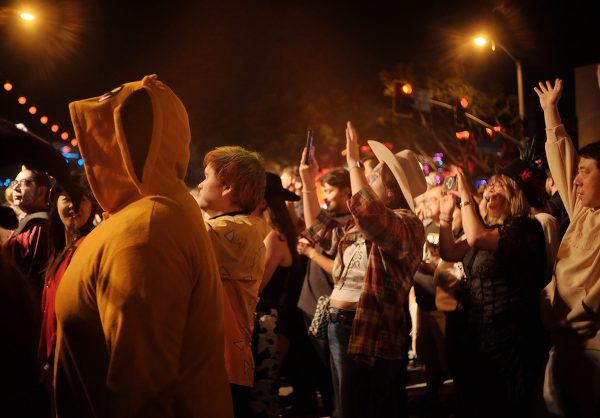
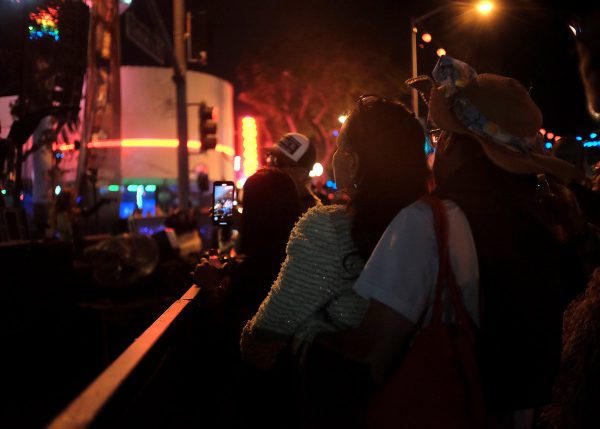
On Friday night, techno pop remixes surged through a tight block on Santa Monica Boulevard, where hundreds of eager partygoers danced near a pop-up stage. Bass-heavy grooves echoed across neighboring streets as Beetlejuices, angels, and vampires swayed and thumped to the beat.
Oct. 31 marked the arrival of West Hollywood’s annual Halloween Carnaval, one of the county’s citywide celebrations — and one of the most anticipated for queer Angelenos.
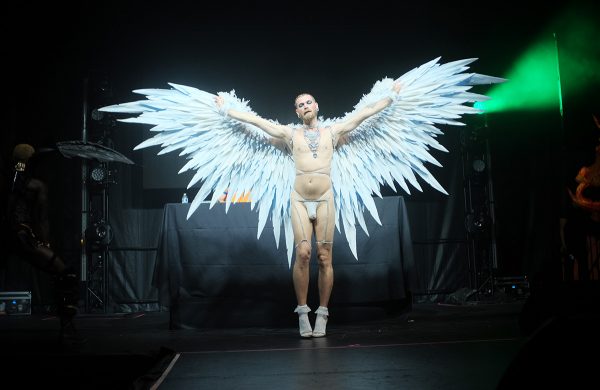
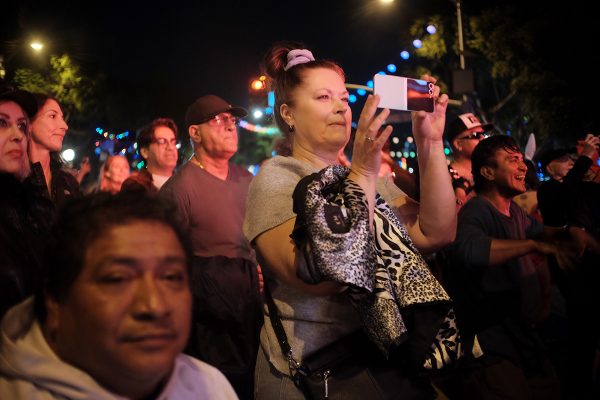
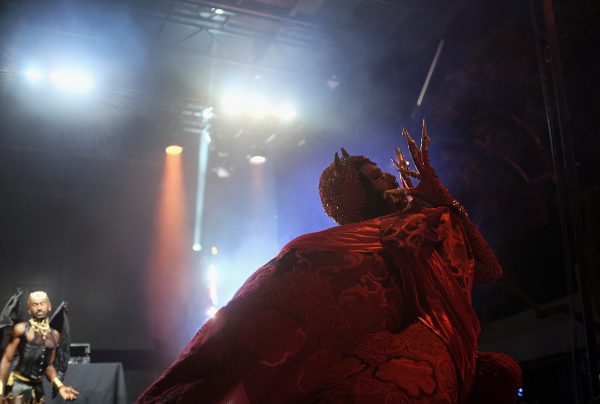
The first Halloween Carnaval was celebrated in 1987, and has since become one of the most awaited nights for local queer celebration. Drag performers donning elaborate costumes and glamorous makeup set the stage ablaze as they strutted, flipped their hair and danced to the cheers of a crowd that grew enormously as the night went on. The energy was infectious, and the Los Angeles Blade was on the scene to photograph some of these moments.
Image captures by Blade reporter Kristie Song.
West Hollywood
West Hollywood installs new intersex pride flags on Intersex Awareness Day
On Sunday, city councilmembers gathered to raise two new pride flags to honor intersex community members
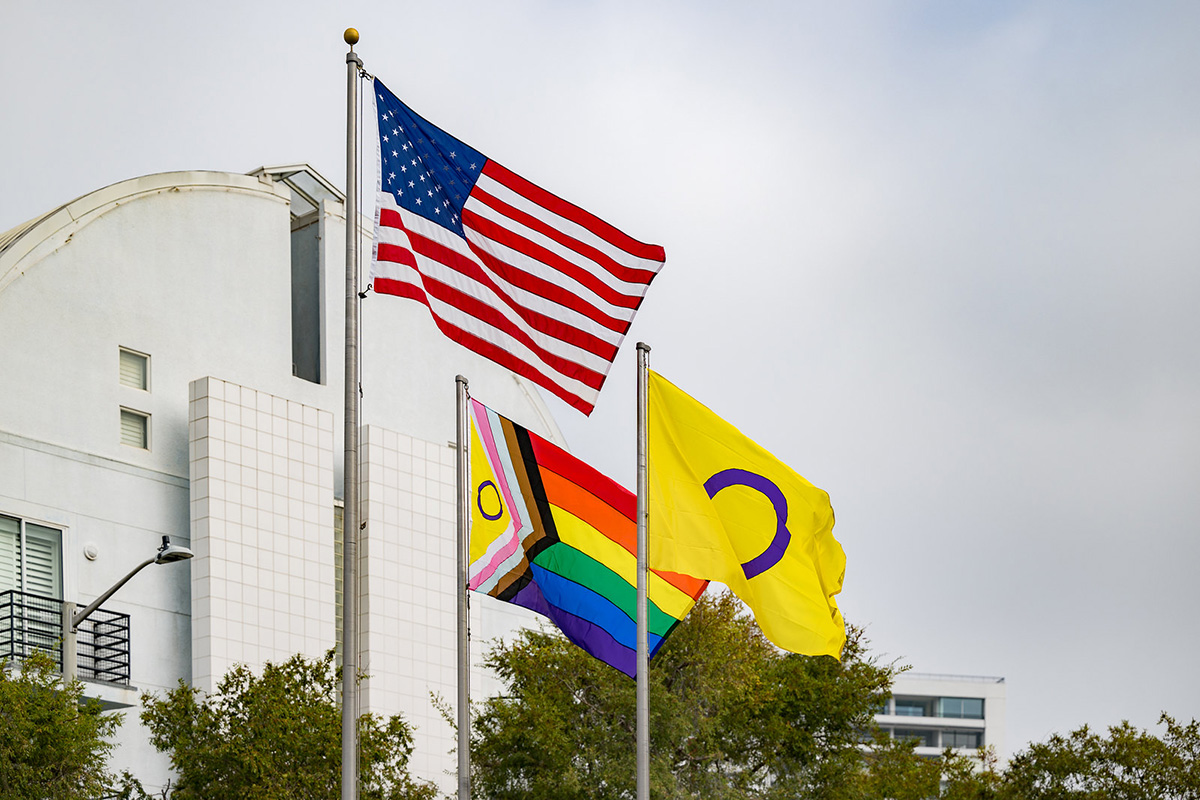
Early yesterday morning, on National Intersex Awareness Day, West Hollywood mayor Chelsea Byers, Vice Mayor John Heilman, as well as councilmembers Danny Hang and John M. Erickson gathered to install and raise two new intersex pride flags. They fly side by side with the American flag, upholding the City of West Hollywood’s vision of solidarity between national pride and LGBTQ+ visibility.
“We are facing unprecedented attacks on our community. It is important that we recognize the entirety of the LGBTQI+ community,” Vice Mayor John Heilman wrote to the Blade. “Intersex people have long been ignored and their issues disregarded. Raising the intersex flag also raises awareness about the challenges many intersex people face.”
Intersex people are born with naturally occurring variations in reproductive and sexual anatomy that don’t fit into binary “male” or “female” categorizations. As Planned Parenthood details, this can look like having both ovarian and testicular tissues or having combinations of chromosomes that aren’t “male” or “female,” just to name a few. According to the Human Rights Campaign Foundation, one of the biggest issues intersex people face is non-consensual surgeries performed when they are children. These operations are considered medically unnecessary and can leave lasting physical and psychological damage on intersex youth.
The fight for bodily autonomy and intersex visibility was the main reason behind the first action organized by intersex advocates and trans allies on Oct. 26th, 1996. Protestors stood outside the Boston Convention Centre, passed out leaflets, and spoke with clinicians, nurses, and other medical professionals attending the annual American Academy of Pediatrics conference.
One of the main leaders behind this movement was Morgan Holmes, an intersex woman who had experienced a violating medical procedure meant to “correct” her anatomy. In May of 1996, she presented testimony in a room adjacent to a symposium on genital surgery for intersex infants, a conference she and other members of her advocacy group had been rejected from.
“What I am saying is that my medical ‘care-givers’ failed to respect my autonomy or my intelligence when they assumed that because I was a child, they could do whatever they wanted as long as my father provided his consent,” Holmes said. “And when I began to balk, instead of questioning their own treatment of me, they blamed my body, and they cut it up.”
Today, intersex people and their stories are more broadly recognized, but still struggle to reach mainstream audiences when it comes to discussions around LGBTQ+ identity. West Hollywood city officials see this addition of intersex pride flags as a step forward. “Updating our city’s flags was my item because visibility matters,” councilmember John M. Erickson wrote to the Blade. “Intersex people have always been part of our story, and it’s time that their history, identity, and pride are recognized in the public spaces that belong to all of us.”

Drag diva Rhea Litrè releases Spanglish album ‘PUNTO’

Centenares de personas participan en la Marcha del Orgullo en la capital salvadoreña

Gay US couple among four people found dead in Mexico mass grave

Yona Speidel and the future of trans television

Santiago Pride march doubles as protest against new Chilean president

45 years later…: Advocate Karl Schmid on why HIV is far from over

Tens of thousands participate in post-Orbán Budapest Pride march

Iran, Egypt play in World Cup ‘Pride Match’

Supreme Court upholds state laws banning trans athletes from sports teams

Court to weigh class action status in trans military ban challenge
-
 AIDS and HIV3 days ago
45 years later…: Advocate Karl Schmid on why HIV is far from over
-
 Hungary2 days ago
Tens of thousands participate in post-Orbán Budapest Pride march
-
 Egypt3 days ago
Iran, Egypt play in World Cup ‘Pride Match’
-
 U.S. Supreme Court2 days ago
Supreme Court upholds state laws banning trans athletes from sports teams
-
 U.S. Federal Courts2 days ago
Court to weigh class action status in trans military ban challenge
-

 Asia2 days ago
LGBTQ+ rights gains in Asia come through courts, not legislatures
-
 California Politics2 days ago
From the desk of Equality California: The latest political developments in CA and D.C.
-
 a&e features1 day ago
Yona Speidel and the future of trans television
-
 Politics2 days ago
California State Senator Scott Wiener slammed during Trans Pride over his stance on Gaza
-
 Congress1 day ago
EXCLUSIVE: Pressley rips State Department over LGBTQ+ rights rollbacks abroad