
World
Out in the World: LGBTQ+ news from Europe & Asia
LGBTQ+ news stories from around the globe including Jordan, France, Scotland, Britain & Poland
JORDAN
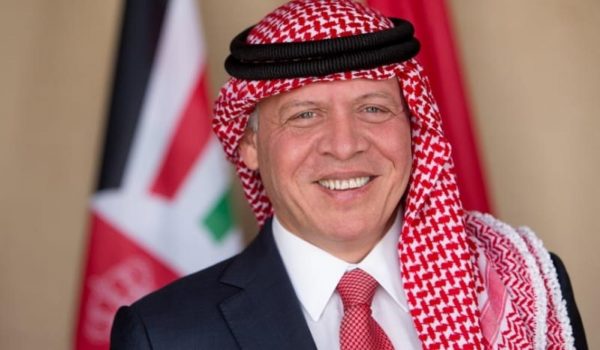
BEIRUT, Lebanon – The government of Jordanian King Abdullah have systematically targeted lesbian, gay, bisexual, and transgender (LGBT) rights activists and coordinated an unlawful crackdown on free expression and assembly around gender and sexuality, Human Rights Watch (HRW) said in a report released earlier this month.
In its December 4 report, HRW documented cases in which the Kingdom of Jordan’s General Intelligence Department (GID) and the Preventive Security department of the Public Security Directorate interrogated LGBT activists about their work, and intimidated them with threats of violence, arrest, and prosecution, forcing several activists to shut down their organizations, discontinue their activities, and in some cases, flee the country.
Government officials also smeared LGBT rights activists online based on their sexual orientation, and social media users posted photos of LGBT rights activists with messages inciting violence against them.
“Jordanian authorities have launched a coordinated attack against LGBT rights activists, aimed at eradicating any discussion around gender and sexuality from the public and private spheres,” said Rasha Younes, senior LGBT rights researcher at Human Rights Watch. “Security forces’ intimidation tactics and unlawful interference in LGBT organizing have driven activism further underground and forced civil society leaders into an impossible reality: severe self-censorship or fleeing Jordan.”
Three activists said the Amman governor interrogated them after they preemptively cancelled the screening of a film depicting gay men. Two LGBT organization directors said that because of official intimidation, they were forced to close their offices, discontinue their operations in Jordan, and flee the country.
One activist said Preventive Security officers made him sign a pledge that he would report all his venue’s activities to the governor. Another activist reported being targeted online while social media users called for him to be burned alive.
One of the few LGBT rights activists who has remained in Jordan described her current reality: “Merely existing in Amman has become terrifying. We cannot continue our work as activists, and we are forced to be hyperaware of our surroundings as individuals.”
More recently, in October 2023, an LGBT rights activist said he was summoned for investigation by the intelligence agency. During the interrogation, the activist said intelligence officers searched his phone, intimidated him, and threatened him with a travel ban, while asking personal questions about his sexual orientation and sexual relations with other men. After three hours of questioning, the activist said the officers told him he could leave.
“They [Jordanian authorities] invest in intimidation to destroy our minds and isolate us,” the activist said. “Their tactic is to target us mentally, leaving no evidence of our torment behind.”
Jordan’s constitution protects the rights to nondiscrimination (article 6), the right to personal freedom (article 7), and the right to freedom of expression and opinion (article 15).
The International Covenant on Civil and Political Rights, to which Jordan is a state party, provides that everyone shall have the right to freedom of expression, assembly, and association. The ICCPR, in its articles 2 and 26, guarantees fundamental human rights and equal protection of the law without discrimination.
The United Nations Human Rights Committee, which interprets the covenant, has made clear that discrimination based on sexual orientation and gender identity is prohibited in upholding any of the rights protected by the treaty, including freedom of expression, assembly, and association.
FRANCE
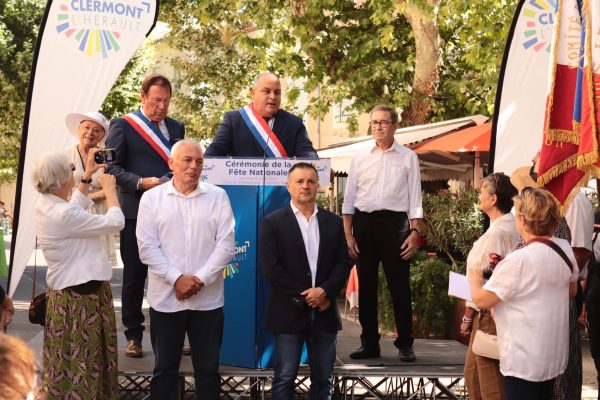
PARIS, France – Legislation that was introduced last month by the openly gay Socialist Senator Hussein Bourgi to acknowledge the French state’s responsibility in the criminalization and persecution of homosexuals between 1945 and 1982 was adopted.
However, the section of bill that called for compensation of the victims of French homophobic laws, in effect during that period by offering them a lump sum of €10,000 Euros [10,752.75 USD], was not approved.
Speaking with various French media outlets, Bourgi, who authored the bill, said: “It is high time to bring justice to the living victims of legislation which served as the basis for a politics of repression with brutal and punishing social, professional and familial consequences.”
Agence France-Presse reported:
Bourgi’s text focuses on a 40-year period following the introduction of legislation that specifically targeted homosexuals under the Nazi-allied Vichy regime. The 1942 law, which was not repealed after the liberation of France, introduced a discriminatory distinction in the age of consent for heterosexual and homosexual sex, setting the former at 13 (raised to 15 at the Liberation) and the latter at 21.
Some 10,000 people – almost exclusively men, most of them working-class – were convicted under the law until its repeal in 1982, according to research by sociologists Régis Schlagdenhauffen and Jérémie Gauthier. More than 90% were sentenced to jail. An estimated 50,000 more were convicted under a separate “public indecency” law that was amended in 1960 to introduce an aggravating factor for homosexuals and double the penalty.
“People tend to think France was protective of gay people compared to, say, Germany or the UK. But when you look at the figures you get a very different picture,” said Schlagdenhaufen, who teaches at the EHESS institute in Paris.
“France was not this cradle of human rights we like to think of,” he added. “The Revolution tried to decriminalise homosexuality, but subsequent regimes found other stratagems to repress gay people. This repression was enshrined in law in 1942 and even more so in 1960.”
The legislation won the backing of Éric Dupond-Moretti, Minister of Justice for the government of President Emmanuel Macron. However, Dupond-Moretti agreed with the removal of the compensation provision by the right-wing and center senatorial majority. Dupond-Moretti justified this choice noting concerns over “legal difficulties,” telling French magazine Le Monde that “putting into practice” of this compensation measure “appears extremely complex” due to the difficulty of providing proof of an old conviction and its execution.
The Justice Minister added “It was not the law which was responsible for this harm” but “French society, homophobic in all its components at the time” adding, “This is not the fault of the Republic. The law of memory is enough.”
The bill must now be taken up by the lower house, the National Assembly, to be passed and then adopted.
SCOTLAND
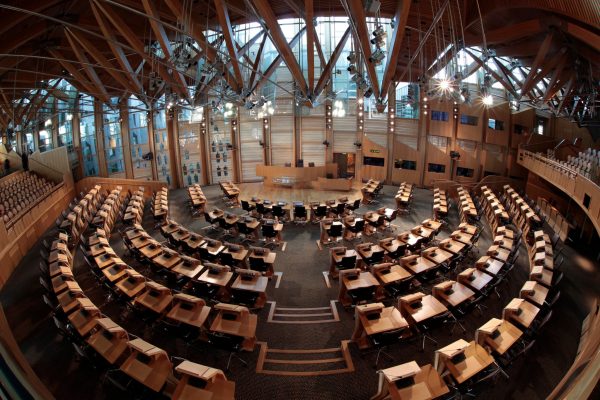
EDINBURGH, UK – The Court of Session in Edinburgh has ruled that the UK government of Prime Minister Rishi Sunak acted within the law by invoking Section 35, which blocked the measure passed by the Scottish Parliament, that would have make it easier for transgender people to change their legally-recognized sex on documents.
The actions by Scottish Secretary Alister Jack, with Prime Minister Sunak’s backing kept the act from receiving the signature of King Charles III and becoming law.
The Gender Recognition Reform bill was introduced by the Scottish government to Holyrood (parliament) in the Spring of 2022 was passed in a final 86-39 vote days before Christmas of 2022. The sweeping reform bill modifies the Gender Recognition Act, signed into law in 2004, by allowing transgender Scots to gain legal recognition without the need for a medical diagnosis.
The measure further stipulates that age limit for legal recognition is lowered to 16.
In a statement released in January of this year, Jack said:
“After thorough and careful consideration of all the relevant advice and the policy implications, I am concerned that this legislation would have an adverse impact on the operation of Great Britain-wide equalities legislation.
“Transgender people who are going through the process to change their legal sex deserve our respect, support and understanding. My decision today is about the legislation’s consequences for the operation of GB-wide equalities protections and other reserved matters.
“I have not taken this decision lightly. The Bill would have a significant impact on, amongst other things, GB-wide equalities matters in Scotland, England and Wales. I have concluded, therefore, that this is the necessary and correct course of action.”
The Scottish government sued Westminster in the Court of Session, Scotland’s highest civil court, arguing that Jack did not have “reasonable grounds” to block the bill. The BBC reported that in her ruling for the UK governments, Judge Lady Haldane dismissed the Scottish government’s appeal and said the block on the legislation was lawful.
Judge Haldance noted that Jack followed correct legal procedures when he made his decision to invoke section 35 and that the Scottish government had failed to show that he had made legal errors.
The judge wrote: “I cannot conclude that he (Mr Jack) failed in his duty to take such steps as were reasonable in all the circumstances to acquaint himself with material sufficient to permit him to reach the decision that he did.”
Lady Haldane also said that “Section 35 does not, in and of itself, impact on the separation of powers or other fundamental constitutional principle. Rather it is itself part of the constitutional framework.”
Stonewall UK, the nation’s largest LGBTQ+ advocacy group expressed its disappointment with Judge Haldane’s ruling in a statement released this past week:
“We’re disappointed that the Court of Session in Scotland has found in favour of the UK Government’s unprecedented decision to use Section 35 to block the Gender Recognition Reform Bill from Royal Assent. This Bill was one of the most debated in the Scottish Parliament’s history and was passed by a resounding majority of MSPs drawn from all major Scottish parties.
This unfortunately means more uncertainty for trans people in Scotland, who will now be waiting once again, to see whether they will be able to have their gender legally recognised through a process that is in line with leading nations like Ireland, Canada and New Zealand.
Whatever happens next in discussions with the UK and Scottish Governments on this matter, Stonewall will continue to press all administrations to make progress on LGBTQ+ rights in line with leading international practice.”
BRITAIN
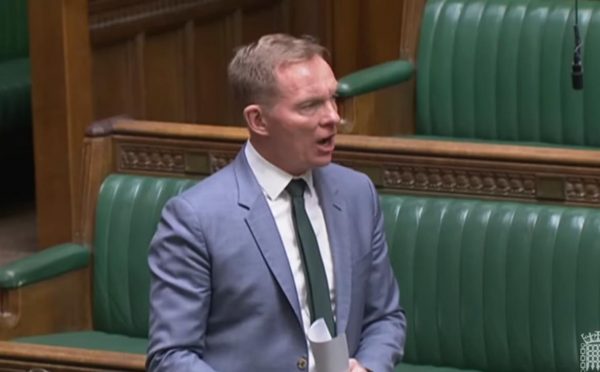
WESTMINSTER, UK – Anti-LGBTQ+ rhetoric used by British Equalities Minister Kemi Badenoch during her speech on the floor of the House of Commons on Dec. 6, prompted Labour MP Sir Chris Bryant, an openly gay lawmaker, to rise in opposition and declare her speech left him feeling unsafe.
The debate was triggered by the Equalities Minister claiming that the UK does not recognize self-ID from overseas countries for trans people, PinkNewsUK reported. In his retort to her statements, Bryant explained: “I feel, as a gay man, less safe than I did three years or five years ago.”
PinkNewsUK also noted that Bryant said: “Why? Sometimes because of the rhetoric that is used, including by herself [Badenoch] in the public debate.” He added that some MPs had cheered for Badenoch’s statements on the trans community, and for statements against gender-affirming care for trans people, which could lead to LGBTQ+ people feeling even less safe in the UK.
“Many of us feel less safe today, and when people over there cheer as they just did, it chills me to the bone, it genuinely does,” Bryant said.
She hit back with force, challenging him to identify which words precisely were so problematic. She later criticized the attempts of trans activists to use emotional blackmail to try to shut down debate.
The UK Government has updated the list of countries from which gender-certificates will be accepted.
Replying to Bryant, Badenoch said: “He says that my rhetoric chills him to the bone. I would be really keen to hear exactly what it is I have said in this statement or previously that is so chilling.” She added that the current Tory government had done work on “our HIV action plan” and “around trans healthcare”, as well as “establishing five new community-based clinics for adults in the country.”
“There is a lot that we are doing, so it is wrong to characterise us as not caring about LGBT people,” she said.
Bryant’s colleague, Sir Ben Bradshaw, also failed to get the better of Badenoch. He complained the UK had recently fallen in a set of international rankings on LGBTQ rights. She calmly pointed out that those rankings reward states that adopt the Stonewall-supported policy of self-ID and punish those who do not. To cheers from the Tory benches, she declared ‘Stonewall does not decide the law in this country,’ referring to Stonewall UK, the nation’s largest LGBTQ+ advocacy group.
POLAND
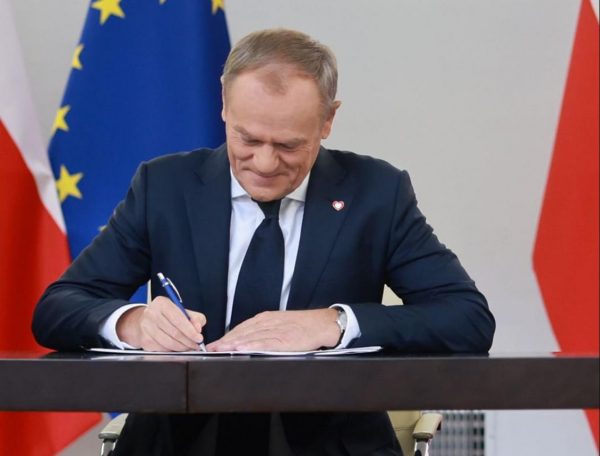
WARSAW, Poland – In a turn of events Monday, the Sejm, lower house of the national legislature of Poland, elected Donald Tusk as the new prime minister after Prime Minister Mateusz Morawiecki failed to win a vote of confidence by lawmakers in his government.
248 MPs voted for the election of Tusk as prime minister, 201 were against and no one abstained in the 460-seat lower house of parliament.
“This is a truly wonderful day, not only for me, but for all those who have deeply believed for many years that things will get even better, that we will chase away the darkness, that we will chase away evil,” the 66-year-old new prime minister told the Sejm after his election.
There had been considerable turmoil in the Polish government, particularly in the Sejm, as many accused the ruling conservative right-wing PiS (Law and Justice Party) of Jarosław Kaczyński, who until last month held the post of Deputy Prime Minister, of leading the country backwards into an authoritarian state.
The PiS lost their parliamentary majority in the critical elections this past October after a larger proportion of the country’s 18-29 year-olds had turned out to vote than over-60s and election officials said that turnout was probably 72.9%, the highest since the fall of communism in 1989.
Voter anger had steadily risen over erosion of women’s reproductive rights eroded and Polish LGBTQ+ people who had faced a government hate campaign that drove some to leave the country and caused the European Commission to threatened to pull economic aid and as the BBC reported, the EU is still withholding more than €30bn ($32bn) in Covid recovery funds because of its concerns about the politicization of Poland’s courts.
The Polish government has repeatedly clashed with the European Union over the rule of law, media freedom, migration and LGBTQ rights since Law and Justice (PiS) came to power in 2015.
Tusk, who had served as European Council president from 2014-2019 is expected to improve Warsaw’s standing with the EU. Additionally he previously served as Poland’s prime minister from 2007-2014.
“At the invitation of President Andrzej Duda, after the vote in the Sejm, a meeting was held with Prime Minister Donald Tusk. It was agreed that after obtaining a vote of confidence, the swearing-in of the new government would take place on Wednesday, December 13, at 9 a.m. at the Presidential Palace,” a spokesperson for President Duda said in a statement released late Monday.
Additional reporting from Human Rights Watch, Agence France-Presse, Le Monde, The BBC, TVN24 Polaska and PinkNewsUK.
Turkey
More than 150 people detained outside Istanbul courthouse
Protesters gathered after raids targeted Turkey’s LGBTQ+ community
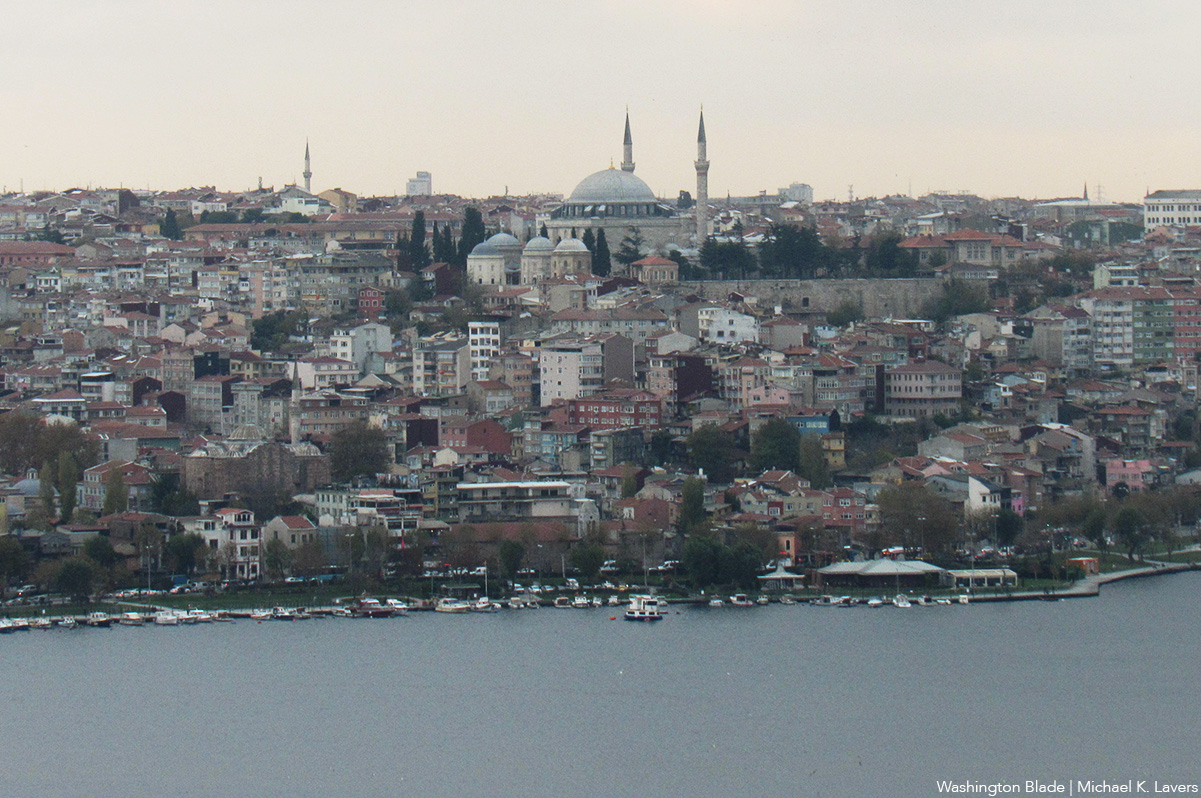
Turkish authorities on Tuesday detained more than 150 people who gathered outside an Istanbul courthouse to protest raids that targeted the country’s LGBTQ+ community.
CNN reported the protesters had planned to speak with reporters outside the city’s Caglayan courthouse, but authorities prevented them from doing so.
Turkish authorities over the weekend detained dozens of people in Istanbul and in other cities during raids that were part of the government’s “My Family is Safe” campaign.
A statement from a group of Turkish advocacy groups the Washington Blade received on Tuesday notes “at least 112 people have been detained in connection with the operations.” The organizations said 43 of those taken into custody are “LGBTI+ rights defenders,” and “at least” 62 of those detained “have been arrested, while judicial proceedings remain ongoing in Istanbul.”
“Among those arrested, at least 16 are LGBTI+ activists or individuals connected to LGBTI+ associations, including founders and members of association bodies,” reads the statement. “Per press statements by the prosecutor’s offices, dissolution cases will also be launched against associations.”
“The majority of those arrested are trans women who are charged with prostitution-related offences,” it adds. “While authorities have framed the operations as part of investigations into alleged crimes such as obscenity, prostitution and child exploitation, human rights defenders and civil society organizations have raised serious concerns regarding the use of criminal law mechanisms and public morality narratives to target legitimate LGBTI+ rights activities. Civil society views the ‘My Family is Safe’ narrative as a smokescreen to distract the public from deep economic crises and actual domestic violence, weaponizing moral panic to scapegoat LGBTI+ rights defenders, who have long been targeted by the government.”
The raids have sparked outrage among LGBTQ+ activists in Europe and elsewhere around the world.
The Congressional Equality Caucus and U.S. Rep. Carlos Giménez (R-Fla.) are among those who have publicly condemned them in the U.S. The Council for Global Equality on Friday is scheduled to hold a rally in support of Turkey’s LGBTQ+ community in front of the Turkish Embassy in Washington.
India
Indonesia’s top Muslim clerical body proposes criminalizing LGBTQ+ people, advocacy
Proposal underscores increased pressure against community
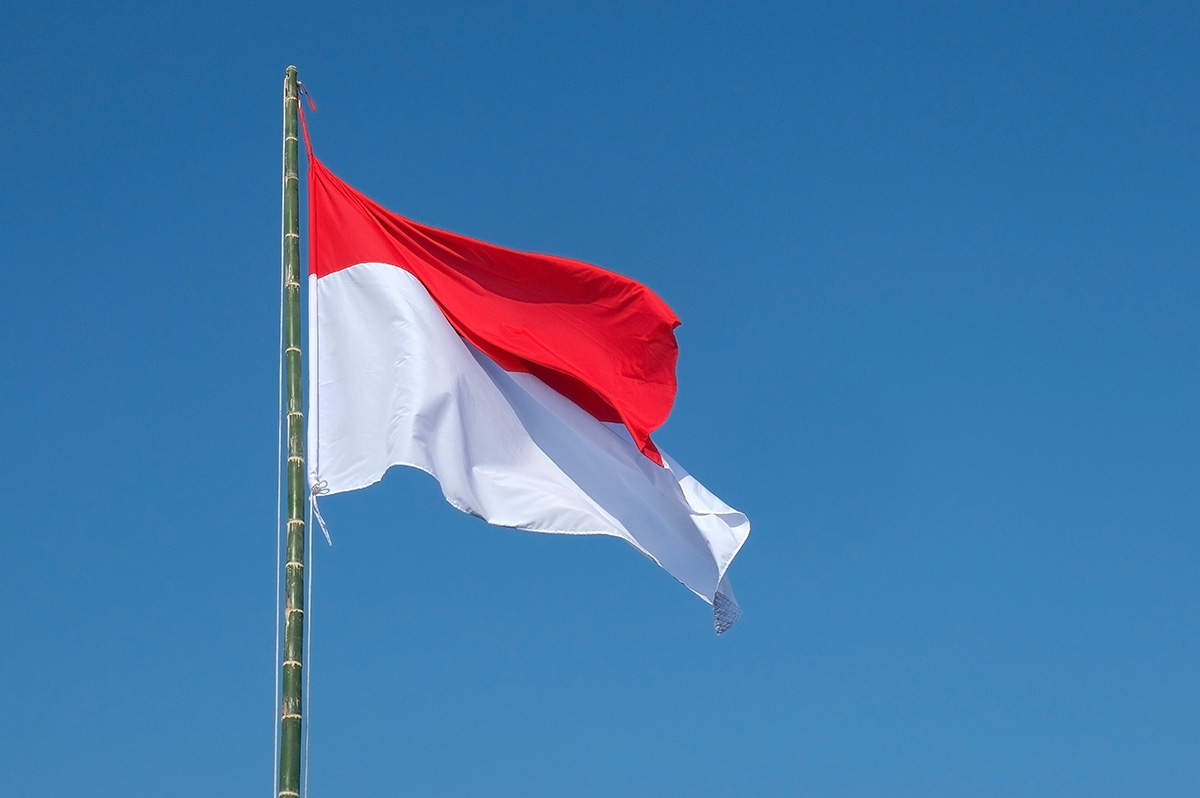
Indonesia’s top Muslim clerical body has proposed replacing the term “LGBT” with “LGSP,” grouping lesbian and gay people with sodomy and sexual abuse, as it prepares a proposed law that would criminalize conduct and advocacy it consideres prohibited.
Asrorun Niam Sholeh, head of the Indonesian Ulema Council’s Fatwa Commission, announced the proposal in Jakarta in late July, saying the council was preparing an academic paper and draft bill to submit to the government and MPs
The council in August also warned men against wearing women’s clothing during Independence Day festivities, despite a long-standing tradition in some Indonesian communities of men dressing in dresses and hijabs to play football as part of the annual celebrations. In a statement issued Aug. 7, the Fatwa Commission said such cross-dressing was “haram,” or forbidden under Islamic law, and linked the practice to what it described as a covert campaign by the “Lesbian, Gay, Sodomy and Obscenity (or LGSP) movement.
Indonesia on Aug. 17 marks its 1945 declaration of independence from the Netherlands with flag ceremonies, neighborhood gatherings, and a lively tradition of community competitions known as “lomba tujuhbelasan.” Children and adults take part in games ranging from sack races and cracker-eating contests to tug-of-war and “panjat pinang” — teams climb a greased pole to reach prizes at the top. Some communities also hold football matches in sarongs or “daster,” a loose-fitting house dress traditionally associated with women, turning the celebrations into an occasion for communal play and laughter.
The pressure extends beyond religious authorities.
In a report published in July, Human Rights Watch said attacks against LGBTQ+ university students had escalated during June’s Pride Month, while at least 10 public universities had recently adopted discriminatory regulations and curbed student media coverage and social media discussions about gender and sexual diversity. The rights group said the measures undermine freedom of expression and academic freedom.
Reacting to Pride Month celebrations, the Ulema Council called for “sexual deviation” to carry criminal penalties heavier than those for adultery and said it was preparing a draft law to criminalize LGBTQ+ conduct and campaigning.
President Prabowo Subianto in October 2025 signed Presidential Regulation No. 111 of 2025, which sets Indonesia’s General National Defense Policy for 2025–2029 and classifies the spread of LGBTQ+ culture as a non-military threat to the state. The provision places it among other perceived threats that include terrorism, radicalism, separatism, and the spread of prohibited ideologies.
The regulation drew public attention in July after Indonesian media reported on the provision, prompting Amnesty International Indonesia Executive Director Usman Hamid to warn that it could institutionalize discrimination against LGBTQ+ people.
“Amnesty International Indonesia unequivocally condemns these attacks and intimidation by both state and non-state actors based on perceived sexual orientation or gender identity,” said Amnesty International Indonesia. “We urgently call upon the Indonesian government to repeal this regulation and uphold its constitutional mandates and the international human rights treaties it has ratified.”
Indonesia on Jan. 2 began enforcing a new national criminal code, replacing the Dutch-era penal code that had governed the country for more than eight decades.
MPs had approved the 345-page code in December 2022 after years of debate and public protests over provisions concerning morality, religion, and individual rights. Among its new provisions is Article 411, which makes sexual intercourse outside marriage a criminal offense punishable by up to one year in prison.
Article 412 makes living together as husband and wife outside a legally recognized marriage punishable by up to six months in prison. The offenses can be prosecuted only after a complaint by a spouse, parent or child, but rights groups have warned that the provisions can disproportionately affect same-sex couples, whose relationships are not legally recognized in Indonesia.
Purba Widnyana, chairman of GAYa Nusantara, an Indonesian LGBTQ+ rights organization, told the Los Angeles Blade that the situation for LGBTQ+ people in Indonesia has become increasingly worrying.
Widnyana told the Blade that the concern extends beyond increasing violence, pointing to stronger anti-LGBTQ+ sentiment in public spaces, on social media and within educational institutions, as well as in politics, including Presidential Regulation No. 111 of 2025.
“The impact is not always in the form of physical violence. Many LGBT+ people, especially trans women, that mostly work in entertainment or other informal jobs, beginning to lose job opportunities because they are considered to pose a ‘risk’ to the event organizers,” Widnyana said. “There are also concerns that the rising stigma and fear could deter people from accessing health services, including HIV test and STI, due to the fear that their identity or sexual orientation might be revealed.”
Widnyana said the changing environment has placed an additional burden on LGBTQ+ organizations; making spaces for gatherings, educational activities, and public information campaigns increasingly sensitive.
“We are constantly in alert mode,” he said, adding that since the previous wave of anti-LGBTQ+ sentiment in 2016, organizations have developed security and risk-mitigation plans before holding events. Previously, he said, the primary concerns were physical attacks, raids and threats that could force venues to cancel events. Now, organizations also have to account for online attacks, including WhatsApp hijacking and social media account hacking, as well as the possibility of an event or organization being targeted after going viral.
“It’s been limiting our movements,” he said.
Asked about the proposed LGSP framework and its decision to replace the term LGBTQ+ with a classification combining sexual orientation with sexual conduct, Widnyana said the council was conflating fundamentally different concepts.
“I really don’t know where to begin. They are definitely confused by mixing identities, in this case sexual orientation, with sexual behavior and actions that are understood as violations or offenses, that are sodomy and sexual indecencies,” he said.
Widnyana said the change should not be viewed as merely a change in terminology.
“The change shifts how Indonesians understand or perceive LGBT+ issues, moving from identities, rights and existence to behavior, morality, and criminality,” he told the Blade. “We also see it in the context of narrative that has been for so long evolving that frames LGBT+ as the ‘product of the West’ or ‘Western propaganda’,” he said. “In this framework, LGSP can be interpreted as their effort in rejecting how LGBT+ people define themselves and changing it with a category that is defined by those who oppose the existence of LGBT+ people.”
Widnyana also pointed to Indonesia’s long history of diverse gender identities and expressions, citing traditions such as the “bissu,” “calalai,” “calabai,” and “waria,” as well as artistic traditions in which men perform female characters. He cautioned against imposing modern LGBTQ+ categories on those traditions, but said gender and sexual diversity are not foreign to Indonesian history.
Widnyana said his main concern was the lack of clarity around terms such as “campaigning,” “promoting,” and “spreading LGBT+ culture,” which he said could be interpreted broadly enough to affect legitimate work in education, health care, human rights, and community services. He cited HIV and sexual health information, legal assistance for victims of violence, discrimination research, training on sexual orientation, gender identity and expression, and sex characteristics, and academic discussion as examples. Widnyana also questioned whether a gay man publicly saying he is gay and demanding to live safely, or a transgender woman speaking about discrimination she has experienced, could be deemed “campaigning” or “spreading LGBT+ culture.” Such legislation, he warned, could turn existing social stigma into a tool for systematically limiting the lives, expression, services and LGBTQ+ organizations.
“For me, the situation is becoming more difficult. And I think we need to look beyond just what the law says. Because sometimes, when we talk about Indonesia, people say, ‘Well, being LGBTQ+ is not generally criminalized under the national criminal law,’” said Arisdo, outreach representative of Pelangi Nusantara, an LGBTQ+ community group in Indonesia advocating for love, equality, and the right to live with dignity. “technically, that’s an important distinction. But that’s not really what people on the ground are experiencing. What we’re seeing is more pressure. More harassment. More public shaming. More people being targeted simply because they are perceived to be LGBTQ+.”
Arisdo told the Blade that transgender women are facing escalating violence, citing Pelangi Nusantara’s documentation of 10 attacks in Bogor between March and July 2026 involving 45 victim-survivors. He said the emergence of “Boti Hunter” groups was particularly alarming, reflecting a shift from anti-LGBTQ+ rhetoric toward actively targeting people. He added that fear of being outed or attacked prevents many victims from reporting violence, while doxxing and online harassment are increasingly forcing LGBTQ+ organizations to limit their visibility.
Hungary
New Hungarian government to scrap anti-LGBTQ+ adoption law
Prime Minister Peter Maygar ousted Viktor Orbán in April
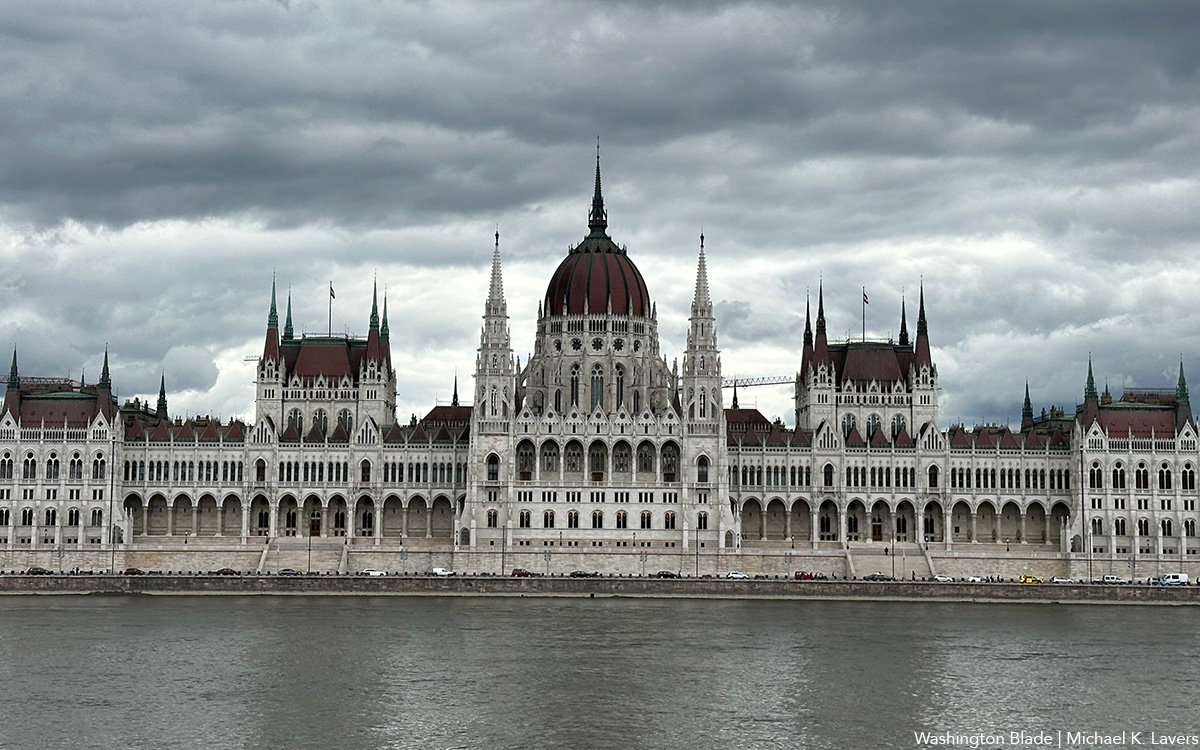
Hungarian Prime Minister Peter Maygar has said his government will amend a law that essentially bans same-sex couples from adopting children.
Lawmakers approved the effective adoption ban in 2020, when then-Prime Minister Viktor Orbán’s government was in power. Maygar announced plans to amend the law on Saturday when he was speaking to supporters in Budapest, the Hungarian capital.
Orbán and his government faced widespread criticism over its anti-LGBTQ+ crackdown that also included laws banning Pride events.
Maygar in April ousted Orbán in Hungary’s elections.
Turkey
Dozens detained after Turkish authorities raid LGBTQ groups, businesses
Raids targeted gay bars, activists’ homes
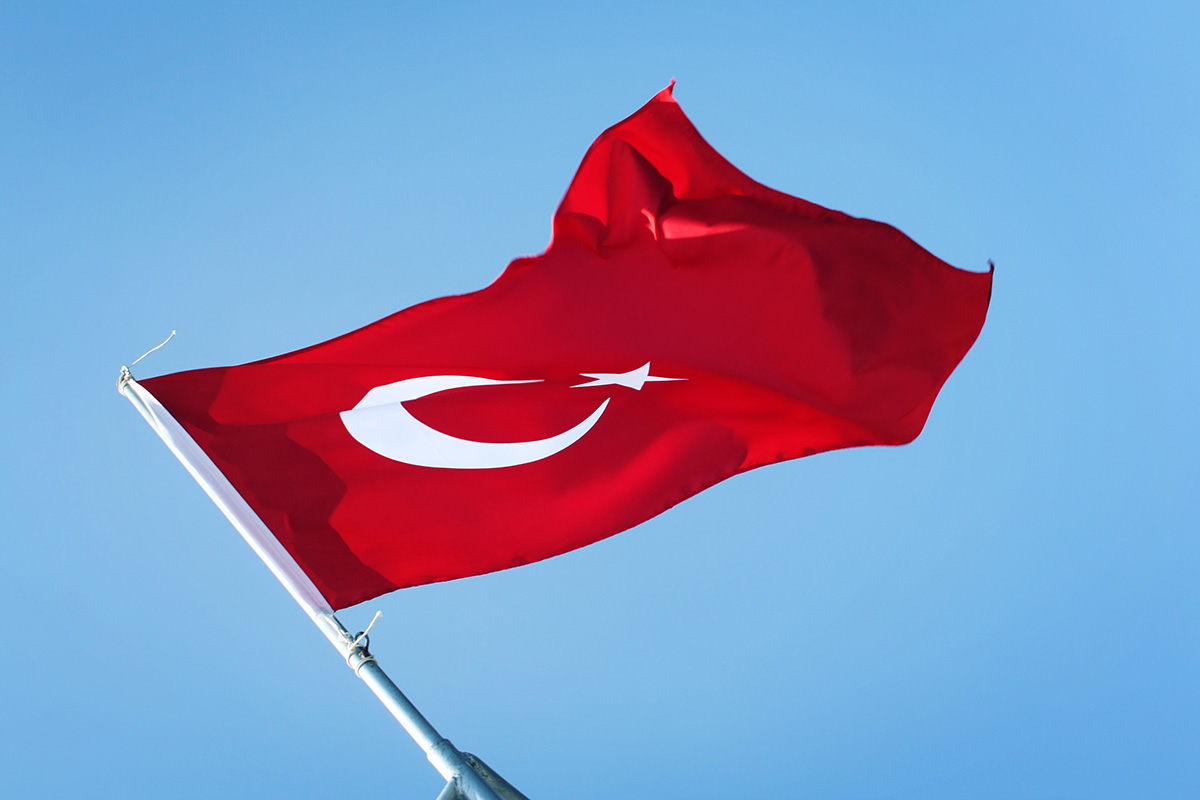
Authorities in Turkey over the weekend detained dozens of people during raids they carried out against gay bars and LGBTQ activists’ homes across the country.
The BBC reported the raids were part of the government’s “My Family is Safe” campaign.
A statement from a group of Turkish advocacy groups the Washington Blade received on Sunday noted Justice Minister Akın Gürlek said the operation included “162 individuals, nine associations, and 13 businesses across 15 provinces.” Prosecutors in Istanbul, Ankara, Izmir, Aydın, and Mersin are coordinating the campaign.
Kaos GL, one of the country’s largest advocacy groups, was among the targets.
“The authorities have referred to allegations including ‘obscenity,’ ‘facilitating prostitution or providing premises for prostitution,’ exposure of children to allegedly obscene content, drug-related offenses, and other morality-related offenses,” reads the press release the Blade received. “Information from the field indicates that additional allegations, including forming a criminal organization, may appear in some investigation files.”
“The reported inclusion of the offense of “establishing an organization for the purpose of committing crimes” under Article 220 of the Turkish Criminal Code is particularly alarming and, if confirmed, would mark a significant escalation in the criminalization of LGBTI+ human rights activism,” it added. “While LGBTI+ activists and organizations have recently faced and continue to face investigations and prosecutions on grounds such as ‘obscenity’ and alleged violations of the Law on Associations, the use of an organized-crime allegation represents a qualitatively more serious threshold, both in terms of the gravity of the accusation and the potential penalties involved.”
Turkish authorities under President Recep Tayyip Erdoğan’s government over the last decade have cracked down on LGBTQ and intersex activists in the country.
Police in 2015 used tear gas and water cannons against people who were about to participate in an Istanbul Pride march. Authorities in 2017 arrested nearly two dozen people who defied a ban on Pride events in the city.
Police in Ankara, the Turkish capital, in 2019, arrested 18 students and an academic who participated in a Pride march at the Middle East Technical University. They faced up to three years in prison, but a court in 2021 acquitted them. Police in 2022 violently broke up a Pride parade at the same Ankara university.
Turkish authorities in July refused to allow a gay cruise ship — the Scarlet Lady, a Virgin Voyage vessel that Atlantis Events chartered — to dock in Kusadasi, a resort town on the Aegean Sea.
Kusadasi is in Aydın Province, one of the provinces in which authorities conducted the raids. Turkish officials also refused to allow the Scarlet Lady to dock in Istanbul.
A Turkish source on Sunday told the Blade the “My Family is Safe” operation began on the 46th anniversary of a military coup that toppled the country’s government in 1980.
“The fact that this operation began on the night of Sept. 12 — the 46th anniversary of the 1980 coup — is highly significant in terms of the foundations of the prohibitive and repressive mindset directed at the LGBTI+ community,” they said. “Moreover, many LGBTI+ organizations had been subject to official inspections last week.”
“Conducting this operation on a Saturday night shortly thereafter also serves the purpose of heightening fear and anxiety within the community,” added the source.
The source asked the Blade not to reveal their identity.
ILGA-Europe in a statement described the raids as “the systematic dismantling of LGBTI civil society.” Paris Mayor Emmanuel Grégoire is among the European officials who have publicly condemned them.
The Blade will update this story with additional details as they become available.
World
Report: 90 percent of LGBTQ+ groups around the world have lost funding since 2025
Trump-Vance administration cut US support after it took office
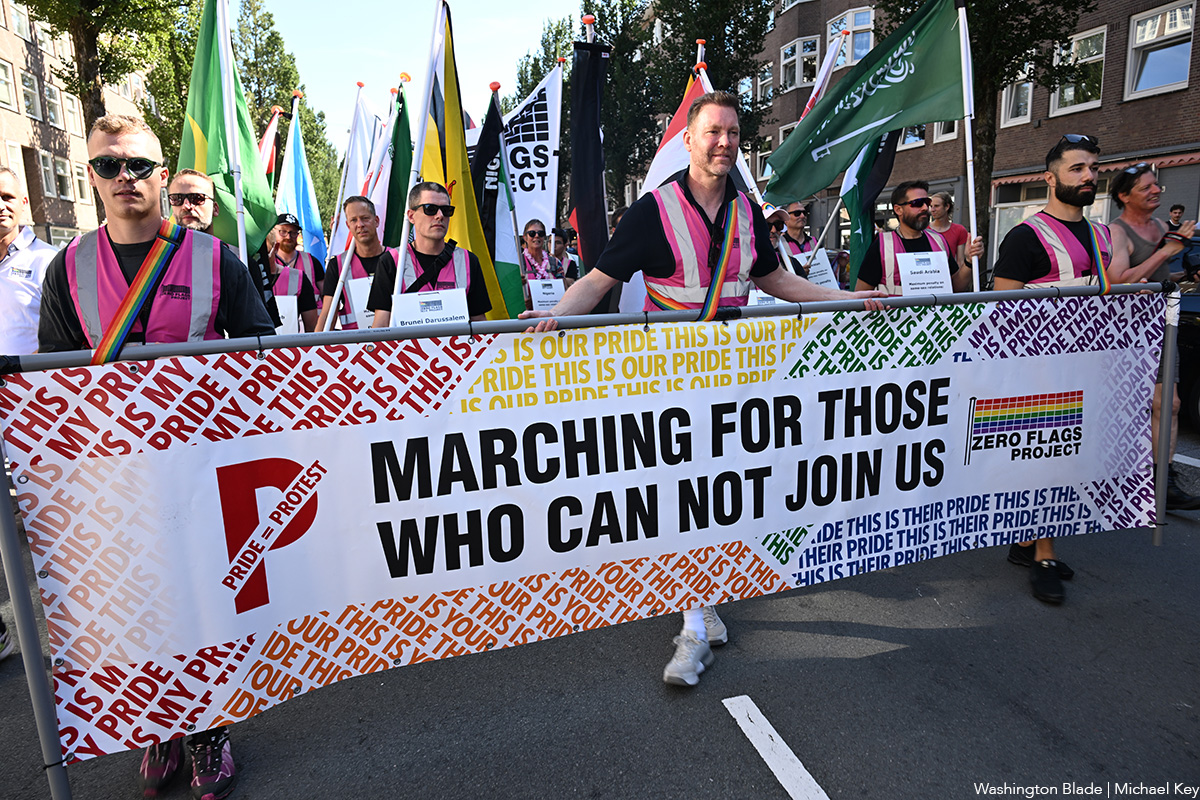
A new report that Outright International released on Thursday notes 90 percent of LGBTQ+ and intersex rights groups around the world have lost funding since January 2025.
The New York-based global advocacy group surveyed 229 LGBTQ+ and intersex rights groups in 94 countries.
Forty-nine percent of the organizations that responded said they have lost more than half of their total budget since January 2025 — 75 percent of the groups said they lost more than a quarter of their total funding.
“For nearly half of the respondents, the cuts removed most of the resources that sustained the organization,” reads the report.
When asked which funders “had reduced, suspended, or withdrawn support,” more than half of the responding groups “pointed to a source tied to the United States government, including USAID (U.S. Agency for International Development), the President’s Emergency Plan for AIDS Relief (PEPFAR), and the Department of State.”
“No other funder came close,” notes the report.
‘What was initially framed as a temporary freeze has become a structural disruption’
The Trump-Vance administration froze nearly all U.S. foreign aid shortly after it took office on Jan. 20, 2025.
Secretary of State Marco Rubio in March 2025 announced 83 percent of USAID contacts had been cancelled, and the State Department would administer the remaining programs. USAID officially shut down on July 1, 2025.
Rubio issued a waiver that allowed PEPFAR and other “life-saving humanitarian assistance” programs to continue to operate during the funding freeze. The Los Angeles Blade has previously reported PEPFAR-funded programs in Kenya and other African countries have been forced to suspend services and even shut down because of gaps in U.S. funding.
(Washington Blade video by Michael K. Lavers)
The Outright International report notes the State Department under the Trump-Vance administration “terminated the programs of the Global Equality Fund, the public-private partnership it launched in 2011 with allied governments, companies, and foundations, which distributed more than $100 million in its first decade to LGBTIQ organizations and human rights defenders in over 100 countries.” The Trump-Vance administration, among other things, has withdrawn the U.S. from the U.N. LGBTI Core Group, a group of U.N. member states that have pledged to support LGBTQ+ and intersex rights.
Outright International Executive Director Maria Sjödin in an op-ed the Blade published on Jan. 28, 2026, wrote the global LGBTQ+ and intersex rights movement since January 2025 lost more than $125 million — or 30 percent of its total annual funding.
“What was initially framed as a temporary freeze has become a structural disruption,” notes the Outright International report. “The effects have cascaded far beyond U.S. government funding: corporate, institutional, and philanthropic donors have also shifted, stalled, or quietly withdrawn, often without public scrutiny.”
“The broader environment in which LGBTIQ movements operate has continued to deteriorate — with democratic backsliding, anti-NGO legislation, rising violence, coordinated legislative attacks on trans and intersex people’s rights, and emboldened anti-rights actors filling the space left by the retreat of U.S. global leadership.”
The report contains specific examples that include:
• Iraqi lawmakers in 2024 passed a law that criminalized consensual same-sex sexual relations and transgender people. Funding cuts forced IraQueer, an Iraqi advocacy group, to stop offering safety and security trainings and workshops to activists and LGBTQ+ rights organizations in the country.
• An intersex-led organization in West Africa can no longer maintain office space or pay its staff.
• An Ecuadorian group that operated a community center for a decade was “forced to close” it on Feb. 1, 2026. “It has been a true loss for the LGBTIQ+ communities in our city and the country as a whole, as we were a model of self-management and resistance in one of Ecuador’s most conservative cities,” said the group in the report.
• An “LGBTIQ-led refugee organization” in Uganda “has lost the emergency relocation support that once moved people facing immediate violence to safer locations.”
• An advocacy group in Ukraine that lost funding said it was “forced to stop paying some of our specialists and reduce our hours for handling inquiries … We used to be able to respond promptly to requests and support people throughout the entire process of resolving their issues, whereas now we are forced to limit ourselves to one-time consultations or refuse assistance altogether due to a lack of resources.”
• The Tonga Leitis Association in the report said a lack of funding has forced it to reduce “the number of activities the organization can run and erodes the prevention infrastructure behind” the country’s low HIV rate.
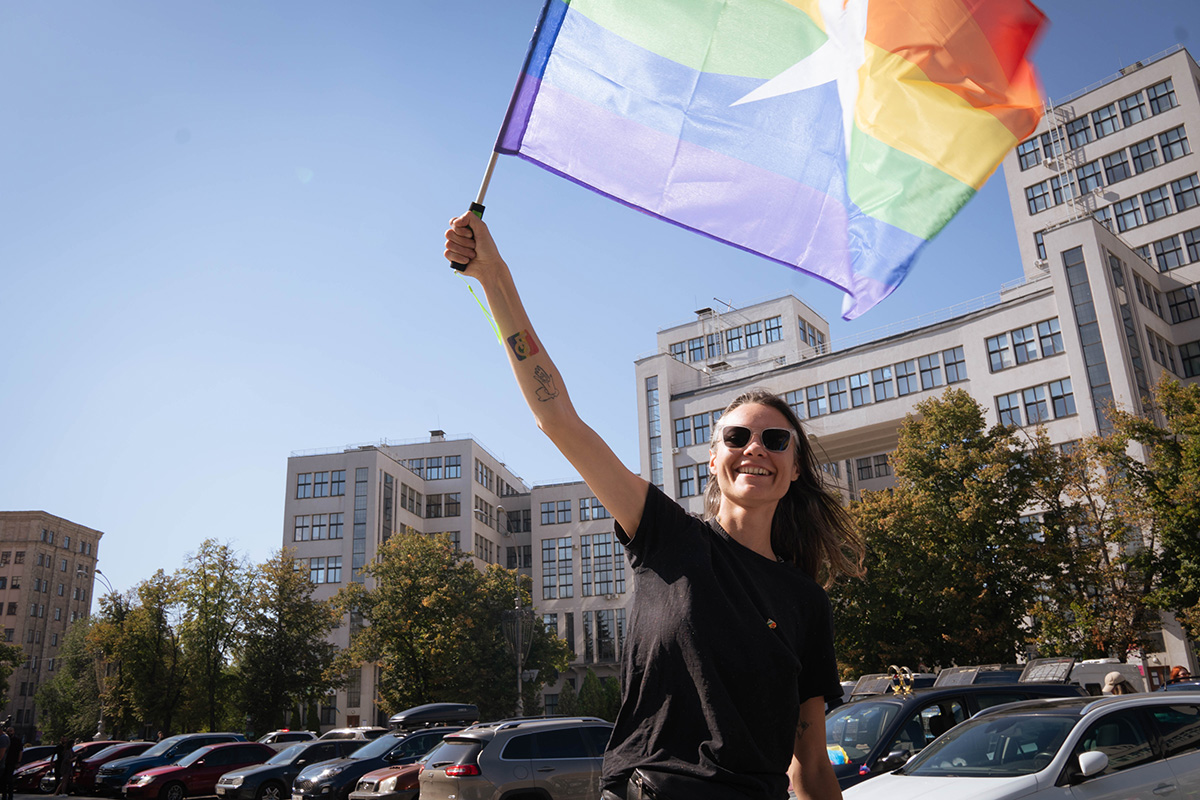
The Outright International report notes “global LGBTIQ funding had begun to fall even before the current U.S. administration took office.”
It further cites statistics from the Human Rights Funders Network that project “rights-focused development assistance will fall by between” $1.4-$1.9 billion a year by 2026, “with movements for LGBTIQ people’s rights and gender equality among the hardest it.”
“At the same time, LGBTIQ organizations have not stood still,” reads the Outright International report. “They have continued to resist, adapt, and serve their communities under extraordinary pressure, often absorbing the costs of these funding shocks in ways that remain largely invisible.”
“This report is an effort to make those costs — and that resilience — visible,” it adds.
United Kingdom
Grindr settles UK lawsuit over claims it shared users’ personal information
Plaintiffs allege gay hookup company disclosed HIV status to third parties
Grindr has agreed to pay £26 million ($35.24 million) to settle a lawsuit in the UK over allegations it shared users’ HIV status and other personal information with third parties.
The BBC on Monday reported a lawsuit was filed in the High Court of England and Wales in 2024. A class action lawsuit with more than 11,000 plaintiffs was later filed in the U.S.
Grindr in a U.S. Security and Exchange Commission filing notes the California-headquartered company as part of the settlement it reached on Sept. 2 will pay £13.0 million ($17.62 million) “to the counterparties” by Dec. 31, 2026, and another £13.0 million ($17.62 million) by March 31, 2027.
“As previously disclosed, in April 2025, Grindr Inc. and Grindr LLC, its indirect and wholly-owned operating subsidiary (collectively, ‘Grindr’), were served with proceedings in the High Court of England and Wales, which proceedings were originally issued in April 2024, brought on behalf of UK Grindr users from a period up to early 2020 alleging violations of UK privacy laws,” reads the U.S. Security and Exchange Commission filing.
“On Sept. 2, 2026, Grindr resolved the above-described UK group action related to historical data practices before 2020, when Grindr was owned and controlled by the Chinese conglomerate Kunlun,” it continues. “The settlement includes no findings or admission of liability. While Grindr disputes the allegations, it recognizes and acknowledges the distress and loss of trust expressed by some of its UK users regarding that pre-2020 period.”
The filing further notes Grindr in 2020 “was sold to new owners and appointed new management” and in 2022 became a publicly listed company on the New York Stock Exchange.
“Since 2020 Grindr has overhauled its privacy program with a keen focus on the unique needs of its community,” reads the filing. “Grindr is and remains a safe space for users, committed to transparency, user control, and responsible data practices.”
A Grindr spokesperson in the UK on Tuesday referred the Los Angeles Blade to the filing for comment on the settlement.
El Salvador
Mujer trans salvadoreña es encontrada sin vida
La muerte de Yoisi Villalta vuelve a poner sobre la mesa la violencia
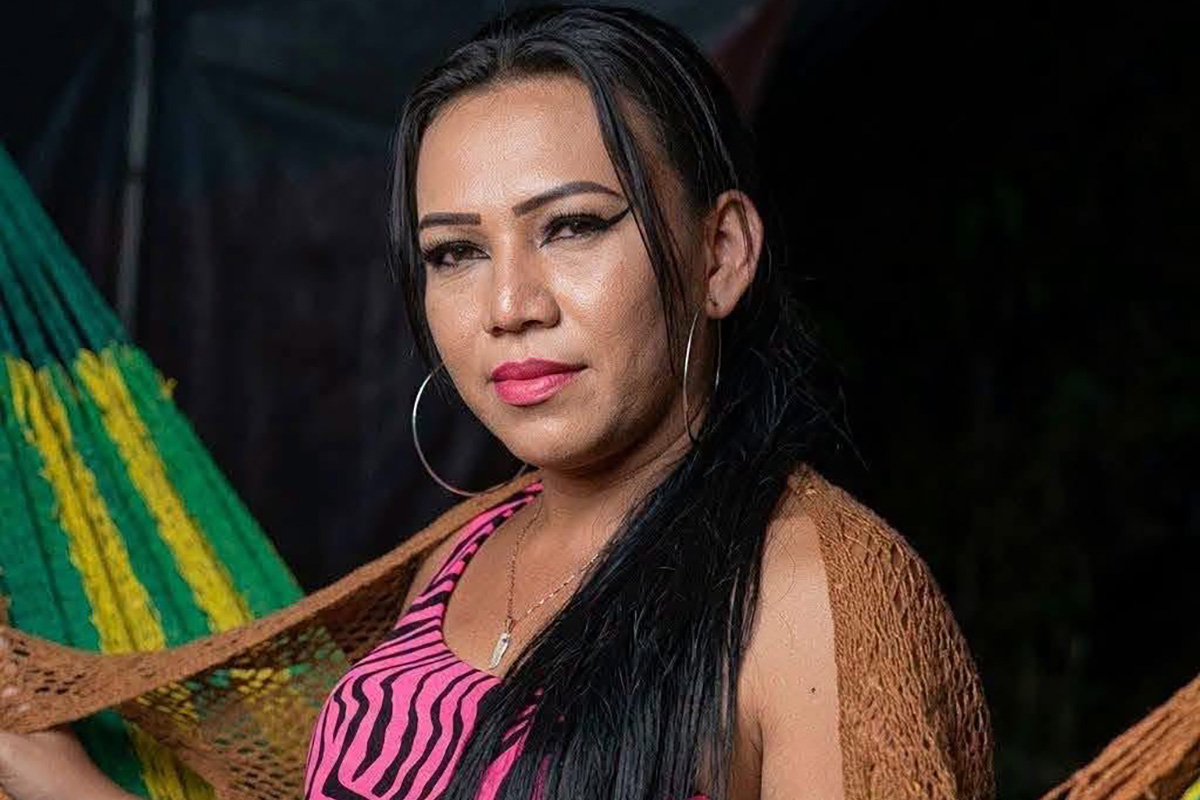
SANTA ANA, El Salvador — La muerte de Yoisi Villalta, mujer trans y vendedora de tortas en Texistepeque, Santa Ana Norte, ha vuelto a colocar en el centro del debate una realidad que durante años ha acompañado a la población LGBTQ+ en El Salvador: la violencia no termina con una agresión o con una muerte. También puede manifestarse en la manera en que una persona es buscada, nombrada, registrada, despedida y recordada.
Villalta fue reportada como desaparecida por su familia a finales de agosto de 2026. Días después, medios de comunicación y plataformas digitales informaron sobre el hallazgo de su cuerpo sin vida. Un reporte publicado el 5 de septiembre señala que el cuerpo fue localizado en Tacuba, Ahuachapán, ocho días después de su desaparición, mientras que la Policía Nacional Civil no había confirmado hasta entonces la causa de muerte ni clasificado oficialmente el caso como homicidio intencionado.
La precisión es importante; hasta el momento no debe afirmarse como un hecho que Yoisi haya sido víctima de un crimen de odio o de un homicidio motivado por su identidad de género, mientras no exista una investigación oficial que determine las circunstancias y causa de su muerte. Lo que sí existe es una profunda preocupación expresada por organizaciones de la sociedad civil y por personas de la comunidad LGBTQ+, especialmente ante el contexto de violencia y discriminación que históricamente han enfrentado las mujeres trans en El Salvador.
Una mujer detrás de una noticia
Antes de convertirse en noticia, Villalta tenía una vida. Era una mujer trans que trabajaba como vendedora de tortas en Texistepeque. Desde su negocio desarrollaba una actividad cotidiana para ganarse la vida, pero también había convertido aquel espacio en una expresión de solidaridad con su comunidad.
De acuerdo con la información difundida por organizaciones LGBTQ+, Villalta compartía alimentos con las brigadas de salud sexual que realizaban jornadas en la zona. Esa faceta de su vida permite verla más allá de las circunstancias de su muerte: como una mujer trabajadora, solidaria y vinculada a acciones comunitarias.
La Federación Salvadoreña LGBTI pidió precisamente que su memoria fuera abordada desde esa perspectiva. En el mensaje difundido tras conocerse su muerte, la organización llamó a recordarla por “su vida, su trabajo, su generosidad, y sobre todo desde su nombre”, y pidió que su historia no fuera reducida al morbo.
Ese llamado resulta especialmente importante en tiempos en que las redes sociales pueden convertir una tragedia humana en una sucesión de comentarios, fotografías, especulaciones y publicaciones hechas sin sensibilidad. Una persona fallecida no deja de tener dignidad.
Y una mujer trans no deja de ser mujer porque haya muerto.
El derecho a ser nombrada
Uno de los aspectos que más indignación ha provocado en torno al caso es el tratamiento de la identidad de Villalta durante la búsqueda. Organizaciones y personas cercanas han denunciado que durante el proceso de búsqueda se utilizó el nombre que aparece en su Documento Único de Identidad (DUI), en lugar del nombre con el que Villalta vivía y era reconocida socialmente.
Este aspecto no es meramente una cuestión semántica. Para las personas trans, el nombre puede representar una parte fundamental de su identidad y de la manera en que construyen su vida frente a la sociedad. Ser reconocidas por el nombre con el que se identifican constituye también una forma de respeto.
En el caso de Villalta, la Federación Salvadoreña LGBTI expresó que negar el nombre y la identidad de una persona trans también constituye una forma de violencia. La situación adquiere una dimensión todavía más compleja en El Salvador, donde continúa sin existir un mecanismo legal general que permita a las personas trans modificar su nombre y marcador de género en sus documentos de identidad conforme a su identidad de género.
Así, una persona puede construir durante años una vida social, familiar, laboral y comunitaria con un nombre determinado y, sin embargo, encontrarse ante instituciones que continúan identificándola exclusivamente mediante los datos registrales que no corresponden a la identidad con la que vive. El caso de Villalta vuelve a evidenciar esa tensión entre la identidad vivida y el reconocimiento institucional.
Un problema que va más allá de un solo caso
El caso de Villalta ocurre en un país donde las organizaciones de derechos humanos han advertido durante años sobre la violencia y discriminación que afectan a la población LGBTQ+. La información disponible también muestra un problema relacionado con la documentación de estos hechos.
Organizaciones defensoras de derechos humanos han cuestionado la ausencia o insuficiencia de registros públicos actualizados y desagregados que permitan conocer con precisión cuántos delitos violentos afectan a personas LGBTQ+ y cuántos de ellos tienen como posible motivación la orientación sexual, identidad o expresión de género. La falta de información no significa necesariamente ausencia de violencia. Por el contrario, puede hacerla más difícil de identificar.
Un crimen que no registra la identidad de género de la víctima, o que no investiga adecuadamente una posible motivación relacionada con prejuicios, termina incorporándose estadísticamente como un hecho aislado, sin permitir comprender patrones. Ese problema tampoco es exclusivo de El Salvador. Sin embargo, en el país constituye una preocupación recurrente para las organizaciones que documentan vulneraciones contra personas LGBTQ+.
301 denuncias en 2025
Un indicador permite dimensionar que el problema trasciende los homicidios. El Informe 2025 sobre las vulneraciones de los derechos humanos de las personas LGBTQ+ en El Salvador, elaborado por el Observatorio de Derechos Humanos LGBTIQ+ de ASPIDH con apoyo de Hivos y Arcus Foundation, registró 301 denuncias de vulneraciones de derechos entre el 1 de enero y el 22 de septiembre de 2025. La Comisión Interamericana de Derechos Humanos también recogió estos datos en su informe anual.
Según esa información, las mujeres trans representaron el 53,5 por ciento de las víctimas registradas y los hombres gays el 26,6 por ciento. El informe también señaló como principales presuntos responsables a cuerpos uniformados, entre ellos la Policía Nacional Civil, los cuerpos de agentes municipales y militares desplegados bajo el régimen de excepción.
Estos datos deben leerse con cautela: se trata de denuncias de vulneraciones de derechos, no de una cifra de homicidios ni de todos los casos ocurridos en el país.
Pero muestran algo importante: la violencia contra las personas LGBTQ+ no puede analizarse exclusivamente desde los asesinatos. También existe violencia en la discriminación, en el acceso a servicios, en el trato institucional, en la familia, en el trabajo, en los espacios públicos y en la imposibilidad de ejercer plenamente derechos fundamentales.
El precedente de Zashy Zuley
La historia reciente de El Salvador ofrece antecedentes que ayudan a comprender por qué el caso de Villalta genera preocupación. En abril de 2021 fue asesinada en San Miguel Zashy Zuley del Cid, una mujer trans y activista vinculada al trabajo comunitario de personas LGBTQ+.
ACNUR condenó entonces su asesinato y señaló que Zuley había sido previamente desplazada de su hogar debido a amenazas. La agencia de Naciones Unidas explicó que trabajaba junto con COMCAVIS TRANS para apoyarla en un proceso de emprendimiento y medios de vida.
Su muerte también puso en evidencia otra forma de violencia: después de morir, hubo dificultades para que su identidad de género fuera respetada durante sus honras fúnebres. Medios que documentaron el caso señalaron que fue sepultada con una expresión masculina y que existieron obstáculos para la participación de personas LGBTQ+ cercanas a ella.
El caso de Zuley se convirtió así en un símbolo de una problemática que tiene dos dimensiones: la violencia contra el cuerpo y la violencia contra la identidad.
Más de cinco años después, la muerte de Villalta vuelve a colocar ambas preocupaciones en la conversación pública.
¿Dónde están los datos oficiales?
Una de las preguntas que surgen nuevamente es cuántos casos de violencia contra personas LGBTQ+ han ocurrido en los últimos años y cuántos han sido investigados considerando una posible motivación por prejuicio.
La ausencia de información pública reciente y desagregada dificulta responder.
Esta falta de datos no solo afecta a las organizaciones defensoras de derechos humanos. También afecta a las instituciones encargadas de diseñar políticas públicas, prevenir la violencia y garantizar justicia.
Si no sabemos cuántos casos existen, dónde ocurren, quiénes son las víctimas, qué tipos de violencia se presentan y qué resultados tienen las investigaciones, resulta mucho más difícil diseñar respuestas adecuadas. La documentación independiente adquiere entonces un papel fundamental, aunque nunca debería sustituir la obligación del Estado de generar estadísticas confiables y transparentes.
El desafío de no olvidar
El caso de Villalta vuelve a plantear una pregunta incómoda para El Salvador:
¿Qué ese está haciendo para que las personas LGBTQ+ puedan vivir y morir con dignidad? La respuesta no puede depender únicamente de las organizaciones LGBTQ+, de las familias o de las comunidades.
Requiere instituciones que registren adecuadamente los hechos, investigaciones que determinen responsabilidades, y de acuerdo con activistas de sociedad civil, también “se necesita un Estado que cree y promueva políticas de prevención y que reconozca la identidad de las personas diversas, formación de funcionarios y una sociedad que comprenda que la diversidad no disminuye el valor de ninguna persona”. Por ahora, las circunstancias de la muerte de Yoisi dejan muchas dudas en lo sucedido y no corresponde afirmar que se trató de un crimen de odio sin una determinación oficial de una investigación que no existió.
Iceland
Iceland implements gender-neutral blood donor rules
New regulations took effect Sept. 1, allow more LGBTQ+ people to donate
New rules that will allow more gay and bisexual men to donate blood in Iceland took effect on Sept. 1.
The Iceland Review, an English-language magazine, notes the new regulations the country’s Health Ministry approved are gender-neutral. Some restrictions, however, remain in place for potential donors, regardless of their sexual orientation or gender identity.
“Specific sexual activity can be linked to higher risk of bloodborne infections, therefore thorough screening is very important in regards to blood donor eligibility,” states the Icelandic Blood Bank on its website.
Potential donors are asked these two questions:
• In the past four months, have you had sex with a new partner?
• In the past four months, have you engaged in what is considered sexual relation of higher risk?
The Icelandic Blood Bank defines “sexual relation of higher risk” as:
• Sexual relation where a condom is not used and relationship duration is less than 4 months.
• Sexual relation outside of pre-existing long-term relationship, where a condom is not used.
• Sexual relation with many individuals (more than one) with/without a condom.
• Sexual relation, where a condom is not used, with an individual whose behavior falls under sexual relation of higher risk.
• Sexual relation where a condom is not used, with an individual that injects narcotics. If more than four months have passed since the last injection, donation is permitted.
• Sexual relation, with/without the use of condom, in exchange for payment.
• Anal sex with/without a condom with a new partner.
• Sexual relation where chemicals are used to enhance sexual experience (chemsex).
• Sexual relation with/without the use of a condom, with an individual diagnosed with HIV, HTLV, Hepatitis B or C, or syphilis.
• Sexual relation with an individual using viral medication (PrEP or PEP) for HIV.
“If yes, evaluation for possible deferral from blood donation needs to be done,” says the Icelandic Blood Bank.
A person with HIV, Human T-lymphotropic virus-1, hepatitis B or C, or syphilis cannot donate blood. A person who has taken PrEP or PEP in the previous four months is also unable to become a donor.
“If more than four months have passed since the medication was taken, viral screening can be done,” says the Icelandic Blood Bank. “If results are negative, blood donation is permitted. Deferral period is longer if administrated intravenously.”
Any potential donor who had “sexual relation with an individual using viral medication (PrEP or PEP) for HIV” must wait four months since their “last sexual relation” before they can give blood.
Anyone who has “ever, even just once, shared a needle/syringe with someone or injected yourself with an illegal substance (non- doctor prescribed), e.g. drugs, anabolic steroids, hormones or peptides.” is permanently prohibited from donating blood.
Iceland is the latest country to lift restrictions for LGBTQ+ blood donors.
The Australian Red Cross Blood Service in April implemented a new policy that allows “gay and bisexual men and transgender people in long-term monogamous relations (of at least six months) to donate blood and platelets for the first time.”
The U.S. Food and Drug Administration in 2023 implemented a new screening policy for potential donors that asked them questions about their sexual activity, regardless of their sexual orientation or gender identity. The previous policy required men who have sex with men to not have sex for at least three months before they could donate blood.
Switzerland
Swiss government backs nationwide conversion therapy ban
Several cantons have already prohibited widely discredited practice
The Swiss government has said it supports a nationwide ban on so-called conversion therapy.
The Swiss Broadcasting Corporation on its website notes the government officially announced its position in a report it published on Wednesday.
Neuchâtel in 2023 became the first Swiss canton to ban conversion therapy.
Lawmakers in Valais and Vaud have also prohibited the widely discredited practice in their respective cantons. Bern and Geneva are among the other cantons in which lawmakers have considered similar prohibitions.
The European Commission earlier this year said all European Union countries should ban conversion therapy.
Switzerland is not a member of the EU, but lawmakers in neighboring Germany in 2020 passed a law that prohibits conversion therapy for minors and for adults who have not consented to undergoing the widely discredited practice.
Several EU countries — Belgium, Cyprus, France, Malta, Norway, Portugal, and Spain — have banned conversion therapy outright.
The Dutch Senate in June approved a bill that would ban conversion therapy in the Netherlands. The lower house of the country’s parliament approved the measure in September 2025.
Greece in 2022 banned conversion therapy for minors.
Bulgaria
Top Bulgarian court rules government must legally recognize trans people
Decision caps off decade-long legal fight
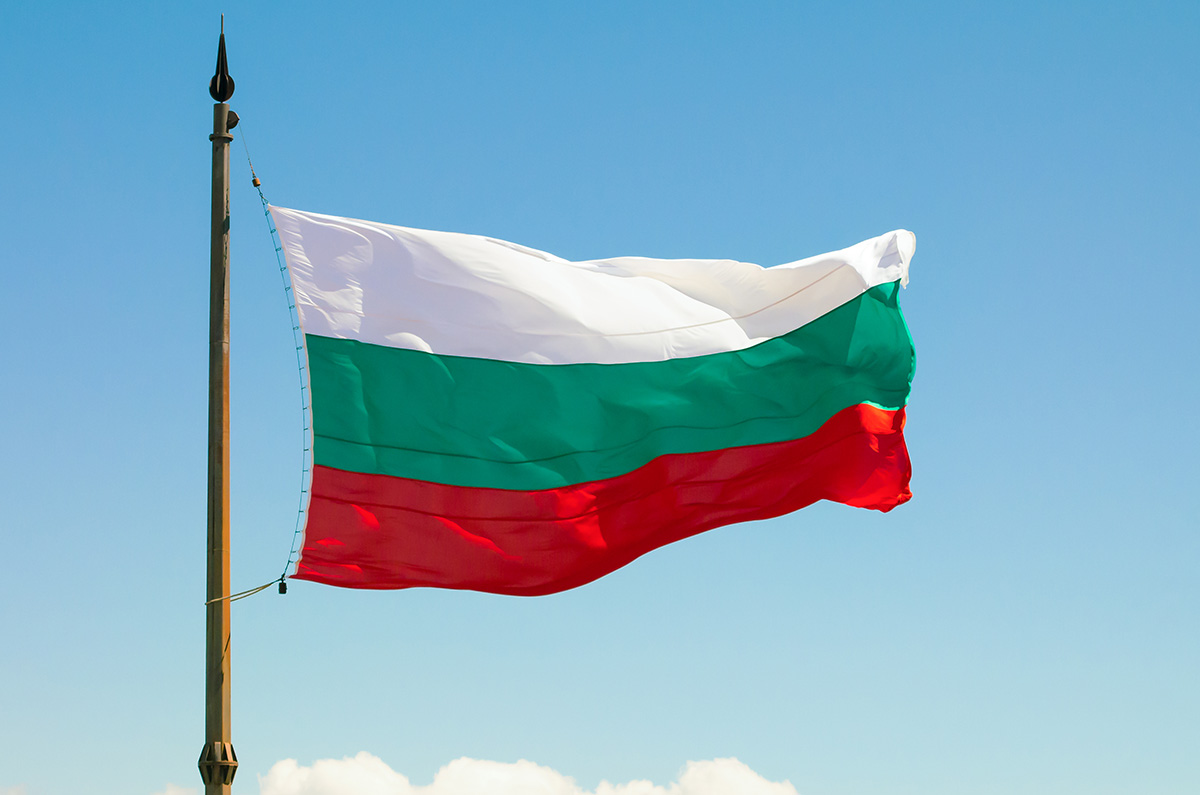
Bulgaria’s top court has ruled the country’s government must allow transgender people to legally change their name and gender on ID documents.
A trans woman from Bulgaria who moved to Italy, had tried to change her gender and name on her Bulgarian ID documents, but courts in the country denied her requests for nearly a decade.
The Bulgarian Supreme Court of Cassation in a 2023 ruling essentially banned trans people from legally changing their name and gender on ID documents.
The EU Court of Justice in Luxembourg, which is the European Union’s highest court, in March ruled in the “Shipova” case that member states must allow trans people to legally change their name and gender on ID documents. The lead plaintiff in the “Shipova” case is among the four litigants in the Bulgarian Supreme Court of Cassation case.
Two Bulgarian advocacy groups — Bilitis and Deystvie — along with TGEU – Trans Europe and Central Asia and ILGA-Europe in a joint statement they issued on Tuesday noted the Bulgarian Supreme Court of Cassation’s July 22 decision “aligns Bulgarian practice with the Court of Justice of the EU, enabling changes to gender markers, names, and personal identification numbers.”
“The judges also concluded that EU law requires Bulgaria to establish a legal procedure for legal gender recognition, which is necessary so that Bulgarian trans citizens can travel and reside freely inside the EU,” they added.
Bulgaria has been a member of the EU since 2007.
The country borders Romania, Serbia, North Macedonia, Greece, and Turkey.
“We are very glad to see that the judges of the Supreme Court clearly stated that it is actually a matter of rule of law for Bulgaria to respect the universal equality and the dignity of all human beings, including trans people for whom human rights-based legal gender recognition procedures are an indispensable element,” said Denitsa Lyubenova, co-chair of Deystvie who represented the four plaintiffs in the Bulgarian courts and the lead litigant in the “Shipova” case at the EU Court of Justice. “The government needs to act swiftly now to put in place an LGR procedure that is fully in line with European human rights case law, which means without any conditions requiring proof of medical, surgical or hormonal treatment.”
The groups also urged the Bulgarian government to codify the ruling into law.
“While lower courts are expected to follow this ruling directly, a court decision is not a substitute for law,” they said. “Bulgaria still needs a fast, transparent, and accessible legal gender recognition procedure written into legislation, not left to case-by-case court precedent. TGEU – Trans Europe and Central Asia, Bilitis, Deystvie, and ILGA-Europe call on the Bulgarian government to start that legislative process now, with meaningful involvement from civil society.”

Long-time DignityUSA executive director announces retirement

Actor Ben Ubiñas is a whole different ‘Creed’

‘Scorch Marks’: Brandon Shypkowski and Chris Salvatore play out post-apocalyptic ex drama in new horror film

From the desk of Equality California: the latest political news for CA and beyond as we head into the midterms

LA Blade was on the scene celebrating television’s biggest stars and luxury brands

Jeremy Moss looks to bring LGBTQ+ advocacy from Lansing to Capitol Hill

Step into the ‘Crush House’ with JJ Aussie and Josh Moore

Ross Alan gives permission for queer joy with new album, ‘Audible Serotonin’

Here’s your Palm Springs look at the weekend: Sep 18-20, 2026

Gratitude is sexy: When the gays are paying your straight bills, consider paying them some respect
-
 Congress5 days ago
Jeremy Moss looks to bring LGBTQ+ advocacy from Lansing to Capitol Hill
-
 Television5 days ago
Step into the ‘Crush House’ with JJ Aussie and Josh Moore
-
 Music & Concerts4 days ago
Ross Alan gives permission for queer joy with new album, ‘Audible Serotonin’
-
 Palm Springs4 days ago
Here’s your Palm Springs look at the weekend: Sep 18-20, 2026
-
 Commentary3 days ago
Gratitude is sexy: When the gays are paying your straight bills, consider paying them some respect
-
 EMMYS3 days ago
LA Blade was on the scene celebrating television’s biggest stars and luxury brands
-
 Events4 days ago
When pageantry meets purpose: Patrick Rush brings us Best in Drag Show
-
 a&e features3 days ago
Are you ready to ‘Rock Out’ with Dustin Lance Black?
-
 National23 hours ago
Long-time DignityUSA executive director announces retirement
-
 Politics2 days ago
From the desk of Equality California: the latest political news for CA and beyond as we head into the midterms