New Zealand
New Zealand blood donation rules shift
One-size-fits-all assumptions about gay, bi, and takatāpui men to end
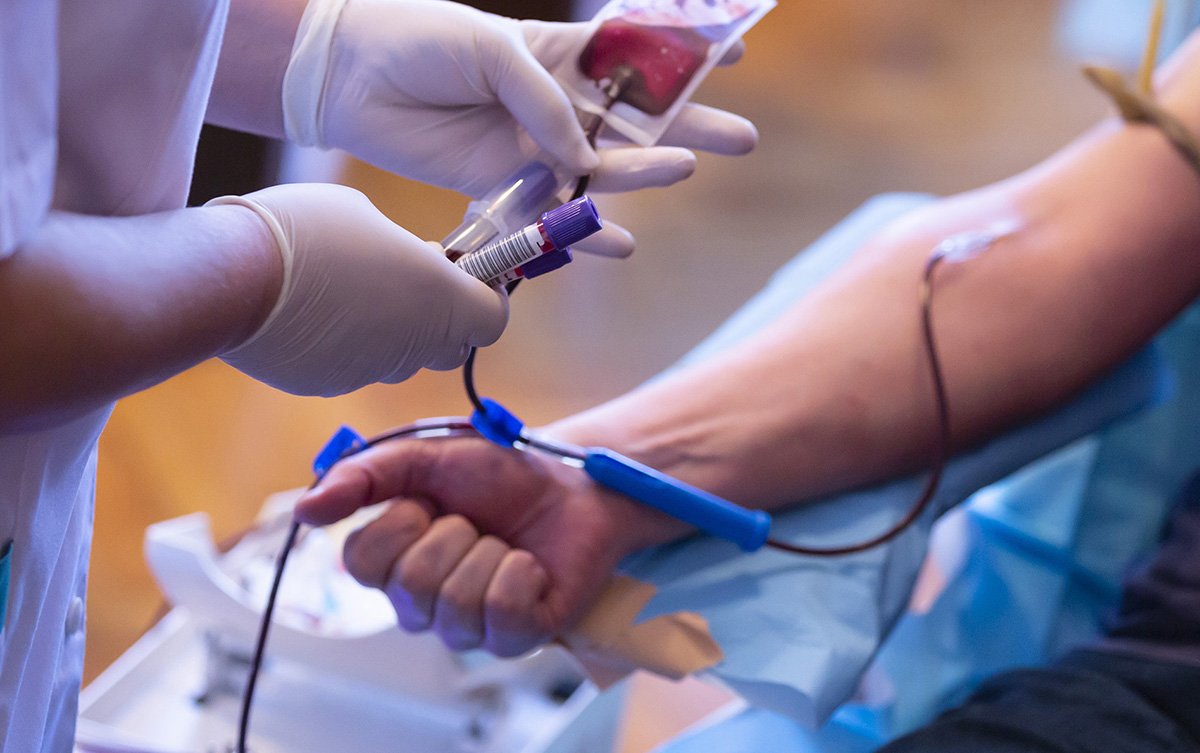
More gay, bi, and takatāpui men in Aotearoa may soon be able to donate blood, with New Zealand Blood Service changing its sexual activity screening rules in a move that shifts the focus away from sexuality and on to specific recent behavior.
For many queer people, the change represents a move away from treating all men who have sex with men as a single risk category. Instead, all donors will be asked the same questions about new or multiple sexual partners in the past three months, and whether they have had anal sex with those partners.
Under the new approach, donors who have had anal sex with a new or multiple partners in the past three months will still face a three-month deferral. But those who have not — and who meet all other eligibility criteria — will be able to donate. Donors will also be asked whether they have had gonorrhea or any other sexually transmitted infection in the past three months, with a three-month wait applying after treatment and recovery.
That change could open the door for some gay, bisexual, takatāpui and other men who have sex with men who were previously excluded from giving blood. In particular, men who have had anal sex with only one partner in the past three months, where that sexual contact has been ongoing for longer than three months, may now be eligible to donate, including those in long-term single-partner relationships.
For years, blood donation rules have been experienced not just as a public health measure, but as a blunt and often stigmatizing signal that queer men were viewed differently from everyone else. This change suggests a more nuanced approach, one that looks at what people do, rather than who they are, based on findings from the Sex and Prevention of Transmission Study (SPOTS) and international evidence supporting behavior-based screening.
New Zealand Blood Service says the new model will maintain the safety of the blood supply while making donation more inclusive.
Still, the new rules are not a complete removal of the restrictions, and some will see them as progress rather than full equity. The three-month deferral remains in place for donors who have had anal sex with a new or multiple partners, even if they are taking PrEP or using condoms. New Zealand Blood Service says that while PrEP is highly effective for HIV prevention, it can mask low levels of HIV during testing, and condoms are not considered completely fail-safe.








From ‘La Bola Negra’ to ‘Coward,’ here are this award season’s must-watch queer films

‘Male Aesthetic’ challenges conventional tropes of masculinity through dance at Nickerson-Rossi Dance Company

Key Midterm Election races as SoCal joins No Kings ‘Vote Early’ rallies on Saturday

Here’s your Palm Springs look at the weekend: Oct 16-18, 2026

Trans woman says Kyle Brazeal used anti-trans slur, threw purse at her in 2024
Trans woman says Kyle Brazeal used anti-trans slur, threw purse at her in 2024

Hungarian lawmakers approve bill to remove anti-LGBTQ+ provisions from ‘child protection’ law

JD Vance takes swipe at James Talarico’s sexuality during Texas rally

‘Come Out for the Games’ gets Los Angeles excited for the 2028 Olympics

Ahead of the midterms, Meta has paid at least 29 anti-LGBTQ+ accounts for their posts
-
 California2 days ago
Trans woman says Kyle Brazeal used anti-trans slur, threw purse at her in 2024
-
 Hungary4 days ago
Hungarian lawmakers approve bill to remove anti-LGBTQ+ provisions from ‘child protection’ law
-
 Politics4 days ago
JD Vance takes swipe at James Talarico’s sexuality during Texas rally
-
 Sports4 days ago
‘Come Out for the Games’ gets Los Angeles excited for the 2028 Olympics
-
 Politics4 days ago
Ahead of the midterms, Meta has paid at least 29 anti-LGBTQ+ accounts for their posts
-

 a&e features5 days ago
Exposing the realities of influencer culture with Bran Flakezz
-

 Politics3 days ago
Victory Institute to honor Nancy Pelosi at D.C. conference
-

 Features3 days ago
Lu Corporan on designing the darkroom
-
 Palm Springs2 days ago
Here’s your Palm Springs look at the weekend: Oct 16-18, 2026
-

 a&e features2 days ago
How Orville Peck healed his inner child through ‘Street Fighter (2026)’