Africa
Ugandan Constitutional Court to consider challenge to country’s Anti-Homosexuality Act
Hearing is slated to begin on Dec. 11
Editor’s note: The Constitutional Court has announced the hearing will begin on Dec. 18.
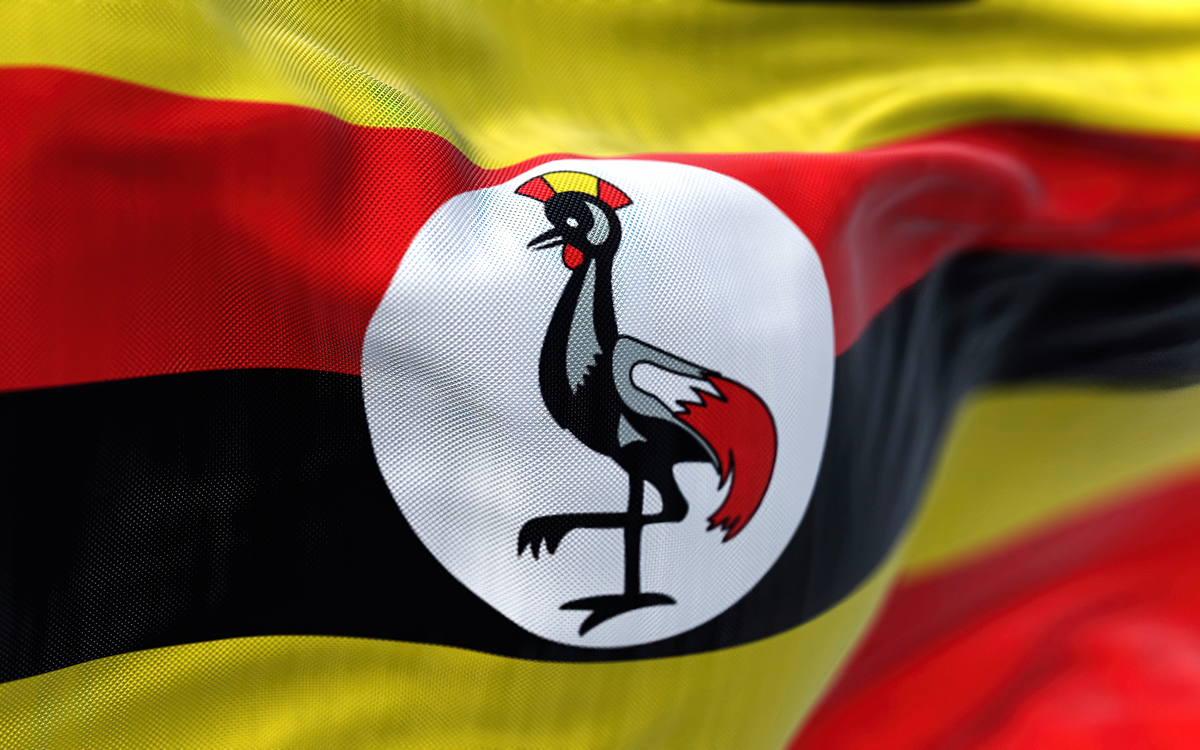
KAMPALA, Uganda — Activists in Uganda are optimistic the queer community will get justice from the Constitutional Court hearing on a petition that challenges the country’s Anti-Homosexuality Act.
Some of the groups that spoke to the Washington Blade before the hearing begins on Dec. 11 termed the law that President Yoweri Museveni signed in May as “discriminatory, unconstitutional and a violation of fundamental human rights.”
Uganda Minority Shelters Consortium, a local NGO which supports and advocates for the rights of LGBTQ+ victims of violence and homelessness, noted the Anti-Homosexuality Act has created a “climate of fear and persecution” for queer Ugandans.
UMSC Coordinator John Grace said this situation has led to a spike in homophobic violence, discrimination and the LGBTQ+ community’s inability to access healthcare and other basic services due to fear.
“We believe the court should nullify this discriminatory law and pave the way for a more inclusive and equitable society for all Ugandans,” Grace said in support of the four consolidated petitions that several LGBTQ+ activists filed.
The plaintiffs include Uganda’s Deputy High Commissioner to South Africa Kintu Nyango, Makerere University Law professors Sylvia Tamale and Busingye Kabumba, veteran journalist Andrew Mwenda, West Budama Northeast MP Fox Odoi and several advocacy groups.
Odoi is Museveni’s former legal advisor.
Petitioners in a pre-hearing conference on Tuesday argue the Anti-Homosexuality Act violates Article 92 of Uganda’s constitution, which bars Parliament from enacting a law that goes against a decision by the country’s Judiciary. This position is in response to the Constitutional Court’s 2014 ruling that nullified a similar anti-homosexuality law.
The plaintiffs also argue the Anti-Homosexuality Act was hurriedly passed within six days instead of 45 days as Parliament’s rules requires and that it was enacted without meaningful public consultation.
“This hearing is crucial for LGBTQ+ Ugandans as it provides a platform to expose the law’s flaws and its detrimental impact on their lives, amplifies their voices to encourage dialogue about equality, tolerance and acceptance, and it instils hope and empowers the queer individuals to fight for their rights and dignity,” Grace stated.
His remarks come a day after the U.S. Ambassador to Uganda William Popp defended the Biden-Harris administration’s decision to impose sanctions against some Ugandan officials and announced plans to remove Kampala from Washington’s duty-free trade program for sub-Saharan African countries over the anti-LGBTQ+ law.
Ugandan Parliament Speaker Anitah Among, who is targeted in the U.S. visa travel ban, on Wednesday disclosed the White House has targeted more than 300 MPs who supported the Anti-Homosexuality Act. (U.S. government policy is not to target officials over legislative activity.) Secretary of State Antony Blinken on Monday announced the additional sanctions.
Among and the other MPs hit back at the U.S. and vowed to protect the anti-LGBTQ+ law “with our blood, sweat and souls,” while cautioning Ugandans opposed to it should “leave our country and go to live in the United Kingdom or the United States.”
Popp, while engaging with Ugandans virtually via X Spaces ahead of the Human Rights Day commemorations on Dec. 10 that will take place under the “Freedom, Equality and Justice for All” banner, said the U.S. “wants good things for Uganda as friends” through a sustained partnership.
“We have invested over 60 years of work, time, effort and resources as a partner of the Ugandan people,” said Popp. “We spend about one billion dollars annually in areas like health, education, and food security to improve livelihoods to try and build a more prosperous, freer and secure future for Ugandans which is good for the country, the region, the U.S. and the world.”
Popp noted, however, this economic progress cannot succeed without respect for human rights because there is a direct correlation between economic prosperity and societies that are more open and have greater respect for human and civil rights. Popp conceded no country in the world is perfect — including the U.S. — and the Biden-Harris administration is only helping Kampala to identify areas in which Ugandan institutions can improve as they relate to punishing people who violates citizens’ human rights.
“Working on these issues as Ugandans and working collectively with us as partners is better for long-term goals and positive development in the country,” he said. “If this is done, Uganda collectively will move forward and the U.S. will be the first to applaud it.”
Let’s Walk Uganda, another Ugandan advocacy group that openly LGBTQ+ people lead, is also challenging the Anti-Homosexuality Act. The organization told the Blade the case is a litmus test to the Judiciary’s core mandate of protecting the “weak” in the society.
“We are challenging the act for violating the entire Bill of Rights and other key provisions of the constitution and its spirit generally,” Martin Musiime, the group’s legal manager, said. “The Ugandan constitution is against the backdrop of tyranny, oppression and abuse of power against those without power or the marginalized.”
Musiime expressed optimism that the petition has strong, convincing grounds for the court to “annul the apartheid law” while also confirming that they are ready to appeal should the court rule against the complainants.
“These efforts are moving hand in hand with political and diplomatic engagements including piling pressure for sanctions,” Musiime said. “We are convinced the sanctions are working and we see efforts by the government to lessen on the severity of the law.”
Doctor Henry Mwebesa, the director general of Uganda’s Health Services, in August issued a circular to all health workers that directed them not to deny services to anyone visiting hospitals; not to discriminate or stigmatize them based on sexual orientation and to protect their privacy, confidentiality and safety.
Let’s Walk Uganda and UMSC maintain, however, this directive doesn’t guarantee queer people enough protection until the punitive and discriminatory provisions in the Anti-Homosexuality Act, such as reporting a suspected gay person to authorities, are removed and the entire law is repealed.



Egypt
Egyptian authorities refuse to allow gay cruise to dock in country
Scarlet Lady earlier this week blocked from visiting Turkey
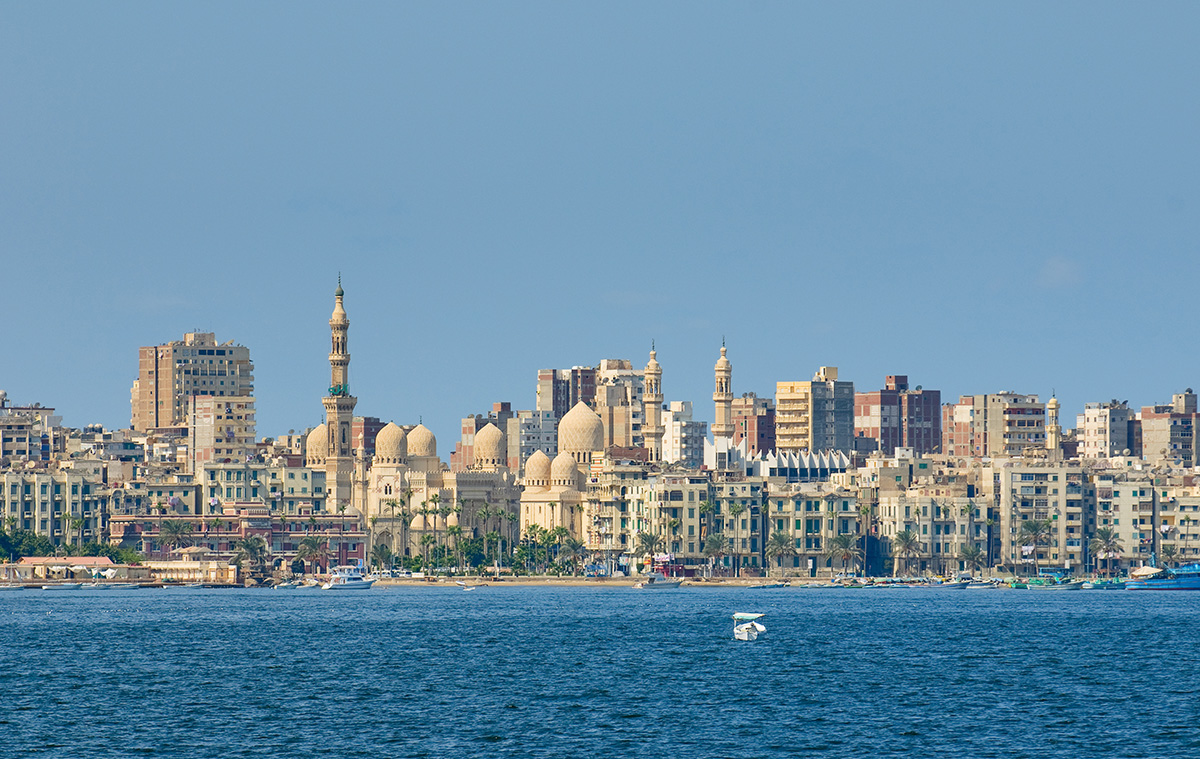
Egyptian authorities have refused to allow a gay cruise to dock in the country.
The Scarlet Lady, a Virgin Voyages ship that Atlantis Events chartered, was to have docked in Alexandria, a port city on the Mediterranean Sea. The Los Angeles Blade obtained a letter that Atlantis Events President Rich Campbell sent to passengers on Thursday, hours before the cruise was to have arrived.
“Early this morning, we were informed that Scarlet Lady has been denied entry into Egyptian waters and, as a result, will no longer be able to call in Alexandria today,” he wrote.
“I know how much this visit meant to so many of you,” added Campbell. “We successfully sailed a similar itinerary last year, so we were surprised by this unfortunate decision.”
Campbell noted “both the Atlantis and Virgin Voyages teams worked tirelessly to make this call in Alexandria a possibility.”
“This news came as a surprise to all of us, and we’re just as disappointed as you are,” he said.
The 10-day cruise left Athens on July 5. It is scheduled to end in Trieste, Italy, on July 15.
The ship had been scheduled to dock in Kusadasi, a Turkish resort town on the Aegean Sea, and Istanbul earlier this week. Turkish authorities refused to allow it in the country.
Former Tempe, Ariz., Mayor Neil Giuliano, who is an LGBTQ+ Victory Institute board member, is among those on the cruise.
“Just a few hours before arriving in Alexandria, Egypt — a city founded by and named for one of the ancient world’s best-known homosexuals — government authorities rescinded permission for our ship of 2,000 gay men to enter Egypt,” wrote Steve May, who is also on the ship, on Thursday in a Facebook post.
Alexander the Great founded Alexandria in 331 B.C.
“As with Turkey, we have been sent away not because of what we did, but because of who we said we are,” said May. “‘I am what I am’ is too much liberty for some to bear. So it was in the United States as well not long ago, where even I ended up as a convicted homosexual after a military trial in 2001 for saying ‘I am gay.’ This is just a reminder that for all the progress we have made, our freedom is never secure — for any of us, regardless of who or how we love. Back to Europe!”
Discrimination and persecution based on sexual orientation and gender identity is commonplace in Egypt. The Egyptian Football Association, along with the Football Federation Islamic Republic of Iran, objected to playing in the World Cup’s “Pride Match” that took place in Seattle on June 26.

Iran and Egypt on Friday faced off during the World Cup’s “Pride Match” in Seattle.
Iran is among the handful of countries in which consensual same-sex sexual relations remain punishable by death. Discrimination and persecution based on sexual orientation and gender identity is commonplace in Egypt.
Friday’s match coincided with Pride weekend in Seattle. The Egyptian Football Association and the Football Federation Islamic Republic of Iran both objected to playing in the “Pride Match.”
Egypt and Iran tied 1-1.
FIFA, for its part, allowed Pride flags inside the stadium during the match.
“The FIFA World Cup 2026 is an inclusive event that welcomes people from all backgrounds,” a FIFA spokesperson told the Los Angeles Blade in a statement. “Fans of all sexual orientations and gender identities are welcome at matches and events. General statements of human rights, including rainbow flags and other flags representing sexual orientation and gender identity, are permitted under the FIFA World Cup 2026™ Stadium Code of Conduct and may be displayed inside stadiums provided they are used in a manner consistent with the code.”
Human Rights Watch welcomed FIFA’s decision to allow Pride flags inside the stadium. Outright International, a global LGBTQ+ and intersex rights group, distributed Pride flags in Seattle on Friday, which was Pride Match Day.
“Visibility matters,” said Outright International Executive Director Maria Sjödin. “Pride is now being celebrated in more than 100 countries, including this weekend in Seattle. For many LGBTIQ people, seeing a Pride flag in public is a reminder that they are not alone, and that their rights and dignity are recognized.”
FIFA President Gianni Infantino earlier this year told Die Weltwoche, a Swiss magazine, that “there will be no ‘Pride Match’ at the (FIFA) World Cup.”
“There will be a FIFA World Cup match in Seattle, and on the same day, events organized by external organizations will be taking place in the city,” said Infantino. “But that has nothing to do with the match itself.”
Peter Tatchell, a long-time LGBTQ+ activist from the U.K. who is director of the Peter Tatchell Foundation, was among those who traveled to Seattle for Friday’s match. Tatchell accused FIFA of not vetting World Cup teams — specifically Iran, Egypt, Saudi Arabia, Ghana, Senegal, Qatar, Tunisia, Morocco, Iraq, Uzbekistan, and Algeria — over whether they would allow gay players.
“FIFA is protecting LGBT+ visibility in the stands while failing to protect LGBT+ players on the pitch,” said Tatchell.
South Africa
White House to end PEPFAR funding for South Africa
State Department says country failed to respond to 2025 executive order demands
The Trump-Vance administration will end PEPFAR funding for South Africa.
A State Department spokesperson on Wednesday told the Los Angeles Blade the State Department “will begin a phased drawdown of PEPFAR programming in South Africa, with most programs ending by Sept. 30, 2026, and critical personnel support continuing through March 31, 2027.”
Semafor last week reported South Africa has received more than $8 billion in PEPFAR funding since President George W. Bush created the program to combat the global HIV/AIDS pandemic in 2003.
President Donald Trump on Feb. 7, 2025, issued an executive order that addressed what it described as “egregious actions of the Republic of South Africa.” The State Department spokesperson with whom the Blade spoke noted the directive included five specific requests:
• South African government provides exemptions or alternatives for U.S. companies to Broad-Based Black Economic Empowerment laws and other race-based mandates.
• Senior government officials (e.g., president, deputy president, or minister of justice) unequivocally condemn all race-based incitement to violence, including the “Kill the Boer” song, more frequently.
• The South African government prevents the implementation of measures that would allow expropriation without fair compensation and due process under the Expropriation Act of 2024.
• South African Police Service designates rural crime a “priority crime” and increases resources dedicated to high-crime rural areas.
• South Africa refrains from actions that would significantly interfere with the implementation of the refugee program, within the confines of South African law.
“The United States communicated to the government of the Republic of South Africa multiple times at many levels that PEPFAR funding was likely to be terminated in the absence of progress on the five asks,” said the State Department spokesperson.
The State Department spokesperson further noted South Africa is “one of the largest economies in sub-Saharan Africa” and “has funded the vast majority of its own HIV response, estimated at 76 percent of the total, including procurement of all treatment commodities.”
“South Africa will continue to be supported by the Global Fund, including for the introduction and scale up of lenacapavir through Global Fund Resources,” the spokesperson told the Blade.
Lenacapavir is groundbreaking HIV prevention drug that users inject twice a year. Eswatini, which borders South Africa, is among the African countries that have received doses of the drug through PEPFAR.
HIV/AIDS service organizations in the U.S. and around the world have sharply criticized the Trump-Vance administration over plans to not fully fund PEPFAR and to cut domestic HIV/AIDS funding.
Secretary of State Marco Rubio shortly after the current White House took office issued a waiver that allowed PEPFAR and other “life-saving humanitarian assistance” programs to continue to operate during a freeze on nearly all U.S. foreign aid spending. HIV/AIDS service providers around the world with whom the Blade has spoken say PEPFAR cuts and the loss of funding from the U.S. Agency for International Development, which officially closed on July 1, 2025, has severely impacted their work.
Africa
African leaders once again trade African family values for American family values
Anti-LGBTQ+ conference backed by US-based groups took place this month in Ghana
At the moment, some religious and political leaders in Africa are pushing for a charter on family values, lobbying lawmakers, African state institutions, and the African Union to formally adopt it. In the past number of years, they have been holding conferences across Africa with the support and funding of Western religious donors who, in their own countries, are definitely perceived as racist, hateful, and against women. Most recently, they convened the African Regional Interparliamentary Conference on Family Values and Sovereignty in Accra, Ghana. All this raises critical questions about foreign influence and agendas. At this critical time, when Africa faces so many problems, why do people insist on pushing an agenda that is neither ours nor relevant to our prosperity?
The African leaders who claim to protect African family values and sovereignty, unsurprisingly, exhibit traits similar to those of the historical enslavers and similar collaborators. Contrary to what they claim as “pushing back against foreign influence on the African family” and the infamous sovereignty claims, it has been proven that these leaders are directly linked and backed by the conservative “foreign” groups, including the U.S.-based hate organization, Family Watch International, which is closely linked to the anti-rights authors of Trump’s Project 2025, Heritage Foundation; and the Netherlands-based Christian nationalist organization, Christian Council International, another group closely linked to organizations supporting the Trump administration and its continued hate-based policies and atrocities. One might even argue that they serve these groups, their mandates, and their Western agenda, instead of what they want African people to believe: that they are doing this for the good and prosperity of Africa and its sovereignty. The truth, however, is that their so-called African values, culture, traditions, etcetera, could not be further removed from true African cultural values but instead mimic those outlined in America’s Project 2025. Meanwhile, the very same people who are pushing for these family values under Project 2025 are the very same people pushing for the exploitation of Africa’s natural resources, without any care for the impact their actions have on African people and their livelihoods. Adopting their policies verbatim in Africa and claiming them as our own could easily be seen as counterintuitive and self-betrayal.
Africa’s rich history of family, diversity, womanhood, and matriarchy is too beautiful to erase. Africans, especially women and girls, deserve to know about the likes of Queen Modjadji of the Balobedu people, a fierce leader who is traditionally believed to have rainmaking abilities and notably a distinctively matriarchal dynasty where the reign is passed down from woman to woman, from mother to daughter; or Queen Nzinga of modern-day Angola, who led an army that resisted and fought against the Portuguese colonizers. Queer folks and African spiritualists alike deserve to know how women and gender diverse persons held some of the highest spiritual positions in society, like Mbuya Nehanda of Zimbabwe, who was a deeply respected spirit medium and a leader of the resistance against early colonial rule in Zimbabwe, and the transgender priests, the respected agule and okule, female-to-male and male-to-female shamans of the Lugbara, now the Democratic Republic of Congo and Uganda, who led spiritual ceremonies. Even though the mudoko dako of the Langi people in Uganda were known to have been assigned male at birth, they were recognized as a distinct gender that was allowed to marry men. Africans must also know about woman-to-woman marriages that existed in pre-colonial Africa, which, according to research and oral histories, were recognised and served various purposes, from economic and social functions to lineage preservation. Similar practices include those from the Bapedi and Balobedu cultures, ngwetsi ya lapa, which still exists today, where a woman is married into a family or household to raise an heir for the family or to continue the family name, not necessarily the lineage.
As well-intentioned as it may appear, evidence suggests that the African leaders’ draft charter, because of its existing ties to Western ultraconservative partnerships, is neither original nor in good faith. The pace at which they have been moving and their true subsequent agenda should indisputably be questioned and criticised. Regardless of the inclusion of desirable language and terms such as minerals sovereignty and the Ubuntu philosophy, beneath the surface, the charter does not truly reflect these concepts. The charter, instead, does a disservice to African people by misrepresenting Africa’s diversity and disregarding its history as it relates to the diversity of families. The West has no business drafting or helping draft African legislation, especially if the whole of Africa is at risk of their negative impact. One would think the common goal would be to address bread-and-butter issues, such as poverty, unemployment, diseases, and health, to name but a few, instead of pushing the distractive agenda of those responsible for robbing Africa in the first place. No single group is the sole custodian of African knowledge. Africa belongs to all of us, with our diverse families and values, which cannot be defined through a single, narrow lens and are instead very individual issues that will differ from family to family.
Daniel Digashu is a consultant at the Southern Africa Litigation Center (SALC). SALC promotes and advances human rights and the rule of law in Southern Africa, primarily through strategic litigation and capacity-strengthening support to lawyers and grassroots organizations.
Niger
Niger recriminalizes homosexuality
Country’s military junta announced new penal code took effect June 12
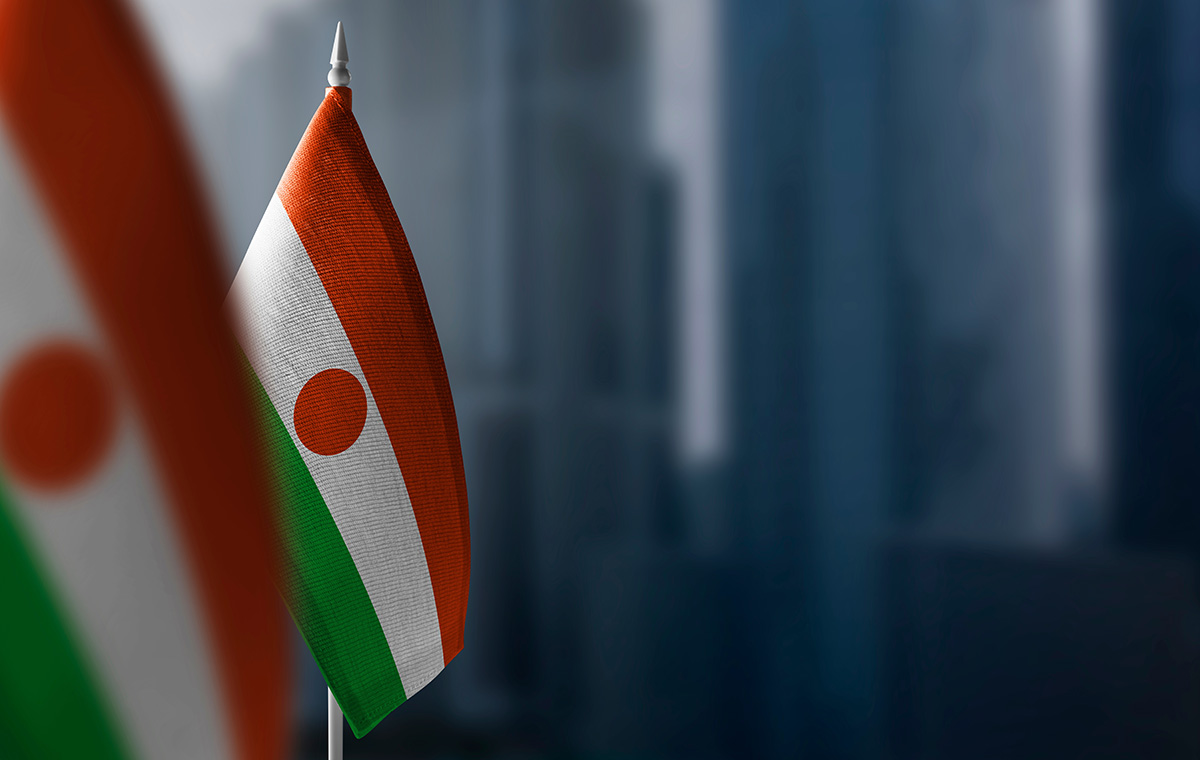
Niger is the latest African country to recriminalize consensual same-sex sexual relations.
The Associated Press on June 12 reported the country’s military junta announced a new penal code under which anyone who “commits or attempts to commit an immodest or unnatural act or practices lesbian, gay, bisexual, transgender, queer, intersex, asexual (LGBTQIA+) acts” will face between five and 10 years in prison and a fine.
“This same penalty is applicable to persons who officiated the marriage, to the witnesses of the alleged spouses, as well as to persons who have given their consent for the celebration of the marriage and to the organizers,” reads the new code that took effect on June 11.
Niger borders Nigeria, Benin, Burkina Faso, Mali, Algeria, Libya, and Chad.
The AP notes homosexuality had not been criminalized in Niger. Anti-LGBTQ+ stigma, however, was widespread.
Lawmakers in Burkina Faso last September recriminalized homosexuality in the country. Senegalese President Bassirou Diomaye Faye on March 31 signed into law a bill that increased the penalty for anyone convicted of engaging in consensual same-sex sexual relations from one to five years in prison to five to 10 years.
Ghanaian lawmakers late last month approved a bill that would, among other things, criminalize LGBTQ+ allyship.
Ghana
Ghanaian lawmakers approve anti-LGBTQ+ bill
Measure that would criminalize allyship awaits president’s signature
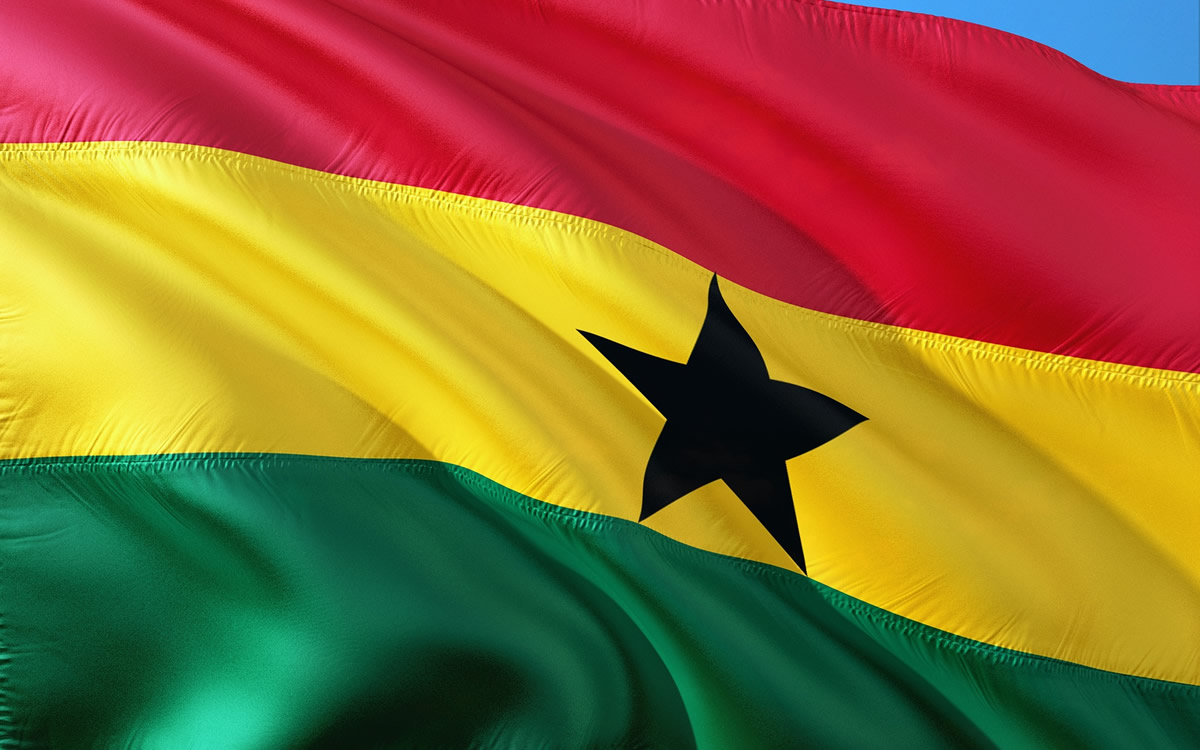
Ghanaian lawmakers on Friday approved a bill that would, among other things, criminalize LGBTQ+ allyship.
Reuters reported MPs approved the Human Sexual Rights and Family Values Bill, 2025, in a voice vote after parliament’s Constitutional and Legal Affairs Committee backed it.
MPs in 2024 approved a similar bill, but it faced legal challenges and then-President Nana Akufo-Addo didn’t sign it. Lawmakers last year reintroduced the measure after President John Dramani Mahama took office.
The bill awaits his signature.
Rightify Ghana, a Ghanaian LGBTQ+ advocacy group, in a series of social media posts notes MPs passed the bill days before the 4th African Inter-Parliamentary Conference on Family Values and Sovereignty will take place in Accra, the country’s capital.
Kenya
Kenyan High Court issues landmark transgender rights ruling
Government ordered to allow trans people to amend ID documents
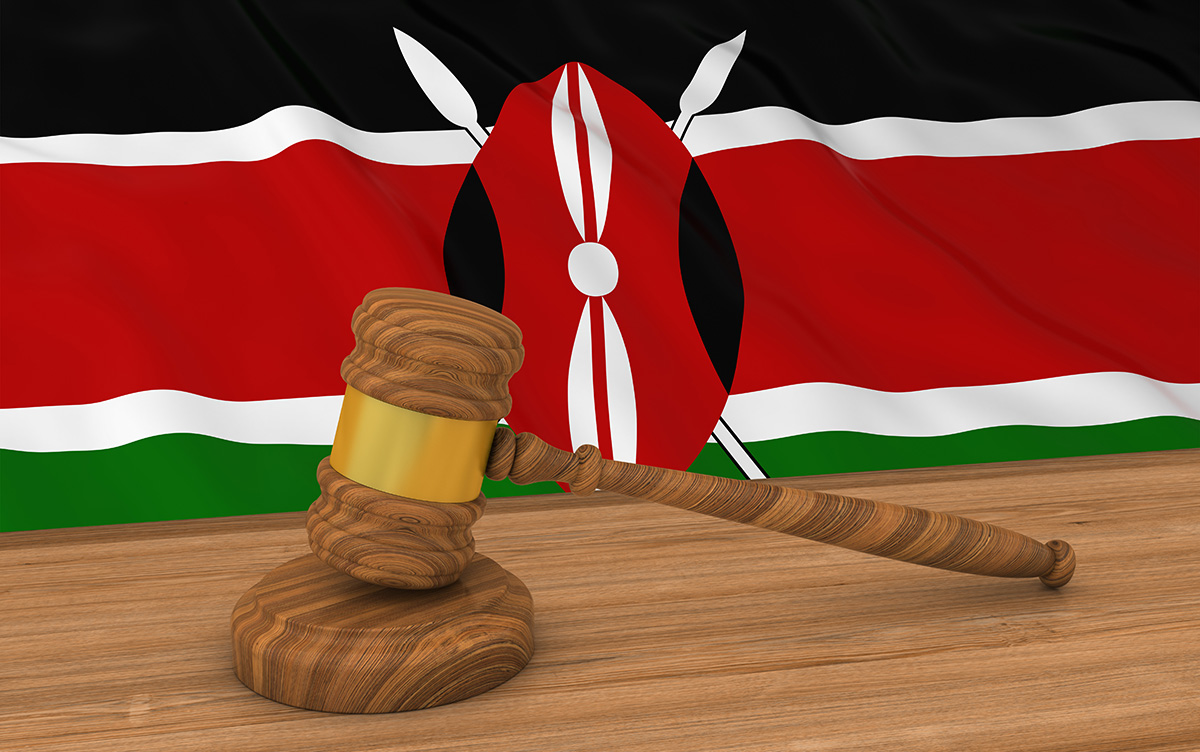
Kenya’s High Court has ruled the country’s government cannot refuse requests to amend gender markers on birth certificates and other ID documents.
Audrey Mbugua, a prominent transgender activist, and two other people in 2020 sued Attorney General Dorcas Oduor, the Registrar of Births and Deaths, the National Registration Bureau, and Immigration Services Director General Evelyn Cheluget after they did not receive amended birth certificates.
The Washington Blade previously reported the three plaintiffs argued documents that do not correspond with their gender identity “has denied them opportunities and rights.” Oduor, for her part, in response to the plaintiffs’ claims argued “a person’s gender is based on fact — not feelings — and the plaintiffs at birth were registered and named based on their gender status.”
High Court Justice Bahati Mwamuye ruled on May 20.
“The silence and delay cannot defeat rights,” ruled the court, according to the Daily Nation, a Kenyan newspaper. “Constitutional rights cannot be delayed over administrative convenience.”
The court in 2014 ordered the Kenya National Examinations Council to change Mbugua’s name on her academic diplomas and to remove the male gender marker from them.
Kenya’s intersex rights law took effect in 2022. The government in February 2025 announced intersex people can receive birth certificates with an “I” gender marker.
The Daily Nation notes Mwamuye ordered the Registrar of Deaths and Births and other government agencies to “begin receiving and considering applications for gender-marker changes within” 60 days.
“Access to legal identity documentation is not just a human rights issue; it is a foundational pillar of socio-economic inclusion,” said the Initiative for Equality and Non-Discrimination, a Kenyan advocacy group, in response to the ruling. Without accurate IDs or passports, individuals face severe barriers to employment, financial systems, global business travel, and participation in governance and democratic processes.”
“This ruling marks a critical step forward in reducing administrative discrimination and fostering an inclusive environment where every Kenyan citizen’s legal identity aligns with their dignity,” added INEND.
Outright International, a New York-based global LGBTQ+ and intersex advocacy group, in a statement described Mwamuye’s ruling as “a meaningful shift towards aligning Kenya’s legal framework with constitutional guarantees of equality, privacy, and human dignity. Outright International also applauded Mbugua and other activists who fought for this change.
“Today, we celebrate a milestone — one achieved through resilience, solidarity, and an unwavering belief in justice,” said the group. “Outright International stands with transgender and intersex Kenyans in honoring this victory and reaffirming our commitment to advancing rights, recognition, and equality for all.”
Ghana
Intersex lives, constitutional freedom, and the dangerous future of Ghana’s Human Sexual Rights and Family Values Bill
Lawmakers continue to consider draconian measure
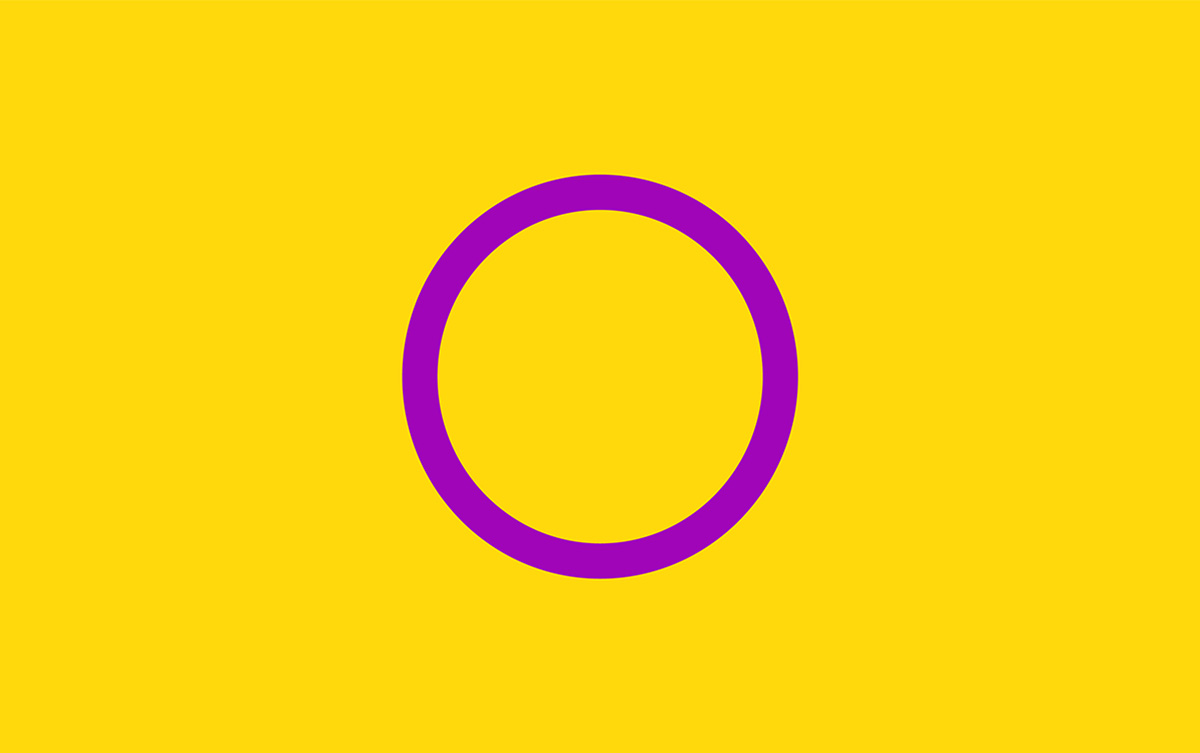
There is a dangerous silence surrounding intersex lives in Ghana — a silence shaped by fear, misinformation, cultural misunderstanding, and institutional neglect. Today, amid discussions around the possible passage of the Human Sexual Rights and Family Values Bill, 2025, that silence risks becoming law, reinforcing exclusion and deepening the marginalization of already invisible lives.
Much of the national debate surrounding the bill has focused on LGBTQ+ identities. Yet buried within it are implications for intersex persons that many Ghanaians do not fully understand because intersex realities remain largely invisible.
Intersex persons are born with natural variations in chromosomes, hormones, reproductive anatomy, and/or genital characteristics that do not fit typical definitions of male or female bodies. Intersex is not a sexual orientation or gender identity. It is a biological reality. Ghana’s Commission on Human Rights and Administrative Justice (CHRAJ) has clearly acknowledged this distinction.
Despite this distinction, the bill mistakenly collapses intersex realities into a legal framework linked to LGBTQ+ criminalization.
Although the bill contains only limited references to intersex persons, under certain medical exceptions, these references do not amount to recognition or protection. Instead, they frame intersex bodies as abnormalities requiring regulation, correction, and institutional management. This approach is inconsistent not only with Ghana’s constitutional guarantees of dignity, equality, privacy, and liberty, but also with emerging African and international human rights standards. The African Commission on Human and Peoples’ Rights Resolution on the Promotion and Protection of the Rights of Intersex Persons in Africa – ACHPR/Res.552 (LXXIV) 2023 affirms protections relating to bodily integrity, dignity, freedom from discrimination, and against harmful medical practices. Additionally, the United Nations has repeatedly condemned medically unnecessary and non-consensual interventions on intersex children. Rather than affirming the humanity and autonomy of intersex persons, the bill risks legitimizing systems of surveillance, coercion, violence, and institutional erasure.
This is not protection.
It is managed erasure.
A child born intersex in Ghana already enters a society shaped by secrecy and stigma. Families are often pressured to hide intersex children or seek “correction” to make their bodies conform to social expectations.
The bill risks intensifying this pressure.
Clause 17 creates space for “approved service providers” to support interventions relating to intersex persons, yet offers little protection around informed consent, bodily autonomy, confidentiality, or coercive treatment. Under the language of “correction” or “support,” harmful interventions may become normalized.
The intersex community has documented painful lived experiences of intersex Ghanaians that reveal the devastating consequences of stigma and invisibility.
One heartbreaking case involved intersex twins born in Ghana’s Eastern Region in 1993, who were repeatedly forced to move from village to village because of rejection and ridicule. After losing their father, their main source of protection and support, they became even more vulnerable and reportedly experienced severe emotional distress, including suicidal thoughts linked to years of stigma and exclusion. This is what invisibility looks like in practice.
Another painful example is the story of Ativor Holali, whose lived experience exposed the cruel realities intersex persons face in sports and public life. Ativor Holali endured invasive scrutiny, public humiliation, and social suspicion because her body did not conform to rigid expectations of femininity. Rather than being protected as a Ghanaian athlete deserving dignity and privacy, she became the subject of speculation, gossip, and institutional discomfort.
Her experience reflects a broader social crisis: when society insists that every body must fit a narrow binary definition, intersex people are forced to defend their humanity in spaces where dignity should already be guaranteed.
Intersex Persons Society Of Ghana (IPSOG)’s Ŋusẽdodo research further revealed that approximately 70 percent of intersex respondents reported depression, anxiety, trauma, or severe emotional distress linked to medical mistreatment, family rejection, bullying, and social exclusion.
The bill risks transforming these existing prejudices into institutional policy. Several provisions risk deepening surveillance, restricting advocacy, weakening confidentiality, and discouraging public education around intersex realities. Intersex-led organizations providing healthcare guidance, legal referrals, psychosocial support, and community services may face serious challenges.
This places IPSOG and other intersex-led organizations in Ghana at serious risk.
For many intersex Ghanaians, these spaces are not political luxuries.
They are survival mechanisms.
Governments derive legitimacy by protecting the natural rights of all persons, including dignity, liberty, bodily autonomy, and freedom from arbitrary interference. The bill raises concerns because it risks weakening these protections for intersex persons through surveillance, coercive interventions, and restrictions on advocacy.
Ghana’s Constitution declares that “the dignity of all persons shall be inviolable.” Articles 15, 17, 18, and 21 specifically protect dignity, equality, privacy, expression, and freedom of association. These protections should apply equally to intersex persons.
Intersex persons are not threats to Ghanaian culture.
Intersex children are not moral dangers.
Intersex bodies are not political weapons.
They are human beings deserving dignity, healthcare, safety, and constitutional protection.
The true measure of a democracy is how it protects those most vulnerable to exclusion. At this moment, Ghana faces a choice: deepen fear and silence, or uphold dignity, bodily autonomy, and constitutional freedom for intersex persons.
History will remember the choice we make.
Fafali Delight Akortsu is the founder and president of the Intersex Persons Society of Ghana (IPSOG).
Commentary
How do you vote a child out of their future?
Students reportedly expelled from Eswatini schools over alleged same-sex relationships
There is something deeply unsettling about a society that turns a child’s future into a public referendum. In Eswatini, there were reports that students were expelled from school over alleged same-sex relationships, and that parents were invited to vote on whether those children should remain, forcing us to confront a difficult question on when did education stop being a right and become a favor granted by collective approval? Because this is a non-neutral vote.
A vote reflects power, prejudice and personal beliefs, which are often linked to tradition, culture, politics and religion. It is shaped by fear, by stigma, by long-standing narratives about morality and belonging. To ask parents, many of whom may already hold hostile views about LGBTIQ+ people, to decide the fate of children is not consultation. It is deferring the responsibility and repercussion. It is placing the lives of young people in the hands of those most likely to deny them protection.
And where is the law in all of this?
The Kingdom of Eswatini is not operating in a vacuum. It has a constitution that guarantees the promotion and protection of fundamental rights, including equality before the law, equal protection of the laws, and the right to dignity. The constitution further goes on to protect the rights of the child, including that a child shall not be subjected to abuse, torture or other cruel, inhuman and degrading treatment or punishment.
The Children’s Protection and Welfare Act of 2012 extends the constitution and international human rights instruments, standards and protocols on the protection, welfare, care and maintenance of children in Eswatini. The Children’s Protection and Welfare Act of 2012 promotes nondiscrimination of any child in Eswatini and says that every child must have psychosocial and mental well-being and be protected from any form of harm. The acts of this very instance place the six students prone to harm and violence. The expulsion goes against one of the mandates of this act, which stipulates that access to education is fundamental to development, therefore, taking students out of school and denying them education contradicts the law.
Eswatini is a signatory to the United Nations Convention on the Rights of the Child and the African Charter on the Rights and Welfare of the Child. These are not just commitments made to make our governments look good and appeasing. They are obligations. The Convention on the Rights of the Child is clear regarding all actions concerning children. The best interests of the child MUST be a primary consideration and NOT secondary one. According to the CRC, as indicated in the Declaration of the Rights of the Child, “the child, by reason of his physical and mental immaturity, needs special safeguards and care, including appropriate legal protection, before as well as after birth.” It is not something to be weighed against public discomfort and popularity.
The African Charter on the Rights and Welfare of the Child reinforces this, grounding rights in non-discrimination (Article 3), privacy (Article 10) and protection from all forms of torture (Article 16). Access to education (Article 11) within these frameworks is not conditional but is a foundational right. It is not something that can be taken away because a child is perceived as falling outside social norms and threatening the moral fabric of society. It is a foundational right and determines one’s ability to participate in civic actions with dignity.
So again, where is the law when children are being expelled?
It is tempting to say the law is silent but that would be too generous. The law is not silent rather, it is being ignored and bypassed in favor of systems of decision-making that make those in power comfortable. When schools and their leadership defer to parental votes rather than legal standards, they are not acting neutrally. Expelling a child from school because of allegations is not a decision to be taken lightly. It disrupts education and limits future opportunities and for children already navigating identity and social pressure, this kind of exclusion can have profound psychological effects. It isolates them. It marks them for potential harm. Imagine being a child whose future is discussed in a room where people debate your worth. That is exposure. That is harm. There is a tendency to justify these actions in the language of culture, tradition, religion and protecting social cohesion. But culture is not static and the practice of Ubuntu values is not an excuse to violate rights. If anything, the principle of Ubuntu demands the opposite of what is happening here.
Ubuntu is not about conformity. It is about recognition and is the understanding that our humanity is bound up in one another. That we are diminished when others are excluded. That care, dignity, respect and compassion are not optional extras but central to how we exist together. Where, then, is Ubuntu in a school where some children are deemed unworthy of access to education?
Why are those entrusted with protecting children are failing to do so?
There is a very loud contradiction at play. On one hand, there is a claim to shared values and to the importance of community. On the other hand, there is a willingness to isolate and exclude those who do not fit within the narrow definition of what is acceptable. You cannot have both. A community that thrives on exclusion is neither cohesive nor safe.
It is worth asking why these decisions are being made in this way. Why not follow the established legal processes? Why not ensure that any disciplinary action within schools aligns with national and international obligations? Why introduce a vote at all? The answer is uncomfortable and lies in legitimacy and accountability. A vote creates the appearance of a collective agreement. But again, I reiterate, it distributes responsibility across many hands, making it hard to hold anyone accountable. It allows the school leadership to say “lesi sincumo sebantfu”(“This is what the community decided, not me”) rather than confronting their own role in human rights violations. If the law is clear and rights, responsibilities and obligations are established, then the question is not what the community feels. The question is why those entrusted with protecting children are failing to do so.
There is also a deeper issue here about whose rights are seen as negotiable. When we talk about children, we often speak of care, of understanding, of protection and safeguarding them because they are the future. But that language becomes selective when it intersects with sexuality, particularly when it involves LGBTIQ+ identities. Suddenly, care, understanding, protection, and safeguarding give way to punishment.
Easy decisions are not always just ones.
If the kingdom is serious about its commitments under its constitution, the Convention on the Rights of the Child and the African Charter on the Rights and Welfare of the Child, then those commitments must be visible in practice, not just in policy documents. Rather, they must guide decision-making in schools and in communities. That means recognizing that a child’s right to education cannot be overridden by a show of hands. It means ensuring that schools remain spaces of inclusion rather than sites of moral policing. It means holding leaders and institutions accountable when they fail to protect those in their care.
Bradley Fortuin is a consultant at the Southern Africa Litigation Center and a human rights activist.
Kenya
Kenyan president defends Trump executive order on two genders
Advocacy groups criticized William Ruto’s Jan. 26 comments

Kenyan President William Ruto is facing backlash for backing U.S. President Donald Trump’s executive order that recognizes only two genders: Male and female.
Ruto’s support for Trump’s decision to ban transgender people from serving in the U.S. military and competing on women’s sports teams has drawn criticism from human rights defenders, lawmakers, lawyers, and intersex activists.
Ruto’s critics cite Kenya’s 2022 landmark decision to officially recognize intersex people as the third gender with an “I” gender marker after years of court battles for recognition and their inclusion in a national Census for the first time in 2019.
“We are very proud that contrary to what has been happening in the past, this year we got some very welcoming developments in the United States that as a leading democracy, we have gotten to understand that the policy direction of the U.S. supports what we believe in,” Ruto stated during a Jan. 26 speech at the Global Cathedral Church’s annual convention in Nairobi. “Boys must remain boys, men must remain men, women must remain women and girls must remain girls.”
Ruto’s position to side with Trump on sex and gender identity contradicts his previous stance during the Biden-Harris administration when he was cautious about speaking about transgender and queer rights in order not to jeopardize his relationship with Washington.
Trump on Jan. 21 signed an executive order that directed the U.S. federal government to only recognize male and female genders. This directive revoked the Biden-era policy that recognized trans rights and allowed trans servicemembers.
Trump on Feb. 6 signed another executive order that bans trans athletes from competing on female sports teams
“The war on women’s sports is over,” he said.
“We’re putting every school receiving taxpayer dollars on notice that if you let men take over women’s sports teams or invade your locker rooms, you will be investigated for violations of Title IX and risk your federal funding,” Trump warned. “From now on, women’s sports will be only for women.”
His executive order relies partly on the U.S. Justice Department’s authority to bring enforcement actions under Title IX, which bars sex discrimination in education and requires schools to offer girls an equal opportunity to play sports. The law, under Trump’s interpretation, forbids trans girls from playing in girls’ sports.
Trump in 2017 banned trans people from serving openly in the U.S. military.
“We thank God that this year the first very news from the U.S. in the new administration is to confirm what the Bible says, what our faith believes in, and what our tradition firmly is grounded on,” Ruto said in his speech.
The Kenya National Commission on Human Rights (KNCHR), a government-funded body, described Ruto’s comments as “embarrassing and unfortunate.”
“In Kenya, the law is very clear and the Children’s Act recognizes the intersex because they are unique persons as they have no issues based on sex identity or gender orientation,” said an intersex rights activist who asked the Washington Blade to remain anonymous. “His sentiments are likely to increase stigma against the intersex persons and if they are discriminated against, anyone will just go to court because they are also protected by the law.”
Esther Passaris, an opposition MP who represents Nairobi County, maintained there are not two sexes in Kenya.
“Let’s face it, we have intersex children with two or incomplete sexes. These children require our love as a society,” she said. “Let God deal with the genders.”
Since the recognition of intersex people, several policy measures to tackle discrimination have been implemented to ensure their protection and equal treatment.
Kenya last week officially recognized intersex people at birth, allowing them to receive birth certificates with an “I” gender marker. The KNCHR described this decision as “a historic milestone” that aligns with the Kenyan constitution and other existing policy measures that include the Children Act and the proposed Intersex Persons Bill, 2024.
“This is a major step towards securing rights, dignity, and equal opportunities for all intersex persons in Kenya,” KNCHR stated.
KNCHR asked Kenyans, state, and non-state institutions to support awareness, policy reforms, and the inclusion of intersex people for the latest reform to be implemented successfully.

Dallas Pride was a weekend of unabashed joy for Texas’ queer community

Embracing queer exploration with actress Rosslyn Luke

Here’s your Palm Springs look at the weekend: Sep 25-27, 2026

‘Star Trek: Strange New Worlds’ star Celia Rose Gooding breaks down that finale time travel twist

Colombia withdraws from Equal Rights Coalition

UN human rights chief sounds alarm over ‘comprehensive onslaught’ against LGBTQ+ rights

Long-time DignityUSA executive director announces retirement

United States Conference on HIV/AIDS grapples with federal budget cuts

For lesbian victims of domestic violence, competent care is scare

‘Dolly Day’ officially made holiday in California: Rainbow District plans to celebrate
-
 United Nations4 days ago
UN human rights chief sounds alarm over ‘comprehensive onslaught’ against LGBTQ+ rights
-
 National5 days ago
Long-time DignityUSA executive director announces retirement
-
 AIDS and HIV4 days ago
United States Conference on HIV/AIDS grapples with federal budget cuts
-
 National4 days ago
For lesbian victims of domestic violence, competent care is scare
-
 Arts & Entertainment4 days ago
‘Dolly Day’ officially made holiday in California: Rainbow District plans to celebrate
-
 Fiji3 days ago
Spike in HIV cases prompts Fiji to declare national emergency
-

 Celebrity News3 days ago
Clavicular charged in alleged rape of teenage influencer
-
 Commentary4 days ago
Trump to the people: F**k the free press
-
 Netherlands3 days ago
Dutch prime minister visits Stonewall Inn
-

 Features3 days ago
‘Embracing your identity can be a form of resistance’: Councilmember Byers highlights Bisexual Awareness Week