Commentary
A Time for Healing, Prayer and Remembrance
Congregation Kol Ami memorial service TONIGHT


RABBI DENISE L. EGER. (Photo by Karen Ocamb)
I didn’t think my heart could break into smaller pieces but Saturday’s mass murder at a synagogue in Pittsburgh, Pennsylvania during Sabbath morning services has left me crying and my heart in shards. I am scared for America.
Tree of Life synagogue is a vibrant place on Saturday morning, hosting three different congregations. It is in the heart of Squirrel Hill, a leafy neighborhood in Pittsburgh, where the Jewish community is centered. But it is a diverse neighborhood as well, with lots of different ethnic and religious groups. Mr. Roger’s home is a mere few blocks away from the synagogue.
Eleven people murdered in cold blood as they sang of peace and welcomed a new baby into the covenant of his ancestors and many people injured including 4 police officers. What was supposed to be an uplifting morning worship service turned into one of the bloodiest mass murders in a house of worship.
The murderer, now in custody, is a vociferous Anti-Semite whose social media pages is filled with anti-Semitic screed, brought his AK47 into Tree of Life Synagogue and opened fire. He told police “All Jews must die”.
 Anti-Semitism is real. It’s always been here in the United States. But since Donald Trump’s ascension to politics and the Presidency, his rhetoric has given new permission to the Anti-Semites to air their ugly lies and untruths about the Jewish people and the Jewish community and foster violence and murder.
The rise of the American Nazi party, right wing hate groups like the Proud Boys, and other right- wing extremists have used anti-Jewish code words in their materials, rallies, and publications. Fox news commentators, The President and his cronies have picked up on those words as he tries to signal his base that all those who aren’t white straight Christian Americans have no place in the good ole’ US of A.
And there is growing Anti-Semitism on the left as well. Often in the form of Anti-Israel or Anti-Zionist hatred, Jews long part of coalitions to welcome the stranger, stand with the poor, march for civil rights for brown and black people, and our LGBTQ community have been increasing told you are not welcome.
The Jewish community has been a part of and shared in the suffering, been victims of violence along with other minorities in America. There were redlines that prevented us from buying homes in certain neighborhoods, clubs that exclude us and university quotas keeping Jews out. That is why Cedars-Sinai Hospital was founded because Jews weren’t allowed into medical school at one time and were prevented from serving as doctors in hospitals. Or worse, Jews have been told that we are not an oppressed hated minority in America as if our pain and suffering and losses and oppression are not real. Tell that to those that lost family in the Holocaust.
Anti-Semitism is a cancer eating away at our society. It is rising here and in Europe. In Los Angeles county this past year 72 percent of all hate crimes were directed at the Jewish community. In Pittsburgh where the shooting took place, there has been a 50 percent increase in Anti-Semitic hate crimes since January 2018! And the Jewish community which only a generation ago, saw 6 million of our family members systematically murdered by the Nazis in death camps of Europe are being re-traumatized by what is happening around us. When Anti-Semitism rises it is like the canary in a coal mine, something is terribly wrong with our country.
The shooting on Saturday coupled with the increase in vandalism of synagogues with swastikas, Jewish community bomb threats, online anti-Jewish poison and Nazi’s marching through the streets of Charlottesville. Virginia and other places with menacing chants like “Blood and Soil” (which were the chants of Nazi is Germany during the 30’s and 40’s) and “Jews will not replace us” has the Jewish community on high alert. And it should have everyone of good conscience on high alert as well.
This last week saw the wave of terror attacks upon CNN, Democratic party leaders and those who are vocal critics of the President. The bombs that were mailed and delivered to CNN, the Clintons, President Obama, Vice President Biden and philanthropist George Soros could have resulted in a mass assassination. And last week in Louisville, Kentucky another white supremacist tried to enter a black church to kill people found it locked and went to the local market and killed two African American seniors. And the Administration tried to destroy the lives of our transgender family through a heinous policy that would erase their identities.
Words matter. And these words of hatred are leading to actions. The environment of hate fueled by Fox news, the president’s rhetoric and the deep divisions between red and blue America is stoking this violence.
For many in the Jewish community, we are reliving the nightmares of our parents and grandparents and who were victims of the Holocaust. It is beginning to feel like the early 1930’s in Germany when duly elected, Hitler rose to power targeting all who weren’t “Arayan” which was code for white Christian Germans. Each day of the hatred, the targeting, the code words that for those in the know are Anti-Semitic in origin, activates the trauma we hold in our Jewish communal psyche.
To those who say it can’t happen here, we are already watching as the government locks up innocent refugees and their children who are escaping the drug lords and violence in their home countries. We are already seeing the mass incarceration of black and brown people by law enforcement and white people getting away without conviction for the same crimes. The erosion of our civil rights and the purposeful disenfranchisement of voters yet another blatant reminder of the tactics of Hitler, Mussolini and Stalin.
We see the policies of the administration trying to erase LGBTQ people and our civil rights. Attacks on the free press and the murder and targeting of journalists who try to report the truth and point out the hypocrisy of the administration’s policies and the greed of our elected officials of every party have all the markings and trappings of a government that is no longer by the people, for the people.
This is the challenge to cross the lines of identity politics and join together to defeat at the ballot box those who espouse such heinous bigotry that fuels and inflames the angry backlash of the MAGA crowd.
Only by going to the ballot box can we defeat the UnAmerican and Unpatriotic thread that is Trumpism.
As a rabbi, my ethical teaching in the Torah are built around two key ideals. First that all people are created in the Divine image. Regardless of our race, or gender, or sexual orientation or gender expression or nationality or religion. We are all reflections of the Force that Sustains the Universe.
And I also turn to this phrase: “Love your neighbor as yourself”. For in my neighbor I see the Divine and all that is holy.
If only we would live by these maxims and truths we could strengthen each other, lift up each other and pray for the best for our neighbor and have their back. These teaching help build empathy for one another. This is the America I once believed in and hoped for. I remain committed to working for it to once again. Let’s start changing America by loving each other enough to care for one another and by getting out to vote!
This is how I will sew my shattered heart back together.
— Join Rabbi Eger and Rabbi Chaiken for 45 minutes on Tuesday evening October 30 at 6:45-7:30 pm at Congregation Kol Ami for a time of Prayer, Healing and Remembrance for the victims of the Tree of Life Synagogue Terror Attack.
Congregation Kol Ami,
West Hollywood’s Reform Synagogue
1200 N. La Brea Ave
West Hollywood, Ca 90038
#KOLAMISTRONG
Rabbi Denise L. Eger is the founding Rabbi of Congregation Kol Ami in West Hollywood, CA, a long time LGBTQ activist and the immediate past president of the Central Conference of American Rabbis.




Commentary
US votes against LGBTQ+-inclusive UN resolution
Declaration identified groups at heightened risk of extrajudicial killings

On Nov. 13, the United Nations General Assembly Third Committee reviewed a draft resolution identifying groups that are at greater risk of targeted violence and murder, including journalists, Indigenous people, religious groups, and people with diverse sexual orientation and gender identities. The latter, which recognizes that according to a Williams Institute at the UCLA School of Law study LGBTQ+ people are five times more likely to experience violence compared to their straight, cisgender peers, has been affirmed twice in 2002 and 2012.
But this year, Egypt proposed an amendment on behalf of the Organization of Islamic Cooperation that would remove references to sexual orientation and gender identity in this resolution. This amendment aimed to replace “their sexual orientation or gender identity” with “any considerations that make them at heightened risk of extrajudicial, summary or arbitrary executions.” This is a pointed and purposeful deletion. This is not about making this language more expansive, it’s about denying the very real targeted killing of LGBTQ+ people around the world and making member nations less responsible for recognizing and taking steps to address anti-LGBTQ+ violence and murder.
Outright International Global Researcher Ohotuowo Ogbeche explained, “replacing ‘sexual orientation or gender identity’ with ‘any other considerations’ makes these victims invisible.”
For the first time since language surrounding violence and murder on the basis of sexual orientation and gender identity was added in 2002, the United States voted for this amendment and against the inclusion of this language. It’s no surprise because the current U.S. Ambassador to the U.N. Mike Waltz has an anti-LGBTQ+ track record.
Although he was one of 47 GOP representatives who in 2022 voted to pass the Respect for Marriage Act, which required the federal government and states to recognize same-sex marriage, he voted against the Euuality Act to prohibit discrimination on the basis of sexual orientation and gender identtiy in 2021 and in 2024, supported the National Defense Authorization Act which banned TRICARE, the military’s healthcare program, from covering gender-affirming healthcare for the children of American servicemembers. During his tenure as U.S. ambassador to the U.N., he also voted against gender and human rights, with the U.S. being the only nation to vote against the annual conclusions of the U.N. Commission on the Status of Women. This track record — which also includes defunding U.N. LGBTQ+ education programs — is markedly different from the U.S.’s broader voting record at the U.N.
In fact, the United States led the campaign to restore language surrounding sexual orientation to the resolution in 2010, after the Third Committee stripped it. After the Third Committee approved a proposal presented by member states groups composed of some Arab and African member states to remove “sexual orientation” from the resolution and replace it with language recognizing “discriminatory reasons on any basis,” Then-U.S. Ambassador to the U.N. Susan Rice announced that the U.S. would introduce an amendment to restore this language.
Thankfully, the United Nations General Assembly rejected the amendment with a nailbiting 74 to 69 vote, with 24 members abstaining and 26 choosing not to vote. But this margin of support for LGBTQ+ rights is getting smaller, down from a vote of 78 to 47 in 2024. It signals a growing global backlash against LGBTQ+ rights driven largely by Christian nationalist movements. Far right organizations are also gaining traction through transnational networks, such as the World Congress of Families, that rally support. This includes anti-trans contingents in the United States, Europe, and Central and South America.
This anti-LGBTQ backlash builds on existing bans and criminalization of same-sex orientation and gender identity around the world. Of the 193 U.N. member states, only 63 (33 percent) legally recognize violence and murder on the basis of sexual orientation as hate crimes, with only 40 (21 percent) recognizing hate crimes on the basis of gender identity. These bans, which include death penalties for same-sex intimacy, are part of a wider pattern of targeted violence against LGBTQ+ people, documented in an Outright International report released last month.
According to this report, there were more than 230 targeted killings of LGBTQ+ people between January 2020 and July 2026, with 18 targeted murders of children. And these are just the killings that have been documented; many more killings on the basis of gender identity and sexual orientation likely occurred but have gone unreported.
“Behind every case in our report is a grieving family and community, often still waiting for an investigation or justice. This resolution is a source of hope for them: that they can legitimately look to their governments to help give them answers,” Ogbeche continued.
But the problem lies not just in states that impose capital punishment for same-sex conduct but also in countries like the United States where an anti-trans genocide is currently occurring. In January, the Lemkin Institute for Genocide Prevention and Human Security identified the U.S. as an in the “early-to-mid stages of a genocidal process against trans and nonbinary and intersex people.” In 2026, 840 anti-trans bills were introduced across the country in 43 states, with 63 passing. Despite the recent “blue wave” of the Midterms, four states — three of them majority Democratic — voted to pass measures that restrict trans people’s access to sports and public spaces. These measures, which restrict trans people from equal access to public life, perpetrate transphobia and more specifically transphobic violence, especially against trans women.
“While states that sanction executions on the basis of sexual orientation or gender identity are a minority, the reality facing lesbian, gay, bisexual, transgender, intersex, and queer (LGBTIQ) people is that most states have not done enough to prevent identity-motivated killings,” the authors of the report write. “This failure stems from the criminalization of same-sex sexual acts in 65 countries, inadequate state responses to queerphobic violence, and widespread, often institutionalized, stigma, and discrimination.”
Along with institutionalized stigma, LGBTQ+ people are increasingly at risk in contexts of war, conflict, and migration, especially in detention facilities, prisons, and refugee camps. In the United States, trans people in U.S. Immigration and Customs Enforcement detention face ongoing mistreatment and barriers to medical access, especially after the Department of Homeland Security rescinded ICE’s 2015 Transgender Care Moratorium.
Outright International’s report urged the U.N. to decriminalize consensual same-sex acts and repeal laws that criminalize same-sex relationships, as the first steps to destigmatize LGBTQ+ peoples. Outright also urges the U.N. to enact and enforce laws that recognize the murder of LGBTQ+ as hate crimes that are properly investigated and prosecuted. Along with collecting and publishing data on anti-LGBTQ+ violence and murder, Outright urges member groups to implement measures that will address not just consequences of this violence but their root cause and also establish independent oversight programs and committees that can hold member states accountable and urge them to reform their policing and prosecution strategies to more accurate recognize the ways that anti-LGBTQ+ violence is often overlooked.
The first, perhaps the easiest step, is to vote against this amendment, something that Waltz, representing the United States, did not do.
To remove language identifying LGBTQ+ as people especially targeted by and vulnerable to violence, it removes member states’ liability and denies the very real history of authoritarian governments targeting and mass killing gay, bisexual, lesbian, and transgender people. When murder on the basis of sexual orientation and gender identity is not considered a hate crime, people committing war crimes against queer and trans people cannot be held accountable by the U.N., arguably one of the largest and most important international regulatory agencies.
Without the amendment that would strip language about sexual orientation and gender identity, the resolution itself was adopted by the Third Committee and will move forward for a plenary vote in the General Assembly in December. As Maria Sjödin, executive director of Outright International explained, “the U.N.’s Third Committee narrowly rejected an attempt to remove explicit recognition of people killed because of their sexual orientation or gender identity. … When the full Gender Assembly votes in December, governments must keep that language intact and make clear that the right to life belongs to everyone.”
Commentary
When a church fears the rainbow
Puerto Rico pastor objected to Pride symbols outside congregation
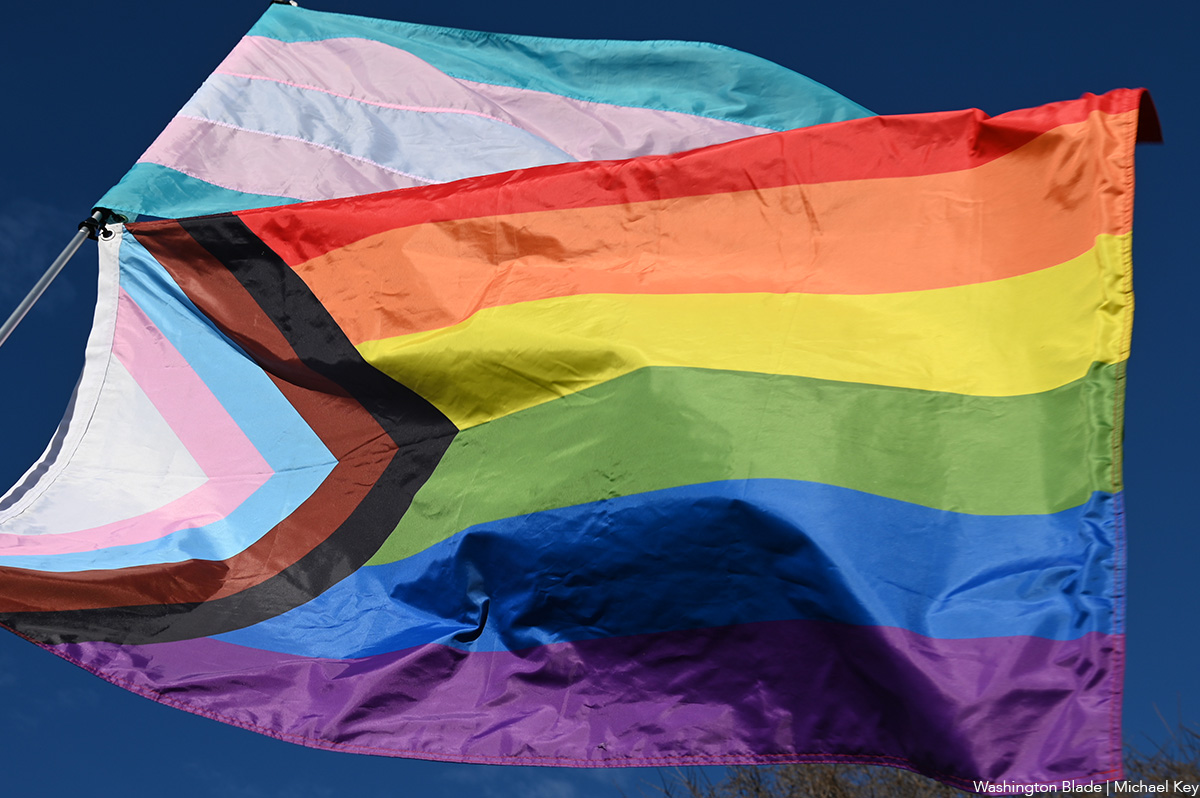
There are moments when an incident stops being merely a local story and begins to reveal something much deeper. What happened on June 28 outside One Church, in Comerío, Puerto Rico, belongs in that category.
I do not know who painted the rainbow colors on the asphalt and on a roadside guardrail. I do not know what motivated them, and it is not my place to justify their actions. If someone believes a law was broken, there are authorities and legal mechanisms to address that. That is not the point of this reflection.
The point is the words that followed.
Hours after those colors appeared, Pastor Jorge J. Santiago Reyes went live on social media. He said he felt threatened. He described what happened as a physical attack against his church. He appeared angry and disappointed. He called those who painted the rainbow “cowards” and “charlatans.” He expressed frustration with the support that, according to him, the municipal government of Comerío has shown toward the LGBTQ+ community, and with those who support posts related to that community. He repeated several times that the people responsible had “crossed the line.” He ended his message by saying, “These charlatans have to be stopped.”
As I listened to his words, I stopped thinking about the paint.
I began thinking about fear.
There is one phrase the pastor repeated again and again: “They crossed the line.” Yet he never explained what that line was. If he was referring to a possible violation of the law, that is for the authorities to determine. If he meant respect for property, there are also procedures to deal with that. But when that line remains undefined and the message begins to associate a rainbow with a threat, the question changes. It is no longer only about a guardrail or a road. It becomes a question about what boundary, in the pastor’s view, was actually crossed.
Paint can be erased.
A brush can cover the asphalt and return a guardrail to its original color.
What does not disappear so easily is the meaning of those colors.
And perhaps that is where the real conflict begins.
It is significant that this happened precisely on June 28, the day when the LGBTQ+ community remembers a history marked by exclusion, violence, and the struggle for dignity. What represents memory, hope, and the possibility of living without hiding for millions of people was presented by others as a threat.
I do not know why someone painted that rainbow. I do not need to know in order to ask whether those were the words society should expect from a pastor.
A religious leader may feel hurt, frustrated, or angry. What he cannot forget is the responsibility that comes with every public expression. His words do not end when a livestream ends. They move beyond the space of his church, reach people who may never share his faith, and help shape the way others see those who think differently. When a pastor calls other people “charlatans” and “cowards,” says they “have to be stopped,” and turns a rainbow into evidence of an attack, he is no longer speaking only from frustration. He begins to build a discourse that can feed rejection toward a community far larger than the people responsible for that act.
There was another moment in the livestream that caught my attention. The pastor reminded viewers how much he has served Comerío, how much he has accompanied his community, and how much he has worked for it. I have no reason to question that service. I am sure many people can testify to the good he has done.
That is precisely why it was difficult to hear.
Pastoral vocation is not about reminding a town of everything one has done for it when conflict appears. Service does not lose its value when it goes unrecognized; it loses something when it becomes an argument to claim a moral position from which to speak down to others. A person who serves does so because that is the nature of the calling, not because that service grants authority to discredit those who think differently.
As a pastor, that part of the message left me deeply uneasy. Not because I expect ministers of God to be perfect. We are not. But because our words carry weight, we are called to speak with greater responsibility. Some expressions build bridges. Others raise walls. Some words invite encounter. Others end up justifying rejection.
The paint will disappear. A brush will be enough to cover the asphalt and return the guardrail to its original color.
The words will not disappear as easily.
They will remain recorded in a video, shared again and again on social media, and remembered by those who heard them. They will remain long after the last trace of paint has been erased.
When this episode is remembered, it probably will not be because of the rainbow that appeared outside One Church, in Comerío, Puerto Rico.
It will be because of the words a pastor chose to use when speaking about it.
And that difference changes everything.
Commentary
‘Live Your Pride’ is much more than a slogan
Waves Ahead forced to cancel May 17 event in Puerto Rico
On May 5, I spoke by phone with Wilfred Labiosa, executive director of Waves Ahead, a Puerto Rico-based LGBTQ+ community organization that for years has provided mental health services, support programs, and safe spaces for vulnerable communities across the island. During our conversation, Labiosa confirmed every concern described in the organization’s public statement announcing the cancellation of “Live Your Pride,” an event scheduled for Sunday in the northwestern municipality of Isabela. But beyond the financial struggles and organizational challenges, what stayed with me most was the emotional weight behind his words. There was pain in his voice while describing what it means to watch spaces like these slowly disappear.
This was not simply the cancellation of a community event.
“Live Your Pride” had been envisioned as a celebration and affirming gathering for LGBTQ+ older adults and their allies in Puerto Rico. In a society where many LGBTQ+ elders spent decades hiding parts of themselves in order to survive, spaces like this carry enormous emotional and social significance. They become places where people can finally exist openly, without fear, apology, or shame.
That is why this cancellation matters far beyond Isabela.
What is happening in Puerto Rico cannot be separated from the broader political climate unfolding across the U.S. and its territories, where programs connected to diversity, inclusion, education, mental health, and LGBTQ+ visibility increasingly find themselves under political attack. These changes do not always arrive through dramatic announcements. More often, they happen quietly. Funding disappears. Community organizations weaken. Safe spaces become harder to sustain. Eventually, the absence itself begins to feel normal.
That normalization is dangerous.
For years, organizations like Waves Ahead have stepped into gaps left behind by institutions and governments, particularly in communities where LGBTQ+ people continue facing discrimination, social isolation, economic instability, and mental health struggles. Their work has never been limited to organizing events. It has involved accompanying people through loneliness, trauma, rejection, depression, aging, and survival itself.
“Live Your Pride” represented much more than entertainment. It represented visibility for LGBTQ+ older adults, many of whom survived decades of family rejection, religious exclusion, workplace discrimination, violence, and silence. These are individuals who came of age during years when living openly could cost someone employment, housing, relationships, or personal safety. Many learned to survive by making themselves invisible.
When spaces like this disappear, something deeply human is lost.
A gathering is canceled, yes, but so is an opportunity for healing, connection, recognition, and dignity. For many LGBTQ+ older adults, especially in smaller municipalities across Puerto Rico, these events are not secondary luxuries. They are reminders that their lives still matter in a society that too often treats aging and queer existence as disposable.
There are still political and religious sectors that portray the rainbow as some kind of ideological threat. But the rainbow does not erase anyone. It illuminates people and stories that society has often tried to ignore. It reflects the lives of young people forced out of their homes, transgender individuals targeted by violence, older adults aging in silence, and families that spent years defending their right to exist openly.
Perhaps that is precisely why the rainbow unsettles some people so deeply.
Its colors expose abandonment, hypocrisy, inequality, and fear. They force societies to confront realities that are easier to ignore than to address honestly. They reveal how fragile human dignity becomes when political agendas decide that certain communities are no longer worthy of protection, funding, or visibility.
The greatest concern here is not solely the cancellation of one event in one Puerto Rican town. The deeper concern is the message quietly taking shape behind decisions like these — the idea that some communities can wait, that some lives deserve fewer resources, and that safe spaces for vulnerable people are expendable during moments of political tension.
History has shown repeatedly how social regression begins. Rarely with one dramatic act. More often through exhaustion, silence, budget cuts, and the slow dismantling of organizations doing essential community work.
Even so, Waves Ahead made one thing clear in its statement. Although “Live Your Pride” has been canceled, the organization will continue providing mental health and community support services through its centers across Puerto Rico. That commitment matters because people do not survive on slogans alone. They survive because somewhere there are still open doors, trained professionals, supportive communities, and people willing to remain present when the world becomes colder and more hostile.
Puerto Rico should pay close attention to what this moment represents. No healthy society is built by weakening the organizations that care for vulnerable people. No government should feel comfortable watching community groups struggle to survive while attempting to provide services and compassion that public institutions themselves often fail to offer.
The rainbow has never been the problem.
The real problem is the discomfort created when its colors force society to confront the wounds, inequalities, and human realities that too many people would rather keep hidden.
A right does not need to be banned to be restricted. Sometimes it only needs to be made uncertain.
That is what emerges from a closer examination of adoption access for same-sex couples across different countries. There is no broad legal rollback. What appears instead is a more subtle pattern: rights that remain on paper but become fragile, conditional, and uneven in practice.
Italy provides a clear example.
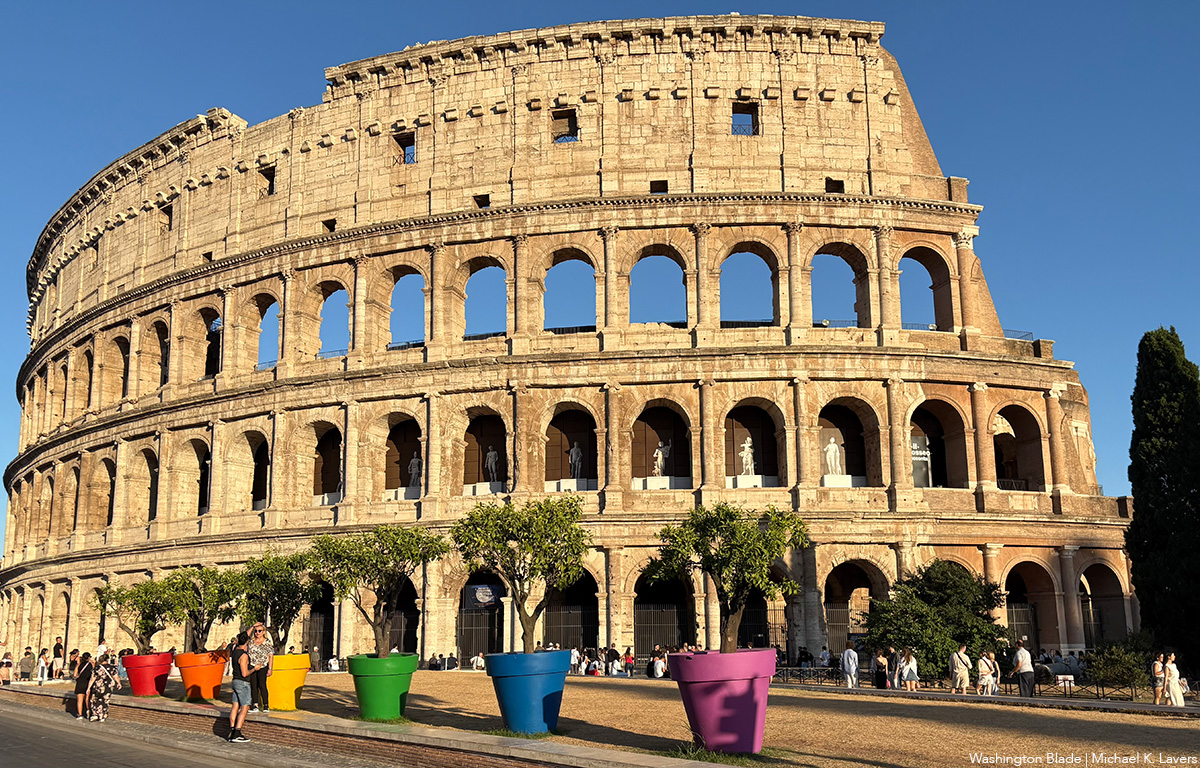
Since 2023, under the government of Giorgia Meloni, administrative decisions have limited the automatic recognition of both mothers in female same-sex couples, particularly in cases involving assisted reproduction abroad. In practice, many families have been forced into additional legal proceedings to validate relationships already established.
At the same time, Italy has intensified its opposition to surrogacy, extending penalties even to those who pursue it outside the country. Human rights organizations have warned that these measures disproportionately affect LGBTQ+ families, particularly male couples.
The judiciary, however, has pushed back.
In 2025, the Constitutional Court ruled that a non-biological mother cannot be excluded from legal recognition when there is a shared parental project. It also removed a long-standing restriction that prevented single individuals from accessing international adoption.
Italy has not eliminated these rights. But it has made them unstable.
When a right depends on litigation, judicial timelines, or shifting interpretations, it is no longer fully guaranteed.
In the United States, the structure differs, but the outcome converges.
At the federal level, same-sex couples can adopt. Yet the system varies widely across states.
Data from the Movement Advancement Project show that while some states explicitly prohibit discrimination in adoption, others provide no clear protections. In several states, licensed agencies can refuse to work with same-sex couples based on religious objections.
Access, therefore, is shaped not only by law, but by geography, institutions, and applied standards.
Research from the Williams Institute further complicates the narrative. Same-sex couples adopt and foster children at higher rates than different-sex couples.
The contradiction is clear.
Child welfare is invoked, yet the pool of available families is reduced. Faith is cited, yet it is used as a filter within publicly funded systems.
The consequences are tangible
children remain longer in care
processes become more complex
families face unequal scrutiny
What is happening in Italy and the United States is not isolated. Across parts of Europe, conservative governments have advanced legal frameworks that reinforce traditional definitions of family while limiting recognition of diverse ones.
Adoption is not always addressed directly. But the impact accumulates.
Options are restricted while the language of protection is used to justify it.
There is no need to soften it.
This is not only a debate about family models. It is a decision about who is recognized as family and who must continue asking for permission.
That is not neutral.
It is political.
And when a right depends on where you live, who evaluates you, or how hard you are willing to fight for it, that right is already being weakened.
Commentary
PrEPARING California for the future and better supporting those living with HIV
AB 554 is a huge step in the right direction; however, without consistent leadership from policymakers, those living with HIV will continue to be the first on the budget chopping block.
When I learned I was living with HIV nine years ago, there were a lot of questions to be answered: how will I access treatment? Will I feel safe and respected by my care team? What does stigma look like for me in the fourth decade of the HIV epidemic?
While I was fortunate to have a wonderful team of case managers and health care providers who guided me through an unfamiliar and complex medical system, I’ve heard countless stories of people fighting tooth and nail just to find appropriate care, let alone treatment.
Our country’s labyrinthine, convoluted health system is cluttered with obstacles like prior authorization and step therapy. Both of which needlessly delay access to health care by imposing vague requirements and/or forcing patients to “fail” a series of medications before they are granted access to the one actually prescribed by their physician. For game-changing HIV prevention drugs like PrEP, these hurdles endanger lives. Combined with our current federal landscape being incredibly antagonistic (i.e., the Trump Administration trying to gut $1.5 billion in HIV prevention funding, among a laundry list of offenses), the LGBTQ+ community is facing disproportionate hardships that are exacerbating disparities and contributing to further stigmatization.
Thankfully, California policymakers are doing their part to protect our community. Assembly Bill 554, authored by Assemblymember Mark González (D-Los Angeles), follows in the footsteps of nine other states by ensuring coverage for all long-acting, injectable drugs used for PrEP and PEP. The bill “safeguards patient and provider choice” by eliminating cost-sharing and expanding access to a wider range of ARV medications to help bolster medication adherence rates. It also ensures coverage for future formulations of ARV drugs that are better at making HIV undetectable and untransmissible.
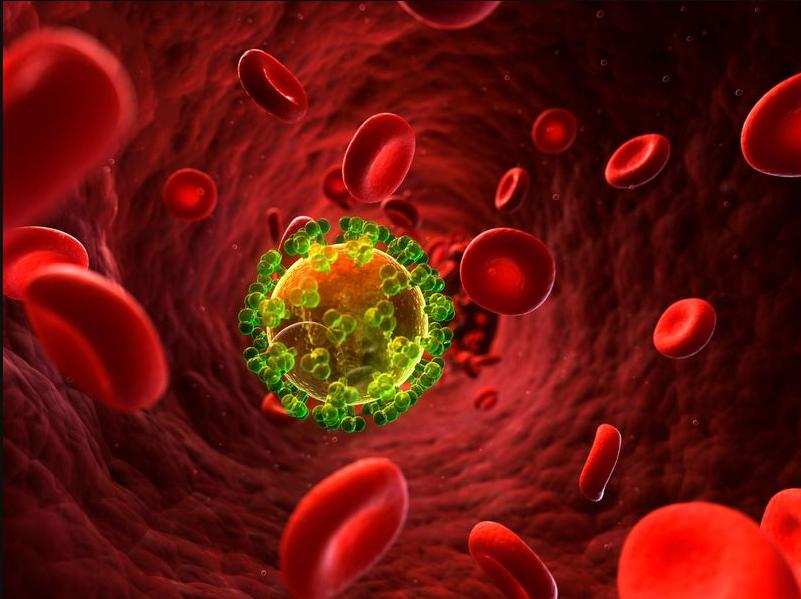
PrEP (pre-exposure prophylaxis) and PEP (post-exposure prophylaxis) are effective regimens for preventing the transmission of HIV when taken as prescribed. AB 554 enshrines quick access to these treatments, satisfying calls for health equity, especially for Black and Latino Californians, who face disproportionate transmission and infection rates.
AB 554 is a huge step in the right direction; however, without consistent leadership from policymakers, those living with HIV will continue to be the first on the budget chopping block. Just last week, the California Legislature passed a budget trailer bill (AB 144) that includes provisions to divert funds from the AIDS Drugs Assistance Program Rebate Fund toward general state operations.
California policymakers can’t say they’re countering the Trump Administration and supporting the HIV community if they’re also ripping the rug out from underneath us. AIDS Drug Assistance Programs are lifelines – they normalize diagnoses, fund direct services, and help uninsured and underinsured patients access essential care.
Ironically, while AB 554 will build upon the work of ADAPs to eliminate prohibitive barriers, AB 144 will steal funds from the program to instead boost state revenue. ADAPs already operate from a very small annual revenue of fixed federal funding awards per state. States taking more money away from these critical programs will threaten their ability to serve HIV patients. Moreover, these dollars are statutorily prohibited from being used for non-HIV care by Title II of the Ryan White CARE Act.
California is destined to repeat the sins of the past unless Governor Newsom steps in. For too long, those living with HIV have been isolated, cast aside, leveraged for political gain, and dropped soon thereafter if something better comes along. We are not budget dust, we are not pawns in a political game, we are real people with real voices, and we’re asking Governor Newsom to do what’s right: redline the ADAP provisions from AB 144 and sign AB 554 into law.
California can lead the nation in doing what’s right for all communities. But it starts with policy, and we have to make sure policies are centered around those they impact.
Kalvin Pugh is the state policy director for the Community Access National Network, a national 501(c)(3) nonprofit that works to improve access to health care services and supports for people living with HIV/AIDS and viral hepatitis through advocacy, education and networking.
COMMENTARY
Don’t miss the liberation in the silencing of Charlie Kirk
In the aftermath of the assassination, we are now drowning in a pool of speech violence that could lead to an American catastrophe.
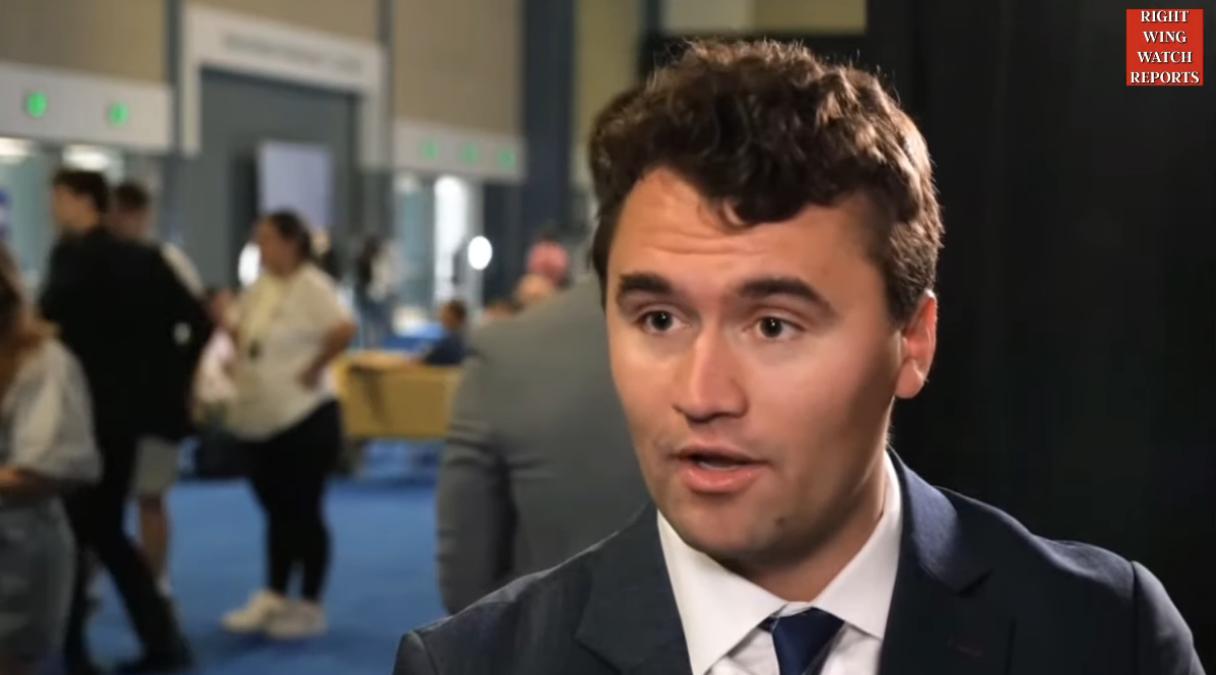
Trans advocates have argued for years that anti-trans speech leads directly to anti-trans violence, and were eye-rolled to oblivion. Charlie Kirk, whether as a mouthpiece for what politicians dared not say out loud, or as a hype man keeping the politics of resentment ever inflamed, built a career out of weaponizing right-wing talking points, fueling a culture of violence that ultimately killed him, and now threatens all of us.
The trail of harm caused by Kirk’s rhetoric is not abstract—it lines up with real blood and real deaths. When he blasted the phrase “China virus” into cultural discourse—parroted days later by Trump—anti-Asian hate crimes spiked. His COVID misinformation spread right alongside hundreds of thousands of needless fatalities. When he compared abortion to the Holocaust, he sanctified the moral panic that cleared the way for Roe v. Wade’s destruction—and pregnant people now die totally preventable deaths like it’s 1972 again.
Kirk also called gender-affirming care for youth “child mutilation,” language now enshrined in legislation that has severed a lifeline for vulnerable kids and their families. He urged that trans people be “taken care of the way society handled us in the 1950s and 60s,” that is, with lobotomies, shock therapy, and police persecution. He spent his last moments on earth promoting the conspiracy theory that trans people make up an imaginary majority of mass shooters—classic fascist scapegoating with the obvious aim of inciting more violence against trans people.
The irony cannot be overstated that his actual last words, spoken as he was shot, minimized the human toll of gun violence. In death, Charlie Kirk proved the point that sowing violence with words reaps real-world tragedy. He gave trans activists the last word on the matter forever.
And now we know the truth: Kirk was not killed by a leftist or a trans activist, but by Tyler Robinson—a young white man evidently radicalized by the toxic masculine internet culture that Kirk and his allies normalized. When you cultivate a culture of hate and fear, when you normalize conspiracy and scapegoating, when you insist that violence is the only solution, eventually your own people will turn those weapons back on you. And your personal world is left bereft and traumatized, just like the 47,000 families affected by gun violence last year alone.
In the aftermath of the assassination, we are now drowning in a pool of speech violence that could lead to an American catastrophe. That is, it does if we miss the opportunity for real liberation that it offers us.
The Right cannot stop itself from using speech violence—terror carried out with words, designed to destabilize and intimidate. In the hours after the assassination, Republican leaders used Kirk’s blood to paint a target on our backs, issuing statements rife with misinformation that unleashed a wave of bomb threats across the country, forcing schools, hospitals, and community centers to evacuate.
It seems as if they know no other language. But do we? Or have we become radicalized in the same way, just with different targets? Understandable as it may be, and satisfying as it may feel, the Left’s memefied celebration of Kirk’s death only amplifies the violence he put into the world.
A friend told me about a teacher at their children’s Miami school who tweeted “Karma’s a bitch;” the school was immediately bombarded with mass shooting and bomb threats. I am publishing this article anonymously due to the doxxing and threats happening to anyone who doesn’t lionize Kirk online right now. I won’t be silenced, but I won’t risk my own physical safety, either, and that is how bad it really is right now. This even causes me to question my anger at Center-Left figures like Gavin Newsom, who seem to be glossing over the harm Kirk caused in his life in their public statements—maybe they’re just afraid of getting assassinated themselves.
We have to see the bigger picture: only Right-wing politicians and billionaire-owned platforms profit from making Americans hate each other to the point of physical violence. Speech that incites violence is not freedom of expression; it is a tool of fascism. It sows chaos, breeds fear, normalizes inaction, allows politicians to consolidate power, and enables the ultra-wealthy to “buy the dip,” profiting off instability. At the end of this cycle, ordinary people will be less safe, less free, and more hopeless—unless we end it.
One of the most radical progressive things we can do right now is refuse hate speech altogether. We have an opportunity to liberate ourselves by creating where Kirk sought to destroy. Stop participating in this angry tit-for-tat, regardless of how righteous your emotions may feel. Don’t share the memes. Don’t feed the cycle. Don’t let your kindness and goodwill corrode by mimicking the hate Kirk aimed at us.
Roll your eyes, but also consider this approach: When you feel the urge to fire back online, step away. Then imagine a possibility. Then take one action that feeds your soul. Call a friend. Organize something that makes your community measurably better. God knows, the Left needs a plan right now—we can use these provocations as fuel to build one.
Of course, it takes a kind of saintly strength to live this principle—one I’m not sure any of us possess right now. But we can resist fascism if we start by noticing the urge to answer hate with hate, and jiu-jitsu that energy into strengthening ourselves and our communities.
Remember the classy response to the death of Fred Phelps, leader of the hate organization also known as Westboro Baptist Church. Queer activists held signs for his family to see at his funeral: WE ARE SORRY FOR YOUR LOSS. Members of his family have since become outspoken against their own work. A few picketers still find their only meaning in protesting funerals, but when was the last time you ever cared about that sad little man, or what he did?
One head of the Far Right media ecosystem hydra has been cut off. That is not a cause for celebration, but it is a real opportunity. Figures like Charlie Kirk are not just another talking head—he was a cult figure who can’t simply be swapped out. There is now a vacuum, and the questions remain: Who fills it? With what?
We have just inherited the gift of a world free of Charlie Kirk’s vitriol. Instead of polluting our future with more of the same, let’s seize this opening and direct our energy toward manifesting the world we wish out loud for every day.
Commentary
Claiming space, leading boldly: A new chapter in HIV fight
A time of extraordinary possibility and profound peril
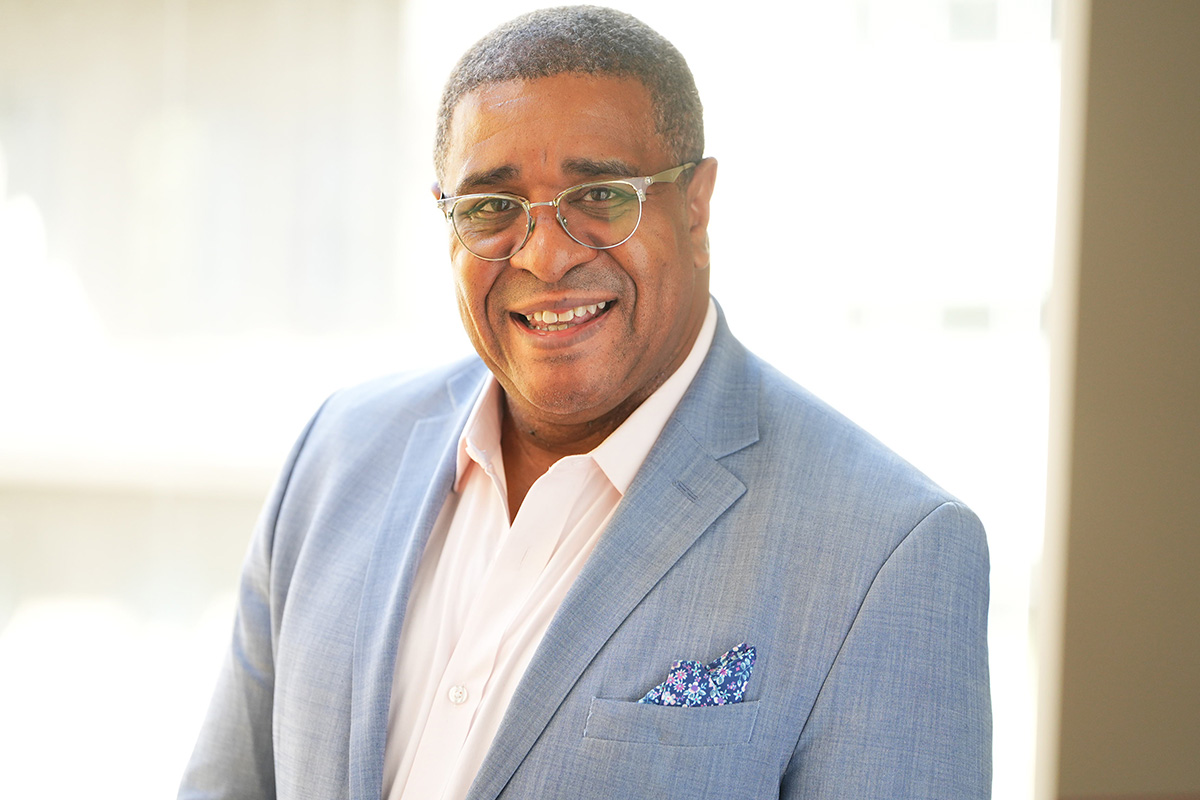
I step into the leadership of the National Minority AIDS Council at a time of both extraordinary possibility and profound peril. We are living in a moment where science has given us the tools to end HIV as a public health threat—PrEP, PEP, U=U, long-acting injectables, and decades of research that have transformed what was once a death sentence into a manageable condition. And yet, the systems meant to deliver these tools are under siege.
Public health is being politicized. Science is being undermined. Civil and human rights are being rolled back. The safety and security of LGBTQ+ people—especially Black and Brown queer and trans folks—are increasingly fragile. In some states, even saying the word “gay” in a classroom is considered controversial. In others, access to gender-affirming care is being stripped away. And all the while, HIV continues to disproportionately impact communities that have been historically marginalized and medically neglected.
So yes, I step into this role with a sense of urgency. But I also step in with pride. Because I know what it means to be underestimated. I know what it means to be told you don’t belong. As a Black, church-going, gay boy from the South Side of Chicago, I grew up in a world that didn’t always see me, didn’t always protect me, and certainly didn’t expect me to lead a national movement. But here I am. And I’m not alone.
I carry with me the legacy of those who came before—of Marsha P. Johnson and Bayard Rustin, of Magic Johnson and Ryan White, of the activists who lay down in the streets and shouted “Silence = Death” until the world finally listened. I carry the wisdom of Black grandmothers who raised generations through grief and grit. I carry the fire of young people who refuse to be silent, who organize, who vote, who demand better.
At NMAC, we are not just fighting a virus, we are fighting the systems that allow it to thrive. We are fighting racism in healthcare, transphobia in policy, and stigma in every corner of society. We are fighting for Black and Brown communities, for LGBTQ+ youth, for aging people living with HIV who deserve dignity, not invisibility.
This is not just a job, it’s a calling. And it’s a call to action for all of us.
We must raise our voices louder than the attacks. We must claim space in rooms that were never built for us. We must demand funding that reflects the urgency of our communities’ needs. We must protect the programs that work—like Ryan White, HOPWA, and PEPFAR—and expand access to innovations like long-acting PrEP.
We must also tell the truth: that ending the HIV epidemic is not just a scientific challenge, it’s a justice challenge. It requires confronting poverty, housing insecurity, criminalization, and the erosion of civil rights. It requires centering people who live at the intersection of multiple oppressions. It requires love, radical empathy, and unapologetic leadership.
I am ready to lead. But I cannot do it alone.
To every activist, provider, policymaker, and person living with HIV: this is your movement too. Your voice matters. Your story matters. Your survival is revolutionary.
Let’s build a future where HIV is no longer a threat—not because we ignored it, but because we faced it head-on. Let’s build a future where public health is protected, science is respected, and every person—regardless of race, gender, or sexuality—can live with dignity and thrive.
Let’s build it together.
Harold Phillips is incoming CEO of National Minority AIDS Council.
Commentary
The Supreme Court’s ‘Don’t Read Gay’ ruling
Lane Igoudin, a gay Dad, writer, and educator, gives his perspective
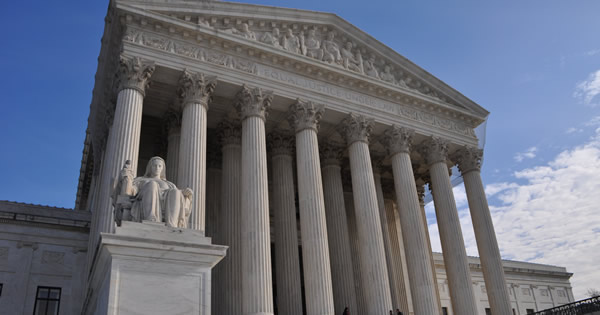
The recent U.S. Supreme Court Mahmoud v. Taylor decision gives parents the green light to remove their children from the school curriculum that includes books with LGBTQ themes and characters. This court ruling is a troubling step backwards, using religion to enshrine homophobia.
First the facts. In 2022, a Maryland school district added to its elementary curriculum nine LGBTQ+-inclusive picture books like Intersection Allies by Chelsea Johnson, and Pride Puppy by Robin Stevenson, and Prince & Knight by Daniel Haack. These books, according to the district’s communications director, tell “joyful stories of folks who happen to be part of the LGBTQ+ community” and “celebrate and positively portray LGBTQ+ identities.”
The following year, facing the growing number of parents’ opt out requests, the district withdrew its opt-out waiver policy because it was causing significant disruptions to the schools’ learning environment.
Three sets of religious parents (Muslim, Catholic, and Eastern Orthodox) represented by Becket Fund for Religious Liberty, a legal group with an anti-LGBTQ history, sued the district for the right to opt out, claiming that the district infringed on their religious rights.
What religious rights one might ask? At the heart of the matter is the question whether public schools can require children to participate in instruction on gender and sexuality which contradicts their parents’ religious beliefs.
On June 27, 2025, the Supreme Court sided 6-3 with the plaintiffs, with the dissenting votes coming from Justices Jackson, Kagan, and Sotomayor.
The majority opinion cited two precedents addressing religious beliefs in public schools (Barnette and Yoder): in one, Jehovah’s Witness students were allowed not to salute the American flag and the other protected Amish children from educational environments hostile to their beliefs.
If the connection between those cases and inclusive picture books seems tenuous, one should simply read the 135-page court ruling and be transported back in time.
“The[se] books are unmistakably normative. They are designed to present certain values and beliefs as things to be celebrated,” the decision explains. Citing, for example, the inclusive message in the books about same-sex marriage such as Uncle Bobby’s Wedding by Sarah Brannen, the court states that “many Americans advocate with utmost, sincere conviction that, by divine precepts, same-sex marriage should not be condoned” (Mahmoud v. Taylor, p. 3).
This assumption, however, contradicts the recent, 2024 Gallup Poll which found that more than two in three Americans (69%) support same-sex marriage. Many of them believe in God. Many of them are also parents.
The court’s conservative majority finds it objectionable that these books “present the opposite viewpoint to young, impressionable children who are likely to accept without question any moral messages conveyed by their teacher’s instruction. The storybooks present same-sex weddings as occasions for great celebration and suggest that the only rubric for determining whether a marriage is acceptable is whether the individuals concerned ‘love each other’.”
The books’ inclusive, normalizing message on sex and gender is also subject to the court’s ire. “Many Americans, like the parents in this case, believe that biological sex reflects divine creation, that sex and gender are inseparable, and that children should be encouraged to accept their sex and to live accordingly. The storybooks, however, suggest that it is hurtful, and perhaps even hateful, to hold the view that gender is inextricably bound with biological sex.”
And the commentary goes on.
It is shocking that in 2025, after decades of struggle for acceptance and equality and the deep change in the cultural norms and values, such anti-LGBTQ rhetoric would still hold sway.
And it is frightening that as in decades past, the court would pit faith and parenting against the LGBTQ+ community, as if they are mutually exclusive, as if the LGBTQ community does not raise children, as if most families of faith in the society at large would want to withhold the books that accept and affirm from their children.
That simply isn’t so. Many religious denominations today support LGBTQ rights and welcome our families and our children. My husband and I, for instance, raised our two daughters in the Jewish tradition, and not once did we have to hide or change who we were.
“What can I do to bring you here?” asked me the rabbi of the local Conservative Jewish temple when we first moved into our neighborhood. That was 20 years ago, and it hasn’t changed.
We raised our kids with a deep sense of acceptance and tolerance, and much of it came from the teachings of faith. Similarly, our kids’ public schools were affirming of LGBTQ+ students. For some of these students, public school was their safe place, away from the intolerance and rejection they experienced at home. If children cannot learn about tolerance and inclusion at school, where else can they learn it?
Ultimately, it’s not about religious rights. It’s about the right to raise children in a world in which LGBTQ people do not exist. Acceptance and inclusion would contradict this homophobic worldview, and that’s what these parents – and the Supreme Court – do not want.
Lane Igoudin, Ph.D., is the author of A Family, Maybe, a gay father’s adoptive journey included in the Mombian Database of LGBTQ Family Books. He is a professor of English/ESL at Los Angeles City College and a past Andrew W. Mellon Fellow with UCLA Humanities.
Commentary
Breaking the mental health mold with Ketamine: insights from creator of Better U
How this brand is making high-impact mental health care available to the people who need it most

Ketamine therapy was once on the fringe, but now makes up a fast-growing field in the world of Mental Health. Derek Du Chesne of Better U, a mental health service in West Hollywood, shares how his team attempts to make psychedelic care safer, smarter and more accessible.
Mental health is finally getting the attention it deserves and as our understanding of it deepens, so does the range of tools available to support it. In recent years, psychedelic-assisted treatments like ketamine are gaining serious ground and a growing number of clinicians have turned to these as promising alternatives to more traditional methods. Enter Du Chesne, creator of Better U, with the goal of making ketamine therapy more accessible and personal. In our conversation, Du Chesne shares the mission behind Better U, the challenges faced by underserved communities and how his team is aiming to reshape the mental health landscape one patient at a time.
Can you share what Better U is all about?
I’m the founder and CEO of Better U. We’re a telemedicine-based alternative wellness platform, currently operating in 35 states. We primarily offer ketamine therapy for conditions like depression, anxiety, PTSD and suicidal ideation. We also provide services in sexual health, clinical weight loss and holistic psychiatry.
You’ve had your own experience with psychedelic therapy. Can you talk about how that journey inspired Better U?
Six years ago, I never imagined I’d be doing this. I had used psychedelics recreationally, but ketamine never interested me. I saw it as a horse tranquilizer nothing I’d ever take seriously.
I had been working in alternative health, specifically cannabinoids mainly on the supply chain side across several industries. In 2019, I traveled to about 40 countries for work and we raised around $40 million in capital. That year, my company made $85 million in revenue and was heading into a $1.2 billion acquisition. Personally, I was also about to get married. Within six weeks, both my career and my relationship unraveled. The company let me go just before my equity vested and I later found out my fiancée had been unfaithful while I was on the road.
Everything I had built my identity around collapsed. I spiraled into a deep depression, tried therapy, psychiatry, and antidepressants. None of it helped. Eventually, I became suicidal. A close friend intervened and brought me to a ketamine clinic. I was extremely skeptical, especially since a single session cost $1,600. But about 15 minutes into it, I felt like I could breathe again for the first time in months.
The treatment helped me separate from the constant, negative thought loops. It created space between me and my pain, helping me see that the things that happened didn’t define me. That clarity changed everything. I no longer felt like I had to carry shame or blame for what others had done. It gave me peace.
Shortly after, a friend suggested I get out of my environment. Everything in my home reminded me of the past. I went to The Bahamas for a reset: sun, exercise and healing. That period helped me recalibrate.
Months later, I was invited to Stanford by a friend whose sister leads epidemiology there. At dinner, I met someone involved in psychedelic research. I shared my experience and he invited me to visit their depression clinic and psychedelic research lab. That’s when I realized the transformative potential of these therapies. I sat with hospice patients receiving psychedelic treatments. People from all walks of life have similar, profound responses. It was incredibly moving.
That’s when I started thinking: how do we make this affordable and accessible? My first ketamine session was powerful, but afterward, there was no follow-up, just a “see you next week.” It felt transactional. I wanted to build something more thoughtful, especially for people like those in my small hometown in Wisconsin where mental health care is rare and stigma is high.
Better U was born from that idea.
Better U has facilitated over 230,000 sessions for around 18,000 patients nationwide. A large portion of your clients identify as LGBTQ. Why do you think ketamine therapy resonates so deeply with that community?
The LGBTQ community is incredibly diverse, and so are the challenges its members face, from gender dysphoria and identity struggles to rejection from family, friends, or society. That rejection often comes right at the moment someone begins living as their authentic self. The emotional toll can be devastating and in many cases, the suicide rates, especially among trans individuals, are alarmingly high.
Ketamine therapy creates space. It allows someone to step outside of the emotional chaos, the shame, fear, judgment and look at themselves without that mental noise. When you can separate your identity from the voices in your head or the reactions of others, there’s clarity. You begin to realize, “This pain isn’t about who I am, it’s about others’ inability to accept me.” That shift can be life-saving.
Many of our LGBTQ clients come to us after years of self-medicating with alcohol, drugs, or even unhealthy relationships. Others feel like they’ve hit a wall with traditional talk therapy. As we age, our brains get more set in their patterns. Ketamine disrupts those patterns. It can help people access a deeper level of understanding and healing, especially when other methods have stalled.
What’s powerful is that many patients don’t come in intending to stop drinking or using substances. They come for anxiety, depression, or suicidal thoughts. But after a few sessions, they’ll say, “I realize my drinking is tied to social anxiety,” or “I use because I feel like I have to numb myself to be accepted.” The therapy helps them see that those coping mechanisms aren’t serving them anymore.
We’re based in West Hollywood, so we’re deeply embedded in this community. In cases of suicide attempts, local hospitals like Cedars-Sinai often reach out to us because ketamine has become one of the most effective tools for treating suicidal ideation.
That said, it’s not a cure-all. If someone is abusing ketamine recreationally, we won’t treat them with it. It’s not safe or appropriate. But in a clinical setting, when properly dosed and supported with integration care, we’ve seen almost no cases of addiction. It can be a powerful tool for healing when used with intention.
Trauma-informed care is a term that gets used a lot in mental health these days, but what does it actually mean to you and how do you apply that framework at Better U?
To me, trauma-informed care means creating a system where every person interacting with a patient, from intake to integration, is trained to recognize, respect and respond to trauma. At Better U, we’ve built multiple layers of support to reflect that. While our welcome team handles basic screenings and eligibility, it’s our clinicians, integration therapists and success team who are most deeply trained in trauma-informed practices.
The unfortunate reality is that many ketamine clinics are founded by anesthesiologists—people who understand how to use the drug medically, but have little or no training in mental health. You can see it when you look at their teams: no psychotherapists, no psychiatrists, no trauma-informed staff. That’s dangerous, especially with a treatment that has the potential to surface deeply emotional material.
At Better U, we made sure to embed trauma-informed care into our clinical culture. Our doctors like Dr. Zaa Faul—a dual-board-certified addiction specialist and Army veteran—and Dr. Jamie Brooks, have deep expertise in both mental and physical health. Our success team, which supports patients after their sessions, is mostly made up of licensed therapists and professionals with years of experience in crisis care, psychedelic research and emotional integration.
Trauma-informed care also means learning how to hold space for people in distress. When I was the only person speaking to patients in our early days, I got yelled at, cussed out, blamed, not because patients were “bad” people, but because they were in pain. Maybe they hadn’t slept, or fasted before a session and were feeling raw. Maybe they were grieving or reliving trauma. You have to meet people where they are, understand that it’s not personal, and guide them toward healing without judgment. That’s where nonviolent communication becomes essential too. It’s a big part of how we train our staff.
Ultimately, it’s not just about delivering a treatment. It’s about helping people feel seen and safe enough to transform. And when you do that well, you get to witness incredible things, like someone processing deep grief or suicidal thoughts in a matter of weeks, instead of years. That’s the beauty of this work.
Let’s say I’m a potential patient who’s hesitant of undergoing ketamine therapy. What would you say to ease my mind?
Sure. First, I’d ask, have you ever had any experience with psychedelics?
[Then, I’d explain] most people who come to Better U, probably over 95%, have never had any experience with psychedelics. So it’s completely normal to feel anxious going into a first session and entering an altered state of consciousness. Especially if it’s unfamiliar.
I want to be transparent—our program isn’t a microdose. It’s a full, immersive experience.
That said, let me walk you through what the process actually looks like so you know what to expect.
After a consultation with a doctor to make sure this is a safe and appropriate treatment for you, you’ll receive a kit in the mail. That includes a blood pressure cuff, a journal, a “brain box,” and other tools to support your experience.
Then, before your first session, you’ll have a mandatory preparation meeting with one of our therapists. That’s where you can ask any remaining questions or talk through any lingering anxiety. You can even request a group session if you want to hear what others are feeling.
We also start very slowly. Your first dose is intentionally low — it won’t feel like a full psychedelic trip. It’ll feel more like a medication-enhanced meditation. It’s really just a way to help you dip your toe in and see how your body and mind respond before we increase the dose.
Is it safe?
Yes, incredibly safe, when done properly. Our protocols are built to prioritize your safety at every step. We’ve worked with thousands of patients and have seen incredibly low rates of any negative outcomes, especially when compared to traditional psychiatric medications.
And to be direct, while this work can be uncomfortable at times, it’s not always sunshine and rainbows, it’s also where the breakthroughs happen. This treatment acts like a mirror, helping you see what’s going on inside, but from a different, often clearer, perspective. And sometimes just that shift in perspective can change everything, from how you relate to yourself to how you engage with the world around you.
Where do you see Better U going in the near future, and how do you see it shaping the future of mental health?
Right now, one of our primary focuses is on insurance credentialing for all of our providers. Most of our patients come to us already on medications – antidepressants, benzodiazepines, Adderall, and so on—and as things currently stand, we can’t legally give them a plan to taper off or discontinue those medications.
So, let’s say someone goes through eight ketamine sessions with us and feels amazing, but they’re still on Xanax or an SSRI—we can’t formally help them get off of it. I think a huge issue in the U.S. right now is over-diagnosis and over-prescription. So by getting our doctors credentialed to accept insurance, including Medicare and Medicaid, we can create six month plans.
For example, to help patients reduce or discontinue medications that may no longer be serving them. At the very least, we want to help people lower their dosages to give themselves a fighting chance. Because right now, mental health care in this country is incredibly broken.
We’re also implementing AI. We’re about to launch a 24/7 companion app that provides continuous support. I think one of the reasons Alcoholics Anonymous has been so successful is the sponsor model. We’re building something similar: an AI “sponsor” or companion that can provide round-the-clock mental health and physical wellness support. Think of it as an AI therapist that works alongside the human element.
Looking further ahead, we’re also preparing for the future of MDMA-assisted therapy, psilocybin and other emerging treatments. There’s a lot coming and we’re positioning Better U to be at the forefront of it all.
Commentary
Trump’s approach to Ukraine poses major risks to LGBTQ community
USAID cuts threaten shelters, emergency housing, HIV counseling
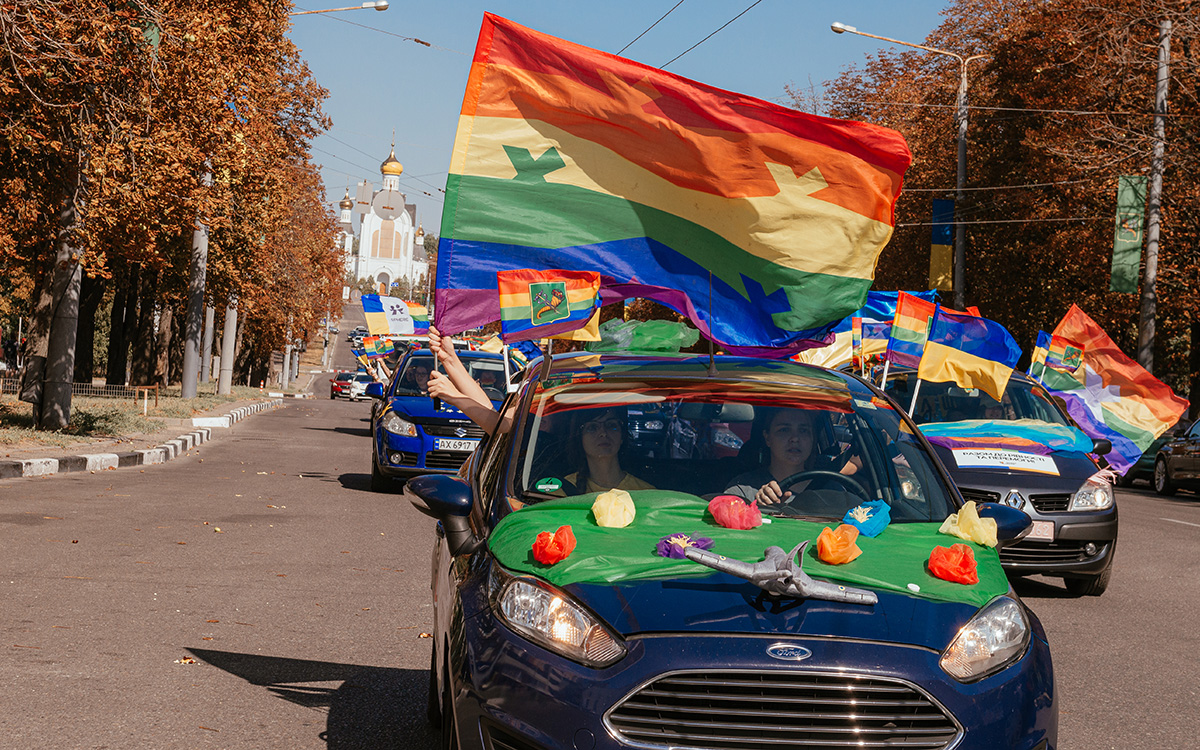
Feb. 23 marks three years since Russia began its full-scale attack on my home country, Ukraine. I haven’t been in Ukraine for more than 10 years, and I spent almost all those years in LGBTQ activism.
I was barely an adult when my family left my hometown, Donetsk, after the declaration of the so-called Donetsk People’s Republic by Russian puppet separatists in 2014.
So many things have changed since then—my school friend was barely able to escape the Mariupol bombings together with two little children. Small cities in the Donetsk region that were barely known to outsiders and were places of my father’s business trips turned into battlefields frequently mentioned in international news. And all my queer acquaintances except for one left Ukraine.
This revealed how the world has shifted into globalization and how LGBTQ rights are used as bargaining chips in political debates, and now the fate of LGBTQ Ukrainians is partly dependent on the U.S.
Because Russian officials were using LGBTQ people as a symbol of everything “immoral” and “Western,” they used LGBTQ people in their war propaganda both against the U.S. and against Ukraine. For example, the leader of the state-supported Russian Orthodox Church, Patriarch Kirill of Moscow, stated in 2022 that the war in Ukraine happened because “people in Donetsk do not want Gay Prides” as a justification for the war, and that the gay Prides are the ultimate test that the Americans and the West are using to find out whether Ukrainians are ready to abandon “Russian traditional values.”
But when I asked a transgender person, L., who was living in Donetsk between 2014 and 2022, they explained that they do not face transphobic challenges that many queer people face in Russia, and the younger generation in Donetsk was pretty much LGBTQ friendly. Even Russian puppet forces didn’t care much about LGBTQ people back in those days.
A majority 58% of Ukrainians hold neutral or positive attributes toward their LGBTQ citizens, according to recent polling.
The LGBTQ phobia wasn’t something that the Donetsk people were willing to protect with their lives; it was something that Russians used in their propaganda war to justify the invasion and killing of Ukrainian civilians, including children.
For a long time, Russia labelled LGBTQ organizations as “Western agents” and used anti-American rhetoric in their homophobic propaganda.
But there was actual help that the Ukrainian LGBTQ community received from the U.S., not because of some kind of conspiracy, but because of humanitarian reasons, because Russian state propaganda and the Soviet anti-LGBTQ legacy made it hard for LGBTQ Ukrainians to find financial support for community activism.
On the anniversary of the war, I spoke with Igor, a Ukrainian lawyer born in Donetsk, political analyst, and expert on the American-Ukrainian relationship, currently based in Vienna, about how MAGA and the current American political situation influence LGBTQ people in war-torn Ukraine.
“U.S. support, particularly through USAID and other grant programs, has been essential to sustaining services for LGBTQ individuals in Ukraine” Ihor explained. “Without it, many of these services—like specialized shelters, emergency housing, HIV counseling, and psychological support—would disappear. For instance, shelters in cities like Dnipro and Chernivtsi that offer safe places for LGBTQ people escaping war zones exist largely thanks to international donor funding.
USAID has backed public outreach and education initiatives aimed at fostering open dialogue on LGBTQ issues, which in turn helps combat anti-LGBTQ propaganda. If USAID’s programs were dismantled, we would see an immediate and severe impact: safe spaces could close, mental health support could end, and marginalized groups would be left even more vulnerable. Essentially, the destruction of this aid framework would roll back critical progress and expose the LGBTQ community to greater risks with fewer avenues for help.
To compensate for these losses, pro-LGBTQ NGOs would need to seek alternative funding sources from private donors—such as the Open Society Foundations—or EU-based donors. However, it remains uncertain whether those sources can fully replace the scale and consistency of current USAID-backed programs. Essentially, the destruction of this aid framework would roll back critical progress and expose the LGBTQ community to greater risks with fewer avenues for help.”
At the same time, LGBTQ people in Ukraine are now facing much more grave danger because of current American politics.
President Donald Trump told reporters that it is unlikely that Ukraine would return to its pre-2014 borders, hinting that Ukraine needs to sacrifice the Crimea and Donbas regions—including my hometown, Donetsk. This plan was also promoted by the American delegation at the Munich Security Conference on Feb. 14-16.
Meanwhile, situations with LGBTQ rights in Donetsk worsened. For example, my attempt to find open LGBTQ people in Russian-controlled Donetsk for one of my articles ended with a comment from my bisexual non-binary friend Roman, who told me that LGBTQ people in Donetsk are now avoiding getting in contact with outsiders because they are scared of “fake dates,” when thugs or occupational security forces pretend to be LGBTQ-friendly journalists, physiologists, or potential partners to lure a queer person into a trap. LGBTQ people in Donetsk couldn’t speak openly about their sexual orientation and gender identity.
“In occupied areas like Kherson and Crimea, Russian authorities have specifically targeted LGBTQ+ individuals,” explained Ihor, and a Trump deal could make everything even worse, making it permanent. “The MAGA approach to Russia-Ukraine relations under Trump poses significant risks to Ukraine’s LGBTQ community. If MAGA policies lead to territorial concessions or normalization of Russian control over parts of Ukraine, LGBTQ individuals in those areas would face severe repression under Russian law. Russia’s “gay propaganda” laws criminalize public expressions of LGBTQ identity and advocacy. In previously occupied regions like Crimea and Donbas, there have been documented cases of violence, arrests, and forced disappearances targeting LGBTQ individuals under Russian rule”
Indeed, it’s true. For example, the Russian-occupied Chechnya, an official Russian administration government ruled by Ramzan Kadyrov, is hunting LGBTQ people as part of a mass-terror campaign.
Chechnya has always been a quite conservative region compared to Western Europe; sexuality and gender identity wasn’t something that was widely discussed in independent Chechnya after the Soviet Union collapsed, before Russia attacked the self-proclaimed Chechen Republic of Ichkeria in 1994. It was a private and family matter, but after 400 years of Chechen anti-colonial fighting, Russians decided to break resistance by destroying the whole idea of a private life. Only after Russia got Chechnya under its control, a mass-terror campaign against LGBTQ people began, and sometimes even non-LGBTQ people were framed as “gay,” tortured, and killed.
The Russian administration in Chechnya was actively hunting dissidents and even their relatives, or just accidental young men who could be framed as terrorist supporters, separatists or spies for better “crime detection” statistics or to be sent to the war in Ukraine as a “Russian” cannon fodder.
The same could happen not just with LGBTQ Ukrainians, but with any open-minded and independently thinking Ukrainians in Donbas and Crimea if Ukraine is forced by the United States to sacrifice territories.
It is possible that it’s up to Americans now to stop their government and to help Ukrainian LGBTQ people save themselves from persecution and extermination.

Hakeem Jeffries poised to become House speaker

US votes against LGBTQ+-inclusive UN resolution

Supreme Court faces new questions over trans rights and equal protection

WeHo honors Transgender Day of Remembrance Nov. 20

Top Lebanese newspaper calls for decriminalization of homosexuality
Top Lebanese newspaper calls for decriminalization of homosexuality

Gay man named Venezuelan foreign minister

Turkey’s anti-LGBTQ+ crackdown overshadows UN climate conference

‘You Can See Everything’ confronts an enigma by becoming one itself
WeHo honors Transgender Day of Remembrance Nov. 20
-
 Lebanon2 days ago
Top Lebanese newspaper calls for decriminalization of homosexuality
-
 Venezuela3 days ago
Gay man named Venezuelan foreign minister
-
 Turkey2 days ago
Turkey’s anti-LGBTQ+ crackdown overshadows UN climate conference
-
 Movies4 days ago
‘You Can See Everything’ confronts an enigma by becoming one itself
-
 West Hollywood2 days ago
WeHo honors Transgender Day of Remembrance Nov. 20
-
 U.S. Supreme Court23 hours ago
Supreme Court faces new questions over trans rights and equal protection
-
 Commentary5 hours ago
US votes against LGBTQ+-inclusive UN resolution
-
 Congress22 minutes ago
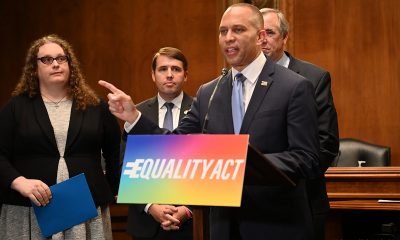
Hakeem Jeffries poised to become House speaker