
a&e features
Former Scissors Sisters frontman Jake Shears on his book, tour, album and gay life in the Big Easy
Glam gender-bender plays two nights at the El Rey Theatre this weekend
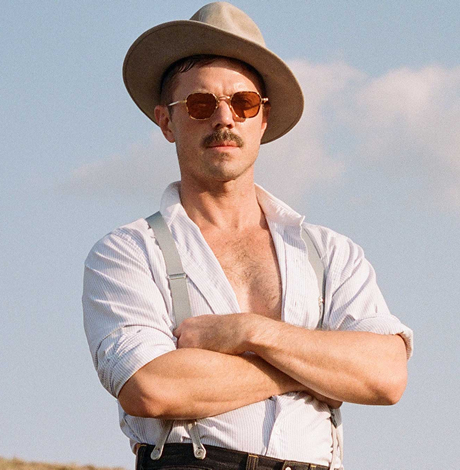
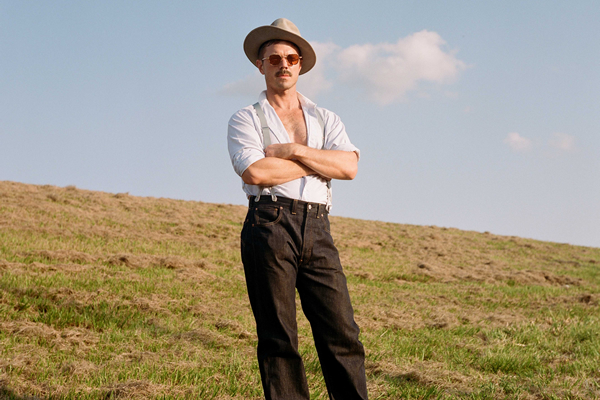
Jake Shears says it took time to find his creative footing after the Scissor Sisters parted ways six years ago. (Photo by Greg Gorman)
Jake Shears needed some time to find his footing.
“After more than a decade as one of pop music’s most cocksure and buoyant frontmen,” his press bio says, “Shears suddenly found himself alone and adrift a few years ago, nursing a broken heart and staring down an uncertain future.”
Since the early 2000s, Shears had anchored Scissor Sisters, the glam-pop band known for hits like “Filthy/Gorgeous,” “I Don’t Feel Like Dancin,’” “Fire with Fire” and “Let’s Have a Kiki.” They went on indefinite hiatus after the 2012 album “Magic Hour” but it took some time for Shears, who found himself single in 2015 after the demise of a decade-plus relationship, to figure out what was next.
After relocating to New Orleans in search of inspiration, he’s come roaring back in 2018 with a January stint as Charlie in “Kinky Boots” on Broadway, the February release of his memoir “Boys Keep Swinging” and his eponymous debut solo album, which came out last month to solid reviews. He wraps his solo tour with two shows at The El Rey Theatre this weekend.
He spoke to the Blade by phone in early September (just prior to turning 40 in October) from his apartment in New Orleans. His comments have been slightly edited for length.
LOS ANGELES BLADE: Was it hard adjusting to the humidity?
JAKE SHEARS: No, I love it. I’m heading to London tonight and I’m just thinking like, “Oh God, I can’t just walk outside in a tank top and gym shorts 24 hours a day there.” I love it down here so much. It’s a pretty good life.
BLADE: So you live in New Orleans pretty much all the time now when you’re not touring?
SHEARS: Yeah, I’m walking into my apartment right now. I split my time. I end up all over the place but it’s where I am for long stretches of the year. … I spend about a third of the year here.
BLADE: Do you get recognized much there when you’re just out doing your normal routine?
SHEARS: Well it’s like a small town here so you kind of get to know everybody anyway and then on weekends, like Decadence was last weekend and there were lots of gays in town so yeah. But other than that, not really. It’s just a really small town here so everybody already kind of knows one another.
BLADE: What’s gay life like in the South? Just with friends, dating, sex — all that.
SHEARS: Well down here you don’t necessarily want to date other locals. … If you do sleep with somebody down here, you’re gonna see them for the rest of your life so you have to really think about whether you want that or not. But it’s just a funny little thing. It’s a sexy place to be. There’s always a huge influx of tourists so there’s always fresh faces and not only that, it’s people who are happy to be here and it’s a good vibe overall. It’s a very romantic city. You don’t have to wear a lot of clothes. It kind of fosters romance and flirtiness.
BLADE: You said in another interview you went there seeking inspiration. How long were you there before that really hit and the songwriting started?
SHEARS: About a week, maybe two weeks. It was pretty early on. I think it was more about the decisions I’d made in my life. I was making some big decisions just for myself that I needed to make. I really needed to change my life and once I made the decision to do that, moving to New Orleans was kind of symbolic and was part of that. And, you know, when that happens, when I’m happy and on the right path, I start writing songs. It didn’t take very long.
BLADE: I read that you recorded the album in live takes straight through and said that was nerve wracking. Now that it’s all done, was it worth it?
SHEARS: Oh my God, yeah. I couldn’t be happier with this thing. It’s been a big project and it’s nerve wracking in a way because just over the whole thing, I put a lot on the line. I hope I get to make a record like this again someday — just making a record exactly the way I want to. As far as the cost/benefit analysis, it cost me a lot. Just financially and time wise and all that stuff, but the benefit on the other side is that I’ve made something I’m just incredibly happy with and proud of.
BLADE: Was it hard to keep it fresh doing take after take in the studio?
SHEARS: No, no, no, no. When you’re recording like that, everybody was so rehearsed. It was really exciting. It never got boring, that’s for sure.
BLADE: When you were writing and/or recording “Creep City,” did you have a hunch it would be the first single or did that come later?
SHEARS: You know, it was really a toss up. I don’t think there was a really obvious first single on this record. I think it could have been a whole bunch of songs. I chose that song because I felt it was really good overall and I felt it really represented the whole album just sonically and I just felt like it was a great liftoff for the record. … I could also visualize a video for it. It’s one of my favorites on the record. It just sort of represented the whole thing in a way.
BLADE: Would you say this is your breakup album? That’s such a thing, were you conscious of wanting to avoid any cliches?
SHEARS: I don’t know if I can answer that. I don’t think it feels like a breakup album. I mean, this isn’t Beck’s “Sea Change.” It’s a pretty fun record. I don’t think it’s really about a breakup, I think it’s more about reassessing myself and sort of rediscovering who I am in this moment in time and I think it has less to do with a breakup necessarily, although that’s in there. Would you say that?
BLADE: Well, listening to it, I felt it was very bombastic and joyous so I was surprised when I read the lyrics and saw how dark some of it is.
SHEARS: Yeah, I love that and that’s one of my favorite things to do. I have like a real big dark streak in me and I love making happy, really fun music that has heavier themes to it. I just love that juxtaposition. That’s absolutely there, but it was really important to me to make, you know, a fun record with different colors to it. I love making my ballads too. That’s definitely part of what I do.
BLADE: Why did you feel now was the time for a memoir?
SHEARS: I wrote the book at the same time I was making the album and I thought it was really good as I was sort of reassessing where I am and who I am now, I had to go back and reassess where I’ve been and what I’ve done and I think they both kind of informed each other and it was sort of a good way to put certain things to bed in a way and make peace with certain things. It’s kind of a cliche to say it was good therapy but in a way it was good to reevaluate parts of my life while I was making this new thing and it was awesome to get to do both of them together.
BLADE: Would you like to do more Broadway or was “Kinky Boots” a one-off?
SHEARS: No, I do, I do. I love it so much. I mean, theater is a world I love being in. I love writing theater and making musicals. Now I love being in them. I definitely am going to continue. Now that’s part of my DNA and I absolutely would love to be in another show and I’m going to be writing more shows.
BLADE: How vocally taxing was it compared to your regular stuff?
SHEARS: I gotta say, it was really hard. Those Cyndi Lauper songs are no joke. They’re really tough and I worked and worked really hard at it. You know, your voice gets stronger and everything but doing eight shows a week like that, it’s also cumulatively exhausting and so by the end — I did about a hundred performances — I was really having to crank up the engine to get that final high note and the big punch at the end of the song. So it was super challenging, yeah.
BLADE: When you’ve been off the grid for awhile, do you have to get back in shape or do you always stay pretty trim?
SHEARS: Goodness (laughs). I’ve got my moments. I’m a Libra so I have a lot of balance in my life. I work really, really hard and I play really, really hard. I really try to keep a balanced existence. I’m constantly just trying to take care of myself in the midst of the chaos of what I do.
BLADE: But you never just put on 20 pounds when you’re off the road for a year or something like that?
SHEARS: Oh, I’ve had moments of not being as in shape as I wanna be but I’m doing the best to take care of myself when I’m eating well or whether that’s just getting enough sleep and not drinking too much. I just do my best to try to feel as good as I can because otherwise life just isn’t much fun.
BLADE: Where did that cool vintage car in the “Big Bushy Mustache” video come from?
SHEARS: It’s my neighbor’s, LeRoy. I’m looking out right now at his back yard. He’s in the video too. The videos you see from this album are basically community productions. I made those videos out of my pocket on a shoestring and everybody from the locations to the costumes — everything that you see, people pitched in, everybody got together and it was so much fun. It took over a hundred people to make those videos and that’s one of the things that really warms my heart. It was a whole bunch of people banding together. The “Creep City” video — that’s just a snapshot of the New Orleans community.
BLADE: Has it been hard sequencing in Scissor Sisters material with the new stuff on tour?
SHEARS: No. I’ve just done a bunch of shows in the U.K. and it’s a really good pace I’ve got with the Scissors stuff. I’ve chosen certain songs very strategically and it’s fun mixing them up. I went out of my way to make sure this new stuff is part of the same body of work. I wanted it to feel that way and I wanted to be able to present it all as my body of work. In the show, it definitely goes together.
BLADE: Are you touring with people who played on the album?
SHEARS: Oh yeah. Mr Hudson is on bass, Craig Pfunder is on guitar who does all the music director stuff, he plays guitar on my record. Mr Hudson, I wrote a bunch of songs with. Right now I’ve got Patrick Hallahan from My Morning Jacket on drums and I’ve got this amazing saxophonist, this awesome guy named Stephen J. Gladney on sax. So this is a pretty cracker jack band. It’s a great band.
BLADE: Was it an easier transition to the stage than usual since you recorded these songs live in the studio?
SHEARS: In a way because a lot of these songs were originally written with either guitar or piano. When you start small with a song then make it bigger, it just makes it easier. It was written in a very different way from the way I normally always wrote stuff. It’s been fun to play it from the top. It hasn’t been a huge challenge.
BLADE: I know it’s a much different style of music, but do you feel much kinship with Rufus Wainwright? For so many years, you two were about the gayest thing we had pretty much.
SHEARS: Oh my God, absolutely. I think you can hear, he’s a huge influence on my music and we’ve always been friends and I think he’s amazing, just a one-of-a-kind person. I think he’s brilliant and hilarious and I just love him a lot and I’m proud — if he’s my peer and part of my generation of music or if we’re viewed on any kind of level together, then I’m really proud of that.
BLADE: Lots of male pop singers today are doing the falsetto thing like you. Who has the best male falsetto voice?
SHEARS: You mean right now?
BLADE: Any era.
SHEARS: I would just have to say the Gibbs. You know, I was just listening to “Nights on Broadway” last week and it’s just so good. There are moments where they could do it perfect, then they could also do it ragged and imperfect as well and it just sounded so good. So I mean, I feel like they’re kind of the kings of that.
BLADE: Have you heard Troye Sivan’s new record?
SHEARS: Just the singles. I gotta sit down and listen to the whole thing. I’m really excited about it. What do you think?
BLADE: I like it. It’s so nice to see someone singing about gay life so unabashedly.
SHEARS: Seriously. I’m so happy about it. I love the singles and it seems like people are absolutely loving the album. I’m glad you reminded me of it. I’m gonna give the whole thing a listen today. But yeah, I want to see that really go through the roof. He deserves it and it’s just time. I just think we’ve waited long enough. It’s time for a big, queer just pop star and yeah, I just think it’s time so I’m very excited.
BLADE: Do you have any pet peeves about celebrity culture of the way it’s covered in media?
SHEARS: There’s nothing I hate more than a headline that says somebody is “clapping back” at so and so. Or so and so, “claps back.” Basically just news stories about people fighting on Twitter. That’s a pet peeve of mine. It’s just the snake eating itself.
BLADE: Why do you think the Scissors were bigger in the U.K. than the U.S.? Does the Hot 100 here just reflect more of the hetero, rednecky parts of the country?
SHEARS: Well I think it was just a narrative that took hold and I can pinpoint the top of that narrative. I talk about it in my book. We were over there working for like six months before we broke over there and at that time, album releases were staggered so we released in the U.K. in February and we didn’t come out in the U.S. until July so we broke in the U.K. in June. So when we put out our record, we were just getting started again and the New York Times wrote a little sidebar with the headline that said, “Scissor Sisters hot over there, cool over here” and I credit that one thing in the New York Times, that really snarky little piece to starting that narrative. I think that’s why I still get that question. I don’t think we entirely got a fighting chance over here but over the years, it kind of leveled out. By the time we put our our fourth record, we were at the Palladium two nights, we were at Terminal 5 two nights, so the whole thing leveled out. We had extraordinary success over there, the kind of success that barely anybody has anywhere, so I don’t necessarily — I just think it was an extraordinary moment and I’ve never ever felt we were less successful over here at all. … It doesn’t really bother me. But I think that’s the origins of it, this tale of the Scissor Sisters on both sides of the Atlantic.
BLADE: Did you ever think about doing a solo album when the Scissors were together or was there just not really time? It’s not unheard of.
SHEARS: It never really crossed my mind as something I realy wanted to do. I always thought a solo record would feel really sort of narcissistic. I never really thought of myself as a solo performer. I was always kind of shy about that. Even when I would do appearances without the band, I would always feel very much like, “Why am I here, I don’t really belong here.” I’ve always kind of had that self doubt thing when I was by myself. So no, I don’t really. But it’s been a little bit of a personal — I hate the word journey — but it’s been like a little bit of a road to get to the spot where I can, you know, feel like there’s a reason for me to be singing on my own.
BLADE: You’ve played a lot with genderfuck in photos and magazine shoots. Do you like to wear dresses or paint your nails in your regular life?
SHEARS: Oh, I love wearing big frilly dresses (laughs). Especially in New Orleans. Like for Decadence, I have a naughty nurse uniform. Everybody was in harnesses and I have my little candy striper outfit. So, I don’t know, it’s just that I have a good time wearing a dress sometimes. I don’t even really think about it. I’m just kind of drawn to what feels good.
BLADE: Do you think there will be deluxe reissues of the Scissor Sisters albums eventually? Are there many outtakes from those sessions? B-sides and alternate takes and stuff like that.
SHEARS: My dream for the 10th anniversary of “Night Work” is to do — there’s a whole album that’s attached to that that was scrapped. There’s this whole lost record to that that I would love to put out in 2020. I’m hoping Babydaddy and I can get together to do that. I would love for people to hear that stuff. Just great songs.
BLADE: This is all just sitting on a hard drive somewhere?
SHEARS: Yeah, yeah, yeah. Totally. And there’s a lot of it. There’s hundreds of songs.
BLADE: What was the longest or most arduous video shoot you ever did?
SHEARS: The “Comfortably Numb” video. It was two days in a big water tank in Devon, England and …. it was a very, very, very tough video to shoot. I got very sick afterwards.
BLADE: You’ve talked about enjoying the freedom the solo record has afforded you but it also seemed like you held an enormous amount of influence in Scissors. I know you dug in your heels about the controversial Mapplethorpe butt photo for “Night Work,” for example. So how strong was that itch really?
SHEARS: Well the thing about being a band is you just want everybody, yeah, you’ve got your vision and what not but also you want everybody to be happy and you want everybody to feel like they’re represented. I definitely had my own vision for the band that was implemented in many ways, but at the same time, the thing that’s nice about doing stuff by myself is that I don’t have to worry about making everybody happy. … All I have to worry about is making myself happy and that’s an amazing feeling creatively and it’s made me feel very liberated in a lot of ways.
BLADE: Are you seeing anybody now?
SHEARS: No, I’m not. I wish I could but I’m not physically in the same place enough now to really be able to spend enough time with anybody that it would really make sense. I don’t know if it’s gonna be possible for me for awhile because (of that) which is kind of a bummer. I’d love to be in a relationship. I’m definitely romantic and I get lonely and I would definitely love to have that connection with somebody. But it wouldn’t be fair to somebody else to not be around.
BLADE: Do you have a type?
SHEARS: I used to think I did but now I’m really only truly attracted to somebody when I spend a lot of time with someone and get to know them. Maybe it’s just a thing about getting older but it’s a lot more about personality to me now and I can get surprised by somebody. I’ll always realize that somebody can be right in front of you and you don’t even know it yet. So my thing is just about getting to know somebody and that’s what I’m into. It could be any kind of type, but it’s just more about who somebody is.
BLADE: Are you and your ex on speaking terms? Were you able to salvage any friendship out of that?
SHEARS: Oh yeah, absolutely. I love him very much and I’m proud of him and he’s an amazing person. He was actually just calling my phone a few minutes ago when we were talking. But yeah, absolutely. And we co-parent a little border terrier so we’re very much still connected.
BLADE: Were there any epiphanies about yourself that surprised you writing the book and album?
SHEARS: I think the main thing that I learned from all of it is I used to kind of think that there was always some kind of a deadline all the time and I think I just really learned, just as far as the work itself, I just want to make good stuff that I love and that’s totally satisfying to me. So whether it takes another five years for me to write another record now, I really don’t care just as long as it’s something that I love and that means something to me. That’s the most important thing about putting stuff out in the world. And by the way, that’s a lesson I keep learning over and over and over again since day one. It’s always something I keep realizing.
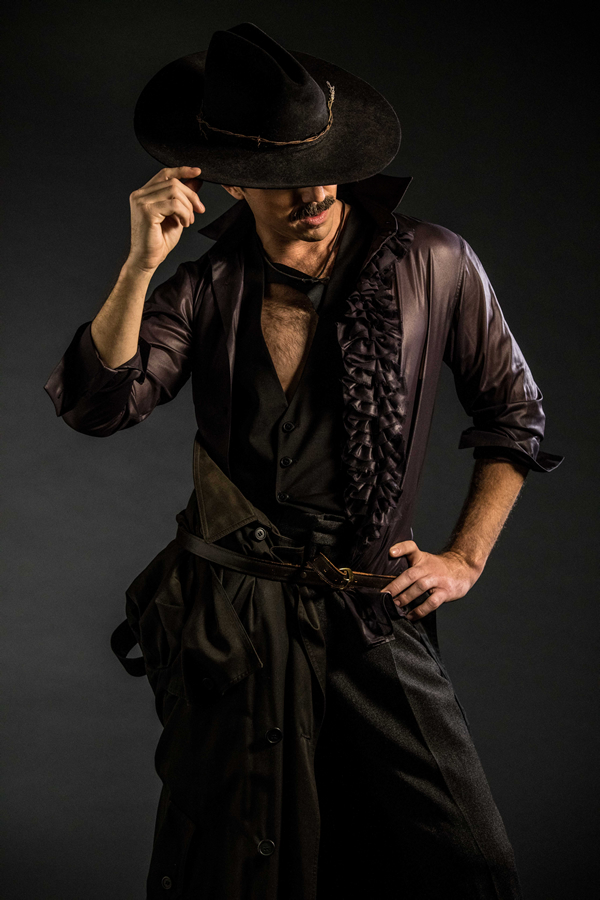
Jake Shears plays two nights at the El Rey Theatre this weekend. (Photo by Raphael Chatelain)




a&e features
Singer Tiffany returns to pop life with new cookbook
The 80s icon gabs about everything from cooking to mall life to Gay Pride
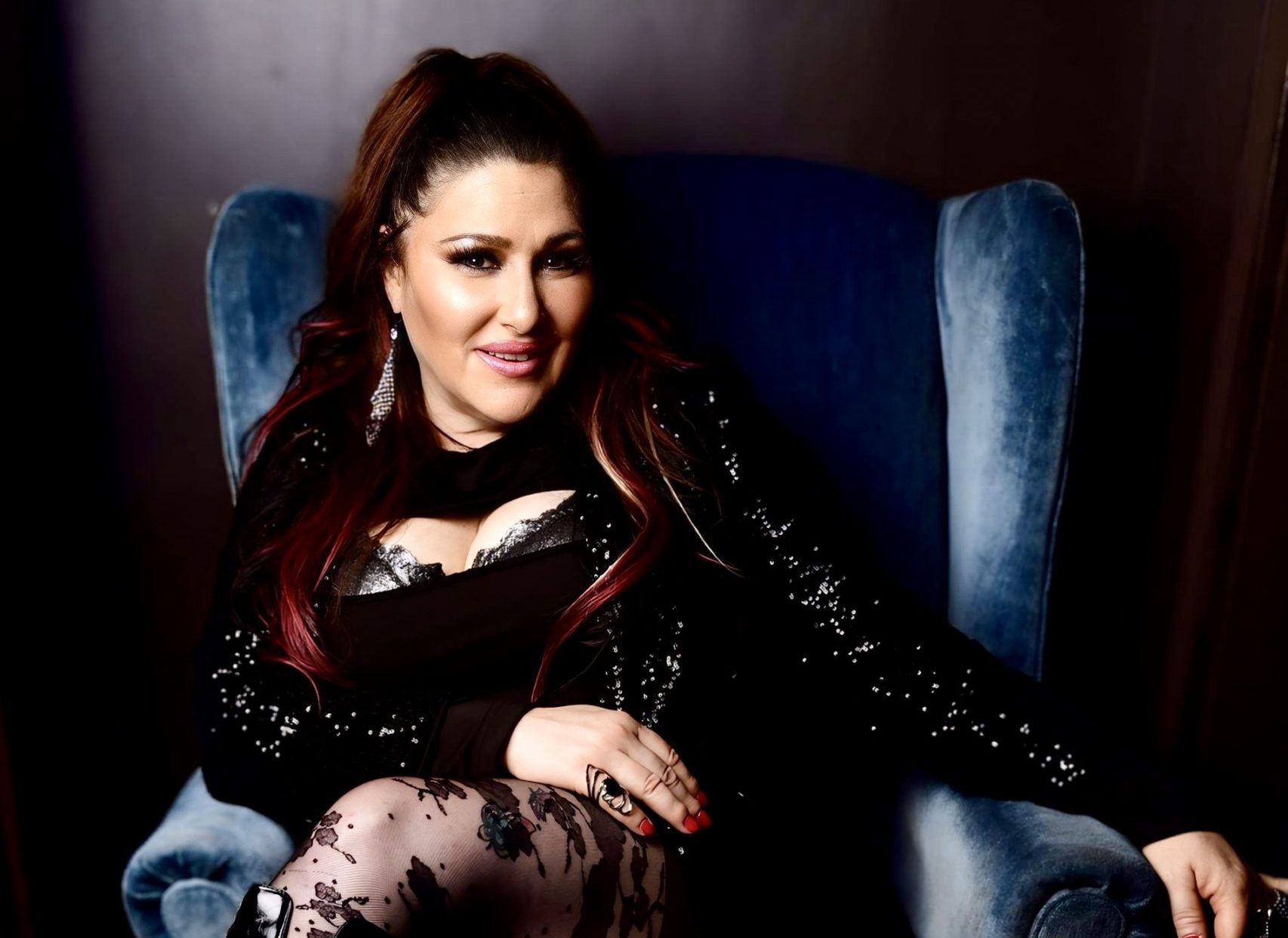
When you think of Tiffany, you might be instantly transported to the 80s and remember the mall girl who made a name for herself with the hit “I Think We’re Alone Now.” Maybe you remember her from her countless reality television appearances or even as Judy Jetson from The Jetsons Movie. She’s really done it all.
If you see her now, she retains her rocker spirit and bubbly energy but also has a brassy mom vibe with big Melissa Schemment from Abbot Elementary energy. She’s done it all, from acting to singing, and her run on the Food Network series Rachael vs. Guy: Celebrity Cook-Off helped ignite an excitement for the kitchen.
Now she’s got a new cookbook, Pop Life: The Ultimate 80s Kitchen Encore, along with a cooking club called Let’s Food with Tiffany. She also continues to perform and is still touring. She took some time from her busy schedule to chat with us about her past, what inspired her new book, and all things mall culture.
Why do you think you have such a big gay following?
I’ve always just tried to be real with my life, the good, the bad, honest. I mean, I love a little bit of glamour, but then I’m also very, very real. I’m very down to earth. Sometimes maybe too down to earth. You’ve just got to live who you are, and I’m a little bit of all of it. I think my gay fan base sees that, like they really allow me to be who I am. And I love that, you know?
Do you have a message for your LGBTQ fans?
I love you guys so much. And thank you for being a part of my world all these years. Thank you for loving my songs. I love the chance to have these meet-and-greets with fans. When people tell me, “Girl, your music means everything to me, it really helped comfort me,” or “It gave me the courage to, or it gave me the strength.” I don’t take it lightly.
What do you like about engaging with your LGBTQ fans?
I love chit-chatting. I love getting all this fashion scoop as well. Sometimes they’re a little too honest, but I really do love performing at Prides. Everybody comes ready to rock. You know, it’s one of the best, best, best audiences because everybody is present and engaging and just ready to have a good time.
Why do you think people resonate so much with your music?
I had a very turbulent childhood; I would often go in my bedroom and play Stevie Nicks
and just pretend I was someplace else, and that wasn’t happening outside my door. And it would soothe me because I was just a kid and my household could get a little crazy. I think some of my songs, even though the pop songs were pop, there was some grit there. Some of the ballads were deep for a young person to be singing them.
Like, what?
Songs like “Could Have Been.” The label didn’t want me to record them. They were like, this is too adult for you. And I was like, “Have you ever seen a 14-year-old in love or heartbroken?” You’re never gonna find anybody else; that’s it. That is the one. And if they break your heart, God forbid, you’re never going to recover, and it’s magnified by a zillion when you’re young.
I really fought to have “Could Have Been” on the album, because it showed I could sing, but I disagreed that it was too adult for me. And, you know, it’s on the album, became number one, and it really is an anthem song for me. It’s my favorite song that I sing.
Do you sing it on tour?
It is the highlight of the show. It’s the one moment we’ve kind of drawn it out a little bit and extended it, so we have the fan moments; everybody sings along. But I think there’s maybe something to the music, and then maybe something to me.
Can you tell me a bit about the progression of your music from then to now?
Learning to stand up for myself, learning to become a songwriter, you know, in the earlier albums I didn’t write and no one really wanted to help encourage that, or develop that. It was happening anyway, so I took some time and just started working with my band members. I’m a big advocate of if one door closes, there’s another door. If you want something, go and get it. And it doesn’t mean that it will happen on a massive level.
Do you have any advice for fans?
If you’re happy with what you’re doing and you feel like you’re growing as a person, and you feel like you’re living what you thought would be the design of your life on any level, that to me is great. It’s great for mental health. It’s great for the spirit. That’s kind of what I’ve done in my life.
Can you tell me about your life now?
I wanted to become a songwriter. I wanted to be a mom. I wanted to move to Nashville and be a hippie dippy doo, you know, and have time off. I live part-time in the UK now. I’m getting really into the culinary world there. I take the train into London; I’ve got my coffee and my dew and all my stuff. But then when I go home to Nashville, I literally kick off my flip-flops, hair in a ponytail, and I’m grounded in the earth. I’m planting stuff. I have an orchard.
When you said my coffee and my dew, did you mean Mountain Dew?
Oh, no, I mean like my sausage rolls or my pasties or whatever else I’m grabbing on the go. I love my M&S, and I always have my cappuccino…it’s called a cup of personality for me. Like, that’s how we start the day.
Can you tell me a bit more about your love of food? Where did that start?
I started traveling when I was so young; I always wanted to go where the locals went. I wanted to shop local. I never took it for granted that I was going to come back to these places because I didn’t know. All of a sudden, I’m in, like, Thailand and India and the UK; I never knew if I was coming back
I was like, I want to go eat where the locals are. So I was always dragging my band because I was so young. I had to have people with me, and I’d be like, it’s adventure time. Let’s go. And I think that’s where, you know, I started to kind of talk to my fans about, “Where’s a good place to eat?” It became a dialogue. And so many people, as you travel the world, are really excited about their food and their music. And they light up when you ask them about it, to be honest with you, so it just became something that I did.
You have a cooking club; how did that start?
During Covid, I had this deep, deep, deep sadness of missing my mom and my grandmother, my dad, and I just started cooking my grandma’s recipes, because it made me happy. I thought, well, I’m gonna show this to my fans, because I think they’re doing the same thing.
So that’s when I started a cooking club, Let’s Food with Tiffany. It was just me in the kitchen hanging out, but talking like this. And it became a weekly thing, and I think it was more than just cooking; it really was a friendship. And once COVID kind of went away
I started traveling again. I just decided I don’t want to give this up.
So after that, I started developing my spice blends: Rockstar Za’atar, Hip Hop Harissa, and Let’s Taco Taco Taco.
I want to do what’s called TIFF takeovers, where I go into restaurants from mom and pop places to high-end places. They’re ticketed events. They get an appetizer, maybe an entree, maybe one of my poptails, don’t know, but whatever I work with the venue on their level. And a Q&A. And then we rock it out. We do a little acoustic show.
Can you tell me about the book?
The cookbook with Chef Alicia [Shevetone]. I met her just as a friend first. A friend connected and said, I think you guys would be girlfriends And sure enough, we were instant girlfriends. And then the creative came. And so many of my records have been like that. So many of my other projects have been like that, where you know you meet people, and you’re like, everybody’s like, oh, you should do something together.
I’m not a chef. I’m a foodie. I’m a newbie, and I think that also makes people feel comfortable. It’s like we’re going on this adventure together; let’s see what we get into. And I literally, that’s, I mean, that’s part of my life in the UK. I am now being exposed to the bigger, broader culinary world, which I love.
I can’t let you go without asking you about malls.
We need fun back. I wish we had the malls back. I’m a big fan of small business myself, and it’s so necessary for people to make different incomes nowadays, and you get those unique, one-of-a-kind pieces in that. But the mall represented gathering. It was a safe place to go. You’d go and pick up something and try something on, and you know, if you had kids, you would drop them off there. They could be in the arcade, the music shop, whatever. It was just a culture.
You walked around; even if you had no money in your pocket, you got dressed up, and you kind of walked around, and you saw other kids from other schools or your school, whatever it was, it was a destination. We don’t have places like that anymore
And it’s very sad, you know, I mean, a lot of the malls are dying all over wherever I go. And, you know, being part of the mall tour was brilliant.
You’re also touring!
I do, so I’m going to Chile, to the Philippines, and then I’m doing Kim Wilde’s The Singles tour in the UK early 2027. Meanwhile, I have the All This Time tour that I’m doing now, which is pure retro. And I have all my pop life parties, so I’m pretty busy right now. You know, just wearing all hats, about to head to New Mexico for a book signing convention, so lots of book signing conventions in my future.
You can read all about Tiffany’s projects, including her tour, on her website. You can also purchase POP LIFE: The Ultimate 80s Kitchen Encore.
a&e features
‘Leo from Rio: Latin Icons’ brings cultural celebration to West Hollywood
This trailblazing show fills the WeHo City Council Chambers with music and community
Music has always been a tool for culture.
Whether it be singing, dancing, or the countless other ways that people bring it into the world, music serves as a way for communities to express their cultural pride beyond simple words. It’s also proven to be a channel for rebellion; repressive forces throughout history have attempted to eradicate the musical practices they know bring oppressed classes hope. But despite their best efforts, a part of that music always lived on. Continuing to give voice to cultures that too many people want to silence and offers the authentic freedom that so many groups still fight for today.
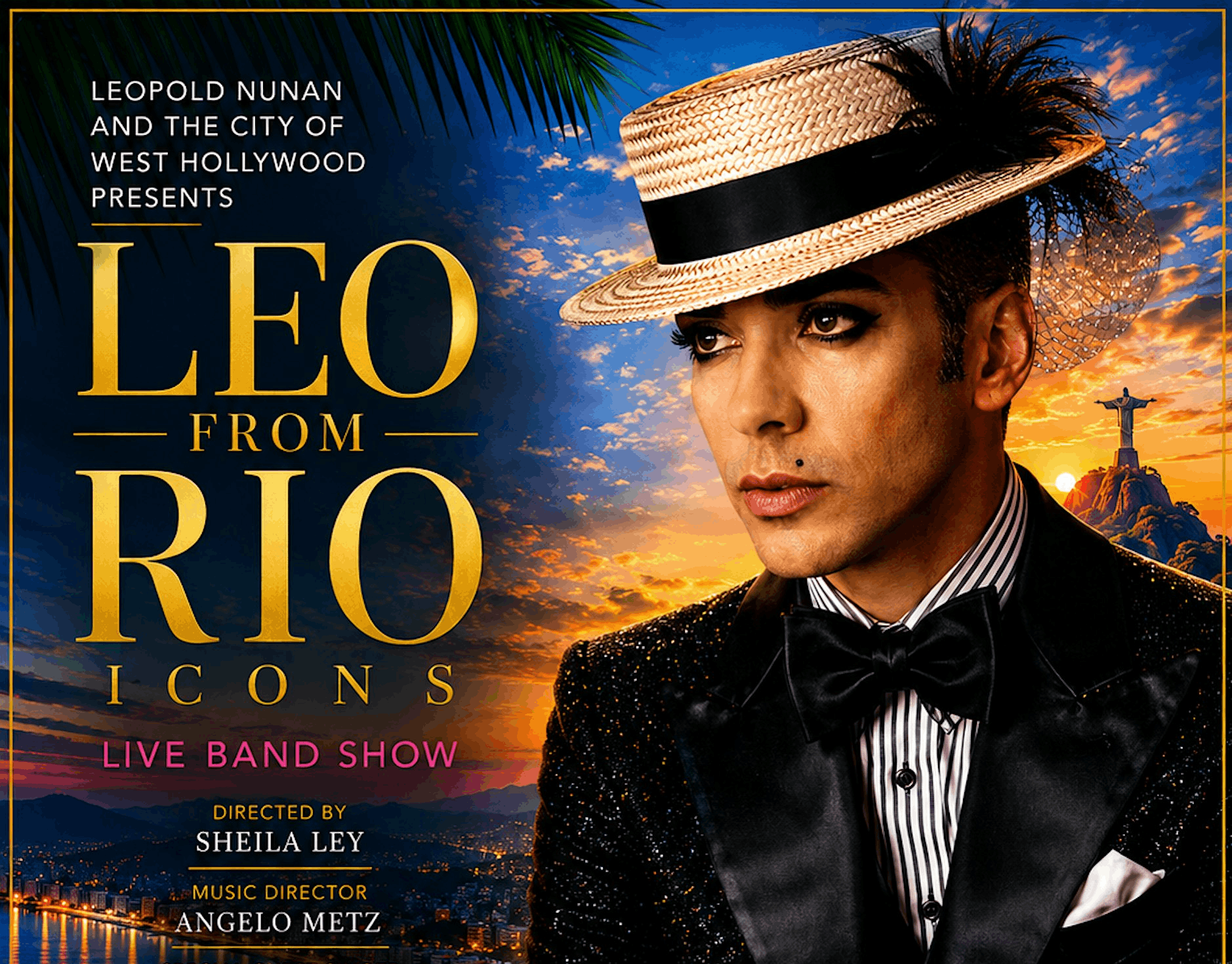
Many shows try to capture the cultural power that music has always held. And at this year’s Hollywood Fringe Festival, audiences got to see that power come to life in Leopold Nunan’s dazzling show: Leo from Rio: Latin Icons.
A one-man affair, Leo from Rio sees Nunan don many glamorous outfits and perform as some of Latin culture’s biggest musical icons. From Violeta Parra to Sérgio Mendes, this combination of concert and performance art honors these trailblazing voices who still influence modern Latin music. Leopold sings these legends’ songs — all while dressed impeccably as them — while educating audiences on their cultural impact.
Leo from Rio premiered at this year’s Hollywood Fringe Festival to city-wide acclaim, with critics raving about the expert costume design and the passionate musicality that fills every second of its runtime. Leopold has been overwhelmed with this positive response and credits the show’s success to the many stars who inspired it, saying, “These artists gave us a language before we even knew we needed one. Some of these songs make you think of your mother, your childhood, a country you left…then you perform them in Los Angeles, and suddenly a room full of people from completely different places understands exactly what you’re talking about.”
The only negativity that local critics have aimed at Leo from Rio is that the show had far too short a tenure at this year’s Fringe Festival — well, luckily for them, the show is coming back. And to the delight of returning audience members and intrigued locals alike, this encore performance will be happening in the unlikeliest of places: the West Hollywood City Council Chambers.
“I am an independent Latin queer artist. No major label. No giant machine behind me. And the City of West Hollywood looked at my work and said, ‘We believe in this. Come do it here,’” said Leopold, growing emotional as he discussed the upcoming show. Because on Friday, August 21st at 7 pm, Leo from Rio: Latin Icons will be making its West Hollywood debut by flooding the City Council Chambers with more Latin dancing and music than this municipal building has ever seen.
The performer excitedly discussed how honored he is to be invited into such a powerful space and how ready he is to share this ode to Latin culture with everyone in attendance. It’s something he knows so many people need right now; Leopold is a WeHo local and has seen the bigoted attacks the city’s Latin communities have suffered through in recent years. His status as a Brazilian immigrant has given him a firsthand look at the atrocities people all over LA are facing, recounting, “Right here in West Hollywood, a fellow Brazilian resident, Alex Pereira-Alves, was recently detained by ICE during a routine immigration check-in. The government was preparing to send him to Guyana — a country he has never even visited!” A federal judge has temporarily blocked Pereira-Alves’ deportation, but Nunan stressed how this case is one of countless others that highlight why we need shows like Leo from Rio more than ever.
“When you have a microphone, sometimes you have to use it for more than singing,” he continued. “Celebrating our culture matters right now. We cannot allow our communities to be defined only by struggle…we are incredible artists. We are rhythm. We are creativity. We are JOY.”
This is why the performer sees his upcoming performance as more than just a show. Because beyond the costume changes and singing, every second of Leo from Rio is filled with a deep love for the Latin legacy, one that fights back from the attempted erasure so many are facing today. And to have that love be brought into such an official building, with the support of the local government, makes Leopold confident that this evening will be a reminder of how beautiful Latin culture is. The strength that can be found in honoring this culture, and why locals should celebrate it as loudly as they can — especially in the face of those who want them silent.
“I hope they see what happens when a city actually invests in its artists,” said Nunan, on what he hopes the Los Angeles government takes away from this performance. “You give an independent artist an opportunity, and suddenly that opportunity becomes work for musicians, collaboration, community, culture — and a room full of people sharing something together. That is what supporting the arts can do.”
An inspiring precedent that not only opens up the door for many other artists but also grants Latin locals a night of nonstop community love. All of this packaged into a show filled with costume changes, musical numbers, and dancing? It’s no wonder why Leo from Rio: Latin Icons is loved by the WeHo government, and why it continues to inspire Latin Angelinos today.
a&e features
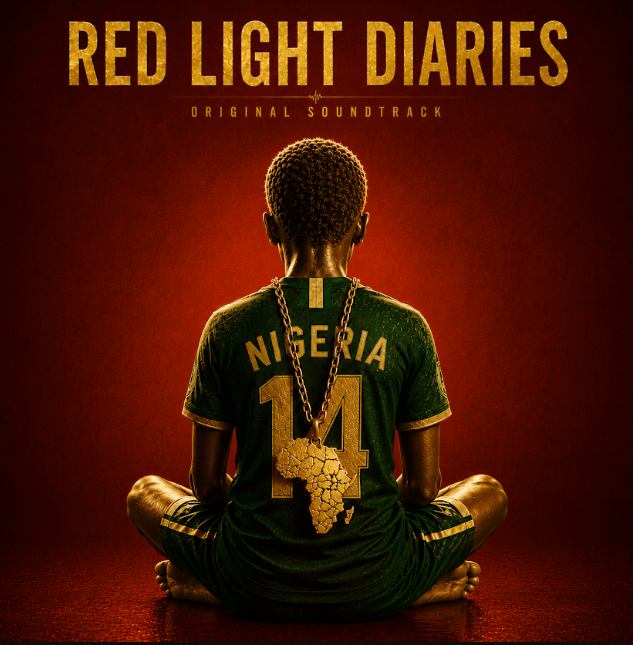
The ‘Red Light Diaries’ album is a soundtrack of liberation
Advocate Micheal Ighodaro speaks about his new series and finding freedom in music
Micheal Ighodaro is a true global advocate, a title the man doesn’t take lightly.
He’s spent his life fighting for his many communities; Micheal escaped violent discrimination in Nigeria as a young gay man, eventually finding asylum in the United States. Since then, he’s committed his life to activism, traveling the world uplifting LGBTQ+ individuals and spreading awareness of the HIV resources he’s helped make possible today. Whether it’s creating Global Black Gay Men Connect (GBGMC) or serving as President of Global Black Pride, Ighodaro is recognized as one of today’s foremost HIV advocates, with his work even earning him the title of ‘Champion for Change’ from former President Barack Obama.
Micheal’s activism has taken on many forms as he’s tried to serve LGBTQ+ populations from all over the world. He’s determined to do whatever it takes to get these people the resources they need, with his newest project being one of the advocates’ most ambitious: Red Light Diaries, an anthology series focused on how HIV prevention shows up across the globe today.
“We needed to find ways to reach people,” explained Ighodaro, when discussing what drove him to create the show. “Sometimes, we are in our bubble when we speak about public health or human rights work…I wanted to find a different way to reach [people] in a way that we are not used to.” It’s a fact that becomes more evident every year; while there’ve been massive developments in HIV treatment and prevention, ongoing stigma makes it difficult for many LGBTQ+ populations to learn about these resources. Micheal and his team at GBGMC wanted a way to truly connect with individuals, to not only educate them but to show how beautifully massive their queer community is today. And, inspired by a certain trailblazing TV show about ballroom culture in the 1980s, Ighodaro created Red Light Diaries, describing the new series as, “Think Pose, but global.”
Each episode of this six-part program focuses on a different person in a different part of the world, with the series actually filming in whatever new location is being featured. Ighodaro emphasized that they wanted to spotlight the reality of being queer in these different spaces, saying, “What makes a black trans person in Atlanta? What makes a sex worker in Nigeria? What makes a bisexual man in London? Who are they — and what does HIV have to do with that?”
Each story showcases these characters’ unique experiences with queer survival, how they navigate their daily lives, and what HIV prevention means to them. Micheal promised that amazing information about HIV access will be packaged within each story — but also, that these lessons aren’t the sole reason for Red Light Diaries’ existence. He didn’t want to just educate folks on facts about queer healthcare. He stated, “[We] want this to be about the people. Yes, we want to share information about HIV prevention…but there is no prevention without the person.”
The series is centered on these people, individuals who may be separated by thousands of miles but are united in the fight to live authentically today. The cast and crew of Red Light Diaries are amazing at helping viewers understand the global humanity within these episodes. But there’s one aspect of this storytelling that Micheal knew would help audiences understand the show’s core themes: the music.
Working with Black queer artists from around the world, Micheal personally wrote a majority of this series’ soundtrack, making sure that they were not only amazing songs but also spoke to the LGBTQ+ pride happening onscreen. “From track one to track twelve, [these songs] are very related to real experiences from the actual series — but also real experiences from my life, from my friends’ lives, and from the artists who wrote the songs.”
Whether it be the pop anthem “Own My Night” or the choral “I Won’t Disappear,” each tune comes from Ighodaro’s own experiences as a young gay man in Nigeria, struggling to survive in a setting that wanted the exact opposite for him. Throughout all of this, though, music and his community helped him carry on, with the man remembering, “There was a time I was with my friends under the bridge in Nigeria when I was 17. I was playing Beyoncé and Gaga; me and my friends hadn’t had food for days, but we were dancing, singing our lungs out…because that’s what brought us joy.”
This kind of radical joy is at the core of Red Light Diaries: the universal fellowship that exists for queer people all over the world. Along with sharing important information about HIV, this series will showcase the joys that LGBTQ+ people find amidst hardship, and why it’s always your community that can help you through these tireless moments. “Because if you’re fighting so much to just exist, then you have to actually exist, right?” Asked Micheal. “Because if you don’t have joy, if you don’t dance, have music…then what are you really fighting for?
While Red Light Diaries has not yet premiered — Ighodaro teases that information about the series’ premiere will drop very soon — the soundtrack recently debuted, showing people not only the great songs but also heartfelt themes that will fill this series. Micheal has many expectations for this groundbreaking program, but for the music especially, he hopes it will help individuals feel more connected with the other LGBTQ+ people just like them all over the world.
A reminder that we are a part of a universal community. And that no matter how alone you may feel, there are always going to be queer people ready to dance and help you find the joy necessary to make it through the hard times today.
You can listen to the full Red Light Diaries soundtrack wherever you stream music.
a&e features
Mad love: ‘Descendants’ star Leonardo Nam on being an out Disney villain
Nam shares his thoughts on everything from Disney villains to fatherhood
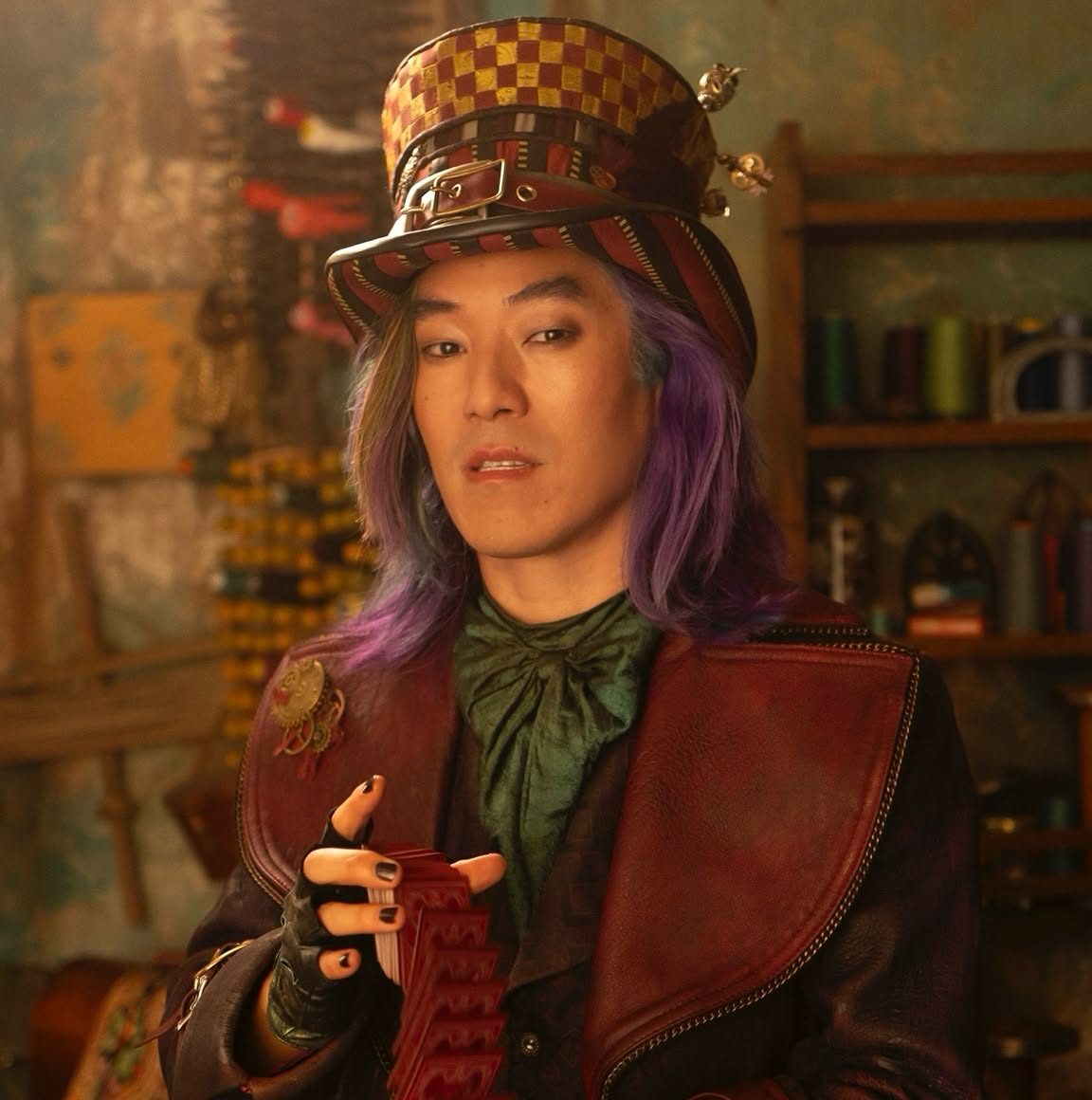
The best way to describe Leonardo Nam, who plays villain Maddox Hatter in Descendants: Wicked Wonderland, is joyfully chaotic. From the jump, he’s sweet, charming, and upbeat. A South Korean born in Argentina and raised in Australia, he’s got a delicious accent and an even better demeanor.
He’s an LA resident, actor, and producer with credits including HBO’s Westworld, Marvel’s Werewolf by Night, Netflix’s Yes Day, The Sisterhood of the Traveling Pants franchise, and The Fast and the Furious: Tokyo Drift. He’s also a husband and father.
His character of Maddox goes from fan favorite to villain and returns as the antagonist in Descendants: Wicked Wonderland. He joins other queer icons who have played villains in the franchise, including Kristen Chenoweth, Cheyenne Jackson, Kathy Najimy and Jamal Sims.
Nam took some time to discuss everything from parenting to Disney to his current villain status.
How do you feel about rejoining the franchise?
LN: Oh, my goodness, I am absolutely loving being part of this franchise again. You know, from the very get-go, I was so grateful that I got to play in the sandbox with Disney and they invited me in. It’s a place where anything goes. Imagination lives here. Then to jump through the rabbit hole into another universe, and to play in Wonderland in this way was just like just delicious, excellent. I loved it
What does it feel like being out, you know, queer person working on a Disney project?
Oh, it feels wonderful to be able to sit here with you right now and to have brought my family to the premiere. That was really important for me. Anyone who’s doing anything in their life that they pour their heart and soul into, it’s really wonderful when you’re able to share that with family, with friends, and with the community.
It was just such a wonderful experience. I’ve got twin boys. My kids are now 9, so they’re kind of right in the pocket of where this hits home for them. I remember when I was 9, watching Disney films and resonating with them, and dreaming about being in this whole new world, and what have you. It’s just so wonderful to share it.
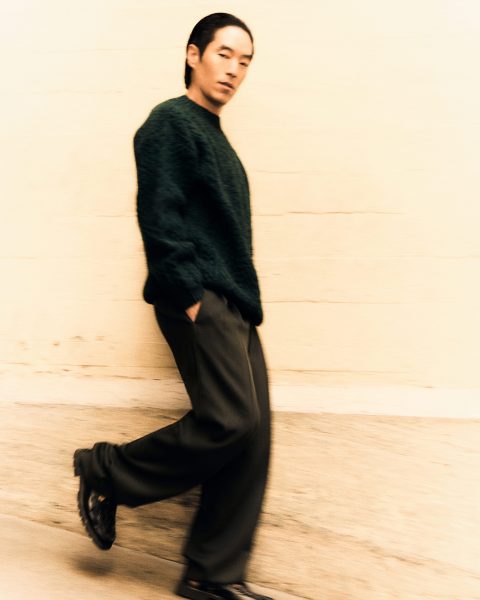
How did it feel to play a villain?
Are you kidding me? That’s just so delicious to play as an actor, you know? When I read a script, and there is a line that references an evil kind of mustache-twirling kind of vibe, everyone is referencing a Disney villain like they’re mocking it, or having fun with it, or being ironic about it. Everyone is referencing an OG Disney villain
Now, to be a Disney villain and to have a villain song is a dream come true. This is so extra for me, and to be able to share this right now in 2026 with my family right now where I am, it feels kind of magical in a way.
So as a father and playing a father, do you feel like you brought anything from home to the role?
I think you bring some of you to every role. I’m so lucky that I get to play in a world with the work that I do with such imagination and also so much heart. And one thing I love about this franchise is that they really boil things down to love and family.
So I felt like, as a father, doing this role was kind of unique. Like I said, my kids are in that right age right now, where I find myself, finding ways of having to really love and celebrate them, and trying to make them feel they belong and that they have a reason and a purpose to live even through the hard times. How to still love and cherish the relationships that you have, and that even though there are things in your life that you may not like or right now seem hard, that it’s not where you stay. It’s not where you’re stuck.
And I think that this movie kind of amplifies that.
On the flip side, was there anything you brought home from your role?
Singing was something I never thought I was going to do in my life. I was kicked out of choir. I definitely had that trauma, and when I knew I was going to sing this song… my kids were upstairs while I was rehearsing in this office, and they would always say to me, “What are you doing?”
Now, after filming it and really facing that fear, looking to transform it through creativity and through the actual work, I came back thinking, hey man, I can do scary things. No matter what, I know I tried my absolute best; I gave it my all, and I’m so glad and grateful that I did, you know? It definitely gave me that sense of like, hey, I can do it even if it scares me; I can do it
There’s a lot of queer icons who played villains in Descendants. Why do you think that is?
First of all, massive, massive, massive fan of the franchise as well. They bring in such quality people, so it feels wonderful to be welcomed into this playground with these greats. And I think a villain can be very theatrical and there can be moments of flamboyance and exaggeration and really, you know, diving into something headfirst.
And I think people, perhaps this is what I resonate with, is that they’ve been an outsider, and they’re finding their way into who they are within this journey. I think that there is a lot that people resonate with, with being an outsider and either the redemption arc or some sort of journey to finding themselves.
Who’s your favorite Disney villain?
That’s a hard one. I mean, I love Ursula; man, it’s a toss-up between her and Scar
Scar is a character that I really took a lot from. I really learned to fall in love again with The Lion King and Scar.
Do you have any message to any LGBTQ Disney fans?
Thank you. I so love being part of this community and in this Disney world. It’s my first entry into it through this franchise. I just absolutely love, love, love being embraced so warmly. And so, if someone else finds some sort of a wonderful kind of being able to see themselves on screen, you know, reflected back to them, I just am so grateful that it can even exist, and I can be a part of that.
You have a pretty great life. Do you have any encouraging words for our readers?
Everyone has their own journey, and I never thought in my wildest dreams that this is a reality that I would be living in: happily married, I have kids with my husband, and we live in LA, and I’m doing this film. I never thought something like this would happen.
I am really grateful that I have continued to say yes to myself and continue to show up even when I am afraid to show up anyway. One thing I know that is true is that together we are stronger. So continue to build community, continue to make friends, continue to link arms with friends and even with strangers, because it’s important that you have a community out there, because when things do get hotter, you are able to rely on these friendships. No one is supposed to figure it out on their own, and I’ve been very lucky and blessed to have such wonderful family and friends and a community that I can rely on and have relied on.
Is there anything else you’re working on?
I recently started a production company, and it’s called Good On Ya, and it comes from an Aussie saying, you know, when someone slaps you on the back says Good on ya, I got your back you know, and so this is really my way of having my own back and amplifying the voices and the stories that I see that are important. And so does that mean that every story is going to be me in it? No, but it does mean that I get to have a say in how this world is created or what this character does and how that is truthful to what I know. And so I’m really excited about that journey. I have a show in development, and then I have another film called A Vintage Crime, and it’s about the largest wine heist in FBI history, and it’s a true crime.
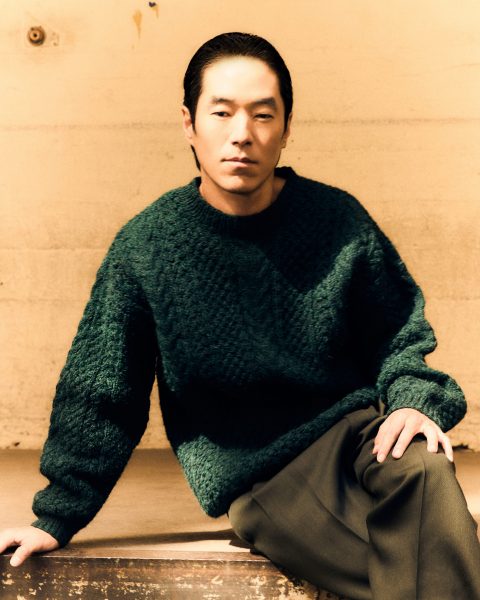
You can check out Leonardo’s performance as Maddox Hatter in Descendants: The Rise of Red and see his turn as a villain in Descendants: Wicked Wonderland, and keep up with him on Instagram.
a&e features
Jason DePuy dishes on his time on ‘Big Brother’ and how the community came out to support
Known as a messy player in the house, DePuy often had to fight to stay positive and stand up for himself.
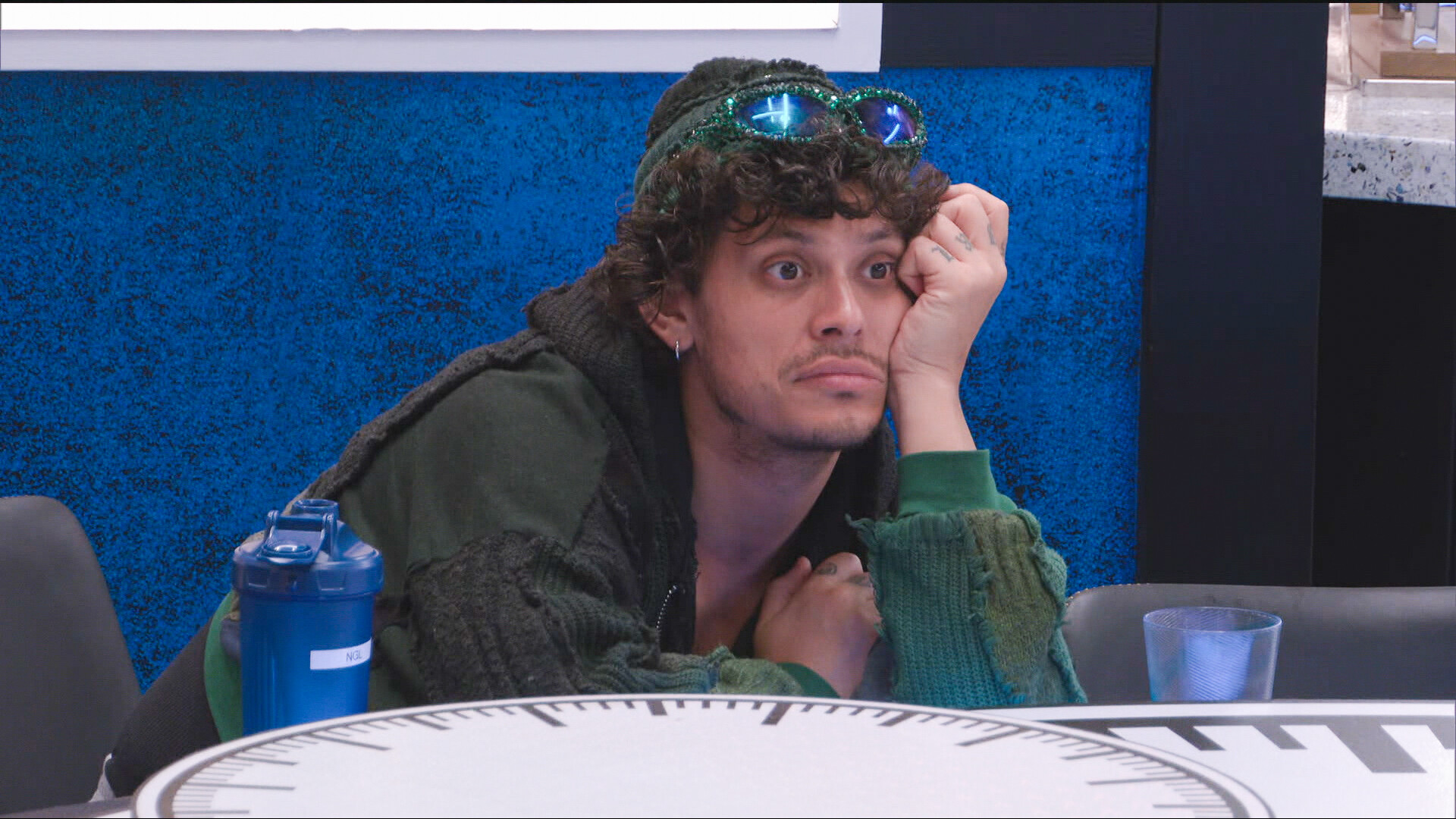
One week after Jason DePuy (known as Salina EsTitties on RuPaul’s Drag Race) was bullied and eventually evicted from CBS’s Big Brother house, the queer drag performer is still emotionally processing his feelings.
During his 24 days in the reality TV competition, De Puy often had a rough time, with fellow cast member Kamuela “Kamu” Kirk making homophobic comments and feeling isolated.
In a conversation with Head of Household Rick Devens, Kirk left viewers upset when he said, “Bro, miss me with the drag stuff. Miss me. I’m still an MMA guy, and I have an image to uphold.”
Former Big Brother contestant Frankie Grande called his words ‘homophobic’ and ‘gross.’ Another comment, where Kirk said he wanted to end DePuy’s career, also received strong backlash online.
Now that he is out of the house, DePuy has been shocked and deeply touched by the love from Big Brother fans and former contestants. We chatted with DePuy for this Blade exclusive.
“To know that my community was rallying for me outside the house was the most wonderful thing. Seeing how much people were just wanting to shower me with love was incredible. Even my friends, I went to say hi and give them a hug, and they’re like, ‘Uh, uh, come here.’ They had to hold me and let me know America was feeling for me in a way that I had no idea.”
He added: “To see that reality was just overwhelming, and I couldn’t ask for more.”
Known as a messy player in the house, DePuy often had to fight to stay positive and stand up for himself.
“No one was coming to my rescue. In real life, it’s easy to block people, but in the house, I didn’t have that luxury, so I had to find it within myself to learn how to speak up for myself in a way that wasn’t nasty or biting. I didn’t attack anyone personally, which is what I was the most proud of.”
DePuy acknowledged he has had a history of putting his foot in his mouth when it came to certain Drag Race moments, being in the public eye, and making a fool of himself. “I’ve learned my lessons; to see how I handled myself in the Big Brother house was amazing.”
While DePuy has been sober for 14 and a half years and has a strong spiritual foundation, in the Big Brother house, he often felt like he couldn’t communicate what he was feeling.
“As a queer person, a person of color, a drag queen, I have to be very careful about how I move. I don’t have the luxury or privilege to just act a certain way or say a certain thing. I have to be very careful; I’m representing me. But who I am is a Latino, a person of recovery, a drag queen, a queer person in the community. I know that there’s a lot of pressure that comes with that. I felt it was safer for me to sit there and just breathe than try to do anything crazy.”
He continued: “I couldn’t speak to the personal attack that was happening in the house, because in my mind I was like, ‘no, this is a game, and I have to play it, put that aside.’”
Not only can viewers watch the episodes, but they can also watch the live feeds of what’s happening. Seeing the fans’ social media posts from people who had watched the episodes and the live feeds also contributed to DePuy realizing that his feelings of discomfort were valid.
“To know that I wasn’t delusional in those moments, that others could see what was happening, has been a lot to take in. Fans and friends let me know the comments made went beyond the game…I’m like, ‘Oh, so my instincts were correct.”
One of the most poignant moments on the live feeds occurred when DePuy was crying, alone in his room, and said how he missed his gay community.
“I really missed my friends. I missed my queer community. We’re so colorful. We’re so loud. We’re so vibrant. We speak off the cuff, and we’re very truthful and honest with how we speak, and it’s fun. We have fun lingo.”
DePuy had to censor his expressions in the house. “Because I can say one thing, but it can mean something different to straight people than it does with my queer brothers and sisters. So, there was a sense of code-switching that I had to do. I had to even put aside some of my queerness in a way sometimes to fit in.”
DePuy was thrilled to be the very first drag queen to ever be cast on the show.
“I’m honored to have been chosen. There’s a million drag queens out there, and to know that I was a contender to come in the house and not even be in drag was like a wow for me. I’m over here in Hollywood, running around these streets with a wig and heels just to make a dollar to survive, and I have to rely on drag to do that. And then to be offered this opportunity and be given the privilege to say, ‘hey, you don’t have to put on the wig for you to be valuable here,’ is just insane to me.”
Prior to his shows, DePuy has been hustling for 15 years, flipping burgers and doing drag at night.
“That has been my life these past since I was 17. So it’s been a long journey; the opportunity to do this out of drag is a very big blessing. I’m honored and grateful to be the representation of my community.”
If you missed Jason on Big Brother: Unlocked, the episode can be seen on CBS.com. He will be back on the show for the finale.
a&e features
What ‘Queer Eye for the Straight Guy’ can still teach us today
‘Queer Eye’ and ‘House of Stassi’ producer David Collins on the lasting impact of the hit series.
It’s hard to imagine where LGBTQ+ television would be without Queer Eye for the Straight Guy, the trailblazing reality series that premiered in 2003.
Each episode of this Emmy-winning show saw a group of gays converge on a struggling man — the titular straight guy — and offer nonstop wit while organizing his endlessly messy life. This program about a group of homosexual helpers took the world by storm, furthering the love of gay television begun by shows like Will and Grace but bringing it into the growing medium of reality TV. Of course, it wasn’t perfect; Queer Eye for the Straight Guy often cast its experts less as multi-faceted queer folks and more as sources of early 2000s gay jokes. But despite these pitfalls, it’s undeniable that the original program explored the realities of being gay in a way audiences had never seen before. It was a monumental piece of LGBTQ+ representation, and its success is largely owed to the man who fought to get this show made: producer David Collins.
Collins spoke with the LA Blade from his Los Angeles home, where he’s spent the past few years living with his husband and his two daughters. David spoke fondly of his many years in this industry, detailing how it feels to be such a huge part of LGBTQ+ history. He explained, however, that he didn’t initially set out to alter how queer people were seen on television. “I never went out to make gay television,” said the producer. “I went out to tell great stories.”
“I’m a hillbilly from Ohio, and I thought I was going to be an editor,” David laughed, looking back on his career. “I interned at the Cincinnati Film Office, and I showed up to work my very first day, and the film commissioner was like, ‘Get to the airport right now and pick [someone] up. Don’t talk to them.’ Well, I ended up picking up Jodie Foster!” Collins raved about this car ride that changed his life, with the pair becoming friends and Foster pushing him to become a producer who puts their own media out into the world. Eventually, he did just that, and after learning about the wild new genre that was reality TV, he pitched a series to Bravo: Queer Eye for the Straight Guy.
“I was obsessed with Esquire magazine, and they had five categories: fashion, grooming, interior design, culture, food, and wine. So I gave them each a gay, and the Fab Five were born!” Collins said, describing how viewers quickly fell in love with the concept and earned the program four seasons and an Emmy for Outstanding Reality Program. He spoke about how proud he felt creating a show that centered real gay people, not characters in a story, remembering, “To stand in the middle of Times Square and look up and see this massive billboard with the original Queer Eye guys…it wasn’t even a dream come true, because it wasn’t a dream I had even fathomed.”
With his series, people were watching actual gay men and learning the realities of a queer culture that had always been portrayed as a danger to society. Collins tearfully recounted hearing about queer people using the show as a way to connect with their family, saying, “What I’m most proud of that’s come out of Queer Eye [are] the conversations that that series has allowed to have people around their kitchen tables with little boys in Ohio like me who were scared to death that they were going to burn in hell because their pastor was telling them that they were a sinner.”
Now, for all of its trailblazing, the program wasn’t wholly positive; the show’s focus on the central ‘straight guy’ meant it rarely delved into the lives of its Fab Five. Collins regretted that lack of depth but understood that earlier audiences weren’t accustomed to such a nuanced look into queerness — that would have to wait til the reboot.
When Queer Eye came out in 2018, audiences were introduced to not only a new Fab Five, but a whole new format (that didn’t rely on a straight person). Now, the series would assist queer folks and allies alike, spotlighting these individuals as well as the queer experts helping them improve their lives. The show has been applauded for its amazing makeovers, but where it truly stands out is its representation, offering a look into individuals across the country and the struggles — along with the immense joys — of being queer in America today.
Fans were disappointed to hear that Queer Eye would be ending after its tenth season, but David stressed that they wouldn’t have to be sad for long. “What I will say to you is this: hang tight,” he teased. “There’s yet another version of Queer Eye to come, and we’re working on that now.” In the meantime, Collins is continuing his work with new shows like the House of Stassi, a series centered on Vanderpump Rules’ prolific waitress. He’s excited about these new projects, but emphasized that his heart will always belong to Queer Eye for the Straight Guy and all that it continues to do for viewers 19 years after its finale.
“It’s not about your new outfit or your new couch or your new whatever. It’s about your humanity,” said Collins, speaking about the core lesson he hopes people take away from the Queer Eye franchise. “It’s about seeing yourself. It’s about dignity. It’s about how confidence breeds success.”
A valuable message that queer folks can benefit from even more now than they did in 2003. And, while it’s unclear just what lies ahead for this franchise, one thing is for sure: Queer Eye for the Straight Guy helped people everywhere understand the power that exists within our queerness. It’s a truth that has impacted countless pieces of LGBTQ+ television today, and it’s one that Collins promises to keep alive through whatever hit show he creates next.
a&e features
Tello Films opens the door to Christmas in July
With ‘The Christmas Writer’ leading its July catalog, Tello Films wants audiences to feel cozy in the summer heat

Tello Films is treating July like one long advent calendar, opening the door to a catalog of LGBTQ+ holiday romance. So sit back, drink some hot cocoa, grab a blanket, and visit the world of LGBTQ+ holiday romance.
The enduring LGBTQ+ streaming platform is celebrating “Christmas in July” by revisiting its holiday catalog, with the 2025 sapphic rom-com The Christmas Writer at the forefront. The film follows Noel Robbins, a renowned lesbian Christmas author, who struggles with grief, loss, and writer’s block surrounding the holidays. Along the way, she meets Callie, who helps her rediscover her passion for writing – and for helping her move forward.
For Tello Films founder and CEO Christin Baker, the company’s holiday catalog began with a mission: to address what was missing in seasonal entertainment. “The biggest thing that was missing was lesbian leads,” Baker tells the Blade. “We existed in holiday movies, but we were usually side characters of part of a family ensemble.”
Baker makes it clear that, although lesbians appeared in holiday films, they remained largely absent from the romantic leads at their center. Drawing from her own experience, she explains to the Blade why this inclusion matters: “Those familiar holiday rom-com tropes are comforting for a reason, and our community deserved to see ourselves in those stories too.”
The Christmas Writer, however, also explores the difficulty of being boxed into a particular kind of storytelling. For example, the film highlights how Noel feels trapped by the expectation that she must continue writing Christmas romances even as grief prevents her from writing. Baker explains that Noel’s desire to move beyond an established creative identity mirrors her own experiences with Tello.
“I absolutely love a great lesbian Christmas rom-com, and I’m incredibly proud of what we’ve built at Tello. But I also love thrillers,” Baker said. “I’ve made a few lesbian thrillers that didn’t perform nearly as well as our holiday films, and I’ll admit that was frustrating. It can feel like audiences – and sometimes the industry – want you to stay in the lane you’ve become known for, even when you have other stories you’re passionate about telling.”
The tension may feel familiar to LGBTQ+ audiences accustomed to labels that come with expectations about how they should act or what they should create. Although Baker has found it difficult to move beyond the genre for which Tello is best known, she continues pursuing other creative interests – even when those projects attract smaller audiences. Still, that frustration does not diminish the significance of the holiday catalog she has built.
Tello has developed what it describes as “the largest collection of lesbian holiday films available on any streaming service.” Its catalog includes A Holiday I Do, Christmas at the Ranch, Merry & Gay, The Holiday Club, Last ExMas, and many other seasonal titles.
Part of the appeal of Baker’s films is that their plots do not center on whether others will accept the characters’ identities. LGBTQ+ films are typically associated with stories of rejection and conflict surrounding sexuality. Instead, Baker intentionally creates worlds in which the LGBTQ+ community is already accepted. “The conflict isn’t that someone is lesbian or nonbinary,” Baker says, “Their mom accepts them. Their grandmother accepts them. Their town accepts them… I want audiences to experience what it feels like to be embraced without conditions, even if it’s just for the length of a movie.”
Tello also expands representation to aspiring writers – even those who have been rejected by studios. According to Baker, all of the platform’s holiday romantic comedies originated with a new writer rather than an established screenwriter with easy access to a studio. “A studio executive may never read their script. At Tello, that’s exactly whose script we want to read.”
Baker is especially proud that Tello has pursued a mission distinct from Hollywood: “One thing I’m incredibly proud of is that Tello has never tried to compete with Hollywood.” The familiar formula remains, but the platform uses it to create opportunities for filmmakers – and for communities the entertainment industry has historically overlooked.
As July gives way to August, Tello’s holiday catalog offers more than a simple escape from the summer heat. It imagines a snowy world in which LGBTQ+ audiences can find representation on screen and opportunities to tell their own stories behind it.
“That’s what Tello has always been about: giving our community not just representation on screen, but a pathway behind the camera as writers, directors, and filmmakers.”
Check out Christmas in July at www.TelloFilms.com.
a&e features
Ellen Greene returns to ‘Little Shop of Horrors’ for the film’s 40th anniversary
Ellen Greene reflects on her role as Audrey and her support and activism for the LGBTQ community, which started at the beginning of her career
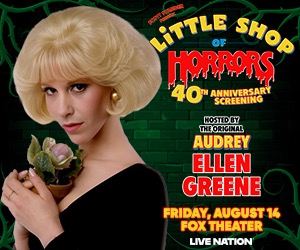
It is 40 years since the release of the movie version of the Off-Broadway show, Little Shop of Horrors. To celebrate the 40th Anniversary, Ellen Greene, who of course originated the role of Audrey, is embarking on a nationwide tour, arriving in Riverside, CA at the Fox Performing Arts Center on Friday, August 14. The evening will include a screening of the film preceded by a Q&A with Ms. Greene and a performance of the enduring hit, “Somewhere That’s Green.”
It is not difficult to appreciate why Ellen Greene was the perfect choice for Audrey or why the character has such an enduring appeal to audiences and, maybe more so, LGBTQ+ fans. It would be easy to underestimate or dismiss Audrey as a simpleton and victim. Yet, the character is “way more complicated than that,” according to Greene. “She’s been engaged in life, she’s seen stuff, and she’s not someone who hasn’t been around. She knows what it’s like to be different, to feel shunned and not part of a plural. So, I guess, you know, like minds attract. Audrey is seeking love, but life has told her she doesn’t deserve it. But she’s kind and talented and compassionate and appreciates people for who they are.” There appears to be a lot of Greene imbued in Audrey.
Greene has been an active and devoted ally to the LGBTQ+ community for decades. In fact, I first met her when she agreed to do a benefit for Los Angeles’ LGBTQ+ theatre company, Celebration Theatre, twelve years ago. When reminded about it, she recalled all the details without hesitation. “Well, doing that was a great memory for me.” She went on to recall that her support and activism started at the beginning of her career. “My first friend in New York happened to be gay (back in 1972). And, so many of the people around me from the beginning of my career were gay men. My first job was a bus and truck (show) where I learned several important things that I am not going to go into!” She described meeting and working with so many gay men, “all of the gigantic talents, all of these people that nobody knows, but to me they were huge and magnificent.” And then, in the 1980s, the AIDS crisis emerged and one by one she found herself having to be there for her friends, to care for them, to accompany them, just be there or help them. “It’s made me aware of how important it is to appreciate, to be kind and be loving and tell and show people who matter to me how much I cherish them.”
Not many actors have originated a role in an Off-Broadway or Broadway musical, never mind one that also appears on the big screen or endures for 40 years. In fact, Little Shop of Horrors is currently experiencing another life at the Westside Theatre in NYC. Ellen shared with us some thoughts and memories about playing Audrey and making the film after so many years.
Tell us about creating Audrey, and did you change anything for the film?
Uh, well, first off, a lot! I always do instinct first, so it’s how it feels to be the character inside, to create a soul. It becomes a presence in my body, and so you see what comes out as a result. Audrey is also a sexual being. The first Audreyism that comes out in the film is the squeak. That came out of a rehearsal with my original Seymour when he said something differently, and it came out of me in response. In the play, Audrey often plays things bigger because she’s performing to the audience. In the film, she’s playing to Seymour (or the other characters), so this was more revealing and intimate and shows how she reacts to him as a sexual being. Then, when we did “Somewhere That’s Green,” it goes into her dream of a home and family and what makes a house a home. You get to see the child inside with the dream of what a happy life looks like for her as a woman.
What was it like working with the creative team behind the film?
There was so much British talent behind the scenes! We filmed it at Pinewood Studios. Frank (Oz, the Director) was very kind to me. He let me be there on set, so I got to see things like Levi Stubbs recording. It created a camaraderie over the 9 months of hard work. Paul Anglin did my makeup. He started out trying the usual heroine makeup, but we wound up using the stage makeup because he didn’t feel the usual was playing right. The crew was just stunning. A valuable thing I learned in the theatre was leaving your ego at the door. On a film, you do your little job, and everyone is a cog in a big wheel, so everyone is important. When you have so much talent, special things happen. Working with Alan (Menken) and, of course, Howard (Ashman, who died of AIDS-related complications in 1991) was special. Howard was one of the last “book writers.” He knew what he did, he did well. He was a writer, he was a director, and he was a lyricist. And he was very smart, and he was one of my dearest friends, and one of the wonderful things about this tour and about people loving Little Shop, it’s like that bell rings and you remember he’s an angel and he got his wings.
The movie has an incredible cast. Can you share what it was like to be a part of this cast?
Unbelievable! It helped that I knew many of them. John Candy. Oh my God. I did his last film. And SCTV. Rick Moranis, he was wonderful and funny. And Tichina (Arnold), Tisha (Campbell) and Michelle (Weeks) were all so young. And I took them under my wing, and I love them, and they were so great to sing to. During “Suddenly Seymour,” I know I’m singing to Rick, but I was also singing to the girls. Singing in the opening shot was so magical, and they were amazing. Then there’s Vincent Gardenia, the best Mushnik ever. He was just the kindest. He was so great in the role and so great to work with. All the minor characters, John Candy, Jim Belushi, Steve Martin! Amazing talents. Steve and I became great friends. He’s a brilliant talent. He knew me from before; he saw me in the play when he came with Mary Tyler Moore!
Any last thoughts about the legacy of Little Shop of Horrors as you embark on the 40th Anniversary Tour and why audiences continue to connect to this story?
It’s really a story that we can all relate to. We relate to these characters, this mystical, magical world full of whimsy that seems very simple but is complex, and it has deep underpinnings that reflect our own lives. Yes, it’s larger than life, but these people are real, and we all desire the same things. We don’t want to be treated badly or abused. We want to have a place where we feel comfortable and can be our authentic selves. Be loved and to love and to have a nest that feels like home.
Somewhere That’s Green.
Little Shop of Horrors 40th Anniversary Screening
Fri • Aug 14, 2026 • 7:00 PM Fox Performing Arts Center, Riverside, CA
a&e features
Laverne Cox Is ‘Transcendent’ At Madame Tussauds Hollywood
The actress/activist celebrates her new book with her history-making statue
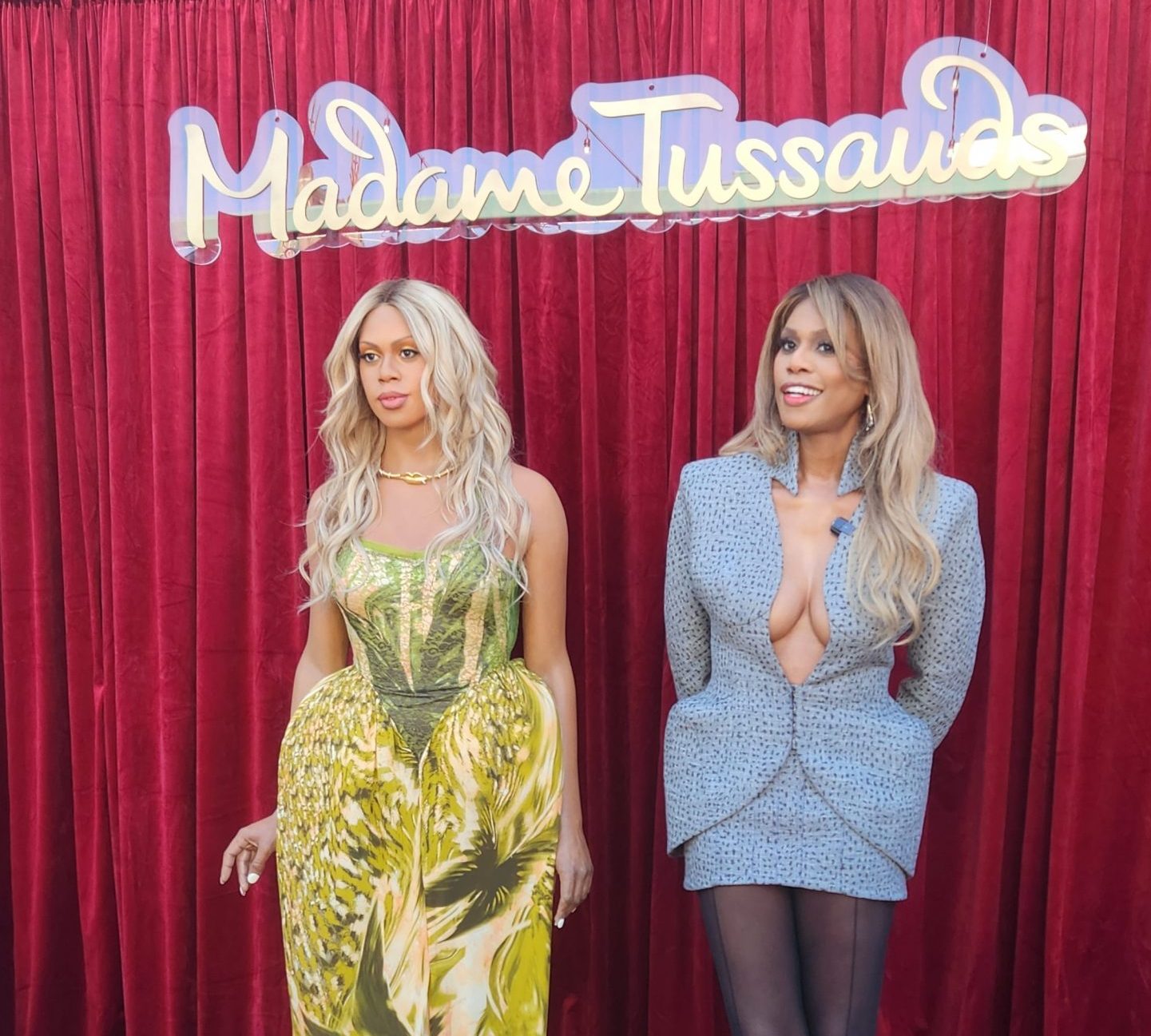
At this point, Laverne Cox has made history countless times. The Orange Is the New Black star was the first trans woman to get nominated for an Emmy (as an actor), subsequently win an Emmy, and become a series regular. She is also the first transgender person to receive a wax figure at international celebrity haven Madame Tussauds.
Now she’s poised to share her history with a memoir, the aptly titled Transcendent. We were on the scene as she celebrated this last Pride with Madame Tussauds, which unveiled her statue now with a fresh outfit and held an exclusive signing at their rooftop restaurant and bar. That’s right, you can dine with statues of Zendaya, Leonardo DiCaprio, and Will Smith.
She took time to talk with the Blade about everything from the writing process to Pride, and in true Laverne Cox fashion, was able to quickly list off important anti-trans legislation, quote bell hooks, and offer inspiring words of wisdom.
Watching Cox meet her wax figure, now decked out in the Collina Estrada gown she wore to the 2022 People’s Choice Awards, was an introduction to the dynamic icon that Cox is. She makes a joke about being 10 pounds thinner after the 10 years since her statue was first released. She quickly follows up with, “I’ve internalized my own fat phobia. It’s about embracing the parts of me that are not perfect. I wasted so much time being hard on myself. I could have just been living life.”
Cox is a testament to the power of words and the importance of intersectionality. It’s never lost on her that her platform is an opportunity to speak truth to power. She’s also just authentically herself as she quips, “I was not going to send them anything from my Mugler collection.” The actress was decked out in Mugler and famously collects fashions by French designer Thierry Mugler.
“It’s hard to put into words. All these things people don’t know about me are now in print. It’s all out there and not about my ego.” Cox adds. “That is incredibly humbling. Me being humble is the best possible thing. It makes me right-sized. How my life can be of service to someone else, this is the biggest reminder of that.”
Her special Pride message to the community was educational and nuanced. Cox is always quick to put things into a political context, which, given where we are, is important. She starts,
“It’s rough right now. This regime is attempting to take away a lot of rights of LGBTQIA plus people. Overnight, 1700 or so trans people in Kansas found out their driver’s licenses were no longer valid because they’re trans. They had to get new IDs that reflected the gender they were assigned at birth. IDS actually should reflect who you are.”
“I’m old enough to remember when trans people weren’t able to change their passports, and the nightmares that I heard from trans people when they would travel, they were like, ‘Well, this says male, and you’re a woman. What’s going on?’ And the horrors of being strip-searched, being accosted, and arrested. So there’s like lots of dangers.”
She was quick to highlight the importance of this in a historical context. She adds, “There are over 1000 anti-trans bills that were introduced on a federal level, and over 700 that were introduced on the state level in 2025 alone. Trans Legislation Tracker is a great website for people who ask what laws, what policies.”
After the important historical and political context she brings it back, “So the message for the fam is that we are built from resilience, we are built from a legacy of ancestors who, in the face of all kinds of discrimination, all kinds of criminalization, found a way to be there for each other, found a way to access healthcare legally or by other means, and we created underground railroads of resources. We were there for each other, and we found a way to be joyous to create some of the most amazing culture the world has seen in the face of all kinds of discrimination; that’s our legacy.”
“So we should remember that we’re resilient people and we’re gonna get through this and we have to do it together, and whenever I think about that, I’m invigorated.” There’s a fundamentally hopeful spiritual tone to much of Cox’s words. She’s always been the type to educate and illuminate, but her hope for the future and her joy are palpable. Could it be the transcendent nature of writing a memoir?
About the title of her book, Cox adds, “I was a freshman in high school, and discovered the concept of transcendentalism. I was like, ‘This is cool. This is what I’ve been going through my whole life.’ Transcend other people’s expectations or limitations that they may put on me because of where I was born, what I was assigned at birth, because I was black, because I was working class.”
Cox explains more of the spiritual context: “I want to transcend. It is a very spiritual thing for me. When you peel away all the armor and all defenses that I’ve put up to survive. Yes, identity is important because of history, Race matters, gender matters, sexual orientation matters because of oppression in politics. But we are all spirits beyond all this stuff, and for me, I want to exist in that anointed, transcendent space beyond all of these categories.”
Ever the mindful orator, she’s quick to clarify that this transcendence is not at the expense of her identity; she continues, “I love my blackness, my transness, not because of the historical context of it, but because of the community of it. God, to be black and trans at the same time is iconic. All of black trans lingo is mainstream now, like, and just so many other things. It’s iconic to be black and trans from a historical perspective, from a community perspective. I’m also more than that. That transcendent anointed spirit is what it’s about, you know?”
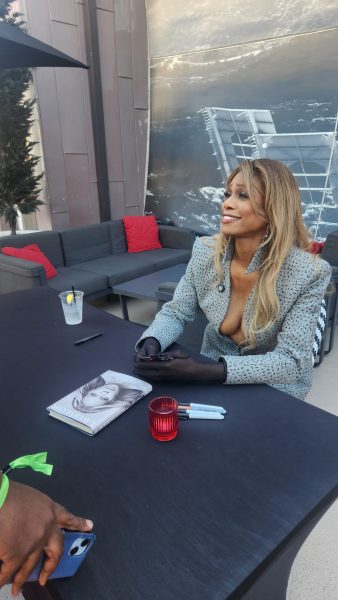
Despite her career in acting, Cox has always wielded her words with the precision of the perfect intersection of a diplomat, professor, and an Olivia Pope-level PR executive. When asked about the power of words, she shares, “One of my favorite quotes from bell hooks is from her book, Yearning; it’s ‘language is also a place of struggle.’ …The oppressed struggle with language to find ourselves, and our words are not without meaning; they’re an action, a resistance. So language is so powerful, and when we can be exacting and precise with language, it can be something that’s very liberatory and really free.” It’s worth noting that she quoted the entire paragraph from hooks.
She adds, “I remember finally embracing the word trans, which I talk about in the book, how liberating it was for me to finally not be running from who I was, who I knew I was my entire life, but just being in a space of acceptance that language gave me. Accepting that language for myself gave me freedom, a clarity that I didn’t really have before.”
So what was the writing process like for such a gifted speaker? “Torture. That’s my one-word answer. It was torturous, because I didn’t want to write a book and not talk about what really happened and how difficult it was, particularly my childhood, and I didn’t want to bs if I was going to write a memoir.”
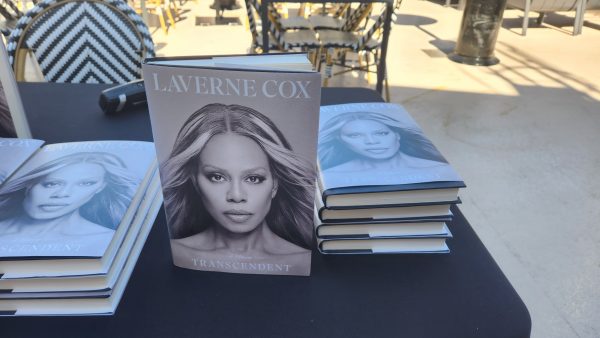
Despite the toil of writing the book, she’s happy it’s able to help the people who read it. She adds, “But now that the book is out and people are reading, and I’ve gotten so many messages from friends, acquaintances, colleagues over the years who’ve read it in two days, and like they were like, I cried, you know, and I was so moved, I couldn’t put it down. I connected because of this part of your story or that part of your story, and it’s just, and it’s giving some people language for things that they went through in their childhood, like dissociation, that they didn’t have the language for, and that’s really cool.”
Her parting words, like so many that she shares, are inspirational: “In these times, getting to share space with my people is so revitalizing. The love we have for outsiders and justice and freedom is everything.”
Transcendent is now available for purchase, and her revamped statue is on display at Madame Tussauds Hollywood.
a&e features
OutfestNEXT shows us the true power of queer cinema
Outfest promises a new lineup of revolutionary LGBTQ+ films at this year’s festival
When Nicole Kidman said ‘We come to this place for magic,’ she was referring to queer cinema.
From John Waters to The Watermelon Woman, since the film industry began, queer artists have used this medium as a way to amplify their stories. This definitely wasn’t an easy task — in fact, for half of the industry’s existence, portraying our communities onscreen would have been considered a felony. Yet these storytellers risked their safety to ensure others had the representation they needed. It’s because of them that viewers today can see their identities in the media, with every project contributing to the ongoing fight for LGBTQ+ rights.
Each of these early queer artists showed the power that comes from making your dreams a reality (even when you have an entire government telling you to stop). They established a legacy of radical representation in film, one that audiences can see firsthand every year at the OutfestNEXT film festival.
Founded in 1983, Outfest has always fought to give LGBTQ+ filmmakers the opportunities they’re so often denied. The organization does this in many ways, from educational programs to local screenings, but there’s one event that has come to define their advocacy: OutfestNEXT. An annual film festival for LGBTQ+ films and the people who love them, the LA Blade spoke with Interim Executive Director Christopher Racster as he prepared for the 2026 iteration. He beamed throughout the conversation, excitedly discussing the many projects they’d be screening this year and the surprises his team has in store. He grew more serious as he spoke about the attacks LGBTQ+ media has seen in recent years, but he also wanted to make one thing clear: making queer film has never been easy.
It has always required a willingness to fight against hatred and a fearless commitment to authentic storytelling. A commitment that the Outfest staff try to embody every single day, especially right now as they prepare to do more for LGBTQ+ creatives than they ever have before.
“It’s tough to get your film made — it’s tougher when you’re queer,” began Racster, as he spoke about the role Outfest plays for LGBTQ+ artists. “That’s why we continue to invest in filmmaker education and mentoring. Part of our job is to help break down those barriers for you.” It’s an issue marginalized creators know well; social discrimination has always made inclusive filmmaking an uphill battle, one that has only worsened as we’ve seen a rise in hateful rhetoric online and in politics. And especially in 2026, as big studios routinely refuse to take chances on new, diverse voices, it’s becoming harder and harder for underserved artists to make the movies their communities need to see.
Enter Outfest, a yearly festival that brings together thousands of queer film aficionados for a deserved spotlight on these LGBTQ+ stories. Every event promises an exciting lineup of powerful films, and this one is no different; Racster raved about the many features his team was honored to select for the 2026 program. From a time-traveling coming-of-age drama, to a documentary on WNBA player Brittney Griner and her experience as a Russian prisoner, to a mind-bending sex comedy, each offers a unique perspective that viewers couldn’t have experienced otherwise. Christopher spoke excitedly about these and the many other films that would be screened this year, emphasizing how he hopes they’ll move new viewers as much as they’ve moved him.
And that, the Director emphasized, is at the core of not only this festival, but all of Outfest as an organization: the impact of queer film.
The past few years have seen an alarming dip in representation, a hate-fueled shift that has left many queer viewers worried. These depictions aren’t only chances for LGBTQ+ people to see their identities onscreen — although that is absolutely vital — but for society at large to better understand communities outside of their own. This is why Racster and all of Outfest work so diligently throughout the year, with the Director explaining, “Queer film has played the role of making people feel safe and seen when the rest of the world is not safe…[so] if people are going to push back, we have to push back harder.”
“We have to make sure that we are advocating for our storytellers…making sure that we are doing everything we can to afford opportunity for these people, both in front of and behind the screen.”
OutfestNEXT is a powerful tool against these attempts at erasure we’re seeing every day. Christopher Racster spoke about how honored he was to have a hand in creating this influential program, and how Outfest works year-round to assist the artists continuing this fight that early queer filmmakers began so many years ago. Above all else, though, when it came to this festival, Christopher feels that there’s one goal at the center of it, saying, “The real focus for us is joy.”
“We want to create a space where there is some joy and some celebration, both in terms of the films we’re showing and sharing, but also in terms of that opportunity for everybody to really come together and, you know, be in this safe third space that is about celebrating ourselves and each other.” At that, the man smiled, clearly thinking not only about what’s planned for this upcoming OutfestNEXT, but the many great things he and his team are preparing for after.
“There’s still much more to come throughout the rest of the year…and that’s what makes this job so, so much fun.”
OutfestNEXT 2026 will be held July 23-26 at the Los Angeles LGBT Center Renberg Theater and Micro Cinema. You can get your tickets here.

Music icon and dear LGBTQ+ friend Dolly Parton remembered

New data shows record-high LGBTQ+ population amid Trump attacks

Dolly Parton dies at 80

Get ‘Gritty In Pink’ this Thursday, August 27

Monument to LGBTQ+ Canadians officially unveiled

Celebrating 40 years of ‘Being Alive’

REACH LA: Where community, culture, and liberation kiki

Two awesome, affordable rides

Proposed Indian foreign funding law overhaul could further pressure LGBTQ+ groups

When home becomes a journey: migration, memory, and the African diaspora
-
 Features3 days ago
Celebrating 40 years of ‘Being Alive’
-
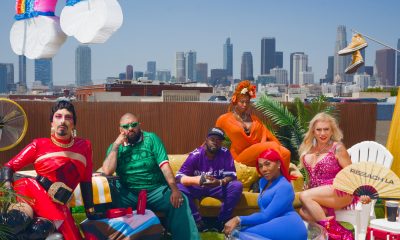 Features3 days ago
REACH LA: Where community, culture, and liberation kiki
-
 Autos3 days ago
Two awesome, affordable rides
-
 India3 days ago
Proposed Indian foreign funding law overhaul could further pressure LGBTQ+ groups
-
 Commentary2 days ago
When home becomes a journey: migration, memory, and the African diaspora
-
 Books5 days ago
Exploring Renée Richards’s life through lens of a trans author
-
 Canada2 days ago
Monument to LGBTQ+ Canadians officially unveiled
-
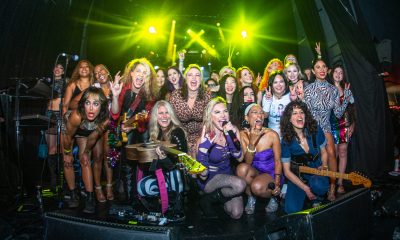 Events2 days ago
Get ‘Gritty In Pink’ this Thursday, August 27
-
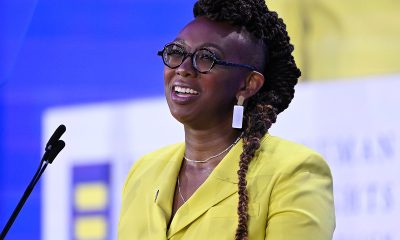 National1 day ago
New data shows record-high LGBTQ+ population amid Trump attacks
-
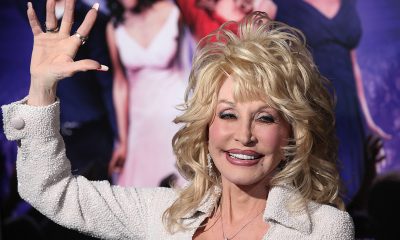 Celebrity News2 days ago
Dolly Parton dies at 80