
Arts & Entertainment
Pioneering Lesbian Filmmaker Barbara Hammer Dies
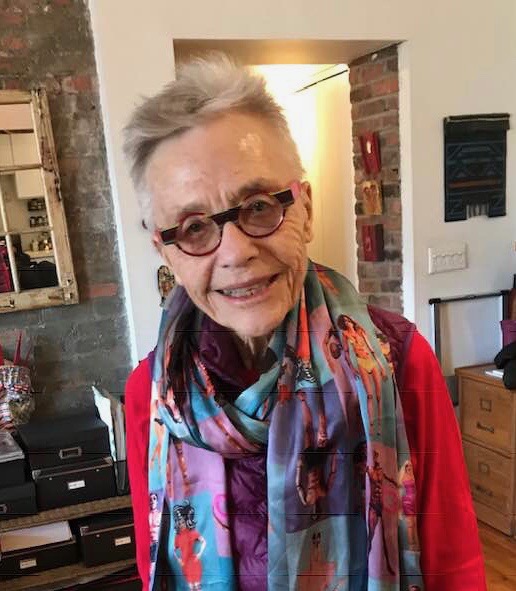
Barbara Hammer – (Photo from Hammer’s Facebook page)
“One of my goals was to put a lesbian on camera — on film — in the 20th century and now into the 21st century, because when I began there weren’t any that I could find.” – Barbara Hammer
Los Angeles native Barbara Jean Hammer, 79, died over this past weekend after battling endometrioid ovarian cancer at her partner Florrie Burke’s home in Manhattan the New York Times reported.
Hammer, a pioneering lesbian filmmaker, started creating affirming lesbian films from studios in Santa Rosa in Northern California and Oakland in San Francisco’s East Bay beginning in the 1970s.
She was born on May 15, 1939, in Los Angeles and grew up in Inglewood. Hammer studied psychology at the University of California, Los Angeles, and later earned a master’s degree in English literature from San Francisco State College (now University)
Hammer had been experimenting in art painting in acrylics, when her attention turned to film-making. One of her early works, “Schizy” (1968), earned honorable mention at a Super 8 film festival in Sonoma County. Her work in film was impacted in 1970 when she came out as a lesbian after divorcing her husband.
Speaking to the Smithsonian’s Archives of American Art for an oral history interview, Hammer credited her first lesbian experience as a defining moment.
“Her leg touched my own and I felt this incredible rush — erotic rush — just through our knees, and I thought, ‘Oh, my God, I’ve never felt this for a woman before- and I decided right then I can act on this or ignore it. I decided to act on it.”
Hammer related that it was that experience which launched a career into directing films that let her explore her life and those of other lesbians decades before the legalization of same-sex marriage and other LGBTQ equality rights milestones.
“One of my goals was to put a lesbian on camera — on film — in the 20th century and now into the 21st century, because when I began there weren’t any that I could find,” she told Nomorepotlucks, an online art, culture and politics journal, in a 2009 interview.

Barbara Hammar, pictured here engaging with the bus driving during a tour of Palestine. She was part of a group of LGBT academics, reporters and activist who visited throughout in January 2012, the first such LGBT delegation. (Photo taken by Troy Masters)
Over the next 40 years she made dozens of films and videos. Working mostly with eight-millimeter, Super 8 and 16-millimeter film, Ms. Hammer produced and directed essaylike films and documentaries, often abstract and devoid of traditional narrative structure, ranging from a few minutes long to feature length.
But, she told the Smithsonian archive, “I have never separated my sexuality from my art, even if the film has nothing to do with lesbian representation.”
Hammer is survived by her partner Burke and a sister, Marcia Ebert.

Music & Concerts
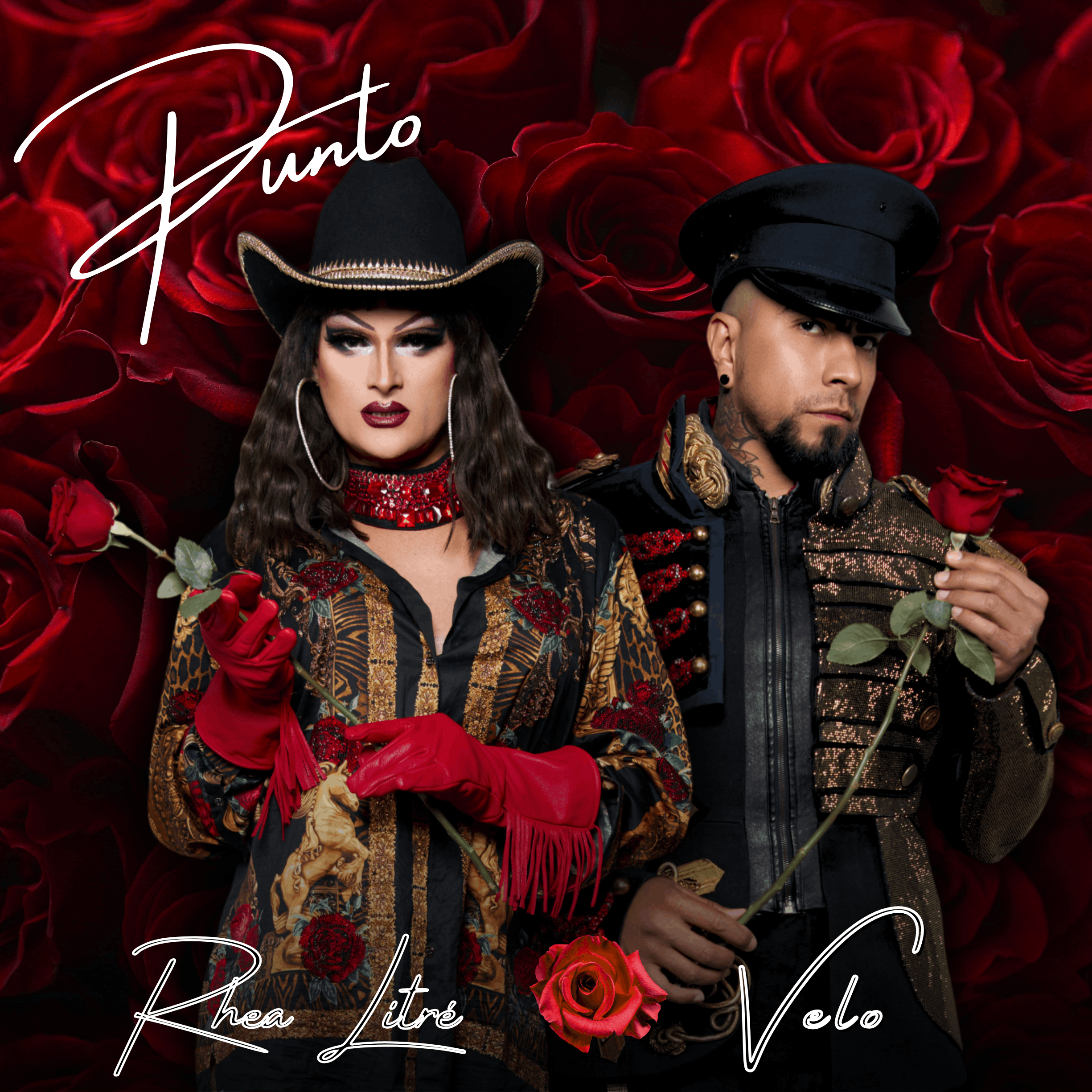
Drag diva Rhea Litrè releases Spanglish album ‘PUNTO’
Litrè takes time to discuss working with recording artist VELO, her heritage, and singing in Spanish
You know Rhea Litrè. Whether it’s from seeing her at shows all over West Hollywood. Perhaps you know her through her drag mothers, Raja or Mayhem Miller, or from her drag bestie Willam Belli. Maybe it was as a member of Tranzkuntinental with Kelly Mantle, Detox, Willam, and Vicky Vox. Or maybe you remember her from the parody song, “Let’s have a KaiKai.”
So you know her, but you may not have known she was Latina. Litrè has just released a full Spanglish album with recording artist VELO titled PUNTO. Velo is widely known for his reggaeton-inspired club anthems, including Big D*ck Daddy and Perra (Bitch) with Dragula star Melissa Befierce, who also guest stars on this album.
“This album is a love letter to my Chicano, Tejano, and Mexicano heritage.” Rhea shares. She adds, “This album helped me connect with my roots and explore how incredible and authentic it is to sing in Spanish.”
The album was produced in the Dominican Republic by Velo Productions and premieres today on all streaming platforms and with the music video for the song “Tu Dueño.”
Litrè adds, “This goes out to all Latinos who don’t know Spanish fluently. People can be so cruel sometimes, especially within our own communities. You are Latino! Be Proud! Shout from the rooftops!”
She took some time to talk to the Blade about drag, the DNA of this album, and her own relationship to her heritage.
First, I have to ask: the album is named Punto… is that a play on the Spanish word for period/periodt?
That is exactly what I was going for. It may or may not translate perfectly, but I am no stranger to interesting album names, like my last studio album, BuckBonkey.
What made you want to release an album in Spanish?
I have been singing in Spanish for as long as I can remember. I never felt completely comfortable singing in Spanish because I do not speak it fluently. Christina Aguilera’s “Mi Reflejo” gave me a lot of strength in recording this album, and the more I learned the lyrics, what they meant, and how they were sung on this album, I became more connected than ever to anything I had ever felt.
I feel so connected to my culture when I sing in Spanish. This album is a love letter to all my Latino brothers and sisters who were not taught Spanish and still connect to our culture through other things like designing, dancing, or, in my case, music.
What was it like growing up Latino?
INCREDIBLE. My family was very close growing up. I have over 30 cousins. My Wella (abuela) and Wello (abuelo) had 12 kids, so there was always a birthday, graduation, holiday, or something going on. If you ask me, I was Wella’s favorite. Or maybe it was because I was her lil gay grandchild, but when all the boys had to leave to play outside, I got to stay with her in the kitchen. I will always remember that. The security in Wella’s arms and a warm, fresh homemade flour tortilla in hand is what I remember most about childhood.
How did this album come about?
Music has always been my main passion when it came to drag. When VELO approached me about doing music together back in 2017, we both knew we were going to do a Spanglish Album. Here we are, almost 10 years later, and it’s finally upon us. This is unlike anything we have done before; this album is written from the heart and shared with some of the best friends that I have been working with for my whole career. When Scarlett BoBo from Canada’s Drag Race and Melissa Befierce from Dragula joined VELO and me on this record, it truly turned into a family affair.
What was it like working with VELO?
VELO is incredible and knows how to handle the doll! He’s got all the swag and has the sexiest singing voice. I love the way VELO writes in Spanish for me. He knows exactly what I would want to say and how to say it. Incredibly, VELO and I recorded the majority of this album on a week-long trip to Maine and sent our stems out to the Dominican Republic to be produced and mastered.
What inspired the songs?
Partying, romance, and being a Bad Bitch have always been prevalent when it comes to my music. My travels to Mexico, especially Puerto Vallarta, have heavily inspired this album. There is something for everyone on PUNTO. “Debil” for Love, “Tu Dueno” for Romance, and “Down in PV” to dance!
What was the sound and vibe you were going for?
We got some tropical, we got some dance, some Reggaeton. We really wanted to create a sexy vibe for this record, and I believe we nailed it. One of my favorite tracks is “Down in PV” featuring Scarlett BoBo. Scarlett had a cabaret show and lived there for a few months last year.
I can’t even count how many times I have been to PV. I got to shout out all my favorite hotspots like the Tryst Hotel, CC Slaughters, the Mantamar & more! Puerto Vallarta was dreamt up by a gay man; it is truly my favorite place to have a Gaycation! “Down in PV” is a fun track to dance to! Let’s go dance!
Can you tell me a little bit more about these amazing guest performers?
I met Scarlett Bobo back in 2013 in Toronto while I was touring. Let’s be real, we are cut from the same cloth. I loved that bitch the second I met her, and we are best of friends today. Scarlett is a real one, and it just was so organic to have my sister on this record.
Melissa Befierce is one of the Baddest Bitches in the game. Melissa and I have hosted countless parties together, and I am completely enamored by her artistry and beauty through the art of drag. Melissa is an ICON, and I am honored to have her on this album.
What do you think makes drag different for Latin audiences?
Latinos are very connected to the culture. For example, when I watched Drag Race México, I felt every runway in my soul. I thought to myself, “I need to explore more of my culture.” I want to feel more than sexy and strong in my drag. I want to feel more connected to my culture, and that is what this record is about. PUNTO
Were there any funny stories while recording/working on the album?
After a full day of shooting the music video for “Tu Dueno,” VELO and I went to the Abbey. The Abbey serves the stiffest drinks this side of the Mississippi, honey, and I was lit! While blackout drunk, VELO shot me as a video ho for his song “Dimelo,” and the footage is hilarious. Go watch that video and see if you can tell how lit the doll is. I remember nothing!
You can catch PUNTO on July 1st on all streaming platforms and watch the premiere of the video for “Tu Dueño” on YouTube.
a&e features
Yona Speidel and the future of trans television
The ‘Pose’ and ‘The Boroughs’ writer on what she hopes for the future of queer media.
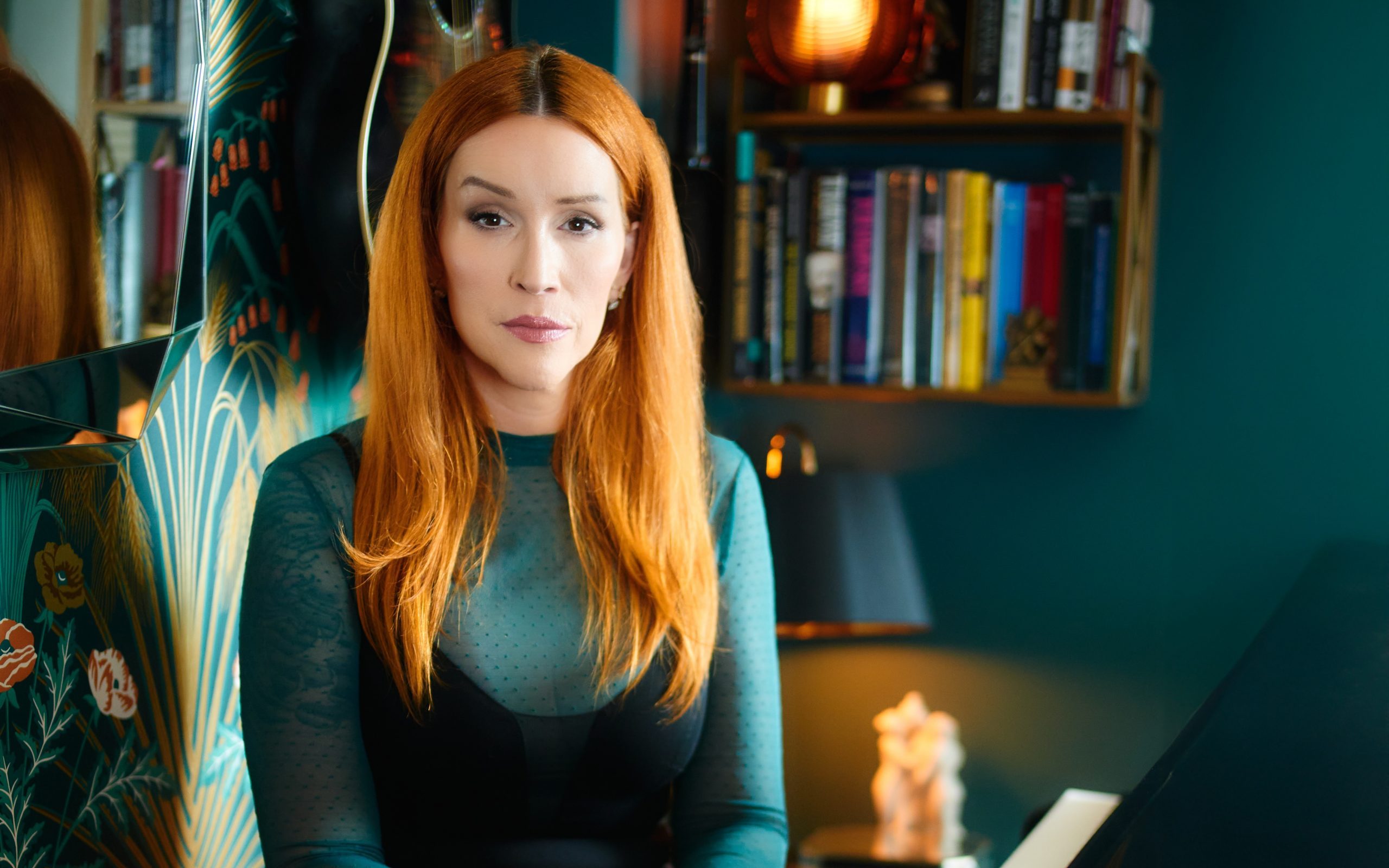
Thousands of queer viewers are huge fans of Yona Speidel — they may just not know it yet.
This is due largely to the fact that, up until a few months ago, Speidel went by a different name professionally: Lady J. It’s Lady J who’s credited as a producer and writer on Transparent, one of the first mainstream TV series to center a transgender woman as its protagonist. And when the series Pose began in 2018, it was Lady J who served as a member of the program’s central creative team, writing and producing nearly every episode to develop the onscreen refuge that thousands of fans still see the show as today.
It can’t be understated how much of an impact Lady J had on modern television. But just recently, fans were shocked to hear that she’d be retiring…her name, that is. The artist assured everyone that she still planned to create programs that completely shift how certain identities are portrayed in the media. She will continue the vital work she’d already been doing for years, only now, she’s ready to do it under her true name: Yona Speidel.
“Lady J is a showgirl name, and I’m not really doing that anymore,” laughed Speidel, as she spoke with the LA Blade about the decision to change her professional moniker. “At one point, I did wear sparkly sequin bras and perform in drag clubs — but I’ve aged out of that a little bit. And as a writer, director, and producer in Hollywood, I thought it was time to retire ‘Lady J’ and just go with my day-to-day name.”
And though she’s only been working for around a year with this ‘new’ name, Yona already has some impressive credits under her belt; she currently works as a writer and executive producer on the acclaimed Netflix series, The Boroughs, which has been applauded for its mixture of sci-fi horror and biting social critique. This is all in addition to the ample work she did as Lady J, with Speidel reminding fans that she is still the ingenious creative they knew and loved before. That dynamic artistry has always been a part of the woman, with Yona saying, “I always had ‘the flair,’ and it stood out from a very young age…I learned to hide it for survival.”
“I grew up in Amish country, Pennsylvania, and my family came from an old order of Mennonites, though they left many generations ago,” Speidel explained. “It was hard in the 1980s growing up with AIDS in the headlines, and all the homophobia that was happening in the world to blame gay people for this disease. [That] manifested in school, so there was a lot of bullying…the ‘flair’ was just something that I learned to temper down, and I had to be careful where I showed it. And then as the world progressed…I let it out.”
She described using music as an escape from her harsh community, avoiding chores on her family’s farm by spending hours each day practicing the piano. It was a talent that took Yona abroad for college and, eventually, to New York City, where she spent years as a professional musician while finally living as the proud trans woman she is today.
It was during her time in New York that Speidel began to write and direct, becoming a part of the city’s vibrant theater scene and helping put on numerous productions. It was just as she had begun to explore what being a producer could look like that she was asked to join the team of Transparent, a new show that promised to ‘completely change how trans people were portrayed on television.’ Excited at this possibility — and ready to ensure the series was actually accurate — Yona joined the program.
And the rest, as they say, is history.
Whether it be the plight of queer people of color during the AIDS epidemic in Pose or how society mistreats the elderly in The Boroughs, Yona’s career is defined by amplifying the voices too many overlook today. This is in addition to serving as a trailblazer every day as an out trans woman in the entertainment industry, with the producer emphasizing, “It’s up to us to really test the waters. [We have to ask,] ‘Is it safe for me to be out at work? Is it safe for me to be all of me?’” She explained that at the beginning of her career, it wasn’t, and that’s why so much of her early work is focused more on introducing the general concept of LGBTQ+ identity through straightforward storytelling.
But she reminds everyone reading that it was a long time ago. Through her current work, she hopes to create an entertainment industry where underserved narratives are given center stage, where they’re allowed to challenge what general audiences are taught about their communities. It’s why she continues to create TV shows that center marginalized folks — because she knows that by introducing these voices today, it will be so much easier for them to take the spotlight again tomorrow.
Yona’s is a vital kind of advocacy that, as we see more attacks against all kinds of LGBTQ+ voices (especially trans folks), we need more than ever. She emphasized that she understands how scary it can feel being a queer creative right now, but that is exactly why artists need to continue introducing these stories that nobody else could have ever thought of! As someone who’s spent a majority of her life navigating this tenuous industry, Yona advised her fellow artists, “Shut out the negativity as much as you can. That’s a luxury if you can do that, but if you can take the luxury, do it. Be present with your friends and with your family, and with the people who love you. Feel that love, be embraced by that love. And don’t neglect that love in favor of anxiety and what-ifs.”
It’s advice that Lady J followed, allowing her to create such monumental pieces of television — and it’s what she’ll continue to live by as she does even more for her queer community today as Yona Speidel.
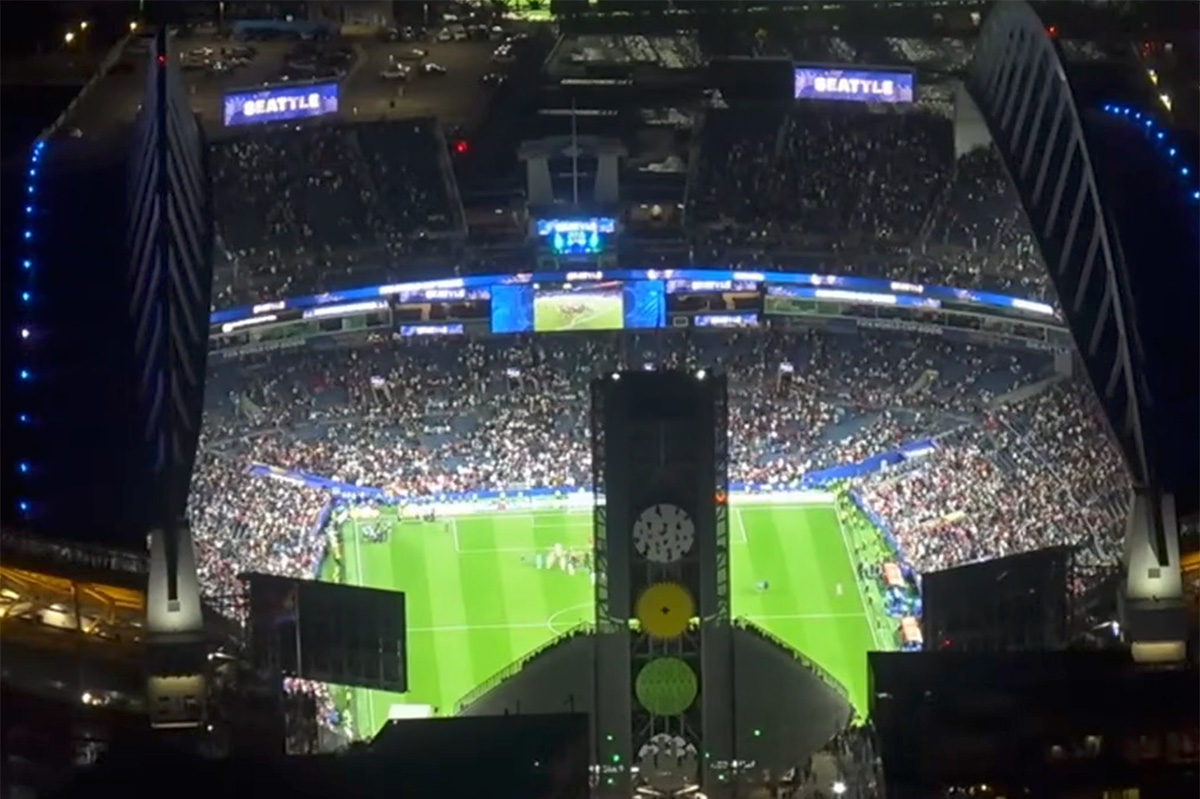
Iran and Egypt on Friday faced off during the World Cup’s “Pride Match” in Seattle.
Iran is among the handful of countries in which consensual same-sex sexual relations remain punishable by death. Discrimination and persecution based on sexual orientation and gender identity is commonplace in Egypt.
Friday’s match coincided with Pride weekend in Seattle. The Egyptian Football Association and the Football Federation Islamic Republic of Iran both objected to playing in the “Pride Match.”
Egypt and Iran tied 1-1.
FIFA, for its part, allowed Pride flags inside the stadium during the match.
“The FIFA World Cup 2026 is an inclusive event that welcomes people from all backgrounds,” a FIFA spokesperson told the Los Angeles Blade in a statement. “Fans of all sexual orientations and gender identities are welcome at matches and events. General statements of human rights, including rainbow flags and other flags representing sexual orientation and gender identity, are permitted under the FIFA World Cup 2026™ Stadium Code of Conduct and may be displayed inside stadiums provided they are used in a manner consistent with the code.”
Human Rights Watch welcomed FIFA’s decision to allow Pride flags inside the stadium. Outright International, a global LGBTQ+ and intersex rights group, distributed Pride flags in Seattle on Friday, which was Pride Match Day.
“Visibility matters,” said Outright International Executive Director Maria Sjödin. “Pride is now being celebrated in more than 100 countries, including this weekend in Seattle. For many LGBTIQ people, seeing a Pride flag in public is a reminder that they are not alone, and that their rights and dignity are recognized.”
FIFA President Gianni Infantino earlier this year told Die Weltwoche, a Swiss magazine, that “there will be no ‘Pride Match’ at the (FIFA) World Cup.”
“There will be a FIFA World Cup match in Seattle, and on the same day, events organized by external organizations will be taking place in the city,” said Infantino. “But that has nothing to do with the match itself.”
Peter Tatchell, a long-time LGBTQ+ activist from the U.K. who is director of the Peter Tatchell Foundation, was among those who traveled to Seattle for Friday’s match. Tatchell accused FIFA of not vetting World Cup teams — specifically Iran, Egypt, Saudi Arabia, Ghana, Senegal, Qatar, Tunisia, Morocco, Iraq, Uzbekistan, and Algeria — over whether they would allow gay players.
“FIFA is protecting LGBT+ visibility in the stands while failing to protect LGBT+ players on the pitch,” said Tatchell.
Movies
‘Leviticus’ demonizes homophobia for gripping queer horror yarn
A genuinely engaging and terrifying supernatural drama
There’s something about horror films that makes them particularly apt as a vehicle for allegory. Vampires, zombies, ghosts, or seemingly death-proof serial killers can all easily be seen as metaphors for some lurking threat from the “dark side” of our own collective psyche, and stories about them are almost always cautionary tales that remind us that it’s the “dark side” of our own nature that we must confront in order for the danger to be eliminated.
This subtext has always been present in the genre, of course; but with the so-called “renaissance” of horror cinema that has taken place across the past decade or so, modern filmmakers in the genre have made increasingly bold choices with regard to how “sub” it is. “Get Out” or “Sinners” need no explanation to get across their allegorical points about racism, nor does “The Substance” require an expert to recognize its satirical observations about the toxic cultural obsession with youth and beauty. These are movies that wear their proverbial hearts on their sleeves, instead of masking them behind layers of cliched and “coded” plot tropes.
The same can definitely be said of “Leviticus,” the debut feature from Australian writer/director Adrian Chiarella, that not only hinges on a conceit that has obvious relevance to its not-so-hidden themes but tips off the whole thing by its very choice of title – a reference to the Old Testament book that is frequently cited by fundamentalist bigots as proof of God’s condemnation of homosexuality, and that sets up exactly what we are in for before the opening credits even begin to roll.
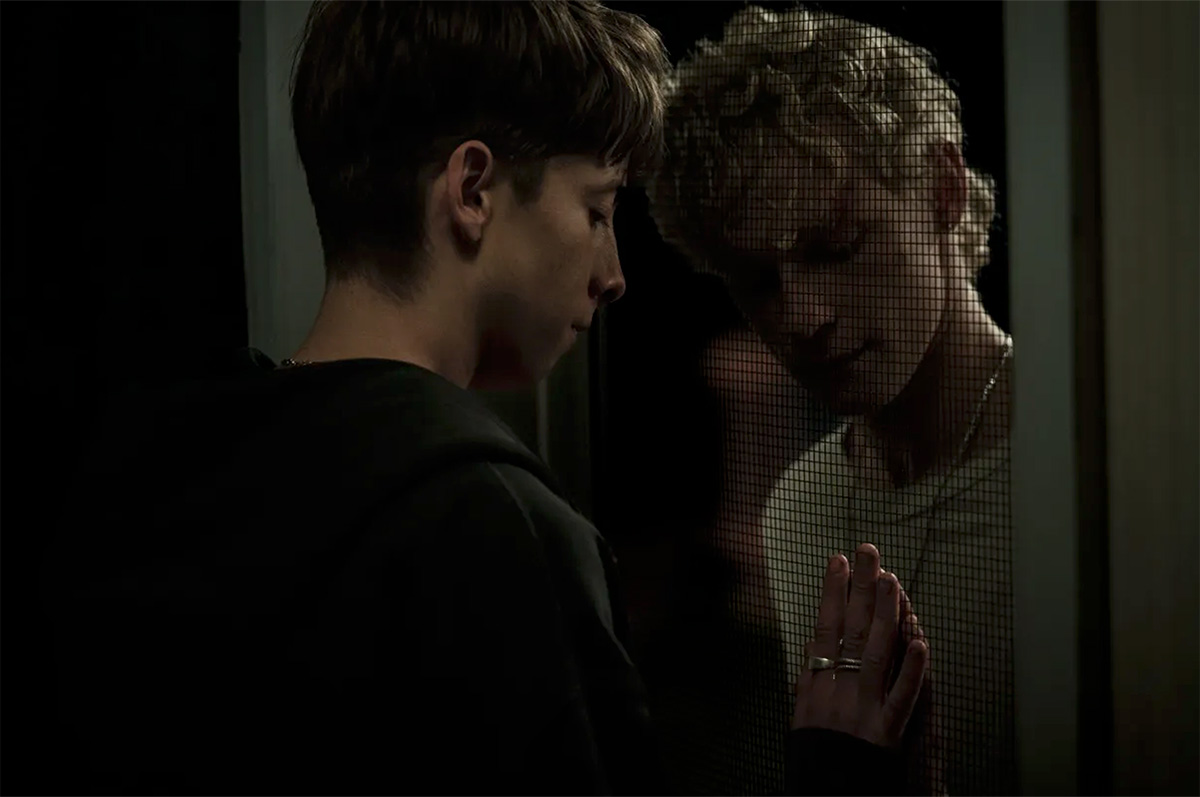
Set in a conservative rural town (in the Australian state of Victoria, though it will feel distinctly familiar to anyone who grew up in similar communities anywhere else in the world), it centers on Naim (Joe Bird), a teen boy newly transplanted there by his mother (Mia Wasikowska) – who has ties to a fundamentalist Christian enclave there – after the death of his father. Their new life – like seemingly everything else in the community – is tied directly to the church, which makes it doubly inconvenient when Ryan (Stacy Clausen), son of the town’s presiding preacher, invites him for an after-school “hangout,” which leads to a furtive make-out session in the town’s deserted mill.
Though the boys promise each other to keep it secret, they are both soon “outed” to their parents and subjected to a ritual performed by a mysterious “deliverance healer” (Nicholas Hope), intended to “protect” them from their “sinful” impulses. Soon after, a series of mysterious and violent encounters lead them to investigate local rumors around incidents involving other local teens – and the revelation that the ritual has summoned a malevolent entity, which appears to them as the person they are most attracted to (in this case, each other) and unleashes its murderous wrath when they give in to temptation. Their only chance of staying safe is to stay apart – unless they can find a way to defeat the supernatural force that has been turned loose against them.
Yes, it’s all very obvious. There is no attempt to mask what Chiarella’s movie is really about, though the word itself – like the biblical book with which it shares a title – is never spoken aloud in the film. It’s hardly a spoiler, though, to confirm that “Leviticus” is a story about homophobia. From its obvious evocation of real-life “conversion therapy” to its more subtle exploration of the secrecy and social shaming that surrounds same-sex love for so many teens growing up in an environment of fundamentalist religious tradition, every nuance of the film’s ingenious premise announces the clear intent of its messaging: homophobia is the true evil at work here, and its deadly power lies in its ability to make queer people afraid of being who they are.
While some might argue that presenting such an “on the nose” allegory in what is ostensibly “just” a horror film is a heavy-handed choice, we suggest – in this case, at least – that it’s exactly what makes the movie work so effectively.
From the very first scenes (after a prologue that ominously hints at the arcane evil that will soon come into play), we are invested in Naim and Ryan, whose tentative-but-joyous afternoon tryst is bound to trigger our own individual memories of adolescent sexual awakening, and whom we hope will be able to navigate their way through to the other side – even before the introduction of supernatural hate demons being summoned to kill them by using their own feelings for each other as a trap. They’re almost a definitive queer “coming of age” archetype, echoing generations of treasured “first time” memories and “what if“ fantasies about what might have been; we want them to be together, to overcome the otherworldly forces deployed to keep them apart – and when their romance is distorted, inverting their natural attraction to each other into fear and mistrust, it’s their own inability to abandon their feelings for each other that continues to put them in danger, making us pull to their side even more.
That emotional stake is the anchor of “Leviticus,” which lends an imperative to what might otherwise be a campy B-movie thriller and turns it into a genuinely engaging – and therefore terrifying – supernatural drama that is all the more powerful for playing to our hearts. Much of this effect hinges on the chemistry between its two young stars (which hits just the right pitch between irresistible hormonal urge and inseparable soul connection), but it’s also underscored by the irony of their being immersed within a culture that would rather destroy them than allow them to exist outside its traditional “norms.”
Nevertheless, while “Leviticus” succeeds by making us identify with its cult-crossed teenage lovers, it pays off by delivering not just a genuinely unsettling, profoundly disturbing, and unflinchingly brutal personification of religious bigotry at its most cruelly hateful, but by providing a tense and terrifying horror scenario that works on a pure “genre” level. Simply put, even setting aside any wider subtext about the deadly impact of homophobia, it’s a creepy, nerve-wracking ride.
A critical hit as part of the Sundance Festival’s “Midnight” section earlier this year, “Leviticus” went into theatrical release on June 19, the latest in a continuing trend of fresh and inventive films that has elevated the horror movie to new levels of critical appreciation. For us, it’s worth singling out as a boldly original expression of queer experience, elegantly constructed from the reinterpreted formulas of a genre that has always had particular draw for those in our community who knew how to read between the lines.
The difference is, this time we don’t have to – the message is spelled out loud and clear, and that in itself is enough to make it feel a little bit like empowerment, at a time when we could all use as much of it as we can get.
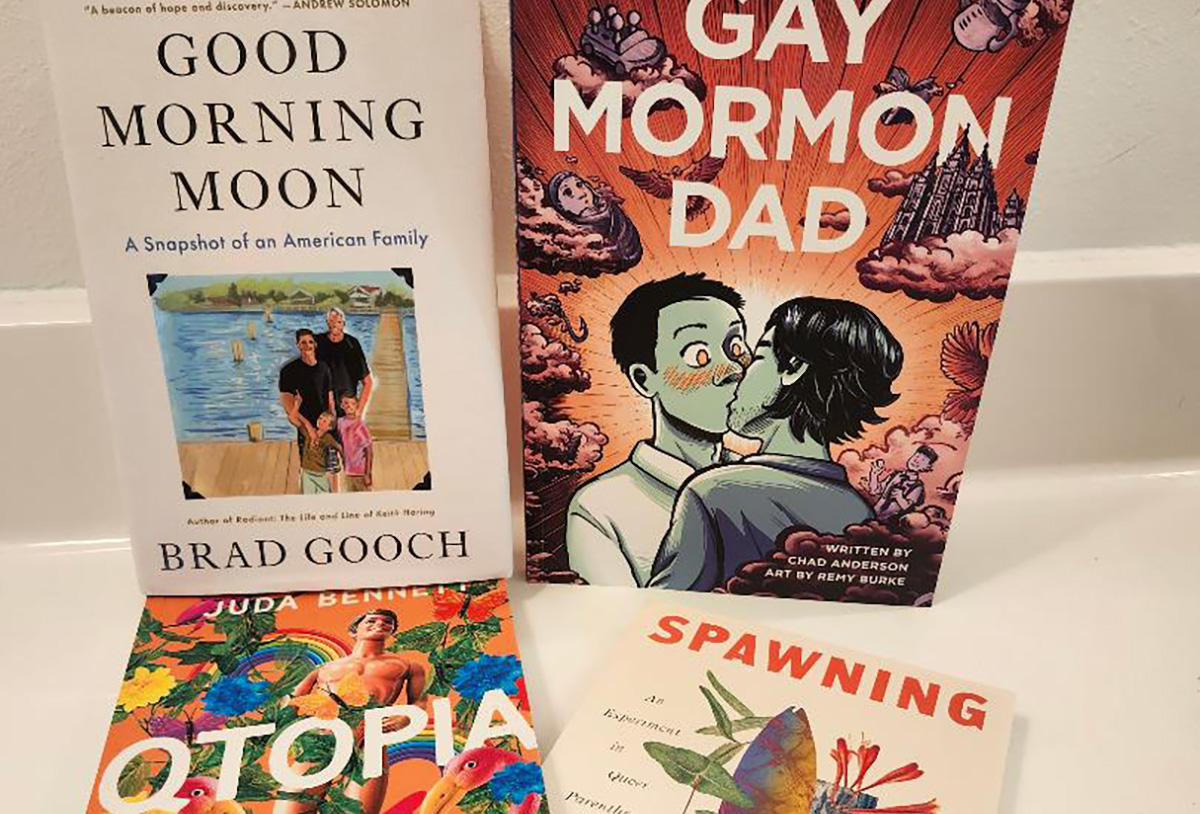
Books for Pride by various authors
c.2026, various publishers
$18.95 – $29.00
How many times have you marched so far this month? Seems like there’s always a reason to gather and walk during Pride, but save some time for yourself, too. You’ll want to reflect, rest, and read these great books about living your best Pride month.
No doubt, you’ve thought once or twice about stepping away from society as it is, and moving somewhere more accepting. So read “Qtopia: A Memoir of Love, Land, and Liberation” by Juda Bennett (University of Wisconsin Press, $18.95), the story of doing exactly that, and how it turned out.
Back in the ‘70s, Bennett fled the suburbs and all it represented, and went “back to the land,” to a commune named Lavender Hill. Some of the places he’d lived before then had promised way more than they delivered, but Lavender Hill was different – more rural, more open, more queer, much better. But you know all good things must end, and that includes “queer utopia.” The only thing left was to re-enter the mainstream, a journey unto itself, and one worth reading.
Speaking of memoirs, in “Gay Mormon Dad” by Chad Anderson, art by Remy Burke (Graphic Mundi, $21.99), you’ll read about Anderson’s life as a husband (to a woman), a father, and a man who seemingly had it all but it wasn’t right, and he wasn’t happy. He was gay, but acknowledging it, telling his family and his church family, could mean the loss of everything he loved. It’s a story that may be familiar to you, in some way, and it’s a quick read.
For most of his life, Joseph Osmundson dreamed about getting pregnant and having a family. The former didn’t happen and, as for the latter, as he writes in his memoir, “Spawning Season: An Experiment in Queer Parenthood” (Bloomsbury, $27.99) the journey for a gay man to become a father can have plenty of roadblocks.
When two women approach Osmundson to be a sperm donor, it appears that his ultimate dreams are about to come true. Things go swimmingly – until race enters the conversation. Are the words “donor” and “dad” the same? Read this powerful book, and think about it.
And finally, if parenthood as a gay person is something that’s a case of maybe-later, then “Good Morning Moon: A Snapshot of an American Family” by Brad Gooch (Harper, $29) is a book to find. It’s the story of late-life love, surrogacy, and identity as Gooch learns about himself as he learns to be a good Dad. This is a great book for older fathers, and anyone who’s on the parental fence, later in life.
If these great books aren’t enough for you, or if you’re looking for something different for Pride, then head to your favorite bookstore or library and ask the staff there to help you find your next best read. They’ve got a lot of books to put in your hands, a lot of sunny afternoons full of relaxing and promise, so march on out, get a new book, and happy Pride!
Theater
‘Mamma Mia!’ brings found family — and sequins — to the Ahmanson
The cast of this hit musical promises to start Summer in the queerest way imaginable!
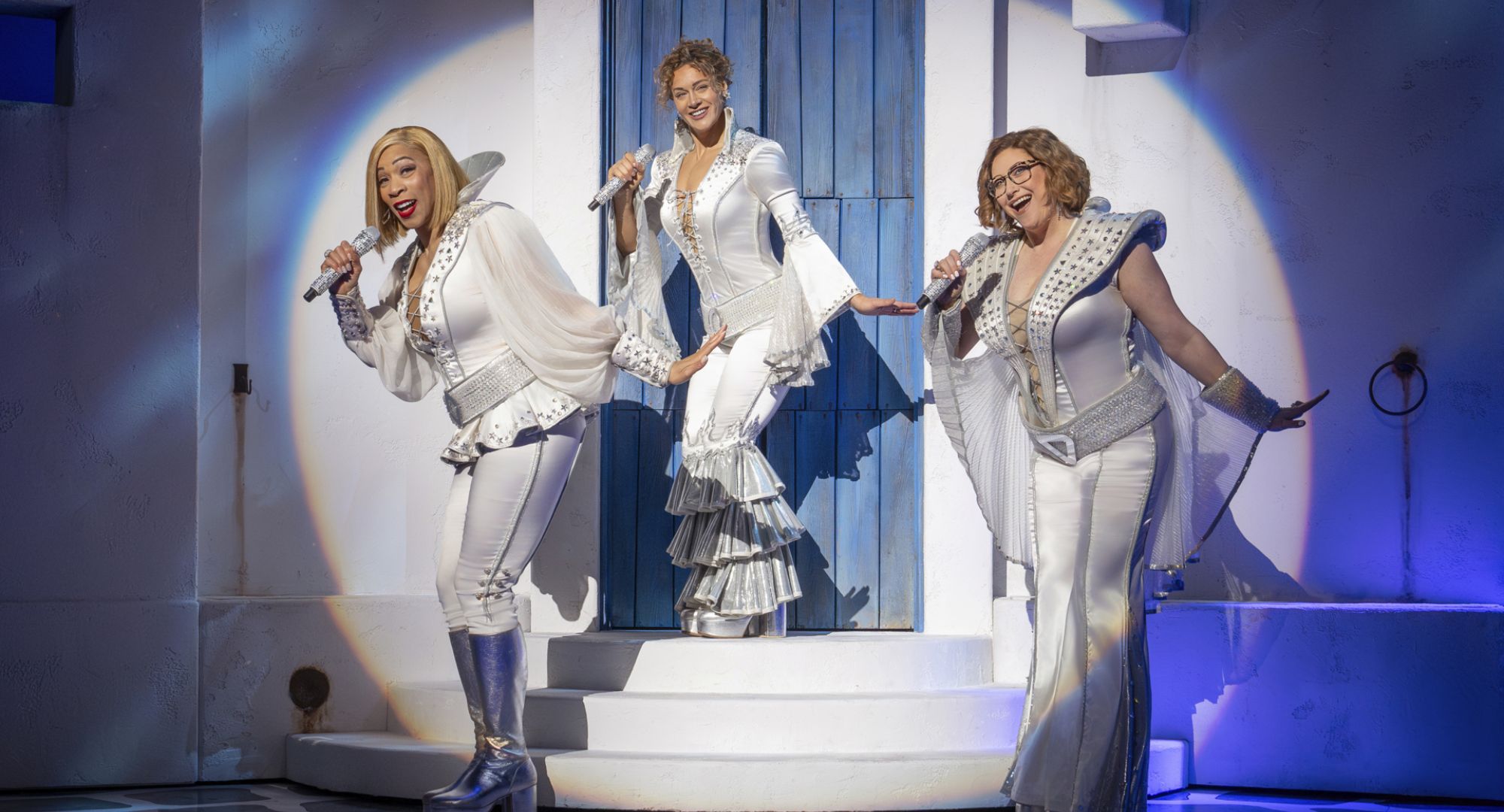
It is no secret that the queer community has a deep love for musicals in general. And some musicals just have that deeper love from the queer community. Mamma Mia!, now celebrating its 25th anniversary, is one of those musicals.
And that’s not just because of the fierce women and sequin outfits.
Mamma Mia! follows mother-daughter duo Donna and Rosie as they prepare for the latter’s upcoming nuptials. The story sees them struggle with planning while Donna argues with Rosie about being too young to get married…just before three men arrive on their island home, each with an equal chance of being Rosie’s biological father. This chaotic situation is set to the blissful sounds of ABBA’s greatest hits, with the pair and their many close friends using the legendary (and super queer) group’s music to express their innermost feelings. A lesson on self-discovery and building community — all while being your absolutely fiercest self — Mamma Mia has astounded audiences for almost three decades with its uplifting story.
And, to the delight of queer fans all across LA, Center Theater Group is ending its current season with a production of the show that is promising to be its glitziest, gayest version yet!
The Los Angeles Blade got the chance to speak with two of the musical’s overwhelmingly queer cast: Carly Sakolove, who plays the rough-and-tumble Rosie, and Victor Wallace, who plays Donna’s love interest, Sam. The duo was thrilled to be launching Mamma Mia! during Pride month, raving about being a part of such a beloved piece of theater and how excited they were to introduce it to a whole new batch of viewers. Sakolove and Wallace teased a show that any LGBTQ+ theater fan can fall in love with — not just because of the jaw-dropping vocals, but the heartwarming message of found family at the heart of Mamma Mia!
“Gay men just love seeing iconic women onstage,” laughed Sakolove when discussing why she thinks the musical is such a queer fan-favorite. “It does center around a straight wedding…but there are sequins, there’s women belting, and there’s female empowerment — all things that are attractive to the queer community.” Wallace agreed, understanding why some folks may be confused at queer fans’ love for the show; most classic versions of Mamma Mia! are completely centered around straight couples, with only one scene offering any queer representation. He explained that LGBTQ+ fans love it for everything that Sakolove described, but also for the deeper themes present throughout, aspects of the narrative that can be easily overlooked behind the jaw-dropping musical numbers.
“I think [Mamma Mia] really is about finding your joy in life,” she said. “I think it’s about who you choose to love, and who you decide to keep around you as your found family.”
“It’s a story about a girl who’s trying to find her identity by finding her father, but in that process, we see so many relationships that aren’t just blood,” Sakolove continued. “We see that blood doesn’t necessarily make family.” It’s a part of the story she would know better than most; Rosie acts as a true sister to Donna, with their lifelong friendship emphasizing Mamma Mia’s core theme of finding family in people you might not be related to. “So much of [Mamma Mia!] is that relationships come in all different forms, and I think that is something that really rings true for us as queer people.”
This pair and the many other queer members of their cast stressed how essential it is to have musicals like Mamma Mia! — not just because of its nonstop fun, but because it offers a sense of community that so many in the audience may be looking for. The show not only exemplifies the concept of found family but also teaches that the most fulfilling thing a person can do is love those they’ve chosen to be around. It’s a lesson that so many queer people can benefit from, and this cast is honored to bring it to thousands of people in each show, with Sakolove describing, “You see people that are there with their friends or their family members, and they just leave loving them extra hard…we are the luckiest people in the world that get to just go have fun on stage and affect people in such a positive way.”
While these two spent much of their interview talking about the impact this story has and how proud they are to deliver it, they emphasized that, above all else, Mamma Mia! offers a nonstop sense of fun for everyone in attendance! They were especially honored to be ending Center Theater Group’s current season with this production — and they promised to blow everyone away with just how much they have in store.
“If we’re ending the season, then [CTG] is going out with a bang,” Wallace assured everyone reading. “Because [Mamma Mia!] is such a fun, joyous, much-needed night of theater. It’s a reminder of how great life can be when you’re around your friends — when you’re around your family — so it’ll be a good way to end the season, for sure.”
A lofty promise, yet one that these two stars made wholeheartedly. But Carly Sakolove and Victor Wallace humbly assured their fans that the utter joy of this production can’t just be owed to them or any of their other cast.
Because when you have a musical like Mamma Mia!, one that shows the unadulterated joy of creating a found family and loving your neighbor with all your heart, it’s impossible not to leave the theater smiling.
That, plus all the sequins, of course.
‘Mamma Mia!’ plays at the Ahmanson Theater from June 23 – July 19, 2026. You can buy your tickets here.
a&e features
Television loses a legend and longtime ‘Will & Grace’ director James Burrows
Iconic hitmaker leaves behind a legacy of telling LGBTQ stories
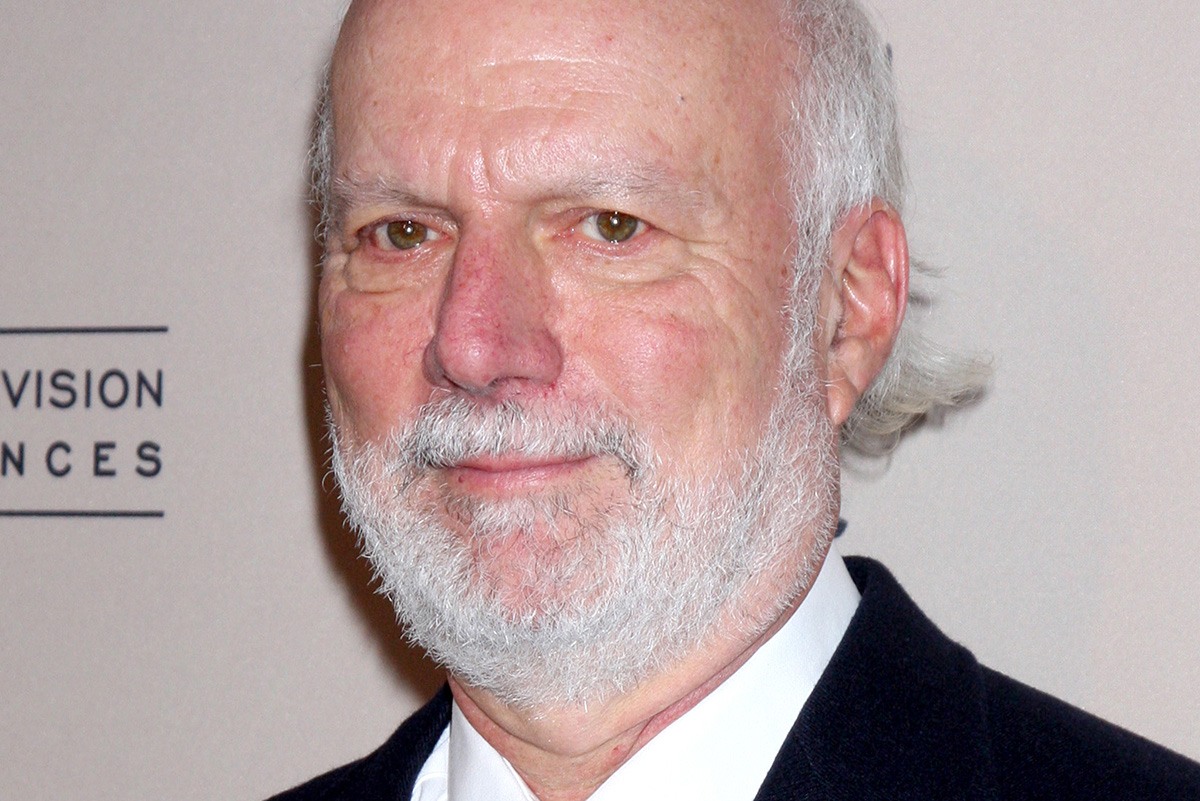
You don’t have to be a pretentious film major to name 10 movie directors. But naming television directors is not that simple. They’re the unsung heroes of your favorite shows, and the late James Burrows was the television director. He passed on June 19, 2026, but his DNA runs through television history.
He directed over 1200 episodes of television and over 50 pilots. He co-created Cheers and directed many episodes of long-running series like Friends, Taxi, Frasier, The Big Bang Theory, and Two and a Half Men. You also may remember him from playing a heightened version of himself on the Lisa Kudrow comedy The Comeback.
He has left an indelible mark on the LGBTQ community. As recently as last year, he directed the series run of Mid-Century Modern starring Nathan Lane, Matt Bomer, and Linda Lavin. He was also a longtime director of Will & Grace and directed every episode of the series revival. He even directed the unaired Absolutely Fabulous pilot with Kathryn Hahn, Kristen Johnston, and Zosia Mamet.
Not to mention he’s worked with queer icons throughout history, including Betty White and Stockard Channing on their single-season series, and Jennifer Coolidge in 2 Broke Girls.
He started his career on shows like The Mary Tyler Moore Show, Rhoda, Laverne & Shirley, and the first four seasons of Taxi.
He continued to work steadily and directed successful pilots that went to series for Roc, 3rd Rock From the Sun, Dharma & Greg, and Wings. He directed multiple episodes of Friends, Caroline in the City, and Frasier.
This magic continued into the 2000s with him directing the pilots for Two and a Half Men, The Big Bang Theory, and multiple episodes of Mike & Molly, and the entire return series of Will & Grace.
What was the secret to his success? He’d enact the “fun clause” in his contract. In his words, “Life is too short to deal with obnoxious leads,” He shared. “So as long as the writing is good and the cast is fun, I’m going to enjoy the experience.”
He had the magic touch, having multiple pilots turned into long-running series. He was nominated for an Emmy 24 times in 26 years and worked consistently until a year before his death.
The secret was the way he brought the cast together. He describes, “it was my job to mold them into an ensemble, and they did round into a group of people who loved each other.”
This earned him 11 Emmy Awards and 5 Directors Guild of America Awards, including being awarded the inaugural DGA’s Lifetime Achievement Award for Television Direction.
In a 2003 interview by the Television Academy, he was asked how he wants to be remembered, and he said, “That every night forever you can tune in somewhere, and there’ll be a show I did.”
He’s survived by his wife, Debbie, four daughters, seven grandchildren, and the countless people whose careers he launched and the countless viewers he inspired with his television legacy.
Dance
‘Boudoir Boys’ knows how to make you feel sexy
This traveling queer burlesque show inspires queer audiences to be their best, sexiest selves.
Every person has the right to feel sexy in their own body.
And that can look different for everyone; whether it’s baring it all or bundling up, feeling sexy is a subjective experience that every person deserves. It’s yet another reason why the discrimination queer people face is so heartwrenching, with bigots constantly telling our communities how offensive we are in both identity and physicality. This makes countless LGBTQ+ people feel nervous to embrace their bodies in a way that feels right to them. It’s a terrible effect of modern bigotry, and it’s something that nightlife producer Joseph Martinez fights back against through his traveling burlesque show, Boudoir Boys.
“Boudoir Boys is a collection of individual performers [who] come together as one juggernaut ensemble to put on an incredible show,” explained Martinez when he caught up with the Blade to discuss Boudoir Boys’ upcoming Southern California tour. “It’s people taking off their clothes in a very eloquent way, but it’s [also] so much more than that. [Boudoir Boys] gives you power to love yourself and own yourself — and we don’t get that opportunity in most spaces in our lives as queer people.”
Burlesque is a renowned art form that sees performers — historically cisgender women — artfully disrobe in a way that both intrigues and excites the viewing audience. And while LGBTQ+ performers have always had a passion for this style of dance, recent years have seen burlesque become a political tool. Many LGBTQ+ dancers use it to proudly flaunt their bodies and call out the people who want them to hide in shame. It’s a brave kind of confidence that not everyone has, and it’s one that Martinez wants to give everyone who comes to watch a Boudoir Boys show.
“When you come to a Boudoir Boys show, there is mystery and hyper sexuality that is celebrated in such a classy way,” he continued. He described the many acts that people see when they attend, ranging from gravity-defying pole dancers to even jaw-dropping fire stunts (but only if the venue’s insurance allows it, Martinez assured). “I really wanted to create something that was created by gay men for the queer community, starring an all-gay cast…I wanted our cast to reflect a bunch of different ethnicities from a bunch of different backgrounds with a bunch of different body types and a bunch of different performance styles. [And] we still haven’t even begun to [show] the amount of performers that there are out there [today]!”
Since its first performance three years ago, Boudoir Boys has taken the country by storm; 2026 will be its third nationwide tour and will have the group visit more states than ever before. Joseph, a former dancer, spoke about how amazing it feels to not only travel with this all-queer group but to spotlight different local artists at each stop along the tour. These show every person in attendance that there are queer folks doing this art in their own communities — and that they can do it too.
“At the end of every show…the performers love to talk with everyone. All [they] get is, ‘Thank you for showing us who you are. How can I enter Burlesque? Thank you for teaching me to love myself, at whatever my physical version is.’” Martinez grew emotional describing these comments in particular, with the man reminiscing on the numerous times queer viewers have approached him to explain how much these sexy moments meant to them. “There is something that touches our soul in those moments where we get to see other queer people living their truth, showing the best of the best, and leaving their heart on the floor.”
Along with an amazing show, that is what Joseph Martinez truly hopes to impart on every person who attends Boudoir Boys: the knowledge that they deserve to have pride in every part of themselves. “Not all of us get to grow up in a space where we so commonly get to see other queer artists being incredible and living in their truth,” he stressed. “But burlesque is for everyone. The idea that you get to stand up in front of either yourself, an audience on stage, be yourself, be comfortable with your body, and have the audacity to tease and flirt and own your hypersexuality is so important for any human being. Period.”
This is what has made Boudoir Boys a hit tour for three years (and counting) and a key source of empowerment for thousands of queer people across the country. Every iteration of this showcase encourages those watching to be their proudest, sexiest selves today. It’s a reminder that so many of us need right now.
Boudoir Boys comes to Hamburger Mary’s Long Beach on June 25th, Urban Mo’s in San Diego on June 26th, and Hunters in Palm Springs on June 28th. Check out their Instagram for more info.
Television
It’s a Dad Race: Six Southern California fathers step into the ‘Drag Race’ spotlight
Featured in the All Stars makeover episode “Too Many Daddies,” the six gay dads offer a full picture of LGBTQ+ family life
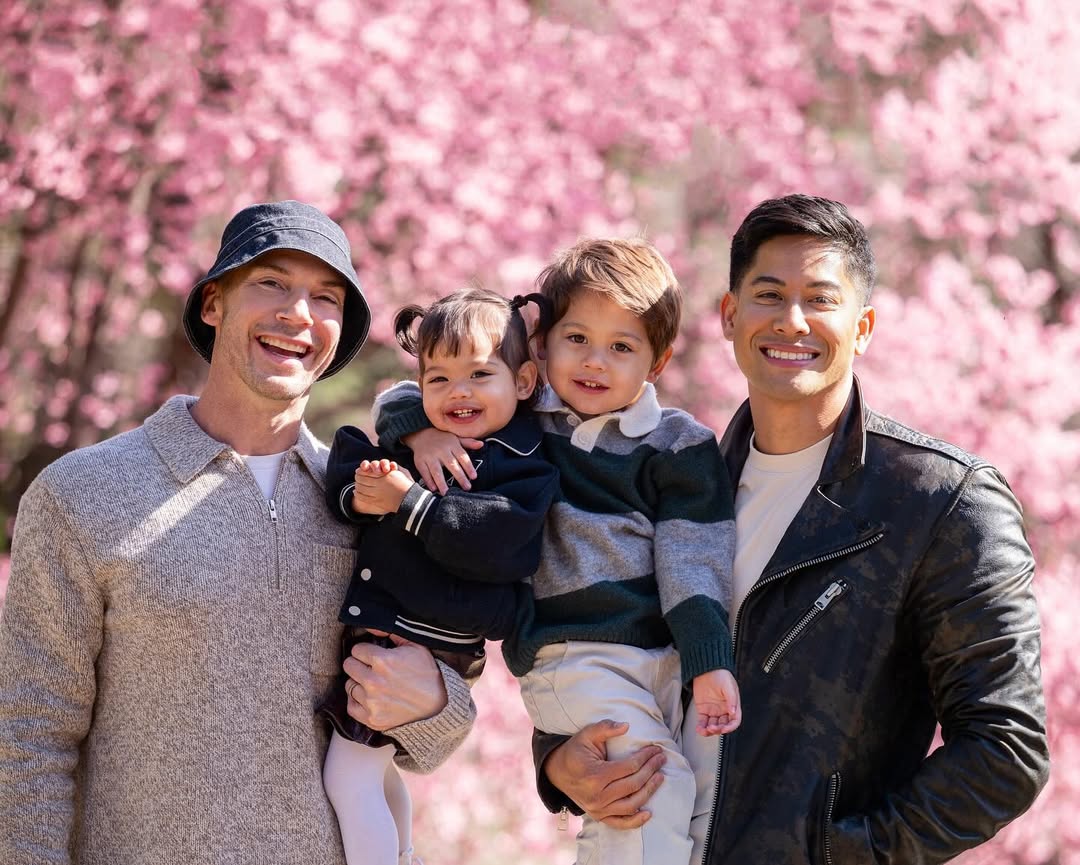
When Eric Calvario was first contacted by a casting director on Instagram about a possible television opportunity, he was not expecting to end up in drag.
The Los Angeles/Orange County-area dad was ultimately cast in “Too Many Daddies,” the June 5th episode of RuPaul’s Drag Race All Stars, which featured six real-life Southern California gay dads in the show’s makeover challenge. Though the episode aired two weeks ago, it still feels deeply present for the dads who took part.
“I had never considered doing drag; I wasn’t too familiar with the show, and I was deep in raising an infant and toddler,” Calvario told the Blade, describing his initial hesitation. “Ultimately, I knew I had a performance background, I knew I could push myself, and I knew that, if handled correctly, this could mean a lot for the community of gay dads.”
For Calvario, the episode was more than an opportunity to meet RuPaul. It was a chance to show younger LGBTQ+ people that queerness and parenthood are not mutually exclusive. The episode spoke directly to the younger version of himself, who once believed that being gay meant giving up the possibility of being a parent. He wanted viewers to see that parenthood is possible and that LGBTQ+ families can take many forms. “Yes, you can,” Calvario tells readers of the Blade, “and this is one of the many shades of what this might look like for you.”
Calvario was not alone in seeing the episode as more than a makeover. For the other fathers, the experience was also viewed as a chance to make queer parenthood visible on one of television’s biggest LGBTQ+ screens.
Hector and Derek Del Valle said they were contacted about a casting opportunity for gay dads before realizing the show was Drag Race.
“The minute we found out the show was RuPaul’s Drag Race – let alone “All Stars” – we were completely gagged,” they told the Blade. “We’ve been watching since Day 1. Now as parents, our Friday nights look a bit different, but the one thing that remains the same is getting our drag fix – we just went from watching them in the clubs to watching them from our couch!”
For the Del Valles, appearing on the show was deeply personal because they did not grow up seeing many examples of LGBTQ+ families.
“To appear on Drag Race as gay dads, especially in a challenge centered on family and visibility, felt incredibly profound,” they explained. “It was an opportunity to show the world that LGBTQ+ families exist, thrive, and deserve to be celebrated.”
Jeffrey Williamson-Rose said he and his husband were first contacted through a mysterious Instagram message from a producer. Once the words “World of Wonder” were mentioned, they realized the opportunity was connected to Drag Race.
“My husband and I thought that this was a once-in-a-lifetime opportunity that we were given,” Williamson-Rose said. “The entire process of filming made me smile, and I thought of my daughter and husband the entire time. Seeing her reaction to seeing me on screen made it all worth it for me.”
While the episode included the usual spectacle and humor expected from Drag Race, all of the dads explained that some of the most meaningful moments happened behind the scenes.
For Calvario, hearing about the struggles of other gay dads – including fathers from Florida who had to hide their family to protect their jobs – stayed with him.
“It made me realize that the challenges I feel as a gay dad look different everywhere and, in that moment, I told myself, ‘Talk less and give space for these guys to tell their stories, because no matter what challenges I may face, there is always someone who has it harder.’”
Williamson-Rose left with a similar impression, saying that the bond among the dads became one of the most rewarding parts of the experience.
“[All of the dads] are by far my fave group chat thread, and I normally LOATHE group chats,” he said. “I often think about how we reacted when we first saw ourselves in drag and how we were all somewhat reserved when we first arrived – to 48 hours later, us gushing and showing photos of our kids to each other. The bond for all 6 of us was instantaneous.”
The Del Valles said the conversations in the makeup chairs helped turn a random group of dads into a community.
“We shared our journeys to parenthood, talked about the unique joys and challenges of raising children as gay parents, and celebrated the families we’ve built,” Hector Del Valles said. “What started as a group of strangers quickly became a tight-knit community.”
For Southern California readers, Calvario leaves a heartwarming message:
“I want my community to know that we exist, that it isn’t always easy, but that any life you want to create is possible,” he said.
Williamson-Rose said he hopes the episode shows the many ways LGBTQ+ people create families, including adoption, fostering, foster-to-adopt and surrogacy.
“I am a firm believer of the idea that ‘You can’t be what you can’t see’ so I hope that this episode is the door that opens for those struggling to visualize what life can look like for them.”
For these fathers, the episode was not only about drag. It was about visibility. That is what makes the Del Valles’ message to readers so simple, yet so meaningful: their family is not defined by division, but by love.
“Our family is, at its core, built on the exact same things that make any family strong: love, commitment, support, and a desire to give our children the best life possible.”
RuPaul’s Drag Race All Stars streams on Paramount+. The “Too Many Daddies” episode is available now.
Photos
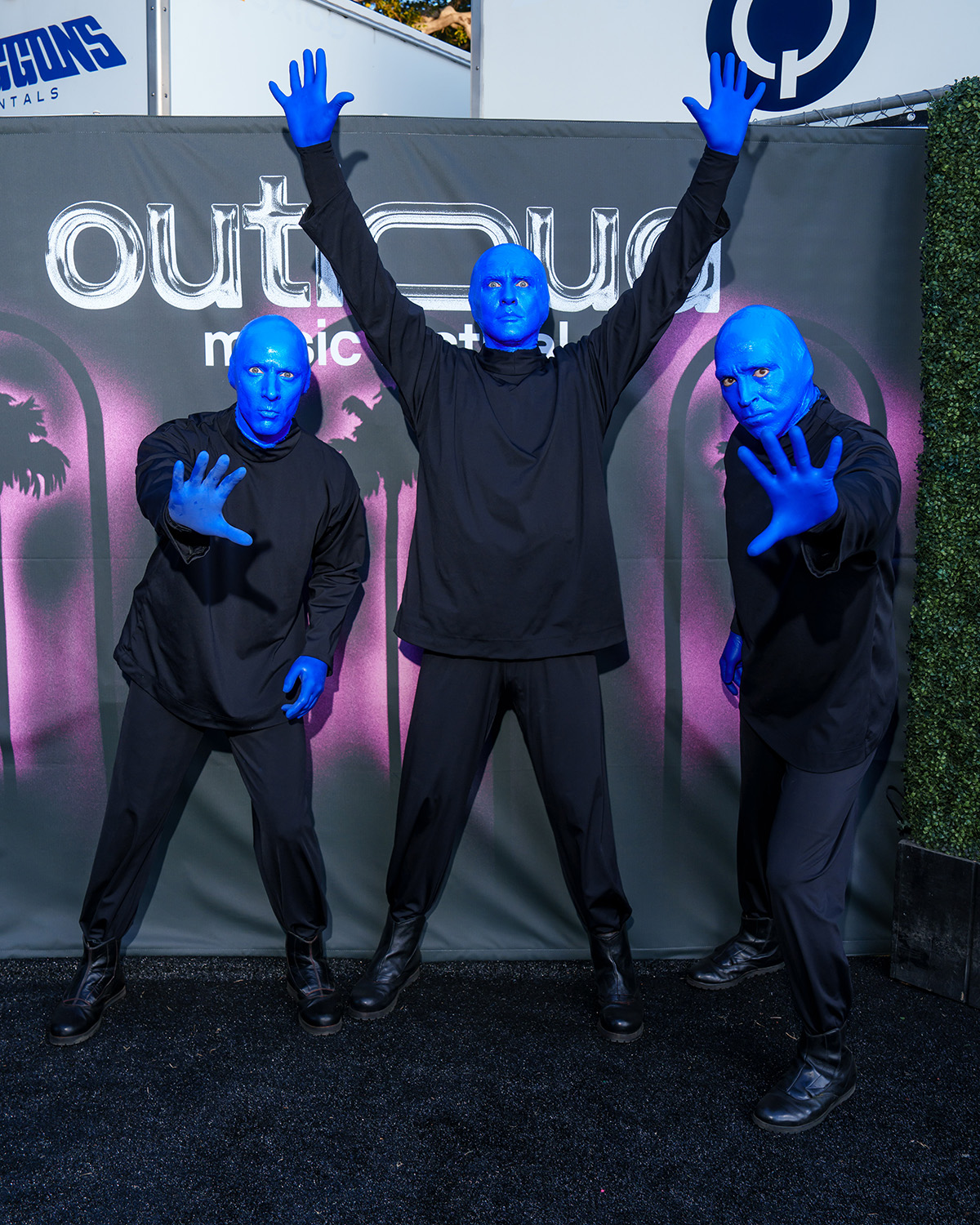
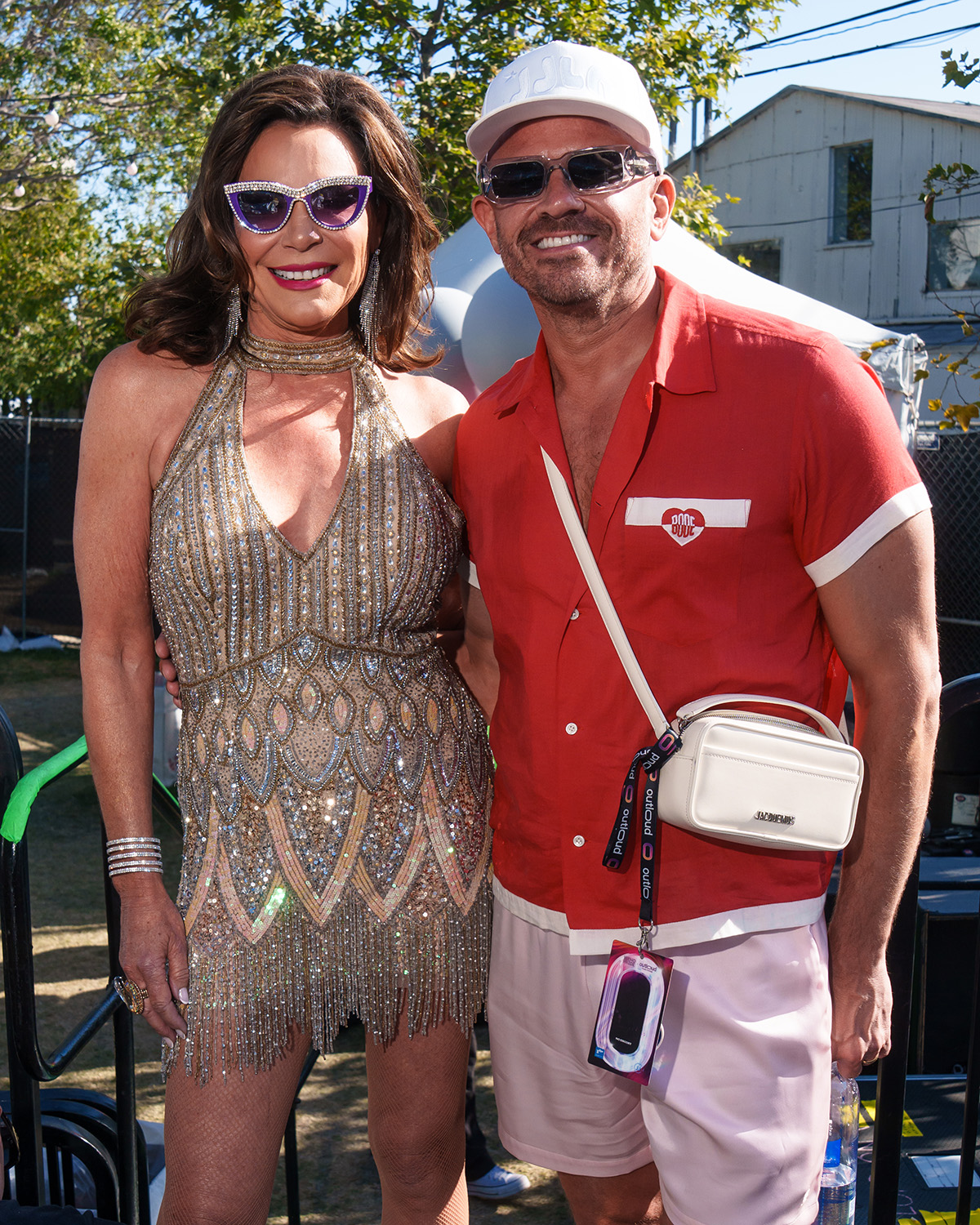
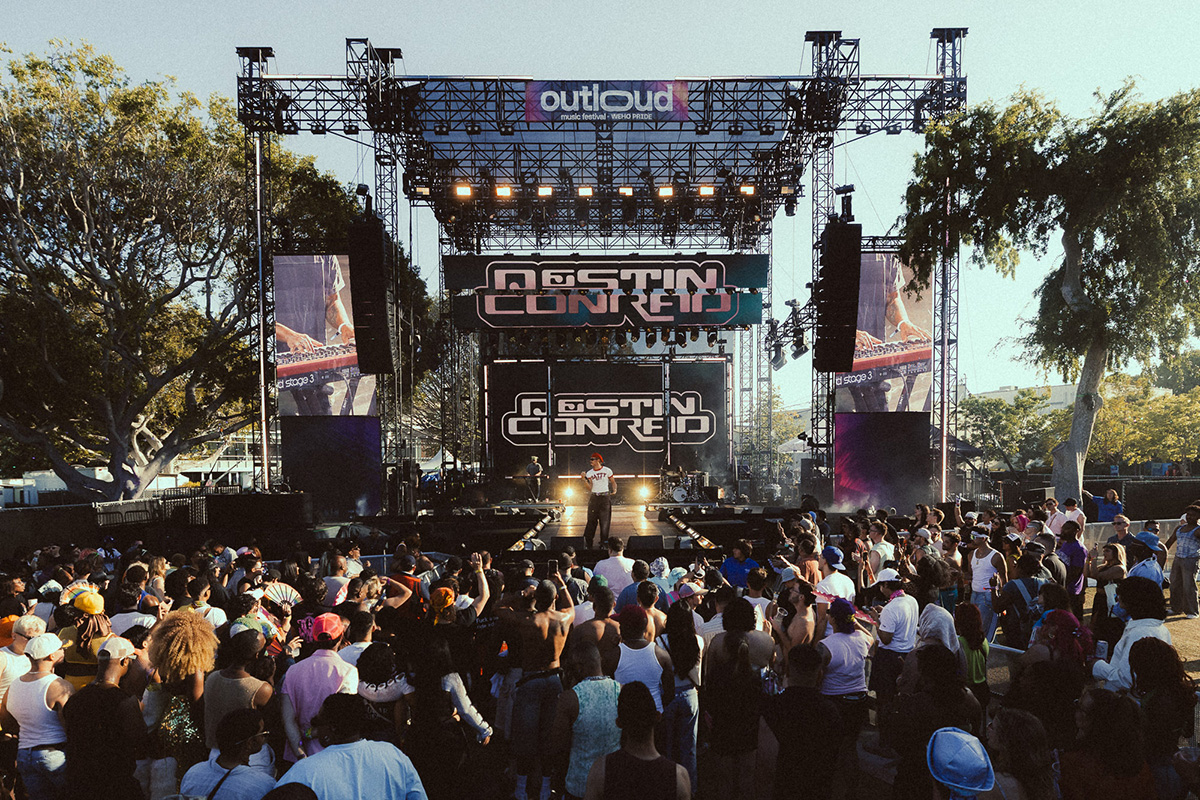
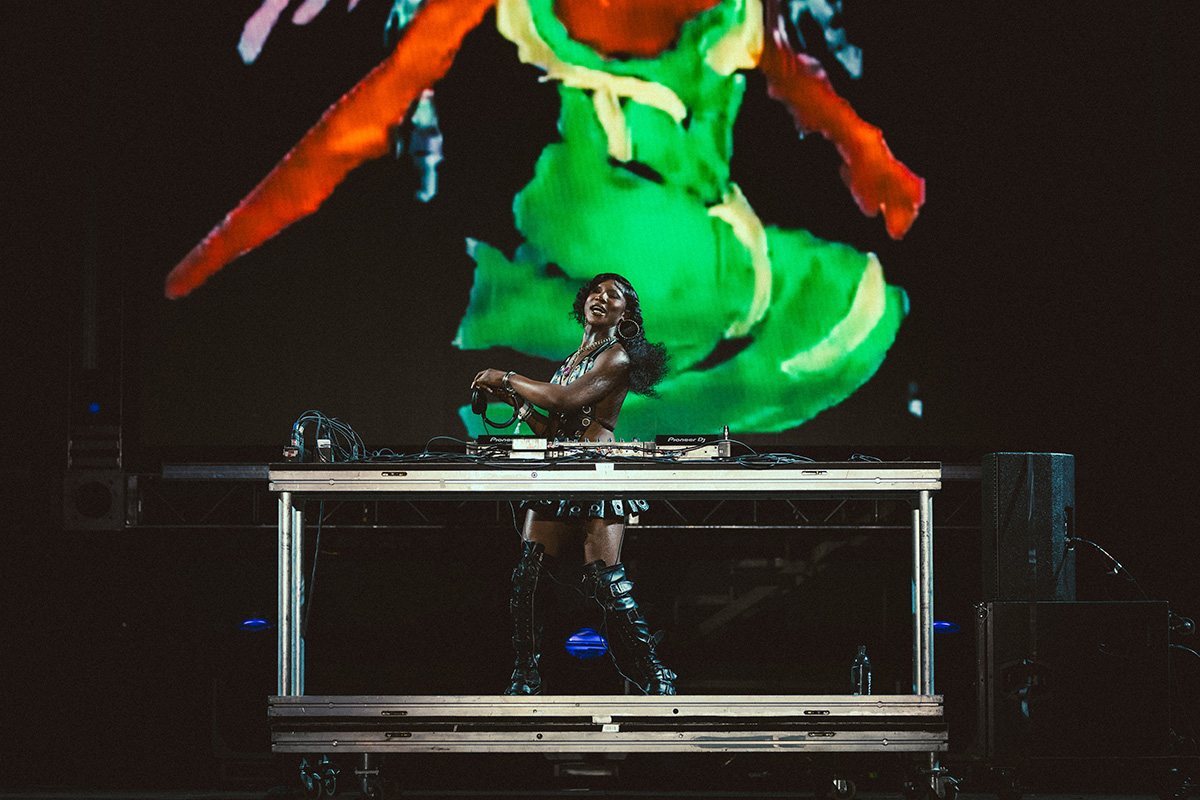
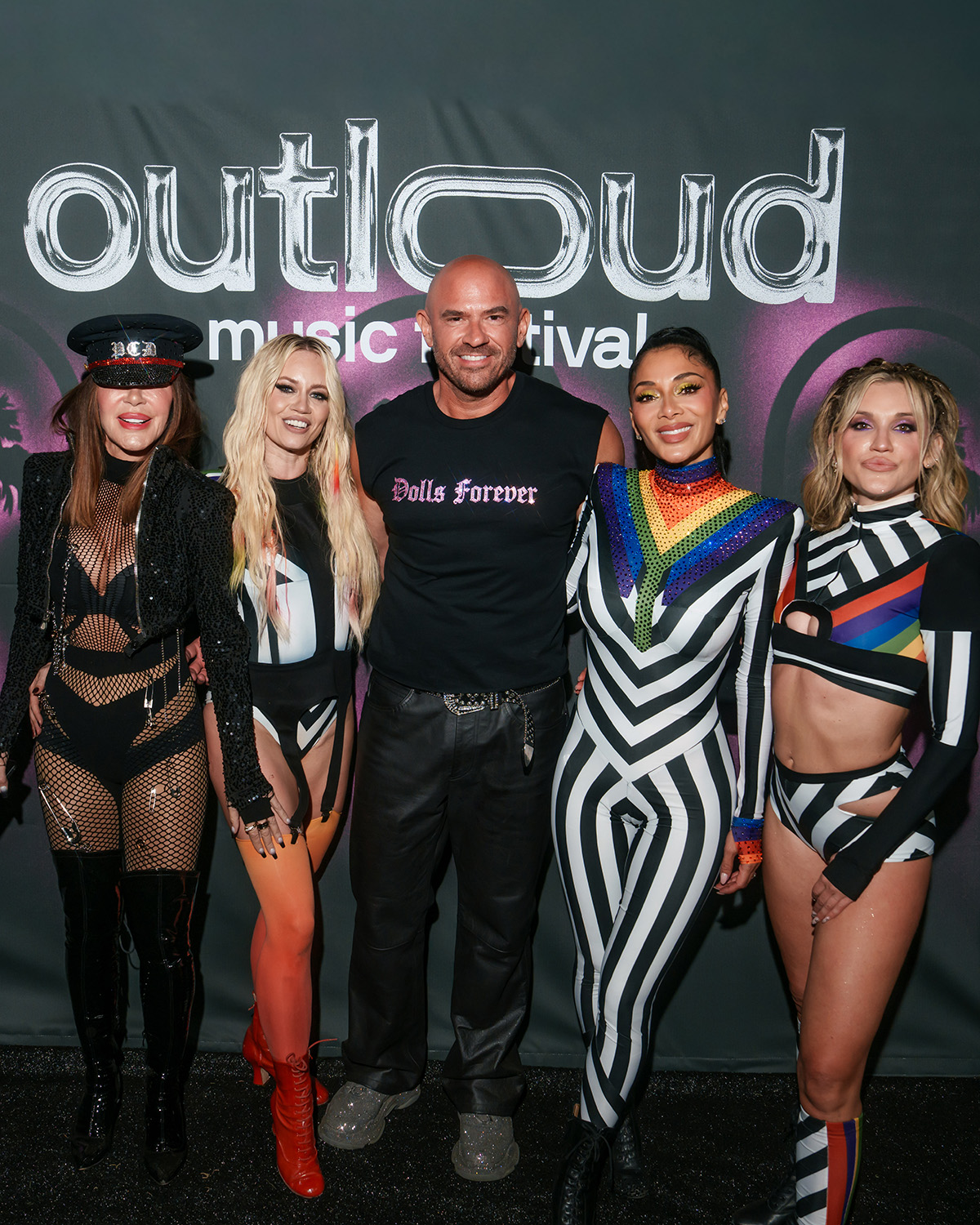
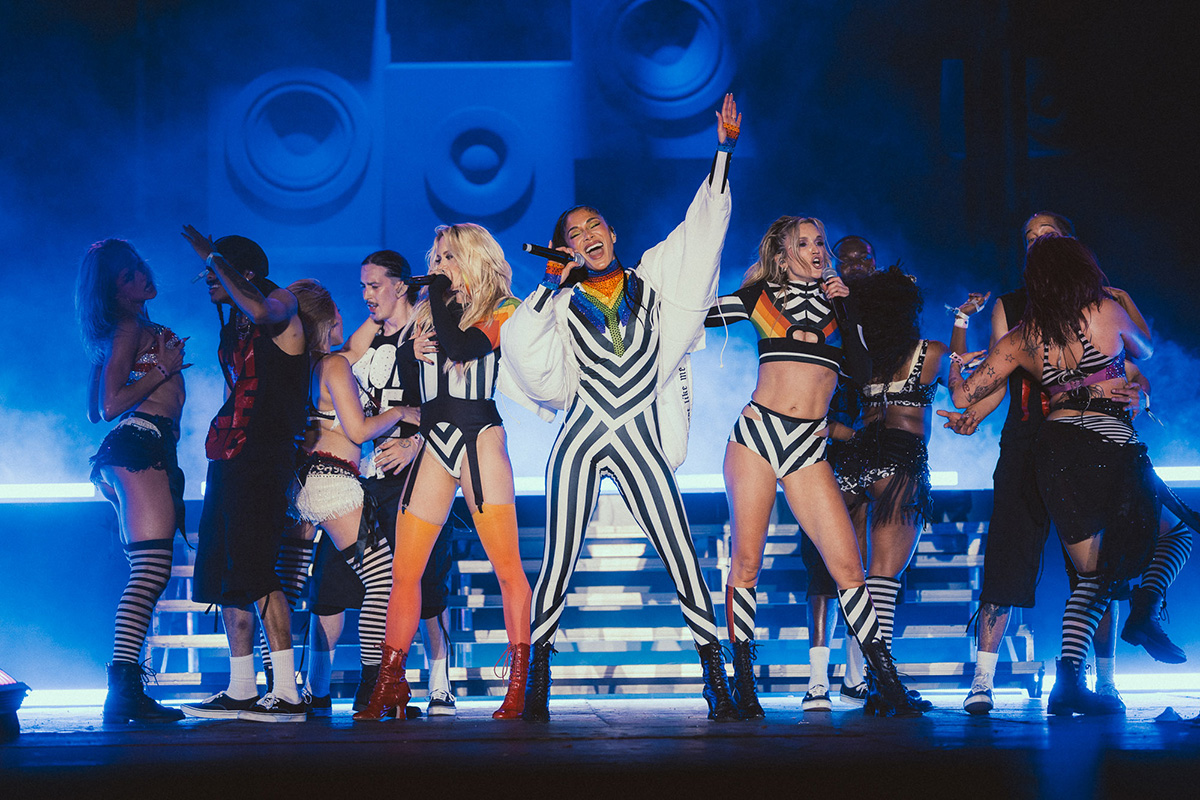
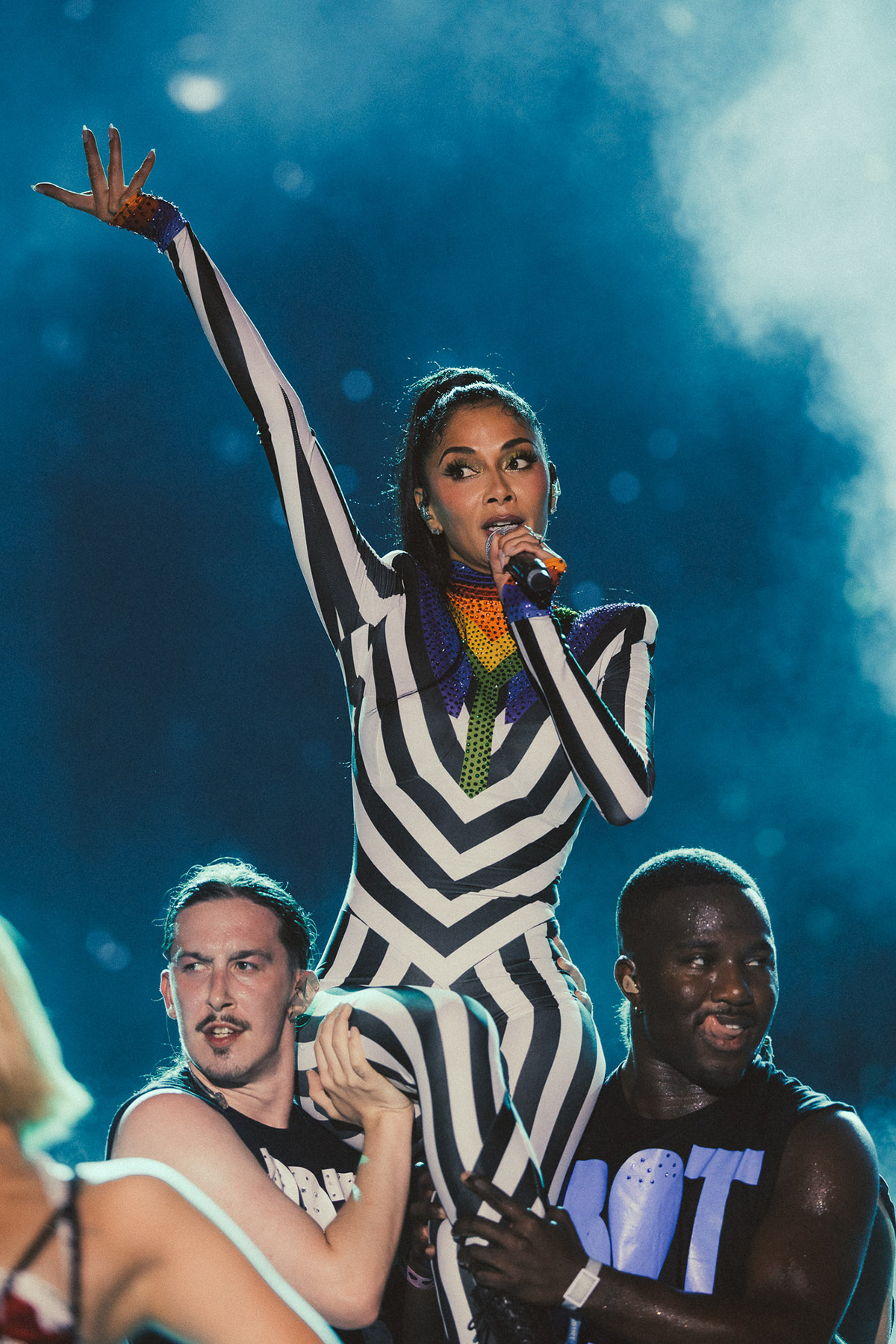
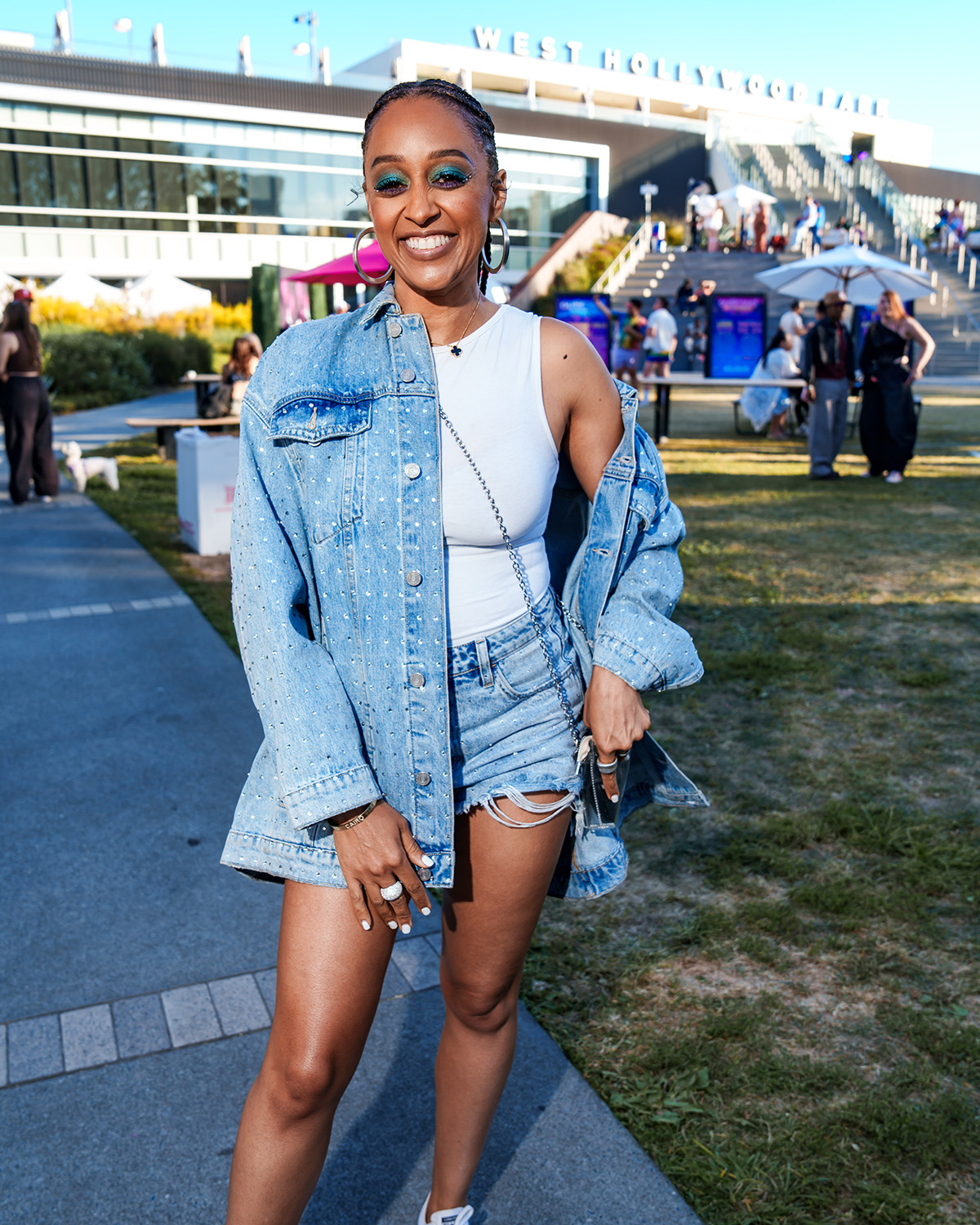
PHOTOS: OUTLOUD Music Festival
WeHo Pride kicked off Pride weekend with powerhouse performances
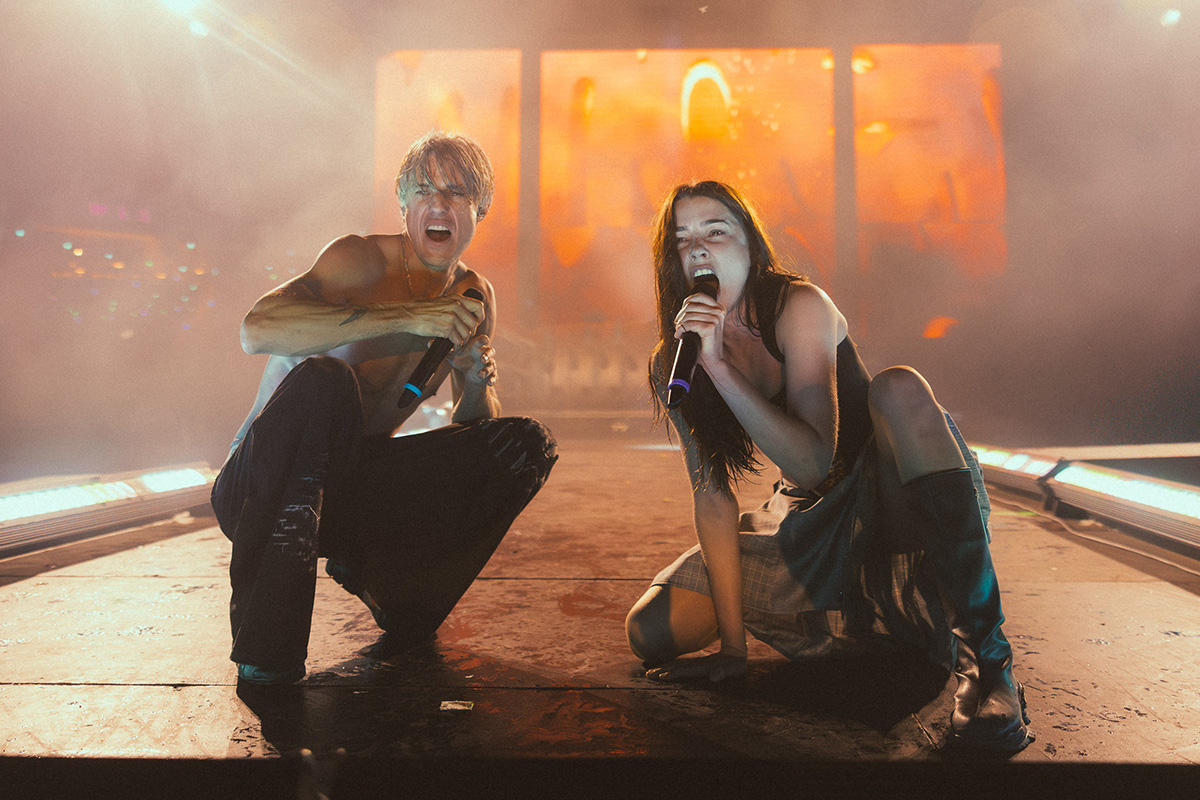
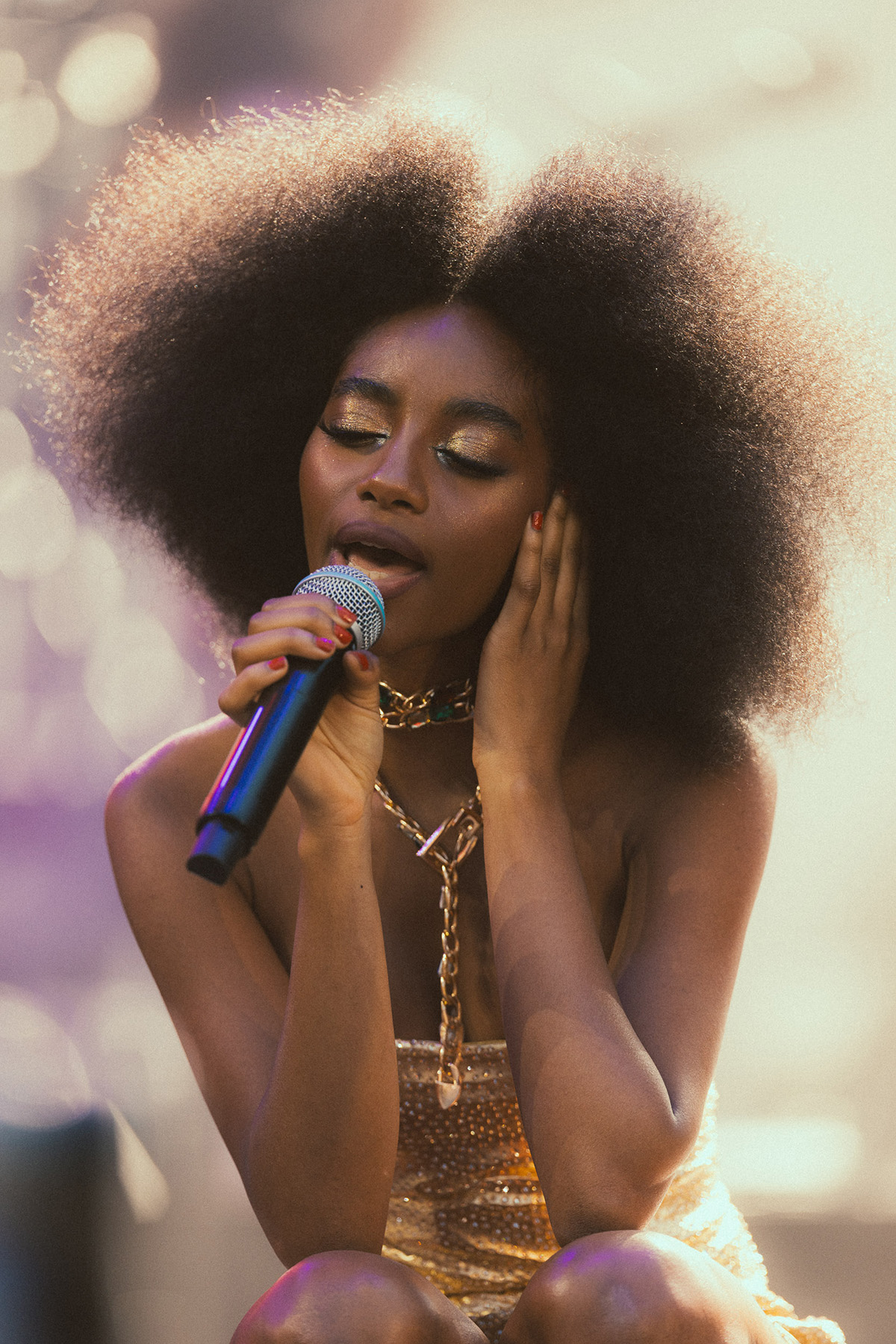
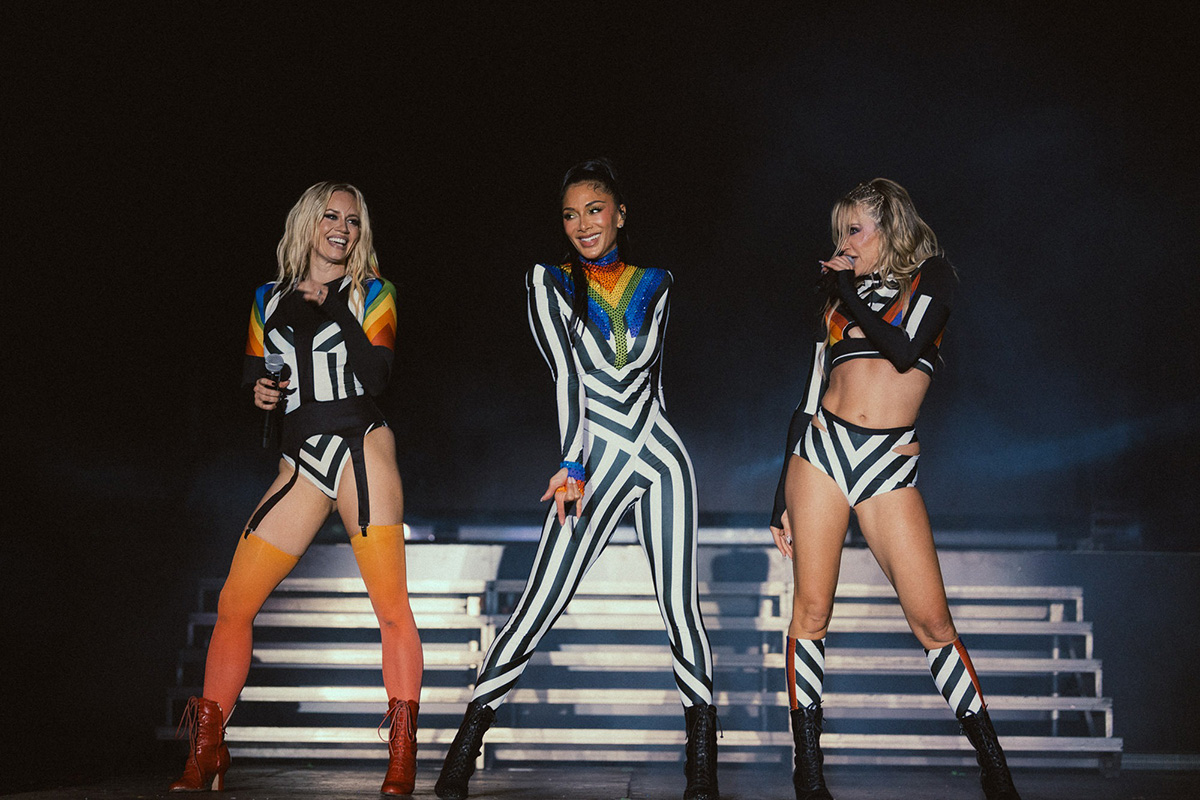
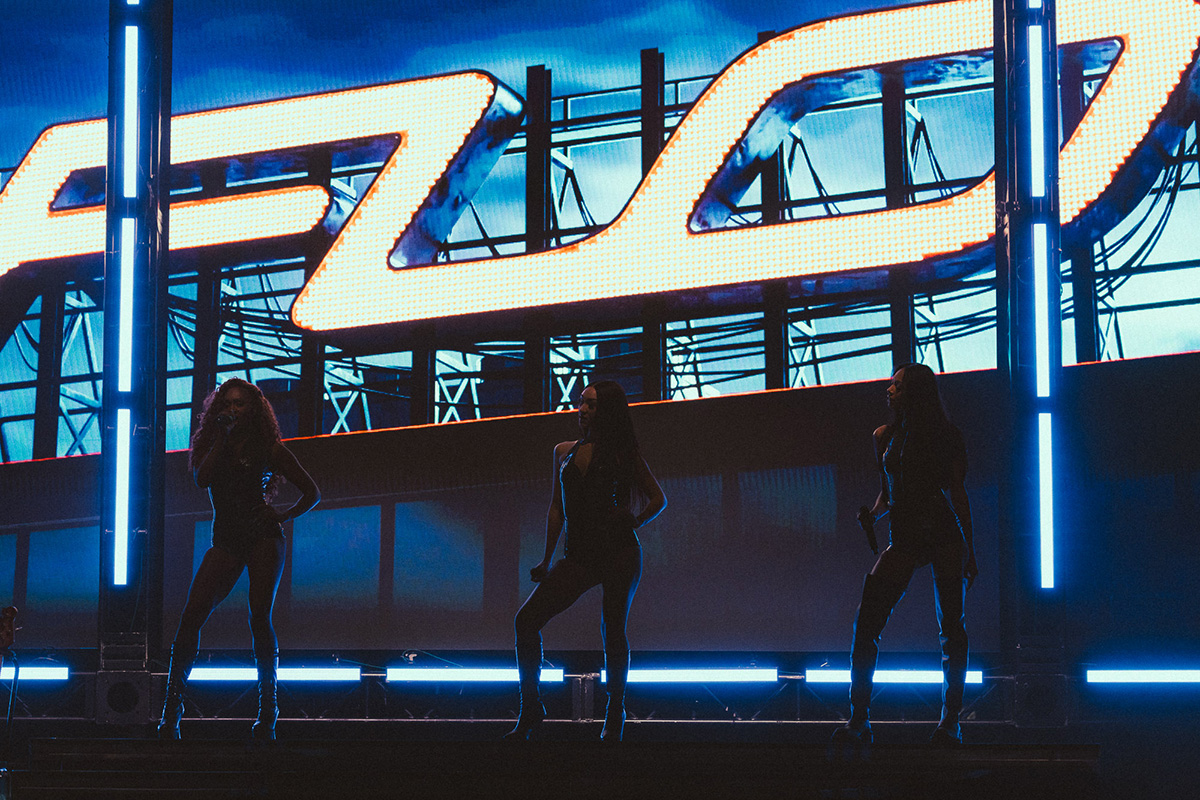
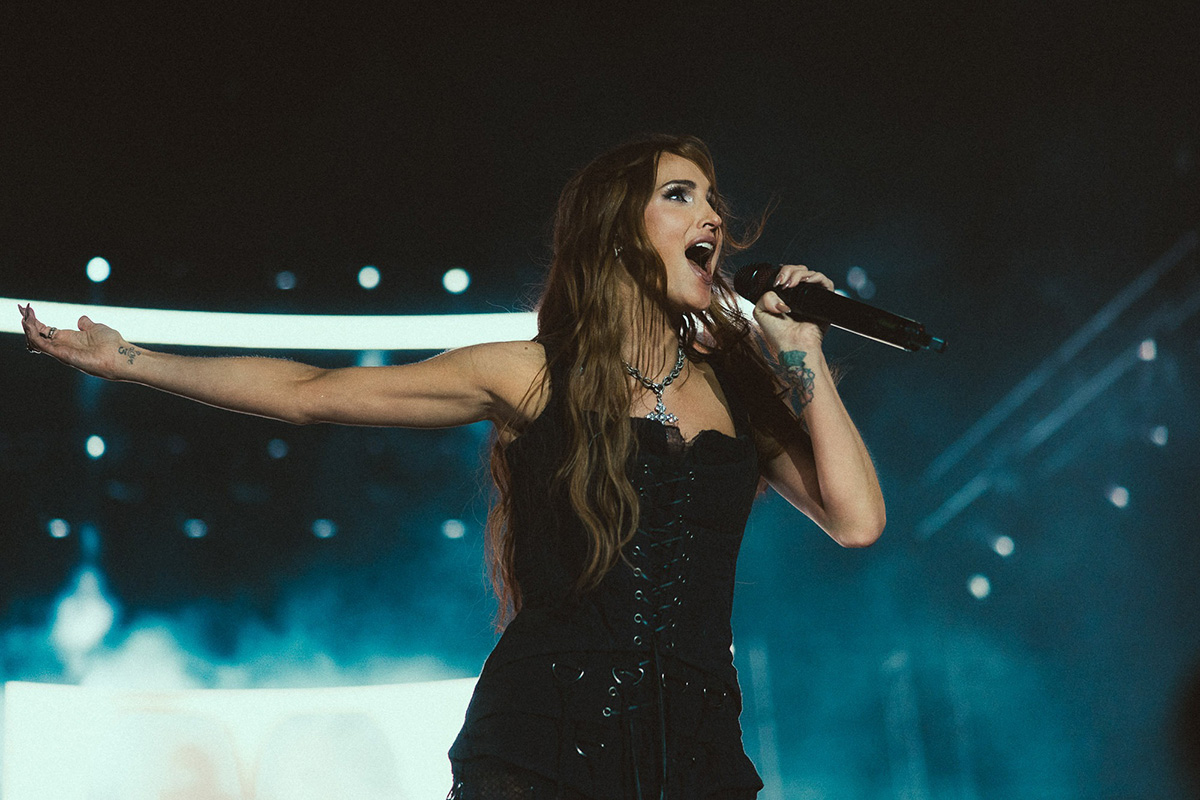
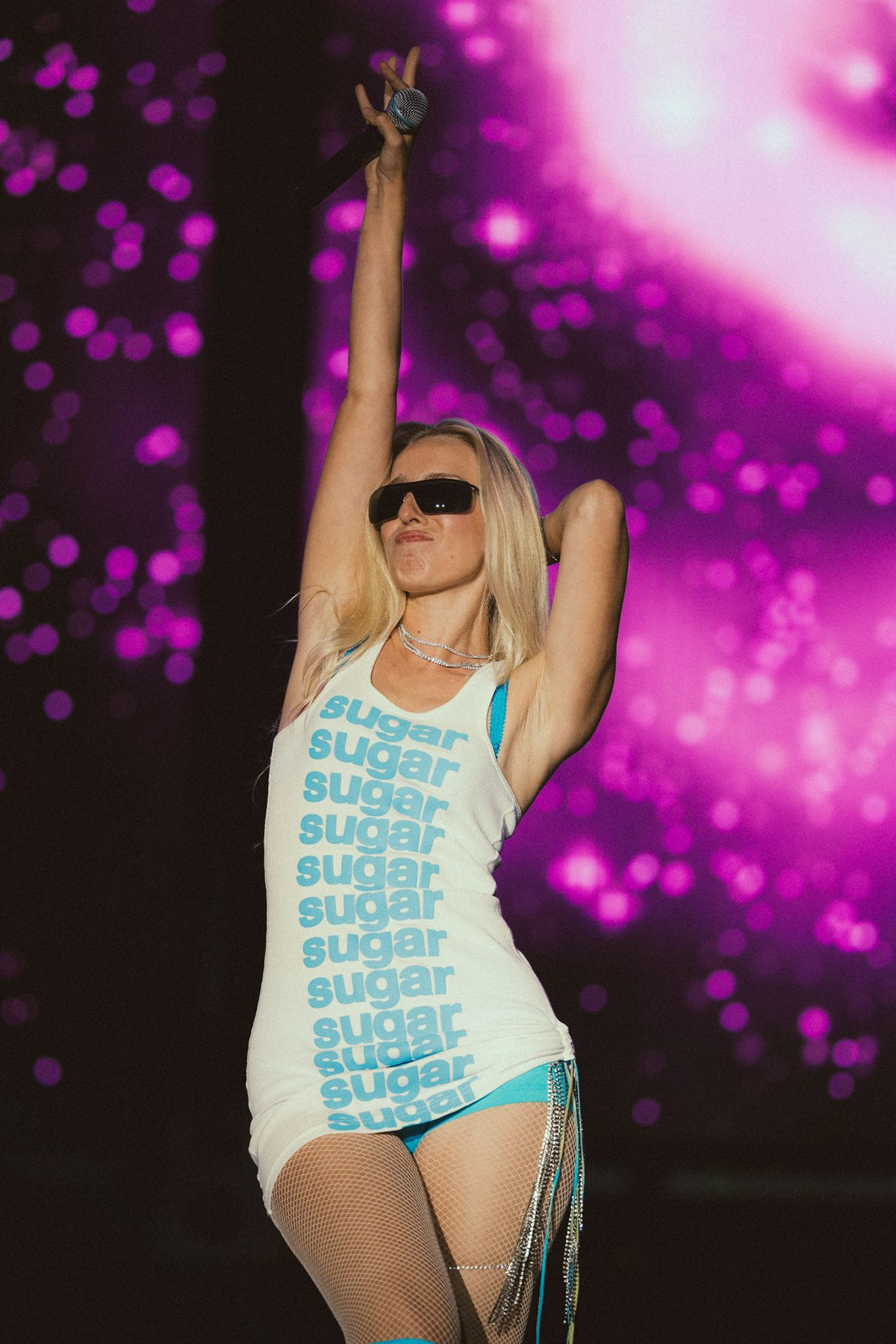
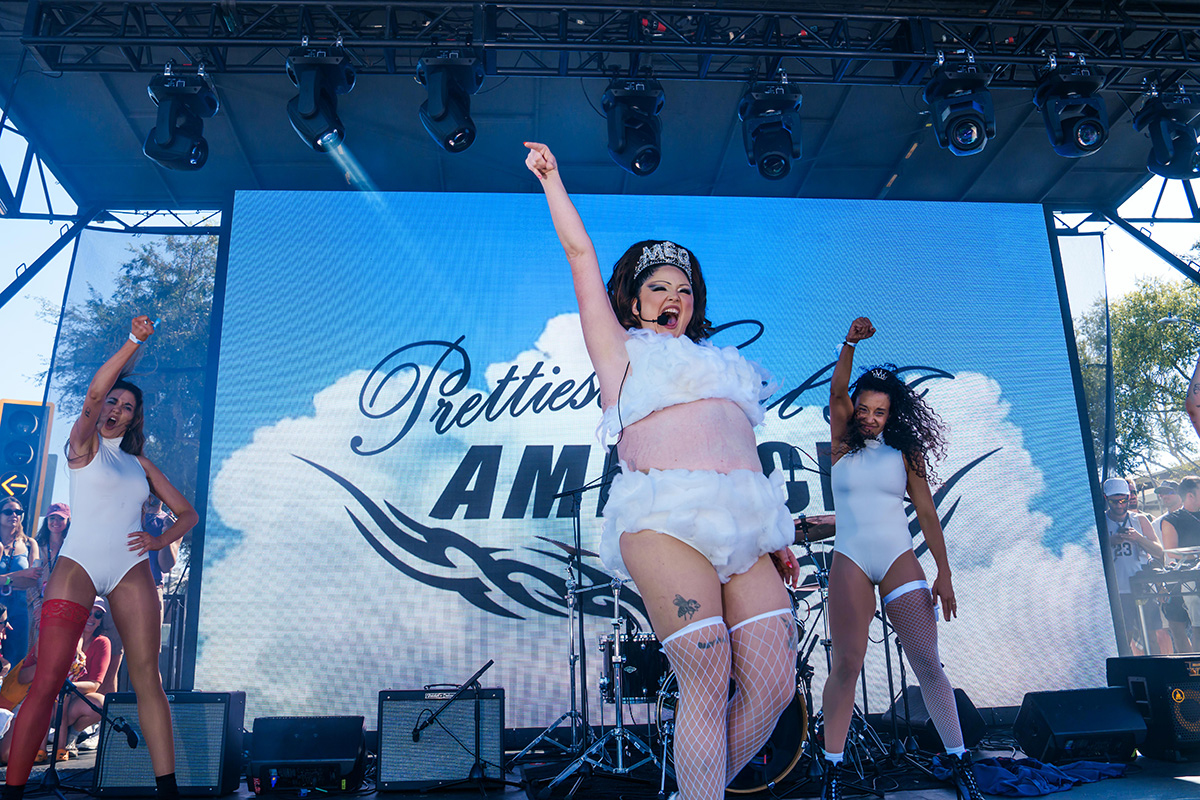
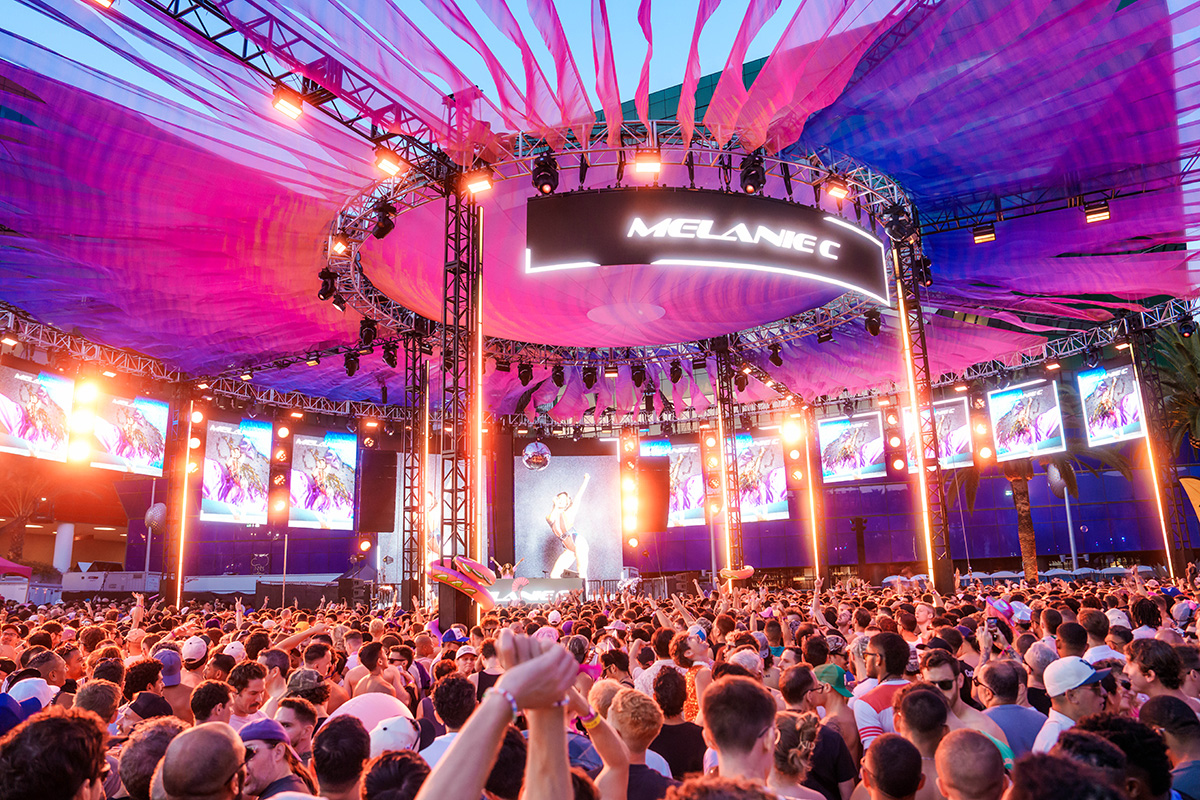
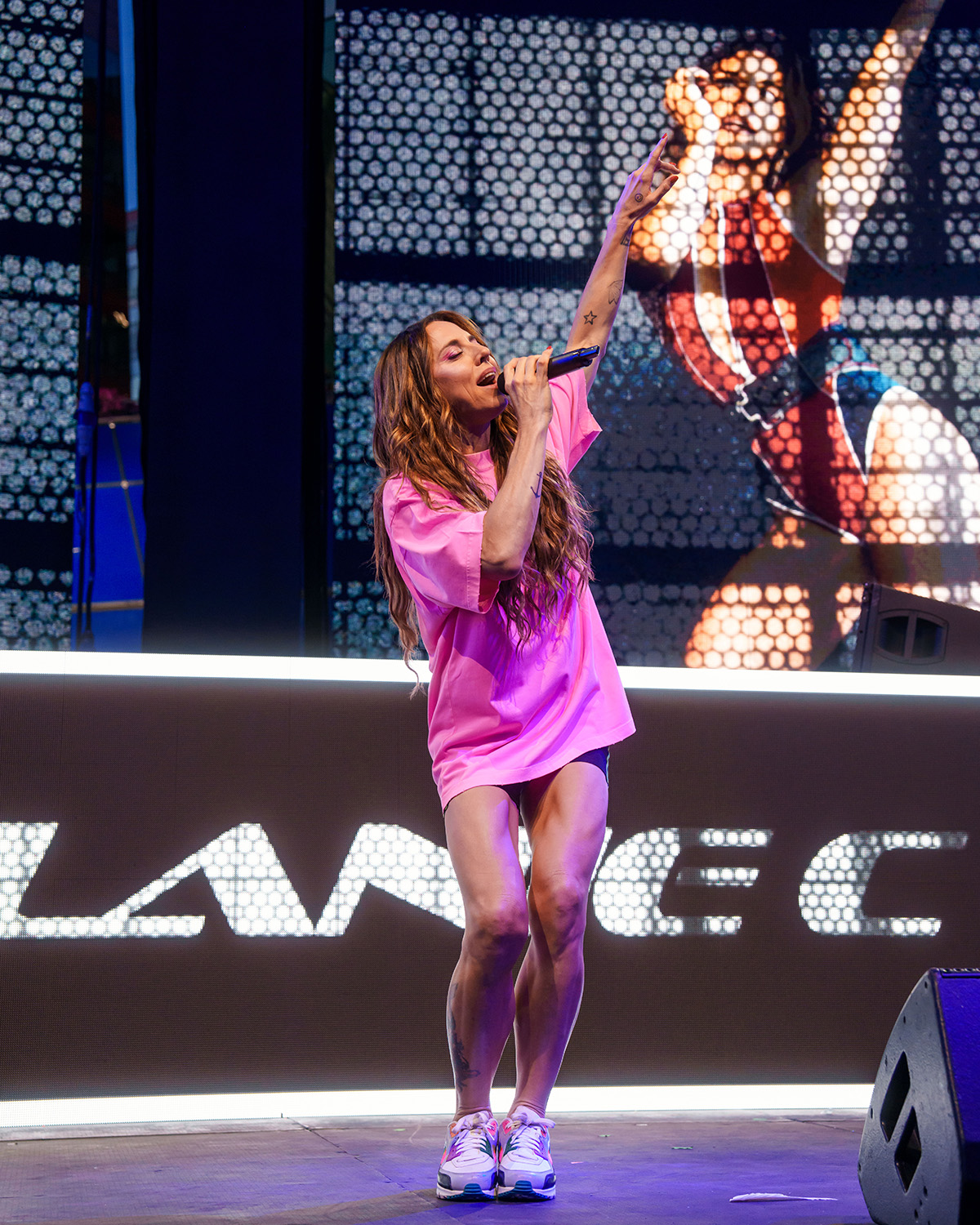
The OUTLOUD Music Festival at WeHo Pride was held at West Hollywood Park on June 4-6. Performers included The Pussycat Dolls, JADE, Maude Latour, Ava Max, Ashlee Simpson, Confidence Man, Flo and the Blue Man Group, Mel Stalter, Mel C and more.
(Photos by Daniel Macadangdang and @StevenOnTheScene; courtesy Lucky Break)

Drag diva Rhea Litrè releases Spanglish album ‘PUNTO’

Centenares de personas participan en la Marcha del Orgullo en la capital salvadoreña

Gay US couple among four people found dead in Mexico mass grave

Yona Speidel and the future of trans television

Santiago Pride march doubles as protest against new Chilean president

45 years later…: Advocate Karl Schmid on why HIV is far from over

How Helen Krieger plans to fight for West Hollywood

Buttigieg says false police report temporarily separated him from his children

Iran, Egypt play in World Cup ‘Pride Match’

Tens of thousands participate in post-Orbán Budapest Pride march
-
 AIDS and HIV2 days ago
45 years later…: Advocate Karl Schmid on why HIV is far from over
-
 Politics5 days ago
How Helen Krieger plans to fight for West Hollywood
-
 Politics5 days ago
Buttigieg says false police report temporarily separated him from his children
-
 Egypt3 days ago
Iran, Egypt play in World Cup ‘Pride Match’
-
 Hungary2 days ago
Tens of thousands participate in post-Orbán Budapest Pride march
-

 U.S. Supreme Court1 day ago
Supreme Court upholds state laws banning trans athletes from sports teams
-

 U.S. Federal Courts2 days ago
Court to weigh class action status in trans military ban challenge
-
 California Politics2 days ago
From the desk of Equality California: The latest political developments in CA and D.C.
-

 Asia2 days ago
LGBTQ+ rights gains in Asia come through courts, not legislatures
-
 Politics2 days ago
California State Senator Scott Wiener slammed during Trans Pride over his stance on Gaza