
Arts & Entertainment
Watch: ‘Queer Eye’ season three has first lesbian makeover
New episodes stream on March 15
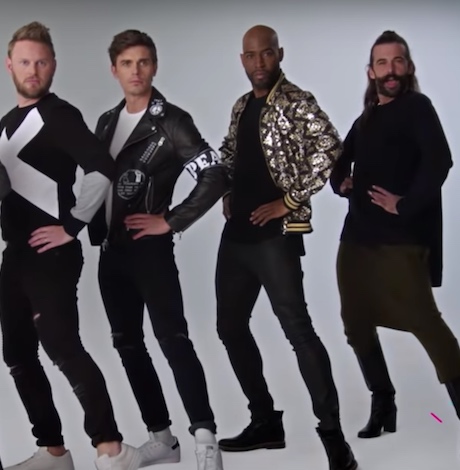
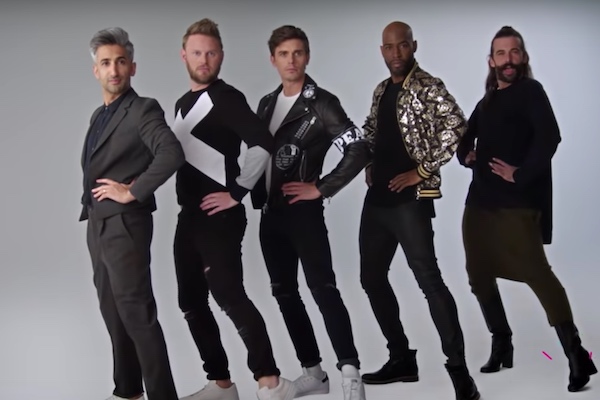
Tan France, Bobby Berk, Antoni Porowski, Karamo Brown and Jonathan Van Ness. (Screenshot via YouTube)
“Queer Eye” dropped the trailer for its anticipated third season which shows that there are still plenty of firsts to be had for the reality show.
Bobby Berk, Karamo Brown, Tan France, Antoni Porowski and Jonathan Van Ness leave Atlanta, where the first two seasons took place, and head to Kansas City, Missouri to lend a helping hand.
The trailer shows that the Fab Five makeover their first lesbian “hero” and also makeover two women at the same time. Other notable subjects include a recovering alcoholic and a woman who lost her 21-year-old little brother in a car accident.
“Queer Eye” season three streams on Netflix on March 15.




Television
New ‘Carrie’ attempts to reinvent a classic for new generation
A tone that’s less horror than social commentary
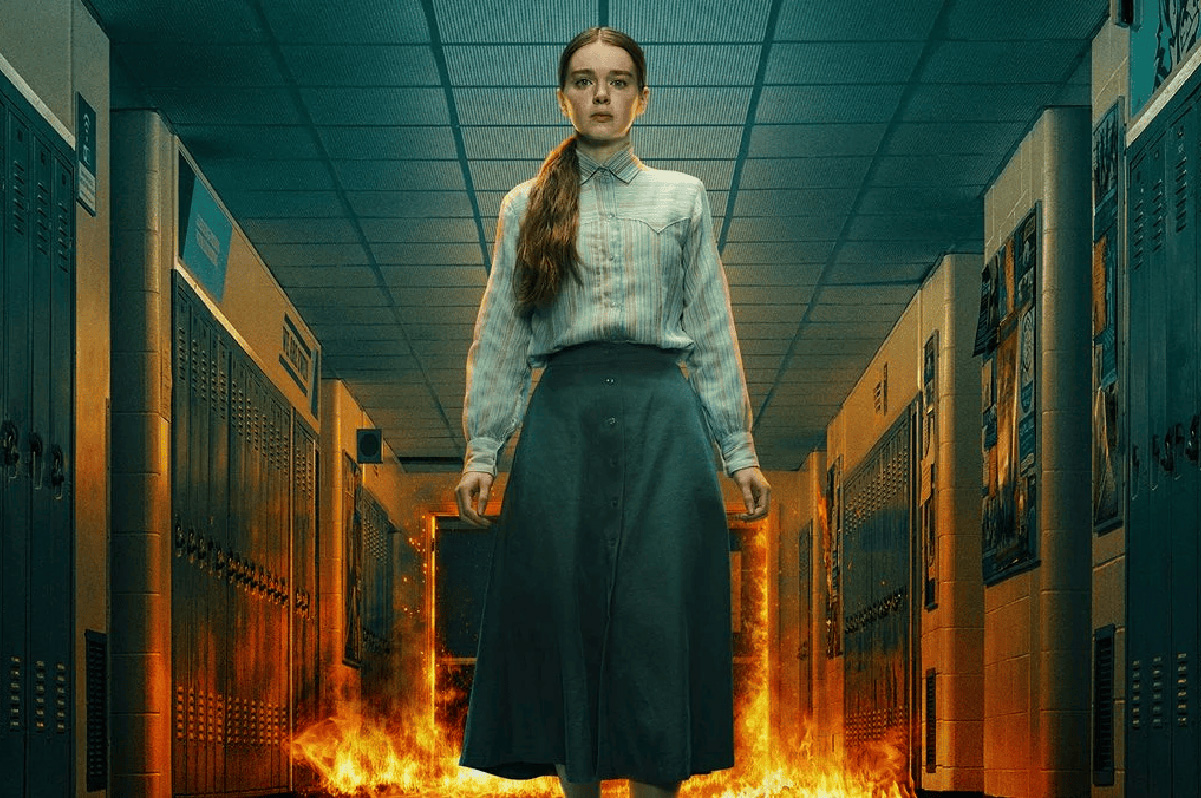
The books of Stephen King have had a rocky relationship with the movies.
Adaptations of the horror icon’s work have had an impressive track record on both big screen and small, earning success and critical acclaim across five decades. Some films based on his work – like “Misery,” “Stand by Me,” “The Shawshank Redemption,” and this year’s earlier “The Long Walk” – have reached the level of “prestige” cinema, earning award glory and finding their way onto critics’ “Best of the Year” lists. Many others, though, have landed at the opposite end of the spectrum, like “Children of the Corn,” “Maximum Overdrive,” and “The Dark Tower,” all of which are frequently featured in “Worst of All Time” lists instead.
There’s also King’s own vocal criticism of adaptations he doesn’t like, most famously around Stanley Kubrick’s 1980 film of “The Shining,” which has come to be hailed as a cinematic masterpiece but continues to be a sore spot for the author himself over the alterations Kubrick made to his book; his dissatisfaction with that project led directly to his own creation of a miniseries of the novel, which remained faithful to his original storyline. In the years since, other King novels have made it to television; some, like “The Stand,” have benefitted from the nuance made possible by long-form storytelling; others have suffered from a lack of it.
Despite the hit-or-miss history of Stephen King on the screen, however, he has always remained popular, and is now arguably more so than ever. This is why we have a new adaptation of his debut novel – “Carrie,” published in 1974 – streaming on Amazon Prime; and though King himself served as one of its executive producers, his fans may not entirely love what has been done with it.
Developed and spearheaded by Mike Flanagan – himself a popular horror creator, responsible not only for previous King adaptations (“Gerald’s Game,” “Doctor Sleep,” and “The Life of Chuck,” among others) and a string of successful Netflix series (“The Haunting of Hill House,” “The Haunting of Bly Manor,” and “Midnight Mass”), it updates and expands the original novel considerably. It’s still centered on its title character, whose reclusive upbringing combines with her growing telekinetic abilities (along with the torments she endures from her domineering mother and her schoolmates) to trigger a horrific catastrophe at her high school prom, but it allows the scope to widen for a deeper look into the “backstories” of other characters, as well as invoking themes around certain social issues – online bullying, dysfunctional family relationships, school violence, conspiracy theories, exploitation of tragedy by the media – which have become exacerbated in the 50 years since King wrote the book.
In this re-crafted version, Carrie White (Summer H. Howell) and her mother Margaret (Samantha Sloyan) have been secluded from the outside world for years, their existence kept secret until the “accidental” death of her father (Tahmoh Pennikett) leads to their discovery. Forced to participate in society, Carrie is enrolled in the local high school, while Margaret takes a job at the local big-box store. For her part, Carrie is eager enough to explore beyond the confines of home, but she quickly becomes the target of “mean girl” ringleader Chris (Alison Thornton) who seems bent on making her life miserable. There are others who offer more sympathetic treatment – new friend Sue (Siena Agudong) and her boyfriend Tommy (Joel Oulette), gym teacher Rita (Amber Midthunder), guidance counselor Mr. Moron (Tim Bagley), and others – but her struggle to fit in is not made any easier by her mother’s continued interference in her school life.
Of course, we all know what happens. Even for those who never read the original book, Brian DePalma’s 1976 screen version, starring Sissy Spacek as Carrie and Piper Laurie as her monstrous mother, is a pop culture touchstone for anyone who grew up with it, and it remains one of the few King screen adaptations to remain controversy-free in terms of appreciation by fans and critics alike. There’s no need to worry about spoiling the ending – even Flanagan’s series opens with news coverage of the “Black Prom’s” aftermath, so the story is essentially a flashback from the very beginning.
Yet “Carrie” is, as King originally wrote it, a streamlined and compelling tale that expertly and relentlessly builds suspense through the single-minded simplicity of its narrative. It’s an exercise in watching the dominos lined up methodically before the climax of seeing them all fall down in a spectacular catharsis of gore, devastation, and yes, horror. That’s the whole point – and that’s also why Flanagan’s expanded framework becomes a bit of a problem by the series’ midpoint.
In weaving new storylines around the oppressively isolated narrative of Carrie’s experience – extended explorations of toxic teen behavior, romantic relationships between various other characters, and even the inclusion of a subplot involving witch-hunters and a cult – this new vision of the story offers a depth that is absent from the original book and movie, giving us insight that humanizes and even invites sympathy for figures we would not otherwise have felt deserve it; it incorporates larger themes about society, politics, and all the other divisive issues that trickle down into the way we treat each other in private. These things might make this “Carrie” feel like a bigger story, but they make for a tone that’s less “horror” than social commentary; and frankly, with the out-of-control behavior of high schoolers dominating so much screentime, it sometimes feels like we’ve accidentally tuned into an episode of “Euphoria” by mistake.
That’s not to say Flanagan’s “Carrie” isn’t a worthwhile watch. He brings to it the same inclusive, compassionate generosity of spirit – highlighting feminist themes, incorporating queer characters, honing in on the power of kindness in a world of cruelty – that he brought to his previous adaptations of vintage horror tales. He even gives Margaret White, so hateful in King’s book and so operatically deranged in DePalma’s film, the benefit of the doubt, focusing on the motherly love and protection that drives her abusive behavior to help us understand that this is her tragedy, too.
Many viewers will surely appreciate these efforts; many others, who might prefer the operatically deranged Margaret White of the original to the softened version offered here, will not. For those who go in hoping to relive the thrills of the original, who both want and need the over-the-top American gothic horror they know, Flanagan’s changes might be a few steps too far – and while the original story’s terse and streamlined narrative doesn’t give us time to examine the fine points, keeping us locked with Carrie into her private hell, this one gives us room to reflect, diffusing the tension and denying us the satisfaction of the clear-cut horror fantasy we expect.
Even so, with excellent performances and production values all around, it’s a grade-A binge-watch that makes us appreciate the high-tone camp of DePalma’s version – and King’s original novel – with renewed fondness. Besides, it’s Halloween, so how can you resist?
a&e features
Fortune Feimster has always taken representation through comedy seriously
Feimster is bringing her latest comedy tour to the United Theater in Los Angeles on November 7
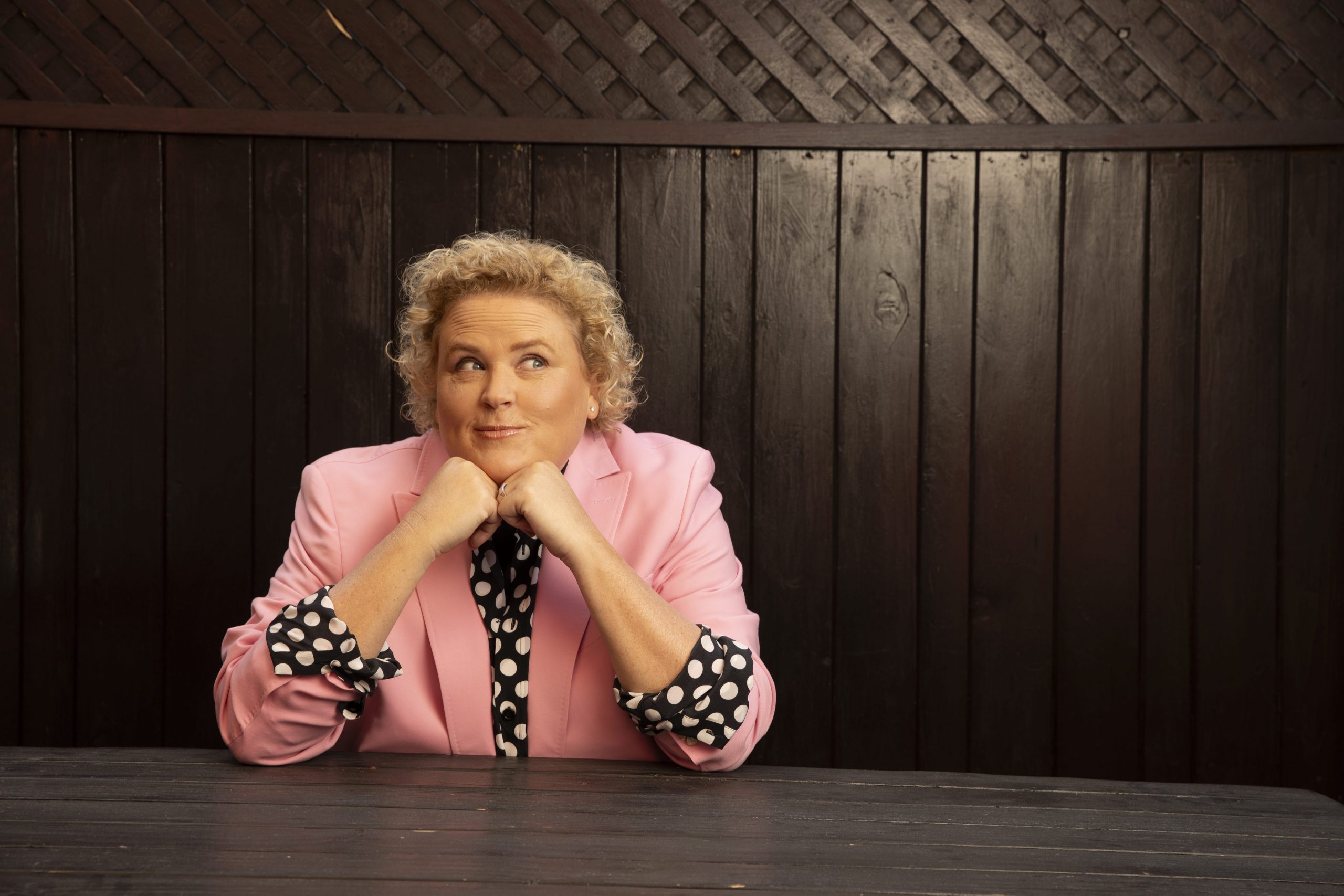
After spending months away from friends and family (outside of a hometown visit to North Carolina), Fortune Feimster is in the final stretch of her latest tour, Takin’ Care of Biscuits. And it’s only fitting to bring it home to Los Angeles, the city that provided the queer stand-up comic her first live audience two decades ago.
“Every hour that I put out is very much a reflection of my life at that period of time and what I’m going through; there’s a lot of changes in my personal life, from my Mom to my marriage, so I don’t shy away from those things,” Feimster tells The Blade. “But I’m also not a serious ‘comic,’ so I still find levity in those life experiences.”
In the Takin’ Care of Biscuits tour, which is coming to the United Theater in Los Angeles on Saturday, November 7, Feimster explores some of these big changes in life, from coming out of a 10-year relationship to her Mom being diagnosed with cancer — all through the lens of confessional, feel-good style comedy, of course.
Long before voicing a lovable beaver in Zootopia 2 or starring in The Mindy Project, Feimster got her start back in 2007 at The Comedy Store, which she describes as “bro-y.” Everything changed, though, when she discovered a local show at Akbar, run by a gay comedian named Bruce Daniels. “The queer comedy community embracing me and giving me a platform was a huge part of my foundation,” she says.
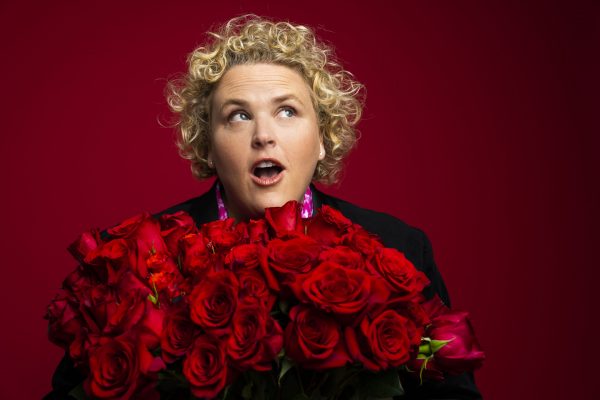
As part of her comedy, Feimster will sometimes dig up hate tweets and comments and incorporate them as part of her act (at least in the past, when she says she had “more time” to look at social media). In her 2022 special Good Fortune, the audience roars in laughter when she reads a comment calling her a “taco-licking lesbian.”
“Sometimes it’s hard to deal with some of the hateful comments, but this particular one, I was turning his comment on its head in that he referred to me as these awful things, but he did refer to my partner at the time as my wife, which meant he was recognizing my marriage!” Feimster says. “That was a huge step because guys like him, people like him, do not want me to have that right to begin with.”
As a comedian who speaks openly about sex and sexuality, Feimster has “always” taken the representation she provides “very seriously” when she steps on stage in front of an audience.
“Anytime we get to tell our stories and be on platforms like Netflix, it’s big. People from all over the world see these specials, and hopefully they see something in you they resonate with,” she says. “And then on the silly side of this, I also have some fun jokes that I tease my fellow lesbians about, which people are really enjoying. You’ve got to not take yourself too seriously.”
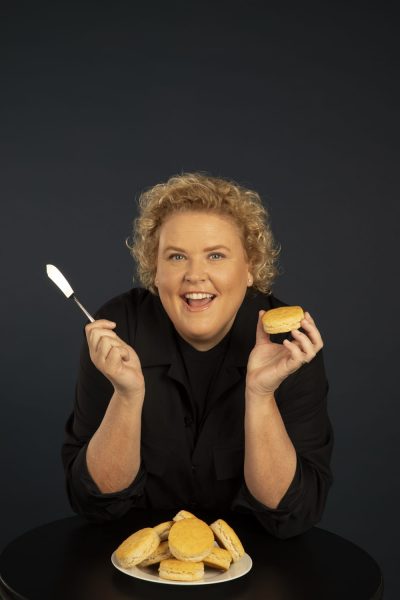
Outside of stand-up comedy, Feimster co-hosts the podcast Handsome, which won a GLAAD award in 2026, with Tig Notaro and Mae Martin. That has “broadened” the comedian’s horizons in the different generations of queer fans each host draws in. She also recently co-starred in Netflix’s The Hawk, holding her own alongside Will Ferrell and Molly Shannon. In addition, Feimster has been chosen as the 2026 National Grand Marshal for Palm Springs Pride, timely for her Palm Springs appearance at the Plaza Theatre on November 8th.
“Things are getting harder; this is the time to be more visible,” Feimster says. “And that’s what I try to do — just be a visible, out comedian who is not trying to shy away from being who I am.”
Feimster’s tour comes to Santa Barbara on Oct 24th, Los Angeles Nov 7th, and Palm Springs Nov 8th; get your tickets here.
Movies
From ‘La Bola Negra’ to ‘Coward,’ here are this award season’s must-watch queer films
Los Javis, Andrew Scott and Jordan Firstman are already in the Oscar conversation
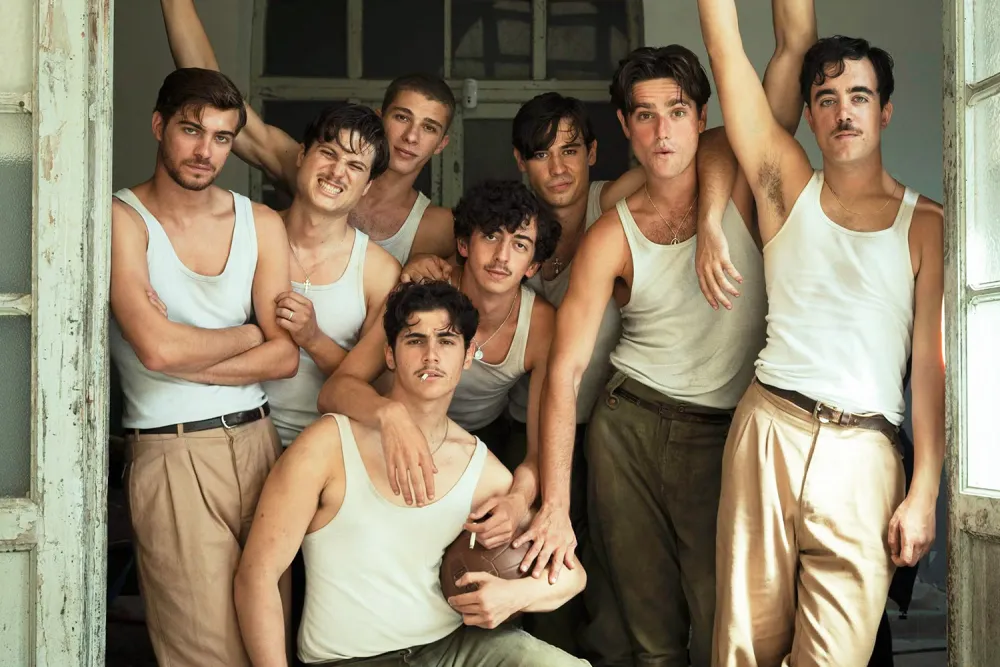
At this year’s Cannes Film Festival, multiple queer directors cemented their projects as ones to watch this awards season. From La Bola Negra to Club Kid to Coward, 2026 is poised to be a breakthrough year for queer cinema.
La Bola Negra, directed by former Drag Race judges Javier Ambrossi and Javier Calvo — collectively known as Los Javis — was the breakout film at Cannes, tying for the best director prize with Paweł Pawlikowski and most recently winning the coveted TIFF People’s Choice Award. The ambitious, decades-spanning historical drama starts in 1930s Spain and ends in 2017, connecting the lives of three men as they confront their identity during fractured points in history. Based on the raves the film has received from critics and audiences, it’ll likely be one of the biggest contenders for the Best Picture Oscar, with performances from Penélope Cruz, Glenn Close, Julio Torres, Guitarricadelafuente and Lola Dueñas. It will release in theaters Oct. 16 and drop on Netflix Dec. 2.
Jordan Firstman made the unexpected leap from internet personality to breakthrough filmmaker with his directorial debut Club Kid, which he also stars in. The film follows a leader in New York’s club scene (Firstman) who discovers he has a 10-year-old son (Reggie Absolom) who he never knew about, completely throwing his life’s priorities into disarray. The film features Cara Delevingne and was shot by The Invite cinematographer Adam Newport-Berra. A24 is set to release the film in theaters on Nov. 6.
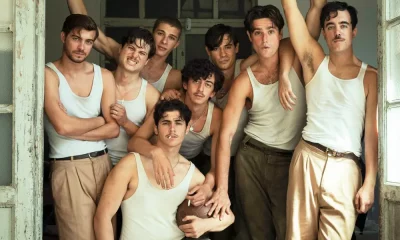
Four years after Close scored a best international feature nomination, director Lukas Dhont is back in the awards race with his historical drama Coward, which won the best actor prize at Cannes (shared jointly by leads Emmanuel Macchia and Valentin Campagne). Set in the midst of World War I, the film follows a young Belgian soldier (Macchia) who starts a secret love affair and joins a theater troupe to bring joy and entertainment to his fellow soldiers. MUBI is set to release the film in theaters on Dec. 25.
The animated film Tangles also made a splash at Cannes. Directed by Leah Nelson and led by a voice cast featuring Julia Louis-Dreyfus, Bryan Cranston, Beanie Feldstein, Seth Rogen, Sarah Silverman and Bowen Yang, the film follows an activist living in ‘90s San Francisco who returns to her conservative hometown after her mom gets diagnosed with Alzheimer’s. Independent Film Company is set to release the film in select theaters before the end of the year, with a wider theatrical expansion in early 2027.
While Elsinore didn’t premiere at Cannes, the tearjerker has been making the rounds at fall festivals and recently won the TIFF International People’s Choice Award. Andrew Scott plays Ian Charleson, the actor known for starring in 1981’s Chariots of Fire, as he gives his final performance in a London rendition of Hamlet before dying of AIDS. The film also stars Oscar-winner Olivia Colman and Heartstopper star Joe Locke. Focus Features is set to release the film in theaters on Nov. 20.
Although his new film doesn’t have U.S. distribution quite yet, it’s worth calling out Ira Sachs’ The Man I Love, which stars Oscar-winner Rami Malek and recently had its Canadian premiere in Toronto. The musical film is set in ‘80s New York, a time period that Sachs returns to frequently in his work, following Malek as a performance artist taking on a new role while grappling with his AIDS diagnosis. The cast is rounded out by Rebecca Hall, Ebon Moss-Bachrach, Tom Sturridge and Luther Ford.
After last year saw noticeably few queer actors and directors in the Oscar conversation, this year’s awards race is already shaping up to bring a slew of exciting, new queer stories to audiences. Other queer films to look out for include A Long Winter from Andrew Haigh, Clarissa, and La Gradiva.
Dance
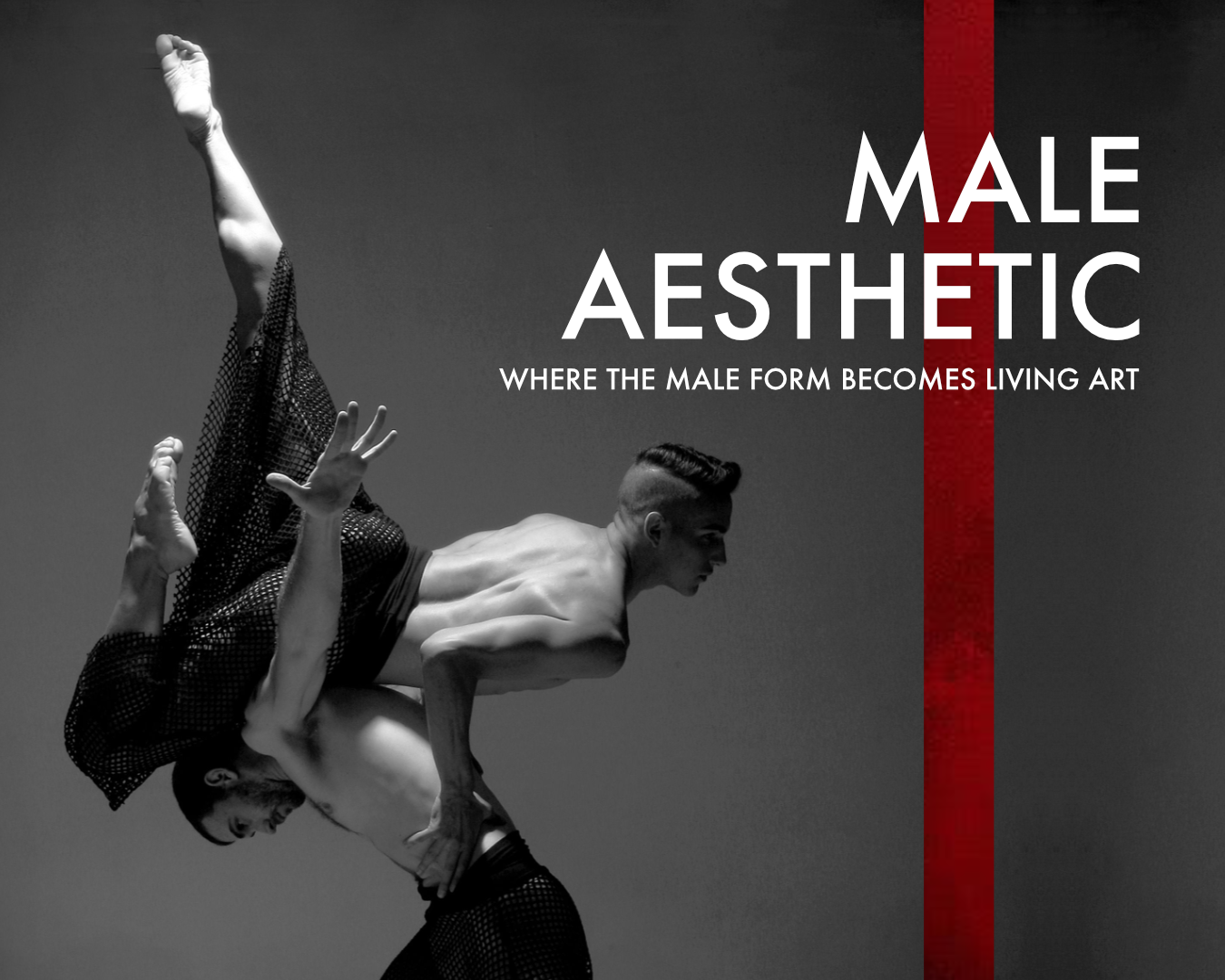
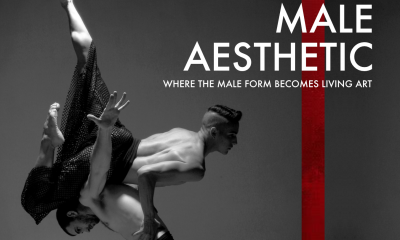
‘Male Aesthetic’ challenges conventional tropes of masculinity through dance at Nickerson-Rossi Dance Company
The Nov. 4 performance at the Palm Springs Art Museum will help local boys access free dance training
COACHELLA VALLEY –
Michael Nickerson-Rossi was studying film and design at Modesto Junior College when a class assignment brought him to film a dance concert. His mother had died of cancer when he was 17, and he had lost his father a few years later. But behind the camera, watching the dancers give movement to emotions he knew so well, Nickerson-Rossi found both his calling and a way to express what he had been feeling.
“Everything that I saw was everything that I felt,” he recalled.
The choreography of Kim T. Davis and Lori Bryhni, who would become his mentors, inspired him to begin dancing. That discovery eventually led him to establish Nickerson-Rossi Dance in 2011. Through the company’s upcoming performance, Male Aesthetic, he hopes to help men and boys discover their own possibilities for expression, opening a door much like the one that first drew him to dance.
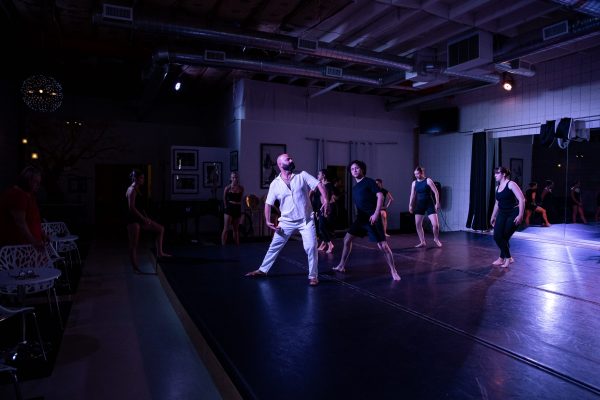
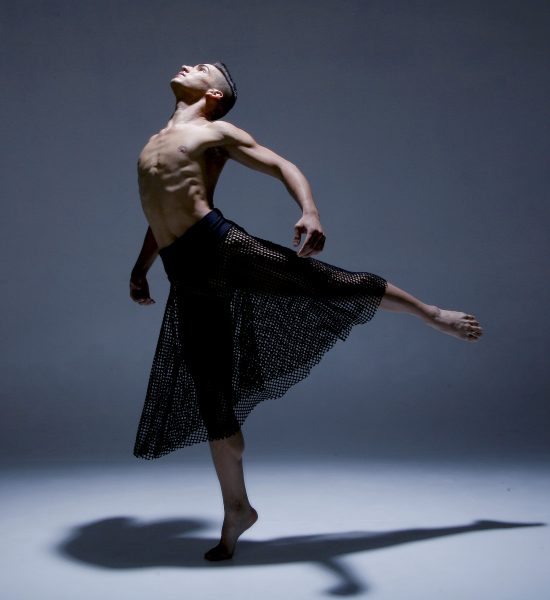
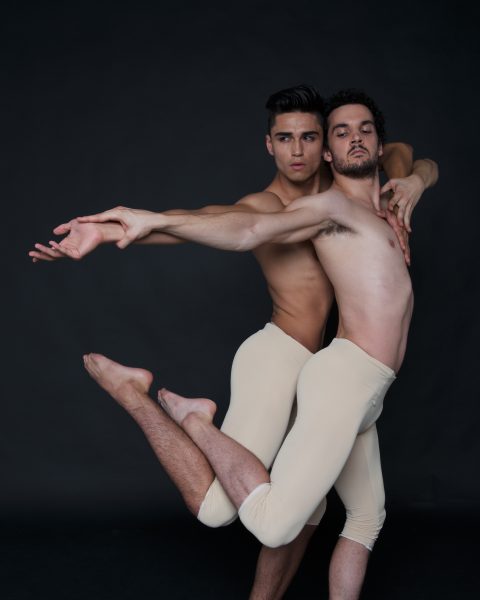
On Nov. 4, Nickerson-Rossi Dance will join Desert Peeps and young men from Idyllwild Arts Academy at the Palm Springs Art Museum for a one-night-only performance that brings together contemporary, street and classical dance with visual art. Through themes of strength, beauty, and vulnerability, the program challenges conventional expectations of masculinity and expands the ways men and boys can express themselves.
“Rather than presenting masculinity as something rigid or singular, Male Aesthetic explores vulnerability, sensuality, tenderness, athleticism, and emotional expression as equally powerful aspects of the male experience,” Nickerson-Rossi told the Blade.
For the company’s founder and artistic director, “choreography plays with ideas of power and softness, tension and release, individuality and connection.” In the process, Nickerson-Rossi states that: “Male Aesthetic asks the audience to consider who gets to define masculinity–and what becomes possible when men are given permission to move, feel, and express themselves without having to conform to a particular image of what a man should be.”
All proceeds will fund BOYS DANCE! scholarships at Palm Springs Dance Academy. Since launching in 2023, the initiative has provided free training to more than 50 local boys in the Coachella Valley.
For executive director and principal dancer Chad Allen Ortiz, the mission to make dance accessible grows out of his own scholarship-supported training. As a teenager, Ortiz struggled with finding community and was stressed about potential college finances. However, dance gave him a community, a way to express himself, and eventually a career.
That opportunity also demanded substantial commitment:
“The exchange for training at no cost came with the expectation that I would commit multiple days and weekends to classes, rehearsals, and full classical productions of Don Quixote, Beauty and the Beast, Cinderella, Alice in Wonderland, and, of course, The Nutcracker,” Ortiz told the Blade. “As a male dancer, I was carrying multiple roles.”
Alongside those demands came a growing sense of what dance could become in his life. His school brought in young professionals to perform leading roles, giving Ortiz many individuals to look up to and a glimpse of the artist he could become. Today, he wants students in the Coachella Valley to find that same inspiration as they train in the spaces where the company’s professional dancers work.
Access to the dance studio, however, requires more than paying for classes – it requires showing up. Ortiz said that perceptions of dance can limit whether boys consider stepping into the studio.
“Dance can sometimes be viewed primarily as entertainment or something adjacent to sports rather than as a serious artistic discipline, a form of training, or even a viable profession,” he told the Blade.
For queer boys, expectations about masculinity can add another source of pressure. Ortiz said the program embraces the LGBTQ+ community while challenging the assumption that an interest in dance indicates a boy’s sexual orientation. “One of the biggest stigmas we want to break is the idea that dance is ‘for gay boys,’” Ortiz explains, “Dance gives young people an opportunity to explore strength, softness, athleticism, creativity, discipline, vulnerability, masculinity, and femininity without requiring them to put a label on any of it.”
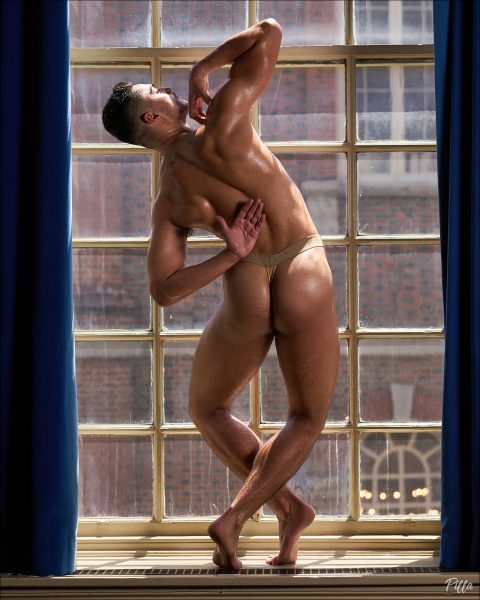
One student, now in third grade, has been dancing with the organization since kindergarten. He also loves robotics and engineering. To Ortiz, those interests show how much room a child should have to grow. “They’re both parts of who he is,” he said.
Most BOYS DANCE! participants are still elementary-school-aged, and Ortiz is careful about measuring the young program’s impact when the program itself is only three years old. But he finds excitement in boys branching out from hip-hop into jazz and modern classes, exploring movements they might once have thought were off-limits.
That willingness to try something new is also what Nickerson-Rossi hopes the performance will encourage.
“I hope audiences leave seeing more possibilities for how men can express themselves, and that young boys watching feel free to find their own.”
Male Aesthetic takes place Nov. 4 from 7–8:30 p.m. at the Palm Springs Art Museum.
Buy your tickets here.
a&e features
How Orville Peck healed his inner child through ‘Street Fighter (2026)’
The famous singer discusses this new role and what it means to him as an LGBTQ+ artist
When asked to think about Orville Peck, most people would immediately remember the man’s music, his time on Broadway, his many scintillating photoshoots or, of course, the ornate masks he wears throughout it all.
Most wouldn’t, at least before a few months ago, think about the long-lasting video game franchise, Street Fighter.
This historic fighting game doesn’t instantly mesh with the image that Orville has spent years developing. The country singer has garnered national acclaim through his four albums, sultry and often somber affairs that have earned him numerous awards and thousands of fans. Along with his voice, new listeners are intrigued by his masks; Peck always wears a face covering to protect his privacy and embody a distinctly queer flair in his work. These are only removed for very special occasions — such as his renowned turn as the Emcee in a Broadway revival of Cabaret — with even his recent centerfold in the sexy magazine Playgirl seeing Orville bare everything except his face.
The musician does all of this while being proudly gay, serving as one of the most notable queer celebrities we have today. This, combined with his dynamic career, has earned Peck legions of supporters, each one excited about whatever new project he decides to do next. And they were all completely shocked in early 2026 when Orville announced just what that project would be: starring in Kitao Sakurai’s live-action adaptation of the classic video game, Street Fighter.
“They didn’t know I grew up playing this game, so it was so cool!” Peck raved as he discussed the film with the Los Angeles Blade. For the less digitally-minded of us, Street Fighter is an immensely popular gaming franchise, with this decades-spanning series offering dozens of games filled with colorful characters players can fight as. The cast for this latest adaptation dropped earlier this year and included stars like Jason Momoa, David Dastmalchian, Callina Liang — and, of course, Orville Peck.
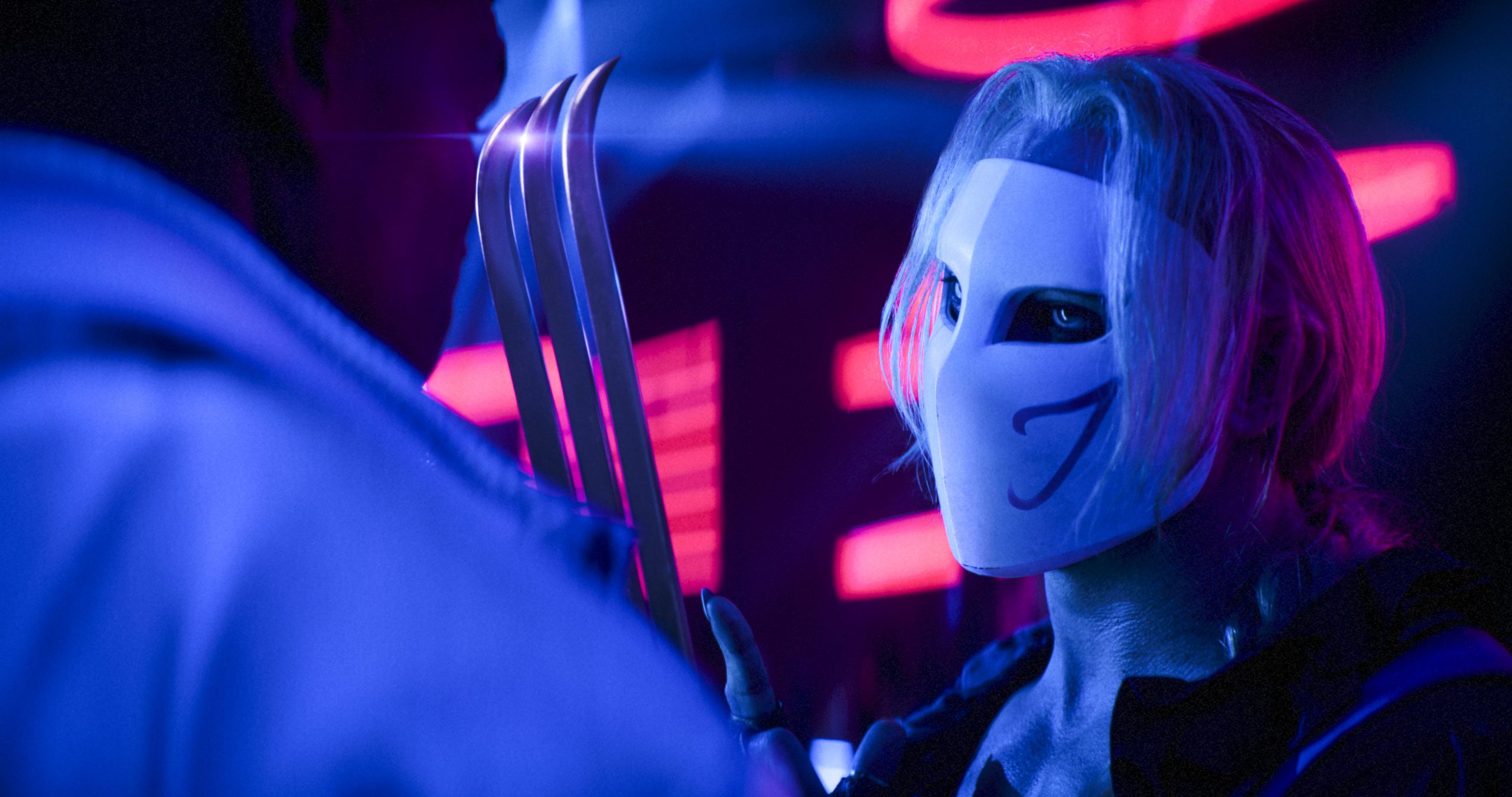
“Fighting games probably draw a lot of queer people in [because] you can choose which character speaks to you, and they belong there,” Orville explained. “They don’t have to prove themselves…they belong, and you can connect in that way, since maybe you didn’t belong or [feel] included,” Orville admitted that it’s a connection he’s experienced himself; the man spent many hours of his childhood playing Street Fighter with his brothers. And one of his favorite characters was Vega, the bullfighting, gorgeous assassin obsessed with his own appearance (and slashing his opponents to ribbons).
It’s why there was no question Orville would take on the role when it was first offered to him. This may seem like an easy choice for many viewers — both Peck and Vega wear a mask — but the singer stressed that his link to the character went far beyond just the physical. “Vega did carry this kind of queer-coded energy that queer fans of Street Fighter have always picked up on and related to. And I was encouraged to not stray away from that — they wanted that to be included.”
Vega serves as the loyal henchman of Street Fighter’s main villain, M. Bison, with the claw-wielding fighter filling his screen time with snarky humor, great action scenes, and a distaste for wearing a shirt. But Vega also serves as a vital contrast in the film by punctuating the hypermasculinity of the men around him. He shows that queerness and strength can go hand-in-hand, with Orville finding it so affirming to bring out that universal truth through his performance.
It was something that he enjoyed not only for his adult self, but for the younger version who loved nothing more than playing Street Fighter with his brothers, saying, “Being a little queer kid…I definitely did not feel at times that I was going to be welcomed into some things in life, right? Getting to be the only openly gay man in this film with a bunch of very heterosexual gentlemen running around, and then having my place next to them? I think that would be really encouraging and healing to little Orville, for sure.”
Orville went on about his amazing co-stars — he warmly referred to Callina Liang, who plays Chun-Li in the film, as ‘my sister’ — and the countless joys this role brought him. When asked whether he would return for a possible sequel, he emphasized, “We’re all so close as a cast now. Everybody loves and supports each other so much. I would 100% do it again, of course.” It’s a promising message for many queer viewers absolutely loving his turn as Vega, and it signals an uplifting development for the man himself.
Orville Peck’s entire career is dedicated to utmost authenticity, showing your truest self in a way that feels genuine and recognizing what that truth brings to yourself and others. In a movie filled with nonstop fighting and campy chaos, he still managed to channel that into every second of his time onscreen. And whether it be as Vega or whatever role he decides to take next, it’s a vital message that this musician — and, he will remind you now, actor — will always work hard to make the center of his work.
Sports
‘Come Out for the Games’ gets Los Angeles excited for the 2028 Olympics
Pride House LA’s new series spotlights LGBTQ+ athletic culture

Los Angeles’ LGBTQ+ population is very excited for the upcoming 2028 Olympic Games — and that’s not just because of all the eligible athletes who’ll be arriving in our city.
No, it’s because of the international sense of community that every Olympics brings. Each version of this historic event sees thousands of LGBTQ+ fans arrive in a city to uplift the many out athletes competing. Especially during a time when queer athletes are being attacked across the U.S., locals are excited to be a part of this tradition and watch international challengers show off their physical prowess (and their pride) in the upcoming Games.
So excited, in fact, that many groups are already prepping for the massive festivities that the 2028 Olympics will bring. But when it comes to celebrating this historic moment for Los Angeles, not many organizations are doing more than Pride House LA and their ongoing ‘Come Out for the Games’ art series.
An initiative by the Out Athlete Fund, Pride House LA was created to uplift the many LGBTQ+ individuals and organizations participating in the upcoming Olympics. And they already have a massive amount planned for the actual event; CEO Michael Ferrera teased more than two weeks of activities when the Games actually commence. But to prepare for that, he and his team have launched ‘Come Out for the Games,’ which sees different artists use their own distinct styles to honor LGBTQ+ events and venues from across the city. The series is co-produced by the James Polkinghome Cultural Foundation (JOCF), and the Post and Pulse Collection.
“Our goals at Pride House LA are to provide a truly inclusive space for our community, [to] celebrate the more than 300 out LGBTQ+ athletes expected to participate in the LA 2028 Olympic Games,” said Ferrera. “With ‘Come Out for the Games, ’ [we hope] to reach every part of the LGBTQ+ community, both in terms of identity and geography.”
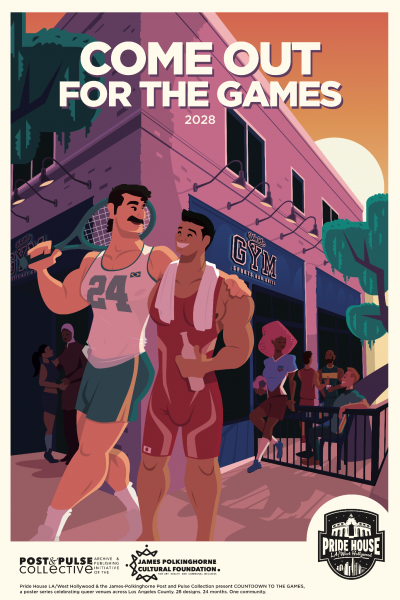
This series brings out the wondrous elements inherent to many of these queer celebrations, often while coloring them with some Olympics-themed flair. Timo Reese styles WeHo’s well-known Gym Bar like a retro magazine ad filled with actual athletes, and Jason Ooi portrays the annual event SummerTramp with a pair of (rainbow-speedo-clad) swimmers performing wild tricks in front of a raving crowd. With each poster, Pride House LA not only hopes to get people amped up for the Olympics, but really centers the vibrancy that exists at each of these queer gatherings.
It’s something that the series’ artists worked hard to embody with their pieces, with Ooi saying, “My final piece is meant to feel silly, campy, and a little over the top — but there’s also a critique underneath it all about how strict ideas around gender and identity have shaped sports, like the Olympics, for a long time. I wanted the work to show the importance of visibility and inclusion, and maybe start a conversation around that.” Matt Utsunomiya, whose poster depicts the famous bar Precinct DTLA as a rainbow prism of dancing queer folks, had a similar goal, explaining, “Precinct is such a vibrant and energetic venue. I wanted that color and light to literally burst out of the venue itself, to illuminate the night around it…within that kaleidoscopic silhouette, I included portraits of diverse athletes that symbolize not only the Olympic Games, but the queer community itself.”
These posters are a great reminder of how our local culture always has and will continue to shape LA in the lead-up to the 2028 Olympics — something that many people across the country want you to forget. Because even with two years before the Games, bigots nationwide are criticizing LA as a host city due to its queer history, with these people preparing to harass any athlete who would dare to participate while being openly LGBTQ+.
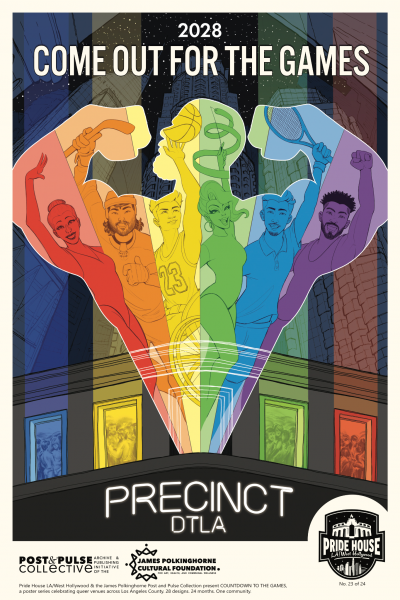
It’s an unfortunate fact about the upcoming Olympics, but it’s one that ‘Come Out for the Games’ fights against with every piece. Each reminds us that whether it is now or during the actual games, there will always be people fighting this hatred and cheering on every LGBTQ+ competitor. This is the core of the entire project, with Ferrera stressing, “This series gives us an opportunity to introduce visitors to the richness and transformative history of the LGBTQ+ community in Los Angeles… to plant a flag in the middle of this once-in-a-lifetime event and declare that we are a vital part of the sports world. That we are passionate fans, too, and that our athletes deserve to compete openly and on a level playing field.”
As stated earlier, this series is only a part of the many things Pride House LA has planned for the 2028 Olympic Games. But ‘Come Out for the Games’ is a pretty great precursor. One that offers a genuine look into the colorful, inherent ferocity of LA’s LGBTQ+ community, a group ready to fight against hatred and cheer on all of the LGBTQ+ athletes they cannot wait to see compete.
a&e features
Exposing the realities of influencer culture with Bran Flakezz
This LA-based creator uses his massive fanbase to create a better industry for all
Being an influencer seems like the easiest job in the world…to the people who aren’t actually doing it.
It’s a belief that has been completely debunked in recent years, especially for diverse creators; biased algorithms have made it hard for LGBTQ+ and people-of-color to gain fame online. And even if you didn’t have strings of code fighting against your success, many creators have spoken about the tireless aspects of this job that online audiences rarely get to see. The eighteen-hour work days, the predatory brand partnerships, and the immense mental stress that comes from relying on others’ opinion of you to make rent that month.
For a majority of the successful folks we see online today, their onscreen joy is built on years of hard work and tireless determination. It’s a part of this industry that doesn’t get enough spotlight, and it’s one that Bran Flakezz is committed to showing his many followers every single day.
When he sat down with the Los Angeles Blade, Bran wanted to make one thing very clear: he absolutely loves his job. He detailed his early career after graduating with a degree in fashion merchandising — shoutout Elle Woods — where he went through the gamut of internships, part-time work, and official positions with various large brands. It was working with these jobs’ social media teams that he learned the ins and outs of online fame, skills that proved vital in 2021 when he decided to quit his role and commit to creating content full-time.
“It just feels so great to be in control, to have creative freedom and make my own goals,” said Bran when describing the many things he loves about his career. “Being my own boss is incredible — making my own schedule, and building a team around me of people that contribute to my success.” It’s a love that shows in his content; Bran first gained attention online by offering an unfiltered look into his daily (and often very chaotic) life as a gay man. It’s why his many fans — more than 1.5 million across TikTok and Instagram — feel like they know the LA-based creator, with each new follower learning about everything from Bran’s obsession with Bratz dolls to his thoughts on the latest season of Big Brother.
Bran has happily welcomed audiences into his wild life over the past few years. But though the man’s main goal is always to bring joy through his content, he also knows it’s important to educate users about the issues he and his fellow creators face today. He does this mainly through TikTok; Flakezz regularly posts videos speaking about things like the intensity of his daily work schedule and how much money people can actually make posting online (it’s a lot less than you’d think). “I never want to sound ungrateful for any of this,” Bran emphasized. “But there are prices to all of it.”
“We’re told that people’s opinions of you are not your business — but when you’re creating a business around people enjoying your content, people’s opinions of you literally become your business!” He stressed. “Your brain is always spinning [with tasks] and you have to stay consistent on all platforms, especially now more than ever, when there’s just so much saturation and competition.” It’s why Bran works so tirelessly across his many social channels and always offers a wide array of content — because he knows that in this fast-paced influencer economy, one day of rest could undo months of hard work.
Funnily enough, Flakezz did clarify that the homophobic comments he constantly receives don’t bother him much, saying, “Everything that you can say to me online, I heard the 6th grade bullies say to me on the recess yard.” But while he can easily tune out the internet trolls, his experience with large brand partnerships — one of the key ways influencers make money — has shown him how this industry still grapples with homophobia. “Sometimes I’ll see campaigns for brands, and I’ll feel like, ‘Oh, was I a token? Was I selected because they needed me to cross off on their list that they got one gay creator?’ There’s been opportunities I say no to, and I see another gay creator get the opportunity — so they were completely profiling us as LGBT influencers.”
While it is amazing that brands want to spotlight LGBTQ+ creators, Bran shows how this kind of ‘we only need one to look woke’ mentality both limits opportunities for queer influencers and reduces them to nothing more than their sexual or gender identity. This reveals how shallow this type of inclusivity truly is, and why creators like Bran are fighting to remedy this mindset so that brands create ample chances for diverse influencers who respect who they truly are.
Fans have been overwhelmingly supportive of Bran’s openness around these topics, appreciating his transparency in an industry often built on misinformation. Flakezz has been immensely grateful in turn, explaining, “I never wanted to come across as ungrateful or complaining about such a privileged life that I get to live, but…I really wanted to approach the conversation in a way of education. Because I know so many people out there want to do this career — and it’s an amazing career — but here are some of the things that people don’t always tell you.”
Through his feed, Bran offers a welcoming mix of queer humor and informed knowledge, helping his followers unwind after a long day while ensuring that they leave each scroll session with more knowledge than they had before. It’s an uplifting approach that helps improve the influencer industry for all. And it’s one that Bran Flakezz hopes to embody throughout the rest of what is shaping up to be his very bright, very long career.
Arts & Entertainment
Horror genre has evolved into space to explore queer identity
Forbidden love among topics explored
Spooky season is here, making it a fantastic time to talk about queerness and horror. More precisely, it’s a chance to explore how the horror genre emerged and transformed our perspective on queer identity.
Horror is far more political than most people realize.
Personally, if sci-fi was the genre that helped me understand what it feels like to be different, it was horror that truly allowed me to explore queer relationships and queer rage.
Let’s dive into how horror as a book genre has evolved — moving from portraying queer and transgender identities as monstrous threats to becoming a space where queer people can process our own fears, rage, sexuality, and trauma: from the deeply queer undercurrents of vampire fiction to the liberating “monstrosity” of trans rage.
The ‘monstrosity’ of transness
It’s 2026, so let’s begin with the elephant in the room — or rather, the biggest conservative scapegoat in our community (thanks for actual political monsters). But trigger warning: trauma crawls to the surface like a monster breaking through.
Imagine two scenes:
Fifteen-year-old me, a trans teenager who didn’t yet know they were trans, was reading Thomas Harris’s “The Silence of the Lambs” (1988) for the first time (yes, for me it was first the book, then the movie.) I “encountered” Buffalo Bill, a serial killer who used human skin to make a female costume because he wanted to be a woman. How did I feel? Cringed out, humiliated, and even more determined to hide. And I wasn’t yet permitted myself to think that I’m trans, but I felt terrible without knowing why. It was one more message from mass culture: if you think you belong to a gender different from the one assigned to you at birth, you are a “psycho.” The intersection of ableism and transphobia is striking in stories like this. People with mental illnesses, who in real life are much more often victims than aggressors, are portrayed as dangerous to society, while transness is presented as a mental illness.
Now imagine an adult me, a couple of years after coming out as trans, reading Andrew Joseph White’s young adult horror novel “Hell Follows with Us” (2022). It portrayed actual monsters and a trans boy, Benji, turned into a monster by his cultist family. I felt joy and sympathy for Benji, who stood up against the apocalyptic cult that destroyed humanity, despite his parents raising him to destroy what was left of the human race. His trans rage and rebellion felt justified, and the main character never felt like a pathetic freak.
This is the main difference between classical portrayals of trans people in horror and the changes made by trans authors and creators reclaiming the genre.
When Harris wrote “The Silence of the Lambs” and Jonathan Demme directed the movie (1991), the story made it clear that Buffalo Bill was not a “real” trans person and that real trans people were harmless. But this raises an important question: how can we decide who is a “real” trans person and who isn’t if someone’s gender identity differs from the one assigned to them at birth? The trope of an aggressive, perverse person who “wants to be a woman” has existed throughout modern fiction, with the “Psycho” (1960) movie being another famous example, that stigmatizes cross-dressing and gender non-conformity and, by association, trans women.
Aggressive trans characters and trans characters in serial-killer fiction have every right to exist. White’s young adult horror novel “You’re No Better” (2026), which is coming out this October, features a trans autistic boy trying to prove that he is nothing like his famous serial-killer father. There is also the transgender novel “Manhunt” (2022), featuring two trans women, Beth and Fran, who survive by hunting men transformed into monsters.
Honestly, I’m currently querying a vampire novel with a trans teenager who runs from his transphobic MAGA family and has literally become a monster, so it would be hypocritical of me to object to controversial or monstrous trans characters. They can be violent — but not because they are trans. They can be driven to become monsters by society, but not because of their supposed “perversion.”
Trans horror written by trans and trans-friendly authors can help process rage and alienation. Many trans horror authors reclaim the label of “monstrosity” without turning their characters into caricatures, perverted villains, or pathetic creatures, as often happened in more classical, cis-hetero normative horror.
Queer romance and forbidden love
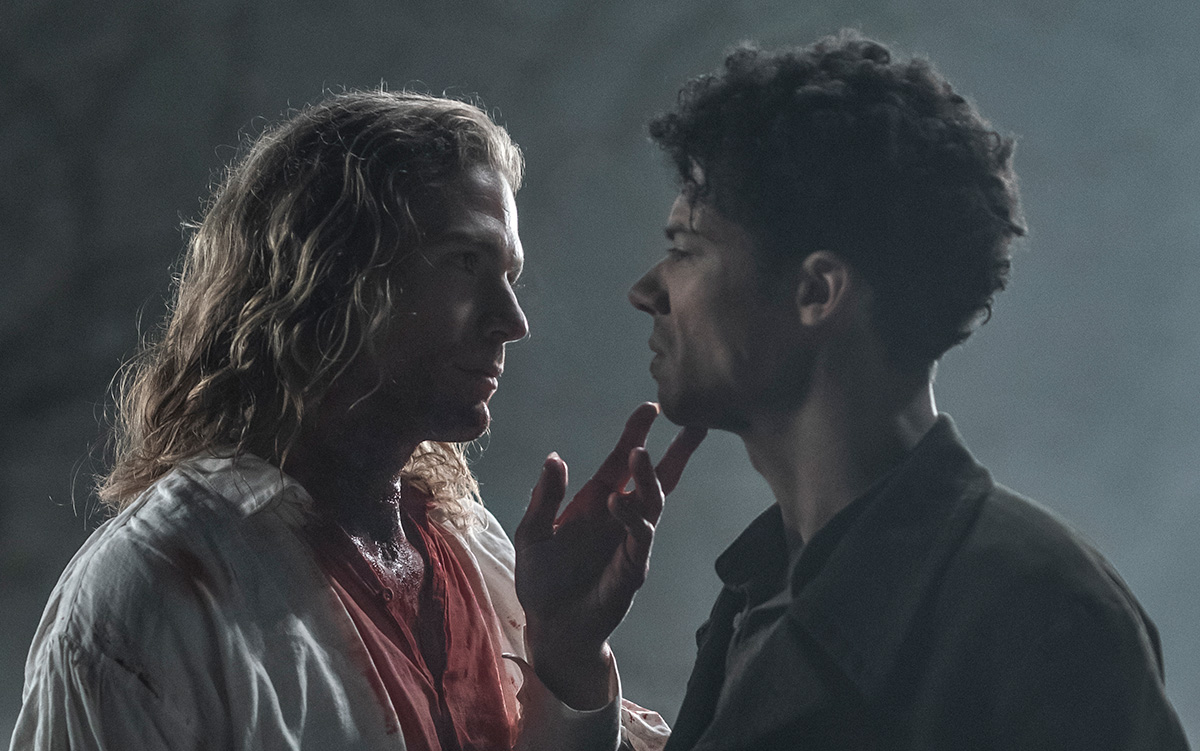
For me, “The Vampire Chronicles” by Anne Rice was my first introduction to non-judgmental, queer-centered fiction as a teenager. As Rice famously observed, all her vampires are bisexual, and it was remarkably brave to publish books in the 1970s and 1980s where queer families, desire, and drama were simply part of the plot without any silly sensationalism. The 1994 film adaptation of “Interview with the Vampire” was the movie through which many people I knew who weren’t into queer stories first saw these dynamics onscreen. And the new AMC’s “Interview with the Vampire” (2022-current) TV series is, in my opinion, one of the best representations of messy queer relationships between traumatized people, addressing family trauma and the intersection of race and queerness. I recommend it even more than “reality-based” shows such as “Heated Rivalry” or “Queer as Folk.”
Gothic literature has always had a queer undercurrent. From Lord Byron’s homoerotic image of the undead to the lesbian desire of “Carmilla” and the obsessive relationships surrounding “Dracula” (book published in 1897), vampires have long been associated with forbidden desire, sexuality, and relationships outside social norms. “Carmilla,” published in 1872 by Joseph Sheridan Le Fanu, still resonates with the lesbian community today. “Carmilla” is unapologetically queer, declaring romantic passion for the human woman Laura without hiding her desires. Of course, “Carmilla” is literally a monster — but how else could an author write a forbidden queer love story in 1872?
New retellings of “Dracula” and “Carmilla” have become even more increasingly queer. Kat Dunn’s “The Hungerstone” (2025) is a sapphic story about feminine agency and the relationship between Carmilla and Lenore, a bisexual British woman in Industrial-era Sheffield, framed around sapphic emancipation and forbidden love. “Dracula” has also inspired plenty of retellings, most notably S. T. Gibson’s “A Dowry of Blood” (2021) — an explicitly polyamorous, bisexual retelling told from the perspective of one of his brides. It explores abuse and the importance of breaking codependency in queer relationships — a topic underrepresented in more “serious” fiction.
Vampires have also become a cross-cultural way to speak about queerness. For example, Dawn Chen’s “A Vampire in Beijing” that will be published in 2027, offers a sapphic story about the modern Chinese queer community and its unique struggles.
Together against the monsters
Another major trope in queer horror is queer people, especially queer youth, fighting monsters together. Those monsters may be supernatural, as in “The Dark We Know” (2024) by Wen-Yi Lee or “This Raging Sea” (2025) by De Elizabeth, where groups of bisexual, queer kids fight side-by-side with an old evil. Ultimately, these external threats represent a conservative society, oppressive stereotypes, and real-world mental health struggles.
Although horror historically mostly exploited queerness for sensationalism — harming real-world queer people in the process — today it has transformed into one of the most effective spaces to explore queer identity and trauma in our own language.
Books
Through the blaze: Author Deborah Samuel talks about survival, healing, and ‘Grace Through Fire’
In her latest book, Deborah Samuel shares her trauma, family tragedy, healing, and her well-earned resilience
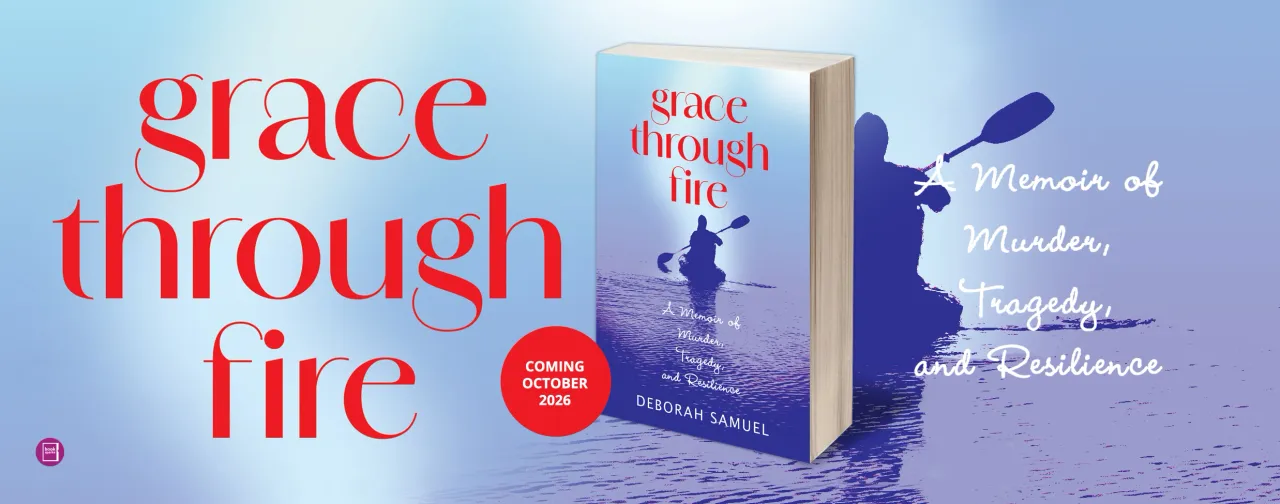
There are some stories that are harder to share, not because they are difficult to recall but because we recall them all too well. In Grace Through Fire, author Deborah Samuel revisits one of the more painful times in her life: the horrific murder of her father at the hands of her mother nearly 18 years ago, and the uninvited media attention that ensued. Her book is more than just recounting a deep tragedy. It is an insightful look into what happens in one’s life after the media buzz fades and we are forced to continue writing our own stories.
Pulling from years of journaling and reflection, Samuel recounts these chapters of her past with active honesty while examining her own choices, battles, and growth. What surfaces is a story of trauma, resilience, love, and the refusal to allow the absolute worst moments from our pasts to determine the trajectory of our ongoing stories. In our interview, Samuel talks about why she now felt ready to share her story, how confronting it also allowed for healing, and what she’d hope readers might take away from her journey.
Your new memoir, Grace Through Fire, starts off with a significantly difficult family crisis involving your mother and father and the media attention that ensued. What felt right about sharing this story now?
We are approaching the 18th anniversary of my father’s murder by my mother, and I finally felt it was time.
It took me many years to be ready to tell this story. There is no way I could have written this book ten years ago. About three years ago, I began thinking seriously about documenting my life as it actually happened—not only because I didn’t want to forget what happened, but because I wanted to acknowledge that I survived it and made it to the other side.
More importantly, I began to believe my story might help someone else look at their own life through a wider lens. Life has many seasons and many chapters. One or two terrible chapters do not have to determine how the rest of your story is written.
I had hundreds and hundreds of pages of journals, so when I began reconstructing scenes, conversations, and experiences, so much of it was there—including the painful details. Going back through those journals was difficult, but they allowed me to tell the story honestly.
What led you to understanding your story as one involving trauma, love, and perseverance, and how did the creation of this project play in your healing process?
The most powerful moment came when I recorded the audiobook and had to read the entire memoir aloud. Hearing myself speak those words made me realize, without a shadow of a doubt, how much personal work I had done.
I could see that I had made a conscious choice not to remain a victim—not to become bitter or allow the terrible things that happened to define the rest of my life.
I am proud that I told the story authentically. I did not leave out the ugly parts, including the parts about myself. I had to look honestly at my own decisions, failures, growth, and responsibility.
Writing Grace Through Fire made me stronger because I stopped running from the story and faced it. I can now look back at that woman with compassion while also recognizing how far I have come.
Your relationship with your wife, Susan, is a significant part of your story. What role did this partnership—and her love—play in the navigation of caregiving while dealing with your own family crisis?
This is one of the most complicated and painful parts of my story.
I never wanted to leave Susan. At one time, I believed I would stay with her for the rest of my life. But circumstances beyond either of our control changed our lives dramatically, and eventually I had to accept that what we had was broken beyond my ability to repair it.
Leaving was not about a lack of love. It was about survival.
I reached a point where I understood I couldn’t fix everything that had happened, and I couldn’t save everyone I loved. The only person I could finally take responsibility for saving was myself.
I believe deeply that if I had stayed, I would not be here today. That realization was devastating, but it ultimately gave me permission to choose life.
So many who have yet to experience it often see caregiving as a noble act of love when, in reality, it often involves feelings of resentment, fear, and financial strain. What do you wish more folks understood about the less glamorous realities of caregiving?
Caregiving is incredibly complex. We often romanticize it as a beautiful, selfless expression of love—and it can be—but there is another side we don’t talk about enough.
It can exhaust you mentally, spiritually, physically, emotionally, and financially. You can love someone deeply and still feel angry, resentful, frightened, trapped, or completely depleted. Those feelings do not mean the love isn’t real.
My memoir goes deeply into this because I lived it. Caregiving affected virtually every part of my life. There were moments of tenderness and extraordinary love, but there were also moments when I lost myself.
I hope we can have more honest conversations about what caregiving actually asks of people—and recognize that caregivers need care, too.
How did your experience growing up in Arkansas influence your comprehension of “womanhood,” and, eventually, what it means to exist as a queer woman?
Growing up in the South and later becoming a gay teacher presented challenges that are difficult to explain unless you lived through that period.
I was teaching before many of the legal protections and social changes LGBTQ+ people have today, and I learned very quickly that my marriage and family were not always going to be treated the same as everyone else’s.
In the memoir, I describe what happened when my spouse became critically injured while we were living in a state that did not recognize our marriage. My employer also did not recognize my marriage, and after 14 years of service, I was initially denied the sick leave I needed to care for my spouse and had to take leave without pay.
Eventually, I went before the school board and challenged the policy. The district ultimately changed it, but it became a very public and stressful fight during an already devastating period of my life.
Those experiences profoundly shaped my understanding of womanhood, equality, marriage, and what it means to stand up for your family when the institutions around you do not yet recognize it.
What does it mean to you to share a queer Southern story? Are there some complexities about Southern life that you hope to impart on your readers?
This is a complicated question because the South is complicated. I have tremendous love for Arkansas. I spent much of my life there, built a career there, and still have people there whom I love deeply. Northwest Arkansas has also changed enormously over the past 20 years.
At the same time, growing up gay in the South was incredibly challenging. Sometimes, simply being myself came with consequences, both personally and professionally.
For years, I dreamed about living in California and experiencing a life where I could feel more open and less guarded. Even today, when I return to Arkansas with my wife, there are moments when I am conscious of whether it feels safe to hold her hand walking down the street. That awareness never completely leaves you.
I hope my story shows both sides—the affection I have for where I came from and the reality of what it was like to grow up gay there during a very different time.
How has your own personal definition of “family” changed or evolved over your life as you moved through these experiences?
My definition of family has expanded tremendously.
I remain very close to my sister, Laura, in Arkansas, but I have also created completely new roots in Santa Barbara with my wife, Kelsey. I converted to Judaism, found a spiritual home, and began building what I consider a chosen family of friends, colleagues, and people who share our core values.
When everything fell apart in my forties, I did not have that kind of spiritual community around me. I have often wondered whether things might have felt different if I had had a spiritual family to lean on. Finding that in California has been incredibly meaningful.
At 58, I am also much more intentional about the people I allow into my life. My wife and I have a small circle of wonderful friends. We value relationships that are healthy, sober, supportive, and aligned with the way we want to live. Age gives you the opportunity to make some choices more wisely. I certainly have.
One key component of your book is generational trauma. When did you first recognize patterns within your own family that extended beyond the individual, and what was it like to confront or unpack these patterns for you?
Generational trauma takes a long time to recognize because when you are living inside a family system, so much of what happens simply feels normal. You often do not understand the patterns until you have enough distance to look back and ask, “Where did this begin?” That became an important part of my healing.
I became deeply interested in understanding trauma and how experiences can remain buried within us long after the events themselves are over. I have worked with professionals who helped me address PTSD, long-buried trauma, unconscious guilt, and patterns I did not realize were still influencing my life.
I have also spent considerable time studying personal growth and changing the way I think about my future. The biggest revelation was realizing that understanding where your patterns came from doesn’t mean you have to keep them. You can honor what happened, forgive where you can, and still decide the cycle ends with you.
Your journey also involves sobriety. How did entering sobriety impact the way that you processed the past? Did it allow you to envision a different version of your future?
Sobriety changed everything because, for the first time, I could see my life clearly enough to make some very difficult decisions.
Wine had begun ruining my life. I was a high-functioning alcoholic, and drinking allowed me to postpone confronting things that were simply too painful to face. When I became sober, I could no longer hide from myself.
Sobriety also changed some of my relationships. I lost friends along the way because not everyone understood or fit into the life I was trying to build. That was painful, but I eventually came to understand that everyone has their own journey.
I can look back now with gratitude for the good years and good memories without believing that every person or every habit from my past has to accompany me into my future.
I forgave myself. I forgave others. And I gave myself permission to begin a new chapter. I allowed myself an adult timeout for two years when I first moved to CA and truly composted the best parts of me to plant the garden I wanted to grow in. Healthy and strong!
You eventually found yourself aboard a boat in Santa Barbara. What does this move from the South to the California coast mean for you personally?
I dreamed about living on a boat in Santa Barbara Harbor for 25 years.
For nearly 20 years, I kept a photograph of myself in a red kayak on my desk at work. Whenever life became incredibly difficult, I looked at that picture and imagined another life. I visualized what it might feel like to someday live on the water.
Four years ago, I finally made that dream real.
Today, my wife and I live aboard a 1973 Grand Banks yacht in Santa Barbara Harbor with our black cat. I absolutely love the lifestyle.
There is something incredibly peaceful about sleeping on a boat every night. For me, the ocean’s movement feels almost like being held. The water brings me a sense of harmony, safety, and peace that is hard to describe.
Every morning, I sit on the stern with my coffee and say my prayers of gratitude. I look around and think about everything it took to get here. I am proud of how far I have come.
For me, that boat represents much more than a place to live. It represents a second chance at life and love—and the realization of a dream I held onto during some of my darkest years.
After reading Grace Through Fire, what is one thing, if nothing else, that you hope stays with your readers as they navigate their own lives, wherever or whoever they may be?
May the journey begin within you. I have written those words again and again because they capture what I hope readers ultimately take away from Grace Through Fire.
My story is my story. Readers will have completely different circumstances, losses, wounds, and dreams. I don’t expect anyone to follow my path.
I hope that somewhere in these pages, a reader finds one small nugget of inspiration that makes them look inward and ask, “What is possible for me now?”
You cannot rewrite the chapters that have already happened. But you can decide what you want to do with the pages that remain. That journey begins within you.
Books
In ‘The Lost Brontë,’ a complicated lie can lead to danger
New book features sweetly romantic girl-meets-girl twist
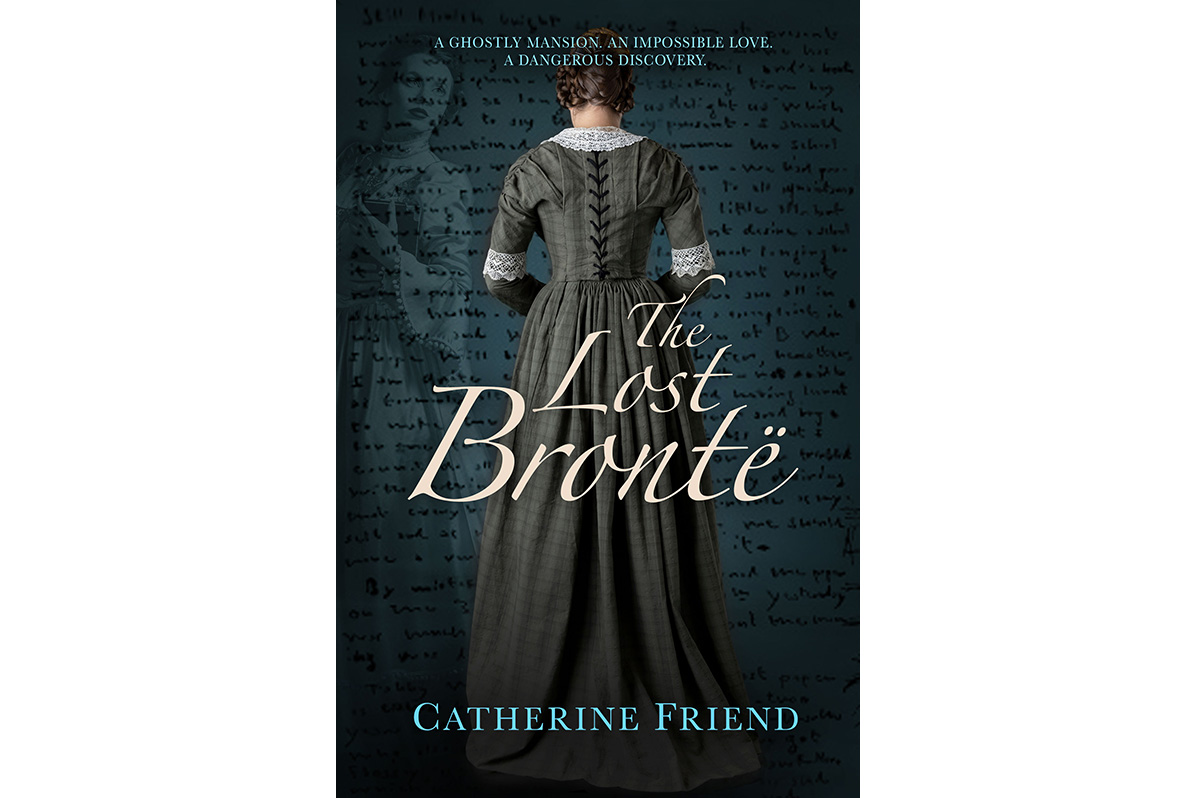
‘The Lost Brontë’
By Catherine Friend
c.2026, Bywater Books
$22.95/335 pages
Mom always said to tell the truth.
One lie leads to another and another and you have to remember them all until pretty soon, you’re caught. Fibs are hard, mistruths are messy, even little white social lies can destroy trust. Worst of all, as in the new novel, “The Lost Brontë” by Catherine Friend, a complicated lie can lead to danger.

Though Lilianne Loxley was very young when she lost her parents, she understood that her uncle didn’t really want her. As time passed, though, Lily made herself useful to Uncle, writing and signing letters for him and she became a good companion, helping him with his collection of Brontë memorabilia. Uncle was a keen enthusiast.
She had no idea that his obsession was out of control and he was deeply in arrears. The day Lily learned of his debt was the day she learned that he’d agreed to send her to his debtor’s home to work off the money owed.
It was so sudden. One minute, Lily was at Loxley House, happy and loved by Uncle’s staff … and five hours later, she was at Crag Thorn Manor, home of Lord Bexton, who informed her that she’d be working on his ledgers – work that seemed routine, but Lily tackled it.
Uncle always did say she was headstrong.
But would headstrong be enough to survive, when she was restricted from most of the Manor, when she was forced to dine with Brexton and his slimy friend, or – the worst! – when Brexton told Lily that her next task was to forge a letter from Emily Brontë? And then an entire manuscript?
Lily struggled to do what was right. She had to get Uncle out of debt but this last order horrified her. Did she dare refuse Brexton’s orders and commit a crime? It was unthinkable!
The only brightness in the whole situation was Wren, the ladies’ maid assigned to Lily’s room. Wren was adorable with freckles and the sweetest smile. But with everything else happening at Crag Thorn Manner, could Lily act upon her feelings?
This time of year, you may come to crave dark, spooky stories, and “The Last Brontë” fits those needs perfectly with its Gothic deliciousness. Think: Daphne du Maurier-type, stormy-night squirms with a dangerously chaste, sweetly romantic girl-meets-girl twist for fun.
If it’s been awhile since you’ve read a Gothic novel, you’re in for a nice reminder of why you love them here. You can almost tick off the must-haves: a novel like this is nothing without a foreboding stone manor with damp walls; stone steps to a dank basement; a mysterious portrait; and a nearby bog, and author Catherine Friend gives readers every one of them. You’d be disappointed if there was no ghost, wouldn’t you? Ha. You can practically feel the cold blow through the attic, right? Yeah, it’s that kind of book.
If you’re a fan of the Brontës, you’ll like this novel. If you love Gothic mysteries or Victorian romances, ditto. “The Lost Brontë” is good, no lie.
The Blade may receive commissions from qualifying purchases made via this post.

Nithya Raman makes her case for LGBTQ voters in the race for LA Mayor

Minding more than our own business: Marquita Thomas dishes on queer entrepreneurship amping up for the LGBTQ Mega Mixer

EXCLUSIVE: Democrats seek answers on EEOC settlement affecting LGBTQ+ workers

VIDEO: Interview with executive director of VoteLGBT (Institute for Full Citizenship) in Brazil

AIDS Walk Los Angeles takes to the streets in West Hollywood while raising money for HIV/AIDS Care

Trans woman says Kyle Brazeal used anti-trans slur, threw purse at her in 2024

Making waves in the desert: How Brad Fuhr and KGAY keep the Coachella Valley connected

Here’s your Palm Springs look at the weekend: Oct 16-18, 2026

Meet the voice of Palm Springs: an interview with KGAY 103.1’s John Taylor

How Orville Peck healed his inner child through ‘Street Fighter (2026)’
-
 California4 days ago
Trans woman says Kyle Brazeal used anti-trans slur, threw purse at her in 2024
-
 Palm Springs2 days ago
Making waves in the desert: How Brad Fuhr and KGAY keep the Coachella Valley connected
-
 Palm Springs4 days ago
Here’s your Palm Springs look at the weekend: Oct 16-18, 2026
-
 Palm Springs1 day ago
Meet the voice of Palm Springs: an interview with KGAY 103.1’s John Taylor
-
 a&e features4 days ago
How Orville Peck healed his inner child through ‘Street Fighter (2026)’
-
 Commentary3 days ago
Key Midterm Election races as SoCal joins No Kings ‘Vote Early’ rallies on Saturday
-
 Movies2 days ago
From ‘La Bola Negra’ to ‘Coward,’ here are this award season’s must-watch queer films
-

 a&e features1 day ago
Fortune Feimster has always taken representation through comedy seriously
-
 Dance3 days ago
‘Male Aesthetic’ challenges conventional tropes of masculinity through dance at Nickerson-Rossi Dance Company
-
 Puerto Rico1 day ago
Annual National Trans Visibility March takes place in Puerto Rico