
Health
Little hope for Trans youth under siege by Republicans
Fear, anger, outrage, and exasperation are now the experiences daily for Trans Americans
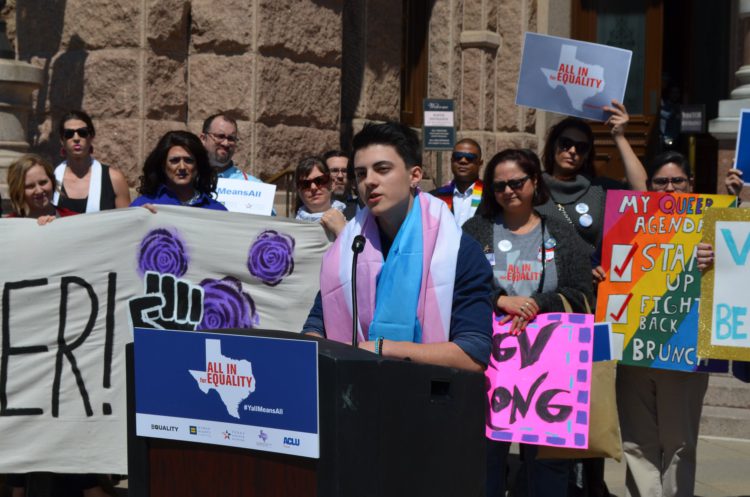
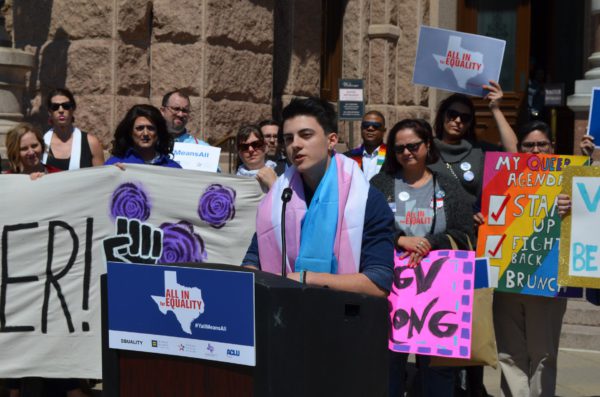
HOUSTON, TX. – The thousand-yard stare is rapidly afflicting many members of the Transgender community in the United States these days, especially Trans youth and their parents.
That phrase, often used to describe the blank, unfocused gaze of combatants who have become emotionally detached from the horrors around them, sadly fits most Trans people.
It is a war without bullets, bombs and artillery shells, but it is a war nonetheless being waged against a fractional percentage minority in America ironically by another minority, only one that is well funded and politically powerful backed by religious zealots and extremists.
Fear, anger, outrage, and exasperation are now the experiences daily for Trans Americans of every age as they confront what has been a virtual tsunami of legislative actions in twenty-five states specifically targeting their existence, as Republican lawmakers work to limit medical care, participation in sports, or limit their being able to self determine their own gender identity.
In a published commentary this week, an 18 year-old trans male from Virginia pointed out;
“A lot of anti- trans bills targeting people like me passed recently and more are being proposed. Republicans have decided that the most important thing to do in the middle of a pandemic is to take away life-saving treatment from children and ban them from playing sports,” Eric Tannehill said.
“This has been painful for me. It’s like watching a murder in slow motion. I see what they’re doing and recognize that it’s going to get people killed and there’s nothing I can do but just watch as they target kids like me with a smile on their face and a Bible in hand,” he added.
The soft voice on the phone is weary filled with mixed tones of anger and disgust but also apprehension. “There’s so many of these bills,” 18 year-old Landon Richie tells the Blade. Richie, a college freshman in the metropolitan Houston area has been invested in the fight for Trans rights in Texas since he first came out as an young child.
“I’ve been very lucky to have had my parents’ support especially with my medical care. I’m on hormones, I had ‘top’ surgery- but if they pass both House Bill 1399 and Senate Bill 1311 I have a younger sibling who identifies as non-binary and they would be blocked from receiving medical care,” he said. “We don’t know what we (as a family) are going to do- I mean there are other families who are talking about moving away. [from Texas]”
HB 1399 prohibit health care providers and physicians from performing gender confirmation surgery or prescribing, administering or supplying puberty blockers or hormone treatment to anyone under the age of 18. SB1311 would revoke the medical license of health care providers and physicians who perform such procedures or prescribe such drugs or hormones to people younger than 18.
As these bills work their way through the Texas statehouse, the ACLU reports that in 14 other states, lawmakers are also pushing laws that bans or severely restrictions on transition care for trans youth under 18.
The Williams Institute at the University of California Los Angeles School of Law warns that 45,100 trans youth are at risk of loss of gender-affirming medical care.
Most of these bills propose to make it a crime or a cause for professional discipline for medical providers to deliver gender-affirming care to minors. Bills in Louisiana, Missouri, North Carolina, South Carolina, Tennessee, and Texas also include penalties for parents who encourage or facilitate minors’ access to gender-affirming medical care.
In three other states—Alabama, Louisiana, and South Carolina—school employees would be prohibited from withholding information about a child being transgender from that child’s parents, while a similar requirement proposed in North Carolina would apply to all state employees.
The bill passed in Arkansas, and bills under consideration in Louisiana, Montana, North Carolina, and Tennessee, would allow individuals to file civil suits for damages against medical providers who violate these laws.
Bills in Arkansas and Montana provide mechanisms for the state Attorneys General to file suit against medical providers to enforce compliance.
“I can’t see not being able to transition- I mean having to live with non-support?” Richie said. “I can tell you that if I had not had the support of my parents and well, if I hadn’t been able to transition- I may not even be here, nothing is more terrifying for a Trans kid than being out and not able to transition,” he added.
In the case of Texas, Richie says he is aggravated by the fact that lawmakers aren’t listening to experts, medical experts, counselors, and even trans youth who have been testifying in front of both Representatives and Senators in the various committees. “They don’t care, they listen to some bogus groups like the “American College of Pediatricians” which isn’t credible,” he angrily stated.
The ACP is a small group of physicians that left The American Academy of Pediatrics after the AAP released a 2002 policy statement explaining that gay parents pose no risk to adopted children. The Southern Poverty Law Center has repeatedly labeled the ACP as an anti-LGBT hate group that promotes false claims and misleading scientific reports.
“Texas will be uninhabitable for Trans kids if they pass all these bad bills,” he said.
Medical experts agree that should this legislative tsunami pass into law, the mental health toll of gender dysphoria and social marginalization will produce spikes in youth suicides and other psychological trauma.
In an interview with The Texas Tribune, Marjan Linnell, a general pediatrician explained that puberty suppression treatment has been used for decades to prevent children from going through puberty too soon. Once those children reach an appropriate age, their treatment stops and natural puberty occurs. Linnell said the same is true for transgender children, for whom puberty can often exacerbate poor mental health.
“The point is to have a reversible treatment that can give them some time,” she said. “That not only helps to gain some time to make sure we’re making an appropriate and best practice medical decision for these kids and families, but we also know it can be incredibly important for preserving the mental health of our kids that are going through gender affirming care.”
In Orange County California, the mother of an 11 and a half year old trans daughter, who asked to not be identified, relayed in a phone call to the Blade that the impact on Trans youth even in affirming states like California is horrific.
“She asked me if she was going to be safe. Like most kids who follow the news she panicked- kids think globally she has friends in Texas, she thought ‘the government’ would take away her rights,” the mother said.
NBC’s Jo Yurcaba reported Monday that George and Emily Spurrier are leaving their home of 16 years in central Arkansas due to a new law that will ban the health care that they say their 17-year-old transgender son needs.
Emily Spurrier said when her son heard the news, he sat in her car and cried for an hour.
“It was just kind of a wave of emotions, thinking about moving and then him worrying about some friends that he has here in the Little Rock area,” she said. “And then just the thought that this is really the only place he ever remembers living.”
Richie tells the Blade that worst part of this entire mess is being targeted by Republicans for what he sees as an immutable part of his existence as a human being.
Opinions
Evan Low is not the leader the Victory Fund needs at this moment
The board must recognize what is at stake and act before org’s legacy is lost
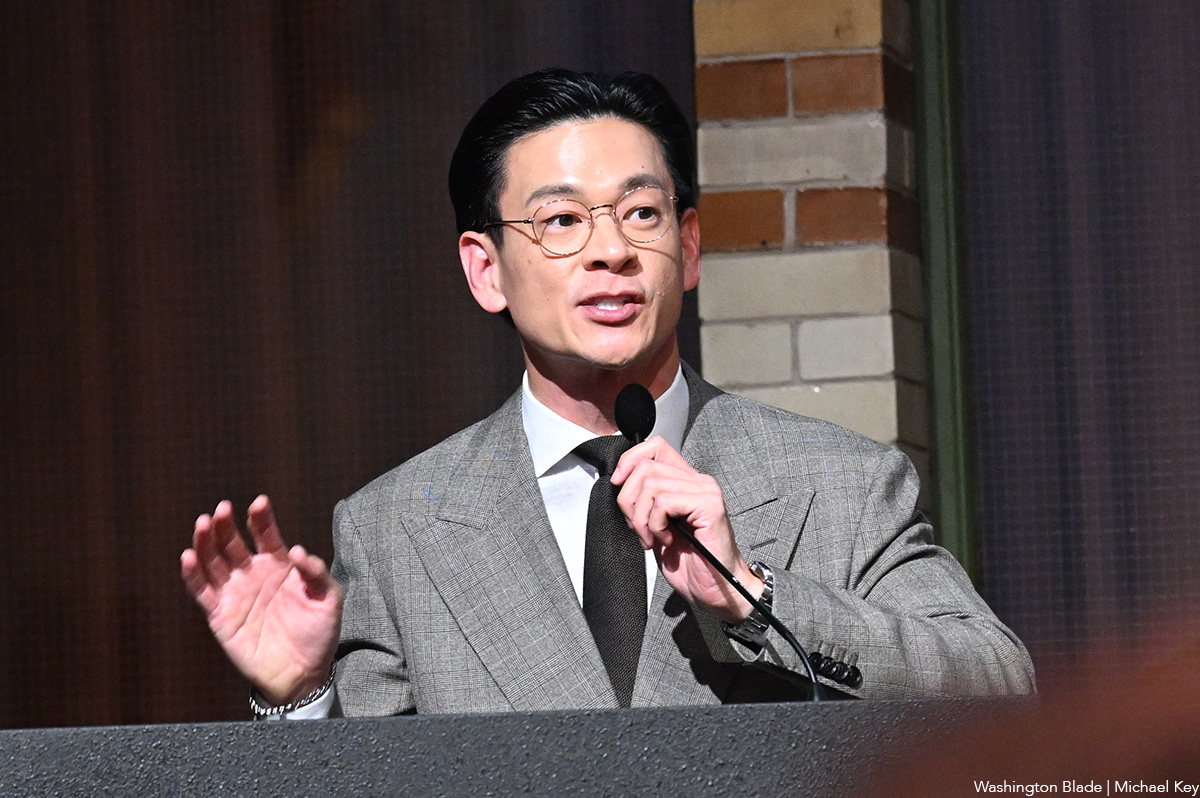
As co-founder and the first executive director of the Victory Fund and Victory Institute, I find the ongoing turmoil between a dozen or more employees and the organization’s new president, Evan Low, deeply distressing—particularly during such a critical election year.
The Victory Fund’s mission has always been clear and important: to elect and support qualified LGBTQ candidates for public office and, in doing so, secure a “seat at the table” from which LGBTQ issues can be advanced. That mission is too important to let internal turmoil diminish it.
I applaud the employees for going public with their concerns. When harassment allegations and other serious complaints threaten to derail an organization that was once so effective, where else are employees supposed to turn? The board of directors has a legal and fiduciary responsibility to the organization and to its donors. Once it received complaints of this magnitude, the board should have undertaken an independent investigation to determine the facts and assess the seriousness of the allegations.
I do not know Mr. Low, nor have I ever met him. Given my role as a founder, former executive director, and major donor, I found that somewhat remarkable. I was also surprised by the organization’s lack of contact with me at any level—whether to seek my financial support, ask for help with fundraising, or simply seek the perspective of someone involved in building the organization from its earliest days.
When Mr. Low was hired, members of the press contacted me about reports concerning his involvement in previous election-law matters. I declined to comment beyond saying that the board had hired an outside search firm to conduct the search and that I was in no position to assess any issues in Mr. Low’s past.
In hindsight, however, I have come to believe that Mr. Low is not the leader the Victory Fund needs at this particular moment. Ultimately, though, this is a matter for the board of directors to resolve. The board has an obligation to act decisively and independently before this internal conflict further damages an organization whose stature, effectiveness, and reputation were built over decades. The work of the founding board, subsequent boards of directors, and former leaders David Mixner, Brian Bond, Chuck Wolfe, and Annise Parker should not be so easily undone.
The Victory Fund once commanded the admiration, confidence, and financial support of countless people—including me. I hope the board recognizes what is at stake and acts before that legacy is lost.
William Waybourn is co-founder and the first executive director of the Victory Fund and Victory Institute.
Commentary
The California Gubernatorial Debate missed getting real
Meanwhile, outgoing Gov. Newsom signs TransLatin@ Coalition healthcare bill
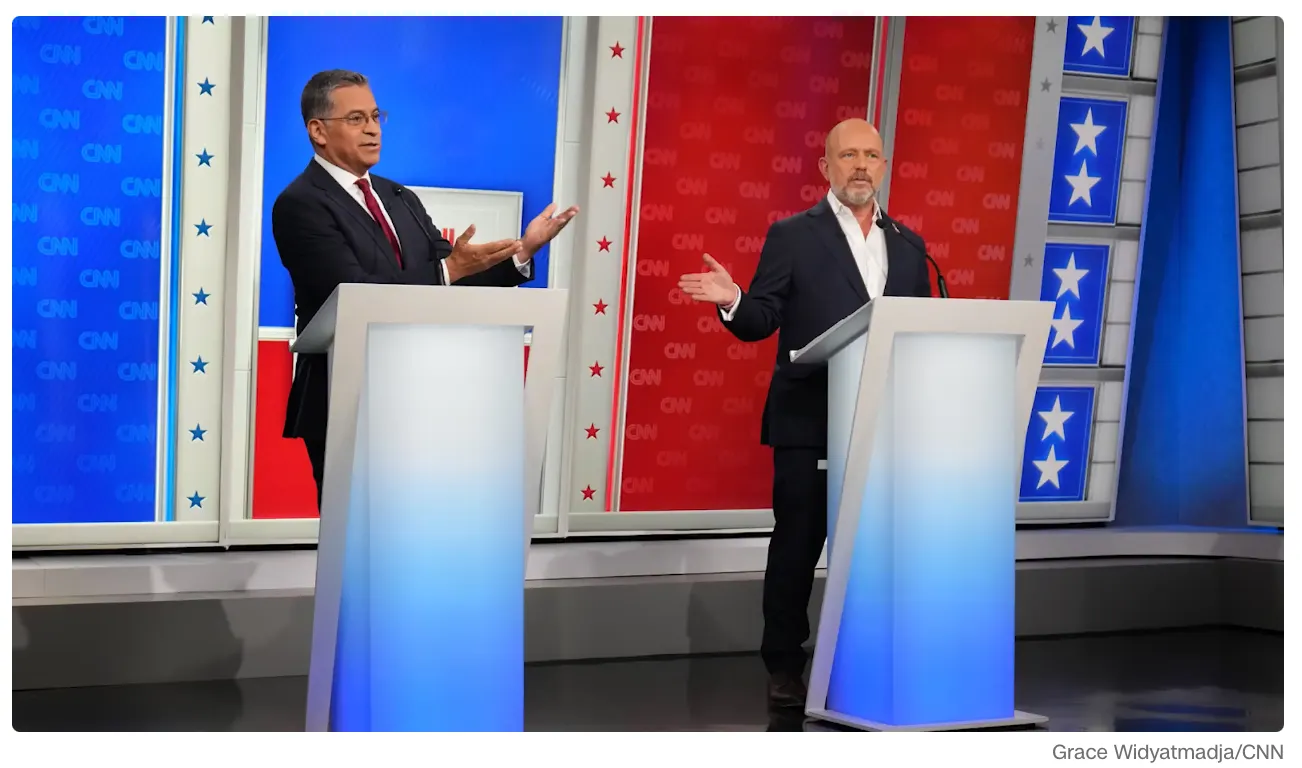
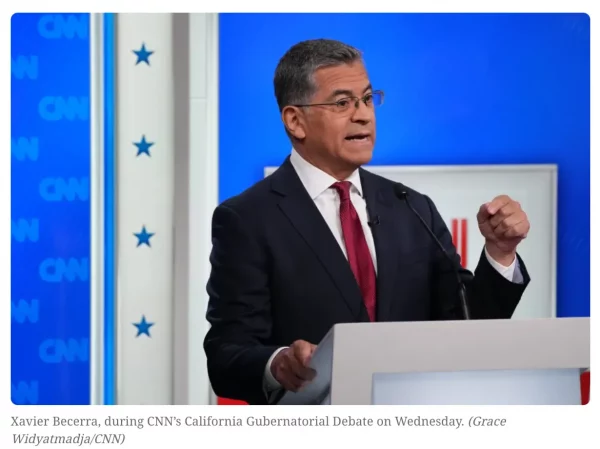
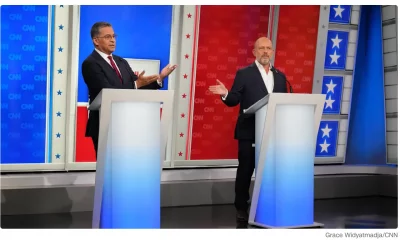
Lackluster. Boring. Unfortunate. The night before California started distributing mail-in ballots in the critical Nov. 3 midterm elections, CNN hosted a debate between gubernatorial candidates Democrat Xavier Becerra and Republican Steve Hilton that looked like two typecast actors in beat-up bumper cars trying to gin up publicity for a lackluster B-movie.
At a time when voters are angry and hungry for authenticity, the debate felt too staged, too stale, and overly rehearsed. The moderators asked expected questions about the cost of living, housing, homelessness, immigration, and AI against the backdrop of the real question: who can best stand up to Donald Trump?
And the candidates dodged specifics. For instance, Hilton proudly touted his “10 New Cities” approach to affordable housing. He wants individual counties to bid on hosting the construction of new master-planned communities and essentially find ways around resistance to new development from local residents and local governments.
Becerra would take a more predictable course, cutting red tape, reducing administrative and bureaucratic obstacles to getting construction permits, and filing lawsuits against cities that refused to approve new housing.
“No locality should have the right to try to stop all of our people in California from having the housing they need,” Becerra said.
That begs so many questions: how is housing being defined here and for whom – for sale, for rent, or shelters as group homes? Must gated communities be open to those they previously restricted based on race, ethnicity, or gender?
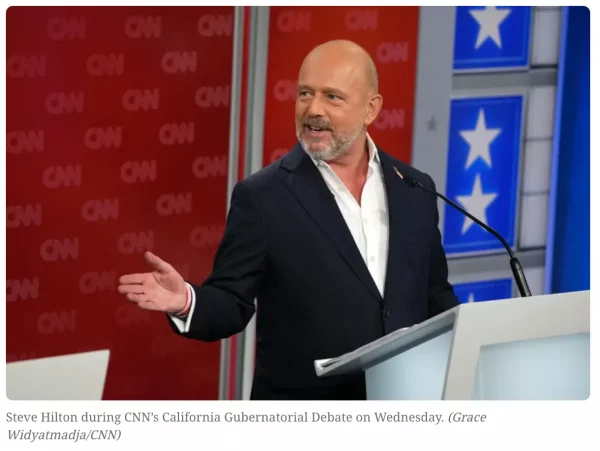
Hilton said he would cut funding for high-speed rail and homelessness nonprofits and reduce state government departments’ budgets by 5% to get his needed funding, per cbs8.com.
Becerra noted that Trump has already blocked federal funding for local homelessness agencies. Would Hilton go after that money? Would he be willing to comply with Trump/Project 2025’s anti-DEI policy to get funding and fast-track other federal assistance?
Becerra has a double-digit lead over Hilton and was given kudos by post-debate commentators for just showing up. But Becerra is also aware of the need not to disrespect the voters by shrugging off the event, as if he has the race locked up. As the old Yankee baseball legend Yogi Berra used to say, “It ain’t over until it’s over.”
A new poll from The Associated Press-NORC Center for Public Affairs Research finds that only 17% of U.S. adults approve of Trump’s handling of the cost of living and 26% approve of Trump’s handling of the economy overall. A sizable majority, 65%, blame high costs on Trump’s tariffs and his war with Iran.
But there was no sense of urgency from either candidate about the importance of this election or in getting out the vote.
With Trump again threatening to impose the Insurgency Act, Democrats are working to stretch the margins of victory to stop cold any discussion about rigged elections.
But neither candidate was asked about that nor how they would handle a local version of the Jan. 6 storming of the Capitol to prevent certification of the vote results.
Nor were they asked how they would react if Trump federalized the National Guard and ordered the military to join ICE in “protecting” polling places and ferreting out anyone without multiple pieces of identification that match their birth certificate.
What can Becerra and Hilton do now to demonstrate the kind of leadership they would bring to the governor’s office in Sacramento?
This is not an idle question.
The usually mild-mannered Xavier Becerra – who expressed his displeasure with Hilton’s inaccurate stories by smirking or rolling his eyes – turned to his opponent in what felt like both a real and rehearsed moment of candor and, after noting that Hilton, too, is an immigrant, called out Hilton’s acceptance of Trump’s endorsement, immigration raids and mass deportation campaign.
“You seem to welcome immigrants who look like you, but deport immigrants who look like me,” Becerra said in a breath-stopping moment. Hilton, a former adviser to British Prime Minister David Cameron, apparently had praised the deportation campaign as “perfect” last January on Fox News. He seemed taken aback by Becerra’s comment, which he called “disgraceful.” He then dodged questions about California’s sanctuary state law, which requires law enforcement to limit cooperation with immigration officials. Would he direct California officers to assist in Trump’s ICE campaign?
Hilton wanted to “turn down the temperature” on that debate.
Hilton kept pitching for voters to choose something “different” to change California and fix the mess created by Democrats. Does he fancy himself a more petit Arnold Schwarzenegger, whose triumphant victory in the recall of Gov. Gray Davis made the actor a Republican hero?
Steve Hilton is no Arnold Schwarzenegger.
“You’re going to end up with Trump results if you follow Steve Hilton’s plans,” Becerra said, talking about the Republican’s idea to eliminate income taxes for middle-class Californians that also includes a tax cut for rich Californians.
Hilton countered by blaming long Democratic one-party rule for causing and not fixing the state’s economic troubles.
“All you ever say is ‘Trump, Trump, Trump. And that’s nothing but an insult to every Californian who is desperate for something to change in this state,” Hilton said.
“Trump, Trump, Trump,” the former state attorney general mumbled back.
To gays fond of “The Brady Bunch,” the exchange sounded a little like the infamous whine, “Marcia, Marcia, Marcia!”
But Hilton had a point when noting that Democrats have been “in charge” as the film and TV industry has crumbled with production and jobs moving to other states and countries.
Becerra said he would “fight for Hollywood,” which he awkwardly followed up with dressed-up words for “Hollywood.” It wasn’t enough; it wasn’t cute, and it didn’t work. Losing Hollywood is a big fucking deal.
Becerra might also want to talk to Attorney General Rob Bonta, Superintendent Tony Thurmond, and watch the documentary “Mom’s Club” to understand what’s happening with California schools. It’s taken many, many years, but the religious-right culture wars are winning in the county school board system.
In fact, Sonja Shaw, a Moms for Liberty-endorsed candidate on the conservative Chino Valley Unified School Board, is using the fake “parental rights” messaging to top the polls for California State Superintendent of Public Instruction against San Diego Unified School Board President Richard Barrera.
But there is also good news on the culture war front. According to journalist Erin Reed of the popular Erin in the Morning Substack, a new poll from The 19th and YouGov “finds that more Americans oppose bans on transgender youth care than support them, with the gap narrowing even among Republicans, and that the public now says Republicans talk about transgender issues too much just as often as it says Democrats do, a notable finding given that previous polling had the public faulting Democrats more.”
“Gender-affirming care for transgender minors includes any kind of care designed to support and affirm their gender identity, including therapy, consultations with doctors, hormones or puberty blockers, other medication, and, rarely, surgery. Do you favor or oppose lawmakers banning or restricting gender-affirming care for transgender minors?” the question asks.
“In response, 45% say they oppose lawmakers banning gender-affirming care for trans youth, while only 38% say they support such bans; 17% are not sure. The finding is notable as election-year advertising ramps up around healthcare for transgender youth, and it comes in the wake of severe attacks on that care by the Trump administration,” the poll reports.
Reed adds: “The people running the ads seem to know” about the turn in support. “In a memo to Republican candidates on messaging for the 2026 elections, the American Principles Project, one of the chief architects of anti-trans advertising, states that pressing such attacks ‘may not be sufficient’ for Republicans to win the midterms. That reading is consistent with the generic ballot, where Democrats continue to surge ahead, with multiple polls released in recent weeks showing them leading by double digits.”
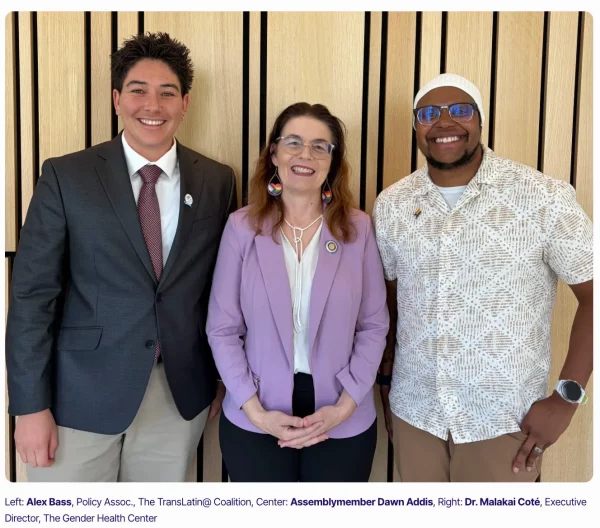
LGBTQ+ Californians continue to press forward. On Wed. Sept. 30, outgoing Gov. Gavin Newsom signed AB 1876, authored by Assemblymember Dawn Addis and sponsored by The TransLatin@ Coalition. The Fair Care for All Act, “strengthens California law against discrimination in health care coverage. For transgender, gender-expansive, and intersex communities, these protections matter at a time when federal safeguards remain vulnerable to change,” the press release reads.
“AB 1876 mandates that if an insurance provider covers a prescribed service for one patient population, then they would cover that same service for all patient populations who need that same care. As law, this prohibits discriminatory categorical exclusions for gender-affirming care or denial of services based on gender identity.”
If elected governor, it is likely that Becerra would proudly uphold and defend this new law. He has long supported LGBTQ+ people.
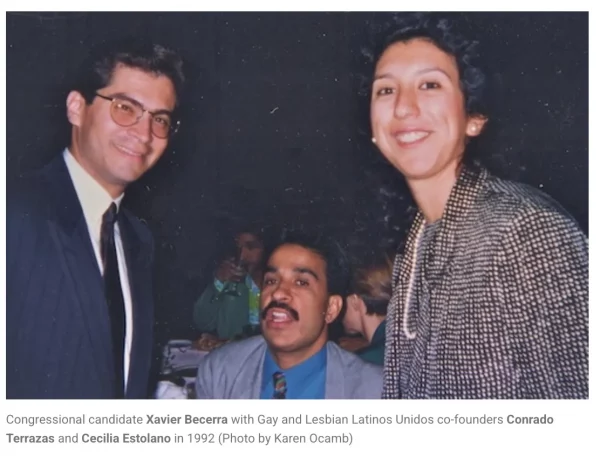
“I’ve always looked at things from the perspective of someone who remembers my dad’s stories where, simply because he was from Mexican heritage, he couldn’t walk into restaurants because of the signs that said ‘no dogs or Mexicans allowed.’ When I ran [for the California Assembly] in 1990,” then-California Attorney General Becerra told me in a 2018 interview, “I ran for office to be able to fight against discrimination.”
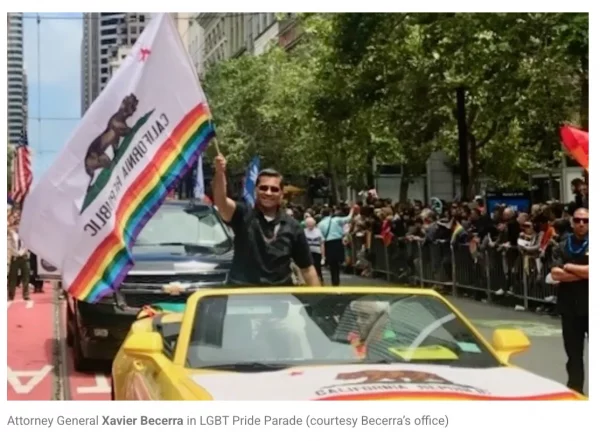
He’s also been on the front line when fighting Trump in the legal milieu.
“It’s chilling to watch Congress abandon its role to put a check on Donald Trump’s excesses,” Becerra told me for a Los Angeles Blade phone interview. “I have no hope for Donald Trump. And I think he’s proven himself repeatedly who he is and what he’ll do. When you have someone who’s that much of a rogue and that dangerous a player, you expect the other branches of government to stand up.”
In every respect, Trump is endangering the health, the security, the economic well-being of the people of the country,” Becerra said. “It’s been a long time since we thought we were this close to having someone press the button that could end up starting some nuclear conflict. But given how erratic Donald Trump is—you just never know what he’s going to come up with next.
“I think that’s probably as bad as it gets when you get to the point of a nuclear conflict. But the fact that we would even talk about that or believe that could be possible for irrational reasons—it makes you just wonder where are the checks and balances that would make sure that one irrational person could not topple the longest living democracy in history.”
Checkout the CalMatters 2026 Midterms Voter Guide. And VOTE!
This is a cross-post from Karen’s LGBTQ+ Freedom Fighters Substack.
AIDS and HIV
Science takes the runway: HIV Unwrapped at NYFW
At this year’s New York Fashion Week, HIV Unwrapped has put science on the runway, calling attention to today’s breakthrough treatments, the U=U message, and the HIV/AIDS epidemic that forever changed New York’s art and cultural scene
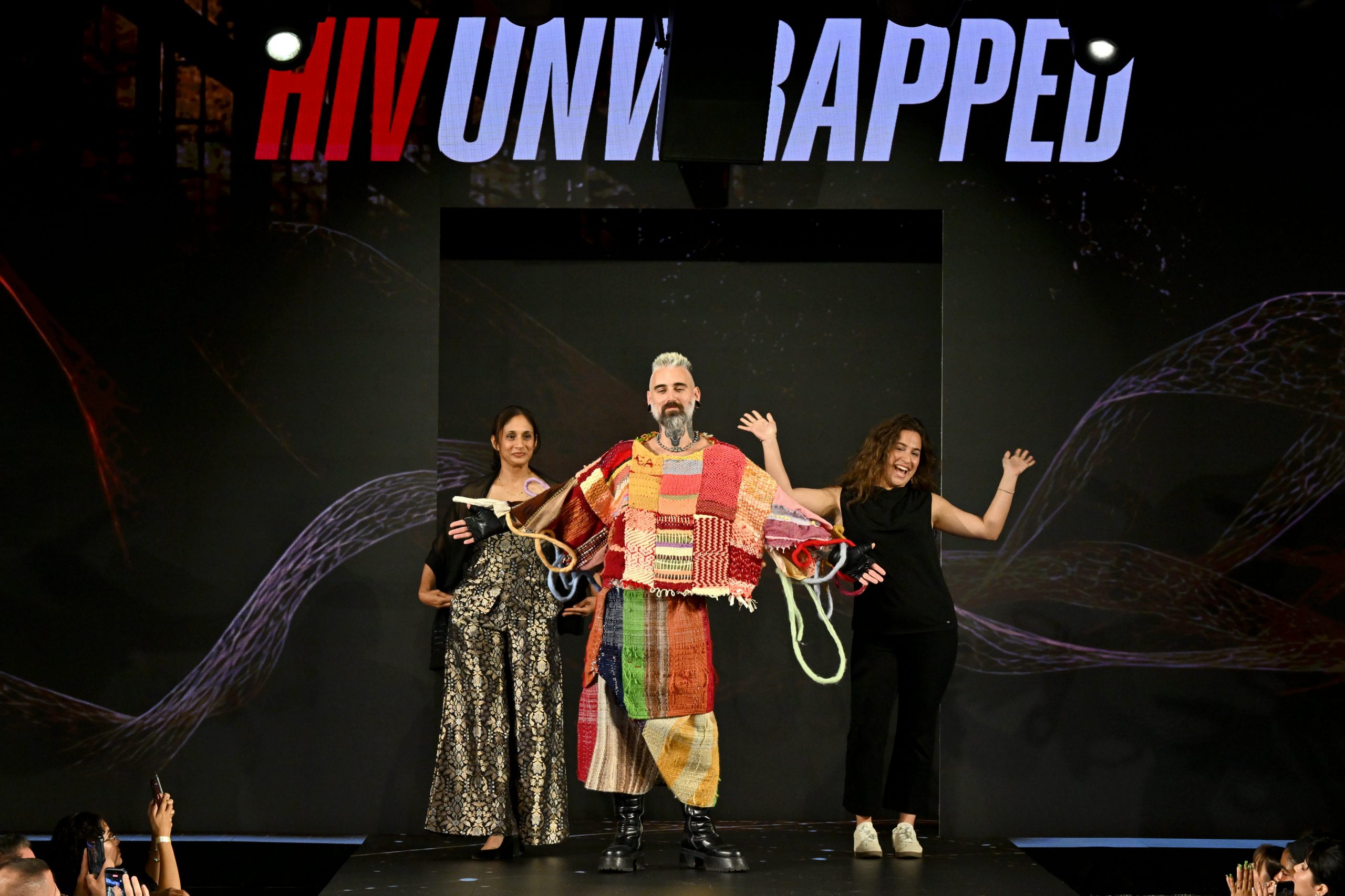
Fashion has always been one step forward, and this past NYC Fashion Week at Sony Hall, the runway brought with it science, history, and activism in addition to this season’s hottest hemline. It also came with a reminder that HIV is quite a different story than it was four decades ago.
For the second U.S. edition of HIV Unwrapped, +Life returned to New York Fashion Week with an intentionally unconventional accessory – one of HIV’s leading scientists. In collaboration with the Council of Fashion Designers of America (CFDA), with support from Gilead Sciences and in partnership with ASHM, the event beautifully brought together designers, advocates, performers, and researchers in an effort to turn HIV into a conversation people would not just acknowledge but actually discuss. As one of the event’s organizers said, “HIV Unwrapped started with this slightly crazy idea that fashion could make people stop and pay attention to HIV in a completely different way.”
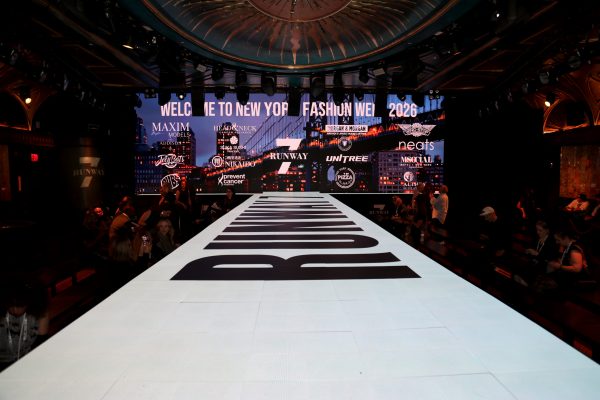
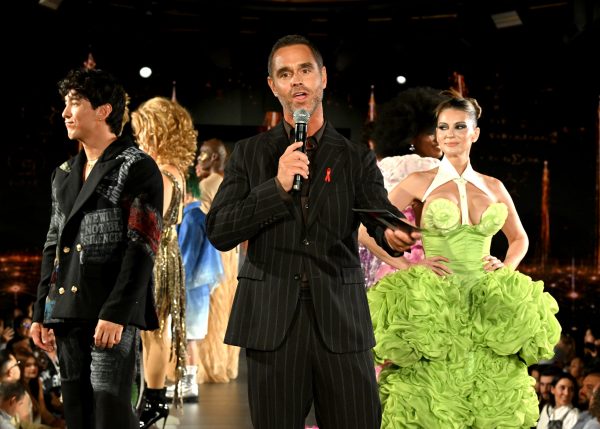
The evening paired up up-and-coming Parsons School of Design student artists with HIV experts including Demetre Daskalakis, Allison Agwu and LaRon Nelson. Models including Lionel Moise, Shia Ho and Michael Macneal helped turn molecular science and resilience into runway-ready looks. Special guests included the likes of CFDA CEO Steven Kolb, Peppermint, Javier Muñoz, Susanne Bartsch, and alice + olivia President Deanna Berkeley.
Underneath the couture pulsed a very real story that New York knows particularly well. The city was at the epicenter of the AIDS epidemic. In 1981, New York disease detectives began to track the burgeoning crisis, and by the mid-1980s HIV/AIDS was decimating queer communities across NYC. AIDS deaths in New York eventually peaked at 7,102 in 1994. And New York artists did anything but sit quietly and spectate.
Like many other places around the world at the time, the AIDS epidemic transformed NYC’s cultural landscape, especially its downtown art, theater, music, and nightlife spheres. Artists were not simply documenting the epidemic. They were organizing, protesting, fundraising, and creating work designed to force the politicians as well as the general public to acknowledge it.
ACT UP, created in New York in 1987, became a pivotal force. Groups like Gran Fury used graphic design in their activism, covering the streets with posters and visual campaigns. The Met describes Gran Fury as ACT UP’s “unofficial propaganda ministry,” with its work helping push AIDS past the gallery and directly into public space.
The art world itself was losing people. Artists like David Wojnarowicz and Keith Haring confronted the epidemic through their artwork, while institutions and artists grappled with the pressing question of what art could do in the face of widespread death. Gregg Bordowitz morphed his own practice in response to the crisis, documenting protests and the lives of folks living with and dying from HIV/AIDS.
That history makes the premise of HIV Unwrapped unquestionably resonant. Fashion, like all activist art, is a language of visibility, and visibility is significant because one of the most considerable changes in HIV has happened not on a runway but in science itself.
The treatments available during the worst times of the epidemic were difficult, toxic, and largely inaccessible to so many in need of it. AZT became the first approved antiretroviral drug in 1987, soon followed by increasingly effective combinations of medicines. By the middle of the ‘90s, highly active antiretroviral therapy changed HIV treatment and contributed to a significant decline in AIDS deaths across the country. Fast forward to today, HIV treatment is able to suppress the virus to undetectable levels.
According to the CDC, folks living with HIV who take treatment as prescribed and maintain an undetectable viral load have zero risk of transmitting HIV sexually. The U=U campaign, created by the Prevention Access Campaign in 2016, changed a scientific finding into a community-led global movement and provided a powerful antidote to stigma.
This distinction is important. The history of HIV is also a story about fear, misinformation, and stigma just as much as it is about a devastating virus. Science has significantly advanced, and the public’s understanding has often fallen behind. And this is where HIV Unwrapped steps forward.
“For me, HIV Unwrapped has always been about getting HIV out of the usual spaces and putting it somewhere people don’t expect to find it,” the event’s organizers explained. “If someone comes for the fashion, loves what they see and walks away thinking about HIV differently, even just a little, then that’s the whole point.”
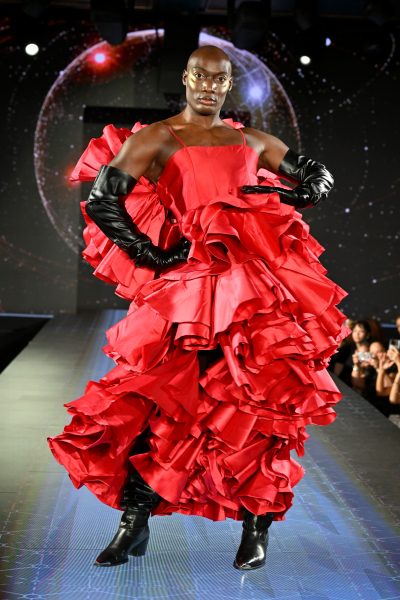
What a poetically poignant proposition it is to put scientists on the runway, put the designers in conversation with the scientists, sprinkle in a dozen of so talented models, performers and activists, turn up the lights, and see if culture can help science garner the attention it very appropriately deserves. HIV has already changed medicine and activism. It’s high time we change the conversation around it as well.
AIDS and HIV
Turning grief into advocacy: Debbie Allen shares on loss, love, and the power of speaking out
After losing an entire generation of friends and colleagues to the epidemic, Debbie Allen dedicates her life and platform to HIV advocacy, pushing the public to go beyond the virus to see the person behind it.
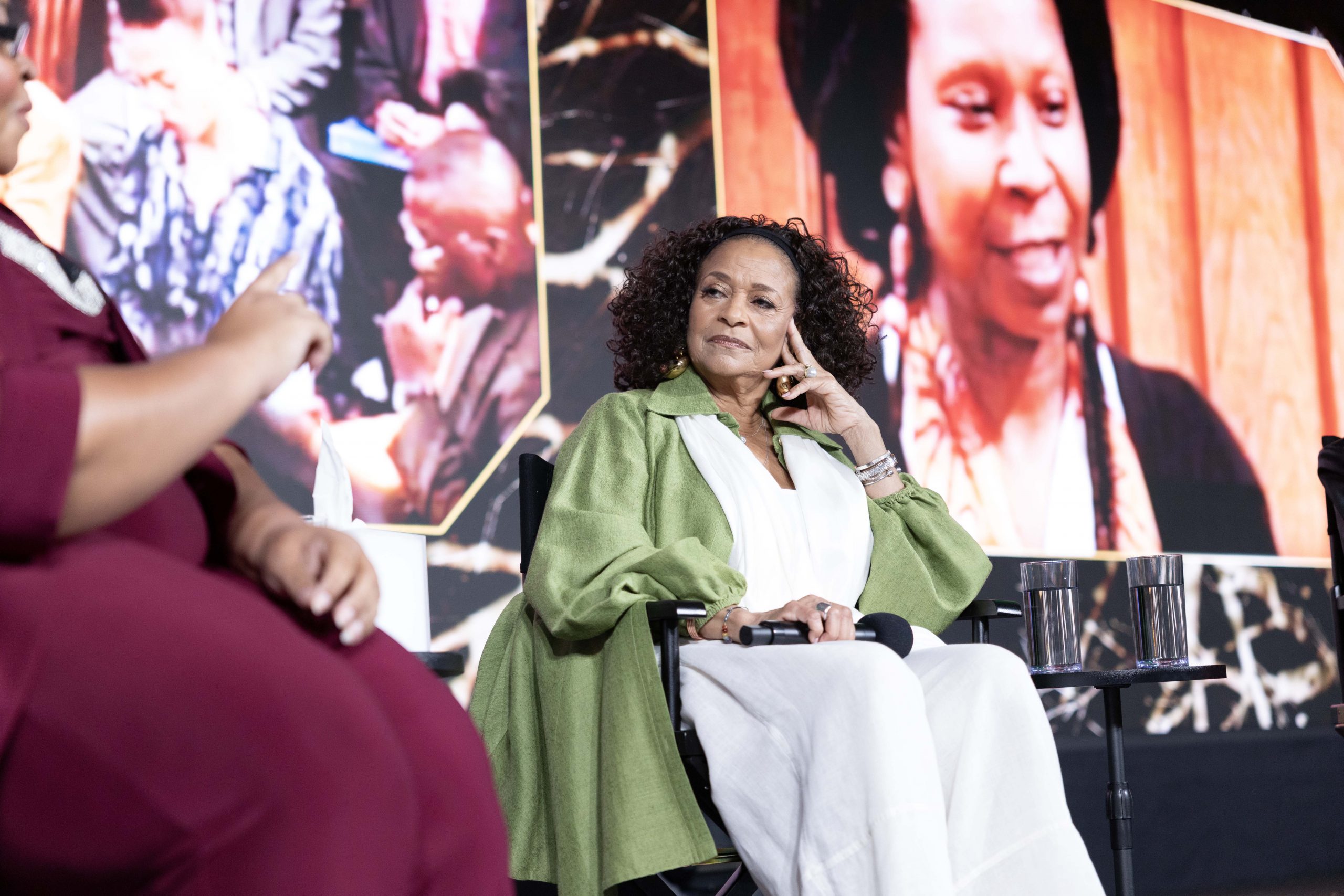
For somebody like Debbie Allen, HIV advocacy lies at the heart of their life and career. In the 1980s, at a time when HIV/AIDS devastated the performing arts community, Allen witnessed friends, performers, directors, and choreographers alike disappear. This experience turned her personal grief into a decades-long commitment to advocacy. From directing a landmark A Different World episode about HIV at a time when even just saying the word on television could make networks sweat, to continuing her work today, Allen has continuously utilized the biggest stage available to her to ensure that the conversation stays alive.
Now the conversation has changed from four decades ago, yet Allen believes it still needs to get louder. Medical advances have transformed HIV from the crisis it was into a manageable condition for many folks. Yet stigma, social challenges, and the significant need for mental, emotional, and community support still persist. In our conversation, Allen opens up about the losses that influenced her activism, the power of media and the arts to change public perceptions, and why “whole health” means looking beyond the virus to the full human person living with it. Her message is simple and solid – no one should have to navigate HIV alone.
You have stood alongside the HIV community for four decades, and counting. When you look back to the start of that journey, what first got you involved and what has kept you connected and dedicated for all of this time?
My fight against HIV began in the ‘80s, when the epidemic devastated the performing arts community, and I lost my entire world—my friends, dancers, directors, and choreographers. That profound grief fueled my mission to use my voice for advocacy—from directing the groundbreaking HIV episode on A Different World to fight stigma to standing on stages today to continue to raise awareness.
This is a mission that continues to stay near and dear to my heart so that all people impacted by HIV—whether they are living with HIV or supporting someone living with HIV—have the resources and support they deserve.
How have those experiences with your own personal losses due to HIV impacted the way you understand the virus?
If we look back to 40 years ago, HIV impacted an entire generation. We experienced incredible loss and heartache that I will never forget. This experience made me realize how vulnerable we are as humans and how much support we truly need in our healthcare journeys. And while incredible progress has been made, I also understand so much more needs to be done—from combating stigma, providing additional resources, and ensuring ongoing support for people who are living with HIV today.
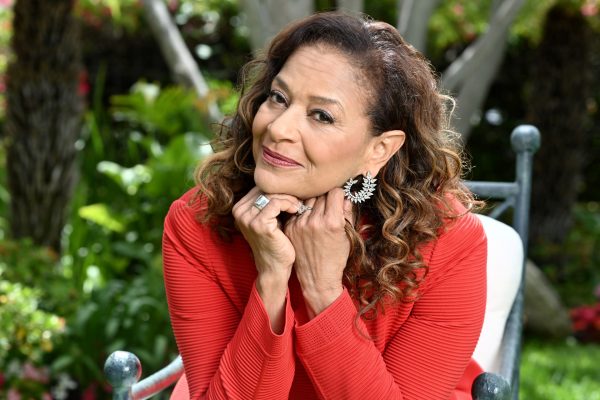
You’ve built an extraordinary career as a dancer, choreographer, director, producer, actor, educator, and advocate. How has each part of your career influenced the others? What have you learned about leadership from working with artists and performers?
Being a dancer, choreographer, director, producer, actor, and educator has helped shape the person I am today. Each experience has inspired another. What unifies each role is my ability to lead and learn from everyone I’m working with. It’s also these opportunities that have afforded me an incredible platform for my advocacy efforts. I strive to bring leadership approaches from my various stages—in a very literal sense—to a national stage as I support a variety of initiatives, such as HIV awareness.
The medical landscape around HIV has evolved dramatically since you first began your advocacy. What is one thing you wish younger folks understood about what the first years of the epidemic were really like?
Thanks to medical advancements, we can now look at so much more than HIV status and this is a tremendous step forward. As someone who has always believed in the power of mind, body, and spirit, I want today’s generation to understand that people living with HIV need integrated support for their mental, emotional, physical, and social well-being because all these elements are deeply connected.
We need to broaden the discussion around HIV management, and that’s why I’m proud to work with Merck on Your Hive of Whole Health, which addresses factors such as managing one’s mental wellness, co-occurring conditions, social drivers, and other life challenges.
Your Hive of Whole Health is built around the idea that health doesn’t happen in isolation. What does “whole health” mean to you in your own life?
Health doesn’t happen in isolation. People living with HIV need comprehensive support systems around them—whether that’s family, chosen family, neighbors, community or religious leaders, or care team members; they are a part of the whole health journey.
To me, whole health means looking beyond the virus to truly understand the unique challenges that people face so they have the full support they need. Having supported loved ones on their health journeys and managing my own well-being, I know that comprehensive support is key.
That’s the beauty of Your Hive of Whole Health. In fact, the idea behind the program is simple. Just as a hive depends on the strength of many bees working together, people living with HIV often rely on a network of support that includes healthcare providers, advocates, family, friends, and peers. Your Hive of Whole Health provides tools and resources to help individuals build and strengthen those connections.
For someone living with HIV, what kinds of support beyond medical treatment do you think can make the most significant difference in their lives?
As people are living longer with HIV and managing additional health conditions, like high blood pressure, high cholesterol, and diabetes, having the right support system in place can play an increasingly important role.
Understanding these other conditions, as well as navigating social challenges and other life challenges such as not having access to affordable or healthy food, not having support from family or friends, struggling with stable housing, or facing misconceptions about HIV is critical. It’s awareness, understanding, and a “Hive” of support that can make a difference.
People can go to HiveofWholeHealth.com to learn more, access resources, and build their own Hive.
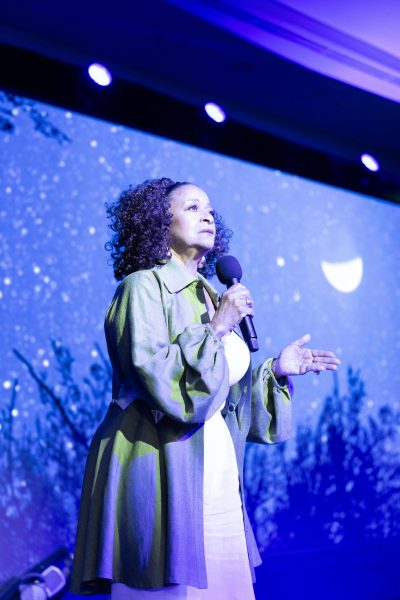
Many folks tend to talk about the HIV epidemic as if it is something of the past. What do you think we risk losing when we stop talking about HIV and the people whose lives have been affected by it?
This journey began for all of us in a time of intense fear, isolation, and crisis. As I reflect back to the early ‘90s, it was an honor to create the first network television show on A Different World to address the epidemic at a time when people were afraid to even say the word. The network and advertisers were very hesitant about talking about HIV on TV in this way at that time. It really hadn’t been done before. But I stood my ground and pushed forward. As a result, we were able to bring the epidemic into living rooms, confronting fear, stigma, and misinformation. It changed the conversation, especially in Black communities, where the impact was deeply felt. It also spotlighted how HIV impacted women, which was not formally recognized by health agencies until years later.
Today, we can truly celebrate the united and unbreakable spirit of 45 years of the HIV movement and champion a new era of whole health. But there is still so much more to be done. We must continue shining a light on issues that matter most. We must spotlight these across all forms of entertainment, media, and digital storytelling to drive awareness, understanding, and support. That’s why programs like Merck’s Your Hive of Whole Health are so important – we keep the community and their needs at the center and provide much-needed support.
If nothing else, what is one message you’d like for our readers to take away from this interview?
I want people living with HIV and the community around them to know they are not alone. There’s a whole community of support—a Hive—that can help them on their journeys with HIV.
Go to HiveofWholeHealth.com to learn more about the emotional, physical, social, and mental aspects of living with HIV. Build that Hive around you because whole health is better together.
Commentary
Trump to the people: F**k the free press

One of the biggest problems for Donald Trump, the petulant transactional president, is that the best of the American free press won’t go along with his constant demands for unearned praise. So on Friday, Trump announced on Truth Social that CNN, MS NOW, and Politico were all banned from the White House, “effective immediately,” because of “fake news” and “dishonest reporting.”
When asked during an afternoon press conference in the Oval Office why he was imposing the ban, Trump – the New Yorker who used to court the city’s notorious tabloids– said: “It’s sick. I mean, there’s something wrong with a country that can allow people to write purposely negative stories. Now, if they want to write them, that’s fine. But I don’t have to let them into my — into the people’s house.”
On Saturday morning, reporters from those media outlets showing up for duty were denied access to the White House campus and were stripped of their press passes. CNN, MS NOW, and Politico all issued statements of protest about Trump’s clear violation of the First Amendment, vowed solidarity, and pledged continued coverage despite being denied access – just as Sec. of Defense Pete Hegseth receives blistering coverage from reporters outside the Pentagon over incompetence in waging the war in Iran and plans to integrate AI into military systems.
For all the many, many scary reasons this incident is a very big deal, one that has received less focus is that apparently no one knows why Trump has critically upped the ante in his ongoing poker game with the press now. Is he just issuing orders without any advice, consent, or guardrails?
“Some White House staffers, including members of the press shop, were caught off guard by the announcement. A source familiar with the matter said those staffers were left scrambling to learn more details,” CNN reported.
Lack of a clear reason also bothered Politico Playbook, which “called sources in and around the administration to find out why — after months of low approval ratings for the president and his signature issues — now?”
They learned that “many senior staff were surprised by the directive, which happened while Chief of Staff Susie Wiles was out of town, and weren’t aware it was coming until they saw the post, according to three people close to the White House with knowledge of conversations in the West Wing.”
Then on Friday, “the press shop was blindsided and unsure of how to respond, with one aide simply pointing back to Trump’s Truth Social post.”
Importantly, Politico reported, “They’re taking it seriously. ‘It’s real and permanent as far as POTUS is concerned,’ the person said.” More outlets – such as the New York Times and the Washington Post – to follow.
The BBC also speculated about the reasons for the ban now.
“The president’s frustration at the media, however, came after a week of setbacks in which major institutions handed him a series of losses across his agenda,” the British Broadcasting Corporation reported.
“First, the Supreme Court blocked his plan to restrict mail-in voting ahead of the midterms. This prompted Trump to lash out at the court’s justices, including those he had appointed. ‘These are not the people I interviewed to serve on the United States Supreme Court,’ he said.”
The BBC also noted that, in addition to record-low approval ratings for his second term, the Federal Reserve just rejected his pressure and raised interest rates. And a judge ordered his administration “to give 30 days’ notice before making any changes to the Kennedy Center arts venue in Washington DC after the president warned it could be ‘ripped down.’”
Along with most other media outlets, the BBC also noted that “The First Amendment to the US Constitution forbids Congress from ‘abridging’ the freedom of the press. It is language that courts have long interpreted as preventing the government from discriminating against the media based on the content of their coverage.”
Facing political headwinds going into the midterms, might Trump’s restriction of access to “friendly” press have the trickle-down impact of delivering his message to people who consumer their news from local and smaller media outlets?
But in a report on the White House Correspondents Association dinner, I included a section that points to a more sinister reason – journalists are the “enemy of the people” so trust no one else but Trump.
“Whether it’s reporting on credible truth-tellers calling out a world leader incompetently prosecuting a mindless war or a specialty journalist clearing up snarky disinformation that leads to harassment of minority individuals, press freedom – upheld by the First Amendment – is as precious as water and clean air to the survival of a democratic body.
But what happens when the fog of war is intentionally generated by the government ethical journalists are tasked to cover it in their public service to the people?
As legendary CBS News journalist Marvin Kalb noted in his 2018 book Enemy of the People: Trump’s War on the Press, the New McCarthyism, and the Threat to American Democracy, it was the current President who started the war with his dangerous assertions that the news media is “fake news” and “Fake News is Truly the ENEMY OF THE PEOPLE!”
“Shortly after assuming office in January 2017, President Donald Trump accused the press of being an ‘enemy of the American people,” reads a Harvard Kennedy School Abstract for Kalb’s book.
“Twentieth-century dictators—notably, Stalin, Hitler, and Mao—had all denounced their critics, especially the press, as ‘enemies of the people.’ Their goal was to delegitimize the work of the press as ‘fake news’ and create confusion in the public mind about what’s real and what isn’t; what can be trusted and what can’t be. That, it seems, is also Trump’s goal.”
This is a cross-post from Karen’s LGBTQ+ Freedom Fighters Substack.
AIDS and HIV
United States Conference on HIV/AIDS grapples with federal budget cuts
The largest conference on HIV and AIDS in the nation convened in SoCal amid increased cuts to federal HIV programs and research.
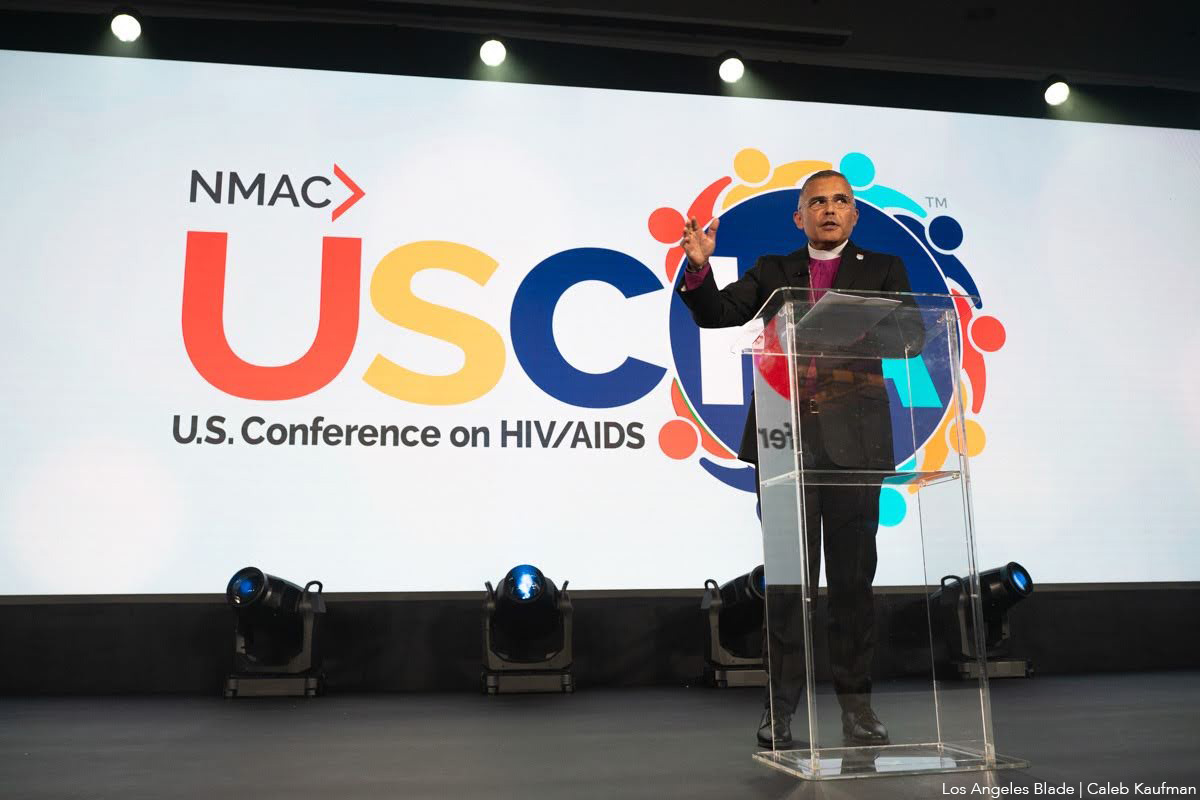
Advocates, public health experts, and healthcare providers gathered for the United States Conference on HIV/AIDS on Sept. 17 in Anaheim.
The conference is the largest of its kind in the nation and came amid a wave of new challenges for HIV research and treatment. Since the beginning of the second Trump-Vance administration, federal spending cuts have targeted HIV/AIDS programs, including the gutting of the U.S. Agency for International Development and proposed cuts to PEPFAR, which supports HIV testing and treatment globally, in 2025.
Last year, Congress maintained funding for HIV programs after proposed cuts faced opposition from advocacy groups and bipartisan criticism. Yet, this year Congress has proposed similar cuts to many of the same programs, which would cut nearly one billion dollars in HIV funding. The majority of the cuts would impact HIV prevention and outreach, which includes ending nearly all Centers for Disease Control and Prevention HIV prevention activities.
“If we continue down this path,” said Jeremiah Johnson, the executive director of PrEP4ALL, an advocacy group that supports expanding access to HIV prevention. “We’re going to see more people falling off treatment. We’re going to see more wait lists. That’s going to lead to more people dying from AIDS-related complications.”
Cuts and Challenges
The funding cuts loomed over the conference and inspired protest from activists.
On the first day of USCHA, activists with Save HIV Funding organized a mock funeral outside the convention center. Advocates living with HIV wrote eulogies for themselves, meant to show the consequences of diminished access to treatment. Then activists marched through the conference carrying fake coffins.
Johnson, who helped organize the protest, said that “the Trump administration has eviscerated global aid … and the fears that many of us are just talking about hypothetically for ourselves at the moment are already happening [internationally]. And so we wanted to place that front and center at this conference.”
The attacks on funding for HIV research and outreach come at a complicated time for the movement to end the AIDS epidemic. While options for prevention and treatment have never been more accessible, such as PrEP and antiretroviral therapy, there have been some concerning upticks in infections, particularly among communities of color.
Southern states account for the majority of new HIV infections in the country, despite making up only 38 percent of the population. And these infections impact disproportionately Black and Latino communities. According to the CDC, even as overall HIV infections decreased from 2018 to 2022, diagnoses of HIV among Latinos grew by 17 percent, with a majority of this increase happening in the South.
Stigma is still the biggest barrier for people seeking out HIV treatment, said Guillermo Chacón, president of the Latino Commission on AIDS.
“The progress that we [made] in the past two years has been demolished,” he said.
Chacón blames the federal government for stigmatizing HIV treatment by using harmful rhetoric about queer people.
“The level of homophobia and transphobia right now is even higher because it has been used as a political message to create fear and division in our country,” he said.
Chacón believes that research and outreach must be done to reverse the rising HIV infections among Latinos. However, this is exactly the type of research that the Trump-Vance administration is targeting most intensely. Research into “health disparities” — why some health problems impact certain communities more than others — has been heavily criticized by the White House, along with other research that it considers “woke” and claims is not supported by science.
Impact Felt at Conference
The opening plenary for the conference addressed some of the funding challenges the movement was facing but tried to shift the focus to the victories the movement has seen over the years. Speakers highlighted historic successful activist campaigns like ACT UP, and recent improvements in medical care and access to treatment.
Randevyn Pierre, head of U.S. external affairs at ViiV Healthcare, the sponsor of the plenary, took the stage to celebrate the success of the U = U campaign (undetectable viral load = untransmittable HIV virus), and ViiV’s investment of $33 million in HIV community organizations across the U.S. This comes as the Trump-Vance administration has made moves to end direct funding of community-based organizations, opting to give the funding to state healthcare agencies.
The speakers at the conference discussed reducing stigma for those living with HIV and the joy of living authentically. They also emphasized the diverse groups of people that are impacted by HIV and how they can come together to fight for a cure. Longtime AIDS activist Rae Lewis Thorton exclaimed, “When they tell me there’s a cure to HIV, I’m gonna take off my 4-inch heels and put on gold slippers,” to applause from the audience.
The opening plenary also featured song and dance from a variety of artists, many of whom spoke about how HIV has impacted their own lives and how advocacy has uplifted their spirits. However, the joyous atmosphere at the conference would not last.
On the final day of USCHA, Geri Donenberg, the associate director of AIDS research at the National Institutes of Health, took the stage to address the conference.
As she spoke, phones began to buzz around the room with breaking news: the Trump-Vance administration was drafting an executive order to create an external board to oversee NIH grants and screen them for political content. NMAC CEO Harold Philips took the stage after Donenberg to address the crowd. “It’s up to us,” Philips said, “to hold NIH accountable.” He added that HIV advocates “have supporters inside NIH who are struggling and working to do the right thing. We have to have their back.”
Chants of “stand up, fight back, fight AIDS” erupted from the crowd as Philips spoke. “We do have to fight back. We do have to continue to fight,” Philips replied.
Caleb Kaufman is a California Local News Fellow placed with the Los Angeles Blade. The California Local News Fellowship is a state-funded initiative to support and strengthen local news reporting. Learn more about it at fellowships.journalism.berkeley.edu/cafellows.
Commentary
Gratitude is sexy: When the gays are paying your straight bills, consider paying them some respect
Hetero OF performer Jake Andrich is “not particularly” concerned with showing support for his widely gay male fan base, and, well, there’s a lot to unpack here
What I am about to say will come as a shocker to some and bring a heavy sigh to many more. There are some things money can’t buy. Integrity, gratitude, and a goddam clue, just to name a few. In a recent livestream, hetero-identifying Canadian OnlyFans performer Jake Andrich, who has garnered a sizable gay following on the platform, was asked if he supported the LGBTQ+ community. His response? “Not in particular.” Phenomenal PR, bro.
While Andrich may be 100% comfortable with benefiting from his fanbase of gooning gays, he’s clearly less than compelled to support the very community behind his success. If a straight dude can build a highly lucrative career providing gay men with material for their spank banks, what does the relationship between a performer and the subscribers paying their bills look like?
Now, before anyone gets their brogurt-stained briefs in a bunch, let’s be clear about one thing. No one is entitled to someone else’s sexuality, political views, or values. No one should ever feel pressured into performing some identity that they don’t identify with or be made to feel uncomfortable. That said, gratitude is not an identity.
A unique phenomenon can happen when a person spends their life receiving social rewards while never having to think too hard about the systems in place that have made these rewards possible for them. It is often that when cultural visibility, acceptance, and desirability are a given, they are often processed in the mind not as privileges but as natural order. When this occurs, attention is processed as validation which, in turn, becomes entitlement.
When the folks who supply this attention are folks of marginalized groups, the disconnect is more than significant. Said performer experiences queer desire as an economic gain. What they don’t experience is the discrimination and social consequences that accompany one’s queerness in society. To folks like Andrich, their queer audience is a considerable convenience while never being a commitment.
For many folks, lust is undeniably efficient at overriding less savory aspects of a person. The mammalian brain’s reward system has a way of filing pleasurable things as important things. Arousal can quite often narrow one’s attention while making them more concerned with obtaining the reward than contemplating where or who it is coming from. Add a layer of the good ol’ parasocial attachment, and now the provider of this reward is perceived not as a grad student on the other side of the country with great abs, nine inches, and a heap of student loans, but as your secret lover. All of this neuropsychology can make it super easy to compartmentalize certain info.
Cognitive dissonance makes a guest appearance when our desires and our values clash. The mind will often find ways to minimize discomfort when pleasure is involved. We may rationalize by telling ourselves that it’s not that big of a deal-breaker, or they didn’t mean what they said, or I’m subscribing for his body, not his values.
Although I am not arguing that we should start conducting moral deep dives on everyone we see on screen, I do believe that it’s worth looking into when pleasure consistently outweighs principle. Not too long ago, I wrote a piece on Nicki Minaj’s MAGA coming out, and her Barbz were swift to come to her defense. This made it crystal clear how easily a fanbase can allow its admiration for a coked-up pop diva to eclipse her recent getting on her knees for an administration directly attacking the rights of LGBTQ+ Barbz and non-Barbz alike. Too often, fantasy feels so much better than principle.
Let’s be real about the thirst-fueled economics at play here. The LGBTQ+ community has always had to seek out representation where they can find it. Long before the Pedro Pascals and Janelle Monaes, a random shirtless model could easily fuel an entire erotic ecosystem for a not-so-out male appreciator of men. Fast forward, and what were once xxx mags hidden in that box at the back of the closet are now fanpage subscriptions. Thank you, internet. Progress.
And of course, there’s nothing wrong with patronizing the page of some random former varsity bro from Idaho who realized he can pay rent and then some by selling wank videos and foot pics. On the flip side, there’s absolutely nothing wrong with selling wank vids and foot pics. Make that coin. But when one’s business model relies on a particular marginalized community’s consumption while dismissing said community with a “not so particular” approach in support, it is not going to fly with pretty much anyone with self-respect.
There are plenty of hetero-identifying men who get it right. Our furry-chested Daniel Radcliffe, who fuels many gay folks’ fantasies of wizard-on-wizard action, has always shown love and support for the LGBTQ+ community, particularly the T (F U, JK R). Fellow furry-chested Mark Ruffalo has also consistently lent his voice to the rights of the LGBTQ+ community and many others. Radcliffe, Ruffalo, and so many more men like these two are a testament to the fact that one doesn’t have to identify as queer to show respect and support for their queer fanbase. And, let’s be honest, nothing’s hotter than giving a sh*t.
You don’t have to be a part of a community in order to see its value. I repeat: YOU DON’T HAVE TO BE A PART OF A COMMUNITY IN ORDER TO SEE ITS VALUE. Straight guys, you don’t need to go full-on queer activist and advocate. A little solidarity, however, goes a long way. Gratitude, and the lack of it, do not go unseen.
So Andrich doesn’t particularly support the gays. That’s cool. In turn, the gays can decide whether or not they’d like to keep supporting him financially. Let that bit of capitalism rest on your palate for a moment and tell me how it tastes.
Honestly, take it or leave it. I personally think so many things are not worth our time or our energy. Full disclosure, I didn’t know who this guy was before receiving this assignment, and I’m sure I will soon forget him after submitting it. Integrity is sexy, in my humble opinion.
Health
‘There are resources available’: Justin Todd talks LGBTQ addiction treatment and recovery
Queer people are more likely to suffer from substance abuse but face additional challenges in getting treatment.
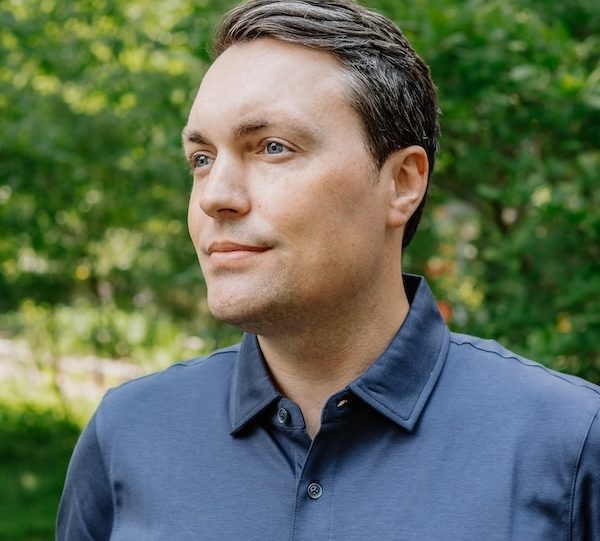
Despite progress in the past decade, treating drug addiction is a difficult journey that can be opaque and challenging to navigate. For Recovery Awareness Month, the Los Angeles Blade sat down with Justin Todd, Co-Founder of Addiction Resource, to talk about addiction treatment. “There are resources available, and more so than people think,” said Todd.
Todd grew up around “family addiction and severe mental health issues,” which led him to work in addiction treatment to help people suffering from challenges similar to those his family faced.
He co-founded Addiction Resource in 2018 to help people seeking to overcome their addictions “avoid places that are out there just for pure profit and are not necessarily treatment-first.” It was inspired largely to help people seeking addiction treatment avoid the scheme of “patient brokering.” The illegal and coercive practice involves middlemen who refer patients to addiction treatment centers in exchange for referral fees. These centers would then often max out the patients’ insurance benefits without providing proper treatment, or worse yet, they would be saturated with illicit drugs that make patients prone to relapses.
So instead of relying on “brokers” to find treatment for substance use disorder, Todd hopes Addiction Resource can provide people with accurate information about addiction treatment. “When people make their call for help, that might be the first and only time they call,” which is why it’s so important that people are matched with centers that prioritize care, Todd said. Addiction Resource does online research and works directly with addiction treatment centers to verify the services they provide are medically proven and effective.
The queer community is particularly vulnerable to addiction. A 2015 survey from the Substance Abuse and Mental Health Services Administration (SAMHSA) reported that sexual minorities, which include parts of the LGBTQ community, have higher rates of substance abuse than their sexual majority counterparts. Yet, there can be additional challenges for queer people seeking treatment for their addiction because of societal stigma and discrimination towards their sexual orientation or gender identity.
But the environment for queer people seeking addiction treatment is improving, with more programs that are created for the LGBTQ community. “There are truly programs built specifically for queer people that are exclusively for them… compared to six years ago, when there were far fewer,” Todd said. He added that these programs address “different challenges or traumas that are relatable to the [LGBTQ] community” and can often lead to better treatment outcomes for queer patients. Addiction Resource’s site has resources for people seeking out specialized care like LGBTQ specific addiction treatment.
But more important than any specific program is a willingness to seek out treatment in the first place. “I don’t think there’s any right or wrong way for someone to go about finding treatment,” Todd said. He continued that some people can go to very highly rated rehab facilities with unsuccessful results and have a free community center program be what gets them into recovery. “It really just depends on the person, what’s necessarily right for them.”
If you are suffering from a drug-related or mental health crisis, SAMHSA has a free 24/7 hotline at 1-800-662-4357.
Caleb Kaufman is a California Local News Fellow placed with the Los Angeles Blade. The California Local News Fellowship is a state-funded initiative to support and strengthen local news reporting. Learn more about it at fellowships.journalism.berkeley.edu/cafellows.
Commentary
Gov. Newsom could make history for local news outlets nationwide
AB 2222 seeks to put California at the forefront of national efforts to keep local newsrooms intact.

Sitting on Governor Newsom’s desk is AB 2222, the Community Newsroom Employment and Workforce Sustainability Act (Community NEWS Act). The bill seeks to put California at the forefront of national efforts to keep local newsrooms intact.
The Governor has until September 30 to sign the legislation or veto it.
Authored by Assemblymember Chris Ward and co-authored by Assemblymember Buffy Wicks, AB 2222 would provide refundable tax credits to local newsrooms for each journalist they employ. Those credits would help ensure baseline workforce stability especially critical for smaller news outlets facing financial headwinds.
For California, with the nation’s largest immigrant population and highest concentration of Limited English Proficient (LEP) households, the bill would help sustain ethnic media outlets that serve as an essential bridge, providing crucial services ranging from translations of emergency evacuation orders to helping dispel dangerous mis- and dis-information or covering local school board meetings.
Under the bill, community-rooted newsrooms would receive credits of $20,000 for the first five full-time editorial positions (at least 30 hours per week, with annualized compensation of $35,000 or more).
Each additional full-time journalist would receive a credit of $15,000, plus an additional $15,000 incentive for each newly created reporting position, while each part-time journalist would receive $7,500.
Eligibility extends broadly to print, broadcast, digital, nonprofit, and independent family-owned news outlets.
An unprecedented coalition
The bill garnered overwhelming support in the state legislature, passing the Senate 30–10 on August 30 and the Assembly 59–15 on August 31.
That legislative mandate is backed by an unprecedented coalition across the state and nation: 134 news organizations and press associations have jointly delivered a letter urging Governor Newsom to sign AB 2222, including 94 California-based outlets, regional publishers, and labor guilds, joined by 40 national media associations.
Fiscal Responsibility, ROI
If passed, the credits will not take effect until tax year 2027, protecting current state reserves and allowing multi-year budget planning. The bill also mandates annual Franchise Tax Board compliance reports beginning in 2029 and automatically sunsets after five years (taxable years 2027 through 2031).
Additionally, the credits are offset by federal tax limits that cap corporate deductions for executive compensation over $1 million, curbing excessive corporate write-offs.
The return on investment, meanwhile, is substantial.
Peer-reviewed research in the Journal of Financial Economics found that when a local newspaper closes, municipal bond borrowing costs rise by 5 to 11 basis points—adding an estimated $650,000 in excess interest on a typical bond issue for local schools, water systems, and infrastructure.
But the bill’s value goes well beyond basis points and bond ratings.
When community and ethnic media survive, frontline community organizations and state agencies maintain the trusted communications pipeline required to deliver essentials like public health directives, farmworker protections, and disaster relief.
An information lifeline
During the 2017 Tubbs Fire, official English-language alerts left critical gaps that put non-English speakers in immediate danger.
KBBF 89.1 FM, the nation’s first bilingual public radio station, stepped in with broadcasting around the clock in Spanish, debunking false rumors that federal immigration agents were stationed at evacuation shelters or that an undocumented resident had caused the fire.
Two years later, the 2019 Kincade Fire tested that same lifeline again. The station expanded its Indigenous language broadcasts to include Mixteco and Triqui, common among regional farmworkers.
In both instances, KBBF relied on volunteers as it lacked the revenue to sustain full-time reporting staff.
Further south along the San Diego border, Indian Voices spent years reporting on and partnering with tribal leaders to raise public awareness around the toxic Tijuana River sewage crisis, which has long impacted coastal neighborhoods and Kumeyaay ancestral lands.
In Monterey Park, following the 2023 Lunar New Year mass shooting that took 11 lives, Chinese- and Vietnamese-language journalists worked through the night to pierce an information vacuum.
With elderly Cantonese- and Mandarin-speaking residents receiving no official in-language updates in the first critical hours, local reporters translated police briefings on the fly, dispelled viral rumors, and connected grieving families with victim assistance and mental health care they otherwise would never have found.
Trusted messengers
The COVID-19 pandemic exposed a different kind of information gap.
In an October 2020 statewide poll, only 29% of Black Californians said they would definitely or probably get a COVID-19 vaccine once available — far below the 70% of Asian Americans, 62% of white residents, and 54% of Latinos who said the same.
This gap was rooted in generations of justified distrust from medical racism, including the Tuskegee experiments that researchers say still shape vaccine hesitancy today.
Generic public health messaging could not close that gap on its own. Independent Black media addressed the history behind the hesitancy instead of dismissing it, and connected residents to vaccination resources through messengers their own communities actually trusted.
Governor Newsom has visited these places. He has consoled grieving families, met local community leaders, and spoken with Brandon Tsay, the 26-year-old hero who disarmed the Monterey Park gunman.
The governor saw firsthand that local community journalists are often the only trusted messengers capable of connecting vulnerable populations to life-saving state resources.
A historic opportunity
Recognizing that local journalism is essential civic infrastructure, Newsom has since 2024 demonstrated national leadership by launching the public-private California Civic Media Program and supporting the Propel Initiative. (ACoM is a Propel partner.)
Both programs help secure vital investments to sustain the UC Berkeley California Local News Fellowship and build newsroom capacity for organizations including our own, as well as the Maynard Institute, California Black Media, and the Latino Media Collaborative.
Yet these short-term grant dollars cannot permanently sustain a newsroom’s daily payroll. Without baseline workforce stability, community newsrooms are unable to retain the fellows and reporters the state has helped train.
AB 2222 helps close this gap.
We respectfully urge Governor Newsom to stand with the legislative majority, the 134 media organizations, and the working reporters and sign AB 2222 before September 30.
By Julian Do
Julian Do is co-director at ACoM, where he focuses on media industry advocacy, local news capacity building, sustainability opportunities, and special campaigns including inter-ethnic relations, COVID-19 pandemic misinformation, and journalism awards events.
Every year since Sept. 11, 2001, I’ve tried to get up early to catch the reading of the names of those lost to the terror attacks at the Twin Towers, the Pentagon, and in Shanksville, Pennsylvania. I didn’t lose anyone – though a friend is suffering from serious respiratory issues 25 years after helping people on the pile. Her suffering has been compounded by the unconscionable difficulty of getting access to the federal 9/11 survivors’ fund.
This is personal. I feel a sense of moral obligation as a human, as an American, and, importantly, as an LGBTQ+ person whose core existence can be so easily erased by sheer lazy societal habit.
It happened again.
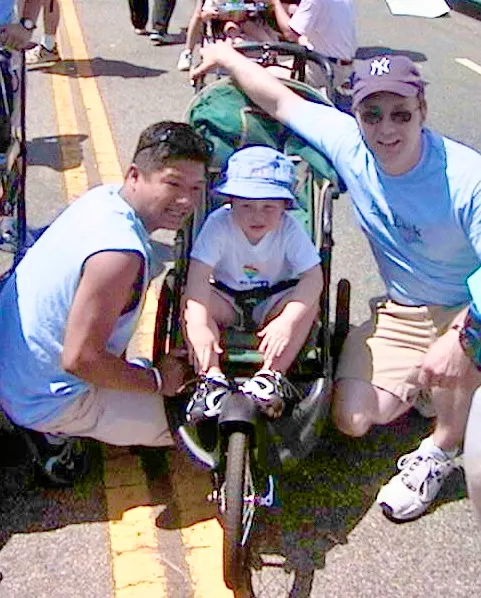
Dan Brandhorst, 42, a lawyer and partner at PricewaterhouseCoopers, and Ronald Gamboa, 33, who managed three Gap stores in Santa Monica, had been together for 14 years. They co-founded the Pop Luck Club in West Hollywood to help prospective gay dads become parents and experience the joy they felt with their adopted son David. I met the family briefly when they stopped as part of the Pop Luck contingent during the annual Christopher Street West Pride Parade.
David was three years old when their United Airlines Flight 175 crashed into the South Tower of the World Trade Center.
They were returning home after a visit with family in Cape Cod. At 8:15 A.M. (Eastern) their plane took off from Logan Airport in Boston, headed to Los Angeles with 76,000 pounds of fuel. Dan, Ron, and David are three of the 51 passengers, 9 crew members, and 5 hijackers on board.
They were probably unaware of the first attack at 8:46 A.M. at 1 World Trade Center. Observers initially thought a small plane accidentally hit the North Tower until massive fire spilled out of the gash between floors 93 and 99. Five hijackers, 76 passengers, and 11 crew members on American Airlines Flight 11 were killed instantly, as were hundreds inside the building, trapped above the 91st floor as firefighters and police mobilized to evacuate and rescue who they could save.
At about 8:55 A.M., a Port Authority fire safety employee used the South Tower’s public address system to say the tower was secure.
“Your attention, please, ladies and gentlemen. Building Two is secure. There is no need to evacuate Building Two. If you are in the midst of evacuation, you may use the reentry doors and the elevators to return to your office. Repeat, Building Two is secure,” the Port Authority employee said, according to 911 Memorial timeline.
Four minutes later, at 8:59 A.M., an emergency order to evacuate both towers was issued.
Meanwhile, at 8:52 a.m., a flight attendant aboard United Airlines Flight 175 (likely Robert John Fangman) reported a hijacking in progress to a United Airlines operator in San Francisco, California.
At 9:03 A.M., according to the 911 Memorial Timeline, five hijackers crashed United Flight 175 into floors 77 through 85 of the South Tower, killing the 51 passengers and crew members onboard the aircraft and an unknown number of people inside the building. Two of the three emergency stairwells are blocked, and many are trapped in elevator cars.

For more than 10 minutes, everyone aboard United Flight 175 knew they could die. Passengers Garnet Ace Bailey, Peter Burton Hanson, and Brian David Sweeney got to call their families.
Imagine what that must have been like for Dan, Ron, and David. Did passengers scream in terror after the hijackers announced themselves? Had they found out about the crash in the North Tower and feared the same fate as the plane turned? Could they see the fire?
I imagine Dan Brandhorst and Ronald Gamboa – as terrified as they might have been – trying their best to comfort their terrified 3-year-old son. I imagine tall Dan on the aisle, Ron at the window, reaching over David in the middle, crying, saying, “I love you. I love you. I love you.”
The memorial this morning included the reading of the names of families who I imagine huddled and cried and loved together at the end.
But even though the 9/11 Memorial & Museum reports that David Reed Gamboa Brandhorst “was one of the youngest victims of the 2001 terror attacks” and identifies Dan and Ron as David’s “fathers” – they didn’t read their three names together as a family.
At 6:07 A.M. (Pacific), the names of Daniel Brandhorst and David Brandhorst were read off a prepared list. Ronald Gamboa’s name was read at 7:05 A.M. (Pacific). This may be 9/11 wishful thinking, but I thought I heard “David Reed Gamboa” called before Ronald Gamboa.
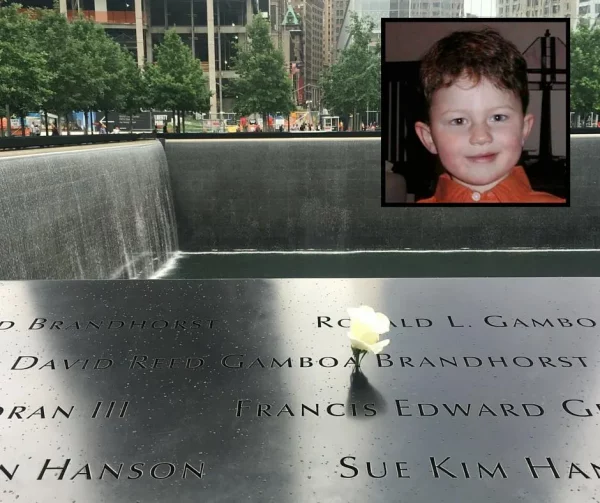
While the precious reading of names did not identify them as a family, they are grouped together on the 9/11 Memorial at Ground Zero, with a moving tribute on the 9/11 Memorial website honoring David. “Today would have been his 18th birthday,” they report.
“Ten years later and it’s still difficult to comprehend,” Rich Valenza, co-President of the Pop Luck Club, told me for a Sept. 13, 2011 story in the now-defunct Frontiers Magazine (that Pop Luck Club co-President posted on their website). “Things were different ten years ago and very different for prospective gay fathers.”
Gamboa and Brandhorst were mentors. “Creating our families is revolutionary,” Valenza said. “What each of us does seems everyday, but the fact is it remains difficult for us.”
Dr. Karen Rogers of Project Heal from Children’s Hospital Los Angeles was also at that 2011 memorial to help explain to the kids “what happened that day.”
“The men who hijacked those planes were bullies” who were trying to make new rules based on their beliefs about how people should behave, she said. But in this country, “we believe everybody has a right to believe differently. It takes courage to stand up and say what you believe in,” praising the honesty and courage of gay dads.
“You are standing up to those bullies by being yourselves and fighting for your country and your families,” Rogers said. “So long as there are families like yours, our country will be free.”
The Pop Luck Club was renamed Raise A Child, growing into a national organization helping LGBT people foster and adopt children.
Amid the heroes, victims, and survivors of 9/11 are also the invisible ones suddenly deprived of love, mentorship, and the kind of “revolutionary” thinking who were making America a better, more inclusive country.
Remembering them is also a revolutionary act of conscience and, for me, a moving exercise in morality.
This is a cross-post from Karen’s LGBTQ+ Freedom Fighters Substack.

Preserving the past: Robert Kesten on Stonewall & storytelling; LA Blade joins at the Abbey, Tuesday, October 6th at 6 pm

Transgender woman elected to Brazilian Chamber of Deputies

Evan Low is not the leader the Victory Fund needs at this moment

Lula, Flávio Bolsonaro to face off in second round of Brazilian presidential election

Engrossing ‘Tip Toe’ delivers tension and an ominous warning

We asked WeHo City Council candidates your most pressing questions

Victory Fund board investigates former staffers’ allegations against CEO Evan Low

The survivors we don’t talk about: October is Domestic Violence Awareness Month

House Democrats urge White House to confront Turkish government over anti-LGBTQ+ crackdown

Renee Good’s family files two federal lawsuits
-
 West Hollywood4 days ago
We asked WeHo City Council candidates your most pressing questions
-
 LGBTQ Non-Profit Organizations4 days ago
Victory Fund board investigates former staffers’ allegations against CEO Evan Low
-
 Features4 days ago
The survivors we don’t talk about: October is Domestic Violence Awareness Month
-
 Turkey4 days ago
House Democrats urge White House to confront Turkish government over anti-LGBTQ+ crackdown
-
 U.S. Federal Courts3 days ago
Renee Good’s family files two federal lawsuits
-

 National3 days ago
988 restores crisis services for LGBTQ+ youth
-
 Commentary1 day ago
The California Gubernatorial Debate missed getting real
-
 Brazil16 hours ago
Lula, Flávio Bolsonaro to face off in second round of Brazilian presidential election
-
 a&e features1 day ago
From bullying to bravo: Joey Zauzig talks finding yourself while making people feel seen
-

 History4 days ago
10 explosions of queer history not to miss at this year’s Circa Festival