Television
Iconic villain is out of the closet in final ‘Saul’ season
One of the most well-drawn queer characters in TV history
When “Better Call Saul” aired its finale last month, it was the end of an era. The critically lauded prequel series to “Breaking Bad” had amassed a loyal following by offering fans a chance to return for a deeper dive into the morally ambiguous universe Vince Gilligan had created around teacher-turned-meth-kingpin Walter White (Bryan Cranston) nearly 15 years ago.
Meticulously unfolding the saga of deceptively clownish strip mall lawyer Saul Goodman (Bob Odenkirk), it was elegantly cinematic, inscrutably layered, and impeccably crafted, proving itself every bit the equal of its predecessor. If “Breaking Bad” was a slow-burn crime thriller with the scope and dimension of a Shakespeare tragedy, “Better Call Saul” was a character-driven neo-noir meditation on the inevitability of corruption – yet they were unmistakably tied together by a signature note of irony and a relish for Hitchcockian suspense. They were also populated by a memorable cast of characters that viewers grew to love, despite their moral ambiguities – and among them, as “Saul” revealed at last, is one of the richest and most well-drawn queer characters in television history.
If you’ve never watched either show, you might be understandably surprised to learn that Gilligan’s blood-spattered mythos contained any significant LGBTQ presence. Indeed, even those who’ve seen both might not have realized it, though clues were planted all along the way; before we say more, however, it’s only fair to warn that there are spoilers for both “Breaking Bad” and “Better Call Saul” beyond this point.
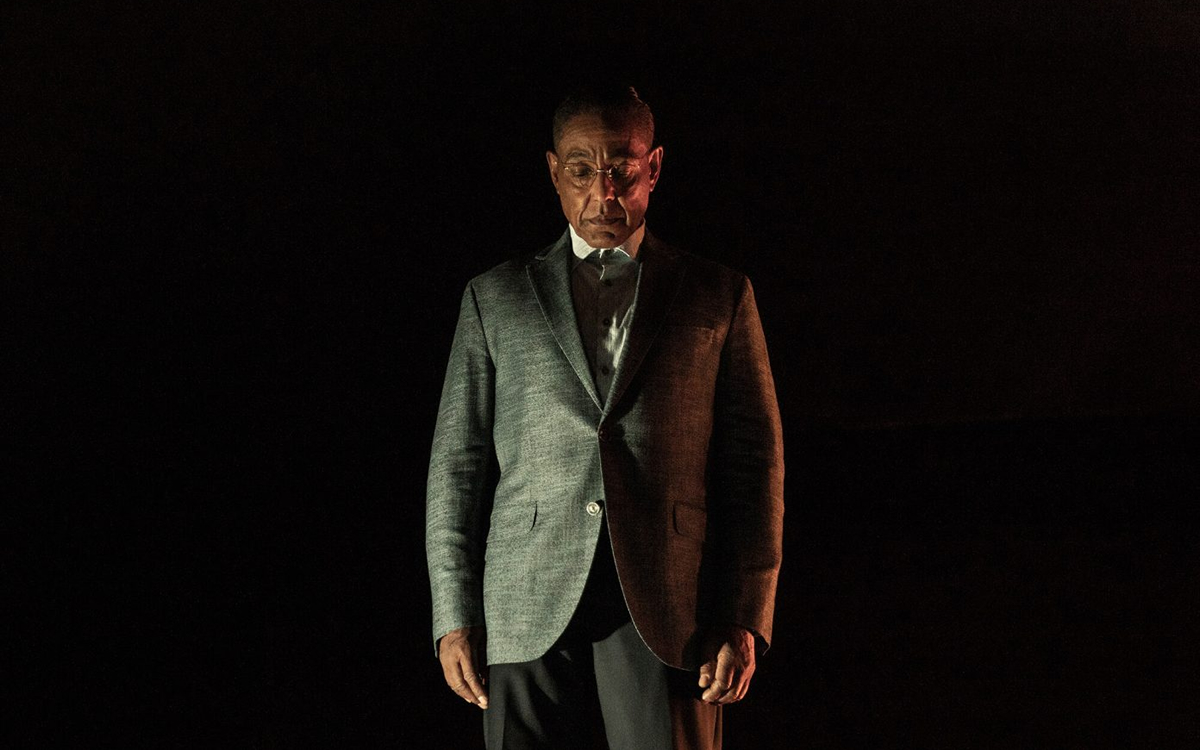
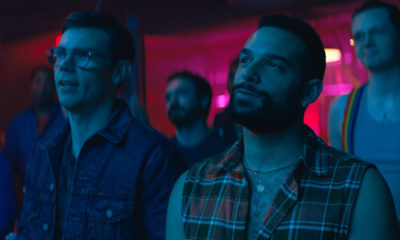
We first meet Gustavo “Gus” Fring (Giancarlo Esposito) in “Breaking Bad” as the dapper and polite owner of fast-food chicken franchise Los Pollos Hermanos, though we quickly learn he runs a much more ambitious business, too. As a high-level meth distributor for a Mexican drug cartel with ambitions to capture the market for himself, he becomes Walter White’s principal rival, and the two men wage an escalating war of manipulation and dominance until Gus finally meets his fate in an explosive scene near the end of season four. It’s a high point in a series full of them, an exit worthy of a villain as complex and compelling as Gus.
It’s another scene in “Breaking Bad,” however, that provides this sinister and Machiavellian drug lord with the dimension that recasts him as a tragic hero. In an earlier episode, we are given a flashback to his younger days in Mexico, in which we learn that his meth enterprise began as a partnership with Max (James Martinez). The pair is given an audience with cartel boss Don Eladio (Steven Bauer), hoping to win his patronage; instead, they are met with ridicule and insinuations about their sexuality before Gus is forced to watch Max’s execution by gunshot to the head. Most queer viewers likely recognized immediately that the insinuations about the two men were based in an obvious truth, and that they were indeed much more than business partners; others remained unconvinced, despite details laced throughout the narrative that reinforced the obvious implications about their relationship. Either way, the memory of this horrific event was clearly established as a key to our understanding of Gus Fring.
Not until “Better Call Saul” do we get more detail about Gus’s subsequent ascendency to power, and it reveals what we’ve suspected all along – his drug empire is an avenue to get revenge against the family responsible for his lover’s brutal death – with the show’s signature subtextual subtlety. When he exits the series this time around, it’s in a scene that might almost be charming if not for the weight of doom that hangs over it, in which the drug lord, celebrating a crucial victory against the cartel, treats himself to an elegant dinner for one at his favorite restaurants.
Seated at the bar, he engages in flirtatious conversation with a handsome sommelier (Reed Diamond) who obviously returns his interest. It’s a brief moment of respite that ends with Gus abruptly finishing his wine and unceremoniously leaving the restaurant when his companion temporarily steps away. Resigned to a destiny where he can afford no emotional connections and still haunted by the trauma of that long ago day in Mexico, he opts to walk away from the possibility of romantic connection, and our perception of this sinister figure is softened by our recognition of the scope of his tragedy.
With the airing of this scene, viewers who had resisted the idea of a gay Gus Fring had no choice but to concede – especially after showrunner Peter Gould officially confirmed it on “The Ringer” podcast following the show. For the many who saw through Gus’s carefully cultivated mask all along, however, this confirmation was less a revelation than a validation. After decades of recognizing plainly visible queer subtext in mainstream Hollywood content, it’s refreshing to be told we weren’t just imagining it anymore.
Some might argue that Gus Fring is not the best example of inclusion; after all, he’s a cold and merciless criminal responsible for an untold number of deaths. Though we can feel some pity for him knowing his backstory, he is ultimately a monster, and could be construed on the surface as a throwback to the days when queer people were depicted only as villains or victims; his identity as a person of color only compounds the uncomfortable cultural associations that inevitably come to mind. Besides all that, he’s deeply closeted, at least with his cartel associates.
Such concerns, though, are not so easily applied when it comes to material like “Breaking Bad” and “Better Call Saul.” These are not lazy, shallow shows that rely on tropes and expectations, but shrewd and layered works of art. All of Gilligan’s characters are flawed, even those who aren’t corrupt, and the world into which he puts them is a harsh but realistic place where doing the “right” thing is rarely a feasible option. Gus, regardless of his orientation, is a sinner among sinners, and – thanks to Esposito’s impeccable performance and the excellent work of the writers – he’s just as deeply human as any of the rest of them.
The best LGBTQ representation happens when queer characters are allowed to be simply characters. When their story has nothing to do with their queerness, yet their queerness is still part of their story, they can be truly authentic reflections of queer life in all its infinite facets. Gus Fring may not be a good role model, but he’s thrillingly real – and for that, Vince Gilligan deserves our thanks. Gus’s sexuality, cloaked onscreen only for the purpose of building a puzzle-box narrative, has been obvious all along to the viewers who saw his truth. Making it definitive is only a formality – one which not only deepens the tragic power of the “Breaking Bad” mythos, but asserts the essential truth that queerness exists in every area of human society, whether we are willing to recognize it or not.
Now, with his epic saga finally at an end, Gilligan says it’s time for him to walk away from the complex narrative he wove over the course of the two shows (and the feature film “El Camino,” which brought closure for fan-favorite character Jesse Pinkman, played by Aaron Paul), and although he’s not closing the door on the possibility of coming back to explore it further some time in the future, it’s not likely to be soon. For now, he’s turning his attention toward his next project – a sci-fi series in the vein of “The X-Files,” the show that first brought him to prominence during his multi-season-stint as a writer and showrunner. That means we have to say good-bye to the “Breaking Bad” universe, along with all its characters – but it also means we can look forward to seeing what he gives us next.



Television
Engrossing ‘Tip Toe’ delivers tension and an ominous warning
A chilling reminder that violent homophobia is on the rise
Whenever a new project comes from queer Welsh screenwriter and producer Russell T Davies – who created the original “Queer As Folk” in 1999 before spearheading the revival of the classic BBC sci-fi series “Dr. Who” as head writer and showrunner in the mid-2000s – it generally leaps to the top of every queer “must watch” list, and with good reason.
A genuinely versatile creative force who can move easily between genres without losing the core of humanity that keeps us engaged, he’s particularly known for his unequivocal, unsentimental, and always fearlessly candid narratives about queer life, set within a social context that’s barely tolerant, at best. He has a knack for capturing both the transient beauty and persistent hardships that seem to define our beleaguered community. His most recent such endeavor, 2021’s “It’s a Sin,” took us back to the harrowing years of the AIDS epidemic, following a group of gay young Londoners as the disease – and the societal homophobia that surrounded it – wreaked its merciless havoc, even as they began to break free from their closets and embrace their queer identities; and while it may have broken our hearts, it was also somehow empowering, a tale that reminded us not just of what we lost, but of what we have survived.
His latest miniseries, however, takes place in the here and now, and it offers a markedly bleaker assessment of the state of things.
“Tip Toe,” which appeared on the UK’s Channel 4 last summer, debuts on U.S. screens via the Starz streaming service on Oct. 2, and it lets us know from its first few minutes that things are not going to end well; that’s not a spoiler – it’s a warning, because if you’re looking for a happy ending, you’re not going to find it here.
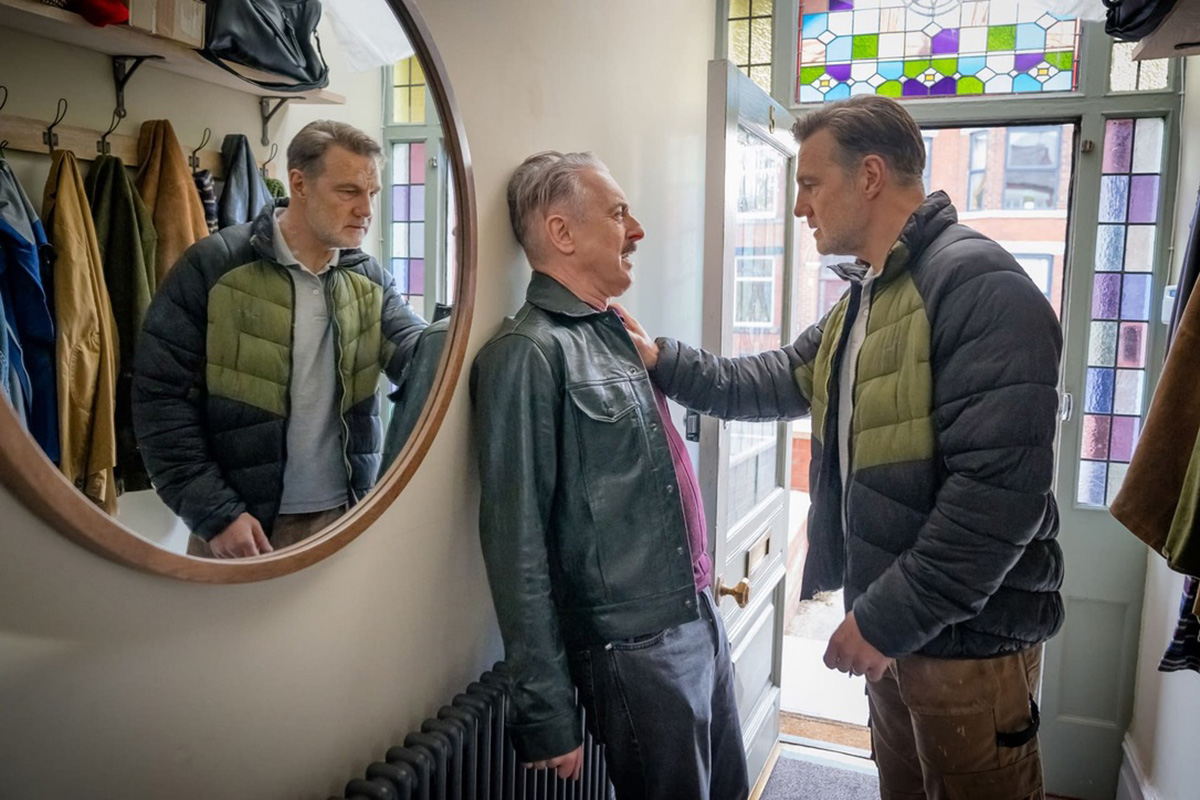
A tale of resurgent and emboldened homophobia in a modern-day Britain where open hate for the queer community has surged at an alarming rate, it’s the story of two men whose intertwining destinies feel almost like a tragic accident of fate. Leo (Alan Cumming) is a Gen-X AIDS survivor who has become a beloved figure in Manchester’s queer community, the owner of a popular gay bar that has always been a safe space for the queer, trans, and questioning souls who are struggling toward self-acceptance; his next-door neighbor, Clive (David Morrissey), is a working-class electrician with a floundering marriage and two sons who live secret lives he knows nothing about. He’s an old-school “macho man” whose ingrained misogyny and homophobia have grown increasingly unfiltered with the rise of online “culture war” rhetoric; and while there’s a kind of forced “neighborly” friendship between himself and Leo, there’s also a clear-cut line of judgement – on both sides – that gives their interactions a sense of barely concealed hostility.
When Leo is locked out of his apartment after a messy hook-up gone wrong, Clive comes to his rescue, but uses the opportunity to impose himself on Leo’s privacy. He levies the situation into an opportunity for work – an electrical revamp of Leo’s bar, where he makes no secret of his disdain for the queer “lifestyle” – and the tension between them continues to build despite Leo’s best efforts at being polite. The escalation reaches a boiling point when the secrets and lies in his own household lead Clive to suspect Leo of being a sexual predator, turning their precarious relationship into a minefield of hostility and inevitably pushing both men into a confrontation that will end in a shocking act of violence.
It might go without saying that “Tip Toe” is not the kind of show most of us would watch “for fun.” Russell’s script starts the relationship between its two antagonists at the threshold between a simmer and a boil, and shows us the outcome before either of them has even said a word, so it’s mostly impossible to avoid the sense of dread that hangs over everything that comes after. This is not a weakness; instead, aided by Peter Hoar’s masterful direction, it gives the show’s five episodes a slow build of tension that keeps us watching with morbid fascination, like the scene of a horrible road accident we’re forced to drive past in slow motion. We’re allowed to feel some hope along the way – after all, we’ve only had a glimpse of what is to happen, and there are other characters with storylines in which we can become invested along the way – but it’s a kind of grim hope, and it perfectly captures the fearful cultural zeitgeist-of-the-moment that the series is ultimately about.
The characters, too, are richly drawn and layered enough to avoid a simplistic “good guy/bad guy” dynamic. Clive is a brute – arrogant, uncivil, and forcefully antagonistic with a hair trigger that responds to anything or anyone that doesn’t meet his approval – but there’s enough broken humanity underneath all that to allow us to see a glimmer of potential for redemption. Likewise, Leo is mostly good-natured and likable, but he has an arrogance of his own, as well as some bitter resentments (most of them related to his ex-husband Curtis played by Charlie Condou), who left him for a woman), which – more than occasionally – surface to provide him with some ugly moments.
There are others, too; Melba (Paul Rhys), Leo’s gender-bending longtime bestie, who sees the growing danger in the world around them and voices it with the resigned stoicism of a reluctant Cassandra; Steph (Elizabeth Barrington), Leo’s straight friend who is not afraid to let him know when he’s too full of himself; Saul (Joseph Evans), Clive’s 20-something son who has evolved a more tolerant and easy-going outlook than his father, and teenaged George (Jackson Connor), Clive’s other son, whose struggles with his own identity take him on a roller-coaster ride of conflicted emotions; Marie (Pookie Quesnel), the wife who despises Clive but is unable to escape her unhappy existence with him; and Zee (Iz Hekseth), Leo’s employee who is trying to choose a name for herself after coming out as trans – along with a variety of other young, queer supporting players who have found refuge at the bar. All of them are written with depth and nuance, even those who remain more or less in the background, and brought to life through excellent, measured performances.
It is, however, Cumming and Morrissey who give the show its irresistible pull, their complex, bristling characters endowed with a palpable authenticity that makes us forget they are merely actors playing roles. They fully inhabit these two thorny men, creating a dynamic between them that feels like a force of nature, and it’s they who provide the terrible power that keeps us from looking away, no matter how much we might occasionally want to.
That’s a good thing, because “Tip Toe” is less a television event than it is a grim reminder that being “out” may no longer be as safe as we were finally beginning to think it was – and just because the alarm bell is coming from the UK, that doesn’t mean we shouldn’t heed its warning on our side of the Atlantic, too.
Television
‘Lizzie Borden’ might be the best ‘Monster’ yet
Exquisitely realized, shrewdly written with outstanding performances
“When the legend becomes fact, print the legend.”
That famously cynical quote from the 1962 Western movie “The Man Who Shot Liberty Valance” could easily have been the mission statement behind the latest season of Ryan Murphy’s controversial anthology series, “Monster,” which retells the story of America’s most famous axe murderer – Lizzie Borden, who, in 1892, “took an axe” to her father and stepmother at their family home in Fall River, Mass.
Except, officially, she didn’t. Borden was acquitted of the killings in a trial that was a national sensation; the crime remained unsolved, and despite rumors and theories that have proliferated over the last century, nobody really knows what actually happened nor who was responsible for it.
Yet in the popular imagination, Lizzie is still remembered as a killer who got away with one of the most notorious murders in American history. Though she walked free and lived a life of wealth and high social position for another three decades after her trial, she never truly escaped the scandal; she would be forever branded as guilty, her alleged crime even immortalized in a children’s schoolyard rhyme, and all but a few die-hard theorists assume, unequivocally, that she was the killer. In other words, the legend of Lizzie Borden, axe-murderer, has “become fact.”
“Monster: The Lizzie Borden Story,” like most other retellings of this gruesome crime saga, “prints” the legend – and indeed, goes even further to canonize her into something like a radical feminist saint.
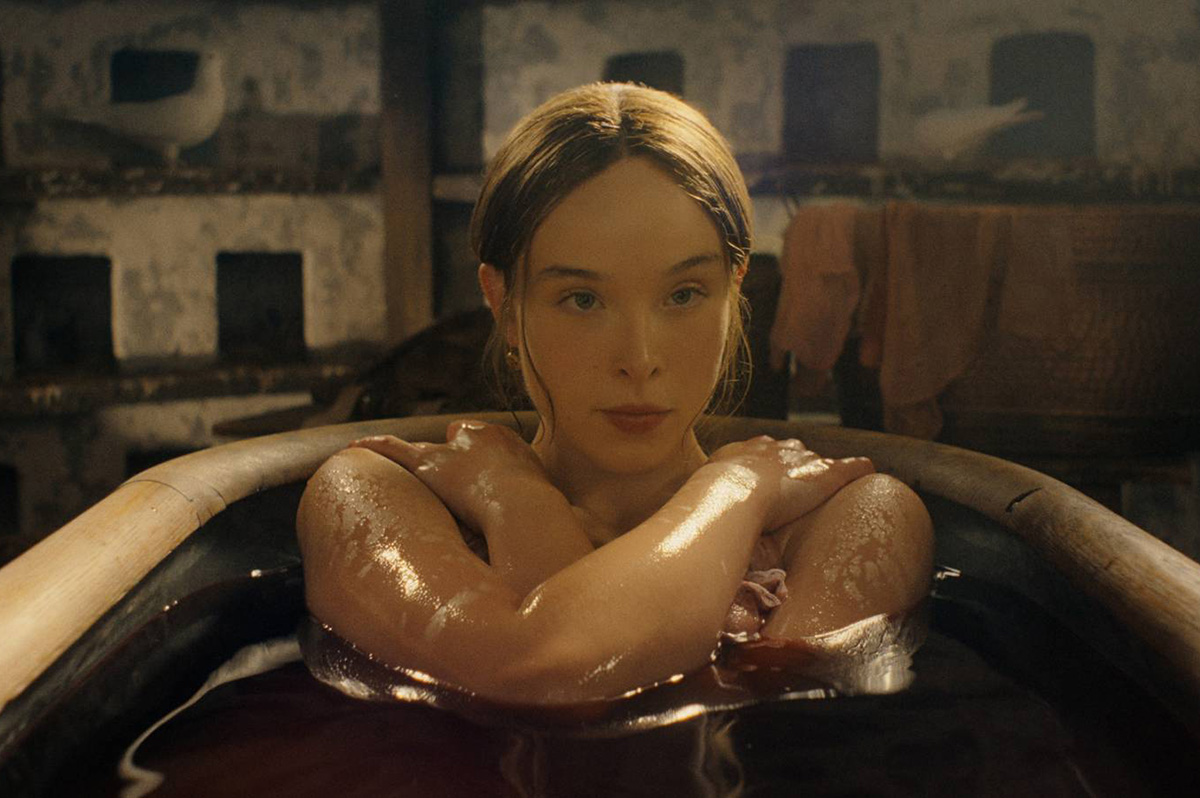
With Ella Beatty (daughter of Hollywood royalty Warren Beatty and Annette Bening) in the title role, the show frames Lizzie as the repressed and disregarded adult child of wealthy businessman Andrew Borden (Charlie Hunnam) and stepmother Abigail (Rebecca Hall), who married her father after her mother’s death; both of them treat her – and indeed, almost everyone around them – with dismissive cruelty. Andrew is an alcoholic who openly disdains both wife and daughter, while Abigail takes out her own frustration with the marriage on Lizzie, whom she has branded as a “simple” child that she never wanted to have – and a difficult one at that.
The arrival of a new household maid — Bridget Sullivan (Vicki Krieps), who goes by the name “Maggie” — changes Lizzie’s outlook and her destiny. Well-traveled, worldly, and deeply independent, Maggie befriends her and becomes both her companion and mentor, introducing her to new ideas and cultivating her sense of self-worth; they become lovers, their bond deepened by a dissatisfaction with the cultural limits imposed upon them by their status as women. As conditions within the household grow increasingly unbearable, they formulate a gruesome plan which, if they can succeed, will liberate them from the patriarchal subjugation that relegates them to the level of chattel while puffing a pipe full of expensive tobacco.
From there, writer/creator Ian Brennan takes us through an effectively grisly re-enactment of the famous murders and onward through the trial in which Lizzie, ironically benefitting from stereotyped male assumptions about what women are or are not capable of doing, is ultimately acquitted of the gruesome crime she absolutely DID commit. It then follows her – and Bridget – into the aftermath of the scandal, where a kind of imprisonment awaits them both, anyway.
Boldly crafted with cinematic flourish (six episodes were directed by Max Winkler, the two others by Sarah Adina Smith) and continuing the series’ tradition of lavishly depicted violence, one can’t deny that it’s a wild ride. It flaunts its contemporary attitude through fiercely eclectic musical choices in the soundtrack, from the lushly romantic classical tones of its late 19th-century period to ferociously feminist ‘90s punk; it includes graphic sex both tender and aggressive, juxtaposed with scenes of pastoral beauty and genteel refinement; and, as always in Ryan Murphy’s “true story” productions, it plays fast-and-loose with the facts, choosing instead to lean into artistic license in order to expand on the “hotbed” themes woven into the narrative.
In this case, Brennan’s version of Lizzie’s tale mines the historical record to incorporate lesser-known factual details while veering into speculation to fill the blanks elsewhere; it creates incidents that didn’t happen, alters incidents that did, and embellishes what’s known of its characters’ private lives with details that no one could know; and, like other seasons of “Monster” have done, it finds a way to introduce extra real-life killers into the mix – blood-bathing 16th-century Countess Elizabeth Báthory (also played by Krieps) and hitchhiking 20th-century serial murderer Aileen Wournos (Sarah Paulson) – for good measure. The result, of course, is a work of complete fiction.
These are the things that have consistently made “Monster” one of Murphy’s most controversial television franchises. The excesses of gore and brutality, though they might seem gratuitous to some and are certainly hard to watch for many, is arguably justified by the show’s branding as a “horror” series; less easy to write off, however, is the criticism of many detractors that the series spreads false information and perpetuates myths, whether to “push” an agenda or in the name of “artistic interpretation.”
“The Lizzie Borden Story,” consequently, has already been met with such objections – though in today’s political climate, it’s hard to know if they are really about the blending of fact and fiction or the feminist social commentary that runs through the show like a vein of molten lava. Brennan’s vision of Lizzie’s presumed crime casts her as woman suffering from a life of psychological torment by her parents, and Bridget – who has experienced more than her own fair share of mistreatment at the hands of aggressively toxic men – as her savior; the act they concoct and execute together is a radical act of defiant rebellion against an ingrained system of patriarchal domination, and we are set up from the start to be completely on their side.
That radical feminist thread pops up everywhere: through Lizzie’s stepmother (despite her own monstrosity), who is granted a share of empathy for the sake of her own stifled existence; through famous actress Nance O’Neil (Jessica Barden), who steps in to become an ally at a crucial juncture of Lizzie’s trial; even through her estranged sister (Billie Lourd), who sets aside her own doubts to support Lizzie in sisterly solidarity. Brennan even imagines Lizzie as an activist in the fight for women’s suffrage.
Of course, if one is inclined to view “Monster” as a documentary crime series, occupied with discerning facts and providing an objective overview of the case, that’s a perfectly good reason not to watch its latest installment. For those who realize that it is instead a vehicle for artistic expression, a series devoted to finding the kind of truth that transcends facts and challenges viewers to examine the cultural conditions that create these “monsters” in the first place, this might be its best season yet.
Exquisitely realized, shrewdly written, and featuring outstanding performances across the board, it’s not really a crime story, nor really even horror: it’s an exhilarating, satisfying, and thoroughly transgressive fantasia on an American legend that puts the blame for the Borden family murder squarely where it belongs – on the oppressive cruelty that drives otherwise good-hearted women to commit unspeakable acts.
Television
Step into the ‘Crush House’ with JJ Aussie and Josh Moore
The hosts of MenCrush’s new reality series talk about its spicy first season
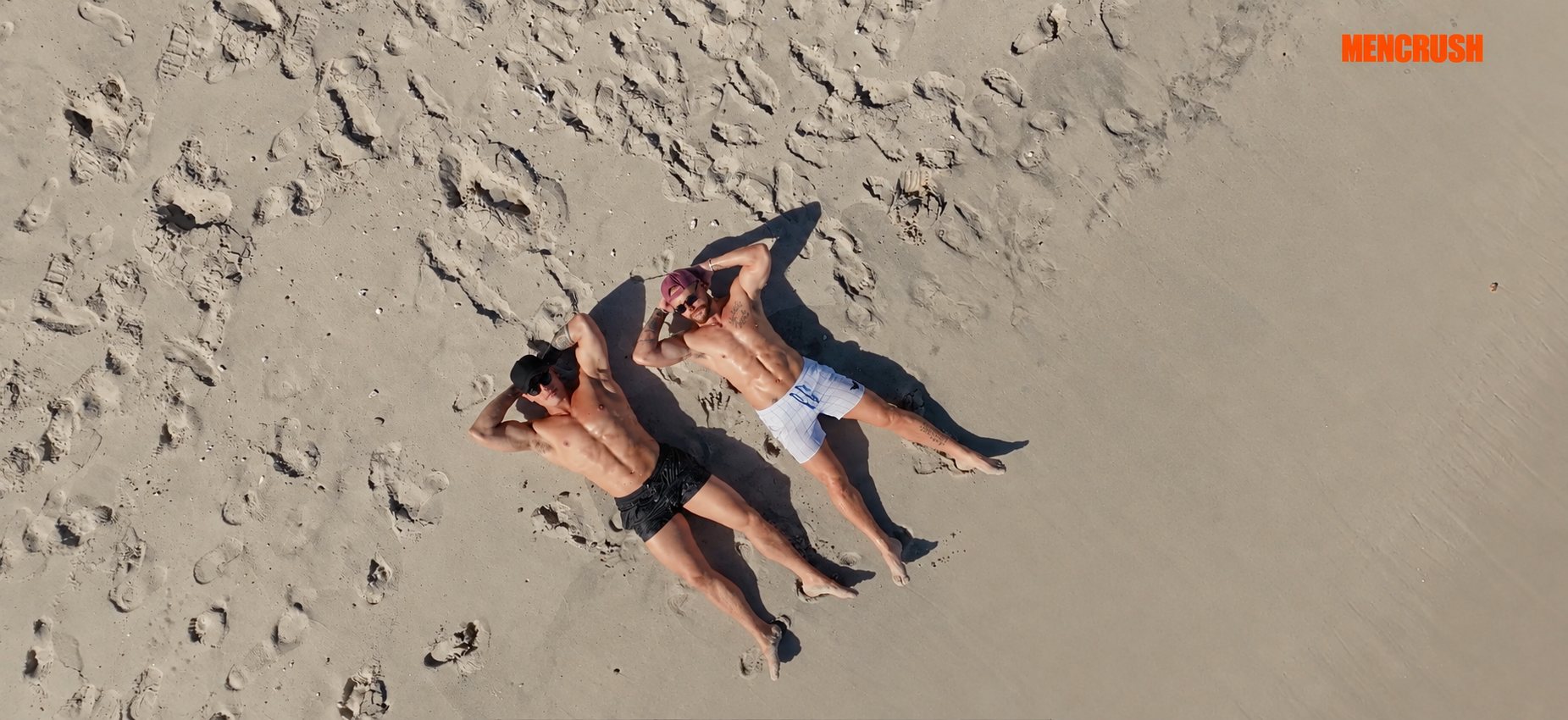
Have you ever watched a competition show like Survivor or Big Brother and asked yourself, ‘Wow, I wonder what it would be like if this cast was made up of the hottest content creators I’ve ever seen?’ If so, then you’re in luck, because gay streaming platform MenCrush just introduced the next step in reality television with its new series, Crush House.
Set within a beachside villa, Crush House follows a group of queer content creators (many of whom are LA locals) as they undergo wild challenges while voting each other off, with each man fighting to secure the $20,000 grand prize. While it’s the streaming service’s first competition show, this concept isn’t that different from MenCrush’s usual projects; the platform specializes in documentaries on today’s biggest content creators and the sex work industry.
This new reality series is an extension of this mission, offering not just a platform for raunchy fun, but a genuine look into each creator beyond what they show fans online. It manages to combine sexy competition with a genuine view into the ‘OnlyFans creator’ image many people misunderstand. And, if hosts JJ Aussie and Josh Moore have any say, this program won’t just make enjoyable TV, but will revolutionize the way we speak about online sex work and the many people within it today.
The duo sat down with the LA Blade to speak about their new roles as Crush House hosts and what it’s meant to lead this inaugural season. These are new positions for the pair; despite their combined following of 1.5 million fans has earned them a reputation as some of today’s biggest gay content creators, they’ve never gotten the chance to host such a large-scale project. creators. They were excited but hugely nervous to take this on, with Aussie emphasizing, “We were anxious — it was MenCrush’s first time doing a reality show, and it was Josh and my first time hosting a reality show!”
“Once we got into the first couple of days of shooting, we relaxed and figured out that we’ve got this — we took control of the crushes, made sure they felt like we had their back, and we had a lot of fun with it,” he continued. It was an early anxiety that Moore also felt, though he explained that this wasn’t the first time they’d led a creators-only excursion. In fact, fans of their content will know that the men have embarked on numerous spicy vacations over the years, whisking away groups of performers to some beautiful location for days of socializing and nights of filming content. “The goal is to create something that hasn’t been done before,” said Josh, speaking both about their personal trips and his work on Crush House. “We create such a safe environment for everyone, an environment that everyone feels comfortable with.”
It’s a comfort that shows throughout the premiere, with the first episode featuring many blurred moments of the contestants filming content (though the series’ omniscient narrator assures viewers they can watch it uncensored on each man’s socials). But along with these, it also takes the time to zoom in on each competitor, giving them a moment alone to speak about their lives as content creators and why they wanted to join the Crush House cast. This, combined with the ample scenes of the guys discussing why they plan to win the ultimate prize, promises a season full of emotional intimacy as much as physical. JJ stressed that this balance was always a huge goal for the creative team, saying, “We created the show to be fun and entertaining — but I also want people to look at these boys as individuals…as human beings.”
It’s an unfortunate aspect of this work that both men know well; both have faced harmful anti-sex work rhetoric while working in this industry. Moore in particular opened up about how harrowing these experiences can be, with the man’s decade-long career meaning he knows the many nasty ways people will try to weaponize his work against him. He reiterated that despite this, he absolutely loves his job – which is why he’s dedicated to de-stigmatizing the industry through projects like Crush House. He knows that showing the emotional, vulnerable sides of each contestant is key to highlighting the realities of this work, stating, “We wanted to really humanize the creators and let people know that there’s a person behind the screen. There’s a person behind that photo, there’s a person behind the videos that you like to watch. So I just want everyone to remember that when they’re saying nasty comments and whatever, that there’s a human being there.”
“People are so quick to dehumanize us as people and as creators. We’re human beings, [and] we deserve a show just as much as any other person on reality TV…you know, it is a crazy game show, but we also delve deep into the humanity and stories of all the guys.”
The hosts promise that, above all else, Crush House will provide an entertaining — and immensely sexy — watch for any interested viewer. But along with that, the audience will also be granted a deeper look into these creators like they never have before. The pair hope this will help de-stigmatize the profession and finally showcase the monumental effort that it takes to succeed in content today. They’re excited to share this information with a whole new audience, and they can’t wait to earn their contestants a whole new slew of (most likely thirsty) followers along the way.
You can watch the season premiere of Crush House on Friday, September 18th, on MenCrush
Television
‘X-Men ’97’: Is it a 9 or a 7?
Has the sophomore season of the Disney series taken a dip?
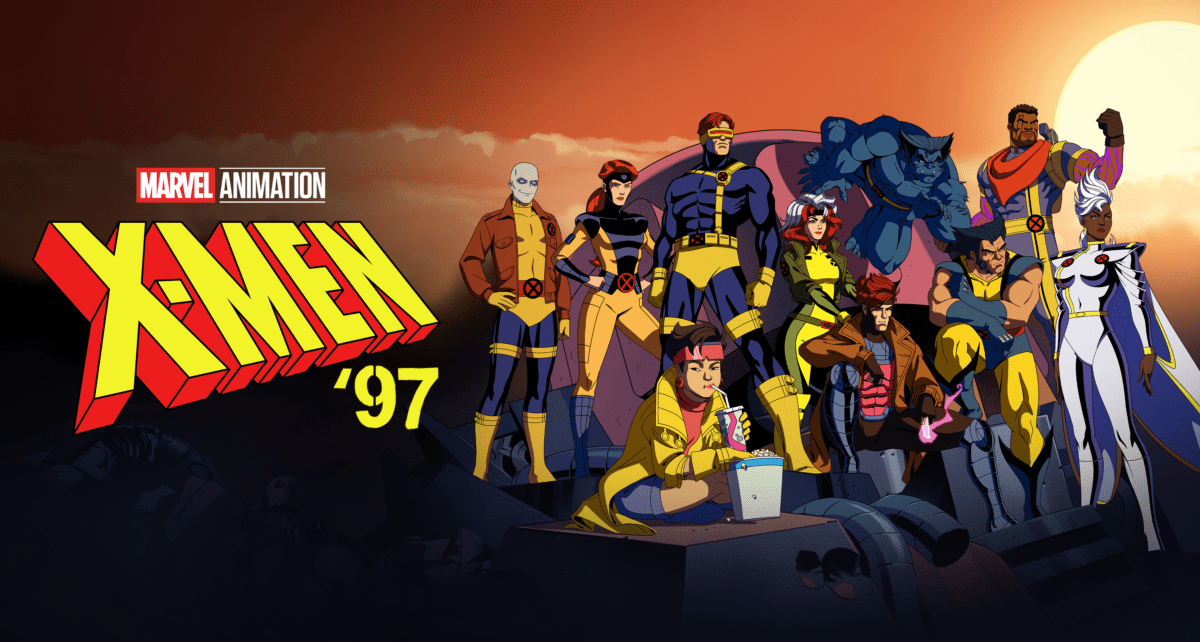
Disney had a moment of true magic by reviving X-Men: The Animated Series. It was a miracle for 90s kids, and the throngs of people dying to see the X-Men in media. It’s been so long that by the time the MCU has a new X-Men movie, we may be fighting real-life Sentinels. Regardless, that first season galvanized fans everywhere.
Led by queer showrunner Beau DeMayo, the series managed to bring a more adult spin to the X-Men universe. It tackled major storylines including Inferno, Genosha, Fatal Attractions, and Operation: Zero Tolerance. It brought back that opening theme song that drove countless Saturday mornings for a generation. The series brought back all of the voice actors of the original series to deliver additional stories featuring villains like Mister Sinister, Bastion, and Madeline Pryor.
Many people have anxiously awaited the return of the series, but the season has been met with mixed reviews. After the unexpected departure of DeMayo, there were concerns over how the show might end up in others’ hands. So how does this season measure up?
There have been some complaints and issues with the pacing of this series. Even in season one, many of these long multiple-title comic book arcs were resolved in less than 30 minutes. This season has each episode capped at 30 minutes, and while there are a ton of cameos and worldbuilding, there is a question of whether this series sticks the landing.
This season featured 3 episodes resolving the X-Men’s departure through time after last season’s cliffhanger, with Apocalypse serving as the season’s big bad. There’s been the introduction of teams like X-Factor and X-Force to really place us in the 1990s, Jim Lee era of the X-Men. There have also been allusions to later seasons in a way that was deftly handled in season one.
Season 1 managed to zoom through storylines, but it all felt in service to an overall narrative, and it felt like it was under the helm of a true fan of the series. It’s unclear what meddling has happened since DeMayo was ousted, but there are definitely far fewer memeable moments.
There have been some good bits. The iconic opening sequence was rebranded for X-Force was a welcome surprise. There also was an episode that was pitched as a Wolverine/Weapon X-centered episode but quickly became about queer nonbinary character Morph having to realize he’s in love with the wrong man. There’s even something for the ladies with queer-coded Polaris, returning to the X-Men and getting her own central storyline. She’s also being presented as a potential love interest for bishop.
A welcome addition to the cast includes Naoko Mori from Absolutely Fabulous, Torchwood, and a recent appearance in The Boys’ final season playing Psylocke. But are there too many characters? So far, there’s been a genocide in Genosha, the death of Gambit and another character this season, and the show is zooming through stories and shifting through characters in a way that feels less in service to the first season.
So how is the show doing? Some of the mixed fan response could be the fact that X-Men content has been so rare and sparse that fans are precious to have to watch the same characters from the Bryan Singer-verse, which are getting their nachos reheated in Avengers: Doomsday.
It’s also unclear what might have been changed after DeMayo’s departure. After all, quotes like Deathbird’s line “Earth is so ghetto” live on in social media. It’s great that the show has shifted from focusing on Professor X and Rogue to introduce Polaris, Colossus, and Nightcrawler and give them their own storylines.
Regardless of how you may feel about the pacing or the shift to different characters, you may be lucky because, given its success, the series is likely to continue. Season 3 is already complete and due out in 2027, and Season 4 has begun pre-production.
Creative Eric Lewald offers some insight into Marvel Executive Brad Winderbaum’s excitement, saying, “Brad’s bursting up and down and you know he wants to do 10 [seasons], and we want him to do 10. We want eight years from now to be having more conversations like this about season 10. With 60 years of comics and all these characters…there’s really no limit.”
Time will tell if they deliver a satisfying ending, but here’s hoping that the creative team factor in the feedback and build something that truly delivers what fans have been aching for because one startling difference between the original animated series was the sheer number of episodes and the ability to explore storylines even if they did it in a more kid-friendly way.
Even if we find the latest season mid, we can at least make peace with the fact that Disney is finally delivering on the X-Universe, which has countless characters and riveting storylines and couldn’t be any more relevant than to today’s political climate.
X-Men ’97 season 2 now streaming on Disney+
Television
It’s a Dad Race: Six Southern California fathers step into the ‘Drag Race’ spotlight
Featured in the All Stars makeover episode “Too Many Daddies,” the six gay dads offer a full picture of LGBTQ+ family life
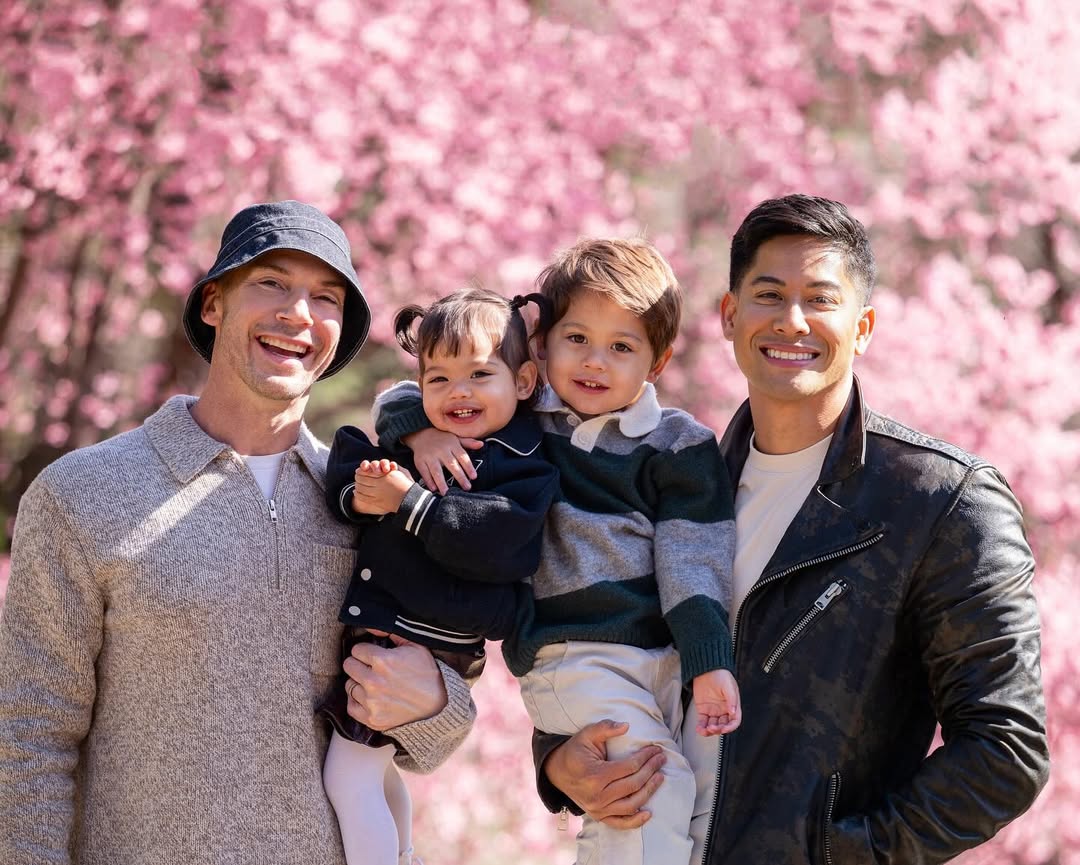
When Eric Calvario was first contacted by a casting director on Instagram about a possible television opportunity, he was not expecting to end up in drag.
The Los Angeles/Orange County-area dad was ultimately cast in “Too Many Daddies,” the June 5th episode of RuPaul’s Drag Race All Stars, which featured six real-life Southern California gay dads in the show’s makeover challenge. Though the episode aired two weeks ago, it still feels deeply present for the dads who took part.
“I had never considered doing drag; I wasn’t too familiar with the show, and I was deep in raising an infant and toddler,” Calvario told the Blade, describing his initial hesitation. “Ultimately, I knew I had a performance background, I knew I could push myself, and I knew that, if handled correctly, this could mean a lot for the community of gay dads.”
For Calvario, the episode was more than an opportunity to meet RuPaul. It was a chance to show younger LGBTQ+ people that queerness and parenthood are not mutually exclusive. The episode spoke directly to the younger version of himself, who once believed that being gay meant giving up the possibility of being a parent. He wanted viewers to see that parenthood is possible and that LGBTQ+ families can take many forms. “Yes, you can,” Calvario tells readers of the Blade, “and this is one of the many shades of what this might look like for you.”
Calvario was not alone in seeing the episode as more than a makeover. For the other fathers, the experience was also viewed as a chance to make queer parenthood visible on one of television’s biggest LGBTQ+ screens.
Hector and Derek Del Valle said they were contacted about a casting opportunity for gay dads before realizing the show was Drag Race.
“The minute we found out the show was RuPaul’s Drag Race – let alone “All Stars” – we were completely gagged,” they told the Blade. “We’ve been watching since Day 1. Now as parents, our Friday nights look a bit different, but the one thing that remains the same is getting our drag fix – we just went from watching them in the clubs to watching them from our couch!”
For the Del Valles, appearing on the show was deeply personal because they did not grow up seeing many examples of LGBTQ+ families.
“To appear on Drag Race as gay dads, especially in a challenge centered on family and visibility, felt incredibly profound,” they explained. “It was an opportunity to show the world that LGBTQ+ families exist, thrive, and deserve to be celebrated.”
Jeffrey Williamson-Rose said he and his husband were first contacted through a mysterious Instagram message from a producer. Once the words “World of Wonder” were mentioned, they realized the opportunity was connected to Drag Race.
“My husband and I thought that this was a once-in-a-lifetime opportunity that we were given,” Williamson-Rose said. “The entire process of filming made me smile, and I thought of my daughter and husband the entire time. Seeing her reaction to seeing me on screen made it all worth it for me.”
While the episode included the usual spectacle and humor expected from Drag Race, all of the dads explained that some of the most meaningful moments happened behind the scenes.
For Calvario, hearing about the struggles of other gay dads – including fathers from Florida who had to hide their family to protect their jobs – stayed with him.
“It made me realize that the challenges I feel as a gay dad look different everywhere and, in that moment, I told myself, ‘Talk less and give space for these guys to tell their stories, because no matter what challenges I may face, there is always someone who has it harder.’”
Williamson-Rose left with a similar impression, saying that the bond among the dads became one of the most rewarding parts of the experience.
“[All of the dads] are by far my fave group chat thread, and I normally LOATHE group chats,” he said. “I often think about how we reacted when we first saw ourselves in drag and how we were all somewhat reserved when we first arrived – to 48 hours later, us gushing and showing photos of our kids to each other. The bond for all 6 of us was instantaneous.”
The Del Valles said the conversations in the makeup chairs helped turn a random group of dads into a community.
“We shared our journeys to parenthood, talked about the unique joys and challenges of raising children as gay parents, and celebrated the families we’ve built,” Hector Del Valles said. “What started as a group of strangers quickly became a tight-knit community.”
For Southern California readers, Calvario leaves a heartwarming message:
“I want my community to know that we exist, that it isn’t always easy, but that any life you want to create is possible,” he said.
Williamson-Rose said he hopes the episode shows the many ways LGBTQ+ people create families, including adoption, fostering, foster-to-adopt and surrogacy.
“I am a firm believer of the idea that ‘You can’t be what you can’t see’ so I hope that this episode is the door that opens for those struggling to visualize what life can look like for them.”
For these fathers, the episode was not only about drag. It was about visibility. That is what makes the Del Valles’ message to readers so simple, yet so meaningful: their family is not defined by division, but by love.
“Our family is, at its core, built on the exact same things that make any family strong: love, commitment, support, and a desire to give our children the best life possible.”
RuPaul’s Drag Race All Stars streams on Paramount+. The “Too Many Daddies” episode is available now.
Television
‘I’m Dead’ is the queer stand-up show giving us life
This new Revry series reminds us that queer community building can be funny as hell!
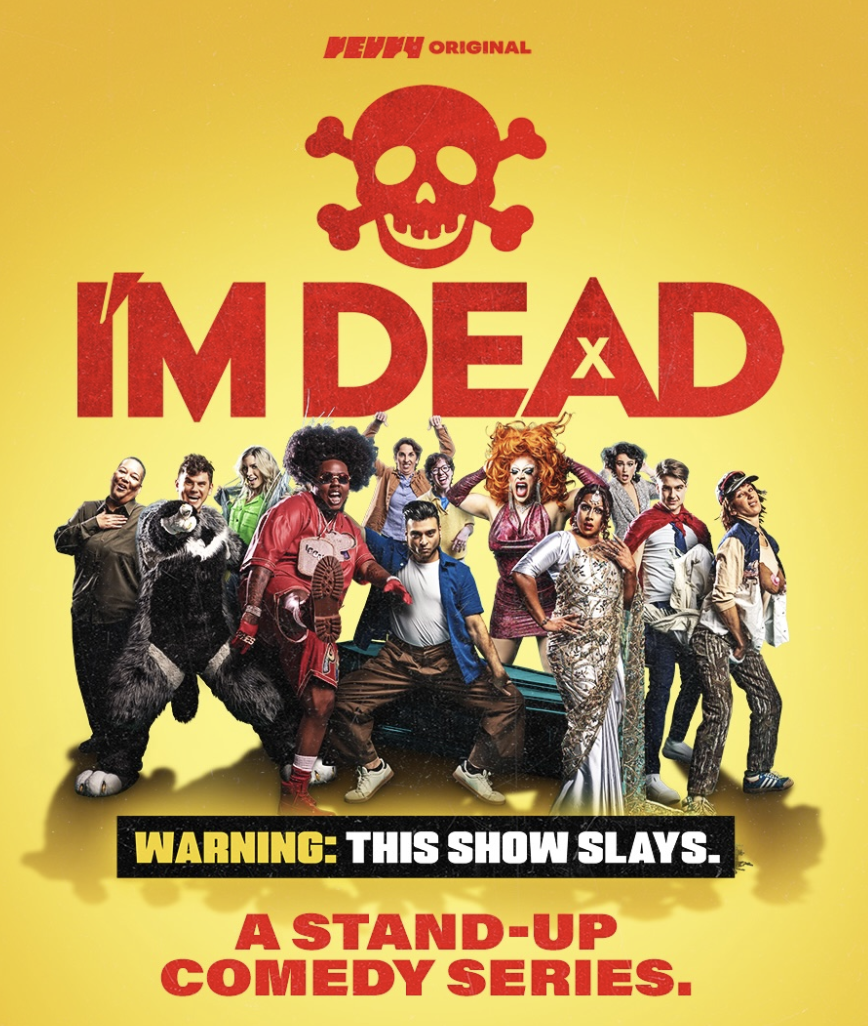
The funniest people are those who’ve been through the hardships of life and came out the other side laughing. The comedians who have that special skill of seeing the comedy in their deepest turmoil, turning those dark moments into enjoyment for an audience — so, of course, many of the best ones are LGBTQ+.
We’re lucky to have many queer comedians working today, and some of the greatest can be seen on the LGBTQ+ streaming service, Revry. In many ways, it was these artists who got the platform to where it is today; Revry is one of the only streaming sites completely dedicated to showing LGBTQ+ content. While it’s become known over the years for its episodic series and competition shows, many fans first heard about it because of its comedy, the Drag Roasts and indie specials that finally allowed viewers to laugh along with audiences just like them. The service has always been dedicated to uplifting this kind of comedy, and with its new series, I’m Dead, it’s aiming to make queer watchers everywhere laugh harder than they ever have before.
“Queer people are not always the ones in the development room or making the decisions on things,” explained Damian Pelliccione, Revry CEO and co-founder. “And that’s what’s really unique about our network — we’re the ones in the driver’s seat.” It’s an unfortunate truth in modern media: while many streaming services feature LGBTQ+ content, few have made the consistent effort to ‘take a chance’ on queer artists. Even more, recent years saw a historic low in terms of onscreen representation as many services have caved in to discriminatory rhetoric.
This has left many people searching for not only representation but a reprieve from the daily stressors of modern queer life. It’s an issue that Revry knows well, and that Pelliccione and their entire team hope to address with I’m Dead.
“There’s a plethora of amazing, queer comics in Los Angeles, and this is an opportunity for them to have a platform!” Raved the CEO. “Like Salina EsTitties, who [was just] on RuPaul’s Drag Race All-Stars, and Adario Mercadante, who does stand-up in a [fursuit]…I know our audience is going to gag!” Split over 12 episodes, I’m Dead will see 12 of LA’s best, queerest stand-up comedians offer hilarious stories about their most intimate moments onstage in front of a queer audience. Whether it be RuPaul’s Drag Race royalty like EsTitties, trailblazing comedians like Lady Bushra, or even fan-favorites from Revry’s other hit series, King of Drag, like Pressure K, each performer brings a unique perspective that shows the many sides of living as a queer person today.
The Los Angeles Blade was invited to a special taping of these acts, ones that not only featured a wide array of comics onstage but also a diverse group of LGBTQ+ Angelinos in the audience. Every performance was a comedic foray into each stand-up’s (deeply twisted) mind. But what really stood out about each act was that it reminded watchers of a fact many people forget: building community can be really, really funny.
Pelliccione spoke openly about how recent years have impacted entertainment as a whole; their role at Revry means they’ve had to watch closely as countless other services scaled back on inclusive content. And while this disappointed their team, everyone at Revry saw these changes not as a sign to give up, but as a reason to do more than they ever had before for queer viewers. “People need comedy — we need joy!” Emphasized Pelliccione. “We need something that’s uplifting and is taking us out of kind of the dark reality that we’re living in right now.”
That goal is at the core of I’m Dead, with this mission showing through not only in-person at the live tapings but in every minute that fans are watching onscreen. These stand-ups discuss hard moments that countless queer people relate to and show that not only can you live through it, but you can turn it into gut-busting joy for yourself and everyone around you. This series reminds us that laughing through the pain is a genuine path to liberation! That nobody in the queer community is alone, and that while we’re fighting for our rights, we should always make the time to find joy with the folks fighting along with us.
I’m Dead is an uproarious source of representation and a one-of-a-kind platform for these comics who are getting to directly serve their community with each jaw-dropping joke. The program is a vital reminder of the importance of queer community and a valued source of representation when many people need it most — and all that while being utterly hilarious!
You can stream I’m Dead now on Revry
Television
‘The Vampire Lestat’ heats up Pride Month with queer action
The adaptation of Anne Rice’s books is poised to be your next TV obsession
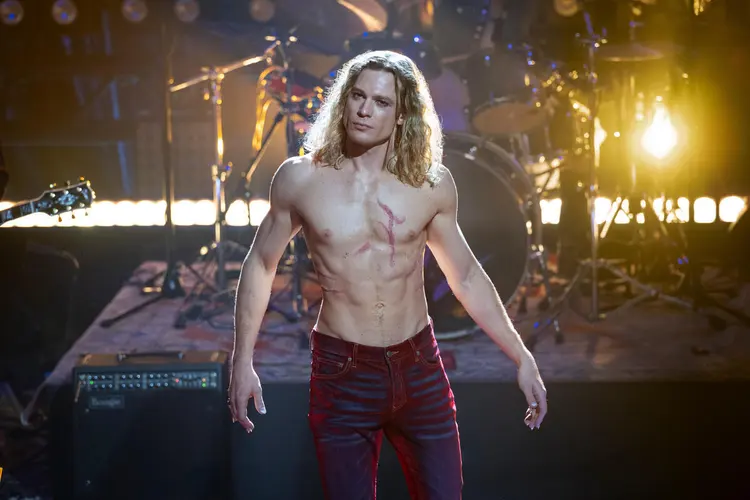
Whether you’re mourning the end of Euphoria, The Boys, or Hacks, you’re dying for another hit of Heated Rivalry or just need something new to watch, The Vampire Lestat has you covered. Whether it’s the cutting witty dialogue, supernatural action, or the maudlin adventures of problematic queer relationships, this is the show for you. This new season brings literal sex, drugs, and rock-n-roll as Lestat (Sam Reid), a multi-centennial vampire, decides to process his beef with his sexy ex Louis (Jacob Anderson) for giving the Interview With The Vampire by starting a rock band.
In 1976, Anne Rice wrote a book to process the death of her young daughter. It was the story of two vampire “roommates” and their centuries-long relationship drama. What followed was a series of 13 books and a whole world filled with vampires, witches, and more. This launched the 1994 film where Brad Pitt, Antonio Banderas, and Tom Cruise played “totally not gay” vampires who almost kissed a few times, despite having all of the hottest actors of the era, it was sanitized of all queer subplots. R&B diva Aaliyah’s last role was as Akasha, the eponymous Queen of the Damned (2002), the unoffical follow up to the first film covering Rice’s second and third book.
The AMC series version of Interview with the Vampire took all this source material and made it more gay, more current, and more PC. They shifted the story to the present day, having Louis live in a luxurious Dubai compound, and his interviewer, Daniel Molloy (Eric Bogosian), being a former addict hawking his masterclass, armed with a ton of evidence. The choice to race-swap Louis from a misanthropic emo plantation owner to a black brothel owner in New Orleans adds so much more nuance, history and richness to his character. Exploring the abusive nature of the relationship and casting the amazing Delainey Hayles as Claudia have all elevated the story to your next television obsession. The choice to turn the book into two seasons allowed the creators to take their time, play with storytelling and explore Louis as an unreliable narrator and tease at many of the storylines of later books. This was a smart choice considering these characters are all centuries old, and over the course of 13 books, all have complex backstories and inner worlds.
Sam Reid was always a standout and captured the egomania and charm of Lestat, the self-proclaimed Brat Prince. He gets to play an over-the-top bitch about everything we’ve seen and heard in Seasons 1 and 2, while even skewering the world of today, commenting on the state of fame, life, and politics.
Like in the book, he reclaims the narrative as he takes the helm of the story. Rather than write his own book, he’s nabbed the newly vamped-up Daniel Molloy as his documentarian. Also, without giving too much away, this series begins in an unnamed future. Armand (Assad Zaman) and Louis are still as hot as ever, and they’re at an auction for the complete works of the Vampire Lestat. It’s teased that some sort of world-altering event has transpired, and Lestat is missing in action. Could that be the events of The Queen of the Damned or even the sum of all of the books? Only time will tell.
The worldbuilding is really solid as we get to see the past, present and future of these characters. Prime example, Akasha, The Queen of the Damned, was name-checked in earlier seasons. Whether you’re a fan of the original source material or not, this series has something for everyone. It has action, including an epic vampire fight scene in the premiere. It has a complex world and mysteries that unfold over the course of each season. Plus, it has hotties of all genders with Reid, Anderson and Zaman holding it down from earlier seasons. Schitt’s Creek dreamboat Noah Reid joins the cast as Lestat’s band’s frontman.
The show has everything: sex, violence, drama, all with a queer and racially inclusive lens. It doesn’t pull punches in storytelling and examining history, all while maintaining a level of levity and fun. It unfolds with dramatic soap operatic reveals and confrontations while also grounding all of the fantasy in our world.
The series is poised to continue with the same characters from the first two seasons while shifting the focus to allow in a new cast of characters who will play out the events of multiple books and major arcs that are part of AMC’s new Anne Rice cinematic universe.
The series airs on AMC Plus, while the first two seasons are available on Netflix. A note to people streaming it may appear on Season 2, as the series name change might be confusing for those who haven’t seen the show.
Television
Repression, toxic masculinity fuel intense queer drama ‘Half Man’
A solidly crafted, well-acted, fascinating binge watch
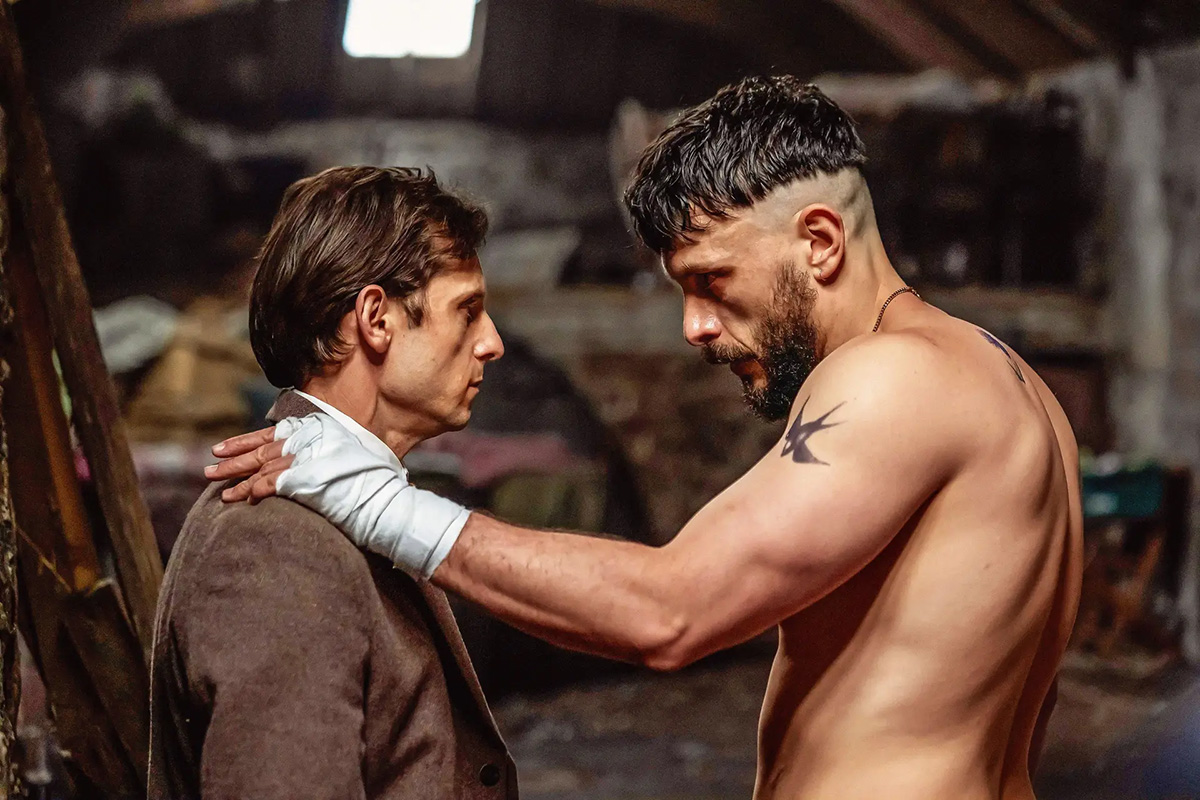
In 2024, when Richard Gadd’s “Baby Reindeer” became a stock-boosting hit for Netflix, there were few Americans who knew his name.
In the UK, however, the Scottish writer/comedian/actor had already emerged as a talent to be reckoned with, blending autobiographical stand-up comedy with theater to create a reputation as an edgy and provocative creator whose shows tended to be equal parts divisive and successful. One of these, his fictionalized true-life story of being stalked and sexually harassed by a female fan, became an Olivier Award-winning hit in the London theater; that was “Baby Reindeer,” and – in the form of a seven-episode miniseries adaptation – it became the vehicle that carried him to wider fame.
Two years later, Gadd has returned with another high-profile miniseries, this time for HBO Max, and like its predecessor, it’s a story that deals with queer sexual repression, unhealthy attachments, and a central relationship that can safely be described without exaggeration as “toxic” – and it’s an even darker (and more twisted) ride that stretches across decades.
“Half Man,” which debuted on April 23 and continues with one episode per week through May 14, is the story of two “brothers” – Niall (Jamie Bell) and Ruben (Gadd) – whose mothers (Neve McIntosh and Marianne McIvor) have become a lesbian couple after leaving their relationships with the boys’ respective fathers. They are seeming opposites in personality; Niall is quiet, sensitive, and secretly unsure about his sexuality, while Ruben is tough, rebellious, and prone to violence – and unsurprisingly, it’s a match made in hell.
We meet them at the top of the first episode as adults, on the day of Niall’s wedding, when Ruben shows up without warning; his appearance triggers what looks like fear in his “brother from another lover,” and a private meeting between them in a barn at the wedding site turns ugly, launching a flashback format that takes us back to their schooldays, when young Ruben (Stuart Campbell) – already in trouble with the law and trying for a new start – comes home from juvenile detention to become roommate, protector, and bully to young Niall (Mitchell Robertson), all in one.
It’s the dawn of a new and epic relationship, despite a history that has made Niall terrified of the older boy; their seemingly opposite qualities somehow mesh into a kind of symbiotic bubble, in which a tense equilibrium turns them into unlikely allies. Ruben makes sure Niall has nothing to fear from the sniggering schoolyard homophobes who target him, and Niall helps Ruben pass the tests he needs to pass in order to stay in school, Nevertheless, their dynamic is equal parts surprisingly tender and alarmingly lopsided. Though they form a bond, it’s a volatile one, and by the end of episode one – after an uncomfortable-to-watch late night incident that amounts to a sexual assault – there is little doubt that Ruben is a psychopath. By then, however, it’s too late; Niall has become hopelessly ensnared by his manipulations, and their dangerous attachment has taken permanent root.
In episode two, the timeline moves the past forward several years (while rolling the wedding-day story back a few hours as well), bringing Niall forward to his college years. Ruben is once again absent from his life, but the bond is still deep. He struggles to make connections in his new setting – including with another student, the openly gay Alby (Bilal Hasna), who recognizes a side of him that he has still yet to accept for himself. Though he gradually begins to adapt to his new social circle, his insecurities get the better of him – and despite warnings from his mother not to do so, he calls Ruben to come and visit. His arrival triggers another escalating series of incidents, this time entangling Niall’s new friends and culminating in a shocking, jealous-fueled explosion of violence.
Without going on with the story – after all, the two remaining episodes have yet to be released, so we wouldn’t want to spoil anything – it’s safe to say there’s a pattern here, and it’s intentional.
Gadd has already been public about his own struggles with repression, which were directly explored (albeit fictionally) in “Baby Reindeer,” and it’s clear that he had more to say about the effects they had on his life and identity.
As he put it himself, in an interview with the Hollywood Reporter, “Themes of, I guess, masculinity, or what it means to be a man, or ‘I’ve gone through a masculinity crisis’ come into [the show] probably because I’ve been through that in my life, and I feel I can write to it and speak to it.
“I always think that the best kind of art is kept close to your chest, kept close to your heart, kept close to your experiences, and I guess with ‘Half Man,’ there’s a lot in it that I relate to. It’s not an autobiographical piece by any stretch, it’s purely fiction, but it certainly borrows from themes and struggles and issues that I understand.”
That understanding translates to the series through its focus on tracing the roots of Niall and Ruben’s relationship by methodically tracking the cause-and-effect chain that links the major events of their lives together. It explores the contradictory combination of worship and terror, the transgressive eroticism that intertwines danger and desire, the power of the forbidden to make us want it more, and the self-loathing that punishes itself through violence toward others. The inverted framework of the storytelling, which works both forward and back to meet at (we assume) some definitive point, makes following it a bit like putting together a puzzle, which also has the effect of building suspense as we wait to see the “moment of truth.”
Of course, those who prefer a more straightforward narrative might not appreciate the additional challenge, especially when the subject matter – which revolves around experiences, feelings, and behavior that might be entirely unfamiliar to many audiences – is challenging enough by itself, in its own way. Likewise, and for much the same reason, there will be viewers who are unable to relate to its characters, as some of the show’s less-favorable reviews have pointed out.
But it would be naive to assume that the themes in “Half Man” – of fragile masculinity, internalized homophobia, misdirected rage, nihilistic rebellion, conflicted desires, projected shame, and the other ingredients that infuse this shadow-boxing psychodrama with such a distinctive musky odor – do not apply to more men in today’s culture of incels, “looksmaxxers,” and “the Man-o-sphere” than any of them would like to admit. We’d wager that its portrait of a same-sex, sub/Dom, borderline incestuous relationship might resonate more urgently there than within a queer community that has been grappling with those issues for generations already and are just waiting for everybody else to catch up.
In any case, Gadd’s newest variation on a theme is a solidly crafted, well-acted, and hypnotically fascinating (if sometimes uncomfortable) exercise in the kind of “can’t look away” drama that makes for a perfect binge watch. Or, at least, it will once all the episodes drop.
Television
The distinct dequeering of ‘Euphoria’
The long-awaited series returns with a very hetero makeunder
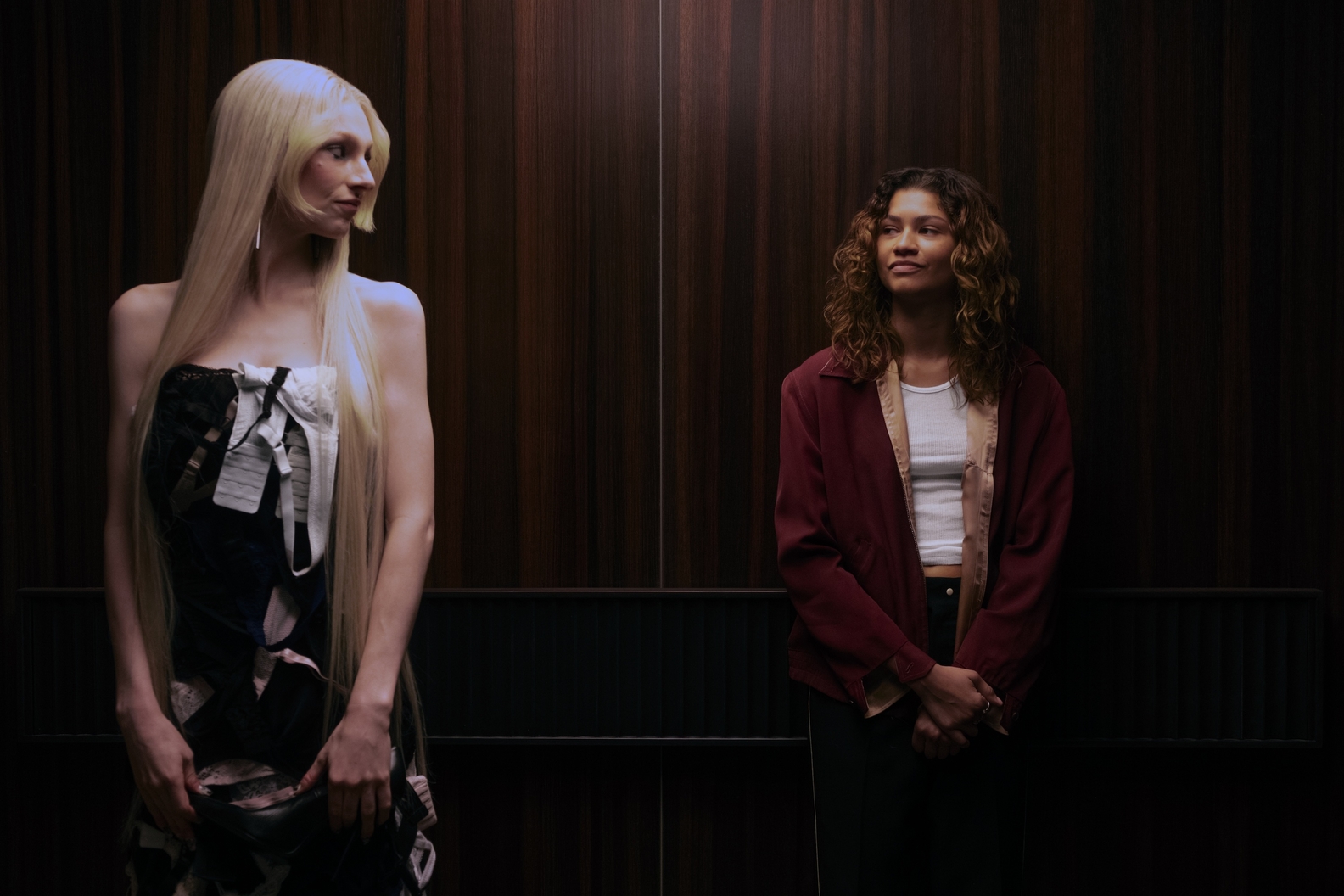
Euphoria is back, but given some drastic changes in its 5-year time jump, it may want to change its name to Dysphoria. It has survived multiple strikes and production delays and the deaths of actors Angus Cloud and Eric Dane. It witnessed the meteoric rise of its cast. And yet, some of the queer sensibilities that drove the season’s storylines are notably lacking in its country-fried new season.
Those sensitive queer stories have been replaced by a gratuitous male gaze that seems more like the creator working out his fetishes rather than telling a story that uses sex responsibly. Rather than saying something about the state of sex in a post-OnlyFans, economically turbulent times, it seems to be an excuse to have actresses pose nude while shoehorning in a strip club as a major location.
Zendaya still shines, providing an Emmy-caliber performance as lesbian drug addict and ne’er-do-well, Rue. The show exposes the on and offscreen MAGA-fication of Sydney Sweeney and her character, Cassie. Jacob Elordi, despite receiving an Oscar nomination, plays the shell of his intense and complex character, Nate Jacobs. Nate served as an antagonist whose stories were rife with moral quandaries. Instead, he’s played as yet another American who’s struggling financially and kind of a dick, yet clad in Bottega Veneta.
Hunter Schafer became one of the most prominent trans members of the entertainment industry. But she’s been relegated to an F storyline and barely present in the first two episodes despite her being the narrator’s on-again, off-again love interest.
Whether you like or dislike the new season, it can’t be ignored that much of its inclusive and queer sensibility that humanized the show seems to have been replaced by what could be the sexual fantasies of its creator, Sam Levinson.
The creator cast adult film actress Chloe Cherry as lovable foil, Faye Valentine. The casting was impactful, and her distinct make-under and dazed, strung-out vibe for comic relief and drama worked well for the show. However, the introduction of Katelyn (Anna Van Patten), a Cherry look-a-like as Maddy’s influencer client who becomes an OnlyFans model, the dramatic shift in Jule’s look and character to a sugar baby, and the degrading scenes of Sweeny dressed like a dog and a baby feel like a pre-#MeToo director working out his fetishes and thing for blondes. It makes you yearn for the days when Quentin Tarantino only slyly snuck in feet shots into his movies.
Euphoria is a remake of a popular Israeli series Oforia. Levinson claims that much of the intense drug and mental illness storylines that shifted it from its source material stem from his real-life experiences. The latest season feels more like a Western than the visually arresting teen drama we watched for two seasons. Could this be because it was revealed that Canadian-Hungarian artist Petra Collins defined the look and feel of the show?
When you look at Collins’s art, it’s clear. She also worked with Schafer and Barbie Ferreira and brought them into the cast. She stated in an interview with Punkt magazine, in a quote that has conveniently been scrubbed from the internet but lives on in screenshots, that Levinson said he wrote the show with her art in mind and brought her in to direct the series. After defining the visuals for the show, she was unceremoniously let go.
Whether she was or was not pegged to direct it’s clear that her art is what defined the series. The saturated color and the visual styling of the high school are what helped define the series. In the interview, she admits she had to shift her artistic style because Euphoria made her unique artistic sensibilities more common.
All that aside, it feels like many of the queer stories that humanized the show and drove the drama are absent. The intense queer subplot with Nate and the late Eric Dane as his closeted bisexual father, Cal, with Schafer in the mix, was an interesting and loaded triangle. Last season even featured an episode of a younger version of Cal considering a same sex romance before finding out he was going to be a father. The episode captured some of the closeted pathos, innocence, and puppy love that launched Heated Rivalry into the stratosphere. And yet, in the second episode, Cal is sure to say he’s not gay. It’s unclear if we’ll get more or a resolution to that storyline.
Luckily, Zendaya still delivers a Streep-like transformation as she dons baggy clothes and Chuck Taylors and instantly transforms into a queer woman. But if she wasn’t Zendaya or the lead, would she still be queer? Would she be relegated off-screen with Jules to do something that will be revealed later in the season? Is her lesbianism and problematic relationship to drugs just an excuse to insert a strip club into the series?
Schafer, despite being the subject of the show’s special episode about her character, is notably absent. Also, it’s unclear if this sugar baby storyline will end in a dark or problematic way. It does feel a bit like straightwashing the series.
Is this heteronormative shift for Euphoria a response to the times, or did the queerness serve its purpose in opening the door for a hypersexual series, and the priority shifted for this last hurrah? Is it just squeezing in as much T&A before the show gets cancelled?
The show has always been sexually subversive. Jules and Dane were both prominently hooking up on apps. Ferreira was a cam girl who explored fetishes. But the love story of Jules and Rue really was the heart of the show. The queer characters and storylines seemed to temper the sexuality. The inclusivity seemed to mean that the sex was saying something. There was even a big camp factor that brought levity.
With some of the rainbow wrung out of the show, it begs the questions: was queerness used to legitimize the sex and quickly abandoned? Was it removed to cater to rising homophobia? Either way, time will tell if the rest of the series will honor its previous seasons, but there’s a 100% chance there will be boobs.
Television
‘Big Mistakes’ an uneven – but worthy – comedic showcase
An entertaining binge-watch, full of distinctive characters
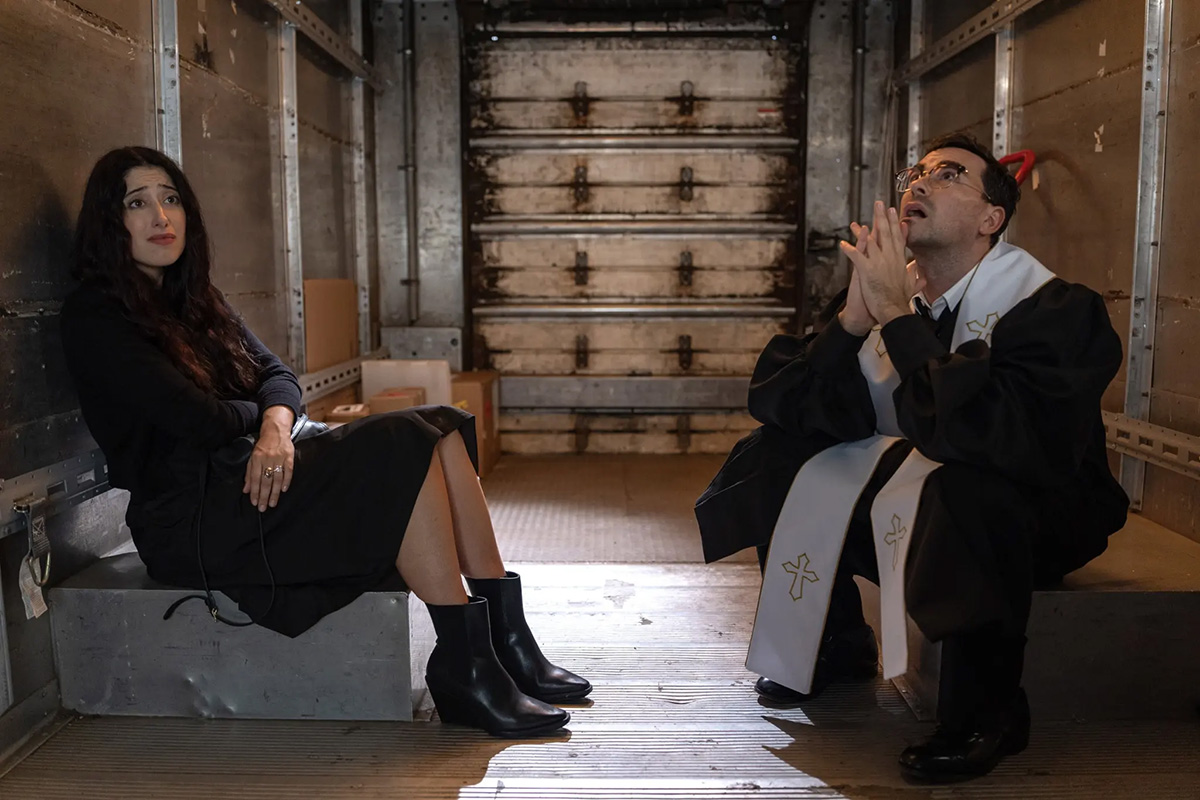
In the years since “Schitt’s Creek” wrapped up its six season Emmy-winning run, nostalgia for it has grown deep – especially since the still painfully recent loss of its iconic leading lady, Catherine O’Hara, whose sudden passing prompted a social media wave of clips and tributes featuring her fan-favorite performance as the deliciously daft Moira Rose. Revisiting so many favorite scenes and funny moments from the show naturally reminded us of just how much we loved it, even needed it during the time it was on the air; it also reminded us of how much we miss it, and how much it feels now like something we need more than ever.
That, perhaps more than anything else, is why the arrival of “Big Mistakes” – the new Netflix series starring, co-created and co-written by Dan Levy – felt so welcome. We knew it wouldn’t be the Roses, but it seemed cut from the same cloth, and it had David Rose (or at least someone who seemed a lot like him) in the middle of a comically dysfunctional family dynamic, complete with a mother who gets involved in town politics and a catty sibling rivalry with his sister, and still nebbish-ly uncomfortable in his own gay shoes. Only this time, instead of running a pastor of the local church, and instead of a collection of kooky small town neighbors to contend with, there are gangsters.
As it turns out, it really does feel cut from the same cloth, but the design is distinctly different. Set in a fictional New Jersey suburb, it centers on Nicky (Levy) and his sister Morgan (Taylor Ortega) – he openly gay with an adoring boyfriend (Jacob Gutierrez), yet still obsessive about keeping it all invisible to his congregation, and she drudging aimlessly through life as an underpaid schoolteacher after failing to achieve her New York dreams of show biz success – who inadvertently become enmeshed in a shady underworld when a gesture for their dead grandmother’s funeral goes horribly awry.
They’re surrounded by a crew of equally compromised characters. There’s their mother Linda (Laurie Metcalf), whose campaign to become the town’s mayor only intensifies her tendency to micromanage her children’s lives; Yusuf (Boran Kuzum), the Turkish-American mini-mart operator who pulls them into the criminal conspiracy yet is himself a victim of it; Max (Jack Innanen), Morgan’s live-in boyfriend, who pushes her for a deeper commitment and is willing to go to couples’ therapy to prove it; Annette, his mother (Elizabeth Perkins), who lends her society standing toward helping Linda’s campaign against a misogynistic opponent (Darren Goldstein); and Ivan (Mark Ivanir), the seemingly ruthless crime boss who enslaves the siblings into his network but may really be just another slave in it himself. It’s a well-fleshed out assortment of characters that helps our own loyalties shift and adapt, generating at least a degree of empathy – if not always sympathy – that keeps everyone from coming off as a merely “black-and-white” caricature of expectations and typecasting.
To be sure, it’s an entertaining binge-watch, full of distinctive characters – all inhabiting familiar, even stereotypical roles in the narrative – who are each given a degree of validation, both in writing and performance, as the show unspools its narrative. At the same time, it makes for a fairly bleak overall view of humanity, in which it’s difficult to place our loyalties with anyone without also embracing a kind of “dog eat dog” morality in which nobody is truly innocent – but nobody is completely to blame for their sins, anyway.
In this way, it’s a show that lets us off the hook in the sense that it places the idea of ethical guilt within a framework of relative evils as it permits us to forgive our own trespasses through our acceptance of its lovably amoral – when it comes right down to it – characters, each of whom has their own reasons and justifications for what they do. We relate, but we can’t quite shake the notion that, if all these people hadn’t been so caught up in their own personal dramas, none of them would have ended up in the compromised morality that they do, and that they are all therefore, at some level, to blame for whatever consequences they endure.
However, it’s not some bleak morality play that Levy and crew undertake; rather, it’s more an egalitarian fantasy in which even “bad” choices feel justified by inevitability. Everybody has their reasons for doing what they do, and most of those reasons make enough sense to us that it’s hard to judge any of the characters for making the choices – however unwise – that they do. In a system where everyone is forced to compromise themselves in order to achieve whatever dream of self-fulfillment they may have, how can anybody really blame themselves for doing what they have to do to survive?
Of course, all things considered, this is more a relatable comedy than it is a morality play, and it is, perhaps, taking things a bit too seriously to go that “deep.” As a comedy of errors, it all works well enough on its own without imposing an ideology on it, no matter how much we may be tempted to do so. Indeed, what is ultimately more to the point is how well this pseudo-cynical exercise in the normalization of corruption – for that is what it really about, in the end – succeeds in letting us all off the hook for our compromises. In a reality in which we can only respond to corruption by finding the ethical validation for making the choice to survive, how can we judge ourselves – or anyone else – for doing whatever is necessary?
In the end, of course, maybe all that analysis is too deep a dive for a show that feels, in the end, so clearly to be focused merely on reminding us of how much necessity dictates our choices –for truly, the fate of all its characters hinges on how well they respond to the compromised decisions that must make along the way. The more important observation, perhaps, has to do with the necessity to make such moral choices along our way – and it comes not from a moralistic urge toward making the “right” choice as much as it does from a candid recognition that all of us are compromised from the outset, and that’s a refreshing enough bit of honesty that we can easily get on board.
It helps that the performances are on point, especially the loony and wide-eyed fanaticism of Metcalf – surely the MVP of any project in which she is involved – and the directly focused moral malleability of Ortega, Levy, of course, is Levy – a now-familiar persona that can exist within any milieu without further justification than its own queer relatability – and, in this case, at least, that’s both the icing on the cake and substance that defines it. That’s enough to make it an essential view for fans, queer or otherwise, of his distinctive “brand,” even if he – or the show itself – doesn’t quite satisfy in the way that “Schitt’s Creek” was able to do.
Seriously, though, how could it?
10 years later, we still can’t shake Barry Jenkins’ ‘Moonlight’

AIDS Walk Los Angeles set for 42nd year amid growing challenges

Alianza para la Inclusión fortalece la defensa de derechos LGBTQ+ en Centroamérica

The facts about Victory Fund’s investigation and the path forward

In Ga., 2 trans candidates believe voters are ready for them

Renee Good’s family files two federal lawsuits

988 restores crisis services for LGBTQ+ youth

House Democrats urge White House to confront Turkish government over anti-LGBTQ+ crackdown

Lula, Flávio Bolsonaro to face off in second round of Brazilian presidential election

The California Gubernatorial Debate missed getting real
-
 U.S. Federal Courts5 days ago
Renee Good’s family files two federal lawsuits
-
 National5 days ago
988 restores crisis services for LGBTQ+ youth
-
 Turkey5 days ago
House Democrats urge White House to confront Turkish government over anti-LGBTQ+ crackdown
-
 Brazil2 days ago
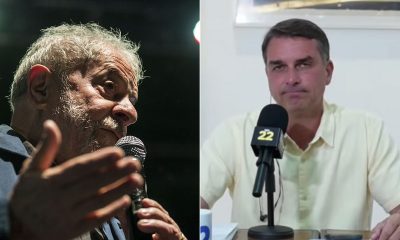
Lula, Flávio Bolsonaro to face off in second round of Brazilian presidential election
-
 Commentary3 days ago
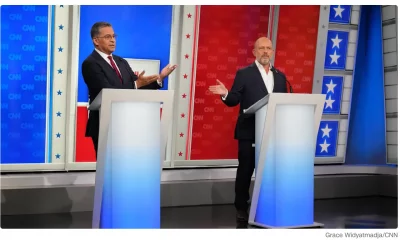
The California Gubernatorial Debate missed getting real
-
 a&e features3 days ago
From bullying to bravo: Joey Zauzig talks finding yourself while making people feel seen
-
 Brazil2 days ago
Transgender woman elected to Brazilian Chamber of Deputies
-
 Opinions2 days ago
Evan Low is not the leader the Victory Fund needs at this moment
-
 History2 days ago
Preserving the past: Robert Kesten on Stonewall & storytelling; LA Blade joins at the Abbey, Tuesday, October 6th at 6 pm
-
 Books2 days ago
Eliot Glazer’s new book an engaging collection of essays