News
Has La Brea Ave and Santa Monica Blvd become too dangerous?
A murder and a stabbing raise fears on WeHo’s Eastside
Los Angeles County Sheriff’s deputies have increased their presence near La Brea and Santa Monica Boulevard on the east side of West Hollywood following two unrelated violent incidents that have shaken area residents. The most recent incident was a non-fatal stabbing on March 3, which followed a murder earlier this month in which a transgender woman allegedly stabbed her longtime male partner (possibly husband), causing his later death.
The latest attack appears to be random.
Earlier on the evening of Wednesday, March 3, Kieth (proper spelling) Vroman-Nagy, 26, speaking incoherently, approached two women waiting for an Uber ride on La Brea and stabbed one of them in the arm. The victim was taken to Cedars Sinai Medical Center with what appeared not to be a life-threatening wound, Sgt. Jeff Bishop of the West Hollywood Sheriff’s Station told the Los Angeles Blade.
Vroman-Nagy fled on foot after recovering the weapon but was arrested at about 2:00 a.m. after a brief search by Sheriff’s deputies and officers from the Los Angeles and Beverly Hills police departments. Vroman-Nagy, whose last known address was in the Redding area, frequents the La Brea-Santa Monica area at the West Hollywood-Hollywood border.
Vroman-Nagy was arraigned in LA County Superior Court Wednesday morning and faces charges of assault with a deadly weapon and possession of drug-related paraphernalia.
He is being held at the Men’s Central Jail on $50,000 bail.
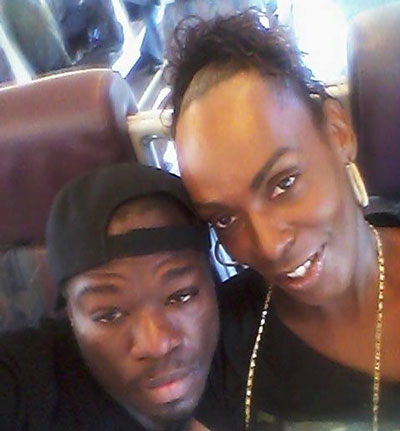
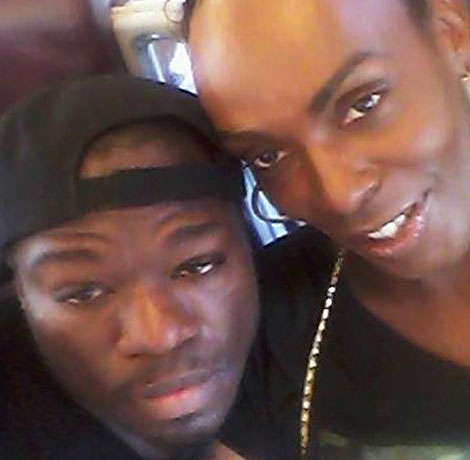
(L) Bernar Arlain and Tamyka Arlain. (Photo from Bernar Arlain’s Facebook page featured image)
Deputies say the second incident, on March 4, appears to be related to domestic violence. Bernar Jivan Arlain, 32, died following a verbal argument that turned into a physical altercation with 45-year-old Tamyka Arlain, a transgender woman with whom deputies say he had a long-term relationship.
Tamyka Arlain allegedly stabbed Bernar Jivan Arlain, the man to whom she was apparently married, in front of a McDonald’s at 1153 N. La Brea and fled. Investigators say that Bernar Arlain staggered around the corner, leaving a trail of blood, and collapsed near a bus kiosk at 7111 Santa Monica Blvd. He was taken to the hospital, where he was pronounced dead a short time later.
“The following days we searched for the suspect, we interviewed a lot of witnesses, we searched for video, which led us to the suspect,” said Sheriff’s Det. Joe Mendoza.
Tamyka Arlain was arrested March 13 at a coffee shop near Downtown LA. She pleaded not guilty to murder charges on March 22 and is being held without bail pending a hearing on May 16.
Arlain has apparently not yet legally changed her name and is therefore identified in legal records as Carl Jonathan Edwards. She has a long history of arrests, dating back to 1991, for charges including prostitution, drug possession and arson. She has been sentenced to prison several times, including in January, when she was sentenced to one year of probation on drug-related charges.
The couple’s social media pages show them living in the Inland Empire as recently as 2016, though deputies say that interviews with witnesses, friends and family members have led them to believe that the two were homeless at the time of the stabbing incident. Bernar’s Facebook page also announced his marriage to Tamyka in 2015, the last post appearing there, though it’s unclear if the couple was legally married.
“The city and our department—we’ve hired extra foot patrols down in that area, both day and night, just to show a presence in that area so that people feel safe,” Bishop told the Los Angeles Blade.

AIDS and HIV
AIDS Walk Los Angeles set for 42nd year amid growing challenges
APLA Health CEO Craig E. Thompson talks with the Blade about how the fight against HIV/AIDS continues
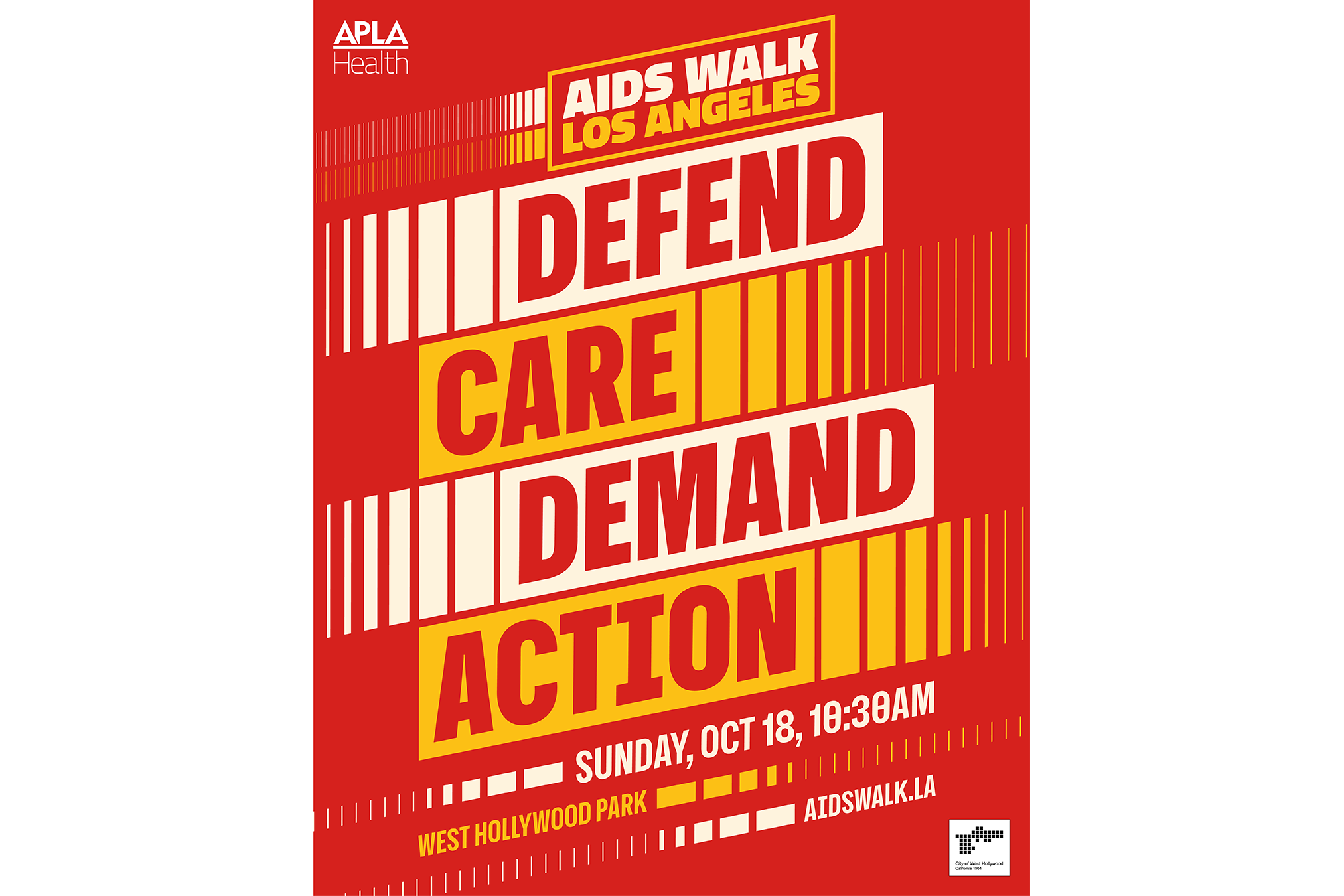
The 42nd annual AIDS Walk Los Angeles will take place on Sunday, October 18th at West Hollywood Park. Participants are set to march a two-mile loop around West Hollywood and hear speeches from organizers and HIV/AIDS advocates.
The Los Angeles Blade spoke with Craig E. Thompson, CEO of APLA Health, the event’s organizer, about the continued importance of the fundraising event and the challenges facing AIDS research, healthcare, and advocacy.
“The idea that HIV is over is the most dangerous myth out there,” Thompson said in a written statement. According to Thompson, increased options for HIV treatment and prevention have created a public perception that AIDS is no longer a pressing issue and have led to a decrease in participation and fundraising at AIDS Walk LA. “HIV fundraisers across the country are seeing this decline,” he said.
But recent federal cuts and policy changes have created new obstacles to ending the HIV and AIDS epidemic. Congress has proposed cuts that would strip away nearly one billion dollars in HIV funding, mainly impacting prevention and outreach. And earlier this year, the Trump-Vance administration ended nearly 100 community organizations’ HIV-prevention grants, opting instead to direct the money to state and local health departments.
These funding cuts have been felt by APLA Health, which last year was one of the California HIV prevention groups impacted by a 20 million dollar funding freeze. The freeze was eventually overturned, but Thompson still fears future cuts from the federal administration. “Over the past year we took cuts to our food pantry program, PrEP navigation, housing, and more,” he said. “Thanks to relentless advocacy and partners at the state and county who stepped up, much of that funding has been restored,” adding, “but restored is not the same as safe.”
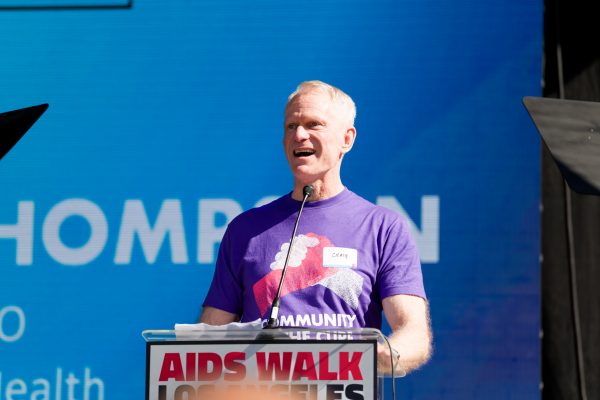
Craig E. Thompson speaks at AIDS Walk Los Angeles 2025. (Photo courtesy of Craig Allyn)
Thompson fears that continued divestment from HIV healthcare and prevention could harm vulnerable communities. “The burden once again lands on the shoulders of those with the least power and the least access to care,” he said. “New infections fall hardest on people of color, transgender women, and those in low-income communities. Every one of those diagnoses could have been prevented.”
Non-HIV-specific federal policies also pose harm to APLA Health’s clients, the biggest of which is cuts and decreased eligibility for Medi-Cal, the state’s Medicaid program. “Medi-Cal is how a huge share of our patients get care, and the federal cuts will hit hard,” Thompson said. “California is covering much of the cost through next summer, … but a patch is not a plan,” he added. And a new policy starting in 2027 will mean that some Medi-Cal recipients will soon have to recertify their coverage twice a year instead of once. “That’s a mountain of paperwork,” Thompson said. “It’s a way of quietly cutting people off without having to say it out loud.”
Despite these current challenges, Thompson sees this year’s AIDS Walk LA as an effective way to help those living with HIV and AIDS at a time when they need support the most. “Funds raised by AIDS Walk LA stay in Los Angeles County and pay for wraparound HIV care and prevention,” he said. This includes funding medical care, PrEP prevention, housing, food pantries, and more. “These programs form the safety net that keeps our community healthy, and the Walk helps hold it together,” Thompson said. Last year, the walk raised over a million dollars for APLA Health to fund its services.
“Fighting back works.” Thompson said. “Come angry, come joyful, come exactly as you are. We’ll celebrate our progress and turn that energy into action. Then [we’ll] carry it to the polls 16 days later.”
Registration for the walk is still open.
Caleb Kaufman is a California Local News Fellow placed with the Los Angeles Blade. The California Local News Fellowship is a state-funded initiative to support and strengthen local news reporting. Learn more about it at fellowships.journalism.berkeley.edu/cafellows.
Central America
Alianza para la Inclusión fortalece la defensa de derechos LGBTQ+ en Centroamérica
Se implementa el proyecto en Guatemala, El Salvador y Honduras
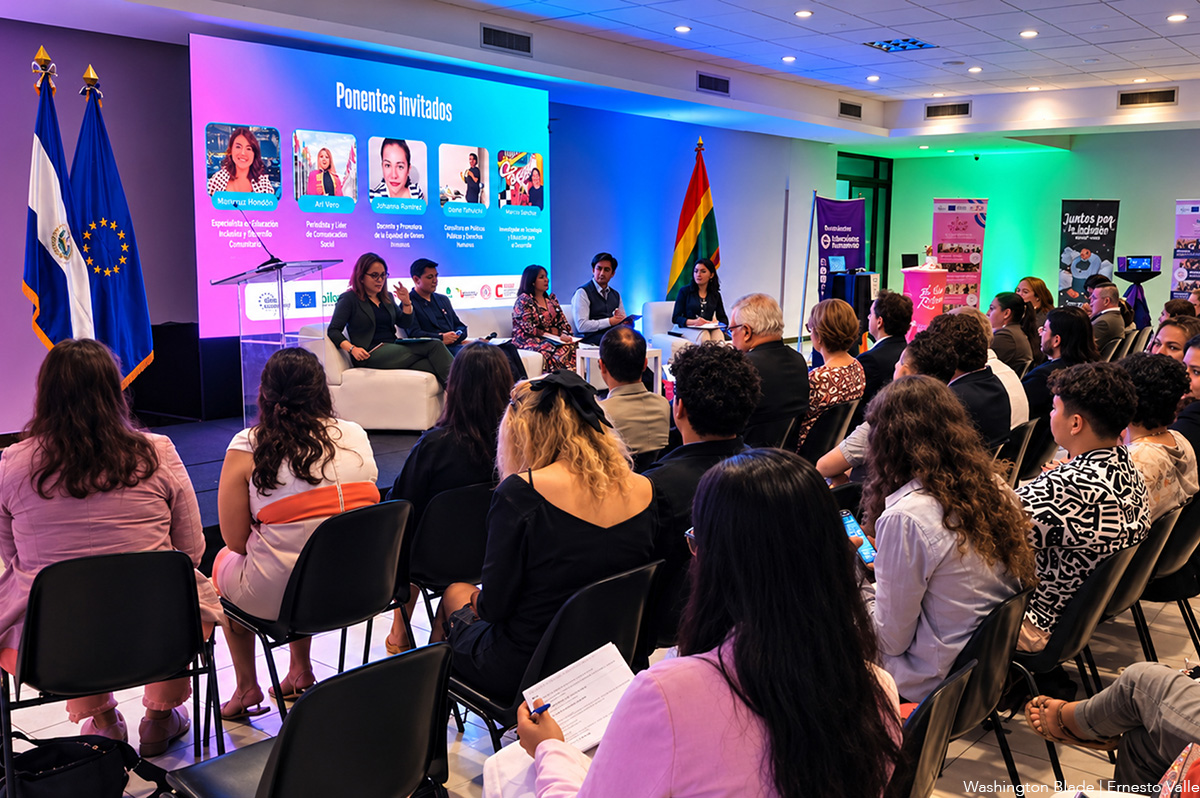
Promover, proteger y defender los derechos humanos de las personas LGBTQ+ en Centroamérica es el propósito del proyecto “Alianza para la Inclusión: hacia la promoción de derechos LGBTIQ+ en Centroamérica”, una iniciativa subvencionada por la Unión Europea, Global Gateway, Oikos Cooperação e Desenvolvimento y Camões — Instituto da Cooperação e da Língua, que articula esfuerzos en Guatemala, El Salvador y Honduras.
El proyecto, cuya implementación se desarrolla entre 2025 y 2028, busca fortalecer a organizaciones, liderazgos comunitarios y redes regionales frente a contextos marcados por la discriminación, la violencia y la reducción del espacio cívico.
A través de procesos de formación, atención integral, protección, fortalecimiento organizativo, incidencia y articulación regional, la iniciativa procura generar condiciones más seguras y dignas para que las personas LGBTQ+ puedan ejercer plenamente sus derechos.
Formación y fortalecimiento de liderazgos
Durante los primeros 18 meses de ejecución, el proyecto ha desarrollado acciones de formación y acompañamiento, otorgado subvenciones a colectivos comunitarios, impulsado estrategias de seguridad integral y respaldado procesos regionales de articulación e incidencia.
Uno de los resultados reportados es la participación de 489 personas LGBTQ+ de Guatemala, El Salvador y Honduras en procesos formativos relacionados con la desnaturalización de la violencia, organización e incidencia. Asimismo, 41 personas líderes LGBTQ+ de El Salvador y Guatemala fortalecieron sus capacidades para la formulación de proyectos.
Para Pedro Campos, coordinador de Oikos — Cooperação e Desenvolvimento en El Salvador, estos procesos tienen una dimensión que trasciende lo técnico.
“Desde hoy estamos cada día más convencidas y convencidos de que la gestión de proyectos más que técnica o administrativa es esencialmente humana. Nunca debemos olvidar que la persona en toda su diversidad es el centro de nuestro quehacer. Y si un día la empatía y el amor nos abandonan, habremos perdido la esencia de nuestro trabajo”.
La formación también ha significado una oportunidad para fortalecer liderazgos comunitarios. Josh Hernández, persona no binaria y codirectore de Espacios Seguros El Salvador, destaca el impacto que tuvo su participación.
“Esta experiencia me ha fortalecido como activista y como parte de una organización comunitaria, y me ha permitido ampliar mi visión y soñar con nuevas actividades que contribuyan a construir una cultura de paz en nuestra sociedad salvadoreña”, comenta Hernández.
Atención integral para personas LGBTQ+ en situación de vulnerabilidad
En El Salvador, uno de los componentes del proyecto se ha enfocado en brindar atención integral a personas que enfrentan situaciones de violencia, discriminación o vulnerabilidad.
A través de COMCAVIS TRANS, el proyecto permitió atender a 128 personas, mediante servicios psicosociales, legales y de resguardo temporal en su albergue.
La atención incluyó orientación para activar mecanismos de denuncia y medidas de protección, además de contención emocional, manejo de crisis y acompañamiento para la estabilización de condiciones básicas.
La experiencia también se ha extendido a Honduras. Loren López, directora ejecutiva de la Asociación de Mujeres Lesbianas y Bisexuales LITOS, resaltó el valor de generar espacios seguros para mujeres lesbianas, bisexuales y personas LTBQ (lesbianas, trans, bisexuales y queer).
“Me quedo con la satisfacción de haber contribuido a crear espacios donde una mujer LTBQ+ pueda sentirse segura, escuchada y reconocida, sin tener que esconder quién es. Esta experiencia fortaleció a LITOS y nos dejó nuevas herramientas y posibilidades para seguir trabajando por los derechos y la eliminación de la discriminación”, agrega López.
La seguridad integral como herramienta de protección
En contextos donde quienes defienden derechos pueden enfrentar diferentes tipos de riesgos, el proyecto ha incorporado la seguridad integral como un componente fundamental.
Durante 2026, 140 personas LGBTQ+ pertenecientes a seis organizaciones participaron en procesos de formación sobre seguridad integral, abordando dimensiones físicas, digitales y emocionales.
Como resultado, seis organizaciones elaboraron y consolidaron sus propios planes de seguridad integral, incorporando medidas de prevención y respuesta ante riesgos físicos y digitales, con especial énfasis en la protección de información sensible, el uso seguro de plataformas digitales y la gestión de incidentes en entornos virtuales.
Incidencia para transformar políticas y garantizar derechos
La iniciativa también ha acompañado procesos de incidencia y litigio estratégico en Guatemala.
La Asociación LAMBDA, junto con la Comisión Presidencial por la Paz y los Derechos Humanos (COPADEH), acompañó una consulta nacional con personas LGBTQ+ para contribuir a la elaboración de una Estrategia Nacional para las personas LGBTQ+, cuyo proceso se encontraba en elaboración y cuya aprobación se esperaba para finales de 2026.
Asimismo, en julio de 2026 fue presentada ante la Corte Constitucional de Guatemala una acción de inconstitucionalidad como parte de una estrategia nacional de litigio estratégico orientada a la aprobación del matrimonio igualitario. Al cierre de la actualización de resultados de este año, el proceso permanecía pendiente de resolución.
El acompañamiento jurídico también ha permitido apoyar procesos individuales relacionados con el reconocimiento de la identidad.
Uno de estos casos es el de Paula Escobar, mujer trans guatemalteca acompañada por LAMBDA en el proceso de cambio de nombre en sus documentos de identidad.
“Ha sido el paso más grande de mi vida, pues me libró de momentos incómodos y de dar explicaciones para ser reconocida como la mujer que soy”.
De acuerdo con el testimonio, la organización se encargó de la gestión legal y aproximadamente seis meses después obtuvo una respuesta favorable.
Redes regionales para ampliar el alcance de la defensa de derechos
La articulación regional constituye otro de los componentes del proyecto. La iniciativa ha apoyado a redes latinoamericanas que buscan fortalecer y posicionar el trabajo de organizaciones LGBTQ+.
Entre ellas se encuentra la Alianza Centroamericana y del Caribe de Hombres Trans, que articula organizaciones y personas transmasculinas de Guatemala, El Salvador, Honduras, Costa Rica y Panamá.
Durante su primer año, ALICAHT desarrolló su Plan Estratégico y Reglamento Interno 2025-2030, además de su identidad gráfica y sitio web.
Otro proceso regional respaldado fue el III Congreso Regional de CORPORA en Libertad, realizado en Guatemala en diciembre de 2025. El encuentro reunió esfuerzos orientados a fortalecer la defensa, promoción y garantía de los derechos humanos de las personas LGBTQ+ privadas y exprivadas de libertad en América Latina y el Caribe.
El espacio permitió fortalecer la articulación regional y compartir experiencias y estrategias frente a los desafíos que enfrentan las personas LGBTQ+ dentro y fuera de los sistemas penitenciarios.
Ari Vera, fundadora de CORPORA, ha destacado la importancia del trabajo en red como una herramienta para generar transformaciones y fortalecer las capacidades colectivas.
Inclusión más allá de las palabras
Durante el Foro “El Impacto de Incluir”, uno de los planteamientos centrales fue que la inclusión requiere transformaciones concretas y no únicamente el uso de conceptos o siglas.
Jason García, técnico PMA de Monitoreo, Evaluación y Aprendizaje para Oikos El Salvador, señaló una de las barreras que persisten en los proyectos. “Una de las barreras en los proyectos es que son binarios y no se reconocen las otras identidades”.
Desde esta perspectiva, un proyecto inclusivo no se limita a utilizar la palabra inclusión o incorporar las siglas LGBTQ+, sino que requiere revisar prácticas, metodologías, mecanismos de participación y formas de reconocer la diversidad.
Como parte de este proceso también se preparó una guía práctica que sistematiza instrumentos y mecanismos del Sistema Internacional de Derechos Humanos, destacando su importancia histórica en la ampliación y protección de derechos.
La compilación fue presentada en la X Conferencia de la Red ILGA LAC y en el 18º Encuentro de la Red Centroamericana de Intercambio Académico en Derechos Internacionales, realizado en la Universidad de El Salvador.
Cooperación centrada en las personas
Los resultados alcanzados durante los primeros 18 meses reflejan una estrategia que combina formación, atención directa, protección, fortalecimiento institucional, incidencia y construcción de redes.
Para la Unión Europea, colocar a las personas en el centro constituye un elemento fundamental de la cooperación. Duccio Bandini, embajador de la Unión Europea en El Salvador, expresó “Desde la Unión Europea seguiremos apostando para una cooperación que pone en el centro a las personas. Porque el verdadero impacto de influir se mide en vidas transformadas, en derechos conquistados y en sociedades que celebran con orgullo su diversidad”.
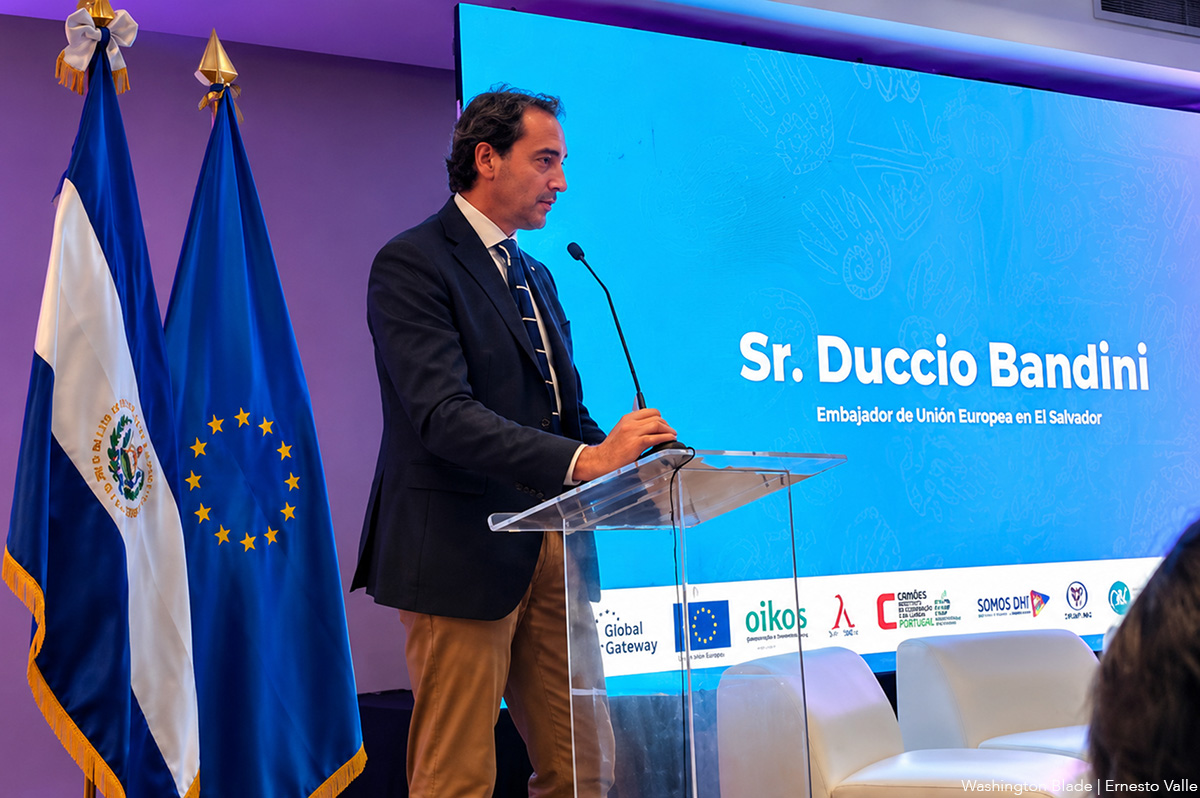
Con una implementación prevista hasta 2028, la Alianza para la Inclusión continúa articulando organizaciones nacionales y redes latinoamericanas para fortalecer capacidades y generar herramientas que permitan a las personas y organizaciones LGBTQ+ enfrentar los desafíos de sus contextos y avanzar en la promoción, protección y defensa de los derechos humanos.
Más allá de las cifras y los productos alcanzados, el proyecto coloca en el centro una premisa: la inclusión se construye cuando las personas pueden participar, organizarse, defender sus derechos y vivir su identidad con dignidad y seguridad.
Georgia
In Ga., 2 trans candidates believe voters are ready for them
Bentley Hudgins, Bella Bautista running for state House of Representatives
Uncloseted Media published this story on Oct. 6.
This story was reported in partnership with The 19th, a nonprofit newsroom reporting on gender, politics and policy.
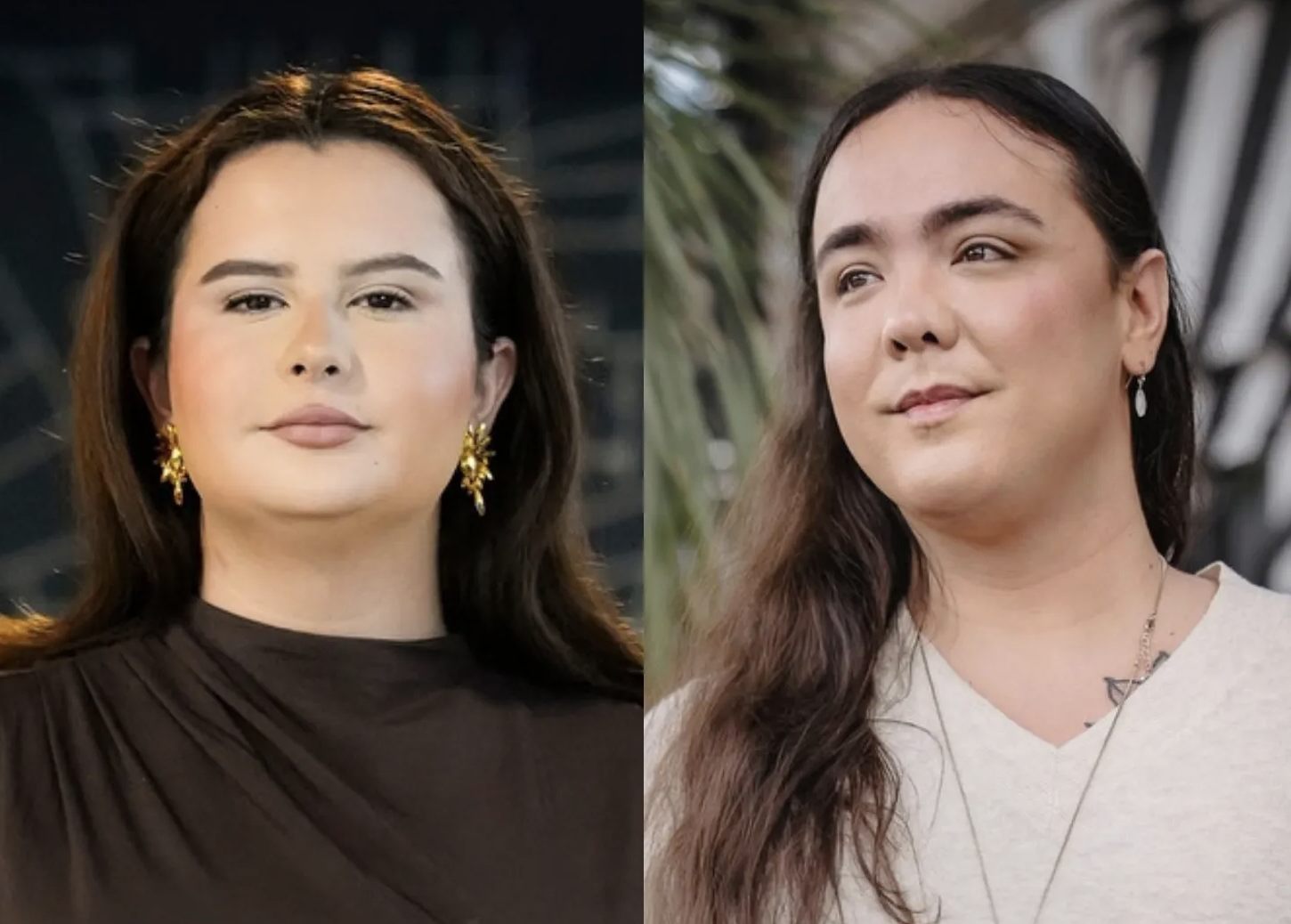
By ORION RUMMLER | Bentley Hudgins is a 33-year-old democratic socialist who spent the past three years advocating for LGBTQ+ rights in the Georgia statehouse.
Bella Bautista is 10 years younger, the first transgender woman to win a legislative primary in Georgia and head of a nonprofit distributing supplies to at-risk young adults.
Both are running for a spot in the Georgia House of Representatives, part of a cohort of Democrats who hope to shrink or end Republicans’ hold on the chamber. Both would make history as the first trans members of the body. Neither wants to discuss identity politics or pronouns — they want to talk about data centers, the price of groceries and healthcare.
But their districts are very different: Hudgins is running in a liberal stronghold in Atlanta with no serious Republican opposition and is all but certain to win in November. Bautista’s district is rural and deeply conservative; it hasn’t elected a Democratic state representative since 1996, and she’s the first to run for this seat since 2010. But Hudgins’s and Bautista’s bets are the same: Voters are looking for someone to fight for them. In Hudgins and Bautista’s view, something in the country is broken and no one else will fix it. So they stepped up.
“People around here just hate the government, and that’s why I’m running,” Bautista told Uncloseted Media and The 19th. “People have lost faith in the system as a whole.”
Hudgins’ mind is on the big picture: getting as many Democrats, especially progressives, in the statehouse as possible. Without that, they believe the future — especially for LGBTQ+ people and immigrants — isn’t certain.
“At the end of the day, we have to have the numbers,” Hudgins told Uncloseted Media and The 19th.
A deep red district in rural Ga.
In the hourlong drive from Atlanta to Cartersville, where Bautista grew up, suburbs fade away and the land expands into RV lots, farms, and houses on the edge of the woods. Bautista launched her campaign in this small town, at Noble & Main Coffee Co., across the street from a butcher shop that offers deer processing.
“It’s one of those hidden gems,” she says. “They’re friendly toward Democrats.”
It’s also not in the statehouse district she wants to represent. She’s running for office in the more rural side of the county, an area that’s about 80 percent white, mostly older and mostly conservative. And it’s been a challenge. Most people here vote Republican. Her opponent, the GOP incumbent Mitchell Scoggins, has not run against anyone since he first won a special election in 2018.
Lack of change is what spurred Bautista to run. And it’s not just Scoggins sailing unopposed to reelection every two years. Bartow County is one of a small handful of counties in Georgia with only one commissioner, who single-handedly decides the fate of everything from data center construction to new roads. The current commissioner has held the position for 14 years.
The issues facing her hometown can’t be left to one man, Bautista says. She wants to pass legislation for locals to vote on a board of commissioners, regulate Flock cameras, shield locals from data center pollution, conserve farmland and expand rural mental healthcare. She thinks these stances will appeal to voters who may otherwise vote Republican. But it’s still an uphill battle — and a lonely one.
“This is not a story about pride. It’s not a story about visibility,” she says. “It’s a story about challenges, difficulty. I don’t want to be the fucking first to do it, but I have no choice but to be the first.”
But Bautista says she’s struggling. This campaign has cost her privacy and peace, which doesn’t impact just her: She lives in her family home as the primary caretaker for her mom.
In May, during the primaries, someone came to her house twice, she says: once to put up a sign supporting President Donald Trump next to her own campaign sign in the front yard, and later to take down her sign.
“I literally live in the middle of nowhere,” she says. “That sent chills down my back, because I’m like, OK, that means someone physically went to my home, got out of their car, went up the hill, put up a Trump sign.”
Her neighbors, who she’s known her whole life and are Trump voters, assured her that they weren’t involved. But that fear hasn’t left her. Since then, more signs have gone missing: A few weeks after we met, hundreds of her campaign signs were taken down across the district. Those cost money to replace — money the campaign doesn’t have.
As a trans Latina, she belongs in Bartow County just as much as anyone else, she says. This is the only home she’s known. But campaigning in this district feels like being thrown into the ocean, she says. Online, people mock her and misgender her. It hurts. Often, they’re the same people she’s fighting for.
At one point during an interview at Noble & Main Coffee Co., Bautista started crying. Keeping her head above water means she doesn’t often take time to think about why she’s doing this.
“You’re just having to swim, swim, swim, swim and you never get any chance to look back and think, oh my gosh, why am I doing this, what does this mean to other people?”
Dramatically different districts
Hudgins launched their campaign at Joe’s Coffeehouse in East Atlanta Village, roughly 50 miles from Bautista’s district. This place, a local indie fixture, holds personal history for them: When they became homeless in 2017, it became a refuge as they couchsurfed and lived in their car. It took a year to find stable housing.
This neighborhood is where they got back on their feet after being kicked out of their apartment, something they know is common for queer people in the U.S., as well as in their own circles.
“Most of the queer electeds that I’m really close with are people who have experienced homelessness,” they say. “It just goes to show how prevalent this is for queer Southerners.”
And, years later, this same neighborhood is where they fell back in love with politics.
Being here makes Hudgins think about how the city is changing as people get priced out. Gay bars are closing and, as a former drag performer, they know of only three places still putting on shows. It’s all getting too expensive. Midtown isn’t the bustling queer neighborhood it used to be, they say, but the queers are still here: They’re just moving further into DeKalb County, East Point and southeast Atlanta, all in search of affordability.
That’s part of the problem. Hudgins sees solutions, though: raising the state minimum wage to $20 an hour or creating a state earned income tax credit to give money to lower-income families. Previous Democrat-sponsored bills to enact those policies have been blocked in the statehouse, and it’s those stalemates that are driving voters to push for something different, Hudgins says. Decades of Republican control have left people disillusioned.
“People’s political will and spirit has kind of been chipped away at,” they say. “Life can be better.”
The first time Hudgins ran for this seat in 2022, they were 28 and single, and the pandemic was still fresh. The previous year, Atlanta spa shootings targeting Asian women had taken place, and “Cop City,” the massive training ground for local police in DeKalb County, was formally proposed amid national protests against police brutality. Joe Biden was president, and from where Hudgins sat, the Democratic establishment was clamping down on progressive dissent.
They were angry — but that anger didn’t resonate with voters, they say.
“It was such a more agitated time in a lot of different ways, and this strong leftist point of view wasn’t as appreciated,” they say. “At that time, I was also angry. I was mad. And I think it came through.”
Their opener in their 2022 race was, “To be frank, I’m tired of my friends dying,” they say. They had lost friends to police violence, addiction, hunger and mental illness. One of their friends was left permanently disabled from a hate crime, they say. Hudgins had begun to get severe cluster headaches and was managing that while running their first campaign.
After losing that race, they reassessed if they wanted to do politics at all. They were broken-hearted, they say. A friend helped them get a job at a Laotian pop-up restaurant in East Atlanta Village, only a short walk from Joe’s Coffeehouse. But what they thought would be an escape from politics became a reeducation in why it mattered, they say. Surrounded by other Asian Americans, they learned about U.S. bombing campaigns in Laos and connected with their new friends’ working-class struggles.
“I really got to understand more about how my Southeast Asian neighbors and friends have experienced American identity,” they say.
If elected, Hudgins would be Georgia’s first Japanese American lawmaker. To them, it feels like that usually gets left out of their story as people instead focus on their gender identity.
They weren’t planning on running for office this year. Their wedding is in November. Until recently, they were lobbying against anti-LGBTQ+ bills as Georgia state director for Human Rights Campaign, a major LGBTQ+ advocacy group. But Saira Draper, who beat Hudgins in 2022 to represent House District 90, is running for the state Senate. That left the House seat open. And it left the door open for Hudgins to run again.
When three other Democrat contenders dropped out in the primary, Hudgins became the front-runner. Their opponent, Samantha Boston, received only about 500 votes in the Republican primary. Hudgins got over 7,000 in the Democratic contest.
Fearless advocates
On a muggy September night, Hudgins and Bautista were in full glam at the College Park Woman’s Club in Atlanta, gathered alongside activists, volunteers and political candidates at a fundraising gala for LGBTQ+ youth.
At her table, Bautista prepared to present a “fearless youth advocate” award to state Rep. Akbar Ali, sworn in last year at 21 as the youngest lawmaker in Georgia. Bautista won this same award last year for the work she does at her nonprofit, which primarily supports transgender and immigrant young adults. Seated with Ali and friends running for office in Bartow County, she read over her notes.
Democrats in the room buzzed with the possibility of reshaping the statehouse, and with nerves that Republicans’ now abandoned redistricting effort will resurface.
On stage, Bautista looked to a different future — one where trans visibility in politics is not a rarity in Georgia.
“To all my transsexual girls in the building, just know that I’m fighting for you, and that in two years it’s going to be one of y’all,” she said. “It’s going to be one of y’all running for governor. It’s going to be one of y’all running for state senator. It’s going to be one of y’all running for commissioner.”
But she knows that history recognizes the victors, people who make it past the finish line, regardless of how much work they put into the race.
“I stand before you in the middle of history, not on the other side of it,” she said on stage. “I keep going not because the water is calm, but because someone on the other side is waiting for proof that a person like them survived it.”
Hudgins watched from the front of the room. They sat next to Sam Park, the Georgia House minority whip, a longtime mentor.
“I’m incredibly proud of Bella’s leadership and her courage for stepping up,” Park told Uncloseted Media and The 19th in an interview a few days later. “Bella is giving her voters, her fellow neighbors, an option, a real choice to say enough is enough.”
Rural Democrats are craving someone willing to fight for them, says Courtney Bruder, chair of the Democratic committee of Cherokee County, where Bautista’s district also touches. But complacency has gotten in the way, she says.
“It’s been difficult to try to get someone to be willing to fight for a seat that’s going to be hard,” she told Uncloseted Media and The 19th. “It’s been a slow change to get Democrats in this area to run.”
Bautista hasn’t felt supported by the Georgia Democrats, she says. She has allies in the statehouse and in others running for office, but she still feels like the subliminal message from the party is that she just isn’t electable. She feels like she isn’t taken seriously because she’s not white, doesn’t have wealthy donors and isn’t running in a safe district for Democrats.
Democrats in leadership say she’s changed the game, though, and see her candidacy as a sign of a changing tide in Georgia.
A blue wave may be brewing in the Peach State. Georgia saw record-breaking engagement in the primaries, and an NBC analysis found that Democrats turned out in unusually high numbers across the state. But in Bartow County, where Bautista lives, Democrats make up just one-third of the vote in the gubernatorial primary, according to data from the Georgia Secretary of State’s elections office.
Bautista is positioning herself as an anti-establishment candidate first, and a Democrat second, to appeal to people who aren’t engaged in politics, she says.
It may not be enough to win. But for the past 16 years in this district, no one was willing to step into the ring at all. She still sees victory in that, and in the ways her campaign has gotten neighbors to care about what’s happening in their backyard.
‘I’m going to be who I am’
If elected, Hudgins would become the state’s first nonbinary lawmaker. But they don’t care if voters understand their gender or use the correct pronouns; they just want voters to understand the issues.
“I realized if I led with my identity, it would distract people from understanding what I had to say,” Hudgins says.
One moment in particular on the campaign trail, at Israel Missionary Baptist Church in April, changed their perspective on this.
“The deacon lays his hands on me. He’s like, ‘God, help her, help this person, help him, just help them be victorious.’ I wanted to laugh, but then I was really touched. This guy I’ve never met before … was just trying to be respectful,” they say.
If they win, a whole new set of challenges awaits them at the Georgia statehouse. The dress code is gendered; men must wear a coat and tie, while women are allowed a more nebulous “dignified dress.” But it’s not just the clothes; they would be joining an institution built around a gender binary they don’t adhere to.
Lawmakers are used to referring to each other as “Mr.,” “Mrs.” or “Miss,” per the rules. Although there are more formal options that could allow for a loophole, those are gendered too — members may identify each other by the district “he or she” represents or by the city of “his or her” residence. The bathroom is its own ordeal: if there is a gender-neutral bathroom, Hudgins has yet to find it. As a gender nonconforming person, if Hudgins takes office, they would be walking into a system designed to exclude them. And there are fines associated with breaking these rules.
They are still weighing how to respond to it. They want to be taken seriously as a legislator and build relationships that move bills, but if they don’t stand up for themselves, it sends a poor message, they say.
“I have a pesky knack for maintaining who I am regardless of what the rules say,” they say with a laugh. “If we have a Democratic majority, we can change the rules. If there is a Republican majority, I’m going to be who I am and I’m going to dress how I think is appropriate. And their problems, we’ll address them as well.”
Brazil
Transgender woman elected to Brazilian Chamber of Deputies
Thabatta Pimenta is first trans person from northeast Brazil elected to Congress
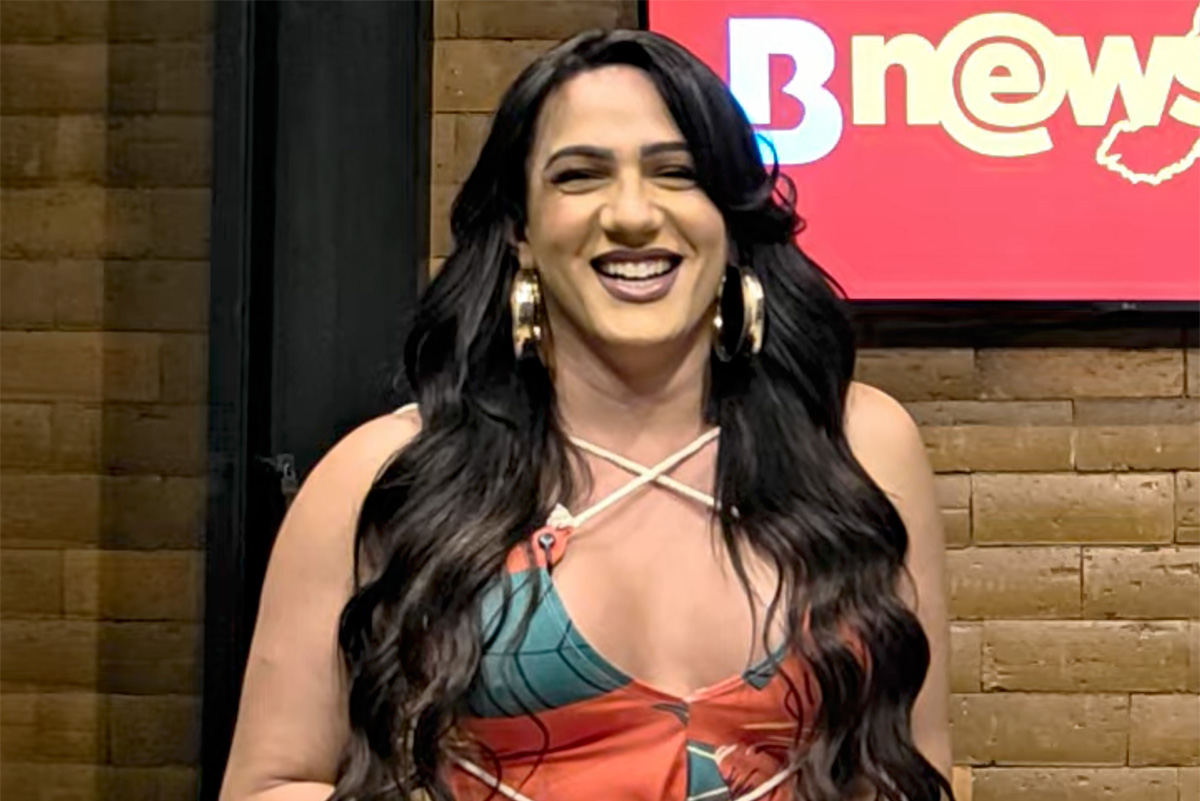
SÃO PAULO — Voters in Brazil’s Rio Grande do Norte state on Sunday elected a transgender woman to the country’s Chamber of Deputies.
Natal Municipal Councilwoman Thabatta Pimenta, who is a member of the Green Party, won with 92,743 votes. She is the first trans woman from northeast Brazil elected to the country’s Congress.
Pimenta became emotional when she was speaking to her supporters after she won. Her brother Ryan, who has cerebral palsy, was by her side.
“This victory belongs to the people of Rio Grande do Norte,” she said. “It is a victory built from the ground up … the people themselves rose up, and you saw the result: today they elected the first female travesti federal deputy from northeast Brazil.”
Pimenta will join Erika Hilton, a travesti member of the leftist Socialism and Liberty (PSOL) party who was a sex worker before her election to the São Paulo Municipal Council, and Duda Salabert, a trans woman and fellow PSOL member from Minas Gerais state, in the Chamber of Deputies.
Hilton on Sunday won re-election with 1,596,472 votes, the most any female member of Congress has received in Brazilian history. Dudabert also won re-election with 215,192 votes.
“Thank you Minas Gerais,” said Dudabert on social media after she won re-election.
❤️ REELEITA!!! Obrigada Minas Gerais! Com muito trabalho, aumentamos nossa votação! Muito orgulho em ser, pela segunda eleição consecutiva, a terceira candidatura mais votada de Minas Gerais para o cargo de deputada federal. E mostramos novamente que é possível fazer uma campanha “lixo zero”- sem imprimir santinhos, bandeiras ou adesivos. Muito feliz! Obrigada Minas ! Obrigada Brasil
— Duda Salabert 5️⃣0️⃣5️⃣0️⃣ (@DudaSalabert) October 5, 2026
Five openly bisexual Chamber of Deputies candidates also won their races on Sunday.
• Guilherme Cortez, a PSOL member in São Paulo state
• Dandara Tonatzin, a member of President Luiz Inácio Lula da Silva’s Workers’ Party in Minas Gerais
• Anielle Franco, a Workers’ Party member in Rio de Janeiro state
• Maria Marighella, a Workers’ Party member in Bahia state
• Giovana Mondardo, a Brazilian Communist Party member in Santa Catalina state
Fabio Félix, a gay PSOL member of the Chamber of Deputies who represents the Federal District in which Brasília, the country’s capital, is located won re-election with 224,224 votes. Rick Azevedo, a gay PSOL member from Rio de Janeiro state, won his Chamber of Deputies race.
Daiana Santos, a lesbian Brazilian Communist Party member who represents Rio Grande do Sul state in the Chamber of Deputies, won re-election with 114,315 votes.
Two lesbian women won their Chamber of Deputies campaigns.
• Rosa Amorin, a Workers’ Party member from Pernambuco state
• Bella Gonçalves, a Workers’ Party member from Minas Gerais who is a member of the Belo Horizonte Municipal Council
Samanda de Lula, a lesbian Workers’ Party member, will represent Rio Grande do Norte in the Brazilian Senate.
Rio de Janeiro Municipal Councilwoman Mônica Benício, who is a PSOL member, came up short in her bid for the Senate. Her then-partner, Rio de Janeiro Municipal Councilwoman Marielle Franco, and her driver, Anderson Gomes, were assassinated on March 14, 2018.
Fabiano Contarato, a gay senator from Espíritu Santo who is a member of the Workers’ Party, also lost his re-election bid.
“I receive the election results with respect and serenity,” he said on social media. “The popular will is sovereign, and democracy must always be respected.”
Jean Wyllys is a gay former member of the Chamber of Deputies who previously represented Rio de Janeiro state. He resigned in 2019 and fled Brazil after he received death threats. Wyllys this year ran to represent São Paulo state in the Chamber of Deputies, but he did not win his race.
VoteLGBT, an organization that seeks to increase LGBTQ+ representation in Brazilian politics, noted 529 openly LGBTQ+ candidates ran in the election. The group on Sunday more than 30 of them won their races across the country.
Natasha Ferreira, a Workers’ Party member, became the first travesti elected to public office in Rio Grande do Sul when she won a seat in the state’s Legislative Assembly. Voters in other states across the country also elected more than 20 LGBTQ candidates to their respective Legislative Assemblies.
• Keka Bagno, a bisexual PSOL member, was elected to the Federal District Legislative Chamber
• Açucena, a lesbian Workers’ Party member, was elected to the Espíritu Santo Legislative Assembly
• Fabricio Rosa, a gay Workers’ Party member, was elected to the Goiás Legislative Assembly
• Iza Lourença, a bisexual PSOL member, was elected to the Minas Gerais Legislative Assembly
• Tiago Botelho, a gay Workers’ Party member, was elected to the Minas Gerais Legislative Assembly
• Flávio Brasileiro, a gay Workers’ Party member, was elected to the Paraíba Legislative Assembly
• Dani Balbi, a trans Brazilian Communist Party member, was elected to the Rio de Janeiro Legislative Assembly
• Verônica Lima, a lesbian Workers’ Party member, was elected to the Rio de Janeiro Legislative Assembly
• Dani Monteiro, a bisexual PSOL member, was elected to the Rio de Janeiro Legislative Assembly
• Jean Volpato, a gay Workers’ Party member, was elected to the Santa Catarina Legislative Assembly
• Linda Brasil, a trans PSOL member, was elected to the Sergipe Legislative Assembly
• Sofia Favero, a trans PSOL member, was elected to the São Paulo Legislative Assembly
• Paula Nunes dos Santos, a bisexual PSOL member, was elected to the São Paulo Legislative Assembly
• Ediane Maria, a bisexual PSOL member, was elected to the São Paulo Legislative Assembly
• Monica das Pretas, a bisexual PSOL member, was elected to the São Paulo Legislative Assembly
• Duda Hidalgo, a bisexual Workers’ Party member, was elected to the São Paulo Legislative Assembly
• Rodrigo Mar, a bisexual Workers’ Party member, was elected to the São Paulo Legislative Assembly
• Thainara Faria, a bisexual Workers’ Party member, was elected to the São Paulo Legislative Assembly
• Keit Lima, a bisexual PSOL member, was elected to the São Paulo Legislative Assembly
Lula and Sen. Flávio Bolsonaro, whose father is former President Jair Bolsonaro, will face off in the presidential election’s second round on Oct. 25.
Brazil
Lula, Flávio Bolsonaro to face off in second round of Brazilian presidential election
Neither man received at least 50 percent of the vote on Sunday
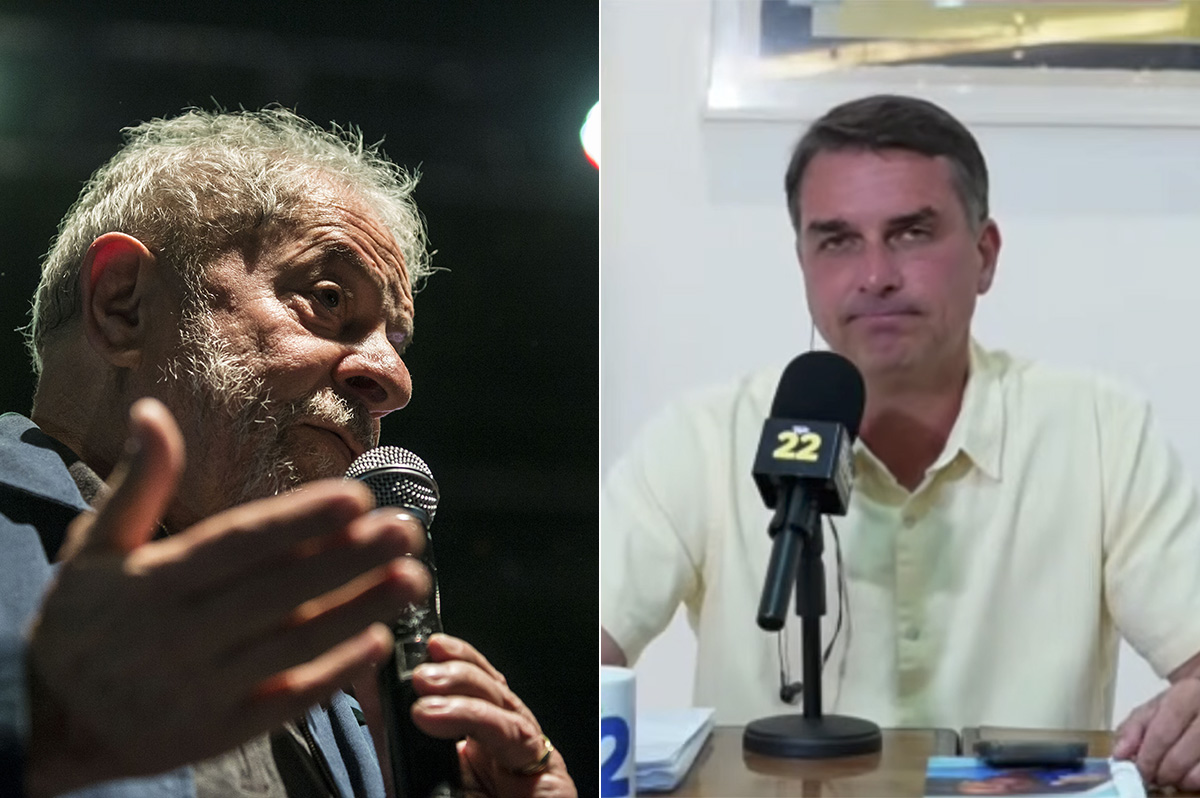
SÃO PAULO — President Luiz Inácio Lula da Silva will face off against Sen. Flávio Bolsonaro in the second round of Brazil’s presidential election on Oct. 25 after neither man received more than 50 percent of the vote in the first round that took place on Sunday.
Bolsonaro was ahead of Lula by a 47.03-45.16 percent margin with 100 percent of the vote counted.
Lula in 2022 defeated Bolsonaro’s father, then-President Jair Bolsonaro, in that year’s presidential election.
The Brazilian Supreme Court last year sentenced Bolsonaro — who repeatedly targeted LGBTQ+ Brazilians and other groups while in office — to more than 27 years in prison for his role in an attempted coup that saw thousands of his supporters storm the Congress, presidential palace, and the Supreme Court itself on Jan. 8, 2023. Bolsonaro is currently serving his sentence at his home in Brasília, the country’s capital, because of his poor health. His son has pledged to pardon him if he becomes the country’s next president.
Lula, who leads Brazil’s leftist Workers’ Party, was Brazil’s president from 2003-2010.
Sergio Moro, a judge who Jair Bolsonaro later tapped as his government’s Justice and Public Security Minister, in 2017 sentenced Lula to 9 1/2 years in prison after his conviction on money laundering and corruption charges that stemmed from Operation Car Wash.
The Supreme Court in November 2019 ordered Lula’s release.
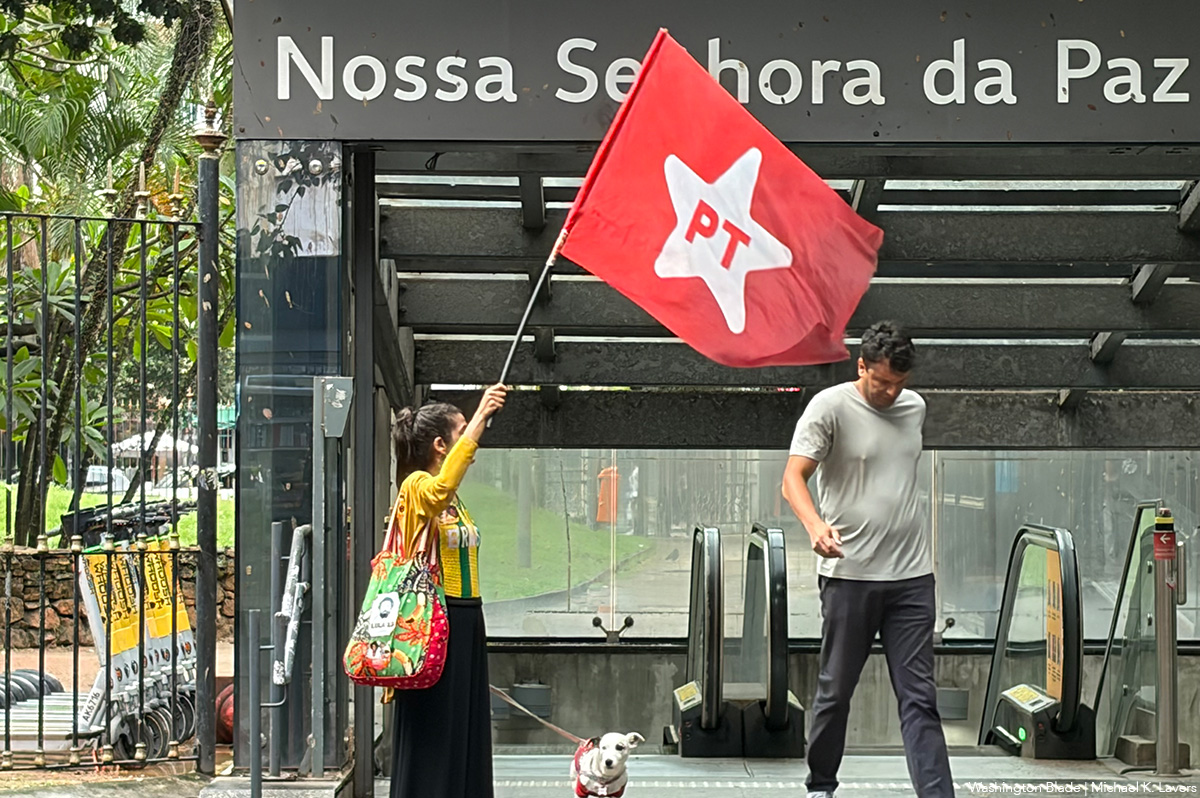
VoteLGBT, an organization that seeks to increase LGBTQ+ representation in Brazilian politics, noted 529 openly LGBTQ+ candidates ran in this year’s election. More than 100 of them are either transgender or travesti.
The Los Angeles Blade will cover the results of these races when they become available.
National
988 restores crisis services for LGBTQ+ youth
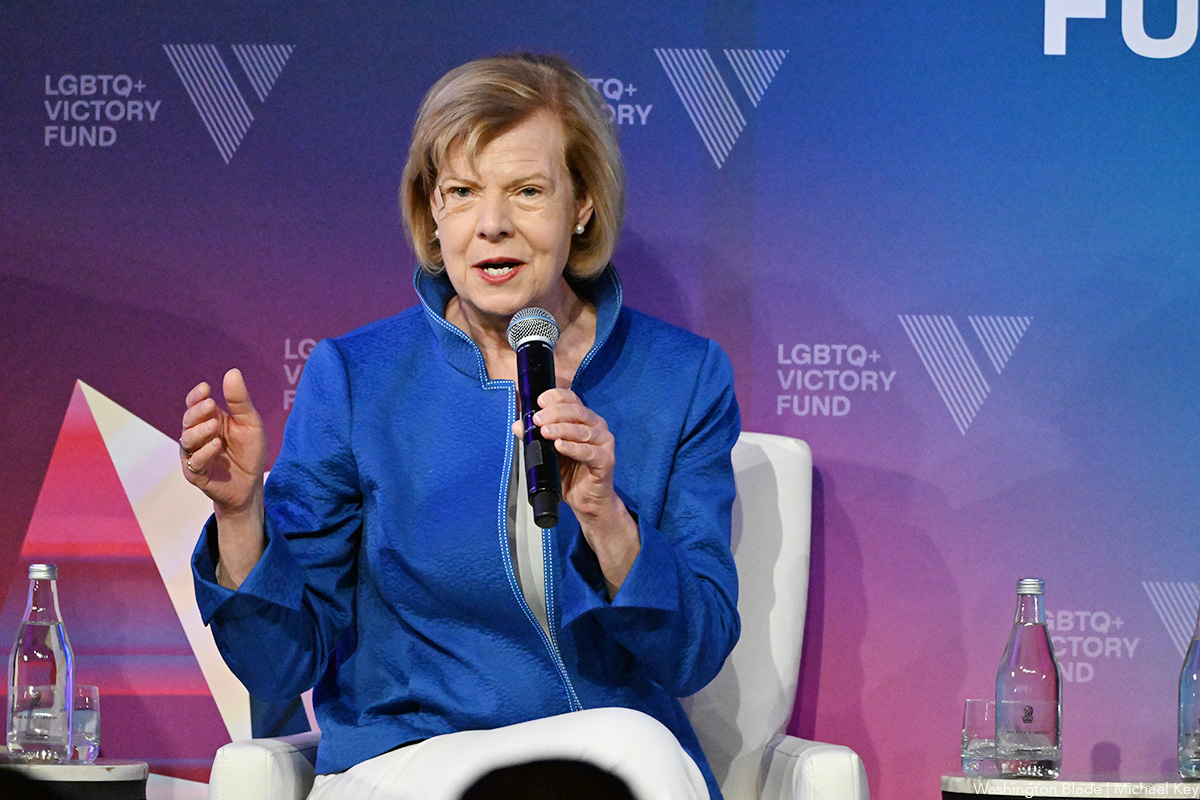
The lifesaving 988 call-in number to help people experiencing mental health crises or suicidal thoughts has once again restored its specialized services for LGBTQ+ youth.
The lifeline, which used to have the option to “press 3” to be directly sent to specialized services for LGBTQ+ youth facing mental health crises or suicidal thoughts, was returned on Wednesday following an over-year-long battle with the Trump-Vance administration, which removed the service in May 2025.
The Press 3 option rolled out as a pilot program in 2022 through a government contract with the Trevor Project, a suicide prevention and crisis intervention organization for LGBTQ+ people.
Then, in June 2025, the federal government announced that the lifeline would be eliminated within a month. By July 2025, 988 Lifeline’s “Press 3” services were terminated.
Openly gay U.S. Sen. Tammy Baldwin (D-Wis.) helped lead Congress in reversing the removal of the lifesaving resource from American phones. As a member of the Senatw Labor-HHS Appropriations Subcommittee, she started the process of securing $535 million for 988 — a $15 million increase — as well as dedicated funding for LGBTQ+ youth specialized services.
Then, in September 2025, Baldwin, along with U.S. Sen. Lisa Murkowski (R-Alaska), introduced bipartisan legislation in the Senate, the 988 LGBTQ+ Youth Access Act, to codify the 988 Lifeline’s specialized services for LGBTQ+ young people.
At the same time, U.S. Rep Raja Krishnamoorthi (D-Ill.) introduced the legislation in the House of Representatives alongside U.S. Reps. Michael Lawler (R-N.Y.) Sharice Davids (D-Kan.) Brian Fitzpatrick (R-Pa.) and Seth Moulton (D-Mass.)
The Senate passed Baldwin’s bipartisan funding bill in January 2026, funding the Department of Health and Human Services with explicit language mandating the return of 988’s LGBTQ+ youth specialized services.
In February 2026, Congress passed legislation mandating that the previously eliminated “Press 3” specialized services be restored and funded with $33,100,000 — but it was unclear if the Press 3 option would still be allowed under current executive orders, namely Executive Order 14168, or “Defending Women From Gender Ideology Extremism and Restoring Biological Truth to the Federal Government.”
Despite the securing of federal funding for the Press 3 resource, the battle to get the 988 LGBTQ+ Youth Access Act through Congress is ongoing — and would provide codafied protection from this removal ever happening again.
According to data on the Trevor Project’s website, LGBTQ+ young people are more than four times as likely to attempt suicide than their peers.
Baldwin’s office touts the immense help the lifeline provides to LGBTQ+ people in their moments of greatest need. The press release on the reinstatement of Press 3 highlighted the continued demand for the service:
“The volume of calls, texts, and chats 15 percent higher than a year earlier and nearly 50 percent higher than two years ago. Since the lifeline launched, it has received over 27 million contacts, including over 18 million calls, 4 million texts, and 3 million chats.”
Advocates for LGBTQ+ rights and mental health awareness have agreed with the increasing numbers and hailed the return as a win for everyone.
“Suicide and mental health struggles touch every community across our state, and that’s why creating the 988 crisis lifeline to make sure help is there for everyone is one of my proudest accomplishments,” said Baldwin said in a statement. “But, last year, the Trump administration decided to make these real struggles a political football and ripped away the specialized line that helped LGBTQ children. This was a deliberate choice. The Trump administration chose to put children’s lives on the line to score some political points.”
“I’ve fought tooth and nail to restore this lifesaving resource. When I realized the Trump administration was not going to do it on their own, I wrote it into federal law to require them to restore the Press 3 option,” the Wisconsin senator said. “This lifesaving resource never should have gone away in the first place, but I am glad the lifesaving support Press 3 provides is once again there for people who need it.”
“I’m proud that we secured the funding to restore this lifesaving LGBTQ+ crisis line and successfully pressured the Trump administration to bring the program back,” Krishnamoorthi said. “When an LGBTQ+ young person reaches out for help in a moment of crisis, they deserve to reach a counselor trained to understand and support them. This program should never have been taken away, and now we need to make sure it stays available for every young person who needs it. I’m grateful to the Trevor Project, NAMI Chicago, Equality Illinois, the American Foundation for Suicide Prevention, and all the advocates and young people who worked alongside us to bring these services back.”
Jaymes Black, CEO of The Trevor Project who works with the SAMHSA, in their press three operations celebrated the return of the resource.
“We are grateful to see that the 988 Suicide & Crisis Lifeline’s ‘Press 3’ specialized services for LGBTQ+ youth have been restored. Resuming this national resource will be critical in addressing the public health crisis of suicide among LGBTQ+ young people, and supporting the estimated more than 1.8 million LGBTQ+ youth who seriously consider attempting suicide in the U.S. each year,” Black said via a statement. “We are thankful for the large coalition of bipartisan lawmakers, mental health advocates, allies, and supporters who fought tirelessly for this restoration. We will monitor the launch and usage of these important services to ensure all LGBTQ+ youth are supported with clinically best standards.”
If you or someone you know needs mental health resources and support, please call, text, or chat with the 988 Suicide & Crisis Lifeline or visit 988lifeline.org for 24/7 access to free and confidential services. Trans Lifeline, designed for transgender or gender-nonconforming people, can be reached at (877) 565-8860. The lifeline also provides resources to help with other crises, such as domestic violence situations. The Trevor Project Lifeline, for LGBTQ+ youth (ages 24 and younger), can be reached at (866) 488-7386. Users can also access chat services at TheTrevorProject.org/Help or text START to 678678.
U.S. Federal Courts
Renee Good’s family files two federal lawsuits
ICE officer killed lesbian mother of three in Minneapolis in January
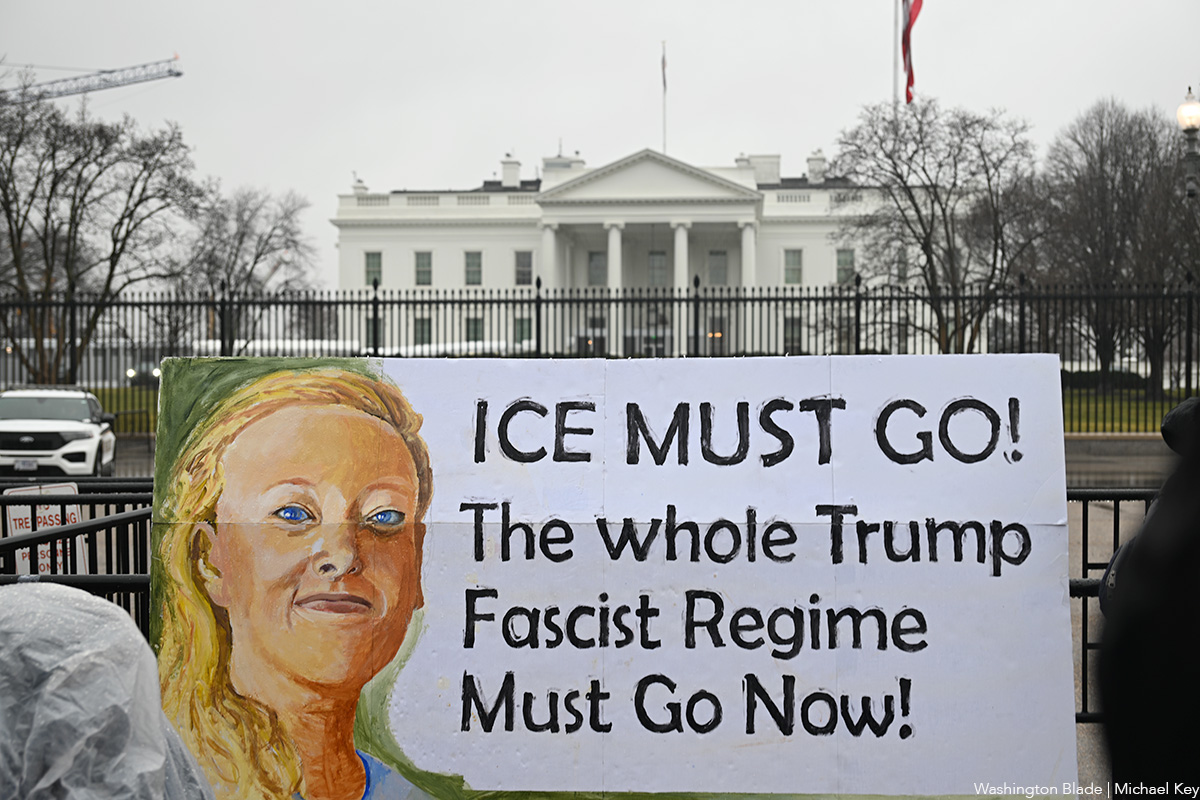
The family of lesbian woman who a U.S. Immigration and Customs Enforcement killed in Minneapolis in January have filed two federal lawsuits.
The Associated Press notes Renee Good’s partner, Becca Good, and her brother, Brent Ganger, in the lawsuits accuse the Trump-Vance administration and ICE officer Jonathan Ross of “unjustified and excessive use of force.”
Renee Good was a 37-year-old mother of three.
Ross on Jan. 7 shot and killed her in Minneapolis.
The shooting took place during the Trump-Vance administration’s so-called Operation Metro Surge that targeted Somalis and other immigrant groups in Minneapolis. U.S. Customs and Border Protection agents on Jan. 24 shot and killed Alex Pretti, a 37-year-old nurse who worked for the U.S. Department of Veterans Affairs, in Minneapolis.
Both shooting sparked outrage across the U.S. and around the world.
“Every morning, she is my first thought. I think about how the kids are growing up without their mama, and how I will grow old without the love of my life. I think about how we should have had 40 more years together. But I also think about what she would have wanted after all of this,” said Becca Good in a statement the Human Rights Campaign released after she and her partner’s family announced the lawsuits.
“As we have tried to navigate our own massive loss, I am also devastated by how many other lives have been destroyed in this darkest of times. So many other families are dealing with the loss of their loved ones; to everyone who has had to witness it — the pain of this moment extends far beyond our family,” added Becca Good. “What happened to us should never happen to any family. No child should grow up without a parent because of it. No one should lose their sister or their daughter. No one should have to live without their soulmate. Accountability — real accountability — is the only way to make sure that no other family has to go through what we have.”
HRC President Kelley Robinson in her own statement said the Good family “is one of our own — and today, the Human Rights Campaign joins them in demanding justice.”
“It has been eight months and 24 days since Renee was shot and killed by an ICE agent, and the United States government has failed to take responsibility for its actions,” said Robinson. “Her partner, Becca, and brother Brent, have made the brave and bold decision to hold the government accountable, and we stand with them. Like every person murdered by ICE, Renee should be alive today. The Goods were robbed of what every American family deserves: to be together.”
Turkey
House Democrats urge White House to confront Turkish government over anti-LGBTQ+ crackdown
More than 60 lawmakers signed letter to Secretary of State Marco Rubio

More than 60 House Democrats on Thursday called upon the Trump-Vance administration to confront the Turkish government over its anti-LGBTQ+ crackdown.
Turkish authorities last month detained dozens of people during raids that targeted the country’s LGBTQ+ community, advocacy groups, and HIV/AIDS service organizations. Journalists were among those taken into custody outside an Istanbul courthouse on Sept. 15 during a protest against the raids that are part of the government’s “My Family Is Safe” campaign.
Council for Global Equality is among the groups that organized a protest outside the Turkish Embassy in D.C. on Sept. 18.
View on Threads
U.N. High Commissioner for Human Rights Volker Türk on Sept. 21 during a U.N. LGBTI Core Group event that took place on the sidelines of the U.N. General Assembly specifically referenced Turkey.
The Core Group is a group of U.N. member states that have pledged to support LGBTQ+ and intersex rights.
The U.S. withdrew from the Core Group after the Trump-Vance administration took office. The White House has not publicly commented on Turkey’s anti-LGBTQ+ crackdown.
“These developments warrant an urgent diplomatic response from the United States to protect the rights of freedom of expression, association, and assembly for all Turkish citizens, regardless of their sexual orientation or gender identity,” reads the letter the lawmakers sent to Secretary of State Marco Rubio. “We therefore urge you to use all available channels to raise these concerns directly with the Turkish government; press for the immediate release of those arrested and detained for their legitimate human rights activities; and ensure that the U.S. Embassy in Ankara closely monitors related judicial proceedings.”
“We further urge the Department to press Turkish authorities to cease efforts to criminalize LGBTQI+ organizations and advocacy and to affirm the right of all people to peacefully assemble,” it adds.
Arizona Congresswoman Yassamin Ansari and U.S. Rep. Dina Titus (D-Nev.) spearheaded the letter. House Speaker Emerita Nancy Pelosi (D-Calif.); House Foreign Affairs Ranking Member Gregory Meeks (D-N.Y.); Del. Eleanor Holmes Norton (D-D.C.); Delaware Congresswoman Sarah McBride, and U.S. Rep. Mark Takano (D-Calif.), who chairs the Congressional Equality Caucus, are among the 65 House Democrats who signed the letter.
“The United States must be a leader in defending human rights and what is happening in Turkey demands an urgent diplomatic response. It’s absolutely appalling to see LGBTQI+ people and the organizations that stand up for their rights be targeted by the (President Recep Tayyip) Erdogan regime,” said Ansari in a press release. “I stand proudly with the LGBTQI+ community here and abroad and will continue to fight for their right to live openly, freely, and without fear, anywhere and everywhere.”
The press release notes the Human Rights Campaign, the Council for Global Equality, and the Planned Parenthood Federation of America support the letter.
“Turkey’s attacks on its LGBTQI+ community are a disturbing reminder that the fight for equality and human rights does not stop at our borders. No one should be silenced or detained for simply being who they are or peacefully demanding dignity and freedom,” said HRC Government Affairs Senior Director Jennifer Pike Bailey. “We are grateful to Representatives Ansari and Titus for recognizing that the fight for LGBTQI+ equality is global and that, even amid the many challenges facing our community here at home, we cannot turn our backs on LGBTQI+ people facing persecution abroad.”
A State Department spokesperson on Friday told the Washington Blade that “as a matter of policy, we do not comment on congressional correspondence.”
West Hollywood
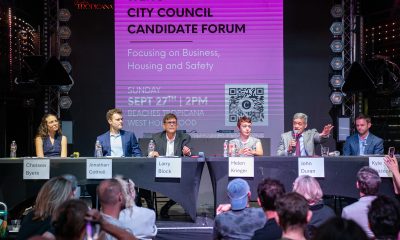
We asked WeHo City Council candidates your most pressing questions
See what City Council candidates have to say about the most important issues this election cycle
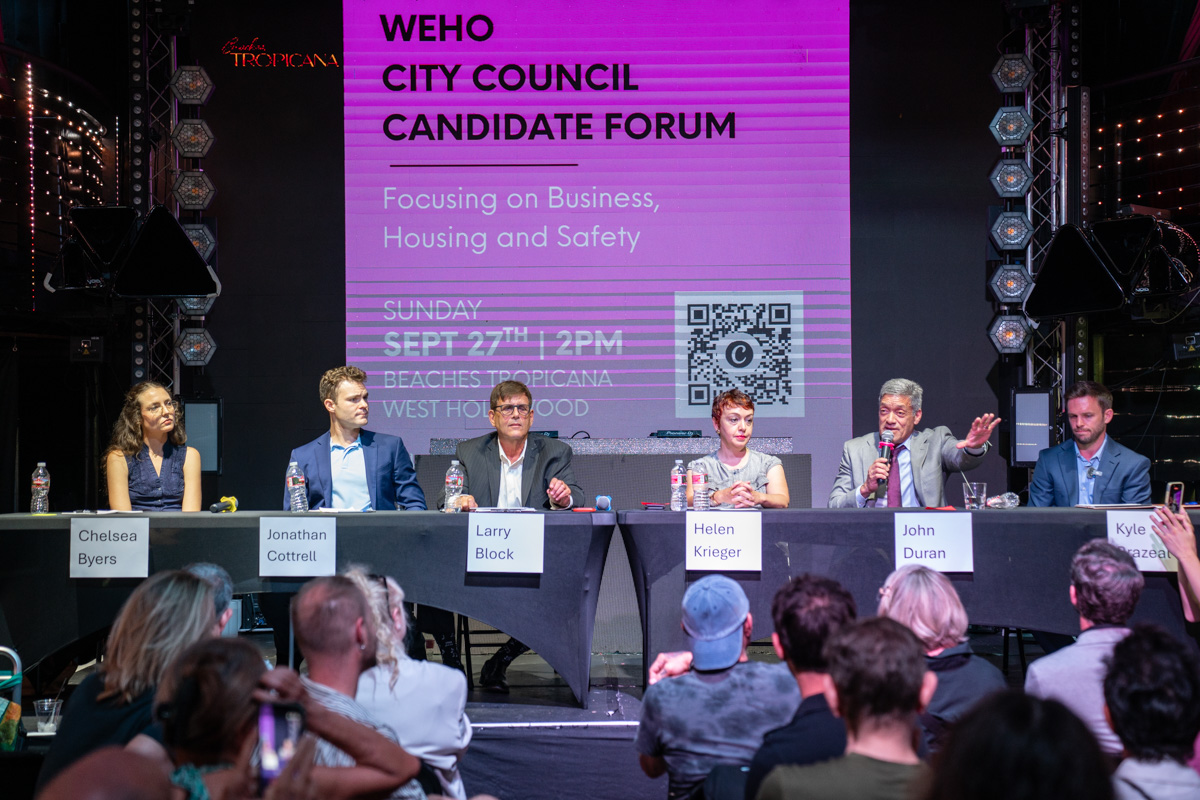
West Hollywood voters will soon be heading to the polls to elect 3 of its 5 city council members. A whopping 14 candidates are running for the open seats, and the elected 3 will go on to address issues like housing development, Flock camera contracts, and managing the city’s high cost of living. With so many candidates, keeping track of everyone’s views on policy is no easy task. So, the Los Angeles Blade sent a questionnaire to every candidate running for city council that addressed the most important issues of this election cycle.
Out of the 14 candidates, 12 responded to our questionnaire in time for publication. Tom Demille and Tatyana “Tanya” Tsikanovsky did not respond in time for publication.
Candidate profiles are listed in the order the candidates will appear on the ballot.
Candidate Profiles:
Helen Krieger
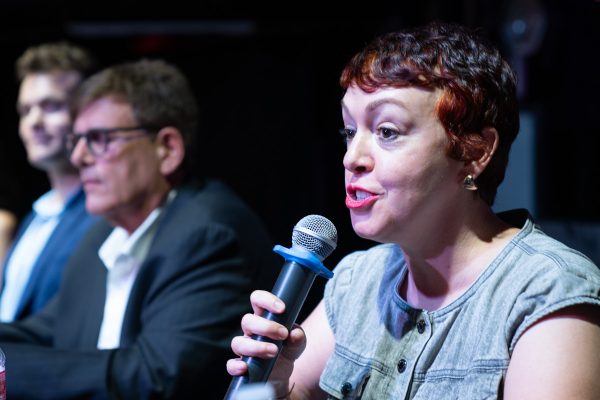
Has lived in West Hollywood for 10 years.
Occupation: Screenwriter and housing advocate
Endorsements: LA County Democratic Party, Equality CA, Stonewall Democratic Club, Firefighters Local 1014, LA Federation of Labor, Streets for All, California Working Families Party, Lindsey P. Horvath, Abbe Land, John Erickson and more
Other candidates Helen will vote for: Chelsea Byers
Policy
Do you support renewing West Hollywood’s contract with Flock Safety? No.
“We need to end the contract and physically take down the cameras. They’re a huge invasion of privacy.”
Do you support a bike lane or sidewalk extension on Fountain Avenue? Yes.
“I support widening the sidewalks to make them ADA accessible, and I support building a bike lane as part of that project to finally connect the Eastside to our micromobility infrastructure.”
Do you support creating a TODAP (Transit Oriented Development Alternative Plan) for West Hollywood? Maybe.
“I’m supportive of creating our own plan as long as it practically allows for at least as much housing as SB-79, and I would want SB-79 to remain in place until that TODAP is agreed upon, voted on, and approved by SCAG.”
Do you support renewing West Hollywood’s contract with Allied Universal to continue running the security ambassador program? No.
“Allied Universal is an ongoing vendor for ICE, and WeHo has a policy of not working with ICE vendors. But I like the ambassador program in general.”
Do you support a vacancy tax on empty storefront properties? No.
“In most commercial leases the tenant has to pay the taxes, so this would just make rent more unaffordable for small businesses. I do understand where the desire for a vacancy tax comes from – we want all our storefronts to be busy and activated – but this is the wrong answer.”
Do you support adding more digital billboards to Sunset Boulevard? Yes.
“I’m in favor of converting some existing static billboards on Sunset to digital billboards in a thoughtful way. And I would support adding more digital billboards, while being careful of oversaturation. These pay for many city services, and they also can pay for pedestrian improvements that we need on Sunset.”
Why are you running for City Council?
“I’m running because I love West Hollywood – I love how walkable it is, I love our parks, I love how gay it is. But the cost of living has continued to go up, and now, with average asking rents over $4000 for a one-bedroom and $6000 for a two-bedroom, we’re in danger of losing what makes us special. I’m running to create more housing, including affordable housing, safer streets, and thriving local businesses.”
What are your policy priorities?
“Housing is my biggest priority. West Hollywood (like much of the country) hasn’t been building enough housing, so demand has built up. In the 40 years since we became a city, we’ve built 70 percent fewer homes than the 40 years before we were a city, even as the population of the US has gone up 50 percent. We need to once again be the city that’s not afraid to build housing while also protecting existing tenants and strengthening tenants’ rights. Safe streets — WeHo has inherited a lot of bad street designs from the 60s when we were unincorporated LA County. I want to focus on designing complete streets with multimodal transportation options and ADA accessible sidewalks. Thriving local businesses — our businesses are part of what makes us so unique, so I want to unleash our creative entrepreneurship by streamlining the permitting process. One easy way we can do this – make it easier to film in WeHo. We’re currently the hardest city in all of LA County for film and TV production, which means we’re missing out on the tens of millions of dollars and hundreds of union jobs.”
How will you address the high cost of living in West Hollywood?
“I believe the main reason for the high cost of living in West Hollywood is housing. This is most people’s biggest cost, and about 20 percent of renters pay half their income just on rent alone. By building more housing, we can ease this burden on people’s wallets. We need to build more housing of all types – market-rate housing with affordable or rent-stabilized set-asides, 100 percent affordable housing, and also “missing middle” housing for people who make too much to qualify for affordable housing, but not enough to afford market rates.”
Kody Christiansen
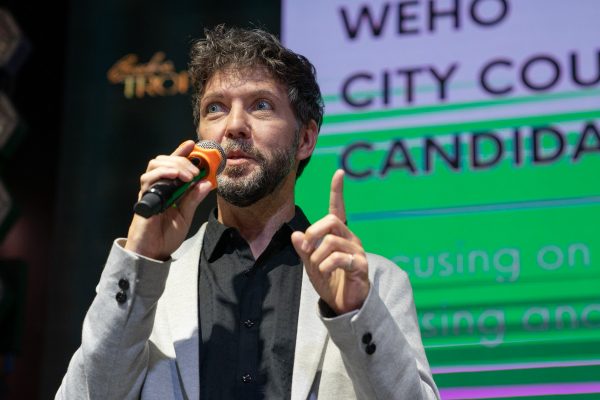
Has lived in West Hollywood for 21 years.
Occupation: Sales associate at an LGBTQIA+ owned small business, author, and actor
Endorsements: The Bayou, Greenwich Pizzeria, Karina’s Cleaners, Mail Service Center, Joshua Baum, and Cosmo: the Queen of Melrose
Other candidates Kody will vote for: Declined to answer
Policy
Do you support renewing West Hollywood’s contract with Flock Safety? Maybe.
“I would consider a pause until we have clear reports on how our own sheriff’s deputies have used the system, and would consider renewal only with strict, ongoing oversight, verifiable privacy protections, and immediate reporting of outside access requests. If safeguards fail, the agreement is violated even once, or our data is used to support federal immigration enforcement, I would support ending the contract immediately.”
Do you support a bike lane or sidewalk extension on Fountain Avenue? Yes, sidewalks.
“I support wider, ADA-compliant sidewalks and immediate safety improvements on Fountain, including better lighting, safer crossings, and traffic calming, but I oppose the current bike lane plan that removes parking and traffic lanes. Accessibility should come first, and we need to think bigger than ‘this plan or nothing,’ including bike lanes on corridors like Santa Monica Boulevard that connect people to the places they want to go.”
Do you support creating a TODAP (Transit Oriented Development Alternative Plan) for West Hollywood? Yes.
“Yes, I strongly support a TODAP that allows us to plan for housing while protecting existing renters and historic neighborhoods and directing growth toward appropriate commercial corridors. I call my approach SIMBY BWAP: ‘Sure In My Backyard, But With A Plan.’”
Do you support renewing West Hollywood’s contract with Allied Universal to continue running the security ambassador program? Maybe.
“Before supporting renewal, I would review other providers and compare their training, capabilities, cost, and results. Residents deserve a program equipped to provide meaningful assistance beyond simply making calls, with clear responsibilities and effective coordination with our sheriff’s deputies.”
Do you support a vacancy tax on empty storefront properties? Maybe.
“My first approach would be incentives and direct relationships with building owners to connect vacant spaces with businesses, temporary uses, and community activity. But I would not rule out a carefully targeted vacancy tax for larger property owners who leave storefronts empty for years while our neighborhoods bear the consequences.”
Do you support adding more digital billboards to Sunset Boulevard? No.
“The Sunset Strip has a character worth protecting, and adding more digital billboards is not the direction I want for our city.”
Why are you running for City Council?
“West Hollywood gave me the freedom to find myself when I moved here in 2005. I’m running because I want that same promise of belonging to remain possible for others. My journey has taken me from experiencing homelessness on the Sunset Strip to earning degrees from NYU, Harvard, and Cambridge, and now studying public administration at USC (which I consider job training for the seat I intend to take on our next council). As an East Side renter, small business employee, and someone who has both needed help and helped others, I bring lived experience and policy training to decisions that affect real lives. I want residents to feel heard at City Hall, and I’ll back that up with weekly office hours, independent judgment, and a commitment to serving the full four years.”
What are your policy priorities?
“My priorities are housing people can afford, practical solutions to homelessness, safe and accessible streets, thriving small businesses, and a City Hall that listens. Having experienced homelessness and later worked at the Harvard Square Homeless Shelter as a student volunteer, I am uniquely qualified to help connect people with housing and the mental health care, recovery support, identification, and ongoing services they need. My proposals include a locally designed housing plan, a legacy business program, a West Hollywood animal shelter, and a community ideas fund that gives neighborhoods a direct say in public spending. I also support responsible sheriff staffing, accessible sidewalks, and accountability for every public dollar, because compassion and a safe, well-run city belong together.”
How will you address the high cost of living in West Hollywood?
“I live in a rent-stabilized apartment and work in a small business, so affordability is personal to me. [If elected,] I would defend rent-stabilized housing and tenant protections while supporting more affordable housing along appropriate commercial corridors through a thoughtful, locally designed plan. Through my proposed legacy business program and efforts to bring vacant storefronts back to life, I would help strengthen neighborhood businesses that provide jobs and everyday services. We need to support workers and small businesses together, with decisions grounded in current information and an honest understanding of what it costs to live and work here.”
Jonathan Cottrell
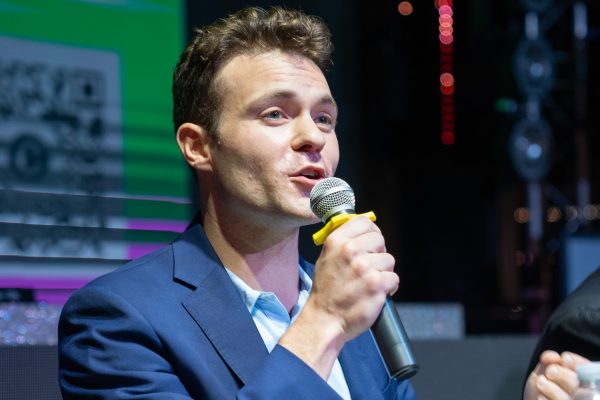
Has lived in West Hollywood for 7 years.
Occupation: Owner of GYM Bar WeHo, software engineer at ESPN
Endorsements: Los Angeles County Democratic Party, John Heilman, Danny Hang, Ben Allen, Rick Chavez Zbur, Nikki Perez, Freddy Puza, Jeff Prang, Teamsters Joint Council 42, Laborers Local 300, and more
Other candidates Jonathan will vote for: Declined to answer
Policy
Do you support renewing West Hollywood’s contract with Flock Safety? No.
“No.”
Do you support a bike lane or sidewalk extension on Fountain Avenue? Yes.
“Phase 1 is already approved. My commitment for Phase 2 is to follow the Plummer Park revisioning model where we brought meaningful community input to the table and made sure the process is transparent, with a competitive bid process, and brings the best minds towards solving the issues our community is facing.”
Do you support creating a TODAP (Transit Oriented Development Alternative Plan) for West Hollywood? Yes.
“The housing is coming either way under state law, and I’d rather West Hollywood target building where the infrastructure can already support it on day one. As an engineer by trade, I believe smart planning is how we get to more housing that meets the need faster. This is not about slowing it down, but coordinating and planning the rollout.”
Do you support renewing West Hollywood’s contract with Allied Universal to continue running the security ambassador program? Yes.
“I would support renewing it. However, I would like to see more training and more coordination among the different safety and human services agencies that we have. We need to make sure the community is not confused about who to call, and that service and response times are unaffected. We must increase our investment in our sheriff’s station as well.”
Do you support a vacancy tax on empty storefront properties? No.
“Vacant storefronts are a common issue I’m hearing from community members. However, I caution us to make sure we understand the root causes before enacting any sort of penalty. For example: we are seeing commercial property rates fall in many areas, and certain property owners giving 2 years free to tenants. I believe a vacancy tax would not solve the issue we are facing with commercial storefronts. We need to tackle the actual problems that are making it tough to do business in West Hollywood. ”
Do you support adding more digital billboards to Sunset Boulevard? Maybe.
“When contemplating any expansion to our digital billboards program, we must absolutely do the homework of getting community input and impact studies, particularly for those impacted directly by the billboards. Without specific details of plans and impact studies, I do not feel it would be responsible to comment.”
Why are you running for City Council?
“When I first came to West Hollywood, I was 24 years old, and I instantly felt that I was home. I found love here, built a life here, and now my husband Erik and I are raising our newborn son, Matheo, in the city we love (although he unfortunately can’t vote for his dad yet). I own and operate GYM Bar, a sports bar and community gathering spot where people walk in alone and find their community, which is exactly what this city did for me. With two pioneers retiring from the City Council, our city is at a major inflection point, and I’m running to preserve what we love about West Hollywood, work on the problems we have, and position our city for the future. I’m a software engineer by trade, so I love big ideas, and I take big swings at finding solutions, and I believe we should be bold about where we’re going while being thoughtful and strategic about how we get there.”
What are your policy priorities?
“Community safety: we should measure safety by whether residents actually feel it, which means trained personnel where they’re needed most, permanent night shifts, making the entertainment policing team permanent, and real coordination between deputies, security ambassadors, businesses, and residents. Housing and affordability: strengthen rent stabilization and tenant protections, expand quality affordable housing where the infrastructure can support it, and distinguish neighborhood property owners from the corporations and outside speculators pushing longtime residents out. Economic opportunity: City Hall should treat entrepreneurs and local businesses as partners, not case numbers, with streamlined permits, a one-stop business concierge, and amazing public service. Public office is a public trust: present a budget residents can understand, and measure the results of public programs, not simply how much money was spent.”
How will you address the high cost of living in West Hollywood?
“We have to address the cost of living from multiple directions: rent, groceries, transportation, and basic services. I support stronger rent stabilization via lowering rent increase caps, protections for seniors and disabled tenants, building public and community-owned housing, and using every available tool to create more permanently affordable homes. We should also support small businesses and local workers, reduce transportation costs by investing in walking, biking, and transit, and use the City’s purchasing power and policy tools to help make everyday necessities more affordable, like a publicly subsidized grocery store. The goal should be an affordable West Hollywood where people who work here can actually afford to live here.”
Stephen Post
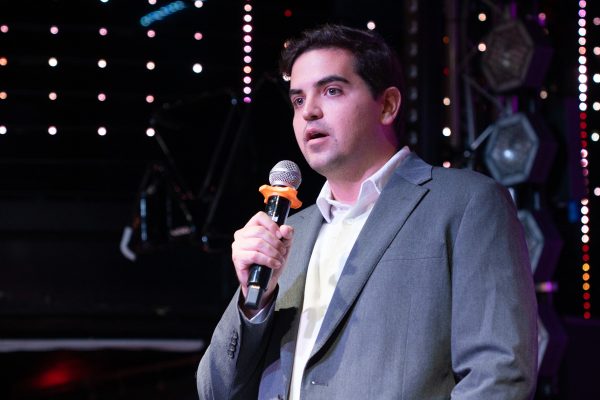
Has lived in West Hollywood for 5 years.
Occupation: Nonprofit leader and business improvement district manager
Endorsements: Stonewall Democratic Club, Democratic Socialists of America-Los Angeles, Los Angeles County Young Democrats, Sunrise Movement LA, Streets for All, Bubba Fish, Kenneth Mejia, Eunisses Hernandez, UNITE HERE! Local 11, Los Angeles County Public Defenders Union Local 148, and more
Other candidates Stephen will vote for: Chelsea Byers, Helen Krieger
Policy
Do you support renewing West Hollywood’s contract with Flock Safety? No.
“I would end the Flock contract as soon as legally and practically possible and would not allow the current pilot to be renewed for any surveillance technology including the drone and real time watch cameras. Public safety should be proactive and care-first, not built around a digital, reactive surveillance system that can disproportionately impact immigrants, LGBTQ+ people, and other vulnerable communities.”
Do you support a bike lane or sidewalk extension on Fountain Avenue? Yes.
“I support completing the Fountain Avenue safety improvements, including protected space for cyclists and wider, ADA-accessible sidewalks, while making sure the project is designed around the needs of residents and the surrounding community. Streets For All specifically endorsed my campaign in part because of my support for safe, multimodal improvements on Fountain and my experience managing community engagement similar public street safety projects.”
Do you support creating a TODAP (Transit Oriented Development Alternative Plan) for West Hollywood? No.
“I do not support creating a TODAP that would allow transit-oriented development to become a backdoor for slowing housing production, weakening West Hollywood’s tenant protections, or subverting local planning priorities already laid out through our Zoning Improvement Program (ZIP). We should build more housing, especially affordable and public housing, while using state housing tools strategically and preserving strong renters’ rights.”
Do you support renewing West Hollywood’s contract with Allied Universal to continue running the security ambassador program? No.
“Similar to Flock, I would want to end the contract sooner rather than renew it, particularly given Allied Universal’s ownership of G4S and ongoing contracts with ICE and DHS for services including the electronic monitoring of people in immigration enforcement proceedings. I support the security ambassador program under a different vendor, but West Hollywood should not be financially supporting a security company that profits from immigration enforcement and surveillance.”
Do you support a vacancy tax on empty storefront properties? Yes.
“As a business improvement district manager, I know long-term vacant storefronts hurt our commercial corridors and can make neighborhoods feel less safe and less vibrant. I support exploring a vacancy tax or similar policy that creates an incentive for property owners to put empty commercial spaces back into productive use, rather than use them as tax write-offs.”
Do you support adding more digital billboards to Sunset Boulevard? Yes.
“There is already a vibrant streetscape that the billboards have created. These projects would be evaluated on a case-by-case basis, and I would approve projects where there is a clear public benefit to West Hollywood. Any proposal should preserve the character and safety of Sunset Boulevard and deliver meaningful funding resources.”
Why are you running for City Council?
“I’m a renter, nonprofit advocate, and business improvement district manager who has spent my career bringing people together to advance justice and strengthen communities. As Vice Chair of the Public Safety Commission, and through my prior work helping craft the WeHo 2040 Strategic Plan, I have dedicated myself to listening to local residents to guide the next fifteen years of our city’s future. I’m running because I believe West Hollywood should continue setting the standard for what bold, progressive local government can accomplish. WeHo can’t wait for stronger renter protections, more affordable housing, safer and cleaner streets, and a City Hall that is transparent, accountable, and responsive to residents. Our city was built by LGBTQ+ and tenants’ rights advocates who fought to be heard, refused to remain invisible, and I’m ready to build on that legacy and fight for a West Hollywood where everyone can thrive.”
What are your policy priorities?
“My top priorities center on keeping West Hollywood affordable, establishing a care-first and proactive approach to public safety, and fostering a transparent, accountable local government. I would work toward capping rent increases so renters are closer to spending 30% of their income on housing by 2030, advocate for stronger tenant protections, and to help residents thrive without being overburdened by everyday costs of living. To ensure safety, we must fully fund human services, expand emergency mental health response systems, and focus on homelessness and violence prevention rather than depending on reactive Flock and drone surveillance. Lastly, I will bring deep community engagement and participatory budgeting to City Hall, empowering neighbors to directly influence how municipal resources serve our community. It is time we bring the next generation of leadership to WeHo.”
How will you address the high cost of living in West Hollywood?
“West Hollywood cannot remain a place where people who work here are unable to afford living here. I would strengthen tenant protections and expand affordable and community-owned housing to prevent displacement. We also need to address the other costs that make it harder to live here by supporting local workers and small businesses, expanding transit and safer alternatives to driving, and investing in human services that address the root causes of safety and housing instability. I would also pursue new affordable housing funding and partnerships with nonprofit housing providers while making sure new development prioritizes affordability rather than simply increasing property values. Ultimately, making WeHo more affordable means building a city where renters, working people, seniors, immigrants, and LGBTQ+ residents can afford not just to visit or work here, but to stay.”
Joel Zaldivar
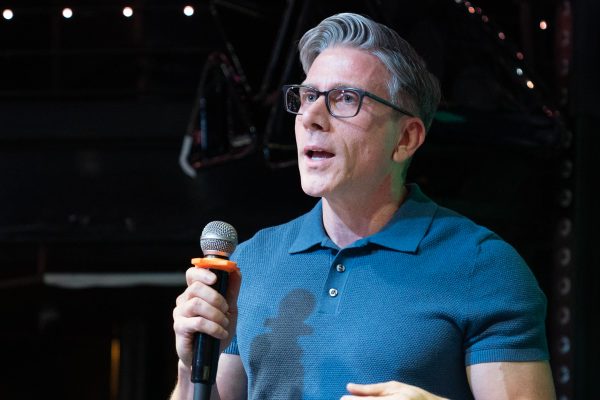
Has lived in West Hollywood for 11 years.
Occupation: Owner of OPVS
Endorsements: Rogerio Carvalheiro (West Hollywood Planning Commissioner)
Other candidates Joel will vote for: Declined to answer
Policy
Do you support renewing West Hollywood’s contract with Flock Safety? No.
“I do not support renewing the contract due to safety and privacy concerns from the community.”
Do you support a bike lane or sidewalk extension on Fountain Avenue? No.
“I do not support the Fountain Ave project as currently proposed.”
Do you support creating a TODAP (Transit Oriented Development Alternative Plan) for West Hollywood? Yes.
“I am 100% in favor of the city taking charge and creating its own TODAP.”
Do you support renewing West Hollywood’s contract with Allied Universal to continue running the security ambassador program? No.
“I do not support renewing West Hollywood’s contract with Allied Universal due to their inconsistent security measures. I would seek a new provider that meets the demands of our city. To be clear, I would only not renew them upon having secured another provider, as we are currently not permitted to increase our Sheriff’s in West Hollywood due to an LA County hiring freeze.”
Do you support a vacancy tax on empty storefront properties? Yes.
“I support a vacancy tax on storefront properties only if it’s tied through the business licensing division. Otherwise, the tax will be passed on from the building owner to the tenant, bypassing its original intent to place added pressure on Landlords to lease their properties below their asking.”
Do you support adding more digital billboards to Sunset Boulevard? Maybe.
“I would only support this measure if a majority of residents within a specificized distance of its placement, agreed to the measure.”
Why are you running for City Council?
“In addition to being a resident, I’m also a father and small business owner here in the city. I am heavily invested in our community and in its long-term success. We need a Council Member who is above bickering and grandstanding and ready to take matters into their hands and get things done, one policy initiative at a time.”
What are your policy priorities?
“I support overhauling the business task force to help small business owners negotiate as well and renew existing leases that don’t financially imperialize their business model and force them to raise prices on WeHo residents. We should revamp our parking department to work for residents instead of finding ways to penalize and tax them. Finally, City Hall, should triple down on safety for our residents, our communities and our city guests. We cannot grow as a city unless people feel safe to put down their roots here.”
How will you address the high cost of living in West Hollywood?
“By tasking our newly overhauled business department to “act as a developer” and intentionally seek out business opportunities that we, as a city, can leverage and entice developers to build affordable housing for our city. We need to be a proactive player in how, when, and where housing is built.”
Kevin Ligon
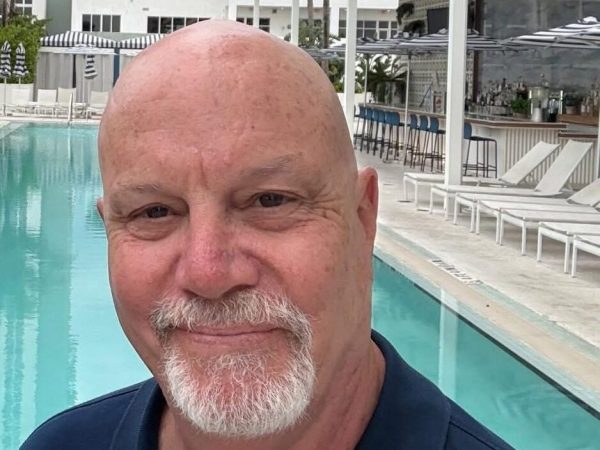
Has lived in West Hollywood for 16 years.
Occupation: Retired civil servant at the Veterans Health Administration
Endorsements: N/A
Other candidates Kevin will vote for: Declined to answer
Policy
Do you support renewing West Hollywood’s contract with Flock Safety? No.
“Currently, I’m not in support of renewing the flock safety contract in its current state. There are too many issues with the system. I believe that West Hollywood citizens and their privacy take priority.”
Do you support a bike lane or sidewalk extension on Fountain Avenue? Yes, sidewalks.
“Fountain Avenue needs wider sidewalks for safety reasons. I believe there are also alternatives to the approved plan that would be safer for all concerned. A review of systems from other cities where safety and traffic have found better solutions is in order.”
Do you support creating a TODAP (Transit Oriented Development Alternative Plan) for West Hollywood? Yes.
“Yes, I would support a TODAP for West Hollywood.”
Do you support renewing West Hollywood’s contract with Allied Universal to continue running the security ambassador program? Maybe.
“The Allied universal contract has only been in place since August 25, 2025. I find that they have been much more attentive to our homeless population and our citizens than the previous contract. I’m not aware of current issues with that contract or their current service.”
Do you support a vacancy tax on empty storefront properties? Maybe.
“I’m not sure that a vacancy tax is going to actually address the problem itself. Storefronts are staying closed much longer because the owners have the financial resources to wait out any drop in rental value. Another possibility might be to remove options where landlords can take tax write-offs for unoccupied properties based on current rental value. We definitely need to have a carrot-and-stick approach to getting new, and particularly small, businesses into our storefronts.”
Do you support adding more digital billboards to Sunset Boulevard? Maybe.
“I live just off Sunset Boulevard, and I was definitely affected when the Pendry Hotel, now the Sun Rose, installed its passive video wall facing east on Sunset. I’m not against digital billboards per se, but I do believe that residents come first.”
Why are you running for City Council?
“I’m running for city Council due to my experiences with a new owner of my particular apartment building not following guidelines set by the city. This caused us to form a tenant association during Covid. Since then, I realize there’s a need for rent stabilization, rent control, consistency, and maintaining protected status for vulnerable renters in West Hollywood.”
What are your policy priorities?
“My priorities are focused on community through renter and landlord communication, be it residential or commercial, supporting small businesses in our community, and ensuring that our town remains one of the finest examples of a walkable culture in California.”
How will you address the high cost of living in West Hollywood?
[The candidate did not respond to this question].
John Duran
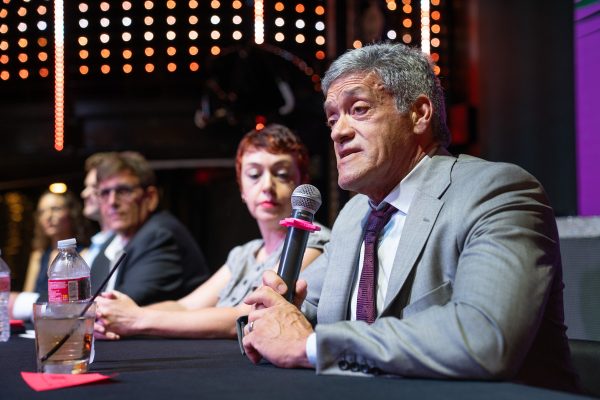
Has lived in West Hollywood for 36 years.
Occupation: Civil rights attorney
Endorsements: Association for Los Angeles Deputy Sheriffs, LA County Firefighters, the West Hollywood Municipal Employees Union, Ben Allen, John Heilman, Lauren Meister, and Steve Martin
Other candidates John will vote for: Declined to answer
Policy
Do you support renewing West Hollywood’s contract with Flock Safety? Yes.
“I would support renewing the city’s contract with Flock provided that privacy and usage safeguards were in place.”
Do you support a bike lane or sidewalk extension on Fountain Avenue? Maybe.
“I do not support the removal of traffic lanes on Fountain Avenue. I do support bike lanes where they make sense in other parts of the city. I do support sidewalk extensions where they are warranted.”
Do you support creating a TODAP (Transit Oriented Development Alternative Plan) for West Hollywood? Yes.
“I do support a TODAP for West Hollywood.”
Do you support renewing West Hollywood’s contract with Allied Universal to continue running the security ambassador program? No.
“I have serious reservations about renewing the security ambassador program. I would more likely support adding additional deputy sheriffs on foot patrol and in the entertainment districts.”
Do you support a vacancy tax on empty storefront properties? No.
“I do not support a vacancy tax on empty storefronts. They do not work as intended when the tax is passed onto commercial tenants in triple net leases.”
Do you support adding more digital billboards to Sunset Boulevard? Maybe.
“I approved the initial Sunset Strip billboard program but do find the current proposals to be excessive.”
Why are you running for City Council?
“I am running for City Council because there needs to be one seasoned voice in the room. I served on the council for 20 years and bring years of experience that will be helpful to the deliberations.”
What are your policy priorities?
“My policy priorities are keeping local control on land use decisions to prevent over-development, public safety and economic development on commercial corridors.”
How will you address the high cost of living in West Hollywood?
“West Hollywood is a very desirable place to be. There are legal limits on what we can do to address the high cost of living within a capitalistic system. We can continue to strengthen our rent stabilization ordinance for tenants in existing rent controlled apartments and approve new developments with inclusionary housing units reserved for low and middle class income households.”
Larry Block
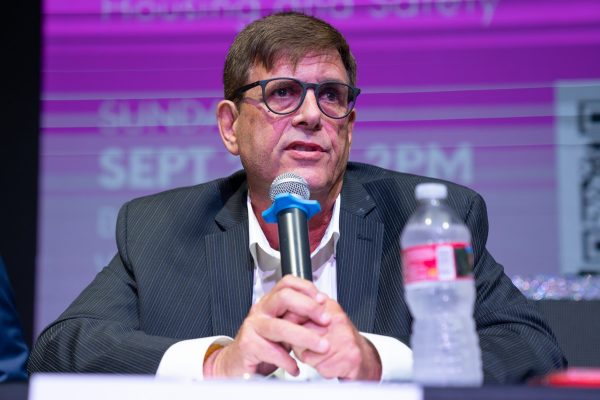
Has lived in West Hollywood for 40 years.
Occupation: Owner of BlockParty WeHo, publisher of WEHOonline
Endorsements: Association for Los Angeles Deputy Sheriffs, Greater Los Angeles Realtor Association
Other candidates Larry will vote for: Declined to answer
Policy
Do you support renewing West Hollywood’s contract with Flock Safety? No.
“I’ve changed my mind on this topic after a loud backlash. Instead we should opt into an Axon or Motorola system that we buy and control the data. I was Pro-Flock, but if a council member is going to listen to the voices of the people, then clearly they have spoken. We can do better. We can never be a beacon of hope for a transgender kid seeking medical treatment from a red state if their information has any chance of being shared. We can own our own data.”
Do you support a bike lane or sidewalk extension on Fountain Avenue? Yes, sidewalks.
“I support safe sidewalks on Fountain. I do not support the false sense of safety of 120 driveways intersecting a bike lane. We can have connectivity if we get on the same page with
our neighboring cities and not have a patchwork of bike lanes that do not connect – be it Fountain, Santa Monica Blvd, or Beverly.”
Do you support creating a TODAP (Transit Oriented Development Alternative Plan) for West Hollywood? Yes.
“100% support a TODAP and cannot be done soon enough. There is so much at stake.”
Do you support renewing West Hollywood’s contract with Allied Universal to continue running the security ambassador program? Yes.
“At this point it’s hard to recruit new Sheriffs and Allied has been an improvement over the previous Block by Block ambassadors.”
Do you support a vacancy tax on empty storefront properties? No.
“Commercial leases are 5, 10, 20 years in duration. Most leases are triple-net, meaning the tenant pays the expenses. A vacancy tax penalizes the other tenants. Residential leases are gross leases, tenant pays and the landlord picks up the expenses. So my question is would any resident want to pay extra because the space next to them was empty? People who want a vacancy tax do not understand a commercial lease.”
Do you support adding more digital billboards to Sunset Boulevard? Yes.
“Of course there will be some new billboards, but on a case by case basis. We need to maximize the benefits of our Sunset arts and billboard program without cannibalizing our precious assets. Sunset needs to remain vibrant and exciting without becoming chaotic and unsafe.”
Why are you running for City Council?
“I’m running for the city council because it’s becoming harder and harder to enjoy the dream of West Hollywood. The community is changing, and I’d like a seat at the table to help us craft policy that keeps the dream alive and restore West Hollywood as a beacon of hope. I’m the oldest guy in the race with a lifetime of experience to share, and I enjoy fixing things, building things and solving people’s problems.”
What are your policy priorities?
“Public Safety is my top priority. Residents need to be able to feel safe to walk their dogs at night. Entrepreneurs need to be able to imagine a new business without a homeless person in front of the for-lease sign. We can’t build a community with the rash of public safety issues we have been facing. Protecting seniors and those with disabilities is another top priority. We have to keep the promise of WeHo.”
How will you address the high cost of living in West Hollywood?
“West Hollywood has the highest rents, the highest cost of labor, and the highest sales tax. The cost of labor and the highest sales tax, which will be 11%, were voted on by the city council. As a councilmember, we can’t lower the rents or the price of gas, but we can run a smart city and offer residents a free parking pass at city garages and other benefits to residency in West Hollywood.”
Kyle Brazeal
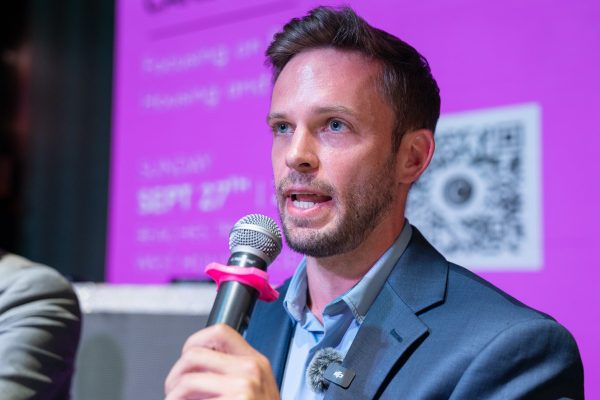
Has lived in West Hollywood for 11 years.
Occupation: Finance
Endorsements: West Hollywood/Beverly Hills Democratic Club, Equality California, HONOR PAC, Association for Los Angeles Deputy Sheriffs, Greater Los Angeles Realtors Association, Democrats for the Protection of Animals, John Heilman, Lauren Meister, and Rick Chavez Zbur
Other candidates Kyle will vote for: Declined to answer
Policy
Do you support renewing West Hollywood’s contract with Flock Safety? Maybe.
“A contract with significant public safety and privacy implications requires meaningful public input and trust. Before moving forward, public town halls with residents, sheriff’s representatives, city staff, and privacy advocates should examine safeguards against misuse and inappropriate data access, storage, and sharing so our approach protects both community safety and privacy.”
Do you support a bike lane or sidewalk extension on Fountain Avenue? Yes, sidewalks.
“The priority on Fountain Avenue should be extending sidewalks to become ADA-compliant and safe for pedestrians. Rather than eliminating hundreds of parking spaces to place a bike lane on a road carrying 35,000 cars a day, I would prioritize an east-west bike path on a calmer, safer street, like Willoughby, to enhance cyclist safety while preserving mobility and parking for our residents.”
Do you support creating a TODAP (Transit Oriented Development Alternative Plan) for West Hollywood? Yes.
“A TODAP protects residents’ ability to shape development, guided by the careful, neighborhood-specific analysis led by our city staff. By law, a TODAP produces the same housing capacity, but it allows our community to shape it in a thoughtful way that strengthens protections for our rent-stabilized housing and considers our unique emergency access needs, commercial activity, transit options, and infrastructure capacity.”
Do you support renewing West Hollywood’s contract with Allied Universal to continue running the security ambassador program? No.
“I would not support renewing the contract in its current form because the program has not demonstrated improvements in public safety and homelessness that justify spending more than $5 million annually. I support a tiered public safety structure that includes unarmed responders, but their value must be measured through meaningful results beyond the volume of calls and contacts.”
Do you support a vacancy tax on empty storefront properties? Yes.
“I support a limited commercial vacancy tax that discourages landlords from holding storefronts empty while protecting small property owners making good-faith efforts to find tenants. Revenue from the tax should help new businesses fund tenant improvements, pairing accountability for prolonged vacancies with practical assistance to help fill empty storefronts and bring those spaces back to life.”
Do you support adding more digital billboards to Sunset Boulevard? Maybe.
“Billboards can generate revenue for city services, but the city allowed an overproliferation of large, animated signs and granted exceptions to standards meant to protect residents. I would oppose new billboards that worsen light intrusion or otherwise erode quality of life in surrounding neighborhoods.”
Why are you running for City Council?
“I believe residents deserve a real voice in shaping the local decisions that impact their daily lives. I saw a Council majority that dismisses resident concerns to prioritize the preferred projects of outside entities with significant political or financial interests in our city. Residents are left living with the consequences while elected officials secure the relationships and donors needed to advance their political careers. While other candidates relied on developers and outside interests to fund their campaigns, I built a campaign funded by and accountable to West Hollywood residents so we can elect City Councilmembers focused on protecting residents from displacement while fighting for the high quality of life they deserve.”
What are your policy priorities?
“My priorities are housing stability, public safety, and a strong local economy, guided by a City Hall that listens before acting and is accountable for results. We should preserve rent-stabilized homes, protect renters against displacement, and create new housing with dedicated affordability through planning shaped by residents and city staff to protect neighborhood livability. Public safety policies should deliver measurable improvements in neighborhood safety, homelessness, and traffic collision prevention. By streamlining bureaucracy and supporting sensible, balanced policies for local businesses, we can create a safe, inviting city where residents can remain in their homes and enjoy the vibrant business corridors that bring West Hollywood to life.”
How will you address the high cost of living in West Hollywood?
“City Hall should help make life more affordable by avoiding unnecessary fees and regulations that increase costs for residents and local businesses. I would revisit local sales taxes and evaluate opportunities to reduce that burden through disciplined spending while protecting essential services. Preserving rent-stabilized homes and enforcing protections against harassment and displacement can help residents maintain predictable housing costs as other expenses rise. We must also maintain a dependable safety net, ensuring people struggling to make ends meet can access food assistance, healthcare, housing support, and services that help them remain in our community.”
Chelsea Byers
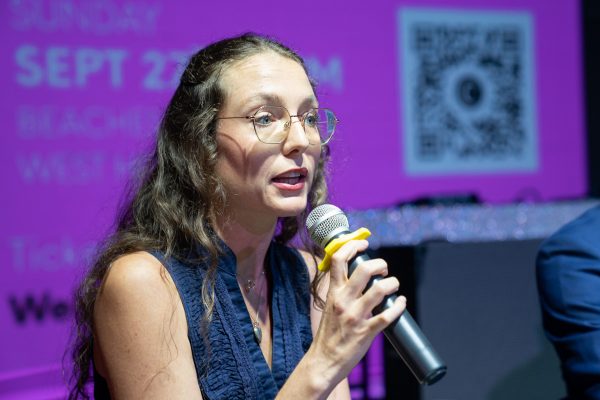
Has lived in West Hollywood for 6 years.
Occupation: Incumbent Councilmember, policy director at housing affordability advocacy organization
Endorsements: Los Angeles County Democratic Party, the California Working Families Party, the Sierra Club, Streets for All, Laura Friedman, Lindsey Horvath, Jeff Prang, LA County Federation of Labor, LA/OC Building and Construction Trades Council, LA County Firefighters Local 1014, and more
Other candidates Chelsea will vote for: Declined to answer
Policy
Do you support renewing West Hollywood’s contract with Flock Safety? No.
“I have been the leading voice on City Council against Flock since the time it was brought to Council as part of a broader surveillance expansion and continue to advocate against the use of this product in our City.”
Do you support a bike lane or sidewalk extension on Fountain Avenue? Yes.
“I ran in 2022 as a supporter of the Fountain Avenue streetscape project, and I continue to support it today. Fountain should be a neighborhood street where people, particularly children, those with disabilities, and the elderly, feel safe walking, biking, and crossing the street, and we should work quickly to improve the safety, expand the sidewalks, and beautify the street.”
Do you support creating a TODAP (Transit Oriented Development Alternative Plan) for West Hollywood? No.
“With the K-Line Northern Extension coming to the City in the years ahead, I support creating more transit-oriented housing, which is made possible under the recently approved state law SB79. We should treat the housing affordability crisis we are facing like the emergency it is and work to build the housing our community needs in the years ahead.”
Do you support renewing West Hollywood’s contract with Allied Universal to continue running the security ambassador program? Maybe.
“I support the security ambassador program and unarmed responders in general. However, upon learning that Allied Universal has ties to DHS and ICE activity, it feels incredibly important that we revisit options and ensure we are investing our public dollars into companies that reflect our values and promote the safety of all residents and visitors.”
Do you support a vacancy tax on empty storefront properties? No.
“A thriving commercial corridor is an essential backbone of our city, and we should be addressing the barriers that can leave commercial spaces vacant, including the ways in which the City itself can create unnecessary obstacles for businesses trying to open and succeed. This would include clearing roadblocks for new businesses trying to open, cutting the time and costs to open businesses, and better coordinating the countywide agencies like electric and fire, who can often slow down opening. ”
Do you support adding more digital billboards to Sunset Boulevard? Yes.
“Sunset’s digital billboard program was established to generate much-needed revenue to fund the City’s basic services and deliver the supportive care our community relies on — everything from sidewalk maintenance to our social service programs for renters and adults aging in place — the investments in our City’s future depend on ensuring this program’s success.”
Why are you running for City Council?
“My commitment to the work of improving our City and advancing care in our communities is deeply personal. My family could not afford health care despite the long days my dad worked in construction, and like so many families, we lost our home during the 2008 financial crisis. That experience has shaped the issues I prioritize on West Hollywood’s City Council. Challenges facing working families today require real action. Renters are being squeezed by the cost of housing. Wages are not keeping up with the cost of living. Women, queer people, and immigrants are under constant attack by this administration. West Hollywood is a community that has the opportunity and the means to lead with compassion, courage, and urgency. Our city must continue to be a model for what it looks like to protect vulnerable people, address the climate crisis, and make government work for those who need it most.”
What are your policy priorities?
“In my time in office, I have been working to implement West Hollywood’s Housing Element and the 116 strategies outlined in that plan to unlock greater affordable housing capacity locally, alongside the ongoing work to bring the Metro K Line Northern Extension into West Hollywood. From there, West Hollywood’s broken network of bicycle lanes needs ongoing support, and we must have a mobility-minded leader moving this infrastructure work forward in the City. As a third priority policy area, West Hollywood’s Climate Action Plan outlines ambitious policy goals, many of which stand to be undermined or challenged by special interests in our City. Building modernization and energy efficiency standards are critical ways the City can mitigate our carbon output, and furthering and reinforcing these policies with programs and financing to support the mandatory changes is going to be a major part of the City’s future work.”
How will you address the high cost of living in West Hollywood?
“Affordability is the defining issue facing families in my city as well as many families across LA County. West Hollywood is a city of renters, and too many of our residents are rent-burdened, paying more each month just to stay in the community they call home. West Hollywood has a responsibility to build more housing at every income level, protect tenants, and plan for growth in a way that reflects our values. We need to continue to lead on policies that make it easier and more affordable to build the housing our community needs and for businesses to get started and open. We can also continue investing in our social service programs that support people aging in place and expand this programming to support more families through child care resources. Every city has a role to play in tackling the affordability crisis, and West Hollywood can show it is possible to grow while staying true to who we are: a city that protects renters, supports working people, welcomes LGBTQ+ residents and seniors, and believes everyone deserves a safe, stable, and affordable place to live.”
Alden “Marlon” Gobel
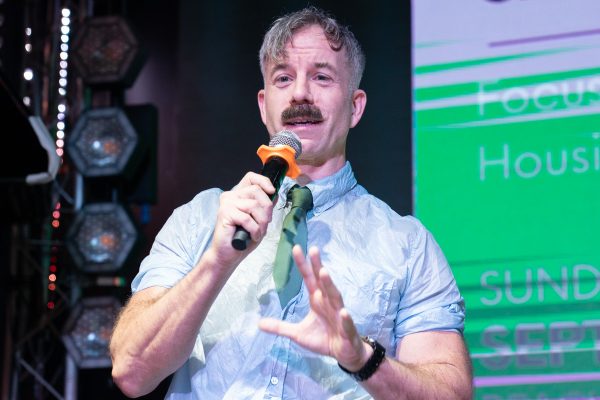
Has lived in West Hollywood for 5 years.
Occupation: Fashion designer and creative director
Endorsements: N/A
Other candidates Marlon will vote for: Chelsea Byers
Policy
Do you support renewing West Hollywood’s contract with Flock Safety? No.
“I do not feel that overreaching mass surveillance is ever a good idea. There are other ways to get the police the information they need without using the Flock camera system and Flock owning the aggregate data.”
Do you support a bike lane or sidewalk extension on Fountain Avenue? Yes.
“With gasoline prices reaching $6.50 per gallon here in LA, it is getting nearly unaffordable to fill a car’s tank. That means the way people commute and move through West Hollywood is going to change, and that’s not going to be car-focused, so we need to be prepared for that with robust mobility systems like bike lanes, transit, and great sidewalks.”
Do you support creating a TODAP (Transit Oriented Development Alternative Plan) for West Hollywood? Maybe.
“I am in favor of the need for West Hollywood to be in control of the development process, and we can look to Beverly Hills as an example of how to successfully implement the SB 79’s requirements. We need affordable housing, but we need a plan for development that addresses the needs of residents and business owners.”
Do you support renewing West Hollywood’s contract with Allied Universal to continue running the security ambassador program? Maybe.
“I think the security ambassadors bring a much-needed level of padding and connection between everyday residents/guests and the police department while relieving pressure on our sheriffs. But information is still pending from Allied on how connected they are with ICE and Homeland Security. That information will determine our future working with them.”
Do you support a vacancy tax on empty storefront properties? Maybe.
“It is something to explore. It’s important to make it easier for young emerging businesses to move into West Hollywood without landlords waiting for cash-cow corporations to fill up their spaces.”
Do you support adding more digital billboards to Sunset Boulevard? Yes.
“These things must be tastefully done and created with consideration of the surroundings. I don’t want Sunset Boulevard to become a Times Square replica chaotic orgy of light pollution.”
Why are you running for City Council?
“West Hollywood thrives on bold vision, authentic expression, and collaborative leadership. I have spent my career turning ambitious ideas into reality by balancing artistic execution with rigorous operational strategy. When I launched my eponymous brand, MARLON GOBEL, it demanded absolute strategic precision—skills that translated into immediate global partnerships with historic institutions like Bergdorf Goodman, Swarovski, and the Fashion Institute of Technology. Over a twelve-year career, my work has been recognized by The New York Times and trusted by legendary creative icons because I deliver on bold ideas, resilience, and unique innovation. West Hollywood deserves leadership that understands how to manage complex operations while preserving our distinct, rebellious, and authentic spirit. I will bring fiscal discipline, project management expertise, and an unwavering dedication to making our community a vibrant, sustainable, and forward-thinking destination for residents and creators alike.”
What are your policy priorities?
“1. Affordable Housing
2. A Freedom of Living Standard (anti-surveillance, self-expression, non-discrimination)
3. Compassionate Public Safety”
How will you address the high cost of living in West Hollywood?
“I feel like my answer was covered in my response [to the first long form question].”
Chukwudubem “Chiedu” Egbuniwe
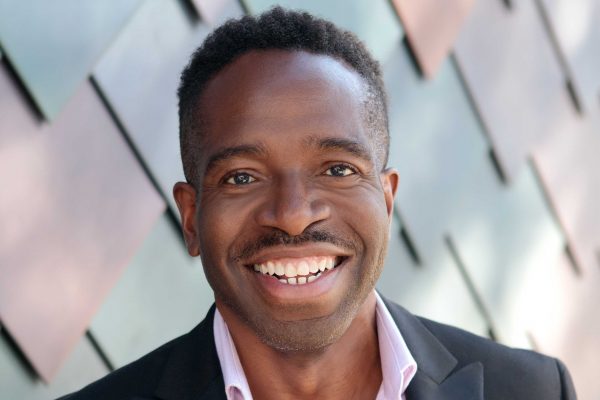
Has lived in West Hollywood for 22 years.
Occupation: IT professional and consultant
Endorsements: N/A
Other candidates Chiedu will vote for: Declined to Answer
Policy
Do you support renewing West Hollywood’s contract with Flock Safety? No.
“After years of working directly with data security and privacy issues as an IT Manager, it is critical that our data is with trustworthy vendors.”
Do you support a bike lane or sidewalk extension on Fountain Avenue? Yes.
“Yes, but I would adjust the timeline to after the Olympics in 2028, re-order the phases of the project, and greatly expand accessibility to e-Bikes in preparation.”
Do you support creating a TODAP (Transit Oriented Development Alternative Plan) for West Hollywood? Yes.
“Yes, most definitely. The TODAP is central to my priorities.”
Do you support renewing West Hollywood’s contract with Allied Universal to continue running the security ambassador program? Maybe.
“I would renew a short-term contract, revise our needs with a focus on more highly trained security staff, and offer Allied (and other vendors) a chance to provide a bid for more highly trained staff.”
Do you support a vacancy tax on empty storefront properties? Not answered.
[The candidate did not respond to this question.]
Do you support adding more digital billboards to Sunset Boulevard? Not answered.
[The candidate did not respond to this question.]
Why are you running for City Council?
“The city needs people who listen to residents and business owners: someone who can bring people together. As an IT professional and through my work with the city, I bring decades of strategic, big picture thinking and consensus building. I’ve served this city for over two decades, working on the WeHo40big-pictureconsensus-building Action Team, as a panelist on the Arts Grants, the Pride Arts Grants, and as a commissioner on the LGBTQ+ Commission. It’s time for me to deepen my service to my community.”
What are your policy priorities?
“Housing accessibility, small business support, and sensible safety. Rezoning for mixed-use development is central to my platform. In accordance with SB79, I propose a TODAP, focusing development along commercial corridors like Santa Monica, with small businesses on the first floors and residences on higher floors. We would see more foot traffic and greater safety around these small businesses, and less dependency on driving for services. I would also expand foot patrols by law enforcement and security ambassadors.”
How will you address the high cost of living in West Hollywood?
“We need sensible development and strict enforcement of affordable housing percentages for new development. We have to follow state law SB79, but with a TODAP we can restrict development to commercial corridors and preserve the character of our neighborhood streets. With new high-density mixed-use developments on commercial corridors, similar to the Trader Joe’s development near Plummer Park, we have an opportunity to add affordable housing units and foot traffic to support businesses in these spaces.”
LA County will start sending out mail-in ballots on October 5th; early voting will begin on October 20th, and election day is November 3rd.
Caleb Kaufman is a California Local News Fellow placed with the Los Angeles Blade. The California Local News Fellowship is a state-funded initiative to support and strengthen local news reporting. Learn more about it at fellowships.journalism.berkeley.edu/cafellows.
Serbia
Ana Brnabić becomes world’s first openly lesbian head of state
Former Serbian prime minister succeeded President Aleksandar Vučić on Monday
Ana Brnabić on Monday became the world’s first openly lesbian head of state after Serbian President Aleksandar Vučić resigned.
Brnabić was the country’s prime minister from 2017-2024. She was most recently the president of the Serbian National Assembly.
Vučić resigned ahead of parliamentary elections that will take place on Oct. 25. Media reports indicate Vučić could become Serbia’s next prime minister if his Serbian Progressive Party can successfully form a new government. Brnabić until then will be the country’s acting president.
Former Irish Prime Minister Leo Varadkar, who became his country’s first openly gay head of government in 2017, praised Brnabić.
“Congratulations to Ana Brnabić on becoming the world’s first lesbian head of state (president of Serbia),” said Varadkar on social media. “She visited while in her previous office and is a friend of Ireland.”
Congratulations to Ana Brnabic on becoming the world's first lesbian head of state (President of Serbia). She visited while in her previous office and is a friend of Ireland. 12 countries have now had gay or lesbian head of state/government. So far, all in Europe – the… https://t.co/TBpmeeEs9I
— Leo Varadkar (@LeoVaradkar) September 29, 2026
Former Icelandic Prime Minister Jóhanna Sigurðardóttir in 2009 became the world’s first openly lesbian head of government. Former San Marino Captain Regent Paolo Rondelli in 2022 became the world’s first openly gay head of state.
Andorran Prime Minister Xavier Espot Zamora, Dutch Prime Minister Rob Jetten, and Latvian President Edgars Rinkēvičs are openly gay. Former Luxembourgish Prime Minister Xavier Bettel, former French Prime Minister Gabriel Attal, and former Belgian Prime Minister Elio Di Rupo are also gay.
Varadkar was Ireland’s prime minister from 2017-2020 and again from 2022-2024.
10 years later, we still can’t shake Barry Jenkins’ ‘Moonlight’

AIDS Walk Los Angeles set for 42nd year amid growing challenges

Alianza para la Inclusión fortalece la defensa de derechos LGBTQ+ en Centroamérica

The facts about Victory Fund’s investigation and the path forward

In Ga., 2 trans candidates believe voters are ready for them

Renee Good’s family files two federal lawsuits

988 restores crisis services for LGBTQ+ youth

House Democrats urge White House to confront Turkish government over anti-LGBTQ+ crackdown

Lula, Flávio Bolsonaro to face off in second round of Brazilian presidential election

The California Gubernatorial Debate missed getting real
-
 U.S. Federal Courts5 days ago
Renee Good’s family files two federal lawsuits
-
 National5 days ago
988 restores crisis services for LGBTQ+ youth
-
 Turkey5 days ago
House Democrats urge White House to confront Turkish government over anti-LGBTQ+ crackdown
-
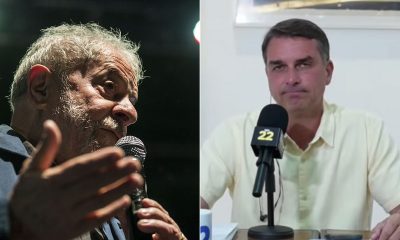 Brazil2 days ago
Lula, Flávio Bolsonaro to face off in second round of Brazilian presidential election
-
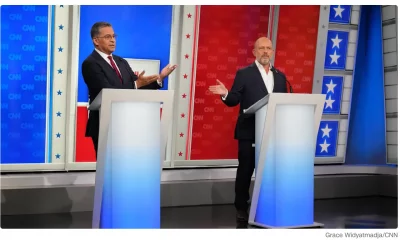 Commentary3 days ago
The California Gubernatorial Debate missed getting real
-

 a&e features3 days ago
From bullying to bravo: Joey Zauzig talks finding yourself while making people feel seen
-
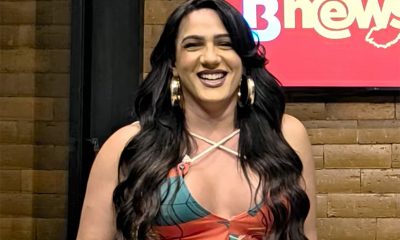
 Brazil2 days ago
Transgender woman elected to Brazilian Chamber of Deputies
-
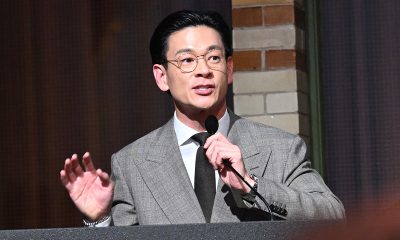
 Opinions2 days ago
Evan Low is not the leader the Victory Fund needs at this moment
-
 History2 days ago
Preserving the past: Robert Kesten on Stonewall & storytelling; LA Blade joins at the Abbey, Tuesday, October 6th at 6 pm
-
 Television2 days ago
Engrossing ‘Tip Toe’ delivers tension and an ominous warning