
News
Jared Polis talks pro-LGBT bills, experience of being gay governor
Gov. Jared Polis was in town for a meeting of the National Governors
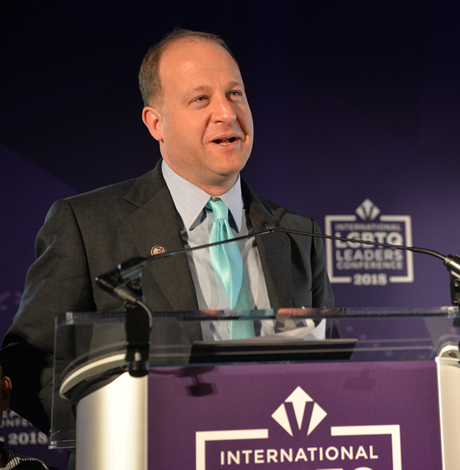
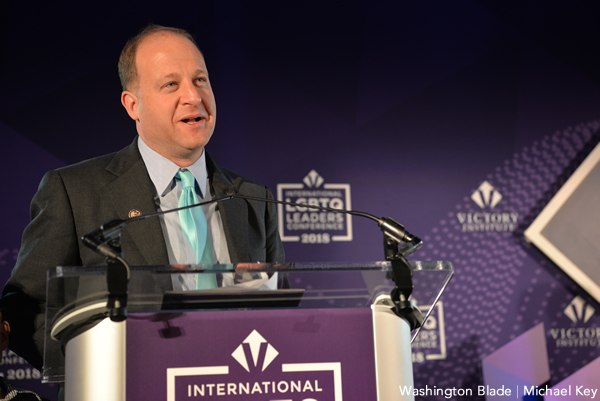
Gov. Jared Polis of Colorado was in town for a meeting of the National Governors Association. (Washington Blade photo by Michael Key)
Seven weeks after his inauguration on Jan. 8, Jared Polis is already seeing progress in his new job as governor of Colorado. A teacher’s strike in Denver is resolved and legislation is heading to his desk aimed at shifting toward a winner in presidential elections based on the popular vote.
The first openly gay person inaugurated governor also awaits two pieces of pro-LGBT legislation advanced in the Colorado House, but still pending in the Senate: a ban on widely discredited “ex-gay” conversion therapy for youth and a birth certificate bill easing the process by which transgender people can change their gender marker.
Polis talked about his experience — including the role of his spouse, Marlon Reis, the first-ever spouse of a governor in a same-sex relationship — during an interview Sunday with the Washington Blade as he sipped on a Red Bull. The Colorado governor was in town for a meeting of the National Governors Association.
The Blade’s complete Q&A with Polis follows — including his thoughts on Jussie Smollett and 2020 candidates.
Washington Blade: Has anything unexpected occurred as result of being the first openly gay person inaugurated as governor?
Jared Polis: In terms of the unexpected, Denver’s had a teachers’ strike…things like that hit, and the job of governor really has nothing to do with your orientation or identity. It’s just you always expect the unexpected, like you’re always worried about fires in Colorado, [working] with the legislature on some historic progress, including equality.
We’re looking forward to hopefully banning conversion therapy for minors essentially in our state.
Blade: What was going through your head during the inauguration?
Polis: It’s a blur. It was just crazy to be there and have thousands of people with my partner Marlon and our family.
Really, I was looking forward to being done with it because I just was looking forward to doing the job. I was not really comfortable with the ceremonial aspects of it.
But I wanted to put together a thoughtful ceremony. We had people from multiple faith traditions. We had a Sikh blessing, a Native American blessing, we had a Christian minister and Rabbi. We had the gay men’s choir kick it off. We wanted to do a thoughtful, inclusive ceremony.
I set the theme as “Colorado for All” to highlight how our state welcomes and includes everybody regardless of where you live, who you love, who you are, your ethnicity or your race, your gender, so that’s kind of what we wanted to celebrate.
Blade: I’m not terribly familiar with how Colorado handles the office of first spouse —
Polis: So, yeah, Marlon is first gentleman. His cause is animal welfare. He’s going to be hosting a pet adoption at the governor’s mansion in the next few weeks. He’s going to be advocating for animals as well as other causes near to his heart, like equality, and other causes.
Blade: Is there anything different in handling the office of first spouse? After all, Marlon is the first first spouse of a governor in a same-sex marriage.
Polis: He’s attending the spouse track at NGA and the other spouses, Republican and Democrat, are all very welcoming and warm to him.
A lot of them are just figuring it out, too. They’re all of a sudden first spouses, right, of first-time governors? They have to figure it out on their own in their own way.
And there’s no model. I mean, some of them do literally zero with their spouse. Others are full-time with a different cause. Many of them are kind of in between managing a career or being a homemaker along with some causes.
So, that’s what the spouse track here is kind of all about. They’re just kind of figuring how to do it and what to focus on.
And Marlon is ahead of many of them in already identifying his cause and already putting together, you know, some events around it.
Blade: Let’s talk about LGBT policy. You mentioned the legislative ban on conversion therapy. There’s also the birth certificate legislation easing the process so transgender people can change their gender marker. What’s your expectation for timing for when those would become law?
Polis: When they reach my desk, they’ll become law. So, you know, it’s the legislature and I don’t know when they’ll be considered by the other chamber and pass, but they’ll become law when they reach my desk.
And I’ve signed a few bills so far, which is pretty cool just to think that’s the final act, and then I sign it and all of sudden it’s the law of Colorado. It was different than as a congressman. You vote on something and then maybe vote on it again.
I attended some signing ceremonies with President Obama, but now to be on the other end, and seeing this act of signing it makes it law is pretty cool.
Blade: What would be the significance of those two bills in particular becoming law?
Polis: It’ll be exciting and they’re the result of years of hard work. We have a strong equality advocacy organization called One Colorado in Colorado. We have many LGBT members of our legislature, including our first transgender legislator, Brianna Titone.
And so, this’ll be really getting it across the finish line after years and years of work from advocates in our state.
Blade: One other bill that’s coming to your desk soon is the bill that would throw the electoral votes in Colorado to the popular vote winner in presidential elections under certain circumstances. You’ve indicated you support that. Can you talk a little about that?
Polis: When I was in Congress, I supported moving to popular vote for election for president. I believe in one person, one vote. I think the Electoral College is an undemocratic relic that potentially could cause a constitutional crisis, and was nearly done twice in the last two decades.
Blade: I think critics of the proposal would say that if you’re giving up this process for the popular vote, then Colorado will have to give up its nine points in the Electoral College and presidential candidates won’t go to Colorado and make campaign promises. What would you say to that?
Polis: It means that every vote counts in Colorado, right? It means that even if our state is leaning Democrat, every vote counts because they all go into the national total.
So I think it’s particularly important for people who believe in states that lean in one way or the other. And our state’s competitive, of course. But it’s nice to know that even if the Democrat is winning, then all the Republican votes won’t just be thrown away.
Blade: I also want to ask you about the Equality Act. I know you’ve been away from Congress, but are you hearing anything from Congress about it?
Polis: No. I’m hopeful that it will be brought to the floor, hopefully this summer. It’ll be an historic occasion. Hopefully, the House has the opportunity to pass the Equality Act.
Blade: What makes you say this summer?
Polis: What are we in now? March? So, I guess it could be spring. As soon as they have time on the floor of the House, I’m confident they’ll bring it to the floor in the coming months.
Blade: Let’s get to some stories in the news. One high-profile story is the case of Jussie Smollet. When you heard about the story as it unfolded, what was your reaction?
Polis: I haven’t been following it that closely because you know I’ve been following what I have to do as governor. I mean, I see the headlines, but I haven’t read all the articles in detail.
I have to focus on Colorado, and we’re focused on our agenda of free full-day kindergarten, renewable energy, saving people money on health care and tax reform.
Blade: You must be aware that he’s accused of having faked a hate crime against him. Do you have any reaction to that?
Polis: It’s hard to figure out what his motive would have been. He probably needs some kind of help to work through whatever issues he has and I’m sure he’ll likely be facing criminal charges. If he did fake it, then he deserves to be convicted.
Blade: The Trump administration, for all its anti-LGBT policy, last week unveiled a new initiative to decriminalize homosexuality in the 71 countries where it’s illegal. Does the Trump administration deserve credit for this?
Polis: Didn’t the president seem not to acknowledge it?
Blade: He seemed unaware of it when asked about it.
Polis: It’s long been the position of the American government under Republicans and Democrats that homosexuality shouldn’t be illegal. I think we’ve had differences on marriage rights, which President Trump has said he supports traditional marriage and not same-sex marriage.
But, yes, Republicans and Democrats in our country agree that it should not be illegal to be gay.
Blade: But do you think anything in particular will come out of the initiative or is it complete window dressing?
Polis: It’s been the long-standing position of our federal government under President Obama, under President Bush, under President Clinton, we’ve always advocated for human rights, including decriminalization of homosexuality.
But it’s always nice to see it renewed under any administration. The long-standing American commitment to human rights.
Blade: Let’s talk about 2020. Are you prepared to endorse a candidate?
Polis: Ha! No, no. I’m focused on doing my job.
Blade: What’s going into that process? I’m sure at some point you’ll endorse a candidate in 2020.
Polis: I think the first part is who’s running, and I don’t think that’ll be clear for several more months. There are some people running, but there are many people that might run or may not be running, including potentially two Coloradans, Michael Bennet and John Hickenloooper.
Blade: One candidate already in the mix right now is South Bend Mayor Pete Buttigieg. It’s a long shot, but he could be the first openly gay Democratic presidential candidate and maybe the first openly gay president. What advice would you have for Pete Buttigieg?
Polis: I’ve met Pete. He seems like a good guy. He certainly would be a better president than the current one.
I think he needs to build name recognition. You know, there are big names in the race and he’ll have to find a way to kind of build that name recognition and offer something new and exciting…
Blade: When do you expect you’ll make an endorsement in the race?
Polis: Again, I haven’t thought about it yet. I’m interested in seeing who’s running and interested in seeing them pay attention to Colorado.




California
Governor Newsom signs 6 pro-LGBTQ bills, vetoes 1
Newsom signs all but one Pro-LGBTQ bills into law, claiming legislative overreach.

Last week, California Governor Gavin Newsom signed and vetoed a slew of bills into state law. Among them were seven pertaining to California’s LGBTQ community. Newsom signed six while vetoing one. His actions drew applause and scorn from advocacy groups in the state.
The 6 Signed Bills:
Assembly Bill 1775 allows transgender veterans, who were banned from service last year by the Trump-Vance administration, to access housing assistance, use California’s discharge upgrade assistance program, and get support for gaining employment.
Assembly Bill 1930 strengthens privacy protections for healthcare patients and providers by creating clear guidelines for California agencies, individuals, and corporations to respond to out-of-state subpoena requests relating to abortion or gender-affirming care. This includes a requirement to contact the California Attorney General at least 7 days prior to responding to the subpoena or providing federal documents. This should add additional protection to those residing in California from investigations in states where abortion or gender-affirming care has more restrictions.
Senate Bill 934 targets conversion therapy in California and increases the amount of time a patient has to bring a medical malpractice lawsuit against a provider for attempting to change the patient’s sexual orientation or gender identity. The bill takes aim at the widely debunked practice that treats queerness as a mental disorder that could be cured through psychotherapeutic methods. Conversion therapy has been illegal in California since 2012; however, a recent Supreme Court decision threw the ban into question, prompting lawmakers to write this new bill that legally defines it as medical malpractice.
Senate Bill 1023 expands access to PrEP, Pre-Exposure Prophylaxis, a medication that protects people from contracting HIV. The bill requires insurers to cover the drug through the medical benefit and the pharmacy benefit pathways, allowing for more providers to give patients PrEP.
Senate Bill 1114 strengthens privacy protections for voluntary self-identification data about sexual orientation and gender identity. The bill limits when California government agencies can share this data and bars it from being disclosed outside of the state government, with few exceptions.
Senate Bill 1328 expands support for LGBTQ students and staff in California colleges. The bill requires any institution of higher education to designate an employee at any campus, satellite campus, branch campus, or outreach center to support the needs of LGBTQ individuals.
Equality California, the largest statewide LGBTQ civil rights group in the country, commended the Governor for his support of legislation that protects and supports the queer community amid escalating threats, attacks, and rollbacks from the federal government.
Executive Director Tony Hoang said in a written statement, “California is once again demonstrating that when LGBTQ+ people are targeted, our state will respond with action,” adding, “We are grateful to Governor Newsom for signing these measures.”
The Vetoed Bill:
Assembly Bill 2164 would have banned California from extraditing anyone residing in California for providing abortions or gender-affirming care in another state. Governor Newsom vetoed this bill despite agreeing with its principles, claiming in a written statement that “extradition is an exclusively executive function” and that he did not want to limit the “executive authority of an incoming Governor.”
This bill was created in response to Louisiana’s attempt to extradite a California physician for allegedly sending abortion pills in the mail to a Louisiana woman. Governor Newsom responded forcefully to the extradition request, publicly denying it and stating, “We will not allow extremist politicians from other states to reach into California and try to punish doctors based on allegations that they provided reproductive health care services.”
In a written statement responding to the veto, Lizzy Hinkley, the legal director of the bill’s lead sponsor, Abortion Coalition for Telemedicine, criticized Newsom, stating, “[the] outgoing Governor’s principled stance is cold comfort to Californians living and working in the real world post-Dobbs. A high-brow, academic justification for refusing to codify legal protections only reveals an ignorance for the lived reality of patients and providers – and does nothing to help them.”
Caleb Kaufman is a California Local News Fellow placed with the Los Angeles Blade. The California Local News Fellowship is a state-funded initiative to support and strengthen local news reporting. Learn more about it at fellowships.journalism.berkeley.edu/cafellows.
National
HRC report: LGBTQ+ students face ‘far greater challenges’ in non-supportive states
Survey finds anti-LGBTQ+ school harassment, bullying highest in 17 states
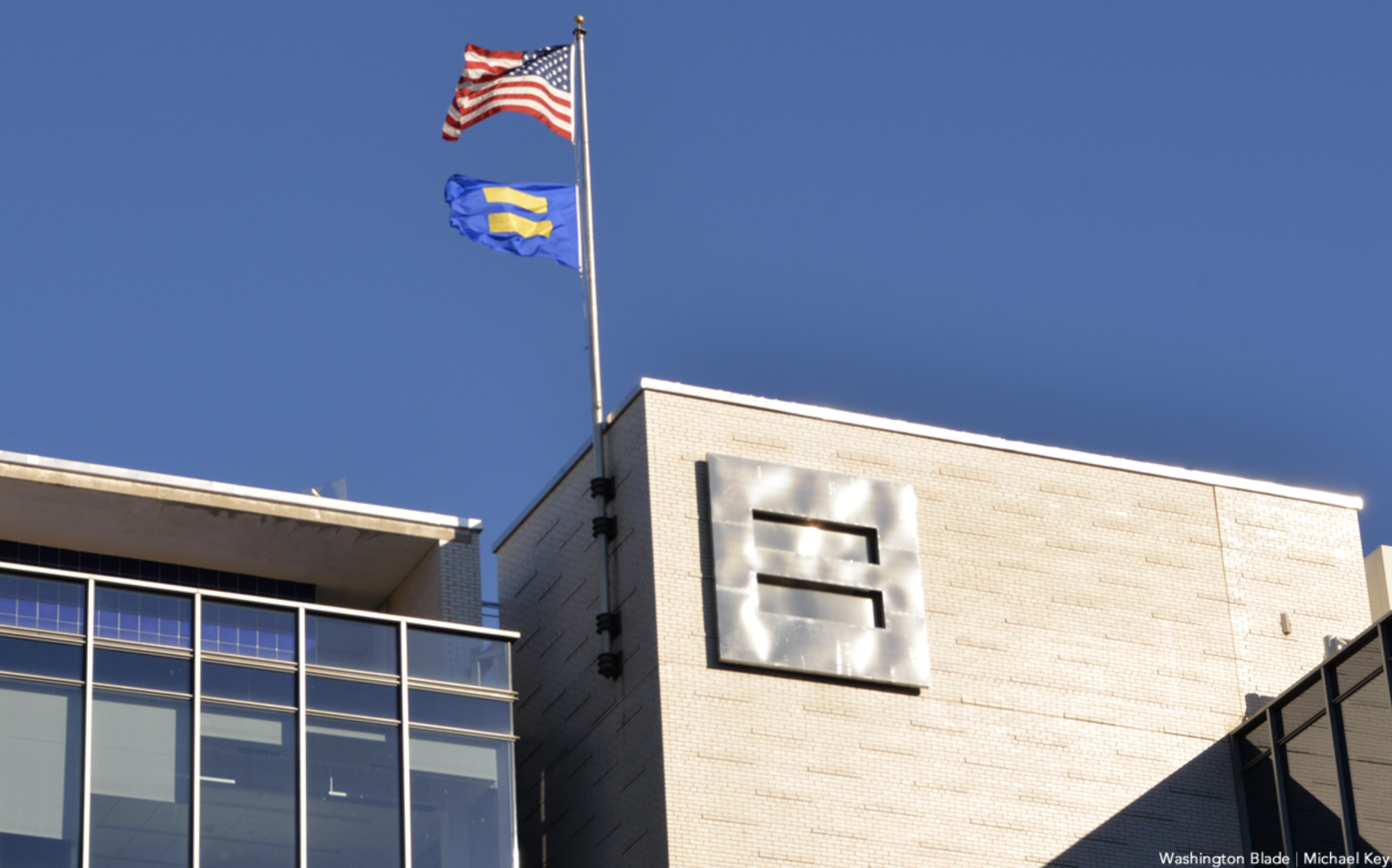
The Human Rights Campaign Foundation, the educational arm of the national LGBTQ+ advocacy organization Human Rights Campaign, has released a report showing LGBTQ+ public school students are more likely to face bullying, harassment, and “other barriers” in states that have less overall supportive LGBTQ+ laws and policies.
The report is based on the HRC Foundation’s National Educator Survey of School Climate and Bullying, which was released on Sept. 17.
“The report finds that harassment, bullying, and other barriers to LGBTQ+ inclusion are more prevalent in states with limiting policies, where educators report widespread restrictions on LGBTQ+ resources, visible expressions of support, and assistance for transgender students,” a statement released by HRC says.
“As just one example,” the statement adds, “while 59 percent of educators in states with limiting policies report restrictions on supporting their transgender students, just 6 percent to 8 percent of educators in states with supportive policies report the same, underscoring the impact of these policies on school climate, student well-being, and the stakes of the upcoming midterm elections for LGBTQ+ youth and inclusive classrooms.”
The report says the survey consisted of responses by 826 educators in 42 states who worked as teachers, principals, counselors, administrators, and others who worked in support services. All worked at schools with students from pre-kindergarten to 12th grade, most being public schools and a smaller number being charter schools, the report says.
It says the survey was conducted between April 15 and May 21, 2026, and included a survey questionnaire with about 55 questions covering a wide range of LGBTQ+ related school issues.
According to the report, its classification of LGBTQ+ supportive and non-LGBTQ+ supportive states is based on a detailed analysis of the LGBTQ+ related laws and policies of all 50 states, D.C., and U.S. territories conducted by the Movement Advancement Project, or MAP, which describes itself as an “independent, nonprofit thinktank.”
The report includes a chart consisting of 51 boxes representing the 50 states and D.C., with 32 plus D.C. colored as blue and said to have overall LGBTQ+ supportive policies. The 17 boxes colored in red are said to have overall non-LGBTQ+ supportive policies and laws, Each of the boxes has the initial of a state or D.C. printed inside it.
In addition to D.C., the chart shows Maryland, Virginia, New York, California, and Massachusetts as among the supportive states. Florida, Texas, West Virginia, and Ohio are among the states shown to be non-LGBTQ+ supportive.
The HRC statement includes these “key” findings from the survey:
- In states with restrictive LGBTQ+ inclusion policies, 59 percent of educators report restrictions on supporting transgender students, compared to just 6-8 percent of educators in states with supportive LGBTQ+ inclusion policies.
- In states with restrictive policies, nearly 50 percent of educators reported restrictions on LGBTQ+ books or resources, compared to just 7 percent of educators in states with supportive policies.
- Roughly 32 percent of educators in states with restrictive policies reported anti-LGBTQ+ harassment was a moderate or serious problem, compared with 11 percent of educators in states with supportive LGBTQ+ inclusion policies.
- In states with restrictive LGBTQ+ inclusion policies, 29 percent of educators were very worried about anti-LGBTQ+ harassment, compared to 15 percent in states with supportive LGBTQ+ inclusion policies.
- In states with restrictive LGBTQ+ inclusion policies, 36 percent of educators witnessed anti-LGBTQ+ student bullying, compared to 27 percent in states with supportive LGBTQ+ inclusion policies.
- In states with supportive LGBTQ+ inclusion policies, 75 percent of educators reported no restrictions on LGBTQ+-supportive displays, highlighting a substantially more supportive school environment than in states with restrictive policies.
- Educators in states with restrictive LGBTQ+ inclusion policies also reported significant harassment of students based on appearance (57 percent), race or ethnicity (43 percent), sexual orientation (42 percent), and gender identity or expression (39 percent). (No direct comparison figure from supportive-policy states is provided in the data above.)
“Every young person deserves to feel safe and supportive at school, but this report makes clear that fore too many LGBTQ+ students, especially transgender youth, are being failed by policies designed to exclude them,” said HRC President Kelley Robinson in the HRC statement.
“We know that when students feel seen, supported, and affirmed, they are more likely too thrive, but when schools become places of exclusion or hostility, young people pay the price through lower engagement, missed opportunities to learn, and poorer mental and physical health,” Robinson said.
The HRC statement notes that the survey findings come at a time when a growing number of states have passed laws targeting LGBTQ+ students and the school officials and teachers who support them. It says that for the first time, the survey found that “educators themselves are also experiencing anti-LGBTQ+ harassment, highlighting the growing impact of these policies on school staff as well as students.”
The full survey findings and report can be accessed here:
National
Education Department rolls back protections for LGBTQ+ students under Title IX
The DoE policy rescinds Biden-era protections
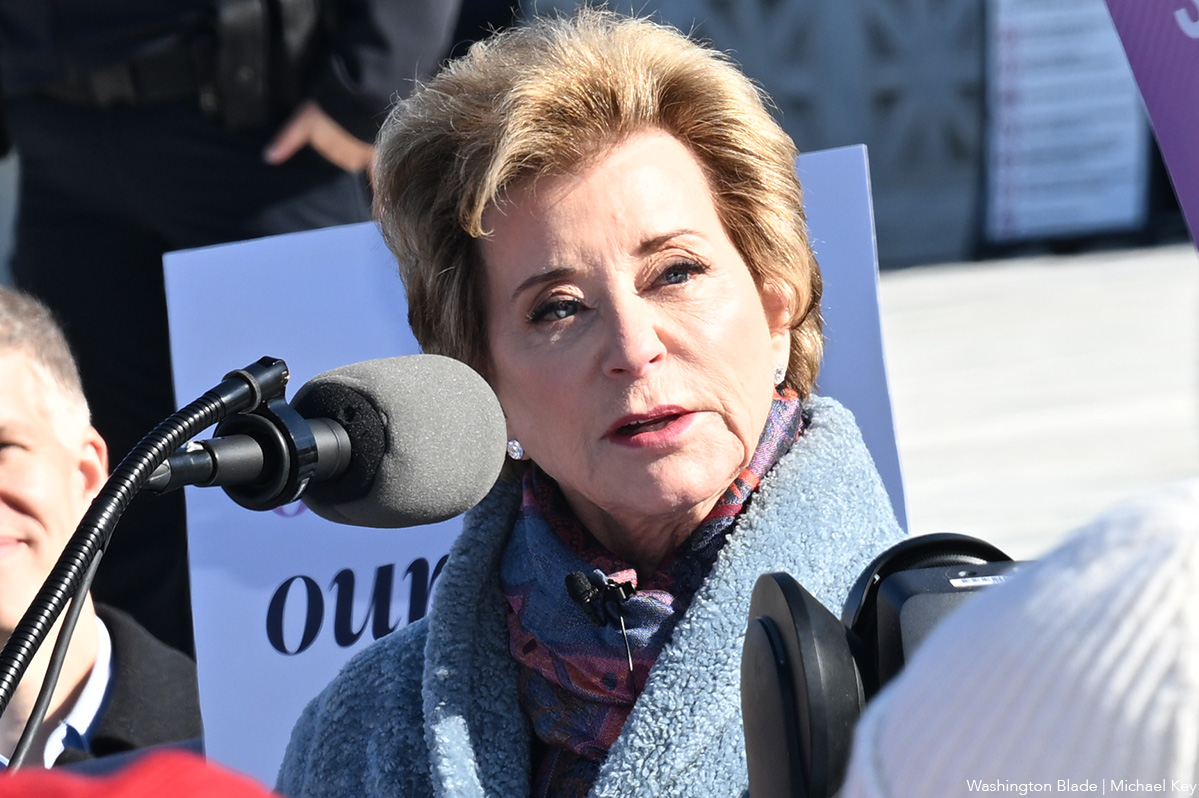
The Department of Education rolled back a Biden-era Title IX interpretation on Monday that secured sex-based discrimination protections for students on the basis of sexual orientation and gender identity.
Title IX was established in 1972 as landmark civil rights law. It prohibits sex-based discrimination in any school or any other education program that receives funding from the federal government.
Education Secretary Linda McMahon spoke about the revision of the policy, claiming the decision would explicitly help “women and girls.”
“Thanks to today’s action, the published Title IX regulations faithfully reflect court orders and congressional intent — reducing confusion for parents, students, and educational institutions. We will continue to relentlessly champion equal opportunity for all Americans and hold accountable any school or college that violates the rights, privacy, or athletic opportunities of our women and girls,” McMahon said via press release.
Prior to her work under the Trump-Vance administration, McMahon was a World Wrestling Federation/World Wrestling Entertainment executive before resigning to pursue a career in politics. She was appointed to the Connecticut State Board of Education by then-Gov. Jodi Rell in January 2009, but resigned from her role shortly afterward to run what ultimately became two failed campaigns for Connecticut’s U.S. Senate seat in 2010 and 2012.
A “fact sheet” provided by the Department of Education also called the inclusive sexual assault and gender identity protections expanded under the Biden-Harris unlawful, saying, “This change is necessary to provide clarity in the Code of Federal Regulations so that institutions, administrations, students, and families can see the rules that are actually in force and to help eliminate public confusion about the Biden administration’s unlawful attempt to stretch Title IX’s legal protections to cover ‘sexual orientation’ and ‘gender identity.’”
This is not the first time this policy has faced judicial hurdles. While Biden was still in office, the plan was struck down in multiple courts in Republican states.
Opponents of the move say it will harm transgender athletes and weaken protections for sexual assault victims.
“Sexual harassment and assault continue to be pervasive in schools and, to the fullest extent possible, we should be working to enforce the laws that protect student survivors of sexual violence. Yet, Education Secretary Linda McMahon and the Trump administration have decided to ignore what survivors need, instead weaponizing Title IX to attack trans students,” said Shiwali Patel, senior director of education justice at the National Women’s Law Center.
This is a return to a first Trump term policy after Biden issued an executive order to attempt to curb discrimination for all — especially those with different sexual orientations and gender identities — that had been given a pass during Trump’s first term. Much of Title IX’s policy has a narrow vision of what sex protections look like that often and enthusiastically leave gender-diverse and non-heterosexual people out.
In March 2021, President Joe Biden signed Executive Order 14021, “Guaranteeing an Educational Environment Free From Discrimination on the Basis of Sex, Including Sexual Orientation or Gender Identity,” to attempt to undo some of the flagrantly anti-LGBTQ+ policy the Trump-Pence administration had set forth relating to Title IX protections for LGBTQ+ students and sexual assault survivors.
The secretary focused this “win” for the administration as one more step toward restricting transgender students from competing in women’s sports, but the 2020 rule, completed under former Education Secretary Betsy DeVos, didn’t explicitly ban trans students from participating on sports teams consistent with their gender identity. It did limit the types of sexual harassment and assault complaints that schools had to investigate and required live hearings so male students could respond to accusations.
McMahon didn’t discuss those aspects in her statement or in requests for comment. The 2020 rule drew praise from conservatives and intense opposition from advocates who said it downplayed sexual abuse and left victims unprotected.
In a statement, U.S. Rep. Tim Walberg (R-Mich.), who chairs the House Education Committee, said, “Returning to the 2020 regulations restores longstanding protections for women and girls that the Biden-Harris administration attempted to dismantle and realigns Title IX policy with court precedents.”
LGBTQ+ activists have called this decision a direct attack on LGBTQ+ safety — particularly for trans students who continue to face a barrage of legislative, executive, and judicial attacks in recent years from the Trump-Vance administration.
Kelley Robinson, president of the Human Rights Campaign, the largest LGBTQ+ advocacy group in the world, released a statement following the DoE’s announcement.
“Title IX is, quite simply, about protecting students and ensuring that they are safe from abuse, harassment, and discrimination while they pursue their education. But Donald Trump and his cronies aren’t interested in any of that,” Robinson said. “Donald Trump’s Department of Education has completely lost sight of that mission. Instead of enforcing protections for students, they’re rescinding them. They don’t care if sexual harassment and assault go unaddressed. And they’re happy to strip funding away from school districts and states that are actually trying to keep students safe.
“We know who will be hurt: women, girls, and others who are vulnerable to sexual harassment, assault and abuse — including LGBTQ+ students. The fact that they’re dropping this rule into place abruptly, without a comment period, denying families, educators, loved ones, and the students themselves a say in how they should be treated, shows how little they care about the safety of our students.
“This is a monstrous injustice, and it drives home how essential it is that we take action at the polls this November to start bringing some accountability to an administration that has turned its back on the very students Title IX was written to protect,” she added.
The Los Angeles Blade reached out to the DoE for comment and questions on whether Title IX protections still included LGBTQ+ students, but did not receive an answer.
Palm Springs
Here’s your Palm Springs look at the weekend: Sep 25-27, 2026

We could be in for a bumpy ride – weather-wise – this season. It started Thursday with a storm in Yucca Valley and 29 Palms with heavy rain and hail that also sparked a few dry lightning fires in the Coachella Valley. I was in the middle of it in Joshua Tree — loving every minute of the rain, the thunder, and lightning. That tends to be an anomaly for those of us who spend the majority of our time in the desert.
The real concern is the super El Niño winter we’re about to experience. It’s happening as we speak, with two hurricanes off the coast of Mexico that are expected to bring us higher humidity, a chance of rain next week, and coastal flooding. And that’s just the beginning, according to Patrick Evans, chief meteorologist at Newschannel 3.
We count on the typical dry weather of the Coachella Valley as tourists start to flock back for “season”. The way we roll is with outdoor concerts and music festivals, sporting events, mixers, and of course, Palm Springs Pride itself. So when the forecast starts to increase the odds of rainy days, we get a little nervous. We’ll all be watching the forecasts just a little more carefully and making last-minute adjustments to plans, whereas in most years we barely give it a second thought.
Maybe Palm Springs will have snow again like on January 31st, 1979. We recorded 1.5 inches that day, and it shut down the city, according to reports from The Desert Sun, which covered it extensively. A good friend of mine was here for that storm and has the newspaper clippings to prove it.
Whether that weather was an El Niño event, we may never know. But suffice it to say, we’ll be paying a little closer attention to Patrick’s forecasts this winter.
Brad Fuhr, your K-Gay Desert Guide
Here’s what’s ahead in sunny Palm Springs!
Debby Holiday‘s Tribute to Tina Turner

Simply the Best: A Tribute to Tina Turner & Friends brings Debby Holiday to the Purple Room Supper Club Friday & Saturday, September 25 & 26 (Dinner at 6 pm, Show at 8 pm). A 17‑time Billboard Top 20 artist, Debby delivers passion and powerhouse vocals while honoring Tina Turner and other legendary divas. Debby’s three‑decade career includes touring with Rod Stewart, KISS and Joe Walsh, plus appearances on David Letterman, The View and Rosie O’Donnell. More info
Que Calor Pool Party

The Que Calor Pool Party at Arrive Hotel is an end‑of‑summer celebration on Saturday, September 26 from 4–8 pm. The event transforms the poolside into a lively oasis with music, food, and drinks, creating a fun afternoon of splashing, dancing, and unwinding. Produced by SOS Entertainers, the party also supports the Palm Springs Animal Shelter, adding heart to the festivities. Guests can enjoy general admission or reserve one of eight VIP cabanas. More info
Perez Art District — 4th Friday Art Walk

The Perez Art District: 4th Friday Art Walk happens Friday, September 25 from 11 am–7 pm. Visitors can explore local galleries, meet artists and enjoy a full day of creativity and community across Buildings H & I. It’s an easygoing, open‑house‑style stroll through one of the valley’s most vibrant artist hubs, offering a chance to discover new work, connect with makers and experience the district’s growing cultural energy. More info
Cinema Diverse 2026 Weekend 2

Cinema Diverse 2026 Weekend 2 at The Palm Springs Cultural Center runs all weekend through Sunday September 27. A celebration of LGBTQ+ storytelling, identity, history, love, resilience and queer imagination, the festival spans multiple theatres and screening blocks. Across documentary, narrative, comedy, drama and experimental shorts, Cinema Diverse highlights emerging and established filmmakers exploring coming out, chosen family, cultural heritage, activism, romance and the intersections of gender, sexuality and community. More info
Mama’s Boy

Mama’s Boy starring Gregg Glaviano is Saturday, September 26 at 7:30 pm at Palm Springs Plaza Theatre. This emotional cabaret blends music and storytelling as Glaviano reflects on growing up with a mother living with chronic depression—and how those experiences shaped his journey through first love, marriage, divorce and coming out. Featuring Paul Cady, Richard Elander, Jim Gnaster and Jenny Carey, the show moves between humor, vulnerability and heartfelt musical moments drawn from Broadway, the Rat Pack and classic pop. More info
It’s Final Round Voting Time — Best of CV

CV Independent’s Best of Coachella Valley 2026–2027 final voting round is now underway, and this is your chance to help crown the winners across the valley’s most‑loved radio stations, personalities, DJs (and many more categories). Thank you for showing us the love already with a strong nomination phase! Our finalists include KGAY 103.1 and Sunny 106.5 for Best Radio Station; John Taylor, E.J. Tyler and Patrick Evans for Best Local Radio Personality; and the dynamic DJ trio — DJ Galaxy, DJ Eric Ornelas, and MODGIRL — for Best Local DJ. Voting continues through Friday, October 23, so cast your vote and help celebrate your favorites in this year’s Best of Coachella Valley! Vote Today
Greater Palm Springs Spa Month

Greater Palm Springs Spa Month heads into its final days with exclusive wellness experiences throughout all nine resort cities. Slow down, breathe deeply, and embrace self‑care your way—whether through a mineral spring soak, a rejuvenating facial, a deeply relaxing massage, a sound bath under the desert sky, or a full day dedicated entirely to restoration. Participating resort spas, day spas, and hot springs spas offer limited‑time treatments and special packages through the end of September. More info
Planned Parenthood’s Riverside County Cocktail Reception

Planned Parenthood’s Riverside County Cocktail Reception takes place Friday, September 25 from 5:30–11 pm at Avalon Hotel & Bungalows Palm Springs. Celebrating 63 years of compassionate, essential care, the evening highlights the movement to protect access to sexual and reproductive health services. Guests will hear inspiring stories about the organization’s impact, including live entertainment and remarks from Jenny Black, President and CEO of Planned Parenthood of the Pacific Southwest. More info
The Shawshank Redemption

The Shawshank Redemption at Desert Theatreworks runs September 25–October 4 in the Blackbox Theatre. This gripping stage production follows banker Andy Dufresne, wrongly convicted of murder, as he navigates corruption, brutality and the faint glimmer of hope inside Shawshank State Penitentiary. His bond with Ellis “Red” Redding and his quiet, decades‑long plan for freedom unfold in an intimate setting where audiences feel the weight of the walls around them. This is not the movie—it’s harder, closer and deeply human, launching the 2026–2027 season with a limited eight‑performance run. More info
Films in the Gardens — At Eternity’s Gate (2018)

At Eternity’s Gate (2018) screens Friday, September 25 at 7:30 pm at Sunnylands Center and Gardens. Presented with the Palm Springs International Film Society, this free outdoor series invites guests to bring a blanket, arrive early and enjoy cinema under the stars. At Eternity’s Gate offers an intimate portrait of Vincent van Gogh’s final, prolific years painting in Arles and Auvers‑sur‑Oise, set against the serene backdrop of the Gardens. More info
Dance Me — The Music of Leonard Cohen

Dance Me: The Music of Leonard Cohen takes the stage Saturday, September 26 at 8 pm at McCallum Theatre, performed by Ballets Jazz Montréal. Inspired by the work of Montreal‑born poet, artist and songwriter Leonard Cohen — and approved by Cohen during his lifetime — this exclusive creation evokes the cycles of existence explored in his music and poems. More info
Heart Centered Healing Sound Bath

The Desert Sound Sessions: Heart Centered Healing Sound Bath at Kimpton Rowan Palm Springs happens Sunday, September 27 from 9:45–11 am. Led by Ashley Tiedeman, this immersive morning experience begins with tea, mingling and a gentle Quantum Heart Meditation designed to expand inner awareness and ignite the heart’s electromagnetic field. Participants then settle into a soothing sound bath where crystal bowls and healing frequencies support deep relaxation, energetic clearing and alignment. More info
Burgers, Boys & Brews Sunday BBQ

Burgers, Boys & Brews — Sunday BBQ returns Sunday, September 27 from 2:30–4:30 pm at The Social Cafe & Lounge. This weekly backyard‑style cookout features fresh‑grilled burgers, hot dogs, sides, bottomless mimosas, bottomless draft beer, great music, and live male entertainment. It’s a lively Sunday afternoon tradition where guests can eat, drink, and enjoy the atmosphere. More info
- Billy L’Amour & The Love Notes • Singer Billy L’Amour joins The Love Notes and guest music director Paul McDonald for an intoxicating musical journey on Friday from 6–9 pm at Spirit Animal at Hotel Zoso.
- A Disco Affair • Resident DJ NRich and guest DJ Papa Trebizo spin an all-vinyl dance party on Friday from 8 pm–12 am at Saguaro Palm Springs. Music lovers can dance to disco, boogie, funk, synth rarities, and left-field club records mixed entirely by hand.
- Kevin Costner & Modern West • Actor and musician Kevin Costner and his band present cinematic storytelling and Americana-driven country-rock on Friday at 8 pm at The Show at Agua Caliente Casino Resort Spa.
- Are You A Humanist? • Presenters explore humanist values through video clips of American Humanist Association CEO Fish Stark on Saturday from 11 am–12:30 pm at the LGBTQ Center. Speakers Jim Barnett and Carsten Smidt share personal journeys and discuss principles that promote human dignity, freedom, and ethical responsibility.
- PS Brew Crew LA SD Brewery Takeovers • Beer enthusiasts gather for a multi-stop brewery crawl on Saturday from 1–5:30 pm at Coachella Valley Brewing Company. Visiting Bear brewery-hopping groups from Los Angeles and San Diego team up with local beer lovers to explore downtown Palm Springs craft breweries.
- A League of Their Own, Film Screening & Drag Spectacular • Celebrate pop icon Madonna with live drag performances on Saturday at 6 pm at Festival Theaters in Palm Springs. The event includes a screening of director Penny Marshall‘s beloved sports comedy A League of Their Own.
- Sloshed: National Lampoon’s Vacation — Live Shadow Cast • Moviegoers join a live shadow cast recreating scenes onscreen on Saturday from 6–10 pm at Spirit Animal at Hotel Zoso. Performers bring National Lampoon’s Vacation into the room with costumes, props, audience interaction, and improvised surprises during this interactive comedy screening.
- Night Swim at Palm Springs Surf Club • Gather for an after-hours pool party on Saturday from 6–10 pm with live DJs, cocktails at the Island Bar, and access to the Island Pool and Lazy River under the lights.
- Unbuttoned, A Boylesque Social Experience • Dancer Michael Silas, known as one of Lady Gaga‘s original dancers, delivers a bold boylesque performance on Saturday from 7–8:30 pm at The Social Cafe & Lounge.
- Dance Ranch Country Dance Saturdays • Dancers of all skill levels gather for country-western dancing on Saturday from 7–9:30 pm at Step by Step Dance Studio. Instructor Rob Ollander-Krane teaches a beginner shadow lesson before open dancing featuring two-step, waltz, swing, and line dances.
- Marni Von Wilpert for Congress Fundraiser • Senator Barbara Boxer and Congressman Raul Ruiz join the host committee for this political fundraising event to back candidate Marni Von Wilpert on Sunday from 11 am–1 pm at a private location in Palm Springs.
- NSFW – New Season of Work • Art enthusiasts can discover a special exhibition celebrating the opening of the Palm Springs art season through September 30 at Rubine Red Gallery. Featured artists Russ White, T. Young, Merick Reed, Don Fisher, and Terrence Payne showcase exciting new work reflecting the distinctive creative energy of contemporary art.
- A Queer Arcana: Art, Magic, and Spirit • Explore how spirituality, magic, and esoteric knowledge shape LGBTQ+ culture through October 18 at the Palm Springs Art Museum.
Colombia
Colombia withdraws from Equal Rights Coalition
International LGBTQ+ group ‘not a priority’ for country’s new government

Colombia last week withdrew from a coalition of more than 40 countries that pledges to champion LGBTQ+ and intersex rights.
The Bogotá Post, an English-language news website in the Colombian capital, reported the country officially withdrew from the Equal Rights Coalition on Sept. 17.
The Equal Rights Coalition formed in 2016.
The group’s current members are Albania, Argentina, Australia, Austria, Belgium, Brazil, Canada, Cabo Verde, Chile, Costa Rica, Cyprus, the Czech Republic, Denmark, Ecuador, Estonia, Finland, France, Germany, Greece, Iceland, Ireland, Israel, Italy, Lithuania, Luxembourg, Malta, Mexico, Montenegro, Netherlands, New Zealand, North Macedonia, Norway, Portugal, Serbia, Slovenia, Spain, Sweden, Switzerland, Thailand, Ukraine, the U.K., and Uruguay. Civil society organizations from Colombia and dozens of other countries, including the U.S., work with the Equal Rights Coalition.
Colombia had co-chaired the group alongside Spain.
The decision to withdraw from the Equal Rights Coalition took place less than two months after far-right Colombian President Abelardo de la Espriella took office.
El Páis, a Spanish newspaper, reported Colombian Vice Minister for Consular and Migration Affairs Pedro Agustín Roa said the Equal Rights Coalition “is not a priority” for his government and the country’s participation in it was “something from a previous government.”
Caribe Afirmativo is a Colombian LGBTQ+ advocacy group that works with the Equal Rights Coalition. Wilson Castañeda, its director, criticized his country’s withdrawal from it.
Ecuador
Caso Karlina: Una sentencia histórica contra las terapias de «conversión»
Karlina Quiroz, una mujer trans de Chone, fue internada contra su voluntad
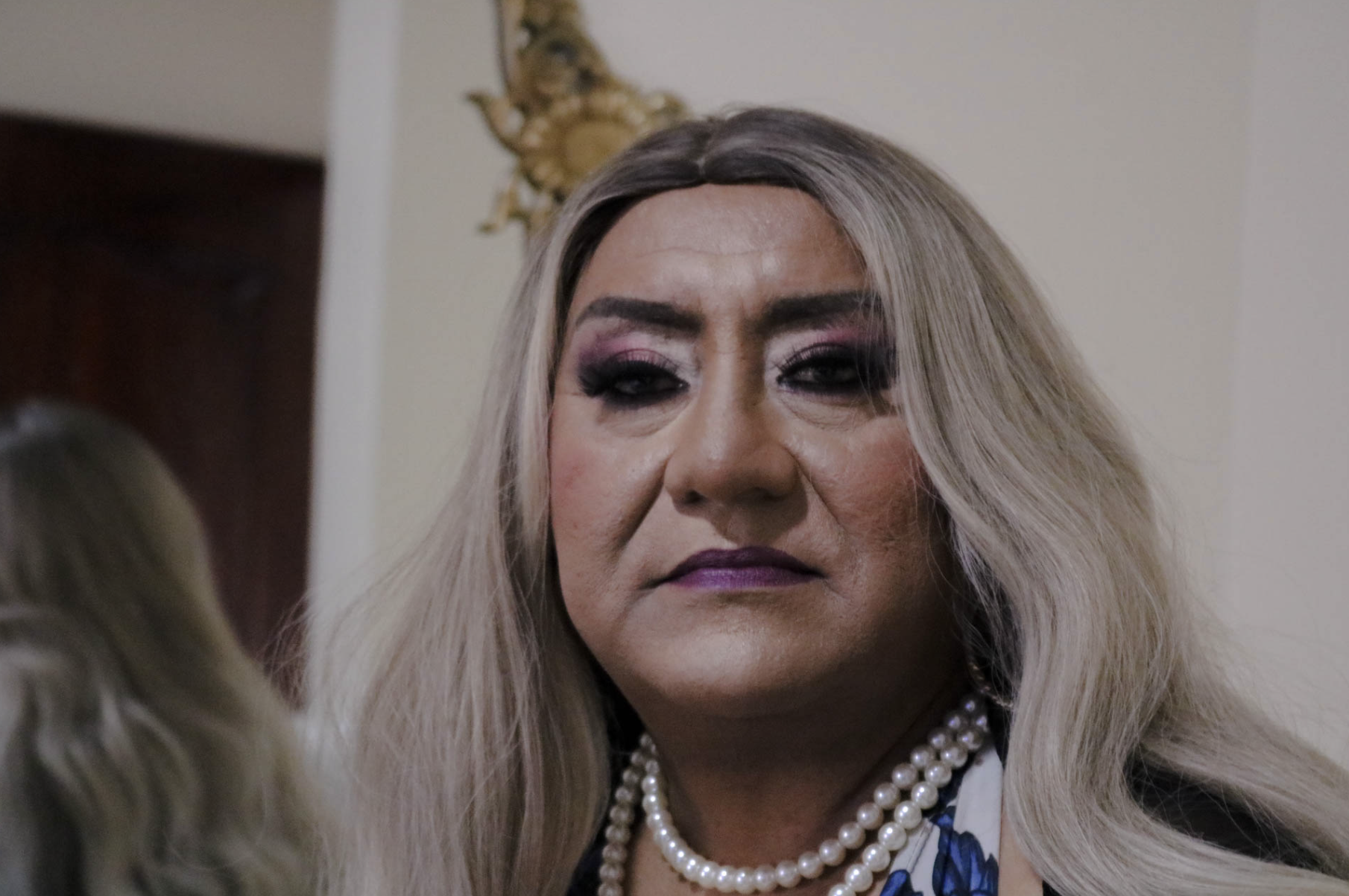
La última vez que Karlina Quiroz, una mujer trans de 57 años, salió sola a la calle en Chone, terminó encerrada contra su voluntad en un centro de rehabilitación donde intentaron “corregir” su identidad de género mediante humillaciones, amenazas y agresiones.
Han pasado cinco años desde ese episodio, ocurrido en 2021; y el 11 de septiembre de 2026 Karlina por fin obtuvo justicia.
La Fiscalía informó, el 14 de septiembre, que el Tribunal de Garantías Penales de Chone sentenció a seis personas por actos de odio contra Karlina, al ser víctima de violencia basada en su identidad de género.
Entre los seis sentenciados están sus dos hermanos, que —según la denuncia de Karlina— ordenaron su encierro a este centro.
El caso de Karlina refleja el odio y la violencia hacia personas trans en Ecuador y vuelve a poner bajo la lupa la existencia de centros conocidos como clínicas de “deshomosexualización” o espacios de “terapias de conversión”.
De acuerdo con la denuncia presentada por Karlina, en julio de 2021 fue interceptada por varios hombres y trasladada contra su voluntad a un centro para el tratamiento de adicciones ubicado en Chone, Manabí, en la vía a Pedernales. Allí permaneció retenida y sometida a tratos degradantes, violencia psicológica y agresiones físicas.
Según su testimonio, durante el encierro recibió insultos relacionados con su identidad de género y amenazas orientadas a “modificarla”.
Karlina denunció, además, que esta no habría sido la primera vez. Según su relato, en 2019 permaneció aproximadamente tres meses internada de manera forzada en otro centro de rehabilitación, también ubicado en la vía a Pedernales, en Chone. Durante ese período habría sido sometida a dinámicas similares de aislamiento, control y presiones dirigidas a modificar su identidad y expresión de género.
Según información de la Fiscalía, en septiembre de 2021, como parte de las diligencias investigativas, se allanó el centro clandestino en Chone. Allí se recabaron indicios relacionados con el internamiento forzoso de Karlina durante tres meses.
Con esos y otros elementos de convicción obtenidos durante la investigación, la Fiscalía inició un proceso penal contra las seis personas, quienes fueron luego llamadas a juicio.
El proceso, explicó Karlina, incluyó los dos casos: el de 2019 y 2021. “El crimen se investigó desde que comenzó la primera gota de sangre”, señaló Karlina, en alusión a la violencia física que sufrió en su primer encierro.
De los seis sentenciados, tres fueron condenados como autores directos a cuatro años de pena privativa de libertad. Se trata de los dos hermanos de Karlina y un sobrino, por ordenar su encierro al centro de adicciones.
Los otros tres recibieron una pena de dos años, como cómplices.
De acuerdo con Karlina, uno de ellos es el director del primer centro al que fue ingresada contra su voluntad en 2019 por tres meses, y los otros dos son quienes la interceptaron la segunda ocasión, en julio de 2021, para llevarla al centro. Ella los señala como “capturadores” de las personas que son recluidas en los centros.
“Cuando recibí la noticia (el viernes 11 de septiembre durante la audiencia de juzgamiento) no podía creerlo. Las piernas me temblaron y las lágrimas se me salieron. Estoy tranquila y satisfecha”, señaló Karlina en una llamada telefónica.
Para Pedro Gutiérrez, abogado especialista en derechos humanos, la sentencia es importante no solo por reconocer un delito de odio, sino también por las características de los hechos: el ingreso (por orden de sus hermanos) a un centro de “deshomosexualización” en el que se cometen actos de tortura y violencia física.
Durante la audiencia, constó el testimonio de Karlina. La Fiscalía también presentó el informe de reconocimiento del lugar de los hechos, la inspección ocular técnica, el levantamiento de evidencias y los testimonios de personas que confirmaron que los actos de violencia por perjuicio hacia su identidad de género fueron ejecutados de manera reiterada por los ahora sentenciados.
El caso volvió a poner la atención sobre las llamadas terapias de conversión en Ecuador, prácticas ampliamente cuestionadas por organismos internacionales de derechos humanos y señaladas como formas de tortura o violencia psicológica. Aunque el Estado ecuatoriano ha realizado operativos y clausuras de algunos centros en los últimos años, organizaciones sociales sostienen que estos espacios continúan funcionando de manera clandestina o bajo otras denominaciones.
La legislación ecuatoriana penaliza los actos de tortura con la intención de modificar la orientación sexual o identidad de género, pero no existe una sanción contra los centros que ofrecen las denominadas terapias de conversión.
En 2020, la Asamblea aprobó el Código Orgánico de Salud y una de sus disposiciones fue prohibir expresamente este tipo de terapias, pero fue vetado totalmente por el expresidente Lenín Moreno en medio de una campaña de sectores antiderechos.
La sentencia también dispuso, como reparación integral a favor de Karlina, tratamiento psicológico e indemnizaciones por daños materiales e inmateriales.
Gutiérrez considera que la reparación para Karlina es limitada, pues -por ejemplo- no hay llamados de atención al Ministerio de Salud o disculpas públicas a la víctima.
“Mi nombre es Ariel Karlina Zambrano, soy una mujer trans de Chone, Manabí. Desde niña supe que quería ser mujer, quería ser bonita, libre. Pero mi familia nunca lo aceptó. Mis hermanos y mi padre, profundamente machistas, me maltrataban constantemente”, contó Karlina en un testimonio en 2025 que recogió el Comité Permanente por la Defensa de los Derechos Humanos (CDH).
Para activistas y defensores de derechos humanos, el caso de Karlina evidencia además un patrón de violencia que suele permanecer oculto dentro de círculos familiares, religiosos y comunitarios. En muchos casos, explican, los internamientos forzados son promovidos bajo la idea de “corregir” orientaciones sexuales o identidades de género consideradas inaceptables.
Karlina intentó vivir en Chone, creyendo que con la denuncia y las medidas cautelares estaba a salvo, pero su hermano le pagaba a personas para que la acosaran, según su relato. Por ello, tuvo que esconderse por meses.
Las personas trans en Ecuador enfrentan altos niveles de discriminación, violencia y exclusión social, especialmente fuera de las grandes ciudades. Según la Encuesta Nacional sobre las Condiciones de Vida de la Población LGBTI+ del INEC, el 53,5 por ciento de las personas LGBTQ+ mayores de 18 años en el país ha sufrido algún tipo de discriminación o violencia a lo largo de su vida, siendo el entorno familiar uno de los principales espacios de agresión.
En materia de violencia letal, organizaciones como Asociación Silueta X y el Observatorio Runa Sipiy documentaron 30 asesinatos de personas LGBTQ+ y transfemicidios en Ecuador durante 2025. De esos casos, alrededor del 70 por ciento corresponden a mujeres trans, lo que las posiciona como el grupo más expuesto a crímenes de odio y violencia extrema.
Diversas organizaciones de derechos humanos han advertido además sobre la persistencia de centros de “deshomosexualización” o internamientos forzosos, prácticas denunciadas desde hace más de una década en Ecuador pese a prohibiciones estatales y operativos de control insuficientes.
El caso de Karlina pone a prueba algo más grande que una sentencia individual: si Ecuador está dispuesto o no a reconocer que estas prácticas siguen existiendo y que la violencia contra personas LGBTQ+ continúa ocurriendo, muchas veces con la complicidad o el silencio de sus propios entornos familiares.
“Con mi caso, debe quedar un precedente. Debemos luchar contra el odio que podemos encontrarlo dentro de nuestras propias familias. Por nuestra libertad y derechos, debemos luchar”, indicó Karlina.
Netherlands
Dutch prime minister visits Stonewall Inn
Rob Jetten is the Netherlands’ first openly gay prime minister
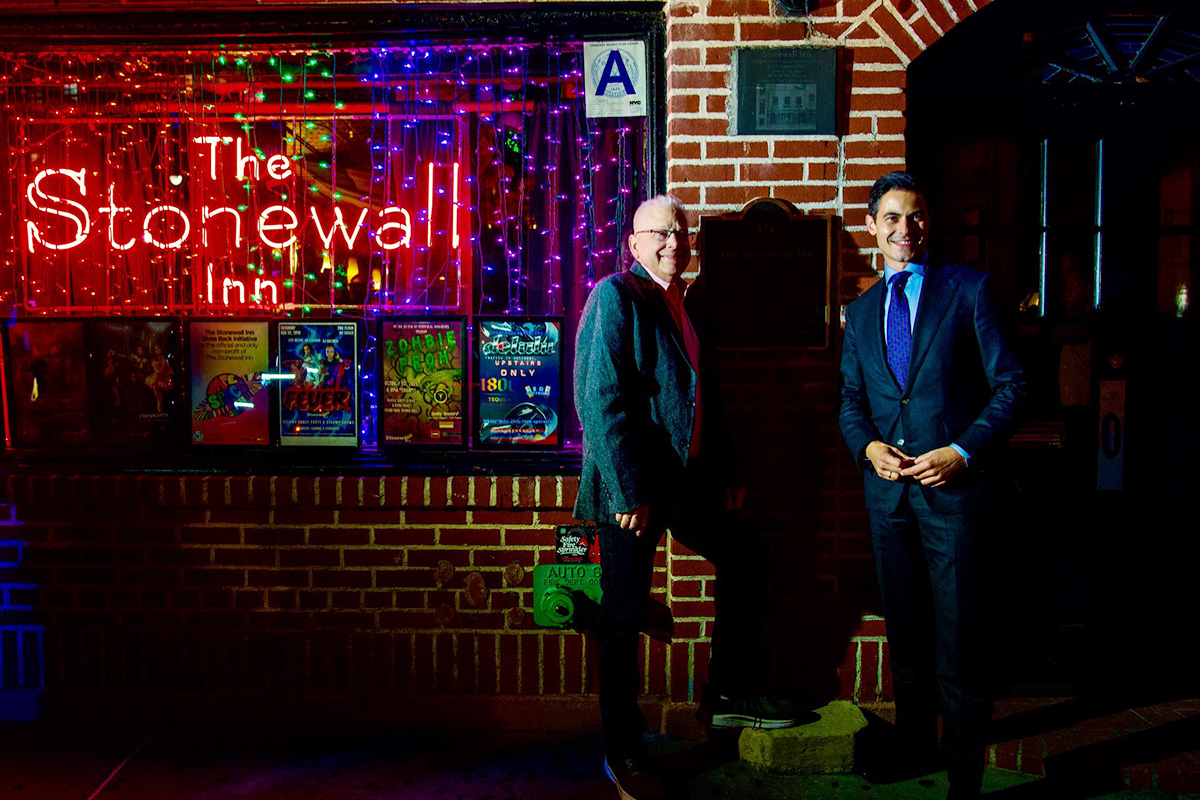
Dutch Prime Minister Rob Jetten on Monday visited the Stonewall Inn in New York.
“The Stonewall Inn is not just a gay bar in New York, but the place where in 1969 riots took place as a reaction to years of discrimination and police violence,” wrote Jetten on X. “This is seen as the starting point of the global LGBTIQ+ emancipation and activism. Nowadays, the bar is a national monument, dedicated to the LGBTIQ+ rights movement.”
“For me, it is impressive and moving to be here tonight. And also fitting, because the defense of human rights is an important part of our foreign policy,” he added. “The Netherlands stands alongside the Stonewall Inn community when it comes to everyone’s right to live openly, safely, and with pride, no matter who you are or who you love.”
De Stonewall Inn is niet zomaar een gay bar in New York, maar de plaats waar in 1969 rellen plaatsvonden als reactie op jarenlange discriminatie en geweld van de politie. Dit wordt gezien als startpunt van de wereldwijde lhbtiq+-emancipatie en activisme. Tegenwoordig is de bar… pic.twitter.com/hJmFYjF91Z
— Rob Jetten (@MinPres) September 23, 2026
Jetten in February became the Netherlands’s first openly gay prime minister.
He opened last month’s World Pride Human Rights Conference in Amsterdam. Jetten also participated in a panel with former Irish Prime Minister Leo Varadkar, former San Marino Captain Regent Paolo Rondelli, and other current and former heads of government who are gay or lesbian.
Jetten is scheduled to speak to the U.N. General Assembly on Thursday.
(Editor’s note: Jetten visited New York’s LGBT Community Center with New York City Mayor Zohran Mamdani before he left the city.)
Fiji
Spike in HIV cases prompts Fiji to declare national emergency
Country recorded 2,016 new diagnoses in 2025

Fiji, a small Pacific island nation, on Sept. 15 declared a national emergency as it confronted one of the sharpest increases in new HIV infections globally.
The surge had been building for years, prompting the government to begin intensifying its response two years before the emergency declaration.
In 2024, the government adopted a four-year HIV Surge Strategy, covering 2024 through 2027, and later put in place a national plan to respond to the outbreak. UNAIDS and the World Health Organization have supported that effort.
The scale of the crisis is stark.
An estimated 9,100 people were living with HIV in Fiji in 2025, according to UNAIDS — a 12-fold increase from 2010. HIV has no cure, but effective treatment can suppress the virus, allowing people living with HIV to live long, healthy lives, and preventing sexual transmission when the virus remains undetectable.
In announcing the emergency, Health and Medical Services Minister Ratu Atonio Lalabalavu said the country recorded 2,016 new HIV diagnoses in 2025, the highest annual total on record. He called the figures a sign of the “seriousness of the epidemic and the urgent, coordinated response our country now needs.”
The crisis is also affecting children.
Save the Children Fiji said this week that a two-month-old baby is currently the youngest patient in the country living with both HIV and tuberculosis. The organization said 59 babies acquired HIV through mother-to-child transmission in 2025, while 67 new HIV cases were recorded among children under 15.
Five years ago, about one in every 167 people in Fiji was estimated to be living with HIV, according to government figures cited by the Associated Press. Since then, Fiji has also emerged as an important transit point in the regional drug trade, with international criminal networks moving narcotics from Latin America and Asia toward markets including Australia and New Zealand. Some of those drugs are also reaching Fiji’s domestic market, where injecting drug use has become an increasingly important route of HIV transmission.
Sexual transmission has continued to fuel the outbreak, with health officials pointing to inconsistent condom use and gaps in HIV testing. Stigma and misinformation have made the problem harder to confront, according to UNAIDS Pacific adviser Renata Ram, who has warned that limited knowledge about HIV can discourage people from seeking testing and care.
In a statement to the Los Angeles Blade, Eamonn Murphy, UNAIDS’ regional director for Asia and the Pacific and Eastern Europe and Central Asia, cautioned against viewing Fiji’s epidemic through the lens of a single behavior or community. Among cases where the mode of transmission is known, he said, more than half are linked to sexual transmission and more than 42 percent to injecting drug use.
“The rise in infections among women and infants also shows that HIV has reached more widely across society,” Murphy said. “What stands out is how quickly the epidemic changed compared with the pace of the response. Access to PrEP and harm reduction remained limited, Fiji did not yet have a needle and syringe programme, and stigma and policy barriers continued to keep some people away from services.”
Murphy noted only 39 percent of people with HIV in Fiji knew their status in 2025, and only 22 percent of them were receiving treatment. He also pointed out a wider system-level problem.
“COVID-19 and the years that followed disrupted services, shifted attention and resources, and left community-led outreach operating below the scale that was increasingly needed,” said Murphy. “The epidemic moved faster than the response.”
Murphy said the immediate challenge is to bring HIV prevention and treatment closer together and make both easier to access at scale. He said PrEP, condoms, testing and harm reduction — including Fiji’s planned needle and syringe program — need to reach people earlier. At the same time, people diagnosed with HIV need a clear path into same-day treatment, care and support that helps them remain in treatment.
The tool at the center of the harm-reduction debate is hardly new.
Needle and syringe programs provide people who inject drugs with sterile equipment, helping them avoid sharing needles and reducing the risk of HIV and other blood-borne infections. Decades of evidence have found that NSPs reduce HIV transmission without increasing drug use, and WHO describes them as a proven and cost-effective public health intervention. Such programs operate in more than 90 countries worldwide. Yet Fiji, even as injecting drug use has become an increasingly important route of HIV transmission, is only now moving toward introducing one.
“Trust is just as important as access,” Murphy told the Blade. “People most affected by HIV are more likely to use services when they are confidential, respectful and connected to organisations they already know. Community groups and peer workers are increasingly part of Fiji’s response, including the rollout of free PrEP, and that closer link with the health system can make a real difference.”
“As UNAIDS has stated, the national crisis declaration is ‘a call for action, not fear,’” he added. “Fiji has the tools to change the trajectory; the priority now is to turn political commitment into rapid, coordinated action that reaches people at scale. The UN Joint Team is working to support the national response.”
Joeli Colati, executive director of Fiji Network Plus, a nongovernmental support and advocacy network established by and for people living with HIV, told the Blade that HIV affects people in ways that extend far beyond their health. Some people are afraid to get tested because they fear being judged or worry that others will discover their HIV status. Others fear the consequences for their families, jobs and relationships, as well as stigma and gossip. For LGBTQ+ people and other vulnerable populations, Colati said, those fears can be even harder to navigate because some already face discrimination. When people do not feel safe, he said, they may avoid testing, treatment and other HIV services.
Fiji does not have a reliable national count of its broader LGBTQ+ population.
UNAIDS estimates that about 16,000 men who have sex with men and transgender people live in the country, though that figure should not be treated as an estimate of the entire LGBTQ+ community.
“We are also seeing a lot of HIV misinformation, especially on social media. This includes people sharing wrong information about how HIV is spread, how it is treated, and what it means to live with HIV,” said Colati. “Another serious concern is the increase in herbal healers claiming they can cure HIV. There is currently no cure for HIV. These claims can be dangerous if they make people stop or delay their HIV treatment. Herbal medicine should never be promoted as a replacement for antiretroviral therapy (ART).”
Colati said HIV peer counselors and NGO outreach workers are helping people at the community level, from supporting those newly diagnosed and helping them stay in care to reaching people who may not visit clinics, providing accurate information and connecting them with testing and treatment. He said people are often more comfortable seeking help from someone who understands what they are going through.
“As someone living with HIV myself for 19 years, I know that a person who is newly diagnosed needs more than medicine. They also need support, correct information and hope. With treatment, people living with HIV can live long and healthy lives,” Colati said. “We also need people to understand undetectable equals untransmittable, or U=U: when a person living with HIV takes treatment and maintains an undetectable viral load, they do not sexually transmit HIV. That is both a prevention message and a powerful message against stigma. Fiji Network Plus, the national network for people living with HIV, reinforced this message in our response to Fiji’s national HIV crisis.”
Asaeli Sinusetaki, acting chief executive of Rainbow Pride Foundation, an LGBTQ+ advocacy group based in Suva, the Fijian capital, in a statement to the Blade said the organization welcomed the government’s declaration because it showed officials now recognized the seriousness of the situation.
“It is unfortunate that it took this long to respond, because the warning signs were always there,” Sinusetaki added.
“For LGBTQ+ people, experiences can differ depending on how comfortable they are accessing services,” Sinusetaki said. “At the same time, LGBTQ+ communities in Fiji have been one of the driving forces behind prevention efforts. Yes, accessing services independently can be a challenge because of fear, particularly stigma and discrimination. But because many LGBTQ people are also part of the Peer Outreach Worker network, they have established trust within their communities and networks to help people access information and services.”
Sinusetaki said access to HIV testing remains a major challenge, with testing unavailable at many local health centers, forcing some people to travel to sexual and reproductive health clinics or hospitals. He said that can be a significant barrier in a country where people often do not seek medical care unless they are already sick, making it unlikely that someone would make a separate trip simply to get an HIV test.
“The emergency has also highlighted that HIV cannot be treated as a stand-alone issue,” said Sinusetaki. “LGBTQ people need access to a broader package of sexual and reproductive health services, STI screening and treatment, mental health and psychosocial support, prevention information, condoms and lubricants, PrEP and PEP and, where relevant, harm-reduction services.”
“For people who receive a positive diagnosis, the challenge does not end with testing,” Sinusetaki added. “We need to ensure that they are linked rapidly to treatment, supported to remain in care and treated with dignity throughout that journey.
The Blade reached out to Lalabalavu multiple times for comment, but did not receive a response.
National
For lesbian victims of domestic violence, competent care is scare
Heteronormative assumptions, funding cuts contribute to lack of resources for survivors

Uncloseted Media published this story on Sept. 22.
By EMMA PAIDRA | Claire, a 25-year-old Los Angeles resident, distinctly remembers the night she and her ex-girlfriend broke up.
“She was strangling me in a CVS parking lot,” Claire recalls, adding how she was gasping for air as bystanders looked on. “I made eye contact with one man who just kept walking, and we were right behind a car that was trying to reverse out of a parking spot. No one got out of the car. They didn’t honk; they didn’t do anything.”
Claire, who asked to use a pseudonym due to safety concerns regarding her ex, says she managed to fight her way out of her then-girlfriend’s grasp. It was at this moment in 2024 she realized things had reached a breaking point.
While research on intimate-partner violence has traditionally focused on opposite-sex couples, two recent reports found that queer women, like Claire, are not immune to this type of abuse. An international research review published last year in the Journal of Media Critiques found “IPV rates in same-sex relationships are comparable to or exceed those in heterosexual relationships,” with up to 46 percent of lesbians encountering such abuse, compared to 36 percent of straight women. A separate review published earlier this year found that nearly 27 percent of lesbians surveyed had experienced IPV.
Despite the prevalence of IPV in lesbian relationships, heteronormative and outdated assumptions have left many queer women feeling like they have nowhere to turn for competent services and support, according to experts, advocates and victims interviewed by Uncloseted Media.
“Queer folks are joining the conversation to say, ‘This is happening in our communities, too, and we need the same resources and support services that straight women are offered,’” Tori Stranges, a professor of women’s studies at the University of British Columbia, told Uncloseted Media.
A frequently overlooked problem
Stranges says the false notion that only men are domestic abusers can result in violent same-sex relationships not being taken seriously.
“People assume that violence is perpetrated by men against women,” she says, adding that this “has left queer people out of the conversation.”
“If it was a man that was doing all these things, and people heard and saw it, I’m sure I would have been taken seriously,” says Claire. “People saw a 5-foot-7 woman who didn’t look that strong — and above all, she was a woman. Men, especially, don’t really see that as a threat. So they’re like, ‘If I’m not threatened, then I’m sure it’s not a big deal.’”
Outdated assumptions about IPV can even result in victims themselves overlooking their abuse.
“When it comes to abuse in heterosexual relationships, there are national campaigns, there are resources that you can access,” Stranges says. “There are people coming into the school systems to talk about relationship violence. We don’t have similar recognition and the same conversations about queer people.”
Claire says the violence she was subjected to was paired with moments of intense affection, which made it harder for her to recognize the abuse.
“We would get into a fight, and she would physically abuse me, and then apologize. She was actually also very gentle with me sometimes,” Claire recalls. “That kind of cycle can be really addicting. I would always wait for the good parts.”
The role of mental illness
K.P., a 47-year-old lesbian living in Maine, was with her abusive ex-girlfriend for five years before ending the relationship in 2023. During their time together, K.P. says her ex, who struggled with panic disorders, ADHD and depression, experienced a decline in her mental health, which contributed to more frequent outbursts of rage. When it comes to the link between rage and violence, one 2022 meta-analysis found that “anger was a significantly stronger correlate of IPV perpetration for women than men.”
K.P., who was working from home at the time and felt like she had no escape, says her ex’s verbal abuse spiraled into physical violence.
“I was on the couch with my laptop, trying to work, and she was just being belligerent,” recalls K.P., who asked to be identified by only her initials because of safety concerns. “I tuned her out, but when she realized I wasn’t giving her the attention that she expected, she went to the kitchen, grabbed two knives and started coming at me.”
K.P. ran outside, trying to get away. Her ex ran after her and then chased her back inside to avoid being seen by neighbors.
Once inside, her partner hid her phone. K.P. used this brief window to message a co-worker on her laptop, asking him to call the police.
“I was confused and afraid,” K.P. told Uncloseted Media. “I’d never been chased with a knife before, let alone by someone who I cared about.”
Research shows LGBTQ people have higher rates of mental health conditions than their non-LGBTQ+ peers. A study published last year in JAMA Network Open found sexual and gender minorities had “significantly higher odds of at least four of 10 commonly diagnosed mental health conditions,” including post-traumatic stress disorder and bipolar disorder.
IPV may also contribute to negative mental health effects, with research finding that victims experience an increase in depression, anxiety and PTSD and a reduction in life satisfaction.
“After we broke up, I was messed up,” K.P. says. “It took me a good six or eight months to feel like I could breathe again.”
Trapped in a ‘double closet’
In addition to mental health, the stigma of being queer may affect a victim’s response to being in an abusive relationship. When Claire first came out to her family, she says they kicked her out of their home until she returned to the proverbial closet. They eventually accepted her sexuality, but Claire says the residual shame she carried afterwards led her to avoid the added stigma she feared she’d experience if she admitted to being in an abusive relationship.
“All of that combined made me feel so trapped. I just thought, ‘Oh my god, I’m being judged from every single angle,’” she says. “There was just nowhere to go.”
Letícia Yuki de Araujo Furukawa, a clinical psychologist specializing in supporting survivors of IPV, says this kind of thinking is not uncommon among queer women in abusive relationships.
“Sometimes lesbian women who are experiencing IPV relationships start to isolate themselves, to prevent themselves from the shame and judgment they think they are going to suffer,” she says.
Furukawa says this impulse is rooted in the layers of stigma queer women face.
“It comes down to two things that make it like a double closet: We have the closet of being a lesbian, and you have the other one that comes from being in a violent relationship.”
According to Furukawa, having a supportive family can decrease the risk of entering an abusive relationship. Unfortunately, strained familial relationships are common among queer people: A 2022 study in the Journal of Marriage and Family found that 32 percent of gay and lesbian adult children — compared to 22 percent of their heterosexual counterparts — were estranged from their fathers.
Because of the shame Claire faced from her family when she came out, she was reluctant to admit there was a problem in her relationship when her mother and sister expressed concern. She worried that if her family knew her lesbian relationship was abusive, they would stop accepting her queer identity.
“My mom and sister would say to me during the relationship that they thought my ex looked evil, and that I changed so much. I used to be such a bubbly girl, and my personality made a complete 180,” she remembers. “In my head, I was like, ‘I can’t admit that it’s true.’”
‘Gaps in, policy, care, and services’
When queer women have the courage to report IPV, some don’t receive the response they’re hoping for. When police arrived at K.P.’s home following the knife-wielding incident, she says they opened a case file and wrote an incident report but said there was nothing else they could do because her ex had fled the scene.
“It was a little frustrating that since my ex-girlfriend drove away, the police couldn’t do anything,” K.P. explains.
Laura Elizabeth, an assistant professor of criminal justice at Virginia Union University who researches IPV, says there may have been additional steps police could have taken to support K.P., including connecting her with resources for domestic-violence survivors.
“It is vital that [police] make the proper referrals, and that it not just be limited to handing the victim a brochure,” she says. “There needs to be an active discussion with victims about what their options are in terms of who they can reach out to, who can offer what services.”
Kimberley Jackson, an associate professor at the Arthur Labatt Family School of Nursing at Western University, says lack of research on same-sex domestic violence also impacts the support services available to lesbian victims.
“The intersection of IPV and the LGBTQ community is really not well understood,” Jackson told Uncloseted Media. “What we can tell you based on really limited evidence, is that there are huge gaps in policy, care and services. And with respect to shelters, we haven’t really moved the needle very far.”
One area in which shelters may be failing lesbian victims has to do with both the perpetrator and the victim being able to access the same shelter.
“This issue is further compounded in rural areas, where there’s likely only one shelter,” Jackson says. “There’s a chance they won’t be able to turn someone away, even if they’re the perpetrator.”
Jackson says queer victims of domestic violence who aren’t open about their sexuality may face additional obstacles.
“With respect to anonymity, in a lot of rural places, you’re going to know people in the community,” she says. “There are issues with accessing help if you’re worried about outing yourself.”
Calls for change
Experts and victims say LGBTQ+ training for shelter workers and law enforcement, as well as funding for research, could help prevent same-sex IPV and address the damage done by such abuse.
But under the Trump-Vance administration, these funding resources are slipping away. In March of last year, the administration canceled at least 68 grants, totaling nearly $40 million, that were focused on LGBTQ+ health. A second round of cuts followed two months later, during which $800 million worth of grants dedicated to researching LGBTQ+ health were terminated.
Rebecca Hobbs, co-executive director of Through These Doors, a domestic violence resource and advocacy center in Portland, Maine, says LGBTQ+ training materials are essential to ensuring shelters can support lesbian victims.
“LGBTQ people will not come to us unless they see themselves reflected in our materials,” Hobbs says. “We want our advocates to be well versed in understanding the additional barriers and challenges that LGBTQ people might experience.”
Advocates say police departments could also benefit from LGBTQ+-awareness training.
The state of California and a number of large cities — including Atlanta, Chicago, Los Angeles, Houston, New Orleans, New York, Philadelphia, and D.C. — have implemented some form of LGBTQ+-sensitivity training.
But Greg Miraglia, founder and CEO of Out to Protect, a national organization supporting LGBTQ+ police officers and equipping all officers to serve queer people, says these programs are the exception, not the rule.
“Most other states do not require any type of LGBT awareness training,” Miraglia, a retired police officer who is based in California., told Uncloseted Media “There are over 18,000 law enforcement agencies out there, and I don’t think we’ve scratched the surface.”
“The problem comes about when law enforcement goes into a domestic violence incident with a same-sex couple without any training, carrying a lot of stereotypes that are common,” Miraglia adds. “They’re not picking up the fact that this is a couple that’s involved in an intimate relationship, and therefore domestic violence laws in that state apply.”
Claire says she wishes someone had intervened when her ex abused in the CVS parking lot and on her college campus. “The police had the biggest missed opportunity to intervene, as well as campus security,” she says. “A lot of our fights were in public, and she would get very loud. I made a promise to myself that if I ever saw anything like that in public, I would say something, because that’s all I needed at the time.”
United Nations
UN human rights chief sounds alarm over ‘comprehensive onslaught’ against LGBTQ+ rights
Volker Türk on Monday spoke at UN LGBTI Core Group event
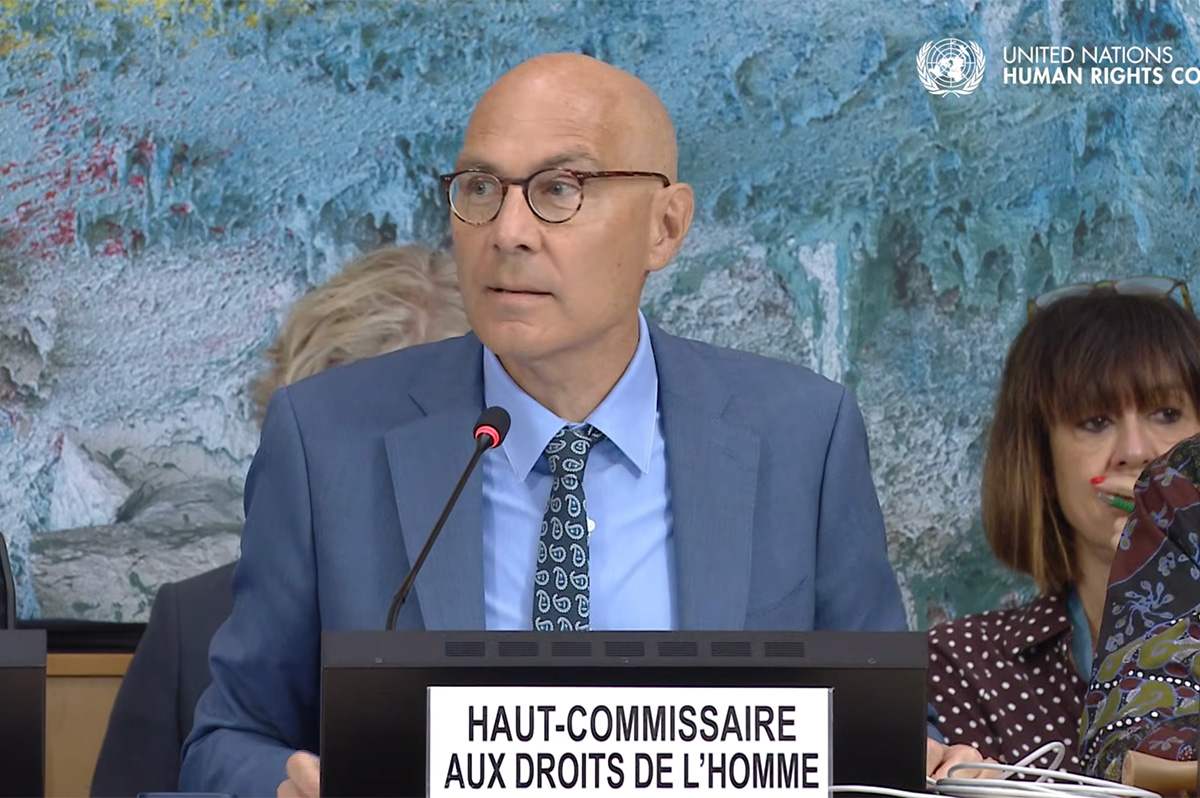
UNITED NATIONS — U.N. High Commissioner for Human Rights Volker Türk on Monday said there is a “comprehensive onslaught” against LGBTQ+ and intersex rights around the world.
“We know that progress for human rights has never been linear … but today’s backlash is deep and it is coordinated and the persecution of LGBTIQ+ people around the world is escalating at an alarming rate,” he said during an U.N. LGBTI Core Group event that took place on the sidelines of the U.N. General Assembly.
The Core Group is a group of U.N. member states that have pledged to support LGBTQ+ and intersex rights.
Mexico and Norway are the current co-chairs. The U.S. withdrew from the Core Group shortly after the Trump-Vance administration took office in 2025.
“We know that across every region, LGBTIQ+ people continue to live and to love in the face of hostility and exclusion,” said Türk. “Their rights, safety, well-being are under attack … it’s a comprehensive onslaught.”
The event took place days after Turkish authorities carried out raids in Istanbul and in other cities across the country that targeted the country’s LGBTQ+ community.
Türk in his remarks specifically referenced Turkey and Senegal, which further criminalized consensual same-sex sexual relations earlier this year. He also noted some countries have deemed LGBTQ+ and intersex rights groups as “terrorists, extremists, or national security threats.”
The Trump-Vance administration’s anti-terrorism strategy that it released in May specifically references “radically pro-transgender” groups.
Türk noted “more and more candidates and political parties … use bigotry in order to promote anti-LGBTIQ+ sentiments” during election campaigns. He pointed out trans people and women are often targeted.
“These attacks are designed to confuse and to distract,” said Türk. “They cloak bigotry in the language of decency and morality. They evoke the protection of children against manufactured threats, while real and growing dangers to children’s lives and futures, including those linked to technology, to inequality and to the climate disaster remain unaddressed.”
“More broadly those who seek to erase difference and independent thought, expression, and voices from our societies often begin this by erasing LGBTIQ+ people from books and classrooms, from film and culture and from our streets,” he added. “So, this is always the beginning. It’s a wedge issue that unfortunately is used politically to erase other portions of society eventually.”
90 percent of LGBTQ+, intersex groups have lost funding since 2025
The event took place less than two weeks after Outright International released a report that found 90 percent of LGBTQ+ and intersex rights groups around the world have lost funding since January 2025.
The Trump-Vance administration froze nearly all U.S. foreign aid shortly after it took office.
Secretary of State Marco Rubio in March 2025 announced 83 percent of U.S. Agency for International Development contacts had been cancelled, and the State Department would administer the remaining programs. USAID officially shut down on July 1, 2025.
Rubio issued a waiver that allowed PEPFAR and other “life-saving humanitarian assistance” programs to continue to operate during the funding freeze. The Los Angeles Blade has previously reported PEPFAR-funded programs in Kenya and other African countries have been forced to suspend services and even shut down because of gaps in U.S. funding.
Dutch Foreign Trade and Development Cooperation Minister Sjoerd Sjoerdsma in his remarks at the Core Group event noted his government — openly gay Prime Minister Rob Jetten took office in February — will pledge €50 million ($57.29 million) to support LGBTQ+ groups around the world. British Under Secretary of State Chris Elmore pointed out his government has pledged £21 million ($28.05) from 2026-2029 to bolster LGBTQ+ and intersex rights around the world.
“Equality benefits everyone,” said Elmore.
Mexican Foreign Affairs Secretary Roberto Velasco Álvarez, Norwegian International Development Minister Åsmund Aukrust, Icelandic Foreign Affairs Minister Þorgerður Katrín Gunnarsdóttir, Maltese Foreign and European Affairs Minister Chris Fearne, Brazil’s National Secretary for the Promotion and Defense of the Rights of LGBTQIA+ People Symmy Larrat, Irish State Minister for International Development and Diaspora Neale Richmond, South African Department of International Relations and Cooperation Director-General Zane Dangor, Uruguayan Multilateral Affairs Director María Noel Beretta, French Ambassador-at-Large for Human Rights Isabelle Rome, Cabo Verdean Permanent U.N. Representative Tania Romualdo, Estonian Department of International Organizations and Human Rights Director General Käthlin Saluveer, and Swedish International Development Cooperation Director-General Camilla Nevstad Bruzelius also spoke at the event that Outright International Executive Director Maria Sjödin moderated.
Other speakers included Jon Tilli of Deutsche Bank, UN Women Civil Society Division Director Lopa Banerjee and two activists: Gloria Quaye of Ghana and Nhuun Wannapong Yodmuang of Thailand.
Quaye was among the 21 people who Ghanaian authorities arrested in 2021 during a human rights workshop for LGBTQ+ activists. She was detained for three weeks until a court dropped the charges.
“In times of adversity, countries can often be tempted to turn inward at precisely the moment when international cooperation is needed the most,” said Sjödin. “The United Nations, of course, brings together sovereign states, but sovereignty cannot be used to decide whose rights count.”
Then-first lady Jill Biden in 2024 spoke at a Core Group event that took place on the sidelines of that year’s U.N. General Assembly. Then-Vice President Joe Biden in 2016 headlined the Core Group event that coincided with that year’s U.N. General Assembly.
The U.S. did not send any representatives to this year’s event.
Jessica Stern, the former special U.S. envoy for the promotion of LGBTQ+ and intersex rights under the Biden-Harris administration, and former U.S. Ambassador to Bosnia and Herzegovina Eric Nelson were among those from the U.S. who attended.
“The movement for the equal rights of LGBTIQ+ people has much to teach the world, particularly at this moment, but some seek to erase or reject those lessons,” said Türk. “The history of the movement for the equal rights is full of courage, dignity, and solidarity and it is an integral part of the human rights movement.”
“It’s not something separate; it’s an integral part of the full human rights movement,” he added. “In claiming their freedom, the LGBTIQ+ communities helped free our societies. We need to see it as a broader strive for freedom.”

Governor Newsom signs 6 pro-LGBTQ bills, vetoes 1

Science takes the runway: HIV Unwrapped at NYFW

Lesbian Bar Project co-founder: purity politics could destroy our remaining spaces

HRC report: LGBTQ+ students face ‘far greater challenges’ in non-supportive states

Education Department rolls back protections for LGBTQ+ students under Title IX

Here’s your Palm Springs look at the weekend: Sep 25-27, 2026

Embracing queer exploration with actress Rosslyn Luke

Pride In Dallas was a weekend of unabashed joy for Texas’ queer community

Turning grief into advocacy: Debbie Allen shares on loss, love, and the power of speaking out

‘Lizzie Borden’ might be the best ‘Monster’ yet
-
 Palm Springs4 days ago
Here’s your Palm Springs look at the weekend: Sep 25-27, 2026
-
 a&e features4 days ago
Embracing queer exploration with actress Rosslyn Luke
-
 Pride Special4 days ago
Pride In Dallas was a weekend of unabashed joy for Texas’ queer community
-
 AIDS and HIV3 days ago
Turning grief into advocacy: Debbie Allen shares on loss, love, and the power of speaking out
-
 Television3 days ago
‘Lizzie Borden’ might be the best ‘Monster’ yet
-
 a&e features3 days ago
The trans Handy Ma’am helps where it matters most – at home
-
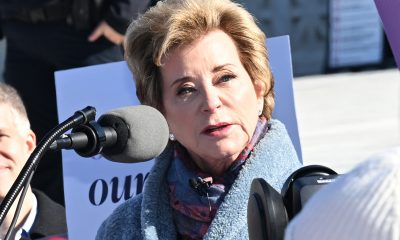 National1 day ago
Education Department rolls back protections for LGBTQ+ students under Title IX
-
 National7 hours ago
HRC report: LGBTQ+ students face ‘far greater challenges’ in non-supportive states
-
 Bars & Parties5 hours ago
Lesbian Bar Project co-founder: purity politics could destroy our remaining spaces
-
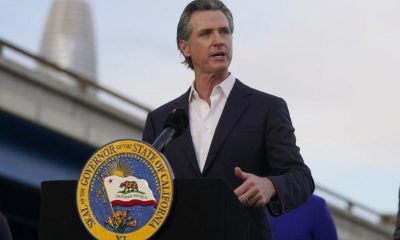
 Gaming2 days ago
Free slot tournaments are the casino game Californians can play online right now