
AIDS and HIV
Special Report: The arc of Michael Weinstein’s moral outrage from AIDS to homelessness
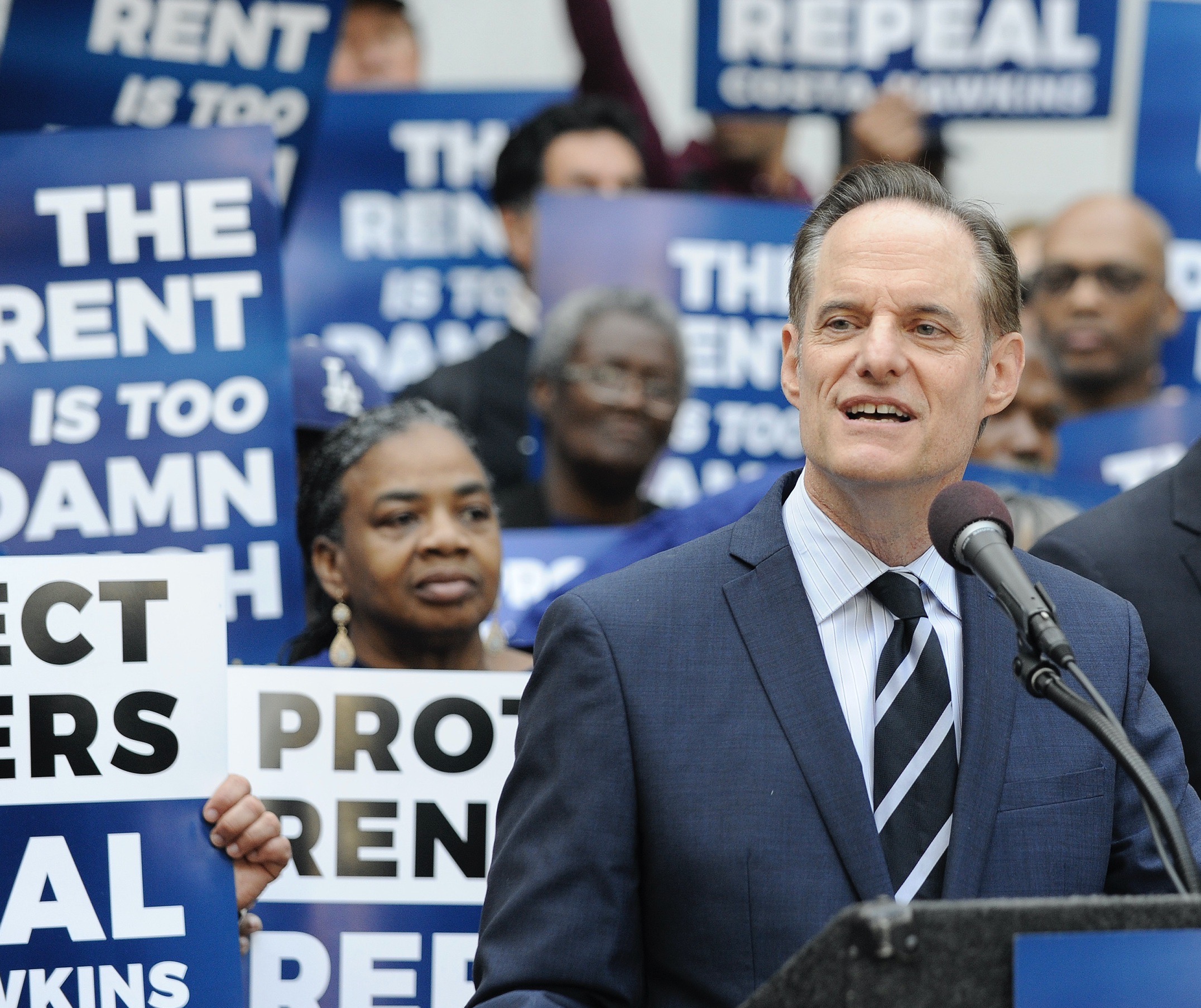
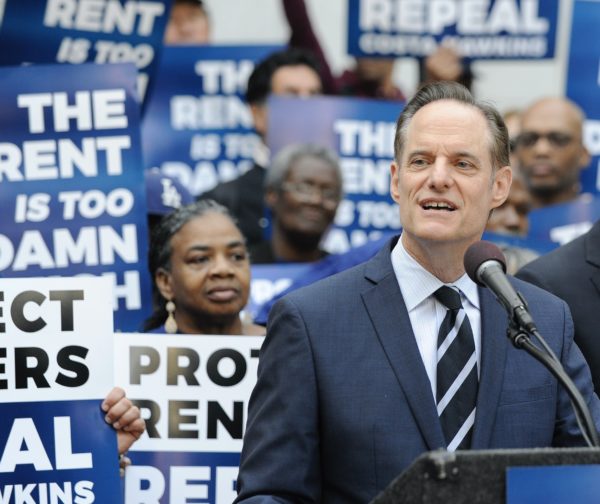
AIDS Healthcare Foundation President Michael Weinstein speaks a press conference announcing a statewide ballot measure to repeal Costa-Hawkins at LA City Hall Plaza on Monday, April 23, 2018, in Los Angeles.(Carlos Delgado/AP Images for AIDS Healthcare Foundation)
California is caught in a conundrum. While House Speaker Nancy Pelosi and Rep. Adam Schiff are steadily guiding America through the divisive impeachment process, President Donald J. Trump seems more and more determined to punish the big blue state for its resistance to his draconian pronouncements.
On Nov. 3, for instance, Trump threatened to withhold federal funds for the devastating wildfires, tweeting that Gov. Gavin Newsom “has done a terrible job of forest management. I told him from the first day we met that he must ‘clean’ his forest floors regardless of what his bosses, the environmentalists, DEMAND of him.”
“No more,” if Newsom asks for funding, Trump tweeted, apparently unaware that the federal government controls forest land and the funding would help the displaced.
But there is an odd, unrecognized disconnect between concern for the burned-out fire victims and the larger issue of homelessness in cities such as San Francisco and San Diego and Los Angeles – 981 human beings died on the streets of LA County in 2018.
And the expectation of more turmoil looms large with Trump’s anticipated intervention into California affairs after the Nov. 15 firing of Matthew Doherty, the gay executive director of the U.S. Interagency Council on Homelessness.
According to the Los Angeles Times, Doherty is likely to be replaced by Robert Marbut, a Texas-based consultant who “has long encouraged elected officials to stop coddling people on the streets.” For instance, The Times reports, in 2012, Marbut “pushed the Florida city of Clearwater to stop ‘renegade food’ donations from churches and other charitable organizations. At the time, he characterized Clearwater as the second-most enabling city in America.”
Marbut’s philosophy, which broadly includes expanding police authority to crack down on the homeless for minor offenses, “is in line” with the Trump administration, The Times reports.
And what is that philosophy? “We have people living in our … best highways, our best streets, our best entrances to buildings … where people in those buildings pay tremendous taxes, where they went to those locations because of the prestige,” Trump said during a September LA site visit by administration officials. “And all of a sudden they have tents.”
Trump’s options are legally limited. But when has that stopped him?
If officials order sweeps of streets and homeless encampments, where would they go? Or might they be rounded up and placed into unspecified federal facilities?
But Newsom may now have a much-needed resource. On Dec. 4, he hired fired federal homeless expert Matthew Doherty to be his senior adviser, perhaps even figuring out how to pry loose millions of dollars in stalled funding for the state with half the nation’s unsheltered homeless population.
Doherty has a daunting job. The Los Angeles Homeless Services Authority estimates approximately 50,000 to 60,000 people were homeless in LA on any given night in 2019, more than 44,000 on the streets. About 34% are Black, hugely disproportionate to their 8% of the population; 31% are females; and minors through age 24 make up 8,915 of the county’s homeless population, up from 8,072 in 2018.
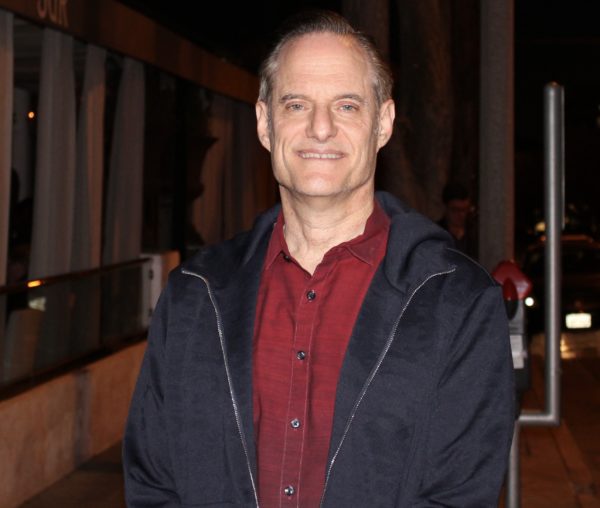
The jump comes “despite over $619 million in spending on the [homeless] problem in the region over the past year,” AIDS Healthcare Foundation co-founder and President Michael Weinstein said in a June 2 statement.
The LAHSA did not post LGBTQ-specific statistics but last June, when out City Controller Ron Galperin introduced an online map to help link homeless and at-risk LGBTQ youth to services, he noted that up to 40 percent of homeless youth identify as LGBTQ.
“The homelessness crisis gripping our region spans the spectrum of age, gender, ethnicity and sexual orientation and expression, but is particularly difficult for LGBTQ youth,” Galperin said.
Within this context, a majority of voters recognize homelessness as a crisis — exacerbated by a paucity of affordable housing, escalating rents, retaliatory evictions and gentrification. But, The Times notes, “there is some appetite among L.A. County residents to have law enforcement be more involved.”
To Weinstein, the humanitarian calamity on the streets and the criminalization of homelessness is a moral outrage.
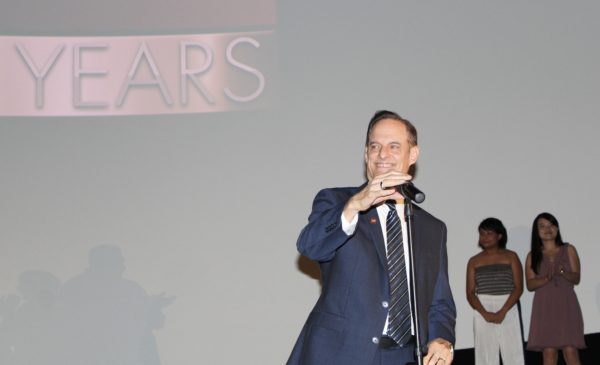
“AIDS Healthcare Foundation was born of moral outrage over the mistreatment of people with AIDS. We began as a hospice provider when people were dying in the hallways of the county hospital,” Weinstein says. “Today’s housing crisis is a similar crisis of indifference to suffering. Our patients and employees are feeling the devastating impact of skyrocketing rents. AHF has jumped into the breach with advocacy and by directly creating affordable housing units.”
In 2017, AHF created the Healthy Housing Foundation by AHF, which bought and renovated SROs in Hollywood and Downtown LA. AHF has also sued to prevent destruction of available housing units by developers proposing luxury housing with some affordable units set aside.
Weinstein, whose first apartment at 19 was in West Lake for $100 a month, believes the supposed “trickle down” of luxury complexes actually makes surrounding housing units too expensive for someone living on minimum wage.
Watching this, Weinstein turned to his board of directors and his management team and asked: “What can we do to not just say how bad it is, but create a solution?”

“And so we went out in the marketplace and we bought our first single room occupancy hotel that was two thirds vacant and we rehabilitated it to put people in there,” Weinstein told the Los Angeles Blade. “And now we have seven of them and we have almost 800 rooms. The average cost is $100,000, including the renovation — whereas the city is spending $500,000. And the first units from Proposition HHH, which was the city initiative around building affordable housing, have yet to come online, not one single unit.
“It’s an urgency to meet human need,” he continues. “So not only are we criticizing and advocating, we’re also providing a solution. And I’ve committed to 10,000 rooms over the next five years,” including building from scratch. “We’ve amassed three lots and we will eventually build a project that hopefully will be 800 units there. So we’re very, very serious about creating solutions.”
Weinstein remembers the 1986 fight with his best friend Chris Brownlie against Lyndon LaRouche’s Prop 64 initiative to quarantine people with HIV/AIDS. After the measure failed, they asked what they should do next.
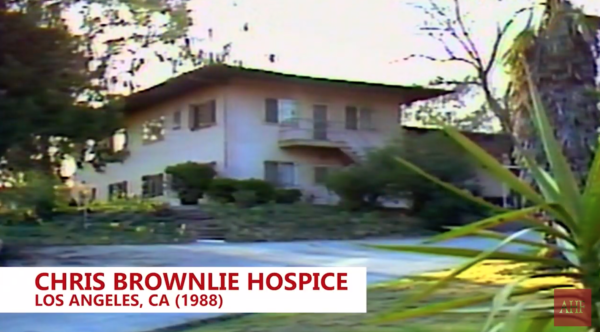
Seeing poor gay men evicted from their apartments, dying homeless and loveless on the streets or in the halls of County General Hospital or the overcrowded 5P21, they founded the AIDS Hospice Foundation and opened the Chris Brownlie Hospice to give them death with a modicum of dignity.

“As human beings, I think one of the things that differentiates us from other animals is that we take care of our own. And in this environment, in the AIDS environment, taking care of our own sometimes means providing people with AIDS with a clean, warm place to live out the last days of their life and a way to die without the distractions of homelessness or freaked out relatives or any of those things,” Brownlie says in the June 2017 documentary “Keeping The Promise,” narrated by Meryl Streep.
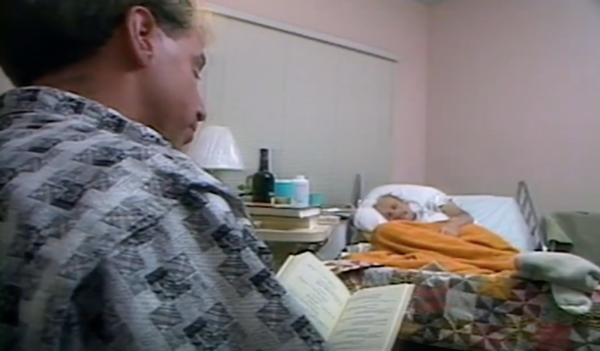
In the miracle three-drug cocktail came out in 1996, Weinstein decided to give the medication to AHF clients in their clinics and in their Chris Brownlie and Carl Bean hospices. But the government was not paying reimbursements for the medications in those days, so the cost came out of AIDS organization’s own pocket — bringing AHF to the brink of bankruptcy and provoking a near coup to oust the co-founder.
“I wouldn’t have done anything different because it was really a moral imperative. I mean, you couldn’t let people die who you knew could be saved,” Weinstein said in the documentary. “What happened was virtually all of the patients got better within a month or two. Before that, hardly anybody left the houses. Most people – they came there and that’s where they died. But all of sudden people were leaving and going back to their lives. And that was just miraculous.”
Thousands did not live to see the miracle, including Chris Brownlie. Nov. 29 was the 30th anniversary of his death at the AIDS hospice that bore his name.
“Not only is homelessness and housing affordability akin to the moral outrage of AIDS in the ’80s, but AIDS seemed like an insoluble problem, right? It just seemed like an overwhelming thing that you couldn’t get your arms around. And AHF and others who worked on this issue made it a solvable problem. Same thing can and should happen with housing affordability.”
On Nov. 30, AHF announced it would appeal a dismissed lawsuit filed last August in Superior Court against the City of Los Angeles, the City Council and four Hollywood developers. The lawsuit sought to enforce the federal Fair Housing Act and California’s Fair Employment and Housing Act regarding developments that AHF asserts were “approved without providing adequate measures to ensure that the projects would not displace protected minorities.”
In addition to the gentrification of minority neighborhoods, AHF is tackling the issue of escalating rents. On Dec. 5, AHF announced it has secured nearly one million signatures — far more than the required 623,212 voter signatures needed — to qualify the Rental Affordability Act for placement on statewide ballots for November 2020.
The RAA is sponsored by Housing Is A Human Right, AHF’s housing advocacy division. It is endorsed by Sen. Bernie Sanders, former Housing and Urban Development Secretary Julian Castro, Rep. Maxine Waters, and civil rights icon Dolores Huerta, among others.
If passed, the initiative would remove restrictions in state law to give cities and counties the ability to devise rent control policies that limit how much rents can increase each year.
“Seventy-five percent of Californians hold a positive to very positive view of rent control,” Weinstein said at a Dec. 5 news conference, according to a press release. “The housing affordability and homelessness crises are the most pressing social justice and public health emergencies in our time, especially in Southern California. We must take action to stop it now. To that end, we intend to bring the issue directly to California voters next November.”
Last year, a similar measure, Prop 10, was defeated. The effort cost $96.66 million – with Coalition for Affordable Housing raising $25.30 million (AHF contributed $22.52 million) and the No on Prop 10 real estate PACs raising $71.37 million.
Big PhRMA (Pharmaceutical Research and Manufacturers Association) also chipped in $500,000 to the No on 10 campaign. When the medical news organization STAT asked why, a PhRMA spokesperson claimed they had over 900,000 people living and working in California (thus 2.3% of the state population) and they were concerned that the measure “…could make housing harder to find,” according to a Sept. 20, 2018 report on Business Wire.
Weinstein has a long history of tangling with Big PhRMA, from the late 1980s when AIDS Hospice Foundation and ACT UP protested drug companies profiteering from outrageous drug pricing, to his lawsuits challenging Gilead Sciences drug patents making “untold billions off of tenofovir in its various treatment combinations since its introduction in 2001.” AHF’s lawsuits have paved the way for hundreds of other lawsuits, including a recent patent infringement case by the federal government involving Truvada.
“A rift between the Centers for Disease Control and Prevention and pharmaceutical giant Gilead Sciences ruptured further Wednesday when the Trump administration sued Gilead in U.S. District Court, asserting that Gilead made billions of dollars on HIV prevention therapy while repeatedly ignoring government patents,” the Washington Post reported Nov. 7.
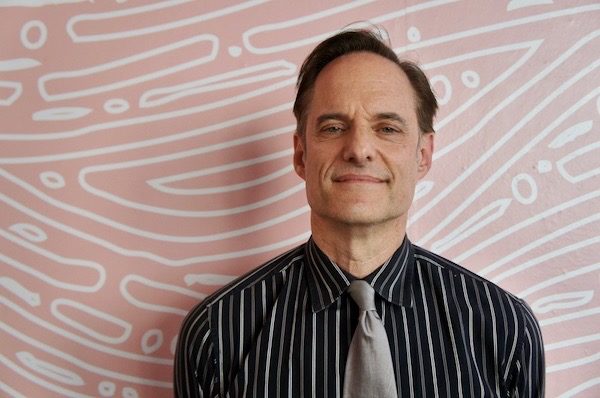
Weinstein is also a favorite target of critics who tend to repeat the same debunked claims, even into the pages of the New York Times.
“To his many critics in AIDS activism, Weinstein is the Koch brothers of public health,” Christopher Glazek wrote in a New York Times Magazine feature story, citing a slew of old allegations, including “giving kickbacks to patients, overbilling government insurers.”
“AHF has always been and remains clean as a whistle and at the same time, because our advocacy and our outspoken voice, we are a huge target,” Weinstein said. “Plus, oppression sickness that’s still very alive and kicking in the LGBT community does not allow anyone to rise to a level of leadership without being subjected to this kind of malicious attack.”
Weinstein encourages simple fact checking. For instance, in the so-called “Whistleblower Kickback case” in Florida, the original judge validated the AHF clinic’s business model of giving bonuses to employees to get people tested and using incentives and gift cards for clients who returned for a second appointment, now a more common practice in public health. After the initial lawsuit by former employees failed, they went to both the U.S. Department of Justice and the state government alleging Medicare fraud – but both declined to pursue the case.
In August 2018, the 11th Circuit Court of Appeals also ruled in AHF’s favor.
“They lost, they appealed, they lost again. And not only did the court rule in our favor, but the [Florida] government intervened to say that what we were doing is not only OK, but what they wanted us to do, which is to put everything under the same roof,” Weinstein said. Not only did AHF win the case, “but they’re having to pay us back the legal costs.”
In another Florida lawsuit, in November 2018, a judge ruled in AHF’s favor in a Medicaid contract case that threatened to disrupt care for nearly 2,000 HIV patients.
Regarding the criticism around LA funding, Weinstein said, “there’s been a lot of prejudice against us because of the advocacy, which we have fought and won in 90+ percent of the cases.”
In one instance, LA County strenuously asserted that AHF over billed for the services for which they were contracted.
“They spent $3 million fighting us on that and then they wound up settling without any claim that we had done anything wrong,” Weinstein said.
Weinstein has been excoriated for calling PrEP a “party drug,” which was translated into his opposition to the drug. In fact, AHF dispenses PrEP after a medical checkup to ensure the client should take it and is advised about side-effects and accompanying condom use.
“It’s a mischaracterization to say that we were opposed to PrEP,” Weinstein told the Los Angeles Blade. “We said that we did not believe it would be a successful public health strategy. And the jury is in on that, right? The people who are taking it are not the people who need it most. They’re older, white, middle-class men. The infection rate has not gone down. The STD rates have gone up, the condom culture has been damaged. We went from a variety of different prevention approaches to basically all PrEP and that has not been successful.”
Weinstein said the reason PrEP has not caught on, “despite the tens of billions of dollars that’s been invested in it, is because it’s very difficult to get people to take a drug for a disease they don’t have. It’s hard enough to get people to take a drug for disease they do have.
“One size does not fit all,” he continued. “That’s what we said from the very beginning — that PrEP would help individuals who were certain not to use condoms but that it would not be effective as an overall public health strategy. It’s been seven and a half years since the approval and we have not seen any significant change in the situation,” especially in reaching people of color.
To make condom use more sexy, for International Condom Day, AHF premiered a funny, lively parody of Cardi B with “Wrap It Like That” that has been viewed almost 859,000 times.
“Part of what has made us unpopular in certain quarters is that from day one we have had an ironclad commitment to serving people of color communities,” Weinstein said. “You still have a tremendous amount of segregation and discrimination in the LGBT community to this day. Whether you talk about Minority AIDS Project or In The Meantime, or Bienestar and if you look at the composition of our board of directors, our senior management, our global leadership — I’ll say this flat out — there is no other organization working in this space that is as diverse as AHF. And we’ve put our money where our mouth is, in terms of where we located our facilities, organizations that we financially support, and alliances that we’ve built.”
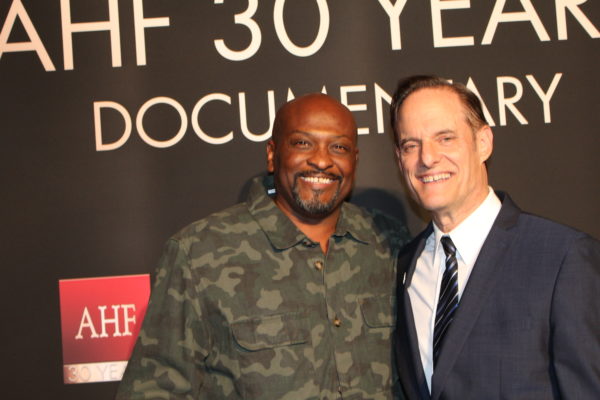
AHF’s Michael Weinstein with In The Meantime’s Jeffrey King (Photo by Karen Ocamb)

Impulse Group/ Buenos Aires (Photo courtesy AHF)
“You pay a heavy price for being ahead of your time, being in the vanguard. And I’m not saying that to brag. I mean that’s simply true. Over and over and over again,” Weinstein said.
The most recent flareup with AHF comes from popular, legislatively-prolific out State Sen. Scott Wiener (D – San Francisco) who apparently blames AHF’s strong opposition to SB 50, the transit housing bill he co-authored with State Sen. Ben Hueso (D – San Diego), for killing the bill this year.
“Senator Scott Wiener, SB 50’s author, recently wrote in an email that “AHF and Weinstein are now effectively California’s NIMBY-In-Chief,” the Bay City Beacon wrote in a highly critical story.
However, there was much opposition to SB 50 in its current form. In a statement posted on his website May 16, Senate Appropriations Committee Chair Anthony Portantino (D – La Canada Flintridge) explained why he turned SB 50 into a two-year bill.
“SB 50 is a well-intentioned effort to help solve our state’s housing crisis and it highlights two valid ways to affect land use decisions across the state: providing incentives or legislating mandates. My preference has always fallen on the side of incentives for local governments to accomplish goals. There were legitimate concerns expressed from both large and small cities about the scope of SB 50 as it pertained to bus corridors, historic preservation, the definition of ‘jobs rich’ neighborhoods and whether it would increase gentrification and discourage light rail expansion as unintended consequences; all of which justified the pause established today by the committee. My colleague from San Francisco is one of the smartest and most earnest legislators in the capitol. He cares deeply about the housing crisis and I expect him to continue to pursue his goals. Hopefully we provided the opportunity to broaden the conversation, which can result in a more targeted legislative effort.”
In fact, according to a May 8 Business Wire press release, the League of California Cities cited 35 municipalities that opposed SB 50: Burlingame, Beverly Hills, Brentwood, Chino Hills, Cupertino, Diamond Bar, Downey, Fremont, Glendale, Glendora, Hermosa Beach, La Mirada, Lafayette, Laguna Niguel, Lakewood, Long Beach, Los Angeles, Manhattan Beach, Mountain View, Novato, Paramount, Pasadena, Pinole, Palo Alto, Rancho Cucamonga, Rancho Palos Verdes, Redondo Beach, Santa Clarita, San Francisco, San Mateo, Solana Beach, Sunnyvale, Vista, West Covina, and West Hollywood.
Nonetheless, efforts were made to disparage AHF, including a news conference taking AHF to task for using a quote by and image of gay icon James Baldwin in an ad.
“As someone whose community has been so deeply impacted by HIV, I’m deeply offended by how they misuse HIV healthcare dollars,” Wiener, who is gay, recently said of AHF’s anti-SB 50 campaign.
Hueso sent a letter to Attorney General Xavier Becerra requesting an investigation of AHF over alleged misuse of federal 340B funds, Politico reported last August.
“This action is payback from Scott Wiener for our successful opposition to SB 50,” Weinstein tells the Los Angeles Blade. “These charges were made before and nothing came of it. AHF is extensively audited. Politico didn’t bother to say that 96% of our funding goes to patient care. And Senator Hueso’s own letter says that there are no restrictions on 340B funds, which come 100% from drug companies. Lastly, Politico didn’t even bother to speak to me for its article.”
Becerra’s office does not comment on the status of investigations or litigation, but as of Dec. 4 AHF has heard nothing from either from Becerra or the federal Department of Justice. Meanwhile, AHF says Wiener and Hueso are beholding to real estate developers by taking their campaign contributions.


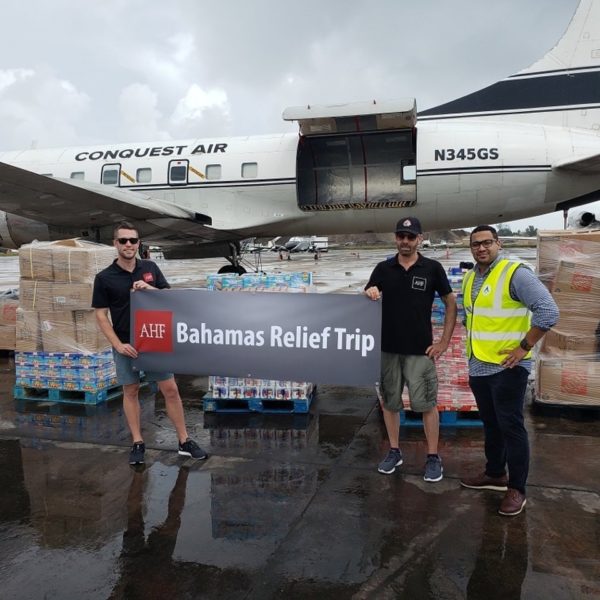

Weinstein pointed out that most of the stories critical of him and AHF “give such short shrift to our humanitarian efforts,” often in “very extremely dangerous and difficult circumstances across the world — not to mention our work on Ebola and our disaster relief where we air-lifted into the Bahamas and into Puerto Rico and Haiti before the U.S. government could get there.”
Since 1987, AHF has developed funding streams through a network of pharmacies, thrift stores, healthcare contracts and strategic partnerships. Today, AHF’s budget is $1.6 billion – with 96% of the funding going to patient care; with 6,500 employees caring for 1,332,868 patients in 43 countries, including 664 free global treatment clinics. AHF also operates in 38 of the 48 US counties the Trump administration wants targeted for HIV prevention, care and treatment.
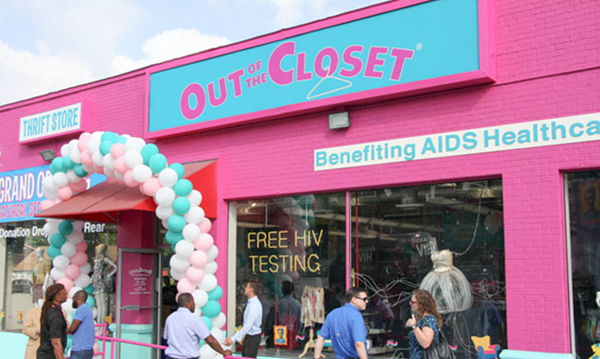
“You can talk all day long about whatever your political issues are with AHF. But the bottom line is that 1.3 million people are entrusting us with their care,” Weinstein said.
“We started out as a tiny grassroots organization. Our budget in the first year was $50,000, approximately. We were a fraction of the size of APLA. And now we’re a hundred times their size,” Weinstein said. “It’s a tremendous amount of hard work, dedication, and most of all really having our finger on the pulse of what the needs were. And now we’re taking on homelessness and affordability and housing and we’re taking on trying to build a sustainable public health structure in the world. None of the snark, none of the attacks, and none of these so-called legal arguments have slowed us down one iota.”
In fact, AHF’s Healthy Housing Foundation in LA is buoyed by the help they’ve been able to give people such as Herbert Butler, an 88-year-old homeless veteran of the Korean War who has been on the Hollywood streets for 20 years.
“Butler, an avid amateur pianist, long resisted going to shelters (for myriad reasons known best to him), preferring his life on the street,” AHF’s Ged Kenslea told the Los Angeles Blade. “However, one ritual remains sacred to him: several times a week he travels from Hollywood to Union Station to wait his turn for the chance to play — and entertain harried commuters — for 20 minutes or so on the community piano in the station’s waiting room.”
Nicole Farley, from JWCH Wesley Health Care Center, worked to earn Butler’s trust and bonded with him over his deep admiration for her grandfather, the famous alto sax jazz musician Captain John Handy. In October, Farley connected Butler to AHF’s Healthy Housing Foundation and they secured him a spot in the Baltimore Hotel, a 1910 SRO hotel on Skid Row in downtown LA that AHF has repurposed for homeless and extremely low-income housing.
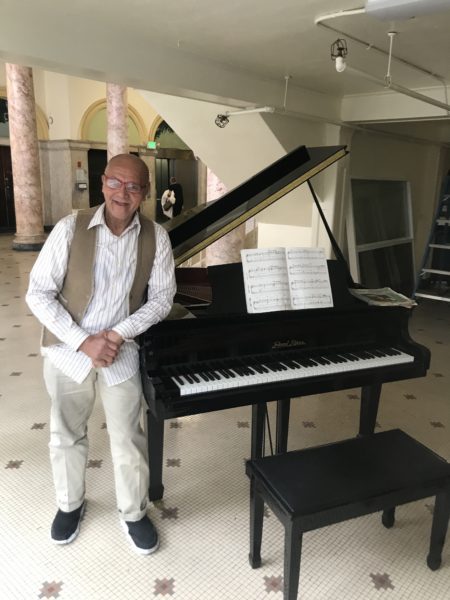
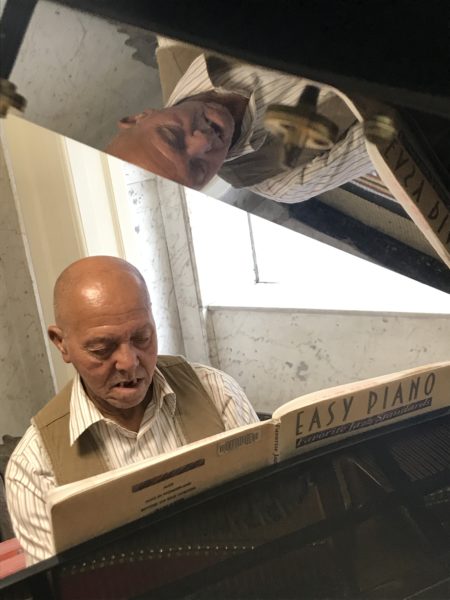
Herbert Butler (Photos courtesy AHF)
“Inspired by Mr. Butler’s story, his service to our country and his passion for music,” Kenslea said, “AHF recently obtained a secondhand mini baby grand piano and placed it in the lobby of AHF’s King Edward Hotel, directly across the street from the Baltimore. Now, Mr. Butler, and other musically inclined residents of AHF’s residences, can play to their hearts’ content.”
“The biggest issue of all the issues that we’re facing is income and inequality,” says Weinstein. “Whether it’s drug companies that price their drugs out of the reach of people, not only here, but around the world. Or whether it’s the fact that, that the system as it exists now, cannot put a roof over everybody’s head. I do a lot of international travel and I go to very poor places. And there’s no place that I have been where there are as many people sleeping on the street as there are in Los Angeles. There are people in huts, there are people in shacks with corrugated roofs, there are some terrible living conditions that I see. But a person who, lying on the sidewalk, the sidewalk is home for tens of thousands of people. I’ve not seen that anywhere that I’ve traveled. If that is not a moral outrage, then I don’t know what it is.”
“Homelessness is the worst wildfire California has ever seen,” says a recent AHF video on the issue of rent control.
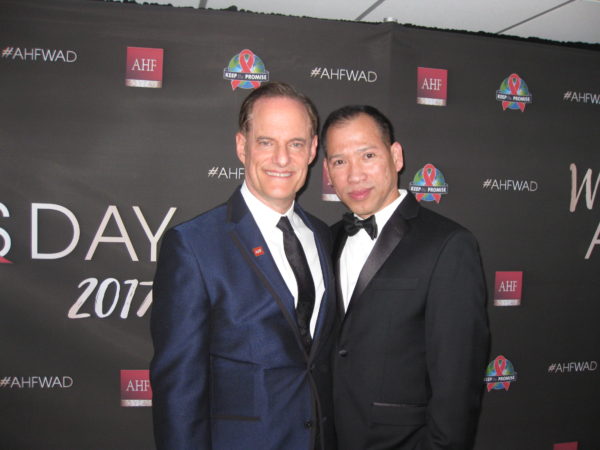
AHF President Michael Weinstein and husband Kevin Tran Nguyen (Photo by Karen Ocamb)
“The bottom line is love,” Weinstein tells the Los Angeles Blade. “The bottom line is love of humanity. The bottom line is love of sisters and brothers. And you know, sometimes you really need to fight like hell for the people and the things you love.”


AIDS and HIV
AIDS at 45: My secret about Michael Callen
My PTSD is acting up, reminding me about how much I miss living intensely.
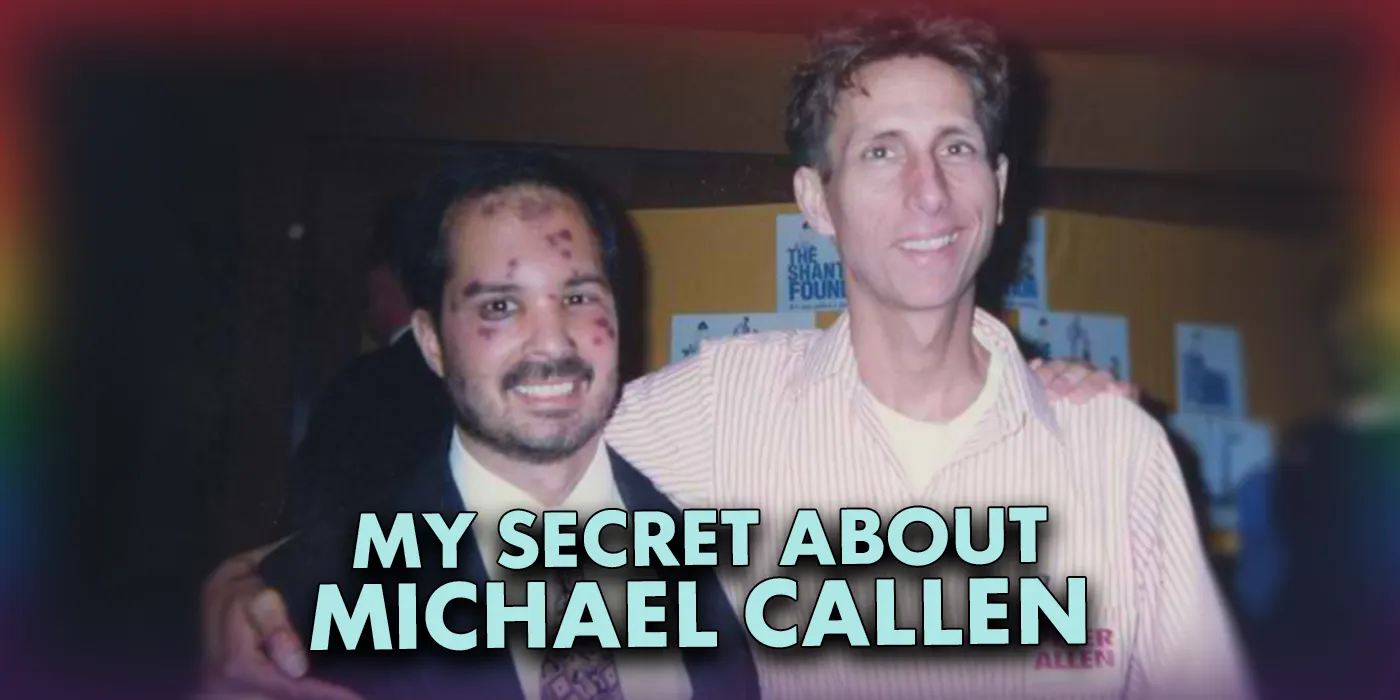
I’ve only shared this secret once – in January 1994 with gay Jungian psychologist Don Kilhefner, who offered to help when he found me trembling and confused outside an AA meeting at Fairfax and Fountain in West Hollywood.
I was falling apart. My friend Michael Callen had just died a few weeks earlier, and now, with the Northridge earthquake, I’d lost my balance. I couldn’t trust the ground I stood on. I literally concentrated on taking every step.
I blurted out how I felt like I’d failed Michael. He lived down the street from me, was a fellow writer for Genre Magazine, and, having become friends, I was one of his care providers.
On a trip back home from a doctor’s appointment, he asked me if I would help him die. We’d talked about death before, so I wasn’t surprised. And because I felt guilty about refusing to help an AA buddy get drunk before he died, I said yes.
We made a plan. Over the AIDS years, many of us had learned when and how to “punch the bolo” – slang for pressing the button on a pain pump that delivered morphine into a patient’s blood system. Michael would organize a Christmas party in his room at Midway Hospital, and when he was ready, he’d say goodbye, ask people to leave, and I’d punch the bolo.
And that’s what we did. Michael nodded to me, said he was ready, and I punched the bolo – and nothing happened.

We were shocked. Michael had a pained “Oh, NO!” look on his face. He was ready! It was time! Eight months earlier, with KS in his lungs, he sang “Love Don’t Need a Reason” at the 1993 March on Washington and proudly held that last note longer than Barbra Streisand. Recently, with KS turning his right leg into a cement pound of purple flesh, we’d written his goodbye to the community for Genre. He was done.
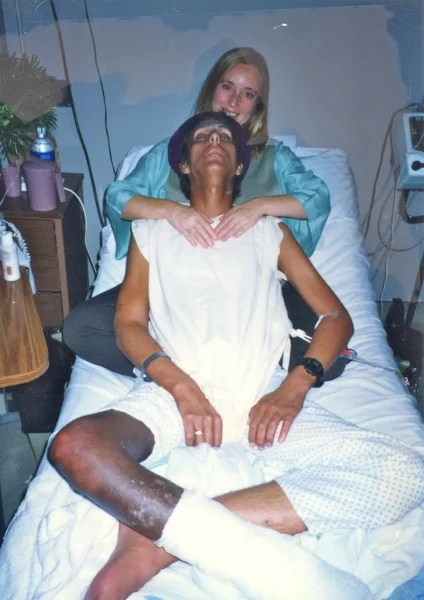
I punched again. Nothing. Panicked, I ran to the nurse’s office and said told a nurse the morphine wasn’t coming through. She came and checked the pump. It had already dispensed the medication and was on a timer. But we can’t wait, I said, with Michael nodding in his bed. She turned and left.
I clutched Michael’s arm as Dr. Robbie Jenkins came into the room. He was a gay, well-liked AIDS doctor. We trusted him. He flicked the tube and checked everything as I pleaded with him – Michael was ready and wanted to die. Robbie – whom I knew through author Paul Monette – pulled me aside and explained that assisted suicide was illegal, and while he understood, Michael was too famous for him to let that happen here, now.
Robbie apologized, then left. He’d get in trouble and maybe even lose his license if anyone even knew he was having this conversation with me.
Michael was devastated. But for some reason, he seemed to surrender and breathe and decided he was going to die when he was going to die. Meanwhile, let’s get back to Christmas.
I was devastated, too, apologizing, apologizing, apologizing. Michael told me to let it go. It was alright. It wasn’t, and I never forgot.
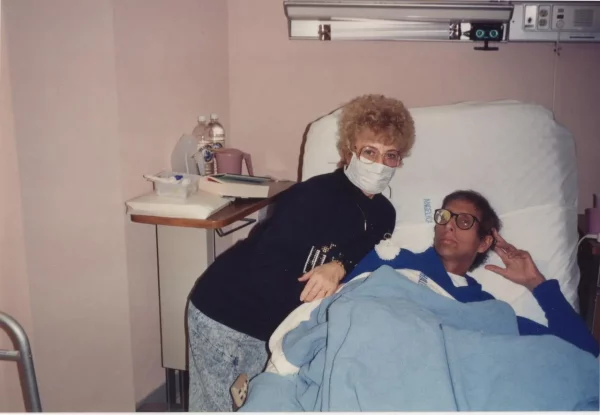
Michael died two days later. I helped him reconcile with this family in Hamilton, Ohio, before he died. That caused some controversy – but I didn’t care.
He stirred out of his coma when I put the phone to his ear as he listened to his brother Barry, his father Clifford, and his mother, Barbara, say goodbye. A tear rolled down the right side of his cheek as he managed to say, “I love you, too,” to his mother. He was done and fell back into a coma, letting go about two hours later. He was 38.
Michael Callen was famous. And important. And he saved a lot of lives through his AIDS self-empowerment messages, his book Surviving AIDS, and originating “safer sex” through How to Have Sex in an Epidemic: One Approach with Richard Berkowitz and their doctor and mentor, Dr. Joseph Sonnabend.
And Michael was a singer. And a feminist. And a friend. And that’s the heartbreak for so many of us who find ourselves longing for the love we shared, for triumphing over the challenges to our humanity, to the spiritual vanguard we became.
“Living with AIDS is like living in wartime, only in the twilight zone,” Michael once said in a speech. “A majority of your fellow citizens don’t seem to realize there’s a war going on, don’t hear the bombs dropping, the shells whizzing past your head, don’t have to step over the dead bodies of friends and loved ones.”
But we knew. Sometimes in the pain and darkness, a hand will clasp another hand and squeeze for a moment. Life. Recognition. Dignity. And a self-empowering choice we honored with love.
On February 10, 1993, I introduced Michael to the remarkable and kind Daniel P. Warner, founder of LA Shanti, the first AIDS organization in LA. Michael was there to accept an award during LA Shanti’s Peter Allen Memorial Tribute Concert at UCLA. Among the many stars there that night was Miss America 1993, Leanza Cornett, who served as Danny’s date. Danny died on his 38th birthday on June 14, 1993.
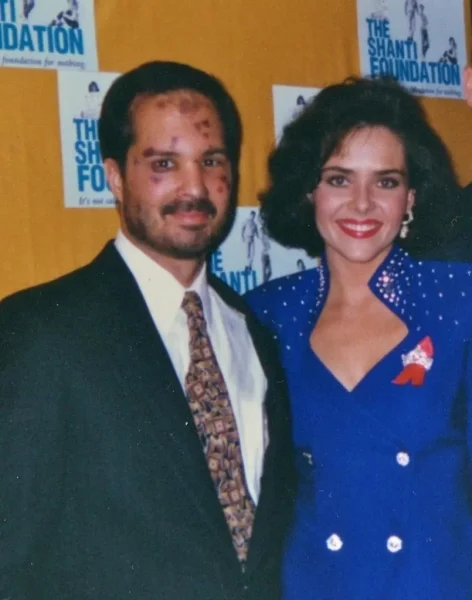
I may have failed Michael when he expected and needed my help. But I also promised to never forget him – and I haven’t. And that memory is evidence of our shared humanity.
The night of the tribute, Michael sang “Love Don’t Need a Reason,” which he co-wrote with Peter Allen and Marsha Malamet. It still rings true today.
This is a cross-post from Karen’s LGBTQ+ Freedom Fighters Substack.
AIDS and HIV
AIDS Healthcare Foundation announces 3 million people globally in its care
Los Angeles-based group lauded ‘historic milestone’

The AIDS Healthcare Foundation, a Los Angeles-based nonprofit group founded in 1987 that has become the world’s largest HIV/AIDS organization, has announced it has three million people in care around the world.
In a statement released on May 26, the organization, known worldwide as AHF, said the latest accomplishment reflects its global commitment to HIV prevention, care, and treatment. It says the accomplishment comes at a time when AHF marks the 25th anniversary of its first global programs launched in South Africa and Uganda in early 2001.
The statement says the three million people in care milestone also comes while the group approaches the 40th anniversary of its founding in 1987.
“Today, AHF provides lifesaving services in 50 countries across Africa, the Americas, Asia, and Europe, supporting millions of people living with HIV through a network of 1,056 global clinics, 79 healthcare centers in the U.S., 67 pharmacies, 96 wellness centers, 26 Out of the Closet thrift stores, outreach programs, and community partnerships,” the statement says.
“This accomplishment is far more than a number — it represents 3 million individuals whose lives have been touched by compassion, commitment, and the belief that healthcare is a human right,” Condessa M. Curley, the AHF board chair, said in a statement. “We extend our deepest gratitude to every member of the AHF team whose dedication made this milestone possible,” Curley said.
The AHF website notes the organization was founded in 1987 in Los Angeles as a network of hospices committed to “fighting for the living and caring for the dying” at a time when there was no effective treatment for HIV/AIDS. A statement on the website says since that time AHF has greatly expanded, converting its hospices into healthcare centers “and building a new paradigm for HIV care both in the United States and around the world.”
The statement adds, “Under the leadership of president and co-founder Michael Weinstein, AHF has grown from a group of friends dedicated to creating dignified hospice care to the largest AIDS organization in the world.” It says Weinstein “has been at the forefront of creating cutting-edge healthcare and advocacy programs and continues to drive the organization forward with the aim of saving more lives around the world.”
The statement announcing the milestone has also come at a time when more than 40 million people worldwide are living with HIV, “while hundreds of thousands continue to die annually from AIDS-related illnesses despite the availability of effective treatment.”
It says AHF’s response has included an expansion of its prevention and public health programs worldwide. In 2025 alone, according to the statement, AHF and its affiliated programs provided nearly five million free HIV tests globally and distributed more than 54 million free condoms, “underscoring the organization’s continued emphasis on both prevention and treatment.”
In D.C. AHF operates health care centers at 1701 K St., N.W., Ste. 400 [202-293-8680], 650 Pennsylvania Ave., S.E., Ste. 310 [202-350-5000], and 1647 Benning Road, N.E., Ste. 300 [202-350-5000].
AIDS and HIV
SB 1023 takes aim at the invisible insurance barriers to HIV prevention
While injectable PrEP represents a major leap forward in HIV prevention, outdated insurance systems are keeping it out of reach for the people who need it most.
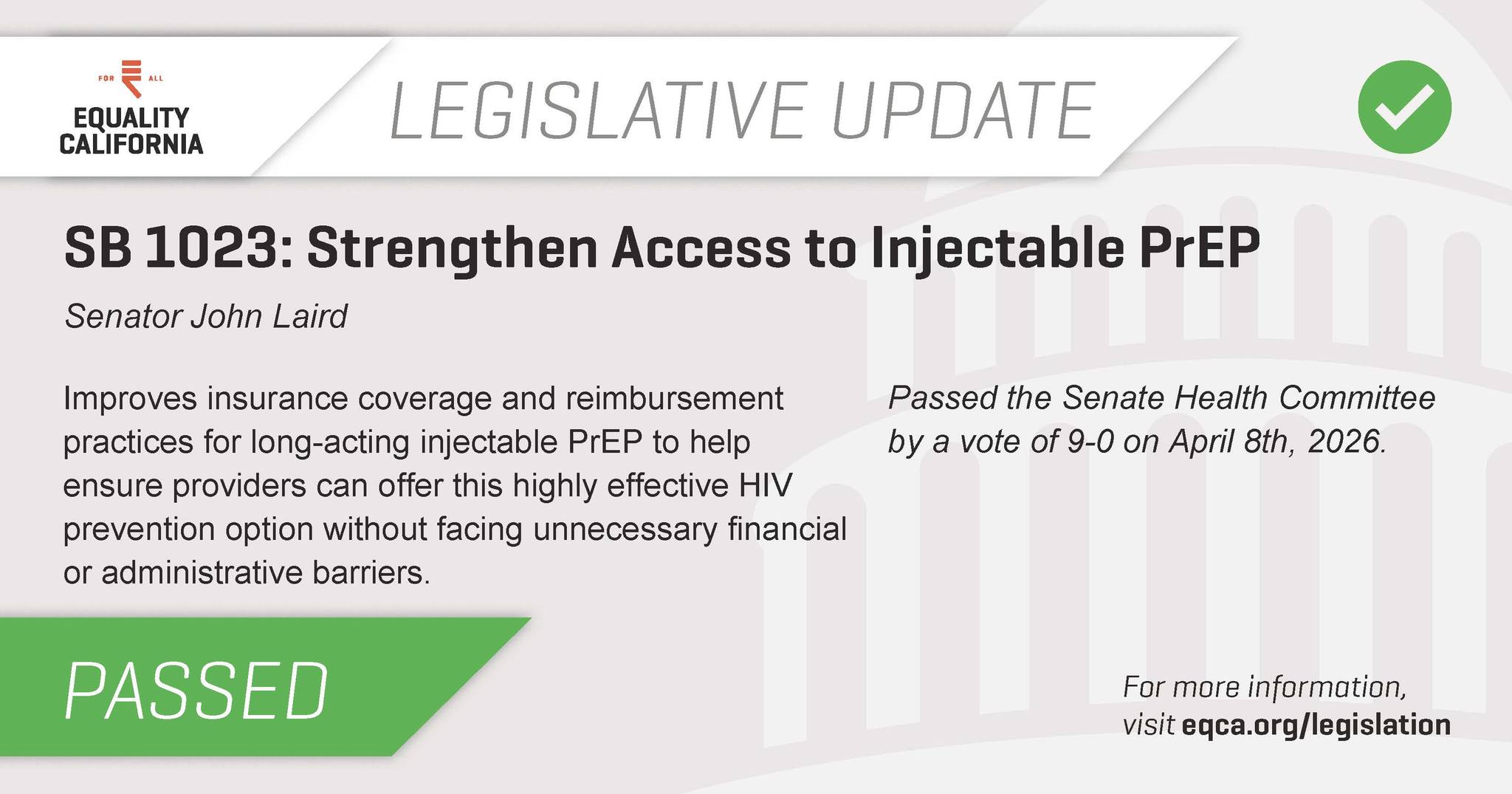
Some bills pass through Sacramento with the kind of pizazz you’d likely expect from a Heidi Klum Halloween party, while others tip-toe it as quietly as a mouse. More often than not, it’s the latter that carries more weight. SB 1023, recently advanced by the Senate Appropriations Committee and authored by Senator John Laird, falls into this second category. On paper, it’s about insurance billing codes and reimbursement pathways for injectable PrEP. In real life, it’s about whether prevention is actually accessible, or just theoretically available if you know the right pharmacy, the right paperwork, and the right brand of patience.
Let’s put this one in real talk. Injectable PrEP is one of the most promising tools we have in regard to HIV prevention at the moment. It’s long-acting, clinically effective, and designed to reduce the hassle of daily adherence that comes with its pill-form predecessor. The issue SB 1023 is looking at is not medical but bureaucratic. Some health plans cover injectable PrEP, but then funnel it through pharmacy benefits that don’t actually work for outpatient clinics trying to actually administer it. The result is a kind of administrative purgatory. The medication is there, the science is too, the patients are eligible and ready to go, and yet access gets stuck in the pipelines of insurance systems that were never designed for prevention as care. It appears that, when it comes to real care, they simply don’t.
Now, more than ever, even with the oral daily PrEP that we all know, love, and pop, this matters because prevention only works when it is accessible to the public that needs it, policy documents aside. When talking about PrEP and HIV prevention, we fall into the formulaic thinking of pop a pill, reduce the risk, and avoid the worst. Period. But anyone who has actually lived inside this system knows it’s more complicated than that. Prevention is impacted by income, stigma, clinic hours, insurance literacy, access to pharmacy, and whether you feel comfortable enough in a medical setting to keep trying. It’s shaped by whether your provider understands queer health without making you feel like a statistic instead of a person.
And for LGBTQ+ communities (especially queer and trans folks, Black and Brown communities, and sex-working communities), “usable” is the whole game. At face value, this is a policy fix. Realistically, it’s the recognition that HIV prevention still doesn’t distribute itself evenly across populations or communities.
There’s also something psychologically significant that’s happening here. Prevention is an emotional issue just as much as it is a medical issue. When access is accessible and stigma-free, folks can actually plan their lives without constantly negotiating fear and apprehension along the way. When unaddressed, you get something else entirely. Anxiety dressed up as responsibility. That specific flavor of anxiety that says, “You should be doing more,” while quietly making it harder to get up, get out, and do anything worthwhile.
I‘d be hard-pressed to harp on this topic without speaking on my own experience. I take Descovy every day. Not out of simple mindless routine, but as a practice of self-care. Like brushing my teeth, except with a much heavier historical and cultural context behind it. Some days it feels empowering, while other days it feels more like a reminder that prevention in queer life has never at all been passive. It is something we actively maintain in a world that has not always been necessarily interested in maintaining us.
And occasionally (and I say this with no shame), I also use doxycycline as I see fit in the context of post-exposure prevention practices. That, too, is part of a much broader shift in how we think about HIV prevention. It is less about singular solutions and more about layered strategies that meet people where they actually are, not where public health PowerPoints imagine them to be.
But the most real part about all of this is that, even when you are doing everything “right,” there is still an underlying buzz of vigilance. The medical history doesn’t lie. The knowledge that access can always tighten, loosen, or straight up disappear depending on politics, funding, or the latest moral panic.
That’s why SB 1023 matters. More than injectable PrEP, it’s about whether the systems around HIV prevention are evolving toward coherence or continuing to rely on the assumption that individual folks will simply absorb the friction. For our queer community, this bill sits inside a larger tension. We are simultaneously in an era of unprecedented biomedical capability and persistent structural inequity. We can prevent HIV with remarkable effectiveness, yet still struggle to make prevention consistently available across all the places it needs to be.
This gap has consequences for both physical and mental health. Physically, inconsistent access means preventable infections still occur. This is not only because tools don’t exist but because systems don’t deliver them cleanly. Mentally, it produces a quieter, more chronic strain: the stress of managing prevention as a personal project rather than a collective guarantee. It’s the difference between “I am protected” and “I hope I’ve done enough.”
This particular difference lives in the body. It shows up as vigilance fatigue. As decision exhaustion. As the low-level cognitive load of always tracking when prescriptions need refilling, when appointments need scheduling, and when insurance requires prior authorization that no one warned you about until you were already at the pharmacy window. And for communities already navigating stigma in healthcare settings, that burden is not evenly distributed.
So what do we do with a bill like SB 1023? On an individual level, we continue to use the tools and resources available to us, and we talk about them without shame. We normalize prevention not as a moral achievement, but as routine care. We share information in ways that don’t assume everyone has equal access to providers who understand queer health without hesitation or bias. We check in on each other not just about risk, but about access: “Are you actually able to get what you were prescribed?” We also resist the idea that prevention should feel isolating. No one should have to individually solve what is fundamentally a systems problem.
On a macro level, SB 1023 is a reminder that policy details are not details at all, aside from the difference between access and obstruction. It points toward a far more reaching need for healthcare systems designed around continuity rather than fragmentation. Systems that don’t require patients and clinics to constantly translate between medical intention and insurance interpretation.
It also raises the bigger question: if we already know how to prevent HIV, what exactly are we waiting for to make prevention universally frictionless? The science is not lagging. The barrier is administrative will. And administrative will is, in its own way, a form of public health intervention.
If we get it right, prevention becomes quieter. Not invisible, but integrated. Something you don’t have to fight for every month. Something that doesn’t require you to constantly re-prove your eligibility for safety. If we get it wrong, we continue to rely on individuals absorbing the inefficiencies of systems that were never built with us in mind.
I don’t think this bill is the end of anything. But it is a signal, small, specific, and important, that the conversation is shifting from “Do we have the tools?” to “Why are the tools still so hard to reach?”
For those of us who live inside that gap between availability and access, that shift is not in the least bit abstract. It’s very real, very personal, and long overdue. But that’s just one very gay man’s opinion.
AIDS and HIV
Fearless in the face of financial cuts: Alex Garner on HIV advocacy in 2026
As HIV programs face devastating cuts worldwide, Alex Garner explains why visibility, pleasure, and resistance remain acts of survival
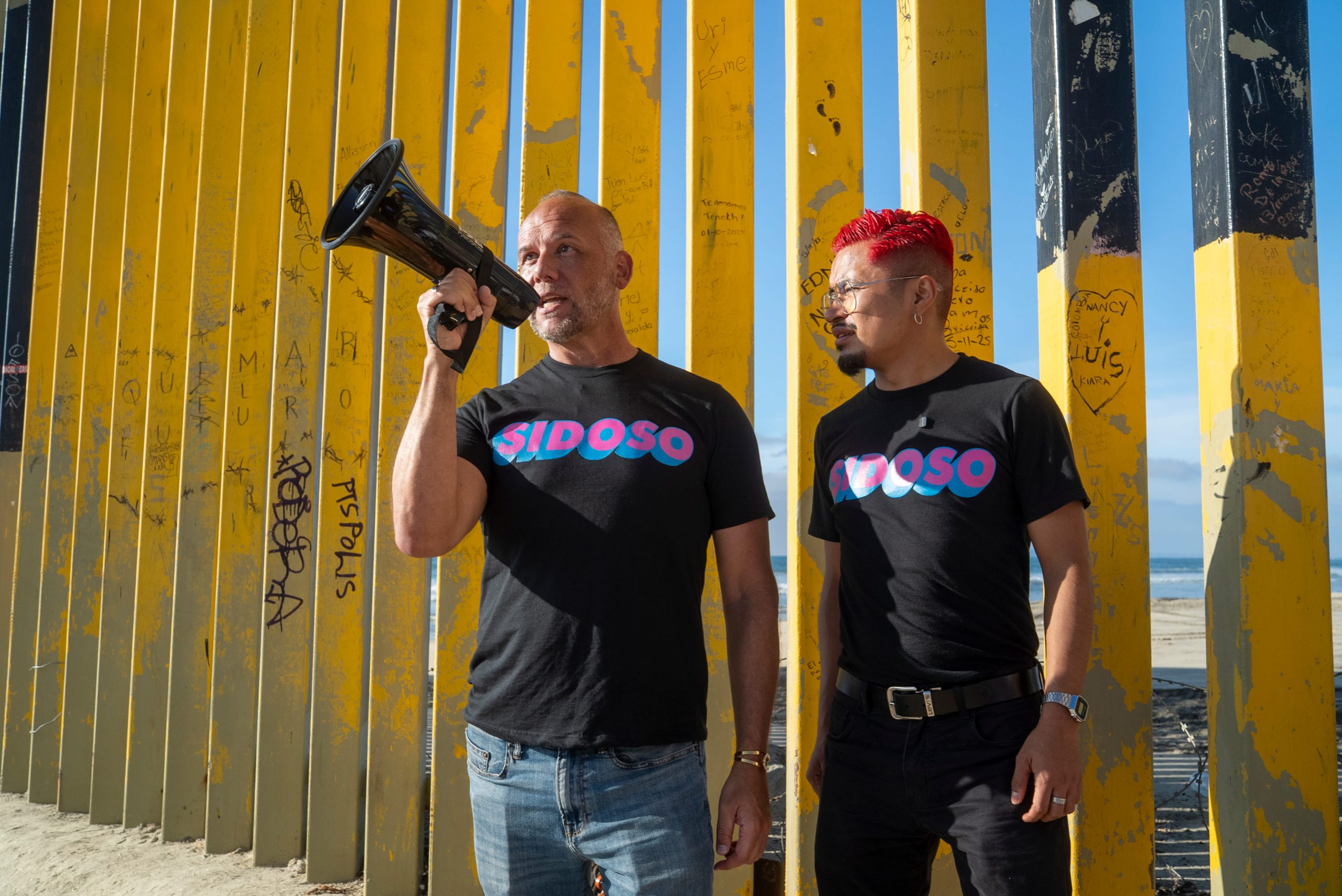
At a time when global HIV funding is being absolutely gutted, and anti-LGBTQ rhetoric is at the mic 24/7, Alex Garner has little to no interest in softening the truth. As a longtime activist and leader at Mpact Global, Garner speaks with the sense of urgency that can only come from lived experience and witnessing history threaten to repeat itself in real time. For Garner, these financial cuts are not some abstract policy debate or a budget footnote. They are, with no doubt, life-and-death decisions that disproportionately endanger our queer and migrant communities and everyone living with HIV around the world.
In our conversation with this beacon of hope, Garner reflects on surviving three decades with HIV, the groundbreaking changes in queer sexual health since the early years of the epidemic, and why today’s political climate needs bold voices rather than shy whispers. As fearless as he is deeply compassionate, Garner makes the case that modern HIV advocacy is about pleasure, dignity, visibility, and refusing to let queer lives be treated as expendable. just as much as it is about medical treatment. PREACH.
Around the world, we are seeing funding for HIV and AIDS programs slashed. What is the undeniable and very real impact of these cuts, especially for communities of color?
Funding numbers may seem like figures on a spreadsheet to some, but they represent real lives. Queer people have and will die. That’s it in the most basic terms. Around the globe, queer people are severely vulnerable and are already working hard to get resources to support the community. Migrants, people living with HIV, and gender diverse folks are going to bear the brunt of these cuts.
What makes right now such a critical turning point for global HIV advocacy?
The science of HIV has made incredible advancements. We have the tools to radically change this epidemic, but we are lacking the will from those in power. They simply don’t care enough about our lives to make an investment. It has been 45 years since the HIV epidemic, and Mpact and our partners are still fighting for basic resources. Each day, we must continue to demonstrate that our lives have value and meaning.
Testing and education are often the first to go when budgets cut. Why are those two areas so essential to maintaining much needed progress?
Education is fundamental to public health. 45 years into the epidemic, we know that when it comes to community education, unfortunately, we have to do it ourselves. Mpact has worked in collaboration with various partners and social media influencers around the globe to create health promotion materials and content because it is needed now more than ever. Working with the community to ensure that health education is understandable, relevant, and culturally appropriate is critical to effective education initiatives.
Mpact Global is choosing to expand at a time when many organizations are pulling back. What’s behind that decision?
The anti-LGBT movements are growing around the world, and they expect us to pull back, but we are stepping forward. We must demonstrate that we are not afraid, that we are not going anywhere, and that the lives of our queer community matter and are worth fighting for. We also have a responsibility to step up since there are many partners around the world in places like Senegal, Ghana, or Indonesia, who are unable to do so without immense risk. We have to use our power and voice for them and the very real issues they face.
As someone openly living with HIV, how does your own story impact the way that you approach this work?
I have been living with HIV for 30 years. I have been HIV-positive for more years than I was HIV-negative. It impacts every aspect of my life. It’s created resilience, resistance, and a drive to keep fighting. Stigma is not going to hold us back, and we have to approach our work with a sense of fearlessness and shamelessness. We can build a community for queer people living with HIV, as it can empower people living with HIV while at the same time allow negative people to witness that a community is possible and that living with HIV is not something to be scared of.
Since the start of the 2000s, how has the world of queer health advocacy changed and what has gone unchanged?
In the past 26 years, the world of HIV has drastically changed. We understand that with successful treatment, people living with HIV can achieve an undetectable viral load. The primary benefit of being undetectable is that you can live a long and normal life. The secondary benefit is that it is impossible to transmit HIV. PrEP is also more than 10 years old. Both these advancements have changed the quality of life of gay men and have changed our sex lives.
We’ve witnessed a mini-sexual revolution where more gay men are pursuing the sex they want. They have prioritized pleasure and are not living in fear and anxiety due to HIV. Our desire for pleasurable sex and for connections has not changed, but the world around us has. We have dating apps and social media, for good and for bad, and we have Doxy PEP. It’s one more thing to allow gay men to have sexuality that is centered on pleasure and sexual satisfaction and not eclipsed by fear and risk. While many gay men may not have experienced the 80s and 90s, we don’t want gay men to live in fear.
With political hostility and legislative attacks are on the rise, how are HIV prevention and care efforts affected?
During these hostile times, anything that is seen as promoting the sexuality of gay men is the first to get cut. We’ve had similar things happen around reproductive health and health for migrants. It’s all interconnected, and it’s from a familiar playbook. It requires resolve, creativity, and coalition building to endure these attacks.
With Mpact Global operating in 62 countries, what are the common threads you’re seeing across regions?
Over 60 countries still criminalize same sex sexual behavior. Meanwhile, governments seek to criminalize us because of our HIV status, gender expression, sex work, or migration status. Responding to laws, policies, and authoritarian leaders who criminalize us is a through line. We mobilize, and we strategize. And at the same time, we find and build community, and we continue to raise our voices and put forth a narrative that demonstrates our humanity and need for fundamental human rights.
What does effective HIV advocacy look like today, as opposed to 3 decades ago?
Education, access, and control over one’s body. That has not changed much, and those are things central to HIV, reproductive justice, and basic human rights.
For younger generations who didn’t live through the early years of the epidemic, how do you convey the relevance and gravity of the issue?
We lived through the dark and difficult times so that the next generations don’t have to. I never want gay men to have to live in fear, shame, and guilt. I want them to be able to pursue their sexuality with abandon, passion, and desire.
We need to show them that our lives matter, that we are continuing to fight for our health and our lives all around the world, and that they need to be a part of it. We’ve got to work together. I want them to embrace their sexuality and never take it for granted. To not feel ashamed about their sex but to explore, and grow, and find pleasure.
How does intersectionality impact the future of HIV advocacy?
Everything we do is political, and all parts of our lives intersect with a variety of issues. Recently, the Mpact the Besoton Sidoso Internacional or International HIV Kiss-In was a public activation on the border in Tijuana to demonstrate the sexuality of queer people living with HIV and to highlight the issues faced by migrants on both sides of the border in relation to health, HIV, and sexuality.
What role has resilience and adaptability played in the work that you do with Mpact?
Mpact’s 20 years are defined by resilience. We’ve had to continue to fight for health and human rights even amidst very challenging times. There have been successes, but it’s evident, now more than ever, that gains, like access to antiretroviral medication, must continue to be fought for as they are not guaranteed. And even things we expect to be guaranteed, such as human rights, continue to be at risk, so we must be nimble in our response and organizing.
Where do you see HIV and sexual health advocacy in the next decade?
We need to normalize sexual health as part of our culture. They are viruses and bacteria and nothing to be ashamed of. We need to integrate them into our overall wellness, just like we do with cold and flu season. That requires more than just traditional advocacy; it requires a cultural shift. Culture will change and policy will catch up, just like with marriage equality.
What innovations, whether political, medical, or communal, give you a taste of hope at our current moment?
Social media is still an underutilized resource, particularly by progressives. Seeing queer people all around the world leverage social media to speak openly, honestly, and unashamedly about who they are and what they experience can transform our world and our politics. When queer people openly express themselves amidst many risks, it’s always a source of hope and inspiration.
If you could speak directly to global leaders and those responsible for slashing budgets, what would you want them to understand about the work that you do?
They need to understand that real lives are at risk. But sadly, I think that does not move them. People are dying and suffering all over the world, and policymakers are doing nothing. If they can’t lead, respect, and advance human rights, then they are not leaders, and they need to give up power and let others do the work.
As Mpact Global celebrates 20 years, what legacy do you hope the next 20 years will build for the next generation?
Community building is central to the work we do. We want to be a force for good that strengthens queer community and works in collaboration to ensure people can freely express their sexuality and gender, have control over their bodies, and continue to fight for health and human rights. Community has always been the legacy for queer folks, and we are dedicated to continuing that part of our experience.
Follow all things MPact Global
AIDS and HIV
Congresswoman Maxine Waters introduces new resolution for National Black HIV/AIDS Awareness Day
H.Res.1039 supports more funding, resources and awareness for Black American communities, who are disproportionately impacted by HIV/AIDS.
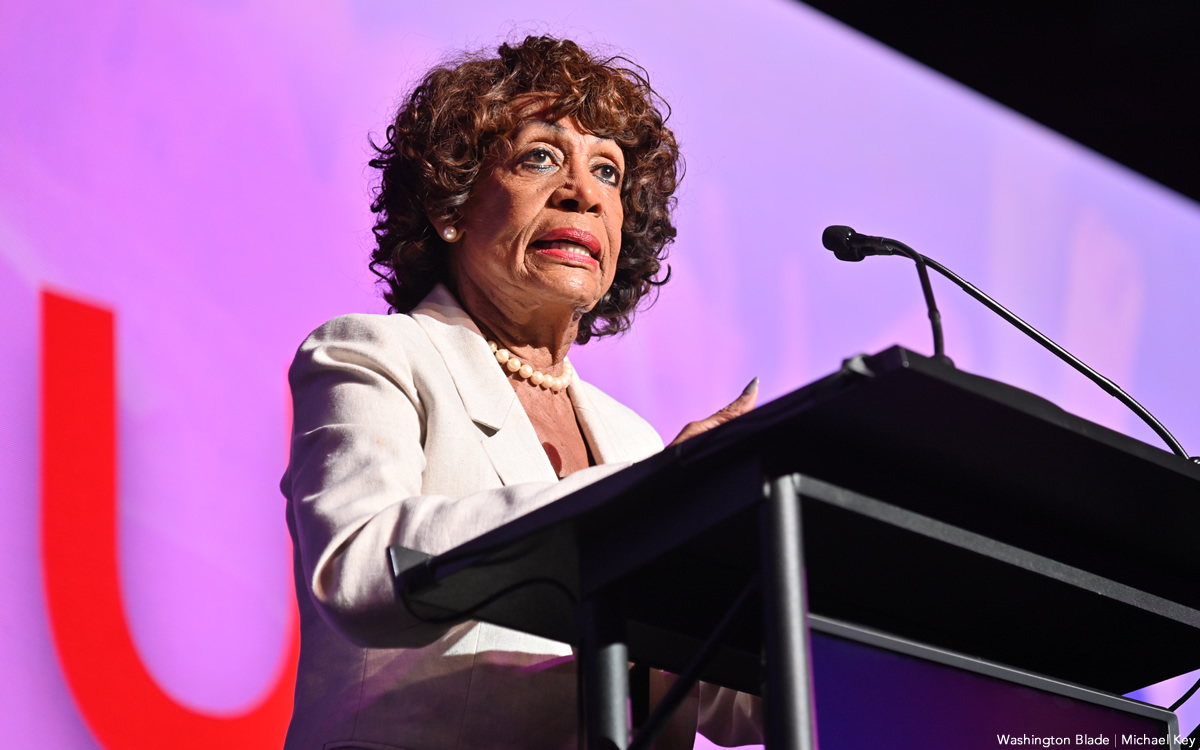
Today is National Black HIV/AIDS Awareness Day. Advocates established this day of awareness on Feb. 7, 1999, and nearly 30 years later, Black communities in the U.S. continue to be disproportionately impacted by HIV.
On Wednesday, California Congresswoman Maxine Waters introduced H.Res.1039, a resolution that supports the goals of National Black HIV/AIDS Awareness Day and calls for a collective commitment to address disparities Black people with HIV face. Waters represents the state’s 43rd congressional district, a majority Black and Brown population comprising South L.A. cities like Hawthorne, Gardena, and Inglewood.
In the resolution, Waters urges state and local government officials, as well as their public health agencies, to acknowledge the importance of this awareness day and encourage their constituents to get tested for HIV. The resolution also requests that the Secretary of Health and Human Services prioritize distributing grant funding to minority-led, HIV organizations and community-based approaches to fighting HIV stigma, LGBTQ+ discrimination, and racism.
In 2023, young Black men accounted for 47% of new HIV diagnoses among youth, while young white men made up 3% of these diagnoses, according to a new Williams Institute report. Black women also have the highest HIV diagnosis rate among women, and Black community members overall represent 38% of new HIV diagnoses and 39% of people living with HIV in the U.S., despite being only 12% of the national population.
Beyond the disproportionate rates of infection and diagnosis amongst Black Americans, these communities also face greater difficulties in accessing the medical care needed to prevent and treat HIV. In the same year, white Americans were 7 times more likely to access Pre-exposure Prophylaxis (PrEP) compared to Black Americans, a data point that affirms racial and healthcare inequities Black people continue to face in the U.S.
“[This] is a day to commemorate the impact of HIV/AIDS on Black Americans and encourage continued efforts to reduce the incidence of HIV, eliminate health disparities, improve access to care and treatment, and show support for all those who are living with HIV/AIDS,” said Congresswoman Waters, in a press release.
Waters has been an advocate for people impacted by HIV/AIDS since the peak of the crisis in the 1980’s. In 1998, she worked to establish the Minority AIDS Initiative, which expanded national prevention and treatment efforts in support of minority communities, who remain disproportionately impacted by HIV. In 2025, Waters introduced the “HIV Prevention Now Act” as well as the “PrEP and PEP are Prevention Act,” to increase prevention efforts and reduce health insurance barriers to access preventative resources, respectively.
H.Res.1039 is the latest addition to the congresswoman’s efforts to raise awareness for Black and other minority communities impacted by HIV/AIDS, and to fund and support on-the-ground efforts that prioritize their care and wellbeing.
The resolution is endorsed by various LGBTQ+ organizations mobilizing for communities impacted by HIV, including AMAAD Institute (Arming Minorities Against Addiction and Disease), LA Pride, AIDS Foundation Chicago, and PFLAG National. The resolution is also co-sponsored by 29 other U.S. representatives, including fellow California congressmembers Robert Garcia, Laura Friedman, Nanette Barragán, Sydney Kamlager-Dove, Lateefah Simon and Mark Takano.
H.Res. 1039 has been referred to the House Committee on Energy and Commerce, and currently awaits further action.
Kristie Song is a California Local News Fellow placed with the Los Angeles Blade. The California Local News Fellowship is a state-funded initiative to support and strengthen local news reporting. Learn more about it at fellowships.journalism.berkeley.edu/cafellows.
AIDS and HIV
From ACT UP to apps: A candid conversation with MISTR founder Tristan Schukraft
As HIV prevention ushers in a new era, Schukraft reflects on the evolution of sexual healthcare and the power of stigma-free prevention

It was not too long ago that an HIV diagnosis was read as a death sentence. In its earlier decades, the HIV/AIDS crisis was synonymous with fear and loss, steeped in stigma. Over recent years, open conversation and science have come together to combat this stigma while proactively paving the way for life-saving treatments and preventive measures like PrEP. Now, in 2026, with discreet and modern platforms that meet people where they’re at in their lives, HIV prevention has evolved from hushed words of warning into something far more sex-positive and accessible. Game-changing services like MISTR are a testament to this shift, showing our community that healthcare doesn’t have to feel clinical or shaming to work. It can be empowering and, dare I say, celebratory.
Few people embody this evolution quite like Tristan Schukraft, founder of MISTR. With one hand in healthcare and the other high-fiving through queer nightlife, Schukraft gets that, from the bar to the bedroom and beyond, prevention happens in person and in real life. His approach has helped turn PrEP, DoxyPEP, and testing into normalized parts of our daily queer life, reaching hundreds of thousands of people across the US.
In our conversation, Schukraft shares candidly about stigma, policy, and why the future of sexual health depends on keeping it real.
You have one hand in healthcare and the other in nightlife and queer spaces. Can you share with us how these two spheres impact and inform each other? How do they impact and inform you?
Honestly, for me, they’ve never been separate. Nightlife and queer spaces are where people meet, date, hook up, fall in love, and make friends. That’s real life. Being in queer spaces all the time keeps me grounded and reminds me who we’re building MISTR for.
MISTR markets sexual health in a sex-positive, stigma-free fashion. Can you share with us how you measure the impact of this approach?
This year, we held the first-ever National PrEP Day. Dua Lipa performed, and Cardi B was there. After the event, Cardi B went on her Instagram live to encourage people to sign up for PrEP.
When you make sexual health stigma-free and sex positive, people talk about it. We see it in how people use the platform. When 700,000 people are willing to sign up, get tested, start PrEP, and add things like DoxyPEP, that tells us we’ve made it feel safe and normal instead of scary or awkward. And then we see it in the results. Since we expanded DoxyPEP, STI positivity among our patients dropped by half.
How have you seen the conversation of sexual health in our LGBTQ+ community change in mainstream culture in recent years?
Ten years ago, nobody was casually talking about PrEP, and if they did, it likely referenced one being a Truvada whore. Now it’s part of the culture. Popstars like Troye Sivan post pictures of their daily PrEP pill on social media. Cardi B goes on Instagram Live telling people to get on PrEP.
For many sexually active gay men, taking PrEP is simply part of the gay experience. For people in more remote areas, it might not be as talked about. Particularly in rural or more conservative places, MISTR can be a life-changing option. No awkward visits to the family doctor or the local pharmacy where everybody knows your business. It’s all done discreetly online and shipped straight to your door.
You have publicly argued that cuts to government HIV prevention funding are of high risk. Would you please elaborate for us on what those budget decisions mean on an individual level?
It means real people fall through the cracks. Someone doesn’t get tested. Someone waits too long to start PrEP. Someone finds out they’re HIV-positive later than they should have. Community clinics will be the hardest hit, especially those in underserved communities. The good news is that MISTR is ready to help people who might lose their access to care. All you need to do is sign up at mistr.com, and it’s totally free with or without insurance.
From your (and MISTR’s) perspective, how do these funding cuts threaten ongoing efforts to end the HIV epidemic?
For the first time, we have all the tools to end HIV. If everybody who is HIV negative is taking PrEP and everyone HIV+ is virally suppressed, we can end all new HIV transmissions in the United States. We have everything we need today. All we need is to get more people on PrEP. Cutting funding risks losing that momentum. Ending HIV requires scale and consistency. Every time funding gets cut, you lose momentum, trust, and infrastructure, and rebuilding that takes years.
HIV transmissions don’t pause because budgets change.
In our current climate of decreased federal investment, what role do you feel private healthcare and business should play in sexual health?
With reports that the current administration is considering cuts to HIV and prevention funding, we face a moment of reckoning. At the same time, some employers are seeking to exclude PrEP and HIV prevention from their coverage on religious freedom grounds. If these challenges succeed, and if federal funding is slashed, the consequences for public health will be devastating. But this is where the private sector must step up to fill the gap, bridge divides, and deliver results.
Businesses have the power and platform to normalize HIV prevention and drive measurable outcomes. At MISTR, we see firsthand what’s possible: since introducing DoxyPEP, STI positivity rates among our patients have been cut in half. But it’s not just about medication. It’s about messaging.
Our sex-positive, stigma-free marketing speaks directly to our community, making sexual health part of everyday life. No awkward doctor visits, no needles, no paperwork — just free online PrEP and STI testing, prescribed by real physicians and delivered to your door. That kind of impact could grow exponentially if more employers embraced this approach and made HIV prevention part of their employee wellness programs.
Employers, this is your call to action. Start by making sure your health plans cover PrEP and DoxyPEP. Partner with platforms like MISTR to give employees private, stigma-free access to care. Offer on-site testing. Talk openly about sexual health, not just during Pride, but every day of the year. This is not political — this is about protecting lives, strengthening communities, and building a healthier, more productive workforce. Because healthy employees aren’t just good for public health — they’re good for business.
When the private sector steps up, outcomes improve. And when businesses align with platforms like MISTR, scaling impact isn’t just possible — it’s happening.
Has MISTR experienced any direct effects from these recent shifts in public health funding?
MISTR’s unique model is totally free for patients with or without insurance, and we don’t cost the government or taxpayers a penny. We are scaling up our efforts to reach people who might be losing their access or care.
What would be your message to policymakers who are considering further cuts to HIV/AIDS programs?
During his first term, President Donald Trump committed unprecedented resources to the Ending the HIV Epidemic initiative here at home. Bipartisan support has shown what’s possible when bold leadership meets smart strategy. To policymakers: I urge you to reconsider any cuts to HIV prevention funding. This is not the time to pull back. It’s the time to push forward. Ending HIV is within reach — but only if government, private industry, and community organizations stand together.
What is one perhaps overlooked win from last year that impacted you on a personal level?
Seeing our STI positivity rate drop by half after expanding DoxyPEP.
Looking at the year ahead, what are MISTR’s most significant priorities for sexual health in 2026?
Expanding access, especially in the South and in communities that still get left out. Rolling out injectable PrEP. And just continuing to make sexual healthcare easier and more normal.
Is MISTR planning to integrate injectable PrEP into the mix?
Yes, absolutely. Long-acting PrEP is a game-changer, especially for people who struggle with daily pills. We’re rolling it out through a hybrid model: telehealth plus in-person injections in key LGBTQ+ neighborhoods.
As you just mentioned, MISTR reported cutting STI positivity rates in half through expanded DoxyPEP access last year (mad props). What do you think allowed you to accomplish this?
We made it easy, normalized it, and bundled it into care. No stigma, no hoops, no lectures. When you remove friction, people take care of themselves.
If you could eliminate from our collective consciousness one particular myth or stigma about sexual health, what would it be?
Sexual health should be talked about in the open, and we can have fun with it! I threw a party in October for National PrEP Day. How many parties have you been to celebrating sexual health? You should go to more.
What were the most significant obstacles or setbacks you saw some of your patients face in accessing PrEP and STI prevention services in the recent past?
Stigma, paperwork, insurance, provider judgment, and just navigating a system that was never designed for them.
Looking at the next chapter, what would you like to see MISTR accomplish next? And I have to ask, what’s next for you?
For MISTR: scale, injectables, and getting more HIV+ utilizing MISTR long-term HIV care. I started MISTR with the goal of ending HIV, so this year, next year, and as long as it takes, I want to make history and end HIV.
For me: staying close to the community, building things that matter, and making sure we never lose sight of the humans behind the metrics.
For more information, head to HeyMistr.com.
This article is part of LA Blade’s January health series.
AIDS and HIV
Community is the cure: AIDS Walk LA returns to fight HIV and funding cuts
AIDS Walk Los Angeles returns to West Hollywood on October 12 with the theme ‘Community Is the Cure,’ highlighting the vital role of unity, radical community action, and advocacy in the fight against HIV/AIDS, stigma, and government funding cuts
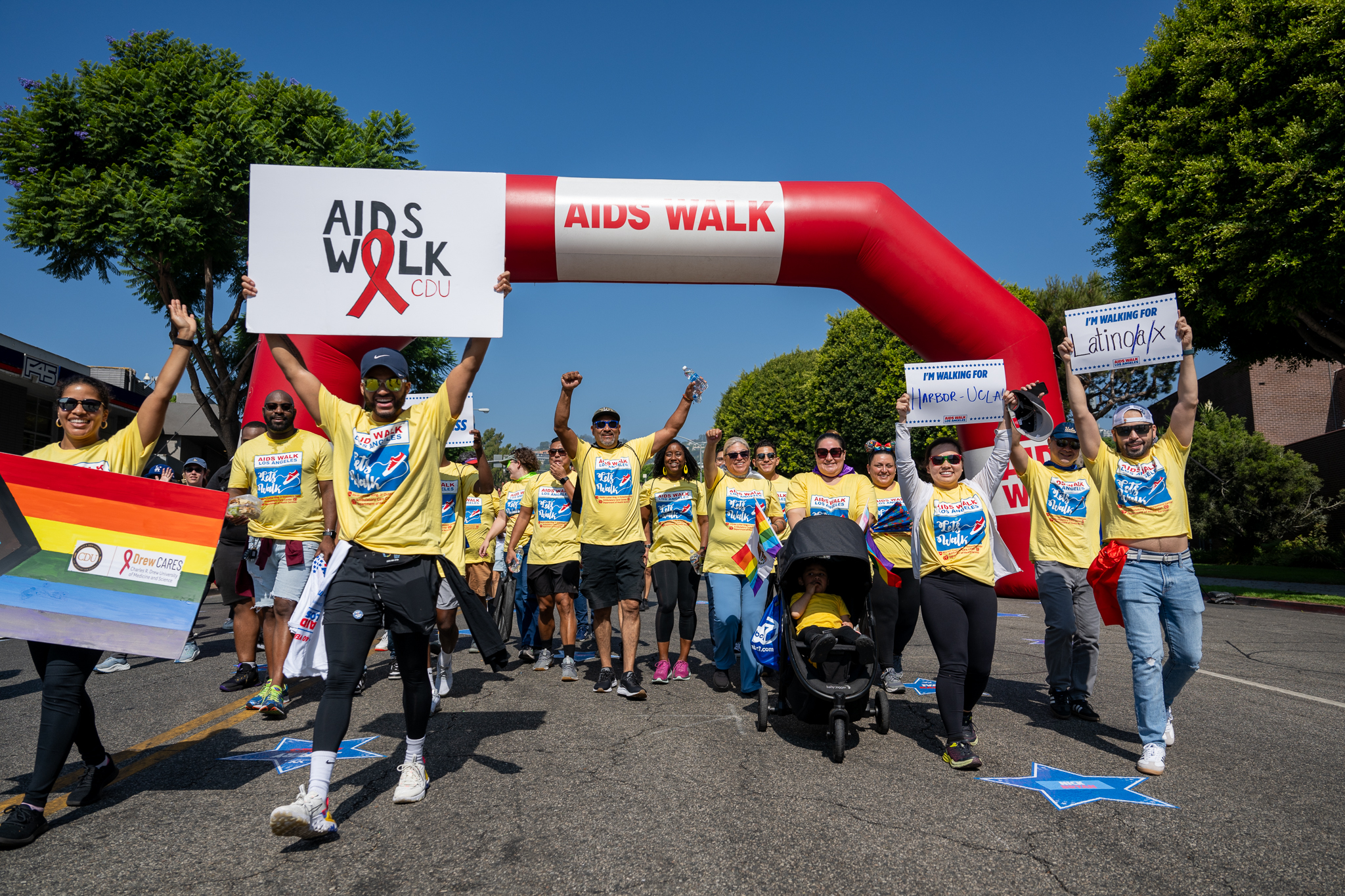
APLA Health, a nonprofit providing HIV care, prevention, and sexual health services, announced the return of AIDS Walk Los Angeles on Sunday, October 12, 2025, starting from West Hollywood Park. This year’s theme, “Community Is the Cure,” emphasizes the role of unity in advancing progress against HIV/AIDS and supporting those affected.
Walk day will feature a live performance from RuPaul’s Drag Race star Heidi N Closet, DJ sets, and community booths. Following the celebration, walkers will make their way through the streets of West Hollywood.
“This event was born out of urgency, and it’s just as relevant today,” said Craig E. Thompson, CEO of APLA Health. “We’ve made incredible progress in the fight against HIV, but that progress is under direct threat from funding cuts and political attacks. Now is the time to show that we won’t be silenced or set back.”
Since its inception forty years ago, AIDS Walk Los Angeles has grown into one of the largest HIV/AIDS fundraising events in the world, raising nearly $100 million. Proceeds fund APLA Health’s services, including HIV specialty care, sexual health services, food and nutrition support, and housing assistance.
“The HIV/AIDS epidemic has always shown us that progress happens when people come together, when patients, neighbors, families, activists, and health providers stand shoulder to shoulder. Today, with funding under attack and stigma resurfacing, unity is not optional. ‘Community Is the Cure’ is a reminder that science alone isn’t enough. We need collective willpower, advocacy, and solidarity to ensure everyone has access to the care and dignity they deserve,” Thompson said.
Cuts to Medicaid, the Ryan White Program, and prevention funding threaten access to medications, housing assistance, and food security. “Here in Los Angeles, where tens of thousands rely on these programs, even modest reductions can push people back into crisis. AIDS Walk Los Angeles helps fill some of those gaps, but philanthropy cannot fully replace the government’s responsibility,” Thompson explained.
Communities of color, the medically underserved, people living in poverty, and those experiencing homelessness are disproportionately affected. “The barriers aren’t medical. They’re structural: stigma, lack of insurance, unstable housing, and underfunded safety-net services. The administration is underinvesting in the very programs designed to break down these barriers. Until that changes, inequities in HIV prevention and care will persist,” he said.
Funds raised by the walk provide housing, groceries, case management, and access to medical care. Thompson shared the story of one patient who had lost housing and had to choose between medication and meals. “Through AIDS Walk–funded programs, we were able to connect him to stable housing, consistent medical care, and our food pantry. Today, he is virally suppressed, working again, and mentoring others who are newly diagnosed with HIV. Stories like his are common, and they remind us that cuts aren’t just numbers on a spreadsheet, they’re setbacks in real people’s lives.”
Beyond fundraising, AIDS Walk LA is a platform for advocacy. “When thousands of people flood the streets of West Hollywood, it’s a visible reminder to our community that HIV/AIDS has not gone away and to policymakers that their decisions have life-or-death consequences. The walk puts pressure on elected officials to fund programs, fight stigma, and stand up for people affected by HIV,” Thompson said.
He urged the public to take action beyond walking and donating. “Call your elected officials. Demand that HIV services remain fully funded. Show up for community hearings. Support housing initiatives. Share facts on social media to counter stigma. And, importantly, talk. Without continued conversation about HIV/AIDS and sexual health, we jeopardize the incredible advancements we’ve made in HIV care and prevention.”
Thompson also framed the walk as part of a broader activist approach. “Radical action today means showing up for one another in tangible ways, housing someone, feeding someone, advocating for someone, and refusing to accept policies that erase people’s humanity. As our theme emphasizes, when politicians fail us, COMMUNITY IS THE CURE. For participants in AIDS Walk LA, it means recognizing that the walk is just the beginning. Each person can be a messenger, an advocate, and an ally in daily life. When we work together to get people connected to support services, the collective action is radical because it insists on care and dignity in a time when those values are under attack.”
“Activism ensures policymakers cannot quietly dismantle programs. Community solidarity means that no one gets left behind. Public pressure creates accountability. When thousands unite at AIDS Walk LA, it demonstrates the broad mandate to keep fighting until HIV is no longer a public health crisis. That unity is as important as any medical breakthrough,” Thompson concluded.
For more information on AIDS Walk Los Angeles and how to register, visit https://AIDSWALK.LA.
AIDS and HIV
“If not now, when?” Journalist and activist Karl Schmid is reshaping how we talk about HIV/AIDS
The Blade sits down with the award-winning host to talk about stigma and his latest initiative – taking HIV education onto the runway
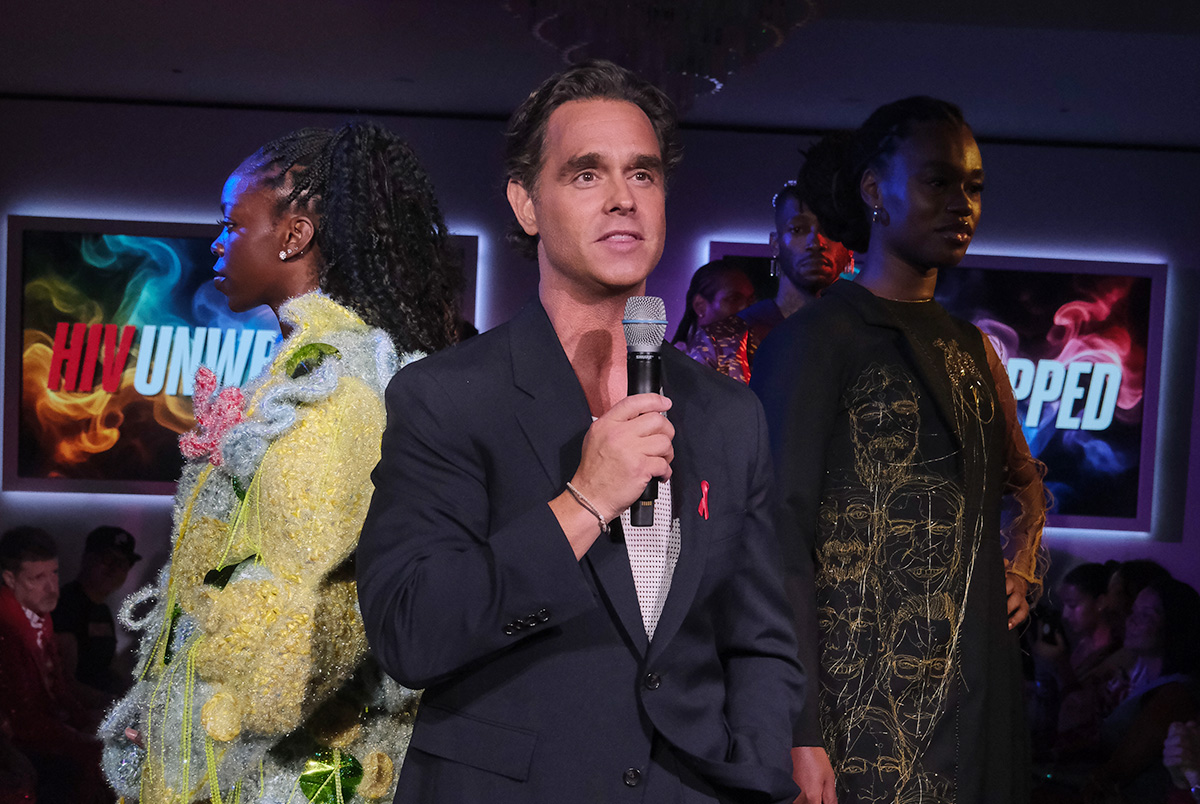
Karl Schmid has long been a staple in queer news and media. Hailing from Australia, Schmid grew accustomed to the limelight from a young age, and eventually made a successful transition into American network television through his work on red carpets for ABC.
In 2018, he would be thrust into the spotlight for a different reason. Despite repeated warnings from professional acquaintances, Schmid came out as HIV positive to share his story, wear down stigmas, and to educate people about important and misunderstood science like the concept of undetectable equals untransmittable.
And so, Schmid would grow accustomed to renewal. In 2019, he launched Plus Life Media, a platform that shares HIV resources, education, and stories of resilience from people living with HIV/AIDS. He was part of the team behind the Emmy-nominated short documentary, Marty’s Place: Where Hope Lives: an intimate look into a housing cooperative created in the 1990s to support people with HIV/AIDS. Late last week, he flew to New York for the U.S. debut of his latest initiative: HIV Unwrapped. The project pairs researchers and scientists in HIV studies with fashion design students, culminating in a runway show that features bold reimaginings and interpretations of crucial science.
The Blade spoke with Karl about the cross-pollination in his own life and career, and how his latest effort is shaping the way he blends activism and media to reinvigorate conversations around HIV/AIDS.
HIV Unwrapped feels like a really interesting pivot into a different kind of modality and platform for you. Can you tell me more about the initiative and how it fits into your legacy of activism and work?
Well, HIV Unwrapped came out of Australia and this wonderful activist named Brent Allan, who I’m good friends with. And Brent had been at, I think, the WorldPride, or something that was happening in Australia, and there was an exhibition where they paired some engineers and science people of varying professions with a fashion designer to try and illustrate their work.
And he thought, “Wow, what a great way to maybe try and interpret HIV science and reignite the conversation around HIV.” So it started in Melbourne, Australia, and it was successful there. And then they did a version in the UK earlier this year. And then in July for the International AIDS Conference that took place in Kigali, in Rwanda, they did a version.
And that’s kind of where I stepped in. I think with HIV Unwrapped, you’re drawn into the fashion first — and then the science comes. It’s just a really unique and different way of reframing the conversation about HIV. But beyond that, it’s also working with fashion students, young people, and to see them become so invested in HIV science. That’s what gets me the most excited. Because you’re opening a whole new world to a person who doesn’t maybe really think about HIV all that much, and now they’ve learned all this amazing stuff. Suddenly you’ve got a whole new bunch of people talking about HIV in exciting and fresh ways, and they’re telling their friends and they’re having conversations about it.
You’re trying to create different entry points for people to not only talk about the science behind HIV and AIDS, but also how we can reinterpret it in original and visually interesting ways.
I mean, look, you’ve got the House Appropriations Committee willing to advance this “Big Beautiful Bill” that slashes $2 billion in HIV funding in this country, and as someone living with HIV, you keep going, “Why would they do that? Why? We are so close to ending HIV.” All of a sudden, we’ve stopped funding research, and we’re stopping this, and I’m just like, “Why?”
Now more than ever, we’ve got people and politicians and government and a large part of the United States who think, “Oh yeah, HIV isn’t a thing anymore. It’s not important.” Well, it is still a thing. It is still important, and HIV Unwrapped is a way to be creative and open new avenues of dialogue.
A friend of mine sent me a handwritten note the other day. This is in Texas. One of his roommates wrote a handwritten note to another roommate, saying, “Oh, just so you know, ‘such and such’ has AIDS. So I’d be scrubbing the shower if I were you after he uses it. I personally have decided to go and shower at the gym.” And this is a person in their 30s, so we’re still having these dumb conversations from 1984.
That’s why I do what I do with Plus Life, and that’s why I’m like, “Wow, HIV Unwrapped is another tool in our toolbox we can use.” And I guess our hope is really that scientists will see this across the country and around the world and go, “Well, that is a really cool way to explain my science and make it accessible,” and want to engage in future projects like this.
How queer communities are represented in the media can leave deep imprints. I was watching an older interview you did where you recall this HIV ad you saw in a movie theater as a kid. The Grim Reaper’s there, and it’s creepy and sinister. It seems like we’ve moved away from that kind of imagery — but it doesn’t feel like we’ve necessarily come to a much better understanding of HIV/AIDS. Where do you think we’re at now in terms of representation?
The fact that, to this day, I can tell you where I was, what the movie was, that it was a Saturday, which cinema it was in, and I was a seven year old kid. It gives you an idea of how burned into my memory that is. And, I agree. I think we’ve moved away largely from the fear tactics, but we’ve stopped talking about it. I’d like to think that we’ve gotten better in representing people living with HIV, on television and film, as just people living with HIV. Where HIV doesn’t become the central storyline, and it’s not a doom and gloom, “woe is me” story. It’s just part of who they are.
But we sort of dance around anything that’s to do with our bodies or sex or sexuality, because it makes us uncomfortable. And so when I pitch stories to ABC and other networks, and even, quite frankly, trying to get press to cover HIV Unwrapped: we get passed on. People don’t want to talk to us because HIV isn’t sexy. As long as we keep doing that and having that reaction — if we don’t talk about it — we don’t get to a place where we can be comfortable with it.
Since I came out about my status all those years ago, my focus has been trying to normalize the conversation. That’s how we grow, and that’s how we learn — whether it’s HIV, whether it’s politics, whether it’s anything. But if we don’t talk about it, and we sort of pretend it doesn’t exist, and then we cut funding for it, and we sort of sweep it under the rug: it ain’t going to go anywhere.
Women of color, Black and brown women, have the highest infection rates in the United States. In the south those rates keep going up and up and up, and now we’re cutting funding to testing and to counseling and to services. I’m really worried that we will end up back with AIDS wards in hospitals again, and there’s no need for it.
To bring it back to HIV Unwrapped, that’s why, if I can come up and work with an amazing group of people to tell stories and to have conversations in fresh ways, then I’m going to keep doing it — whether it’s HIV Unwrapped, whether it’s what I do on Plus Life, whether it’s a television show or whatever crazy thing I come up with next.
It feels like there’s so much watering-down in terms of conversations around sexual health, HIV and AIDS. What is the resistance that you’ve faced, and how has that resistance changed over the years?
I’ve heard, “I think what you’re doing is great. It’s just not the right time to tell the story.” Well, when is the right time to tell the story? I think so many people in America think HIV doesn’t affect them. And the reality is very different. HIV affects everybody. If not now, when? People are still dying in this country. People are afraid to get tested, and they’re living in shame. And they’re hiding what’s wrong with them because of the stigma — and that just shouldn’t be happening.
I’ve said this a million times too. You know, HIV and AIDS doesn’t kill you. That’s not what’s going to put me in the grave. But it’s the stigma. It’s the bigoted, out-of-date opinions of Congress and politicians and public figures and uneducated people who just think this is somehow some deviant, dirty “sex disease” or drug disease, and those of us who get it deserve it. And you know, television networks, especially, are in the business of making money. And to do that, they sell advertising, and so they’re worried that advertisers will turn off if you talk about this kind of stuff.
And I think it’s maybe a little bit the opposite. I think if you can find, again, engaging and interesting ways to have real conversations, I’ve certainly found that you get a very vast and wide audience of people who will chime in and may have an opinion. And again, our opinions may differ, and that’s okay, but, but as long as we’re having the conversation, the more you say it, the less scary it is.
Almost 20 years after you were first diagnosed with HIV, do you see yourself pivoting now to work more on activism? Is that something you’re trying to focus more on now at this point of your career?
I will say that I’m incredibly fortunate to have worked for as many years as I have in broadcast, and I’ve done some really amazing things, and had some phenomenal opportunities going to the Oscars and doing all those red carpets and celebrity interviews all over the world. They’re all valuable experiences that I’ve been able to build upon. But I will say that in the last sort of two years, especially, my focus has become more about Plus Life and doing these kinds of stories and these kinds of initiatives.
I am fascinated by people. I think to be a decent journalist or broadcaster, you have to have that innate curiosity. And I am deeply curious about people and people’s behavior and where they come from, and what kind of homes they grew up in, what their friends are like. It’s incredibly satisfying to me. Do I miss being on regular, scheduled programming and television? Sure. It was a fantastic platform, and there’s nothing quite like the thrill of live television for me, and that’s why I loved being in news and entertainment news.
I think as I sort of get older, and I’m no longer the young kid on the block, and I’m not so nimble with my thumbs and my forefingers when it comes to putting stuff up on social media and Tik Tok and all of that…If I’ve got an opportunity to really hone in on the stuff that I do with Plus Life, there’s nothing more rewarding than that, right?
A behind-the-scenes documentary of the U.S. debut of HIV Unwrapped will be available to stream on November 30th, just before World AIDS Day.
AIDS and HIV
Assemblymembers urge Governor Newsom to sign “lifeline” bill for HIV medication
AB 554 amends existing law that restricts access to PrEP medication
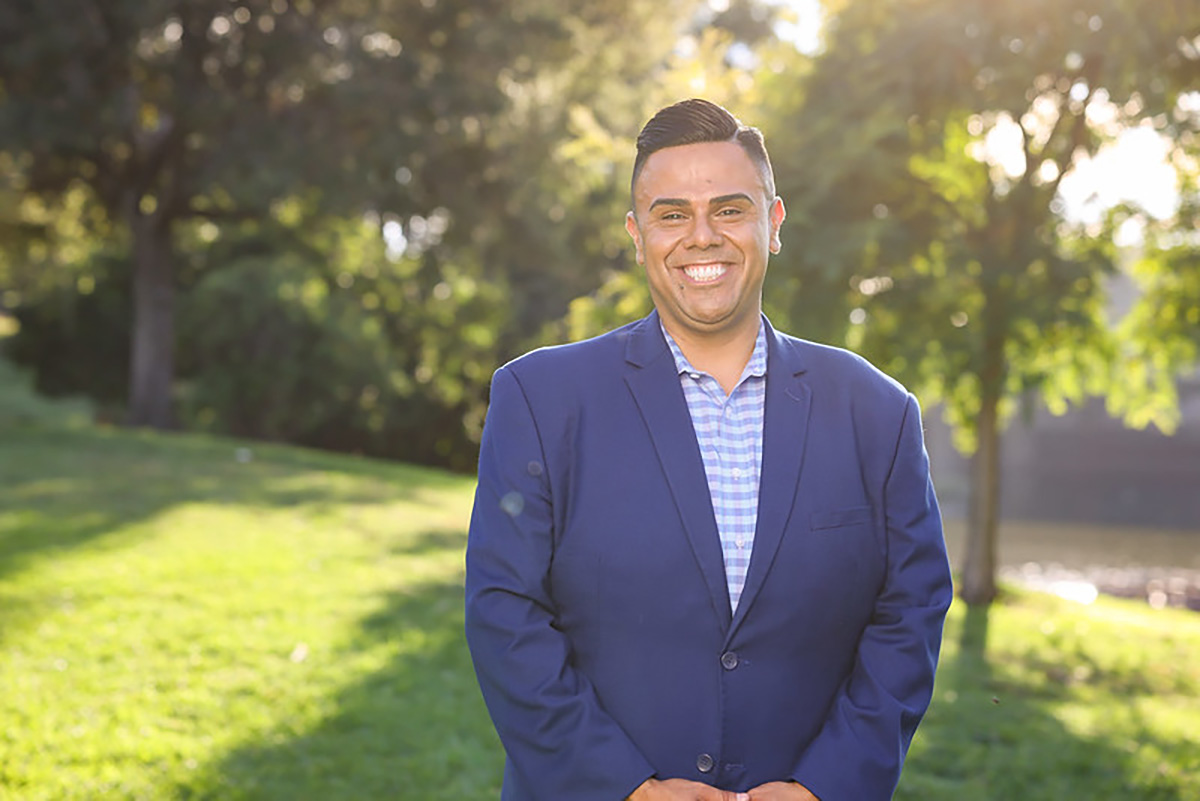
On September 10, Assembly Bill (AB) 554, or the PrEPARE Act (Protecting Rights, Expanding Prevention, and Advancing Reimbursement for Equity Act), was passed with a majority vote by the California State Assembly and Senate. Today, the bill’s leaders are urging Governor Newsom to sign it into law.
“With a powerful coalition behind AB 554, we were able to get this bill through the process swiftly, and are hopeful that the Governor will see the need for the LGBTQ+ community,” Los Angeles Assemblymember Mark Gonzalez, one of the bill’s co-authors, told the Blade.
AB 554 was first introduced in February, and was penned by Assemblymember Gonzalez and San Francisco Assemblymember Matt Haney. It was formed to amend existing laws around health insurance coverage that currently restrict access to certain antiretroviral drugs, or HIV preventative medicine like PrEP and PEP, and to ease difficulties community clinics face in administering these medications and receiving reimbursement. The bill will also require health care plans to cover FDA-approved HIV medication without enforcing prior authorization or step therapy.
For Gonzales and the bill’s supporters, AB 554 is about boosting access to various forms of effective HIV preventative medicine and providing a safeguard for people as the state of HIV research and treatment enters unsteady ground. This all comes in the midst of the debate around the House Committee on Appropriations’s 2026 Departments of Labor, Health and Human Services, and Education, and Related Agencies funding bill, which proposes $1.7 billion in cuts to domestic HIV prevention and research efforts, as well as programs that provide care for people living with HIV/AIDS — particularly, low-income people of color.
Assemblymember Gonzalez stated to the Blade that this is a “stark reminder that this epidemic still hits our communities of color the hardest,” and wants to address this by evolving and updating laws to reflect local needs. He is hopeful about the Governor’s impending response, and stated that the bill is “not just a policy; it is a lifeline.”
“It’s about giving people real choices, equipping small clinics with the tools they need to protect lives,” Gonzalez continued, “and ensuring that California continues to put public health over politics.”
AIDS and HIV
Local organization aims to support and assist Black LGBTQ+ community
REACH LA is stepping up their mission amid hostile administration
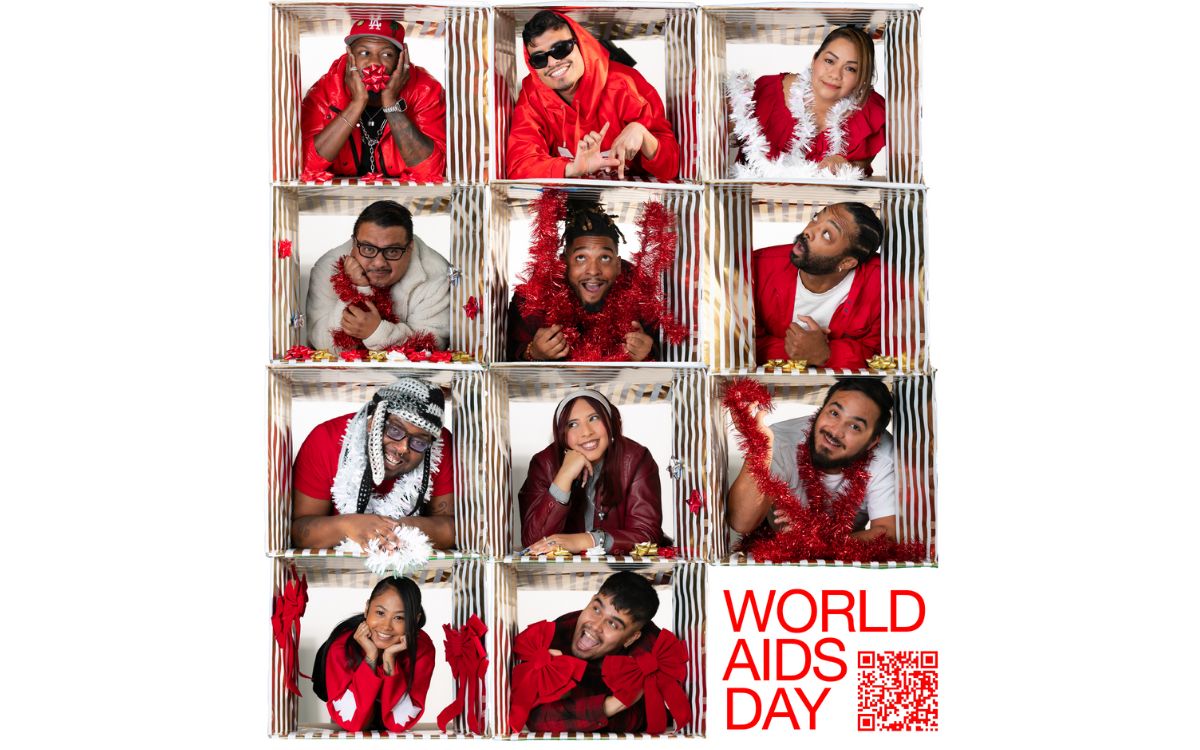
REACH LA, a Los Angeles-based nonprofit organization aimed at working with youth of color, is stepping up their prevention resources during Black History Month to support the LGBTQ+ community of color.
Though today is National Black HIV/AIDS Awareness Day, REACH LA works year-round to provide resources to their community members.
This month, the organization is amplifying its mission to support Black LGBTQ+ youth by offering free HIV testing and care throughout February, offering a $25 gift card as incentive to get tested. This and all of REACH LA’s efforts are geared toward assisting the marginalized Black and Latin American communities by reducing stigma, increasing education and assisting community members with resources.
The QTBIPOC community is especially vulnerable to political and personal attacks. As we head into the next four years under a hostile administration whose goal is to erase queer and trans people, there will be continued attacks on federal funding and on any other front possible.
“This year, it is especially vital, more than ever, to amplify and commemorate National Black HIV/AIDS Awareness Day. At REACH LA, we are currently engaging with individuals and partnerships while navigating through dire and uncertain times where HIV/AIDS awareness prevention efforts, access, and visibility have been under attack and restricted,” said Jeremiah Givens, chief marketing and communications officer at REACH LA.
It is important to spotlight the intersection between health equity, Black LGBTQ+ empowerment and community-based solutions during Black History Month and every other month throughout the year and especially during this particularly vulnerable time.
As one of eight CDC PACT Program Partners, REACH LA celebrates National Black HIV/AIDS Awareness Day with a Positive Living Campaign in collaboration with the CDC’s Let’s Stop HIV Together initiative. The campaign highlights the resilience of individuals living with HIV and works to raise awareness and foster community support.
To learn more about resources, visit their website or stop in for testing, support and other resources. The organization’s doors are open Monday through Friday, from 11 AM to 7 PM for free, on-site HIV testing and assistance with accessing PREP and PEP, linkage to care and free mental health therapy.

Pride and possibility: Dr. Laurie Stephens on neurodiversity, Pride, and self-acceptance

How Miles Mykkanen brings queer wonder to ‘The Magic Flute’

Netherlands to ban conversion therapy

War, geopolitical tensions with U.S. overshadow Pride month events

Q Con returns to West Hollywood to celebrate queer comics and artists

UFC fighter says ‘Michelle Obama is a man’ at White House event

‘The Vampire Lestat’ heats up Pride Month with queer action
Pride and possibility: Dr. Laurie Stephens on neurodiversity, Pride, and self-acceptance

Pride without prejudice: LGBTQ+ pioneer Christy H. Jenkins shares her story on Stonewall and then some

Calif. governor’s race spotlights Becerra’s LGBTQ advocacy
-
 National3 days ago
UFC fighter says ‘Michelle Obama is a man’ at White House event
-
 Television5 days ago
‘The Vampire Lestat’ heats up Pride Month with queer action
-
 Features8 hours ago
Pride and possibility: Dr. Laurie Stephens on neurodiversity, Pride, and self-acceptance
-
 Pride Special2 days ago
Pride without prejudice: LGBTQ+ pioneer Christy H. Jenkins shares her story on Stonewall and then some
-
 California2 days ago
Calif. governor’s race spotlights Becerra’s LGBTQ advocacy
-

 Features3 days ago
School of Sexuality Project nonprofit hits the Pride parade circuit to normalize queer sexuality
-
 Books3 days ago
David Archuleta on Mormon faith, ‘Idol,’ more in new book
-

 a&e features3 days ago
ChiChi brings drag, history, and advocacy to LA Pride’s main stage
-

 Niger2 days ago
Niger recriminalizes homosexuality
-
 Events1 day ago
Q Con returns to West Hollywood to celebrate queer comics and artists