
Features
Feinstein won’t seek re-election in 2024; will stay to end of term
“Dianne Feinstein has been a trailblazer for more than 50 years, We’re so proud of her & grateful for her service to our city & our state”
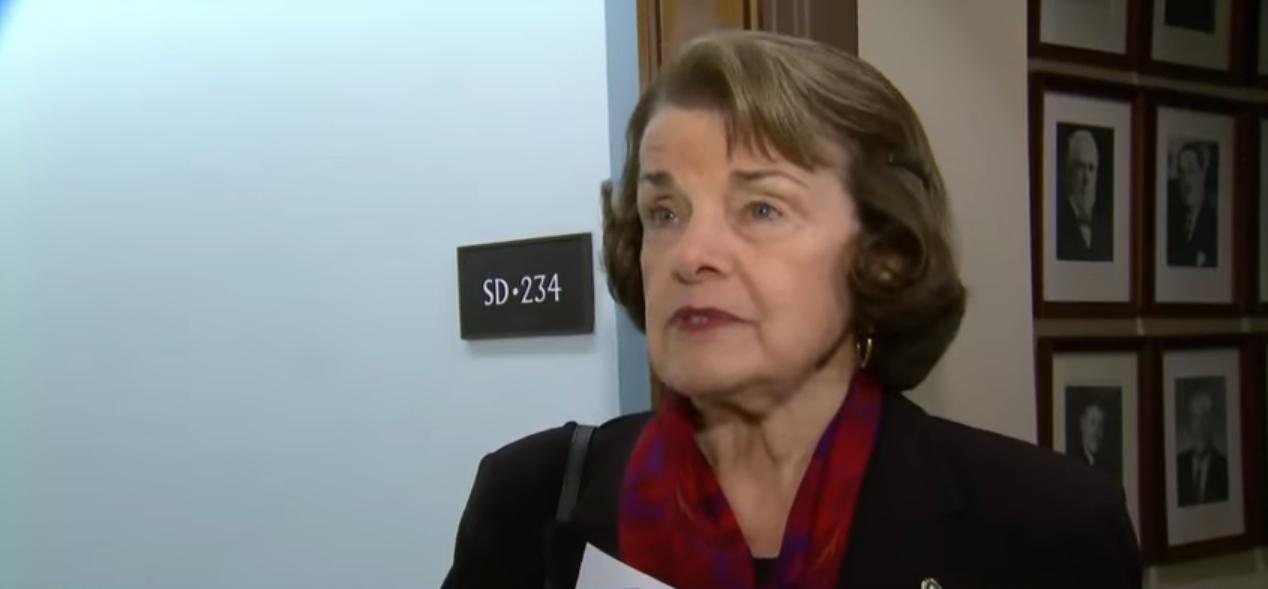
WASHINGTON – California’s senior U.S. Senator Dianne Feinstein announced Tuesday that she will not seek re-election in 2024, but will continue to serve out her current term in office.
“I am announcing today I will not run for reelection in 2024 but intend to accomplish as much for California as I can through the end of next year when my term ends,” Feinstein said in a statement.
Feinstein added she will be focused on the pandemic of gun violence that has gripped the American nation, her announcement coming a day after a mass shooting at Michigan State University that killed three and wounded five others and Tuesday’s 5th anniversary of the Valentines Day massacre at Marjorie Douglas Stoneman High School in Parkland, Florida on February 14, 2018, that killed 17 and grievously wounded over a dozen others.
The shooter used a Smith & Wesson M&P15, an AR-15 style semi-automatic assault rifle which had been previously banned under the Federal Assault Weapons Ban legislation she had co-authored in 1994 that expired on September 13, 2004, in accordance with its sunset provision. Attempts to renew the ban had failed.
In her statement Feinstein wrote: “I also remain focused on passing commonsense legislation to fight the epidemic of gun violence.
She ended her statement saying: “Even with a divided Congress, we can still pass bills that will improve lives. Each of us was sent here to solve problems. That’s what I’ve done for the last 30 years, and that’s what I plan to do for the next two years. My thanks to the people of California for allowing me to serve them.”
Feinstein, 89, has been the target of questions and critique in the past couple of years over her mental acuity, which the Senator has characterized recently as caused by the death of her husband Richard Blum last year, as a chief distraction in her life causing uneven perception of her abilities.
Last Spring in April of 2022, in an article by The San Francisco Chronicle, the newspaper cited four anonymous senators — including three Democrats — and three former Feinstein staffers as well as a Democratic lawmaker from California who said her memory is rapidly deteriorating and it appears she can no longer fulfill her responsibilities in Congress without her staff doing a good deal of the work. They also said her memory lapses did not appear to be constant.
The story quoted one anonymous Democratic senator who said Feinstein has a hard time keeping up with conversations. Another lawmaker, identified only as a California Democrat, told the newspaper that they had to reintroduce themselves to Feinstein several times during an interaction that spanned several hours.
Earlier today on Capitol Hill, according to The Hill’s Capitol correspondent Al Weaver, apparent signs of her declining mental acuity were clear on Tuesday. After a reporter asked her what message she has for her Senate colleagues, Feinstein asked why she would have a message for them.
“About your not seeking reelection,” the reporter asked.
“Well, I haven’t made that decision. I haven’t released anything,” Feinstein said.
A Feinstein staffer then interjected, telling her that they put out a press release with her retirement statement.
“You put out the statement?” she asked, adding a few seconds later, “I should’ve known they put it out.”
“It is what it is. The time is come,” Feinstein continued.
In March of 2021, California Gov. Gavin Newsom speaking with MSNBC host Joy Reid in an appearance on her show, said that should Feinstein retire early at that point, the governor committed to nominating a Black woman for the Senate seat.
Newsom’s remarks came after he had appointed then California secretary of state Alex Padilla to the Senate seat vacated by Kamala Harris as she was sworn in as the Vice-President of the United States. At the time Politico noted many women’s groups and Black leaders, including San Francisco Mayor London Breed, expressed disappointment when Newsom picked Padilla. Among those whose names considered in the mix for the Harris seat were Rep. Karen Bass of Los Angeles, Rep. Barbara Lee of Oakland and Breed.
Political sources have told the Blade that should Feinstein change her mind and step down early, Newsom is expected to keep his commitment of appointing a Black woman to replace her.
Accolades for a long and significant political career
As news of her retirement spread Tuesday, Senate Majority Leader Charles Schumer (D-N.Y.) and her senatorial colleagues, President Joe Biden and Governor Newsom all weighed in praising Feinstein’s 31 years serving in the Senate starting with the 102nd Congress in 1992.
Democratic Reps. Adam Schiff and Katie Porter of California have declared their candidacies for Feinstein’s seat, while their colleague Rep. Barbara Lee (D-Calif.) is expected to also run.
The senator has yet to make clear whom she will be endorsing. Her office has not returned requests for comment on this question from The Washington Blade.
From Sacramento Governor Newsom said in a statement:
“Senator Feinstein has been a powerful champion for California and California values on the national stage for three decades – changing lives across our state and nation for the better while opening doors for generations of women leaders.
“A daughter of San Francisco, Senator Feinstein became the first woman to serve as mayor of the city after the assassination of Mayor George Moscone and Supervisor Harvey Milk. The tragic events of that day led to her lifetime crusade for common-sense gun control laws, including her role as author of a federal assault weapons ban. For the last 30 years, she has served her state with distinction as our senior U.S. Senator, blazing a trail for a new generation of female lawmakers.
“Throughout her career, Senator Feinstein has worked tirelessly across the aisle to advance tremendous progress on priorities that matter deeply to Americans. Her lifetime of service and leadership has made our country fairer, safer and stronger, and I am proud to call her a mentor and a friend. California and the nation owe Senator Feinstein a deep debt of gratitude.”

Speaking to reporters, Senate Majority Leader Schumer called her “a legend” and “an amazing person.”
“She’s a legend. A legend in California as the first woman senator. A legend in this Senate, she was the leader on so many different issues,” he said.
Schumer also told reporters that Feinstein at the Democrats’ caucus lunch “got a standing ovation that lasted minutes and minutes and minutes, one of the longest I’ve ever seen, which shows the love our caucus, and our country, have for this wonderful leader and legend.”
California’s other U.S. Senator Alex Padilla said in an emailed statement:
“You can’t tell the story of California politics—or the story of American politics—without the trailblazing career of Dianne Feinstein. For five decades, California has been privileged to have as gifted, as dedicated, and as iconic a public servant as my colleague.
“From her early days in San Francisco City Hall helping bring together and heal a wounded city after the assassination of Mayor Moscone and Harvey Milk, to her election as the first woman to represent California in the U.S. Senate, in the face of violence, stifling misogyny, and great personal loss, she broke down barriers and created a government that better represented the people—and the spirit—of California.
“Her selfless service and unrivaled grit and persistence have given our state so many treasures that many Californians now take for granted, from Joshua Tree National Park, to the clear blue water of Lake Tahoe, to the thriving redwoods north of San Francisco Bay and the wetlands that surround it. And because of her leadership against all of the odds, the 1994 Assault Weapons Ban saved countless lives and made our country safer in the 1990s and early 2000s.
“On a personal note, Dianne gave me one of my first jobs in politics as a young MIT grad looking to make a difference in my community. She was the embodiment of principled leadership and taking on the difficult issues, and it’s in part because of her groundbreaking career that a Latino son of immigrants could one day join her in breaking down barriers and serving alongside her.
“I’ll truly miss her leadership and her counsel in the U.S. Senate. But the legacy she leaves behind will be carried on by the 40 million Californians who now see their government—and their country—differently because of her service.
“Thank you, Senator Feinstein.”
President Biden who served with Feinstein in the Senate said in a statement released Tuesday afternoon by the White House:
Senator Dianne Feinstein was elected in 1992 – dubbed the Year of the Woman in part because of her victory. Often the only woman in the room, she was determined to lift America up, and through her intellect, empathy, character, and drive, to make this country everything it could be.
As Chairman of the Senate Judiciary Committee, I knew I wanted Dianne to serve alongside me, with her proven track record of standing up for people’s rights and fighting to make their lives better. She agreed to join the Committee, and the nation was better for it.
Through force of will, she led the fight to get the assault weapons ban passed. Like so many who have been touched by gun violence, that victory was personal for her. She is a passionate defender of civil liberties and a strong voice for national security policies that keep us safe while honoring our values. A lifelong Californian, she has worked tirelessly to protect our environment for future generations.
Over the three decades I’ve known her, Dianne and her late husband Richard became dear friends to Jill and me. I’ve served with more U.S. Senators than just about anyone. I can honestly say that Dianne Feinstein is one of the very best. I look forward to continuing to work with her as she serves out her term.
Rep. Schiff who is vying to replace her in the Senate having declared his candidacy a week ago praised Feinstein’s record in a tweet:
Dianne Feinstein is one of the finest legislators we’ve ever known.
— Adam Schiff (@RepAdamSchiff) February 14, 2023
From the torture report, a dogged pursuit of gun safety, and championship of LGBTQ+ rights, her body of work defines her legacy.
We are so grateful for her ongoing leadership.
San Francisco Mayor London Breed, the city’s first Black female mayor, paid tribute to her predecessor in a statement calling her “a trailblazer in every sense of the word.”
“From becoming San Francisco’s first female mayor in 1978 to being sworn in as California’s first female senator in 1992, she has always served our city, state, and country with conviction and honor,” Breed said. “Her landmark policy victories in the Senate like the Assault Weapons Ban, the repeal of the Defense of Marriage Act, and reckoning with our country’s past with unlawful interrogation tactics made our country safer, our society more equal, and our nation more true to its ideals. As the longest serving female senator in our nation’s history, Senator Feinstein will leave a long legacy of legislative achievements and shattered glass ceilings that young women everywhere can look to and be inspired by as they too consider what service they can do for their country.”
Public Service
A native San Franciscan born in the city on June 22, 1933, she first attended San Francisco public schools and then graduated from the Convent of the Sacred Heart High School in 1951.
She earned her degree at Stanford University in Palo Alto in 1955 and became actively involved in government service first serving as a member of the California Women’s Board of Terms and Parole 1960-1966.
In her first foray into city politics she won a seat on the San Francisco Board of Supervisors representing the Marina neighborhood, serving from 1970-1978, and as president 1970-1971, 1974-1975, 1978.
In 1978 Feinstein was thrust into the state and national political spotlight when on November 27, 1978 she became the mayor of San Francisco, after disgruntled former city supervisor Dan White entered City Hall and assassinated Mayor George Moscone after Moscone refused to appoint White back into his seat he had resigned from days before. White then also murdered openly gay city supervisor Harvey Milk who had sparred with White over gay rights and had opposed White getting his seat back.
Feinstein served as mayor for ten years from 1978-1988 then she served on the board as a director of the Bank of California 1988-1989 at which point she made an unsuccessful run as a candidate for Governor of California in 1990.
After losing that race for governor in 1990, Feinstein later won a special election on November 3, 1992, as a Democrat to the U.S. Senate. The special election was triggered by the resignation of Pete Wilson, who had defeated her in the 1990 gubernatorial election. She took office on November 4, 1992, and was subsequently reelected in 1994, 2000, 2006, 2012, and again in 2018 for the term ending January 3, 2025.
Feinstein’s record on LGBTQ+ rights was mixed
Senator Feinstein’s record on LGBTQ+ rights was mixed as reported on by San Francisco’s LGBTQ+ newspaper The Bay Area Reporter’s Assistant Editor John Ferrannini who noted:
Earlier in that campaign [1979] she’d faced some opposition from members of the LGBTQ community after she made remarks to Ladies’ Home Journal perceived as homophobic, but later won community support after gay candidate David Scott endorsed her in a runoff against independent Quentin Kopp. Scott endorsed Feinstein after she committed to appoint a gay person to the police oversight panel, which Feinstein followed through on with her appointment of lesbian Jo Daly.
Feinstein’s veto of city employee benefits for domestic partners led to a recall effort in 1983, though she won 81% to 18%.
[…]
In the Senate she was one of the few Democratic members who voted against the Defense of Marriage Act in 1996, which had been supported by then-senator and current President Joe Biden (D). The last vestiges of DOMA were formally repealed in December when Biden signed the Respect for Marriage Act. DOMA had key provisions struck down by the U.S. Supreme Court in 2013 (Section 3, U.S. v. Windsor) and 2015 (Section 2, Obergefell v. Hodges).
Feinstein was never without controversy though, and in 2004 upset more progressive Democrats when she said then-mayor and now Governor Gavin Newsom’s decision to order San Francisco officials to issue marriage licenses to same-sex couples was “too much, too fast, too soon.”
[…]
She was criticized in 2020 when she said U.S. Supreme Court Justice Amy Coney Barrett’s confirmation hearing was “one of the best” and hugged Senator Lindsay Graham (R-South Carolina), then the chair of the Senate Judiciary Committee. Barrett’s vote last June on the Supreme Court was key for the overturning of Roe v. Wade, which had protected abortion as a constitutional right, a key issue for Feinstein.
In 2017 the Senator openly criticized then President Trump’s ban on trans military service.
Out gay California state Senator Scott Wiener (D-San Francisco) wrote on Twitter:
“Dianne Feinstein has been a trailblazer for more than 50 years,” he stated. “Her accomplishments are legion. We’re so proud of her in San Francisco & grateful for her service to our city & our state.”
Dianne Feinstein has been a trailblazer for more than 50 years. Her accomplishments are legion. We’re so proud of her in San Francisco & grateful for her service to our city & our state.
— Senator Scott Wiener (@Scott_Wiener) February 14, 2023
Equality California, the nation’s largest statewide LGBTQ+ civil rights organization, released the following statement from Executive Director Tony Hoang:
“Throughout her storied political career, Dianne Feinstein has been a champion for LGBTQ+ rights – from her early days on the San Francisco Board of Supervisors serving alongside Harvey Milk, to her historic service as the first woman Mayor of San Francisco and the first woman to represent California in the United States Senate.
“From being one of only 14 Senators to oppose the discriminatory Defense of Marriage Act (DOMA) in 1996 to being the lead Senate sponsor on the recently-signed Respect for Marriage Act, which repealed DOMA, Senator Feinstein has worked tirelessly to improve the lives of not only her constituents, but all LGBTQ+ Americans.
“She has supported landmark federal hate crime legislation, fought for access to life-saving treatment for people living with HIV, sponsored the Equality Act, spoken out in support of LGBTQ+ service members before and after ‘Don’t Ask, Don’t Tell’, and has stood up for our community – even before it was popular to do so and when it presented significant political risks. Senator Feinstein has also been a leading champion in the fight against gun violence, recently reintroducing legislation to ban high-capacity magazines in the wake of deadly mass shootings like those at Club Q – an LGBTQ+ nightclub in Colorado. Equality California has been proud to call her a friend and ally –we are eternally grateful for her service and will continue to work with her as she finishes out her term.”
Additional reporting by Andrés I. Jové Rodríguez


Features
The survivors we don’t talk about: October is Domestic Violence Awareness Month
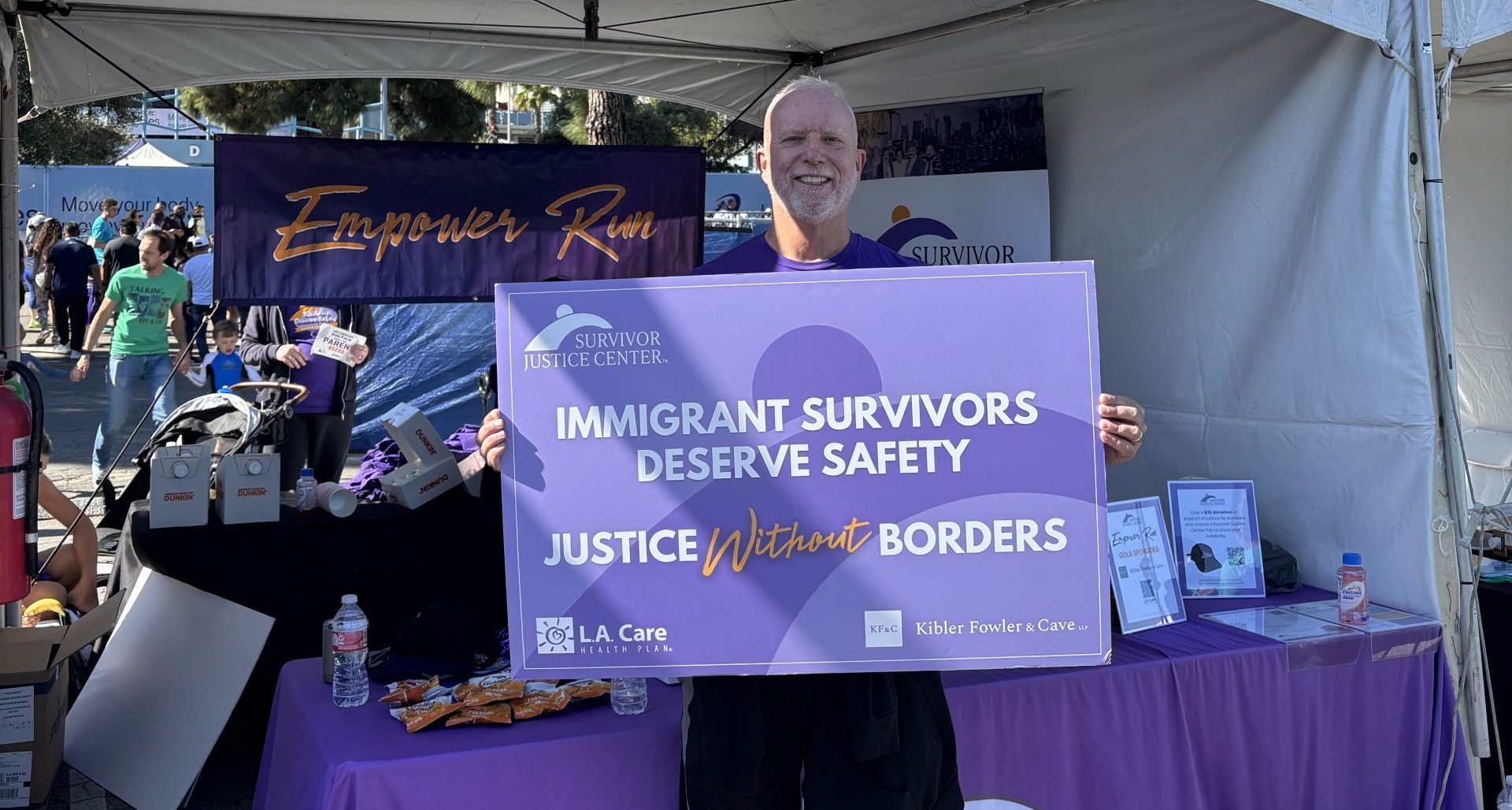
by Dan Hanley, Community Investment Officer at Survivor Justice Center
Several years ago, I attended a vigil and march organized by the Trans Latin@ Coalition. We walked to a burned-out apartment, the former home of a trans sister who had been murdered by an intimate partner. After killing her, he torched her home. I knew the story and showed up not only to honor her but also to speak out against violence. But seeing what remained of her home significantly impacted me. Witnessing the charred remains of her home hit me close to mine.
While October is often thought of as National Coming Out Day, October is also Domestic Violence Awareness Month (DVAM).
In my capacity as Community Investment Officer for an East LA-based nonprofit that serves survivors through free legal aid and support both in and out of the courtroom, I spend much of my time talking about domestic violence, sexual assault, and trafficking. Most of the people who walk through our doors are women. Many are immigrants navigating myriad additional challenges, such as language barriers, immigration concerns, and a legal system that often feels stacked against them. This work has taught me how abuse can remain hidden, how shame can silence survivors, and how difficult it can be to ask for help, even when help is available.
It makes me think about the survivors we do not see. Who isn’t walking through our doors to ask for help? In particular, I think about the LGBTQ+ survivors of domestic violence and sexual assault.
Within LGBTQ+ spaces, this is a subject we do not discuss nearly enough. Pride events, community organizations, and even everyday conversations understandably tend to focus on external threats, of which there are many: discrimination, hate crimes, and political attacks, to name a few. Far less often do we talk about the harm that is perpetrated within our own relationships and our own community.
Yet research shows LGBTQ+ people experience domestic violence and sexual assault at rates equal to or higher than straight, cisgender people. This violence affects our community. Our reluctance to talk about it makes it easier for the abuse to remain hidden.
Current data on domestic violence or intimate partner abuse within our LGBTQ+ communities can be difficult to find, and much of the available research is more than a decade old. And much of what I know comes from personal conversations with my LGBTQ+ siblings who have experienced violence themselves. I talk about consent so often that people in my circles have jokingly dubbed me the “Consent Queen.” But behind the nickname is a serious concern about how often consent, abuse, and intimate partner violence go unspoken in our communities.
The data we do have about our LGBTQ+ community and domestic violence is troubling.
Federal crime victimization data found that domestic violence was eight times as high among bisexual people (32.3 victimizations per 1,000 people) and more than twice as high among lesbian and gay people (10.3 per 1,000) compared to straight people (4.2 per 1,000). Other national research reports that 44% of lesbian women, 61% of bisexual women, 26% of gay men, and 37% of bisexual men report experiencing domestic violence in their lifetime, along with 54% of transgender and nonbinary people. A 2024 KFF survey found that a third of LGBT women reported experiencing intimate partner violence within the previous five years, twice the rate reported by non-LGBT women.
California’s 2023 Violence Experiences Survey similarly found that a substantial share of transgender men and women, along with nonbinary Californians, reported experiencing physical or sexual violence within the previous year, at rates significantly higher than those reported by cisgender women in the same survey.
Sexual violence follows a similar pattern, although the statistics vary by gender. Nearly half of transgender people are estimated to experience sexual assault during their lifetimes, and one in five transgender survivors reports that the person who assaulted them was an intimate partner. Roughly four in ten gay men and nearly half of bisexual men report experiencing sexual violence other than rape — a distinction that matters. Historically, some surveys have defined “rape” primarily centered around penetration of the victim, potentially undercounting another form of male sexual victimization: being forced or coerced into penetrating someone else. While that may sound like a technical distinction, its consequences are very real. It is one reason male survivors, including gay and bisexual men, have sometimes struggled to see their own experiences reflected in the data, in public conversations about sexual violence, or in services developed around a different model of victimhood.
Through my work, I see many reasons survivors do not report abuse: fear, financial dependence, love for the person hurting them, immigration status, distrust of law enforcement, and concern for their children. Every one of those barriers affects LGBTQ+ survivors as well. But some LGBTQ+ survivors face additional, less obvious obstacles that deserve to be acknowledged.
Most survivors of abuse carry some baseline of shame and self-blame, regardless of identity. LGBTQ+ survivors often describe an additional burden: fear that disclosing abuse will reinforce harmful stereotypes about queer relationships or provide ammunition to those already hostile to the community. For some, acknowledging abuse can even feel like a betrayal of the community itself, as though speaking honestly about violence from within somehow validates the prejudice of others. That’s an enormous burden to carry while also trying to confront the reality of being by someone you love.
LGBTQ+ survivors frequently describe internalizing the belief that they aren’t an “eligible” victim — that abuse doesn’t register the same way when it happens between two women, two men, or within a relationship that already sits outside the model most people, including some service providers, have historically been trained to recognize. Survivors who physically resist their abusers may face an additional challenge when outsiders focus on that resistance rather than the broader pattern of coercion, control, or violence. “Boys being boys” comes to mind when thinking about potential comments after sharing that one has been hit.
For survivors who are not out to their families, employers, or broader communities, disclosing abuse may also mean disclosing their LGBTQ+ identity on someone else’s timeline rather than their own. Abusive partners can and do exploit this vulnerability, using the threat of outing as another means of control. As a result, leaving or reporting the abuse may feel as though it carries consequences far beyond the relationship itself.
So what can we do? Here are a few things that genuinely move the needle at the individual and community level:
We can begin by talking about domestic violence and sexual assault within LGBTQ+ spaces with the same openness we increasingly bring to conversations about mental health, coming out, and discrimination. Normalizing these conversations before someone reaches a crisis can help survivors recognize what they are experiencing and make it easier to seek help sooner.
We can also make sure survivors know that LGBTQ+-affirming resources exist. In Southern California, the Los Angeles LGBT Center’s STOP Violence Program and Legal Advocacy Project for Survivors, and the San Diego LGBT Community Center’s domestic violence program, offer trauma-informed support built specifically for LGBTQ+ survivors, including assistance with restraining orders, safety planning, and counseling. Survivors do not have to begin with a mainstream hotline if an LGBTQ+-specific resource feels safer. And of course, Survivor Justice Center is also available. Although it is not LGBTQ+ specific, it is an amazing resource for survivors from all communities seeking free legal aid.
Perhaps most importantly, we can believe people when they tell us they have been harmed and make sure they know we believe them. One of the most protective things a friend, family member, or fellow community member can do is respond to a disclosure with compassion and belief rather than surprise or doubt. Comments such as “but you’re bigger than him” or “I didn’t think that happened between women” can reinforce the very isolation that keeps survivors silent. That reaction alone can be the difference between someone seeking help and someone remaining silent for years.
If you’re reading this and something in it sounds familiar, what you experienced counts. It does not matter if your partner was the same gender as you, a different gender, or whether your relationship fits the image that comes to mind when someone says “domestic violence.” It doesn’t matter whether you fought back or didn’t. It doesn’t matter whether you’re not uncertain that anyone will believe you or afraid that speaking up could mean coming out before you’re ready.
At nonprofits like Survivor Justice Center, we’re continually working to reach and serve more members of our communities — building services and training so the door remains open to everyone who needs help, not only those survivors whose experience the model around which the system was built.
We have not talked about this enough, either within the LGBTQ+ community or within the broader conversation about domestic violence. That needs to change. Silence does not protect survivors. You don’t have to start with us; just start somewhere.
This piece is my attempt to say, directly, to LGBTQ+ readers: you are not alone, violence in our community happens more than anyone acknowledges, and the silence hiding it is not your fault.
For more information, visit SurvivorJusticeCenter.org.
California
‘Embracing your identity can be a form of resistance’: Councilmember Byers highlights Bisexual Awareness Week
Councilmember Byers discusses the importance of the celebratory week
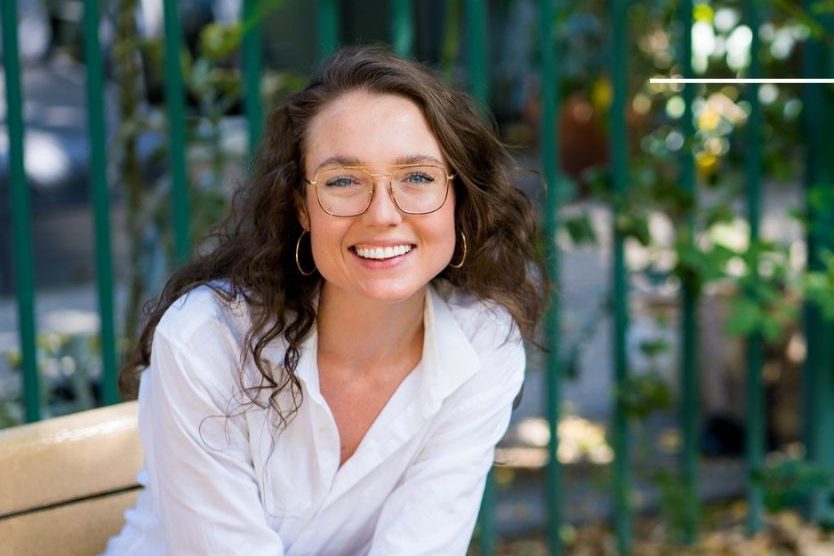
As Bisexual Awareness Week comes to a close this Wednesday, the Los Angeles Blade sat down with West Hollywood Councilmember Chelsea Byers to talk about how the city celebrated. Byers, a Councilmember since 2022 and an openly bisexual woman, discussed the importance of the celebratory week, challenges facing the bi community, and how living openly can be a form of resistance.
“Every year the city recognizes Bisexual Awareness Week as a week of action,” Byers said. The city coordinates special events to mark the occasion, this year featuring a workshop from Rewrite the BiLine, a group that aims to improve bisexual representation in media, and programming from the Los Angeles Bi+ Task Force, a nonprofit that promotes education and meetups for the bisexual community.
Byers believes that being a bisexual representative has allowed her to “feel a sense of connection” to these organizations and consequently make better programming. “I think that sort of goes to show that when you have more representation in these elected offices, the policies truly do follow,” she said.
Byers also talked about challenges that impact bisexuals even from within the LGBTQ community. “I can say, in my own personal experience as a bi woman who has been dating a man for more than a decade now, many people make the assumption that I’m a straight woman,” she said, adding, “I feel that and experience that even within the queer community.”
This can create a feeling of imposter syndrome, or a sense that deep down a bisexual person really just wants to swing one way or the other. “It can get exhausting having to constantly reinforce who you are, even if at times it’s not how you’re passing or understood in community. … and I hear [bisexual] people express that often,” Byers said.
However, there is data to show that acceptance of bisexuality is on the rise. According to polling from the HRC, 31% of young people between the ages of 18 and 24 identify as LGBTQ. People identifying as bisexual make up the largest portion of that increase when compared to other age groups. A 2023 poll from Gallup shows that 15% of Gen Z is bisexual, in comparison to the 5.6% who are gay or lesbian.
This trend of younger generations being more comfortable to explore and be open about their sexual identities is incredibly inspiring for Byers. “It’s so moving and encouraging to know that people are feeling a greater sense of safety, … that there are more people who will accept them, that there is more awareness and even more pushback to the hate that LGBTQ queer people have been experiencing,” she said.
“Embracing your identity can be a form of resistance,” Byers said, continuing, “People can find a lot of joy in that feeling of self-expression. And I think there’s a sense of empowerment that comes from just saying, ‘you know, this is something I can do. I can take care of who I am.’”
Features
25 years after 9/11, Windows on the World workers join one another in solidarity
Survivors honor 73 restaurant workers who passed away in the 9/11 attacks while renewing their fight for a living wage

MANHATTAN –
The day after the Sept. 11 attacks, Magdi Labib searched hospitals across New York City, hoping to find the coworkers he considered family.
“We were trying to help families find their lost loved ones,” said Labib, who worked as a captain at Windows on the World, the restaurant atop the World Trade Center’s North Tower.
Twenty-five years later, Labib and other surviving employees gathered at Hide Rooftop at the Artezen Hotel in Lower Manhattan to honor their deceased colleagues and continue the workers’ rights movement formed in their memory.
Asmat Ali, another former Windows on the World captain, called the tragedy a loss of his “second family.”
“It was heartbreaking,” Ali told the Blade. Many Windows on the World employees were immigrants who had come to New York from countries across the globe. Although they represented different continents and religious traditions, Ali said they worked together as one community.
At the Windows on the World 25th Anniversary of 9/11 event, the names of 73 loved ones – all restaurant workers who passed away in the attacks – were read aloud. Public commemorations of Sept. 11 often center on other groups of victims and first responders; the immigrant restaurant workers who died that day have too often been overlooked.
While individuals were telling stories, playing music, and shedding tears about that fateful day, James Benson, who was working in the North Tower on 9/11, held up his former employee identification card for a photograph. That ID reminds him that the memory of the restaurant workers is still alive.

The memorial did more than preserve personal stories. It connected the deaths of immigrant restaurant workers on Sept. 11 with One Fair Wage’s continuing campaign for economic security in an industry sustained heavily by immigrant labor. The national organization advocates for eliminating the subminimum wage and requiring employers to pay workers a full minimum wage – with tips on top.
For Fekkak Mamdouh, a former Windows on the World server and co-founder of One Fair Wage, remembering his colleagues also means continuing the movement that surviving workers built after the attacks. “The mission was clear: fight for a system where every worker can earn a living wage,” Mamdouh said.
One Fair Wage President Saru Jayaraman argued that the problems facing restaurant workers are rooted in a history of racial and gender inequality. She explained that low wages disproportionately affect women and workers of color – leaving many workers juggling multiple jobs to survive.
Jayaraman also connected economic insecurity to democracy, arguing that people struggling constantly to support their families have little time to participate in civic engagement. “Every restaurant worker’s life matters,” she said, highlighting her commitment to ensuring that workers are remembered, respected, and paid fairly.
Sally Greenberg, CEO of the National Consumers League and a member of the LGBTQ+ community, said her organization has worked with One Fair Wage to advance protections for restaurant workers. Greenberg, who waited tables while saving money for law school, feels sympathetic to the cause, as she understood the economic difficulties faced by people in the restaurant industry. Reflecting on the commemoration, Greenberg posed a pointed question: “This is an amazing experience – who else has honored the restaurant workers?”
Braden Crooks, president of the New York Sustainable Business Council, told the Blade that supporting workers and running a successful business are not opposite goals. “Fair business practices are good for business,” Crooks said, emphasizing that fair wages and health care benefit workers and employers.
Alongside workers and labor advocates, several elected officials attended the commemoration to express their support and solidarity. Julie Su, New York City’s deputy mayor for economic justice, spoke powerfully about the necessity of engaging in politics. She made clear to everyone that New York City is listening: “On behalf of Mayor Mamdani’s administration, you are seen,” Su said.
Other elected officials in attendance included New York Assemblymembers Claire Valdez and Steven Raga, along with Brad Lander, the Democratic nominee for New York’s 10th Congressional District. “It is an honor to be in this room with so many remarkable people,” Lander said, describing it as a “powerful feeling of solidarity.”

Lander remembered Manuel O. Asitimbay, an Ecuadorian Windows on the World employee whose death placed a burden on his family. Not only did his family lose a loved one, but they also lost their financial security. Lander recalled community efforts to help the family secure a home in Sunset Park. He also warned against holding entire communities responsible for the acts of individuals, urging attendees to reject scapegoating and instead come together in solidarity.
If one word captured the event, it would be “solidarity”. Twenty floors above Lower Manhattan, surviving workers, grieving families, and supporters of a living wage came together across nationalities, religions, and backgrounds. They did more than remember the restaurant workers whose lives were lost on Sept. 11: They affirmed that the community those workers created – and the struggle carried forward in their names – has endured.
Features
Caleb Kaufman joins the Los Angeles Blade through the California Local News Fellowship
The Ithaca College graduate brings experience reporting on gender-affirming care, queer rodeos, and the people running the political circus

Caleb Kaufman understands that the landscape of journalism has drastically changed.
Artificial intelligence companies are repackaging the work of journalists, local newsrooms are counting pennies, and public trust in media is on the decline. But for Kaufman, these challenges make journalism
“I think that is a reason to do more of it, not to run away from it,” Kaufman told the Blade. “It’s really important for civic engagement and democracy that people are able to know the truth about what’s going on in the world around them.”
Kaufman, a recent graduate of Ithaca College in upstate New York, is joining the Los Angeles Blade through the California Local News Fellowship, a state-funded program administered by UC Berkeley’s Graduate School of Journalism. The program selects competitive candidates from across the country to join various newsrooms throughout California for two years. Acceptance into this program is both rare and exciting, giving fellows an opportunity to report full-time.
For Kaufman, the fellowship requires a move across the country. Although he had previously spent a semester in the city, this is his first time calling Los Angeles home – and his first introduction to the Los Angeles Blade.
“I was really impressed by all the work that the Blade was doing,” he said, discussing the Blade’s versatility, ranging from in-depth policy reporting to arts and entertainment coverage. “It seemed to be a really great newsroom.”
Although Kaufman graduated with a degree in photography and film rather than journalism, photojournalism was the entryway into his interest in journalism. Editors would ask whether he could write something to accompany his photographs. Initially hesitant, he accepted the challenge.
“I started doing writing more, and I began enjoying the reporting aspect of it a lot as well,” he stated.
By the time he graduated, Kaufman had pursued journalism through internships and freelance assignments despite not majoring in journalism. He described becoming “hooked” and slightly obsessive in his pursuit of stories to cover.
“There are limits to what you can do in photojournalism if you are not also writing, because the context surrounding a photograph is equally important,” he explained. “You can have a great photo, but if you have writing that is misrepresenting what’s happening, it doesn’t really matter.”
His approach to photography and journalism guided one of his most meaningful assignments. While interning at the Pittsburgh nonprofit newsroom PublicSource, Kaufman reported on a 17-year-old transgender student who lost access to gender-affirming care.
Kaufman met the teenager and his mother at a protest and followed them for a month as they searched for another provider. The teenager had graduated from high school early and should have been enjoying his final summer before college. Instead, the sudden loss of medical care introduced a profound source of stress.
The family eventually found care through a nearby private practice, but Kaufman said the experience demonstrated that typical reporting might leave out the lived experiences of the people involved.
“The standard story would be: ‘This is happening at this hospital. Here are some experts criticizing it.’ And that was the story,” he explained. “Most articles did not have someone who was actually being impacted.”
Covering LGBTQ+ communities is not new for Kaufman. He grew up in a suburban community near New York City among a friend group that included many LGBTQ+ people. His town, like many places, was not always welcoming.
That experience made queer issues personal. At a moment when the federal government is targeting members of the LGBTQ+ community, Kaufman believes reporting must reach the communities directly affected and those who remain unaware of what is happening.
“There’s a lot of very important reporting to be done,” he told the Blade. “I think we’d probably be surprised by how many people don’t know about what is happening right now.”
Still, Kaufman does not want his work to be limited to politics. One of his favorite assignments took him to Palm Springs for four days to photograph the Palm Springs Hot Rodeo for Mother Jones. Sleeping in the rodeo’s medical trailer, he covered one of the country’s oldest gay rodeos.
“There are a lot of pockets of queer culture that people overlook,” he said, including the wild tradition of LGBTQ+ Western and cowboy culture. “It was so much fun.”
For the next two years, Kaufman will report on the LGBTQ+ community in one of the best cities in the world. Los Angeles will give him no shortage of policies to scrutinize, eclectic people to meet, or overlooked subcultures to document.
Kaufman ends on a positive note: “I’m really excited to have an opportunity to do it full time coming out of school.”
Features
Building a very queer future: StartOut’s Michael Meo on LGBTQ+ entrepreneurship
Build Momentum founder Michael Meo shares on why LGBTQ+ founders have a unique upper hand and why Los Angeles could be the perfect spot to cultivate what comes next
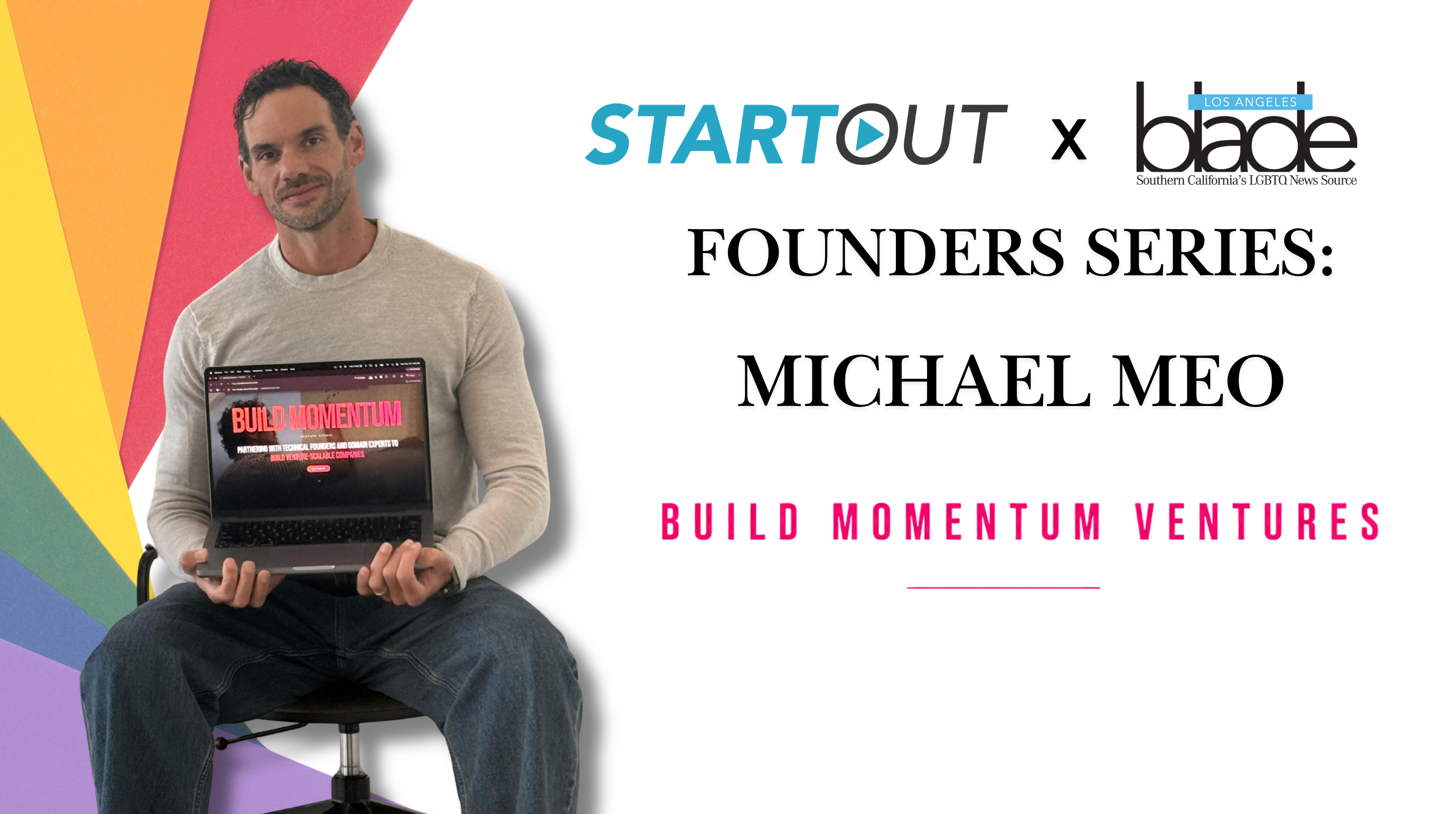
As the founder of Build Momentum, Michael Meo has made it his unwavering mission to assist ambitious and often overlooked founders in turning their ideas into ventures. With an appropriate focus on our LGBTQ+ community as well as women and folks later in their careers, Build Momentum works to build connections and support that can help them in transforming inspiration into action. Through his work, Meo has proven himself to be a passionate advocate, ensuring that founders of marginalized communities do not have to venture out on their own.
Drawing from his own experience as a gay entrepreneur, Meo sees queerness not as a barrier but as a genuine source of creativity and resilience. From creating spaces like QueerTechIRL to his mentorship for burgeoning founders, Meo is helping to cultivate a more connected and inclusive startup landscape in LA. We had the opportunity to sit with Meo and discuss the inspiration behind Build Momentum, the unquestionably unique power that queer founders hold, the undeniable challenges they continue to face, and why he believes that the next generation of LGBTQ+ entrepreneurs has so much to build and that much more to be excited about.
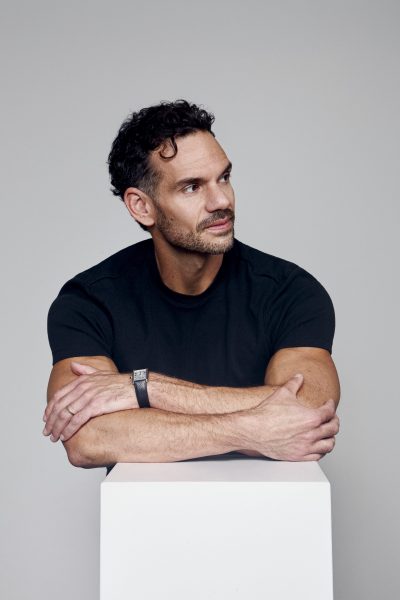
For readers who may not be familiar with Build Momentum, what inspired you to create it, and what issue were you looking to address with Build Momentum?
I’m passionate about venture because it’s world-making. It’s about creating better futures that don’t yet exist by bringing together the right talent, capital, and ideas to build something unexpected.
I’ve spent the past 10 years working in startups, with a real passion for both venture and social impact. Build Momentum partners with some of the brightest founders out there—people with deep expertise who are closely connected to a pressing problem and want to solve it through technology. They bring their domain expertise, and we bring the venture-building muscle: the ability to build companies, digital products, and technology from scratch.
A lot of our work is with what I call unexpected and underrepresented founders: LGBTQ+ founders, women founders, and later-career founders coming out of established industries. Ultimately, the issue we’re trying to address is creating more inroads into venture and helping more people discover and unlock their inner founder.
Looking back at your journey with Build Momentum, have there been any stand-out moments or stories that capture the reason why you do this work?
One standout story is Christina Karaba, a founder I’ve been working with over the past year. She’s an absolutely brilliant, seasoned creative leader who came from the corporate world. I met her when she had just the idea for a company, and one of my proudest moments was when she told me that I was the first person she had ever called herself a founder to. I’ve been able to support her through that journey, and now she’s moved beyond corporate and is about to launch her AI fashion app. And she is an Expert in Residence within Build Momentum supporting other founders on their journey.
More broadly, I’ve somehow put myself in a position where people come up to me—sometimes multiple times a day—and tell me their wildest dreams, what they’re trying to build, and the challenges they’re facing. I do everything I can to point them in the right direction, connect them with the right people, and get them the resources they need. Christina’s story is a perfect example of why I do this work.
Much of your work focuses on bringing founders, investors, and startup leaders together. How does Build Momentum help create these connections that entrepreneurs may struggle to find on their own?
Nobody should build alone. Being an entrepreneur, especially a solopreneur, can be an incredibly isolating experience. We’ve done a lot of work to create community spaces for founders through events, workshops, panels, and dinners, including programming during Tech Week in New York, San Francisco, and Los Angeles.
We focus on gatherings that are genuinely valuable, bringing together some of the best startup and corporate leaders, investors, and builders and putting them in the room with early-stage founders. We want to create warm inroads into venture capital and connect entrepreneurs with people they might otherwise struggle to reach.
We also host people in our studio and mentor founders regularly. We have a street-level office with a real open-door policy. It’s not uncommon for a founder or friend of the studio to walk by, knock on the window, and come in. We’ve also launched QueerTech IRL specifically to bring LGBTQ+ founders and investors together and create a kind of home away from home for queer entrepreneurs.
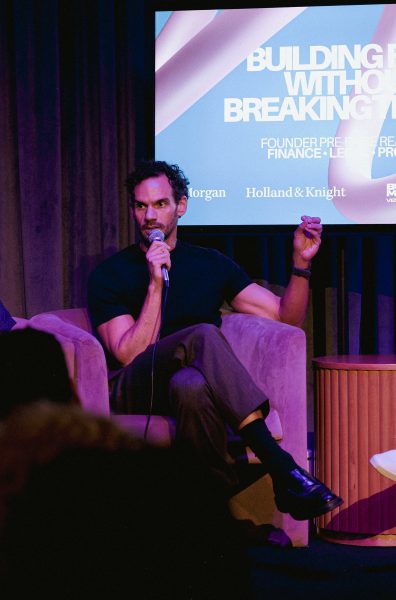
What makes the Los Angeles startup community unique compared to other major innovation hubs?
What I absolutely love about Los Angeles is, first, the diversity of its people and industries. New York is known for finance, San Francisco for AI, Miami for real estate tech. The beauty of LA is that there are so many strong, diverse industries here: AI, logistics, fashion, media, wellness, health tech. It’s not a monoculture city, so we find ourselves working across all kinds of verticals.
The other thing I love about Los Angeles is that it has this anything-is-possible, shoot-for-the-stars energy. People here are wildly aspirational and optimistic. At the same time, it can be a city where community is hard to stumble upon, so when you create intentional community, people really gravitate toward it.
LA also has this incredible creative energy that’s true to its roots: telling stories and imagining worlds that haven’t existed before. Historically, that was done through media. Now, technology gives us new ways to actually build those worlds. LA has a really deep history of world-making.
Beyond having a great idea or product, what qualities consistently stand out to you in founders who are able to build lasting companies?
The founders who build lasting companies tend to have an obsession with the problem and the user, more than with the specific idea or solution they’re building today. Solutions and ideas evolve over time. But founders who remain obsessed with the problem—who are insatiably curious and disciplined about connecting with the people they’re trying to serve, understanding them, and getting into their world—are the founders I bet on.
I also look for founders who are able to maintain a balanced life. I push back against the idea that founders have to be mercenary about the work, because that leads to burnout. I’m very bullish on founders who spend time in their communities, have interests outside the company, sleep, exercise, and take care of their health. I think of this as the 360-degree founder: someone who can treat building a company as a marathon, not a sprint.
Have you noticed any patterns or trends among today’s queer founders that give you optimism about the future of LGBTQ+ entrepreneurship in Los Angeles?
I am so bullish on LGBTQ+ founders. Queer people have this unique ability to do unprecedented things.
I think about my own journey as a gay person and a gay entrepreneur. One of the first and biggest unprecedented things I had to build was my own identity. I didn’t have LGBTQ+ role models or examples. I didn’t have anything to emulate. Understanding my true self and building my own identity was kind of my first major project.
Because of experiences like that, I think LGBTQ+ founders are uniquely equipped to push forward through uncertainty, feel comfortable with ambiguity, and handle risk. Those are our superpowers. We’re also wildly creative. We’re world-makers.
Beyond that, a lot of LGBTQ+ founders I meet live service-driven lives. They want to create an outsized impact and leave the world better than they found it. They’re building companies that, at scale, can have a genuinely positive impact on the world. There’s often a sense of responsibility driving the work.
What do you believe are the most significant obstacles that still persist for LGBTQ+ founders in LA today?
One of the biggest obstacles is cultural. The venture capital and fundraising spaces can still feel very heteronormative and male-dominated. The same is true of many of the industries queer founders are trying to disrupt. As a result, LGBTQ+ entrepreneurs may not see themselves represented or feel that they have natural inroads into those spaces.
I can identify with that from building and scaling a real estate technology company. Throughout that four-year journey, I often felt like a cultural outsider. There were times when I didn’t feel comfortable showing my full, multidimensional self and was quieter about my queerness. That changed over time, but I definitely found myself code-switching to fit in with investors and enterprise clients in the real estate industry.
Where have you seen the most progress for LGBTQ+ founders over the past few years, and what role has StartOut played in that?
LGBTQ+ founders are everywhere. We now have organizations like Gaingels, StartOut, HeyFamm, and QueerTech IRL creating more spaces, connections, and visibility for queer entrepreneurs.
I also think LGBTQ+ people have this incredible ability to network, make warm introductions, and let the rising tide lift all boats. There’s a real willingness to open doors for one another. We also have far more precedent for impactful, scaled companies built by LGBTQ+ founders, so the next generation can see that there’s a path for them.
For LGBTQ+ entrepreneurs who are hoping to build their first company, what value do you think they gain from becoming part of the StartOut community?
Having mentored within the StartOut community, I think one of the biggest benefits is access to seasoned LGBTQ+ innovators and founders who can provide support, mentorship, introductions, and connections. Building a company can be incredibly isolating, so having people around you who understand both the entrepreneurial journey and the experience of being LGBTQ+ is extremely valuable.
Community is often talked about as a business asset, but it also has a personal side. How has creating Build Momentum impacted you on a personal level?
Never before have I felt more in my flow. I’ve never felt this much purpose or impact through my work, and I have this insatiable hunger to scale that impact.
Through Build Momentum, I’ve put myself in this unique position where I get to unlock people’s creativity, fuel their dreams, and help them build their companies and products. It’s immensely rewarding. There’s something deeply satisfying about playing such an intimate and impactful role in a founder’s journey.
Where do you see the greatest opportunities for innovation emerging over the next few years?
I’m very, very bullish on the domain-expert founder. Our thesis is built around serving the unexpected founder: people coming from deep within a particular industry. Think scientists from NASA, or a VP from a major bank or media company—people with decades of experience and a deep understanding of their field.
I see a major opportunity for these people to branch out and create companies of their own, especially as uncertainty within traditional corporate environments continues to grow. I really advocate for them to consider how their expertise could become a company.
I also see an enormous opportunity within established and legacy companies. A lot of them are understandably focused on AI enablement and transforming existing processes. But I think entirely new ventures, products, experiences, and technologies will also be born from within those companies. Like domain experts, established companies possess deep knowledge, assets, and unfair advantages that make them incredible starting points for building new solutions. That’s an area where we plan to play an important role through our corporate venture-building work.
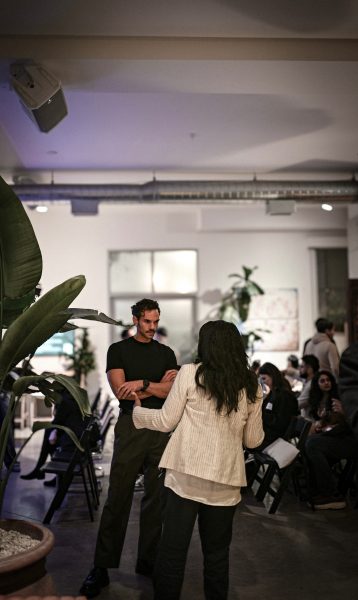
This series celebrates founders who are helping shape the Los Angeles startup community. What responsibility do successful LGBTQ+ entrepreneurs have to give back and help the next generation?
For me, the first responsibility is mentorship: sharing your insights, learnings, and support with other founders, whether that’s one-on-one or through groups, workshops, and panels. That’s an incredible way to give back.
I also think there’s real value in living loudly and proudly. Simply existing as a successful LGBTQ+ founder and being true to your identity matters. That representation is especially important for younger entrepreneurs. They need to see themselves reflected in the successful people around them and know that this path is possible for them too.
If you could offer one piece of advice to someone launching their first company in Los Angeles today, what would it be?
First, get as close as possible to the people you’re trying to serve. Have multiple conversations a day—at least 10 a week. Get into their headspace and understand how they see the world. Be unreasonably close to your users.
Second, find your tribe. Join communities, go to events, and connect with groups like QueerTech IRL, Build Momentum, and StartOut. Find peers and mentors who can support you, challenge you, and give you honest feedback. Don’t try to do it alone.
Lastly, less is more. Don’t get too precious about your product. Put imperfect things into the world, see how people respond, and learn from them.
Looking at the future, what’s next for Build Momentum?
We have a few things cooking at Build Momentum. We’re exploring the launch of a West Hollywood-based venture accelerator for founders building in health tech, wellness, media, social, and AI. We envision a physical space with desks, community activations, mentorship, workshops, and funding opportunities.
We’ve also just launched our corporate venture-building practice. We want to work with some of the most influential established companies to build entirely new ventures that can unlock growth and push them into the future.
And finally, we want to scale the impact of QueerTech IRL through more activations, community events, and opportunities for LGBTQ+ founders and investors to connect.
For more information, head to BuildMomentum.dev.
Features
Celebrating 40 years of ‘Being Alive’
The team behind this landmark celebration speaks about HIV Advocacy today
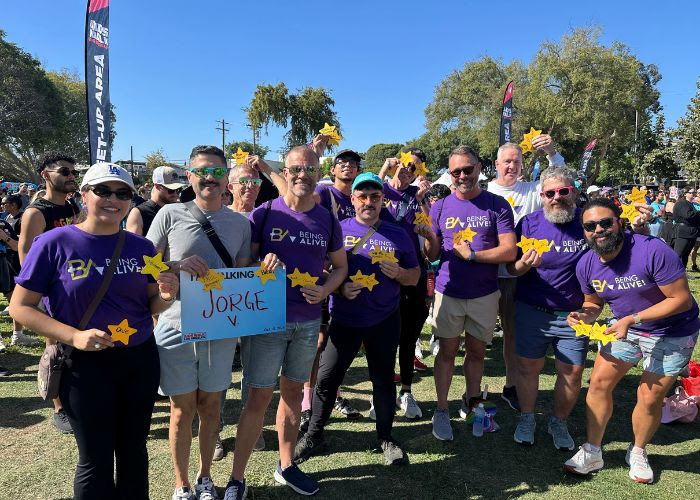
For the past 40 years, the HIV Advocacy group has fought to provide people with the resources, support, and overall care that they need. Theirs is a beautiful mission of uplifting marginalized communities across Los Angeles — that, unfortunately, was borne out of necessity.
When it started in 1986, Being Alive was a tool for survival, created by the many LGBTQ+ individuals who’d been abandoned by society while in the midst of the HIV/AIDS crisis. The organization’s current Executive Director, Jamie Baker, explained, “When Being Alive first started, it was sort of out of frustration and desperation. No one was doing anything, and our friends and family were waiting to die. The founders of the organization decided to take action and help people have hope to find a way through this.”
What started as a couple of community members hosting small support groups has become one of the leading nonprofits providing wellness services for those living with HIV and AIDS. Whether it be mental health support, prevention education, or the various other services they offer today, Being Alive has become an essential resource for countless people living with HIV in LA — and on Saturday, September 12th, 2026, they’ll be celebrating four decades of hard work at the ‘40 Years of Being Alive’ celebration.
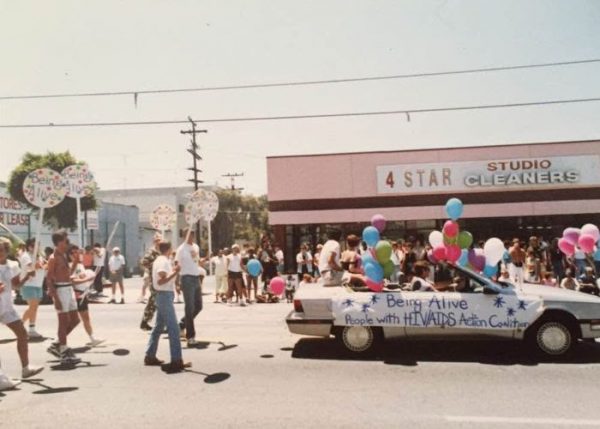
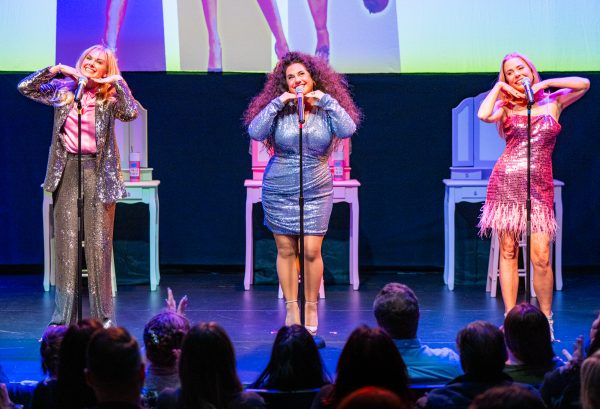
Hosted at the Los Angeles Athletic Club, 40 Years of Being Alive is a reception and awards ceremony that will see the organization’s many supporters come together for a moment of community joy. Because along with looking back at the organization’s history and all it’s accomplished, the event is promising some fun; Broadway legends Marissa Jaret Winokur, Kerry Butler, and Laura Bell Bundy will be performing an excerpt from their hit Mama, I’m A Big Girl Now show for everyone in attendance. “I was a kid during the AIDS crisis, but I remember losing colleagues and people I knew,” recounted Butler when discussing how it feels to be a part of such a landmark celebration. “A mission of mine has been to support the LGBTQ community, and help them to know how loved they are…[so] it’s an honor to get to help celebrate this organization that has been doing such amazing work.”
And this trio won’t be the only stars in attendance. Along with notable advocates from across Los Angeles, the event will be honoring actress Morgan Fairchild, renowned therapeutic specialist Joseph Leahy, and the legendary comedian Bruce Vilanch for their work supporting people living with HIV. “Being Alive was one of the volunteer-run charities that sprang up in the first few years of the AIDS epidemic,” said Vilanch. “It’s great to know there is still hope with everything that’s going on in our country…it’s been difficult for the smaller AIDS charities to keep up, and I’m happy to be a part of that effort.”
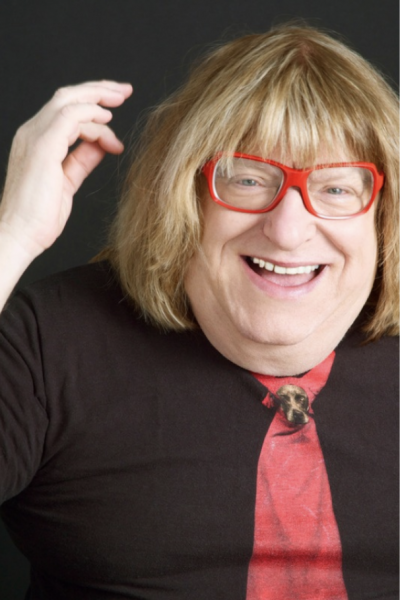
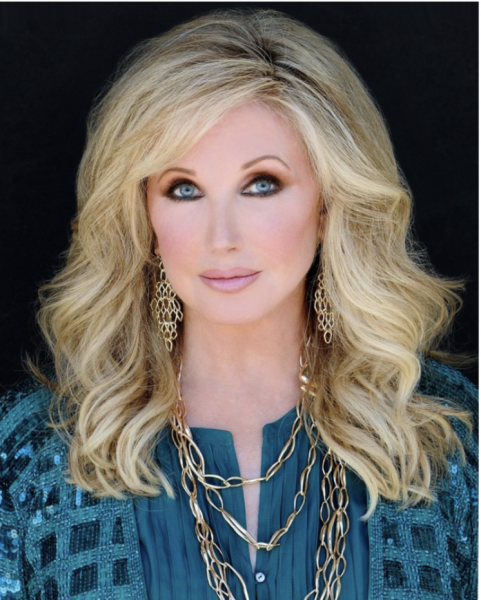
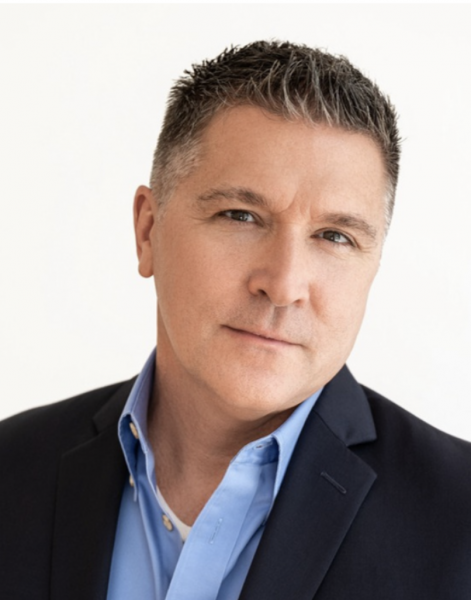
Being Alive honorees – Bruce Vilanch, Morgan Fairchild, and Joseph Leahy / Photos courtesy of Being Alive
Every person involved with the celebration spoke about not only their excitement but also why the LGBTQ+ community needs joyful moments like this right now. Especially because groups like Being Alive are some of our most important resources right now — and, in recent years, they’ve also been the most attacked.
“We lost a significant part of a government-funded contract,” explained Baker when describing the stark funding cuts Being Alive has continuously seen over the past two years. “These short-sighted and ill-informed attacks on LGBTQIA+ communities and people living with HIV are appalling and frightening.” This is sadly not an isolated incident; in Los Angeles alone, we’ve seen millions in funding for HIV-related resources be cut by the current administration. And these attacks are spreading worldwide, with the American government revoking historic funds meant to assist people all across the globe who are struggling with HIV and AIDS today. This has made thousands of people internationally scared for their health, and it’s left our local LGBTQ+ communities fighting to retain the services we’ve spent decades building.
It’s this fight, Baker explains, that is at the heart of the 40 Years of Being Alive celebration. Because, yes, the event will be a fun-filled afternoon for connecting with like-minded supporters from across LA. But it will also be a valuable reminder that Being Alive, and the mission it represents, is not going anywhere.
“We are celebrating 40 years of resilience and the people who fought for every service and treatment we have available today,” explained the Executive Director. “We honor those we lost, and everything we do is on the foundation built by those who came before us…those who marched, held ‘ die-ins ‘ on the Washington Mall, and those whose voices still resonate. We are still here, and our community of people with HIV has the opportunity to thrive because of those activists and pioneers. That’s the celebration.”
40 Years of Being Alive takes place on Saturday, September 12, 2026, from 2:00 p.m. to 4:00 p.m.at the Los Angeles Athletic Club. You can buy your tickets here.
Features
REACH LA: Where community, culture, and liberation kiki
Three strong voices from REACH LA’s community show us how Ballroom, activism, and collaboration are transforming LGBTQ+ life in LA while also building a more liberated future
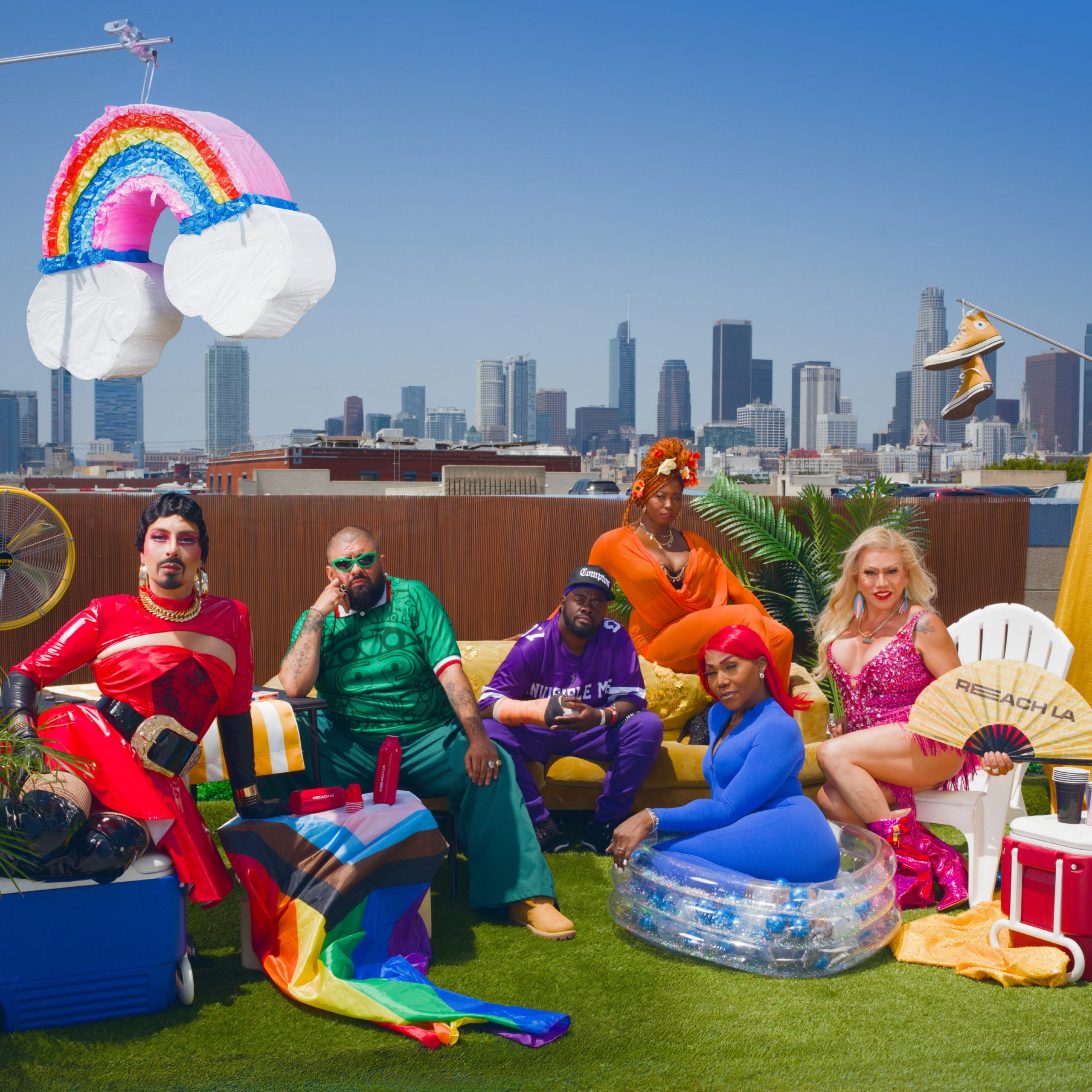
For LGBTQ+ folks of color in Los Angeles, community can mean much more than simply having a place to come together. It can mean finding a chosen family, discovering a creative outlet, accessing wellness resources, or simply walking through a door and knowing that you belong. REACH LA has spent years creating spaces where health, creativity, advocacy, culture, and celebration meet. At the heart of that work are the people who show up every day to teach, organize, advocate, perform, mentor, and build connections.
In this collective interview, three members of the REACH LA community – multidisciplinary artist and Ballroom icon Packrat Whitfield, advocate and community connector ChiChi Navarro, and Invisible Men founder Luckie Alexander – reflect on what brought them to REACH LA, what the organization means to their respective communities, and why intentionally creating spaces for LGBTQ+ people of color remains so important. Their stories are different, yet they share a common value: the belief that representation matters, community is a form of healing, and the future of LGBTQ+ liberation depends on people continuing to show up for one another.
Packrat Whitfield
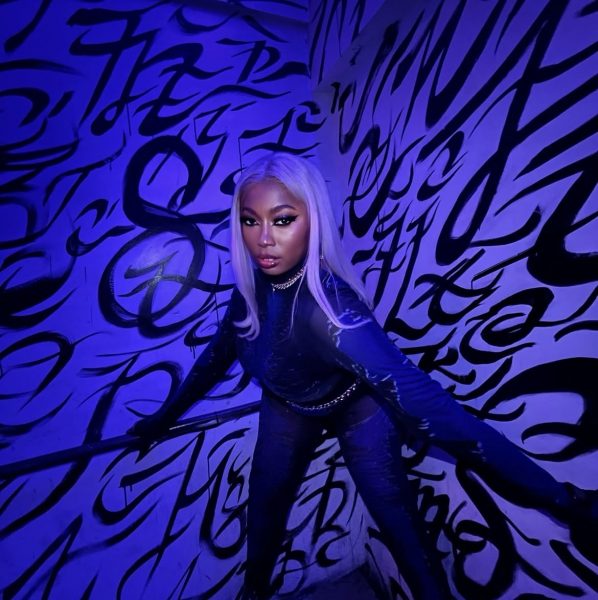
A multidisciplinary artist whose work spans choreography, movement, artistic direction, production, dance education, DJing, Voguing, activism, and Ballroom culture, Packrat Whitfield has spent more than two decades immersed in the Ballroom community. Their relationship with REACH LA began in 2014, shortly after moving from New Jersey to Los Angeles.
“I first showed up at Reach LA in 2014 after moving from New Jersey to LA and being told about Vogue open sessions at the dance studio,” Whitfield shares. After years of attending and supporting REACH LA, they were eventually invited to join the organization professionally. Today, they teach weekly Vogue classes that are free to attendees, sharing knowledge and skills accumulated throughout their career.
For Whitfield, REACH LA’s mission is inseparable from the history of Ballroom itself. “Ballroom was created by Black and Latino LGBTQ+ individuals,” they explain, making REACH LA’s commitment to LGBTQ+ people of color especially meaningful. Having spent more than 20 years in Ballroom, Whitfield sees teaching as an opportunity to give back while helping younger generations carry the culture forward.
They have also experienced firsthand the importance of representation. As a queer Black woman participating in Ballroom, Whitfield says they rarely saw someone who reflected their identity. Rather than allowing that absence to define their experience, they decided to become the representation they wished they had.
“I really wanted to be the change I wanted to see,” they say. “I really worked hard over the years to be visible, present, and be a role model when I had none.”
That commitment extends beyond performance. Whitfield describes REACH LA as a space where creativity can become a pathway toward healing, confidence, and professional development. They have watched young people enter the organization, take classes, develop their artistry, and eventually become prominent performers within Ballroom.
“They call me the mother of Reach LA,” Whitfield says, reflecting on the many young people they have helped nurture. For them, teaching isn’t simply about technique. It’s about helping people find their voice and providing tools that can make their journey into entertainment easier.
Social justice, too, is woven into Ballroom culture. “The consistent fight for freedom is a form of social justice in its own right,” Whitfield says. Whether that means fighting for the right to occupy space, live authentically, or be recognized and respected, Ballroom has long transformed resistance into art, movement, and community.
ChiChi Navarro
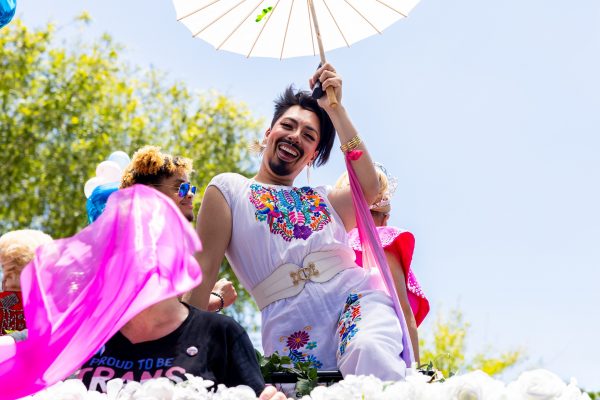
ChiChi Navarro describes themselves as “a person of many multitudes,” moving between roles as a drag artist, event host, fundraiser, educator, community connector, policy advocate, and organizer. Their advocacy centers LGBTQ+, TGI, Latine, working-class, and poor communities, with an extensive network of involvement throughout Los Angeles.
Navarro’s relationship with REACH LA began through participation. “I first fell in love with REACH LA while attending some of their incredible group sessions and Vogue classes!” they recall. While Navarro jokes that attempting a dip would be “the end of me,” those early experiences opened the door to a much deeper relationship with the organization.
That relationship eventually expanded into advocacy. Navarro invited REACH LA to participate in a TransLatin@ Coalition Day of Advocacy during the fight for the TGI Wellness and Equity Initiative in Los Angeles County. With support from organizations including REACH LA, the initiative ultimately passed and became TGI RISE.
For Navarro, REACH LA’s mission reflects their own belief that liberation must center those who are most marginalized. “True liberation happens when we intentionally empower the most marginalized among us,” they say.
They also emphasize the importance of joy. Advocacy can be exhausting, and community members need spaces where they can celebrate as well as organize. REACH LA provides opportunities to recognize frontline activists, honor those who came before them, and build relationships outside the immediate pressures of political work.
Navarro’s own journey toward advocacy is deeply personal. Having experienced shame around sexuality and gender expression while growing up, they describe the process of reaching acceptance, and ultimately celebration, as requiring significant interpersonal work.
Today, Navarro proudly describes themselves as a queer and gender-expansive Mexican-American Angeleno. That journey has shaped a philosophy grounded in empathy, patience, understanding, and genuine acceptance.
When asked about the future, Navarro imagines a world where sexual orientation, gender, and gender expression are never grounds for exclusion. They envision housing, food, healthcare, and vibrant community spaces as fundamental rights rather than privileges.
Most importantly, they hope their legacy encourages radical collaboration. “It truly takes a village,” Navarro says. “We are infinitely stronger working together.” And alongside the seriousness of that vision comes a reminder not to lose joy in the struggle: “Have fun and be kind to yourself.”
Luckie Alexander
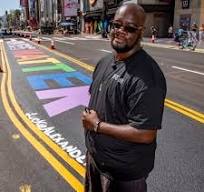
Luckie Alexander, CEO and founder of Invisible Men, has dedicated more than two decades to gender and social justice, education, workforce development, advocacy, and community organizing. His work has included leadership with the Los Angeles County HIV Commission, the Brown Boi Project, the West Hollywood Trans Advisory Board, and the historic 2019 National Trans Visibility March.
His connection with REACH LA has evolved through collaborative projects, but one particular program has brought him back into closer contact with the organization: T Boy Tuesday’s Game Nights.
“Having space created intentionally for Trans men and transmasculine individuals is what continues to bring me back,” Whitfield says.
That intentionality is central to what REACH LA represents for him. As a Black trans man, Whitfield recognizes the importance of seeing people who reflect your identity doing the work. “It is great to see folks that look like you doing similar work for the LGBTQ+ community,” he says, particularly when those spaces include demographics that are frequently left out of broader conversations.
His activism began in response to his own experiences during transition and the treatment of trans men within society. Community eventually became a place where he could see reflections of himself that he hadn’t previously known he needed.
“I was able to use my academic and life experiences to help those coming behind me to not have to experience what I did,” he explains.
That philosophy of paying it forward is central to Invisible Men’s mission and to what he sees in REACH LA. For Whitfield, the organization’s greatest contribution is creating a space where trans men can interact with one another while accessing community, support, and the broader resources that make wellness possible.
“Spaces intentionally for Trans men are very far and few between,” he says. “REACH LA provides a safe place for us to interact, with us, led by us.”
Ultimately, Whitfield hopes the work being done today helps create a future in which people no longer have to fight simply to exist. His vision is simple but profound: a world where people are seen fully as themselves and where community space is genuinely shared.
“I want my legacy to be that everyone sees everyone for the person,” he says. “In ten or twenty years I want there not to be a reason to fight so hard just to live. I hope that existence isn’t so complicated.”
Across Ballroom floors, advocacy tables, classrooms, game nights, policy meetings, and creative spaces, the stories of Packrat, ChiChi, and Luckie demonstrate why organizations like REACH LA matter. Their approaches may differ, but each sees community as something active; something built through teaching, listening, showing up, making room, and passing knowledge forward. In a world that can still make LGBTQ+ people of color fight for visibility, safety, and belonging, REACH LA offers something essential: a place where people can gather not only to survive, but to create, celebrate, heal, and imagine what comes next.
For more information, head to ReachLA.info.
Features
Micah Jesse wants you to invest in your authenticity
The professional explains why your queerness is always your biggest asset
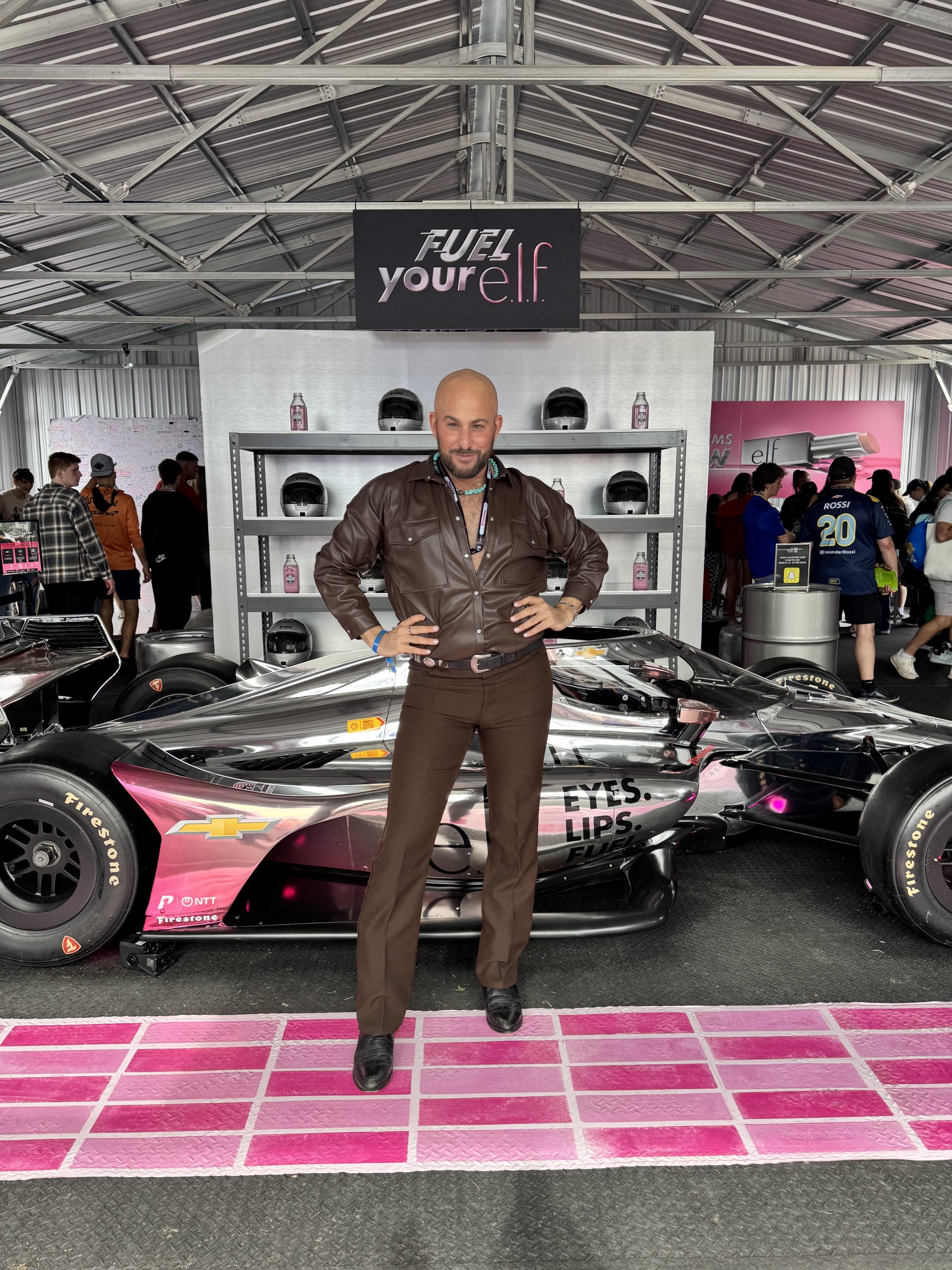
Most queer people can remember the first time they saw another LGBTQ+ person.
For many, it wasn’t a very good experience; the media’s historic focus on stereotyping has led to depictions of our community as caricatures, not as people. This has luckily lessened over the years, but it can still be hard for folks today to see others with their identities living openly. Somehow — even with its many, many pitfalls — the rise of social media has addressed this issue, making it easy for LGBTQ+ users to share their lives with people all over the world. Now more than ever, it’s possible for queer folks to go online and see the real representation they need…which is why the rise in online discrimination has been so heartbreaking.
The past few years have seen ongoing attacks against anything queer online. And while there are still many influencers sharing their authentic selves with the world, this bullying has led to many hiding themselves from others, scared that showcasing their real selves will lead to nothing but digital hatred. It’s because of this hatred that we need LGBTQ+ creators more than ever — and it’s why Micah Jesse, Head of Influencer & Creator Marketing for e.l.f Cosmetics, has committed himself to making the influencer industry as inclusive as possible today.
The best creators start out by simply doing what they love, and Micah is no different; the man’s career began as staff at The Box SoHo, a prolific nightclub known for its ultra-famous customer base. “When I first started, ‘influencer’ wasn’t even a word yet,” Jesse laughed, remembering his early days in the role. He described the many celebrities who walked through The Box’s doors and how, to the shock of his managers, he loved nothing more than to casually tell each how much he adored their work. He paired this confidence with the signature style (mainly bright colors and rhinestones) he still wears today, with the man’s all-around brazenness earning him the attention of Ali Puliti, editor at the historic OK! Magazine. “She saw something in [me],” he explained. “She’s told me since that I had ‘no phoniness,’ which in this industry you learn to notice when it’s missing. I asked for her card — my first assignment was interviewing Rihanna on the roof of the Empire State Building.”
From there, Micah’s life became a glamorous whirlwind; he began as a reporter, interviewing some of the country’s biggest celebrities and documenting every jaw-dropping experience in his popular blog. He was one of the first influencers to successfully translate these writings into a social media presence, developing a massive following who loved hearing his thoughts on makeup, fashion, and all things celebrity culture.
Jesse remembered the joys and struggles of these early years fondly, recounting how, while fun, it was also immensely difficult making a name for himself in the tenuous entertainment industry. And he’s especially proud to have been one of the few people to do all of this while being openly queer…despite being told many times that it ‘wasn’t a good idea.’
“There was a talent manager early on who told me flat-out that America wasn’t ready for someone ‘so out,’” recounted Micah. “And that I’d be more universally liked if I dialed it back.” It’s an issue that has only gotten worse; not only do online algorithms favor more ‘traditional’ (AKA heterosexual and white) creators, but too often large brands discount partnerships with diverse influencers who don’t appease the bigoted parts of their audience. Yet despite this ‘advice,’ Micah continued to be open about his sexuality, understanding that, “Authenticity ended up being the thing that worked in my favor. Talent and their management loved speaking with me because I wasn’t performing…[my] enthusiasm wasn’t a liability. It was the whole asset.”
It’s this authenticity that Micah cultivates in his current role: Head of Influencer & Creator Marketing for e.l.f Cosmetics. “e.l.f. had its finger on the pulse of inclusivity and culture long before I ever walked in the door — that’s exactly why I wanted to be there!” He raved, detailing how he works with multi-million-dollar marketing teams and some of today’s biggest influencers to amplify the company’s brand.
Micah fights to spotlight creators like himself, marginalized folks who love all things makeup and fashion but are too often ignored by companies who don’t appreciate their voices. “Treating creators like cultural forces instead of vendors, and watching that philosophy actually move the business…it’s proof you don’t have to choose between doing right by people and doing right by the numbers,” he emphasized. “Because representation isn’t abstract — it’s the difference between a kid scrolling at 1 am feeling alone and that same kid seeing someone who looks or sounds like them, thriving, unbothered.”
Jesse strives to find the marginalized creators who have a passion for these products, whose distinct experiences not only make their personal styles unique but offer representation for the millions of other people who love e.l.f. today. He emphasized that, of course, he will partner with a great creator no matter their identity — but finally, he’s working to give marginalized artists an equitable chance at developing the partnerships they deserve. It’s a mission that he holds dearly every day, saying, “Culture moves through creators now more than it moves through almost anything else. When we go quiet, that space doesn’t stay empty — someone else fills it, and not always with care.”
Since first beginning in this space, Micah Jesse has committed to being his biggest, brightest self to show his thousands of followers that they can too. He is so honored to continue this work on a global scale at e.l.f. And on what he hopes his impact — not only in this job, but in the numerous others he’s poured his heart into over the years — will be, Micah ended the interview by saying, “I want to help crush the idea that authenticity and professionalism are in tension…you don’t have to dim yourself to be taken seriously in a boardroom. And you don’t have to perform to be taken seriously online.”
Features
A throuple of questions for the 3Dudes1Life Creative guys
Imagine meeting the loves of your life and turning it into a career?
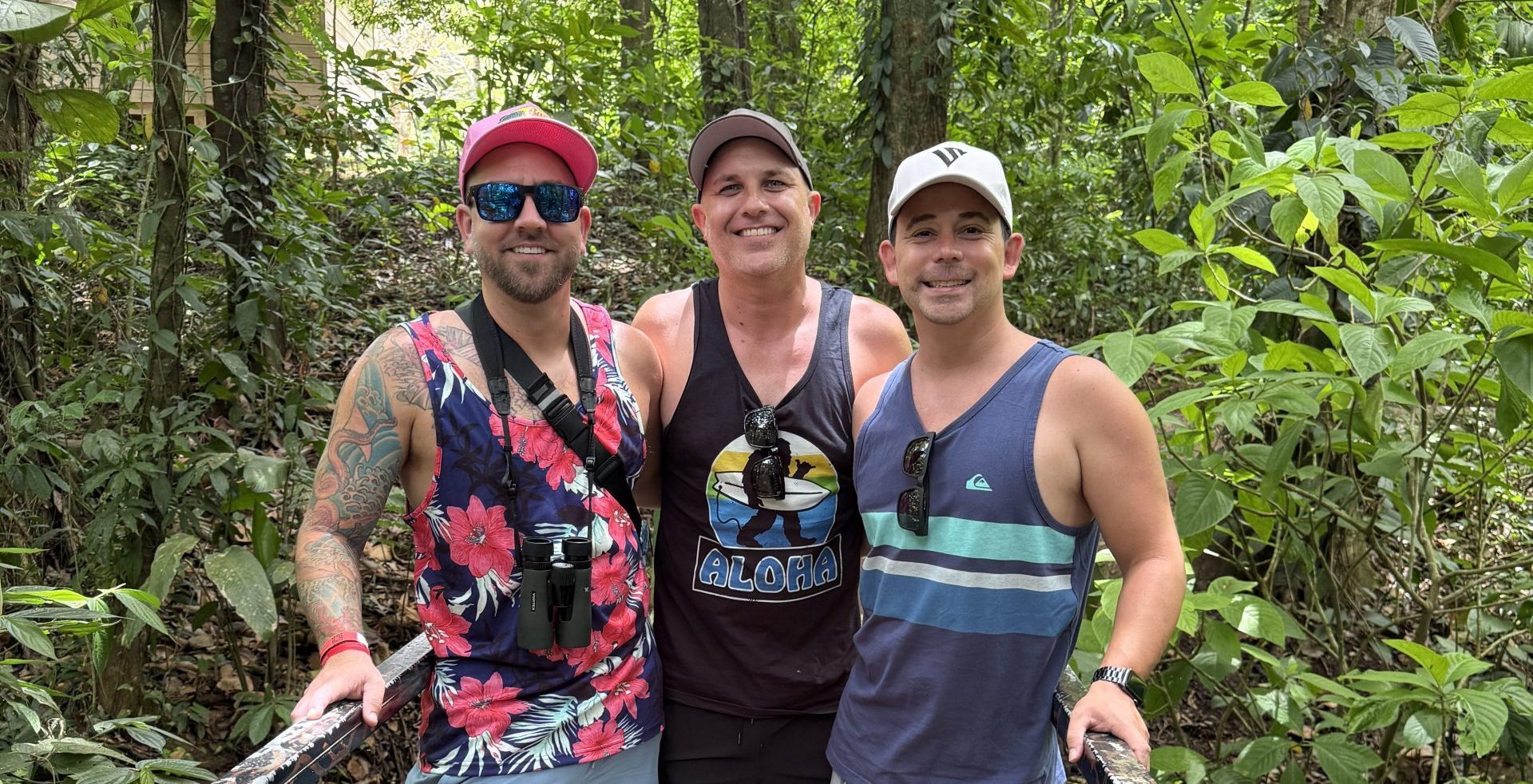
In addition to the growing list of sexualities, we’re expanding how we look at our relationships. Whether you’re monogamous, open, or living in a pansexual polycule, love is love. Daniel, Will, and Caleb, the hosts of the A Little Throuple Tea podcast, have invited the world into their unique relationship to show them the ins and outs of throuple life.
This tell-all podcast is one part of 3Dudes1Life Creative, which also includes a romantic memoir series, Tres Amigos, Una Vida, and a budding lifestyle brand that’s destigmatizing living and loving in a threesome.
You’ve got Will, the HBIC with the clipboard and mastermind behind creating this whole enterprise. You’ve got Caleb, the grounded, pragmatic one with a dry sense of humor. Then there’s Daniel, the creative who brings humor, creativity, and spirituality into the mix.
The guys took some time to share their origin story and how they make it all work. They are also quick to dispel any fantastical fixations and morbid misconceptions about their romance. They’re direct, plainspoken, and most importantly grounded in a relationship they’ve built that works for them.
So how did you all meet?
Will: I moved to Southern California from South Dakota in 2006 for college and met Caleb later that year before going out to Rich’s one night. He was in the Navy, and our friends set us up. We have been together ever since.
In 2010, we met Daniel through nightlife and started a friendship. We actually tried the “throuple” thing back in 2011, but it didn’t last long. We continued our friendship after that, but in 2016, after a trip to the Dominican Republic, our second attempt at a throuple began. Since then, we have been together for over a decade, enjoying this wild ride called life.
Caleb: I came from a small city in West Texas, Lubbock. I was 20 at the time, renting a cheap hotel in downtown, and drinking with shipmates was the usual. After seeing places like Australia, Hong Kong, Japan, Dubai, and Malaysia, I had a shipmate tell me about her friend who was single. By the time we got back to port, her single friend was no longer single, but they did introduce me to Will.
He tried to seduce me by introducing himself in just a towel, which worked. After going out that night, we started to hang out every weekend. And then soon after that, I was moving in with him, and the rest is history.
Daniel was an avid bar goer who spent at least 6 nights a week bar hopping. Will, being the hip-hop DJ that he is, would draw Daniel and his friends to his dance floor. Soon after, they started talking on Facebook and a friendship blossomed. One night, when Will was DJing, Daniel and his friends, of course, came out to dance. I came out later that night, and when I went to go say hi to Will, he told me that Daniel was there and pointed him out on the dance floor.
The night was mostly a blur after that from shots, drinks, Daniel backing it up on me, and ending with some greasy food. I’m pretty sure they all crashed at our place that night cause pretty much every weekend after that, Daniel and his friends were crashing at our place.
Daniel: We all met in Hillcrest while Will was DJing back in 2010. I had always known who Will was from the local scene, but our actual introduction happened when he sent me a Facebook message offering to get me into the bar for free. That night, I met both Will and Caleb, and the rest is history.
What do you feel is the biggest misconception about being in a throuple?
Daniel: The biggest misconception is that a throuple is all about sex. In reality, our relationship is like any other. We have conversations, challenges, ups and downs, quality time together, and yes, intimacy too. It’s all about balance.
Caleb: I think that the biggest misconception is that because we are a polyamorous relationship, we are open in our relationship. Now, yes, Will and I weren’t open per-say but we did have some hot, heated times, and we always played together. I think if we didn’t have some occasional fun together, the idea of being a throuple would have been out of the question. But as soon as we became an official throuple, we closed the door and are monogamous now.
Will: That someone must be a “homewrecker” or that the original couple must not have been happy together. It’s almost as if people think adding a third person will somehow fix a struggling relationship. For us, the evolution from friendship to partners happened naturally. Adding a third personality and dynamic to a relationship doesn’t fix problems—if anything, it requires a lot more communication, trust, and work to make it successful.
Another misconception is that it’s just a phase. Maybe for some people it is, but for us it definitely isn’t. We’ve built a life together, and in the end, it has made all three of us better men.
What inspired the podcast?
Caleb: This is a Will question, lol. After having a great success with an LGBTQ+ day at state and county fairs called “Out at the Fair”, current political views quickly turned what was a successful, family-friendly LGBTQ+ day into the “red-headed stepchild” no one wanted.
So Will did what any CEO would do; he pivoted! He saw how popular “Out at the Fair” was, along with a few side hustles; we had an Etsy that was gaining traction, and for some reason people wanted to know who we were. So he started a blog. Then the blog very quickly became the podcast.
Will: We have been told for years that we should record our life and share our story. Over the last year, I experienced some major changes in our business, and it gave us the opportunity to pivot in a new direction.
Instead of dwelling on things we couldn’t control, we decided to turn that frustration and uncertainty into a creative project. That’s how the podcast was born. It became a way for us to share our experiences, our relationship, and the ups and downs of life with the world.
When we first got together, there really weren’t many examples of long-term throuples living normal lives. We wanted people to see that our life isn’t all that different from anyone else’s. We work, pay bills, argue about dinner, take care of our dogs, and try to build a future together.
At the end of the day, it’s really just three guys talking about life, love, chaos, and everything in between—and people seem to connect with that.
Daniel: The inspiration mainly came from our Instagram page. We get a lot of questions about how our relationship works, where we’re from, and how we met. With the following we built on Instagram, Will had the idea of starting a podcast and sharing more of our lives through conversations on a mic and camera. The podcast gives people a chance to hear answers to their questions while also seeing our authentic personalities, how we communicate, and how much we tease each other. It’s been a lot of fun to create.
Do you think anyone could be in a throuple, or do you feel you’re uniquely suited for each other?
Will: I don’t think being in a throuple is for everyone, and that’s okay. We can tell by some of the reactions, facial expressions, and comments we receive that it isn’t something everyone understands or would want for themselves.
But for the people it does work for, it can be amazing—and really, that’s all that matters. At the end of the day, every relationship is unique. Ours just happens to have three people instead of two.
Daniel: I think anyone could be in a throuple if the connection, communication, and mutual respect are there. That said, I’ve had many people tell me they couldn’t do it because they’d be too jealous or wouldn’t want to share their partner. I understand that feeling. In my experience, jealousy often shows up when someone doesn’t feel secure, equal, or heard. Communication is what helps navigate those feelings. When everyone feels valued and understood, a throuple can be an incredibly loving and supportive relationship.
Caleb: No, I don’t think a throuple is for everyone. They are not for the weak-hearted. And I feel like you have to be emotionally mature. I say that because, like all relationships, jealousy can play a huge role, especially when there are more than 2 people in a relationship.
What do you think is the secret to your relationship success?
Daniel: I call it the “triangle of support.” We’re able to balance each other and lean on one another. If a misunderstanding or disagreement happens, the third person can often provide perspective and help us better understand each other. I also think our success comes from the fact that we were friends first. We know each other deeply, understand how each person communicates, and genuinely enjoy spending time together.
Will: Communication. I know most would say, ‘Well, duh,’ but when you add a third personality, family, career, schedule, and life into the mix, communication becomes even more important. If you aren’t talking about everything and anything, it’s easy for someone to feel left out or not included. Honestly, our group chat is ridiculous, but it’s also one of the reasons we thrive. We stay connected throughout the day, work through issues as they come up, and make sure everyone feels heard. It may sound simple, but consistent communication has been the foundation of our relationship’s success.
Caleb: I guess really there’s nothing different than a traditional relationship. We try to make a monthly date night, we take vacations together, we give each other our space when we need it and support each other when it’s too hard to stand. And of course we try to keep it spicy in the bedroom. It is easier to spice things up when you have 2 ‘joysticks’ to play with.
What would you say is the most important aspect of your relationship?
Daniel: Communication and the ability to be silly together. We joke with each other constantly, and that keeps life fun. Being able to laugh together makes even stressful situations feel a little lighter.
Will: The most important aspect of our relationship is knowing that none of us ever has to face life alone. No matter how bad the day is or how difficult a situation becomes, there is always someone there to lean on. We call it our “triangle of support.” When one of us is struggling, the other two are there to help carry the load. At the end of the day, knowing you are loved, supported, and never alone is a pretty powerful thing.
Caleb: Us 3 are all totally different personalities! I think that’s why we work so great together. Otherwise life would just be too boring.
Check out their 3Dudes1Life app to access their podcast, their book, and more!
And look for more of these guys on the Los Angeles Blade. Part 2 of our interview with them, answering relationship questions, is on the way, and we will be sharing the latest episodes of their podcast right here!
Features
Preserving our stories: Dr. Lydia Otero on memory, community, and queer history
Historian and activist Dr. Lydia Otero explains how the everyday moments of 1987 uncover powerful stories of identity, resilience, and community that still resonate today.
Activist, author, and queer historian Dr. Lydia Otero has spent their life documenting the stories that are often left out of many historical records. In their latest book, L.A. Interchanges: A Brown & Queer Archival Memoir, Otero combines personal memory and meticulously preserved archival materials to spotlight the everyday experiences of a Brown, queer life in Los Angeles during the late 1980s. Rather than focusing solely on landmark events, Otero shares how ordinary moments, community organizing, and personal artifacts become powerful evidence of queer history.
Ahead of their August 16 lecture, 1987: Reflections on a Brown and Queer Life in Los Angeles, at One Gallery, we had the opportunity to speak with Otero about archives, activism, and the significance of preserving queer history. In the interview, Otero explores how one seemingly ordinary year reveals larger truths about identity, resilience, and the ongoing work of ensuring queer people of color remain visible in both the historical record and the future.
Your upcoming lecture is titled 1987: Reflections on a Brown and Queer Life in Los Angeles. Why did you choose to center your talk on this specific year? What made it such a pivotal moment in your journey?
I wouldn’t call 1987 a pivotal year. In many ways, it was an ordinary year in my life. That’s precisely what interests me. Rather than trying to tell the story of my entire life, I focus on a single year, specific experiences, and what they reveal about a much larger queer history.
What surprised you most when you revisited your own memories and personal archives nearly four decades later?
What surprised me most was realizing how much I had saved. I moved multiple times while living in Los Angeles, yet somehow I always prioritized keeping calendars, flyers, photographs, and other documents. I wasn’t consciously creating an archive, but I was preserving a record of my life. Nearly four decades later, those ordinary items became invaluable in helping me reconstruct the past.
Memory can be unreliable. How did you balance your own personal recollection with archival evidence while preparing for this lecture?
Memory is never perfect, which is why I don’t rely on memory alone. I wrote L.A. Interchanges as an archival memoir, using photographs, calendars, flyers, news clippings, and other documents to guide and verify my recollections whenever possible. It’s still my story and my perspective, but I wanted readers to see the evidence behind it. That’s why I included an archival section at the end of the book, so readers could examine many of the same materials I used to reconstruct my past.
Your work examines the intersections of race, sexuality, and place. How did Los Angeles shape your identity as both a Brown and queer person during the late 1980s?
I always felt like I was carving out a place for myself. As a working-class electrician in the construction industry, I lived paycheck to paycheck while building a life in Los Angeles. I also had to navigate racism and exclusion within parts of the predominantly white queer community, as well as homophobia within segments of the Latine community. One of my priorities was finding and organizing with other queers of color who understood many of the same struggles. Los Angeles was large enough that, despite these challenges, it offered opportunities to build community and organize around the issues that mattered most to me.
How did broader social movements (AIDS epidemic, and growing LGBTQ+ visibility) influence your own life and work?
They influenced my life immensely. The founding of ACT UP Los Angeles in 1987 was a game changer for the entire queer community. Although I supported and participated in some of its actions, I also recognized that Latine queers had needs that were not always being addressed. I felt a responsibility to serve my own community, particularly Spanish-speaking Latines who needed HIV/AIDS information and educational materials presented in Spanish and in culturally relevant ways. That commitment shaped much of my work during that period.
Your latest book, L.A. Interchanges: A Brown & Queer Archival Memoir, mixes memoir with historical research. What inspired you to experiment with this format?
I wanted to center archival materials rather than treat them as illustrations. A flyer I saved or created in the 1980s may not have seemed especially important at the time, but I kept it because it meant something to me. It took the passage of time for me to realize how precious those materials had become. They don’t just document events; they document the efforts of an ordinary person who tried to make the world a little better, one small contribution at a time. To me, that’s what an activist life is really about.
You are just as much an activist as you are a scholar, including serving as president of Gay and Lesbian Latinos Unidos and helping found Lesbianas Unidas. How has activism informed your historical writing? How has writing informed your activism?
Over time, I have come to understand how deeply my activism informs my scholarship. My years as an activist taught me to notice whose voices were missing, whose stories were overlooked, and how systems of inequality shaped people’s lives. At the time, I did not have a college degree. When I later returned to school to study history, I acquired the tools to document those experiences and place them within a broader historical context. Looking back, I see that my activism shaped the questions I ask as a historian.
Queer history is far too often overlooked or erased, especially the stories of LGBTQ+ people of color. In what ways are recovering these histories necessary in today’s political climate?
Recovering these histories is more important than ever. One of the enduring slogans of the queer movement is, “We’re here. We’re queer.” History reminds us that we were always here. That is especially important for LGBTQ+ people of color, who have too often been left out of both queer history and the histories of their own communities. Seeing Latine and queer lives documented in the historical record affirms that we have always existed, contributed, organized, and belonged. At a time marked by ICE raids, gentrification, and widening class divisions, preserving and sharing those histories is an act of visibility and resistance.
What responsibility do LGBTQ+ communities have in documenting our own stories?
I think we’ve learned that much of that responsibility falls on us. That’s one reason there is such a growing emphasis on LGBTQ+ archives, community collections, and oral histories. My talk on August 16 is a product of that commitment. It reflects the growing recognition that our shared past matters, and I’m grateful that the One Institute continues to create spaces where conversations about who we were, who we are, and where we want to go can take place.
What words of wisdom would you like to dispense to aspiring queer historians? You don’t need a formal degree to appreciate history or to help make it. History is created every day through the choices we make: attending a meeting, writing a post, supporting a new idea, joining a collective, or standing up for someone else. Live your life with the future in mind. Preserve what matters, because one day today’s ordinary moments may become the history someone else needs to understand.
One Institute Presents:
The Paul D. Lerner and Stephen Reis Lectures on LGBTQ+ History
Sunday, August 16, 2 p.m.
Dr. Lydia Otero, “1987: Reflections on a Brown and Queer Life in Los Angeles”

988 restores crisis services for LGBTQ+ youth

Renee Good’s family files two federal lawsuits

House Democrats urge White House to confront Turkish government over anti-LGBTQ+ crackdown

Victory Fund board investigates former staffers’ allegations against CEO Evan Low

10 explosions of queer history not to miss at this year’s Circa Festival

We asked WeHo City Council candidates your most pressing questions

Governor Newsom signs 6 pro-LGBTQ bills, vetoes 1

Lesbian Bar Project co-founder: purity politics could destroy our remaining spaces

Education Department rolls back protections for LGBTQ+ students under Title IX

Science takes the runway: HIV Unwrapped at NYFW
-
 West Hollywood2 days ago
We asked WeHo City Council candidates your most pressing questions
-
 California4 days ago
Governor Newsom signs 6 pro-LGBTQ bills, vetoes 1
-
 Bars & Parties4 days ago
Lesbian Bar Project co-founder: purity politics could destroy our remaining spaces
-
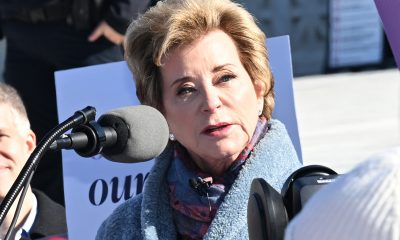 National5 days ago
Education Department rolls back protections for LGBTQ+ students under Title IX
-
 National4 days ago
HRC report: LGBTQ+ students face ‘far greater challenges’ in non-supportive states
-
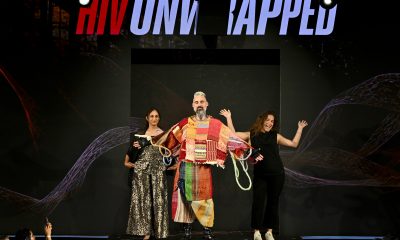 AIDS and HIV4 days ago
Science takes the runway: HIV Unwrapped at NYFW
-
 Brazil4 days ago
529 openly LGBTQ+ candidates running in Brazilian election
-
 Serbia3 days ago
Ana Brnabić becomes world’s first openly lesbian head of state
-
 Travel3 days ago
‘(Out) On the Road’ revels and reveals the joys of queer travel
-
 U.S. Federal Courts24 hours ago
Renee Good’s family files two federal lawsuits